All Scientists
281 scientists in our library
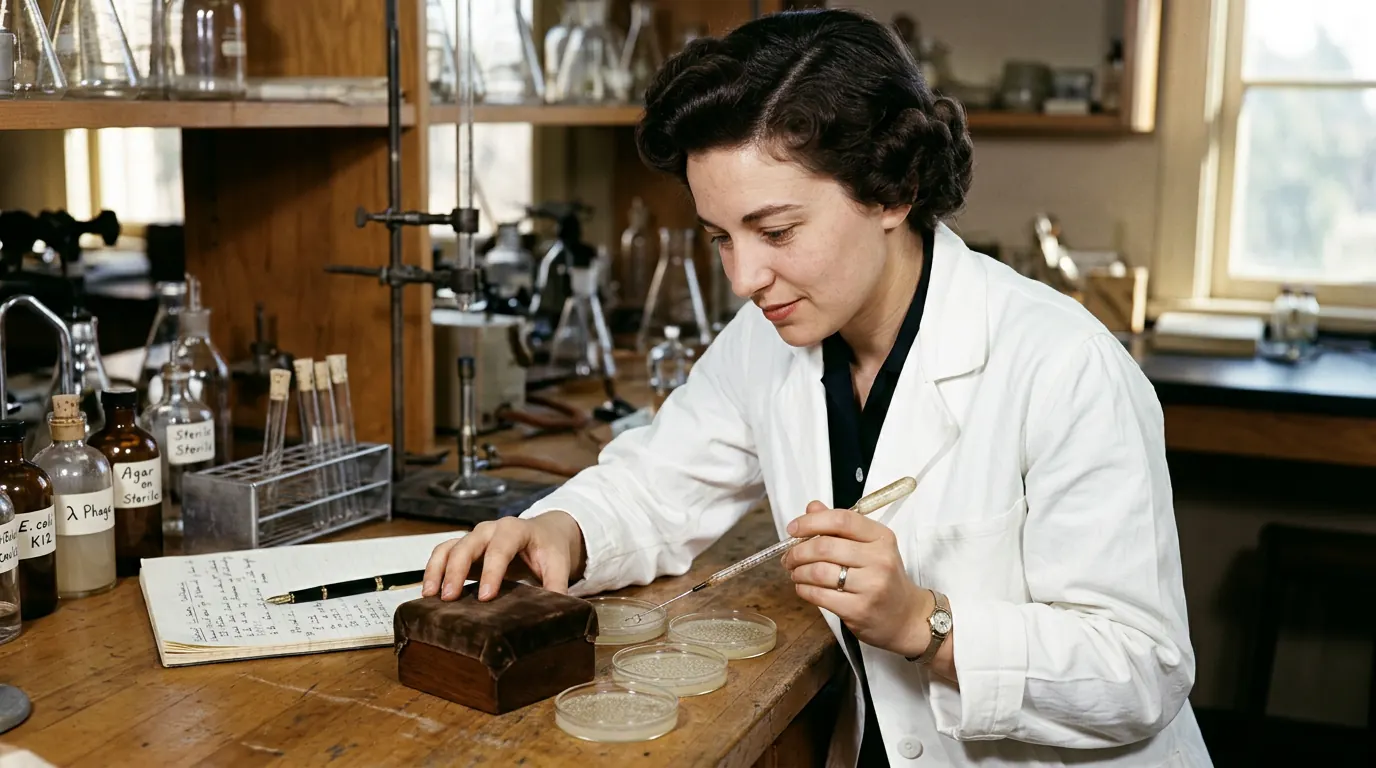
Esther Miriam Lederberg
1922–2006 · Microbial genetics
Esther Miriam Lederberg discovered bacteriophage lambda, a virus that can remain dormant in bacterial DNA, and jointly developed replica plating with Joshua Lederberg. She also contributed to research on the F factor involved in bacterial gene transfer.
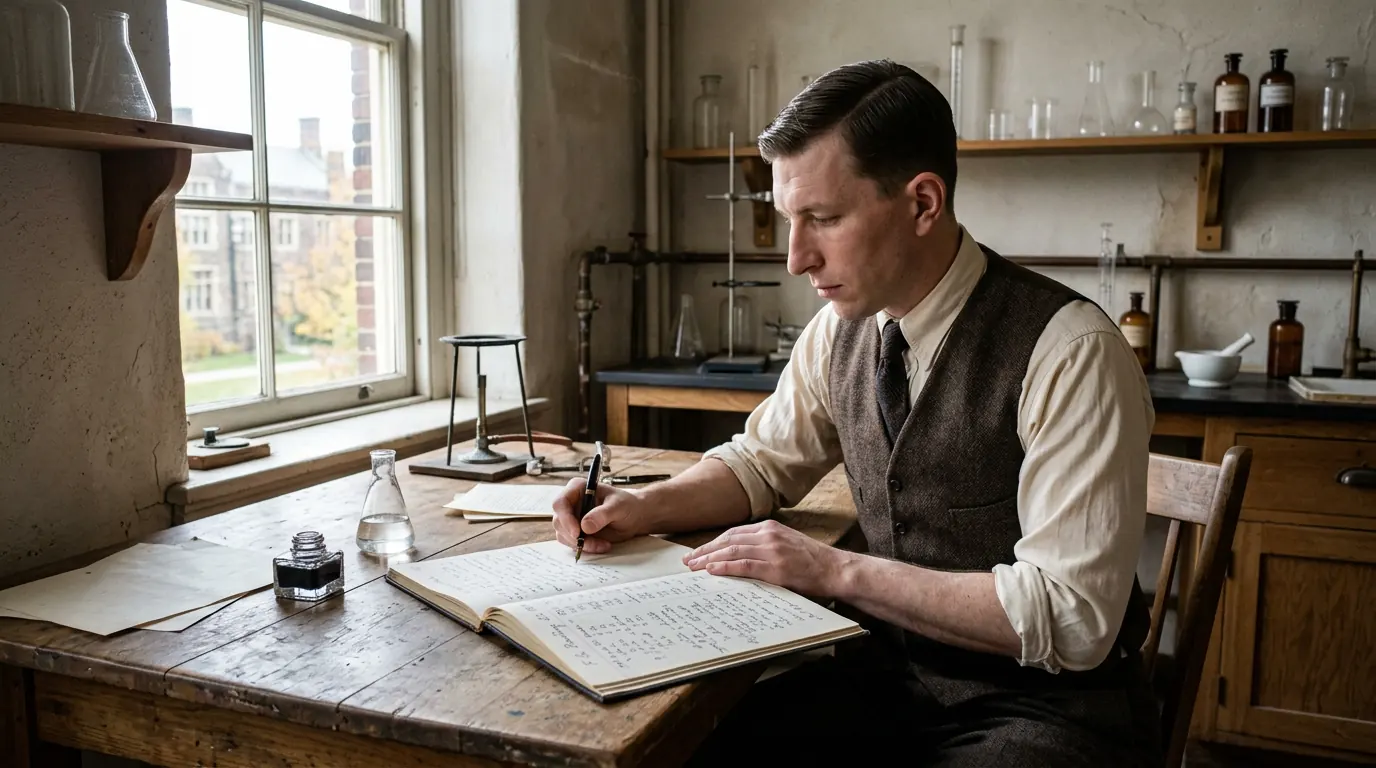
Frederick Grant Banting
1891–1941 · Diabetes and insulin research
Banting played an initiating role in the Toronto research that led to the first effective insulin treatment. In 1921 he worked with Charles Best under J. J. R. Macleod's direction; James Collip's purification work was essential before insulin could be used effectively in patients.
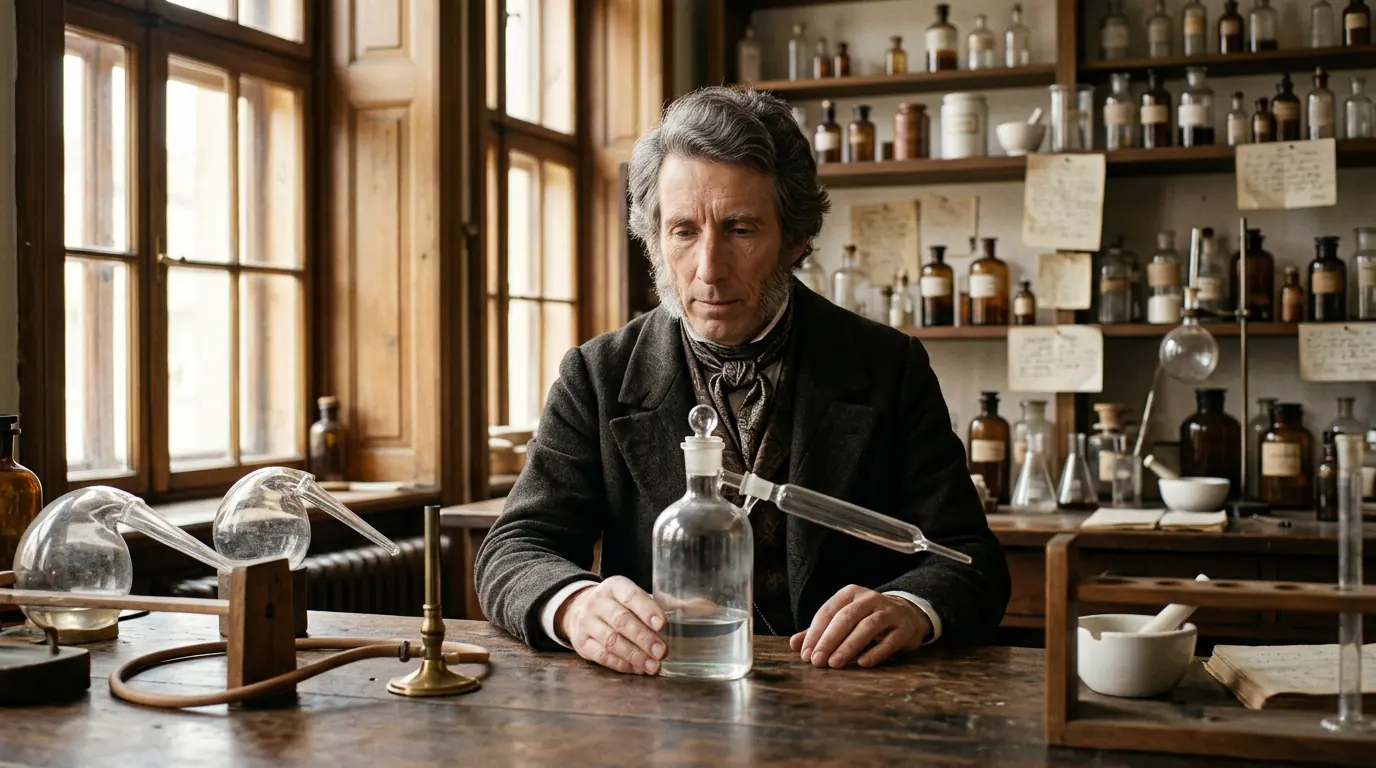
Friedrich Wöhler
1800–1882 · Organic and inorganic chemistry
Friedrich Wöhler became famous for forming urea from ammonium cyanate in 1828. The transformation showed that a familiar compound associated with living animals could be produced through ordinary laboratory chemistry, without a living organ.
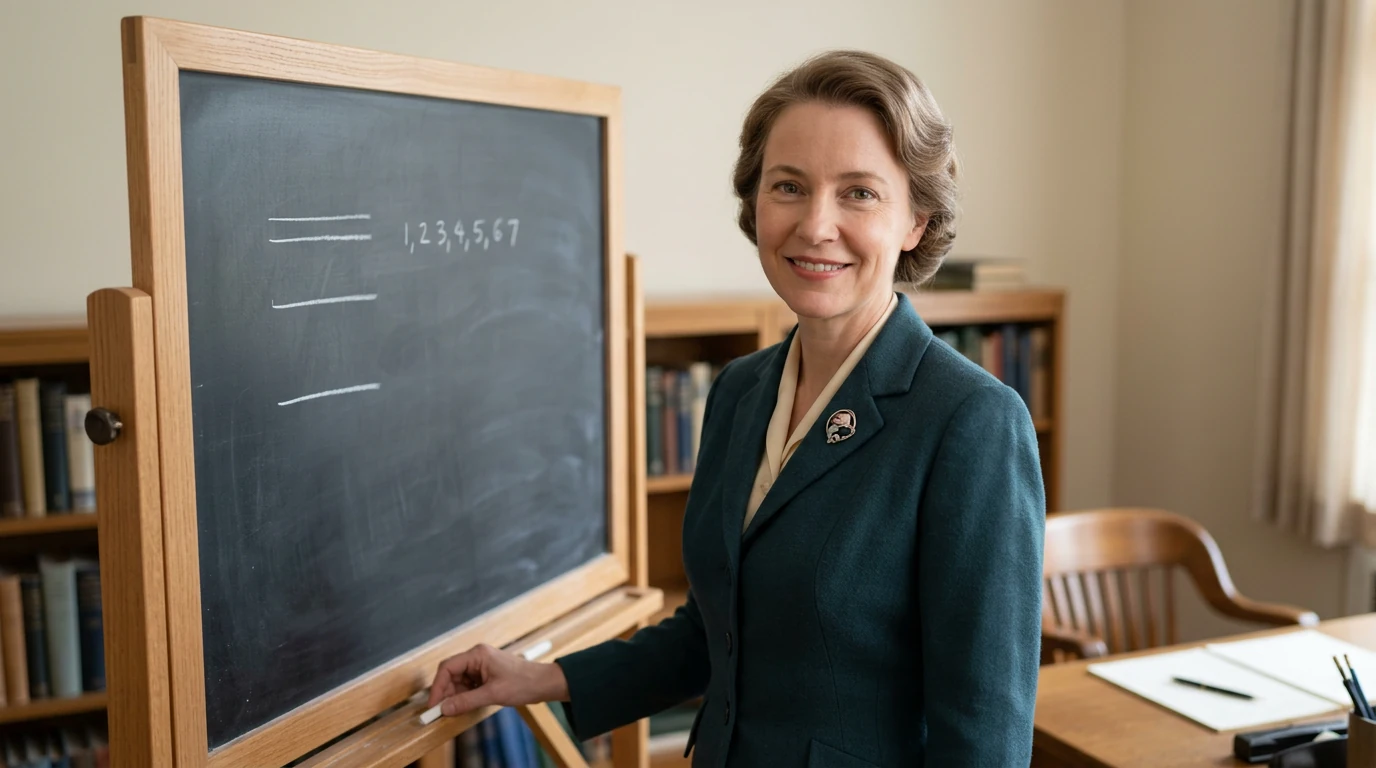
Maria Goeppert Mayer
1906–1972 · Theoretical nuclear physics and quantum mechanics
Maria Goeppert Mayer developed a nuclear shell model that explained why nuclei with certain numbers of protons or neutrons are unusually stable. In 1949 her work and an independently developed model by J. Hans D. Jensen gave the decisive explanation through the interaction between nuclear motion and spin.
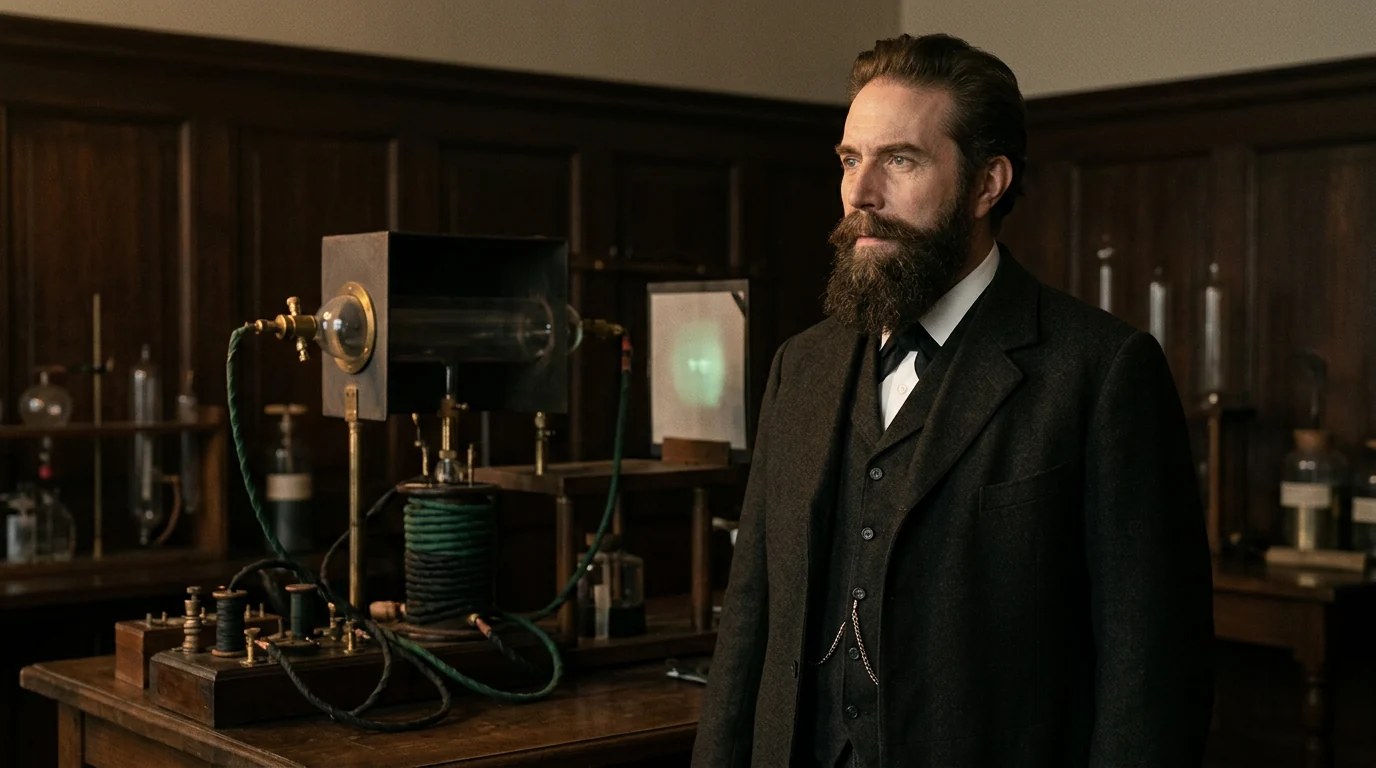
Wilhelm Conrad Röntgen
1845–1923 · Experimental physics and X-ray science
Röntgen discovered X-rays in November 1895 while investigating electrical discharges in glass tubes. He followed a mysterious fluorescent glow to a previously unknown, penetrating form of radiation and tested it with unusually careful experiments.
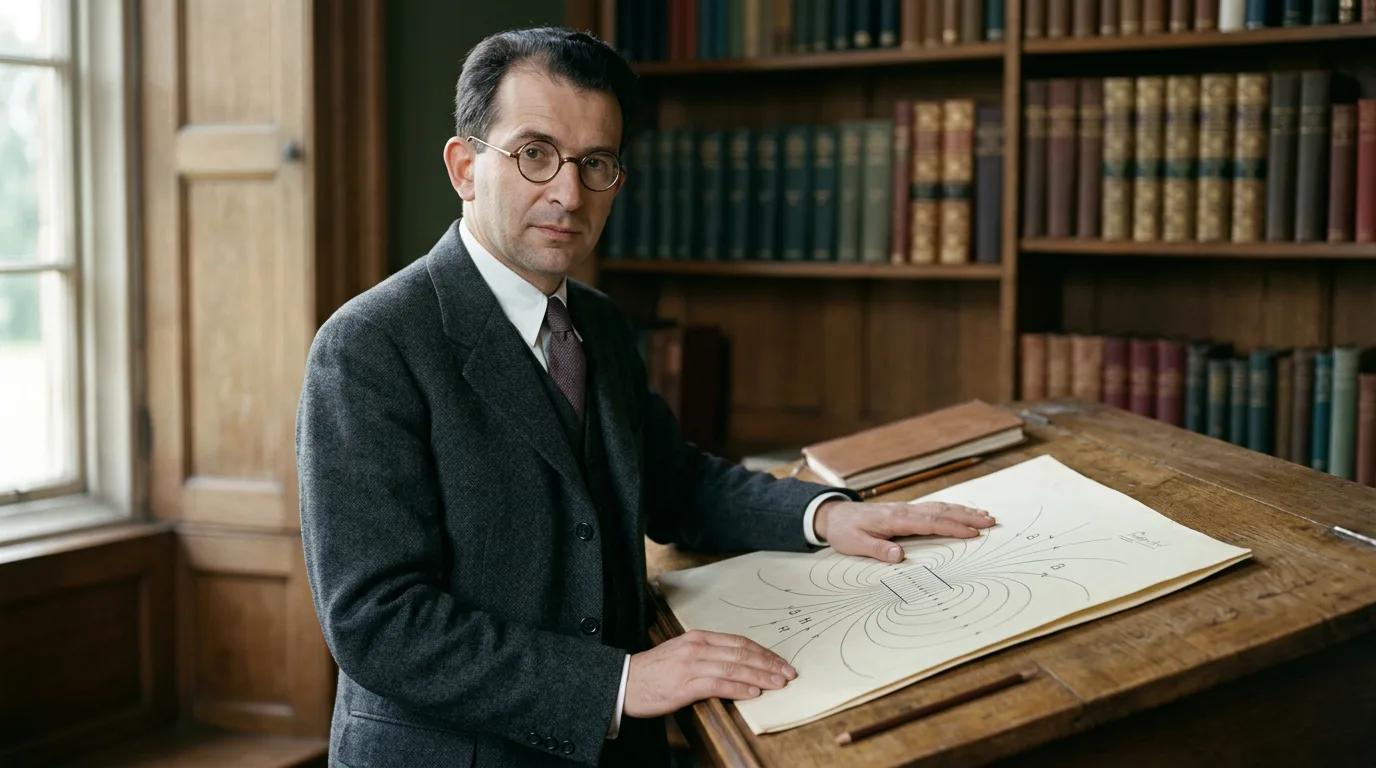
Fritz London
1900–1954 · Quantum chemistry, molecular forces and superconductivity
Fritz London co-developed the first influential quantum explanation of a covalent bond with Walter Heitler in 1927 and later made major contributions to molecular forces and superconductivity.
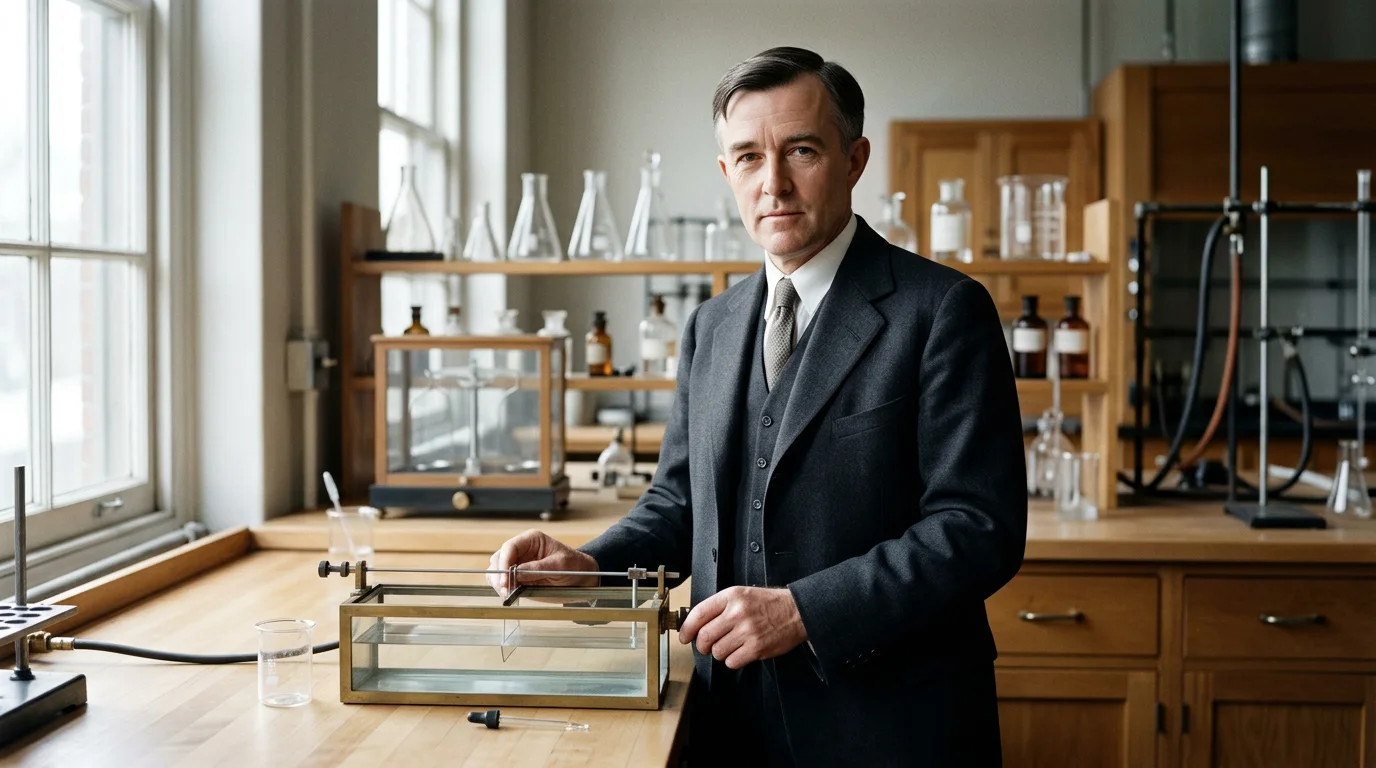
Irving Langmuir
1881–1957 · Surface chemistry, chemical bonding and industrial research
Irving Langmuir transformed the scientific understanding of surfaces and helped explain electron arrangements in chemical bonds, winning the 1932 Nobel Prize in Chemistry.
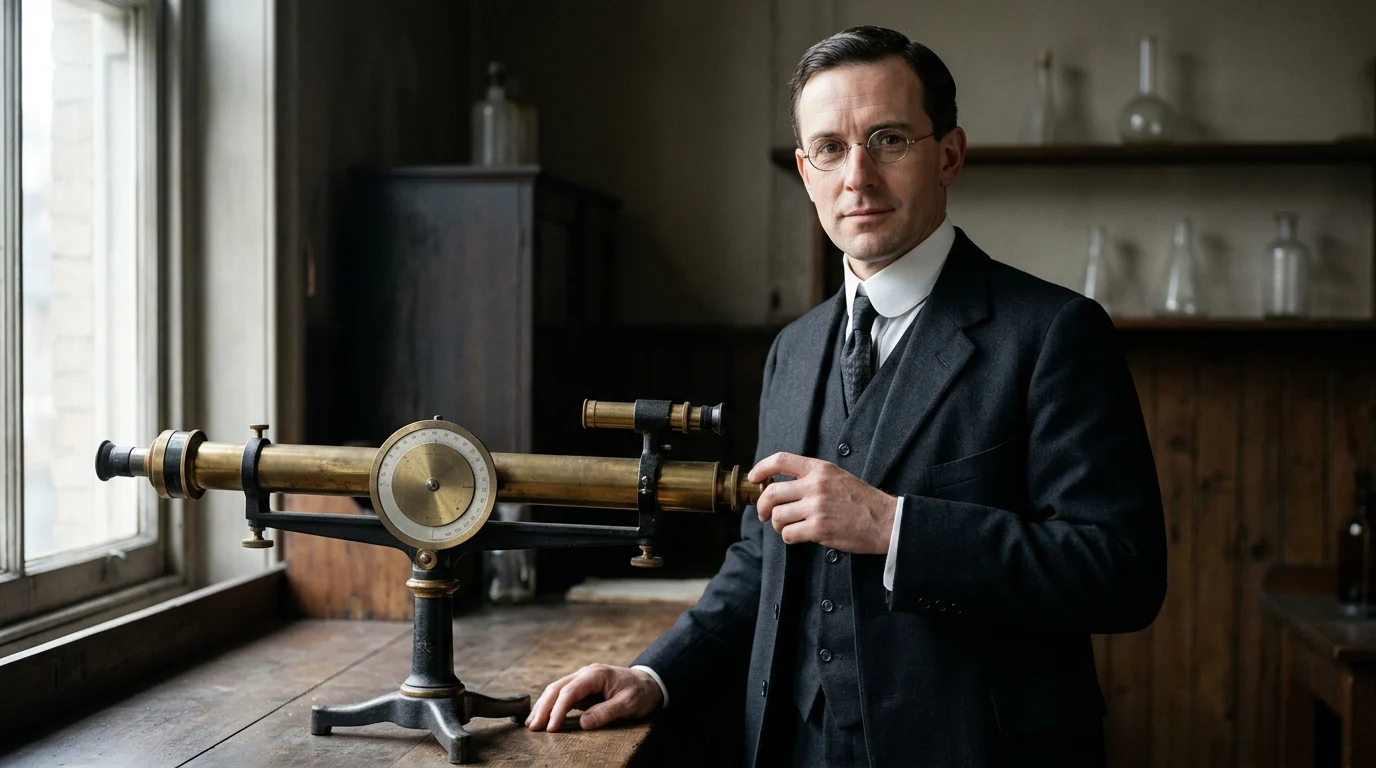
Thomas Martin Lowry
1874–1936 · Physical chemistry, acid–base theory and optical activity
Thomas Martin Lowry independently advanced a proton-based definition of acids and bases in 1923, helping explain chemical reactions far beyond water solutions.
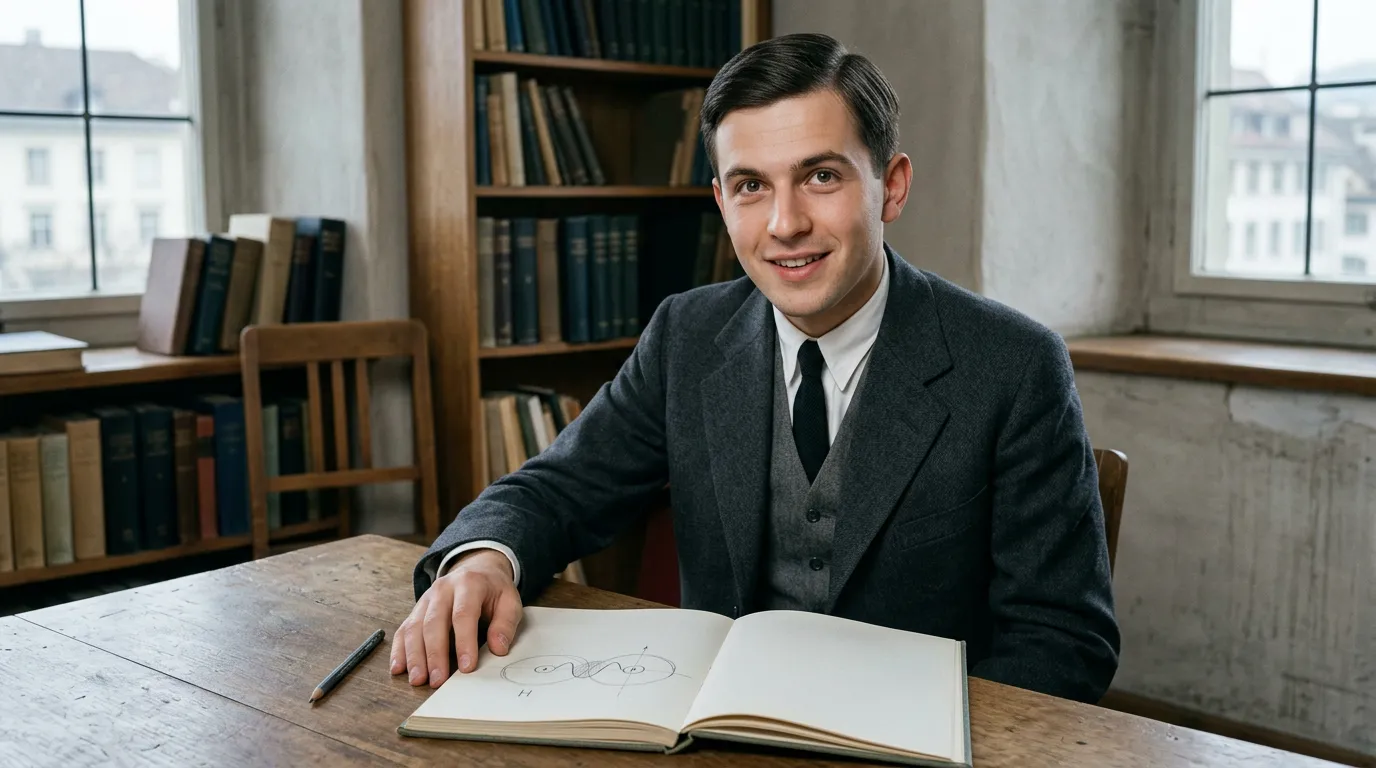
Walter Heitler
1904–1981 · Quantum mechanics, chemical bonding and theoretical physics
Walter Heitler and Fritz London used quantum mechanics in 1927 to explain a covalent bond in hydrogen, establishing a foundation of modern quantum chemistry.
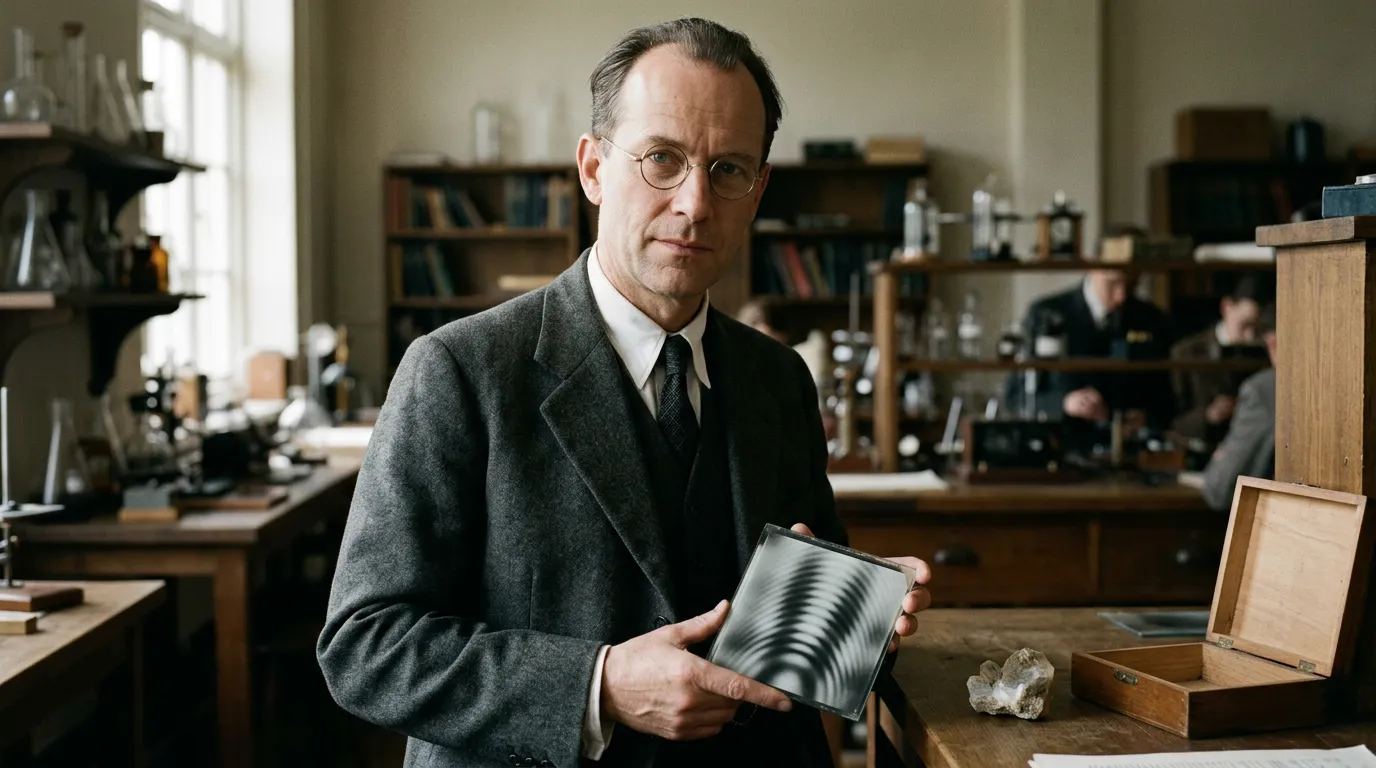
Walther Kossel
1888–1956 · Atomic physics, ionic bonding and X-ray crystallography
Walther Kossel developed an important electron-transfer account of ionic bonding in 1916 and later investigated distinctive X-ray patterns produced by crystals.
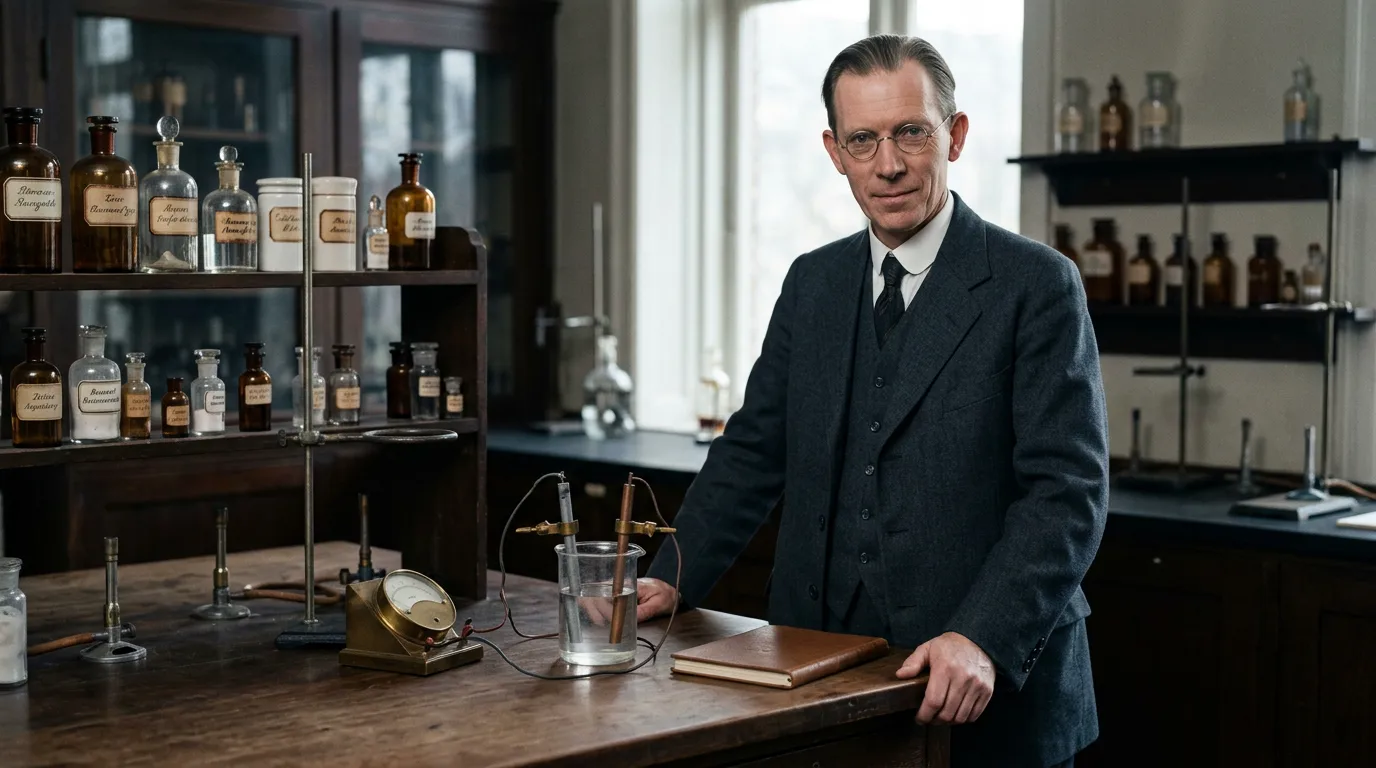
Johannes Nicolaus Brønsted
1879–1947 · Physical chemistry and acid–base theory
Johannes Brønsted independently developed a proton-transfer theory of acids and bases in 1923, now known as Brønsted–Lowry theory.
Søren Peter Lauritz Sørensen
1868–1939 · Chemistry, pH and acidity measurement
Søren Sørensen introduced the pH scale, giving chemists a simple way to express how acidic or alkaline a solution is.
Gilbert Newton Lewis
1875–1946 · Chemical bonding, thermodynamics and acids and bases
Gilbert N. Lewis developed the electron-pair model of covalent bonding and Lewis structures, transforming how chemists explain atoms sharing electrons.
Svante Arrhenius
1859–1927 · Physical chemistry, electrolytes and early climate science
Svante Arrhenius explained how dissolved substances produce ions, developed chemical kinetics concepts and calculated how atmospheric carbon dioxide might affect climate.
Alfred Sturtevant
1891–1970 · Genetic linkage and chromosome mapping
Alfred Sturtevant used recombination frequencies from fruit fly experiments to make a pioneering map showing the relative positions of genes along a chromosome.
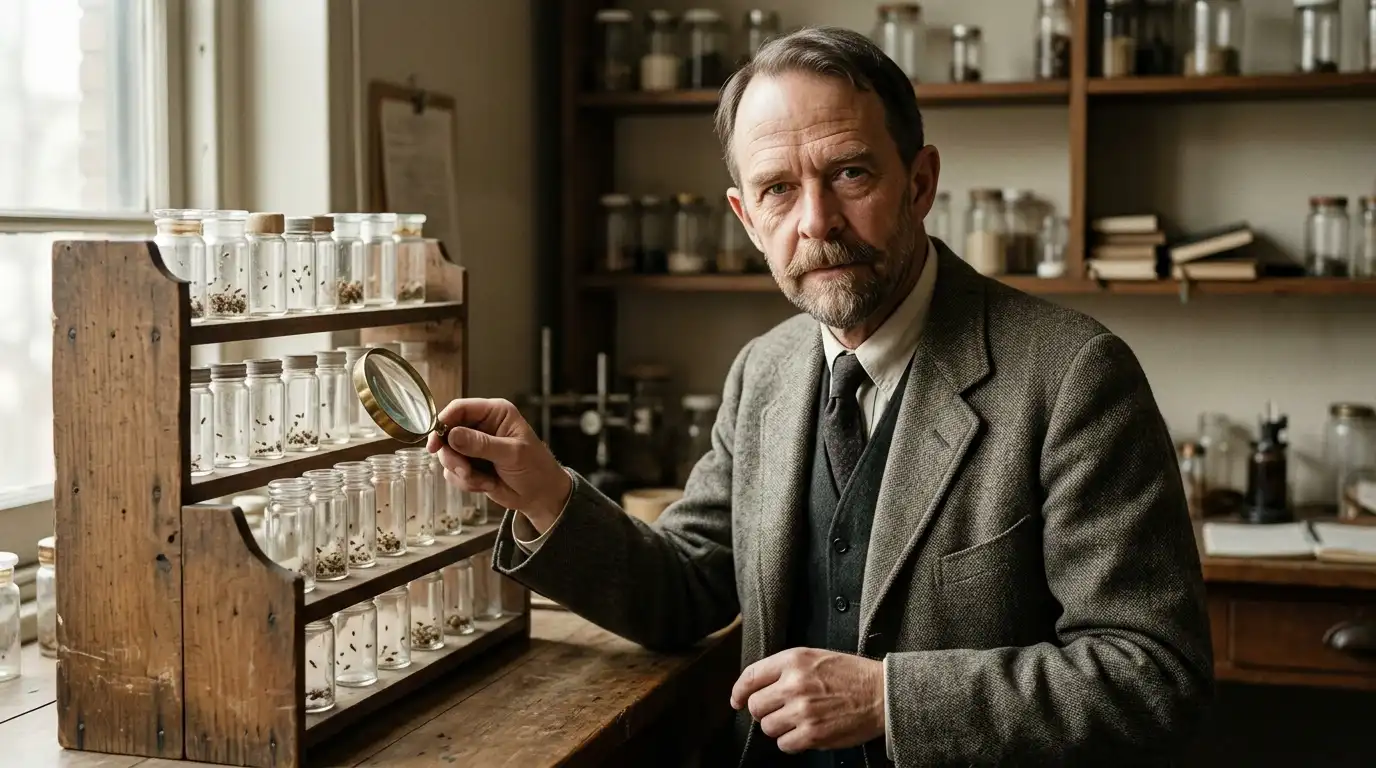
Thomas Hunt Morgan
1866–1945 · Experimental genetics and chromosome inheritance
Thomas Hunt Morgan and his research group used fruit flies to provide compelling evidence that genes are carried on chromosomes.
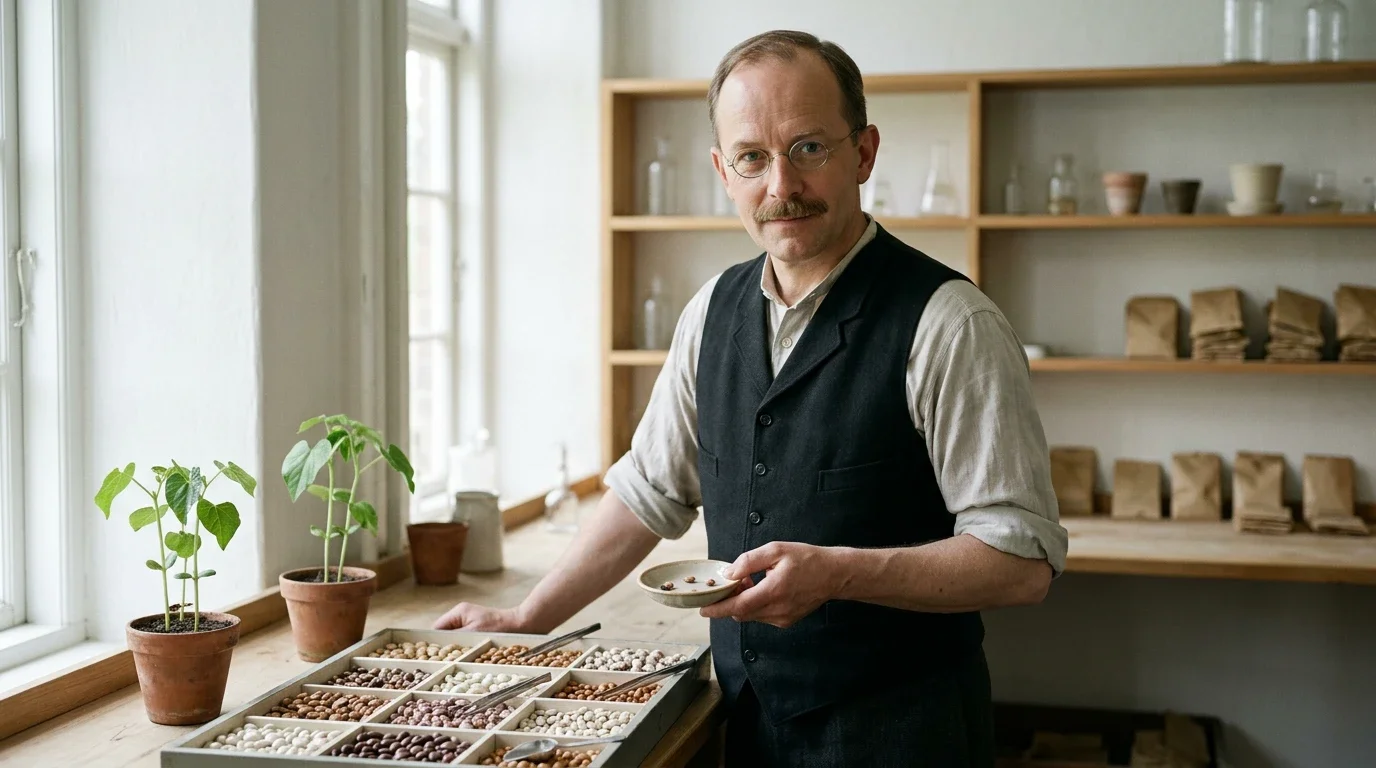
Wilhelm Johannsen
1857–1927 · Genetics, heredity and plant physiology
Wilhelm Johannsen distinguished genotype from phenotype, introduced the word gene and tested inheritance using pure lines of beans.
Theodor Boveri
1862–1915 · Experimental cell biology, embryology and chromosomes
Theodor Boveri showed why distinct chromosomes are essential for normal development and helped establish chromosome inheritance theory independently of Walter Sutton.
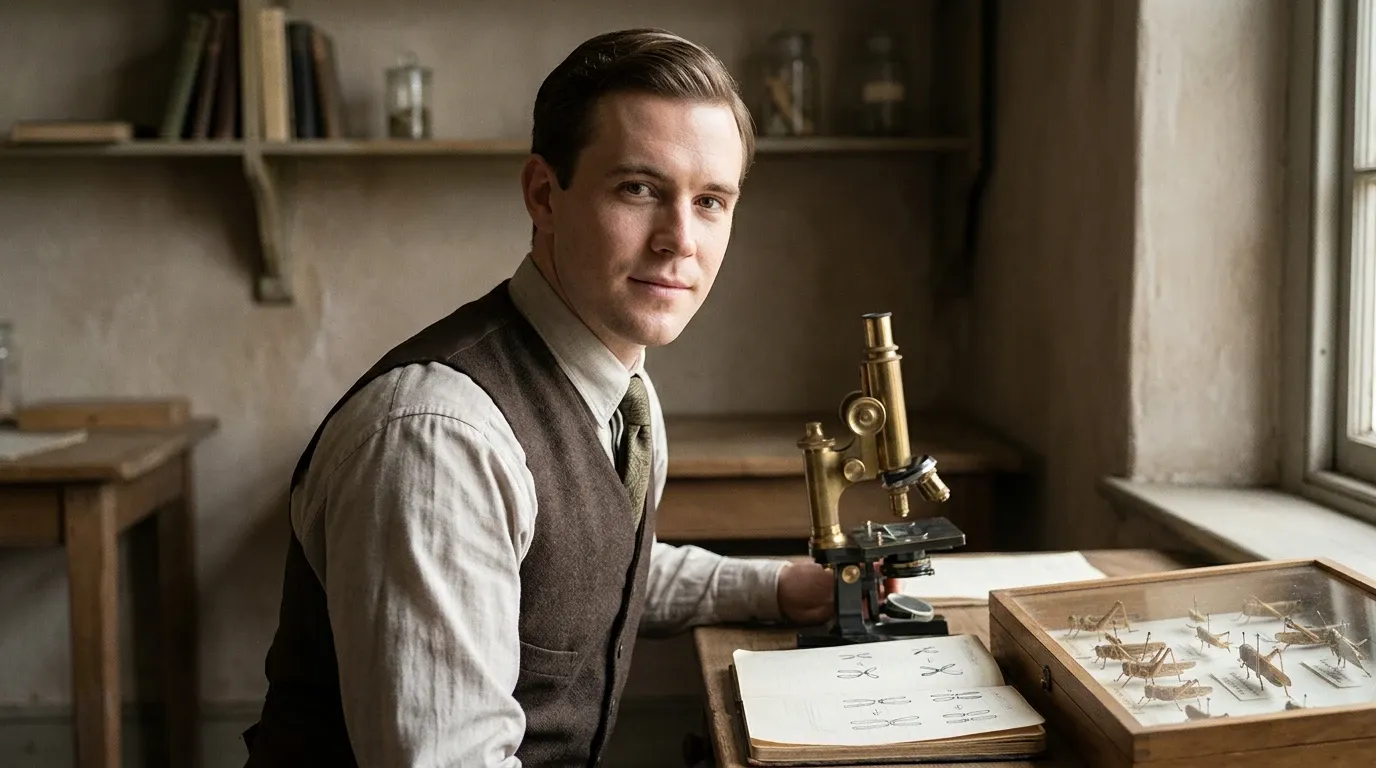
Walter Sutton
1877–1916 · Chromosome theory of inheritance and cell biology
Walter Sutton connected the separation of chromosomes during meiosis to Mendel’s laws of inheritance, independently of related work by Theodor Boveri.
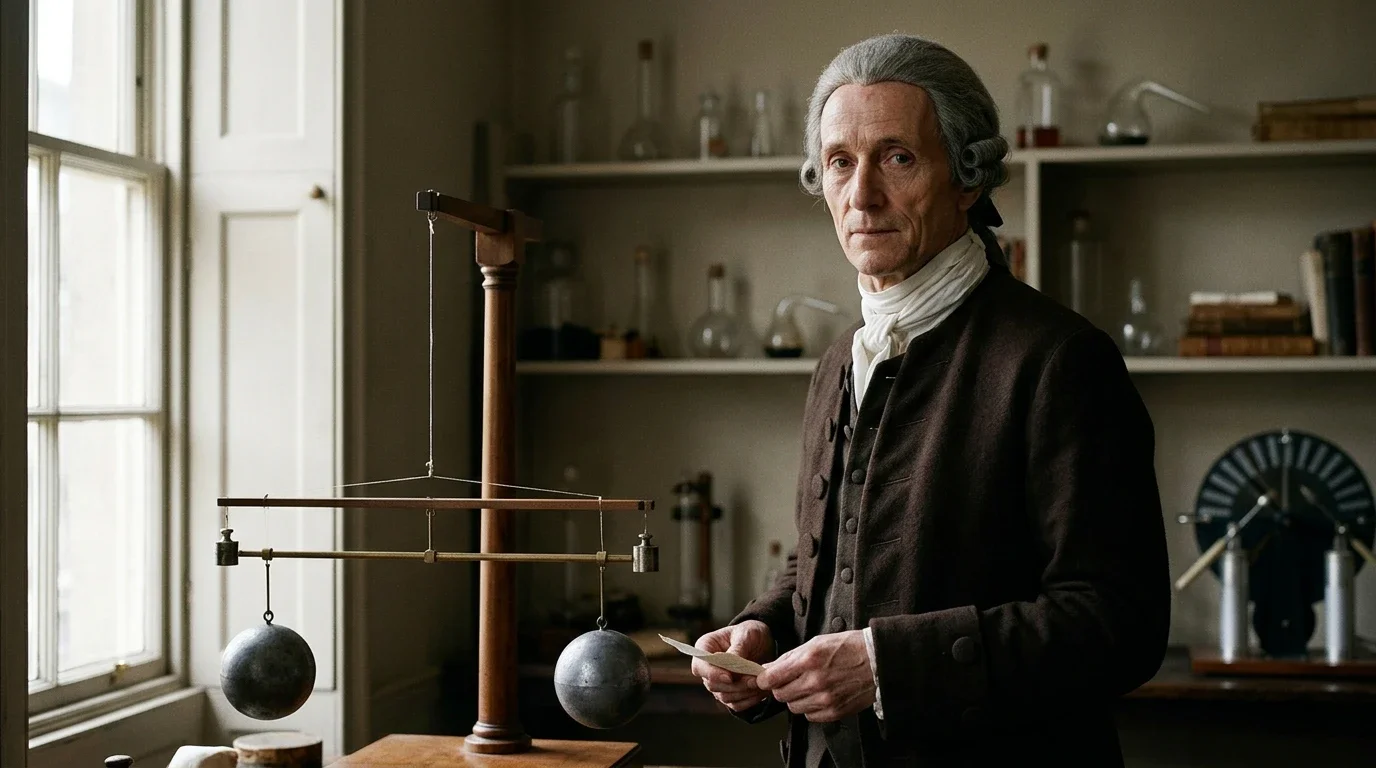
Henry Cavendish
1731–1810 · Experimental chemistry, gases and gravitation
Henry Cavendish investigated hydrogen and the composition of water and used an exceptionally sensitive torsion balance to measure the Earth’s mean density.
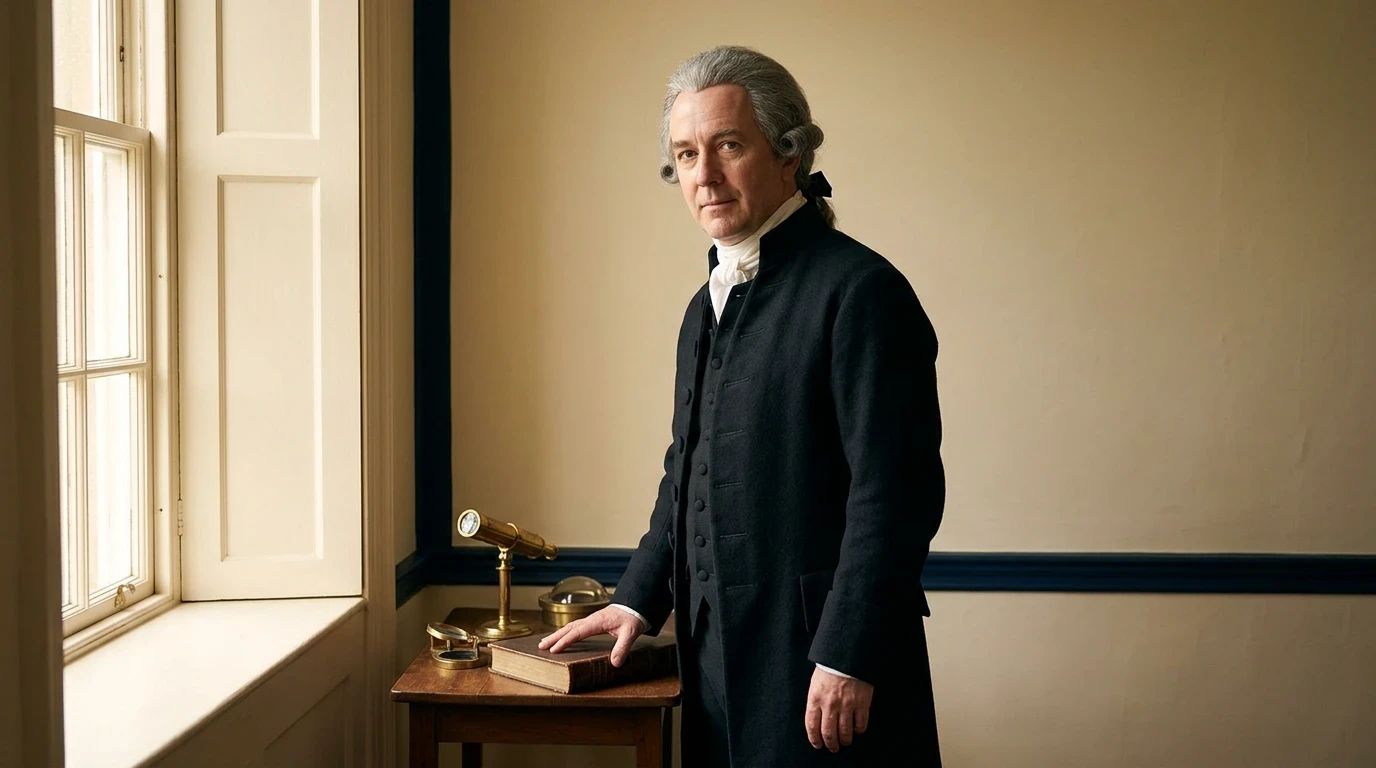
John Michell
1724–1793 · Gravitation, astronomy, magnetism and seismology
John Michell proposed dark stars from which light might not escape, studied earthquake waves and conceived the torsion-balance experiment later carried out by Henry Cavendish.
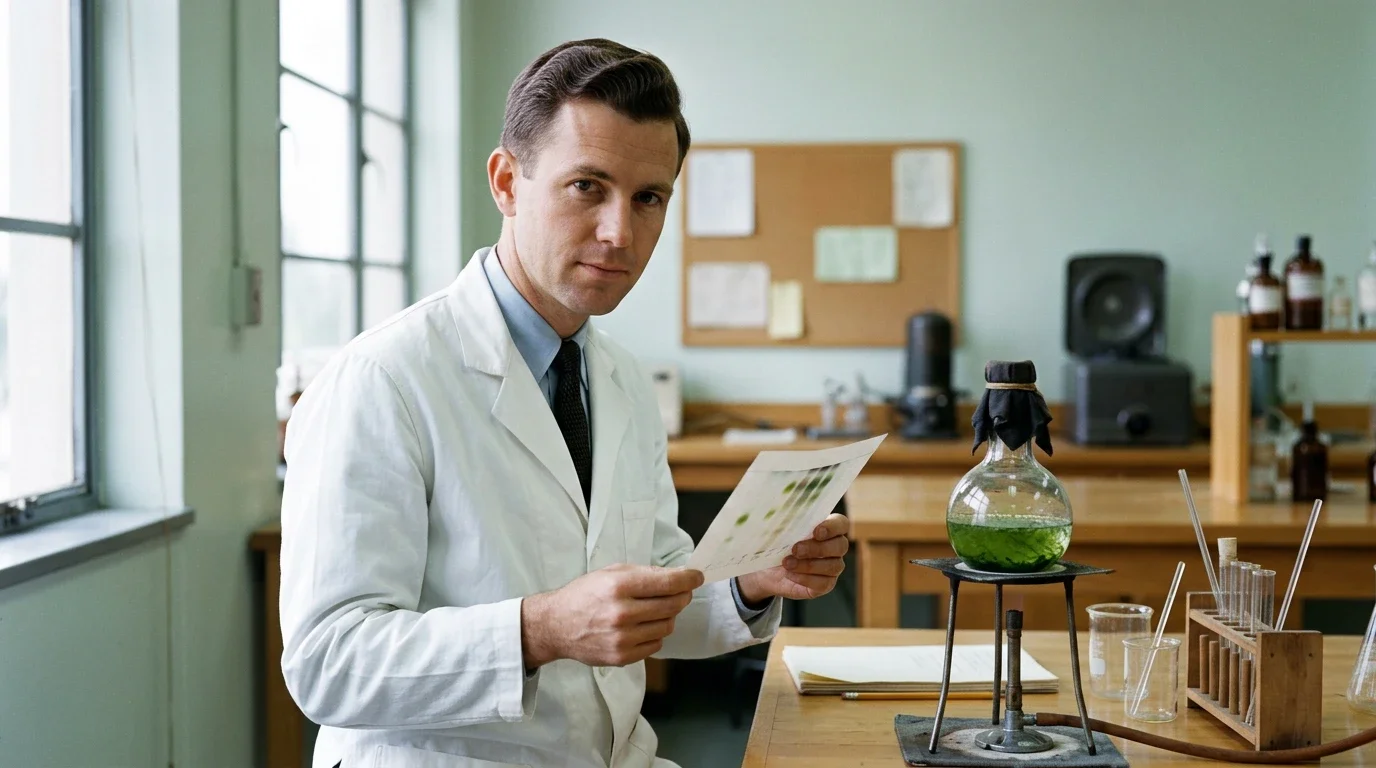
Andrew Benson
1917–2015 · Plant biochemistry and photosynthetic carbon fixation
Andrew Benson helped identify the biochemical steps by which photosynthetic organisms turn carbon dioxide into organic molecules, through work now associated with the Calvin–Benson cycle.
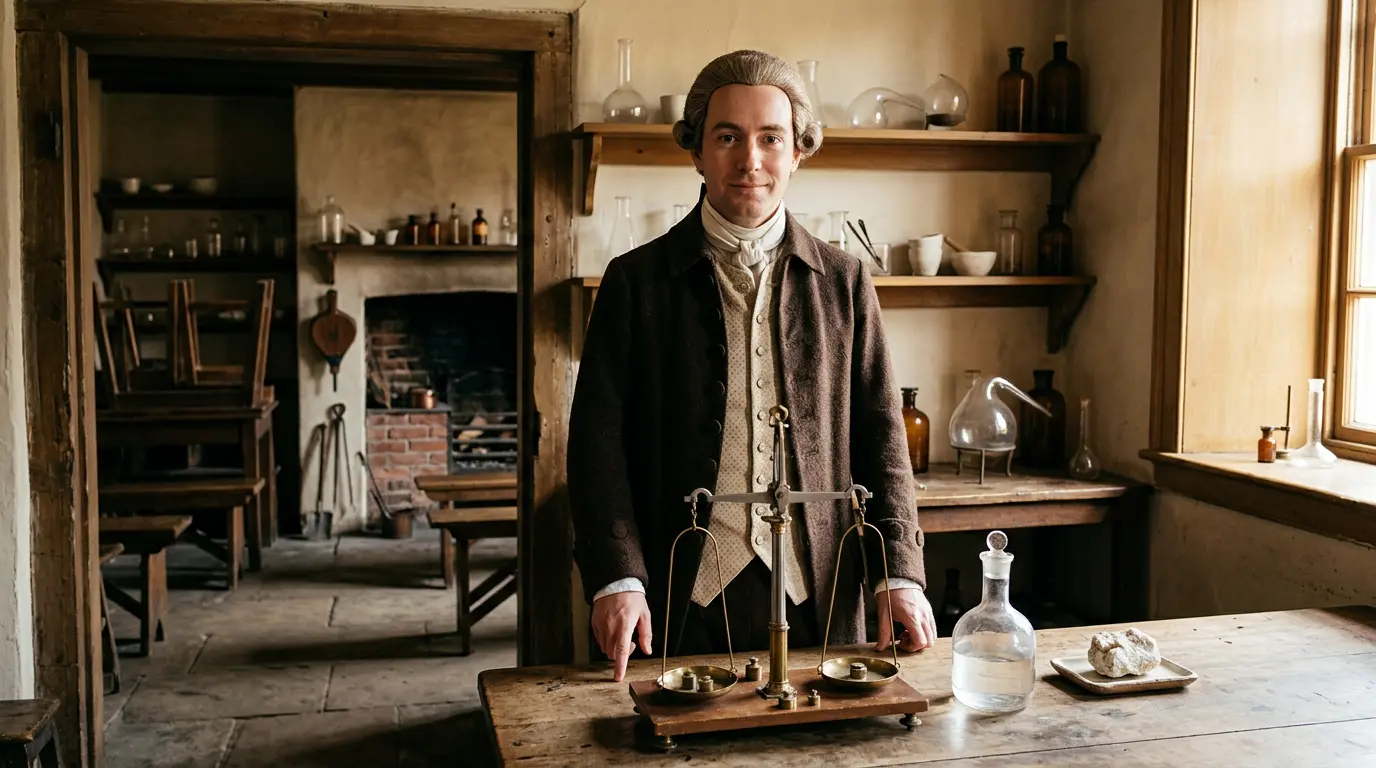
Joseph Black
1728–1799 · Heat, carbon dioxide and chemical measurement
Joseph Black investigated carbon dioxide and showed that melting and heating involve different kinds of heat transfer.
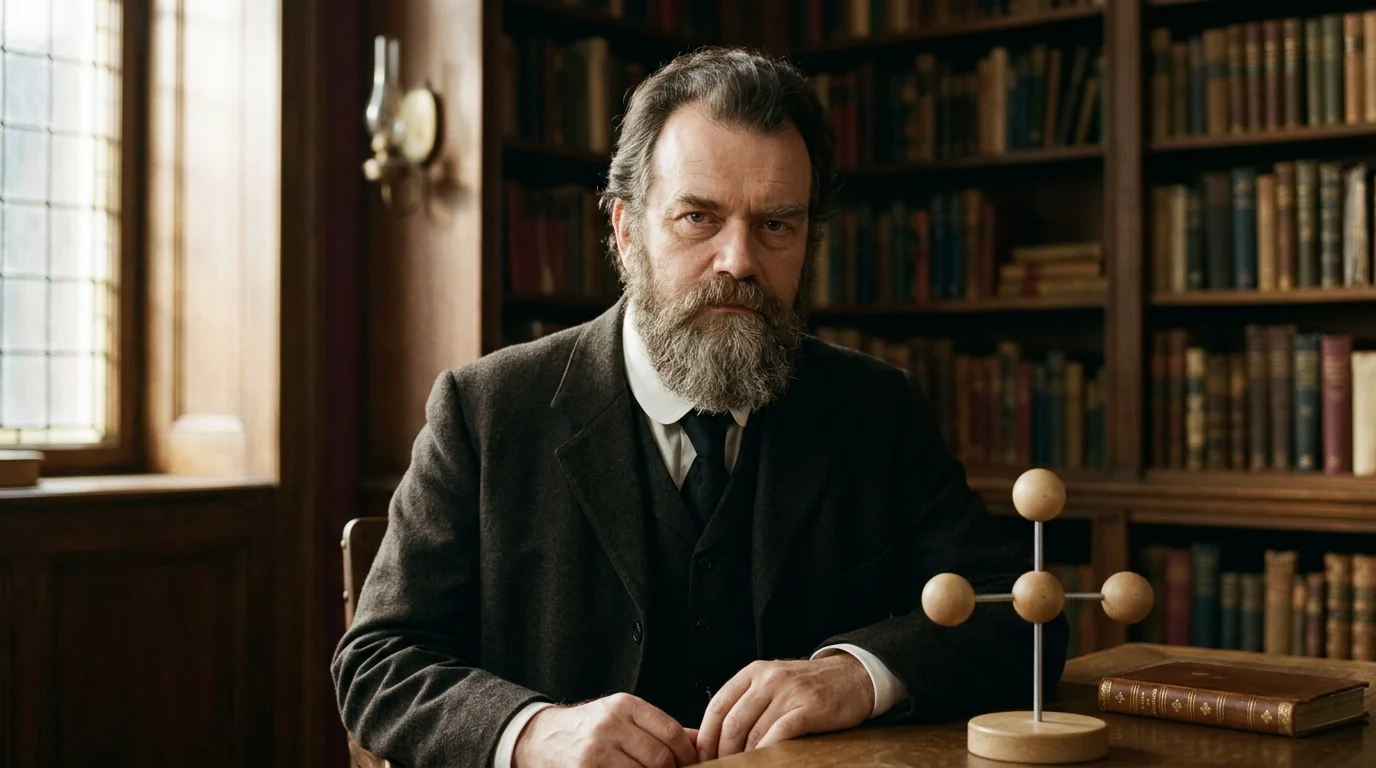
Ludwig Boltzmann
1844–1906 · Statistical mechanics and thermodynamics
Ludwig Boltzmann showed how the collective motion of huge numbers of particles explains the measurable properties of matter.
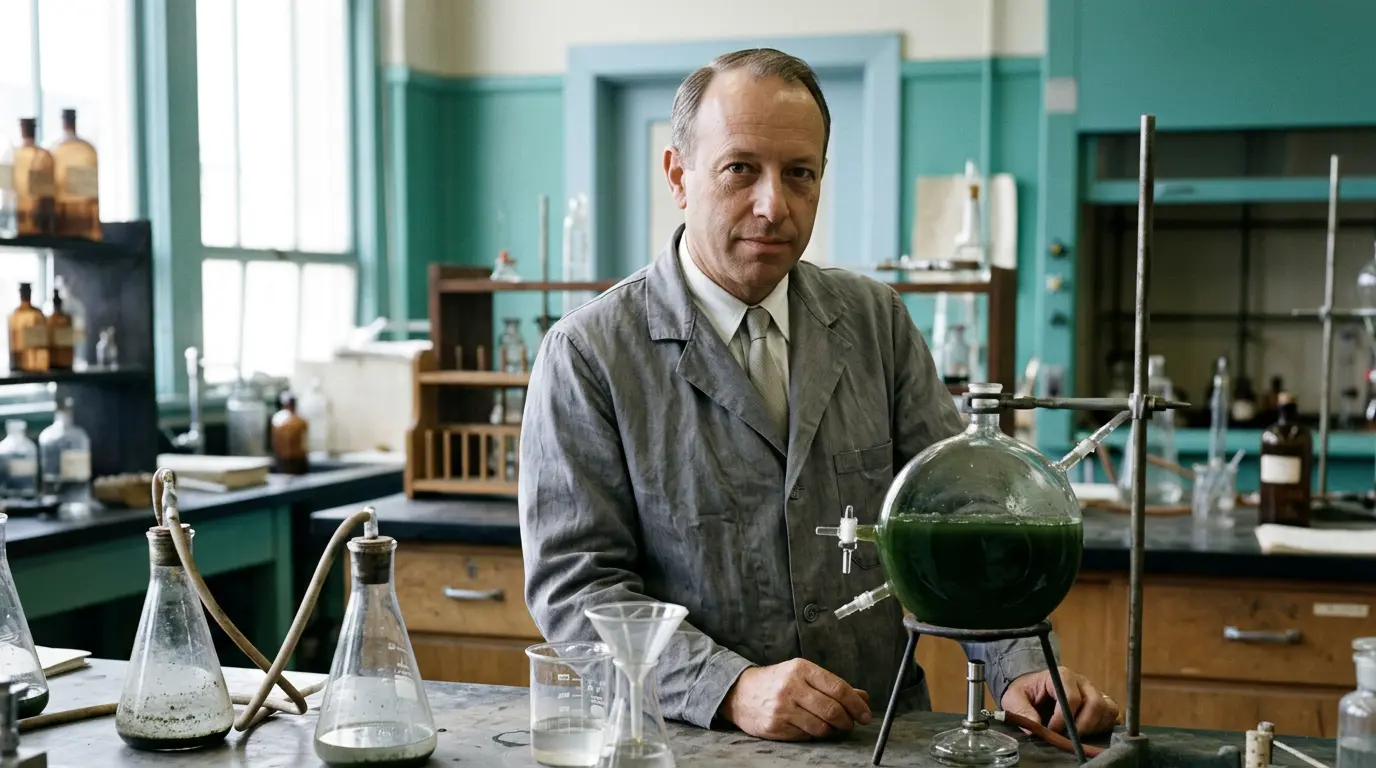
Melvin Calvin
1911–1997 · Biochemistry and carbon fixation in photosynthesis
Melvin Calvin led research using radioactive carbon to trace how photosynthetic organisms incorporate carbon dioxide into organic molecules.
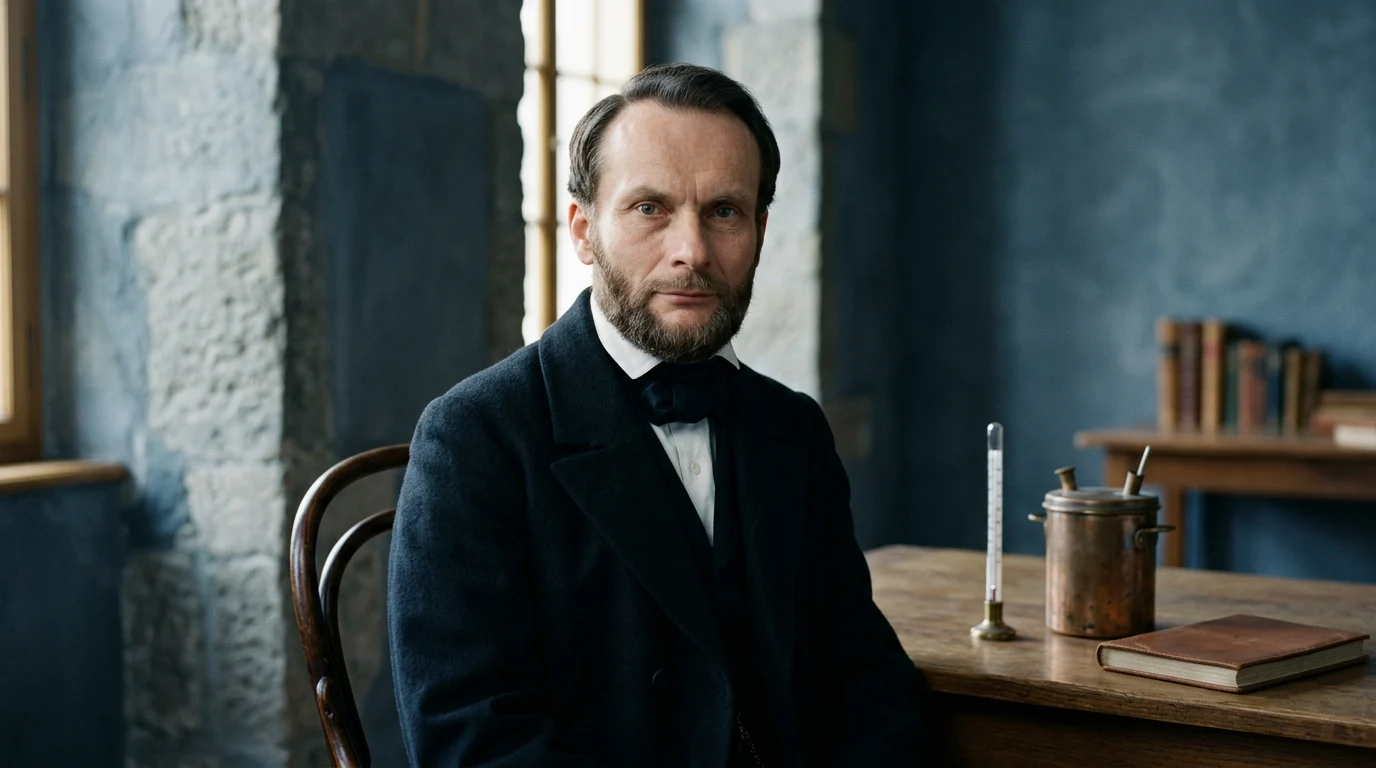
Rudolf Clausius
1822–1888 · Thermodynamics, entropy and kinetic theory
Rudolf Clausius formulated a foundational version of the second law of thermodynamics and introduced the quantity entropy.
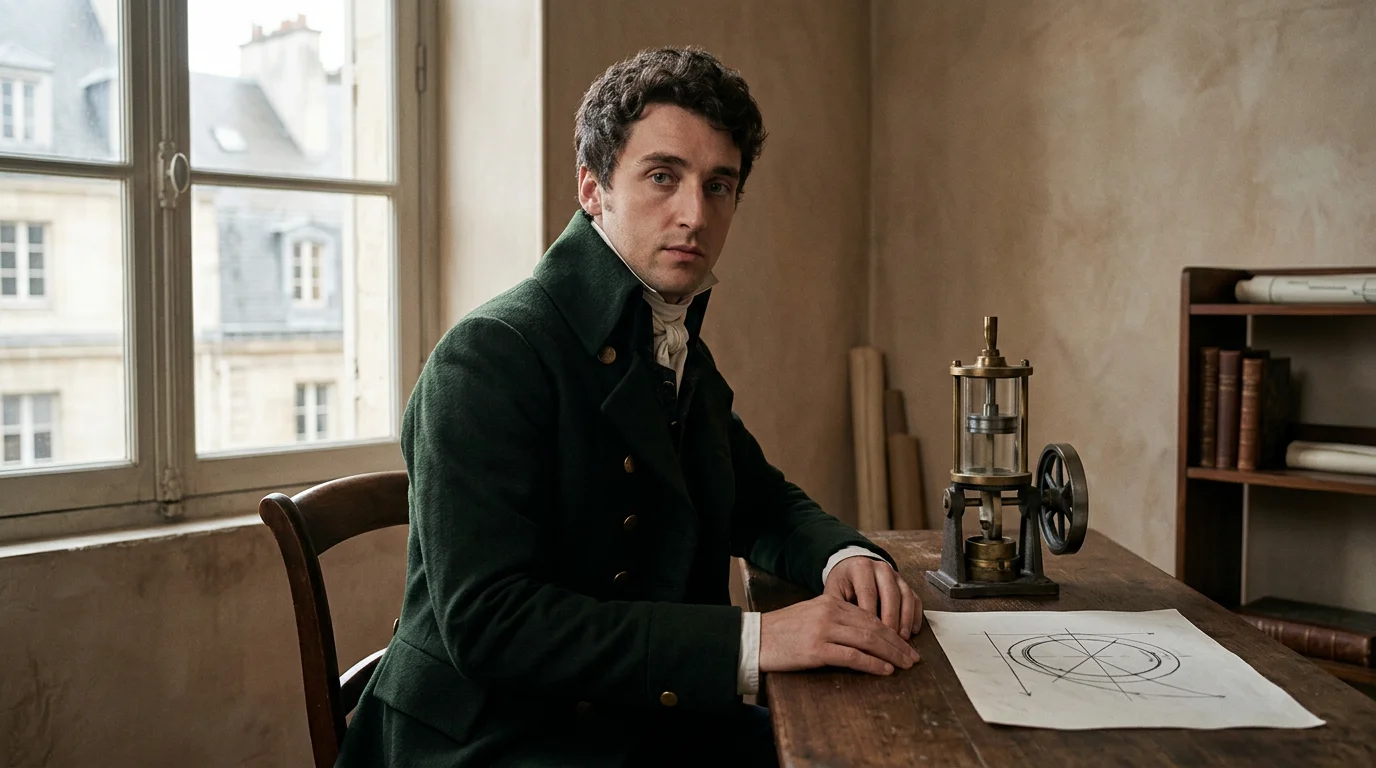
Sadi Carnot
1796–1832 · Thermodynamics and heat-engine efficiency
Sadi Carnot developed a theory of the maximum possible performance of heat engines, establishing ideas later central to thermodynamics.
Jan Ingenhousz
1730–1799 · Photosynthesis and experimental plant physiology
Jan Ingenhousz showed that green plant parts release oxygen in sunlight and investigated how plants affect the surrounding air.
Jean Senebier
1742–1809 · Plant physiology and carbon dioxide in photosynthesis
Jean Senebier linked plant gas exchange to carbon dioxide and sunlight, adding an essential explanation of how green plants grow.
Julius von Sachs
1832–1897 · Plant physiology and photosynthesis
Julius von Sachs developed careful experiments on plant growth, including evidence that illuminated leaves form starch during photosynthesis.
Nicolas-Théodore de Saussure
1767–1845 · Plant chemistry, nutrition and photosynthesis
Nicolas-Théodore de Saussure used careful chemical measurements to show that plant growth involves carbon dioxide, water and substances from soil.
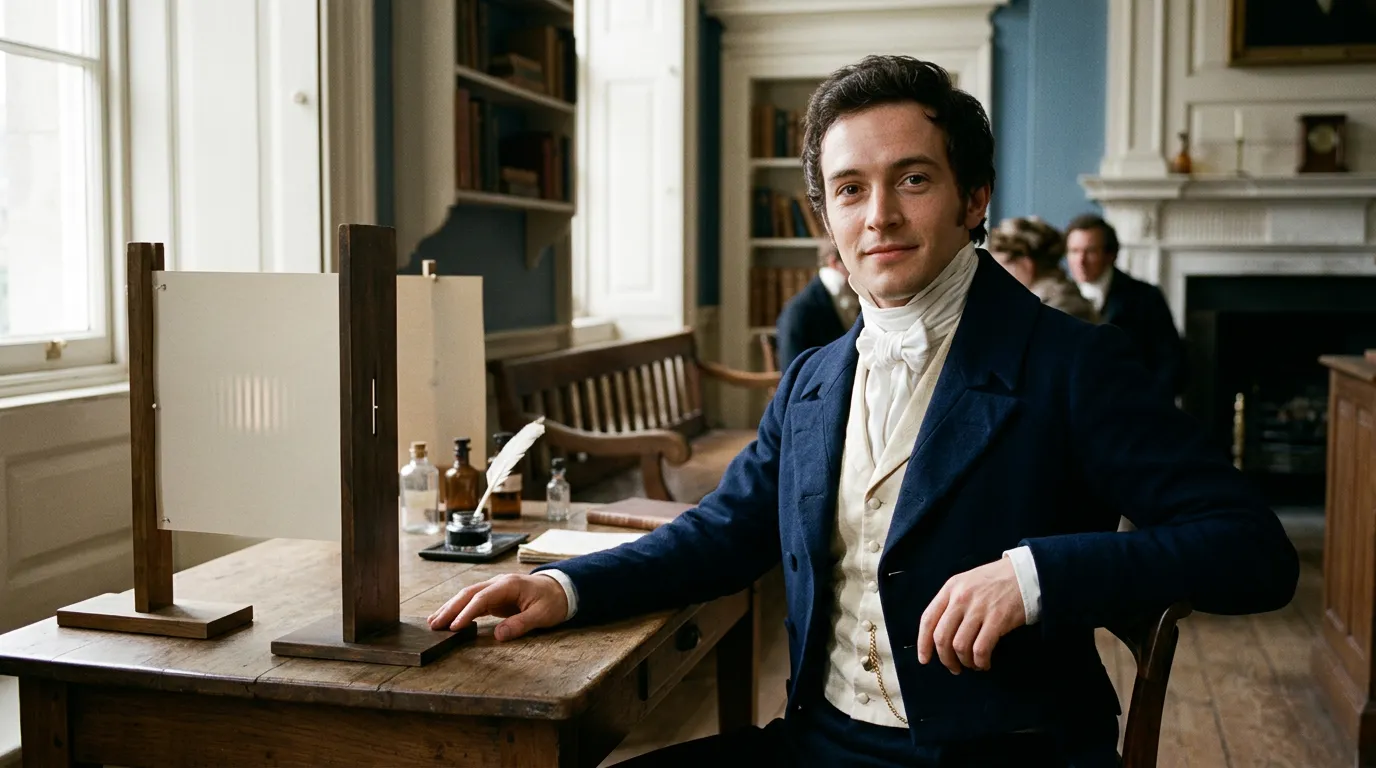
Thomas Young
1773–1829 · Wave optics, vision and elasticity
Thomas Young explained the interference of light using wave ideas, advanced the study of colour vision, and gave his name to a measure of material stiffness.
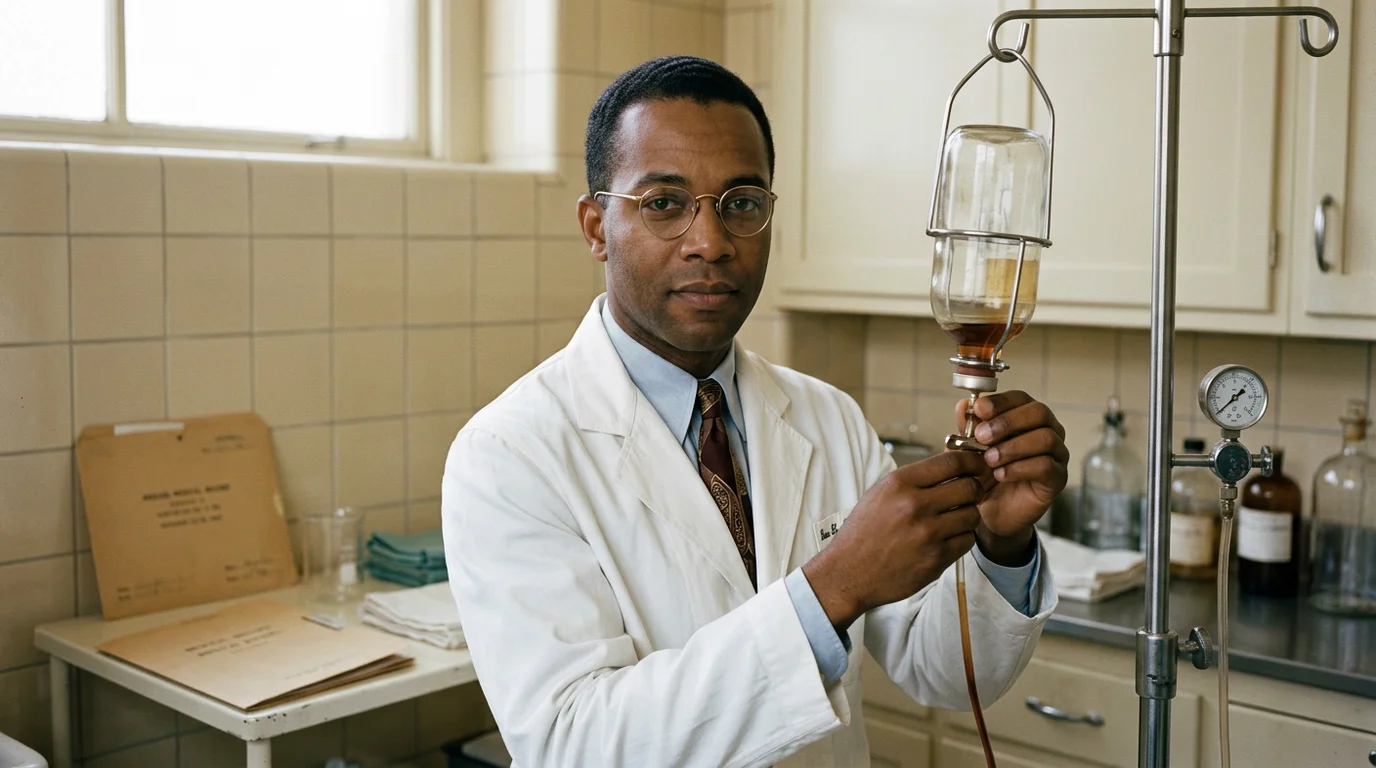
Charles Drew
1904–1950 · Blood preservation, transfusion medicine and surgery
Charles Drew transformed the organisation of blood and plasma collection during the Second World War and challenged racial discrimination in medicine.
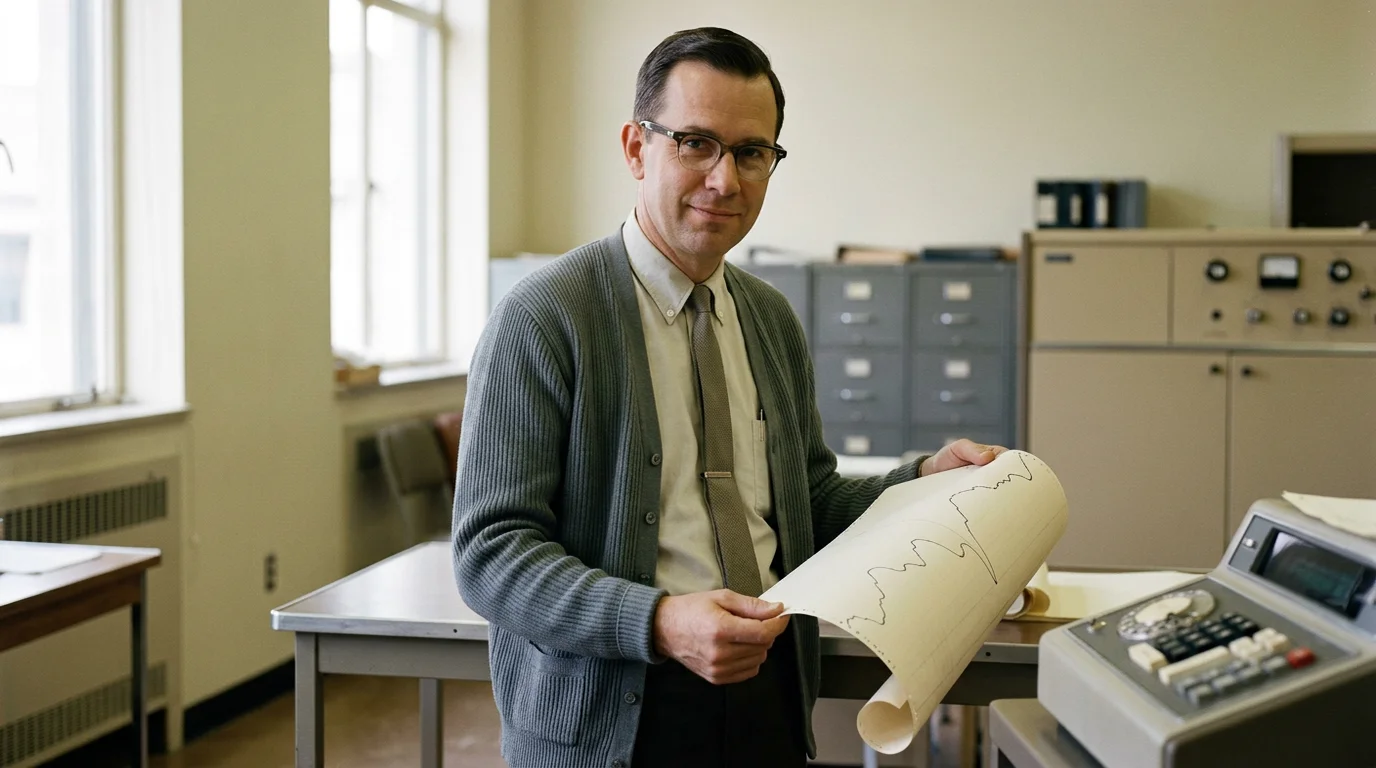
Edward Lorenz
1917–2008 · Meteorology, chaos theory and mathematics
Edward Lorenz discovered sensitive dependence on initial conditions in simplified weather models, revealing fundamental limits to long-range prediction.
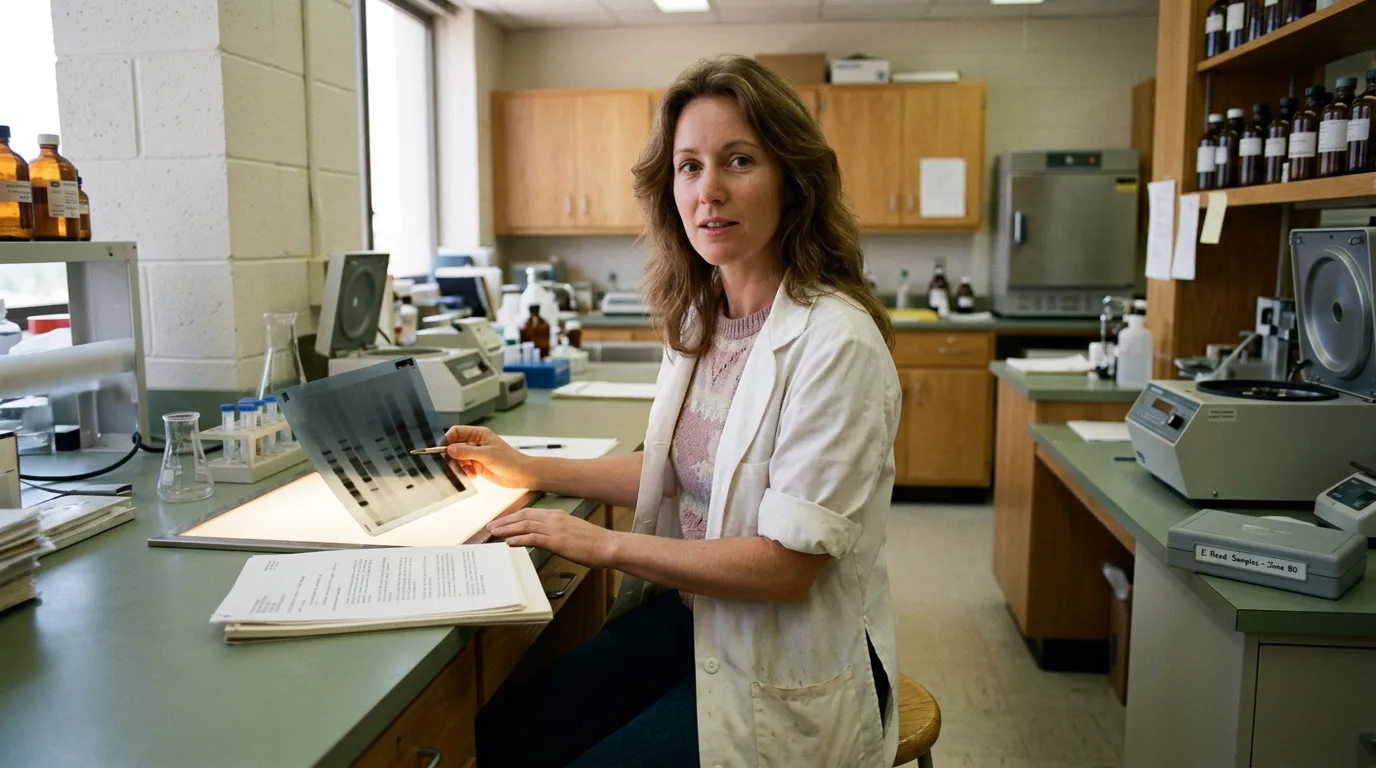
Elizabeth Blackburn
1948–present · Telomeres, telomerase and molecular biology
Elizabeth Blackburn helped explain how the ends of chromosomes are protected, co-discovering the enzyme telomerase and receiving the 2009 Nobel Prize.
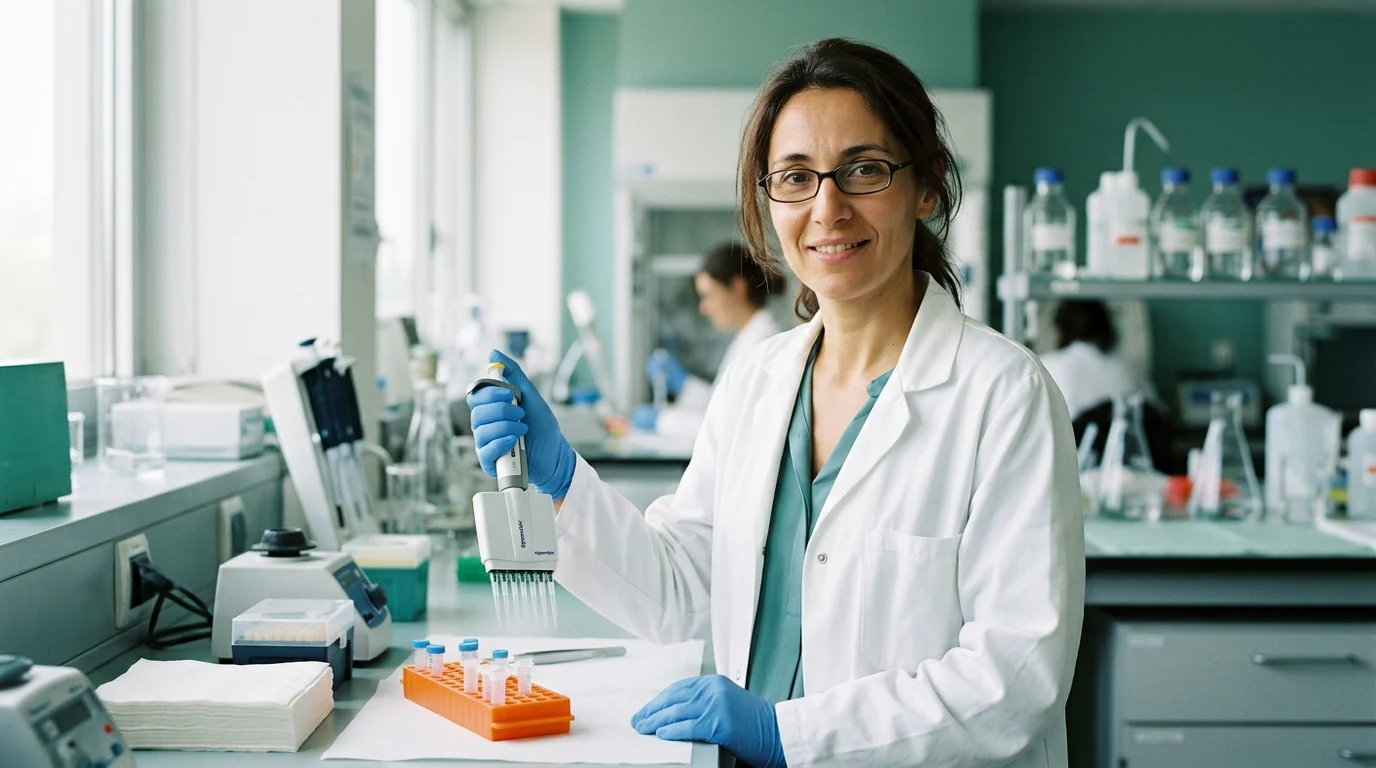
Emmanuelle Charpentier
1968–present · Microbiology, CRISPR and genome editing
Emmanuelle Charpentier co-developed a programmable CRISPR-Cas9 genome-editing method after investigating how bacteria defend themselves against viruses.
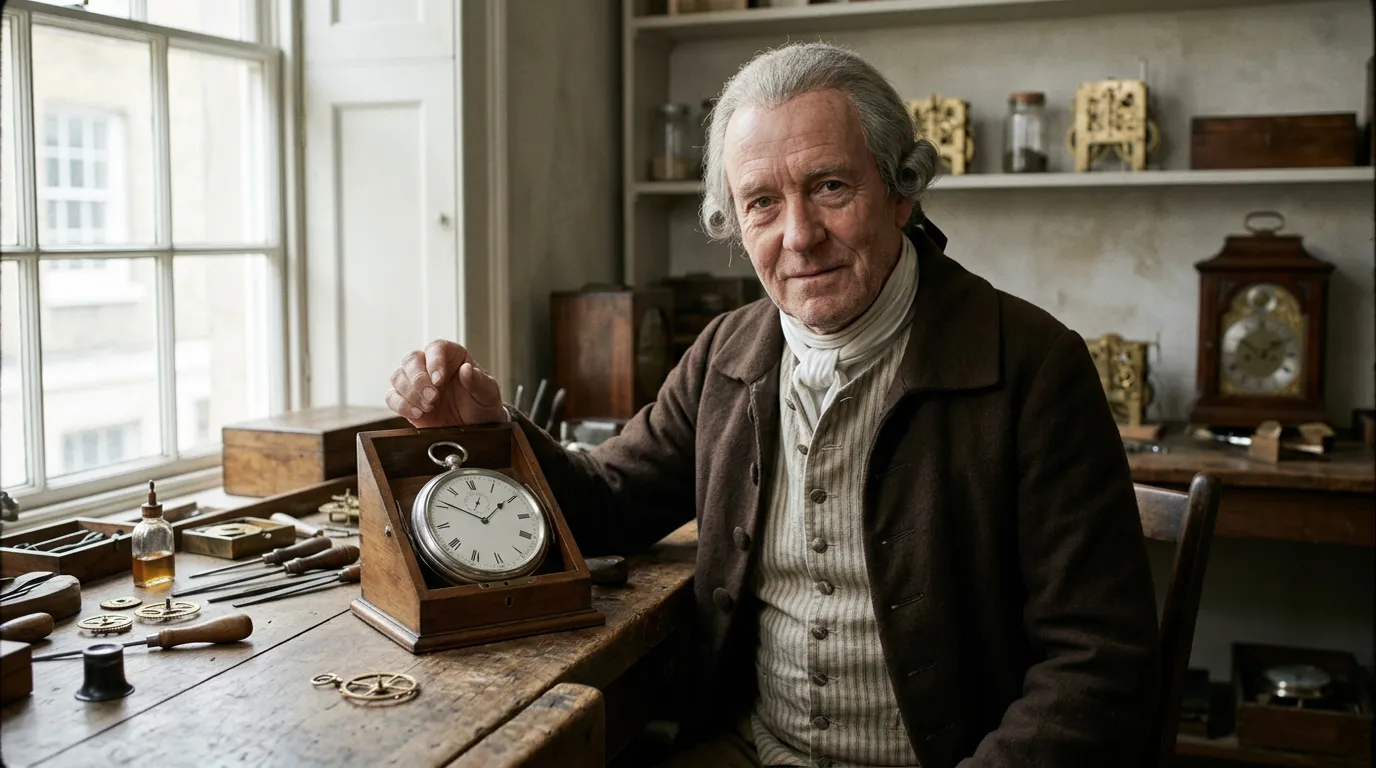
John Harrison
1693–1776 · Precision clockmaking and navigation
John Harrison developed marine timekeepers that made accurate sea-going longitude measurements increasingly practical after decades of engineering work.
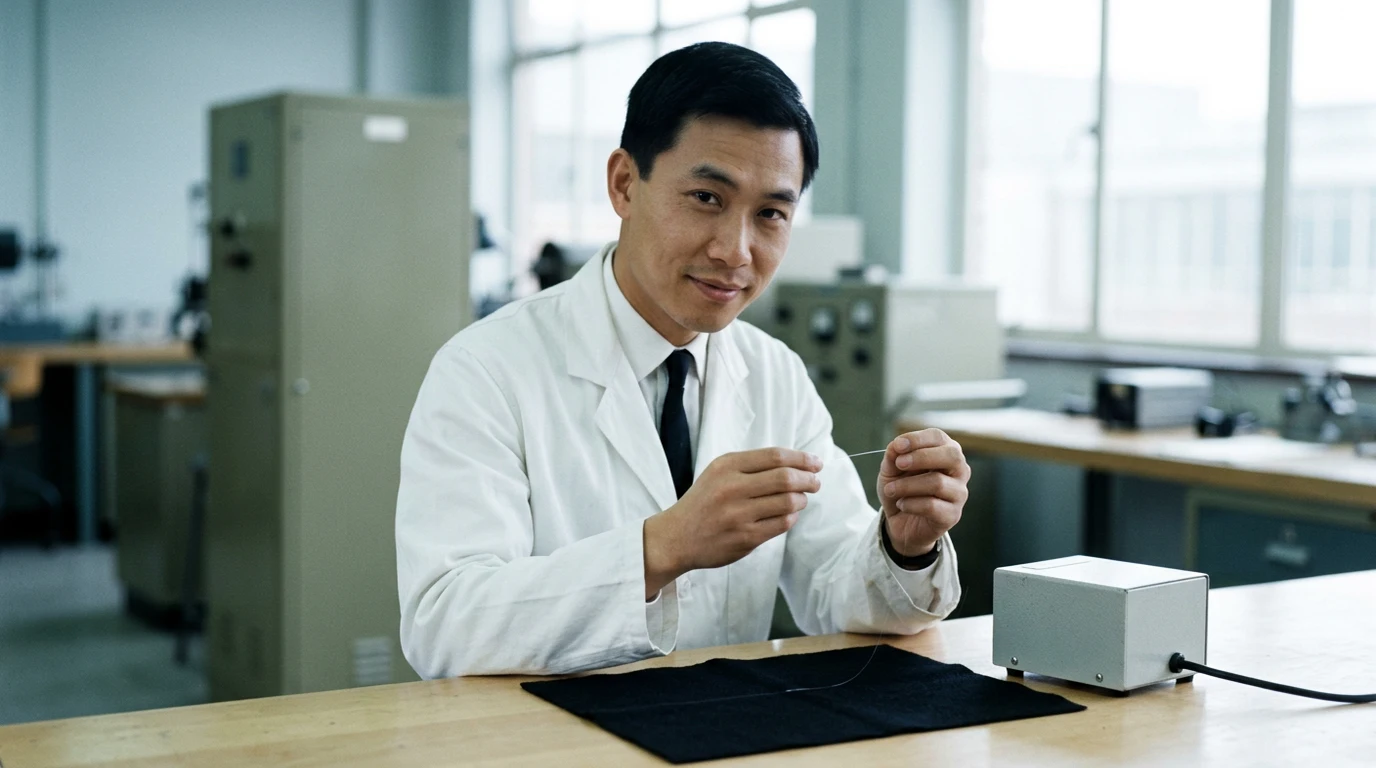
Charles K. Kao
1933–2018 · Optical fibre communications and electrical engineering
Charles Kao helped make long-distance optical-fibre communications practical by identifying the need for exceptionally pure glass and guiding a 1966 breakthrough.
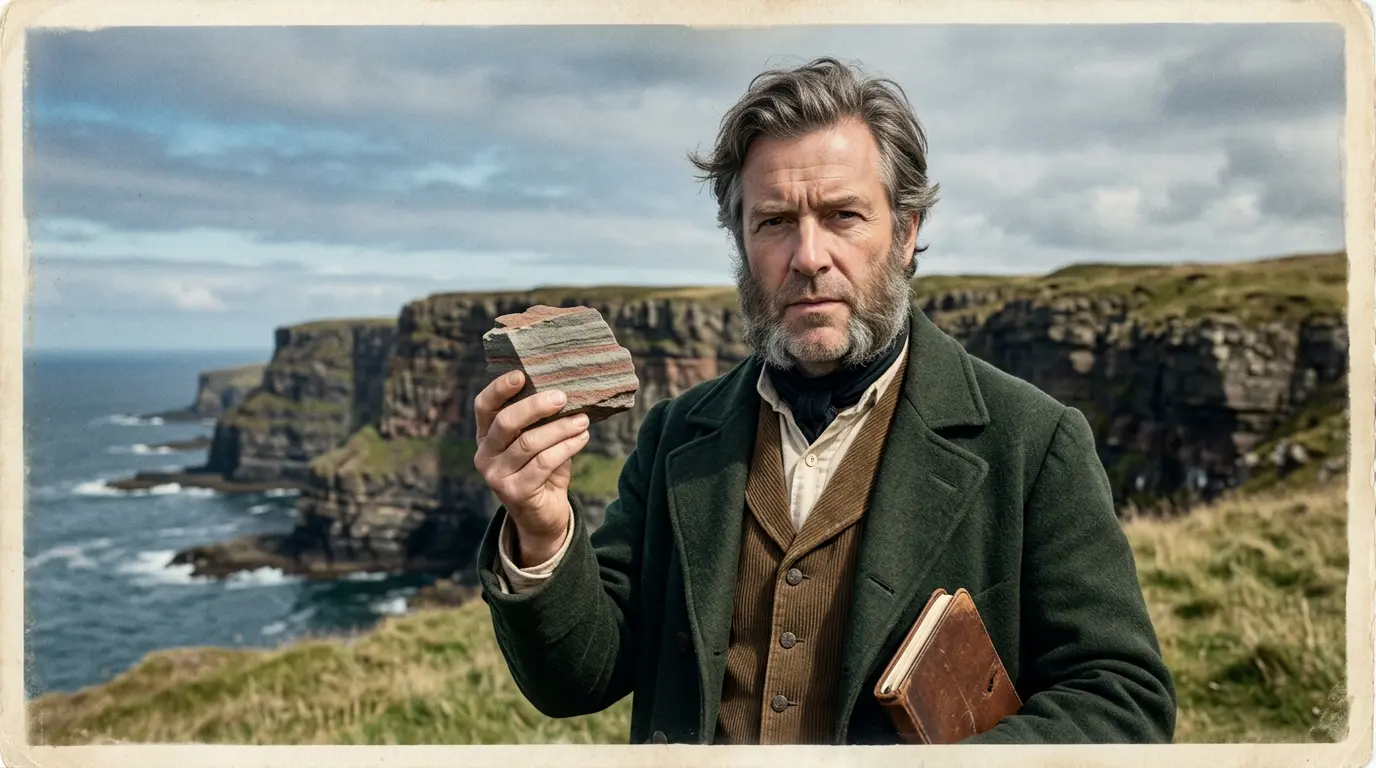
Charles Lyell
1797–1875 · Geology and deep time
Charles Lyell made geological explanations based on processes still observable today influential through his three-volume Principles of Geology.
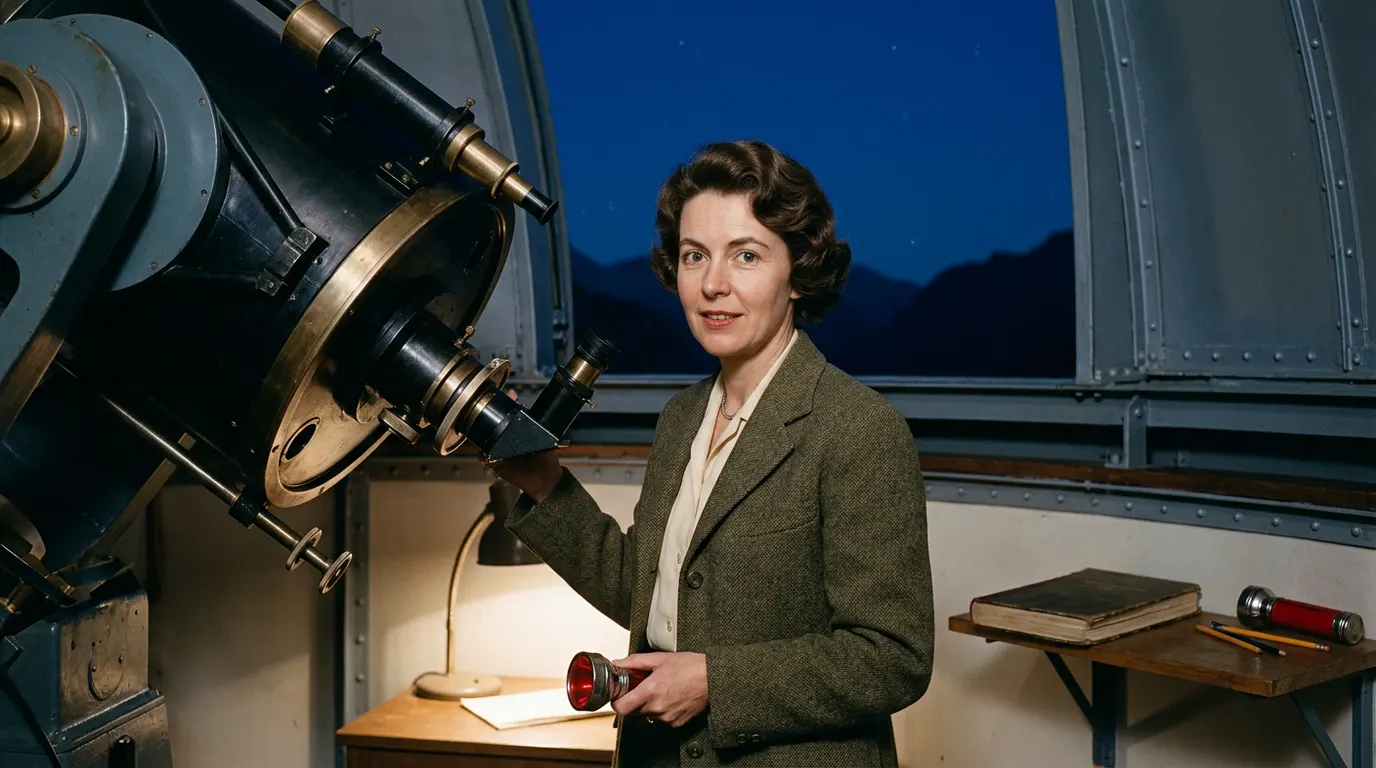
Margaret Burbidge
1919–2020 · Astrophysics and stellar nucleosynthesis
Margaret Burbidge co-authored a landmark 1957 explanation of how stars produce many chemical elements and became an influential observational astronomer.
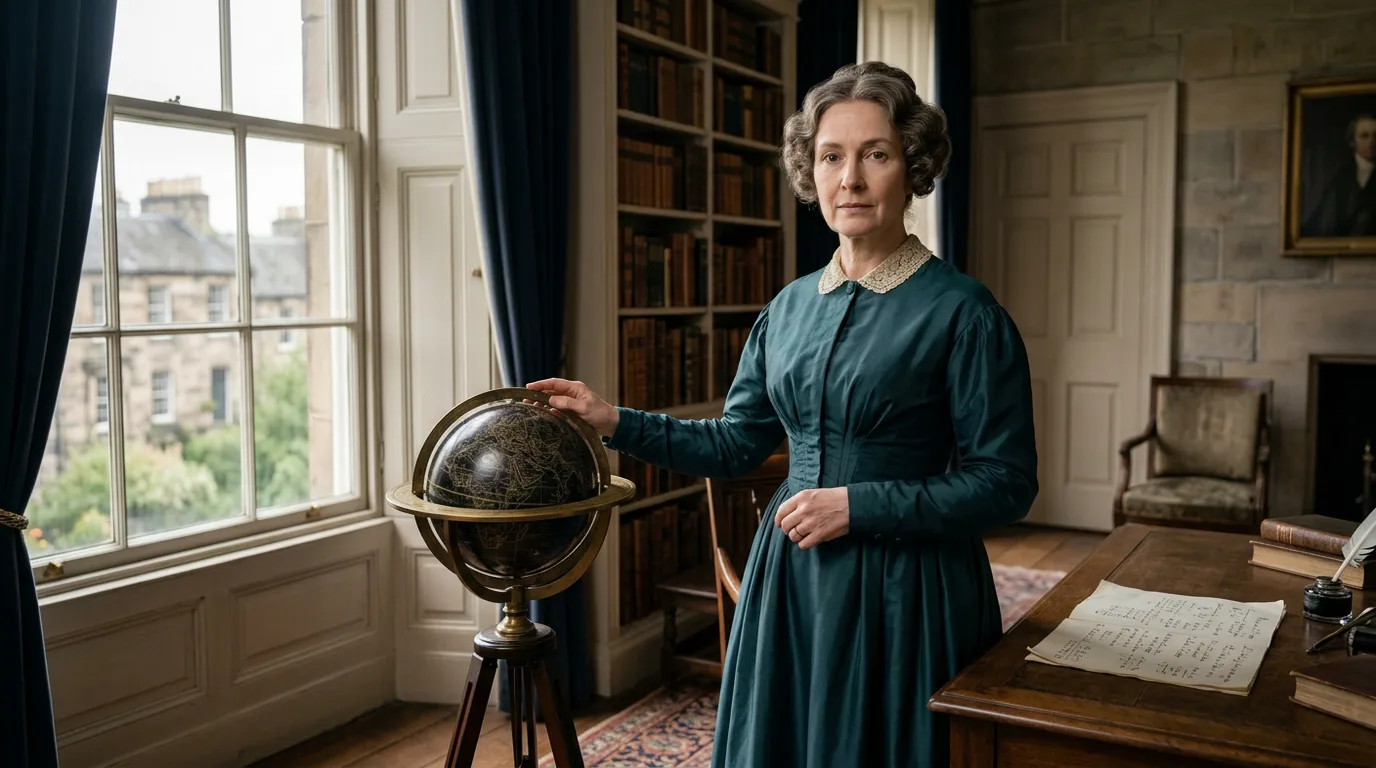
Mary Somerville
1780–1872 · Mathematics, astronomy and scientific communication
Mary Somerville united mathematical, astronomical and physical ideas for broad audiences and became one of the first two women honoured by the Royal Astronomical Society.
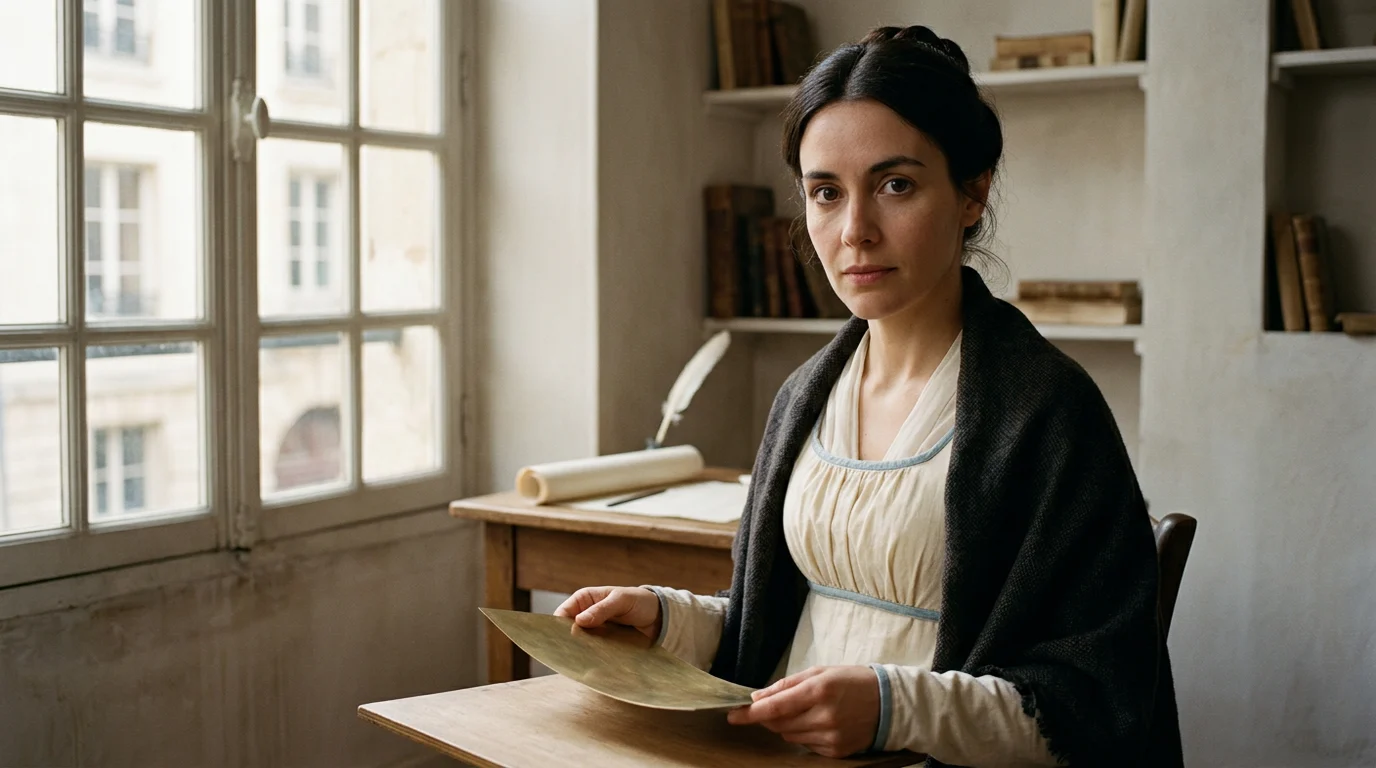
Sophie Germain
1776–1831 · Number theory and mathematical elasticity
Sophie Germain made important discoveries about prime numbers and helped develop the mathematical theory of elastic surfaces despite being excluded from formal study.
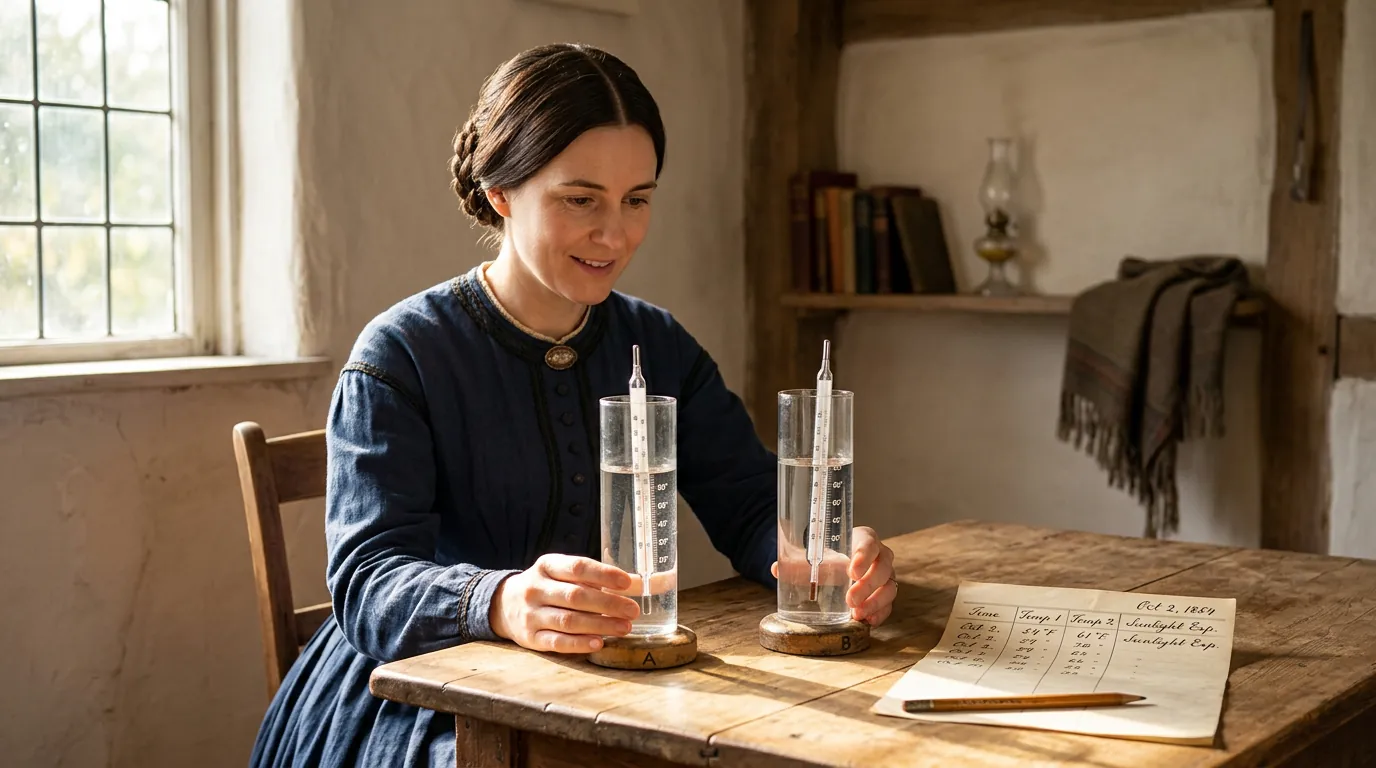
Eunice Newton Foote
1819–1888 · Early climate experiments and women’s rights
Eunice Newton Foote tested how gases warm in sunlight in 1856 and recognised that increased carbon dioxide might affect Earth’s climate, decades before her contribution became widely known.
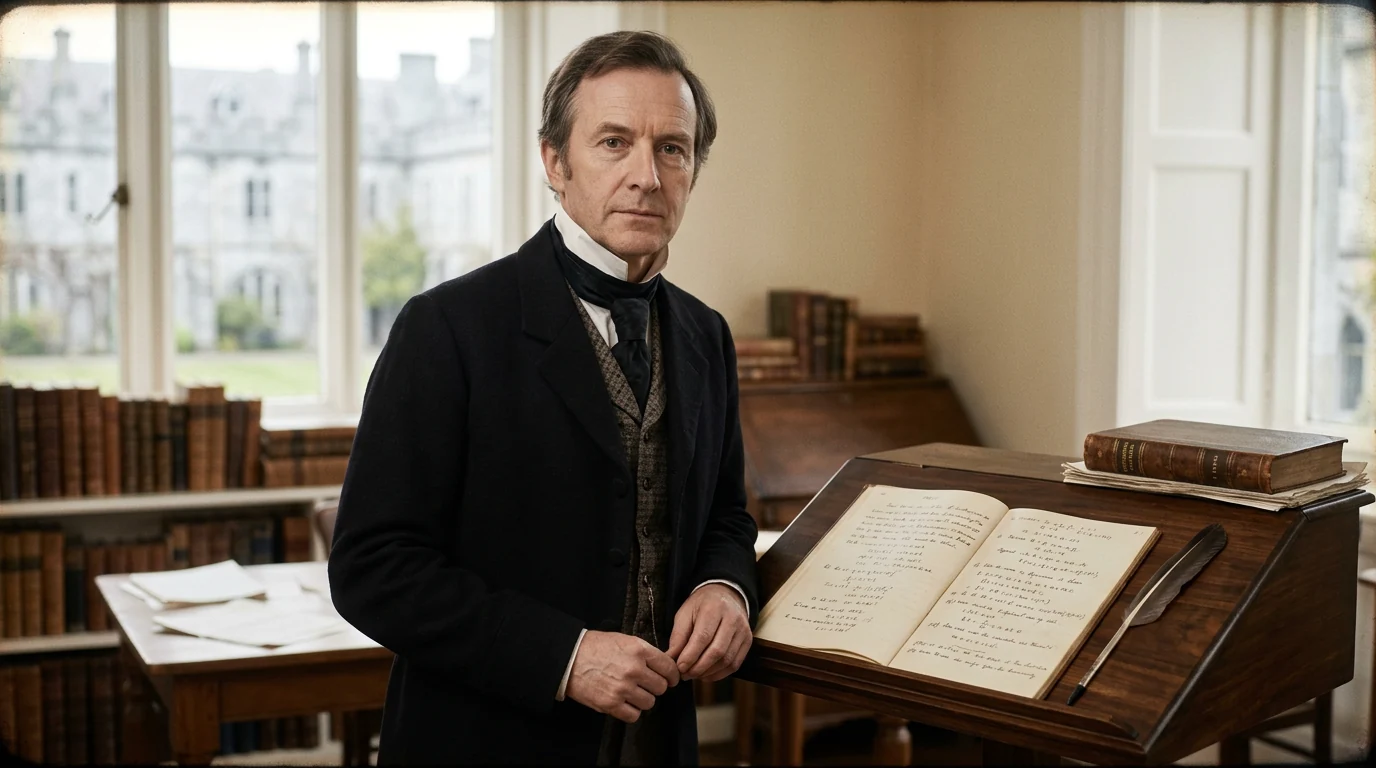
George Boole
1815–1864 · Mathematical logic and Boolean algebra
George Boole developed a mathematical language for logical reasoning, creating ideas that eventually became essential to electronic circuits and computing.
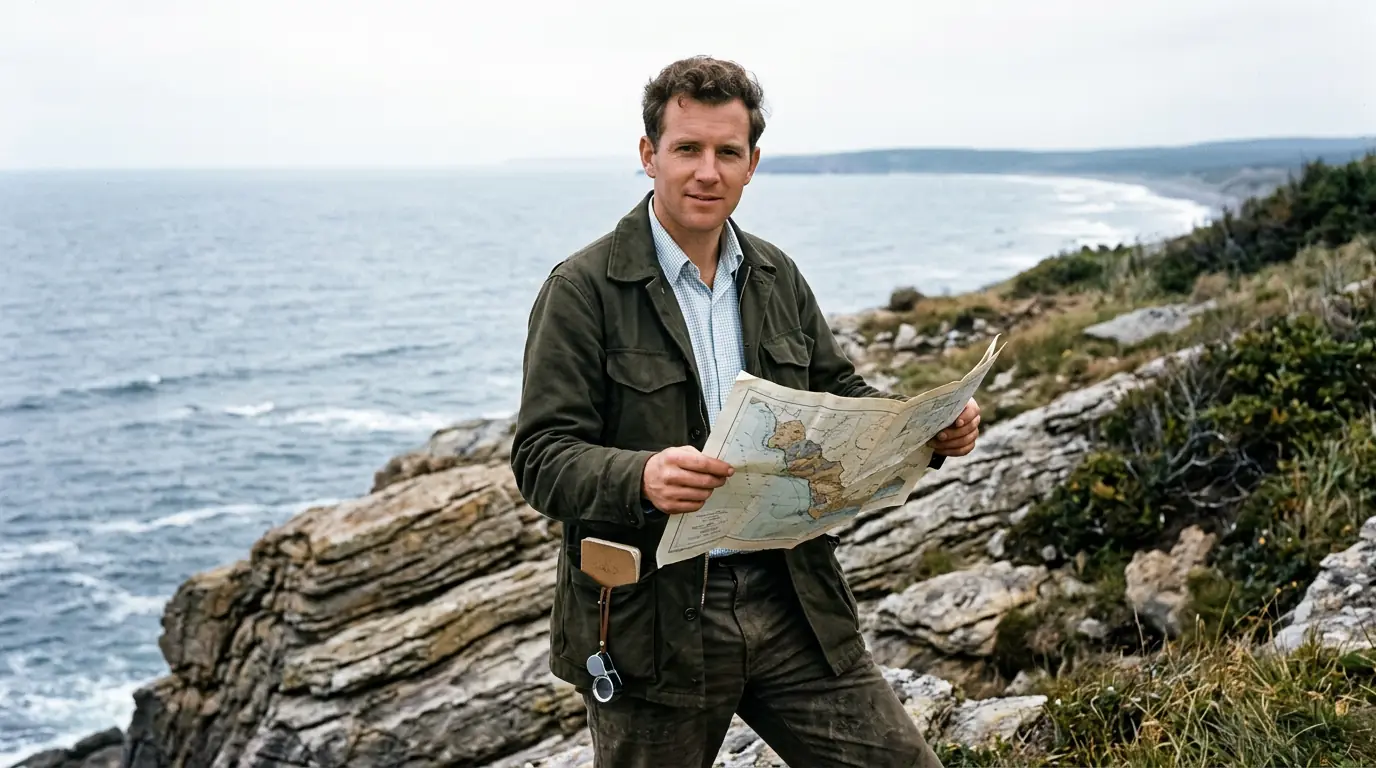
J. Tuzo Wilson
1908–1993 · Geophysics and plate tectonics
J. Tuzo Wilson helped complete the modern picture of moving tectonic plates by proposing transform faults, exploring volcanic hotspots and explaining cycles of ocean opening and closure.
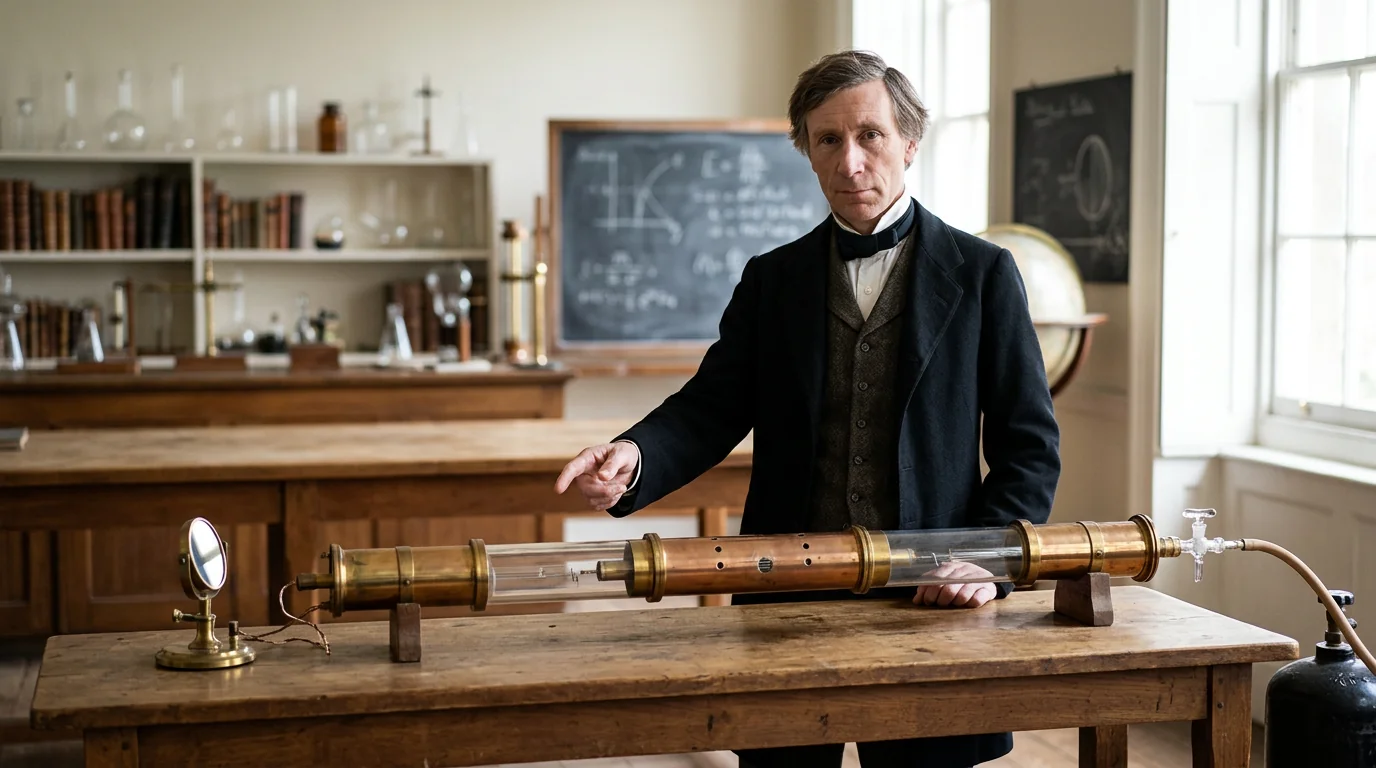
John Tyndall
1820–1893 · Physics, atmospheric heat and glaciers
John Tyndall measured the absorption of radiant heat by atmospheric gases, helping explain the greenhouse effect, and also studied glaciers, light and scientific communication.
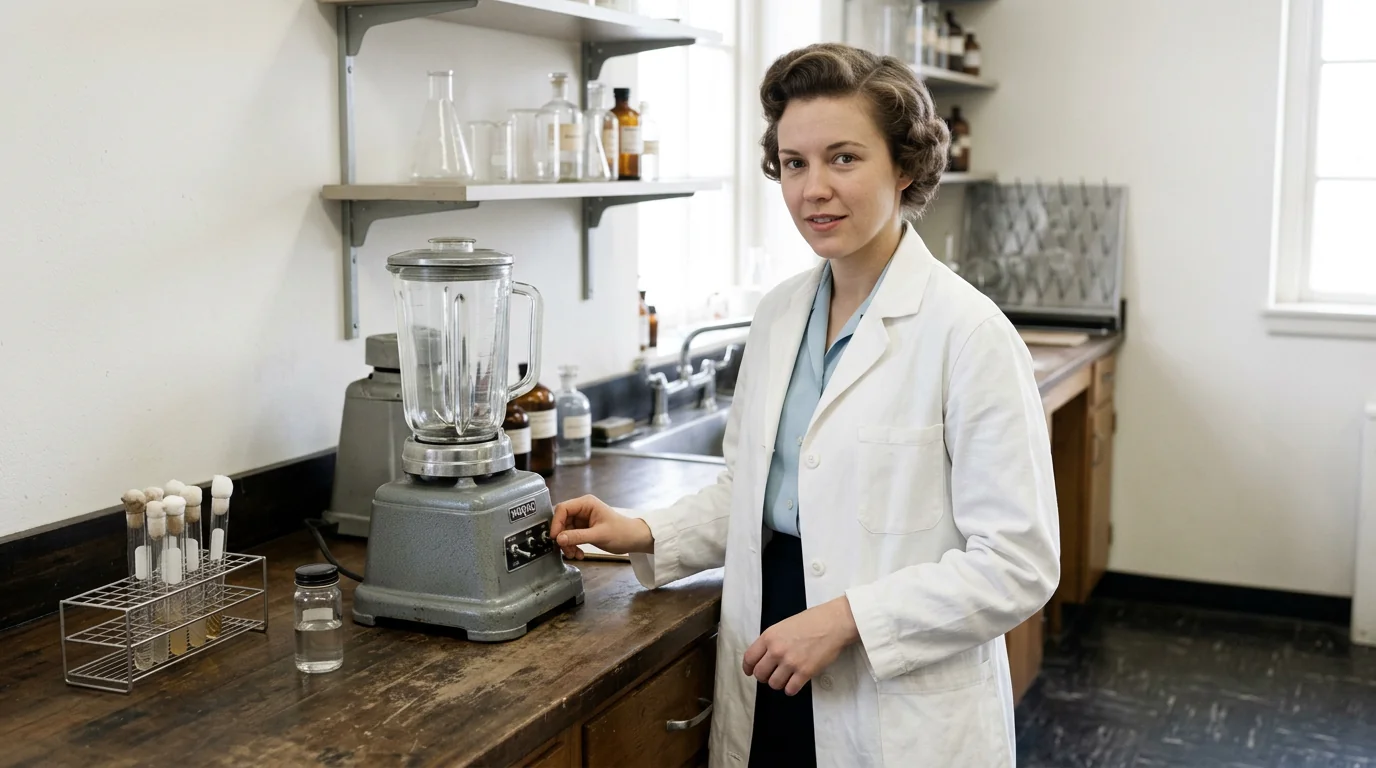
Martha Chase
1927–2003 · Molecular genetics and DNA experiments
Martha Chase worked with Alfred Hershey on a celebrated 1952 experiment that traced DNA and protein during virus infection, strengthening evidence that DNA carries genetic instructions.
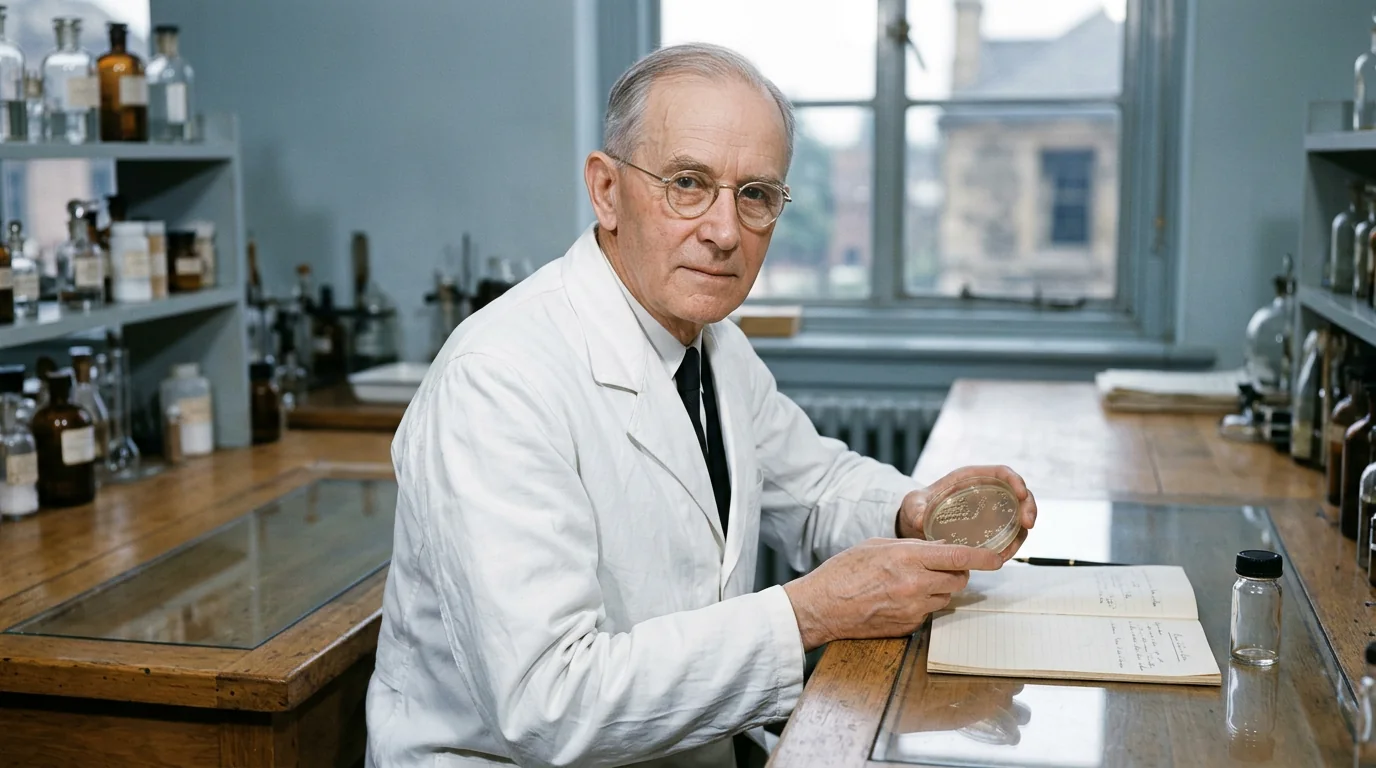
Oswald Avery
1877–1955 · Bacteriology and the chemical basis of heredity
Oswald Avery worked with Colin MacLeod and Maclyn McCarty to show that DNA could transfer inherited traits between bacteria, transforming the study of genes.
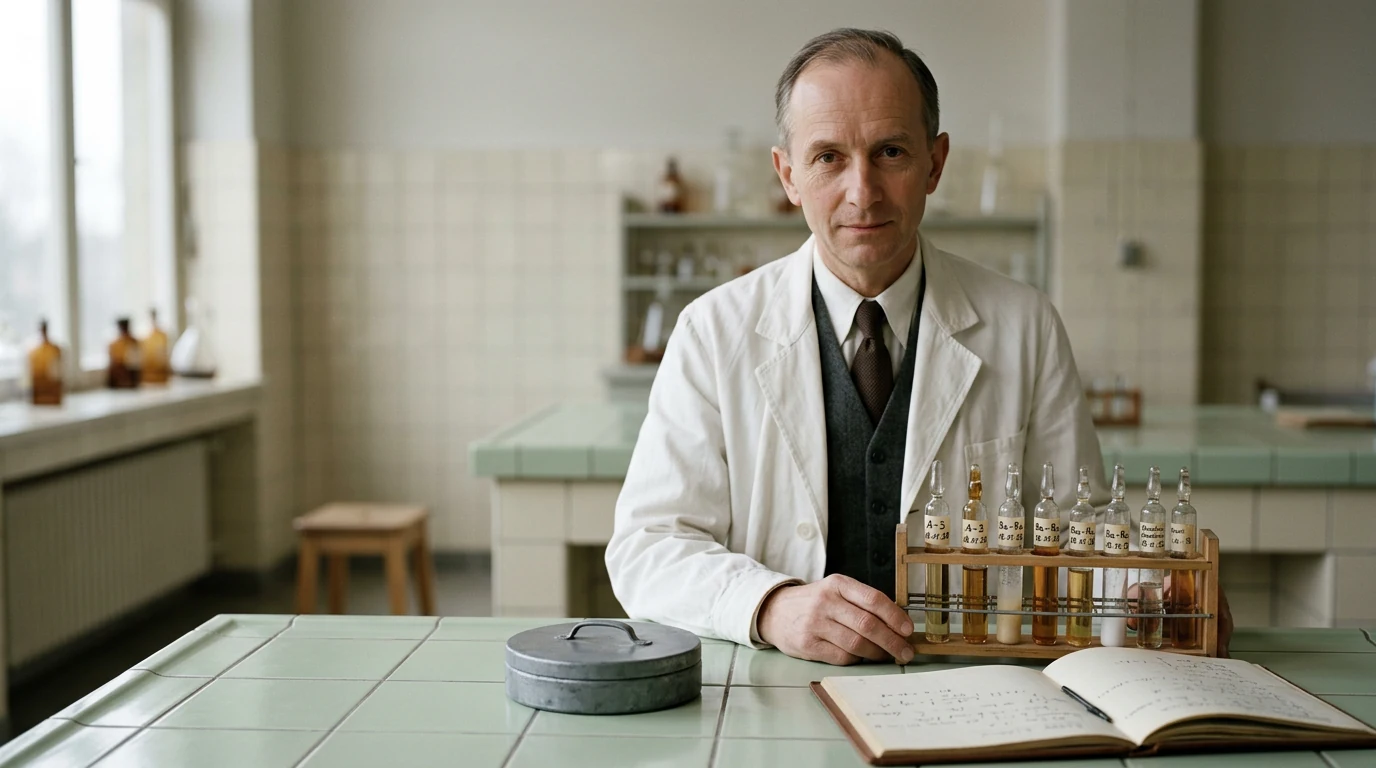
Otto Hahn
1879–1968 · Nuclear chemistry and the discovery of fission
Otto Hahn and Fritz Strassmann found chemical evidence of uranium fission in 1938; Lise Meitner and Otto Frisch explained the nuclear process that followed.
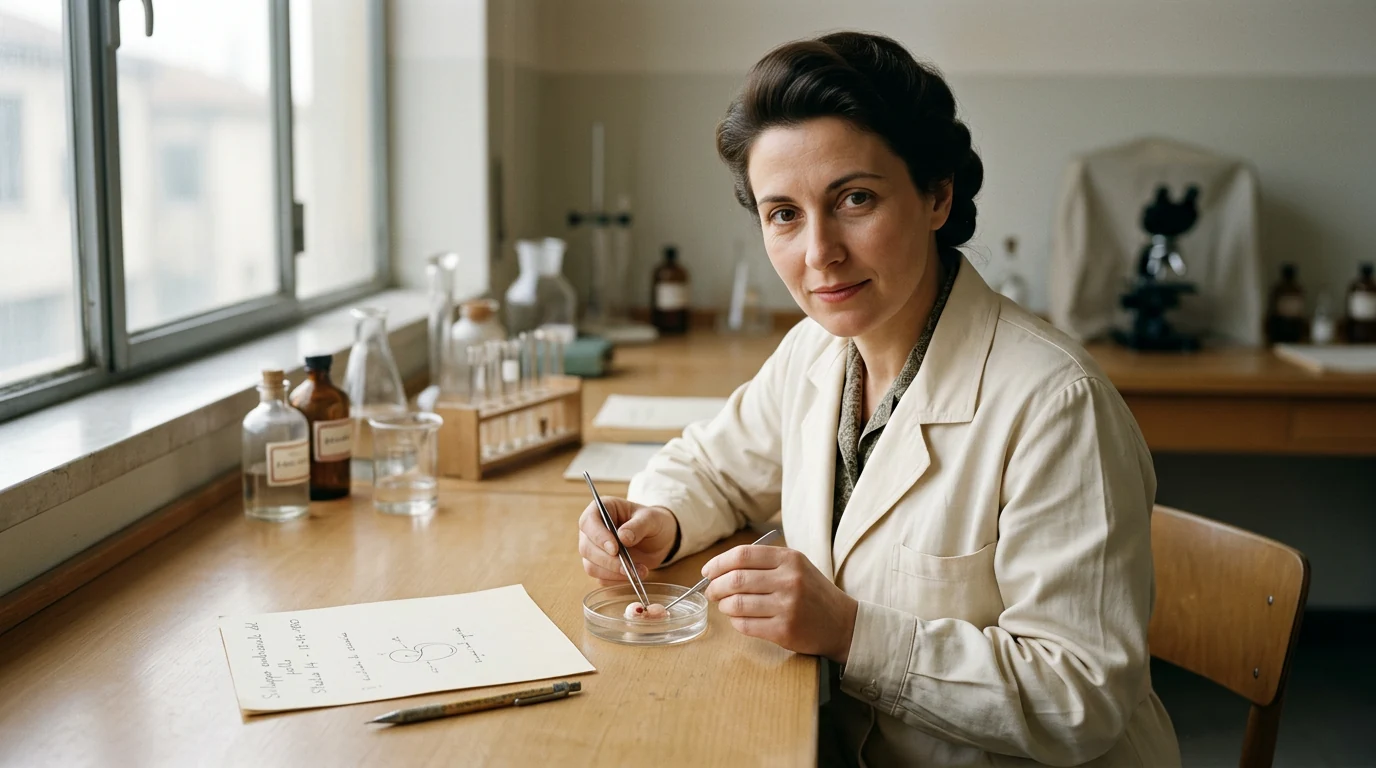
Rita Levi-Montalcini
1909–2012 · Neuroscience and nerve growth factor
Rita Levi-Montalcini discovered how nerve growth factor supports developing neurons, continuing scientific work despite wartime persecution and later sharing a Nobel Prize.
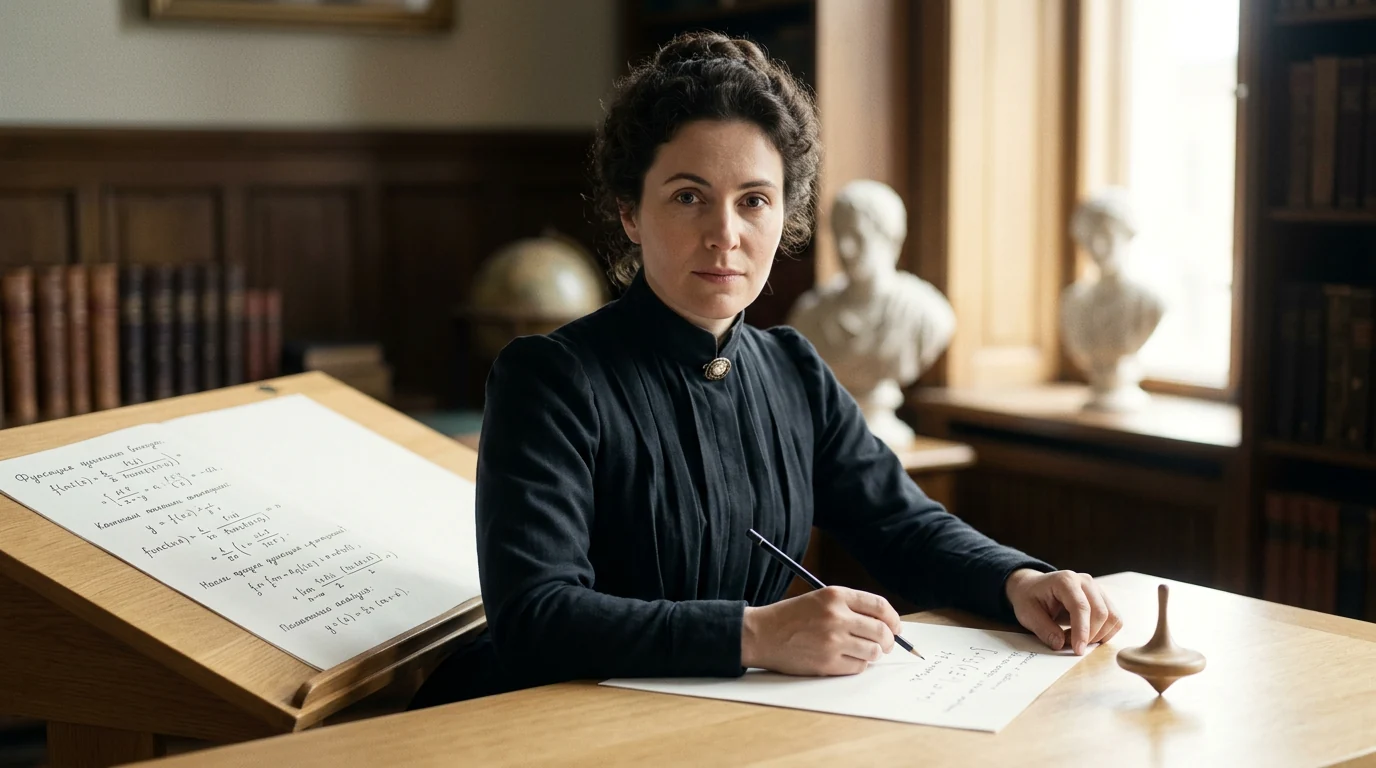
Sofia Kovalevskaya
1850–1891 · Mathematics, differential equations and mechanics
Sofia Kovalevskaya made pioneering advances in differential equations and the mathematics of rotating bodies, overcoming restrictions placed on women in universities.
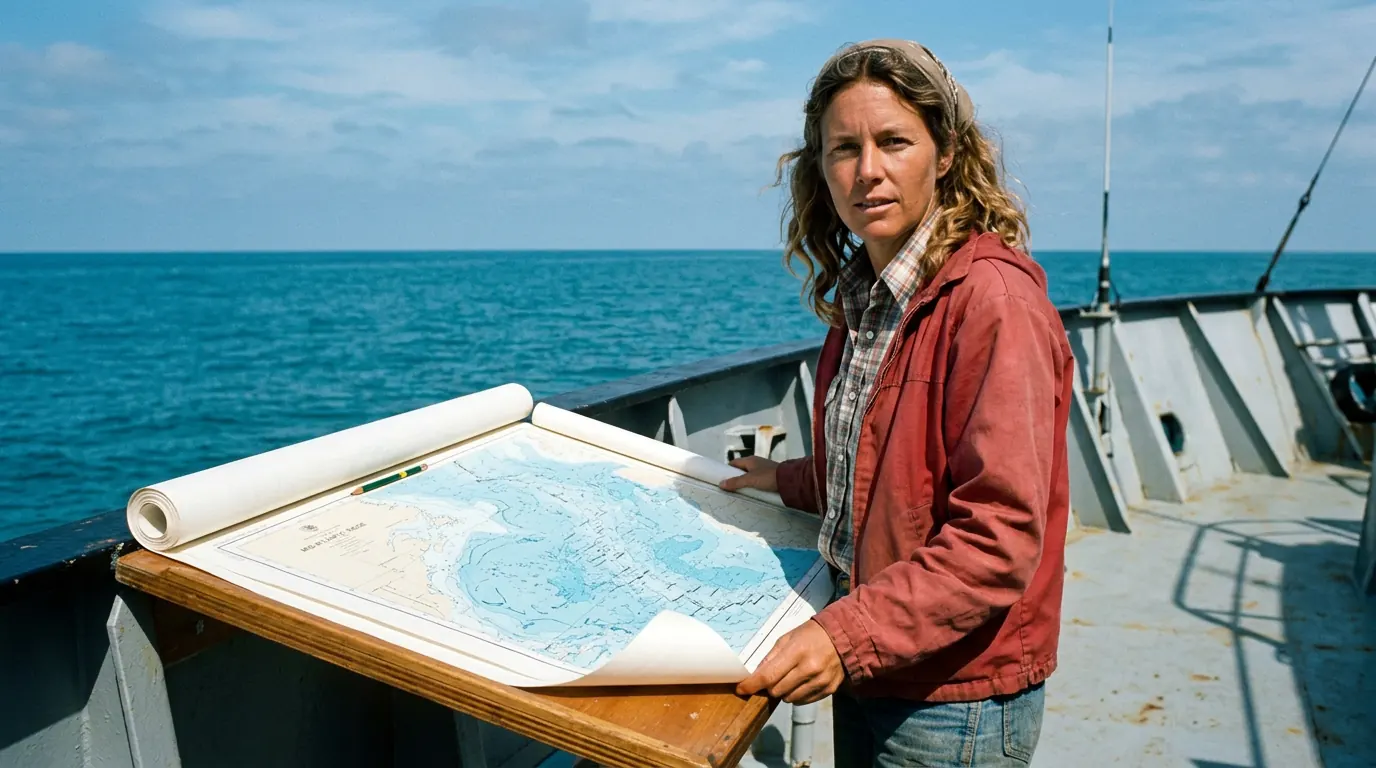
Tanya Atwater
1942–present · Marine geology and plate tectonics
Tanya Atwater combined ocean-floor magnetic records, field geology and plate-motion reconstructions to explain the geological history of western North America and the San Andreas Fault.
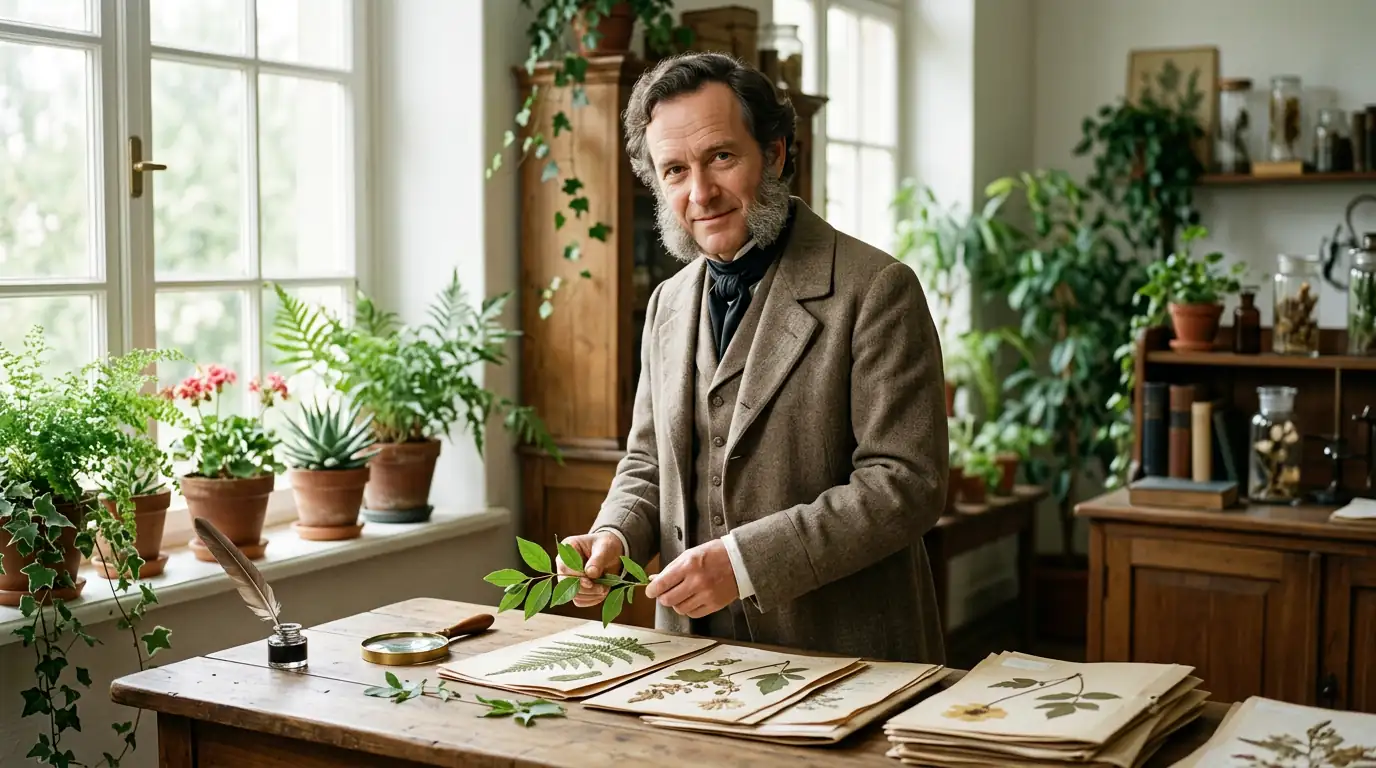
Matthias Schleiden
1804–1881 · Botany and the origins of cell theory
Matthias Schleiden argued that plants are built from cells, helping establish a unifying idea in biology alongside Theodor Schwann.
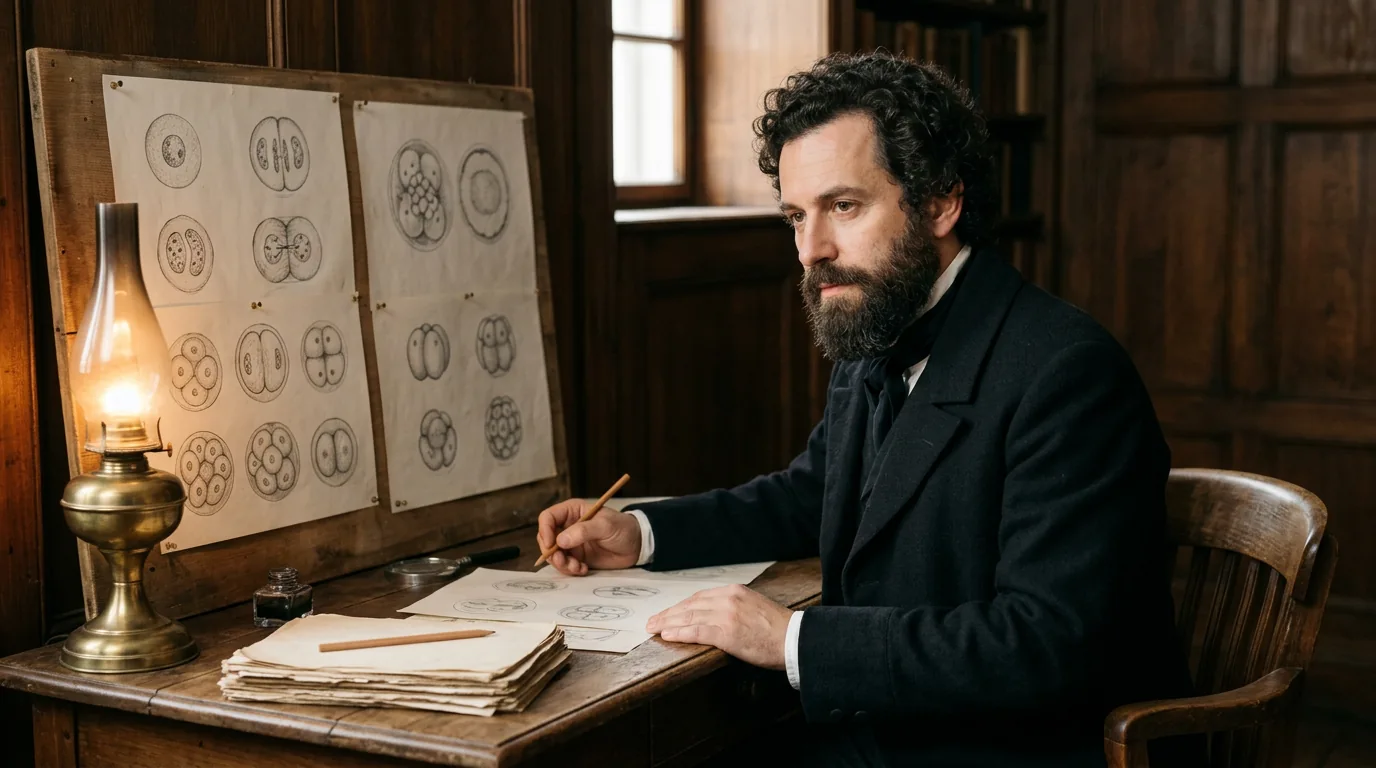
Robert Remak
1815–1865 · Embryology, cell division and nerve anatomy
Robert Remak documented cell division in animal tissues and clarified how embryos develop, supplying vital evidence that new cells come from existing cells.
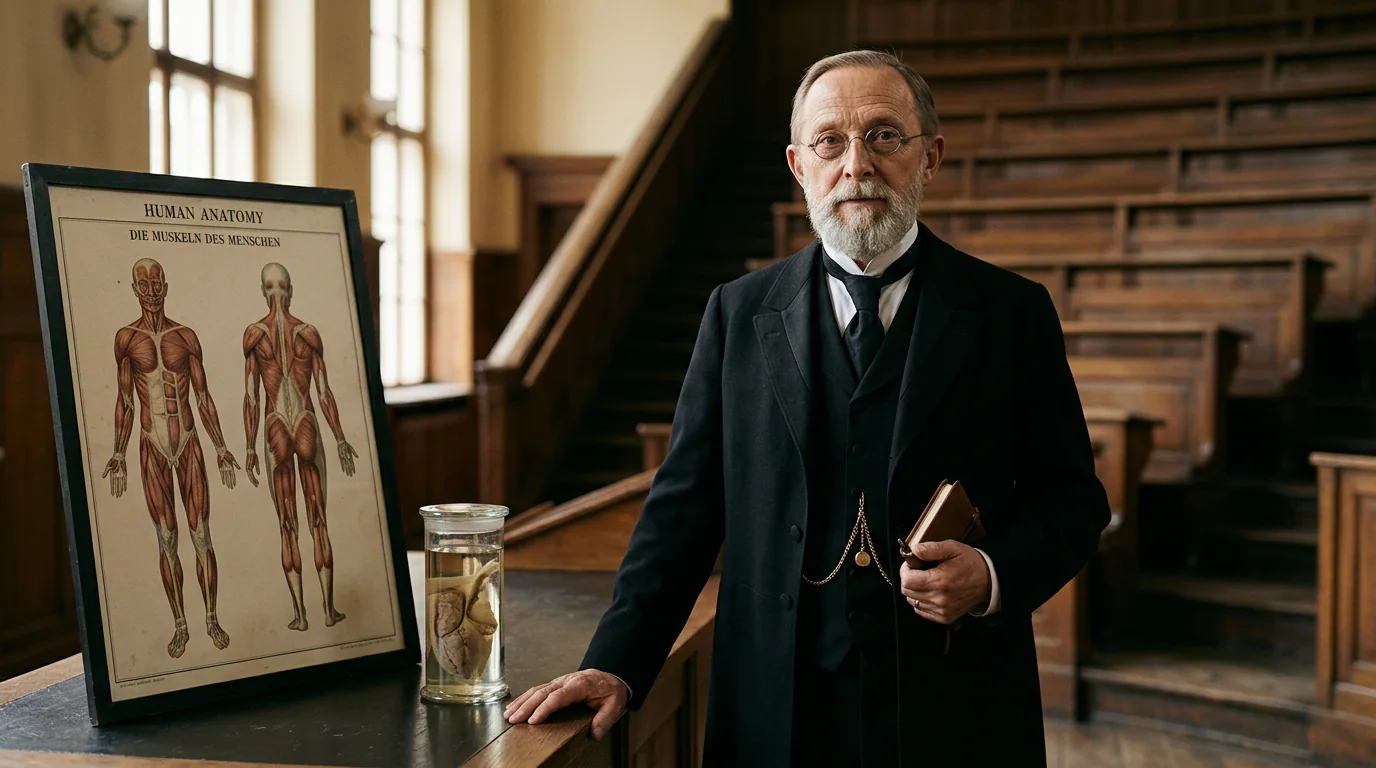
Rudolf Virchow
1821–1902 · Cellular pathology, medicine and public health
Rudolf Virchow helped establish cellular pathology, showing how examining diseased cells could transform medicine, while advocating public-health reform.
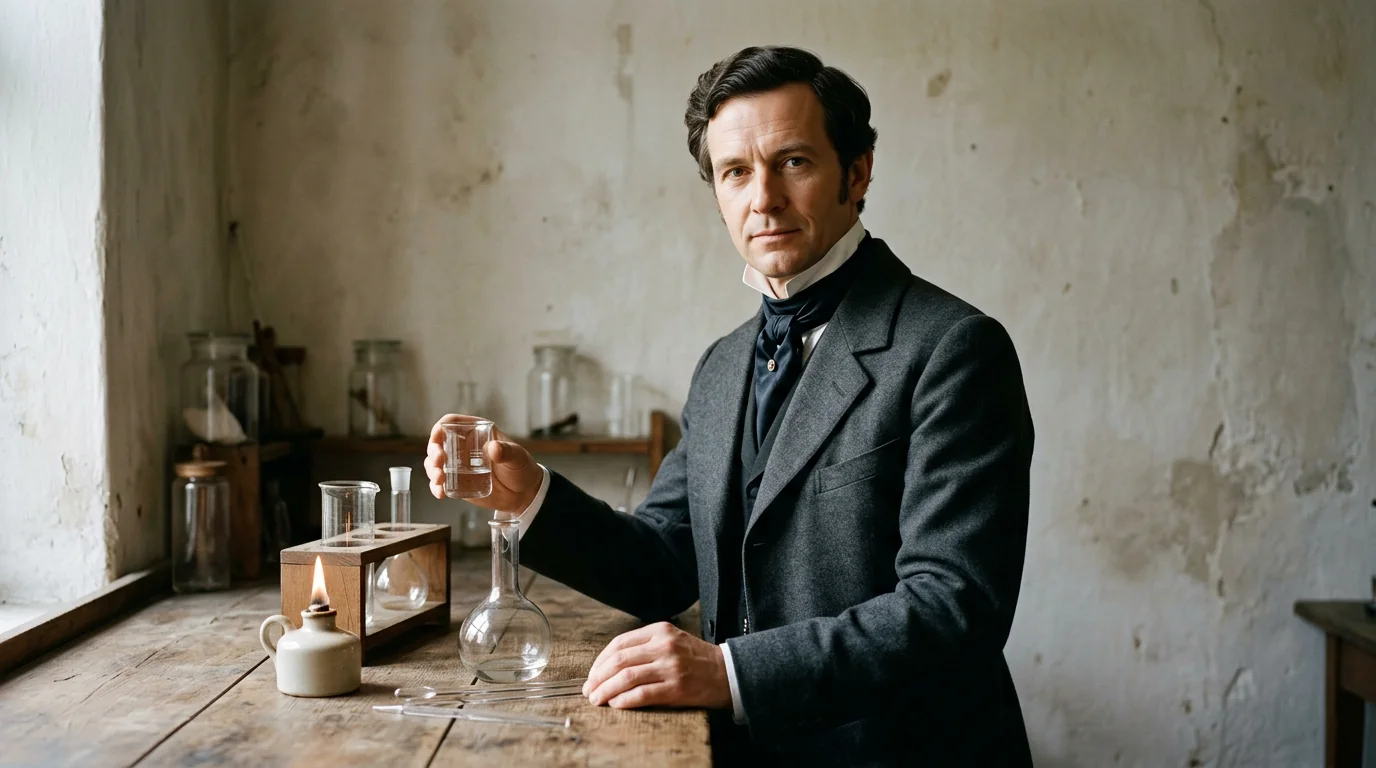
Theodor Schwann
1810–1882 · Cell theory, physiology and digestion
Theodor Schwann extended cell theory to animals, studied pepsin and yeast fermentation, and helped explain the shared cellular structure of living things.
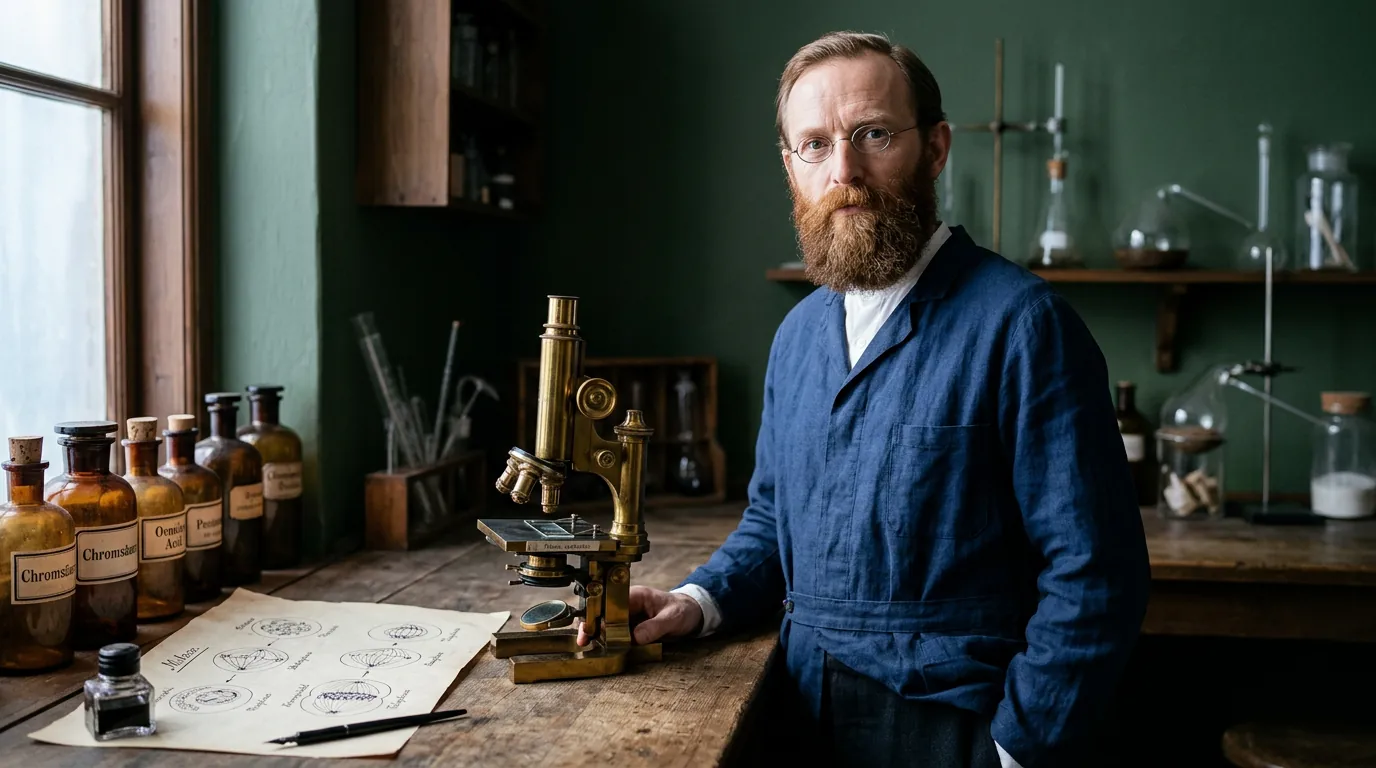
Walther Flemming
1843–1905 · Cell division, chromatin and mitosis
Walther Flemming used stains and microscopes to reveal how nuclear material changes during cell division, laying foundations for modern mitosis research.
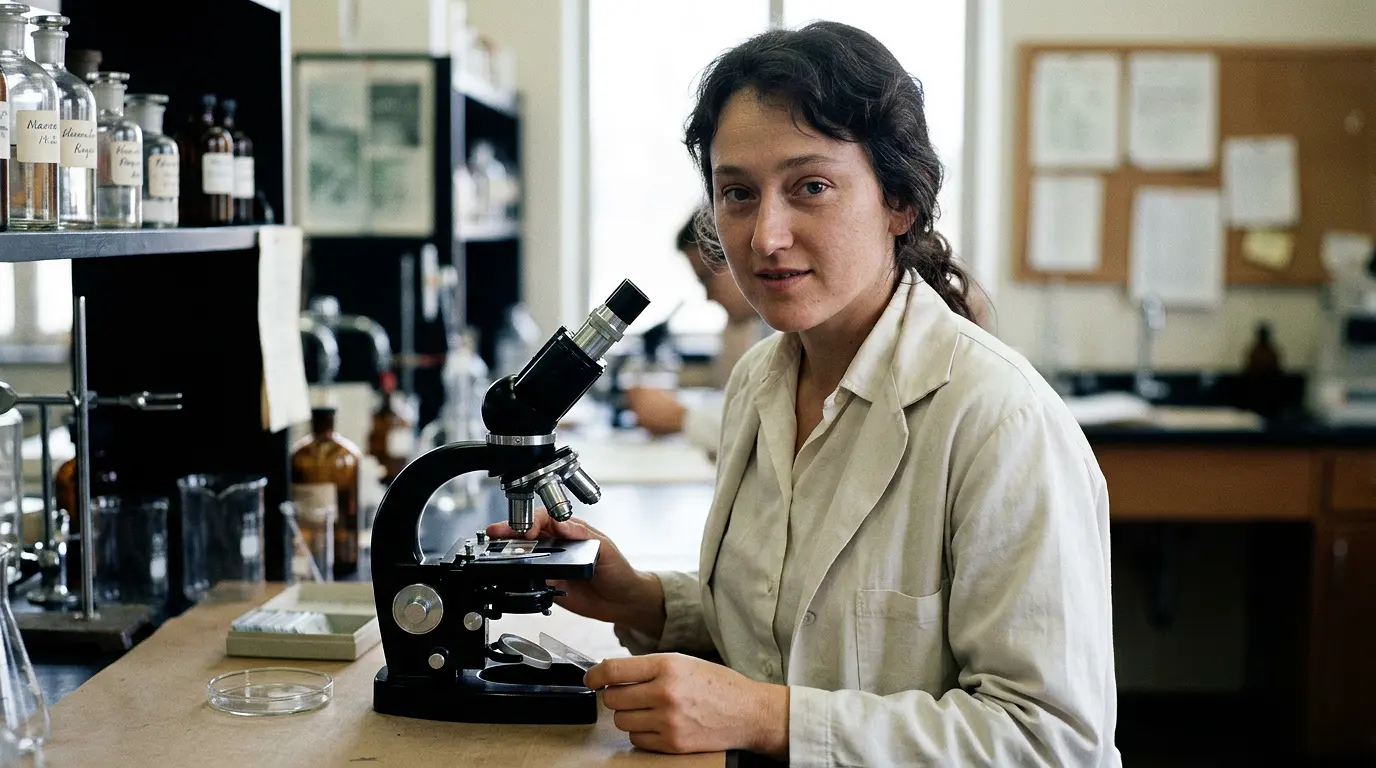
Lynn Margulis
1938–2011 · Evolutionary biology and cell biology
Developed and championed modern endosymbiotic theory, explaining how mitochondria and chloroplasts evolved from once free-living bacteria.
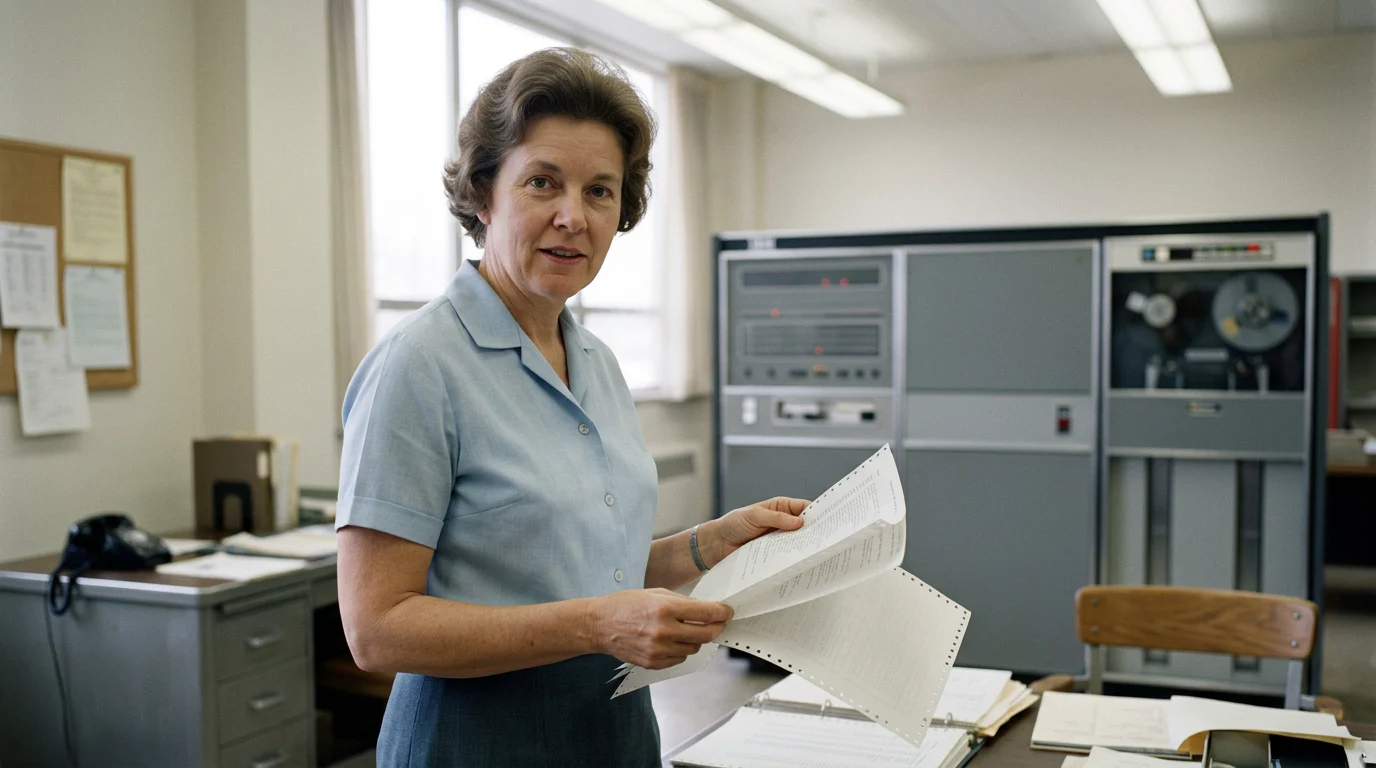
Frances Elizabeth Allen
1932–2020 · Computer science and compiler optimisation
Pioneered compiler optimisation and program analysis techniques that helped computers run high-level programs faster and use parallel hardware effectively.
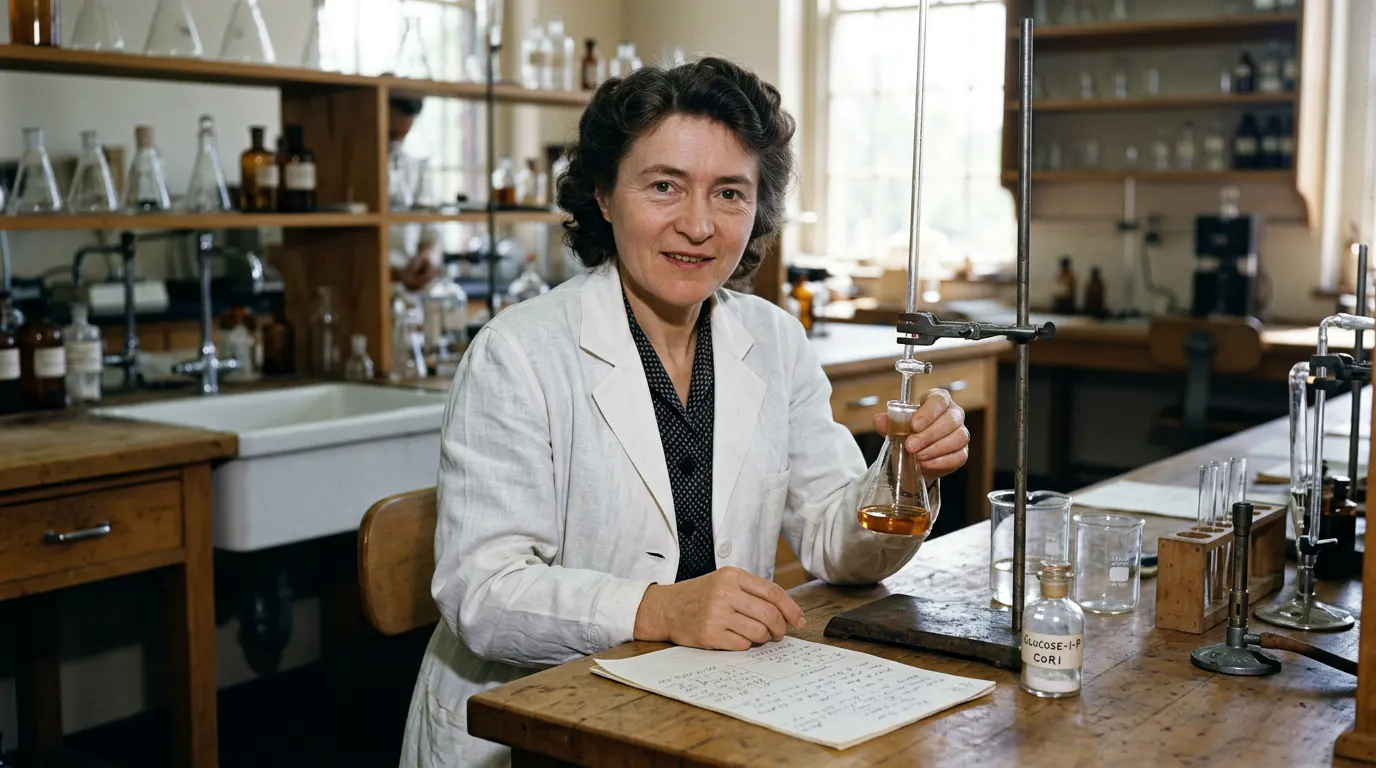
Gerty Theresa Cori
1896–1957 · Biochemistry and carbohydrate metabolism
With Carl Cori, explained key steps in how the body stores and releases glucose through glycogen metabolism, including the Cori cycle.
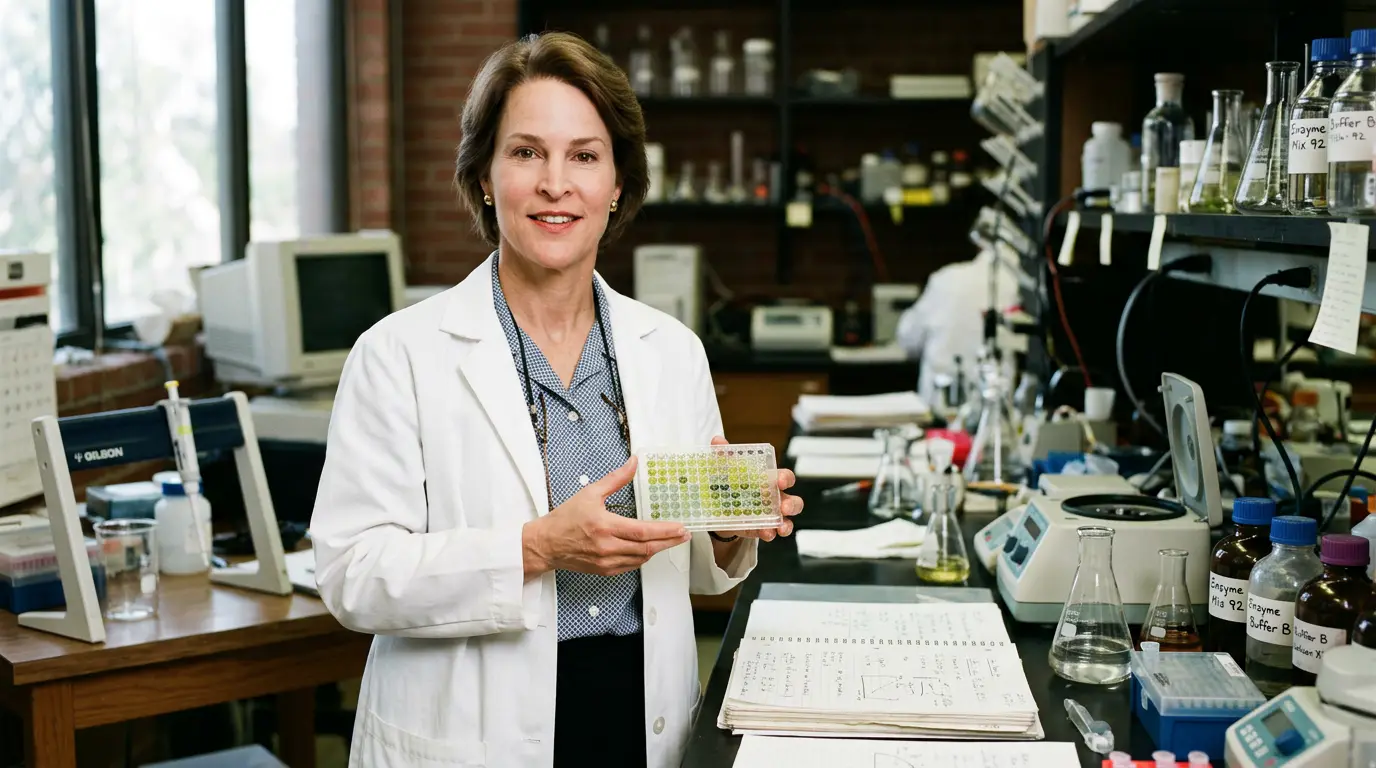
Frances H. Arnold
1956–present · Chemical engineering and protein engineering
Pioneered directed evolution of enzymes, using repeated mutation and selection to create proteins with useful new properties.
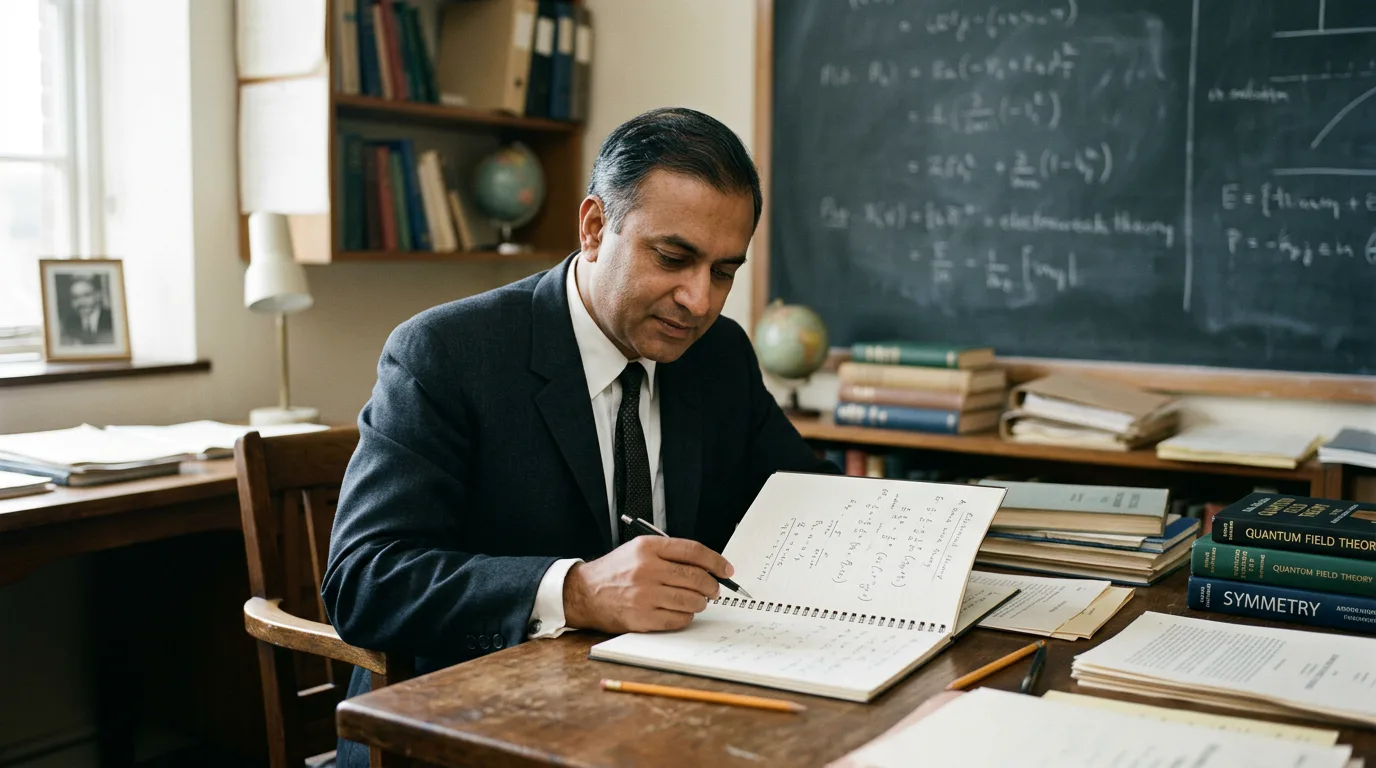
Abdus Salam
1926–1996 · Theoretical and particle physics
Helped develop electroweak theory, unifying the electromagnetic and weak nuclear interactions within one theoretical framework.
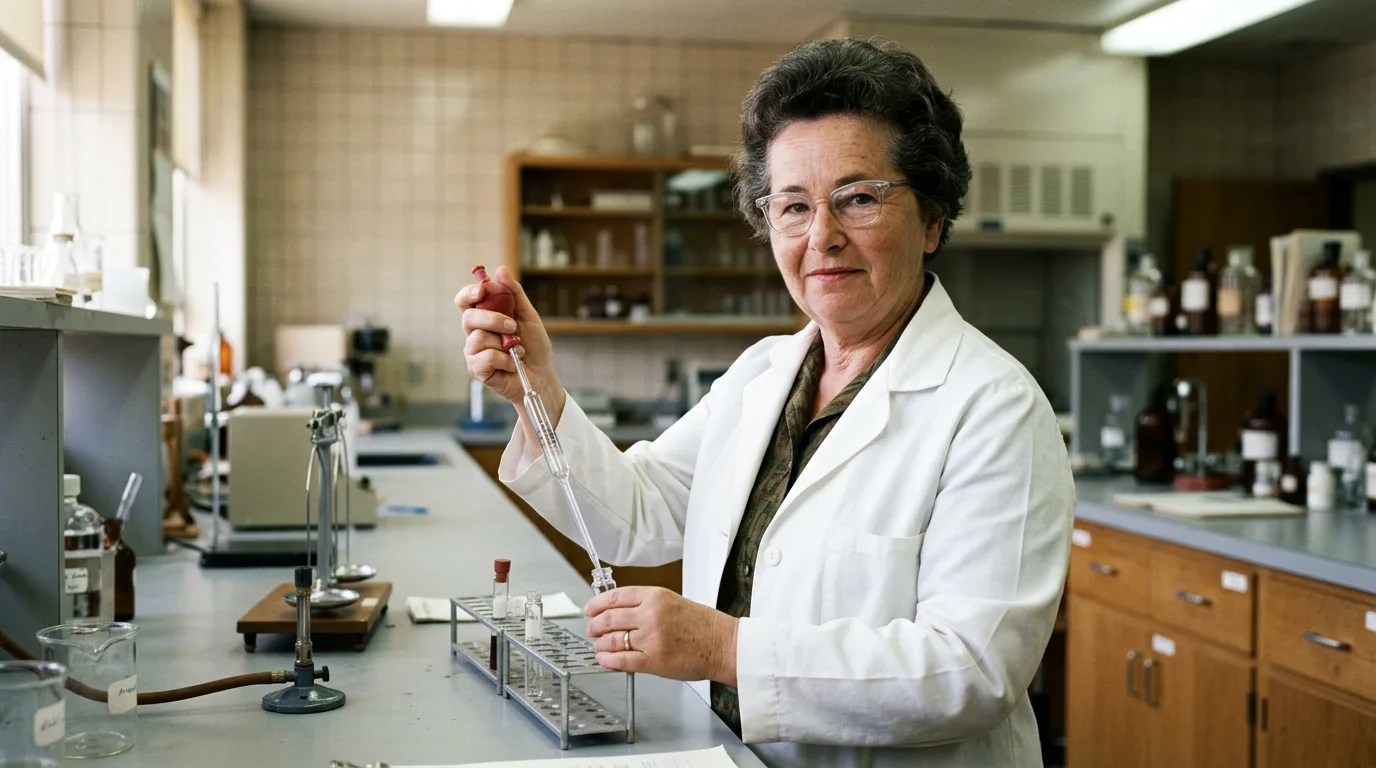
Gertrude Belle Elion
1918–1999 · Pharmacology and medicinal chemistry
Helped pioneer rational drug design and developed important medicines for leukemia, organ transplantation, gout and viral infections.
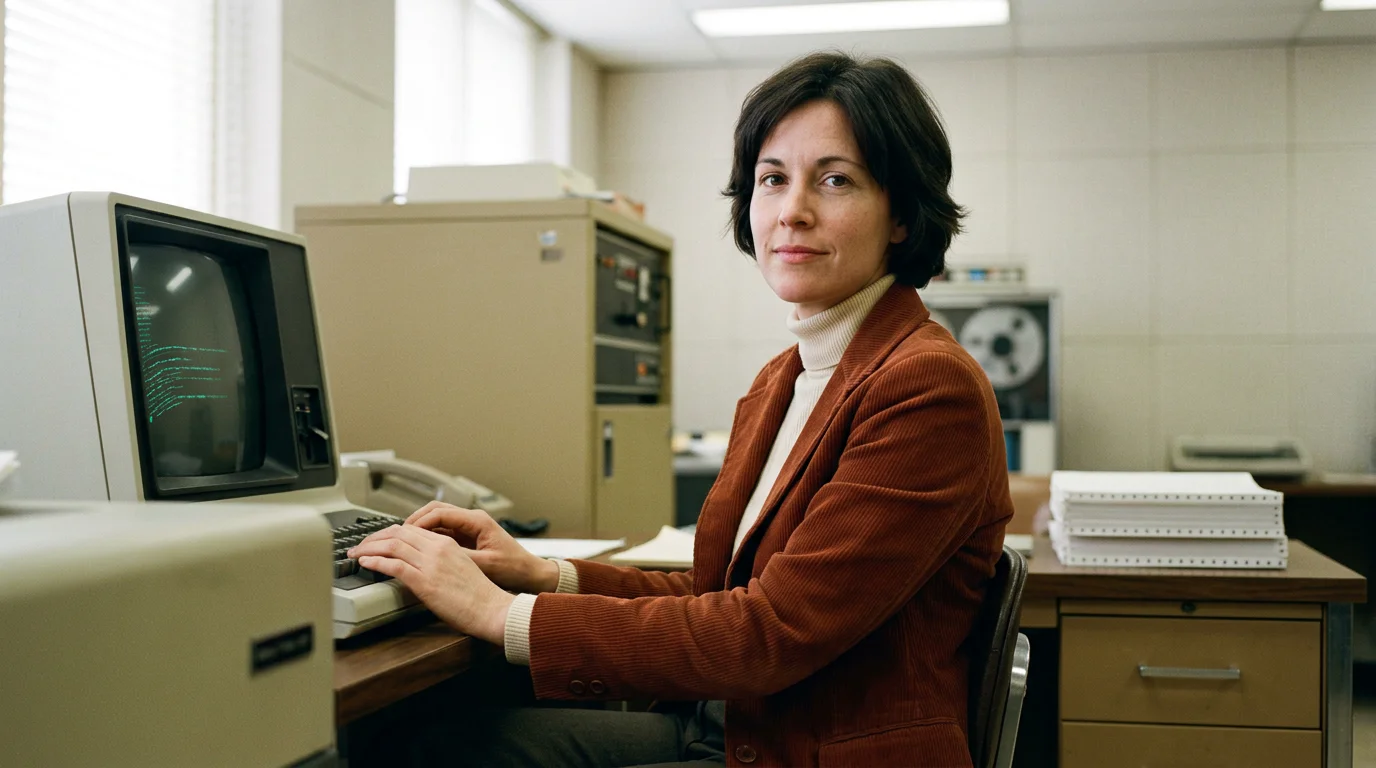
Barbara Liskov
1939–present · Computer science and programming languages
Pioneered data abstraction, designed the CLU and Argus programming languages and helped establish principles for reliable object-oriented and distributed software.
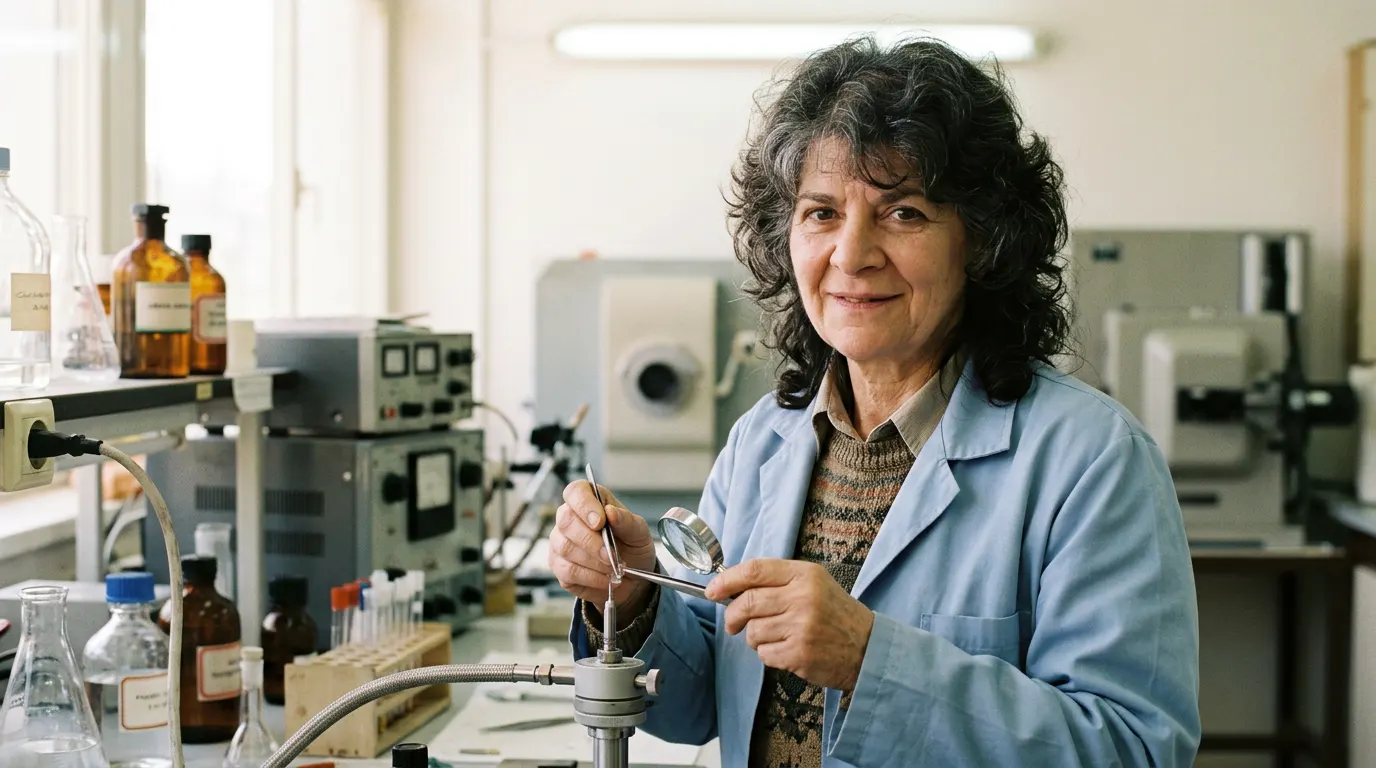
Ada E. Yonath
1939–2026 · Structural biology and crystallography
Pioneered ribosome crystallography and helped reveal the atomic structure and function of the ribosome, work recognised by the 2009 Nobel Prize in Chemistry.
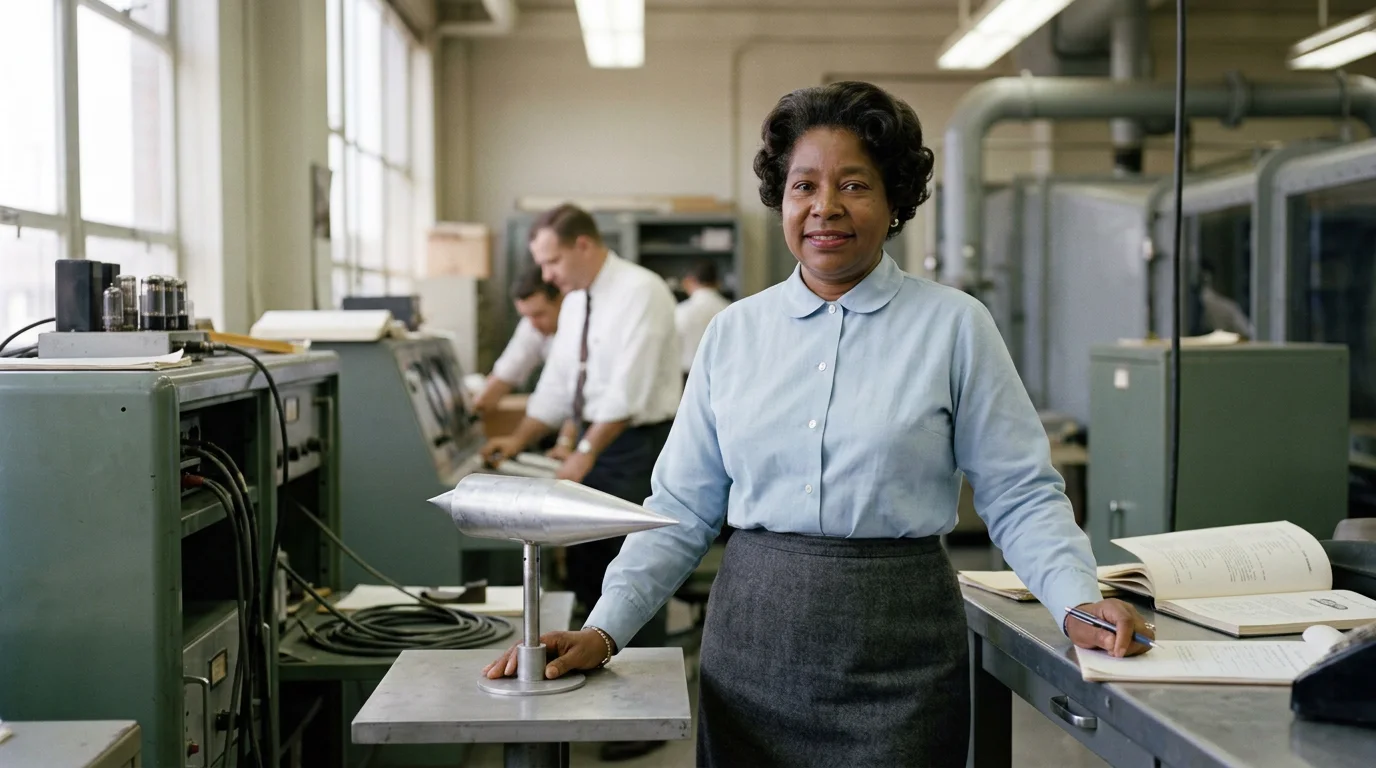
Mary Winston Jackson
1921–2005 · Aerospace engineering
Became NASA’s first Black female engineer and researched airflow and boundary-layer behaviour around aircraft at supersonic speeds.
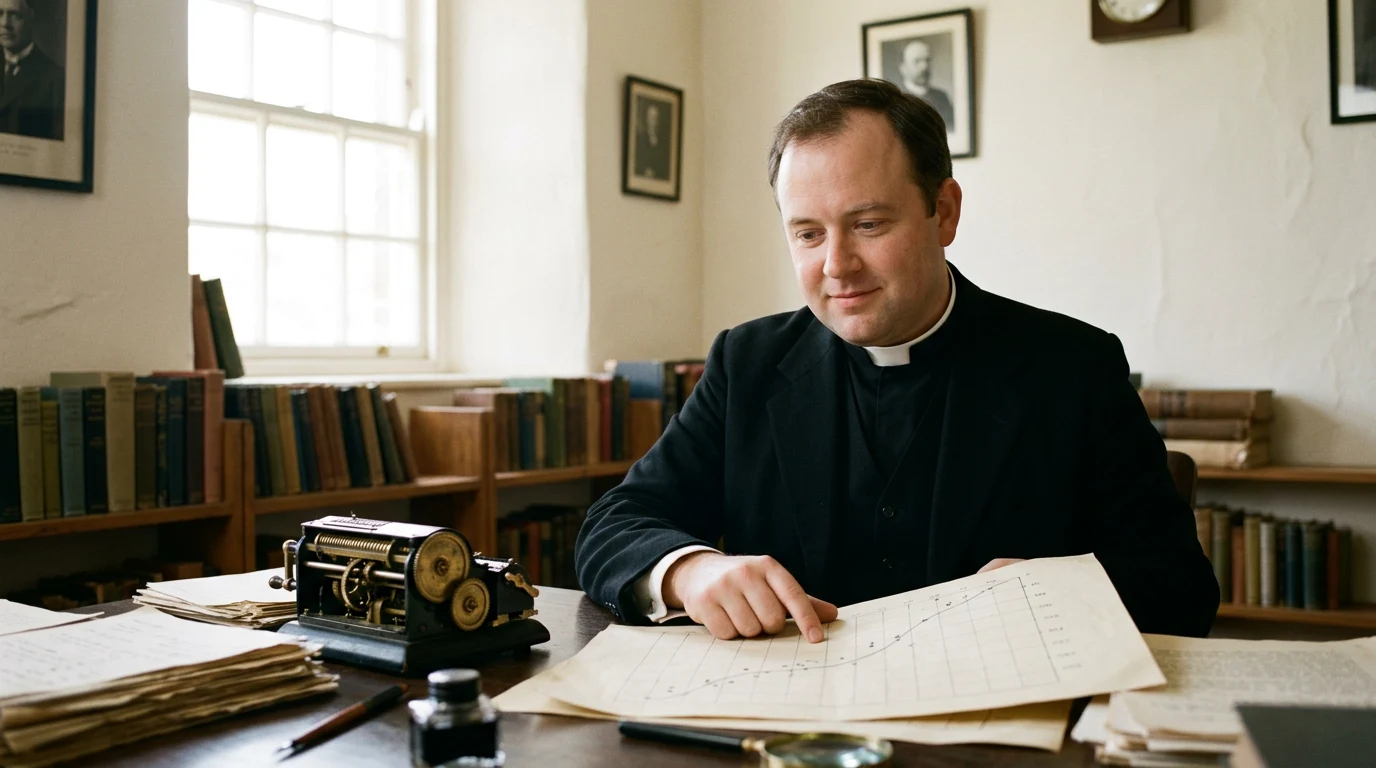
Georges Lemaître
1894–1966 · Cosmology and astrophysics
Proposed an expanding universe from Einstein’s equations and later developed the primeval-atom idea that became an early form of Big Bang cosmology.
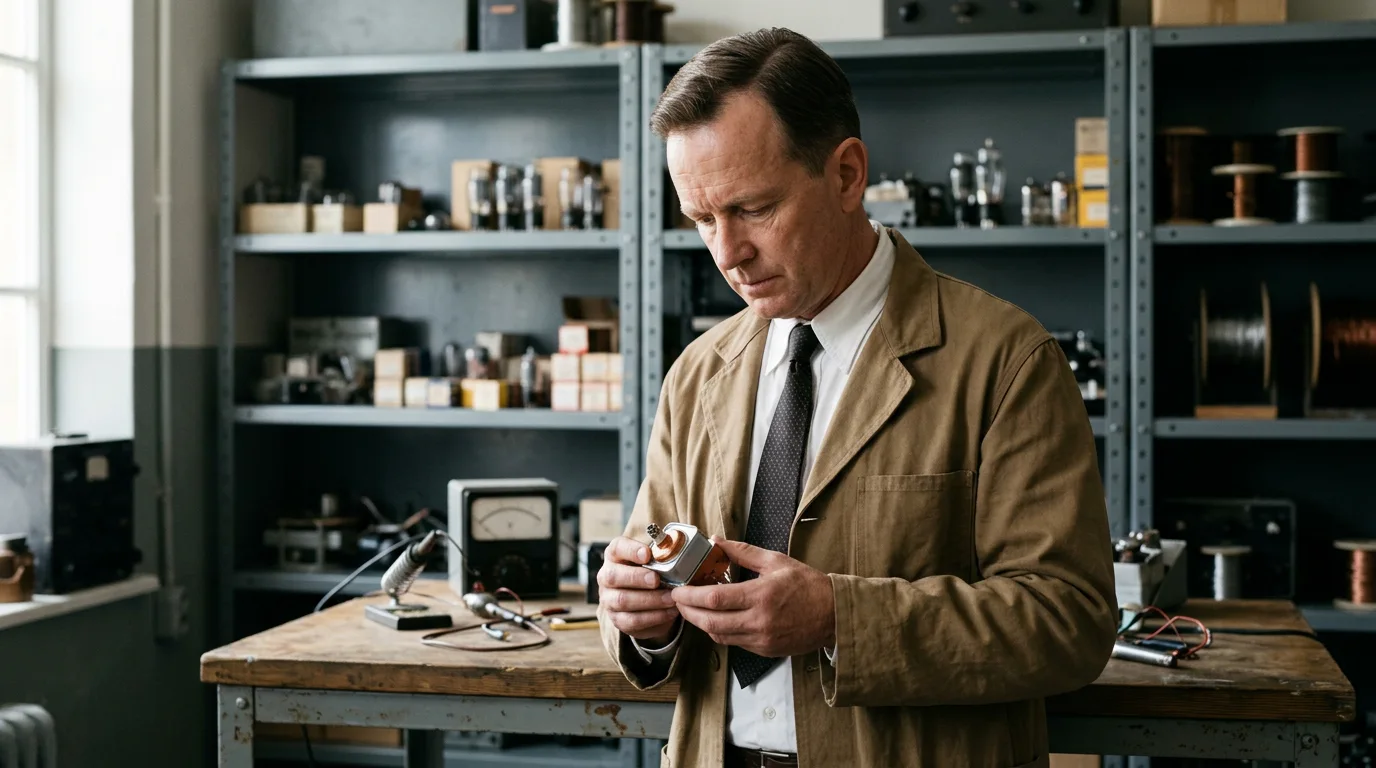
Percy Spencer
1894–1970 · Radar engineering and microwave cooking
Percy Spencer improved mass production of radar magnetrons and led early work at Raytheon that turned microwave energy into a new way of cooking food.
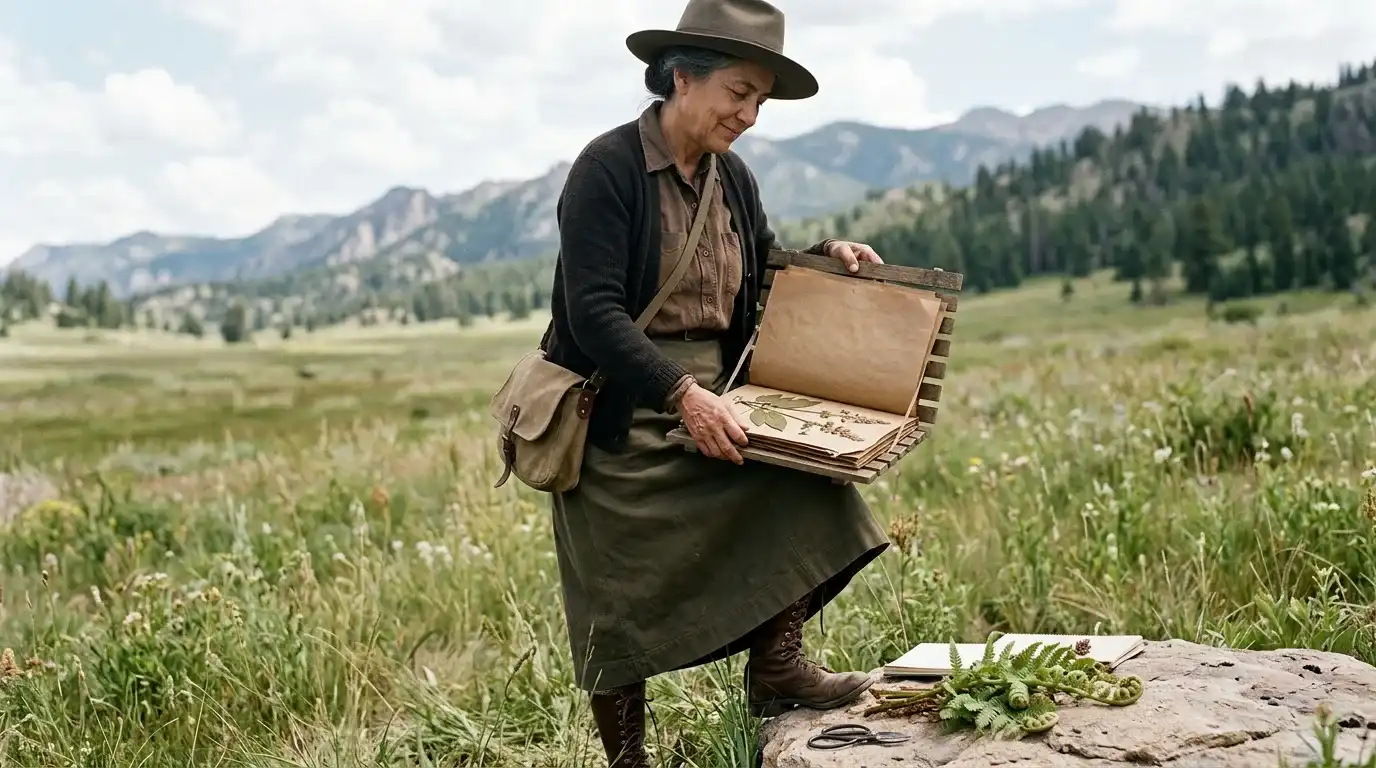
Ynes Mexía
1870–1938 · Botany, plant collecting and conservation
Ynes Mexía began serious botanical work in her fifties and collected vast numbers of plant specimens, expanding the record of plants across the Americas.
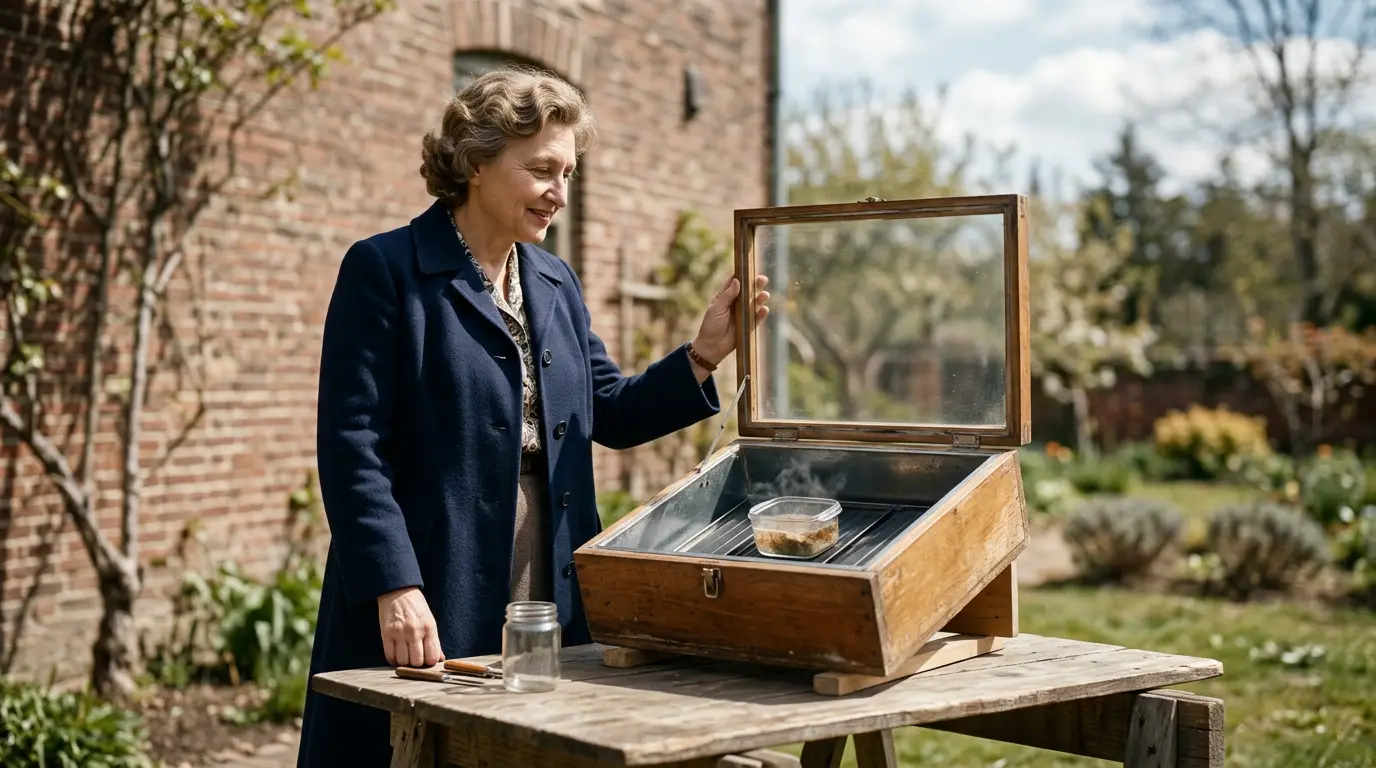
Mária Telkes
1900–1995 · Solar energy engineering and thermal storage
Mária Telkes developed ways to collect and store solar heat, helped create an experimental solar-heated house and invented a solar-powered water still.
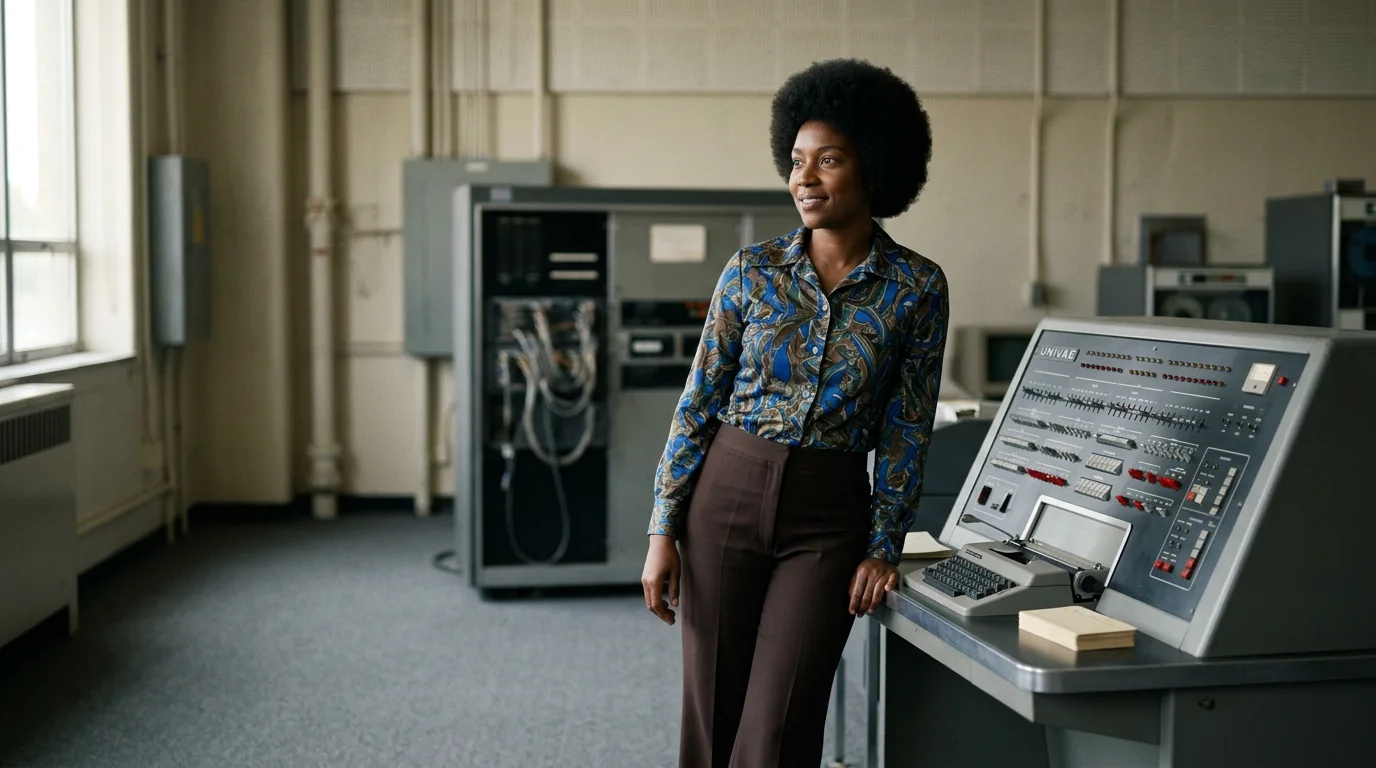
Annie Easley
1933–2011 · Computer programming, mathematics and aerospace research
Annie Easley programmed and analysed research at NASA, contributing to rocket systems and alternative-energy technology after beginning as a human computer.
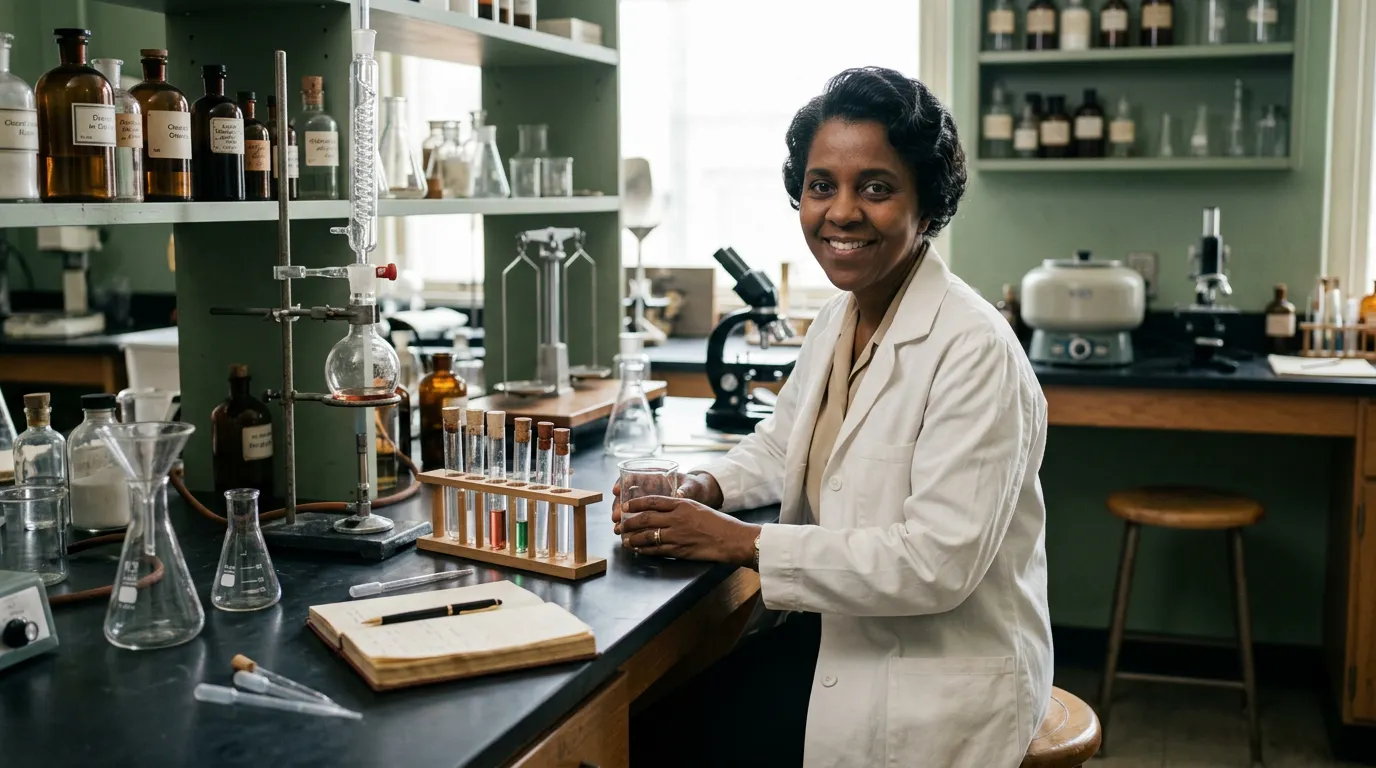
Marie Maynard Daly
1921–2003 · Biochemistry, proteins and cardiovascular research
Marie Maynard Daly became the first Black woman in the United States to earn a chemistry doctorate and made important discoveries about proteins, cells and heart disease.
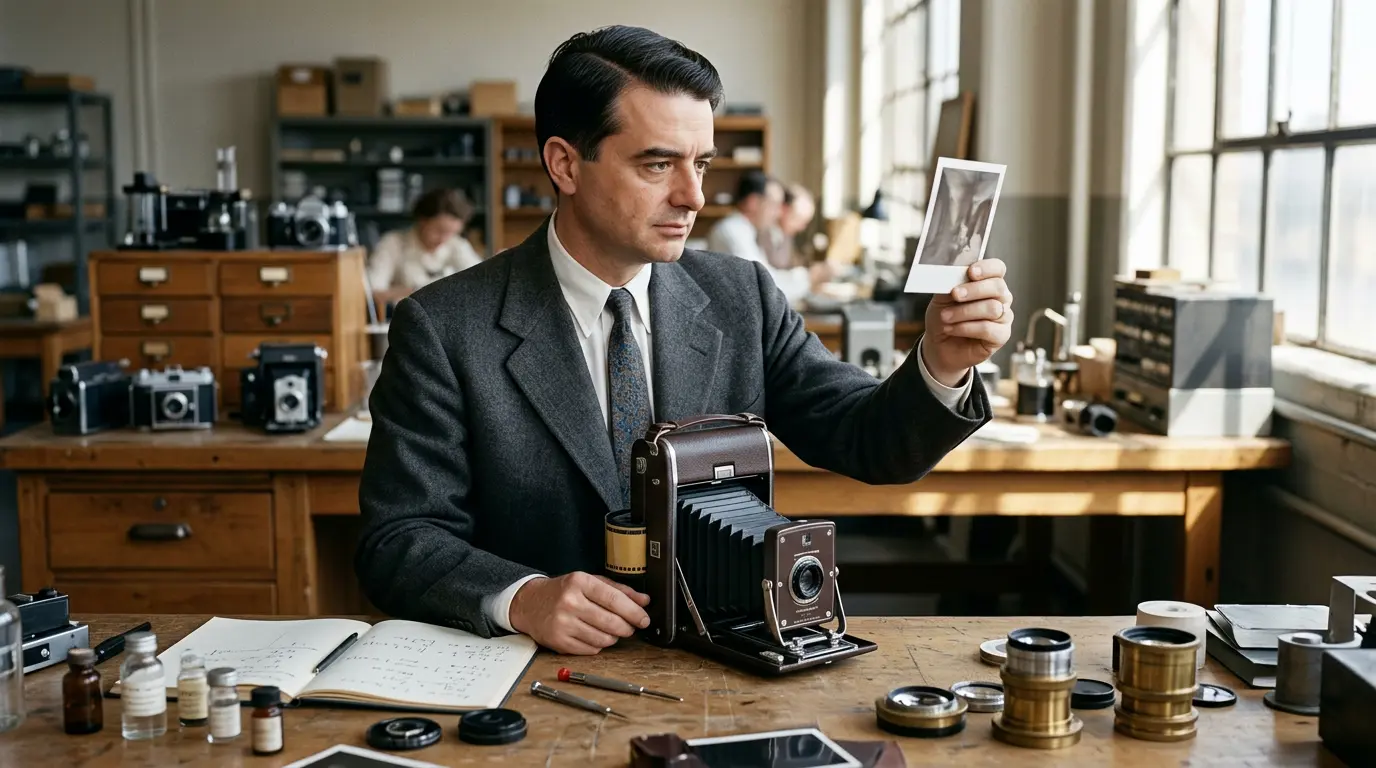
Edwin H. Land
1909–1991 · Optics, polarising materials and instant photography
Edwin H. Land pioneered inexpensive polarising filters and led the development of Polaroid instant cameras that could produce photographs in minutes.
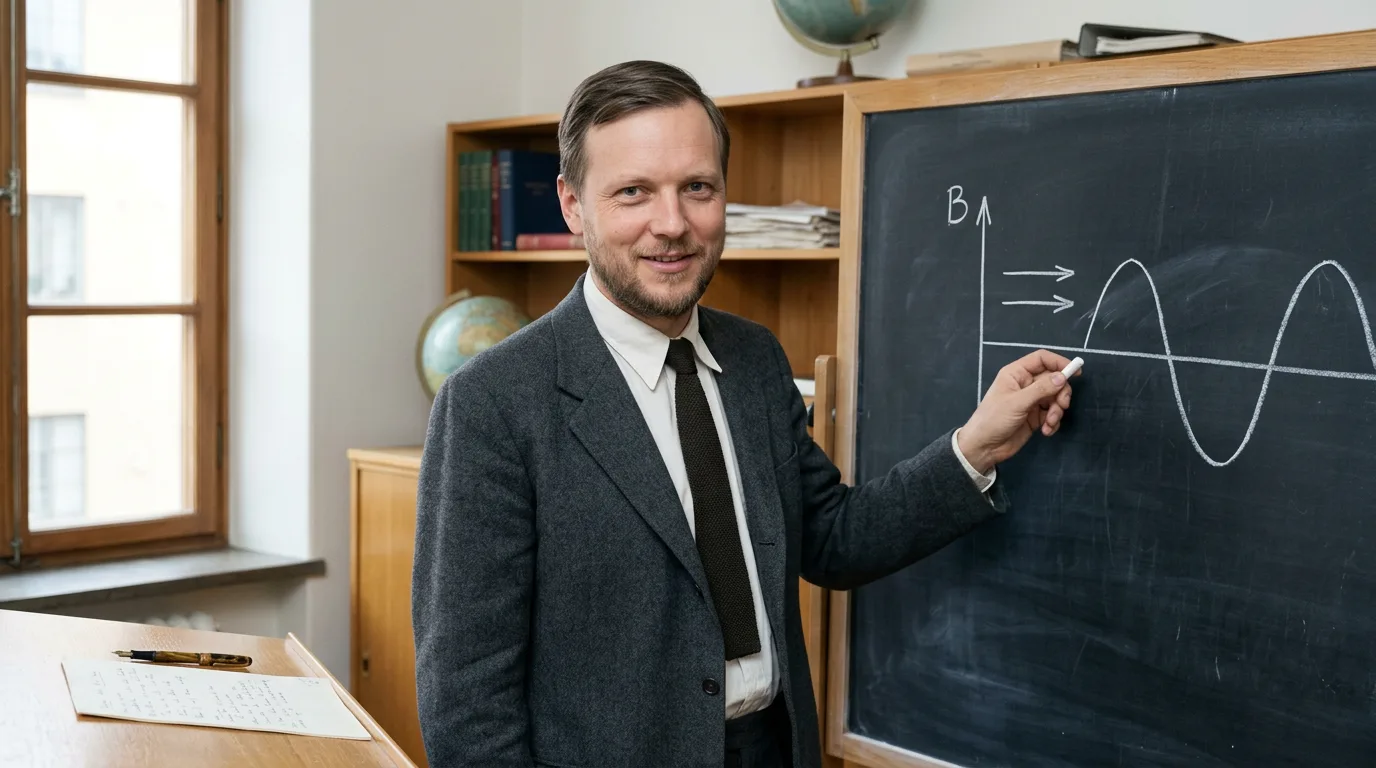
Hannes Alfvén
1908–1995 · Plasma physics and magnetohydrodynamics
Hannes Alfvén predicted waves that travel through electrically conducting matter in magnetic fields, helping explain the behaviour of plasma in space.
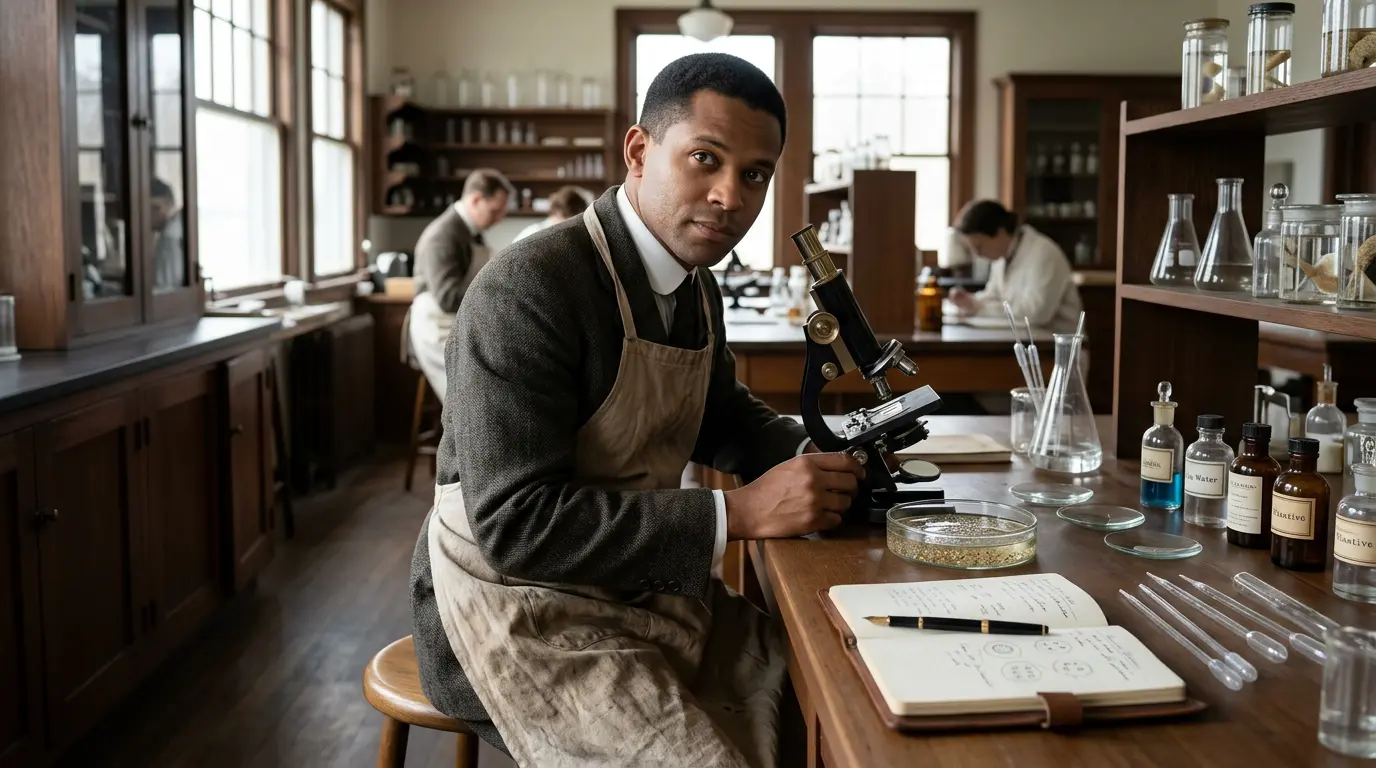
Ernest Everett Just
1883–1941 · Cell biology and embryology
Ernest Everett Just investigated how egg cells respond to fertilisation and showed why the living cell surface matters during early development.
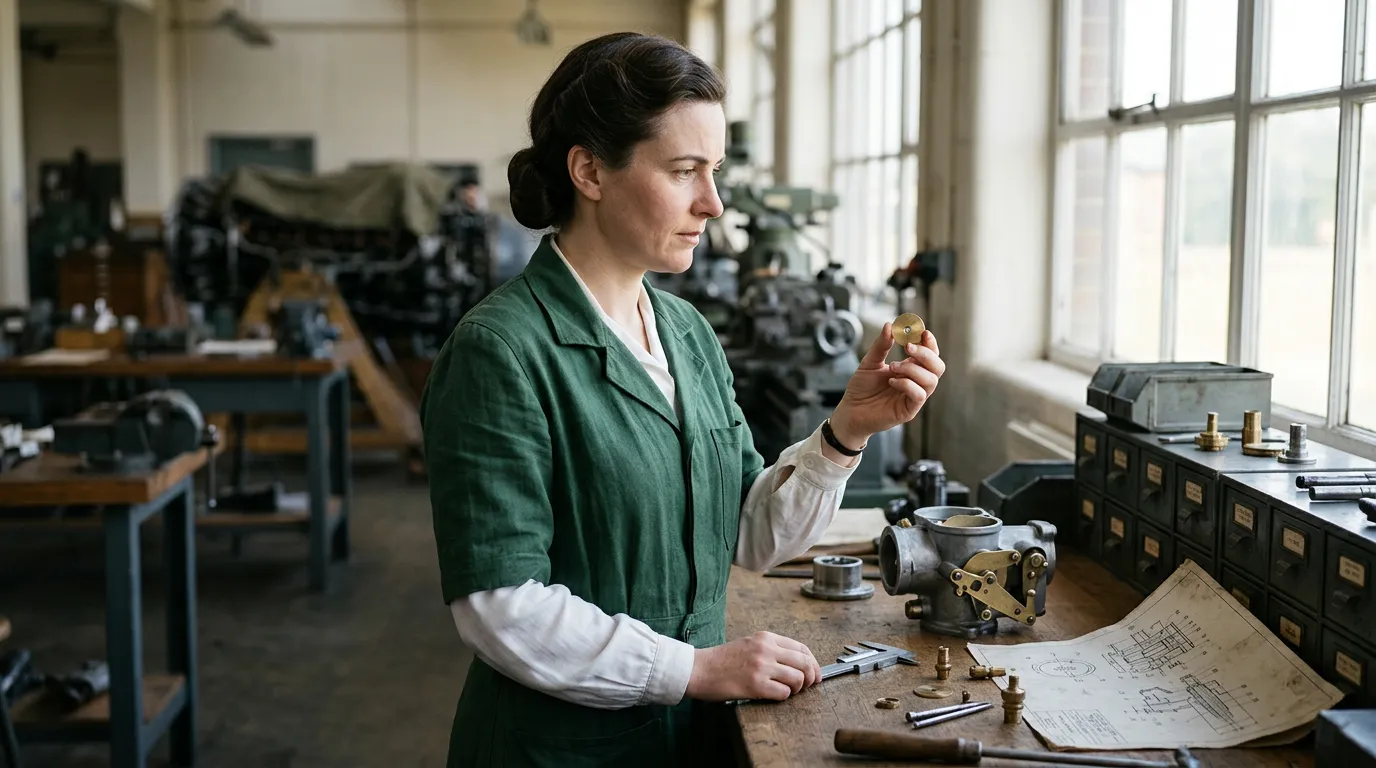
Beatrice Shilling
1909–1990 · Aeronautical and mechanical engineering
Beatrice Shilling devised a small fuel-flow restrictor that helped Rolls-Royce Merlin aircraft engines keep running during steep wartime manoeuvres.
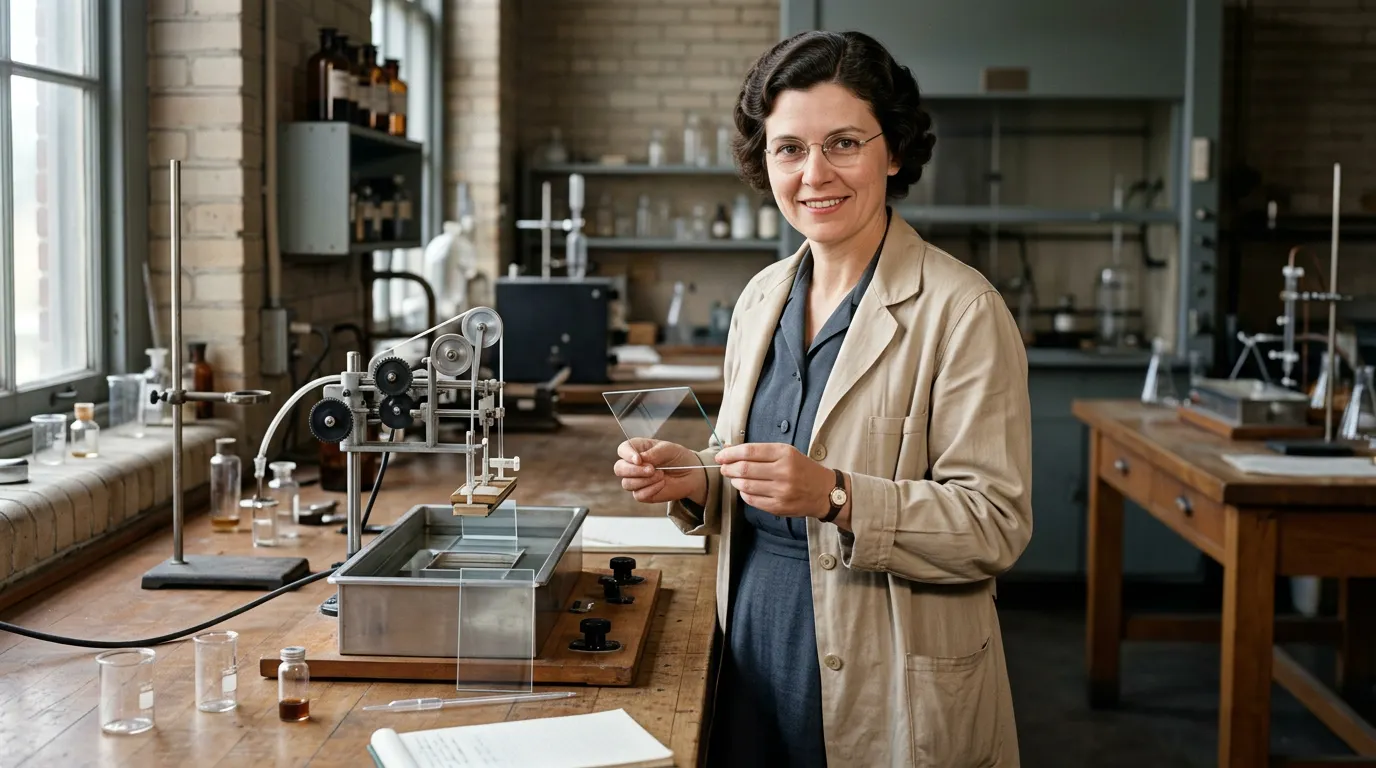
Katharine Burr Blodgett
1898–1979 · Surface physics, thin films and optics
Katharine Burr Blodgett developed methods for building molecularly thin coatings and made glass that reflected remarkably little light.
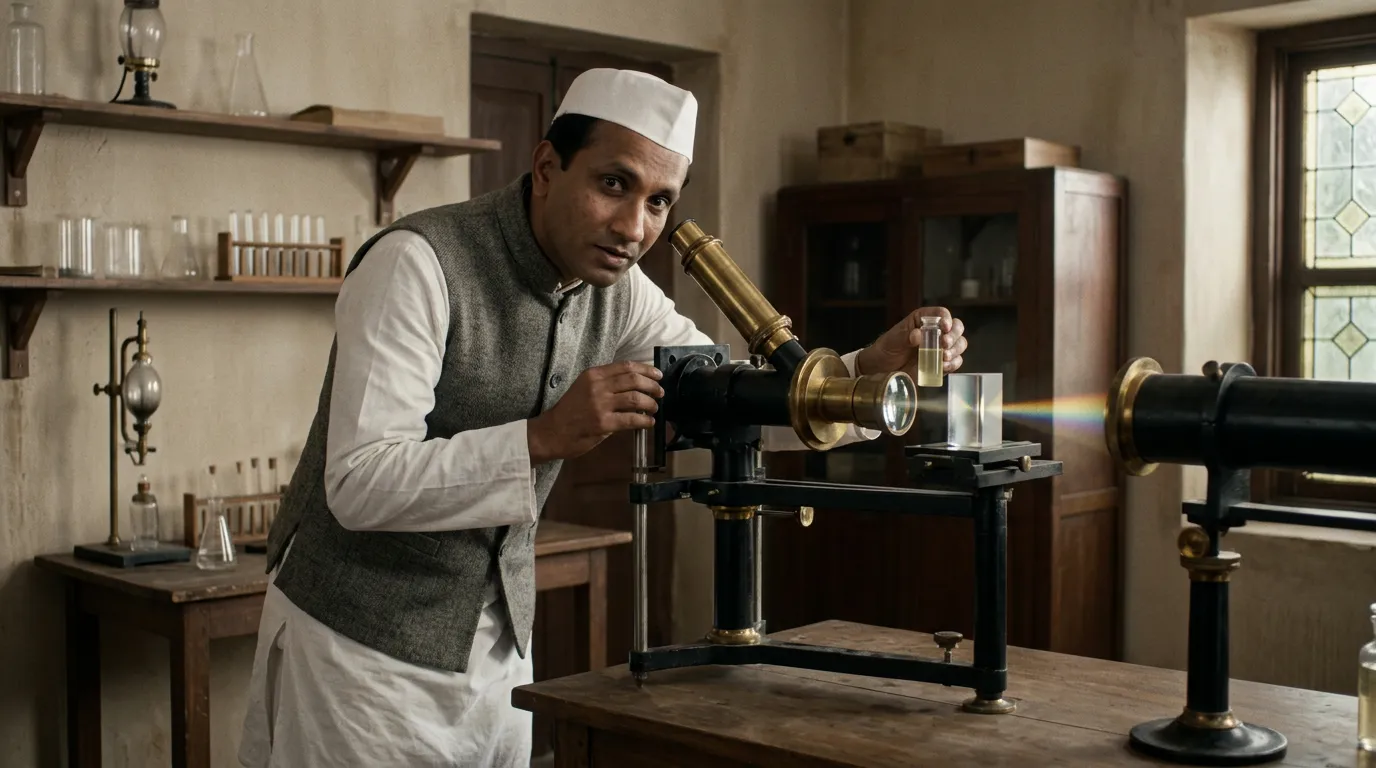
Chandrasekhara Venkata Raman
1888–1970 · Optics, acoustics and light scattering
C. V. Raman discovered the Raman effect, showing that some light changes energy when scattered by molecules and revealing clues about matter.
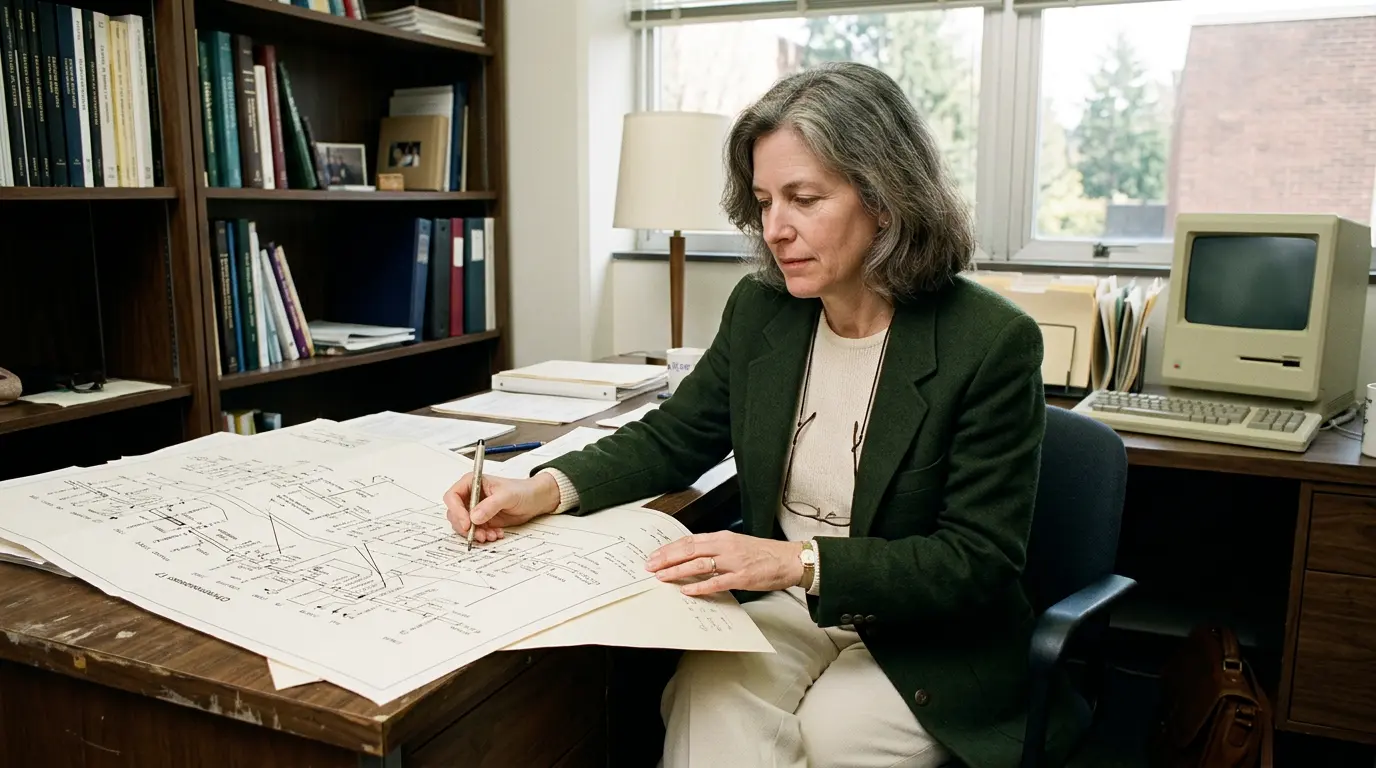
Mary-Claire King
1946–present · Human genetics and cancer genetics
Mary-Claire King mapped the inherited breast-cancer susceptibility region later named BRCA1 and used genetics to help reunite separated families.
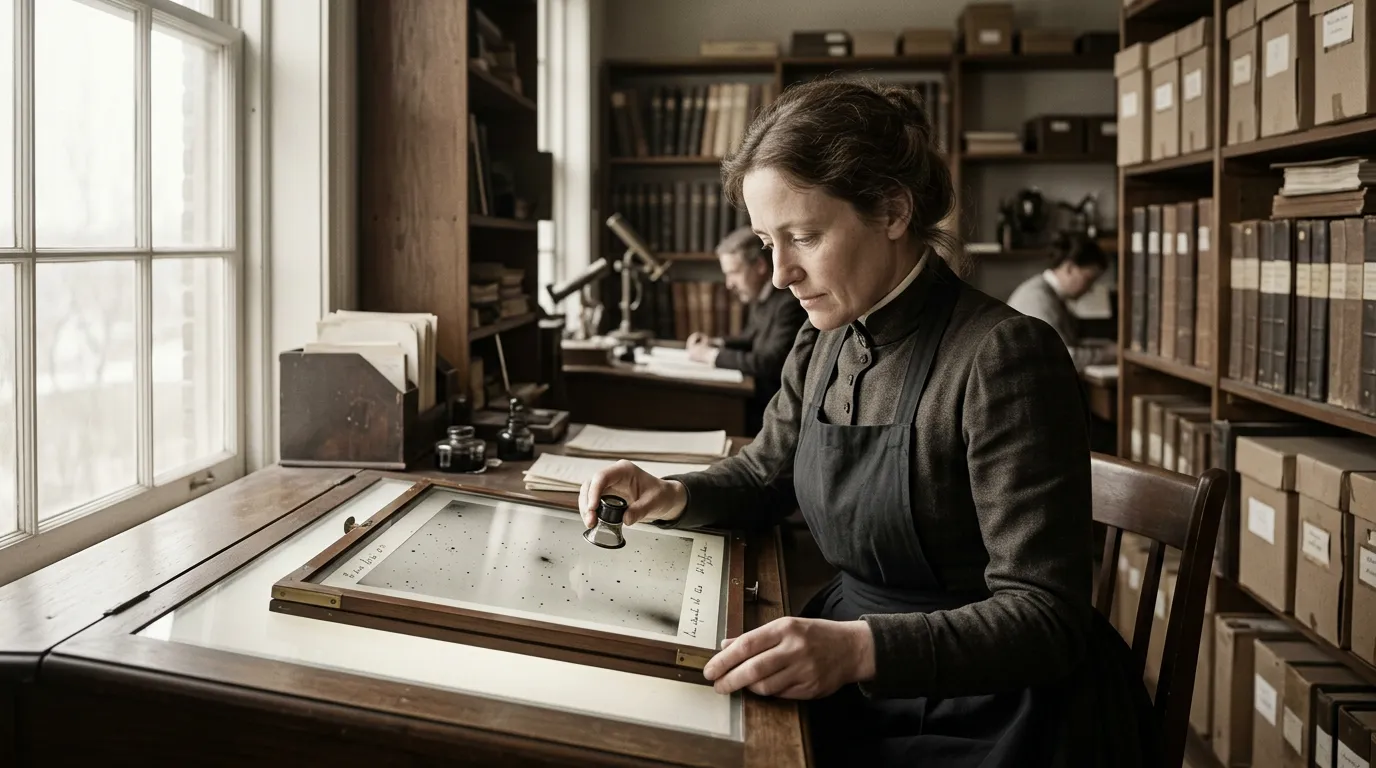
Williamina Fleming
1857–1911 · Astronomy and stellar classification
Williamina Fleming classified thousands of stars using photographic plates and identified the Horsehead Nebula in 1888.
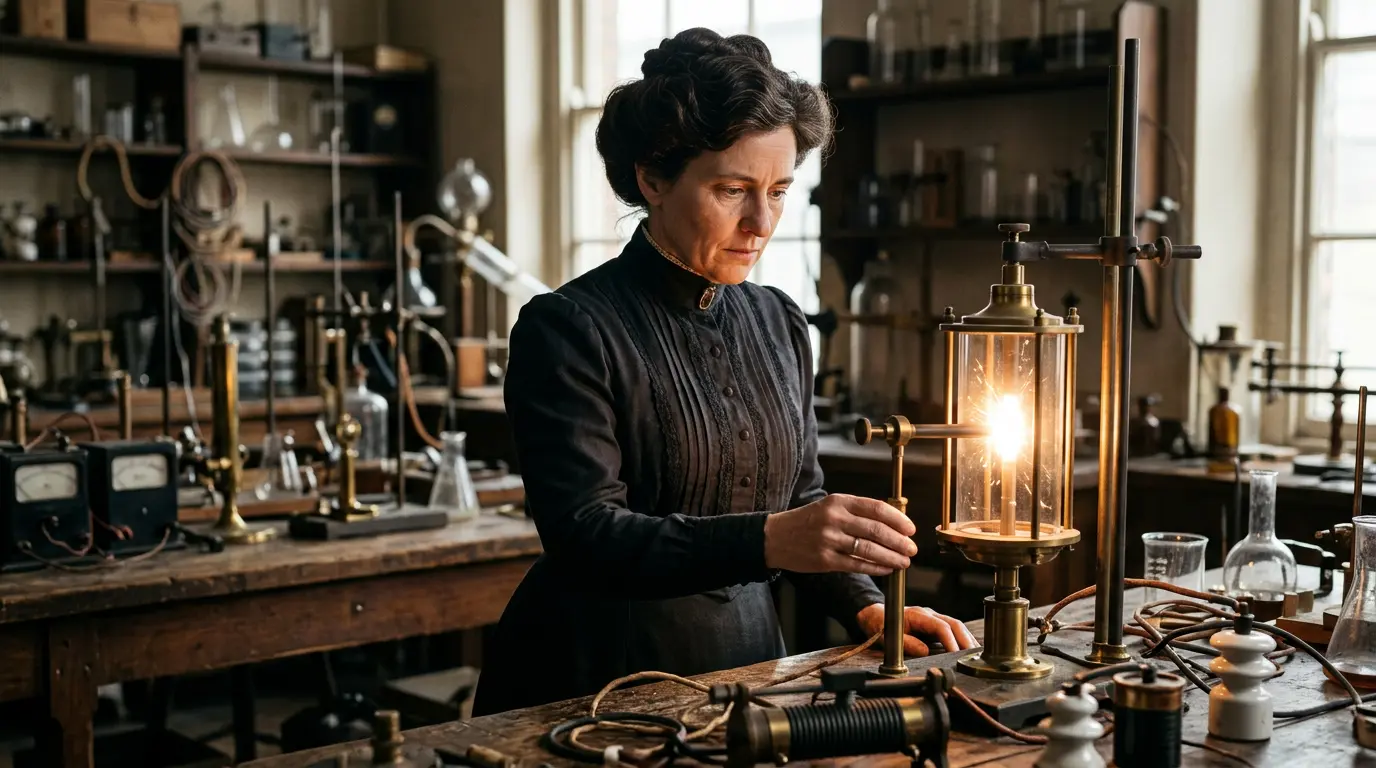
Hertha Ayrton
1854–1923 · Physics and electrical engineering
Hertha Ayrton explained the behaviour of electric arcs, studied ripples in sand and water, and invented a wartime anti-gas fan.
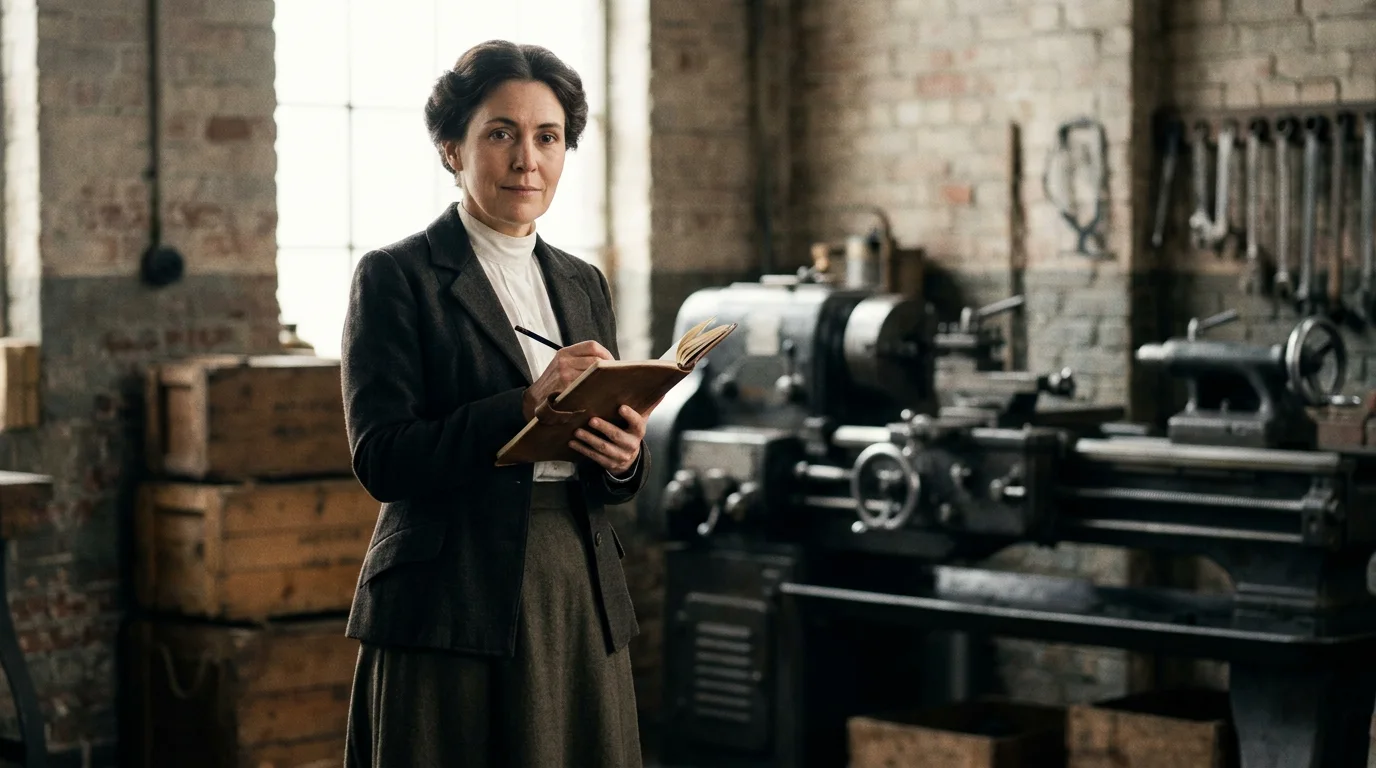
Alice Hamilton
1869–1970 · Occupational medicine and public health
Alice Hamilton investigated dangerous chemicals in American workplaces and helped establish occupational medicine in the United States.
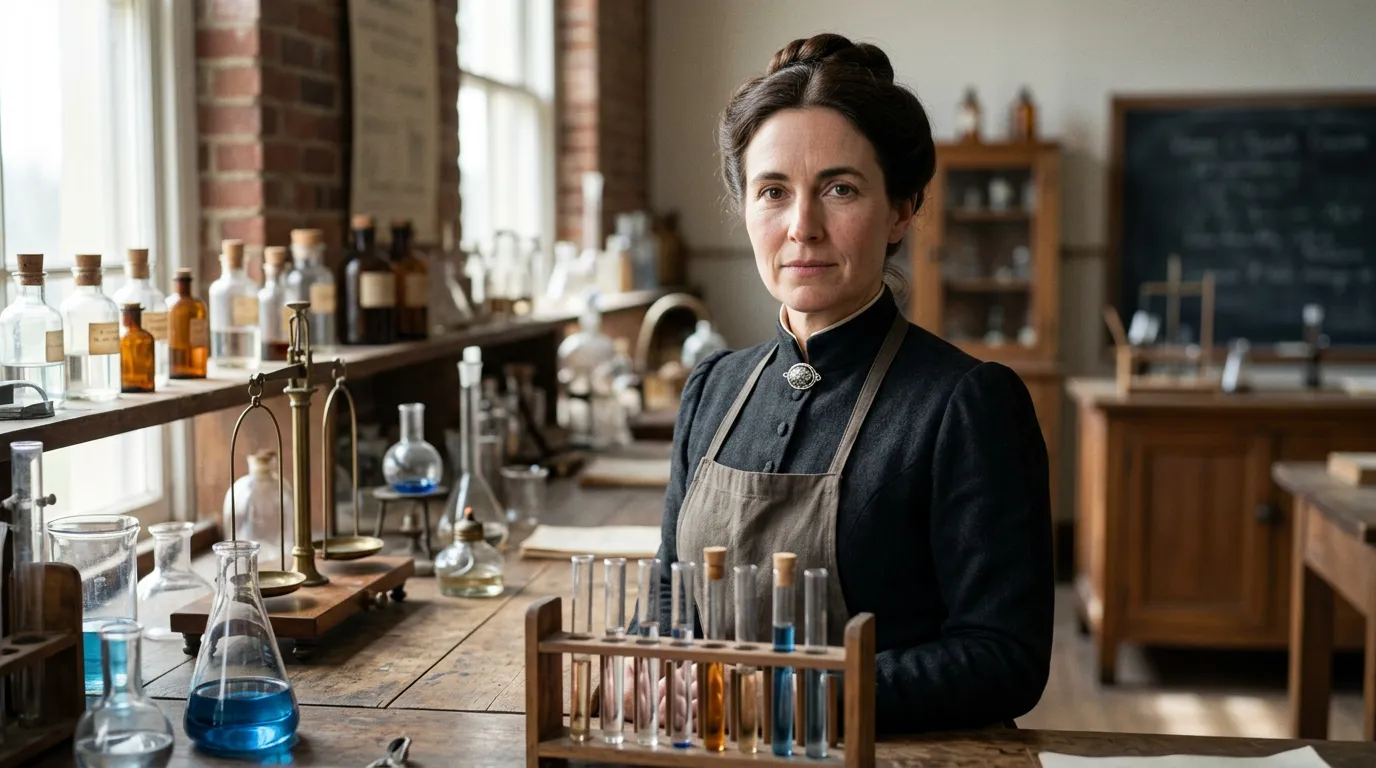
Ellen Henrietta Swallow Richards
1842–1911 · Environmental chemistry and sanitary engineering
Pioneered scientific testing of water, air and food and helped establish environmental sanitation and home economics.
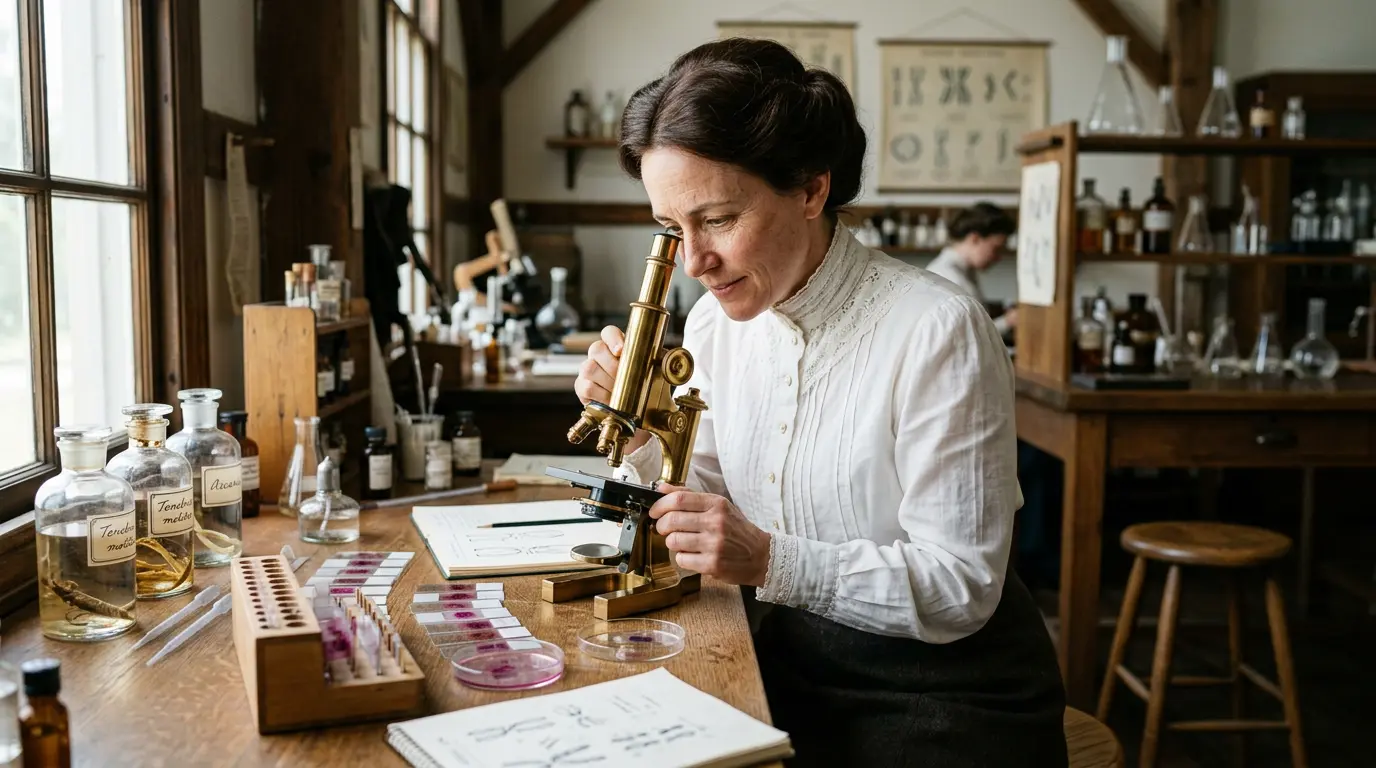
Nettie Maria Stevens
1861–1912 · Genetics and cytology
Showed through mealworm experiments how X and Y chromosomes are linked to biological sex determination.
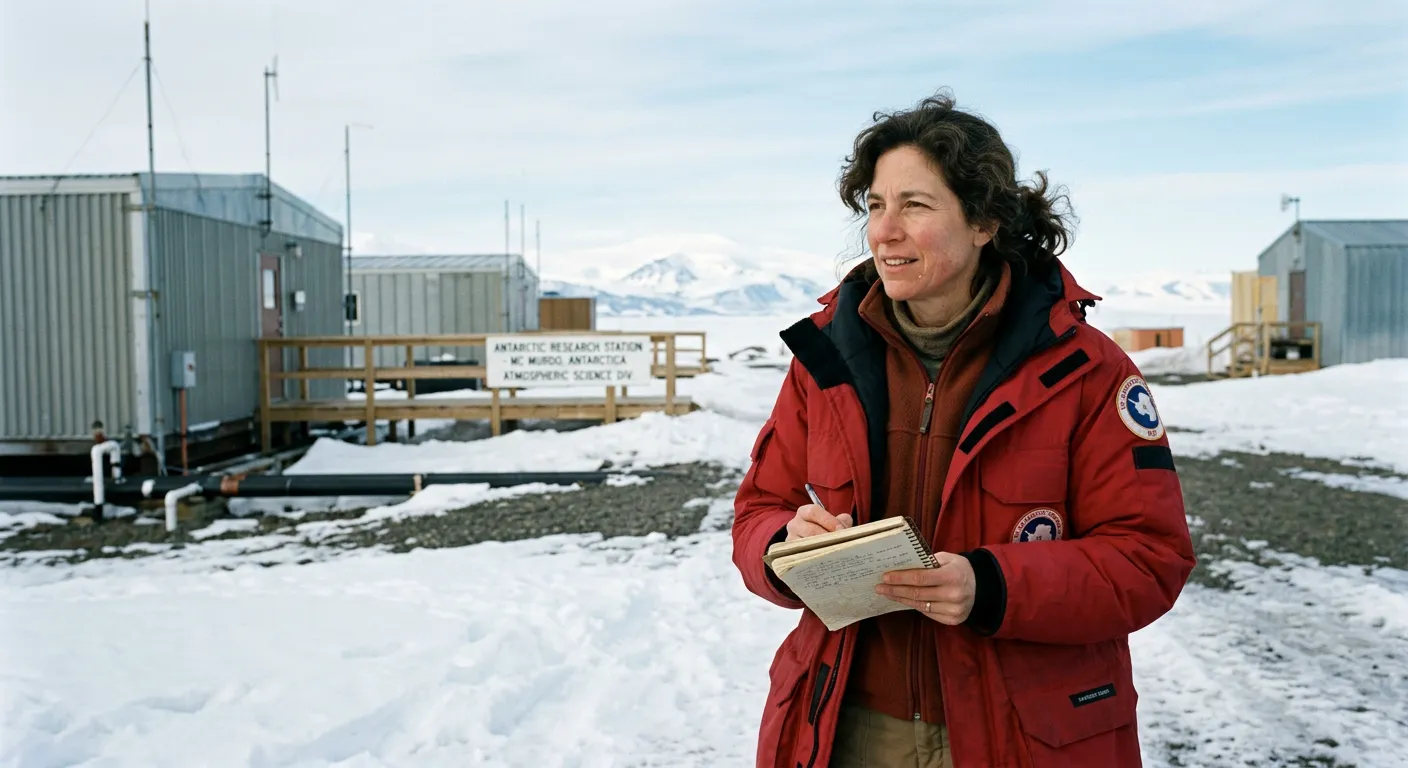
Susan Solomon
1956–present · Atmospheric chemistry and Earth science
Solomon led Antarctic research expeditions that explained why ozone depletion was especially severe there, connecting laboratory chemistry with a global environmental problem.
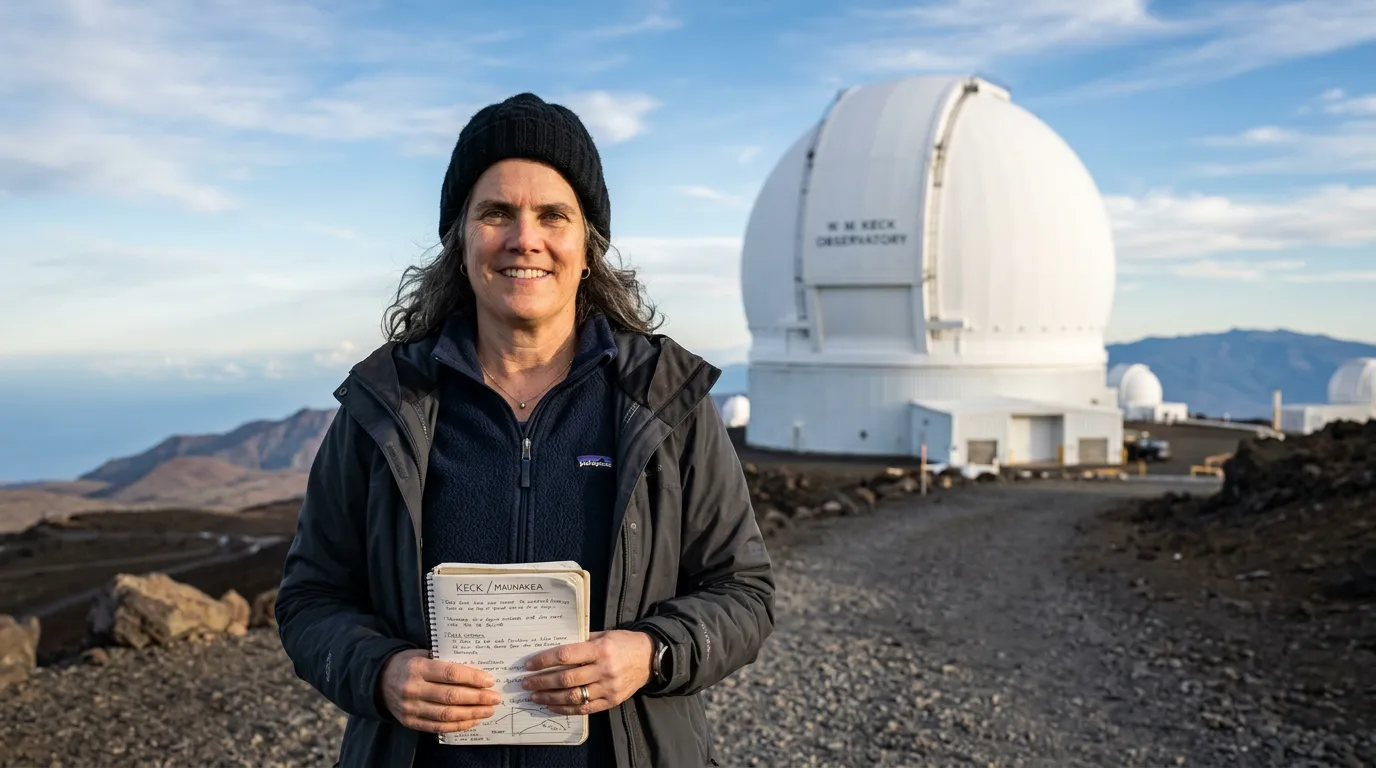
Andrea Ghez
1965–present · Astronomy and astrophysics
Ghez led a team that tracked stars orbiting the Milky Way's centre, providing strong evidence for a supermassive black hole at the Galactic Centre.
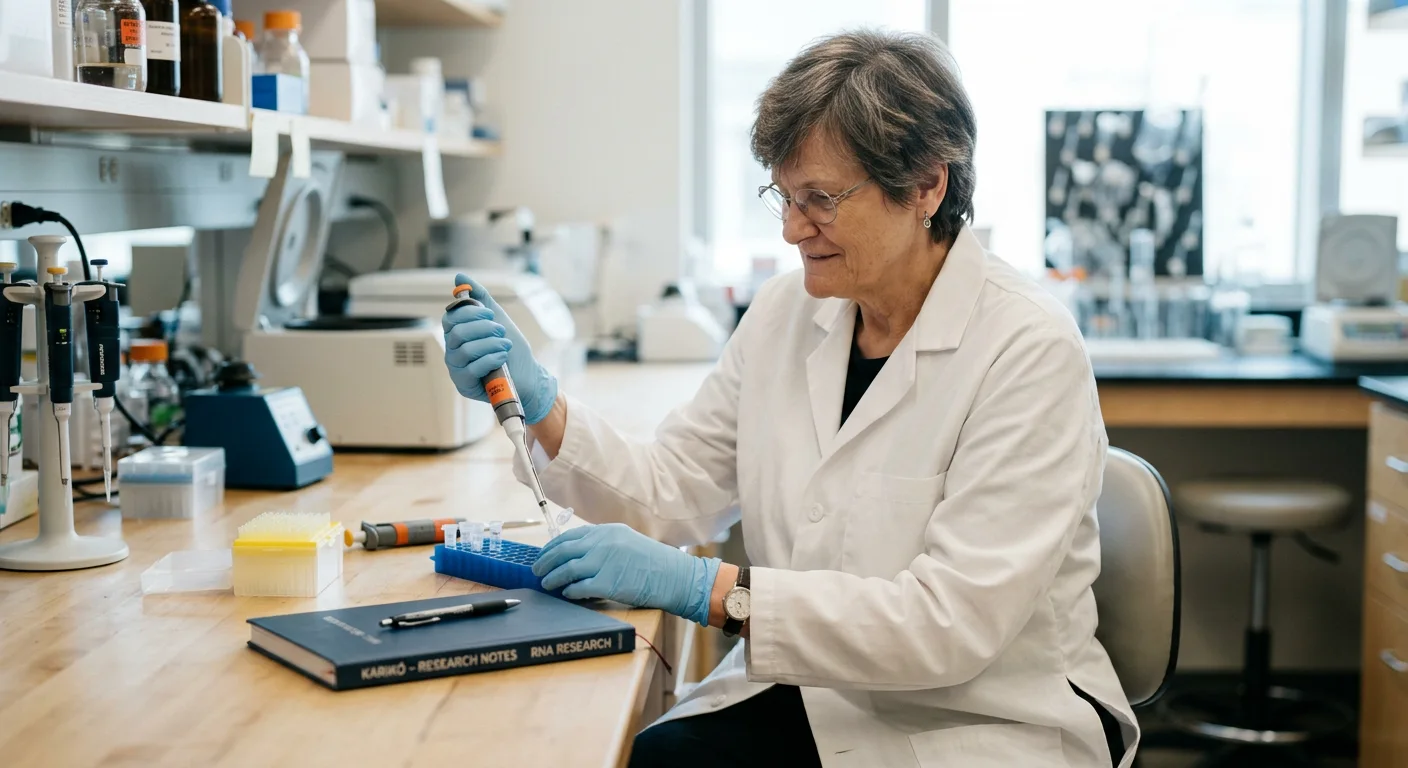
Katalin Karikó
1955–present · Biochemistry and RNA medicine
Working with Drew Weissman, Karikó discovered how changes to laboratory-made messenger RNA could reduce unwanted immune reactions. Their research helped make mRNA vaccines possible.
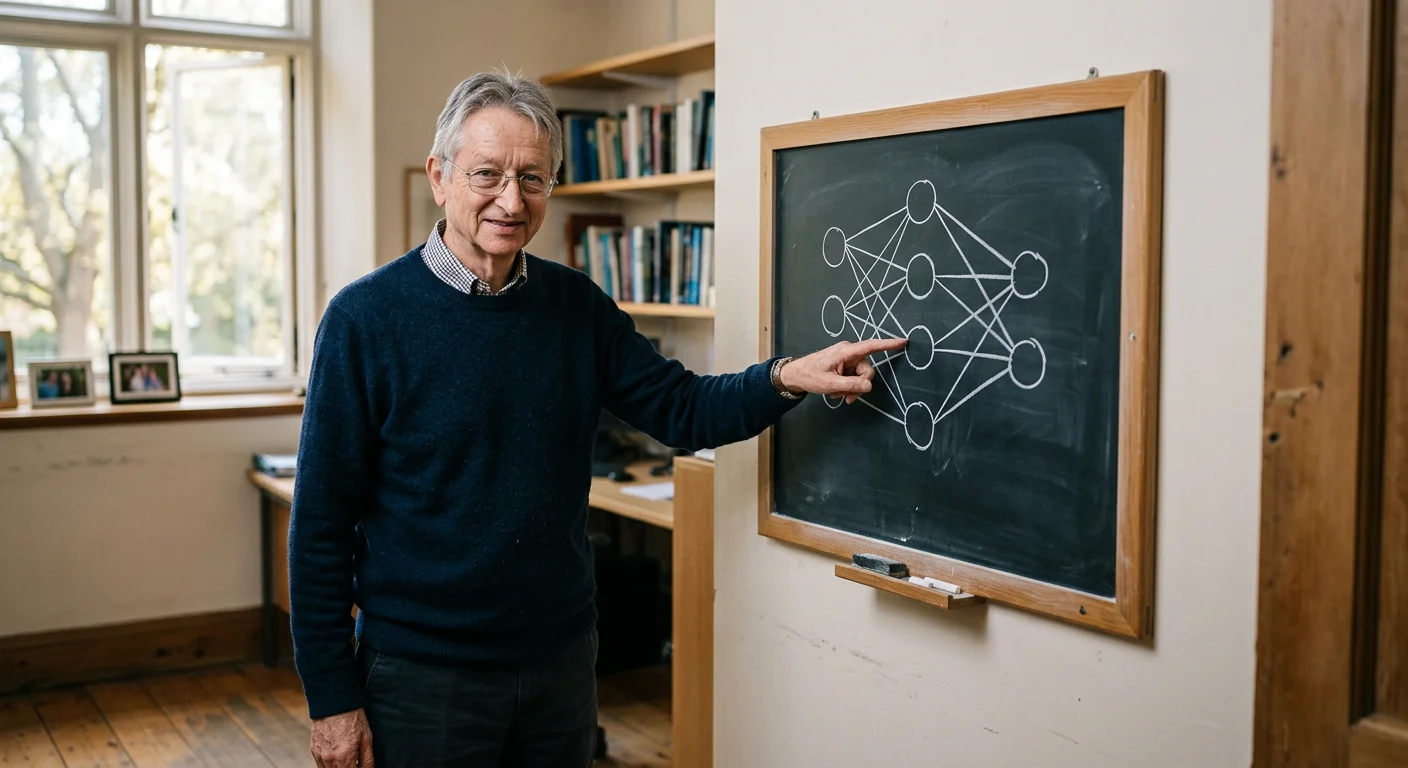
Geoffrey Hinton
1947–present · Computer science and artificial intelligence
Hinton helped show how artificial neural networks could learn patterns through backpropagation, laying groundwork for modern machine learning.
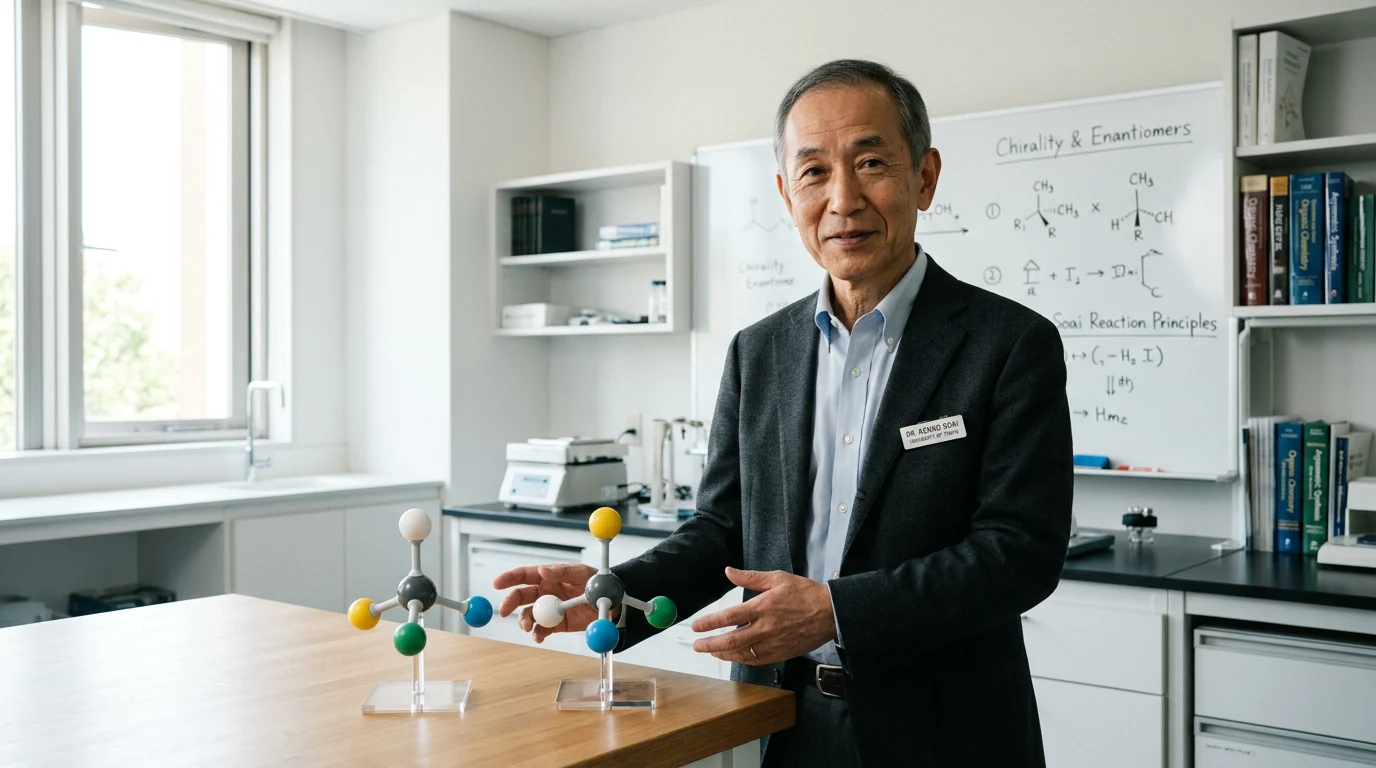
Kenso Soai
1950–present · Organic chemistry
Soai discovered asymmetric autocatalysis, a reaction where the product helps make more of itself, amplifying tiny molecular imbalances into strong preferences for one mirror-image form.
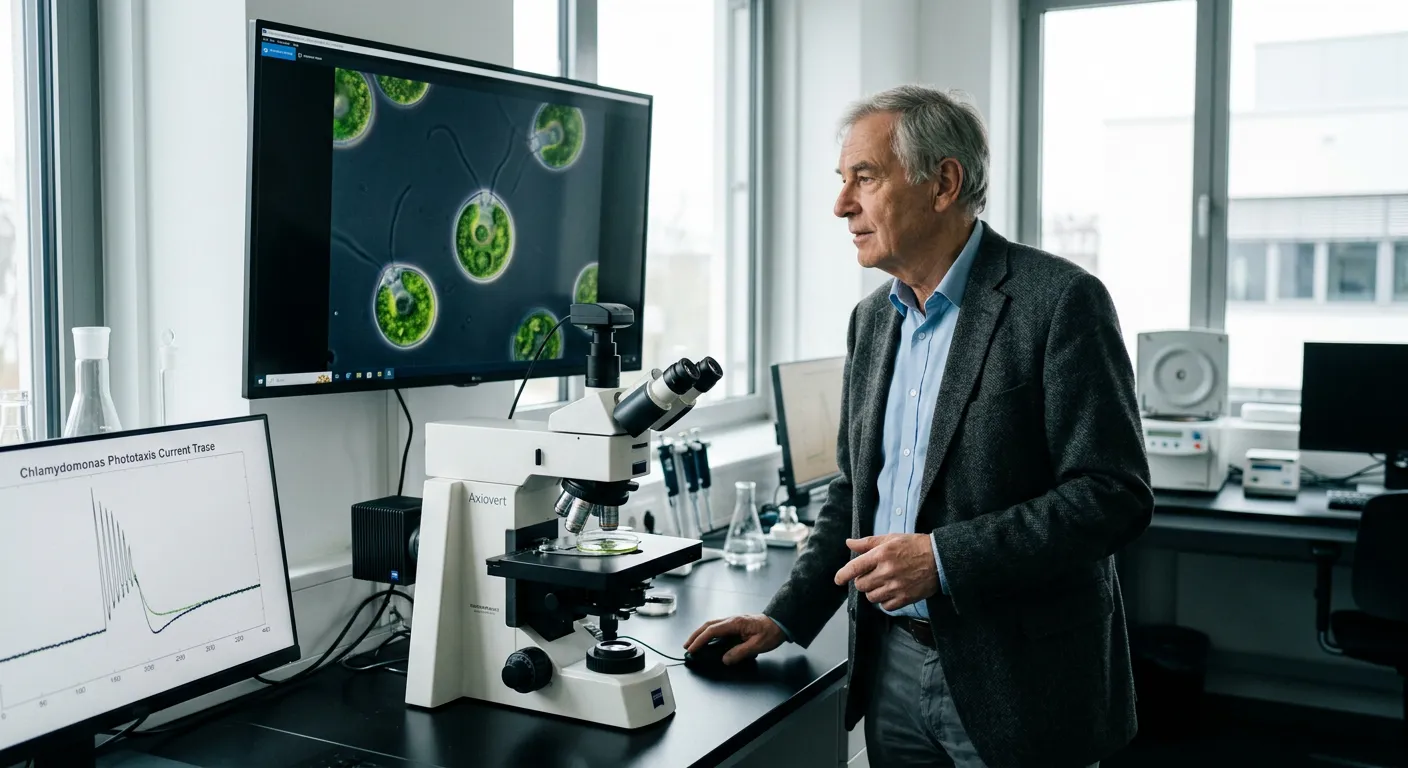
Peter Hegemann
1954–present · Biophysics and light-sensitive proteins
Hegemann investigated how algae respond to light and helped identify channelrhodopsins, proteins that open pathways for electrically charged particles across cell membranes.
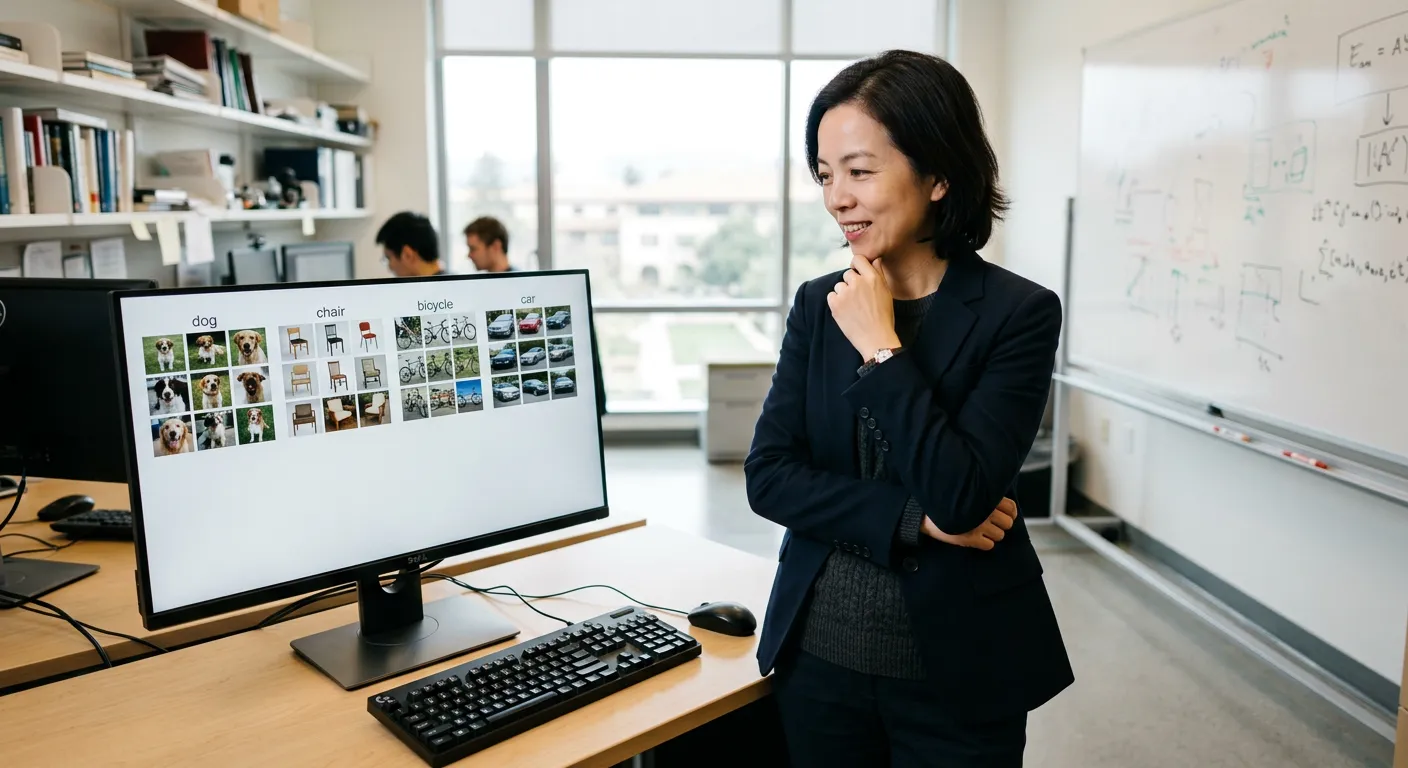
Fei-Fei Li
1976–present · Computer vision and artificial intelligence
Li helped demonstrate the importance of large, carefully labelled image datasets for computer vision. She also works to put human needs at the centre of artificial intelligence.
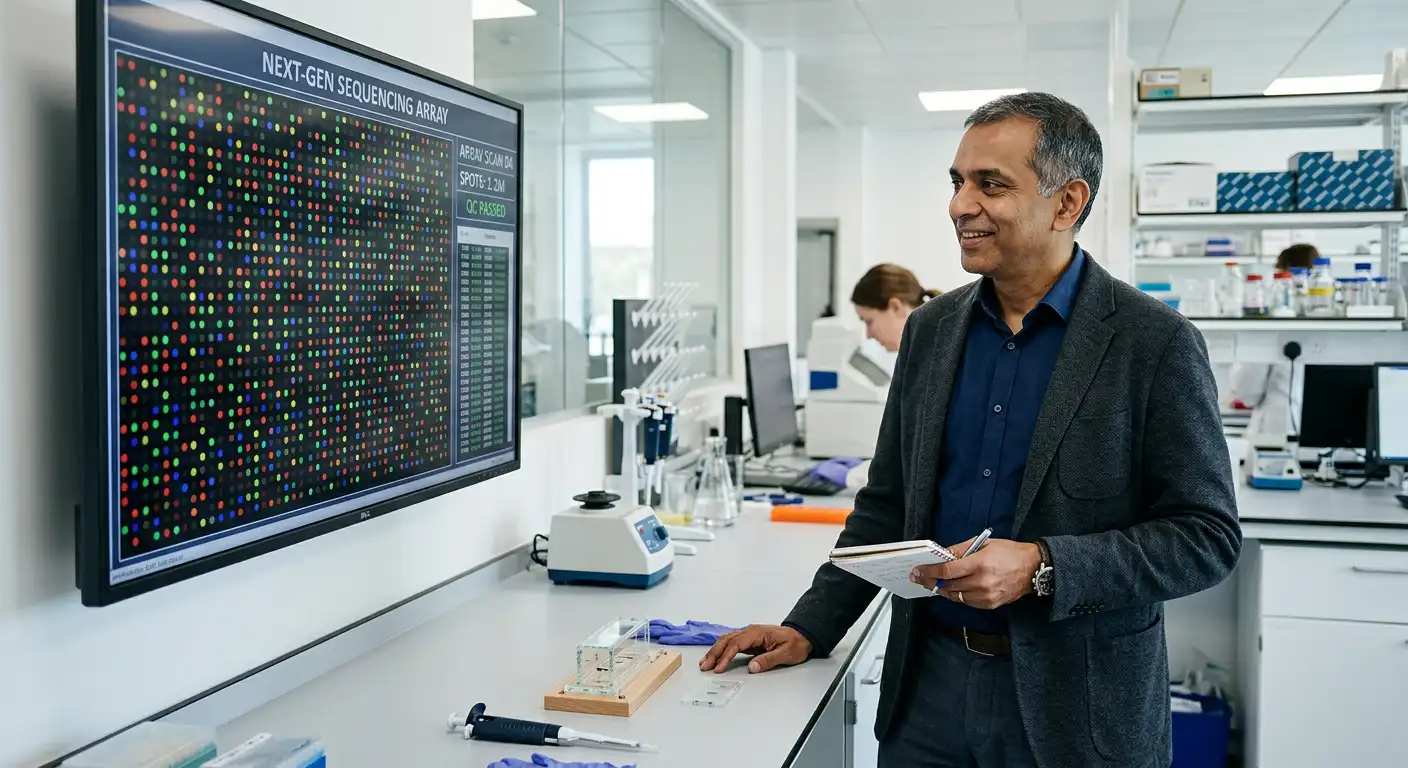
Shankar Balasubramanian
1966–present · Chemistry, genetics and genome sequencing
With David Klenerman and their teams, Balasubramanian developed the sequencing-by-synthesis technology behind Solexa sequencing, an important advance in reading genomes.
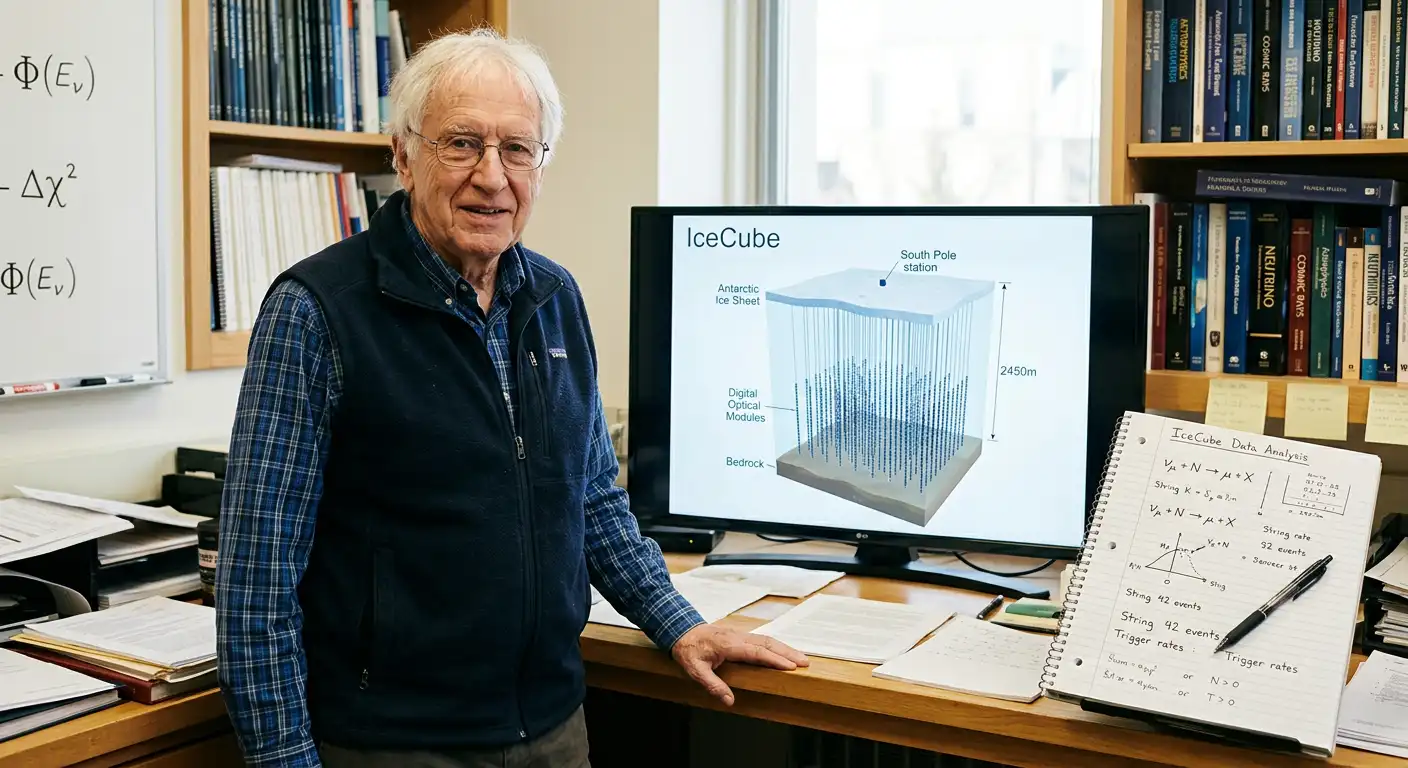
Francis Halzen
1944–present · Particle physics and neutrino astronomy
Halzen helped make Antarctic ice into a vast detector for particles arriving from space, opening a new way of investigating the universe's energetic objects.
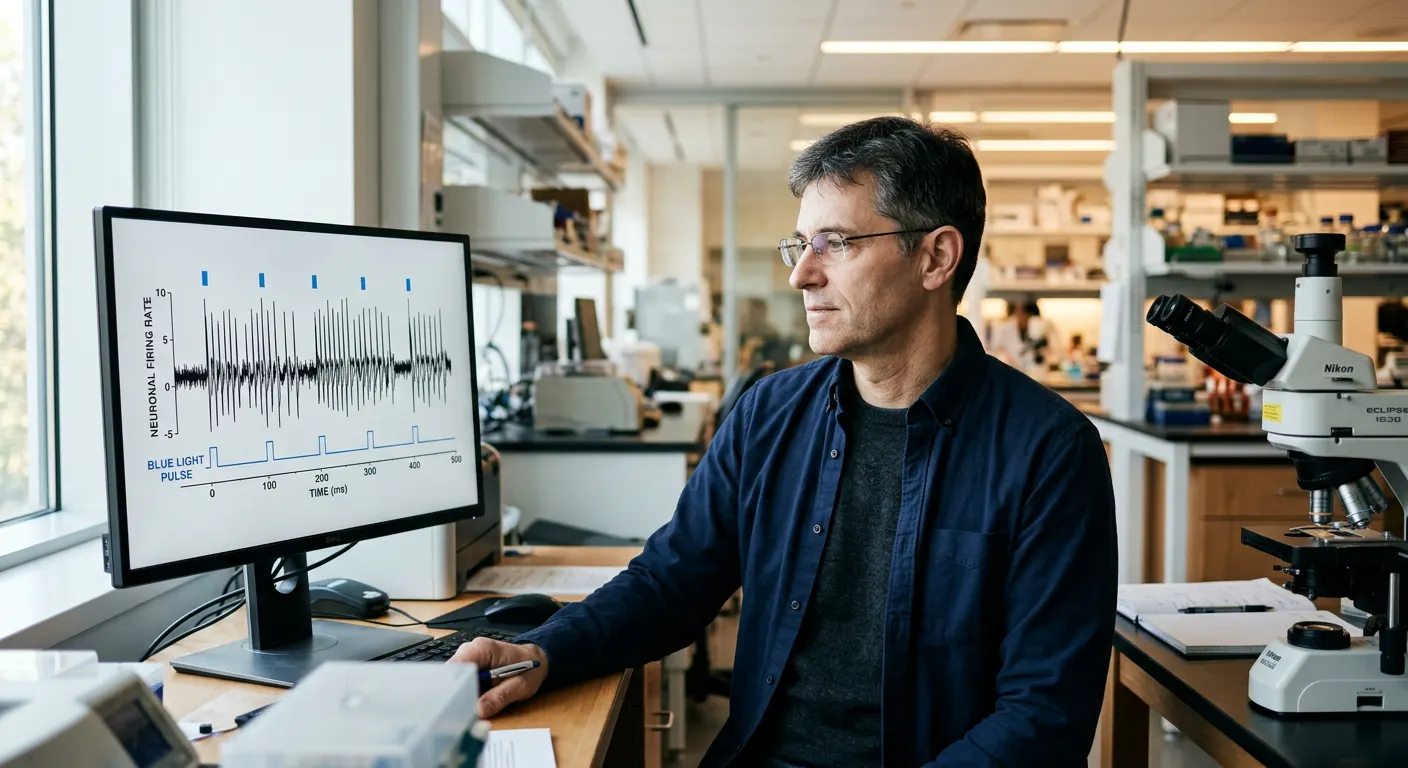
Karl Deisseroth
1971–present · Neuroscience, psychiatry and bioengineering
Deisseroth helped turn light-sensitive proteins from microbes into precise tools for studying brain circuits. His work connects engineering, neuroscience and the care of people with mental health conditions.
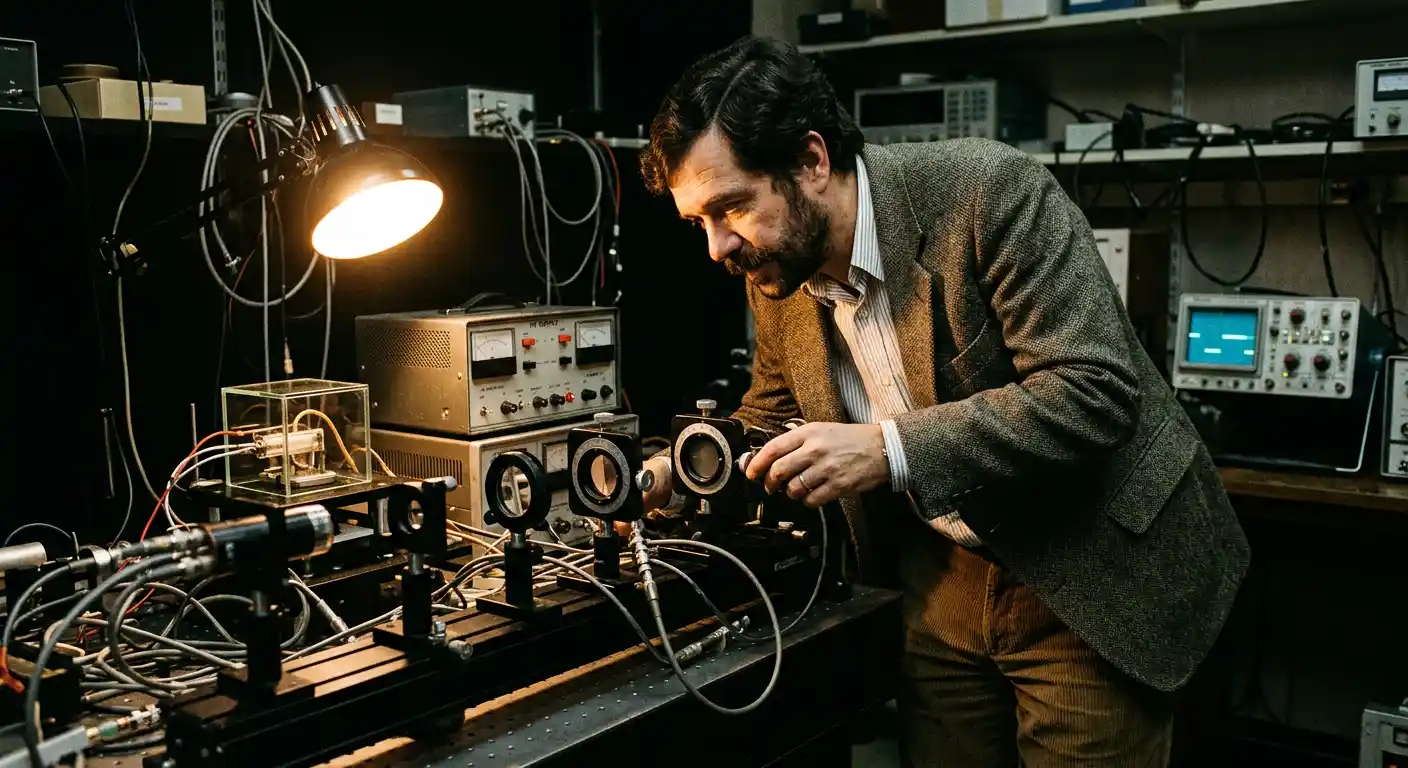
Alain Aspect
1947–present · Experimental quantum optics
His team's 1981–82 entangled-photon tests provided stronger evidence for quantum correlations and he shared the 2022 Nobel Prize in Physics.
John Francis Clauser
1942–present · Experimental and theoretical physics
Co-developed the 1969 CHSH inequality and shared the 2022 Nobel Prize in Physics for experiments with entangled photons.
Nathan Rosen
1909–1995 · Theoretical physics
Coauthored the 1935 Einstein–Podolsky–Rosen paper and the Einstein–Rosen bridge paper; later helped build theoretical physics at the Technion in Israel.
Boris Podolsky
1896–1966 · Theoretical physics
With Albert Einstein and Nathan Rosen, published the EPR paper that sharpened the question of quantum completeness and later inspired Bell's testable theorem.
John Stewart Bell
1928–1990 · Theoretical physics
His 1964 theorem showed that local hidden-variable accounts obey limits on correlations that quantum mechanics can exceed, turning a longstanding debate into a testable question.
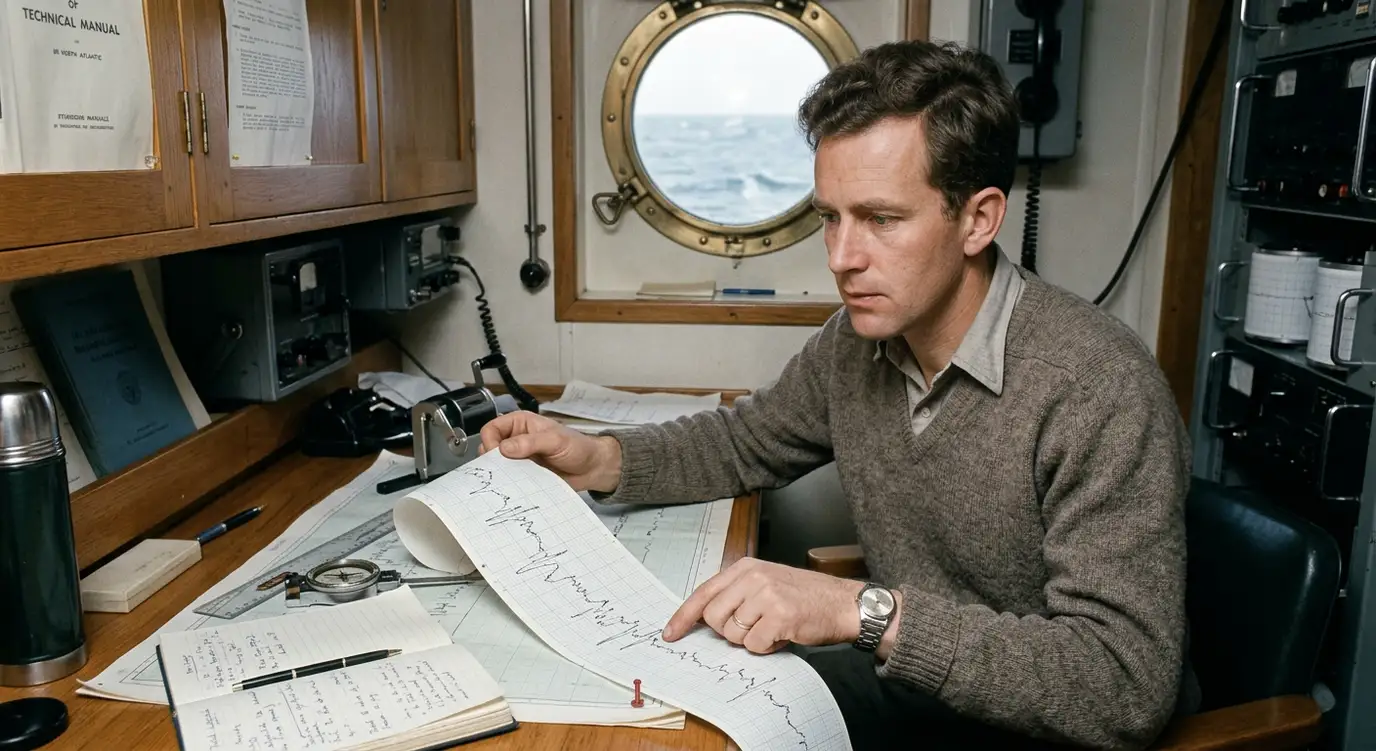
Drummond Hoyle Matthews
1931–1997 · Marine geophysics
His marine surveys and the 1963 Nature paper with his graduate student Vine helped make movement of the ocean floor testable; Morley independently developed the magnetic interpretation.
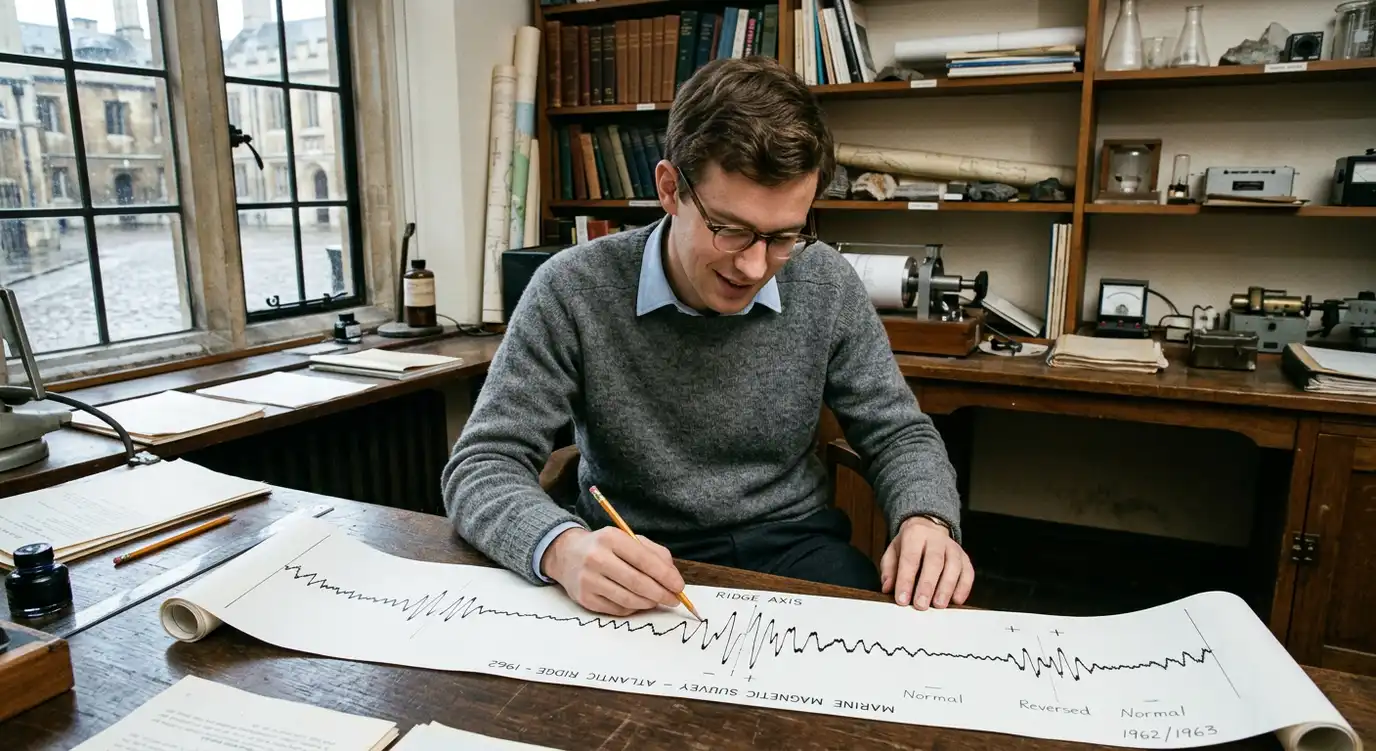
Frederick John Vine
1939–2024 · Marine geology and geophysics
With Drummond Matthews, published the 1963 magnetic-stripe interpretation that provided a way to test seafloor spreading; Lawrence Morley independently proposed the same core idea.
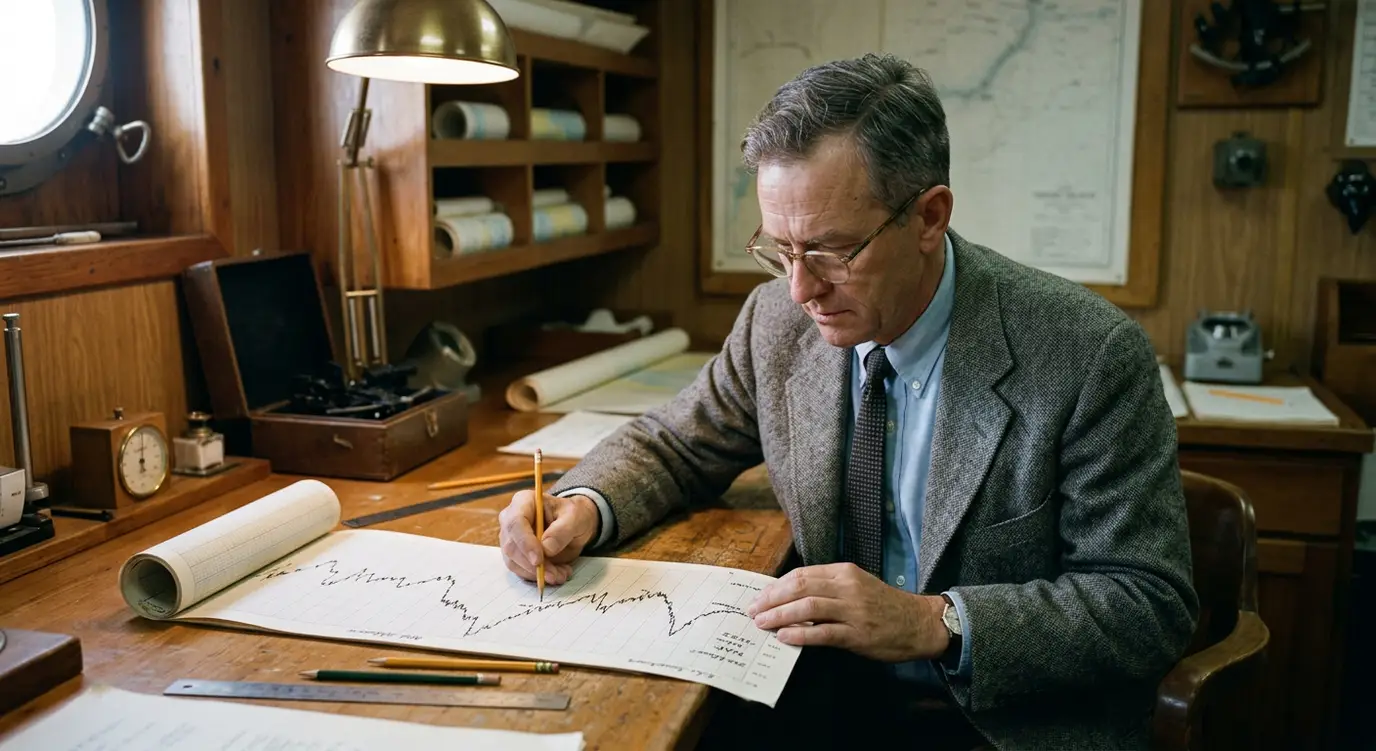
Harry Hammond Hess
1906–1969 · Geology and geophysics
His seafloor-spreading hypothesis connected ocean-floor observations to a mechanism that helped build plate tectonics.
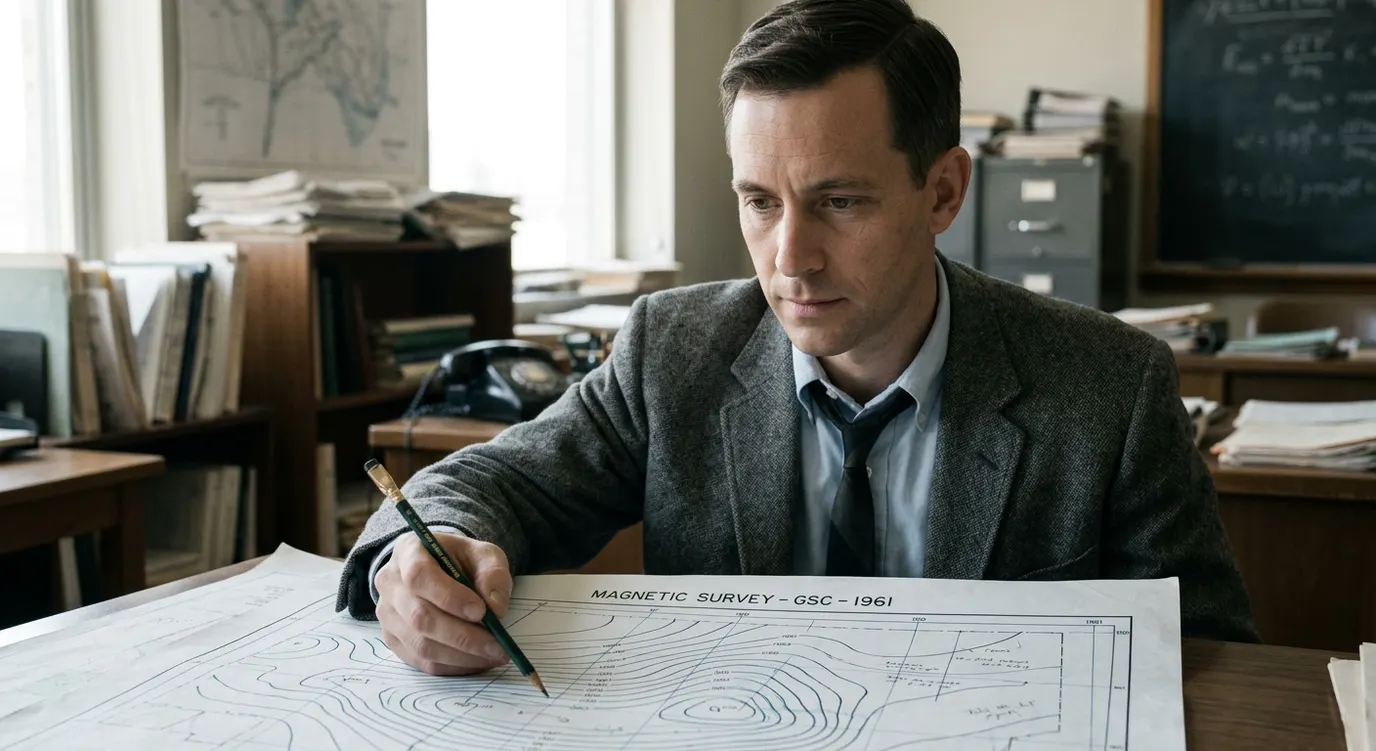
Lawrence Whitaker Morley
1920–2013 · Geophysics and remote sensing
He submitted his 1963 magnetic-stripe hypothesis before the similar paper by Vine and Matthews appeared; he later led Canada's remote-sensing programme.
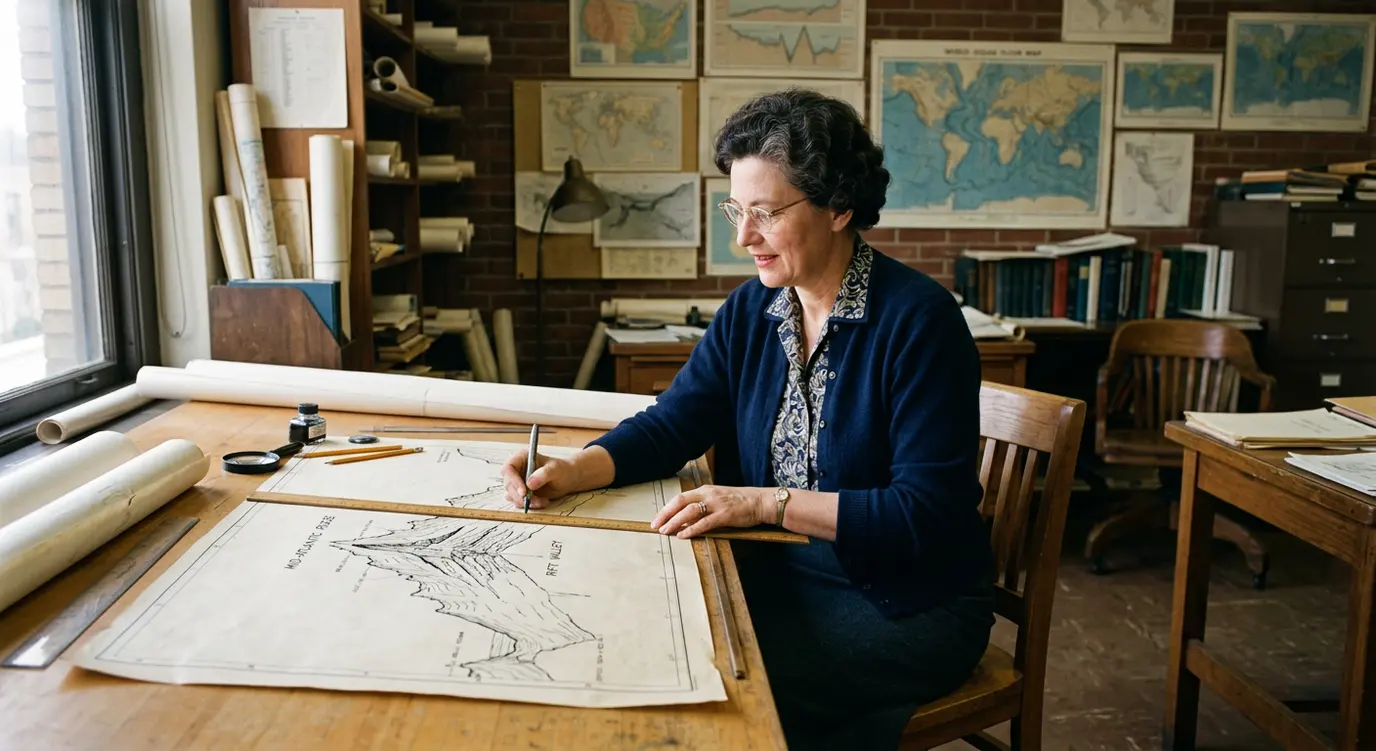
Marie Tharp
1920–2006 · Oceanographic cartography and geology
Her seafloor maps, made with colleague Bruce Heezen, revealed major underwater features and strengthened the case for continental movement and plate tectonics.
Arthur Holmes
1890–1965 · Geology
Pioneered the use of radiometric dating of minerals to build an early numerical geological timescale, and proposed that mantle movement could help explain continental drift.
Bertram Borden Boltwood
1870–1927 · Radiochemistry
Identified lead as the end product of uranium's radioactive decay and used the uranium-lead relationship to estimate mineral ages of billions of years.
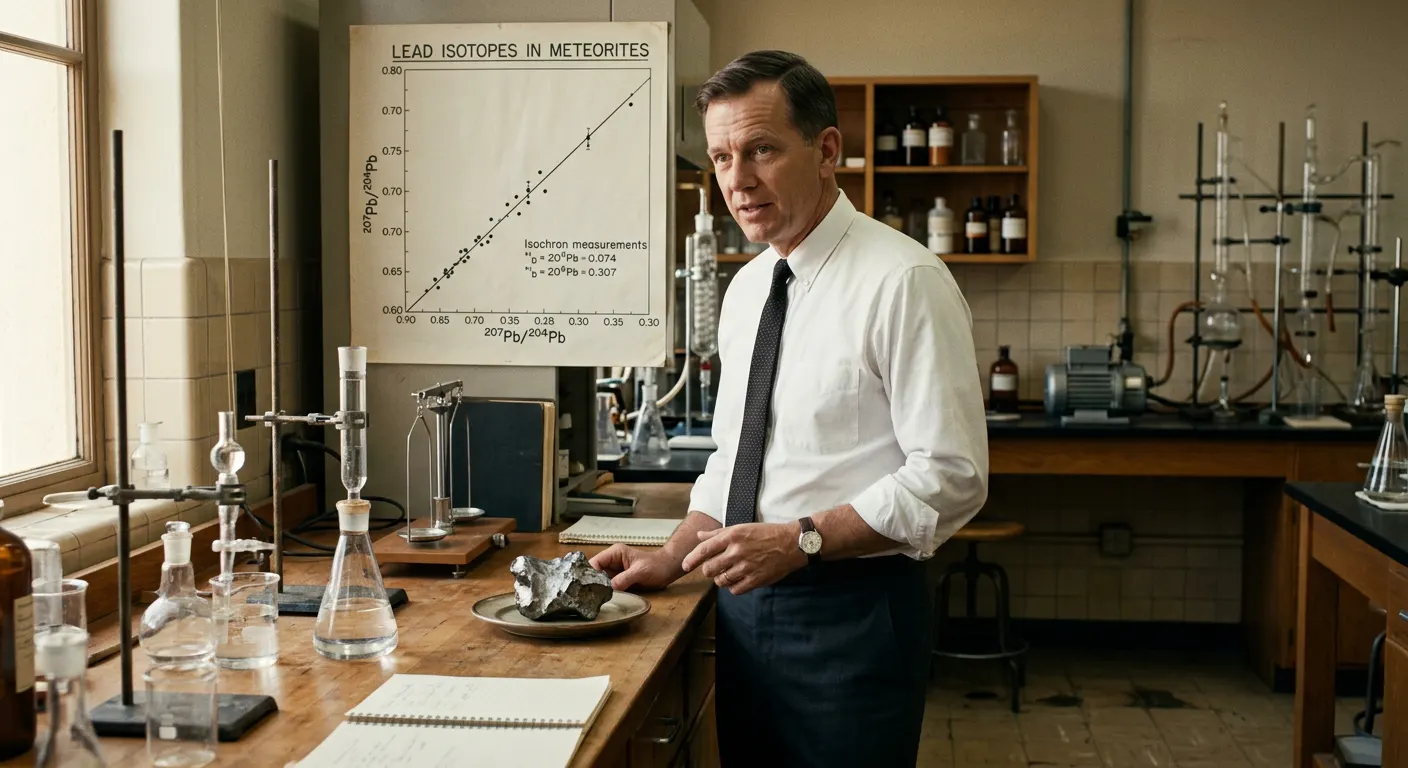
Clair Cameron Patterson
1922–1995 · Geochemistry
Established an age of about 4.55 billion years for Earth using lead isotopes in meteorites and campaigned against lead pollution.
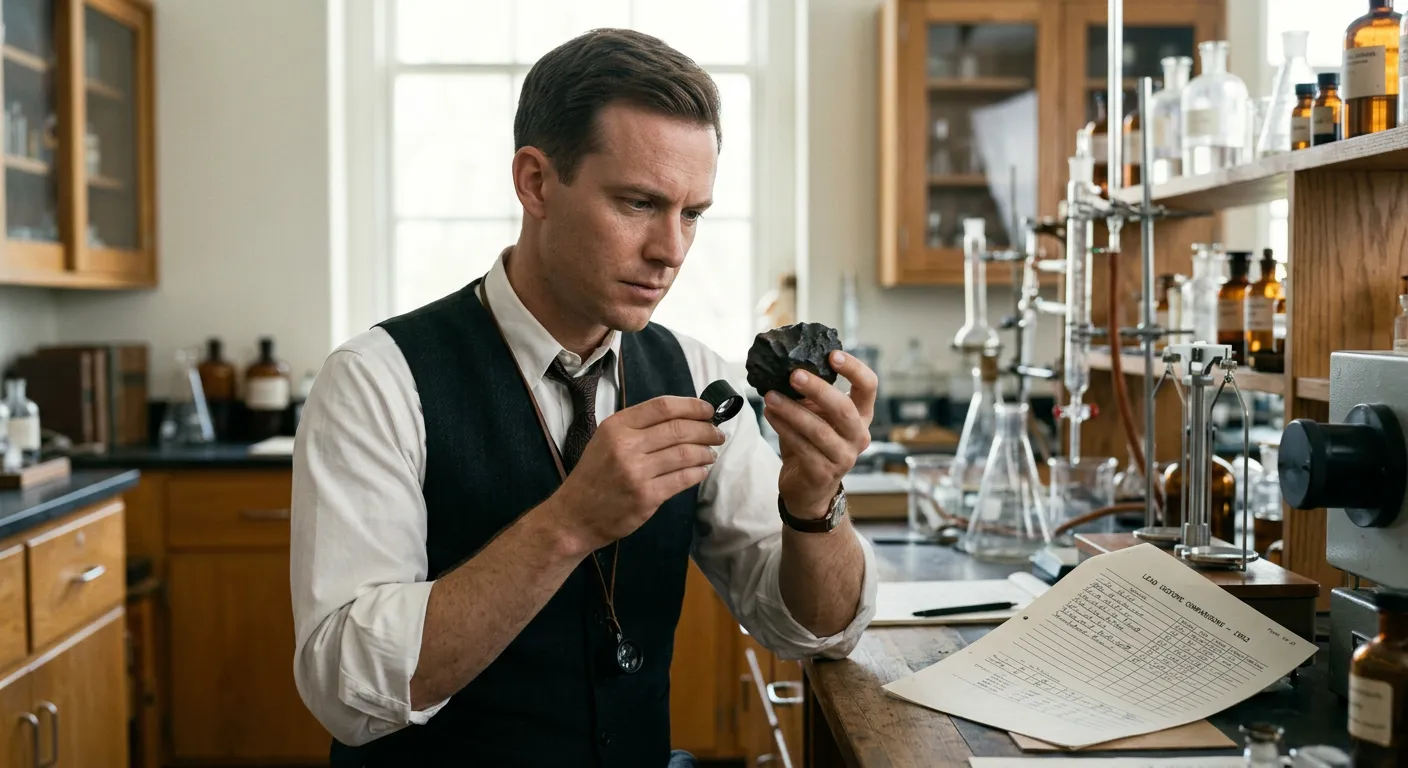
Harrison Scott Brown
1917–1986 · Geochemistry
Proposed that lead in iron meteorites could reveal the early Solar System's composition, enabling Patterson's age-of-Earth measurement, and wrote on humanity's long-term challenges.
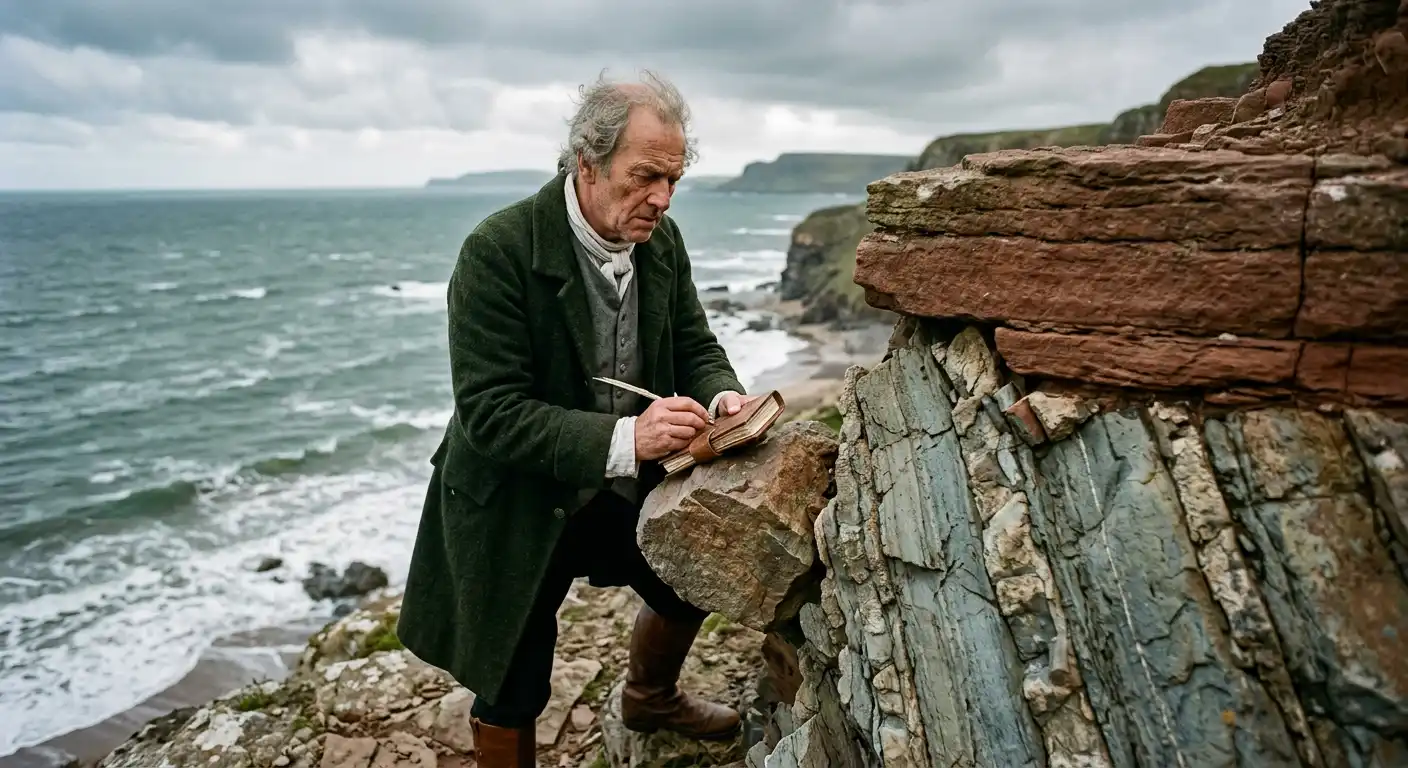
James Hutton
1726–1797 · Geology
Helped establish the concept of deep time — that Earth's geological history extends far beyond ordinary human experience.
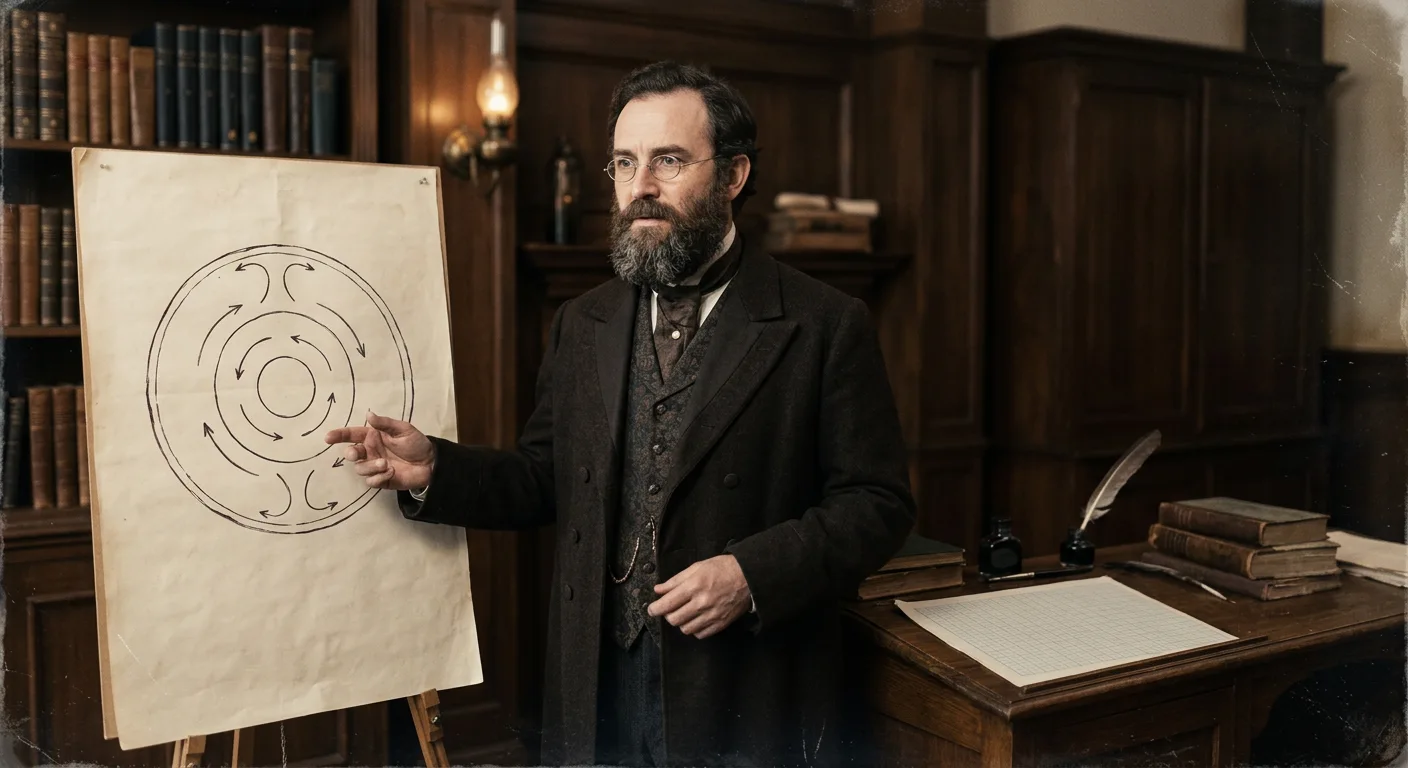
John Perry
1850–1920 · Engineering and physics
Challenged Kelvin's cooling-based age of Earth by arguing that heat transfer within Earth's interior could change the calculation, years before radioactivity was discovered.
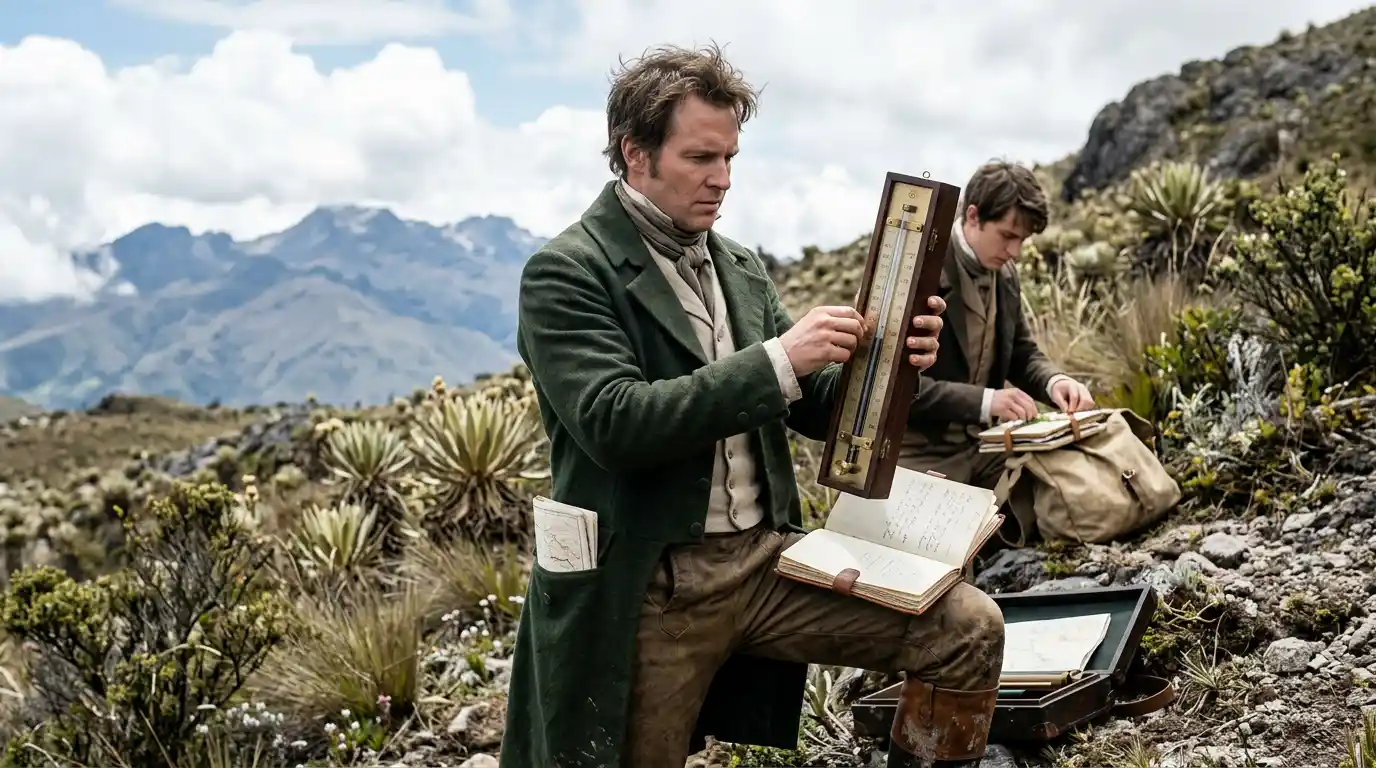
Alexander von Humboldt
1769–1859 · Natural science, geography and earth science
A Prussian naturalist and geographer whose field measurements revealed the interconnections of nature.
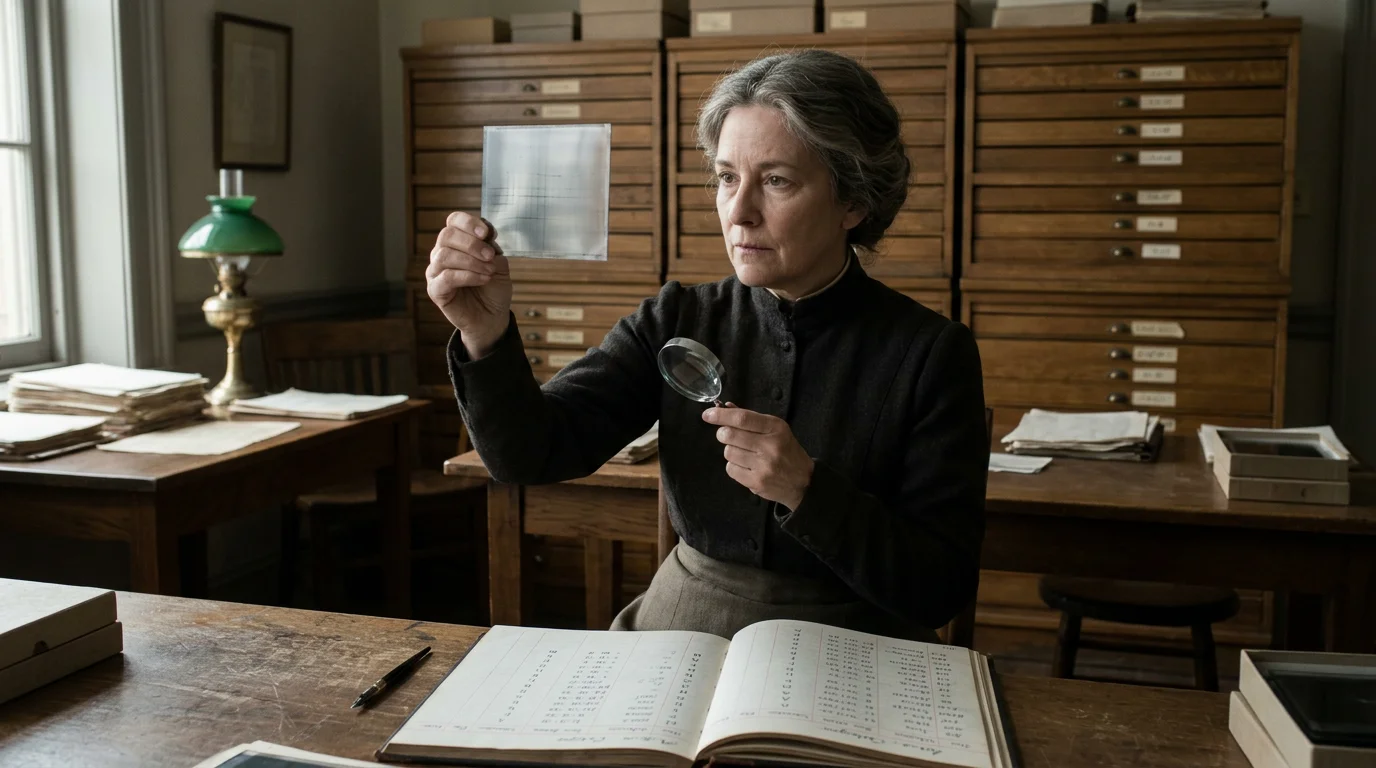
Annie Jump Cannon
1863–1941 · Astronomy
An American astronomer who standardised the stellar spectral classification system still used today.
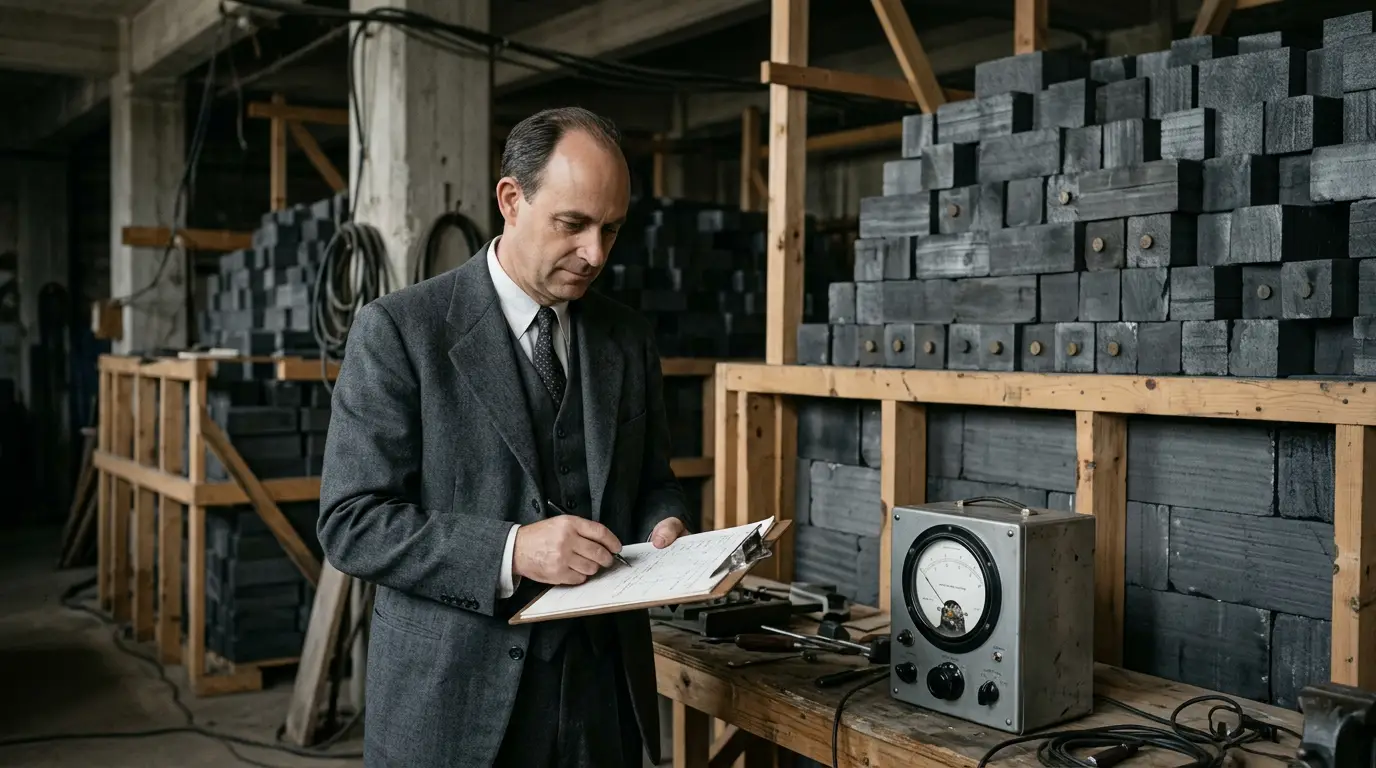
Enrico Fermi
1901–1954 · Physics — theoretical and experimental
An Italian-American physicist who led the first controlled nuclear chain reaction and developed Fermi-Dirac statistics.
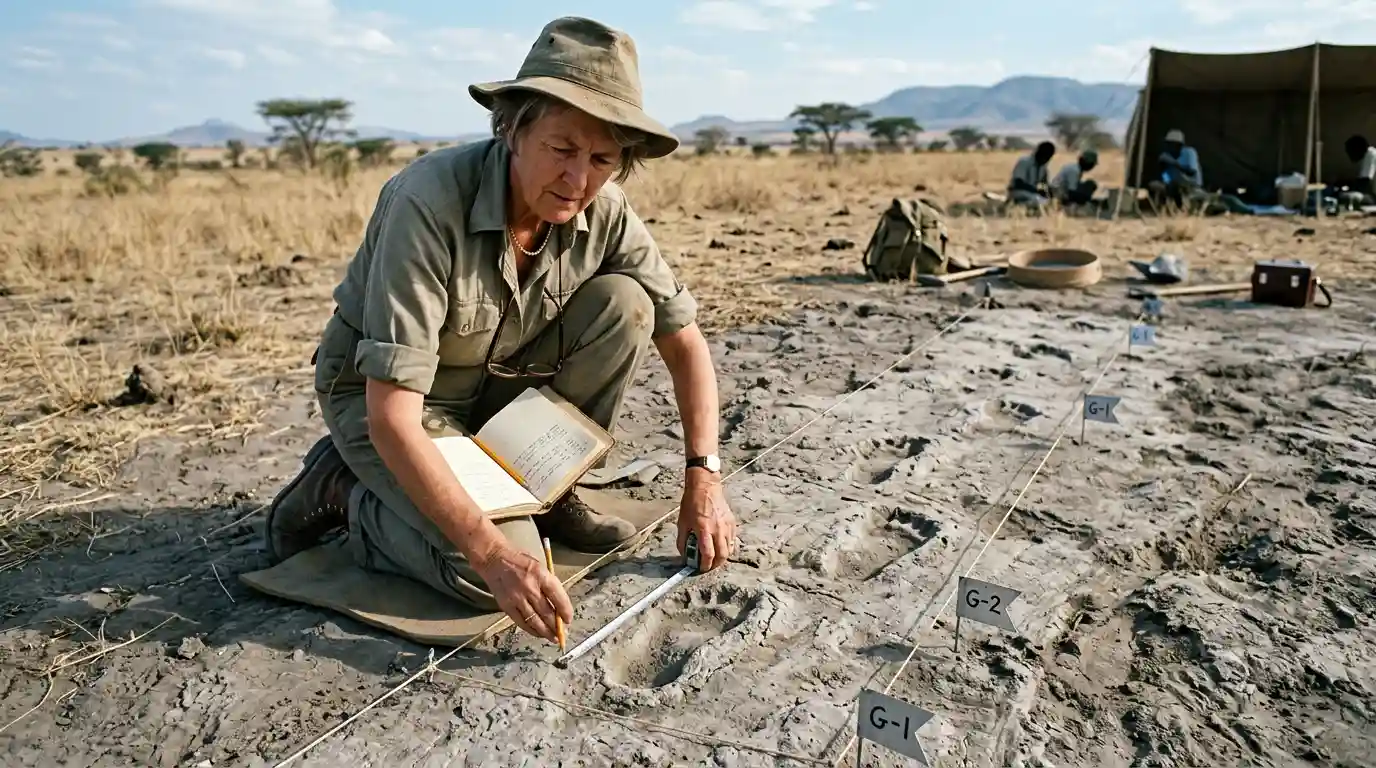
Mary Leakey
1913–1996 · Archaeology and paleoanthropology
A British archaeologist whose meticulous fieldwork in East Africa revealed crucial evidence of human origins.
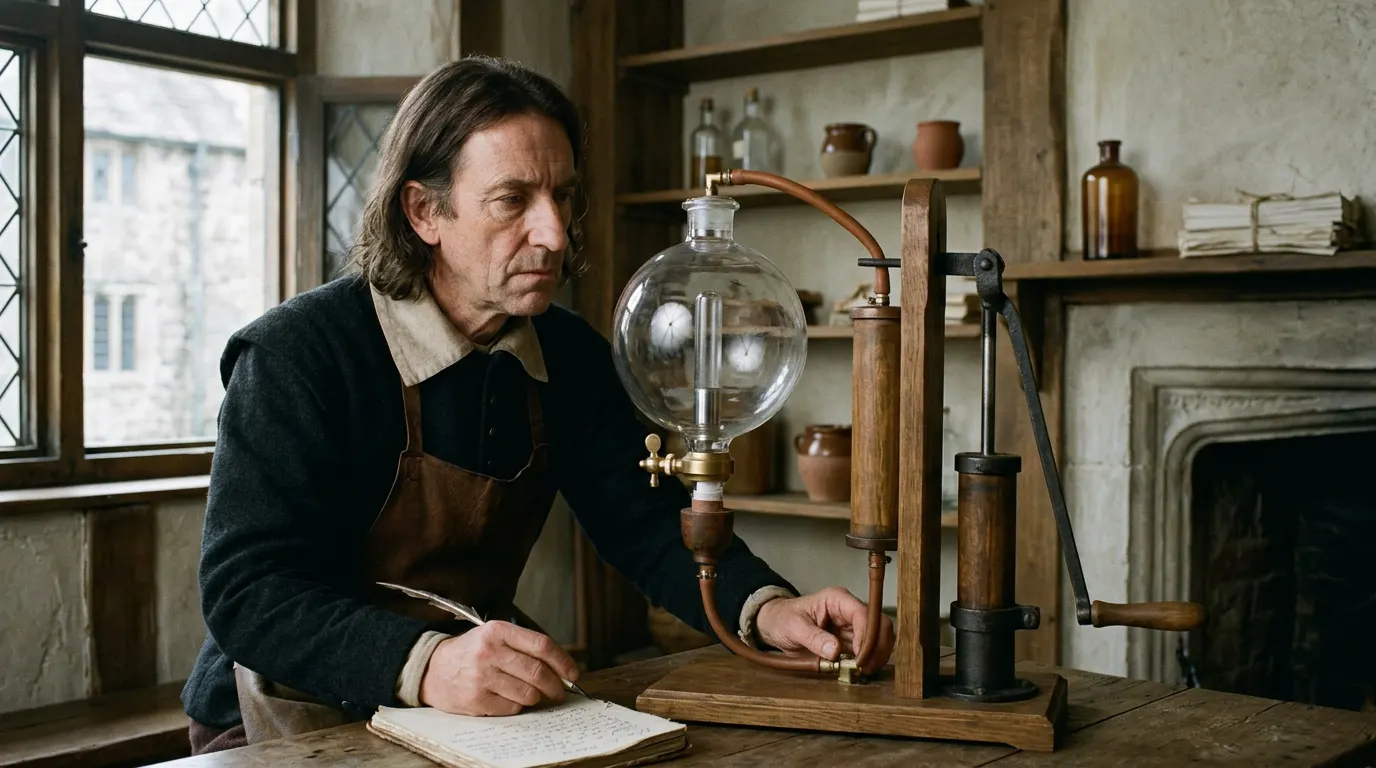
Robert Boyle
1627–1691 · Chemistry, physics and natural philosophy
An Irish-born natural philosopher whose air-pump experiments and The Sceptical Chymist helped shape experimental science.
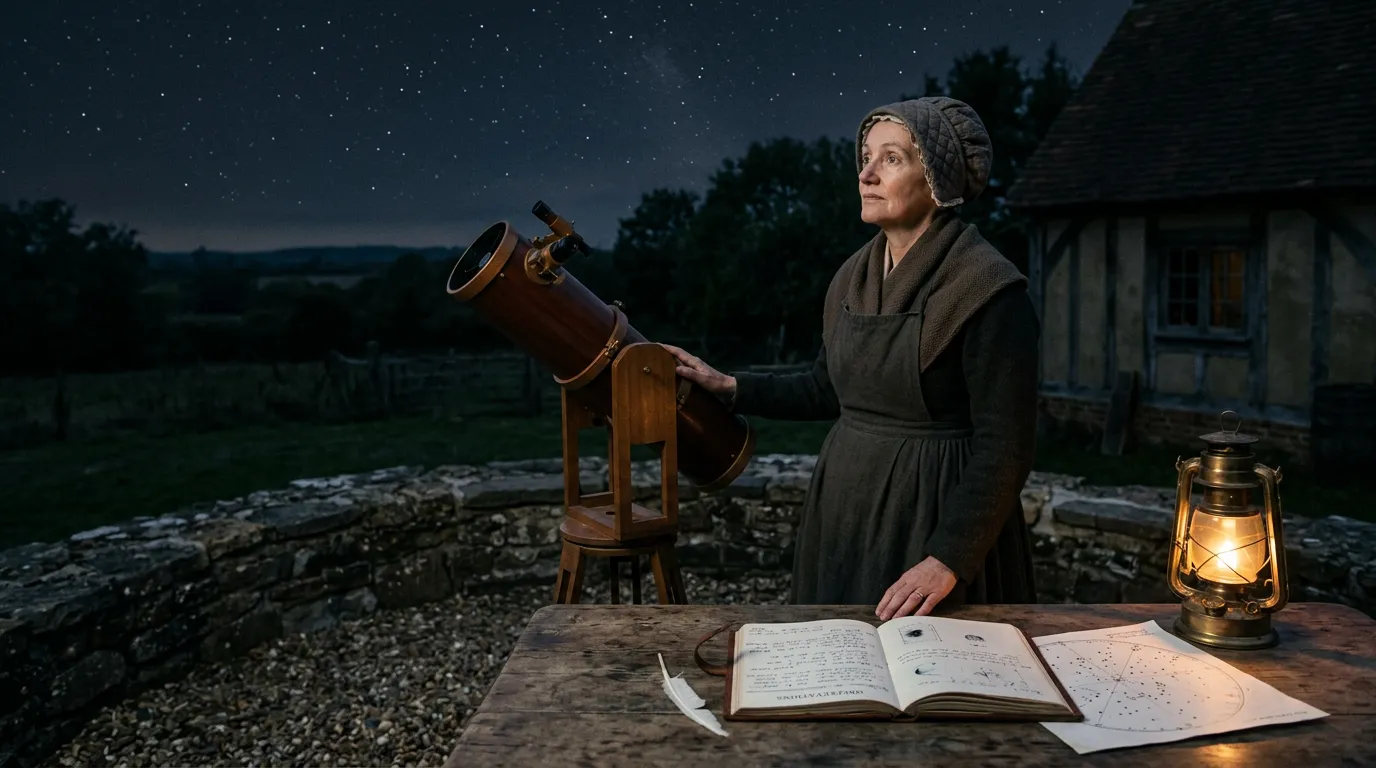
Caroline Herschel
1750–1848 · Comets, nebulae, star catalogues and observational astronomy
The first woman known to receive a salary for astronomical work, who discovered eight comets and made important catalogue contributions.
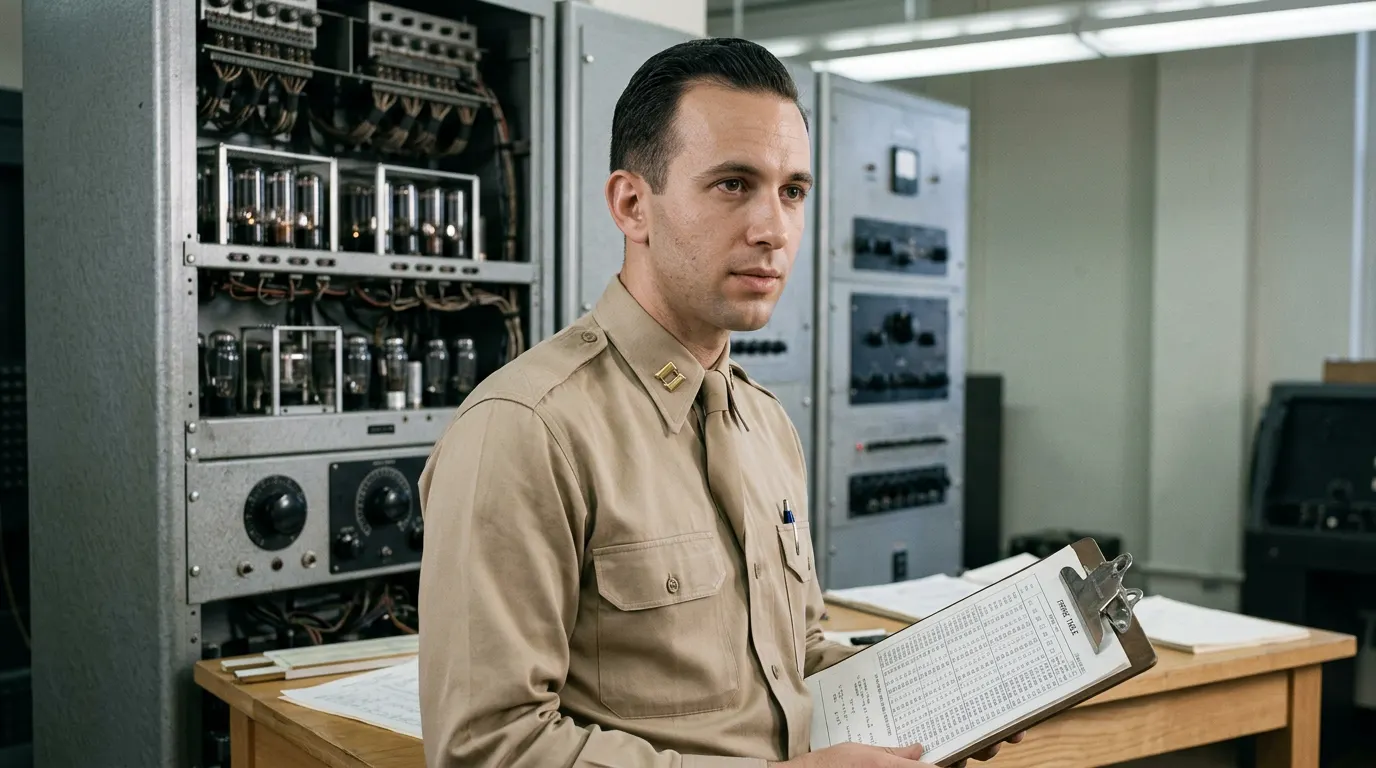
Herman H. Goldstine
1913–2004 · Mathematics, computing and numerical analysis
An American mathematician who helped connect wartime calculation, ENIAC and early stored-program computing.
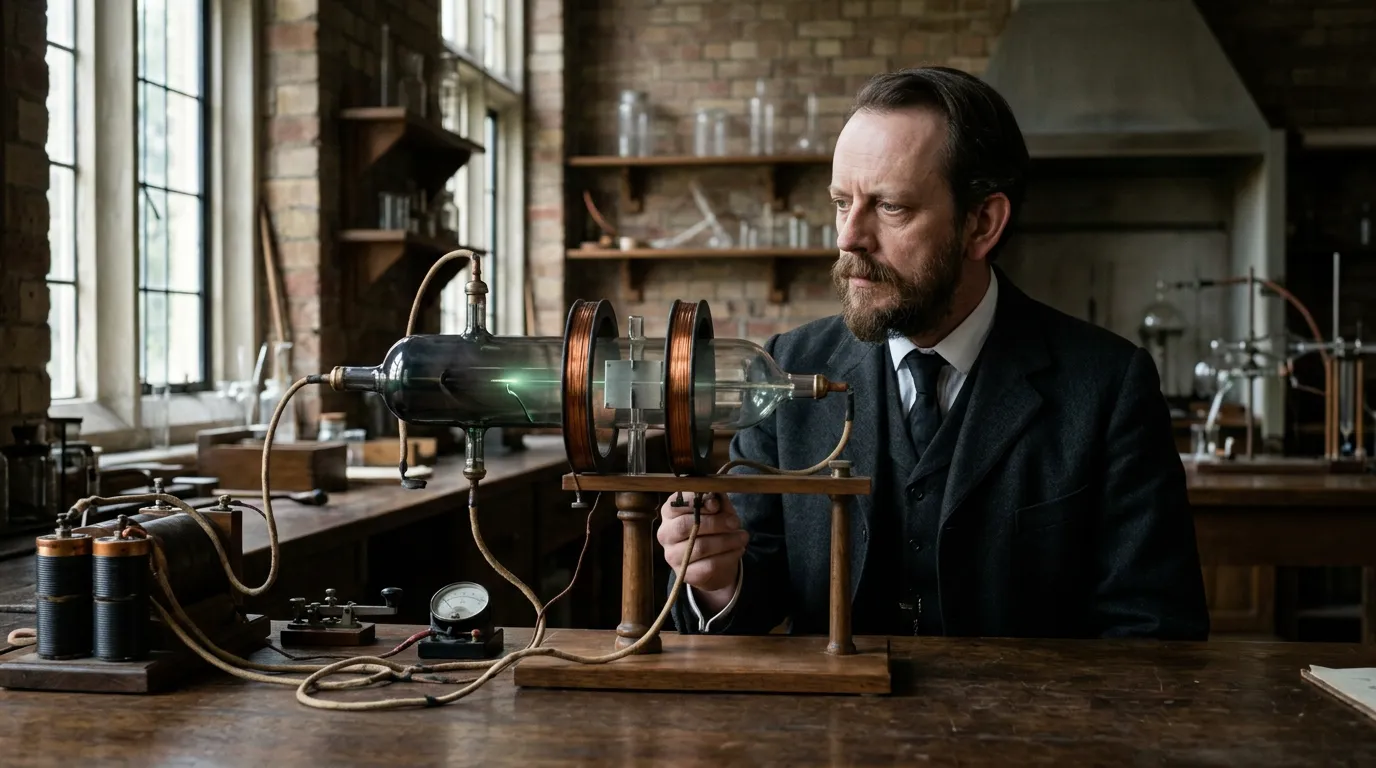
J. J. Thomson
1856–1940 · Atomic physics, electricity and cathode-ray research
A British physicist who discovered the electron and led the Cavendish Laboratory at Cambridge.
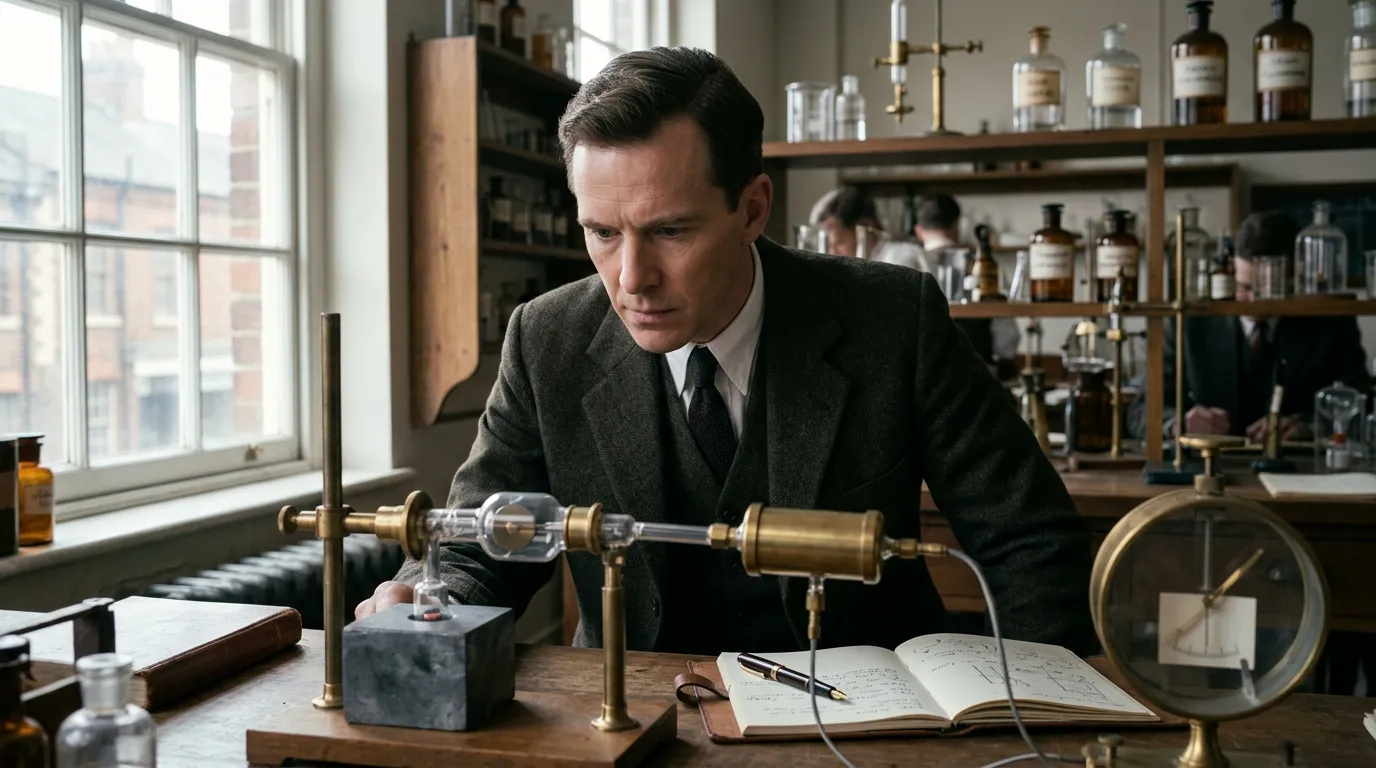
James Chadwick
1891–1974 · Nuclear physics
A British physicist who discovered the neutron in 1932 at the Cavendish Laboratory.
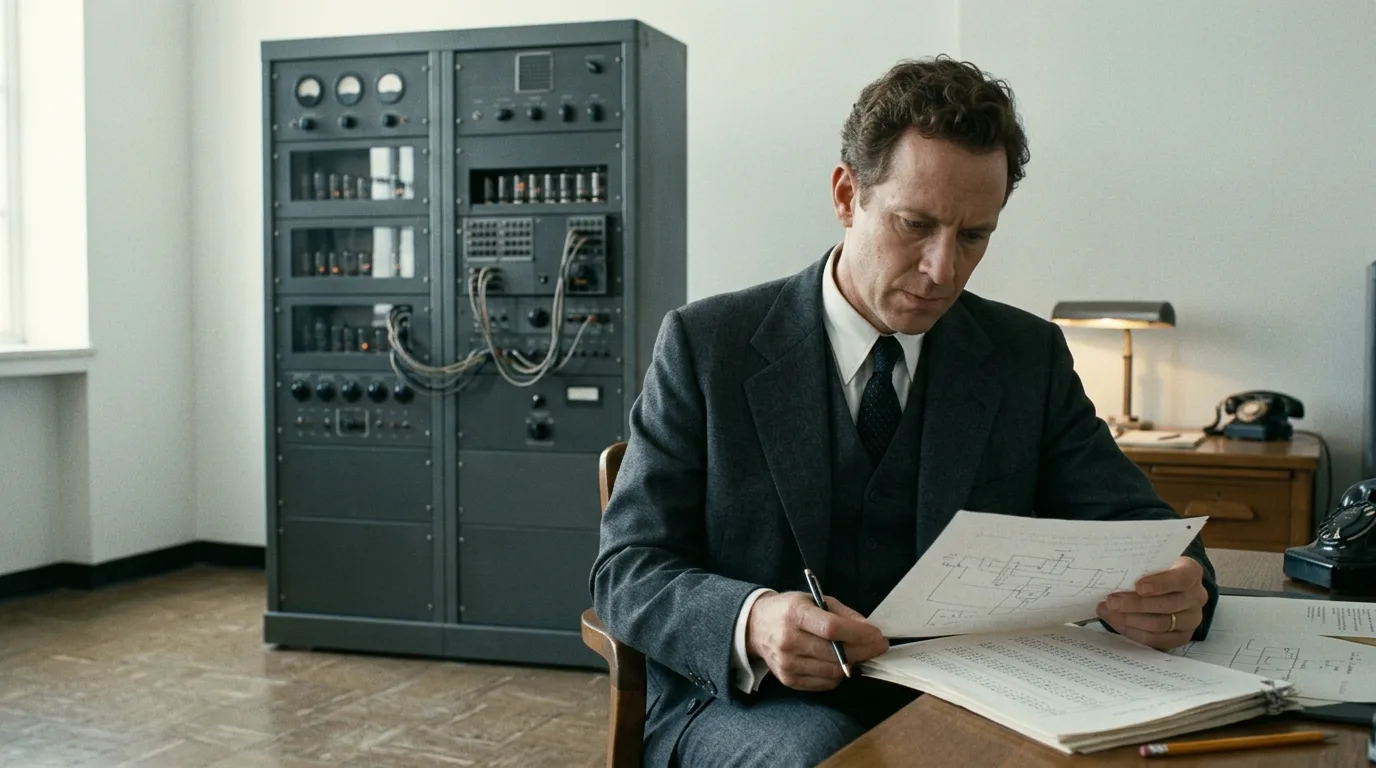
John Mauchly
1907–1980 · Physics, electronic computing and computer design
A physicist who co-designed ENIAC with J. Presper Eckert and helped launch commercial electronic computing.
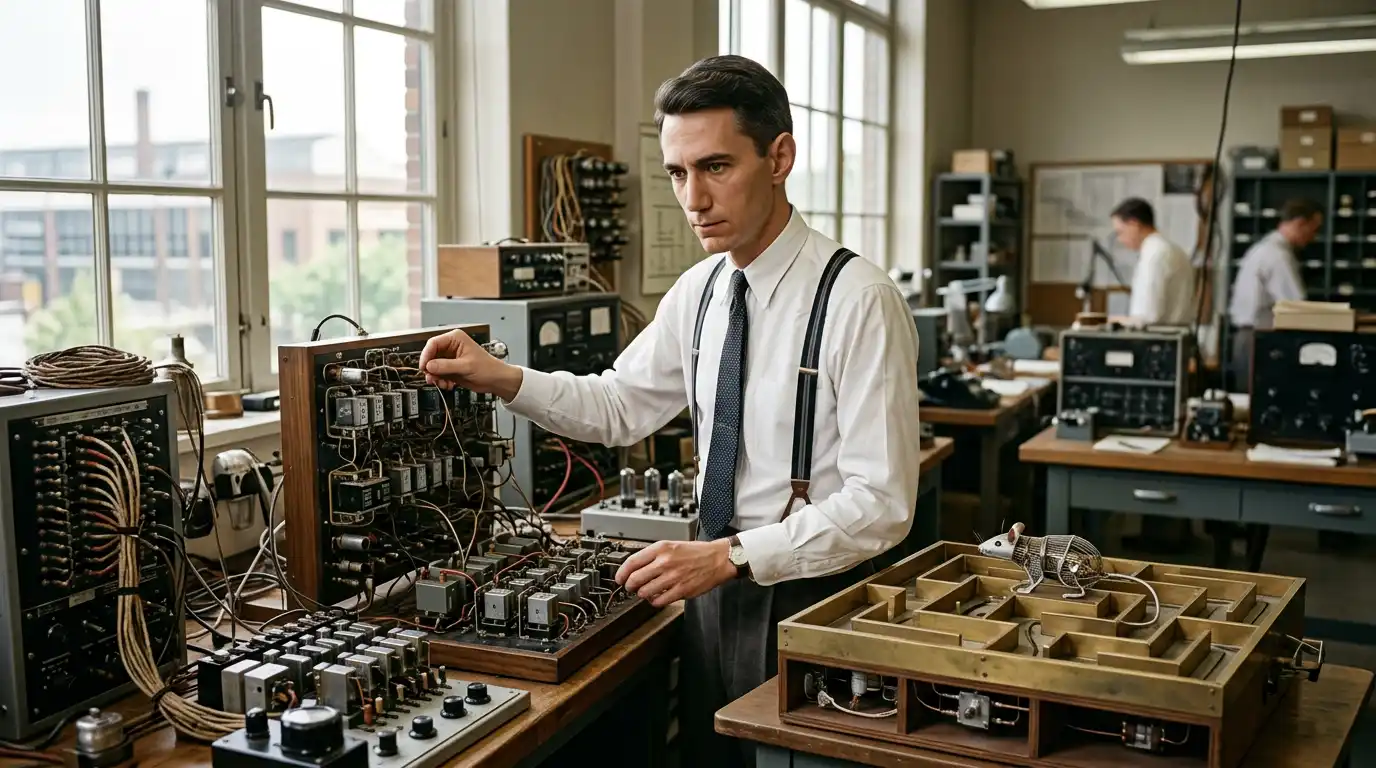
Claude Shannon
1916–2001 · Mathematics, electrical engineering, information theory, cryptography and computing
Founding information theory and making a landmark contribution to digital circuit design.
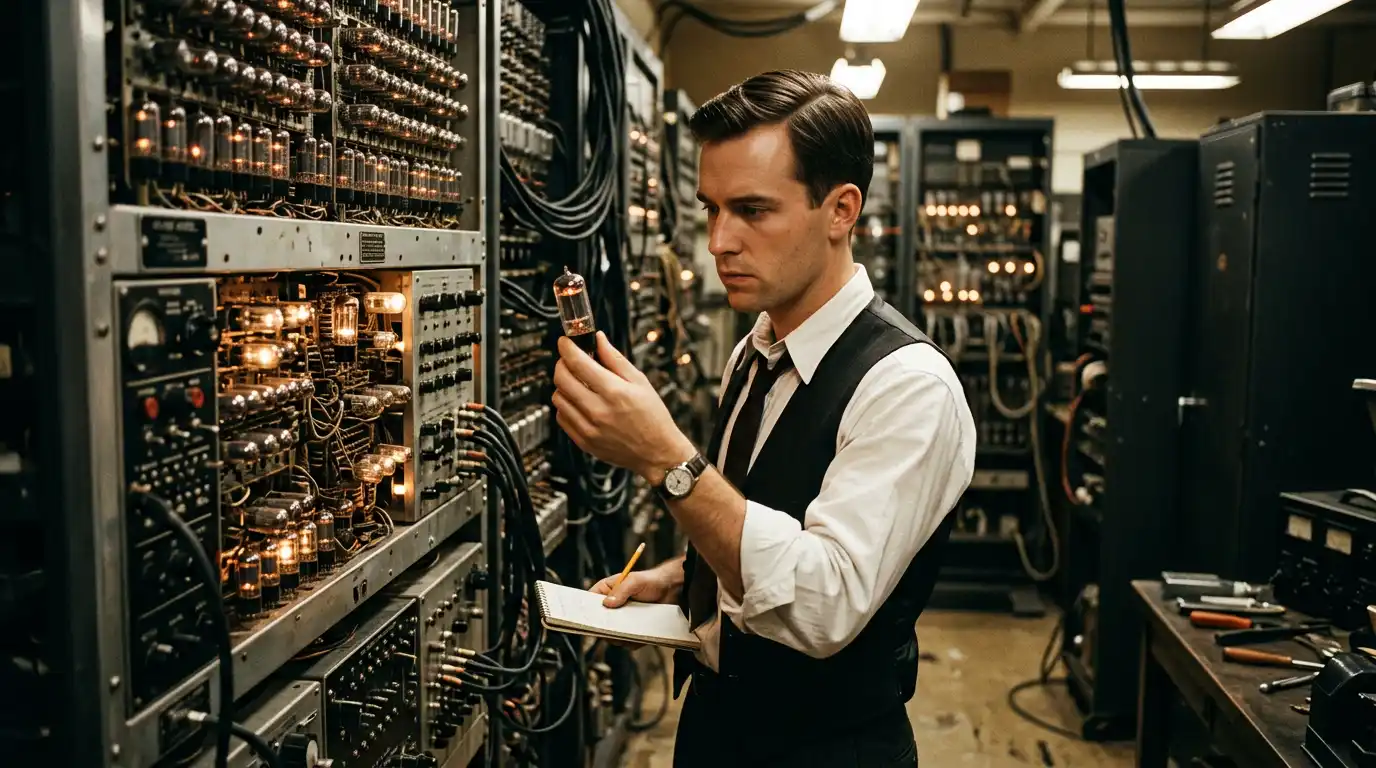
J. Presper Eckert
1919–1995 · Electrical engineering, computing and invention
Co-designing ENIAC, helping create EDVAC, BINAC and UNIVAC, and making major engineering advances in early electronic computing.
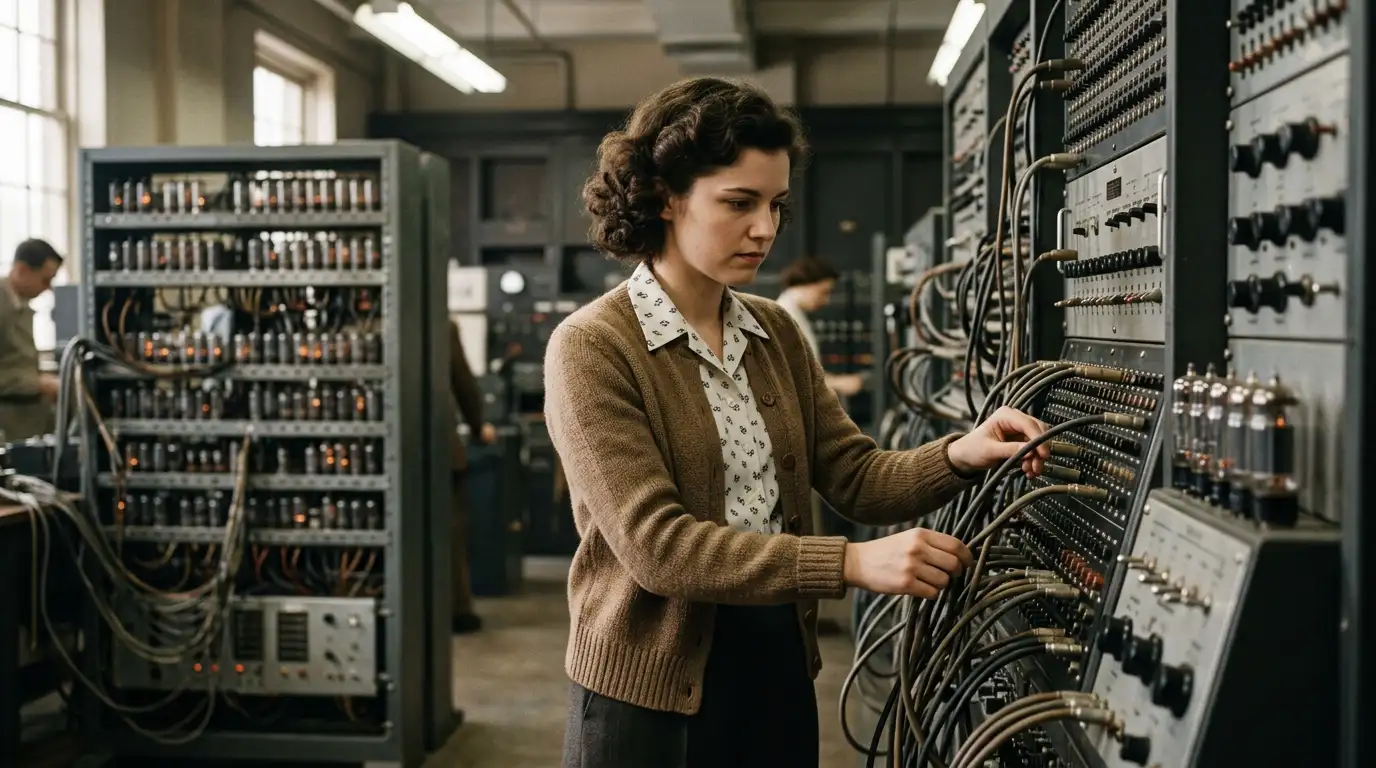
Jean Bartik
1924–2011 · Computer programming and early computing
Being one of the original programmers of ENIAC and helping establish programming as a real technical discipline.
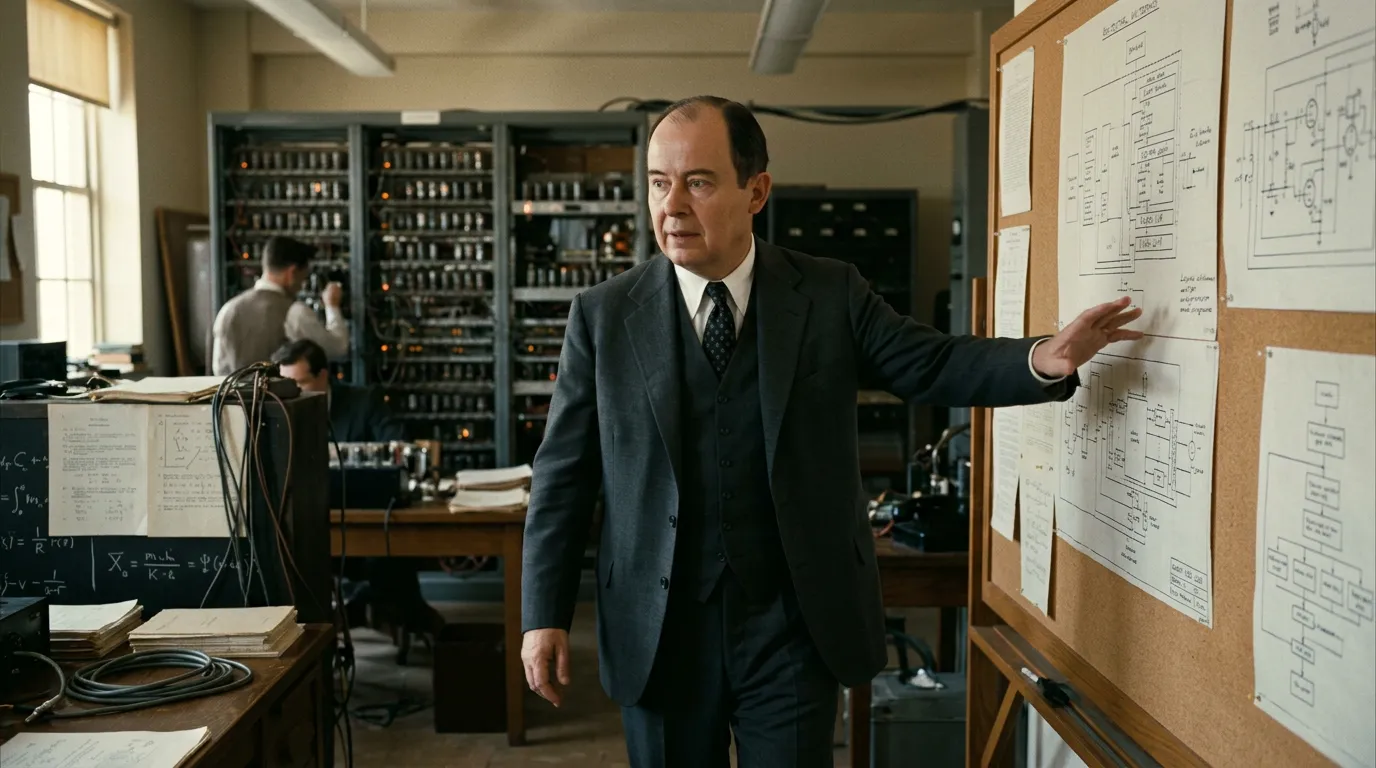
John von Neumann
1903–1957 · Mathematics, physics, computing, game theory and applied science
Playing a decisive role in shaping the stored-program computer model and the architecture commonly associated with his name.
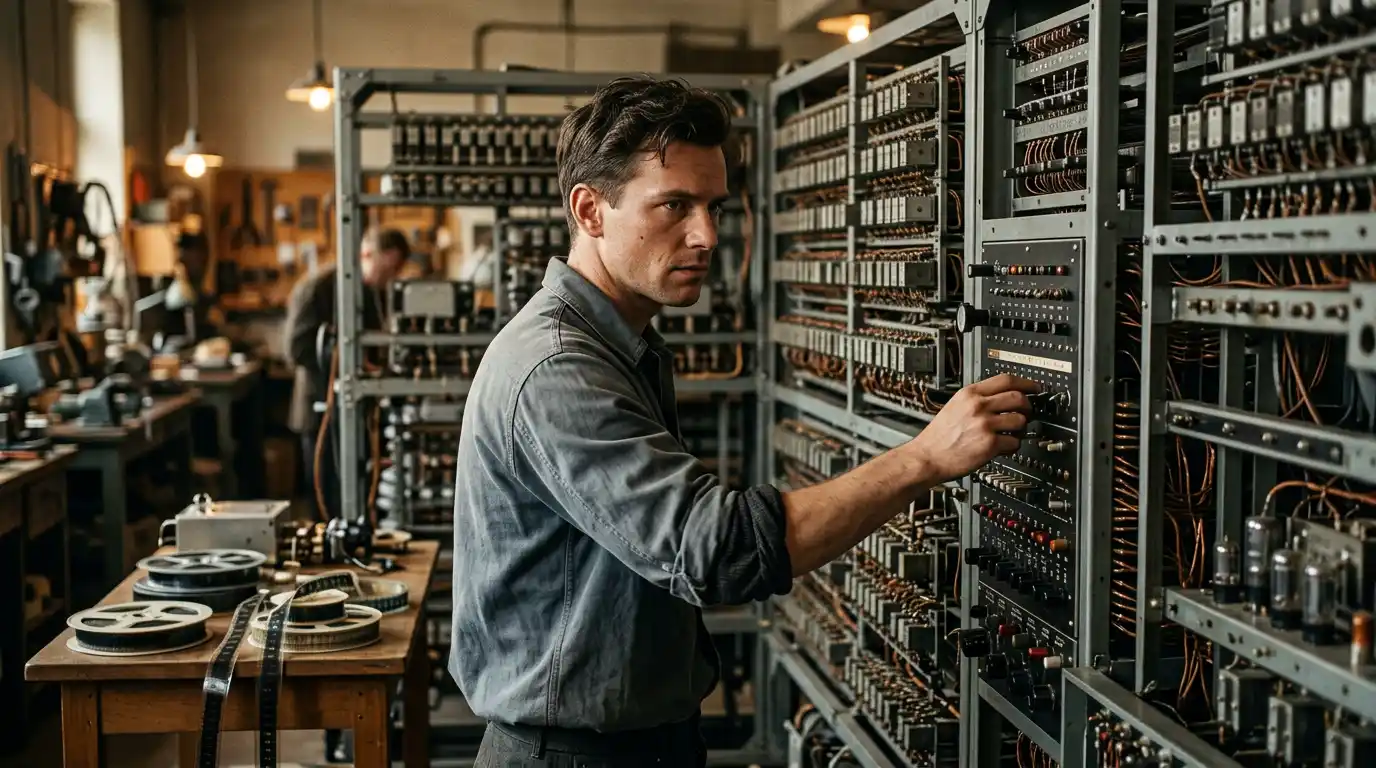
Konrad Zuse
1910–1995 · Civil engineering, computer engineering and invention
Building the Z3, widely recognised as the first program-controlled electromechanical digital computer, and creating Plankalkül, an early high-level programming language.
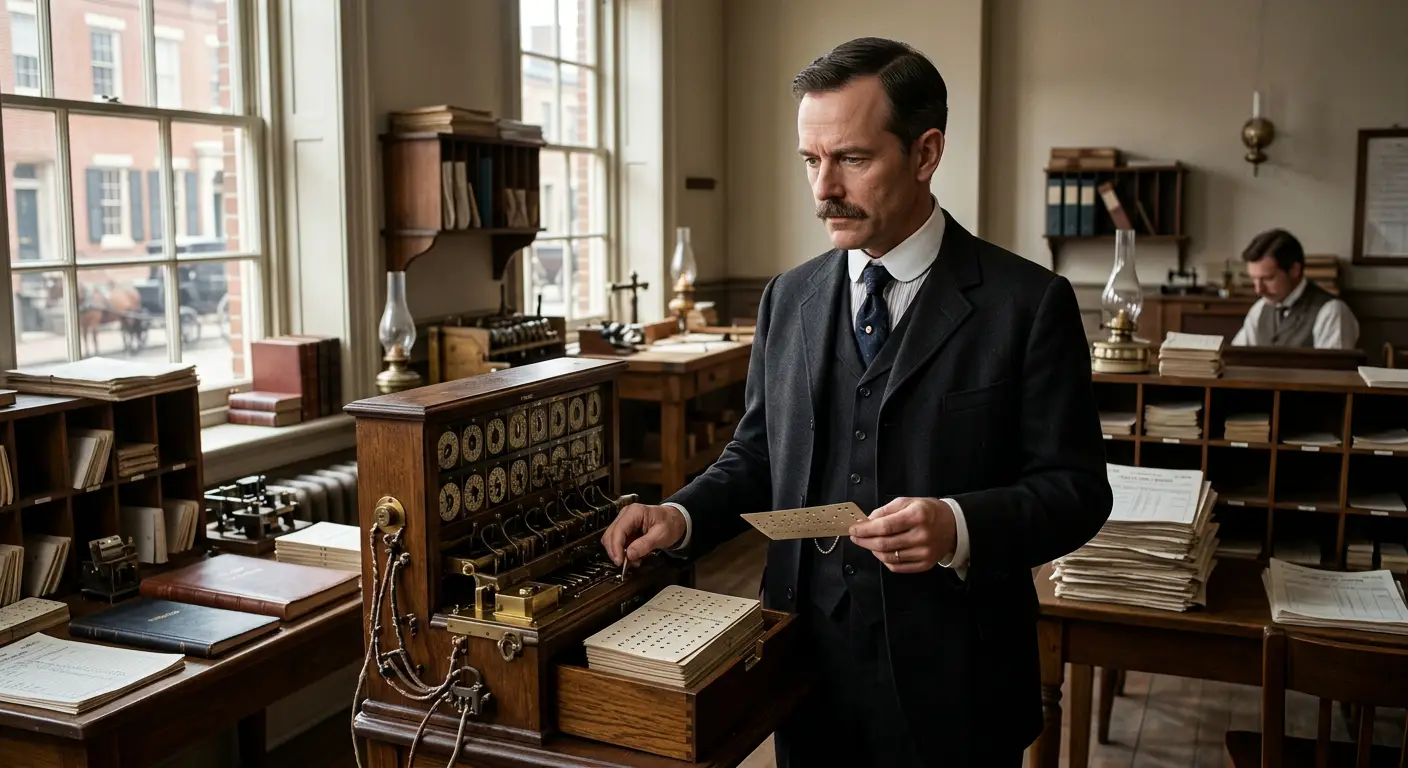
Herman Hollerith
1860–1929 · Engineering, statistics, invention and data processing
Developing the punched-card tabulating system used to process the 1890 United States Census and helping establish mechanised data processing.
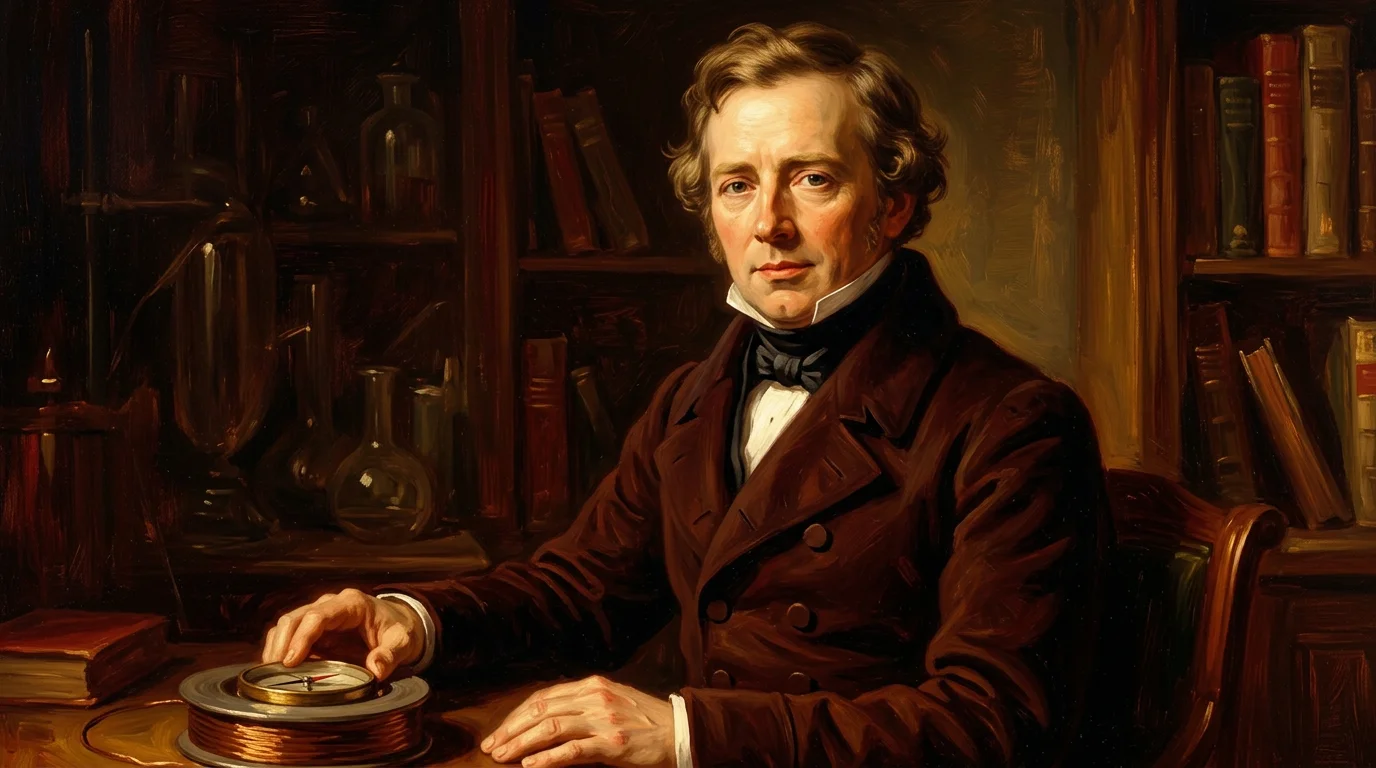
Hans Christian Ørsted
1777–1851 · Physicist, Natural Philosopher & Chemist
Discovering that an electric current produces a magnetic effect in 1820, providing the first clear experimental connection between electricity and magnetism, and producing aluminium metal in 1825.
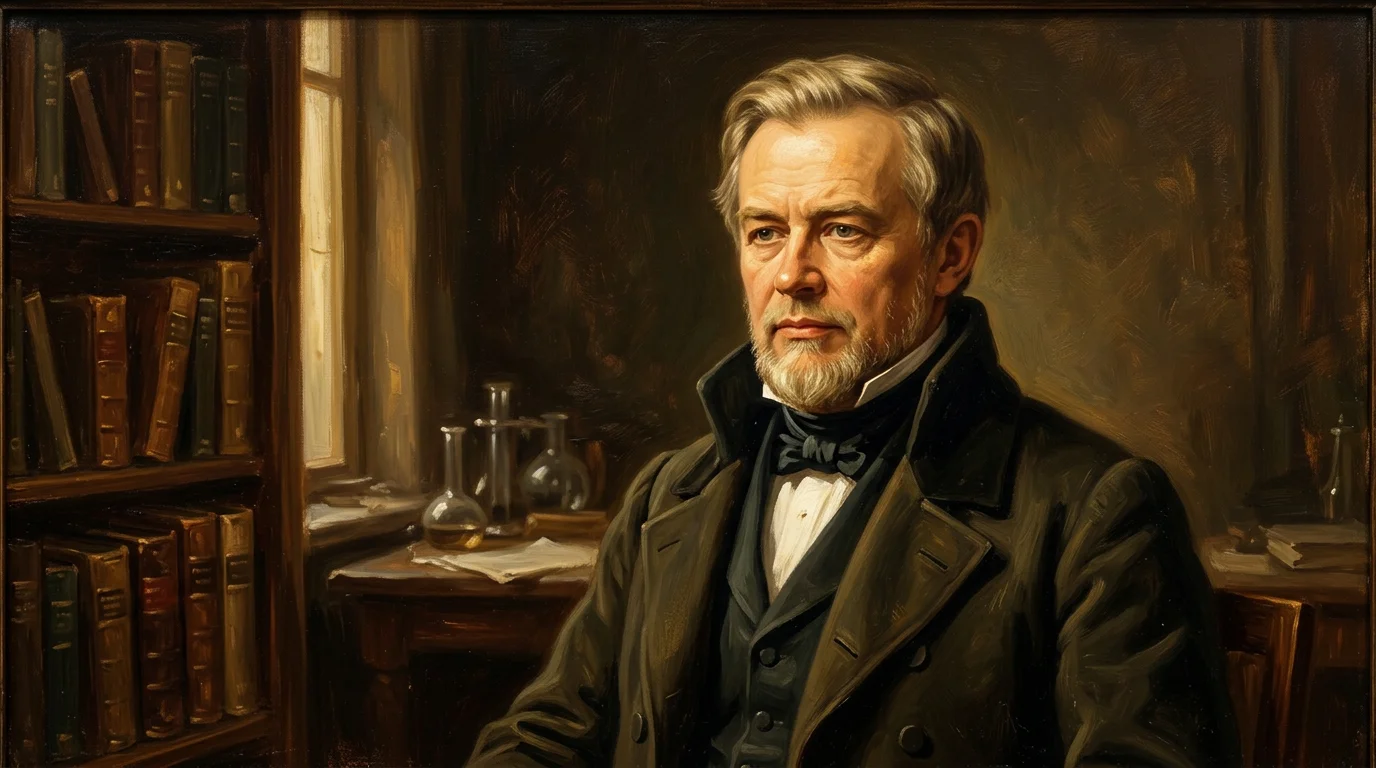
Heinrich Lenz
1804–1865 · Physicist & Geophysicist
Formulating Lenz's law, which determines the direction of an induced current, and independently establishing the electrical heating relationship also associated with James Prescott Joule, known as the Joule-Lenz law.
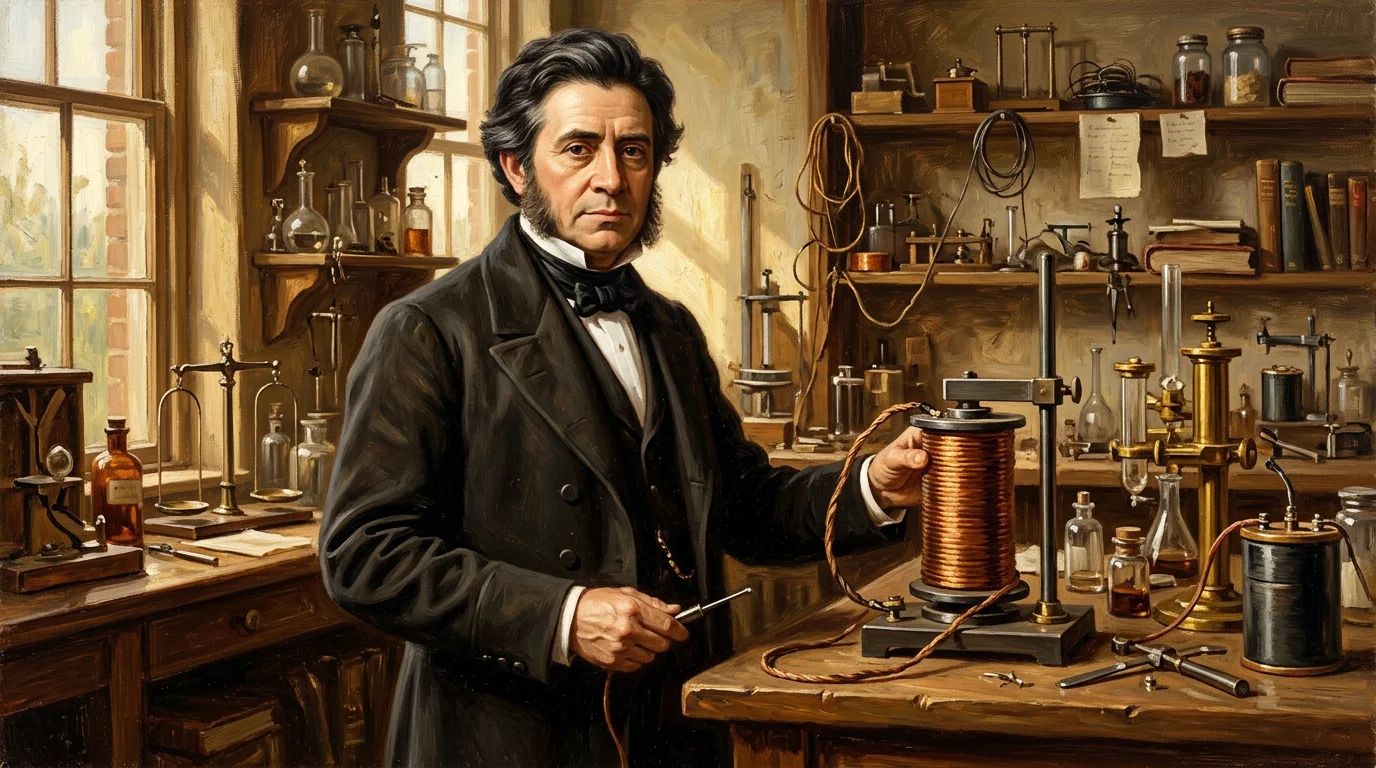
Joseph Henry
1797–1878 · Physicist
Building powerful electromagnets, independently investigating electromagnetic induction and discovering self-induction, demonstrating an early electromagnetic motor in 1831, and providing important scientific foundations for telegraph technology.
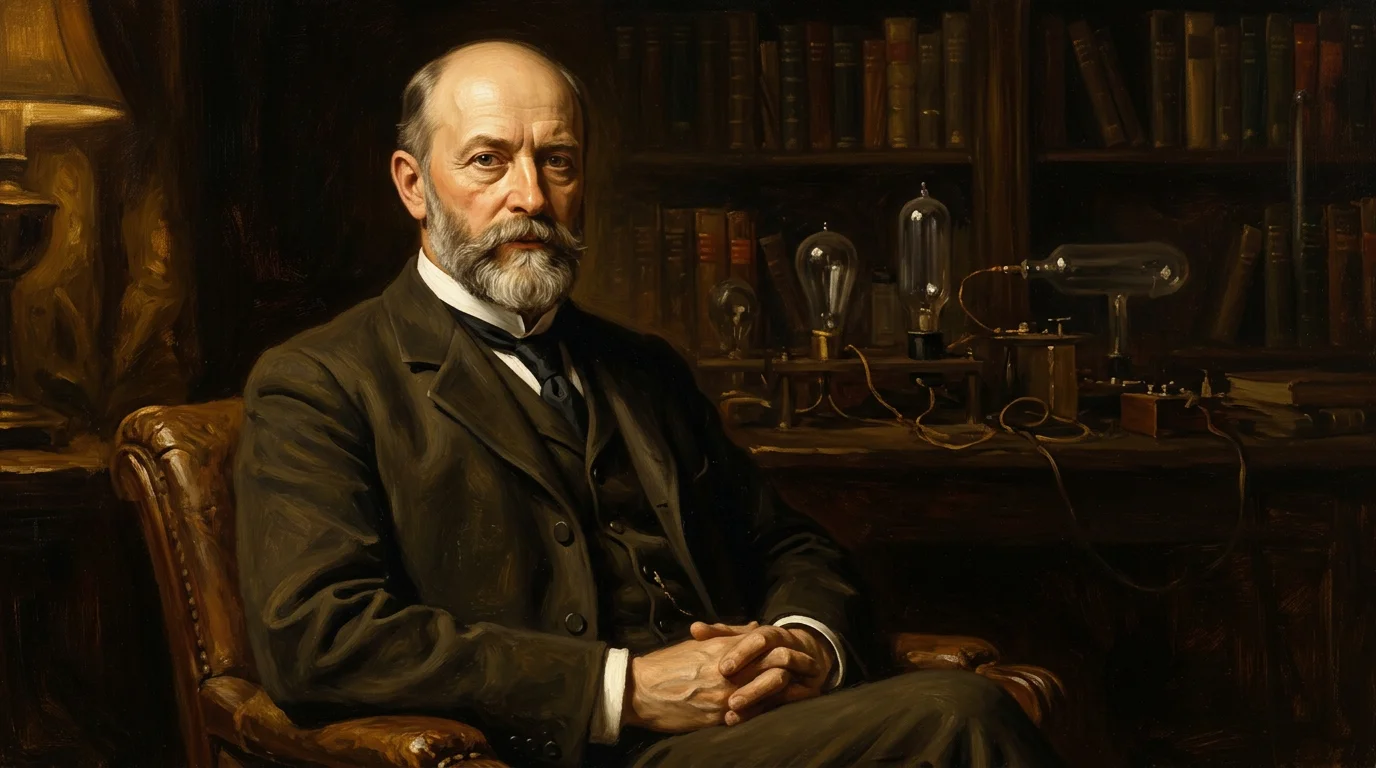
Karl Ferdinand Braun
1850–1918 · Physicist & Electrical Engineer
Discovering an important rectification effect at a metal-crystal contact in 1874, developing the Braun cathode-ray tube in 1897, and sharing the 1909 Nobel Prize in Physics with Marconi for contributions to wireless telegraphy.
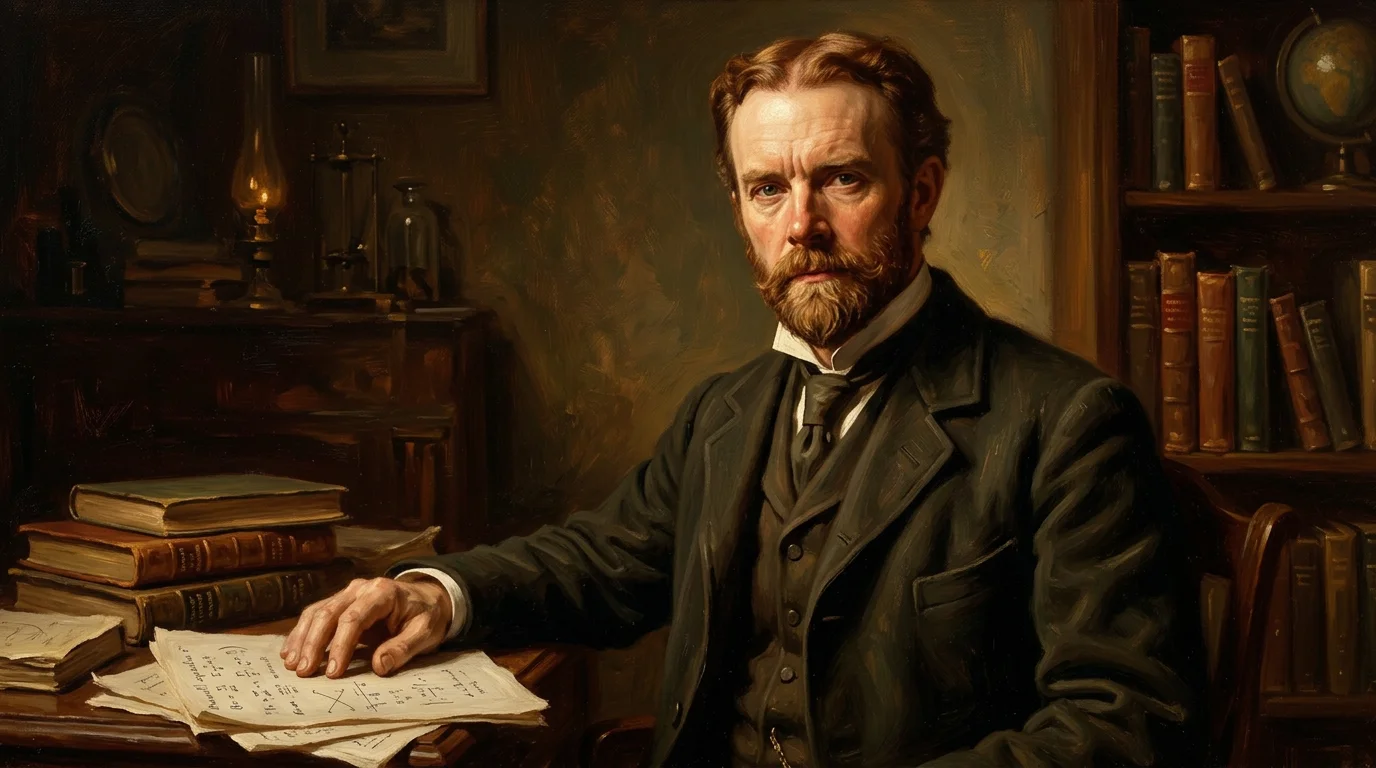
Oliver Heaviside
1850–1925 · Mathematician, Physicist & Electrical Engineer
Reformulating Maxwell's electromagnetic theory into a compact vector form, developing transmission-line equations fundamental to telecommunications, and predicting a radio-reflecting atmospheric layer later called the Heaviside-Kennelly layer.
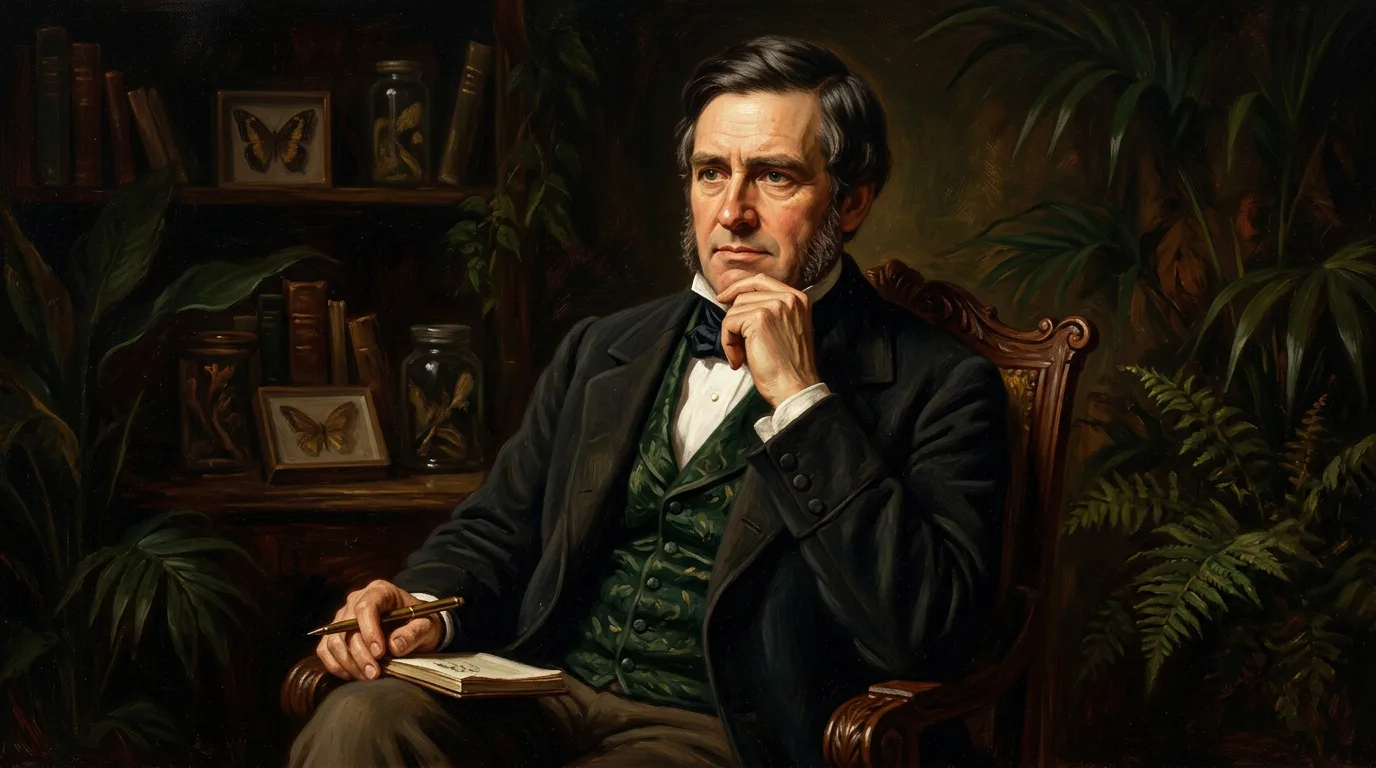
Alfred Russel Wallace
1823–1913 · Naturalist, Explorer & Biogeographer
Independently developing the theory of evolution by natural selection, carrying out major fieldwork in the Amazon and Malay Archipelago, and helping establish biogeography through studies including the boundary now called Wallace's Line.
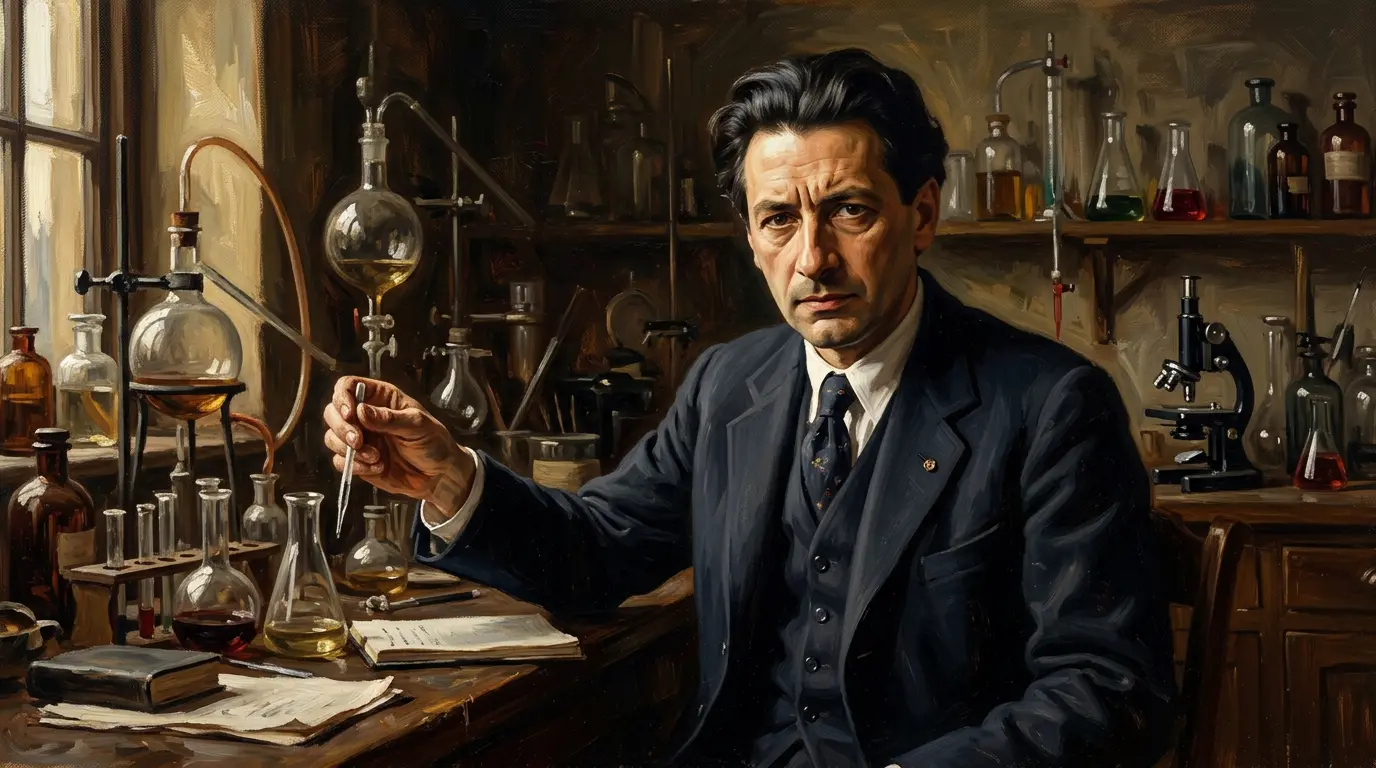
Ernst Boris Chain
1906–1979 · Biochemist
Playing a central biochemical role in the Oxford penicillin project by helping isolate, purify and concentrate penicillin, investigating its chemistry and helping turn it into a usable antibacterial medicine.
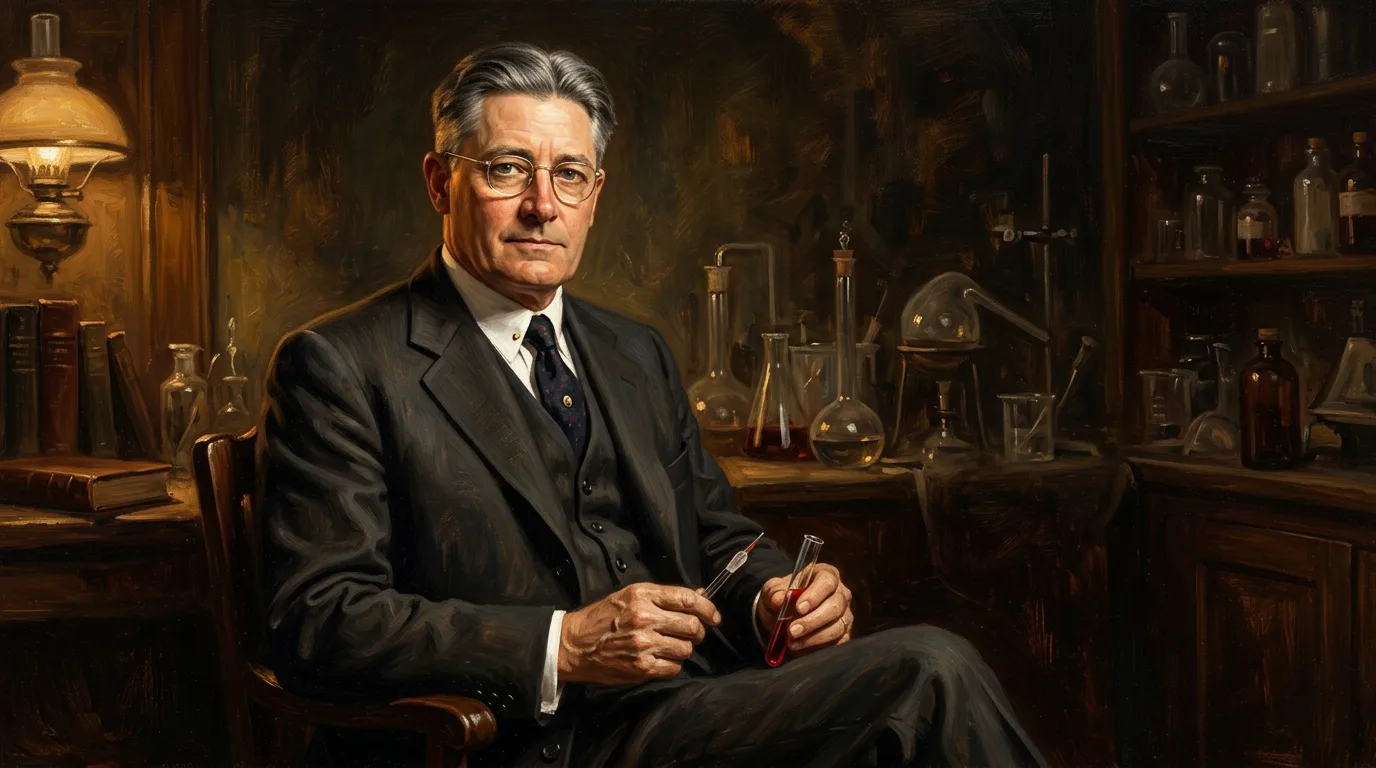
Howard Walter Florey
1898–1968 · Pathologist & Medical Scientist
Leading the Oxford team that developed penicillin into a systemic antibacterial treatment, helping turn Alexander Fleming's earlier discovery into a medicine that could be tested clinically and produced on a large scale.
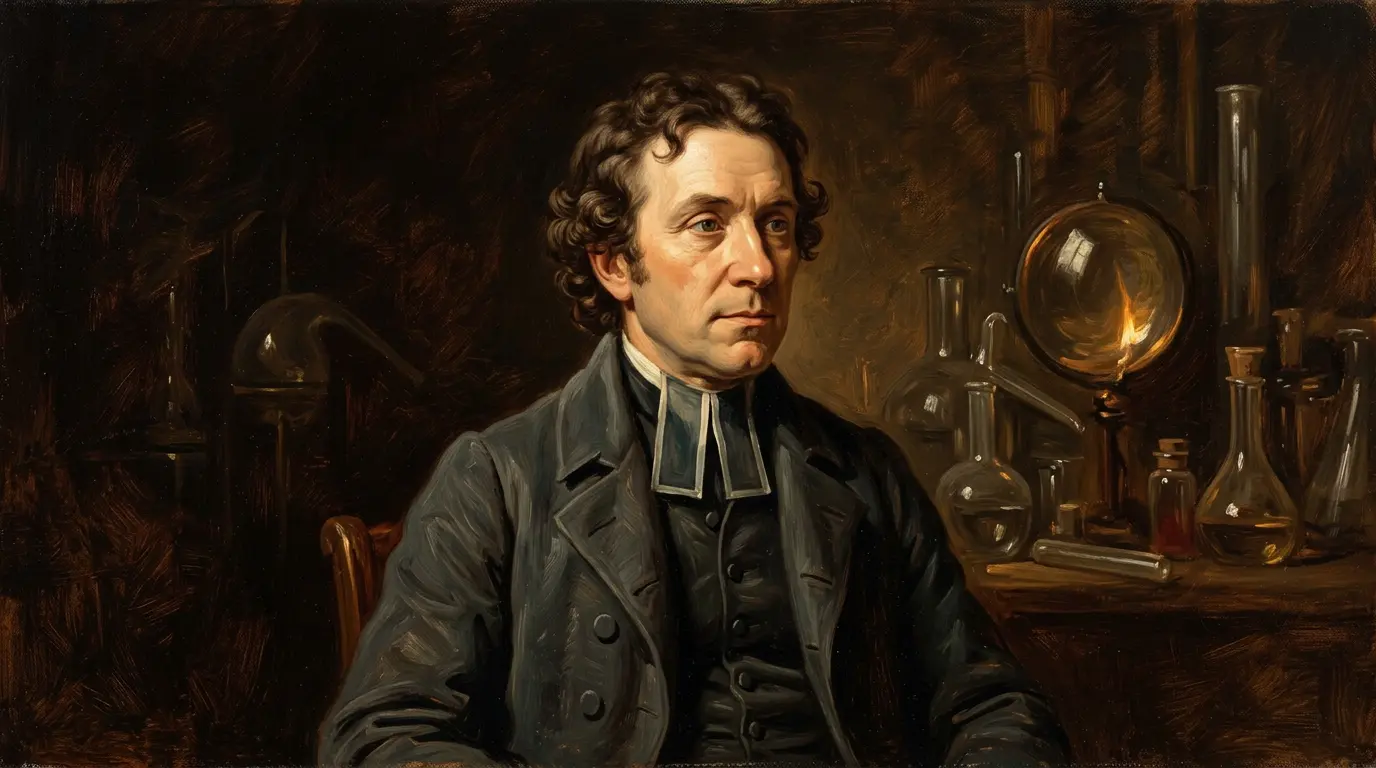
Joseph Priestley
1733–1804 · Chemist, Natural Philosopher & Minister
Isolating the gas now called oxygen in 1774, pioneering experiments on gases and air, developing a method for making carbonated water, and contributing important observations to early research on plants and the atmosphere.
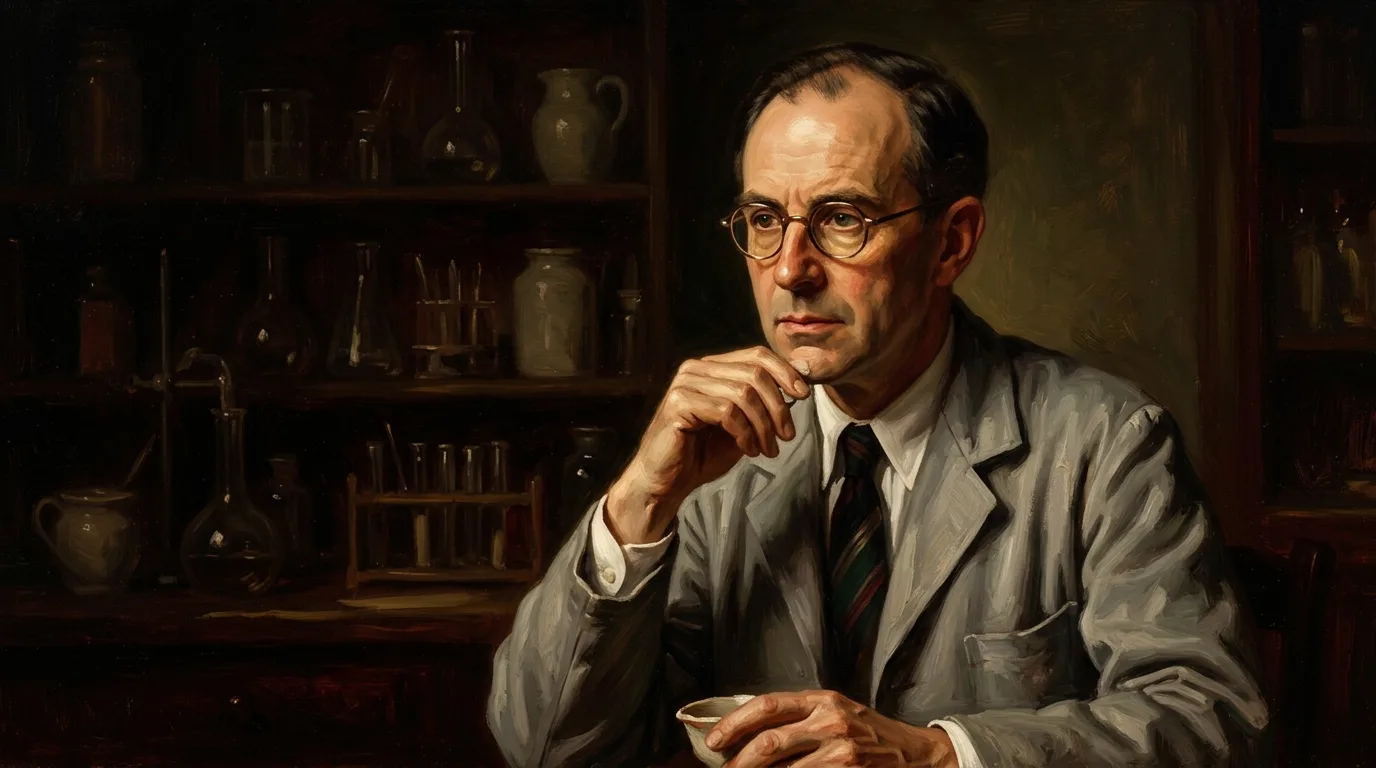
Norman George Heatley
1911–2004 · Biochemist
Making crucial practical breakthroughs in the Oxford penicillin project, including methods to assay, extract, purify and produce enough penicillin for the experiments and early clinical trials that helped turn it into a medicine.
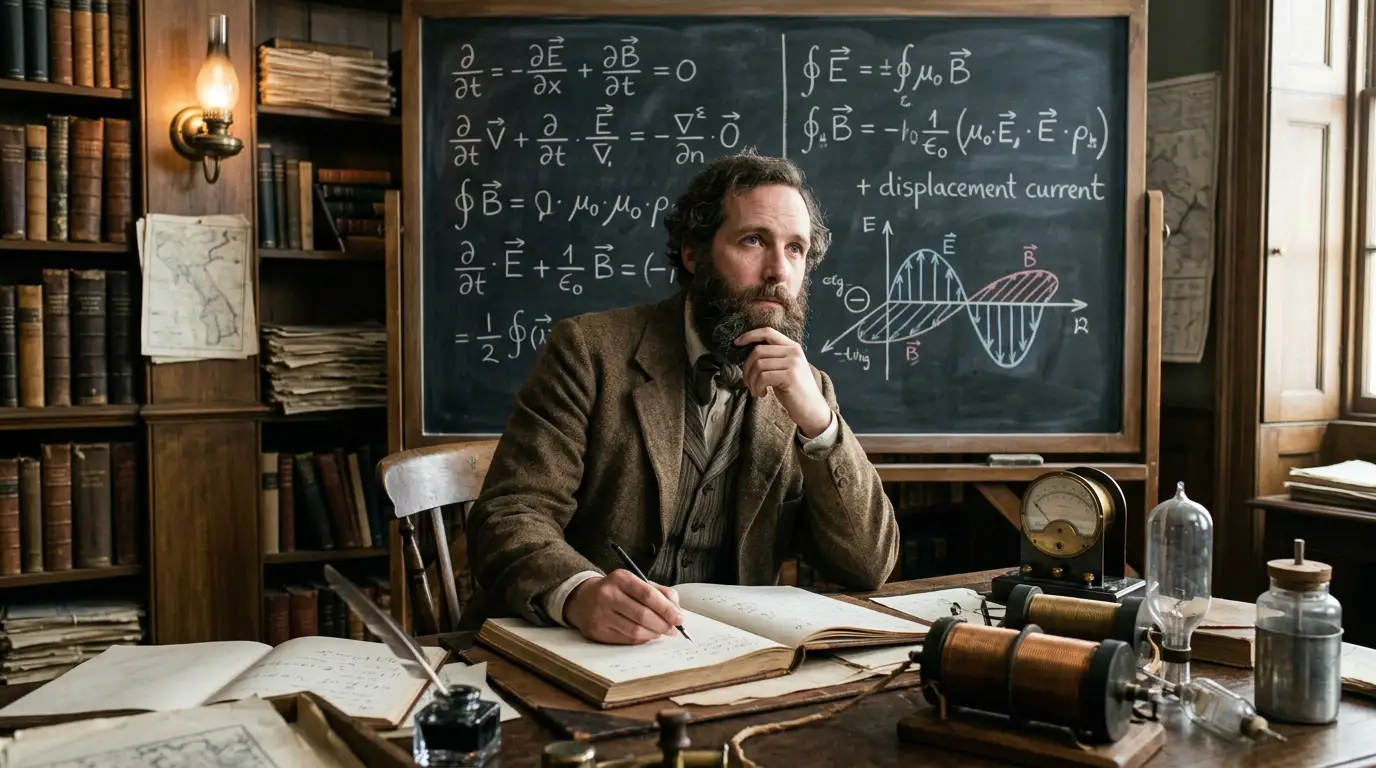
James Clerk Maxwell
1831–1879 · Physicist & Mathematician
Developing the classical theory of electromagnetism, showing mathematically that electricity, magnetism and light are connected, and making major contributions to kinetic theory, colour science and the understanding of Saturn's rings.
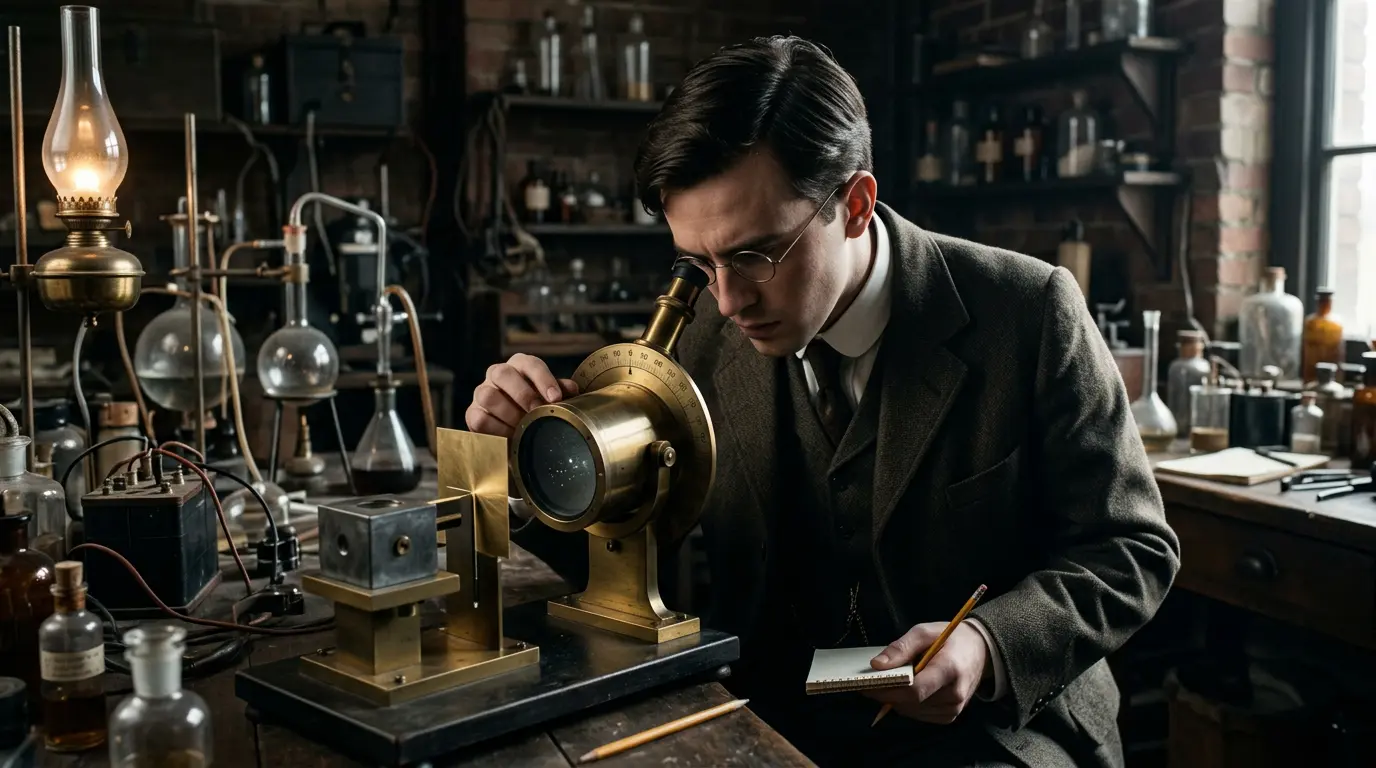
Ernest Marsden
1889–1970 · Experimental physicist and scientific administrator
Ernest Marsden carried out the famous 1909 alpha-particle scattering experiments with Hans Geiger under Ernest Rutherford, and later became one of the most influential organisers of science in New Zealand.
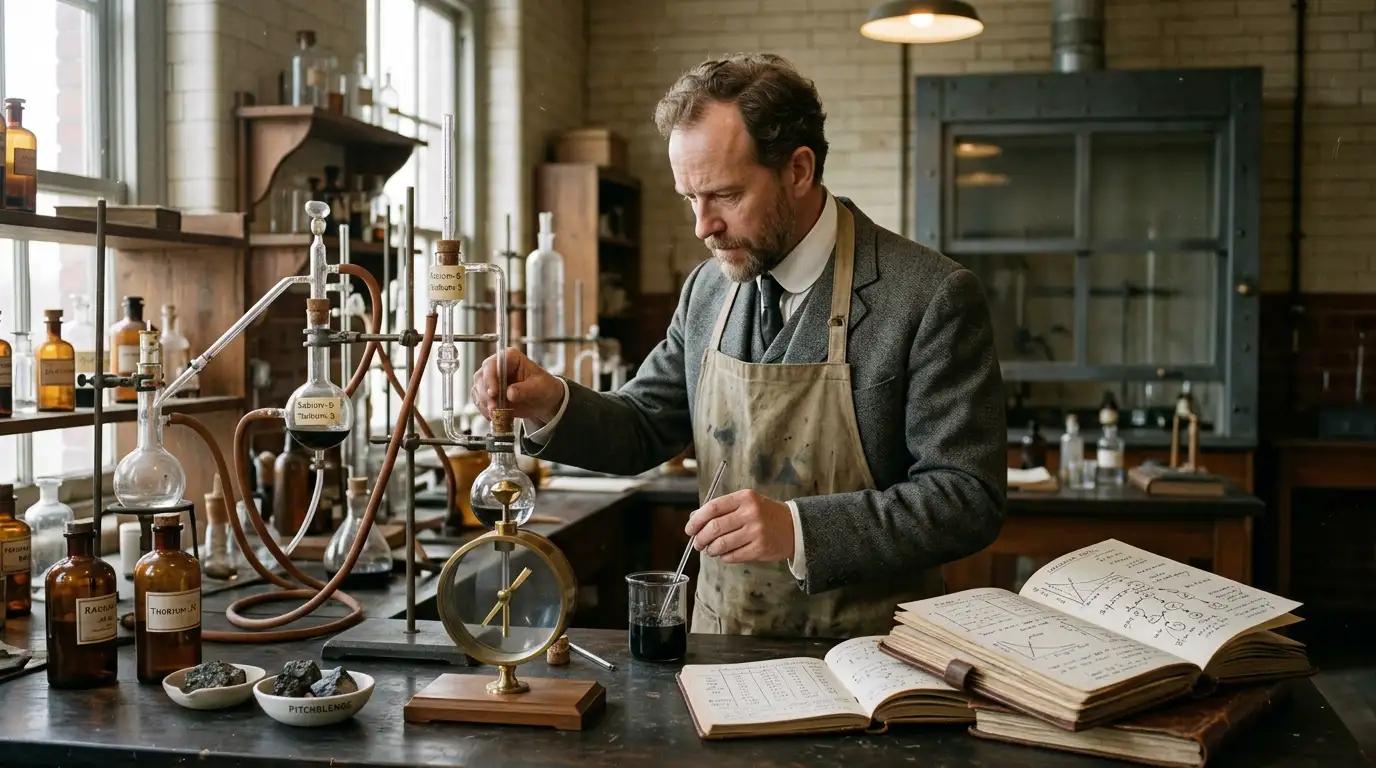
Frederick Soddy
1877–1956 · Radiochemist
Frederick Soddy helped establish that radioactive elements transform into other elements, developed the concept of isotopes, and received the 1921 Nobel Prize in Chemistry.
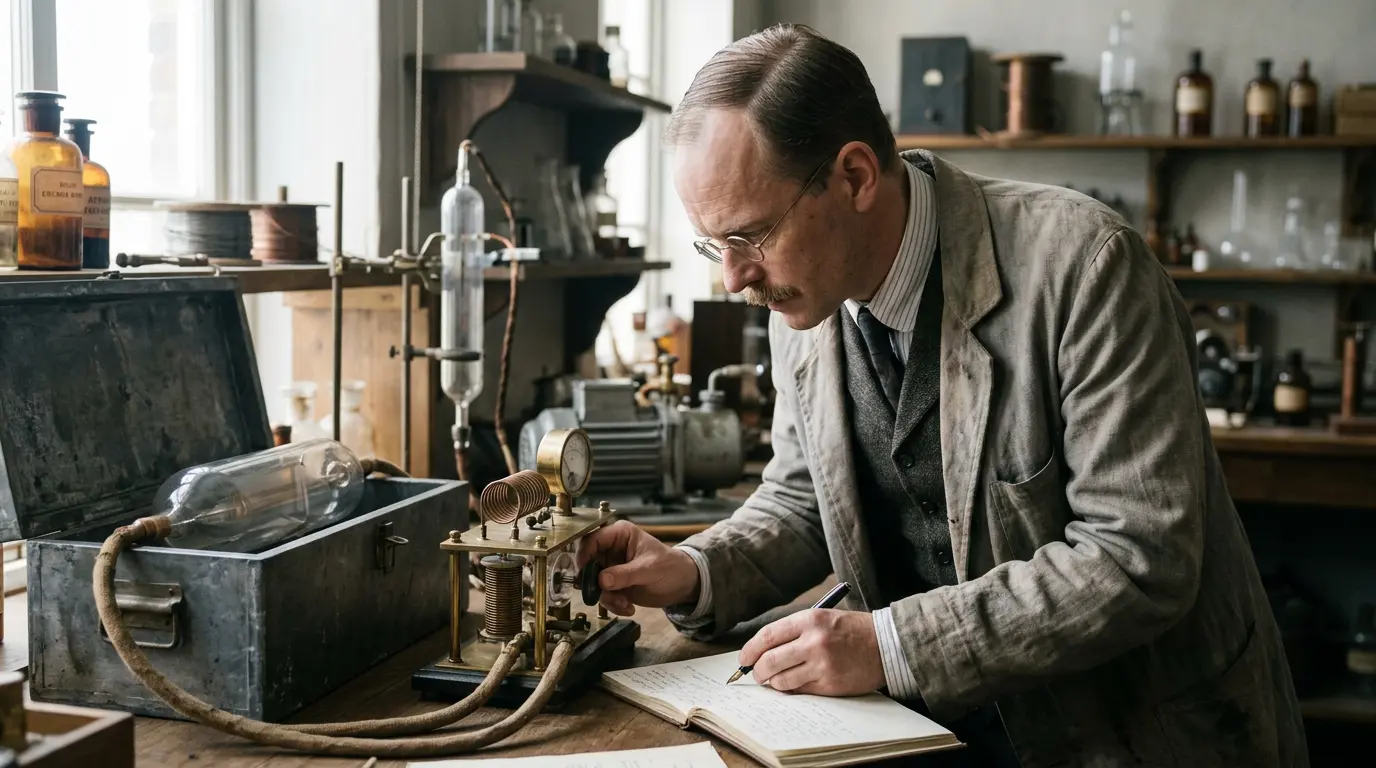
Hans Geiger
1882–1945 · Experimental physicist
Hans Geiger developed methods for detecting and counting ionising radiation, participated in the Geiger–Marsden scattering experiments that helped reveal the atomic nucleus, and later developed the Geiger–Müller counter with Walther Müller.
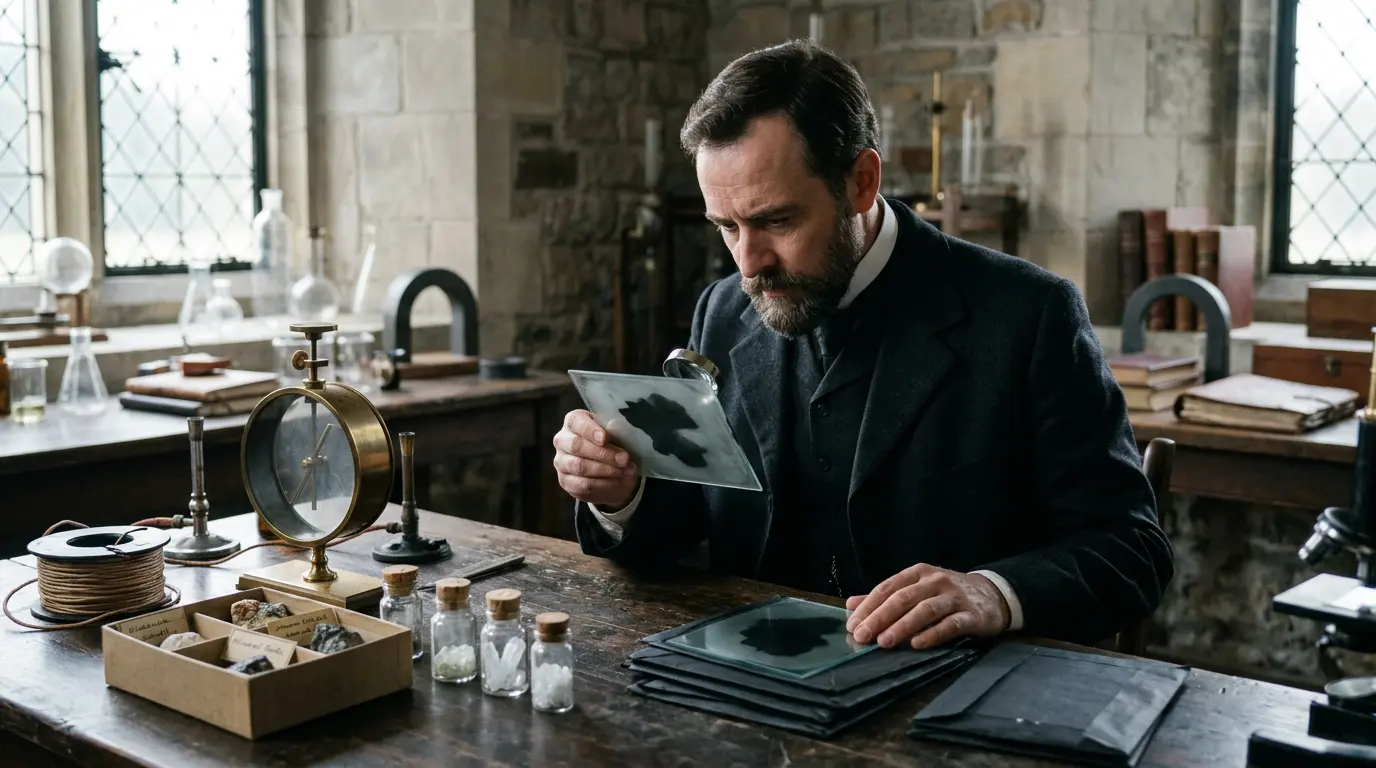
Henri Becquerel
1852–1908 · Experimental physicist
Henri Becquerel discovered that uranium emitted penetrating radiation spontaneously, providing the starting point for the scientific study of natural radioactivity.
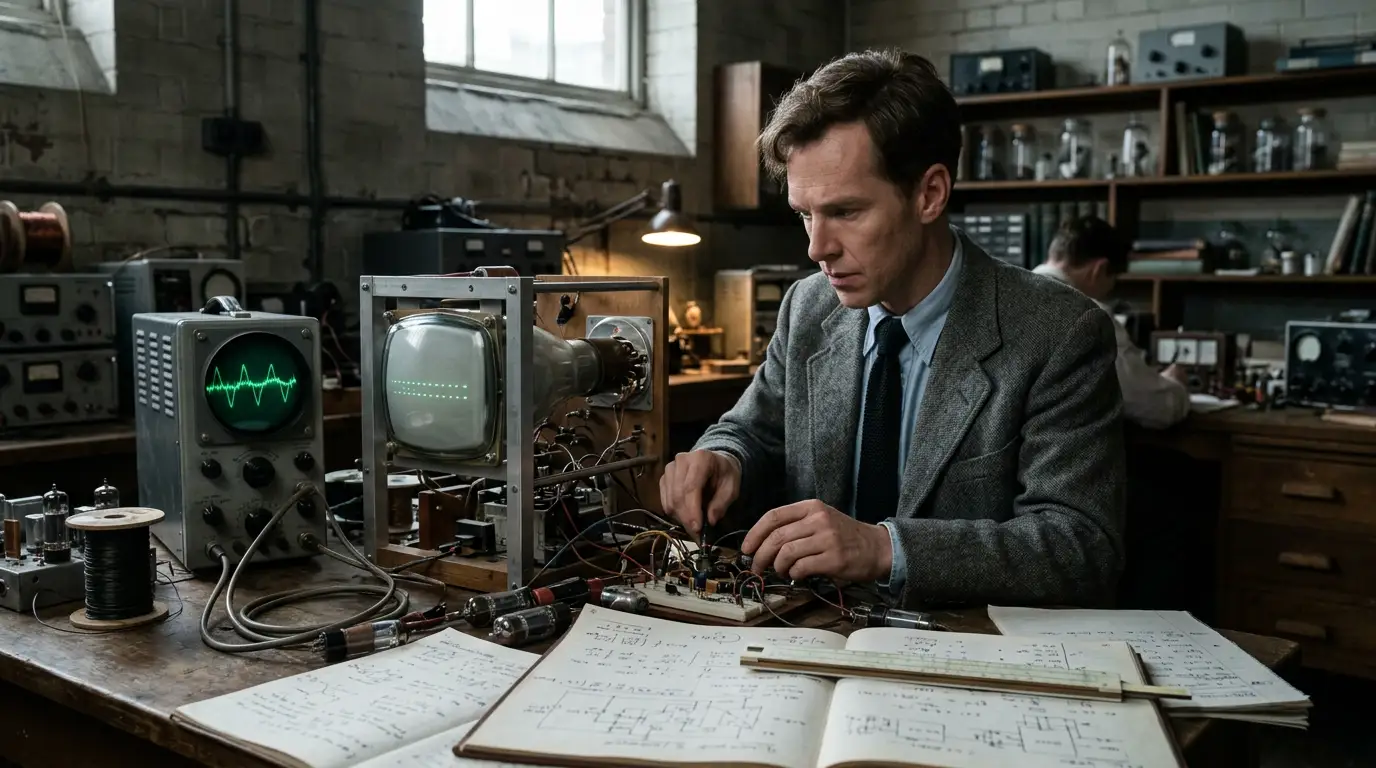
Frederic C. Williams
1911–1977 · Electrical Engineer
Developing, with Tom Kilburn, an early practical cathode-ray-tube electronic computer memory and leading the Manchester team in which the Manchester Baby was created.
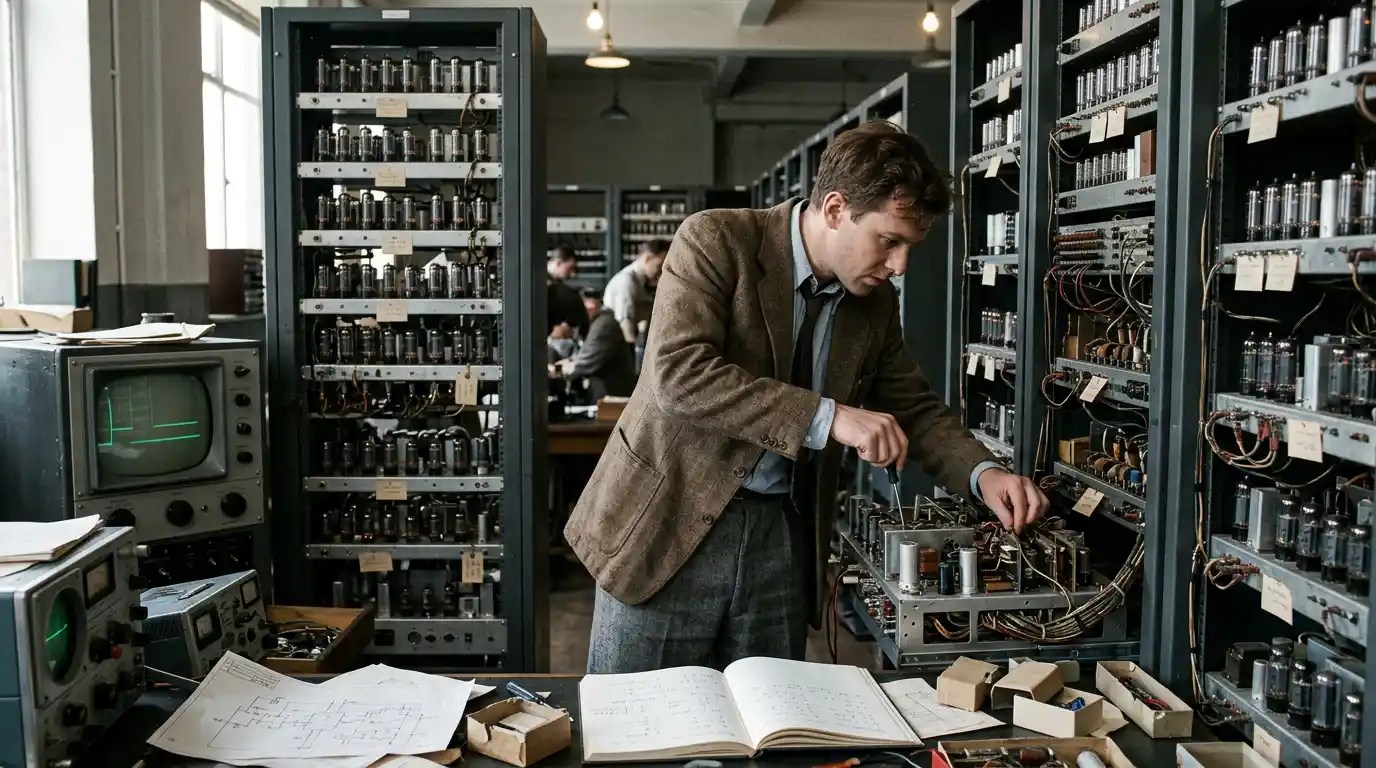
Geoff Tootill
1922–2017 · Computer Engineer
Being one of the three core engineers who built the Manchester Baby, the first electronic stored-program digital computer to run a program from electronic read-write memory.
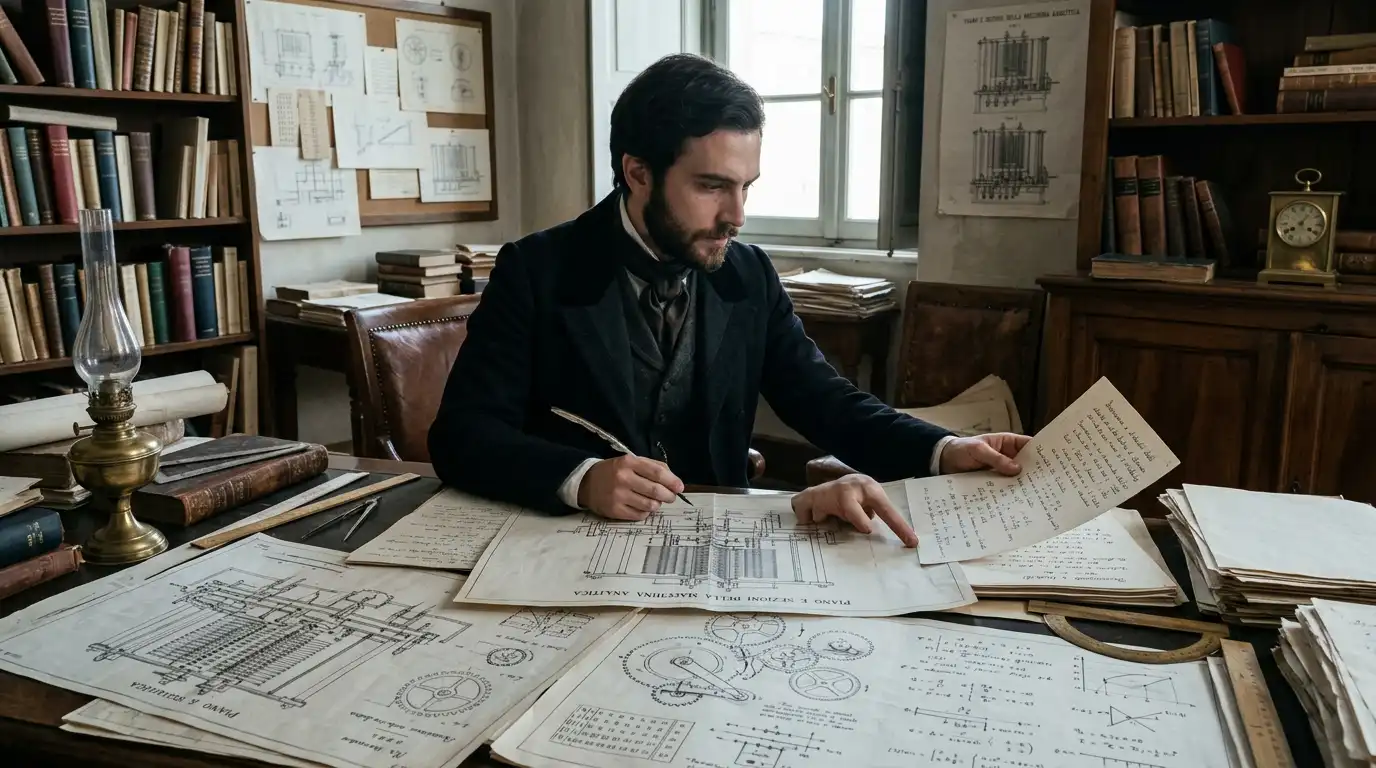
Luigi Federico Menabrea
1809–1896 · Engineer
Publishing an important early account of Charles Babbage's Analytical Engine after hearing Babbage explain the machine in Turin, and for important work in structural mechanics.
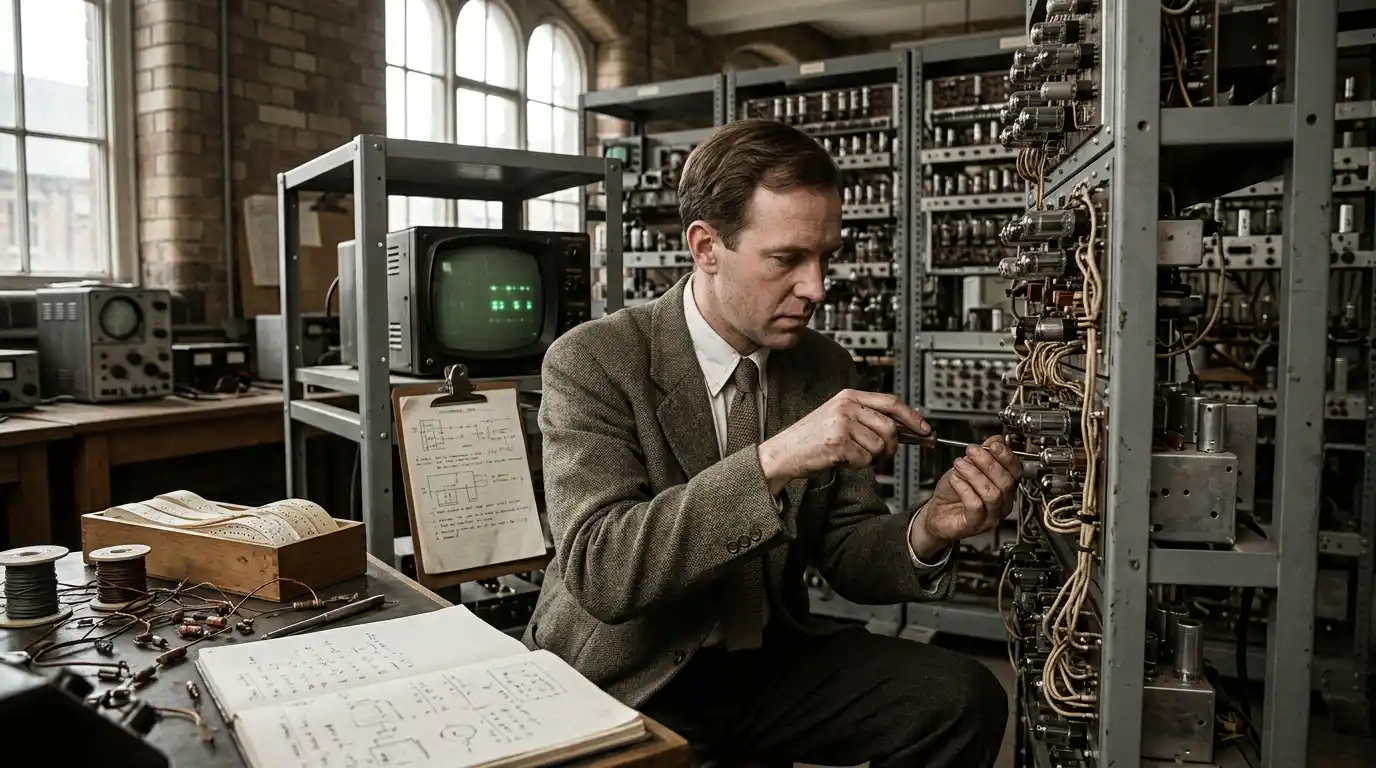
Tom Kilburn
1921–2001 · Computer Engineer
Co-developing the Williams-Kilburn electronic memory, leading the design and construction of the Manchester Baby, writing its first program, and later leading major Manchester computer projects including Atlas.
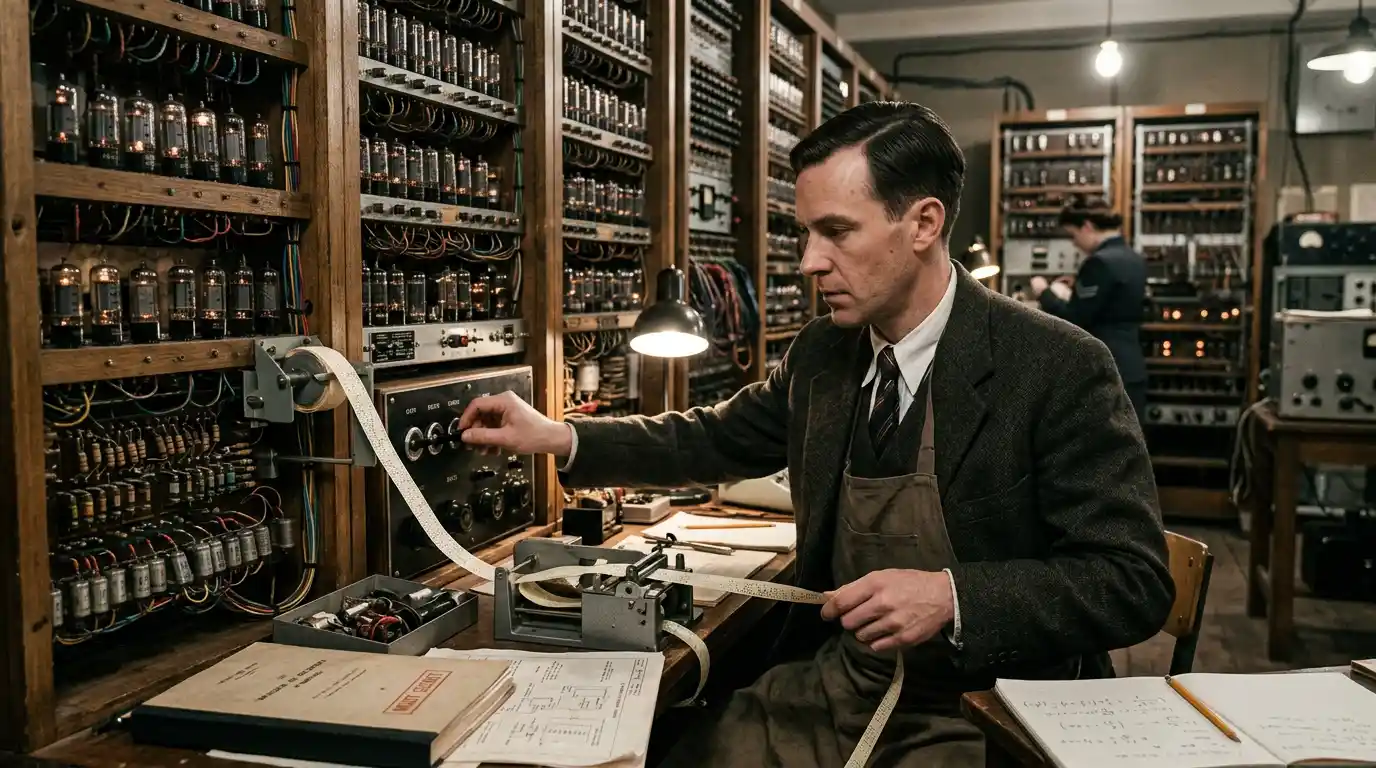
Tommy Flowers
1905–1998 · Electrical Engineer
Designing Colossus and leading the engineering team that built it for wartime cryptanalysis at Bletchley Park.
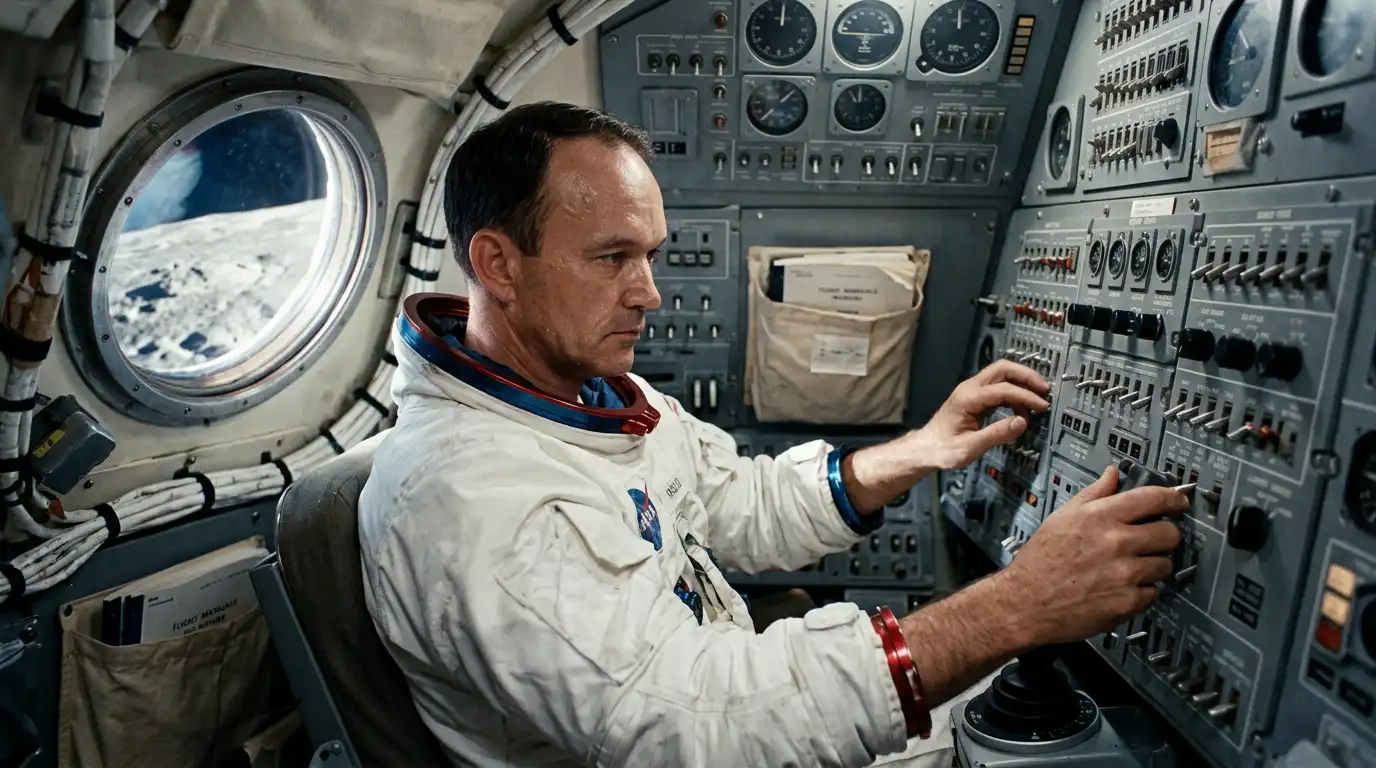
Michael Collins
1930–2021 · Astronaut
Serving as Apollo 11 command module pilot, remaining in lunar orbit aboard Columbia while Neil Armstrong and Buzz Aldrin landed on the Moon.
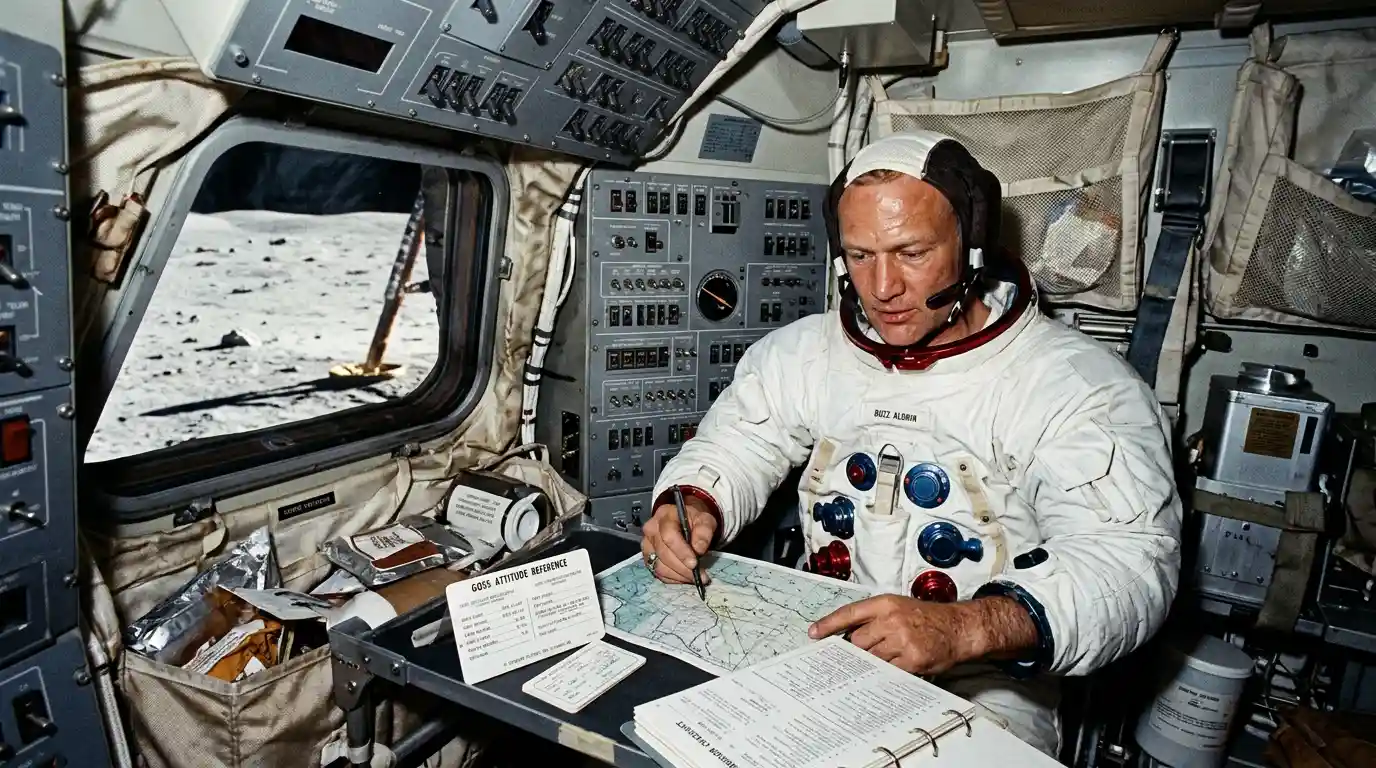
Buzz Aldrin
1930–present · Astronaut
Serving as Apollo 11 lunar module pilot and becoming the second human to walk on the Moon.
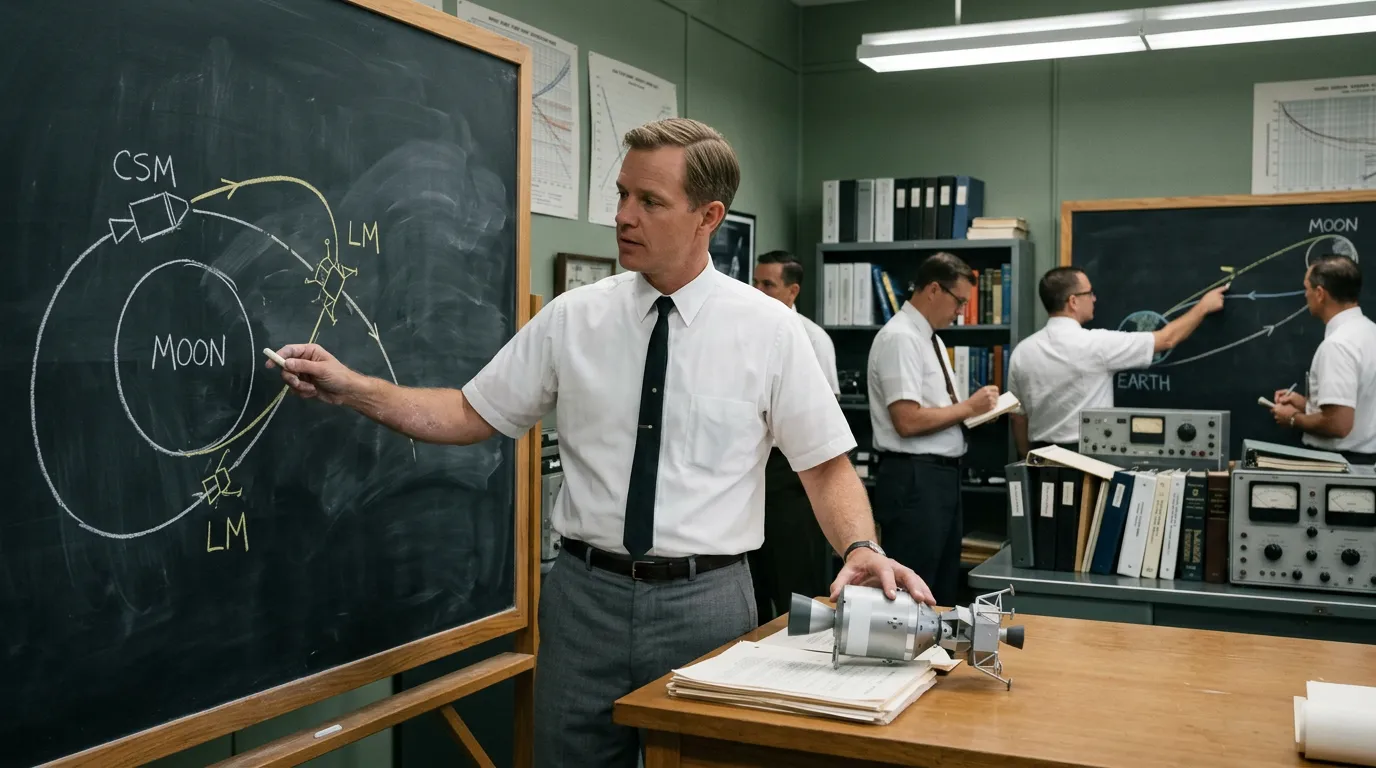
John C. Houbolt
1919–2014 · Aerospace Engineer
His persistent technical advocacy of Lunar Orbit Rendezvous (LOR), the mission architecture NASA ultimately used for Apollo lunar landings.
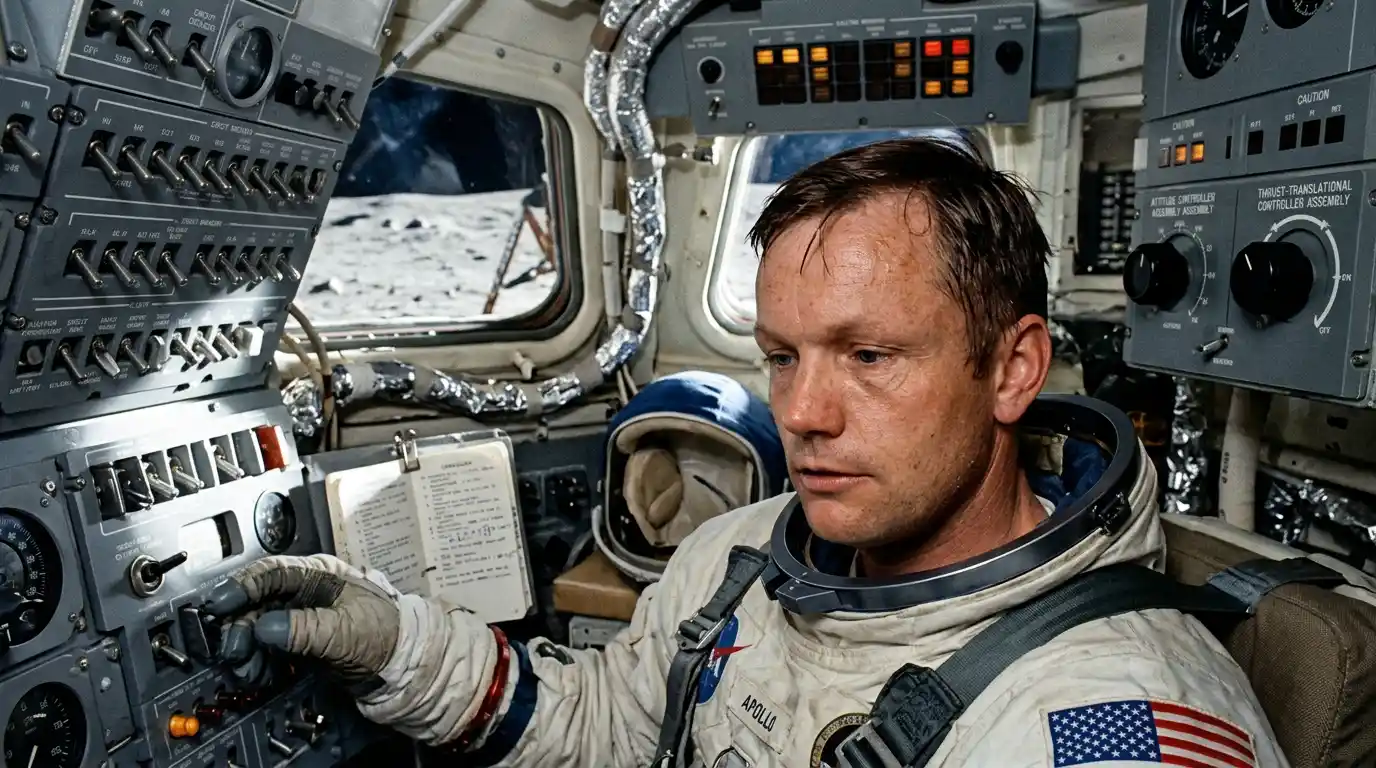
Neil Armstrong
1930–2012 · Astronaut
Commanding Apollo 11 and becoming the first human to walk on the Moon in July 1969.
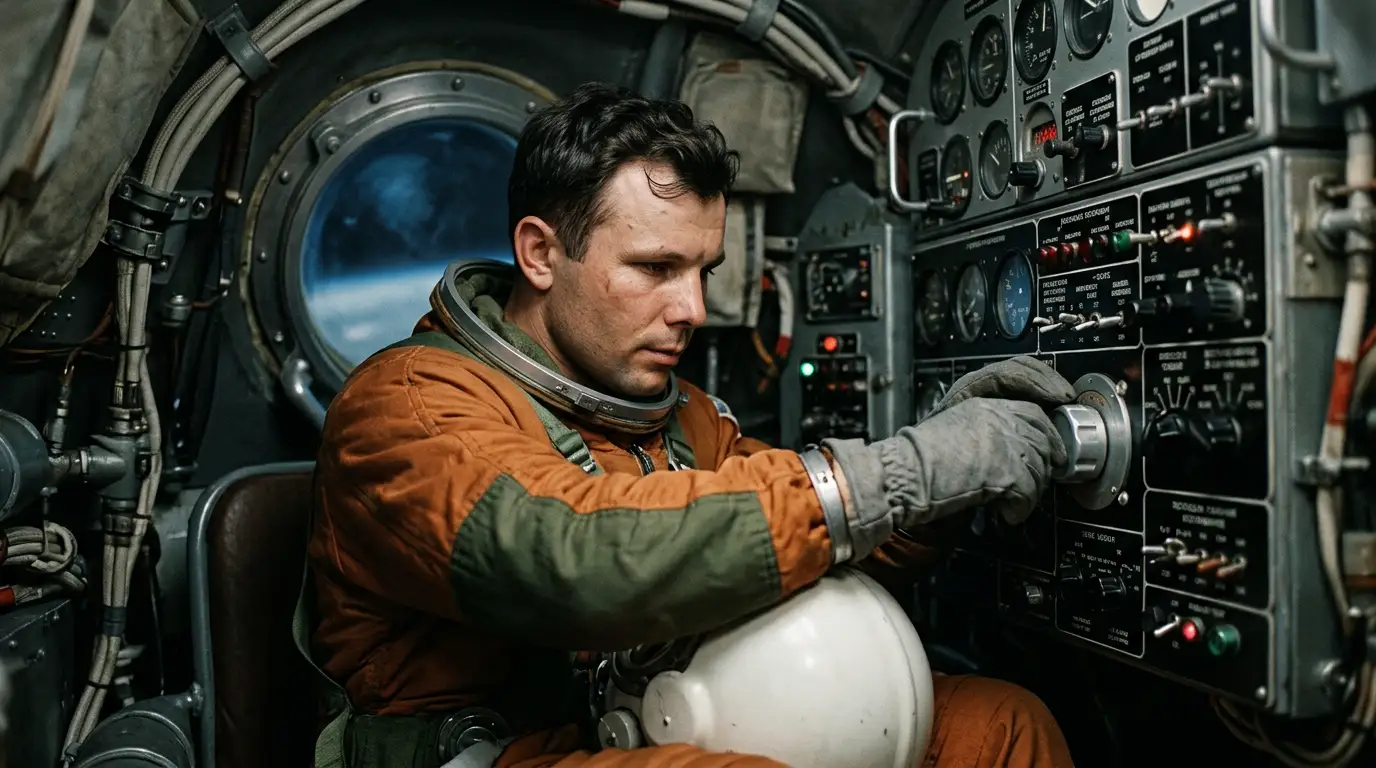
Yuri Gagarin
1934–1968 · Cosmonaut
Becoming the first human to travel into space and orbit Earth, aboard Vostok 1 on 12 April 1961.
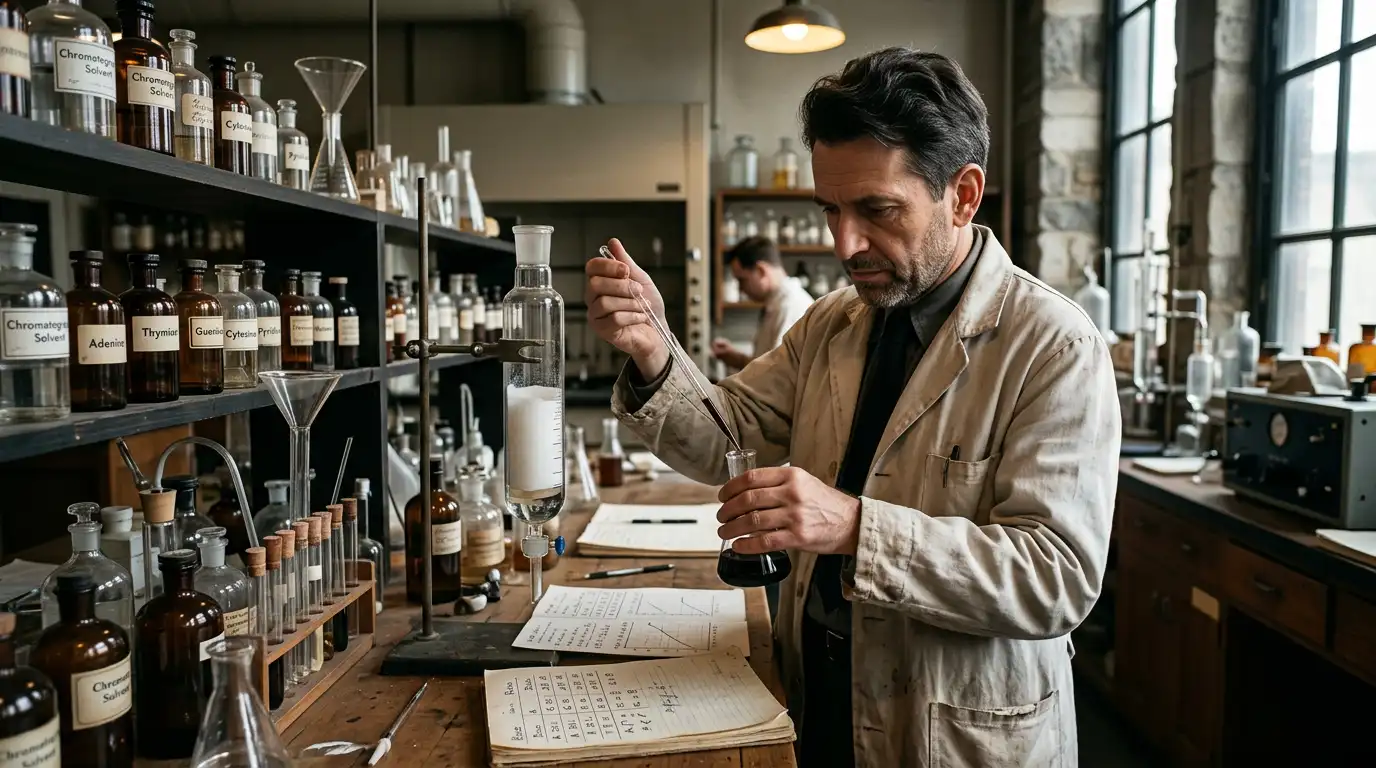
Erwin Chargaff
1905–2002 · Biochemist
Discovering important relationships in DNA base composition — later called Chargaff's rules — which supplied crucial evidence for understanding DNA structure.
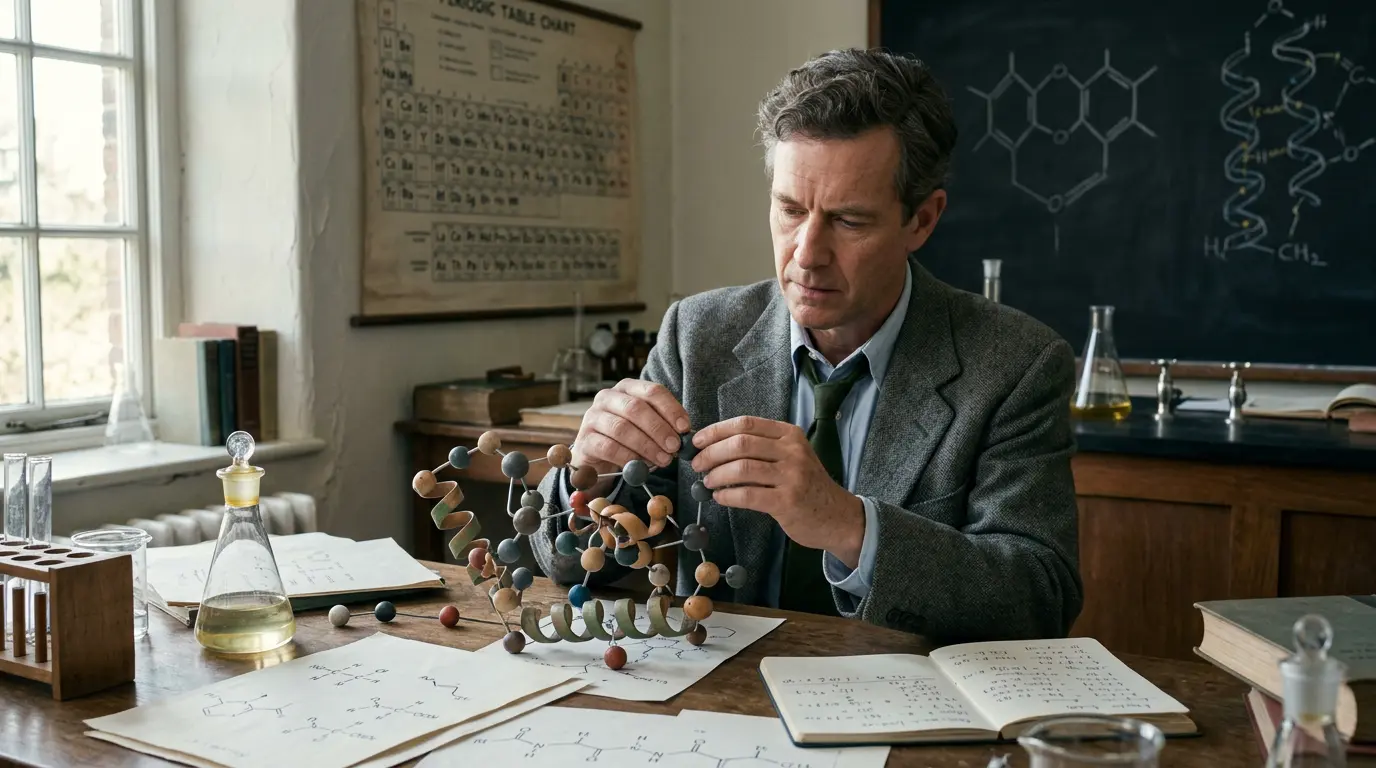
Linus Pauling
1901–1994 · Chemist
Transforming understanding of chemical bonding and molecular structure, major work on protein structure, and winning both the 1954 Nobel Prize in Chemistry and the 1962 Nobel Peace Prize.
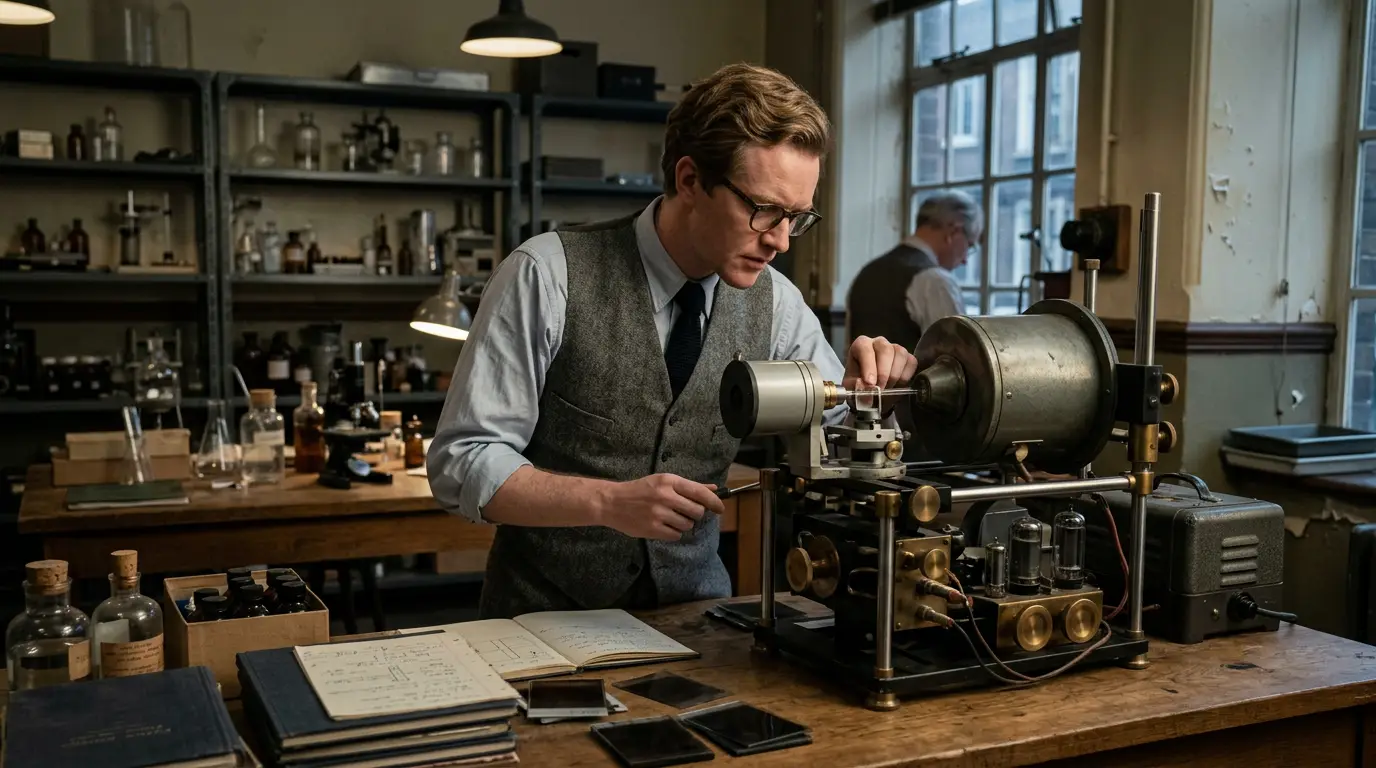
Maurice Wilkins
1916–2004 · Biophysicist
Important X-ray diffraction studies of DNA at King's College London and sharing the 1962 Nobel Prize in Physiology or Medicine with Francis Crick and James Watson.
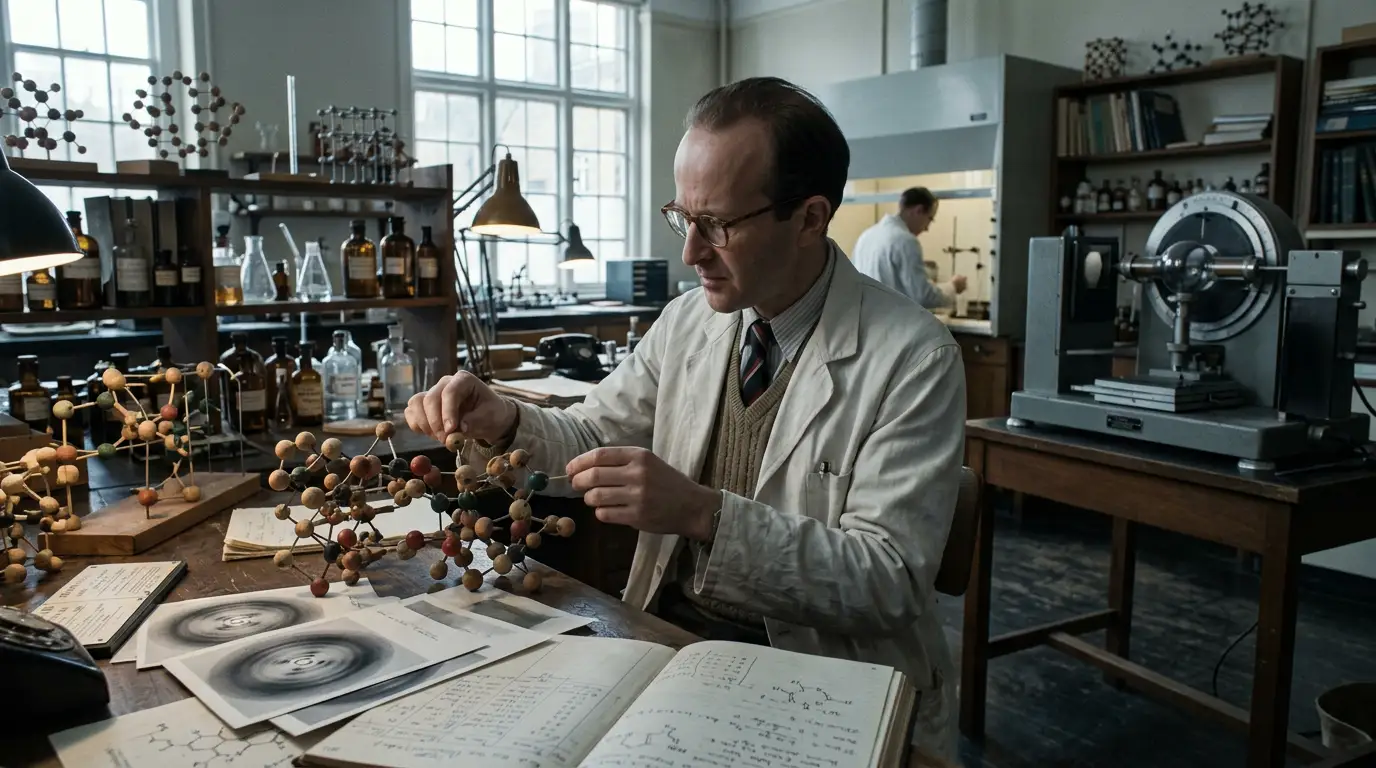
Max Perutz
1914–2002 · Molecular Biologist
Pioneering X-ray crystallographic studies of proteins, especially haemoglobin, and sharing the 1962 Nobel Prize in Chemistry with John Kendrew.
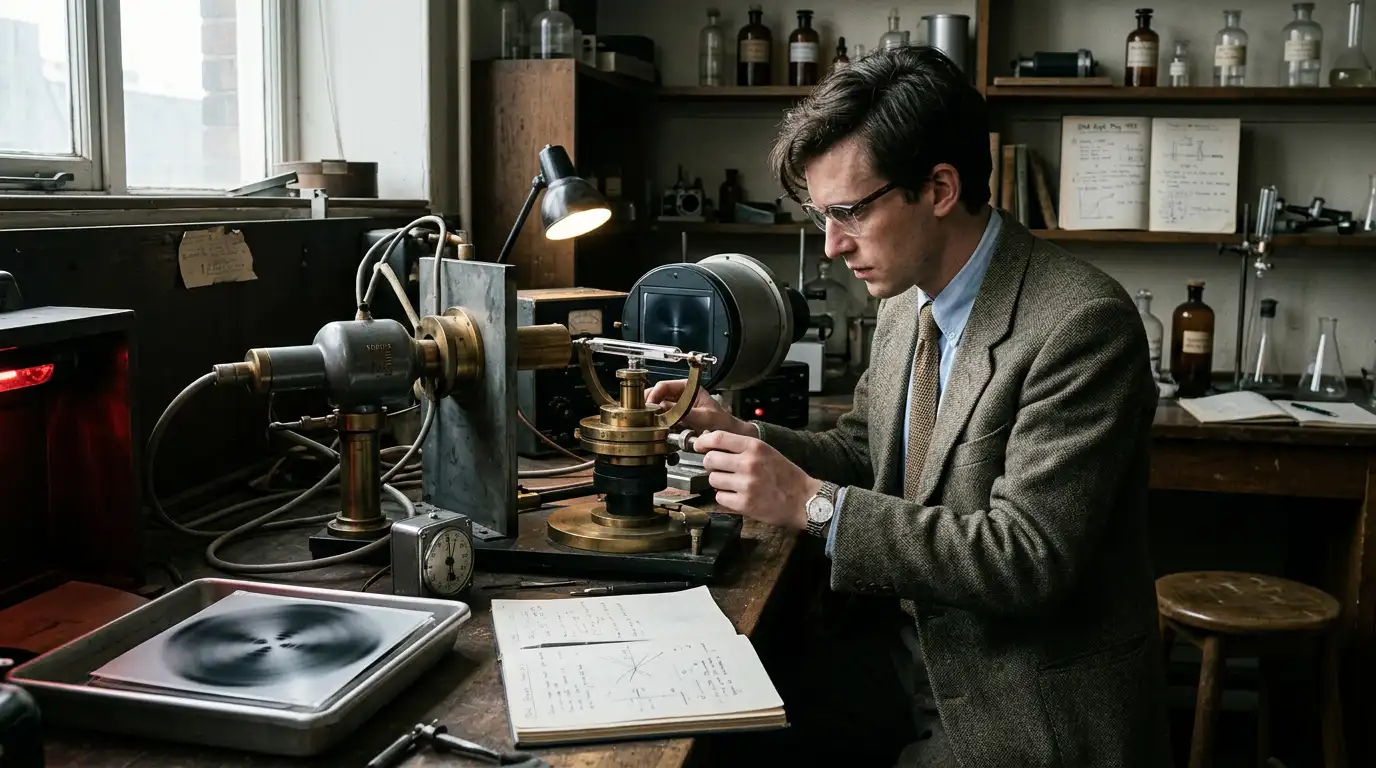
Raymond Gosling
1926–2015 · Physicist
His X-ray diffraction research on DNA and for producing Photograph 51 with Rosalind Franklin while a PhD student at King's College London.
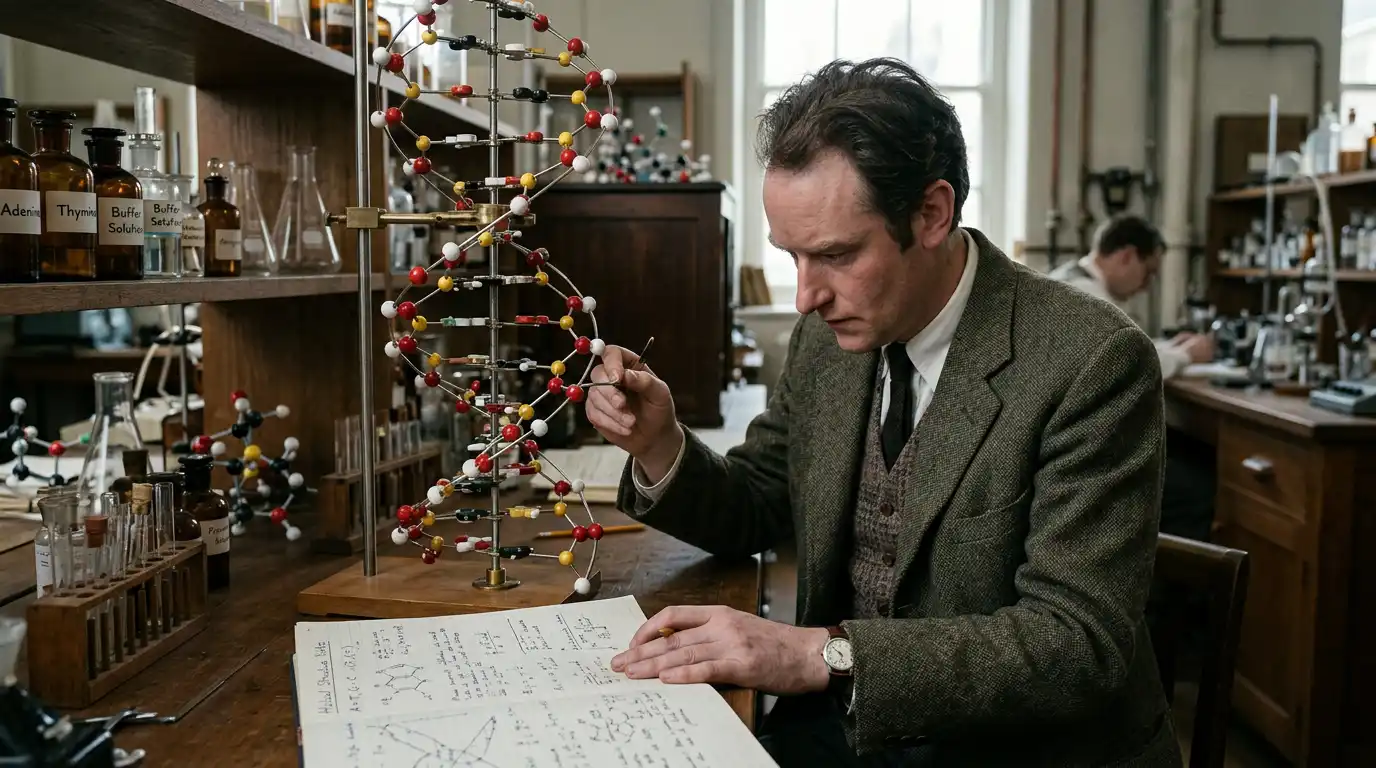
Francis Crick
1916–2004 · Molecular Biologist
Working with James Watson to develop the double-helix model of DNA in 1953 and later making major contributions to understanding genetic information and the genetic code. He shared the 1962 Nobel Prize in Physiology or Medicine with James Watson and Maurice Wilkins.
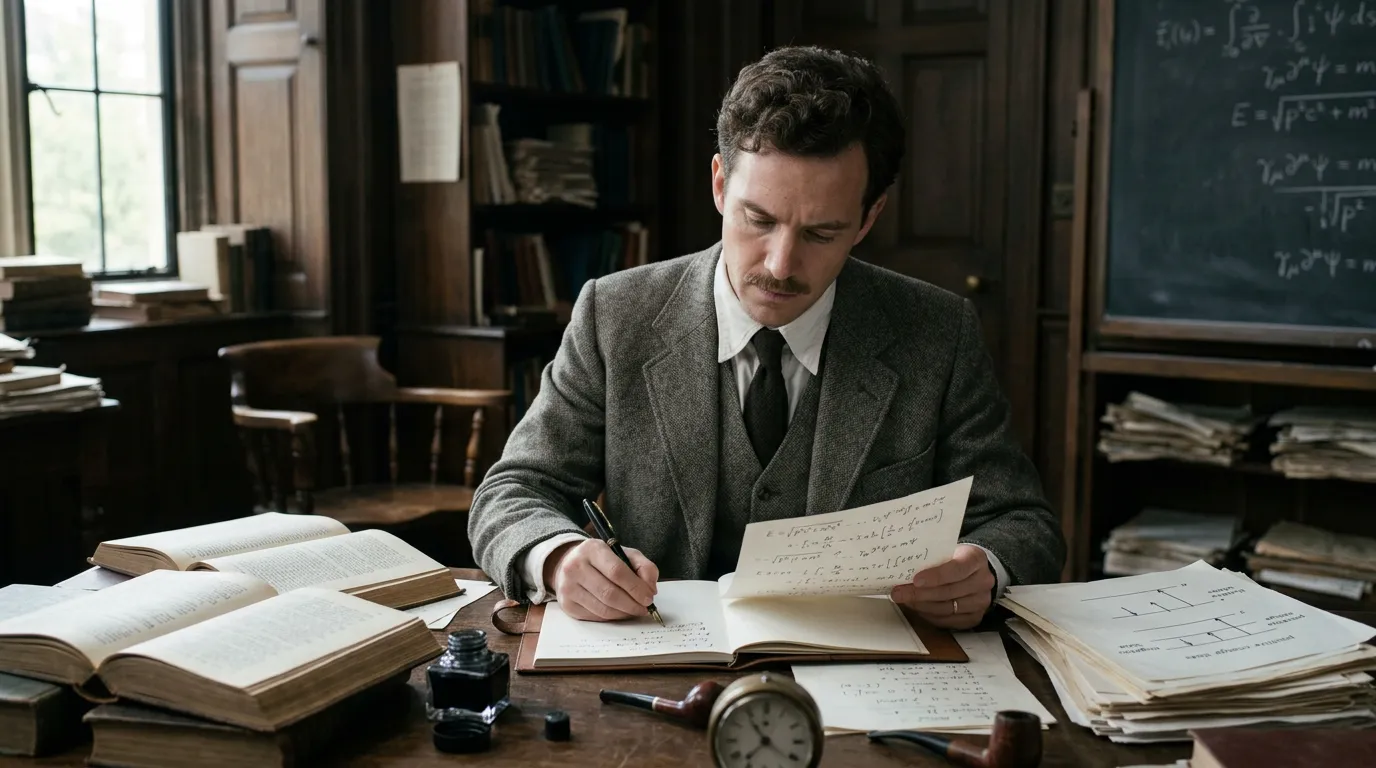
Paul Dirac
1902–1984 · Theoretical Physicist
Developing the Dirac equation, one of the foundational equations of relativistic quantum mechanics, and producing theory that implied the existence of antimatter. He shared the 1933 Nobel Prize in Physics with Erwin Schrödinger.
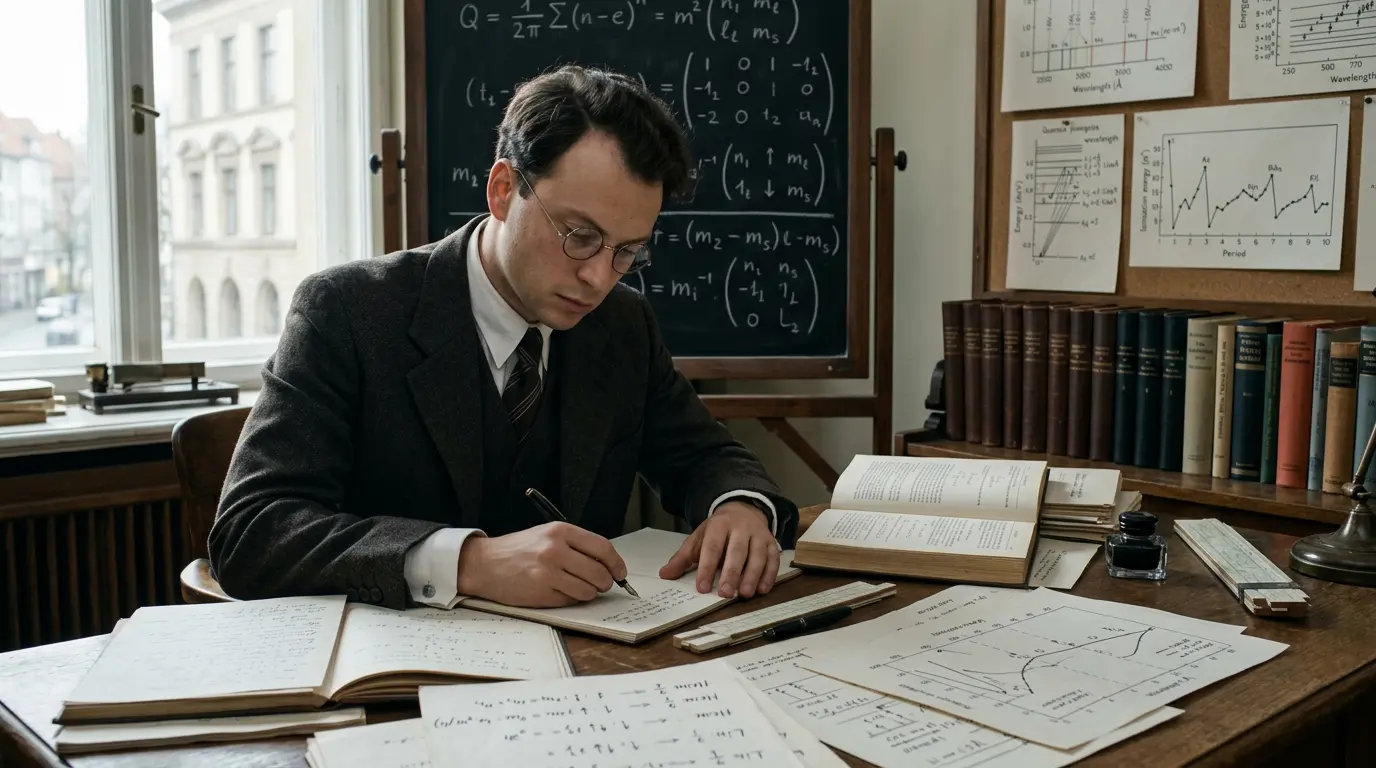
Wolfgang Pauli
1900–1958 · Theoretical Physicist
Formulating the Pauli exclusion principle and proposing the existence of the neutral particle later called the neutrino. He received the 1945 Nobel Prize in Physics.
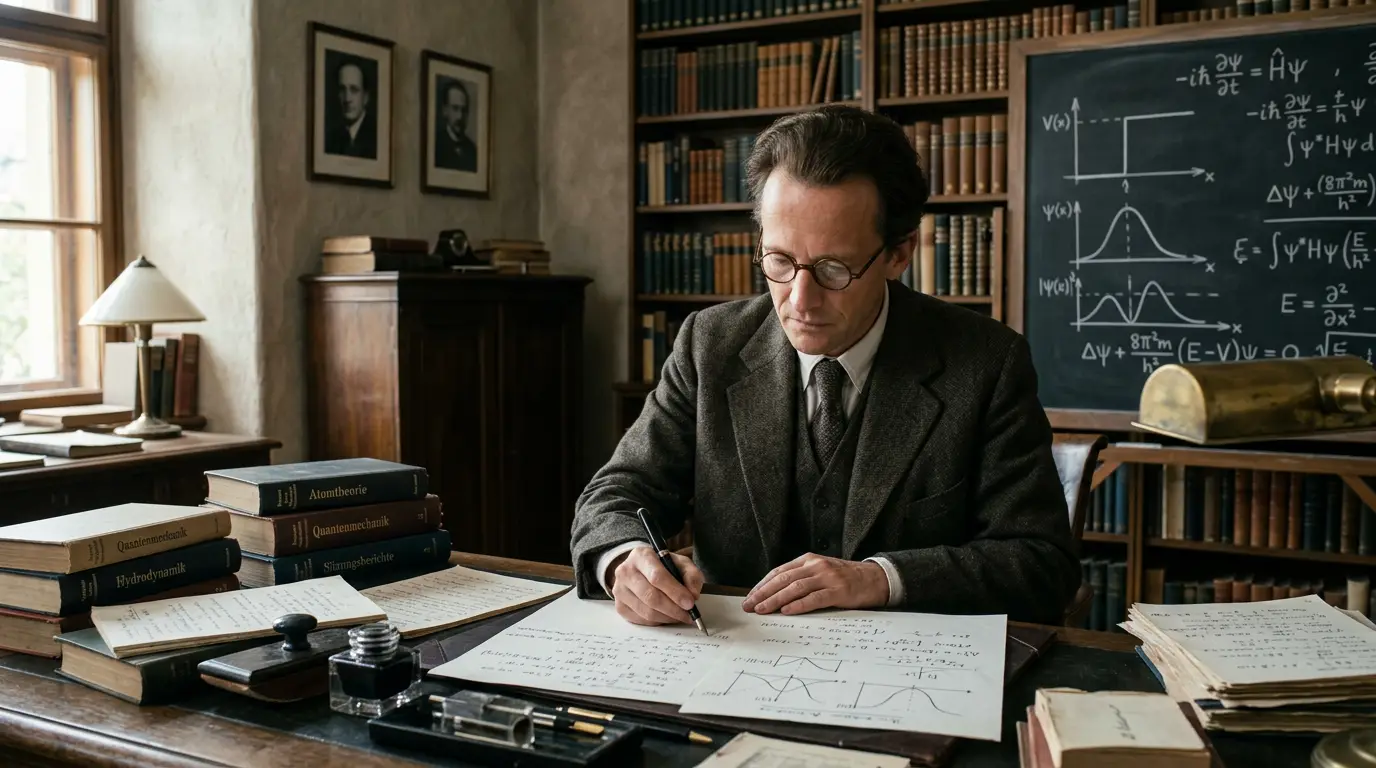
Erwin Schrödinger
1887–1961 · Theoretical Physicist
Developing wave mechanics and formulating the Schrödinger equation in 1926. He shared the 1933 Nobel Prize in Physics with Paul Dirac.
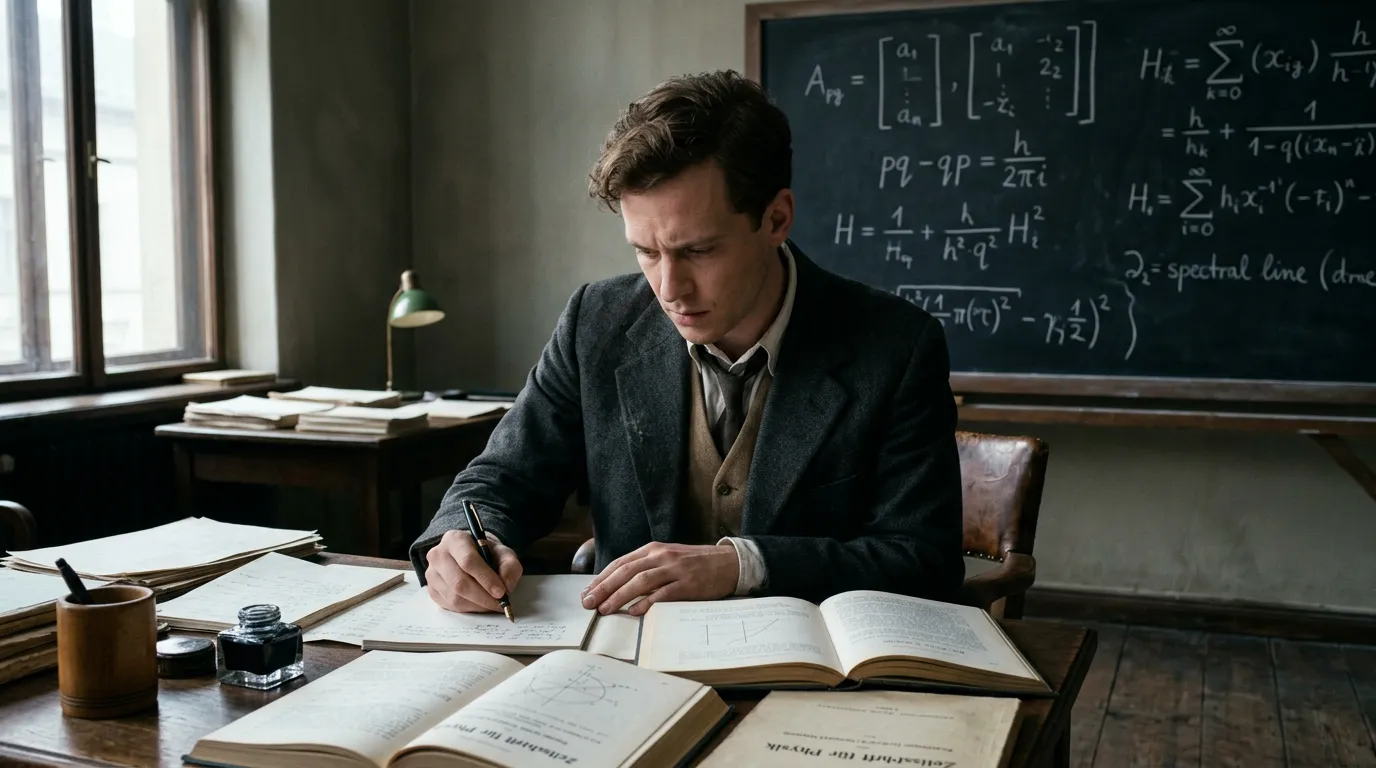
Pascual Jordan
1902–1980 · Theoretical Physicist
Being one of the principal early developers of matrix mechanics and making important contributions to quantum field theory.
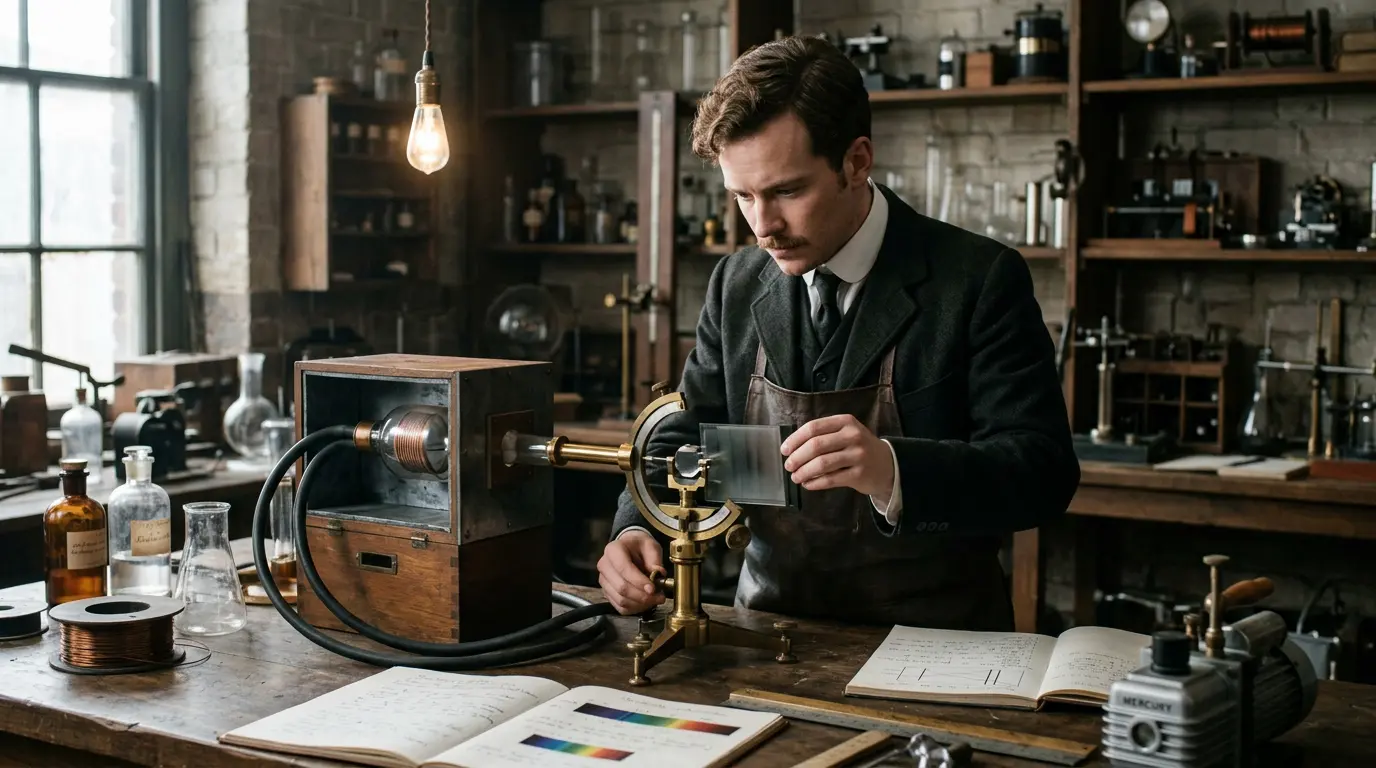
Henry Moseley
1887–1915 · Physicist
Establishing atomic number as the fundamental basis for ordering the chemical elements through X-ray spectroscopy in 1913–1914.
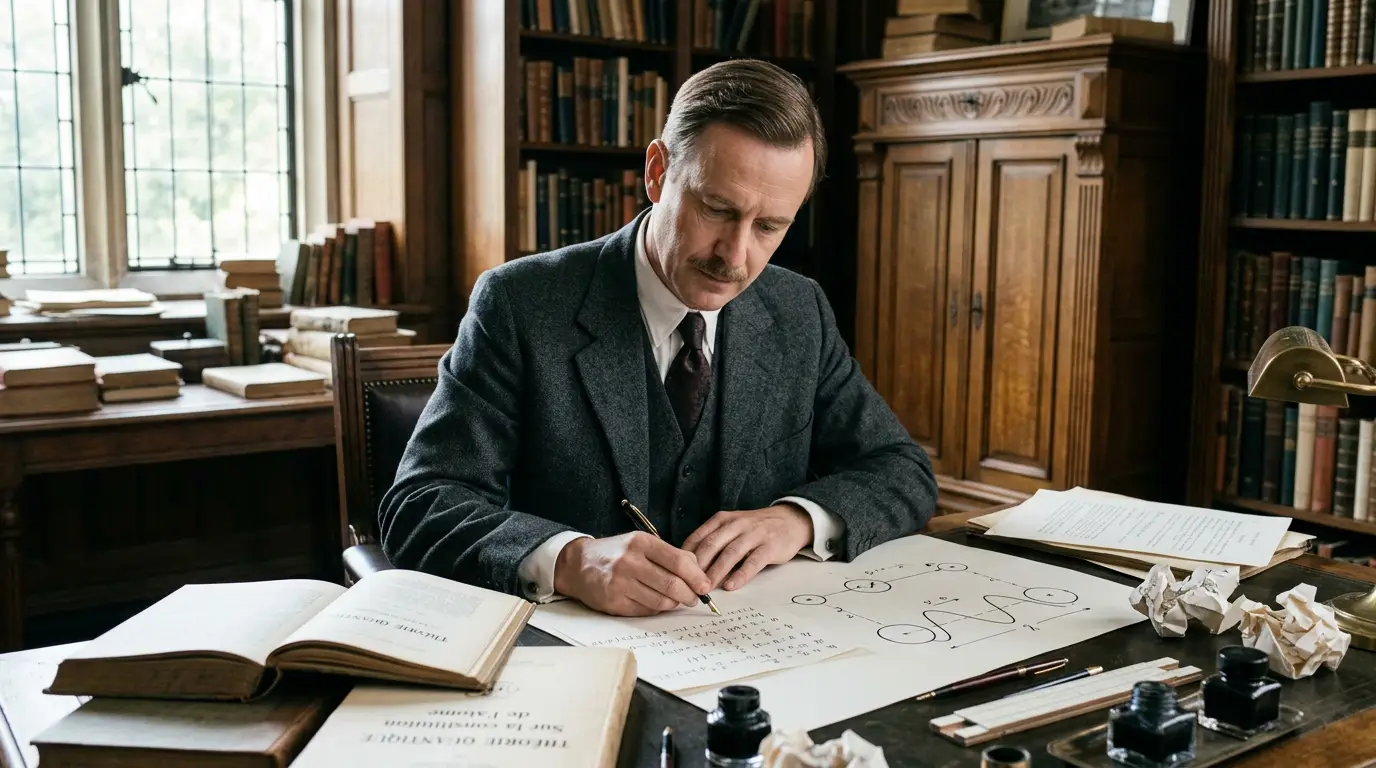
Louis de Broglie
1892–1987 · Theoretical Physicist
Proposing in 1924 that particles of matter, such as electrons, have wave-like properties — the matter-wave hypothesis that earned him the 1929 Nobel Prize in Physics.
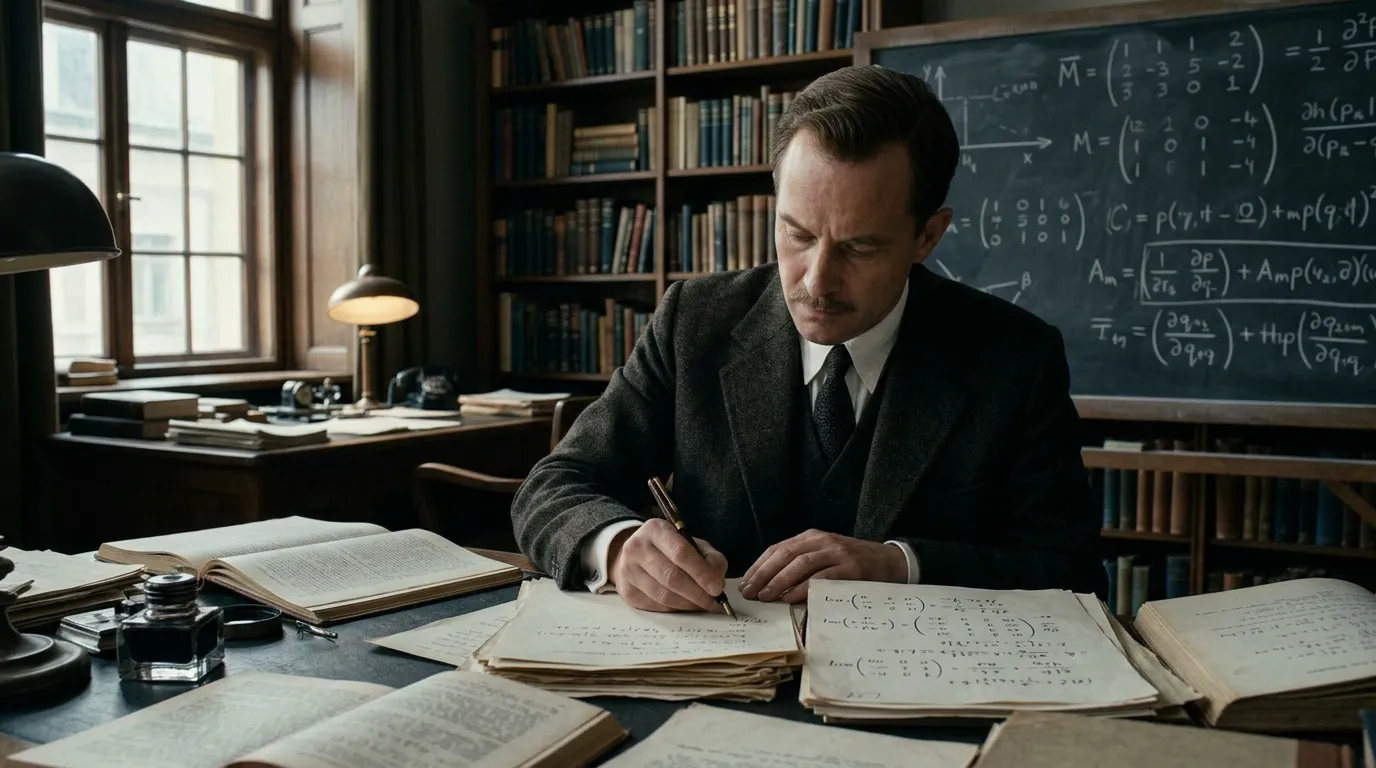
Max Born
1882–1970 · Theoretical Physicist
Making fundamental contributions to quantum mechanics, including the probabilistic interpretation of the wavefunction known as the Born rule, and helping develop matrix mechanics. He received the 1954 Nobel Prize in Physics.
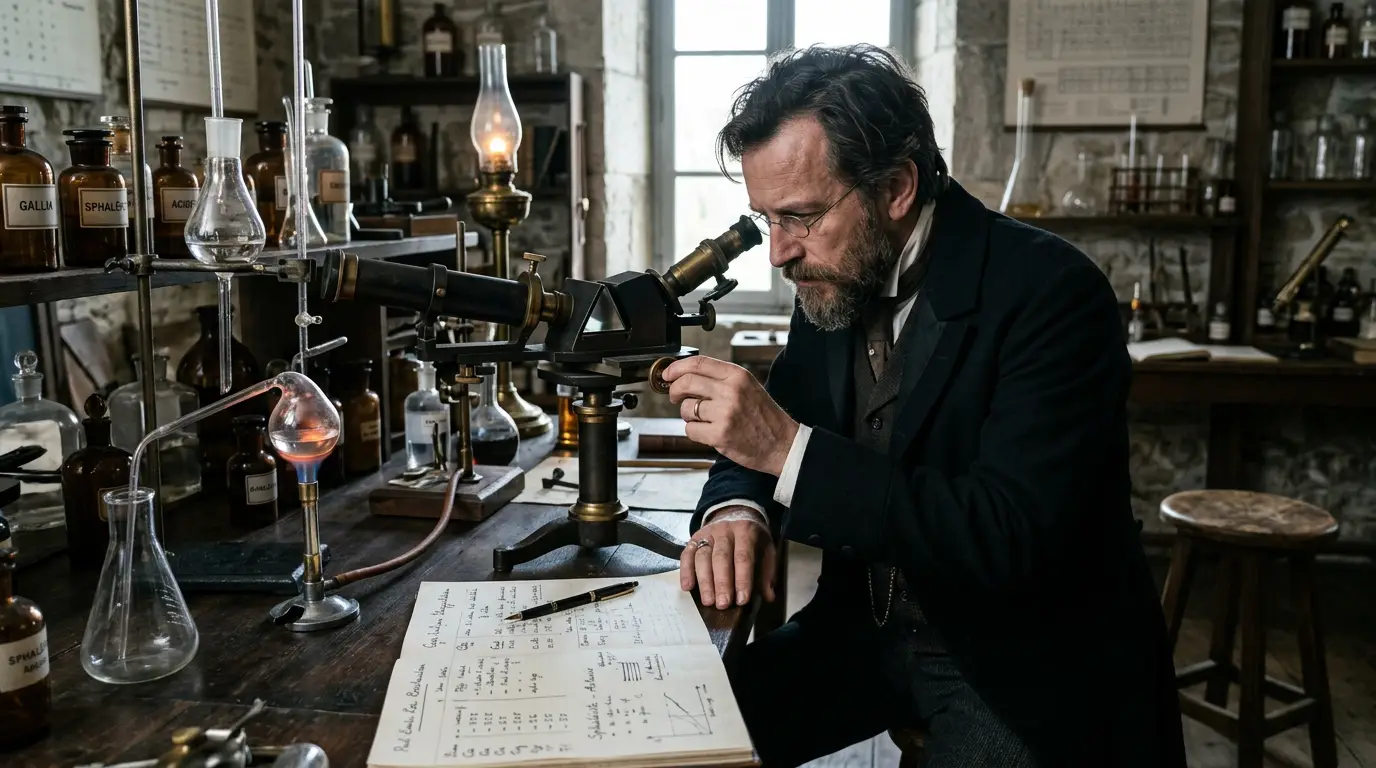
Paul-Émile Lecoq de Boisbaudran
1838–1912 · Chemist
Discovering gallium in 1875, the element that confirmed Mendeleev's prediction of eka-aluminium, and making important rare-earth discoveries including samarium and dysprosium.
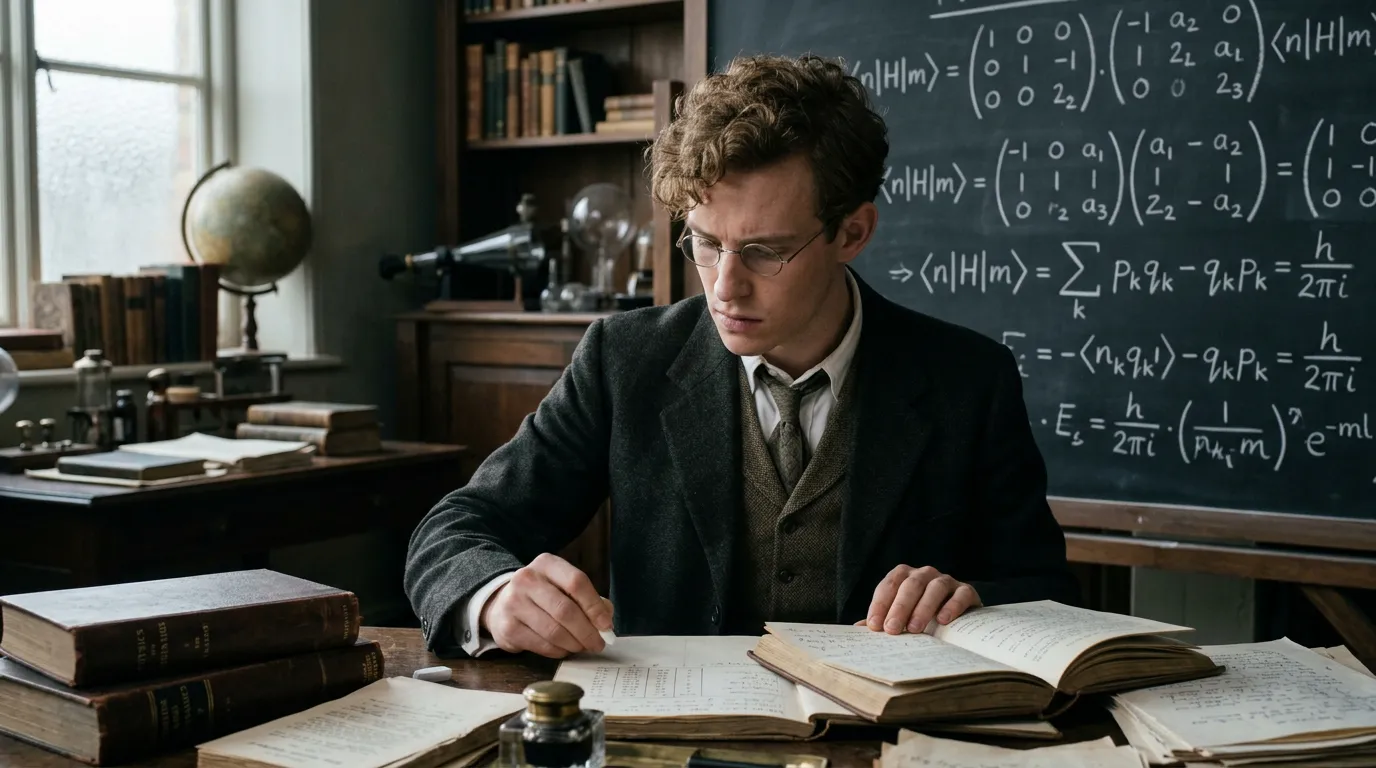
Werner Heisenberg
1901–1976 · Theoretical Physicist
Initiating matrix mechanics in 1925 and formulating the uncertainty principle in 1927. He received the 1932 Nobel Prize in Physics.
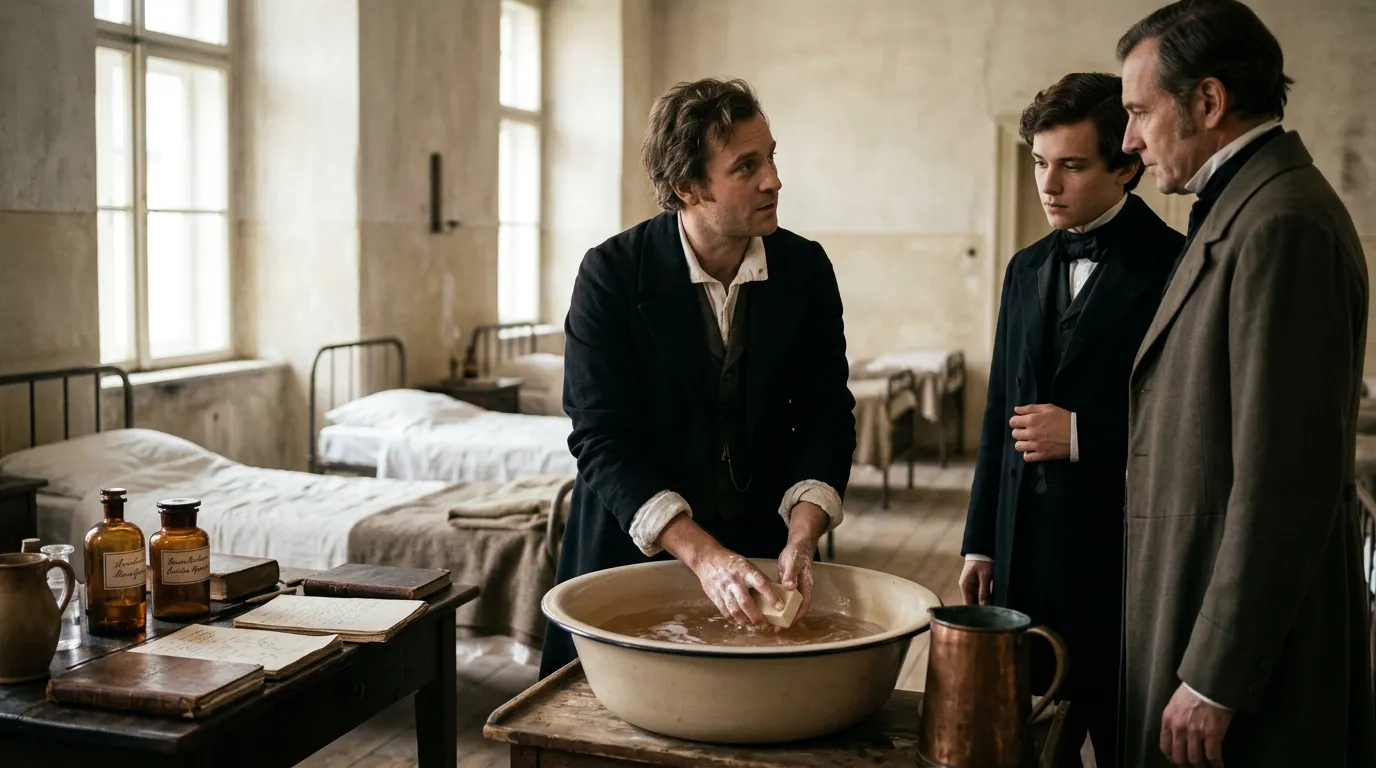
Ignác Fülöp Semmelweis
1818–1865 · Doctor and Obstetrician
Showed that requiring doctors and medical students to disinfect their hands with chlorinated lime dramatically reduced deaths from puerperal, or childbed, fever in maternity wards. An important pioneer of infection prevention and hand hygiene.
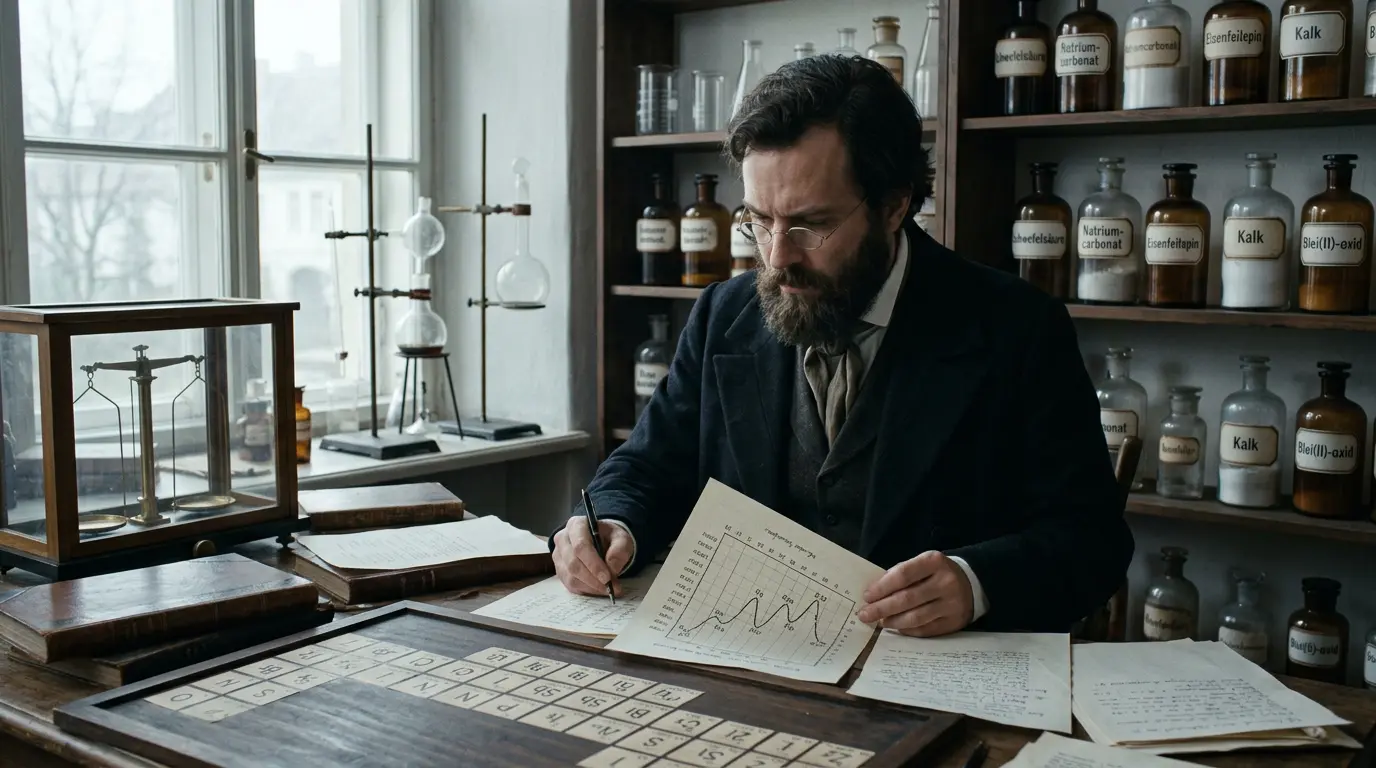
Julius Lothar Meyer
1830–1895 · Chemist
Independently developed periodic arrangements of the elements, organising them using atomic weight and valence. He and Dmitri Mendeleev were jointly awarded the Royal Society's Davy Medal in 1882 for their work on periodic classification.
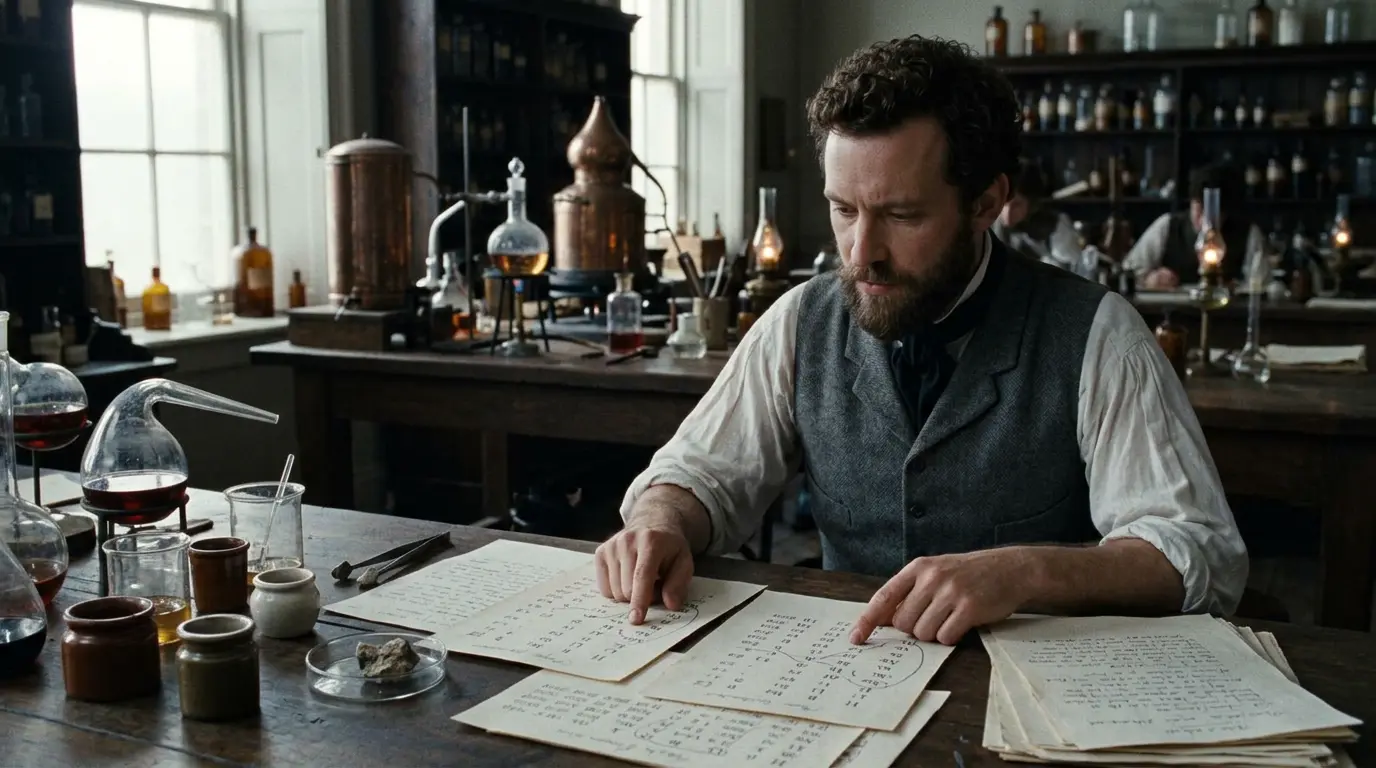
John Alexander Reina Newlands
1837–1898 · Chemist
Arranged elements in order of increasing atomic weight and recognised a repeating pattern he called the Law of Octaves. He was later awarded the Royal Society's Davy Medal in 1887 for his work on the periodic law of the chemical elements.
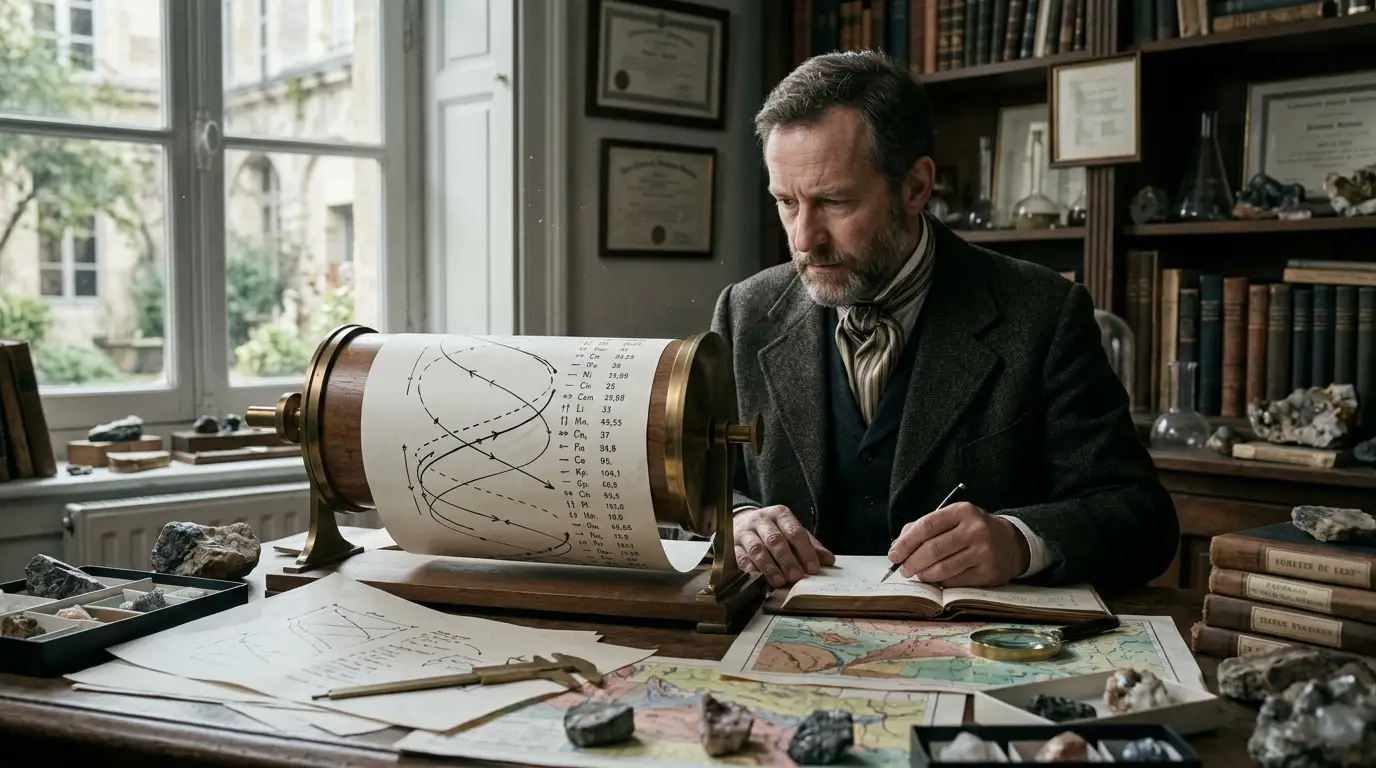
Alexandre-Émile Béguyer de Chancourtois
1820–1886 · Geologist and Mining Engineer
Developed the 1862 telluric screw, which arranged elements by atomic weight around a cylinder and revealed repeating chemical properties. One of the earliest attempts to arrange all known elements periodically.
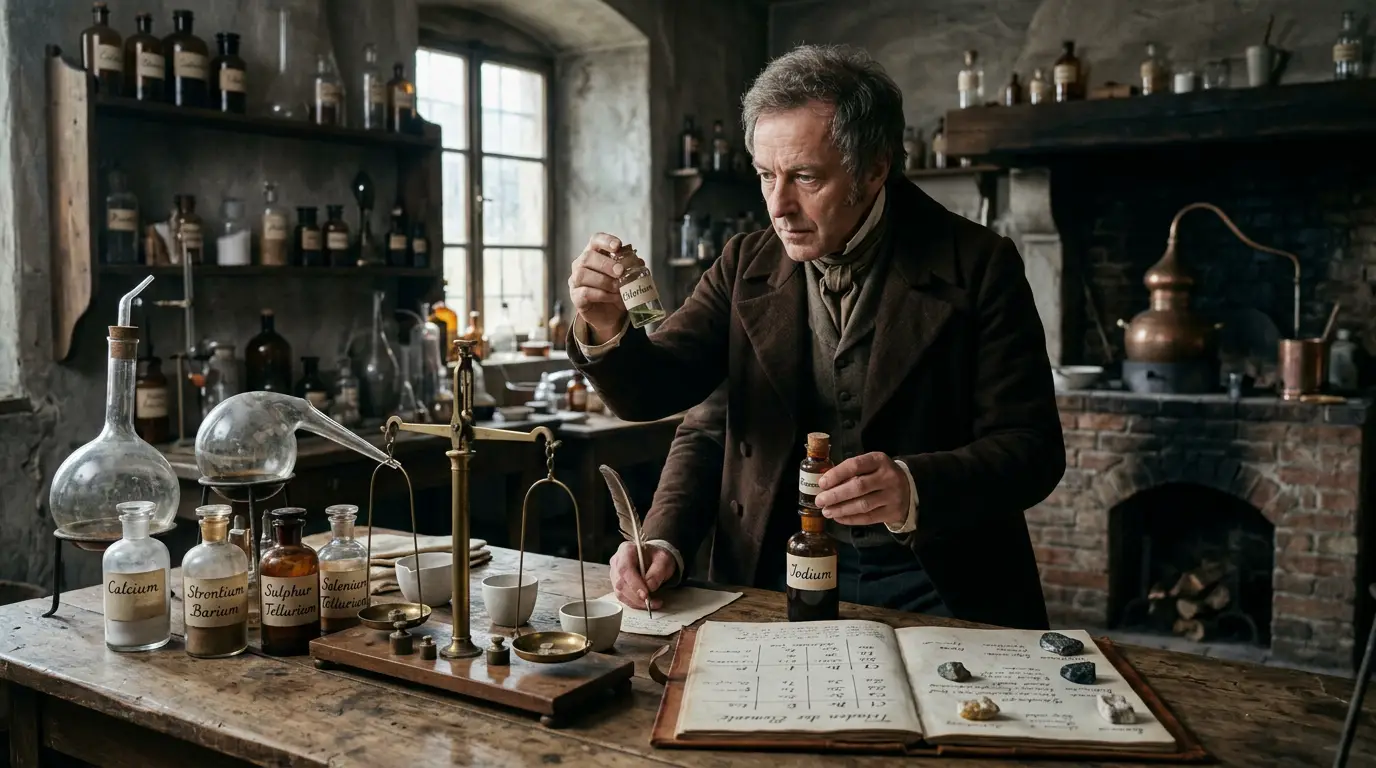
Johann Wolfgang Döbereiner
1780–1849 · Chemist
Identified relationships between groups of three chemically similar elements, later known as Döbereiner's triads — an important early step towards recognising periodic relationships. He also carried out important work on platinum catalysis and developed the Döbereiner lighter.
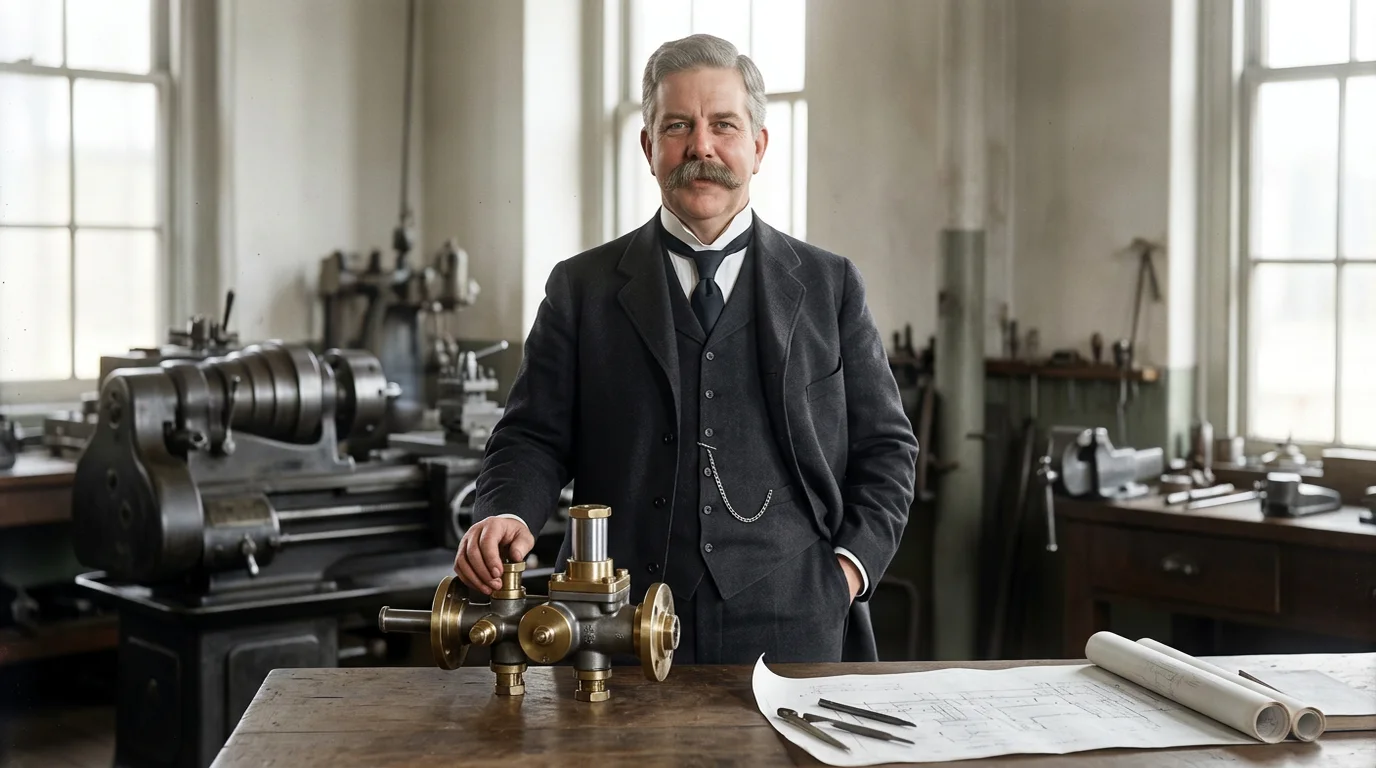
George Westinghouse Jr.
1846–1914 · Inventor and Engineer
George Westinghouse invented an influential compressed-air braking system for railways and founded companies that helped make alternating-current electricity practical. He worked with many engineers and inventors, including William Stanley and Nikola Tesla, to develop systems that could generate, transform and distribute electrical power.
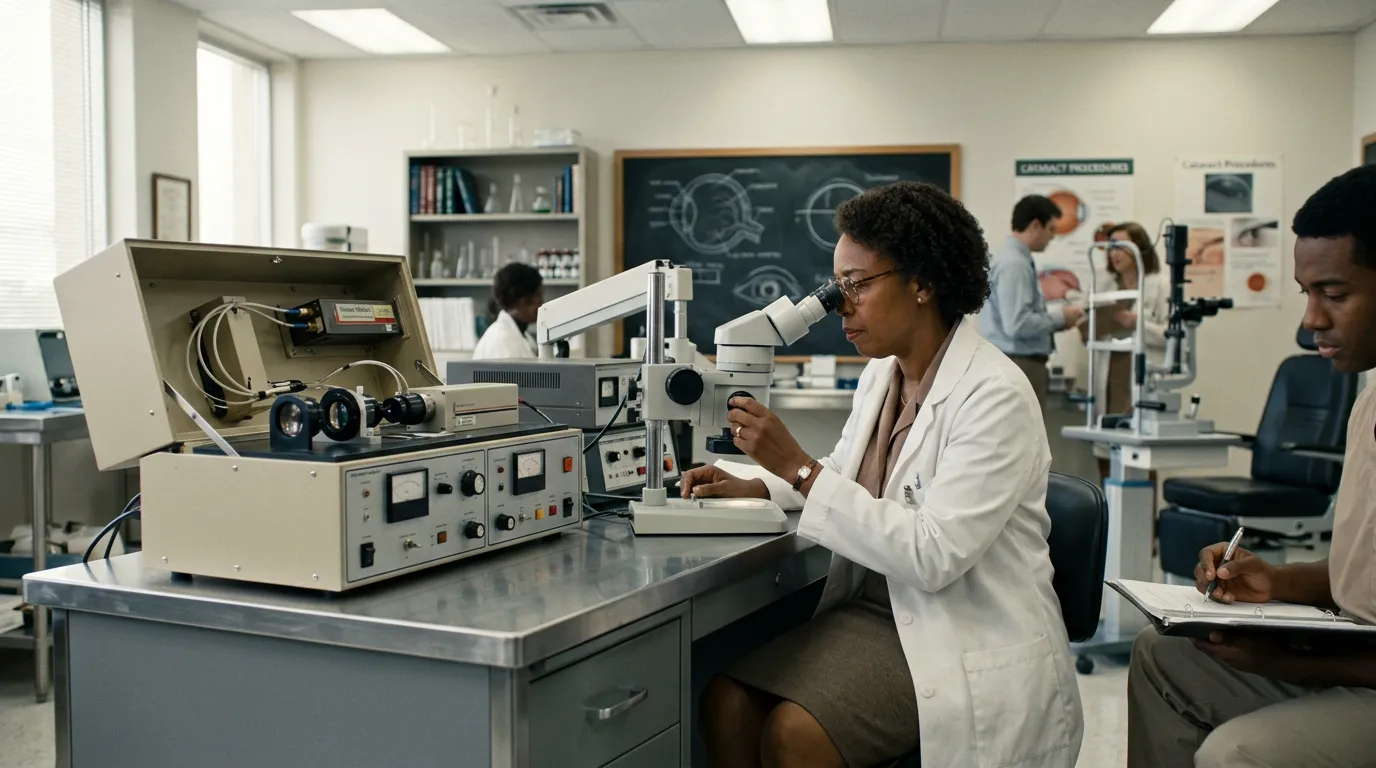
Patricia Bath
1942–2019 · Ophthalmologist and Inventor
Inventing the Laserphaco technique and device for cataract surgery and pioneering community ophthalmology.
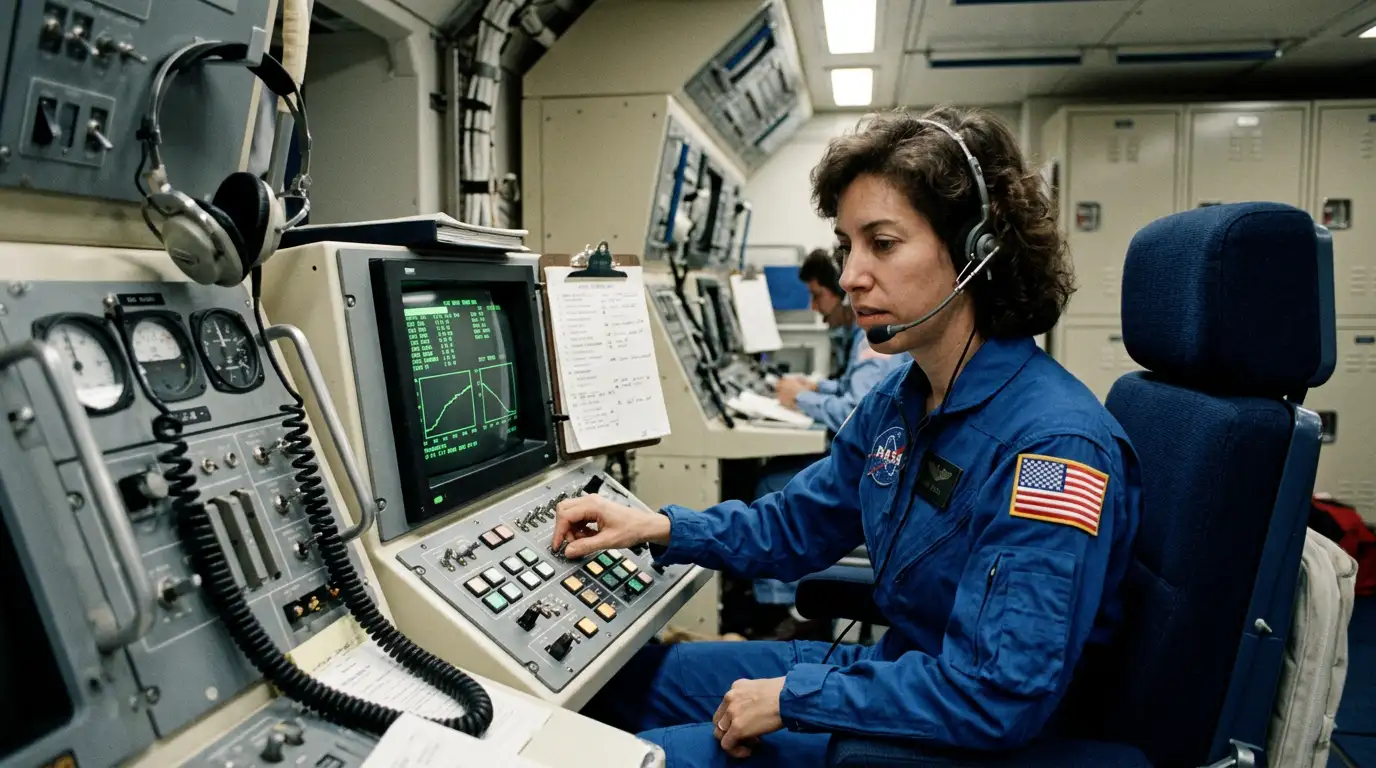
Ellen Ochoa
1958–present · Electrical Engineer and Astronaut
Electrical-engineering research, co-inventing optical systems and becoming the first Hispanic woman to travel into space.
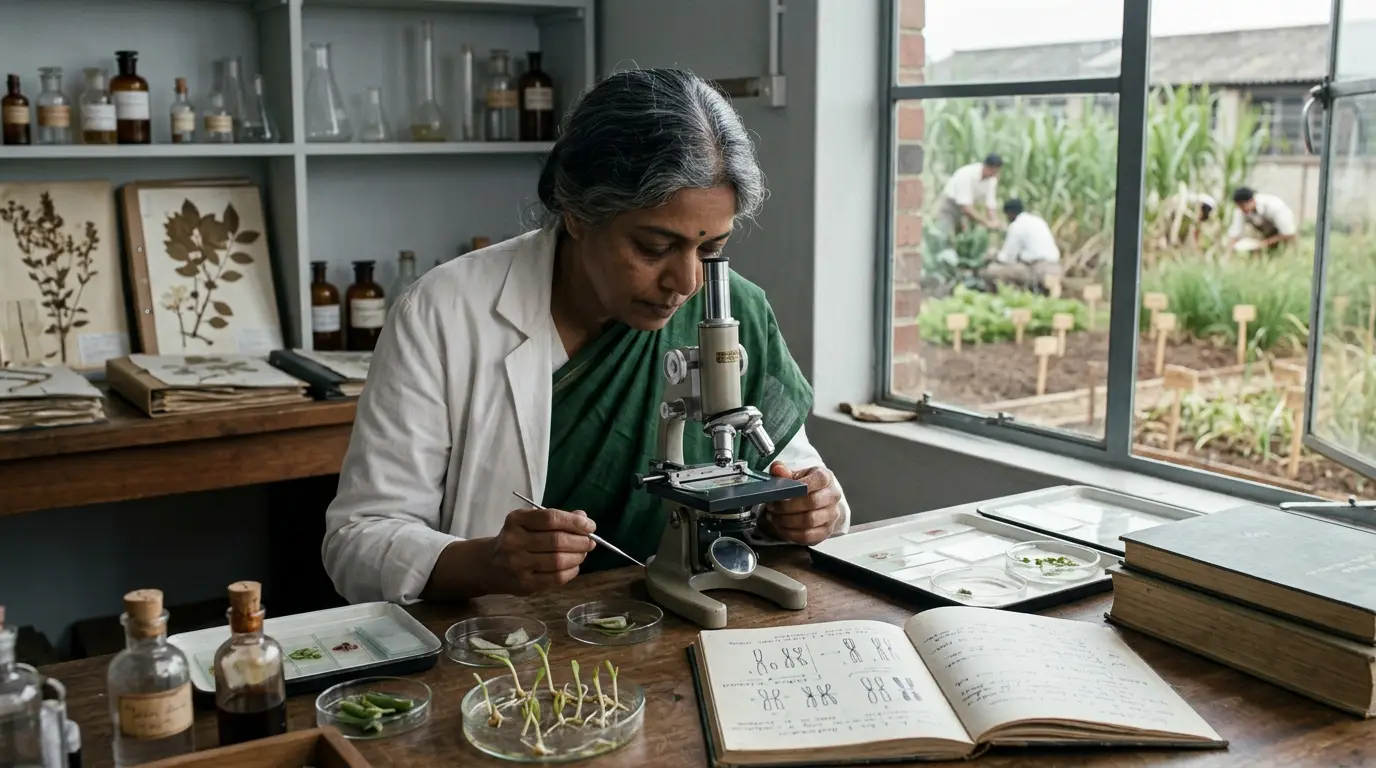
E. K. Janaki Ammal
1897–1984 · Botanist and Geneticist
Pioneering research in plant cytogenetics, chromosomes and polyploidy, including important work on sugarcane genetics.
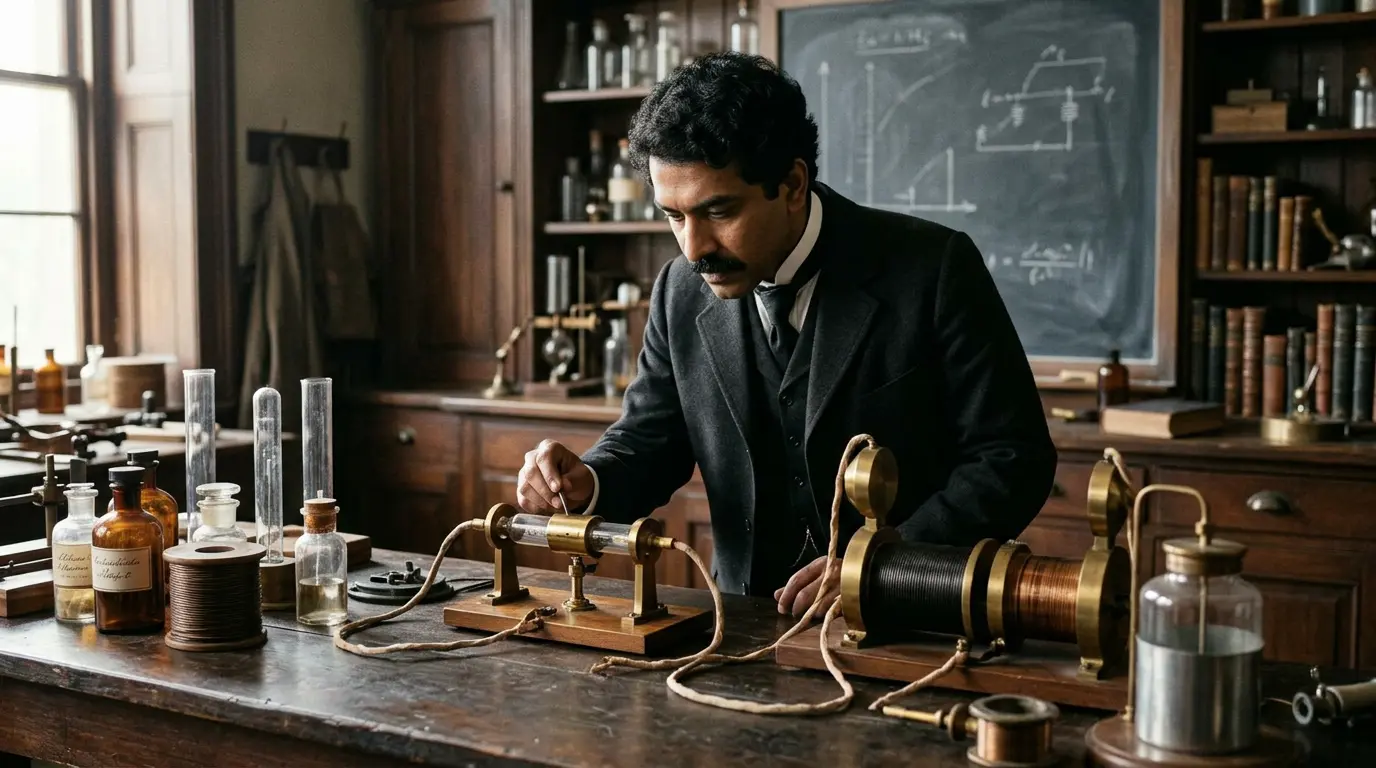
Sir Jagadish Chandra Bose
1858–1937 · Physicist and Biophysicist
Pioneering experiments with radio and microwave radiation and developing sensitive instruments to investigate electrical and mechanical responses in plants.
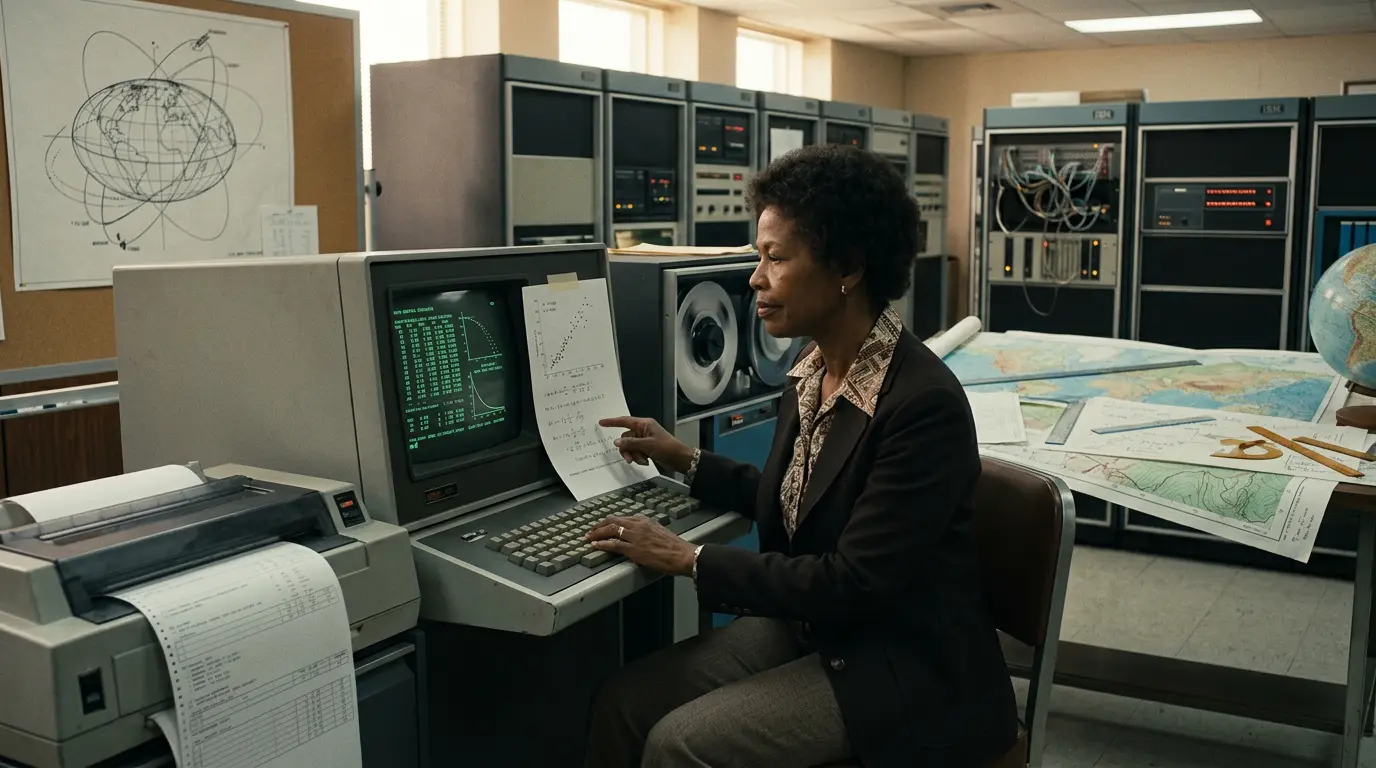
Gladys Mae West
1930–2026 · Mathematician and Computer Programmer
Mathematical modelling of Earth's shape and satellite data work that contributed to the accuracy and development of GPS.
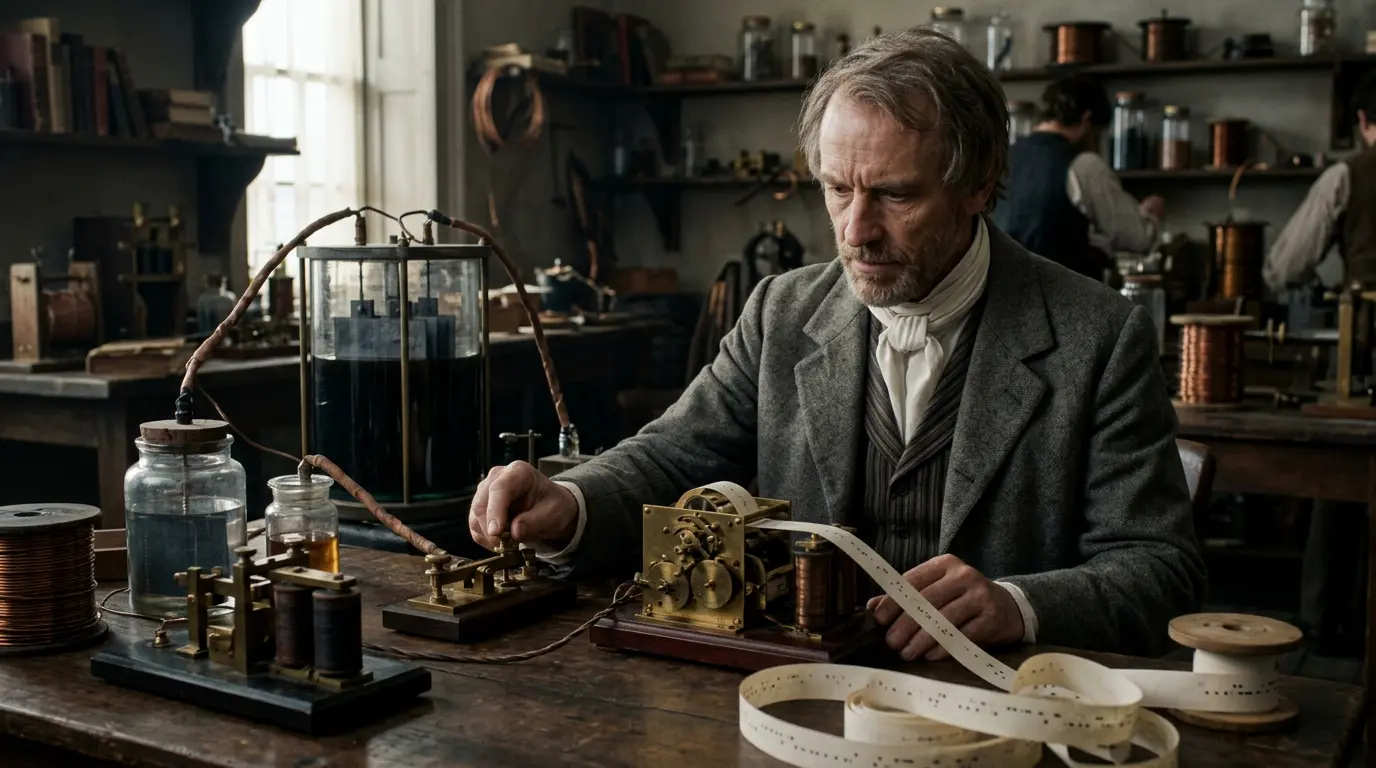
Samuel F. B. Morse
1791–1872 · Inventor and Painter
Helped develop a practical single-wire electric telegraph and the signalling system known as Morse code, working with important collaborators including Alfred Vail and Leonard Gale.
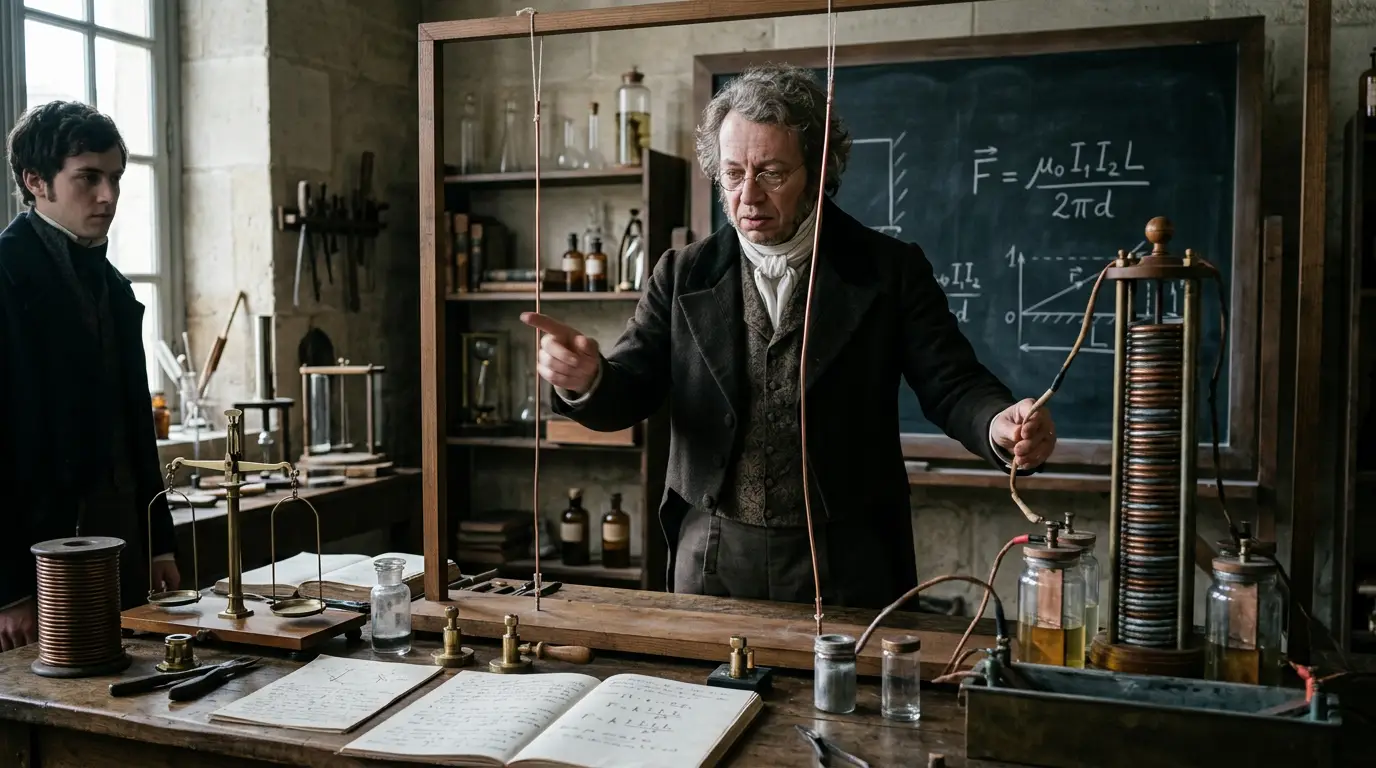
André-Marie Ampère
1775–1836 · Physicist and Mathematician
Foundational work on the relationship between electricity and magnetism. The SI unit of electric current, the ampere or amp (A), is named after him.
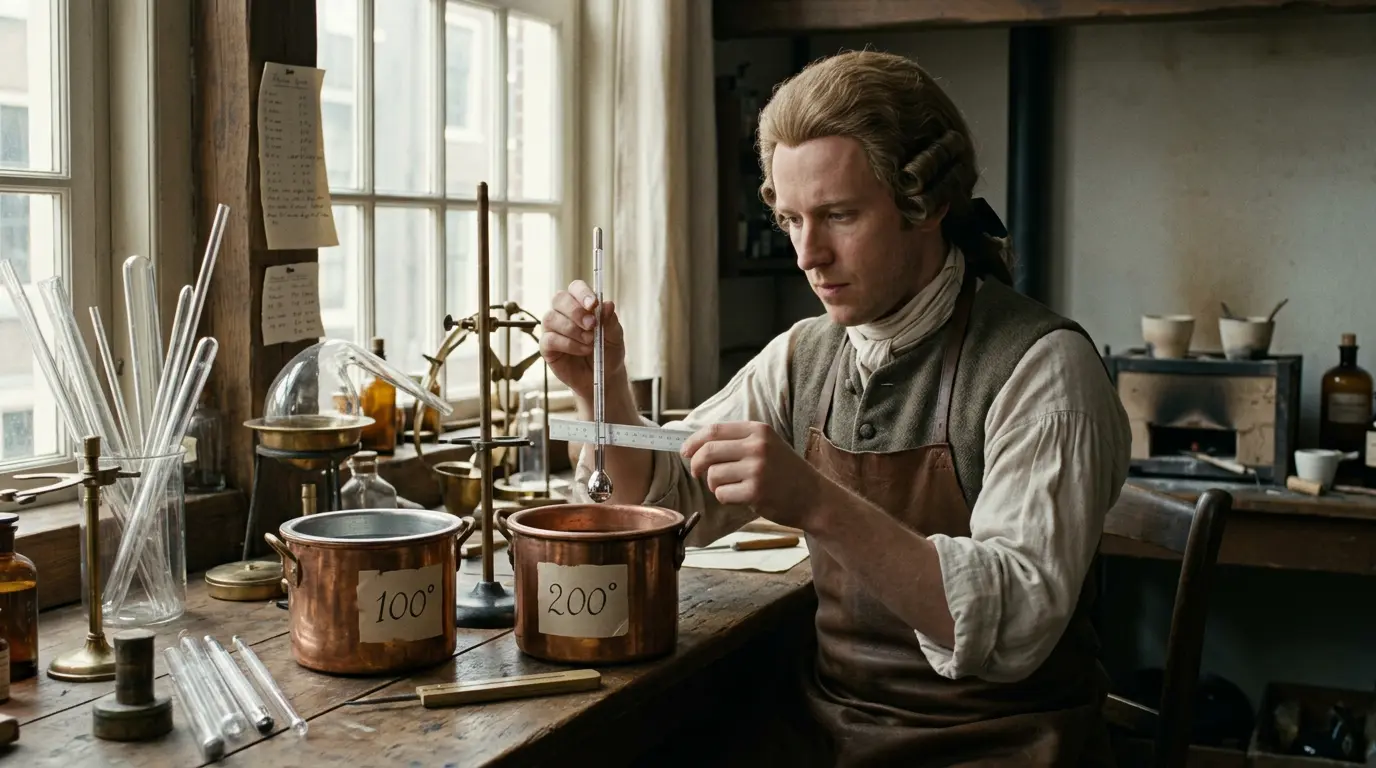
Daniel Gabriel Fahrenheit
1686–1736 · Physicist and Instrument Maker
Developed highly reproducible mercury-in-glass thermometers and the Fahrenheit temperature scale, improving the accuracy and consistency of temperature measurement.
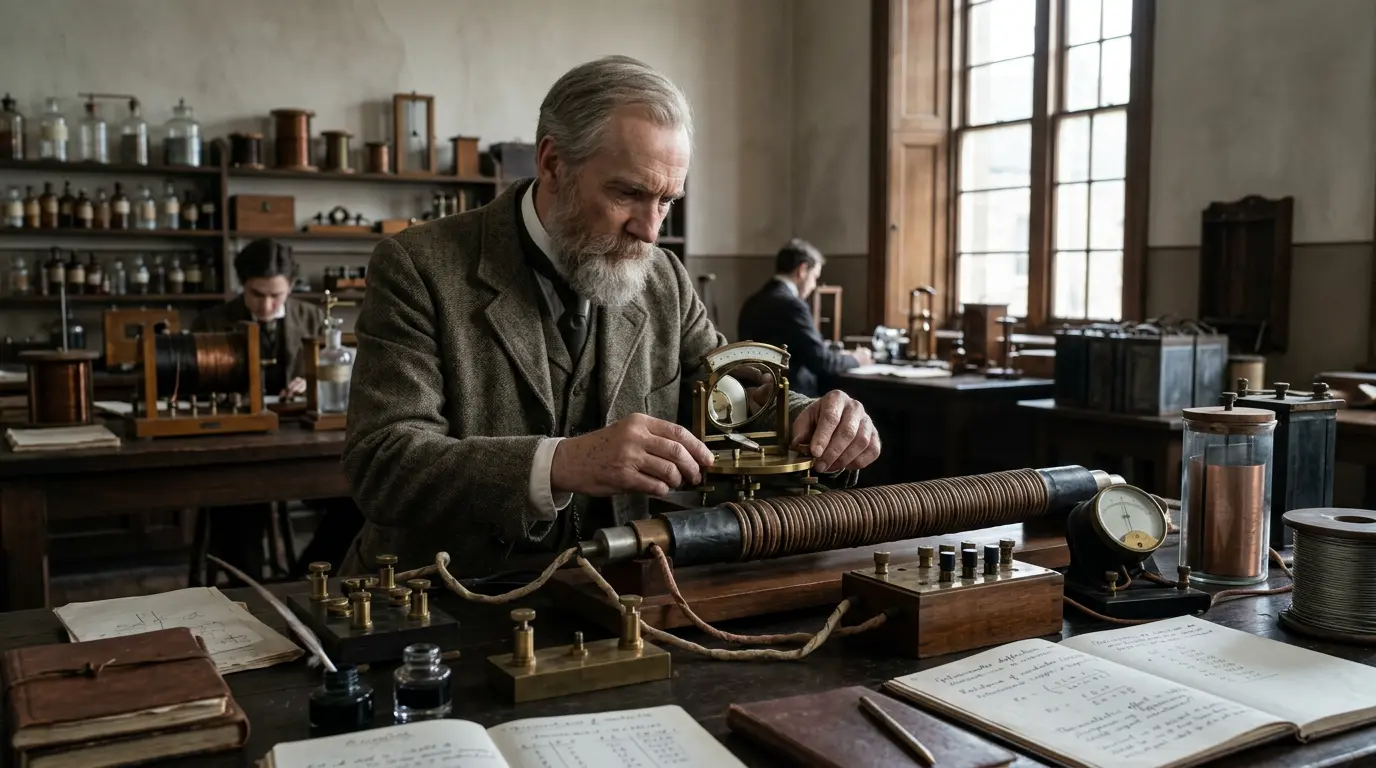
William Thomson, Lord Kelvin
1824–1907 · Physicist and Engineer
Developed the absolute temperature scale measured in kelvins (K), made major contributions to thermodynamics, and played a key role in the laying of the transatlantic telegraph cable.
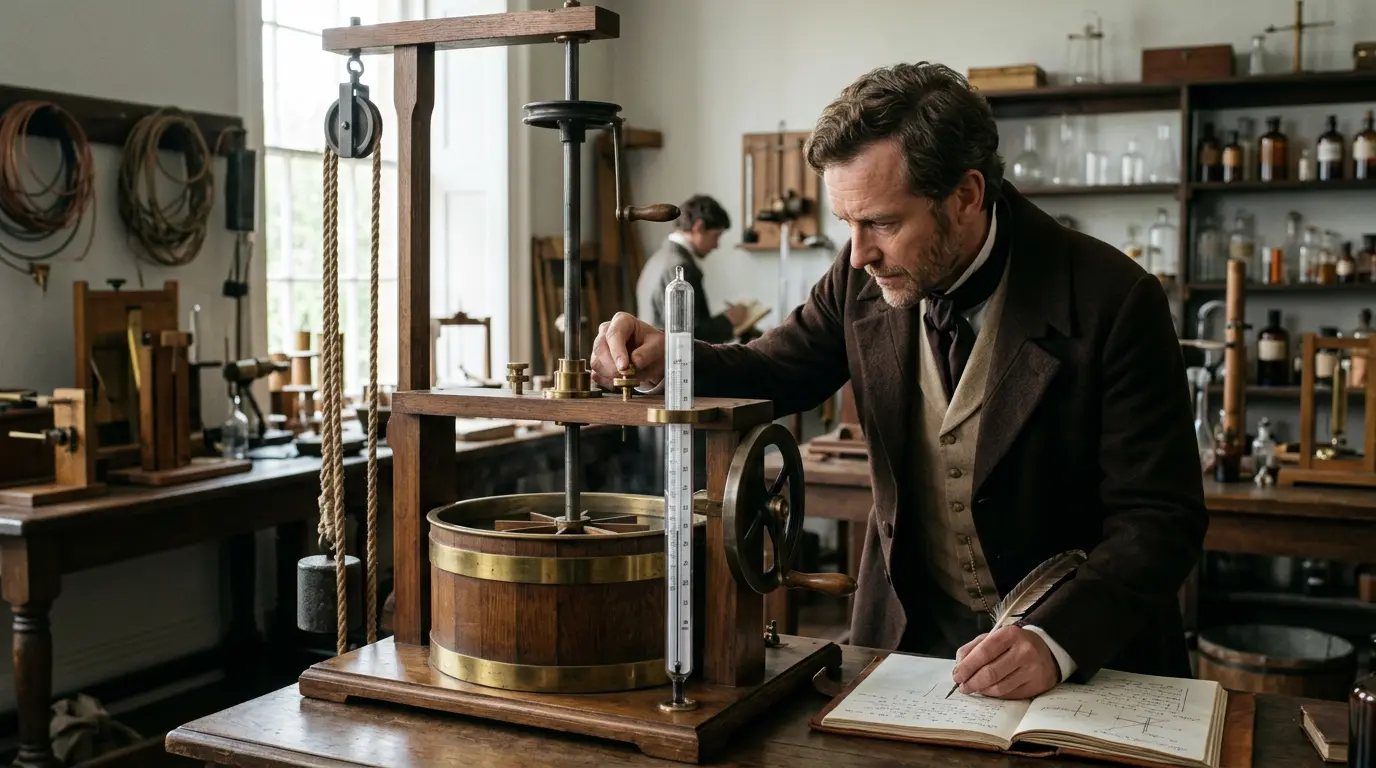
James Prescott Joule
1818–1889 · Physicist
Measured the mechanical equivalent of heat, discovered the electrical heating law bearing his name and made major contributions to the development of energy conservation and thermodynamics.
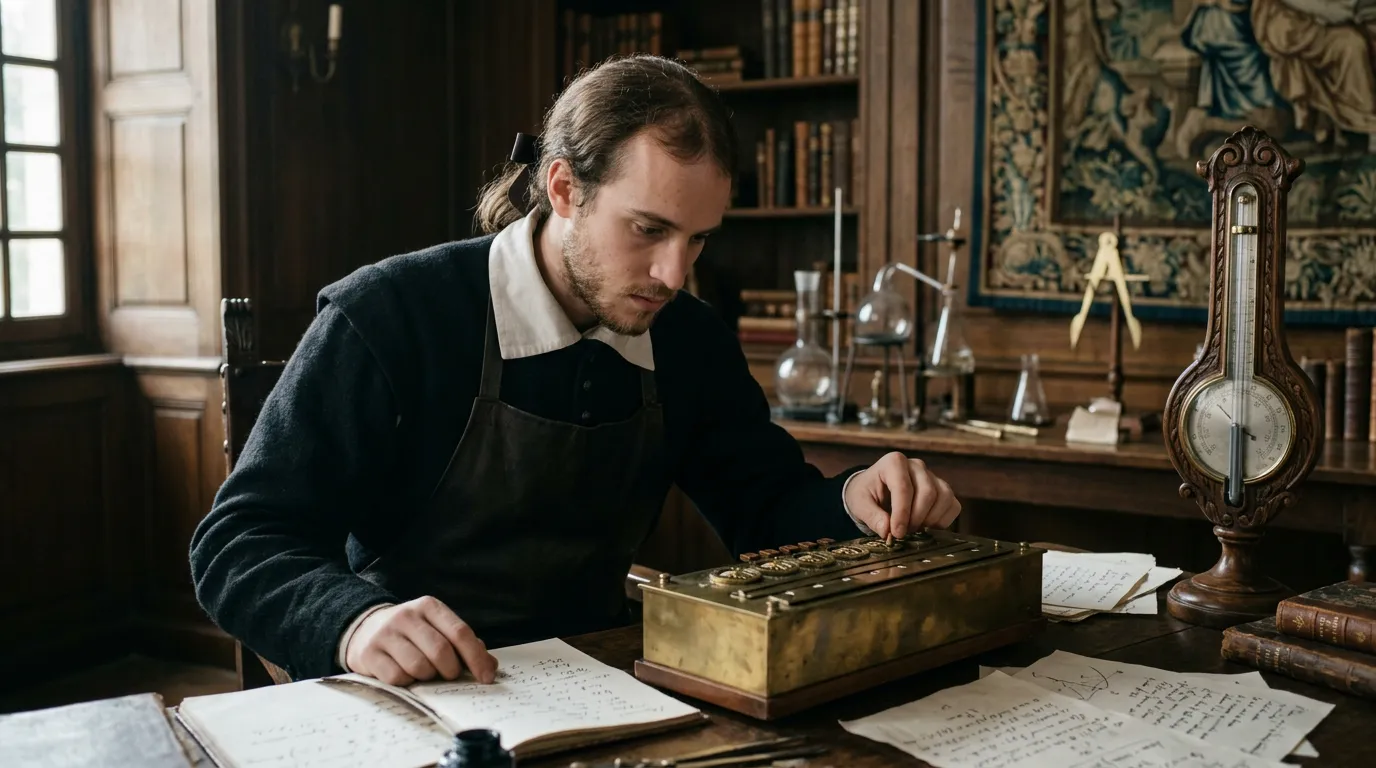
Blaise Pascal
1623–1662 · Mathematician and Physicist
Pascal's Triangle, foundational work on probability theory, experiments proving that air has pressure, and the Pascaline — one of the first mechanical calculators.
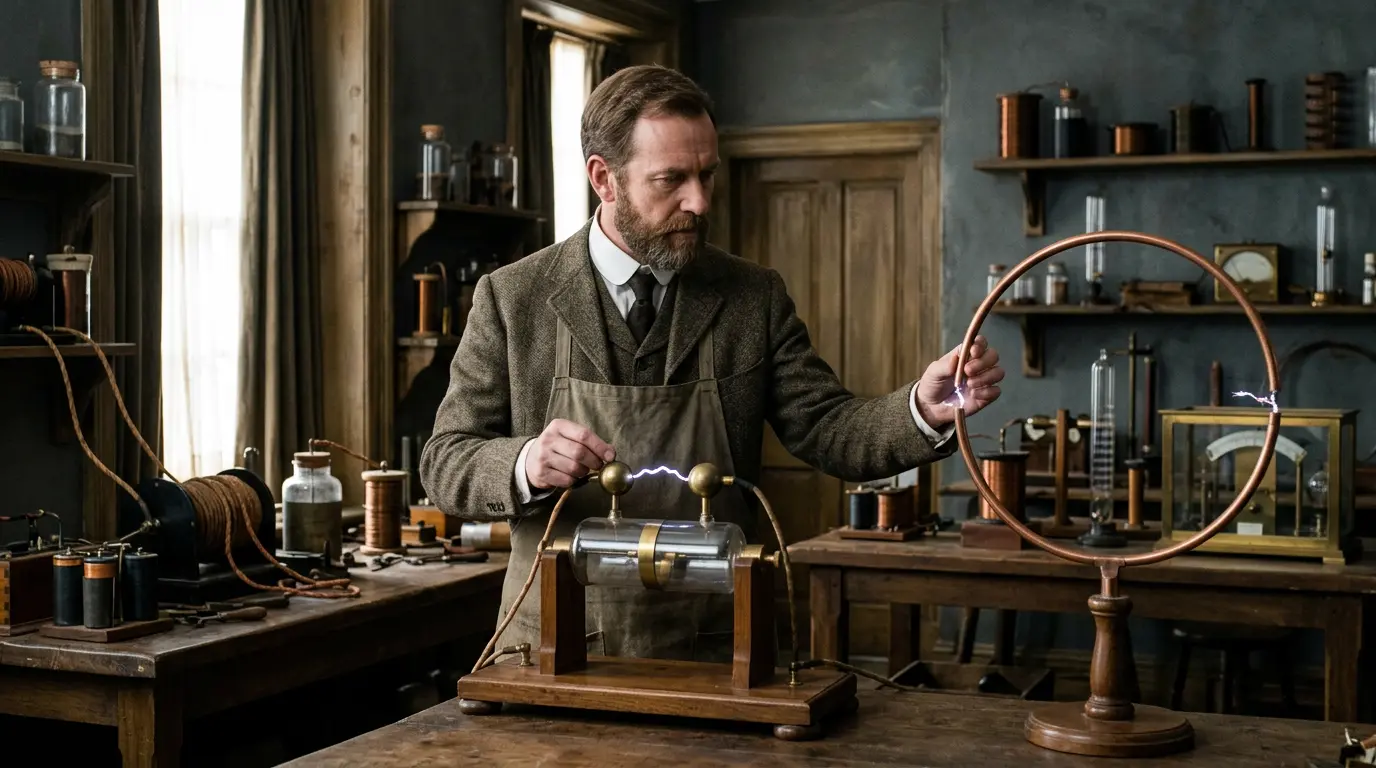
Heinrich Hertz
1857–1894 · Physicist
Experimentally demonstrated electromagnetic waves in the late 1880s, confirming key predictions of James Clerk Maxwell's electromagnetic theory. The unit hertz (Hz) is named after him.
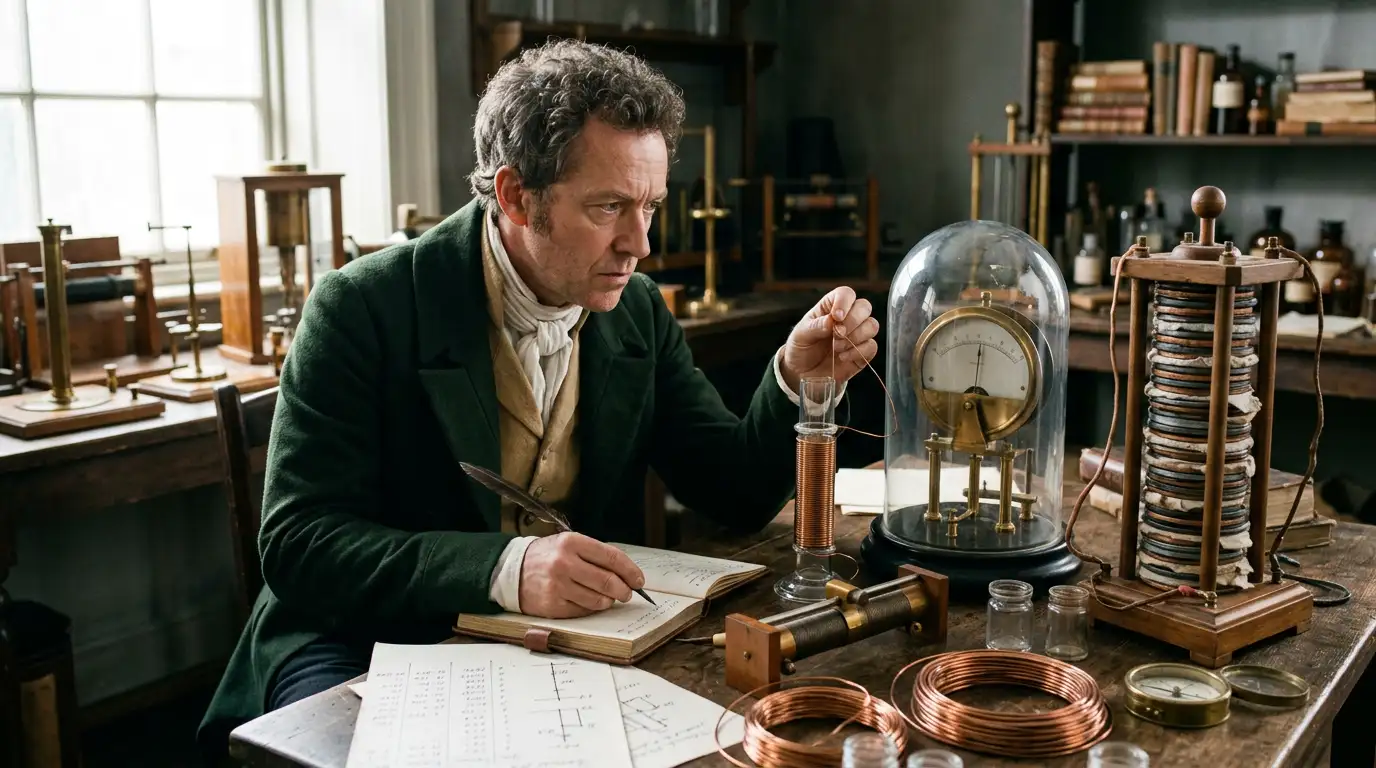
Georg Simon Ohm
1789–1854 · Physicist and Mathematician
Discovered Ohm's Law, the fundamental relationship between voltage, current, and resistance. The unit of electrical resistance, the ohm, is named after him.
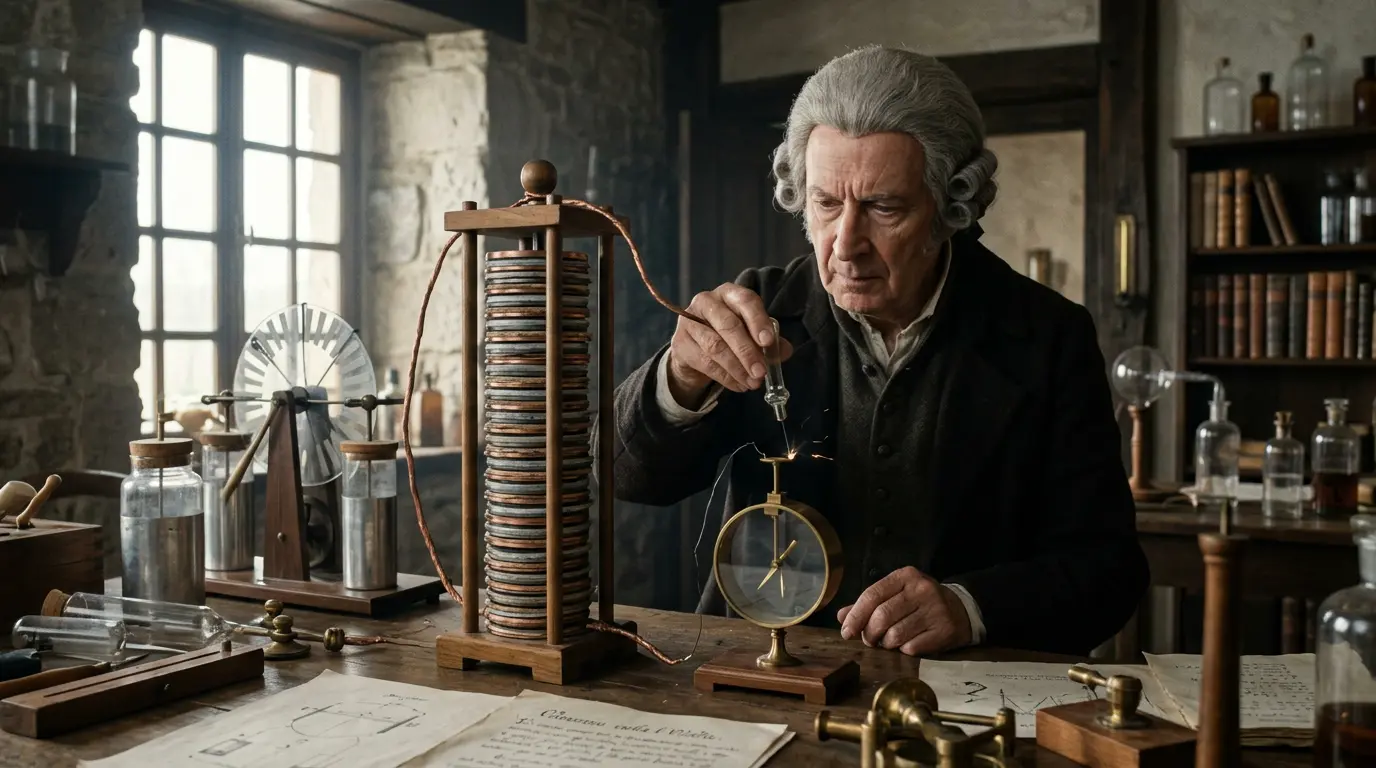
Alessandro Volta
1745–1827 · Physicist
Invented the voltaic pile in 1800, the first electric battery capable of producing a continuous current. The volt is named after him.
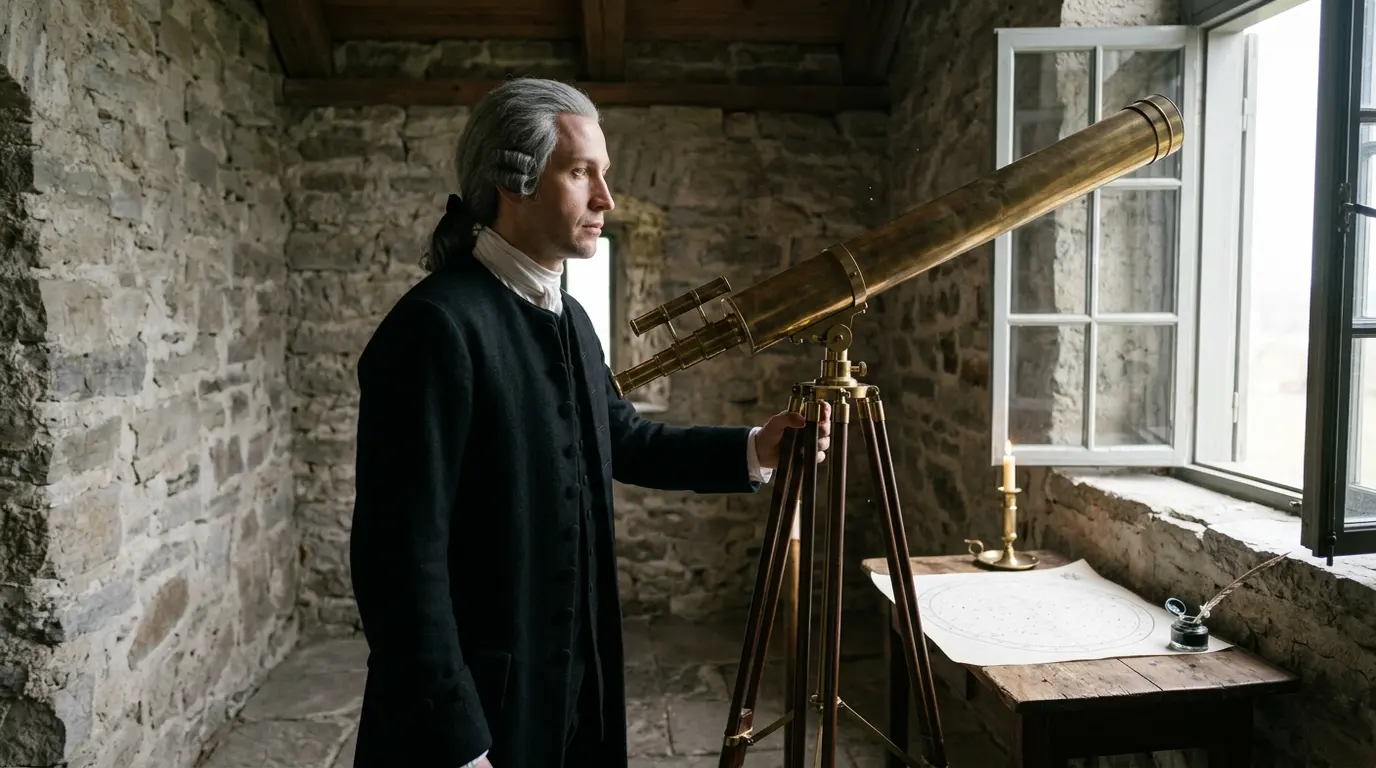
Anders Celsius
1701–1744 · Astronomer and Physicist
Proposed the centigrade temperature scale in 1742, later renamed Celsius in his honour.
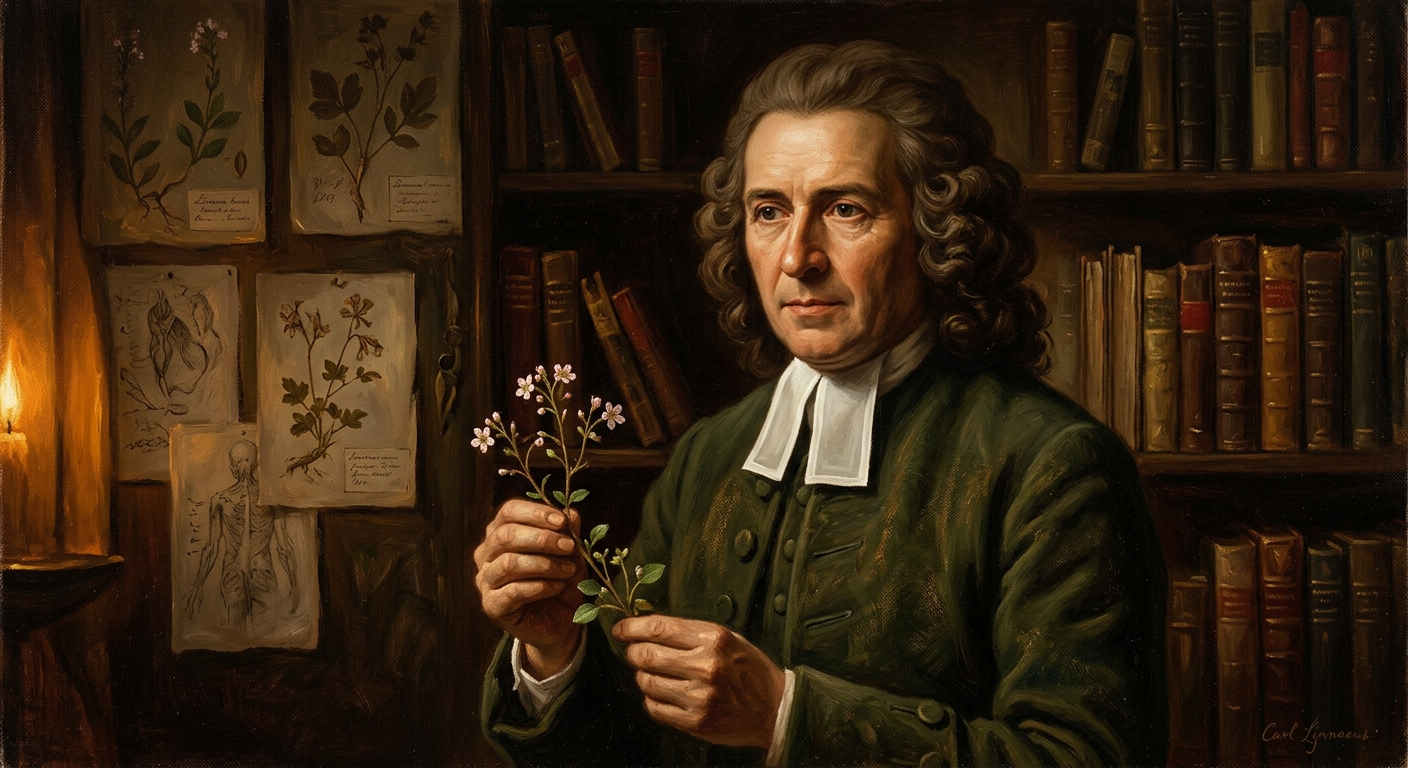
Carl Linnaeus
1707–1778 · Botanist and Zoologist
Standardised binomial nomenclature — the two-part scientific naming system used for species — and developed an influential system of biological classification.
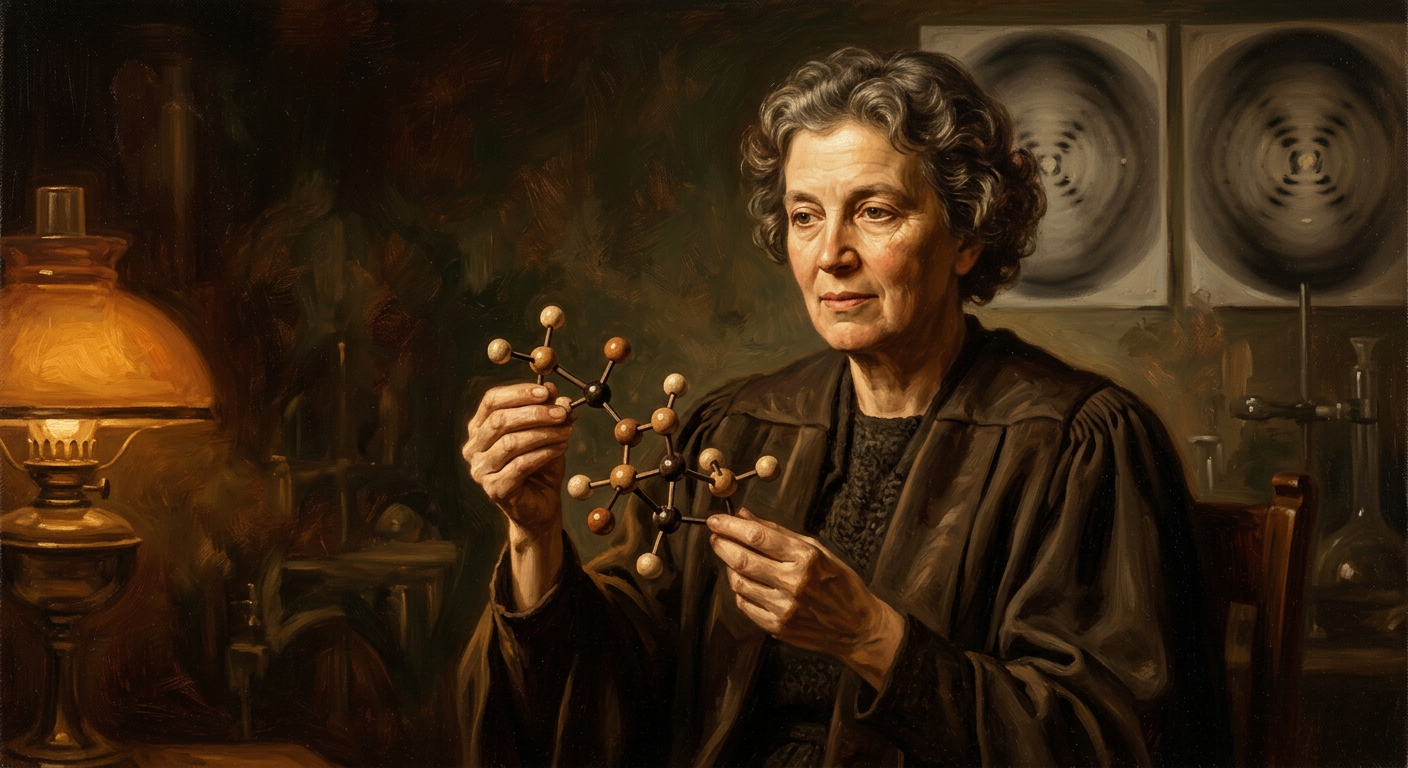
Dorothy Hodgkin
1910–1994 · Chemist
Used X-ray crystallography to reveal the 3D structures of penicillin, vitamin B12, and insulin; won the 1964 Nobel Prize in Chemistry.
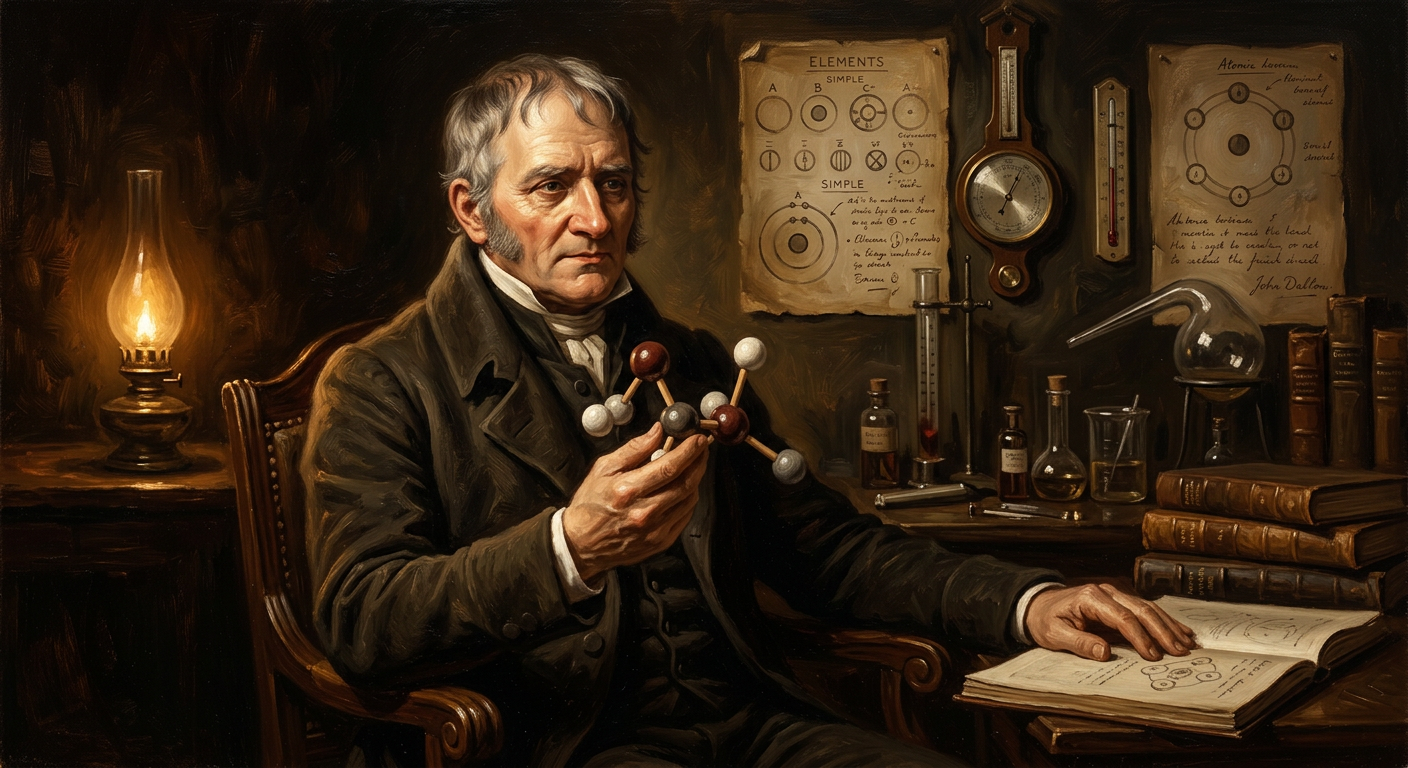
John Dalton
1766–1844 · Chemist
Developed a modern scientific theory of atoms and made an influential early investigation of colour blindness, a condition he experienced himself.
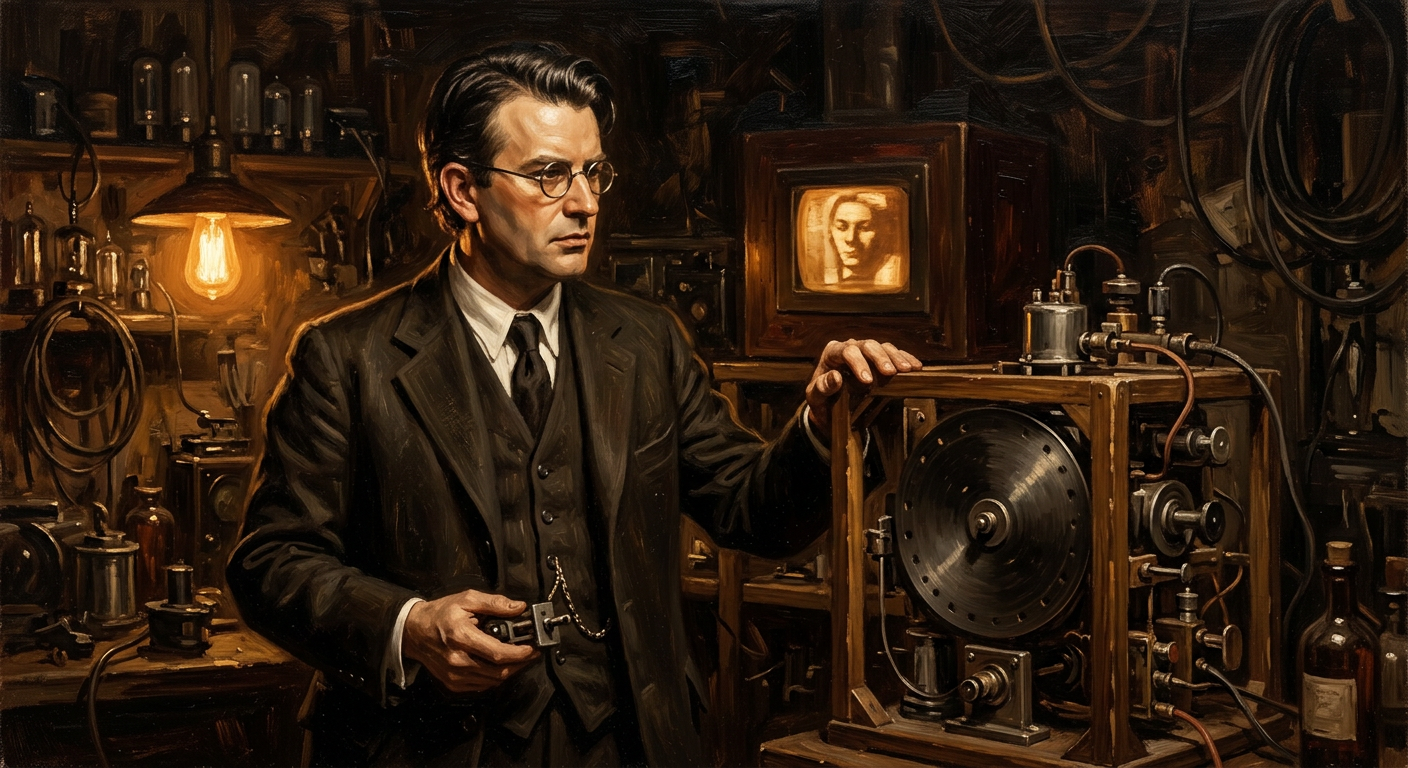
John Logie Baird
1888–1946 · Engineer and Inventor
Pioneering early television and giving a landmark public demonstration of recognisable moving television images in London in 1926, followed by major experiments in long-distance, colour and stereoscopic television.
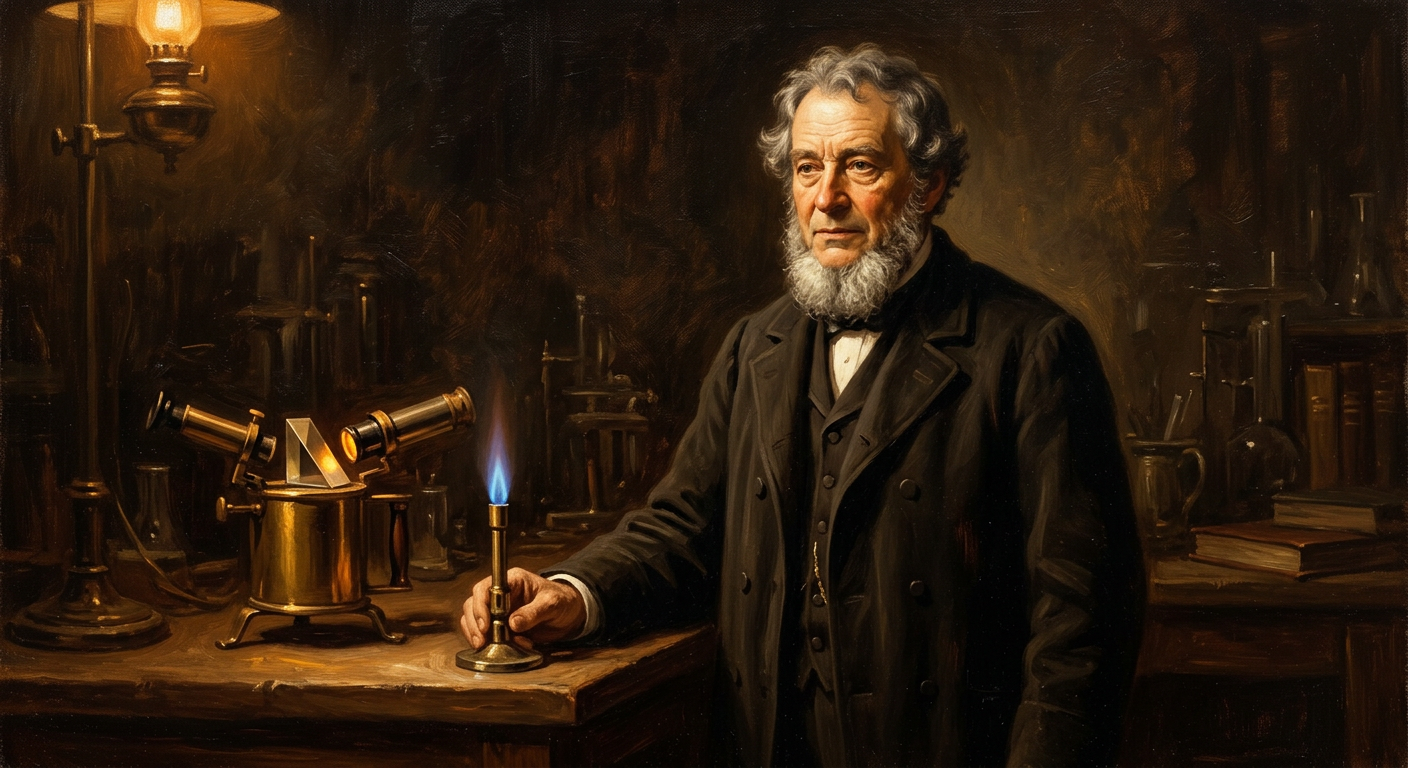
Robert Bunsen
1811–1899 · Chemist
Helped develop the improved laboratory gas burner now known as the Bunsen burner and, with Gustav Kirchhoff, developed spectral analysis and discovered the elements caesium and rubidium.
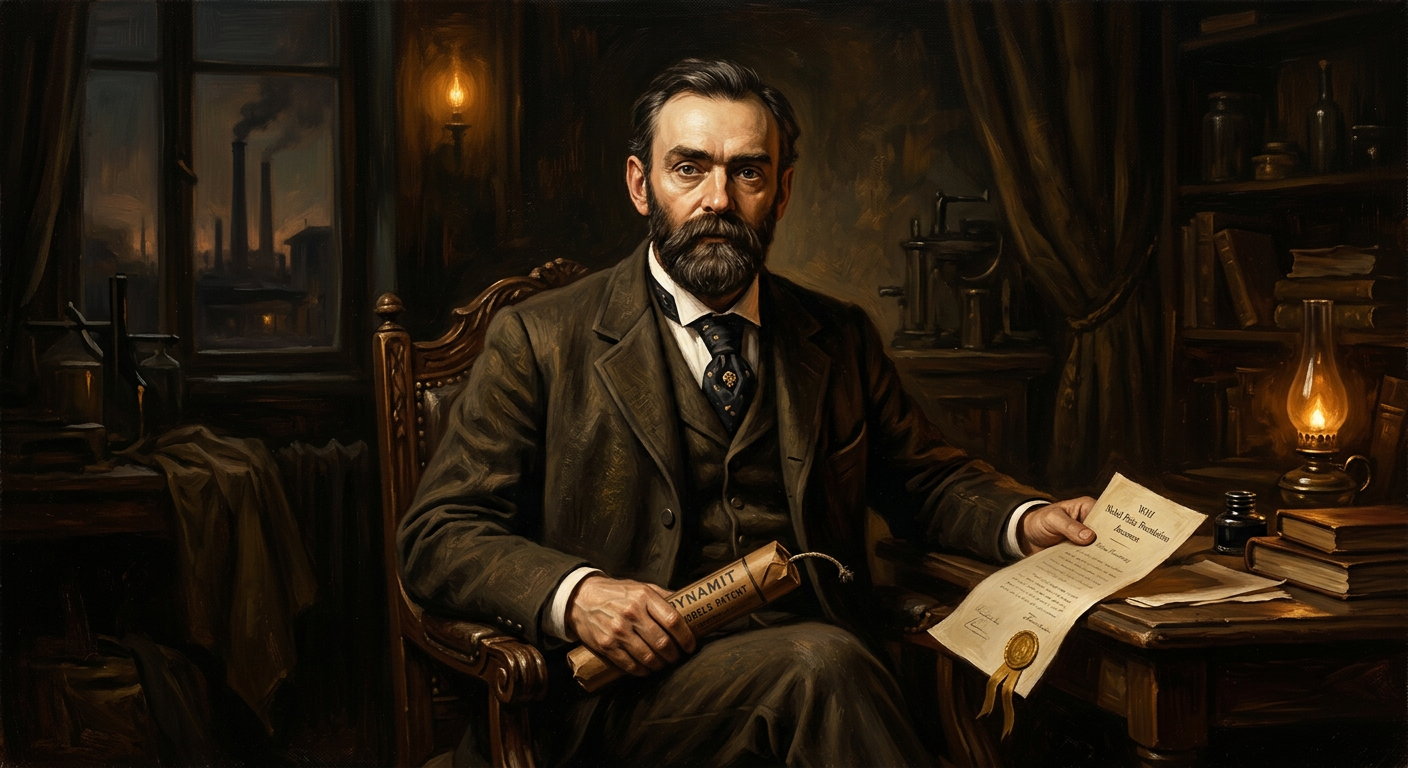
Alfred Nobel
1833–1896 · Chemist and Inventor
Invented dynamite and founded the Nobel Prizes, the world’s most famous awards for scientific and cultural achievement.
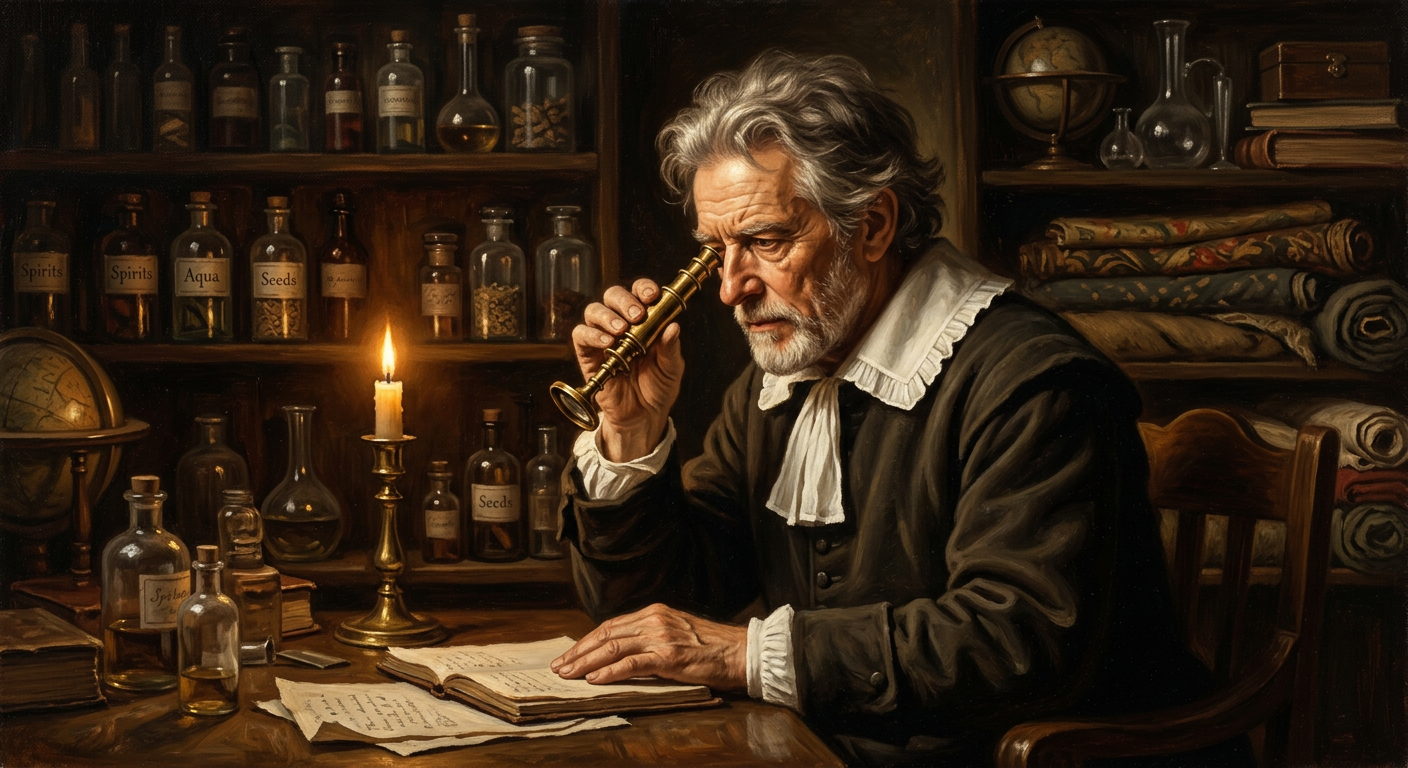
Antonie van Leeuwenhoek
1632–1723 · Biologist
First person to see and describe microorganisms — tiny living creatures invisible to the naked eye.
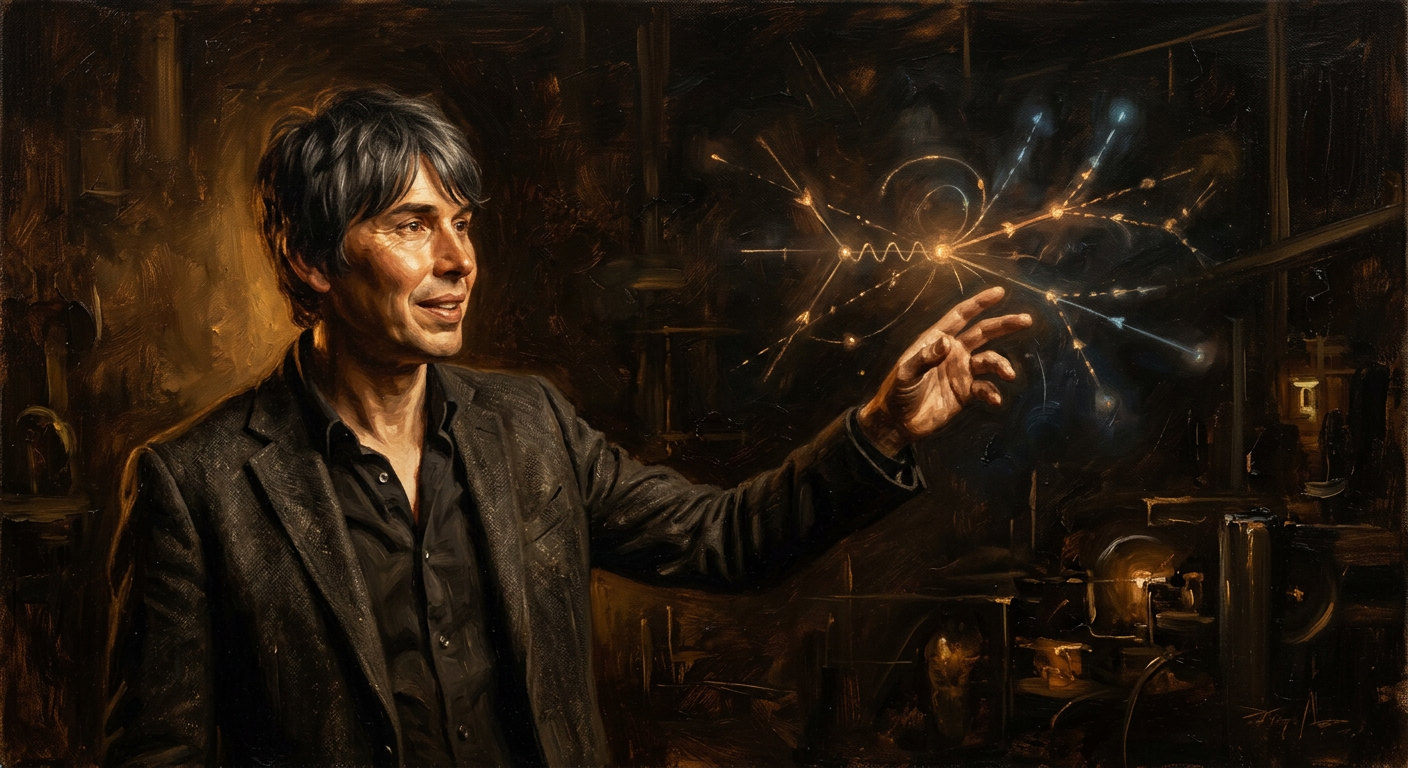
Brian Cox
1968–present · Particle Physicist
A particle physicist who became one of Britain’s best-loved science broadcasters, bringing physics to millions on television.
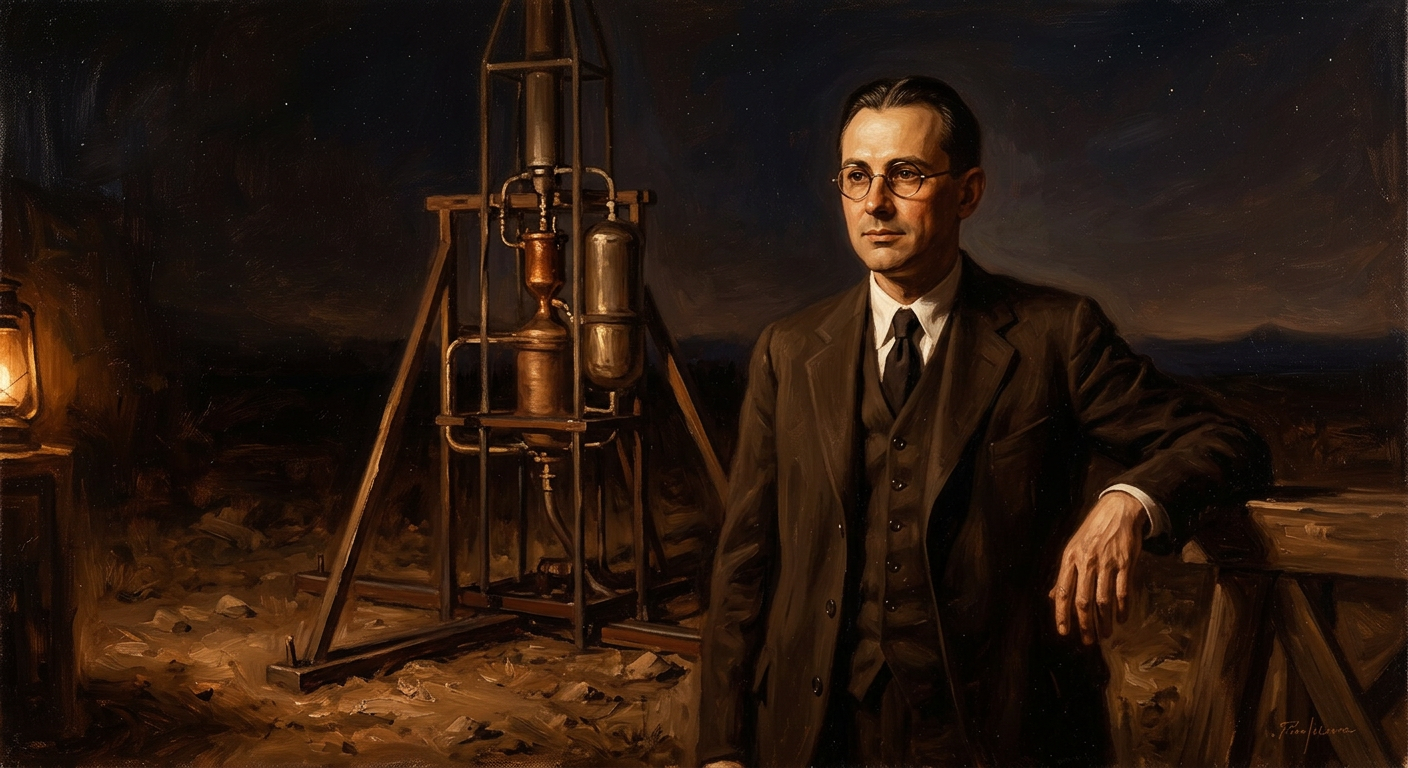
Robert Goddard
1882–1945 · Engineer and Physicist
Built and launched the world’s first liquid-fuelled rocket, laying the groundwork for spaceflight.
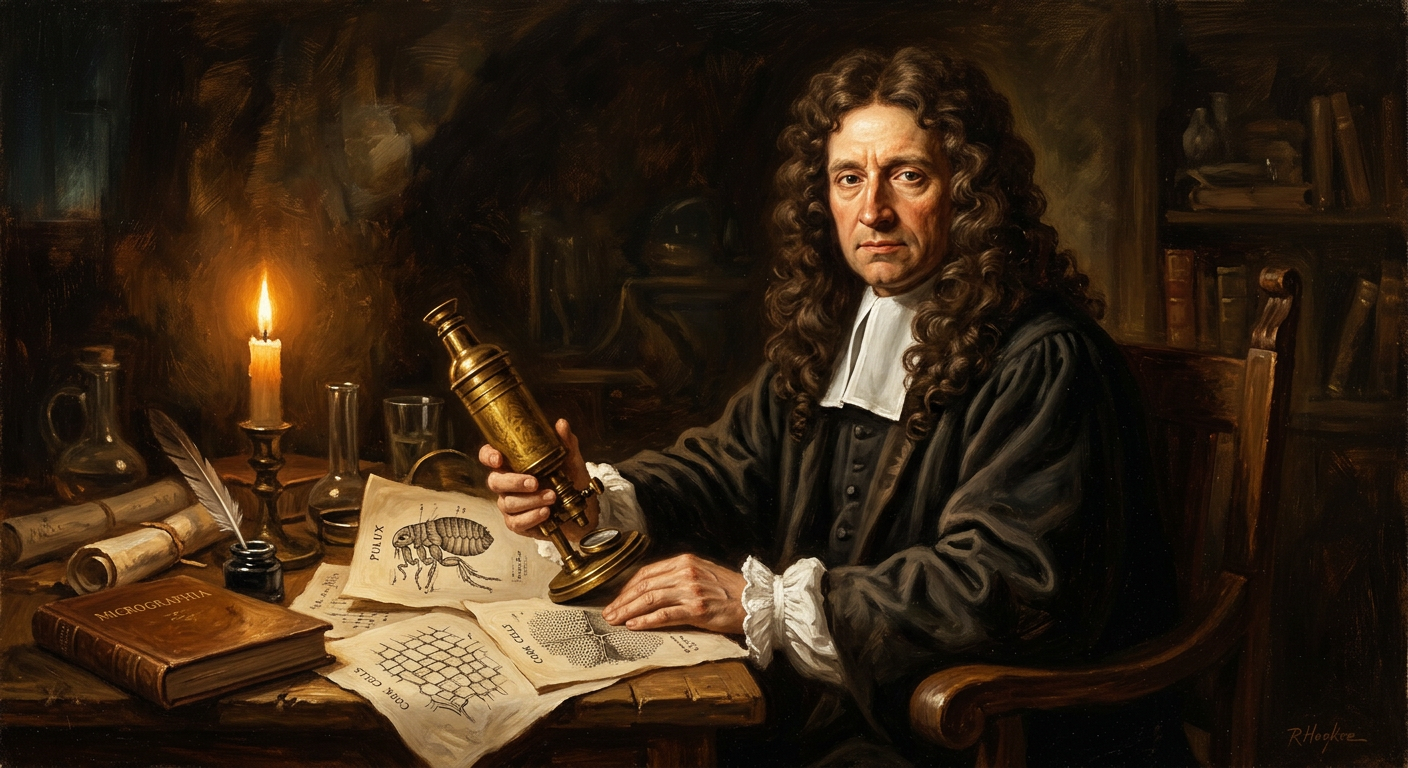
Robert Hooke
1635–1703 · Biologist and Physicist
Coined the word "cell" after examining cork under a microscope and formulated Hooke’s Law on springs.
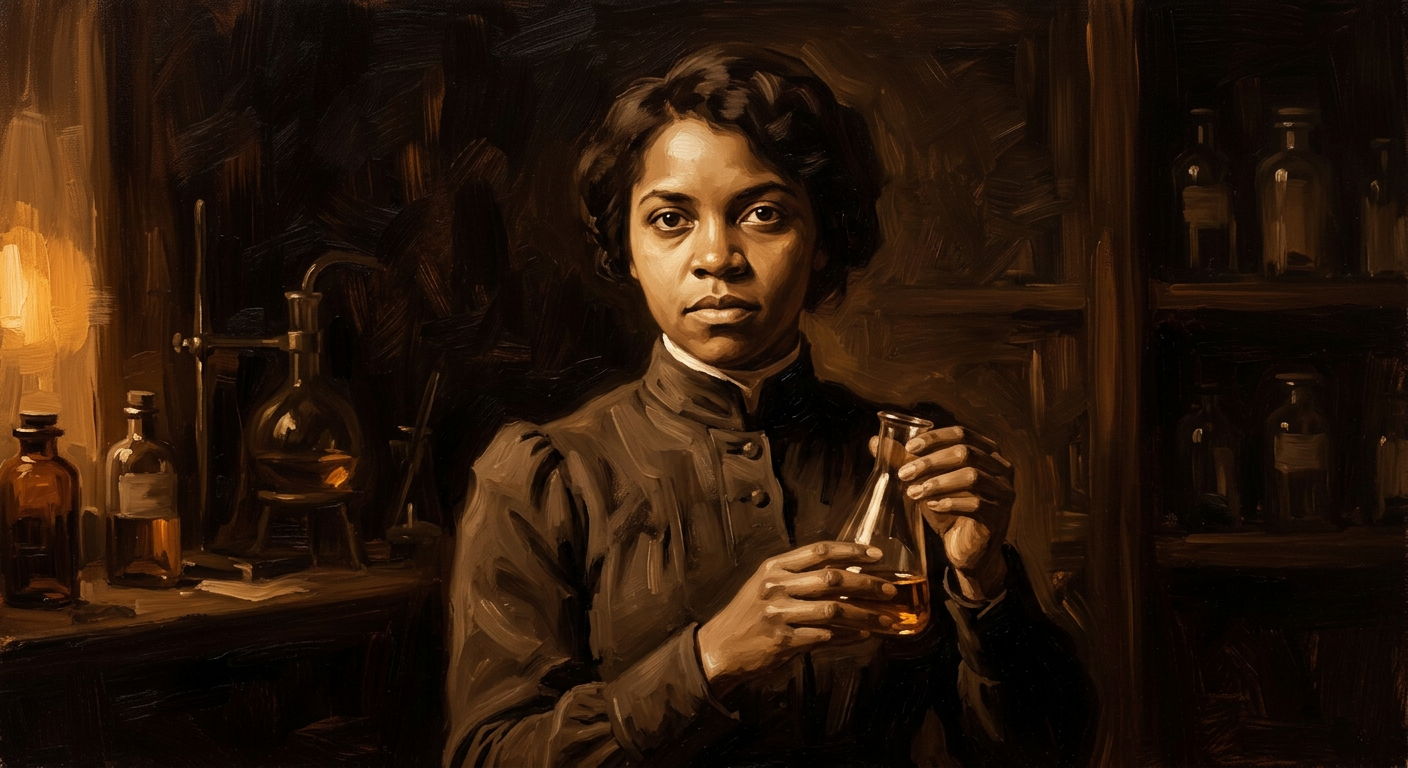
Alice Ball
1892–1916 · Chemist
Developed one of the first effective injectable treatments for Hansen's disease by making chaulmoogra oil injectable, a method that remained the best treatment available for over two decades.
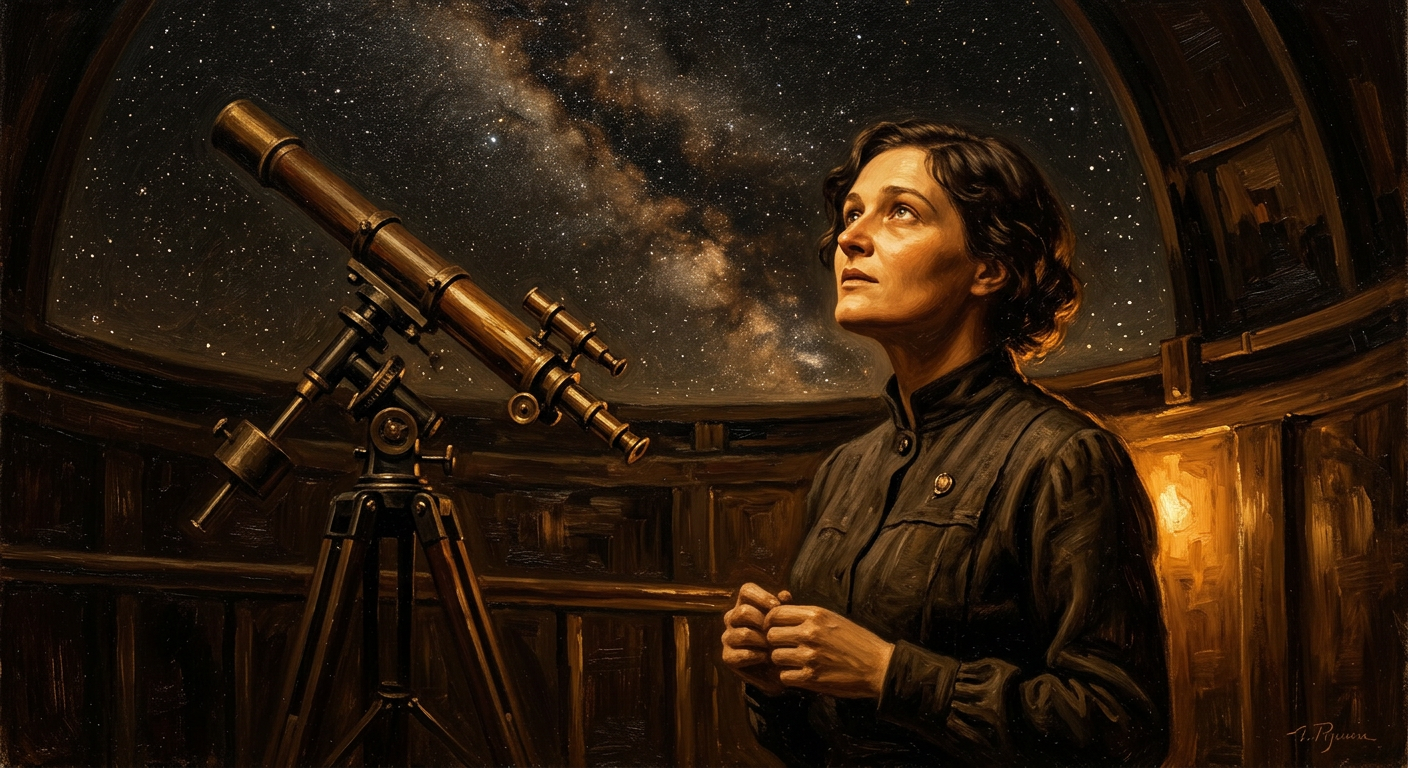
Cecilia Payne-Gaposchkin
1900–1979 · Astronomer
Showed in her 1925 doctoral thesis that hydrogen and helium are enormously more abundant in stars than previously believed, laying a foundation for modern stellar astrophysics.
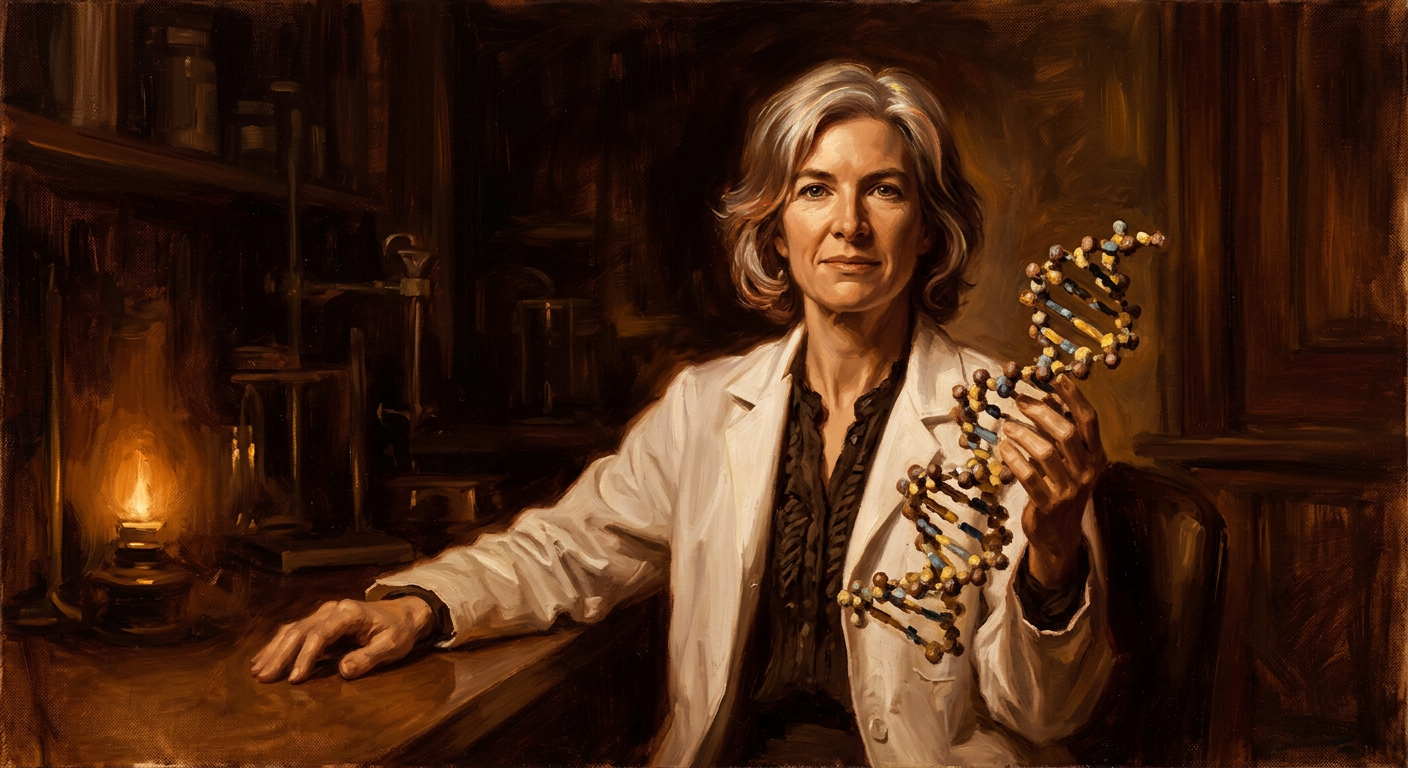
Jennifer Doudna
1964–present · Biochemist
Co-developed CRISPR-Cas9, the gene-editing technology that allows scientists to rewrite DNA with extraordinary precision, and won the 2020 Nobel Prize in Chemistry for the work.
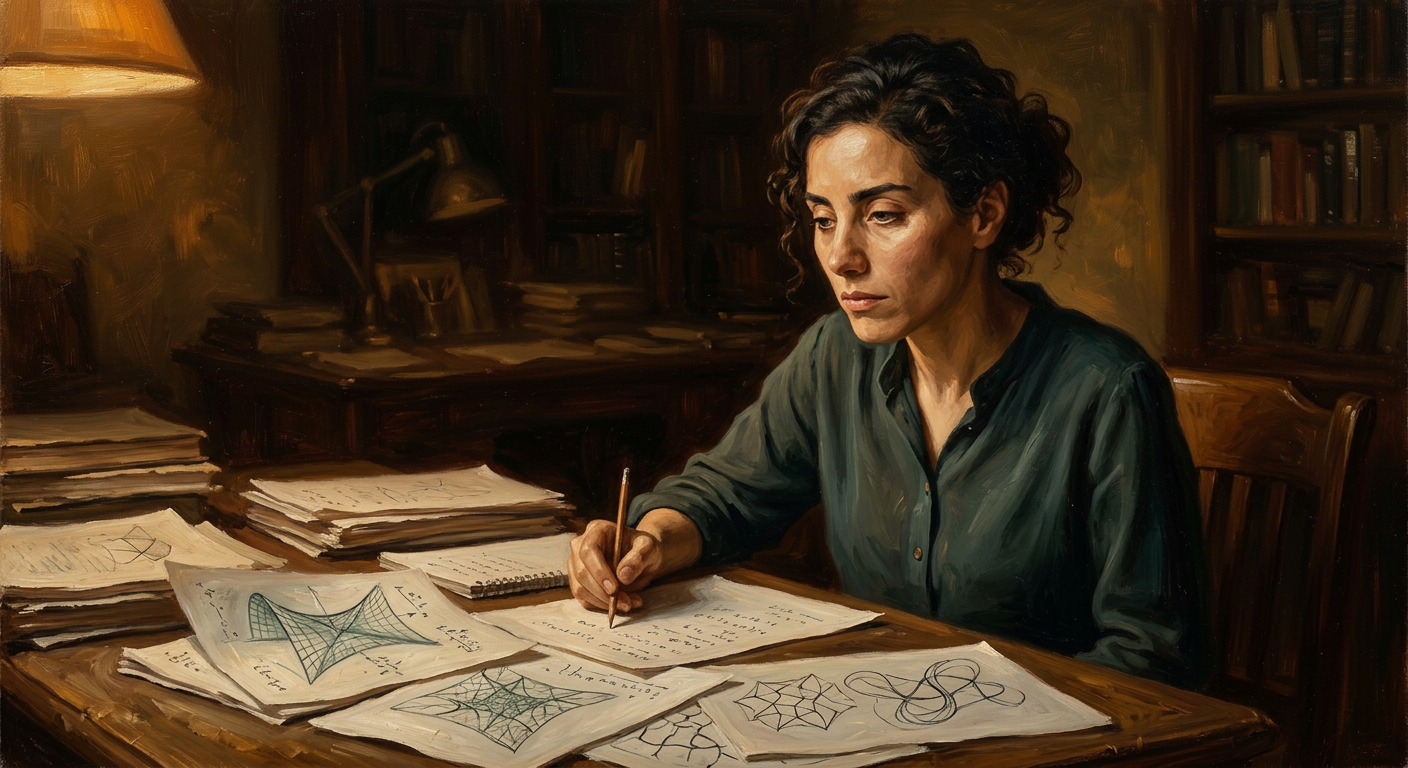
Maryam Mirzakhani
1977–2017 · Mathematician
The first woman and the first Iranian to win the Fields Medal, the most prestigious prize in mathematics, for her groundbreaking work on the geometry of curved surfaces.
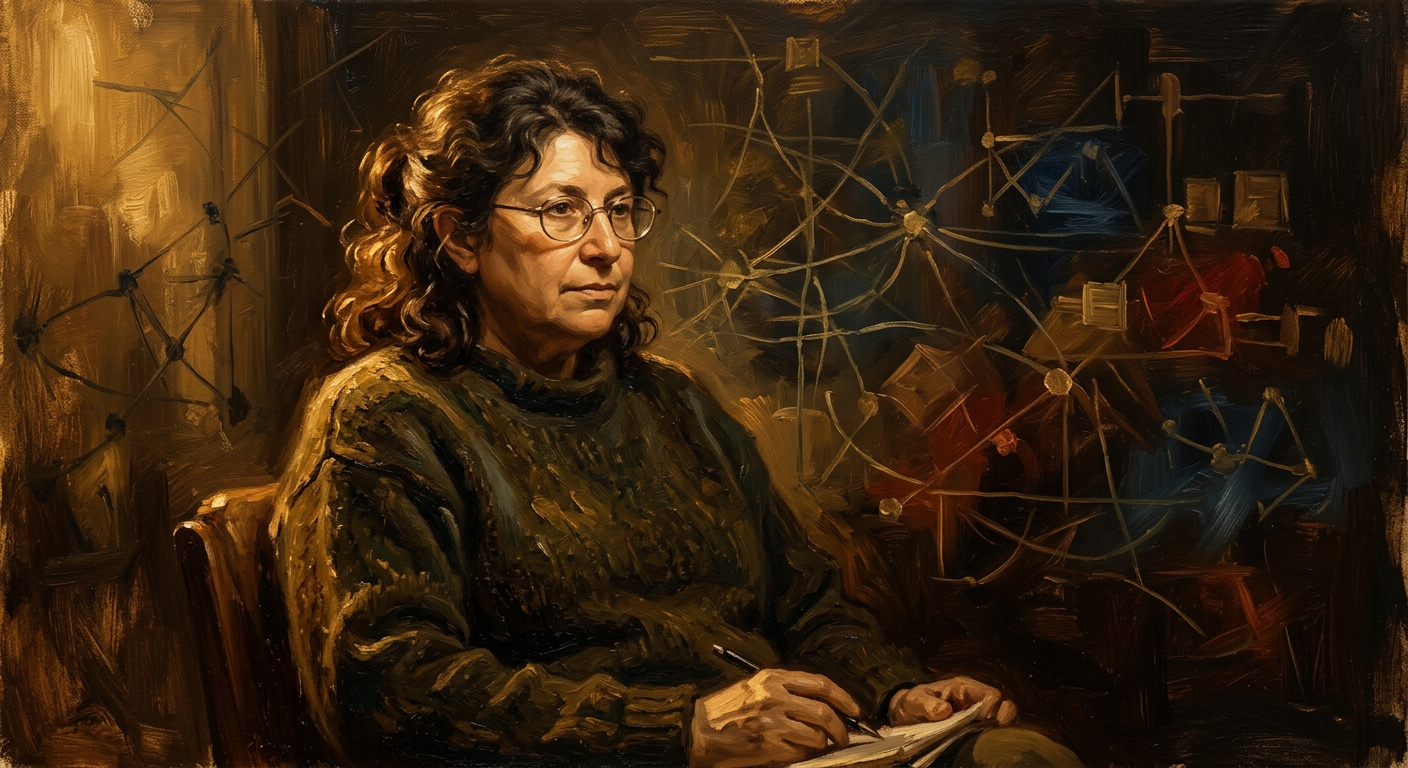
Radia Perlman
1951–present · Computer Scientist and Network Engineer
Designed the Spanning Tree Protocol, which prevents forwarding loops in bridged Ethernet networks and allowed Ethernet networks to grow far larger and more reliably.
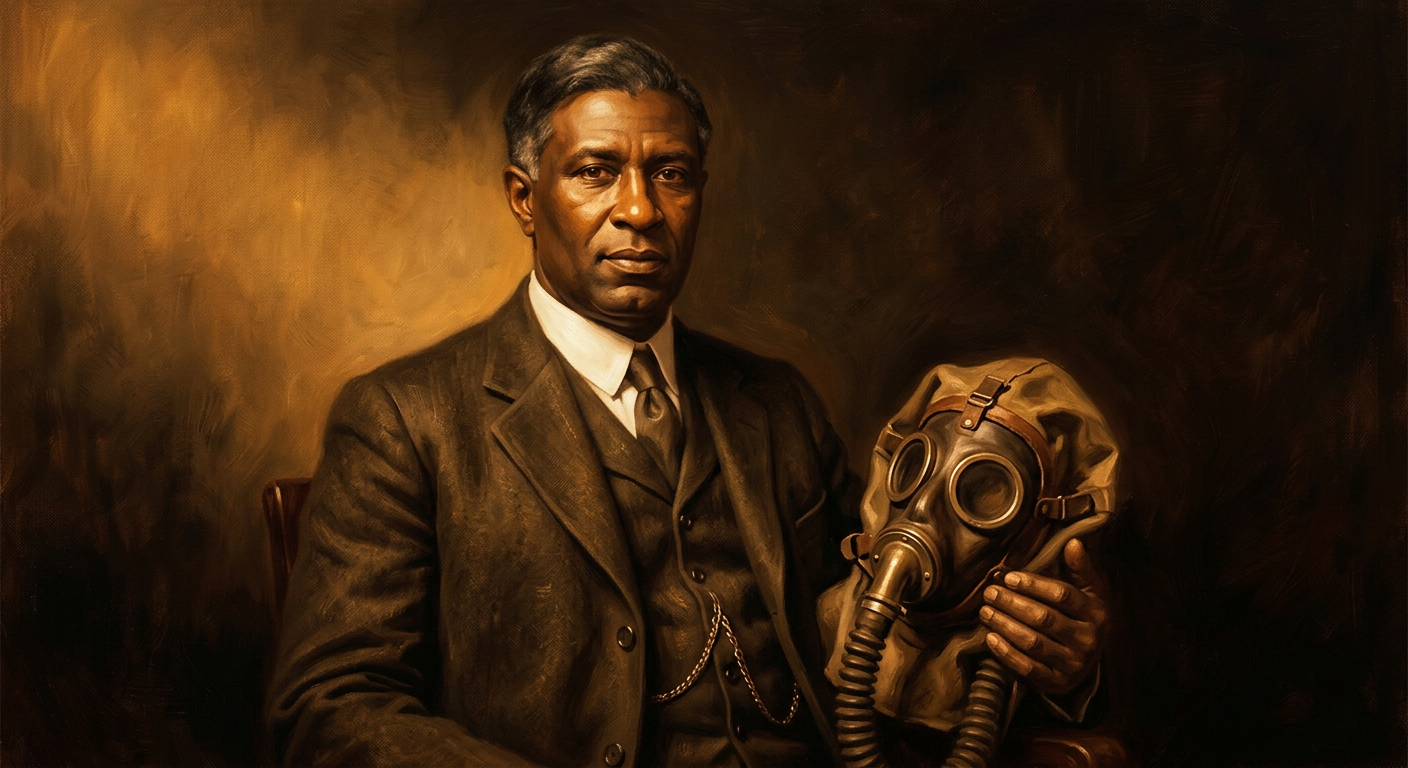
Garrett Morgan
1877–1963 · Inventor and Entrepreneur
Invented a pioneering safety hood that became the forerunner of the modern gas mask, and a three-position traffic signal that saved countless lives at dangerous intersections.
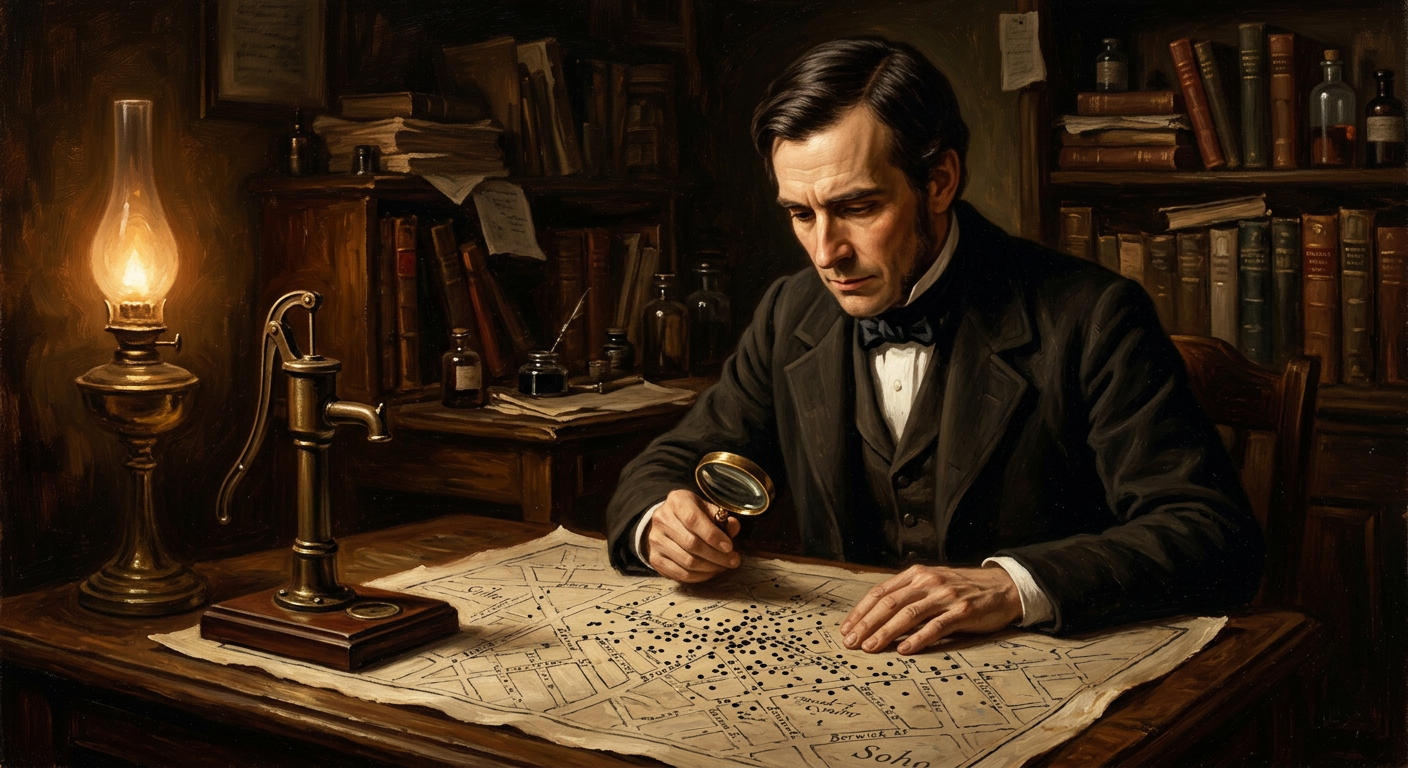
John Snow
1813–1858 · Physician
Tracing the 1854 Soho cholera outbreak to contaminated water from the Broad Street pump and providing powerful evidence for the waterborne transmission of cholera.
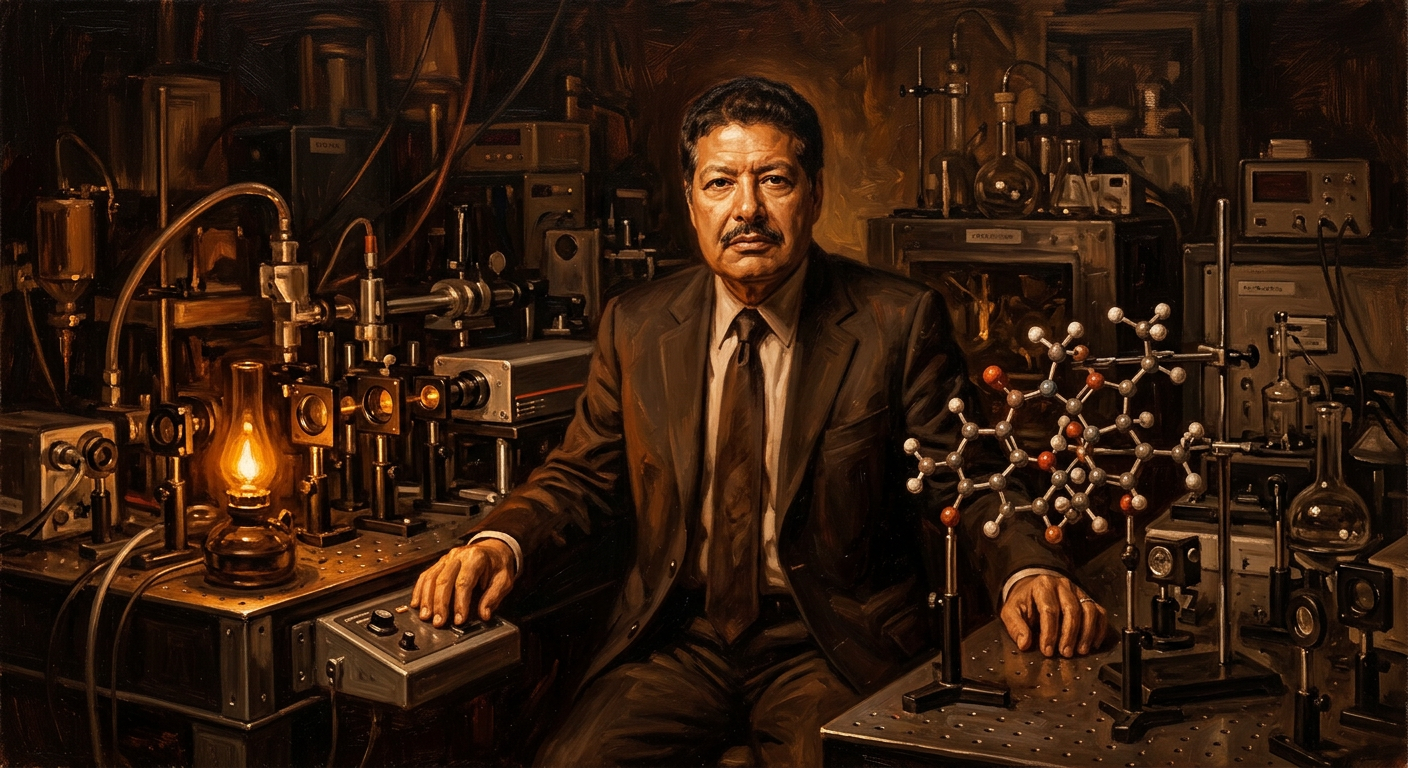
Ahmed Zewail
1946–2016 · Chemist
Pioneering femtochemistry, the use of lasers to observe chemical reactions on the timescale of femtoseconds, earning the Nobel Prize in Chemistry in 1999.
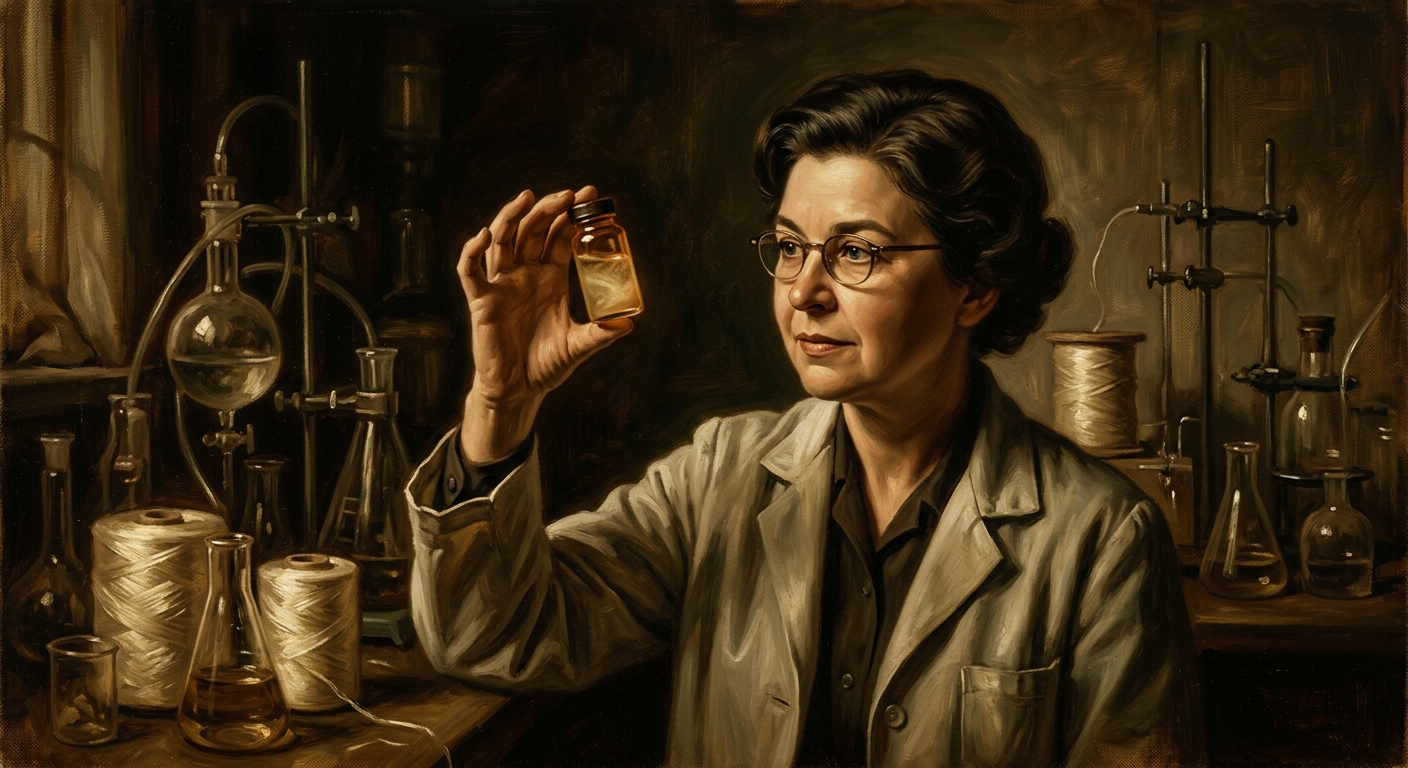
Stephanie Kwolek
1923–2014 · Chemist
Discovering the unusual liquid-crystalline polymer solution that led to Kevlar, a fibre about five times stronger than the same weight of steel and widely used in ballistic-resistant body armour and many other products.
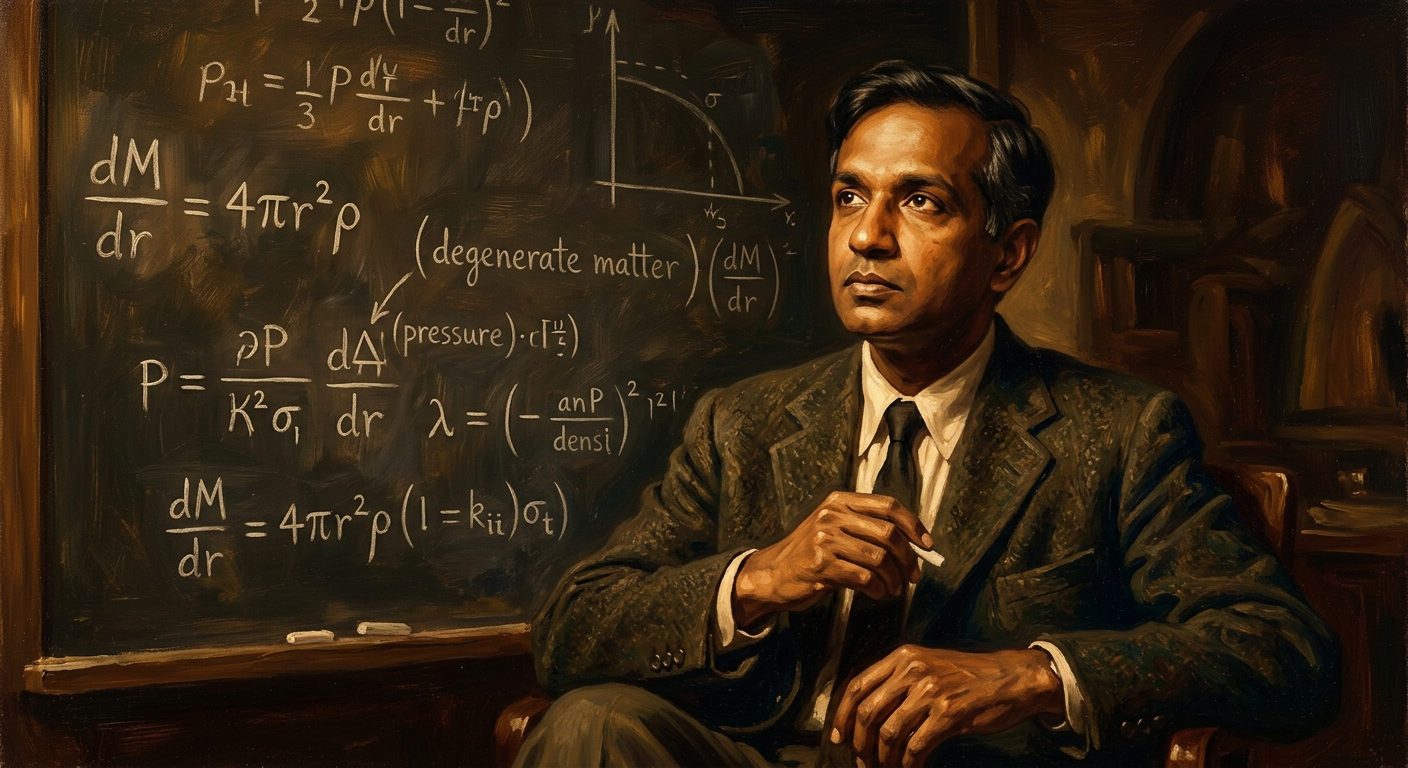
Subrahmanyan Chandrasekhar
1910–1995 · Astrophysicist
Discovering the Chandrasekhar limit, the maximum mass of a white dwarf star, and making fundamental contributions to our understanding of stellar evolution.
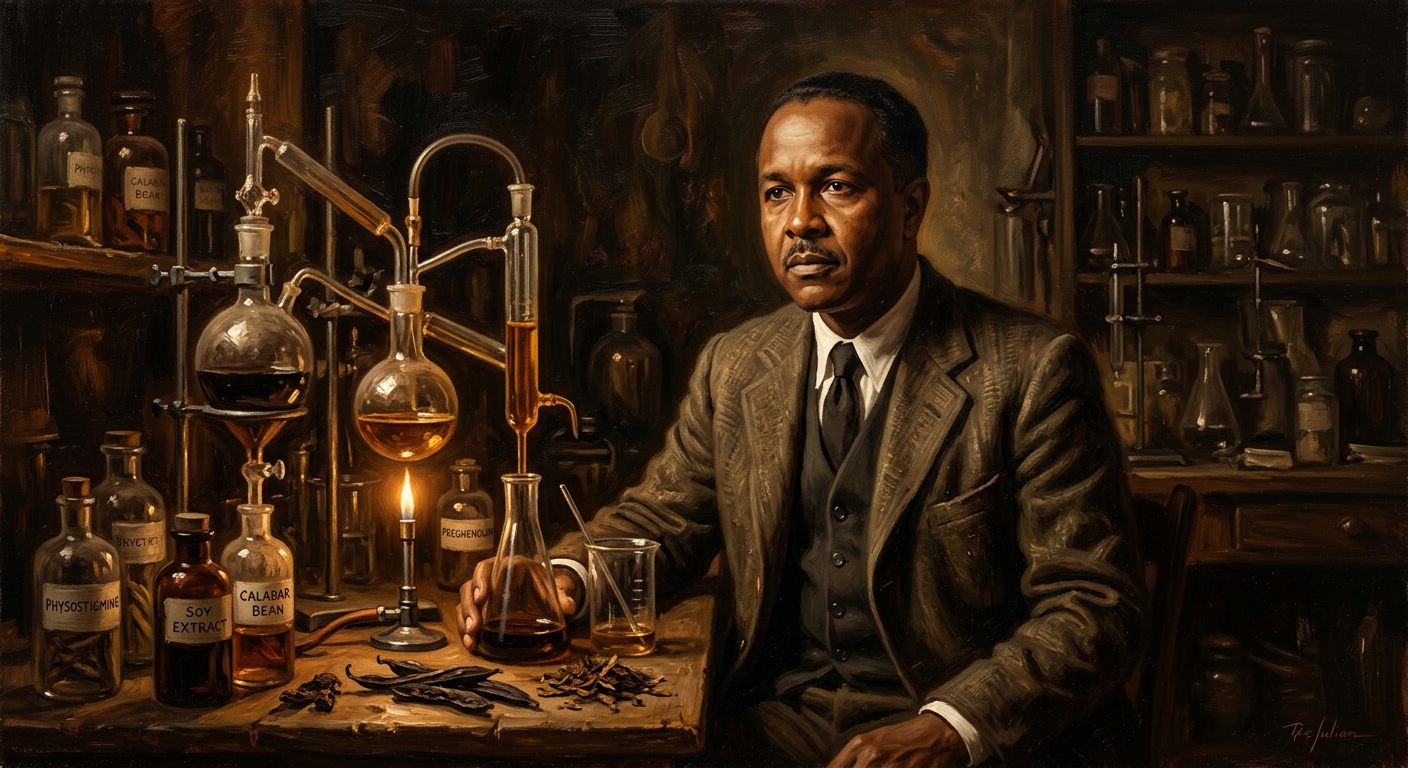
Percy Lavon Julian
1899–1975 · Organic and industrial chemistry
Co-developed a laboratory synthesis of physostigmine and pioneered affordable production of useful compounds from plants.
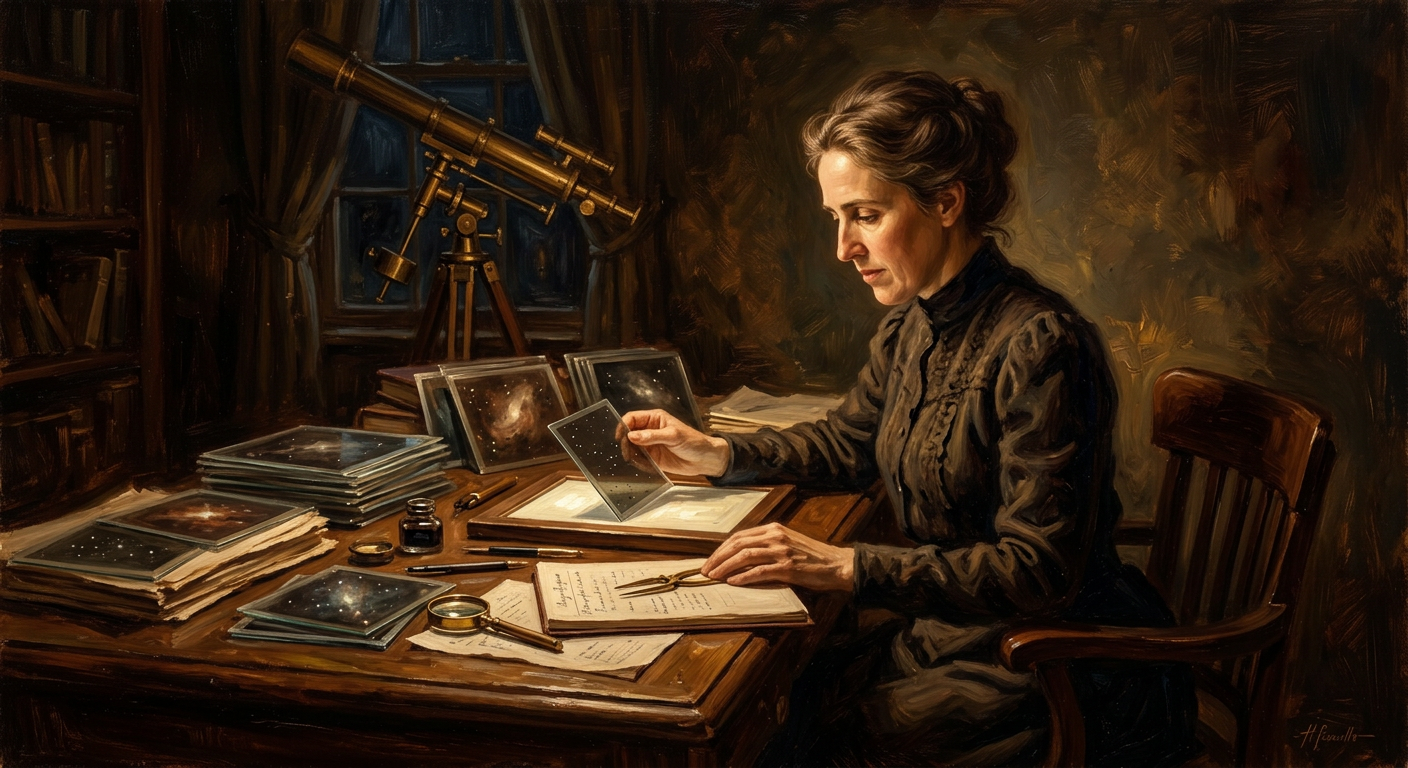
Henrietta Swan Leavitt
1868–1921 · Astronomy and stellar photometry
Discovered the period–luminosity relationship of Cepheid variable stars, providing a method for measuring cosmic distances.
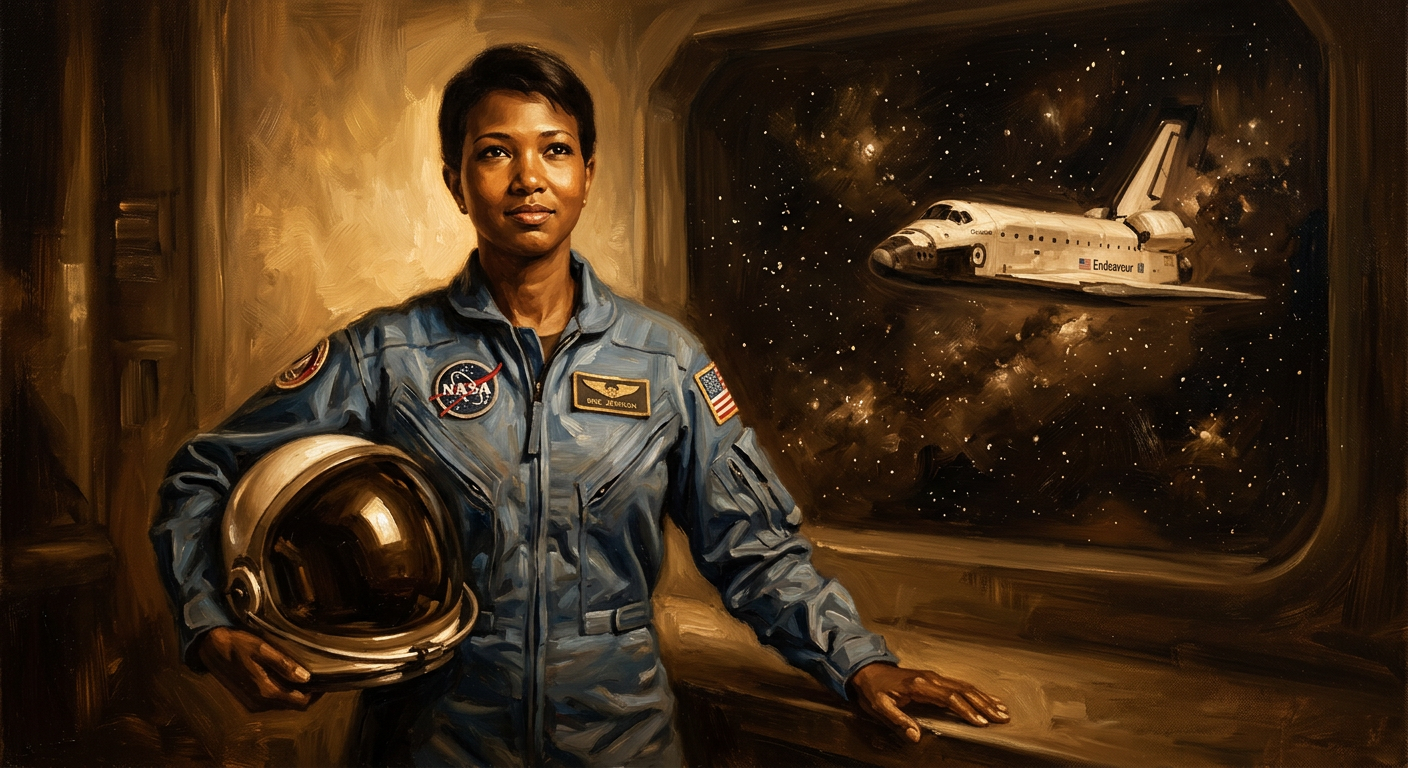
Mae Jemison
1956–present · Astronaut and Physician
Becoming the first African American woman to travel into space aboard the Space Shuttle Endeavour in 1992.
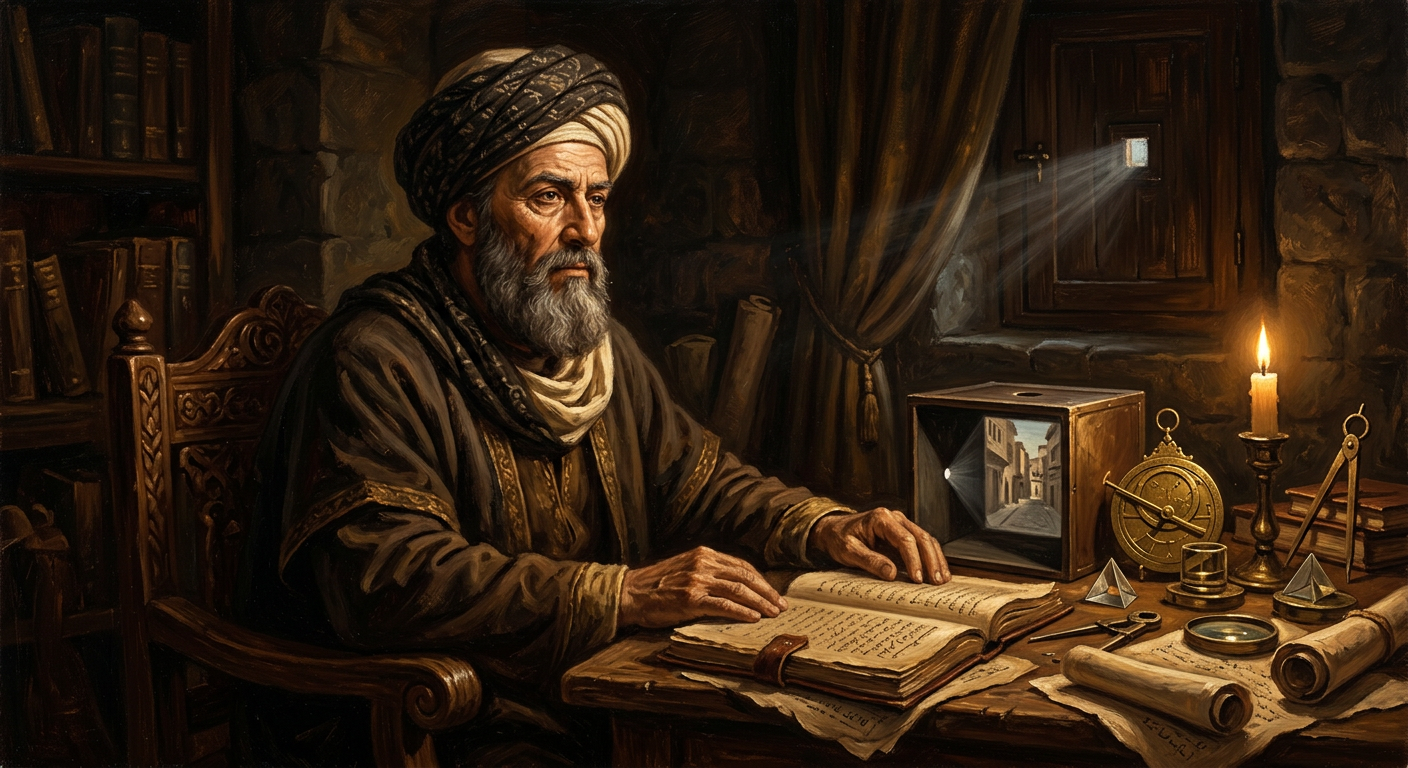
Ibn al-Haytham
c. 965–1040 · Mathematician, Physicist & Astronomer
Transforming the study of optics through his Book of Optics and pioneering a rigorous experimental and mathematical approach to investigating light and vision.
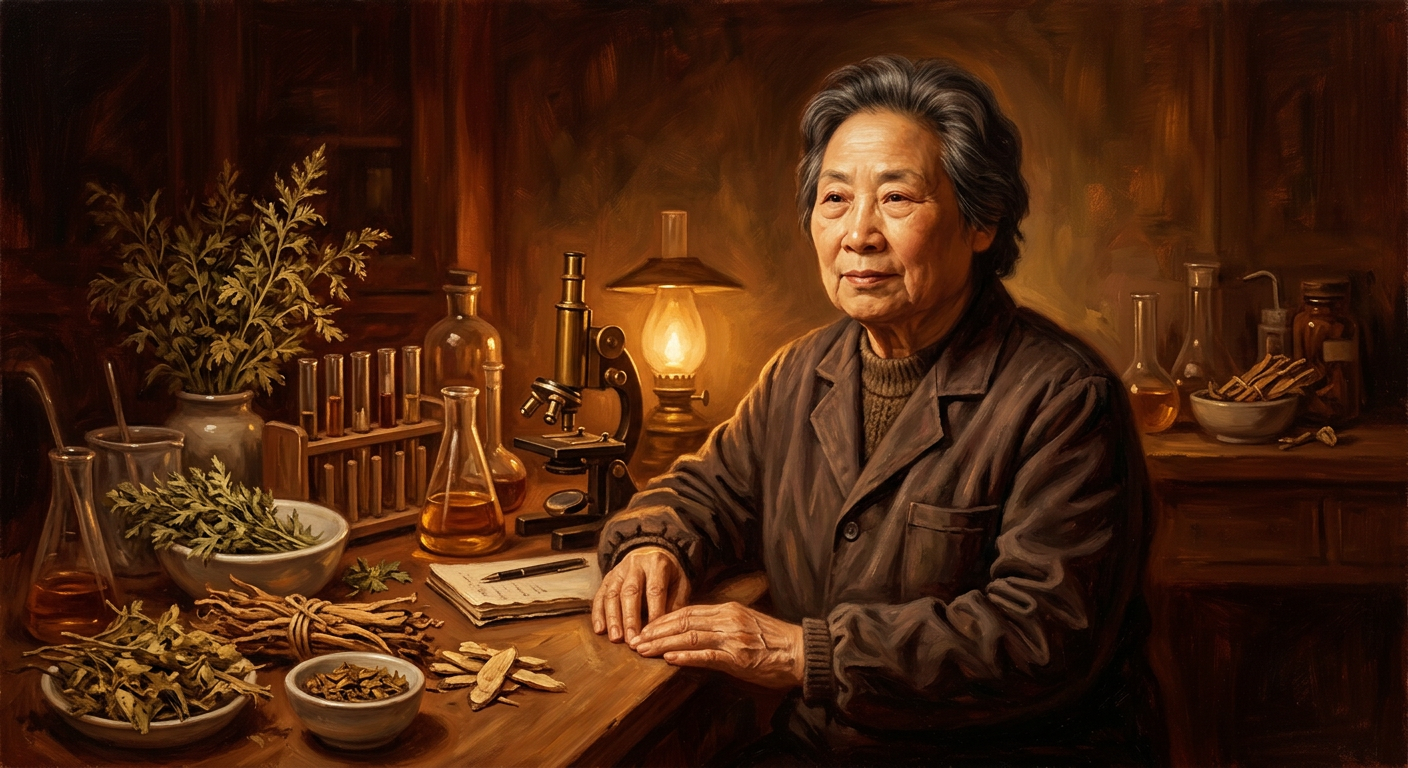
Tu Youyou
1930–present · Pharmaceutical Chemist
Discovering artemisinin, which became central to artemisinin-based combination therapies used to treat malaria worldwide.
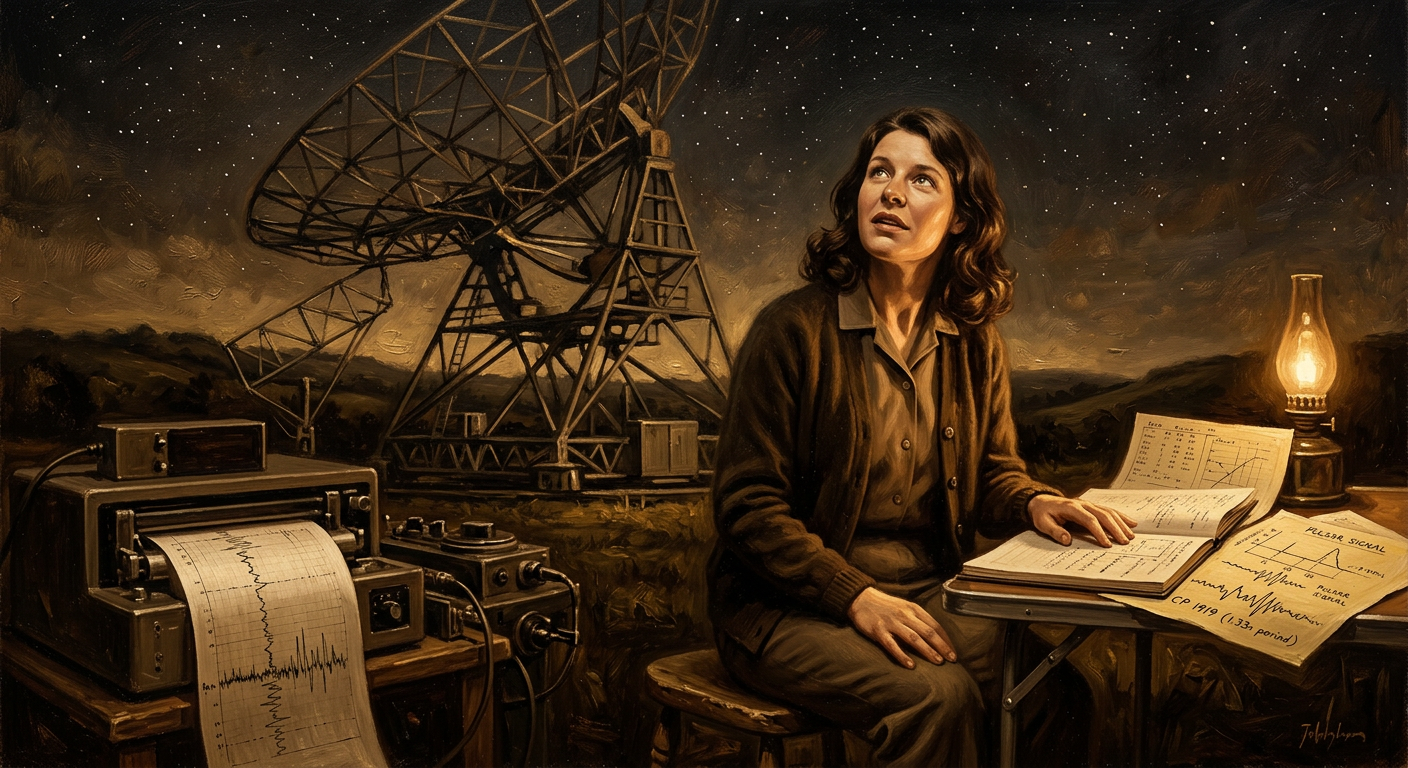
Jocelyn Bell Burnell
1943–present · Astrophysicist
Discovering the first radio pulsars as a postgraduate student at Cambridge, transforming our understanding of the universe.
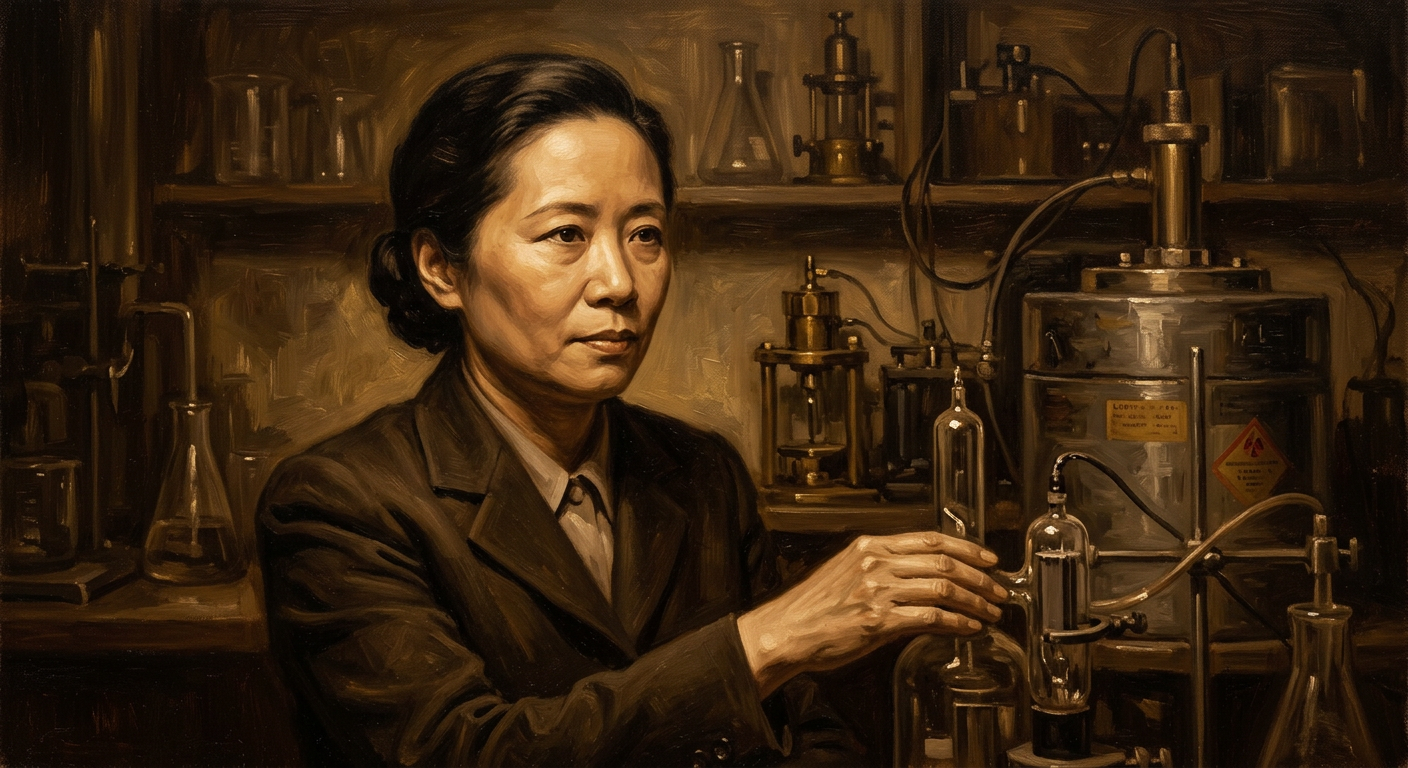
Chien-Shiung Wu
1912–1997 · Experimental Physicist
Chien-Shiung Wu was one of the leading experimental physicists of the twentieth century, famous for leading the landmark cobalt-60 beta-decay experiment that provided the first experimental evidence that parity is not conserved in weak nuclear interactions.
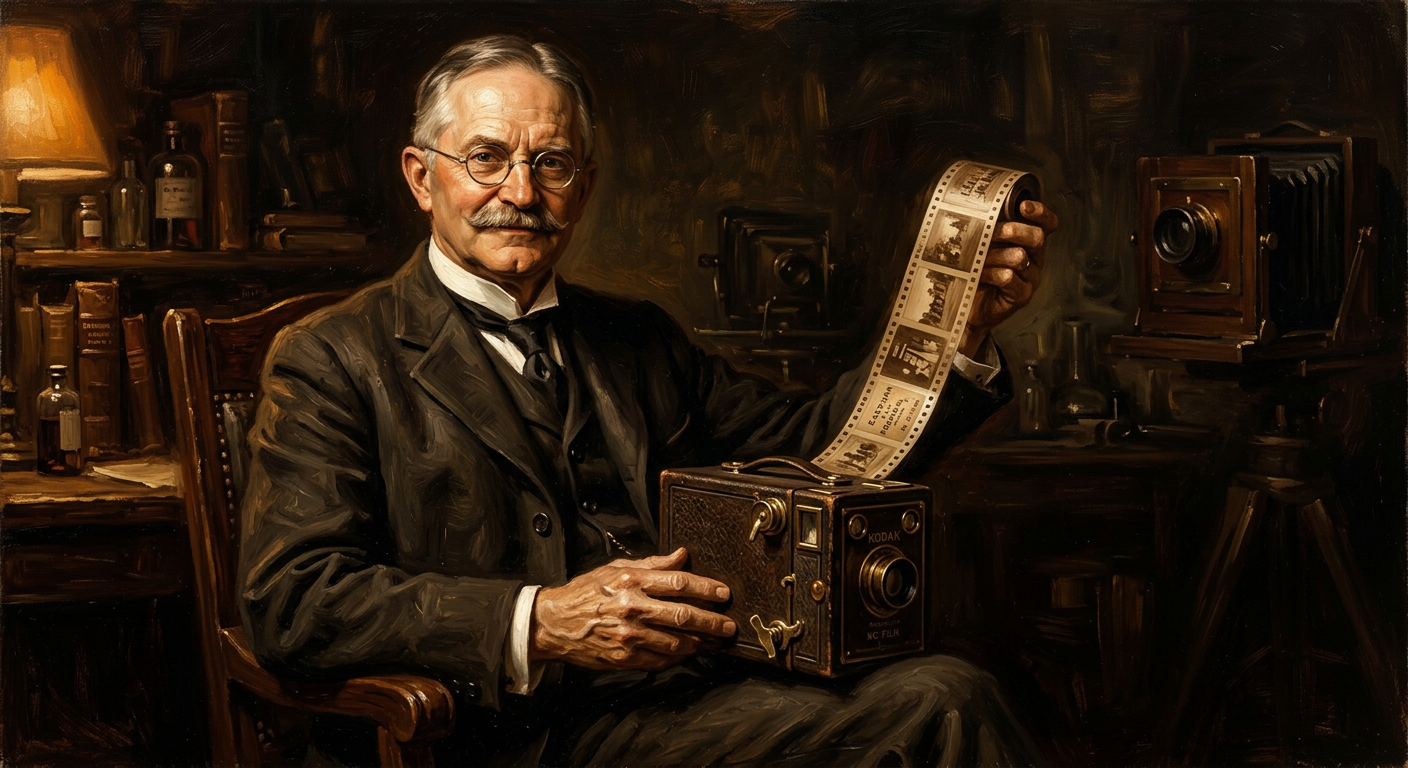
George Eastman
1854–1932 · Inventor and Entrepreneur
Developing practical roll-film systems and the Kodak camera, helping make photography accessible to ordinary people and contributing to the rise of motion pictures.
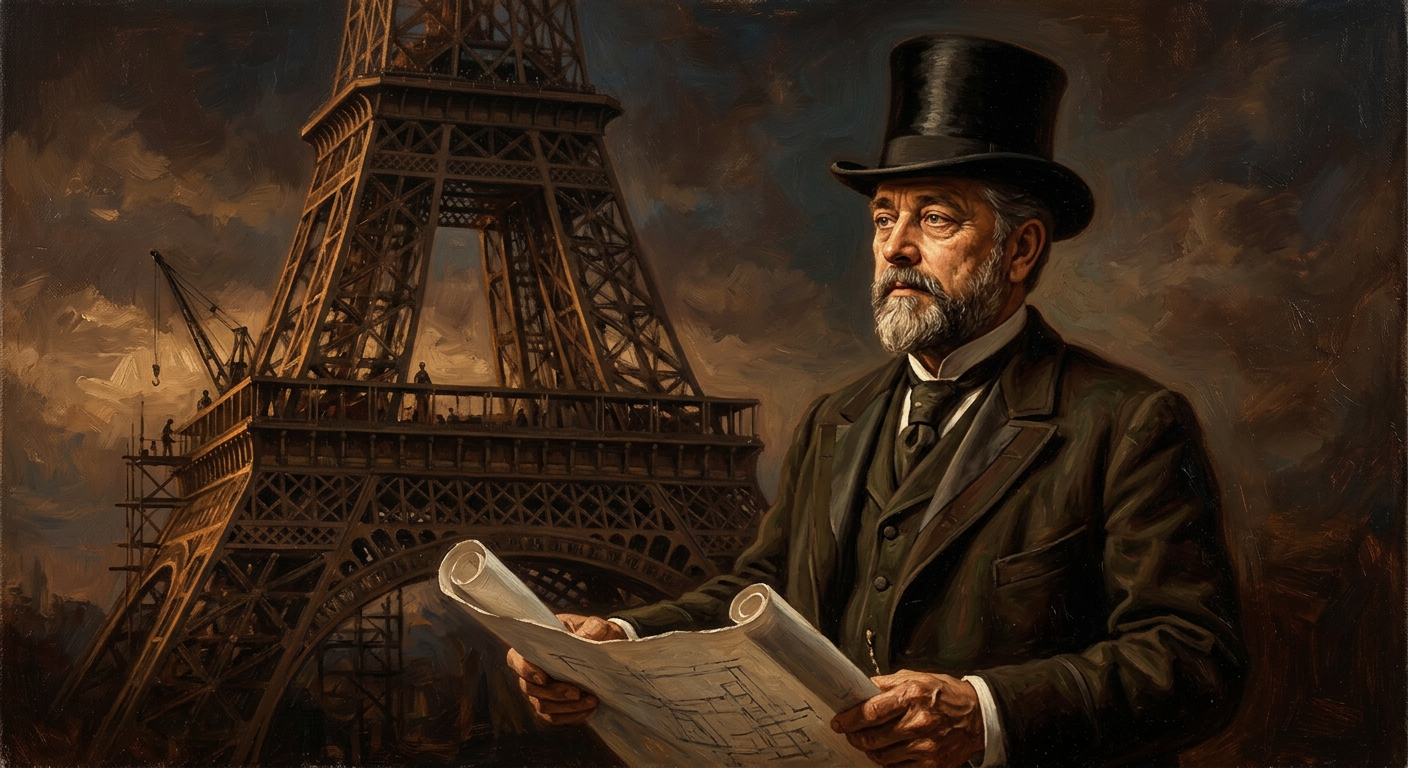
Gustave Eiffel
1832–1923 · Civil Engineer
Building the Eiffel Tower with engineers Maurice Koechlin and Émile Nouguier and architect Stephen Sauvestre, and designing the Statue of Liberty's internal iron support structure.
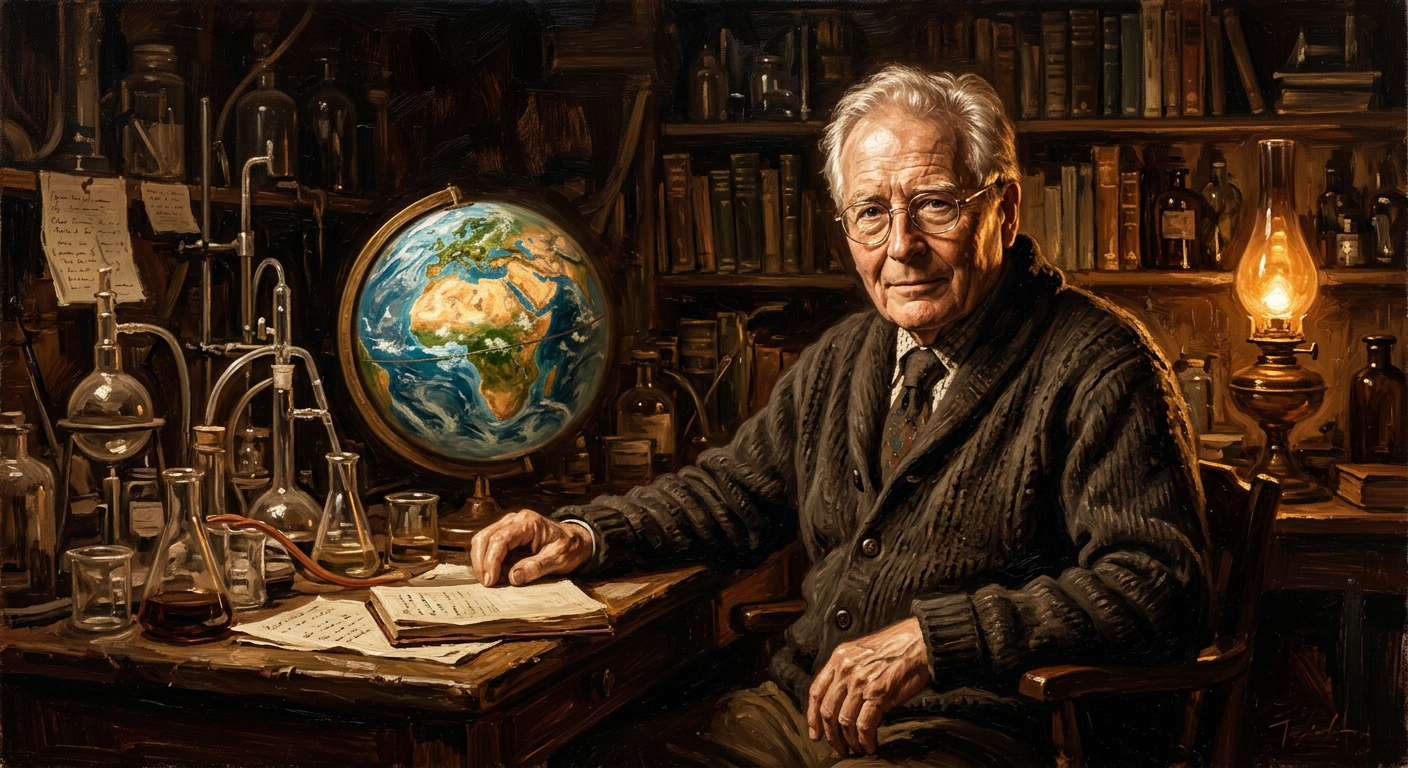
James Lovelock
1919–2022 · Independent Scientist and Environmentalist
Inventing the electron capture detector and developing the Gaia hypothesis, an influential idea about interactions between life and Earth's atmosphere, oceans and rocks.
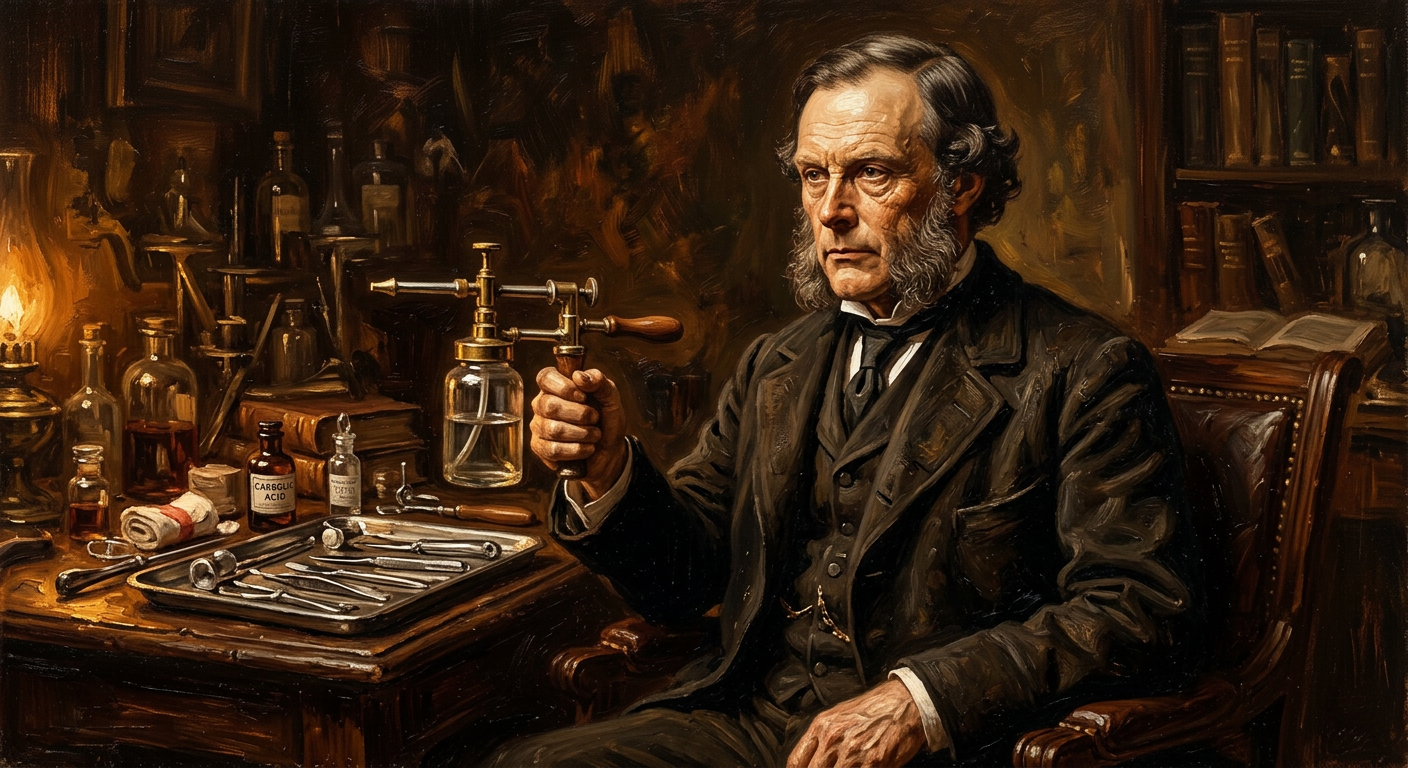
Joseph Lister
1827–1912 · Surgeon
Pioneering antiseptic surgical methods using carbolic acid and helping establish that controlling microorganisms could dramatically reduce surgical infection.
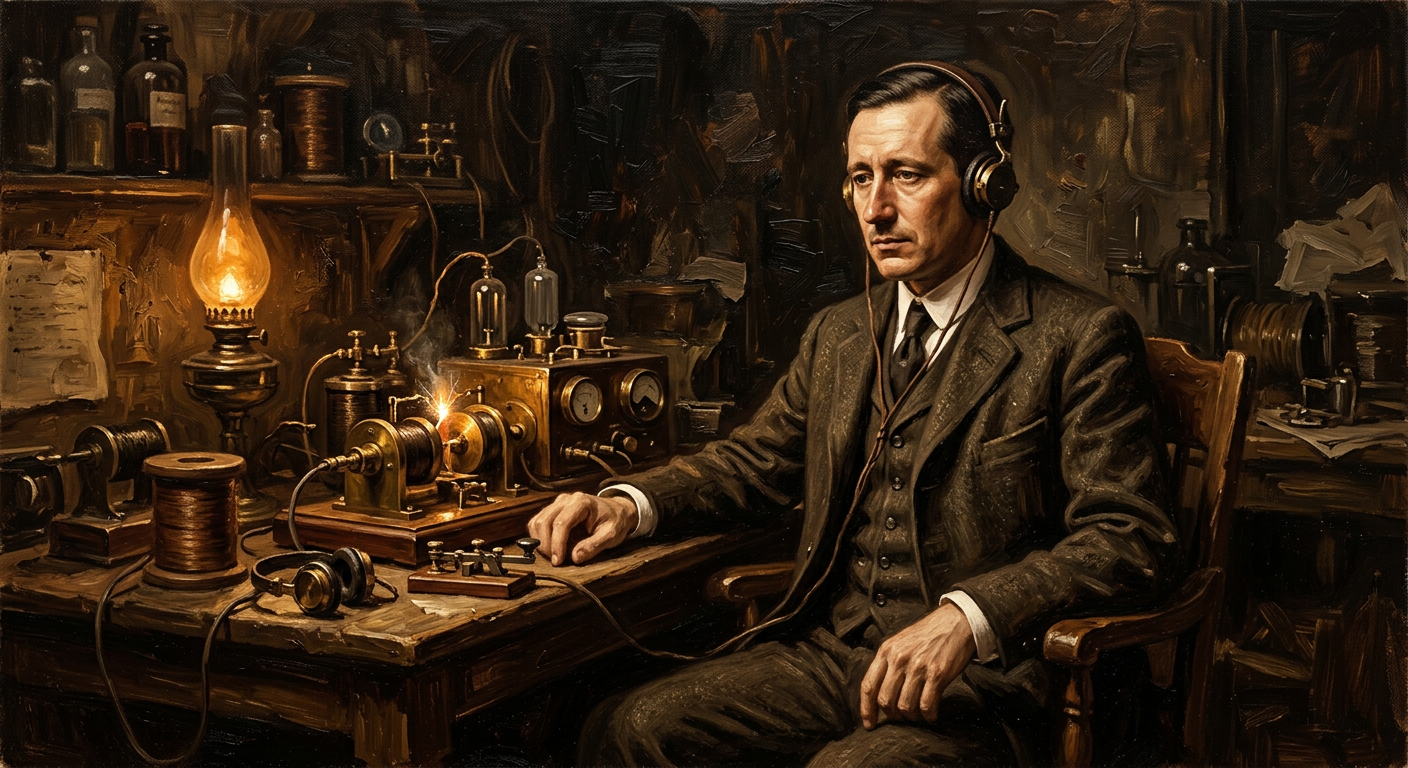
Guglielmo Marconi
1874–1937 · Electrical Engineer and Inventor
Developed practical wireless telegraphy systems, demonstrated long-distance radio communication and shared the 1909 Nobel Prize in Physics for contributions to wireless telegraphy.
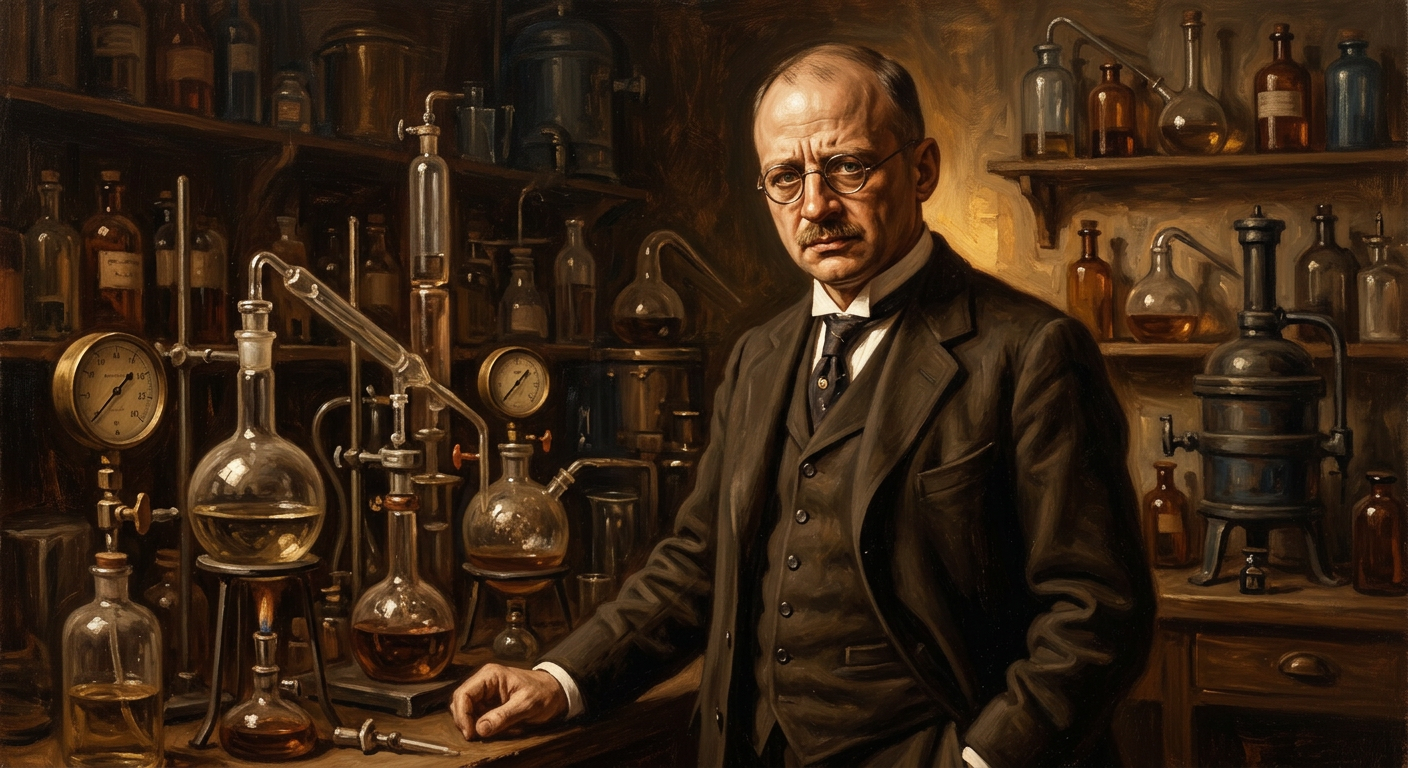
Fritz Haber
1868–1934 · Physical Chemist
Developed a laboratory method for synthesising ammonia from nitrogen and hydrogen, later industrialised by Carl Bosch and BASF as the Haber-Bosch process.
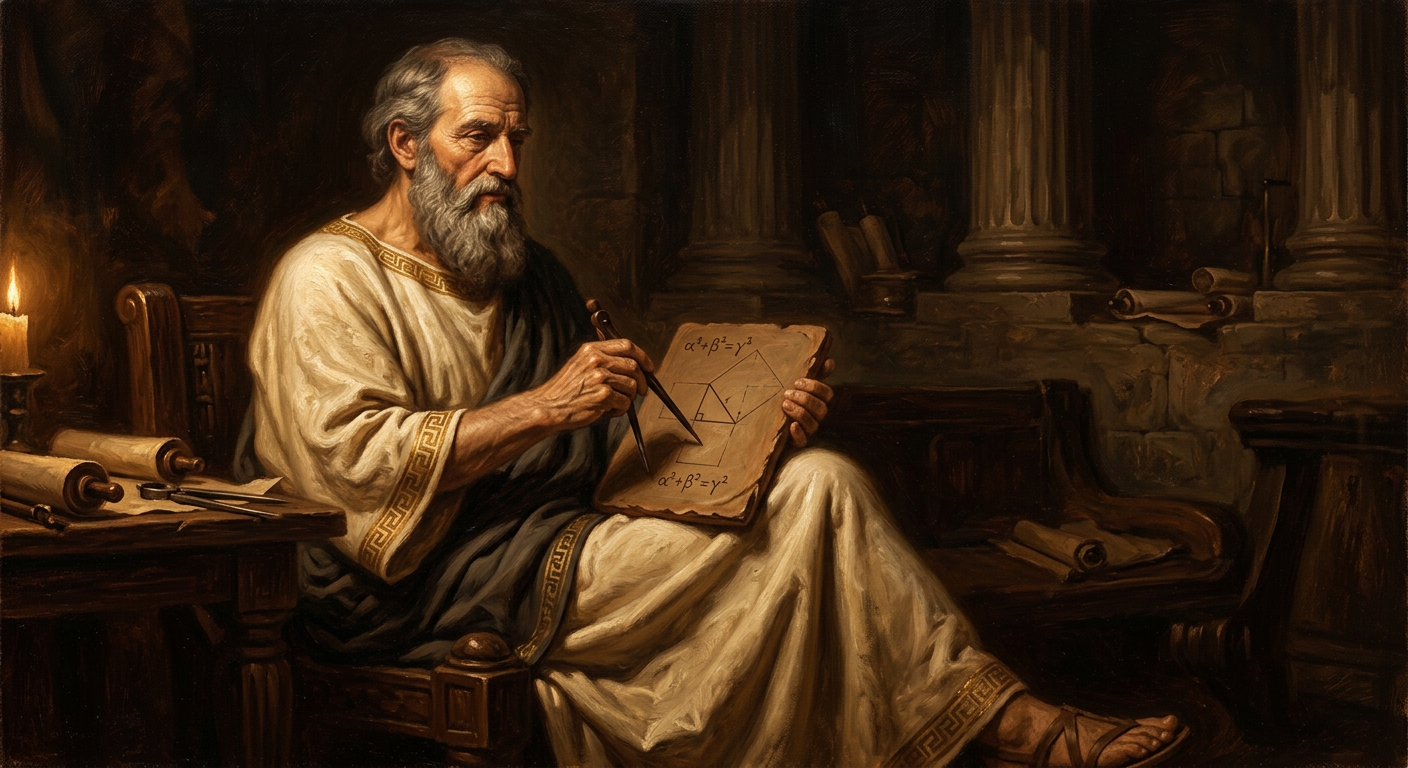
Pythagoras
c. 570 BCE–c. 490 BCE · Mathematician and Philosopher
Pythagoras is famous for the theorem that bears his name: in a right-angled triangle, a² + b² = c². The mathematical relationship was known in earlier cultures, and historians cannot prove that Pythagoras himself discovered or first proved it. His school nevertheless became highly influential in the history of mathematics, music, philosophy and the idea that patterns in nature can be understood using numbers.
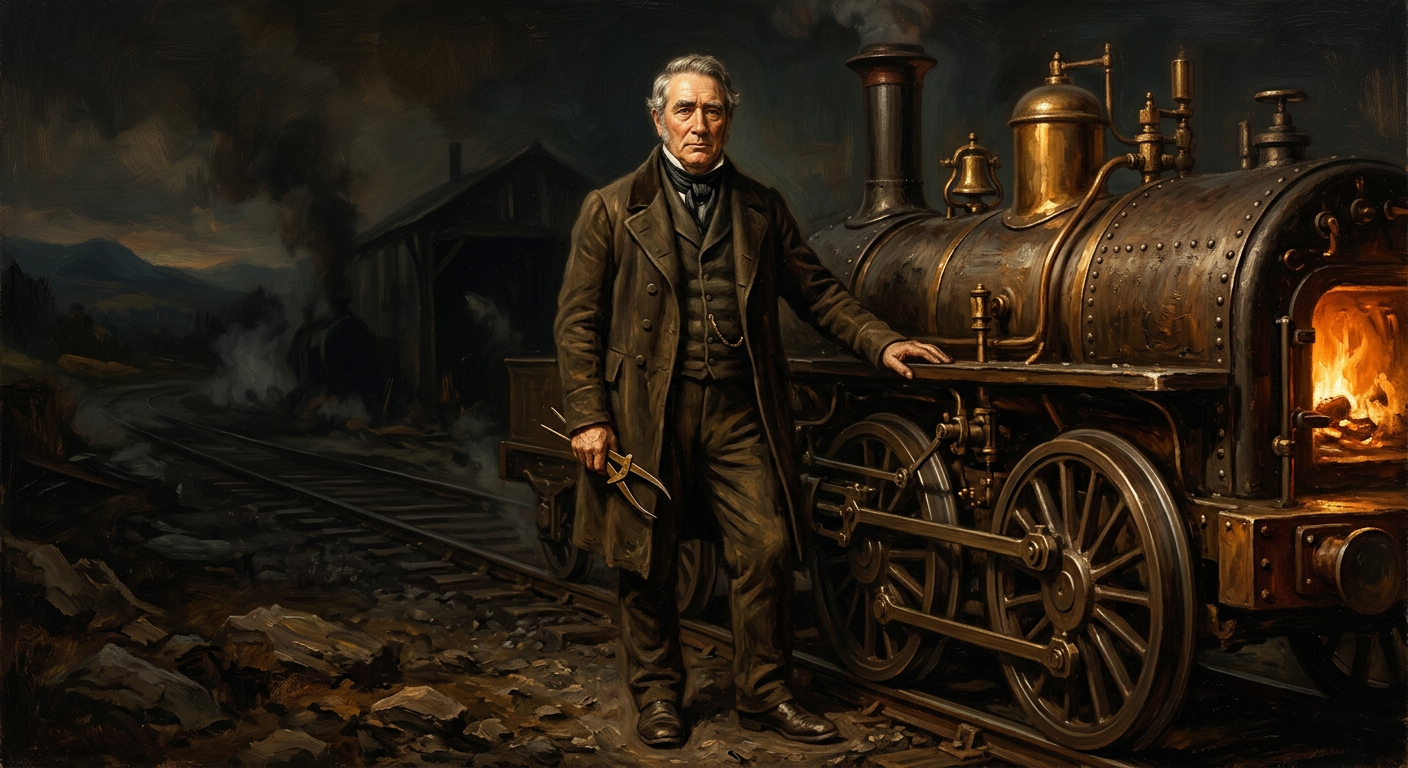
George Stephenson
1781–1848 · Engineer and Inventor
Developed successful early steam locomotives and engineered pioneering public railways that helped establish steam-powered rail transport.
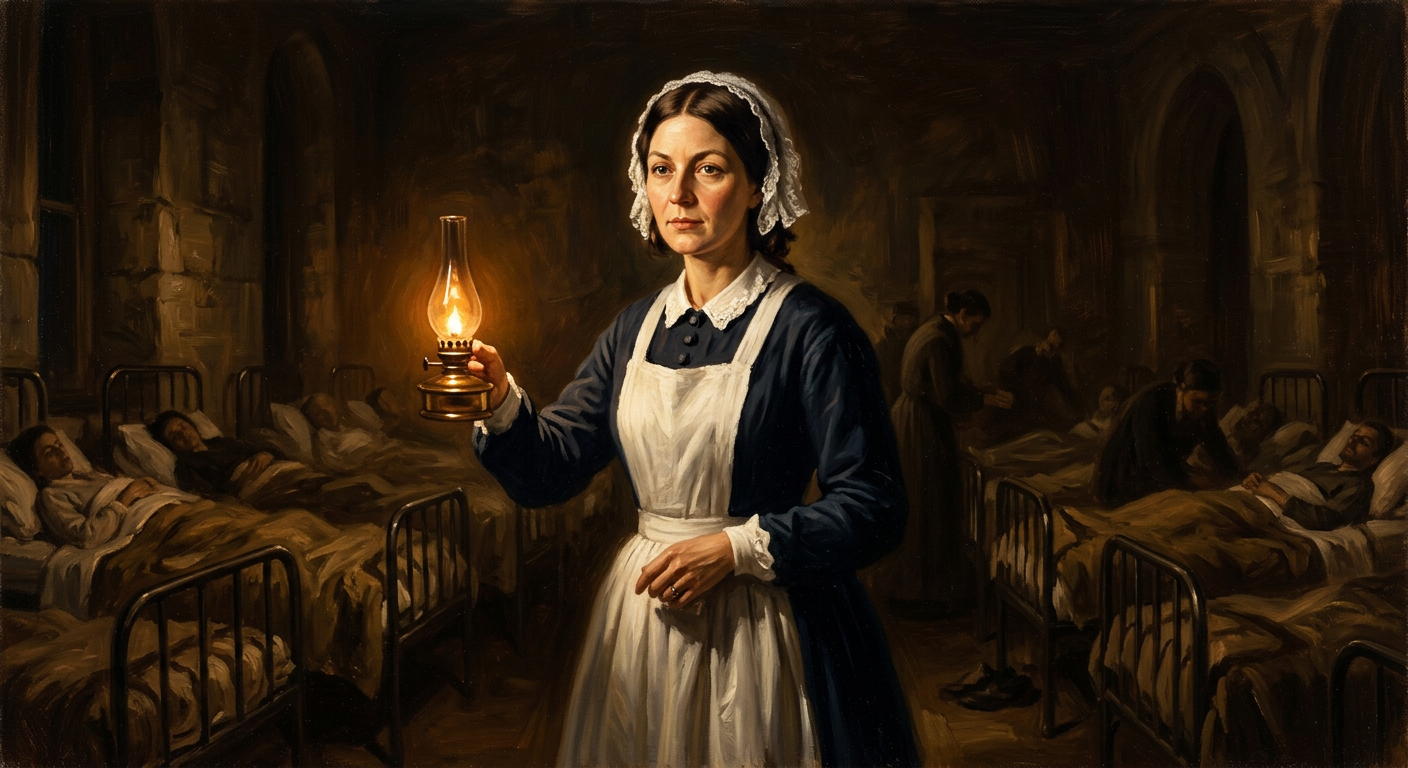
Florence Nightingale
1820–1910 · Nurse, Statistician, and Social Reformer
Helped establish professional nursing, campaigned for hospital and military-health reform, and used statistics and clear visualisations to show the human cost of preventable disease.
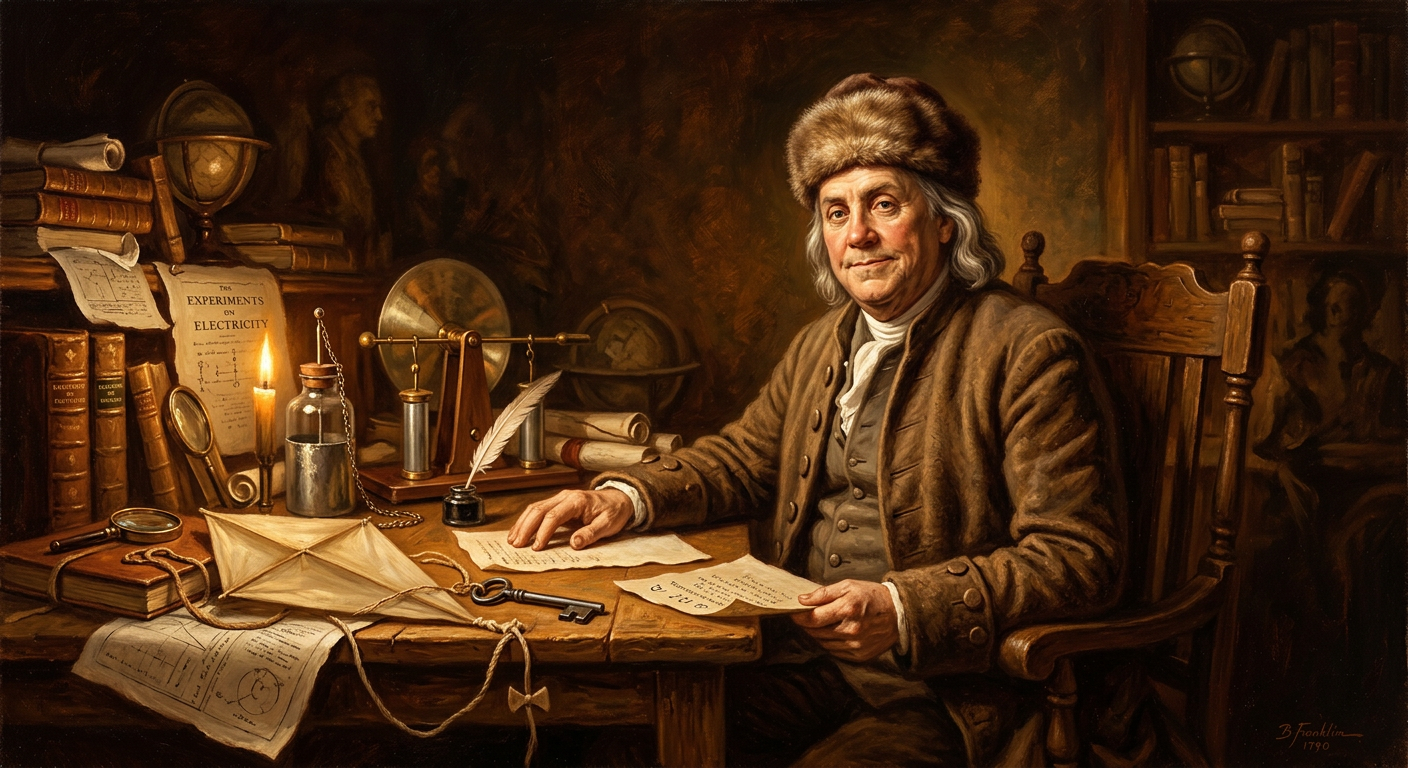
Benjamin Franklin
1706–1790 · Polymath: Scientist, Inventor, Statesman, and Printer
An American polymath who helped demonstrate the electrical nature of lightning, developed the lightning rod and bifocals, and helped shape the founding of the United States.
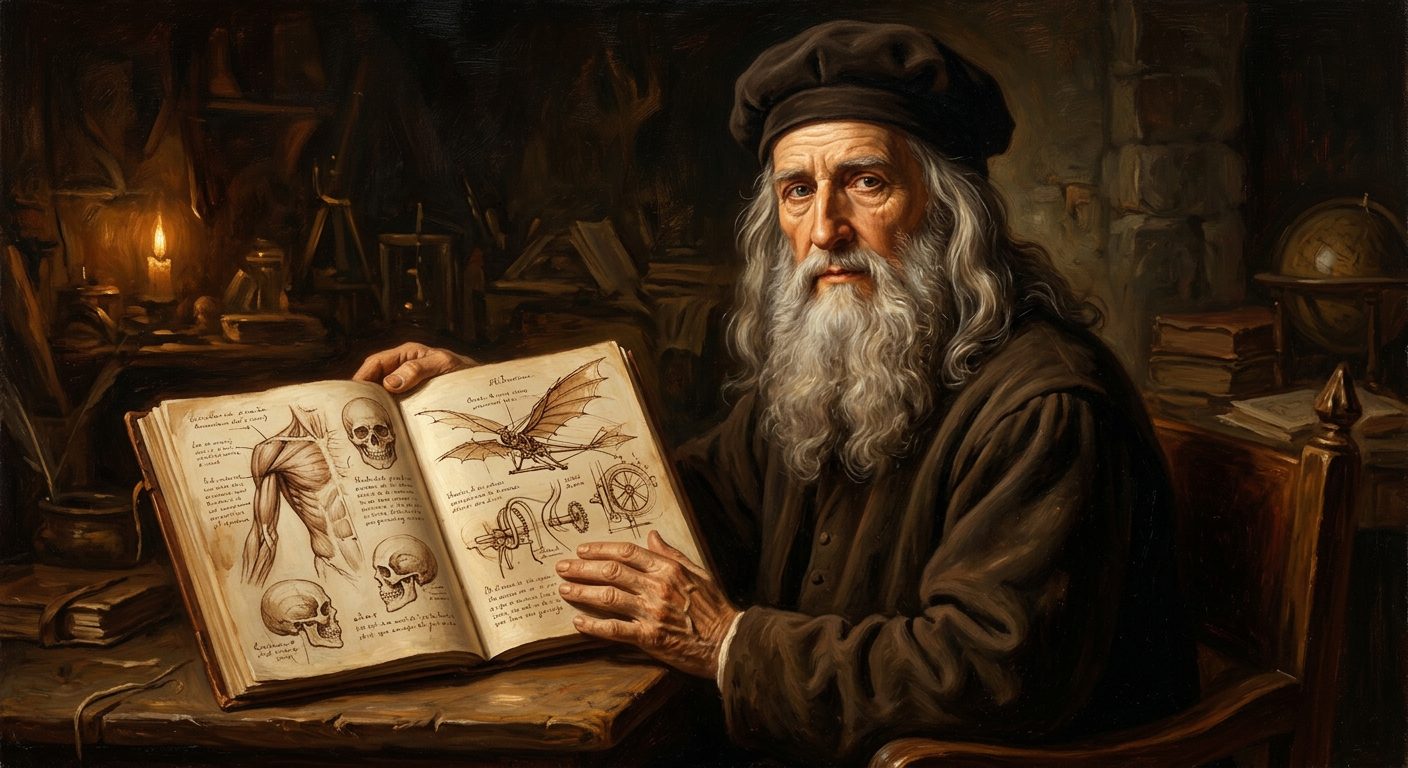
Leonardo da Vinci
1452–1519 · Polymath: Artist, Engineer, Anatomist, and Inventor
Combining extraordinary artistic achievement with wide-ranging investigations of anatomy, engineering, mechanics and the natural world, recorded in thousands of drawings and notes.
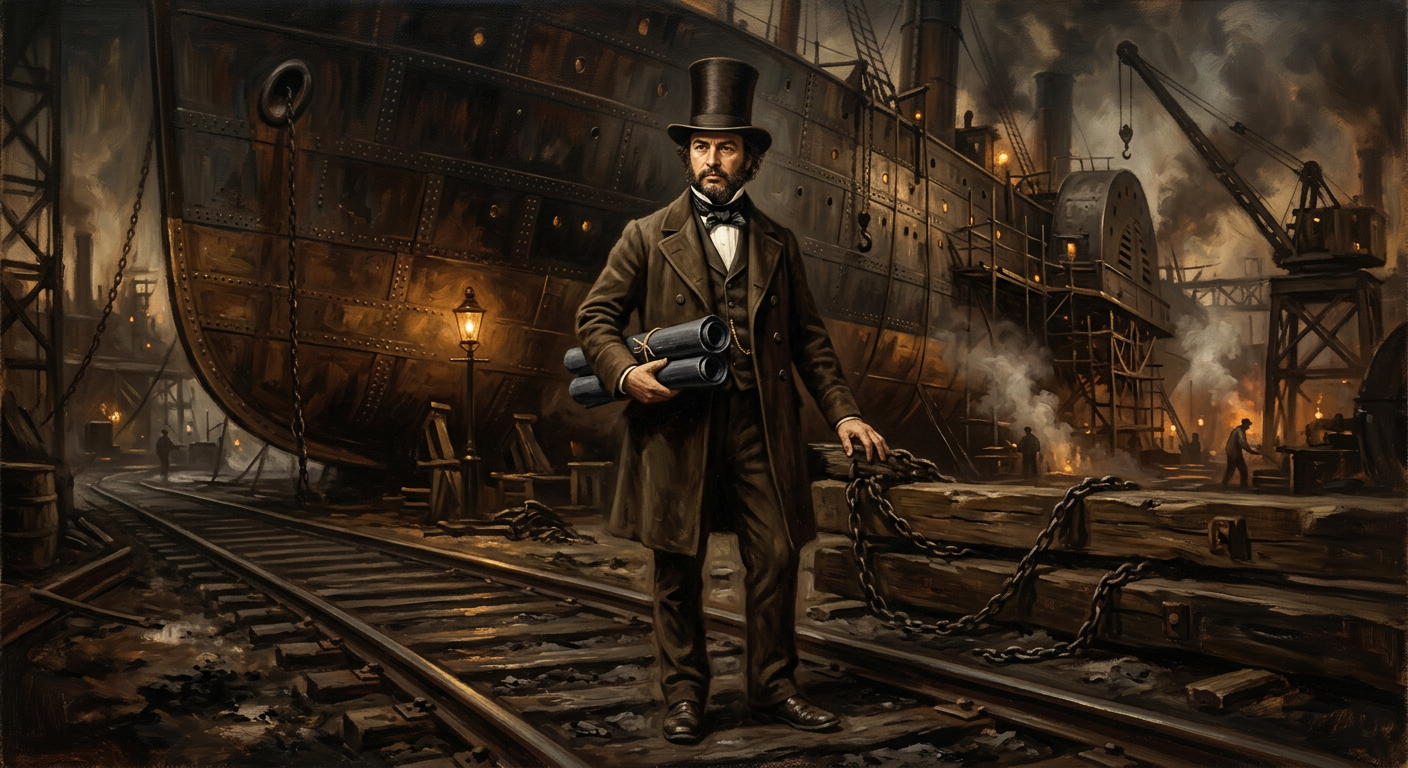
Isambard Kingdom Brunel
1806–1859 · Civil and Marine Engineer
Brunel was chief engineer of the Great Western Railway and designed major bridges, tunnels and ships including Great Western, Great Britain and Great Eastern. His work pushed nineteenth-century railway and ship engineering into new territory.
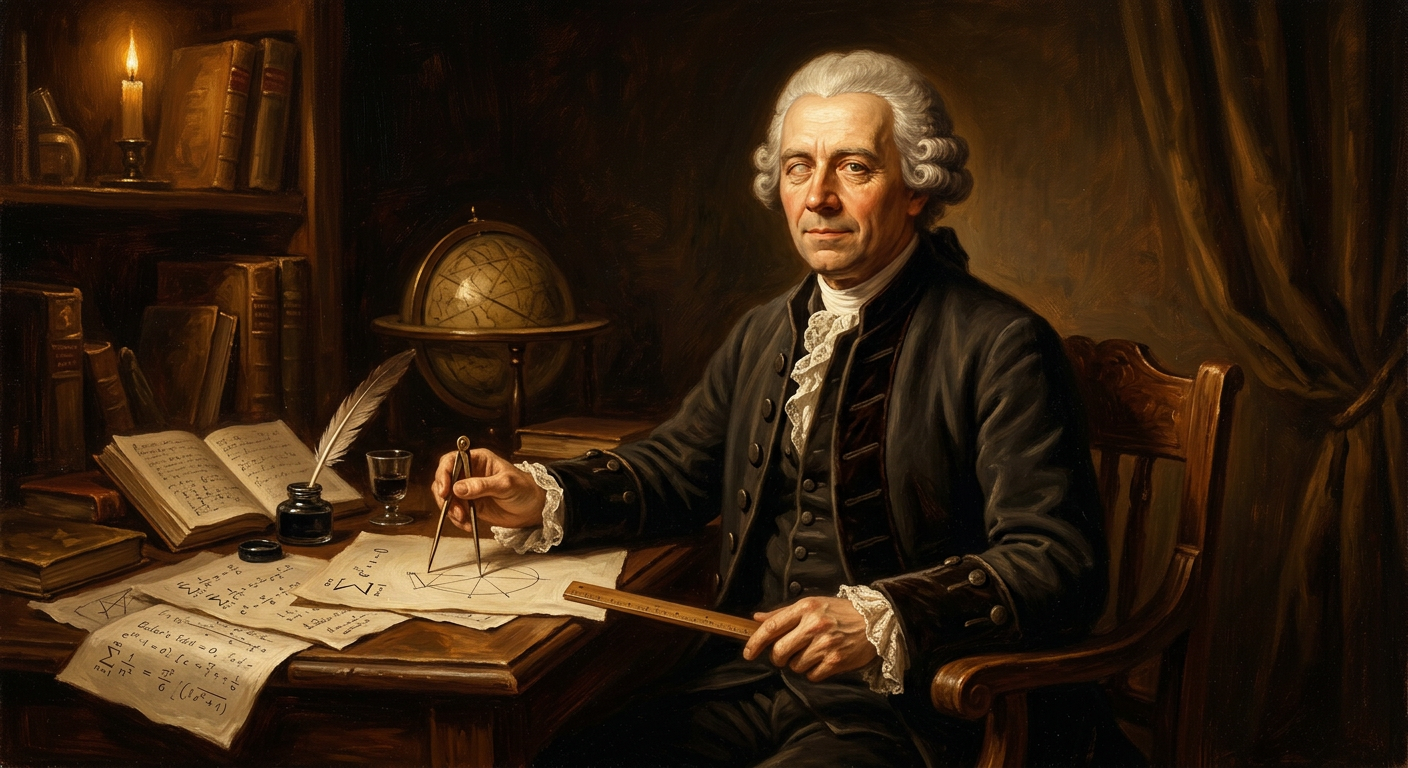
Leonhard Euler
1707–1783 · Mathematician and Physicist
Making fundamental contributions across mathematics and physics, including mathematical analysis, number theory, mechanics and graph theory, while introducing or popularising notation still used today.
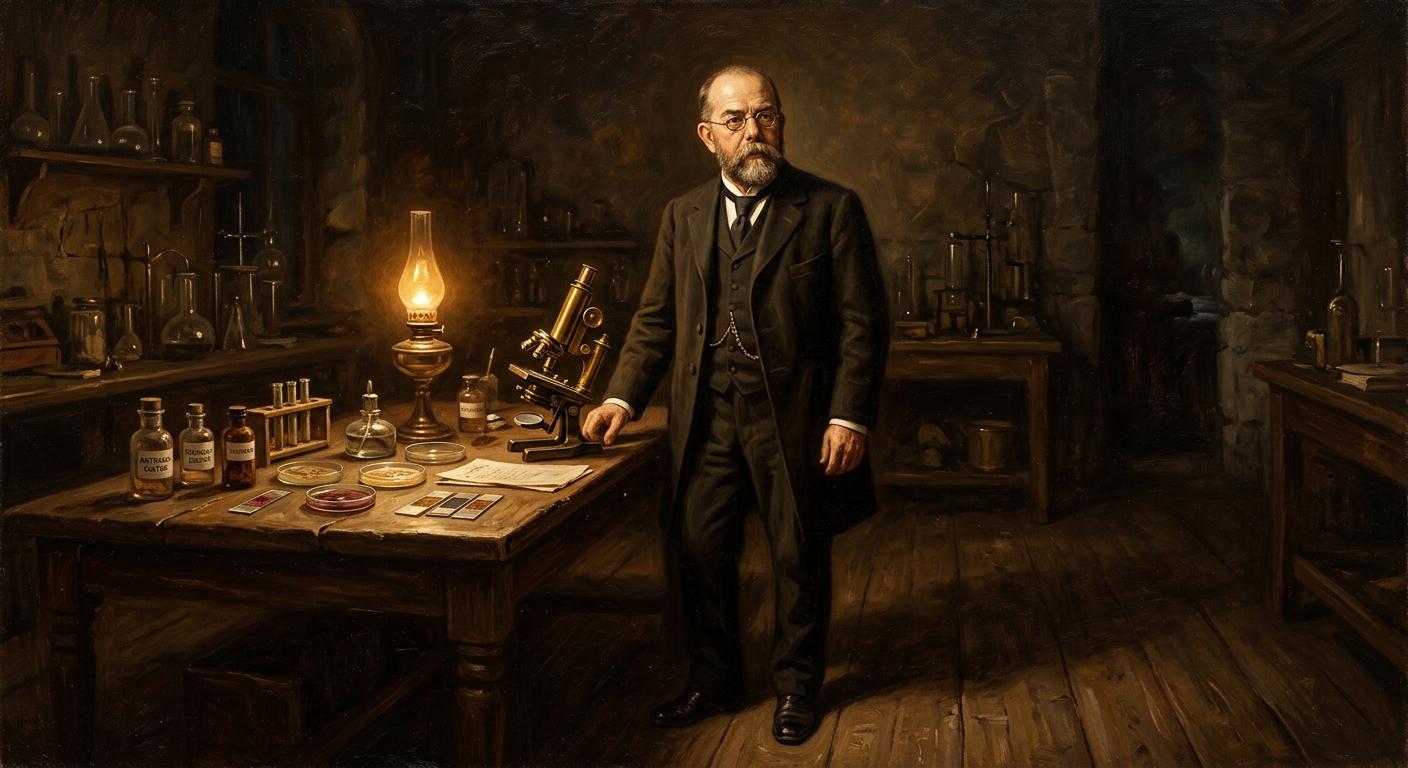
Robert Koch
1843–1910 · Physician and Microbiologist
Provided landmark evidence linking the anthrax bacterium to anthrax, identified the bacterium that causes tuberculosis and independently identified the cholera bacterium during investigations in India.
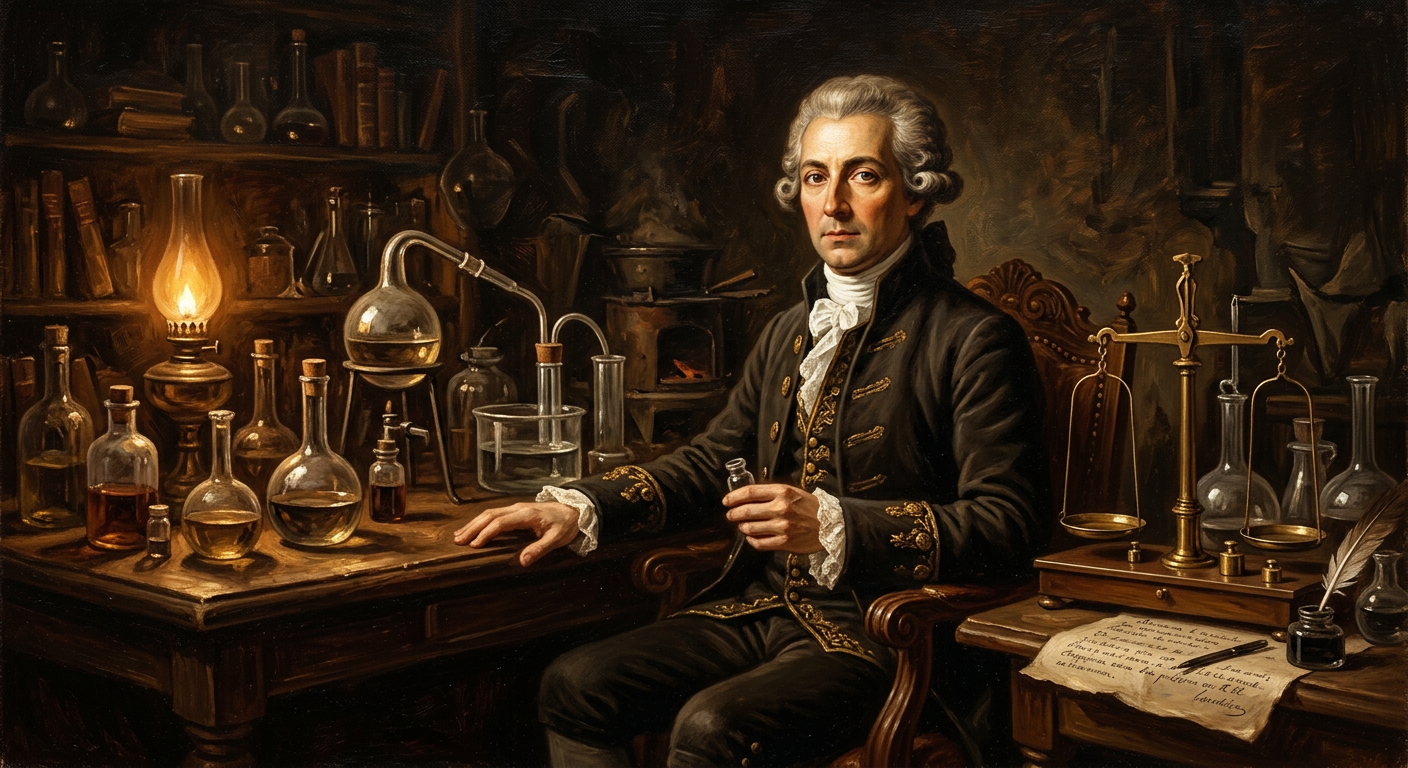
Antoine Lavoisier
1743–1794 · Chemist
A founder of modern chemistry who helped overthrow phlogiston theory, established a quantitative approach to chemical reactions and helped create modern chemical nomenclature.
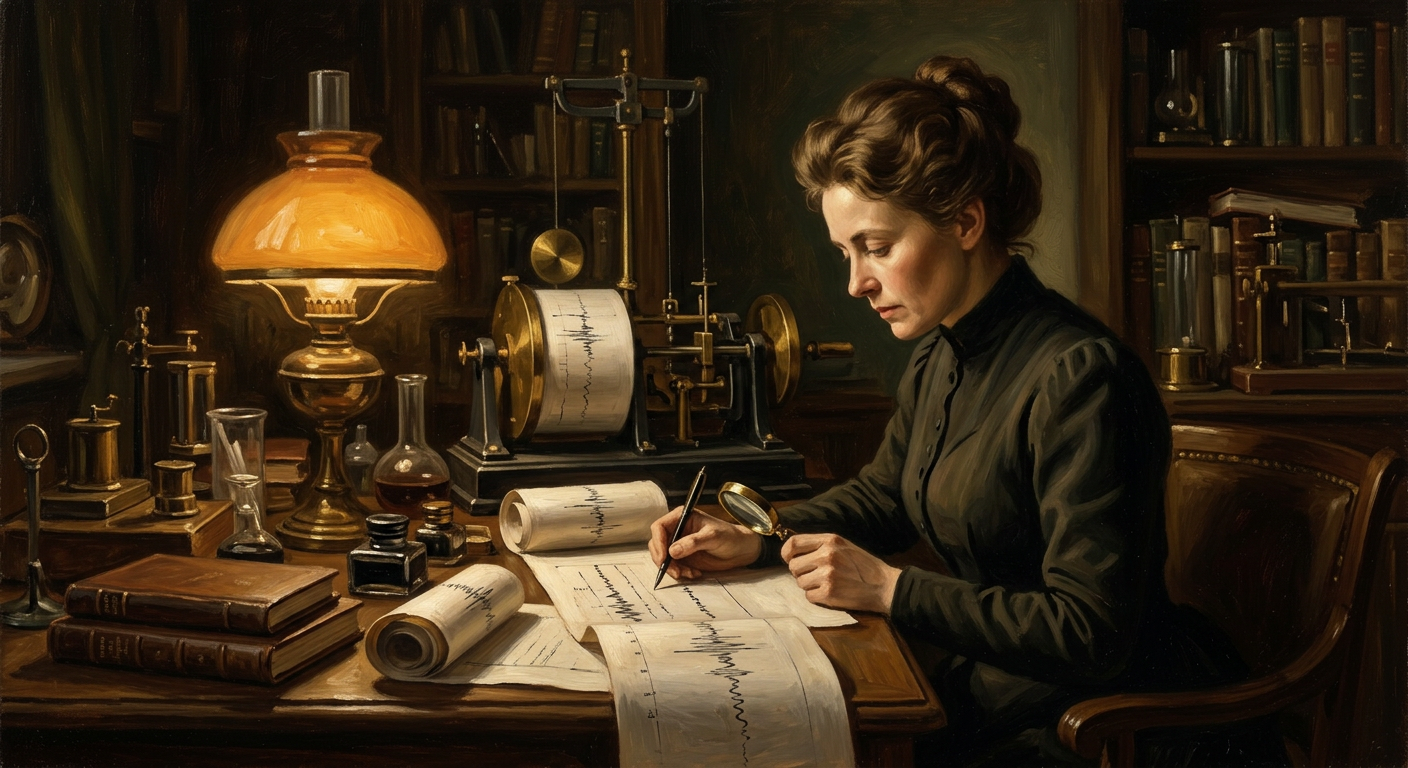
Inge Lehmann
1888–1993 · Seismology and geophysics
Used earthquake waves to infer that Earth has a distinct inner core inside its liquid outer core.
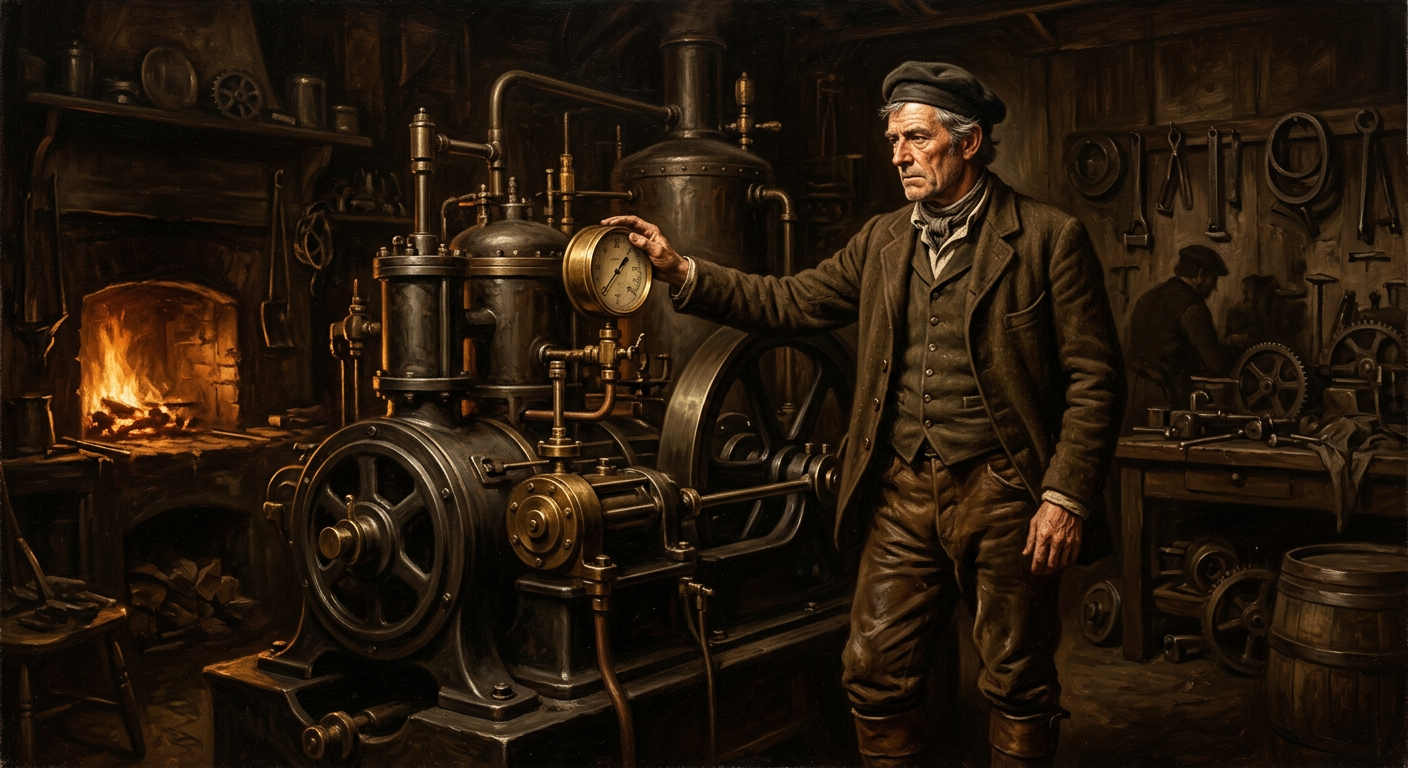
James Watt
1736–1819 · Engineer & Inventor
Watt's separate condenser greatly reduced the fuel needed by Newcomen-type steam engines. Working with Matthew Boulton and others, he developed engines capable of supplying rotary power for factories and other machinery, making steam power far more useful during the Industrial Revolution.
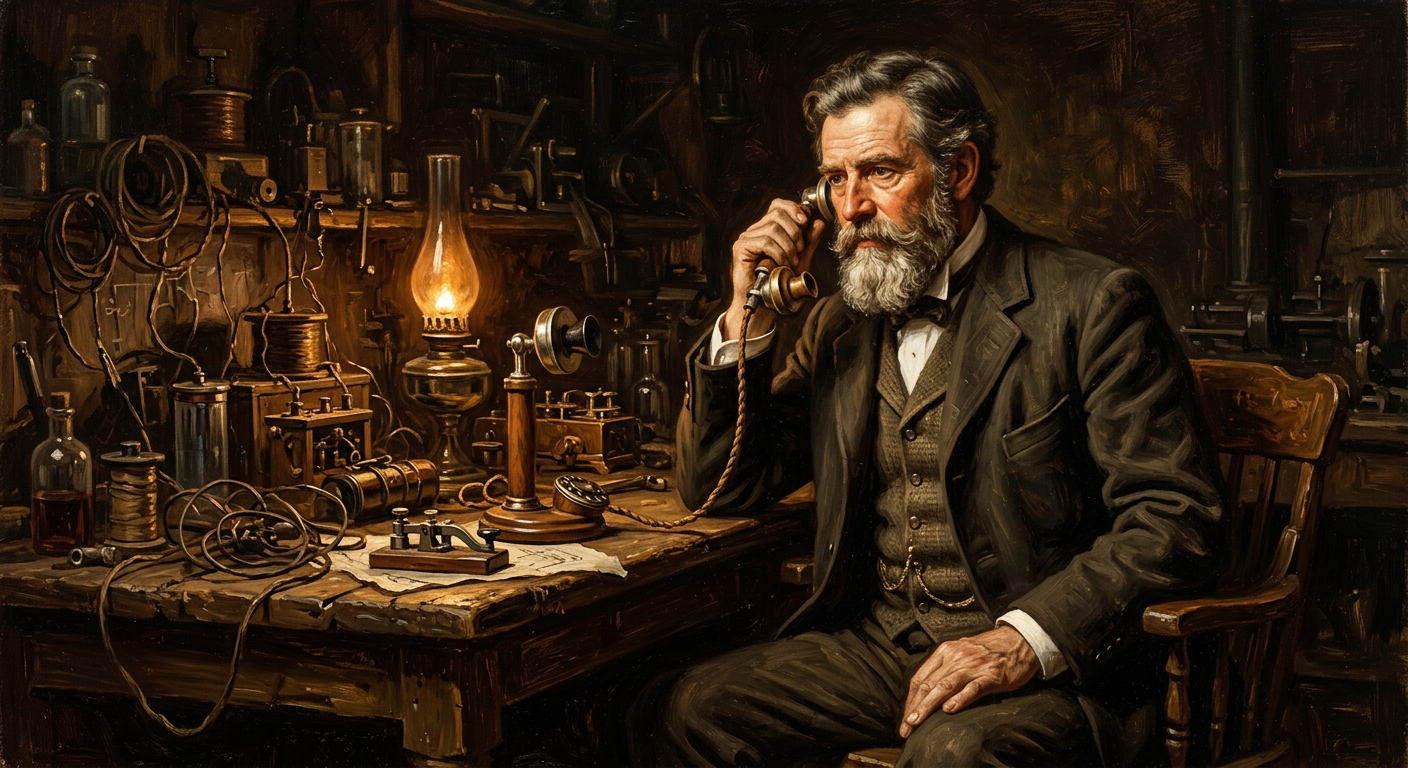
Alexander Graham Bell
1847–1922 · Inventor & Scientist
Inventing the telephone and founding the company that became AT&T.
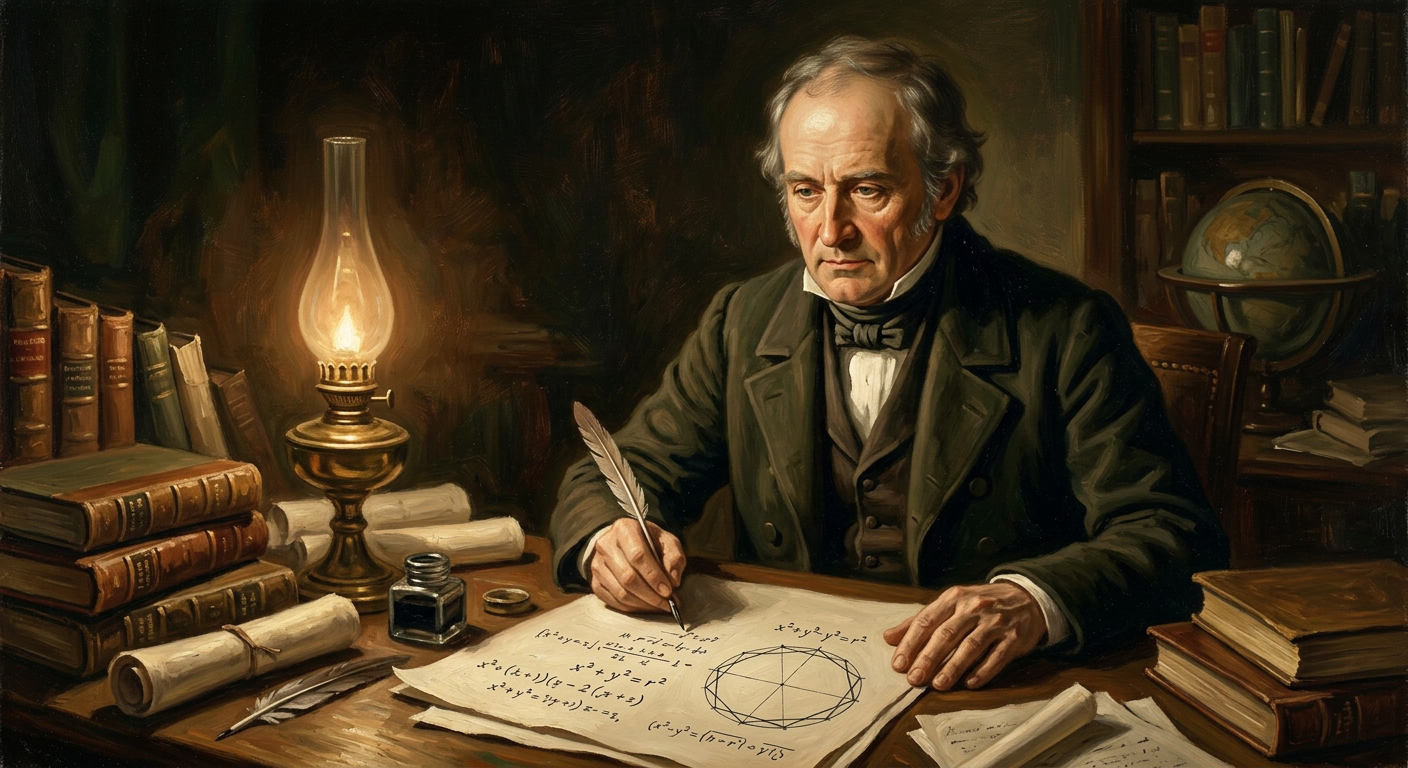
Carl Friedrich Gauss
1777–1855 · Mathematician & Physicist
Making groundbreaking contributions to number theory, geometry, astronomy, and statistics — often called the ‘Prince of Mathematicians.’
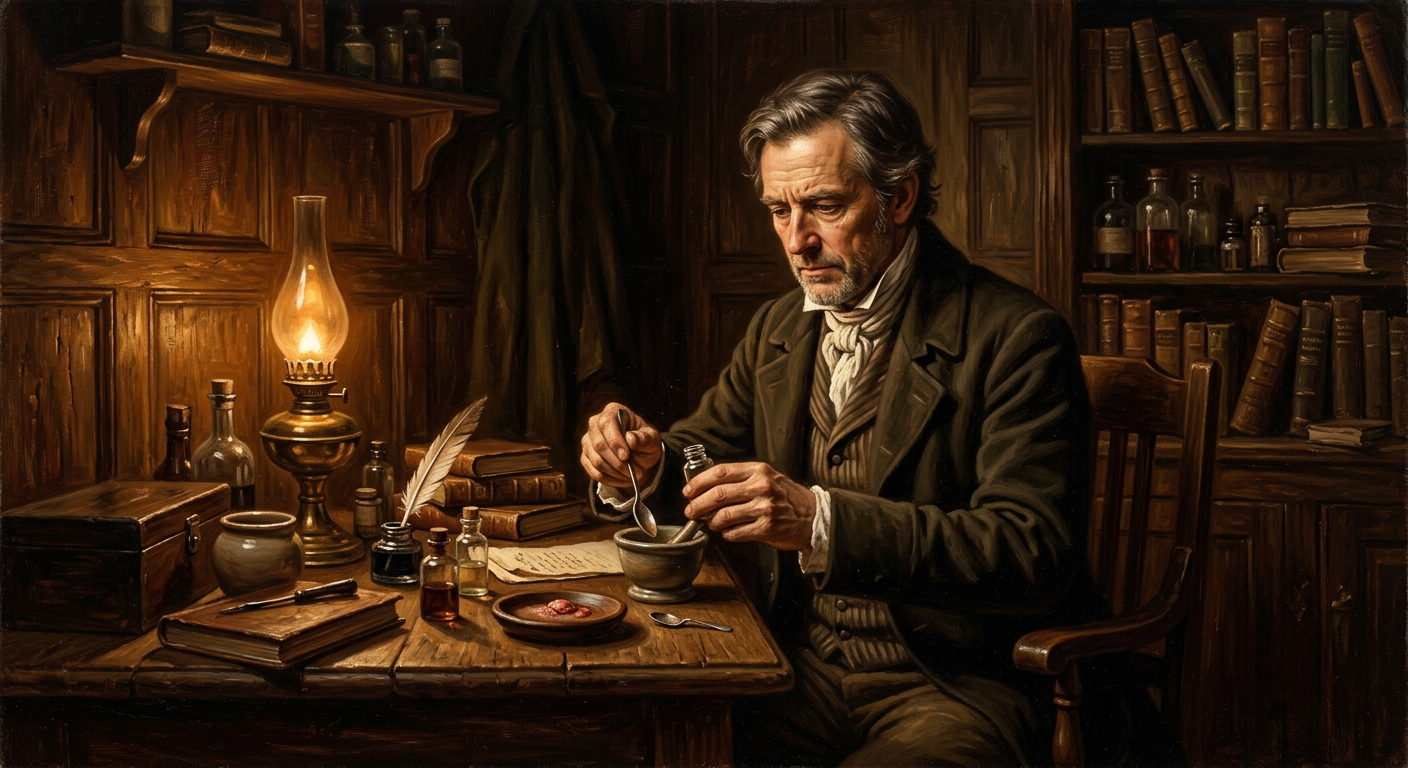
Edward Jenner
1749–1823 · Physician & Immunologist
Demonstrated and promoted the first successful vaccine against smallpox, helping establish vaccination as a powerful way to prevent infectious disease.
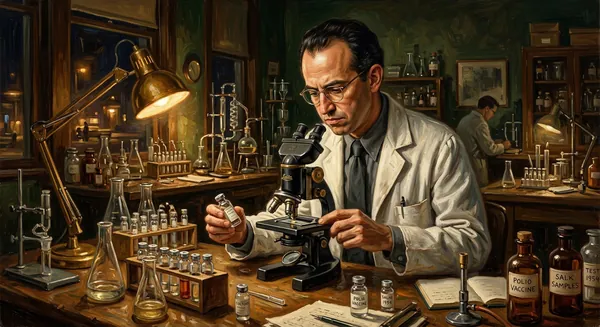
Jonas Salk
1914–1995 · Virologist and Medical Researcher
Leading the development of an effective inactivated-poliovirus vaccine that was declared safe and effective after the enormous 1954 field trial.
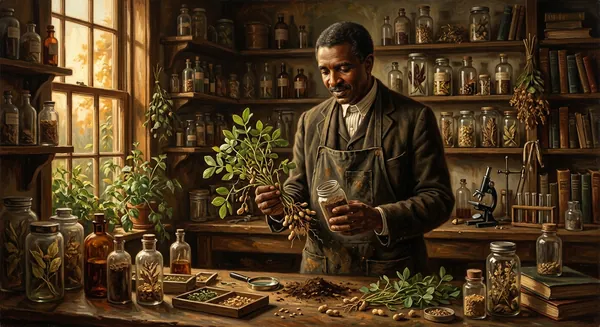
George Washington Carver
1864–1943 · Agricultural Scientist and Botanist
Promoting crop rotation, soil conservation and practical uses for alternative crops to help Southern farmers improve depleted farmland and diversify beyond cotton.
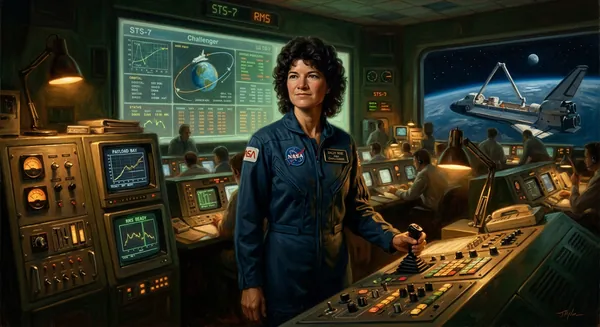
Sally Ride
1951–2012 · Physicist and Astronaut
Becoming the first American woman in space, aboard the Space Shuttle Challenger in 1983.
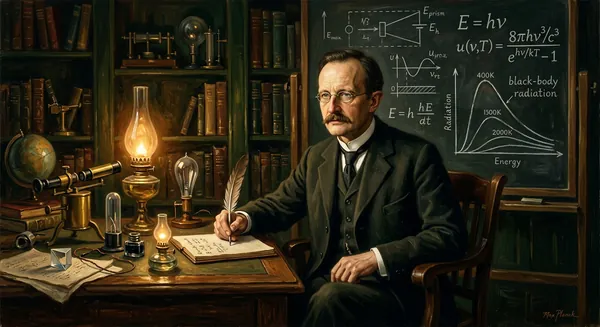
Max Planck
1858–1947 · Theoretical Physicist
Introducing the quantum of action while deriving his black-body radiation law, helping launch quantum theory.
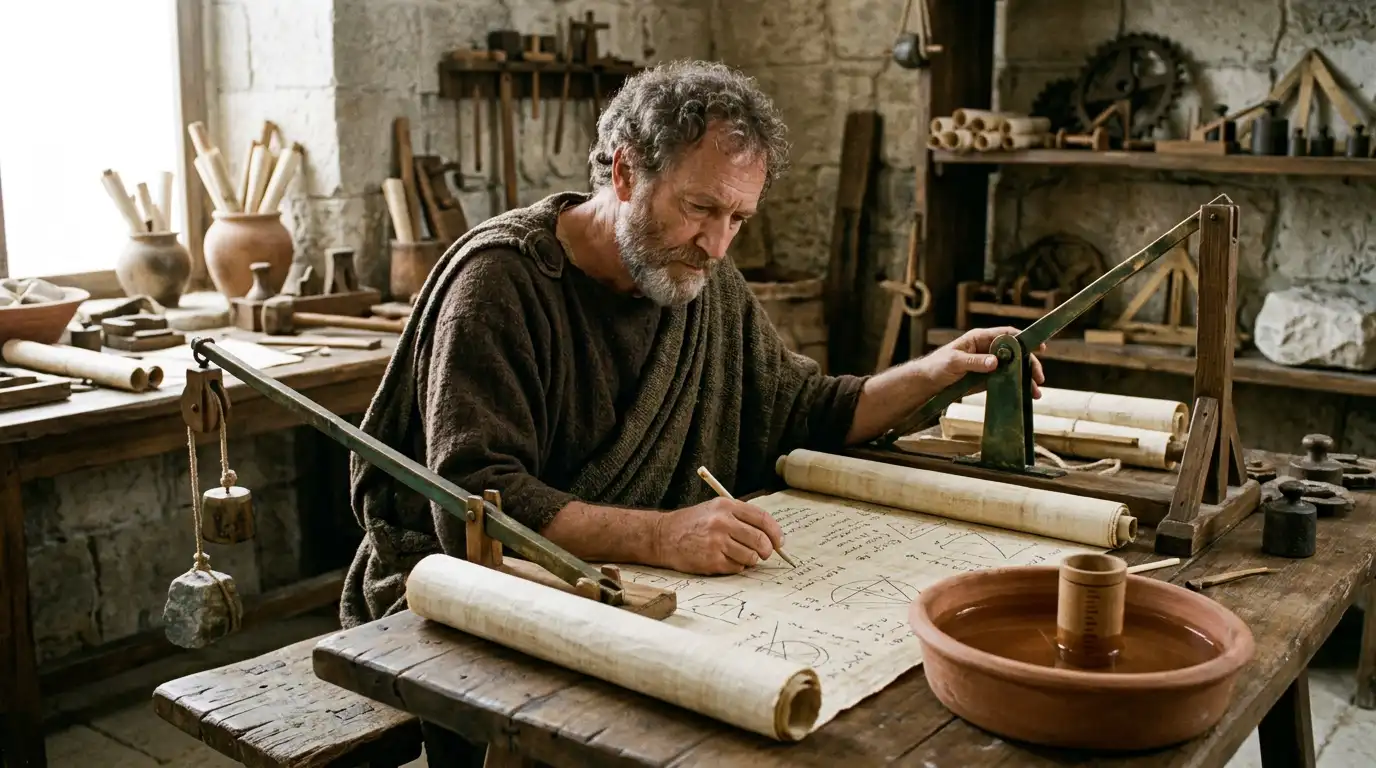
Archimedes
c. 287 BCE–c. 212 BCE · Mathematician and inventor
Discovering the principles of buoyancy, the lever, and pioneering mathematical methods that anticipated calculus.
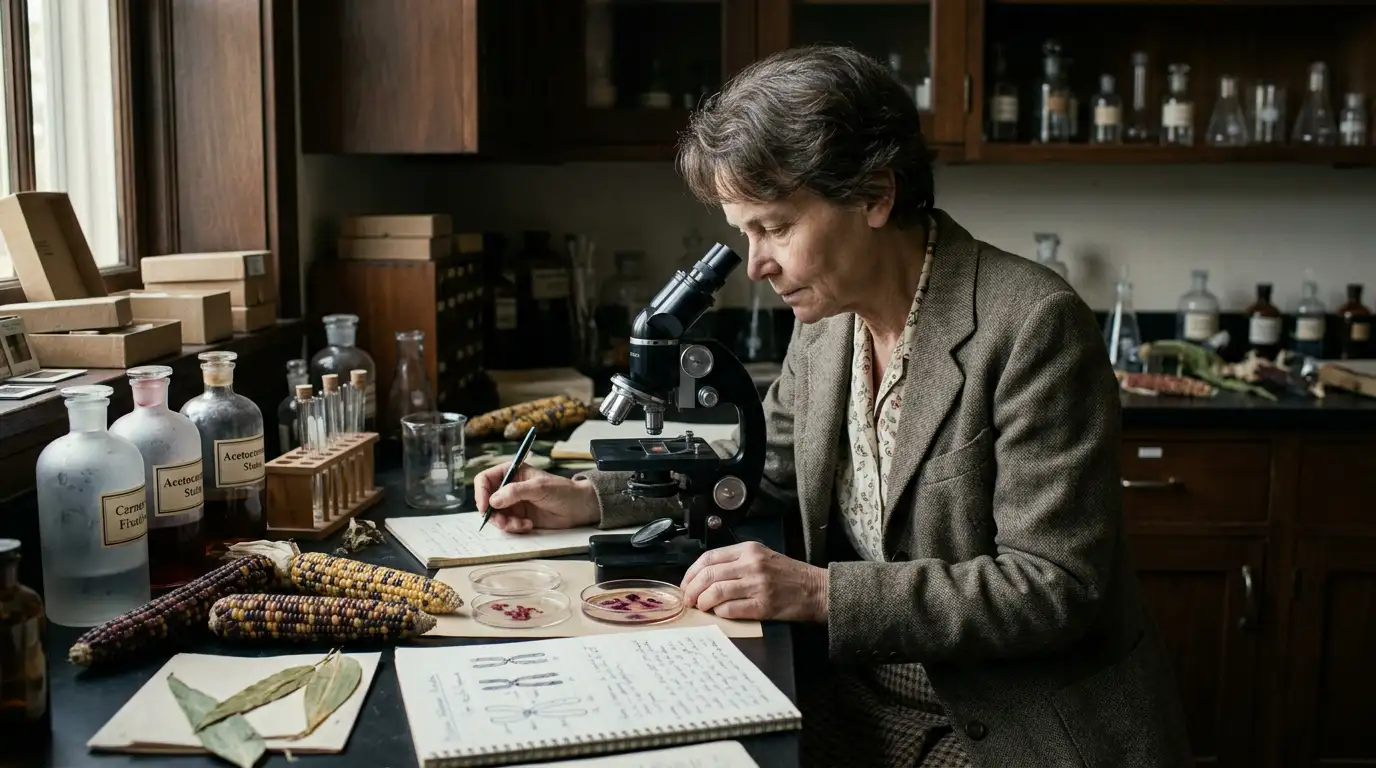
Barbara McClintock
1902–1992 · Geneticist
Discovering transposable elements — jumping genes — that can move within the genome.
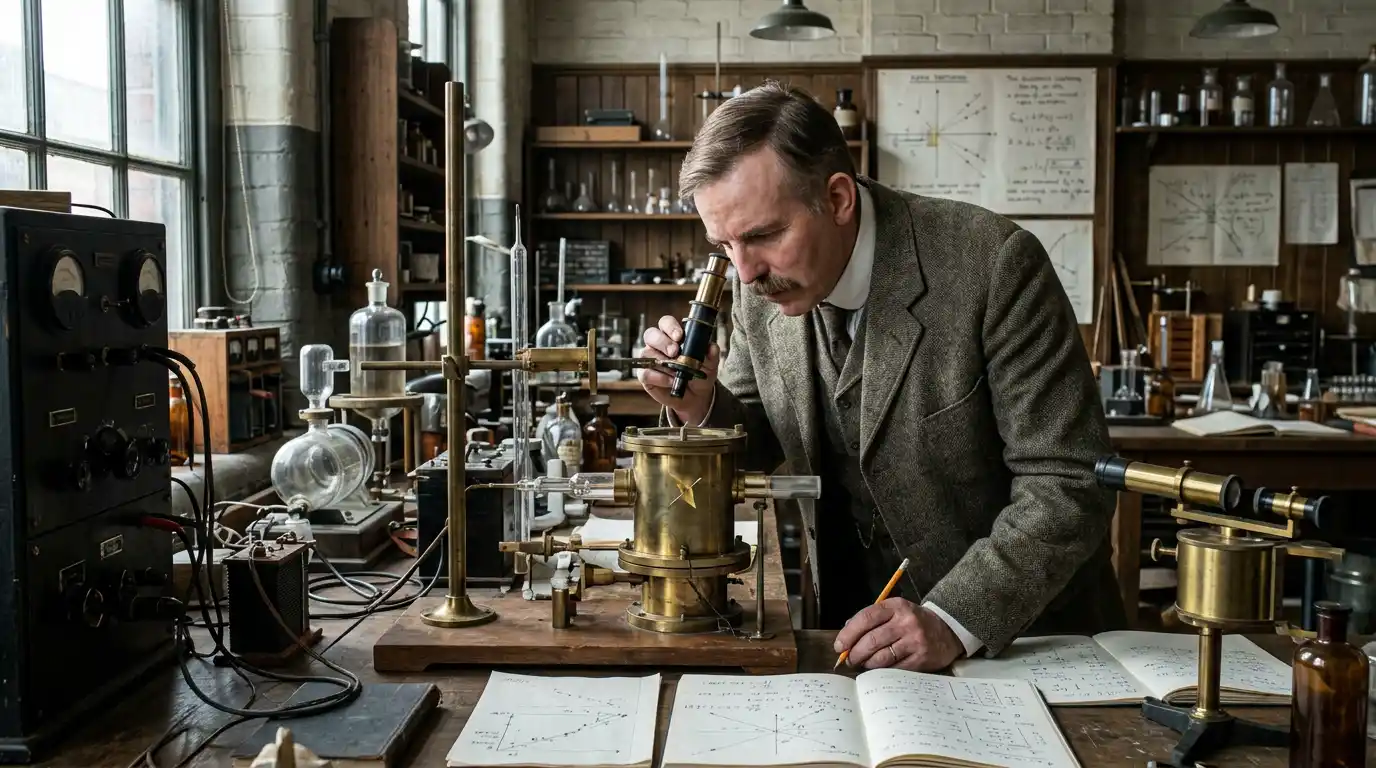
Ernest Rutherford
1871–1937 · Physicist
Discovering the nuclear structure of the atom and pioneering the field of nuclear physics.
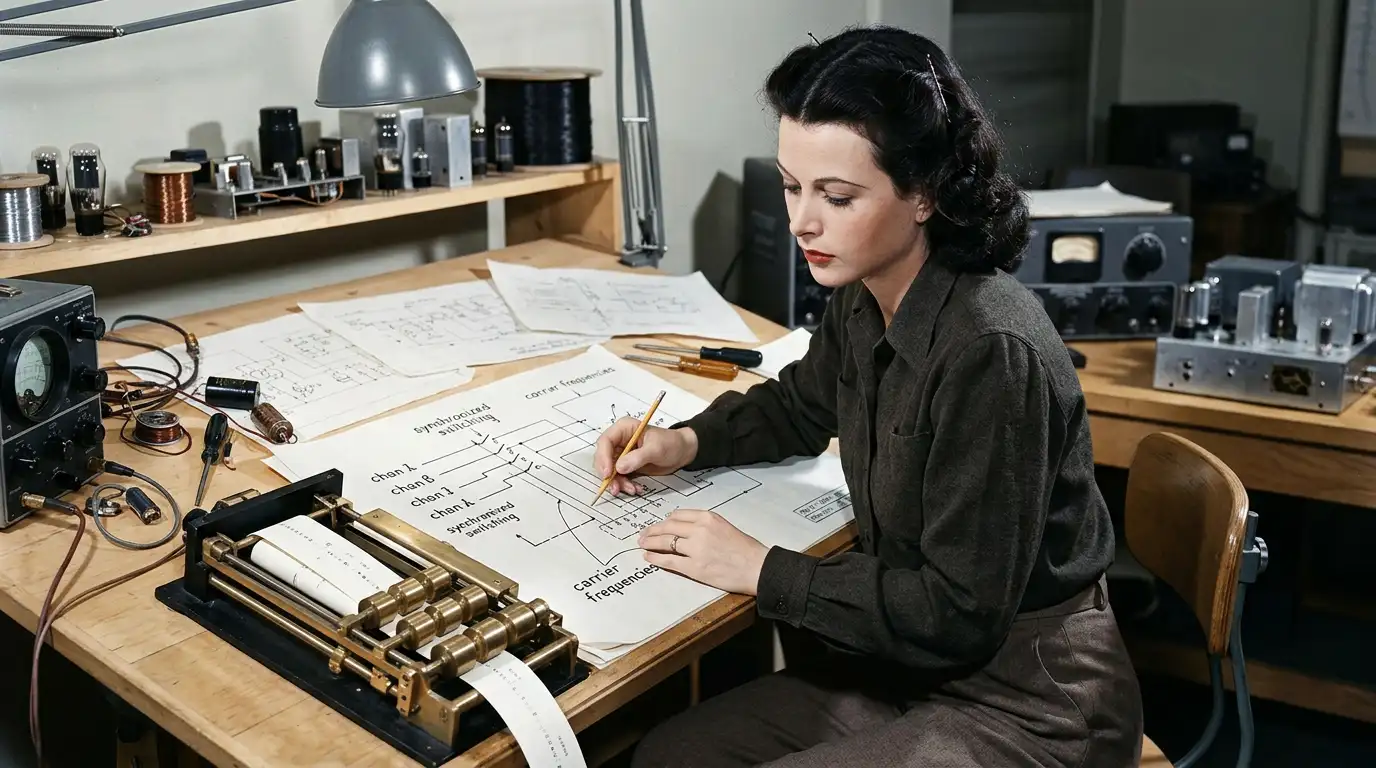
Hedy Lamarr
1914–2000 · Inventor & Actress
Co-inventing a frequency-hopping radio communication system with George Antheil to make radio-guided weapons harder to jam.
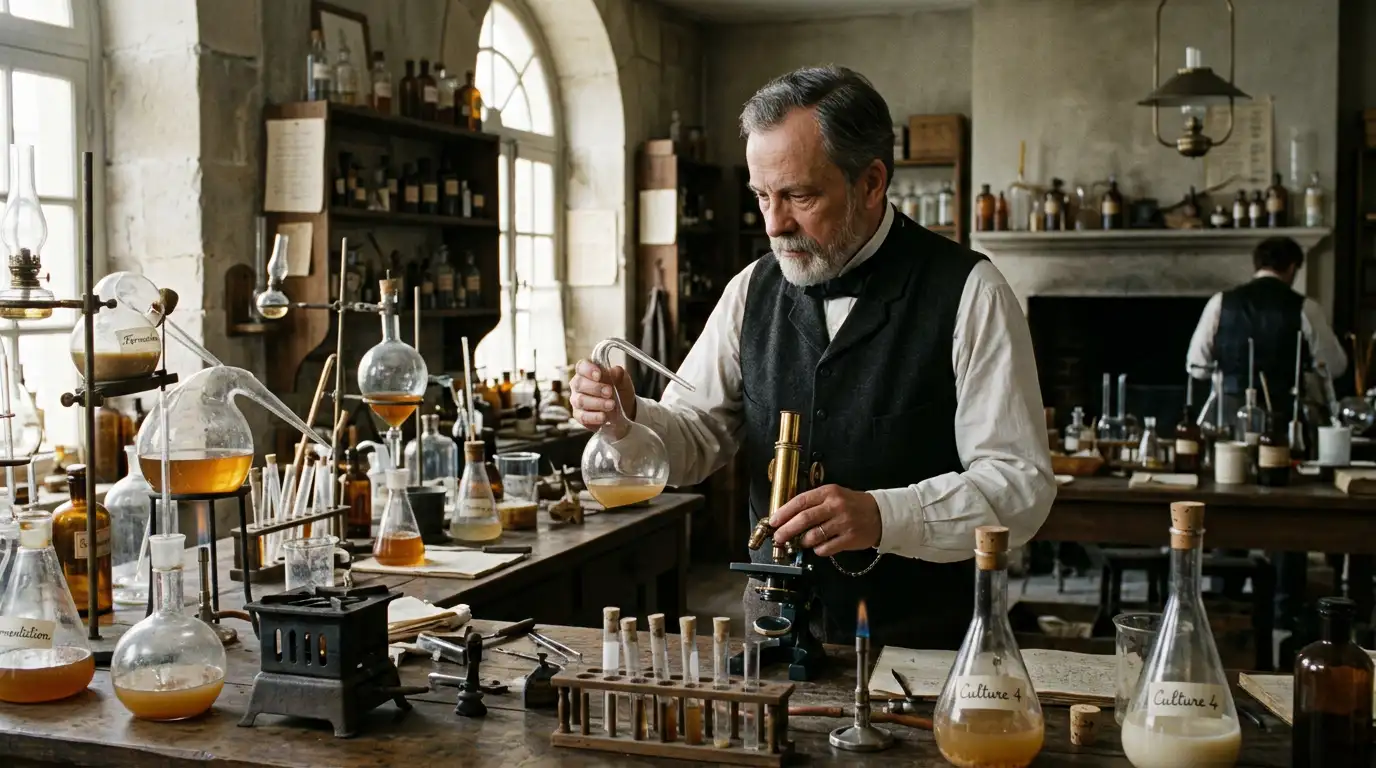
Louis Pasteur
1822–1895 · Chemist and microbiologist
Helping establish germ theory, developing pasteurisation and leading pioneering work on vaccines against anthrax and rabies.
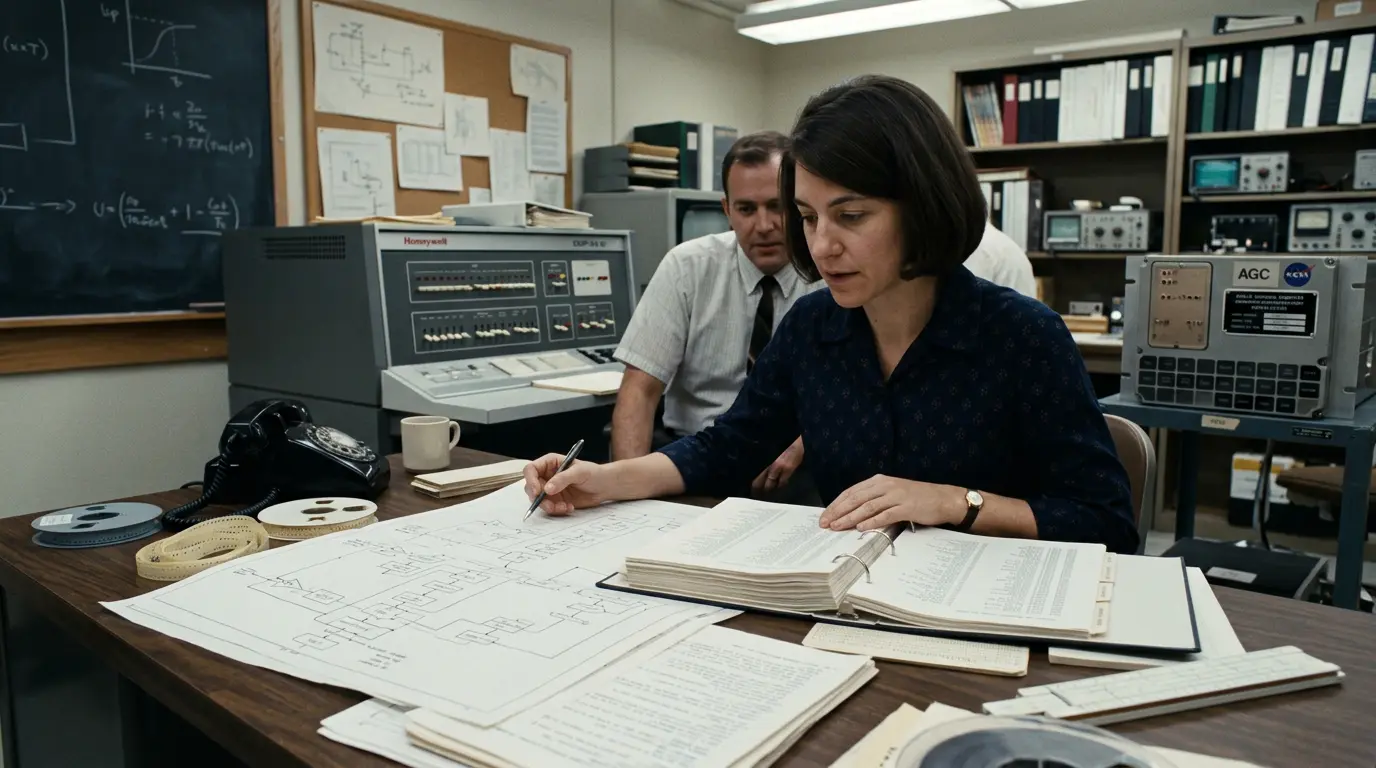
Margaret Hamilton
1936–2026 · Computer scientist and software engineer
Leading the team that wrote the Apollo flight software and helping establish software engineering as a discipline.
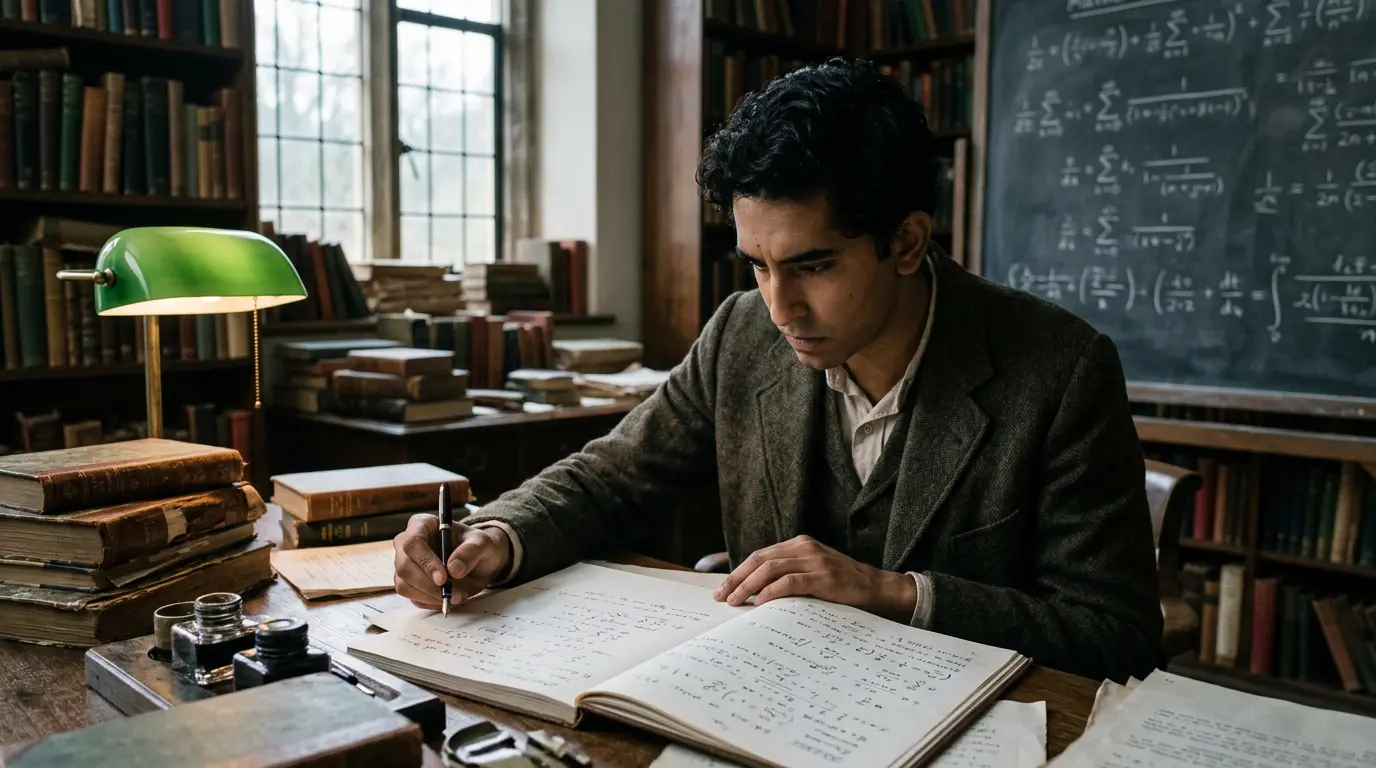
Srinivasa Ramanujan
1887–1920 · Mathematician
Making extraordinary contributions to number theory, infinite series, and continued fractions, largely self-taught.
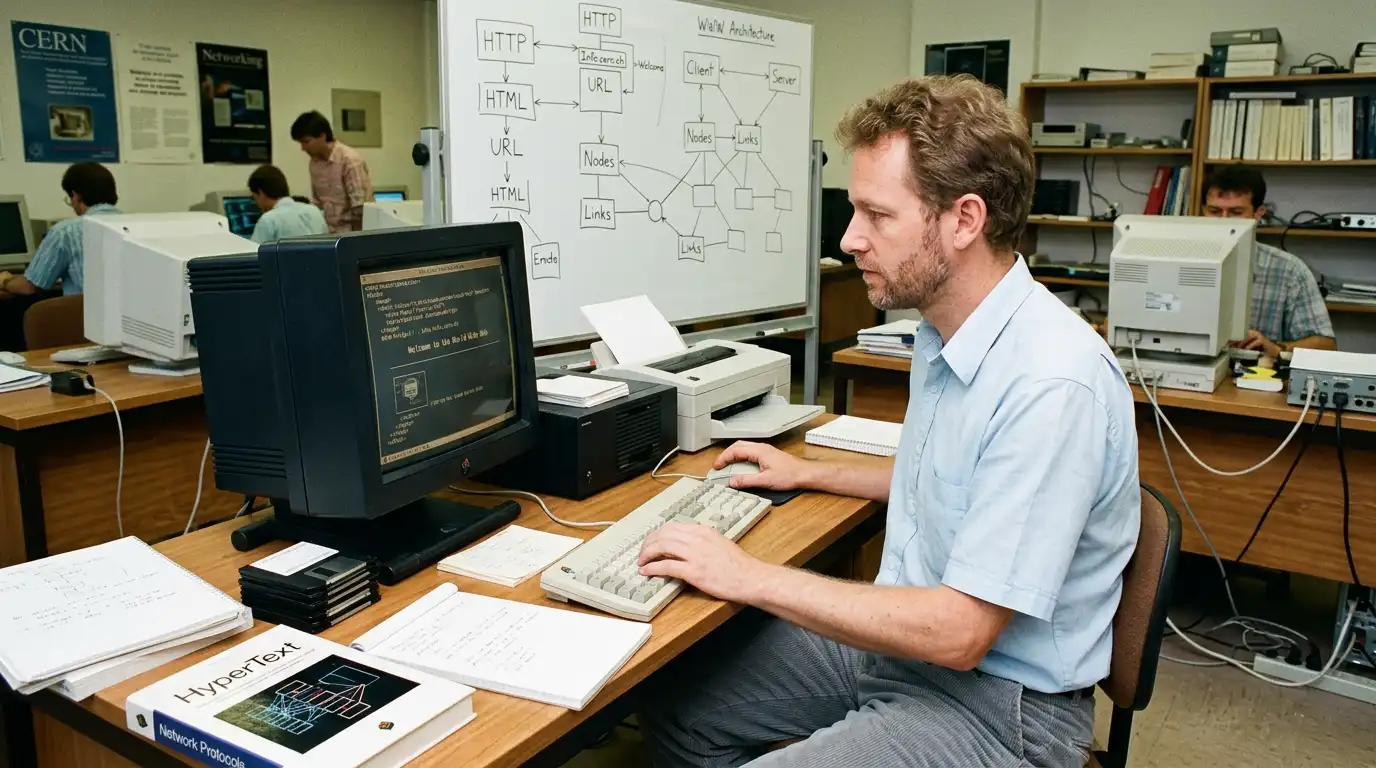
Tim Berners-Lee
1955–present · Computer scientist
Inventing the World Wide Web and creating its core technologies: URIs, HTTP and HTML.
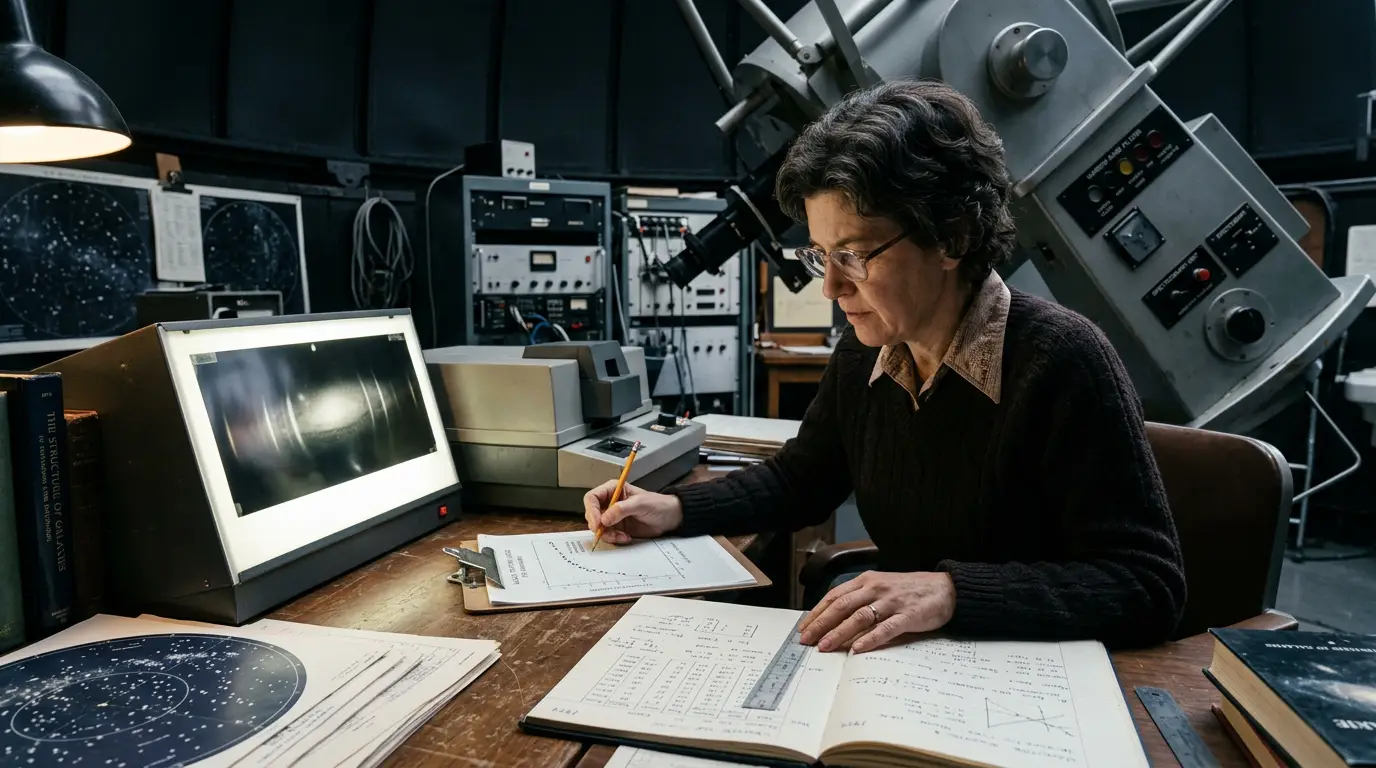
Vera Rubin
1928–2016 · Astronomer
Providing the most compelling early evidence for the existence of dark matter through galaxy rotation measurements.
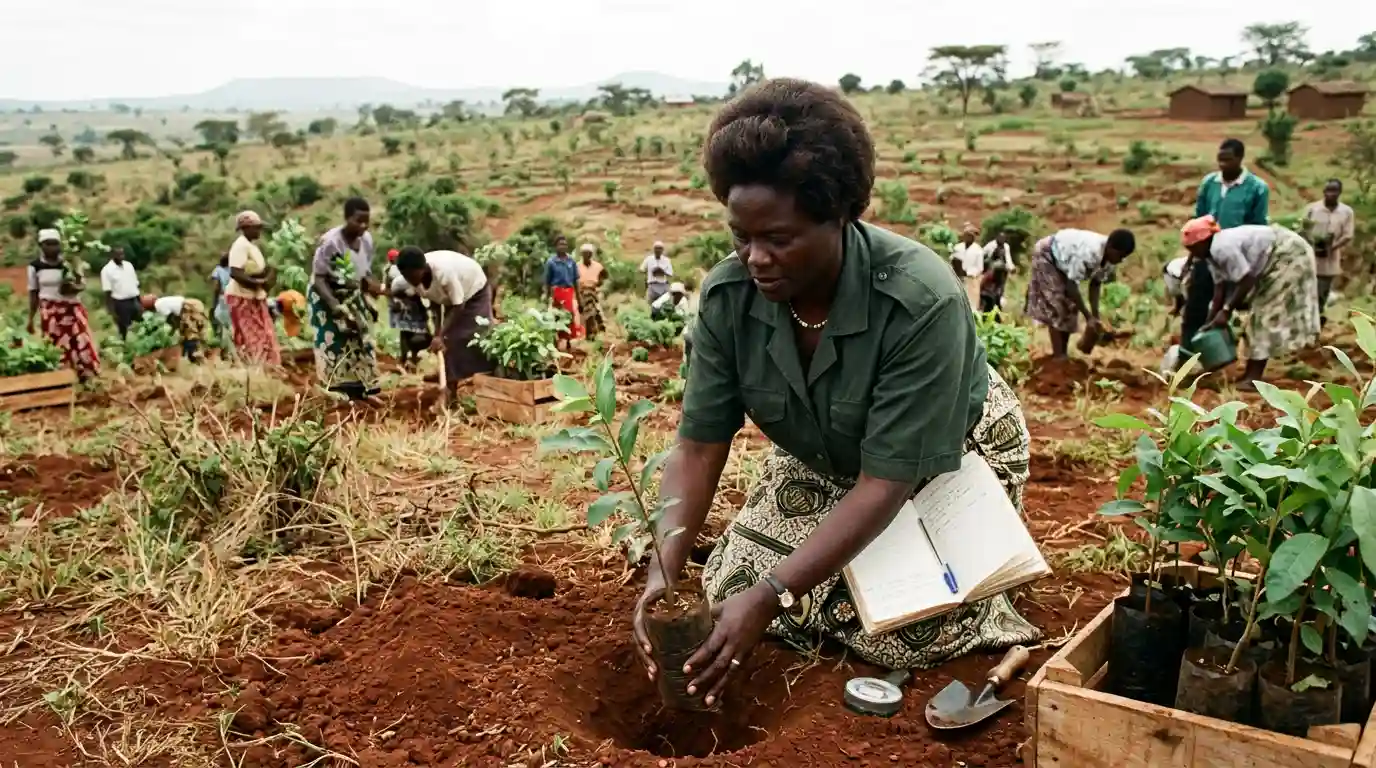
Wangari Maathai
1940–2011 · Environmental scientist and activist
Founding the Green Belt Movement and becoming the first African woman to win the Nobel Peace Prize.
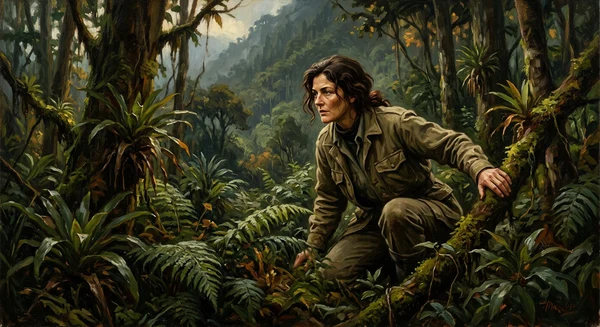
Dian Fossey
1932–1985 · Primatologist & Conservationist
Carried out a long-term study of mountain gorillas and helped build international support for their conservation.
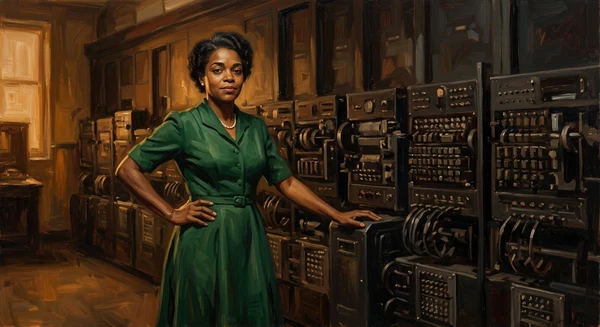
Dorothy Vaughan
1910–2008 · Mathematician & Computer Programmer
NACA's first Black supervisor and a pioneering FORTRAN programmer at NASA.
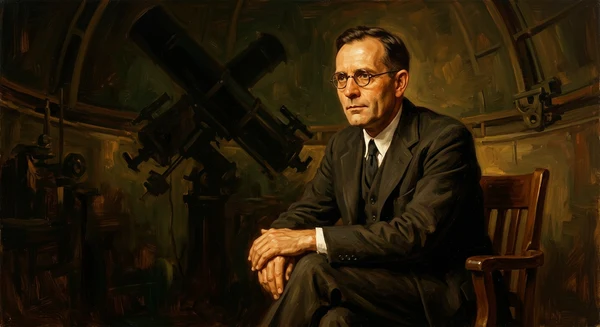
Edwin Hubble
1889–1953 · Astronomer
Showed that galaxies exist far beyond the Milky Way and published the distance–redshift relationship now called the Hubble–Lemaître law.
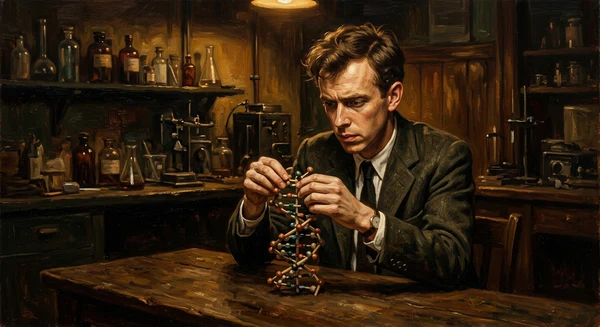
James Watson
1928–2025 · Molecular Biologist & Geneticist
Helping determine the double-helix structure of DNA with Francis Crick in 1953, using crucial X-ray diffraction and other experimental evidence produced by researchers including Rosalind Franklin, Raymond Gosling and Maurice Wilkins.
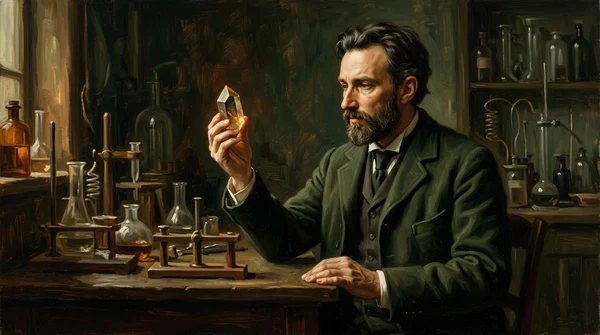
Pierre Curie
1859–1906 · Physicist
Co-discovered radium and polonium and pioneered the study of radioactivity with Marie Curie.
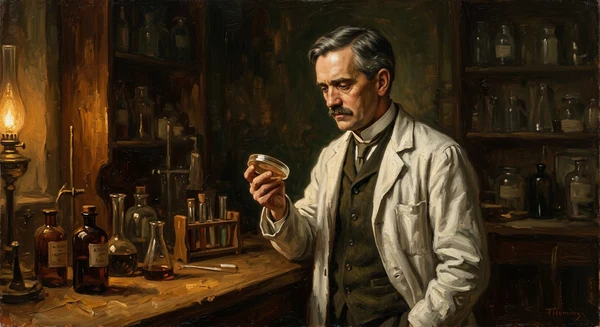
Alexander Fleming
1881–1955 · Bacteriologist
Discovered penicillin, leading to one of the most important developments in the treatment of bacterial infections.
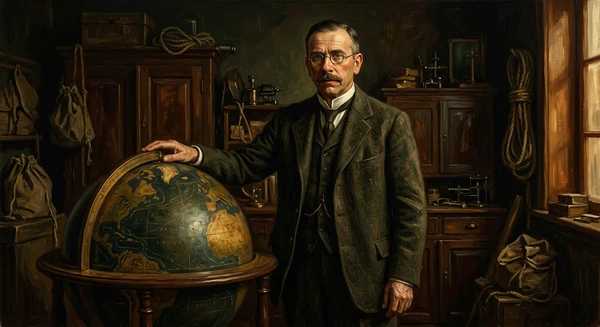
Alfred Wegener
1880–1930 · Meteorologist & Geophysicist
Proposed the theory of continental drift, the foundation of modern plate tectonics.
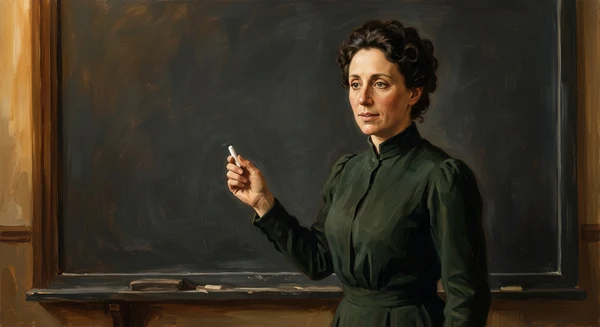
Emmy Noether
1882–1935 · Mathematician
Proved Noether's theorem, linking symmetry and conservation laws — a foundation of modern physics.
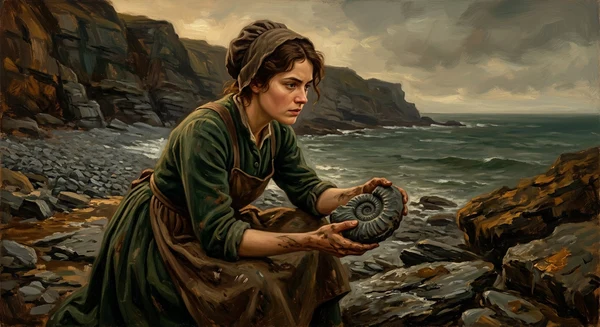
Mary Anning
1799–1847 · Paleontologist
Helped uncover an important, largely complete ichthyosaur skeleton with her brother Joseph in 1811–1812 and discovered a remarkably complete plesiosaur in 1823.
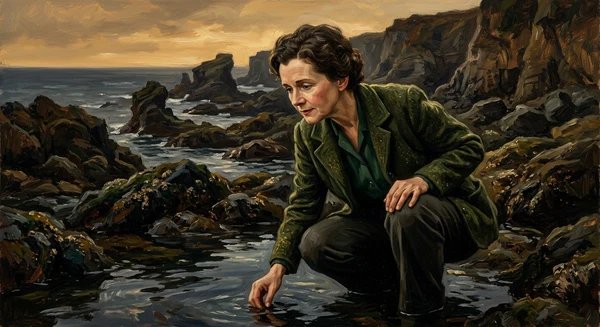
Rachel Carson
1907–1964 · Marine Biologist & Conservationist
Wrote Silent Spring, helping transform public understanding of pesticides and inspiring the modern environmental movement.
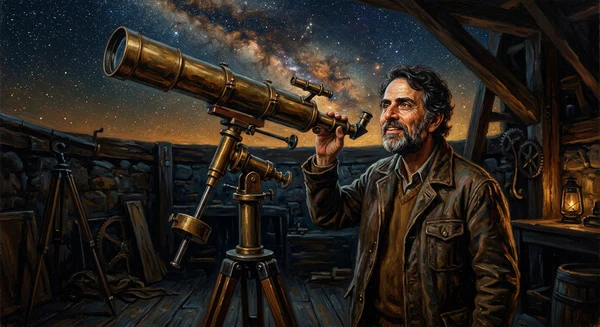
Carl Sagan
1934–1996 · Astronomer & Science Communicator
Helped shape modern planetary science, chaired the team that selected the Voyager Golden Record's contents, and brought astronomy to a huge public audience through Cosmos.
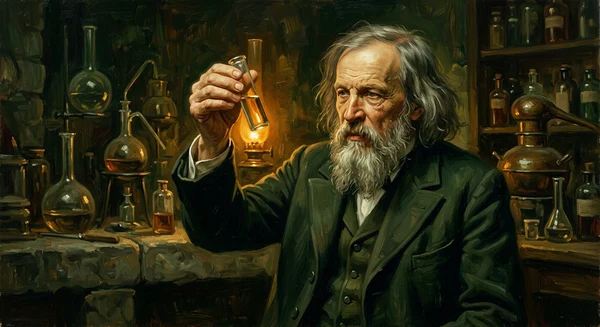
Dmitri Mendeleev
1834–1907 · Chemist & Inventor
Developed an influential periodic table and periodic law, leaving gaps for undiscovered elements and predicting several of their properties.
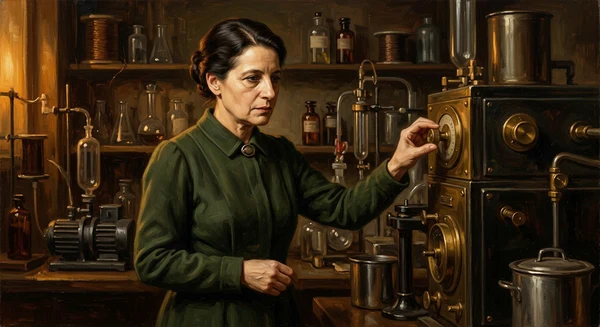
Lise Meitner
1878–1968 · Physicist
Made crucial contributions to the discovery of nuclear fission and, with Otto Frisch, provided its physical explanation.
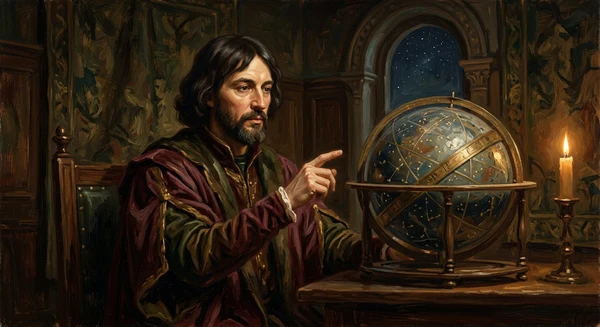
Nicolaus Copernicus
1473–1543 · Astronomer & Mathematician
Proposed the heliocentric model — that the Earth and planets revolve around the Sun.
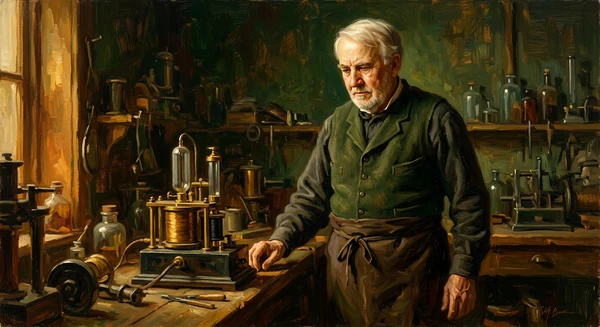
Thomas Edison
1847–1931 · Inventor & Businessman
Developing a practical electric-lighting system, inventing the phonograph and leading important work on early motion-picture technology.
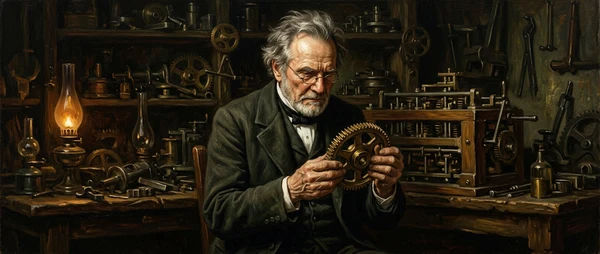
Charles Babbage
1791–1871 · Mathematician & Inventor
Designing the Difference Engine, an automatic mechanical calculator, and the Analytical Engine, an early design for a general-purpose programmable computer.
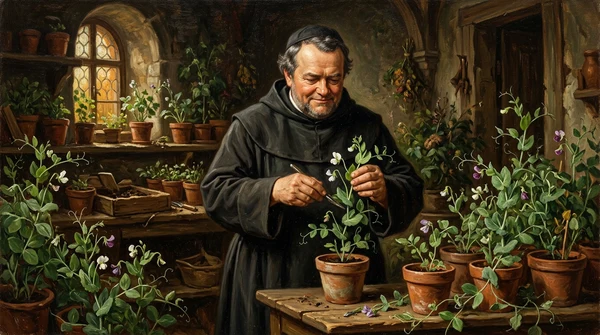
Gregor Mendel
1822–1884 · Biologist & Augustinian Friar
Discovered the fundamental laws of genetic inheritance by studying pea plants.
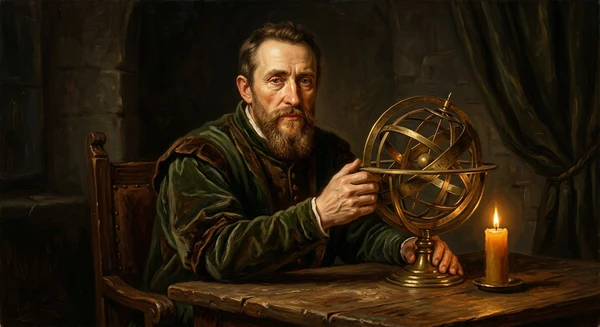
Johannes Kepler
1571–1630 · Astronomer & Mathematician
Formulating the three laws of planetary motion, including the discovery that planets follow elliptical rather than perfectly circular orbits.
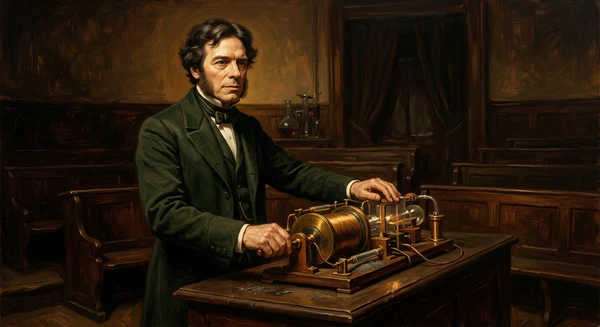
Michael Faraday
1791–1867 · Physicist & Chemist
Discovered electromagnetic induction and created pioneering devices that became the foundations of the electric motor, transformer and generator.
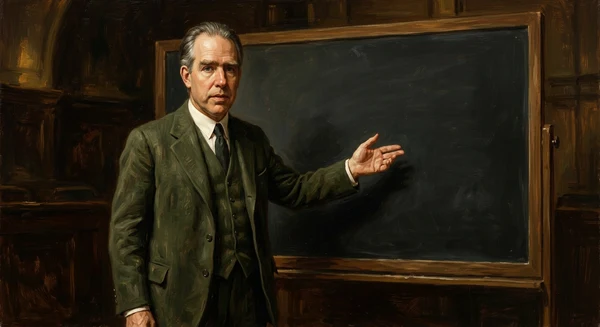
Niels Bohr
1885–1962 · Physicist
Developed the Bohr model of the atom and made foundational contributions to quantum mechanics.
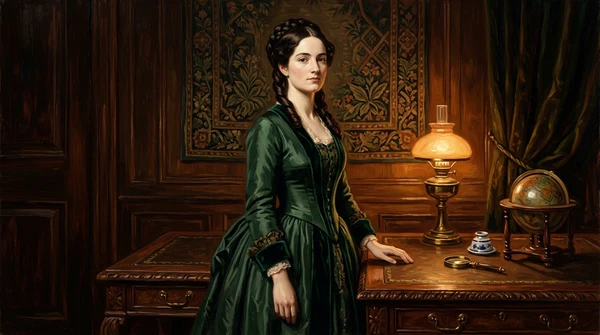
Ada Lovelace
1815–1852 · Mathematician
Publishing influential 1843 Notes on Charles Babbage's Analytical Engine, including a detailed algorithm for calculating Bernoulli numbers and a visionary description of uses beyond arithmetic.
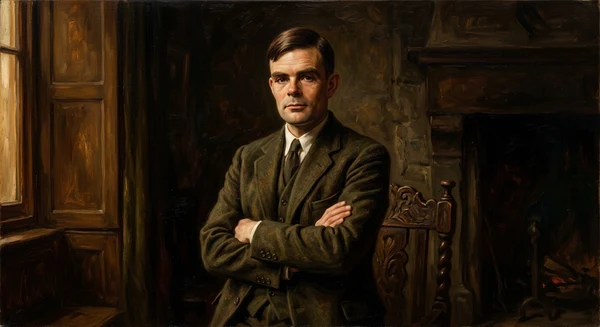
Alan Turing
1912–1954 · Mathematician & Computer Scientist
Making foundational contributions to theoretical computer science and artificial intelligence, and playing a major role in Allied codebreaking during the Second World War.
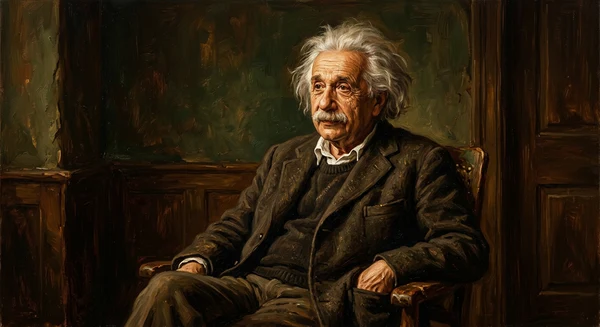
Albert Einstein
1879–1955 · Theoretical Physicist
Developing the theory of relativity and the equation E=mc².
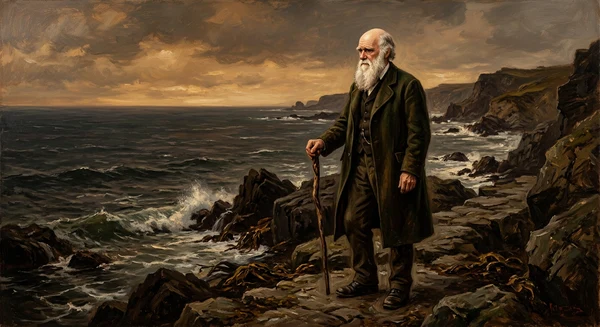
Charles Darwin
1809–1882 · Naturalist & Biologist
Proposing the theory of evolution by natural selection.
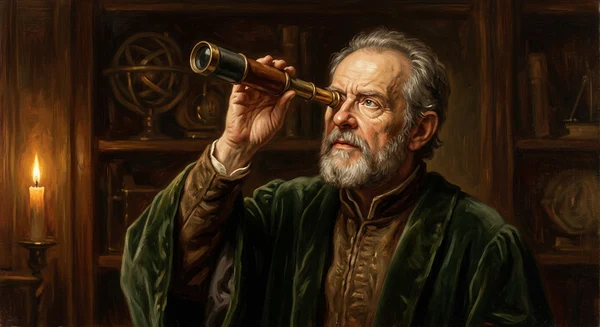
Galileo Galilei
1564–1642 · Astronomer & Physicist
Making pioneering telescopic observations that strongly supported heliocentrism and transformed observational astronomy.
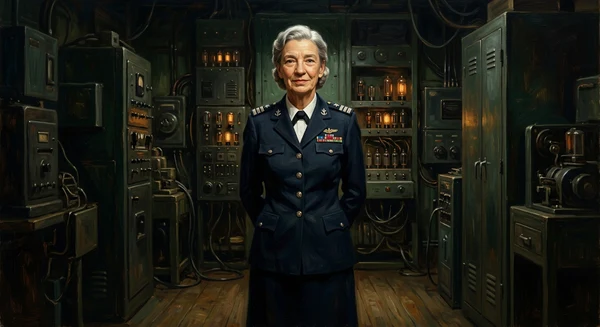
Grace Hopper
1906–1992 · Computer Scientist & Naval Admiral
Developing one of the earliest compilers and pioneering word-based programming languages that helped make computers easier to program.
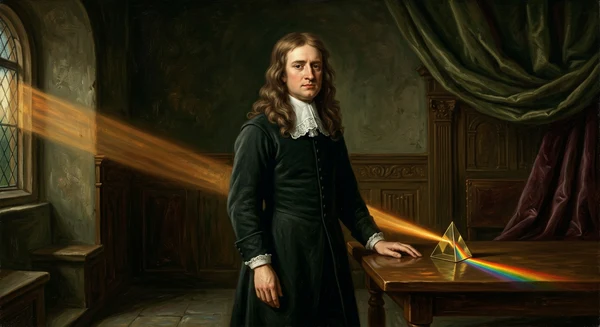
Isaac Newton
1643–1727 · Physicist & Mathematician
Formulating the laws of motion and universal gravitation.
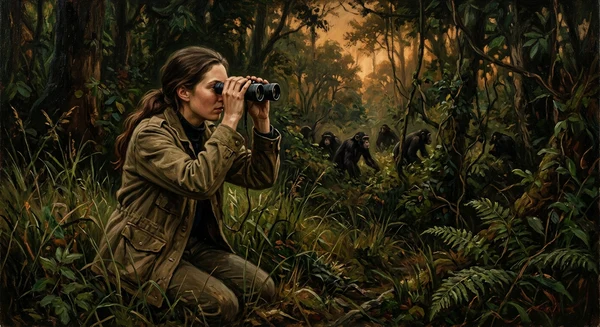
Jane Goodall
1934–2025 · Primatologist & Anthropologist
Beginning one of the world's longest-running studies of wild chimpanzees and documenting behaviours including tool-making and complex social relationships.
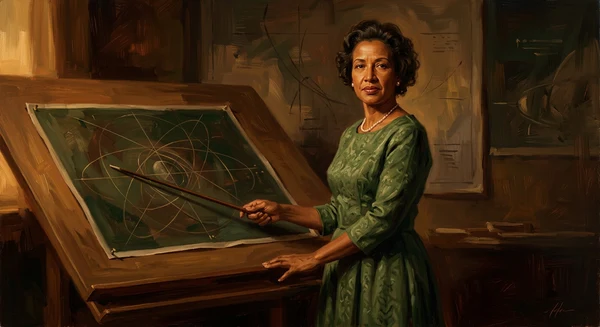
Katherine Johnson
1918–2020 · Mathematician
Calculating and verifying trajectories for historic NASA missions, including Alan Shepard's first American spaceflight, John Glenn's orbital mission and Apollo 11.
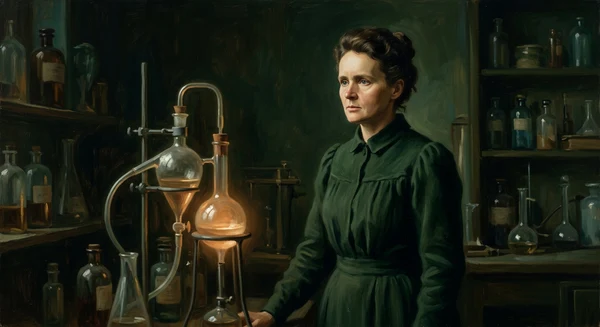
Marie Curie
1867–1934 · Physicist & Chemist
Pioneering the study of radioactivity and discovering the elements polonium and radium with Pierre Curie.
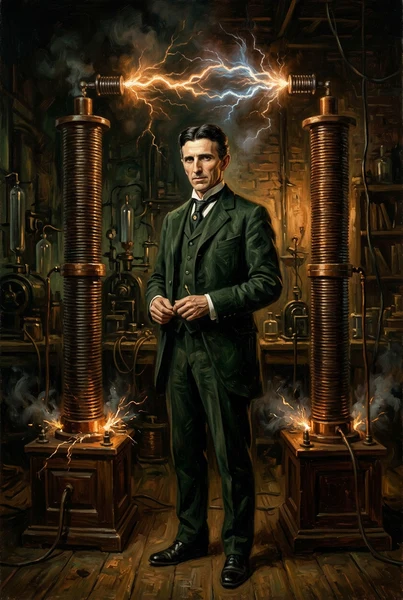
Nikola Tesla
1856–1943 · Inventor & Engineer
Developing the polyphase alternating-current system and induction motor, and pioneering high-frequency and wireless technologies.
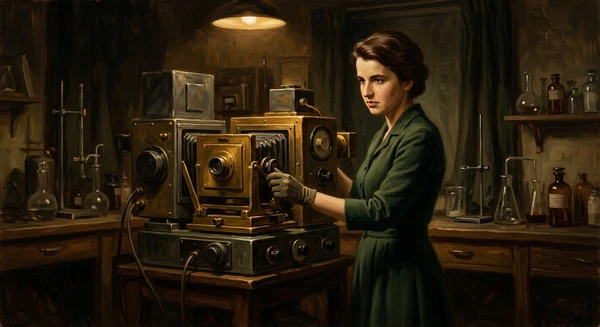
Rosalind Franklin
1920–1958 · Chemist & X-ray Crystallographer
Producing crucial X-ray diffraction data on DNA, including Photograph 51, with her student Raymond Gosling.
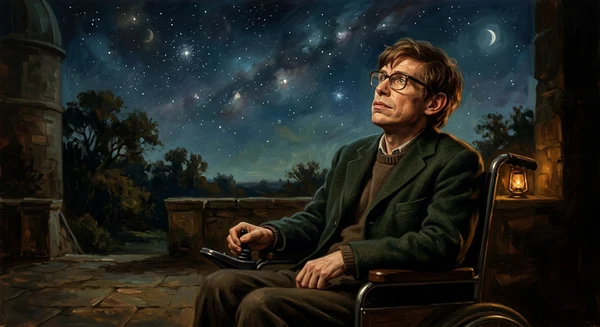
Stephen Hawking
1942–2018 · Theoretical Physicist & Cosmologist
Predicting that black holes emit thermal radiation and writing 'A Brief History of Time.'