_(2).jpg)
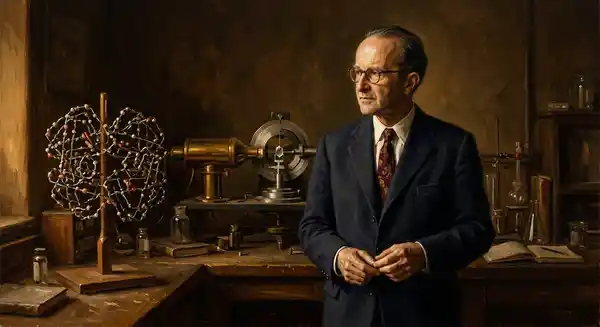
Max Perutz
1914–2002 · Molecular Biologist
Max Perutz was an Austrian-born British molecular biologist who pioneered X-ray crystallographic studies of proteins, especially haemoglobin. He shared the 1962 Nobel Prize in Chemistry with John Kendrew.
“In science, you sometimes go in the direction of your dreams.”
Why is this scientist famous?
Pioneering X-ray crystallographic studies of proteins, especially haemoglobin, and sharing the 1962 Nobel Prize in Chemistry with John Kendrew.
Max's story
From Vienna to Cambridge
Max Ferdinand Perutz was born on 19 May 1914 in Vienna, Austria. He was educated in Vienna and studied chemistry at the University of Vienna.
In 1936, Perutz moved to Cambridge for research in crystallography, working in the Cavendish Laboratory. He developed a long-running research programme on haemoglobin, the protein that carries oxygen in the blood.
Protein Crystallography
Perutz used X-ray crystallography to determine protein structures. He developed methods using heavy atoms that made determination of complex protein structures practical — a breakthrough that helped turn protein crystallography into a powerful biological technique.
He concentrated particularly on haemoglobin, while John Kendrew worked on myoglobin. Perutz and Kendrew shared the 1962 Nobel Prize in Chemistry for their studies of globular proteins.
Building the LMB
In 1947, Perutz became head of the MRC Unit for Research on the Molecular Structure of Biological Systems. This programme developed into the MRC Laboratory of Molecular Biology, and Perutz became the LMB's first chairman when it opened in 1962.
Perutz built and led an exceptionally important molecular-biology research environment at Cambridge. Scientists working within the wider MRC programme included Francis Crick and others who made major discoveries.
Legacy
Perutz was elected a Fellow of the Royal Society in 1954. He retired as chairman of the LMB in 1979 but continued research.
He spent about 25 years working towards the structure of haemoglobin. Perutz died on 6 February 2002 in Cambridge, England.
What did they discover?
Haemoglobin Structure
Perutz spent about 25 years working towards the structure of haemoglobin using X-ray crystallography, developing heavy-atom methods that made complex protein structure determination practical.
Founding the MRC LMB
Perutz built and led the research organisation that became the MRC Laboratory of Molecular Biology in 1962, serving as its first chairman.
Nobel Prize in Chemistry, 1962
Perutz shared the 1962 Nobel Prize in Chemistry with John Kendrew for their studies of globular proteins.
Amazing facts
Spent about 25 years working towards the structure of haemoglobin.
Helped turn protein crystallography into a powerful biological technique.
Led the research organisation that developed into the MRC Laboratory of Molecular Biology.
Became the LMB's first chairman when it opened in 1962.
Continued scientific research after formal retirement.
Timeline
Born in Vienna, Austria.
Moved to Cambridge for research in crystallography.
Became head of the new MRC molecular-structure unit.
Elected Fellow of the Royal Society.
Shared the Nobel Prize in Chemistry with John Kendrew.
MRC Laboratory of Molecular Biology established; Perutz became first chairman.
Retired as chairman of the LMB.
Died in Cambridge, England.
Awards & honours
Related Super Scientists
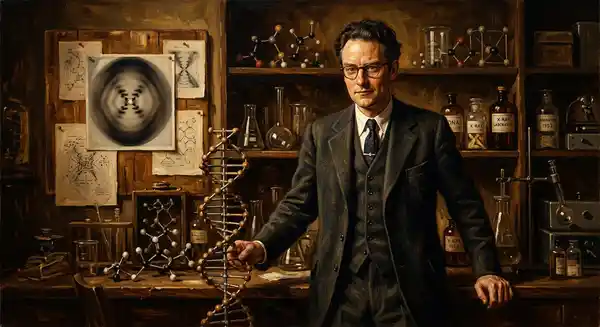
Francis Crick
1916–2004 · Molecular Biologist
Working with James Watson to develop the double-helix model of DNA in 1953 and later making major contributions to understanding genetic information and the genetic code. He shared the 1962 Nobel Prize in Physiology or Medicine with James Watson and Maurice Wilkins.
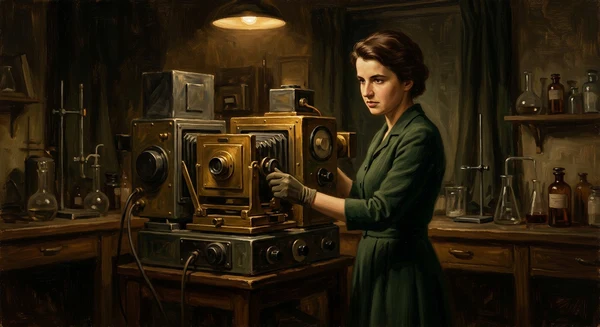
Rosalind Franklin
1920–1958 · Chemist & X-ray Crystallographer
Producing crucial X-ray diffraction data on DNA, including Photograph 51, with her student Raymond Gosling.
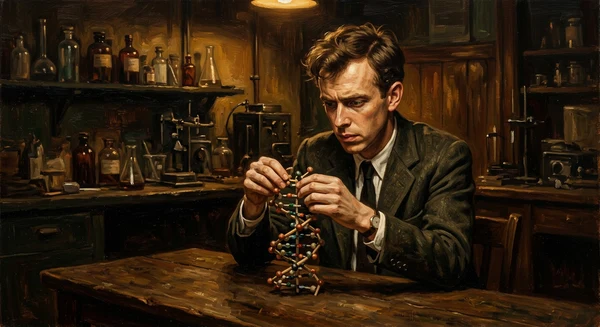
James Watson
1928–2025 · Molecular Biologist & Geneticist
Helping determine the double-helix structure of DNA with Francis Crick in 1953, using crucial X-ray diffraction and other experimental evidence produced by researchers including Rosalind Franklin, Raymond Gosling and Maurice Wilkins.