Science Has a Story
Discover the rivalries, breakthroughs, partnerships and people behind science.
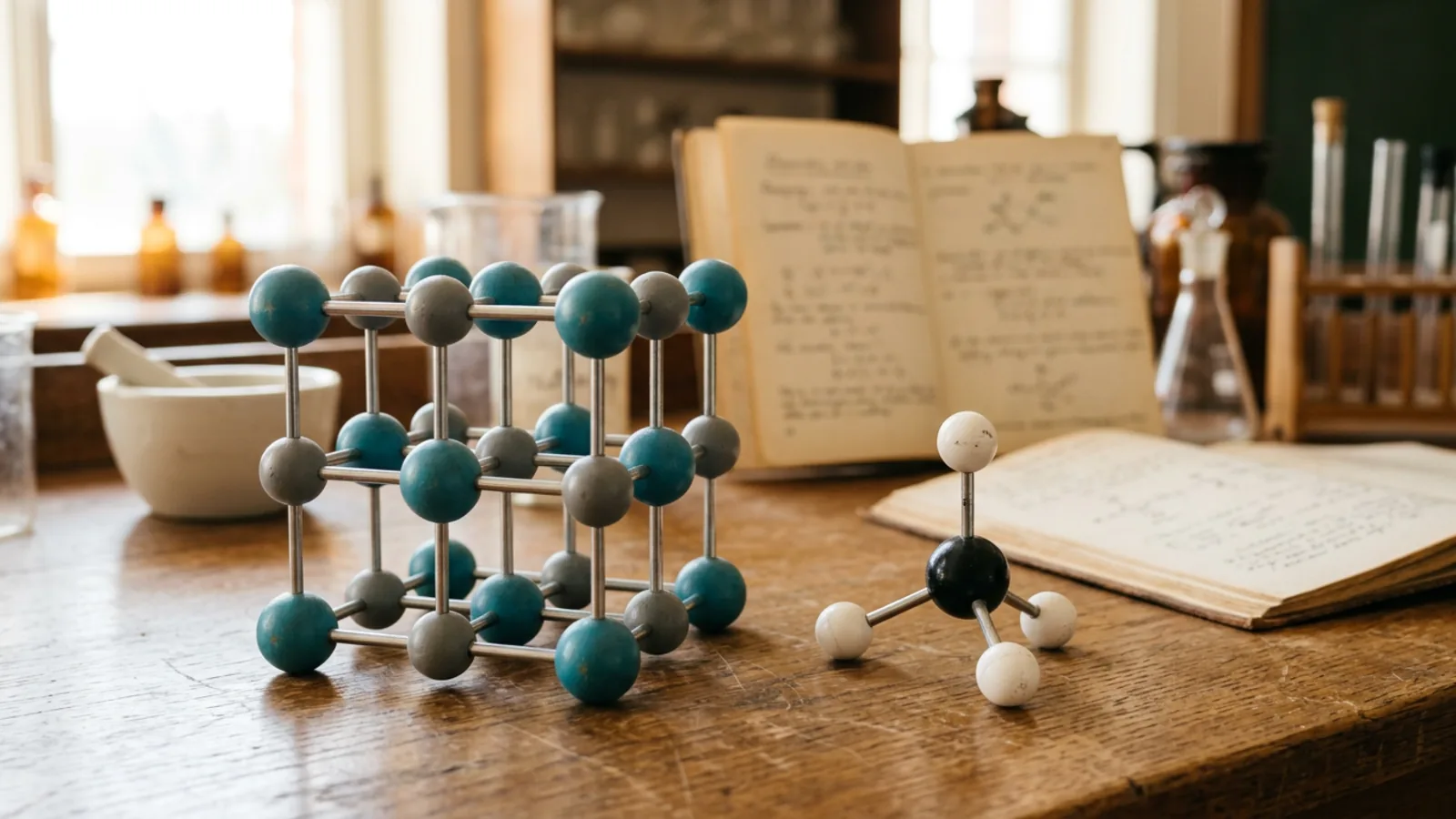
How Scientists Learned Why Atoms Bond
Discover how Kossel, Lewis, Langmuir, Heitler, London and Pauling turned chemical bonding from a rule of valency into an electronic and quantum theory.
 Physics
Scientists at School
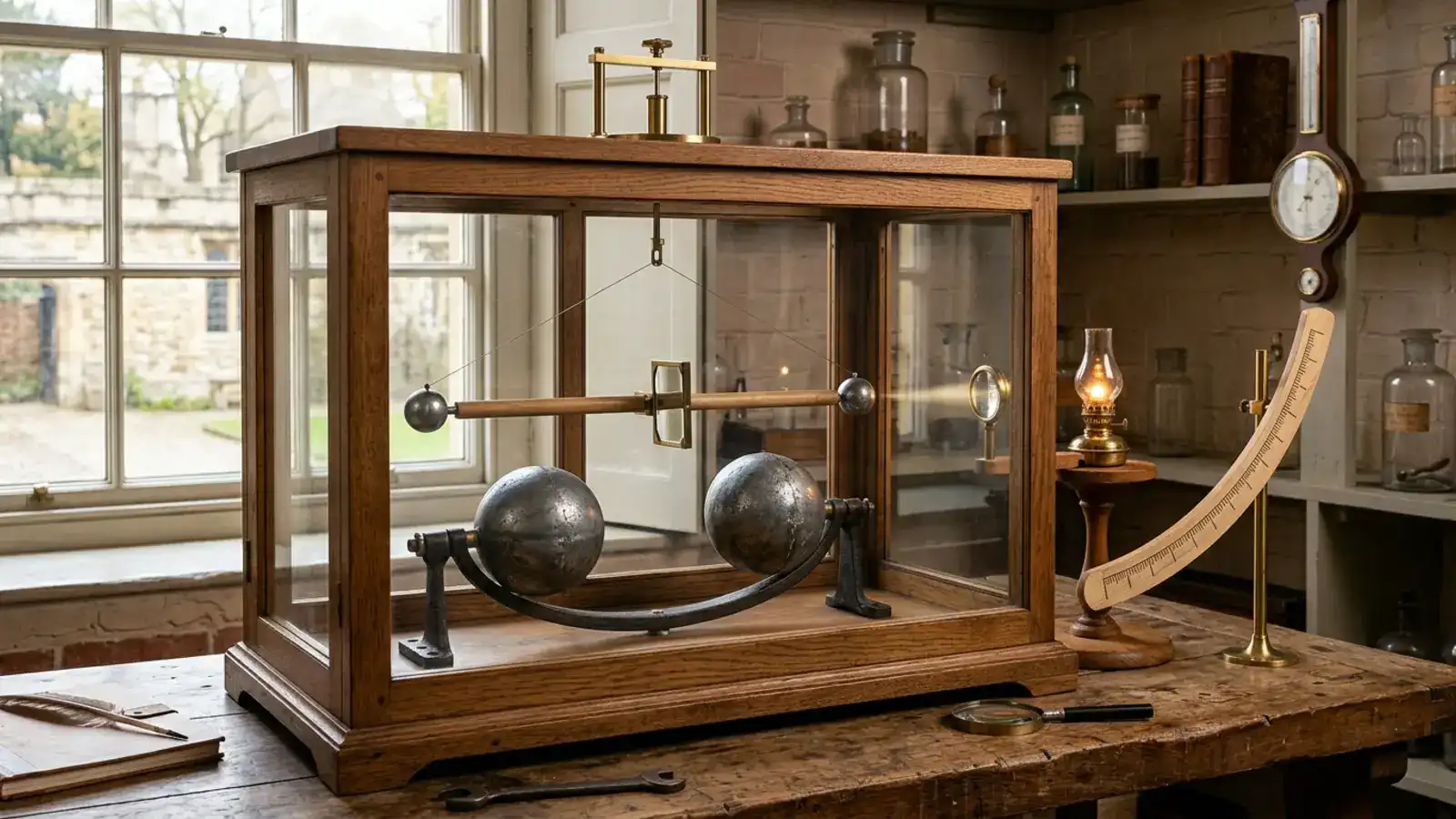
How We Learned How Gravity Works
Why do objects fall, the Moon stay in orbit and planets circle the Sun? Discover how scientists gradually uncovered the physics of gravity.
 Chemistry
Scientists at School
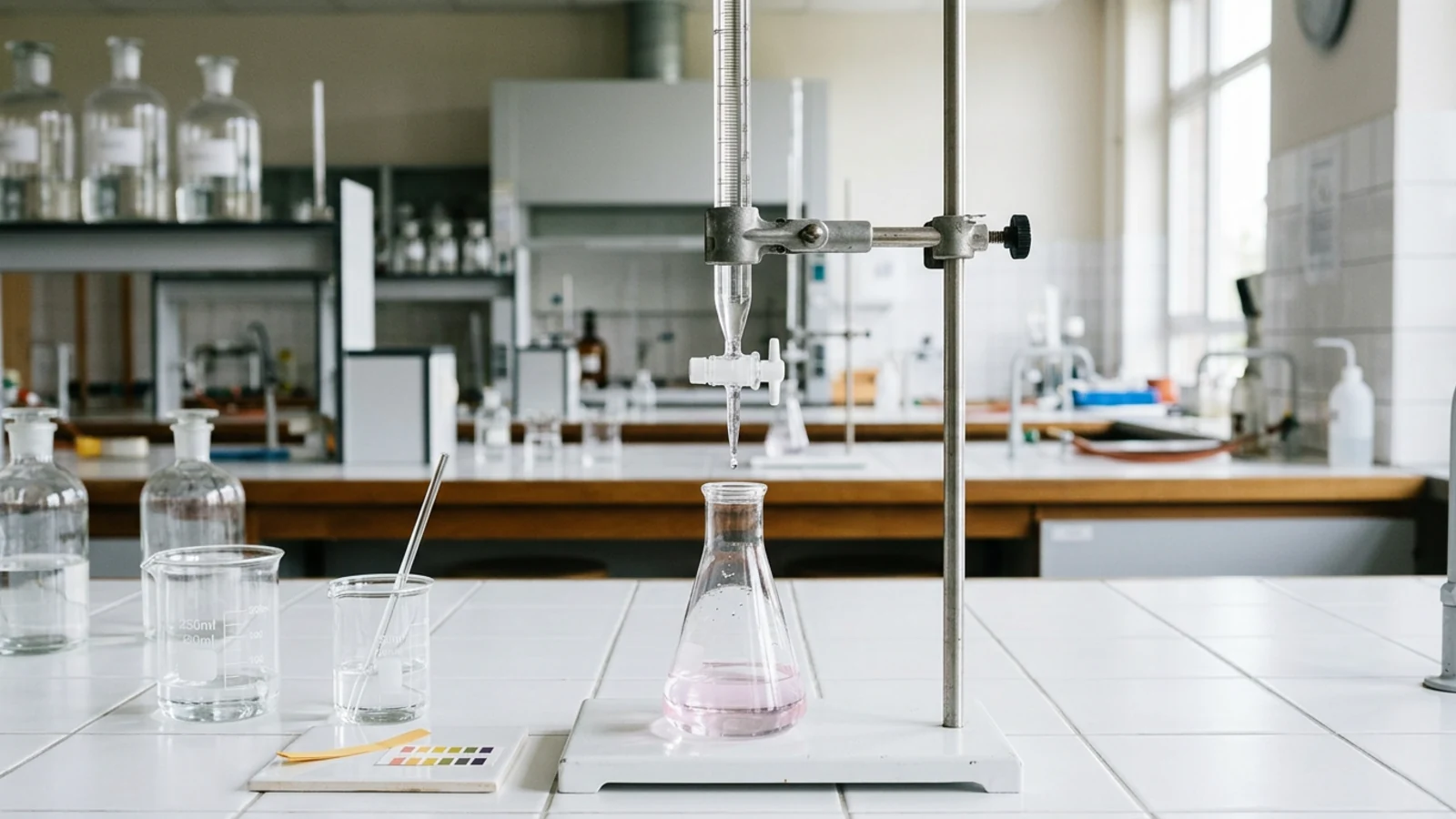
How Scientists Learned What Acids and Bases Are
Acids and bases are familiar in school chemistry, but their definitions changed repeatedly as scientists discovered ions, protons, pH and electron pairs.
 Biology
Scientists at School
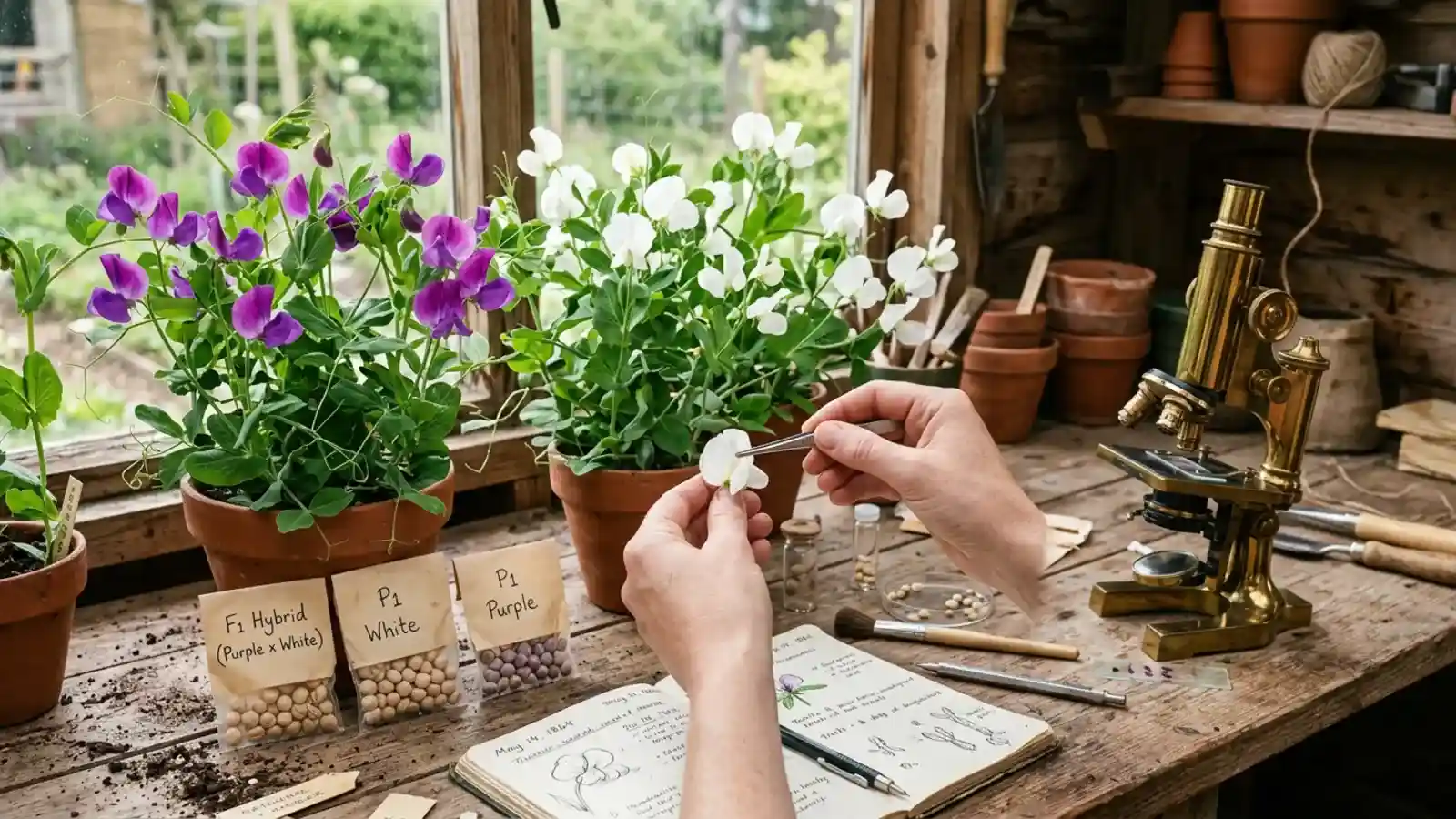
How Scientists Worked Out How Traits Are Inherited
Mendel found numerical patterns in pea plants. Later scientists connected those invisible hereditary factors with chromosomes and genes.
 Chemistry
Scientists at School
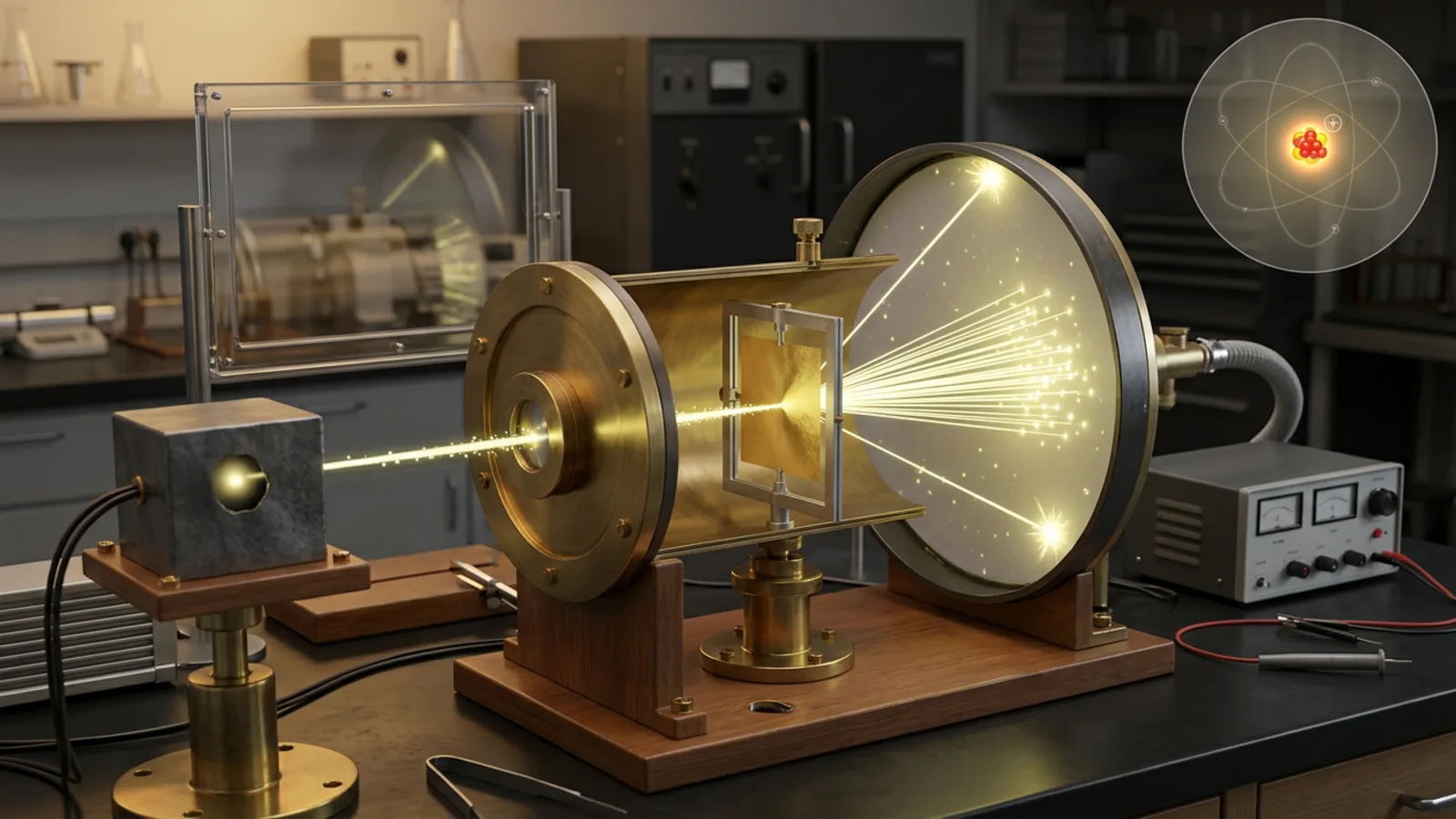
Inside the Atom: How Scientists Discovered Atomic Structure
Follow Dalton, Thomson, Rutherford, Bohr and Chadwick as experiments transformed the atom from a simple idea into the nuclear model taught today.
 Biology
Scientists at School
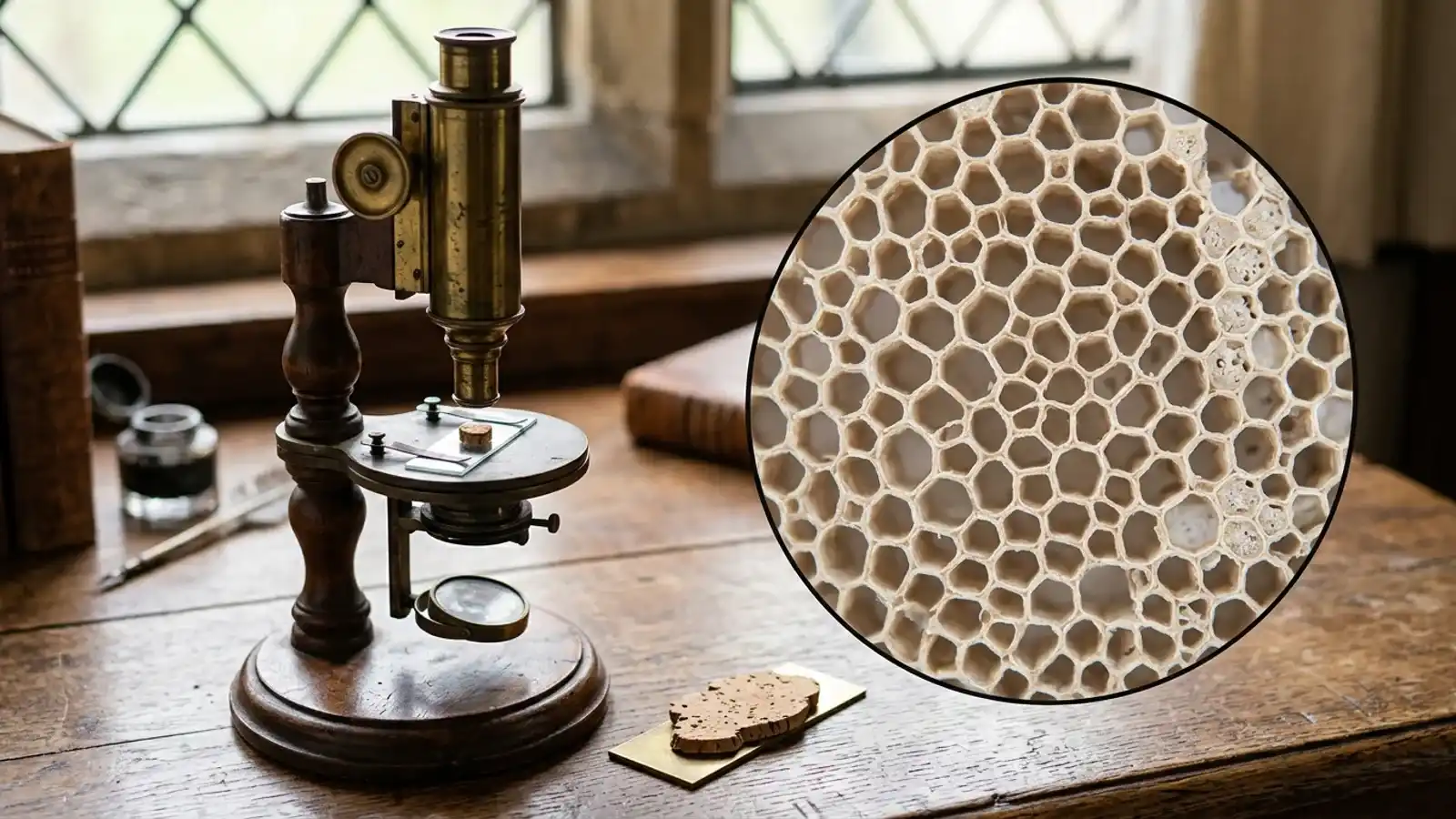
How We Discovered Cells
Discover how Hooke, Leeuwenhoek, Schleiden, Schwann, Remak and Virchow helped reveal that living things are made from cells.
 Biology
Scientists at School
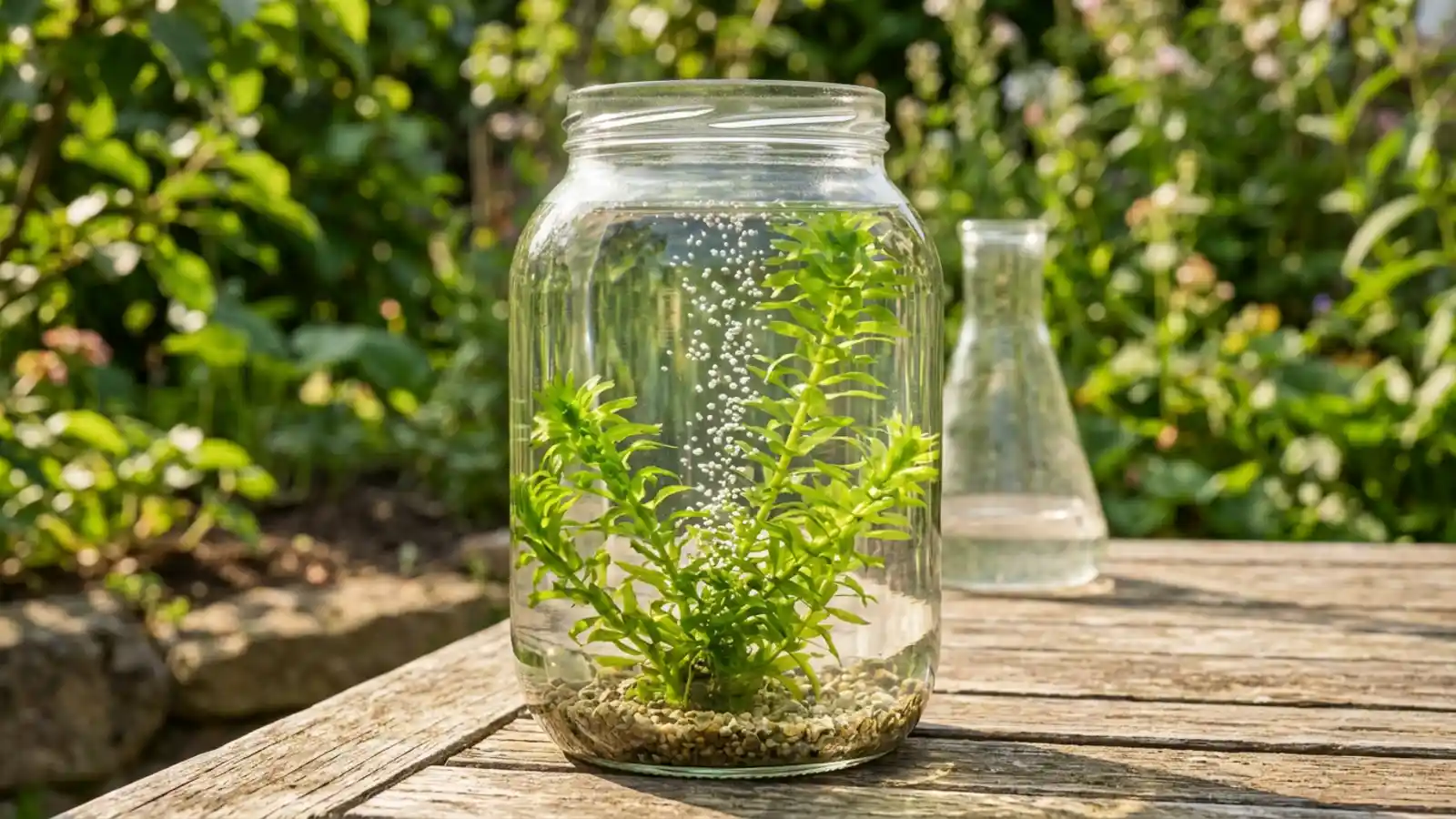
How Scientists Discovered Photosynthesis
Discover how experiments with plants, light, gases and carbon revealed photosynthesis and how plants use sunlight to build the molecules they need.
 Physics
Scientists at School
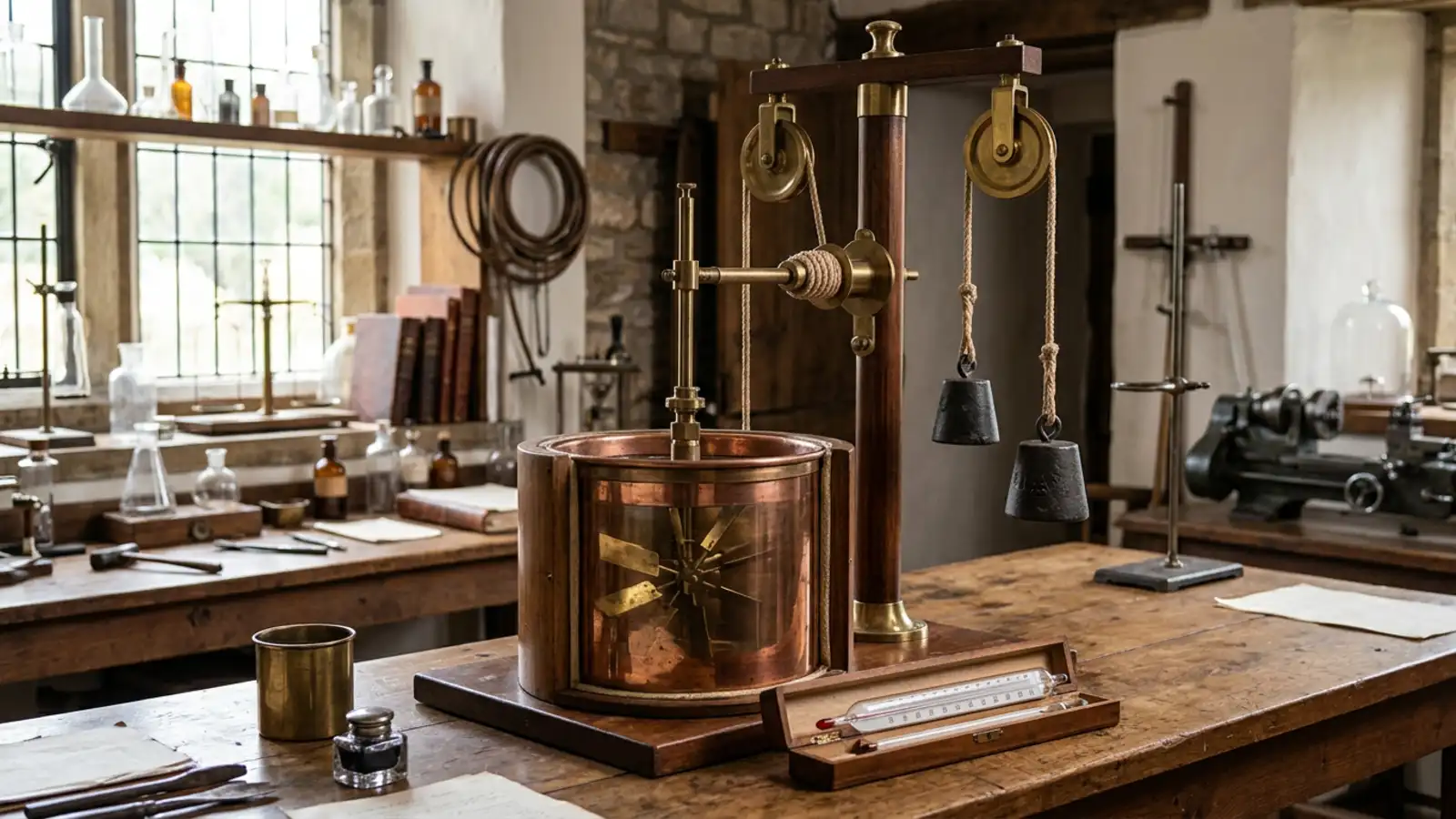
How We Learned What Heat Is
Discover how Carnot, Joule, Kelvin, Clausius and Boltzmann transformed heat from a mysterious fluid into the science of energy and thermodynamics.
 Physics
Scientists at School
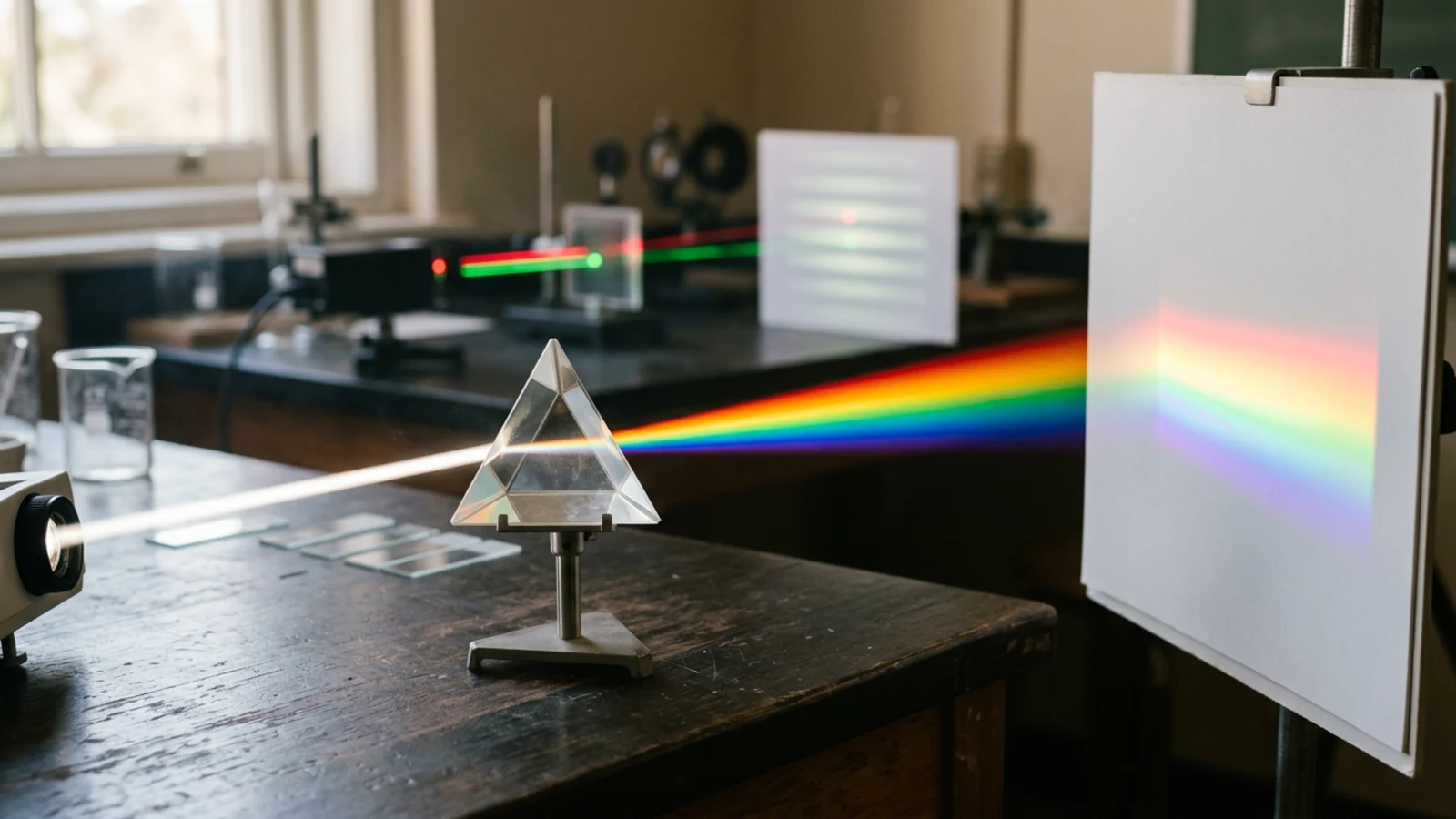
How We Learned What Light Is
Discover how Ibn al-Haytham, Newton, Young, Maxwell and Einstein transformed our understanding of light, colour, waves and photons.
 Physics
Rivalries
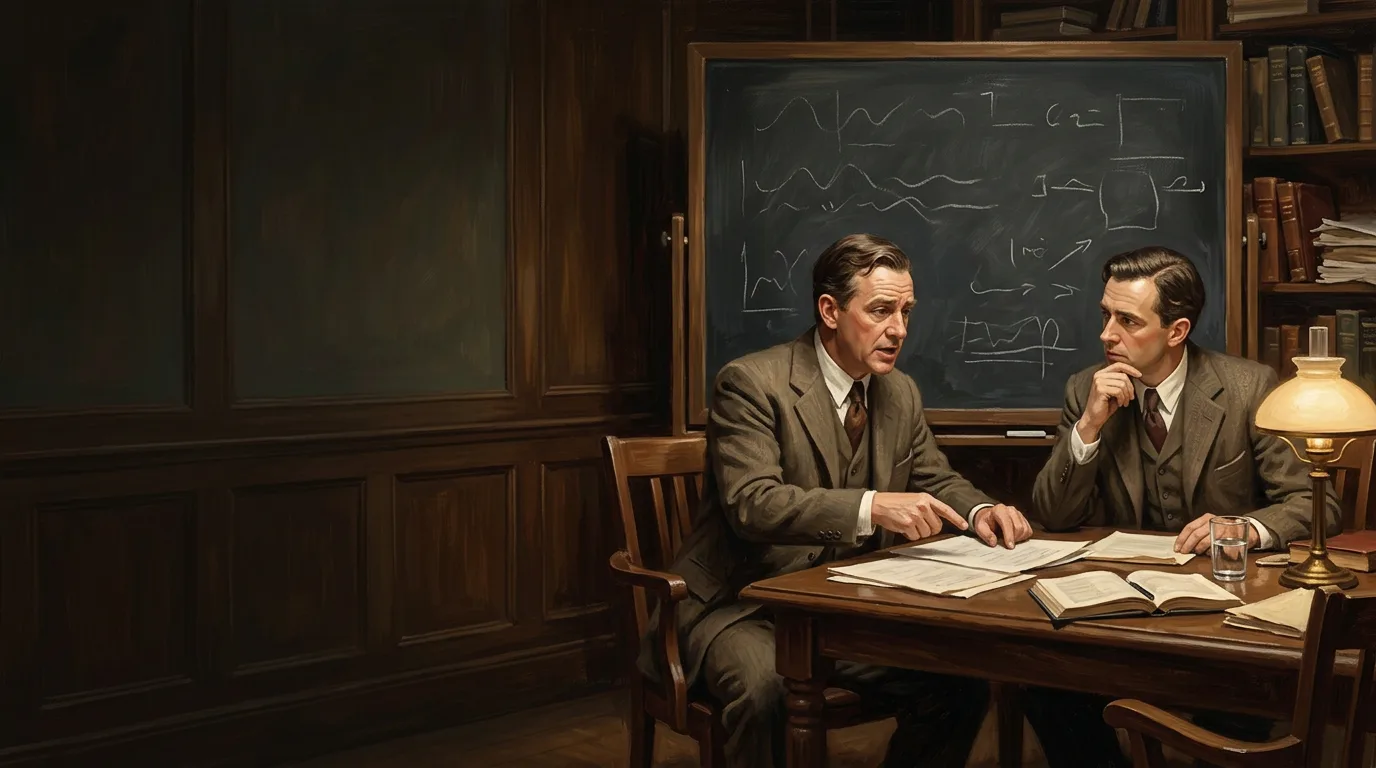
Einstein and Bohr: The Debate Over Quantum Reality
The equations worked. Einstein still asked what they left out. Bohr argued that the way an experiment is arranged shapes what can be learned from it.
 Earth & Environment
Breakthroughs & Revolutions
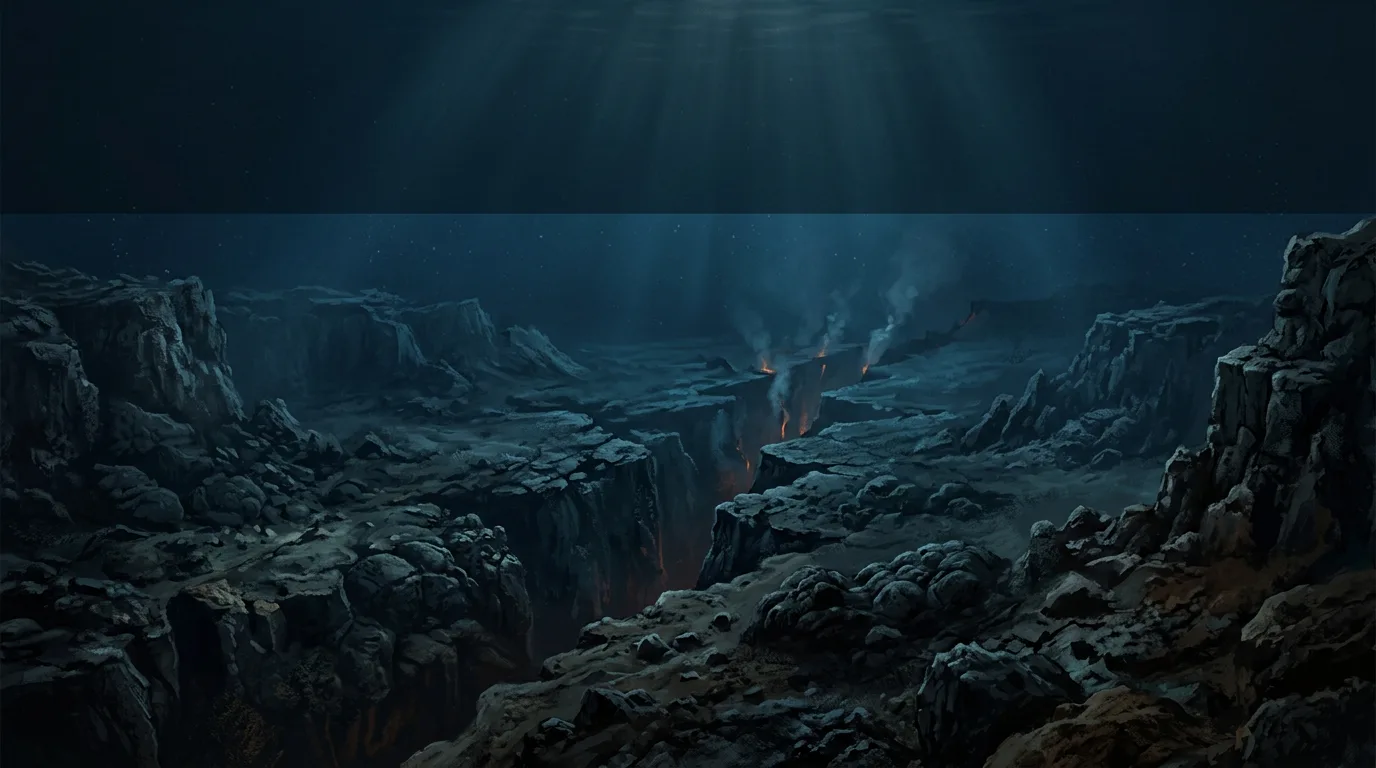
How Did the Continents Move? The Discovery of Plate Tectonics
Continents seemed fixed until ocean-floor maps and magnetic patterns revealed a moving planet. Meet the scientists who helped piece together plate tectonics.
 Earth & Environment
Breakthroughs & Revolutions
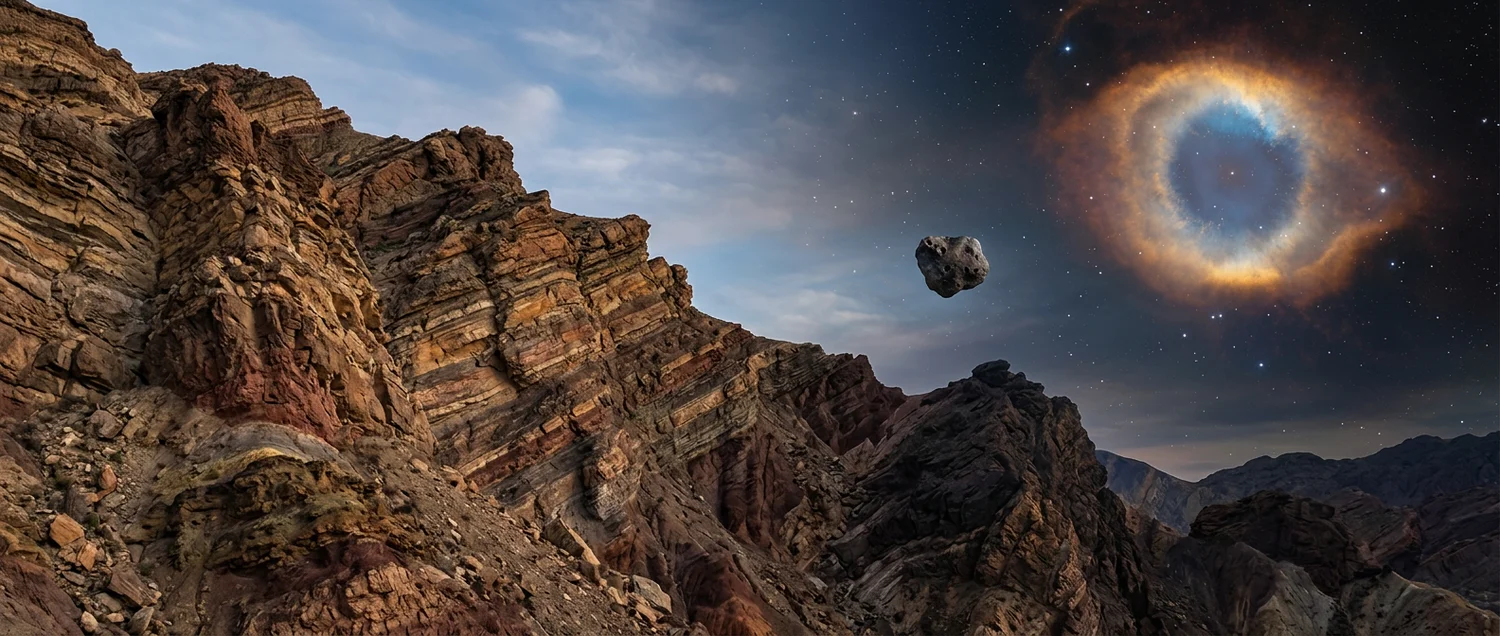
How Old Is Earth? The Scientists Who Found the Answer
Earth's age was not found in a single rock. Discover how geology, physics and meteorites led to today's estimate of about 4.54 billion years.
 Medicine
Accidents & Surprises
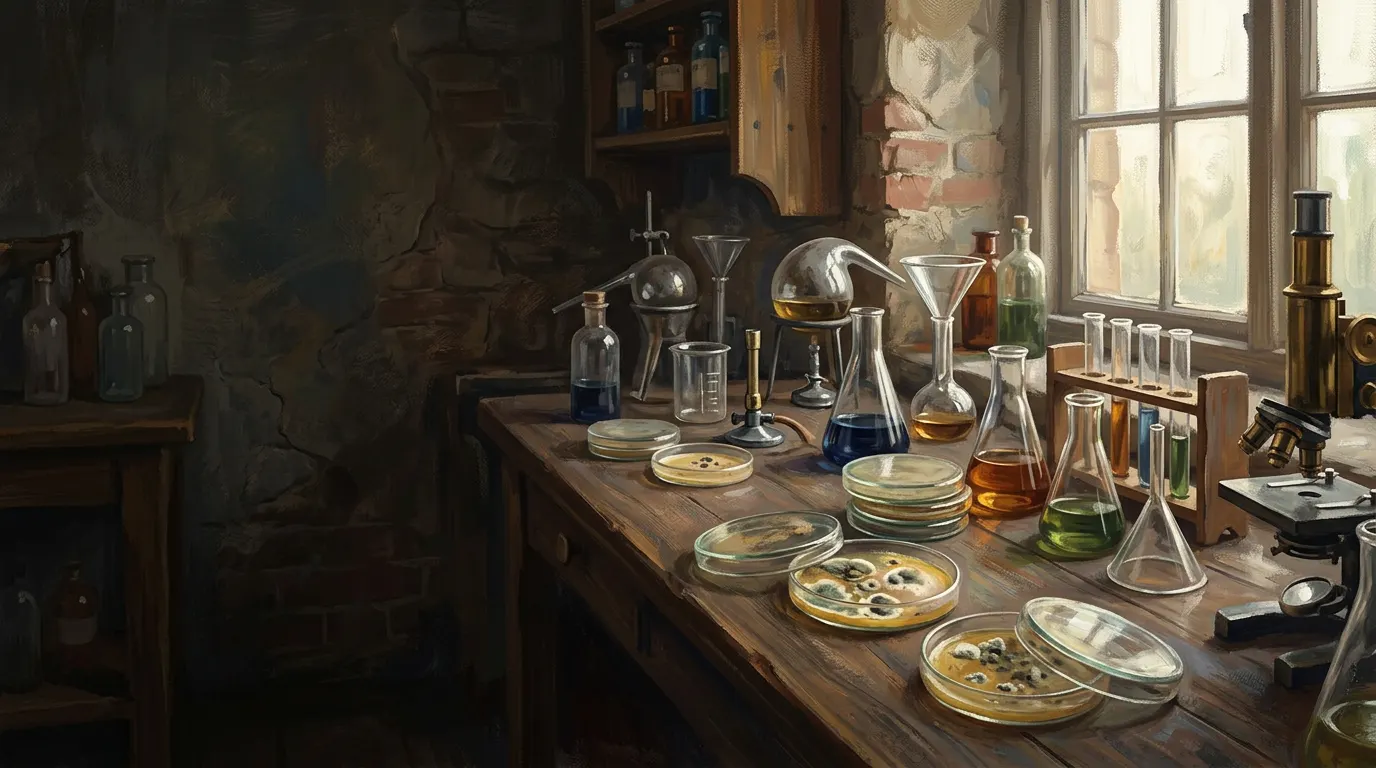
Penicillin: From Mould to Medicine
A mouldy culture plate began the story, but it took years of teamwork, experimentation and mass production to turn penicillin into a lifesaving medicine.
 Physics
Breakthroughs & Revolutions
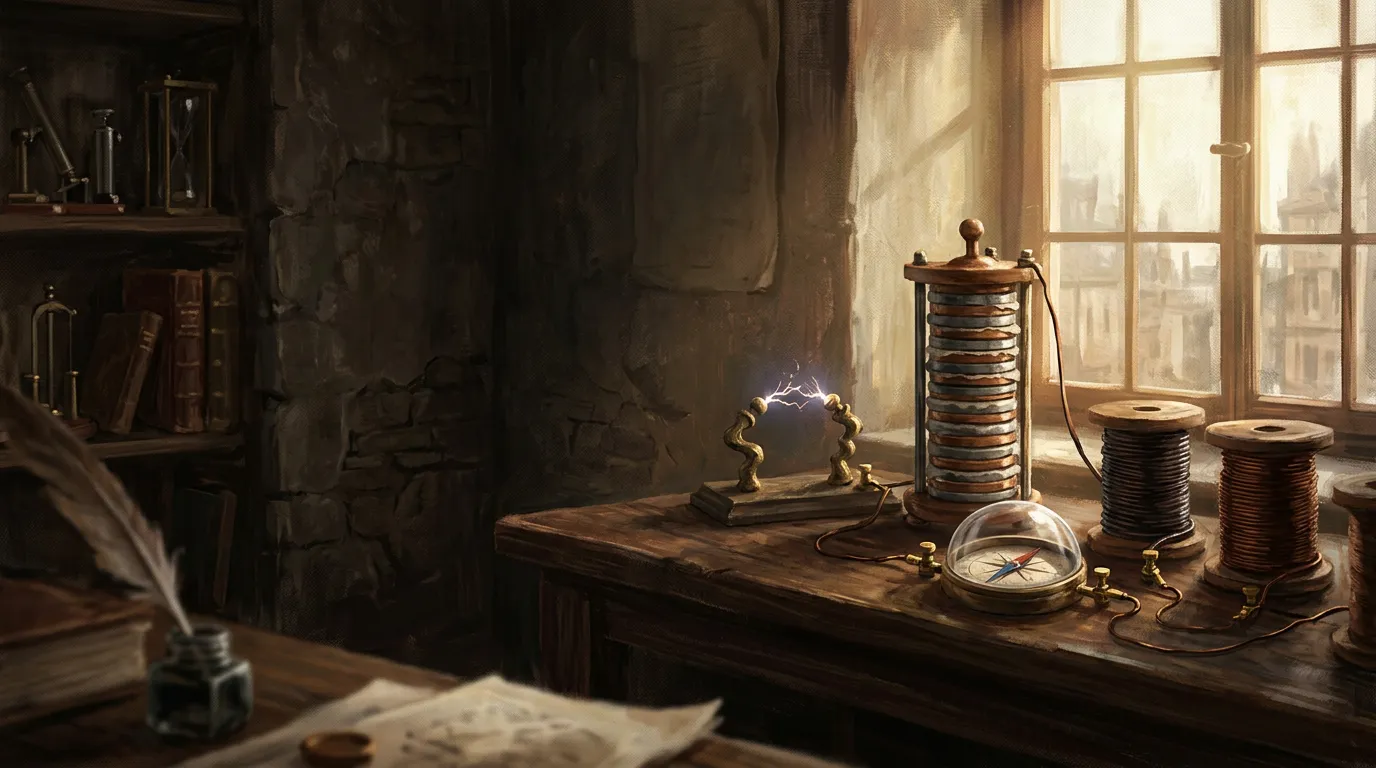
The Electromagnetic Revolution
Electricity and magnetism once seemed like completely different phenomena. A battery, a moving compass needle and a remarkable chain of discoveries revealed that they were deeply connected — and eventually led to motors, generators, radio and modern wireless communication.
 Biology
Partnerships & Friendships
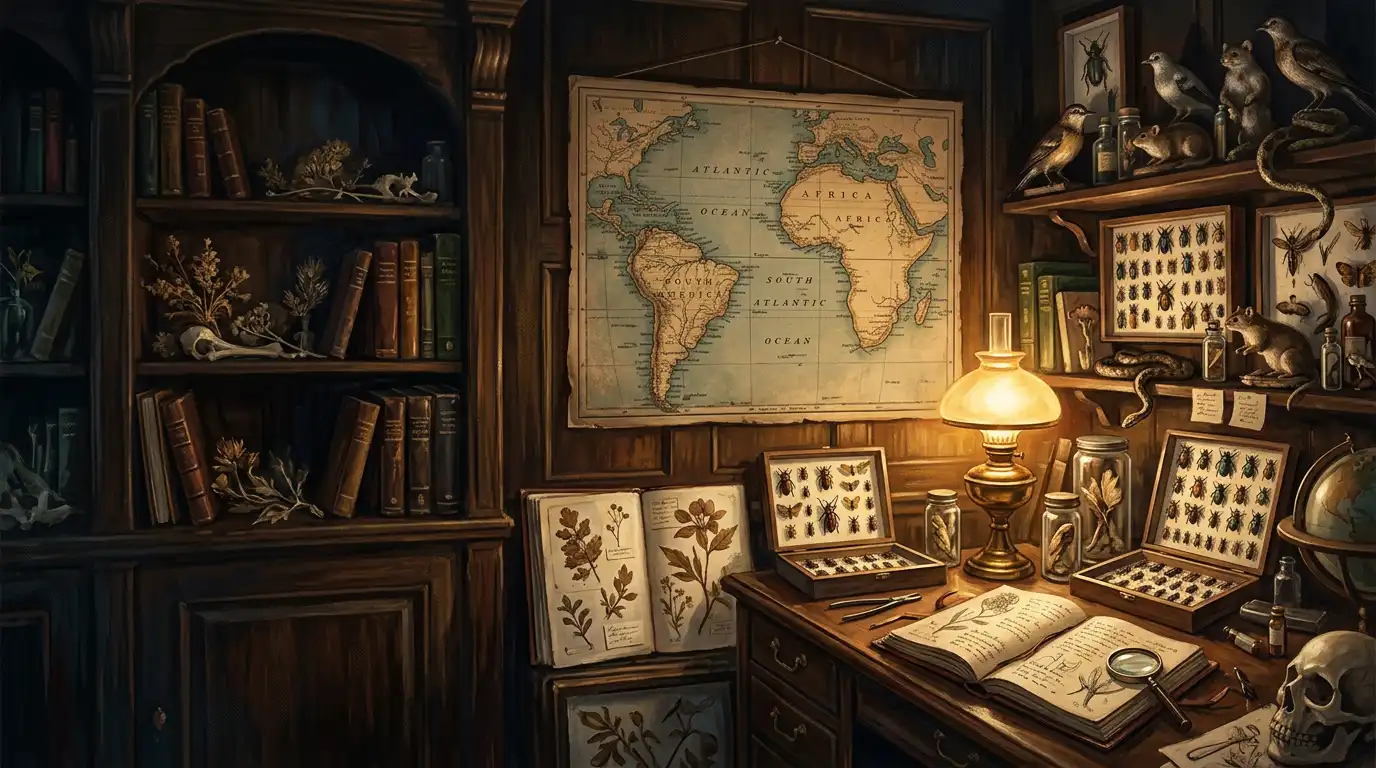
Darwin and Wallace: Two Paths to Natural Selection
Charles Darwin had spent years developing his explanation for how species change when an essay arrived from Alfred Russel Wallace, working thousands of miles away. Wallace had independently reached a strikingly similar idea, creating one of science's most remarkable cases of simultaneous discovery.
 Engineering
Rivalries
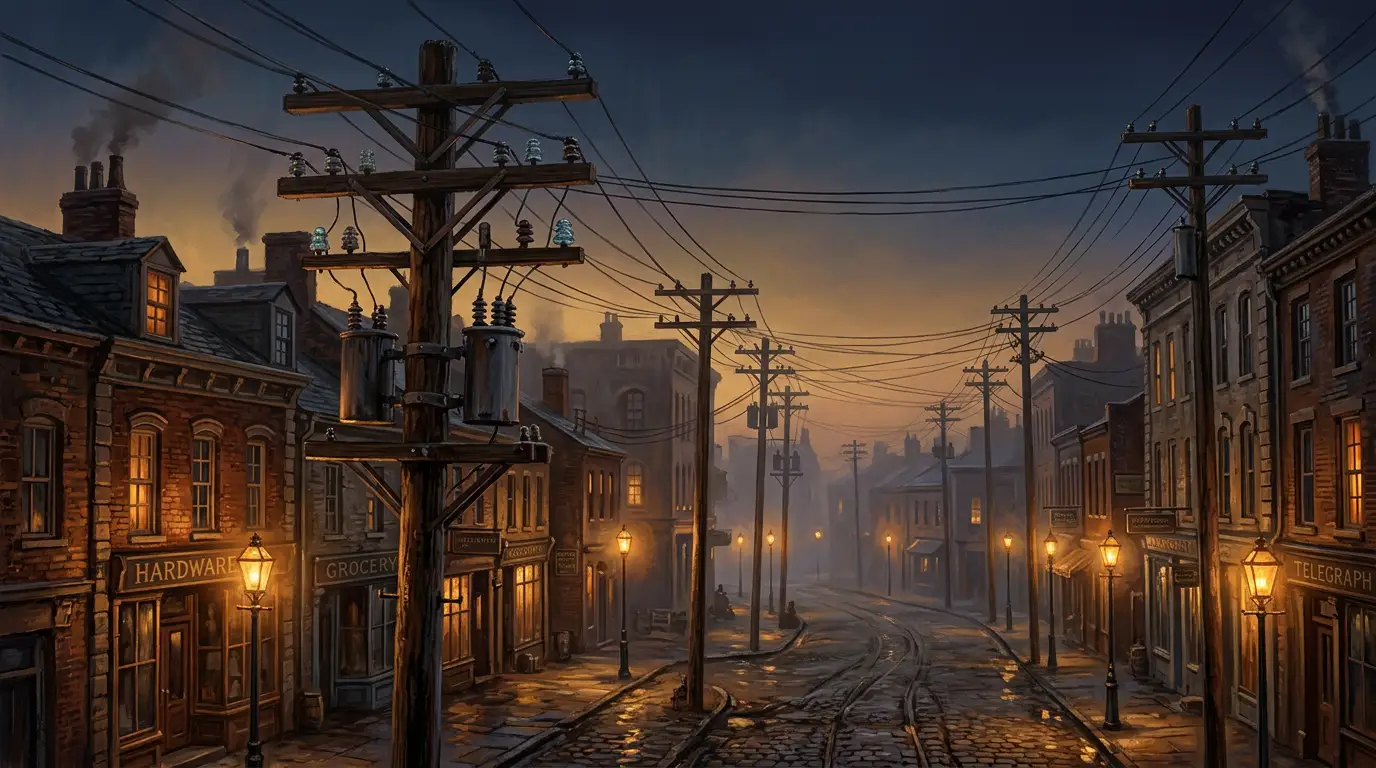
The War of the Currents
Before electricity became something people simply expected from a wall socket, two incompatible systems competed to power America. The argument involved engineering, money, public fear and three men whose roles are still regularly confused.
 Chemistry
Ahead of Their Time
The Periodic Table
Dmitri Mendeleev did not discover the periodic pattern alone. What made his work extraordinary was that he trusted the pattern enough to leave empty spaces — and describe elements that nobody had yet found.
 Medicine
Breakthroughs & Revolutions
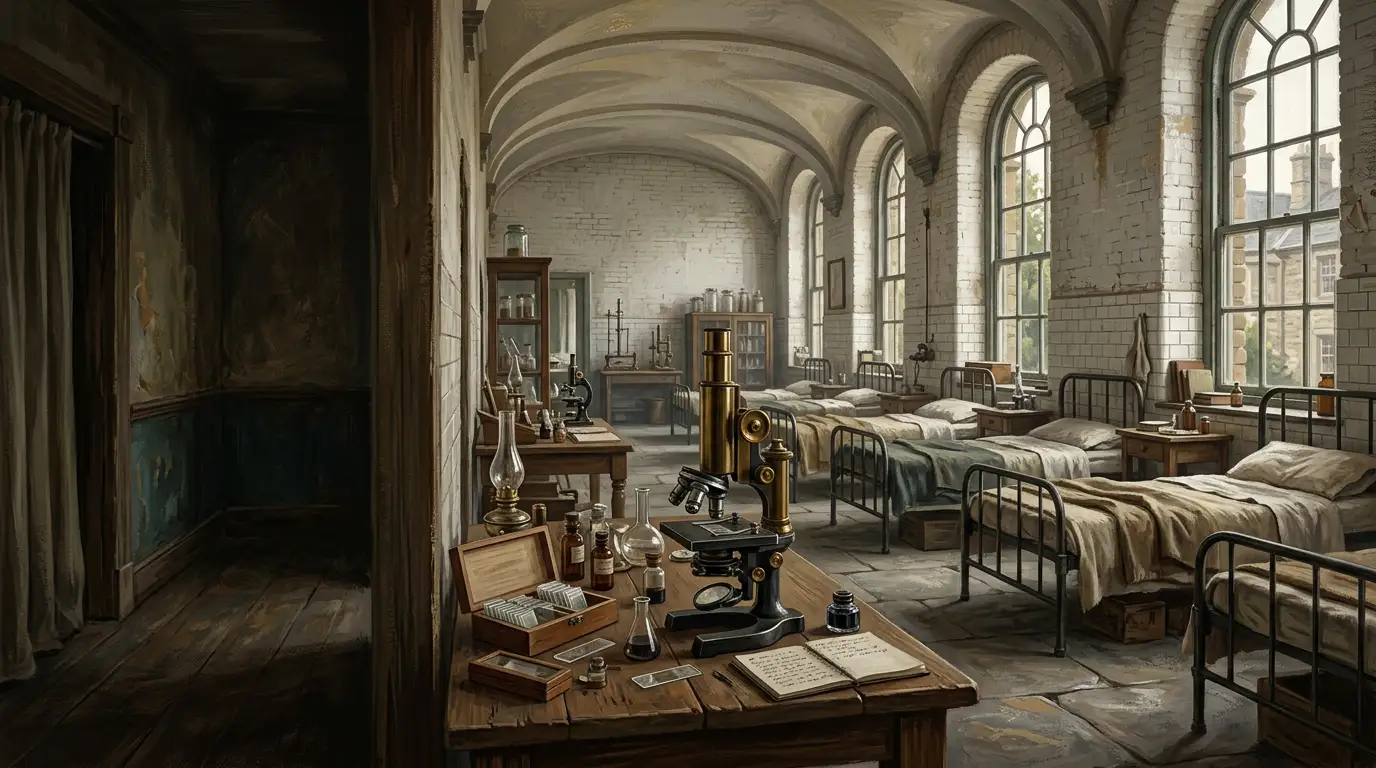
The Germ Theory Revolution
Long before scientists could identify the microbes behind many infections, doctors were gathering clues that disease could travel through water, hands and invisible living organisms. Germ theory emerged from those clues and transformed medicine.
 Physics
Breakthroughs & Revolutions
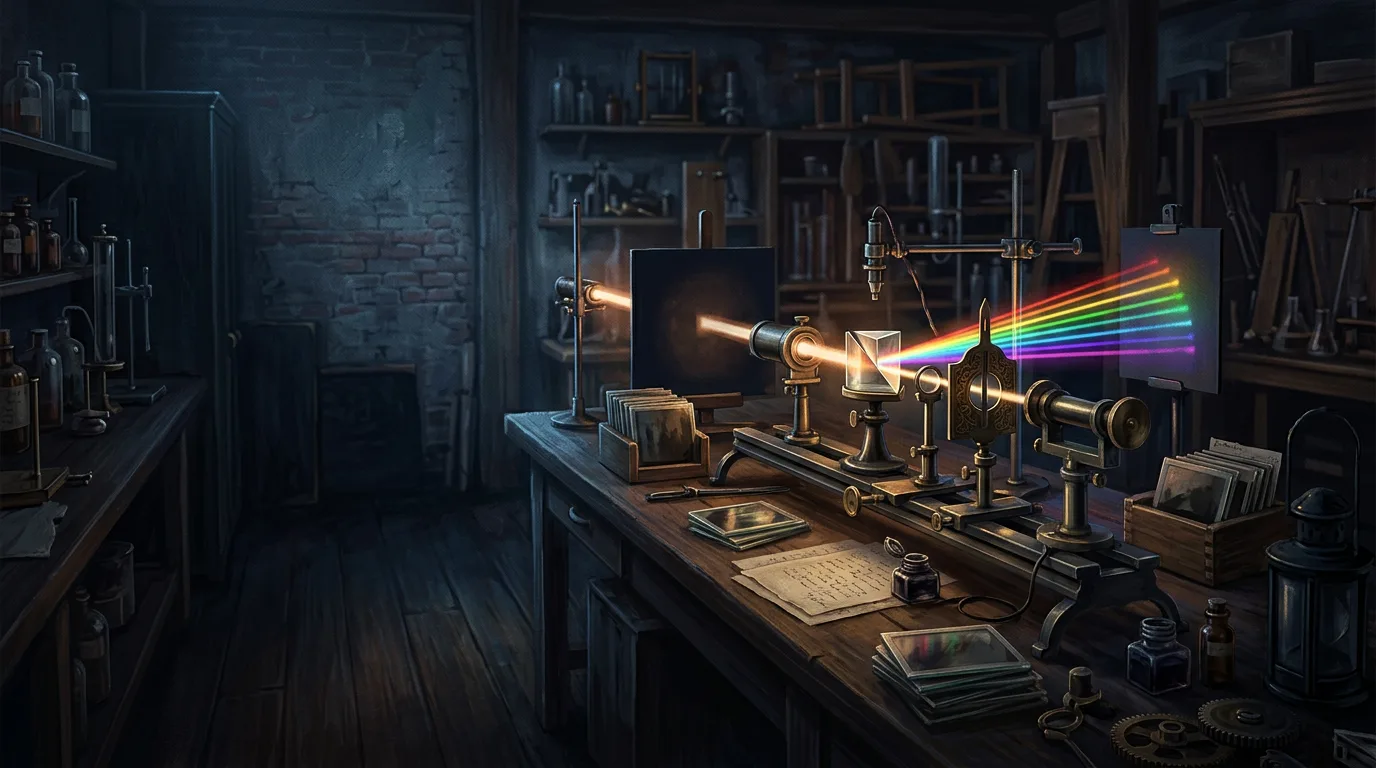
The Quantum Revolution
Physics had been spectacularly successful at explaining the everyday world. Then experiments with light and atoms began producing results that the old rules could not handle. What followed was one of the strangest and most successful revolutions in science.
 Biology
Controversies & Credit
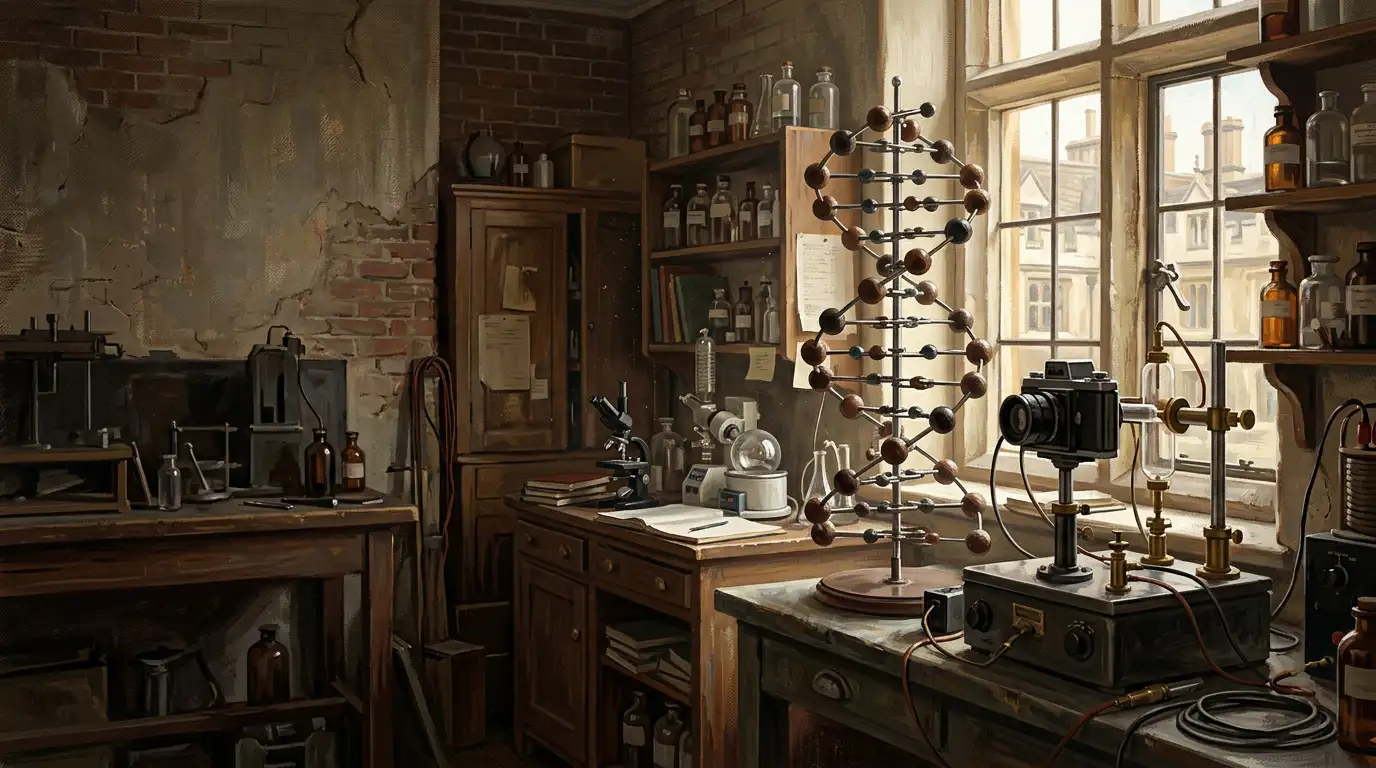
The Double Helix
The race to uncover DNA's structure brought together brilliant experiments, model-building, fierce competition and a dispute over credit that still shapes how the discovery is remembered.
 Space & Astronomy
Races to Discovery
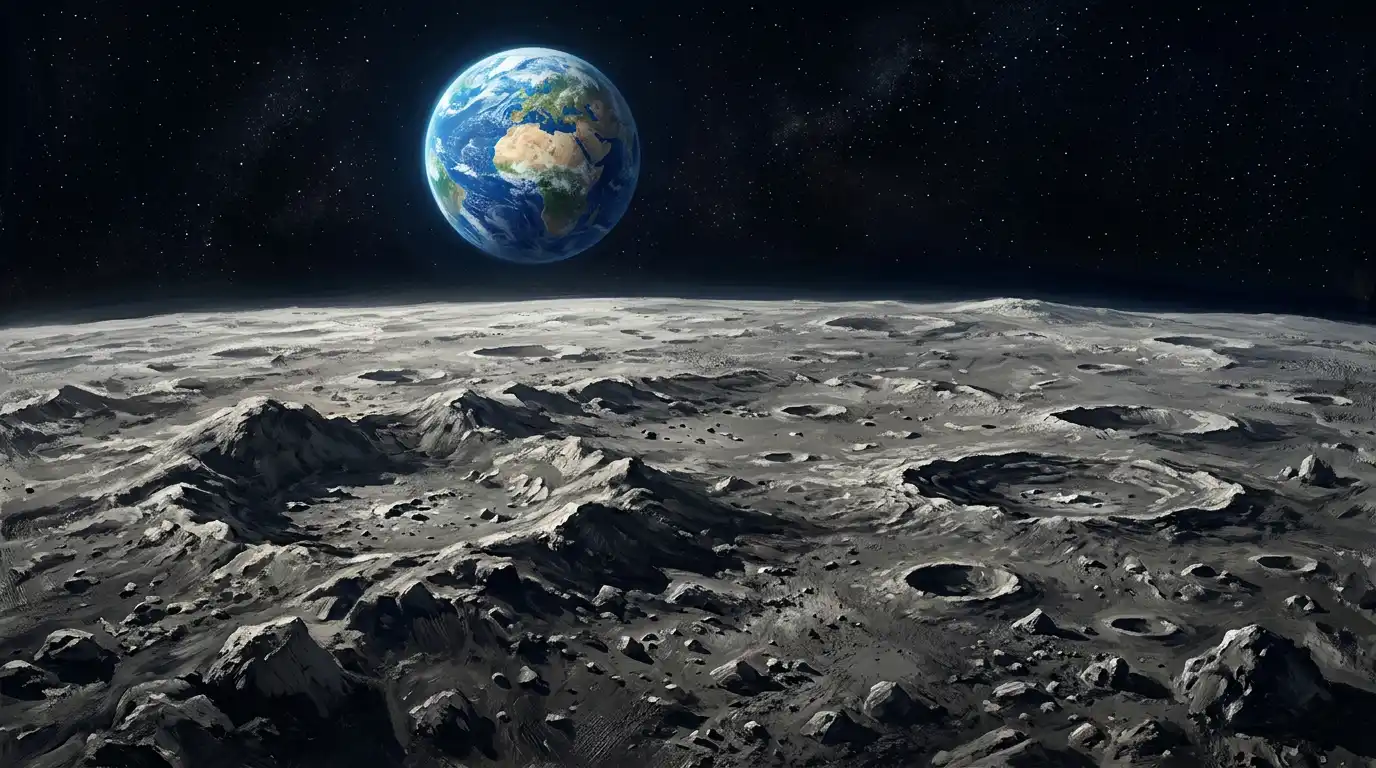
Reaching the Moon
Apollo 11 is remembered through three astronauts, but reaching the Moon depended on hundreds of thousands of people solving problems in rocketry, mathematics, navigation and software — often for the first time.
 Computing
Breakthroughs & Revolutions
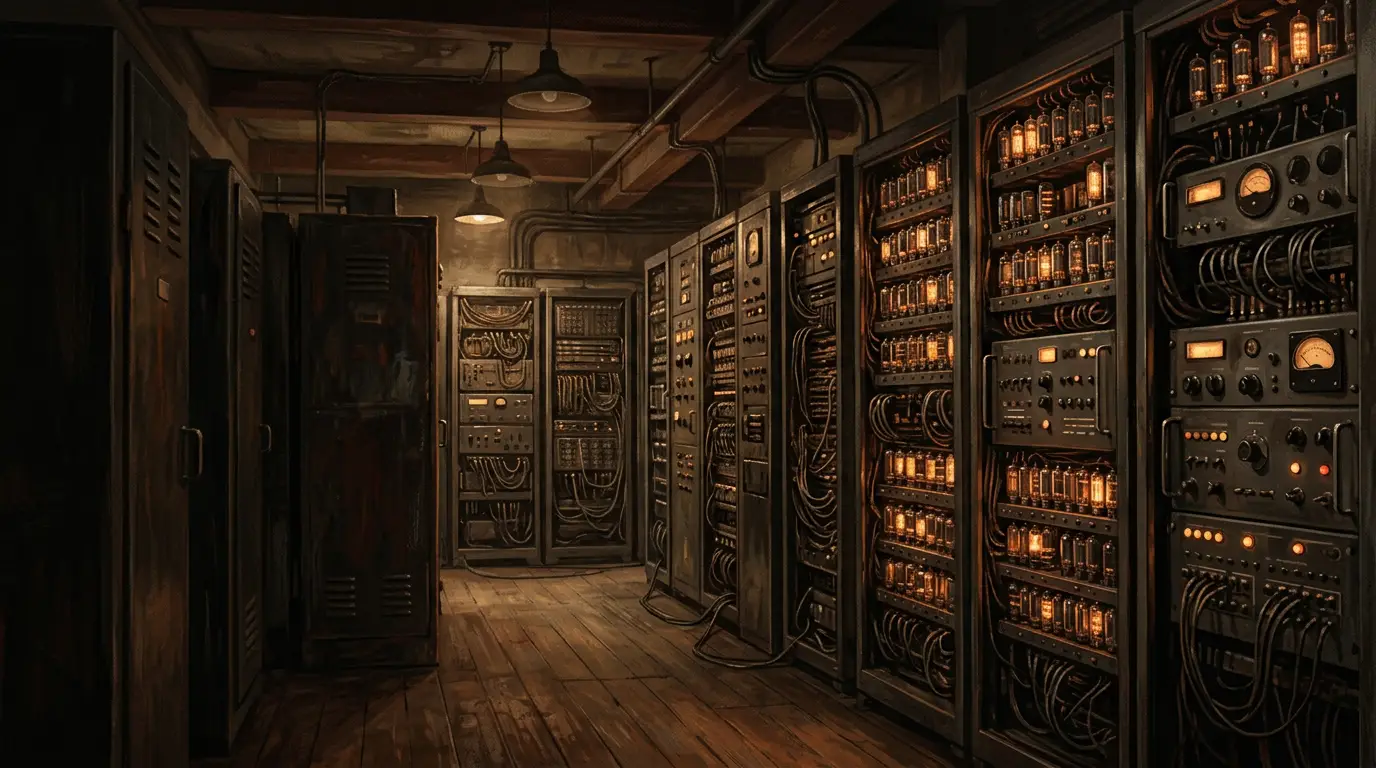
The Birth of Computing
Modern computers were not invented in one moment. Their story runs from unfinished Victorian machines, through abstract mathematics and wartime electronics, to the moment a computer finally stored its own program in memory.
 Physics
Accidents & Surprises
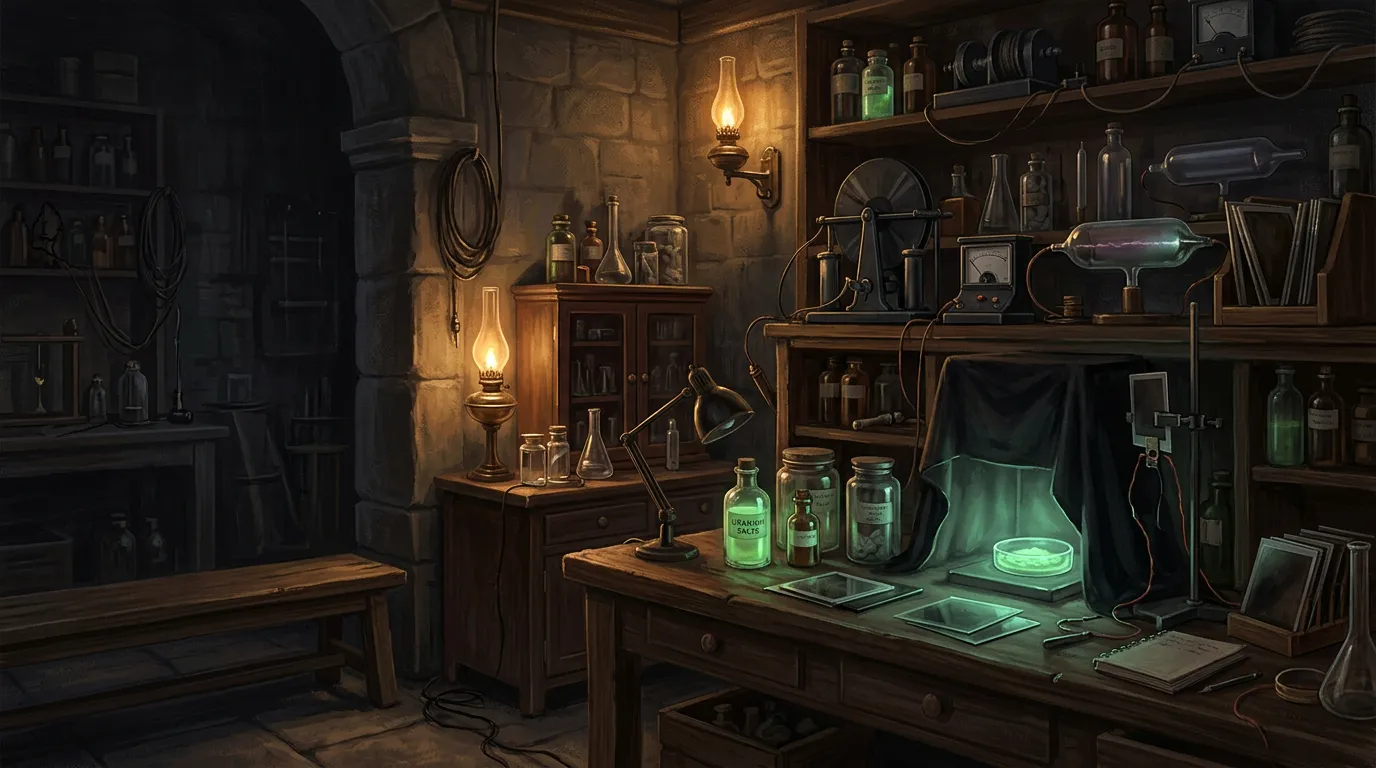
The Discovery of Radioactivity
A cloudy week in Paris helped reveal that atoms were not as stable and indivisible as scientists had assumed. What began with a photographic plate and uranium salts changed our picture of matter.