Long before scientists could identify the microbes behind many infections, doctors were gathering clues that disease could travel through water, hands and invisible living organisms. Germ theory emerged from those clues and transformed medicine.
When Bad Air Made Sense
In the middle of the 19th century, cities could be filthy places. Sewage contaminated streets and rivers, rubbish accumulated quickly and outbreaks of diseases such as cholera could kill thousands of people.
One influential explanation blamed miasma: foul or poisonous air produced by rotting material. The idea was wrong about the cause of many infectious diseases, but it was not completely irrational. Places that smelled terrible were often genuinely unhealthy because poor sanitation allowed disease-causing organisms to spread.
Doctors did not yet have a convincing alternative. Microscopes had revealed tiny living organisms, but seeing microbes was not the same as proving that particular microbes caused particular diseases.
The change from miasma to germ theory therefore did not happen in a single experiment. Evidence accumulated from different directions, sometimes before scientists even understood what the evidence meant.
Clues Before Germ Theory
One of the strongest early clues came from a hospital.
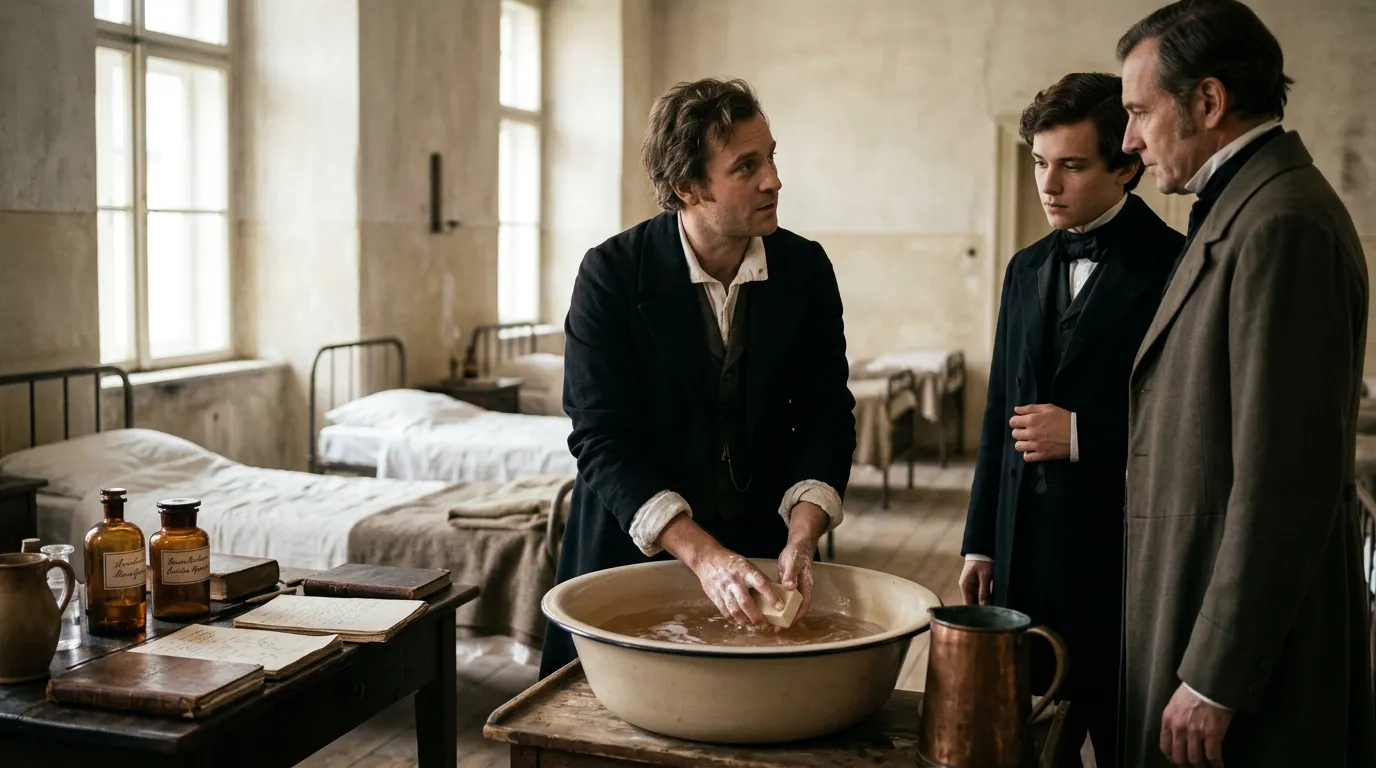
Ignaz Semmelweis was working in a maternity clinic in Vienna when he noticed that women were far more likely to die from childbed fever in one part of the hospital than another. He suspected that doctors and medical students were carrying harmful material on their hands after performing autopsies.
Semmelweis required them to wash their hands before examining patients, using a chlorinated solution. Deaths from childbed fever fell dramatically.
He had found an effective way to interrupt infection without knowing about the bacteria responsible.
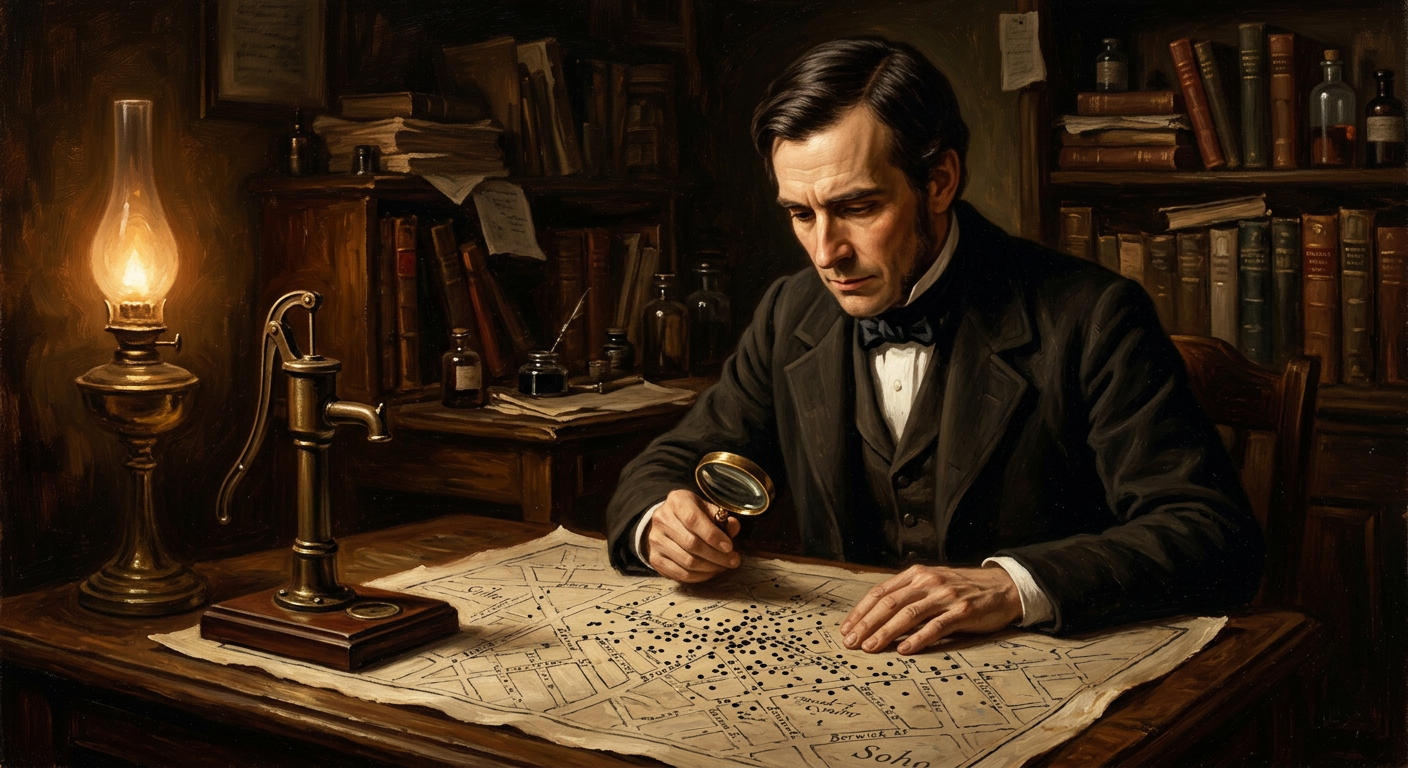
At almost the same time, the British doctor John Snow was investigating cholera in London. During the famous 1854 outbreak around Broad Street, he gathered evidence linking cases to a public water pump. The pump became the best-known part of his story, but Snow's wider investigation was even more powerful.
Different London water companies supplied households living in similar neighbourhoods. One company drew water from a polluted stretch of the River Thames while another collected it farther upstream. Snow compared cholera deaths among their customers and found a striking difference.
The evidence pointed towards contaminated water rather than poisonous air.
Snow could not identify the organism causing cholera. Germ theory had not yet been established. But he had shown that understanding how a disease spread could be possible before anyone knew exactly what the infectious agent was.
Pasteur Changes the Question
Louis Pasteur approached the problem from a different direction.
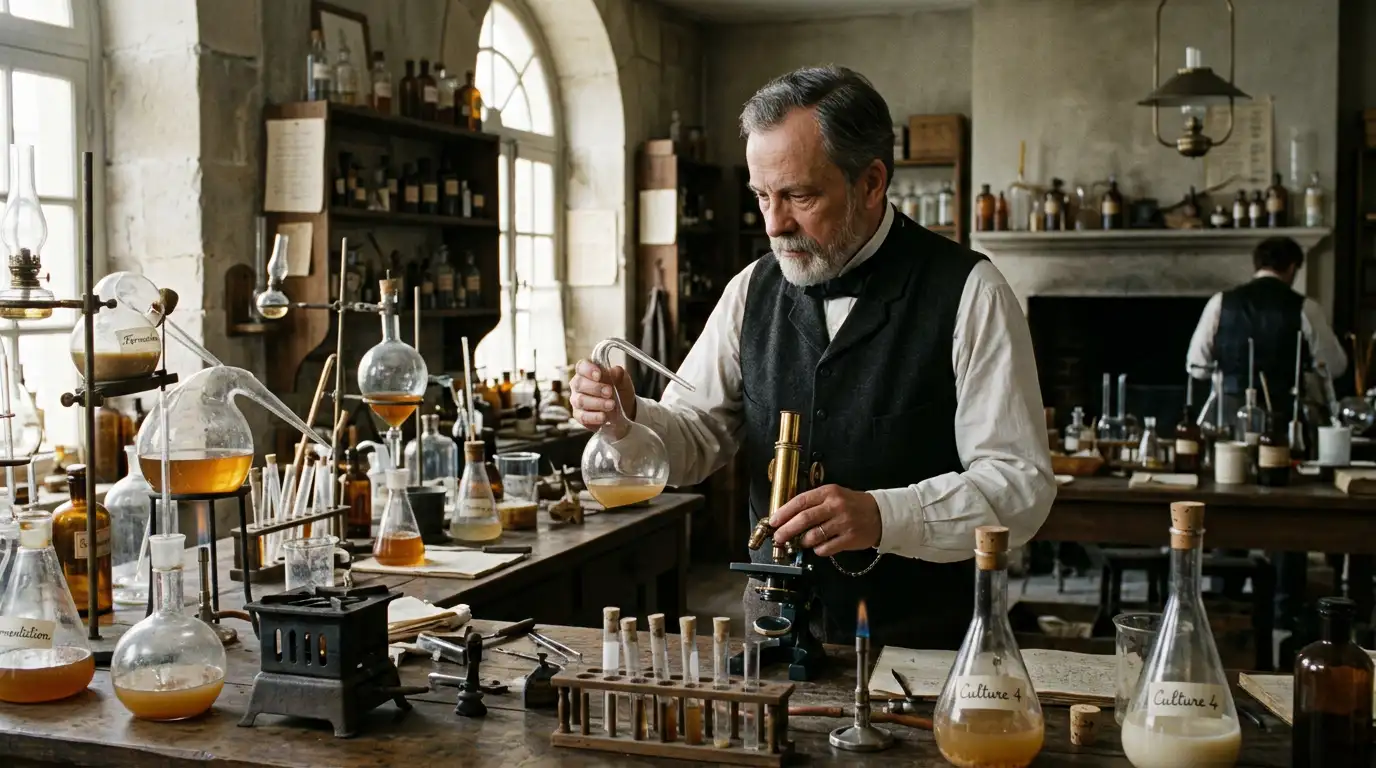
He was not initially trying to explain epidemics. He was investigating fermentation, including why substances such as wine and milk could change or spoil. His experiments showed that microorganisms were involved in these processes.
Pasteur then became involved in the long-running argument over spontaneous generation. Many people believed that microscopic life could simply appear in suitable material.
His famous swan-neck flask experiments challenged that idea. Nutrient broth could remain free of microbial growth even while exposed to air, provided dust and microorganisms from the environment could not reach it. Once contamination was allowed in, microorganisms grew.
Life was not simply appearing from nowhere.
Pasteur's experiments did not, by themselves, prove that every infectious disease was caused by microbes. But they helped establish something crucial: microorganisms came from other microorganisms and could produce major biological changes in the materials they entered.
The possibility that they might also cause disease became much harder to dismiss.
Lister Takes the Idea into Surgery
Joseph Lister immediately saw a practical implication.
Surgery had already been transformed by anaesthesia, which allowed surgeons to perform longer and more complicated operations. Yet surviving the operation itself was only part of the danger. Patients could later develop serious wound infections.
Lister studied Pasteur's work and began to think that microorganisms reaching an open wound might be responsible.
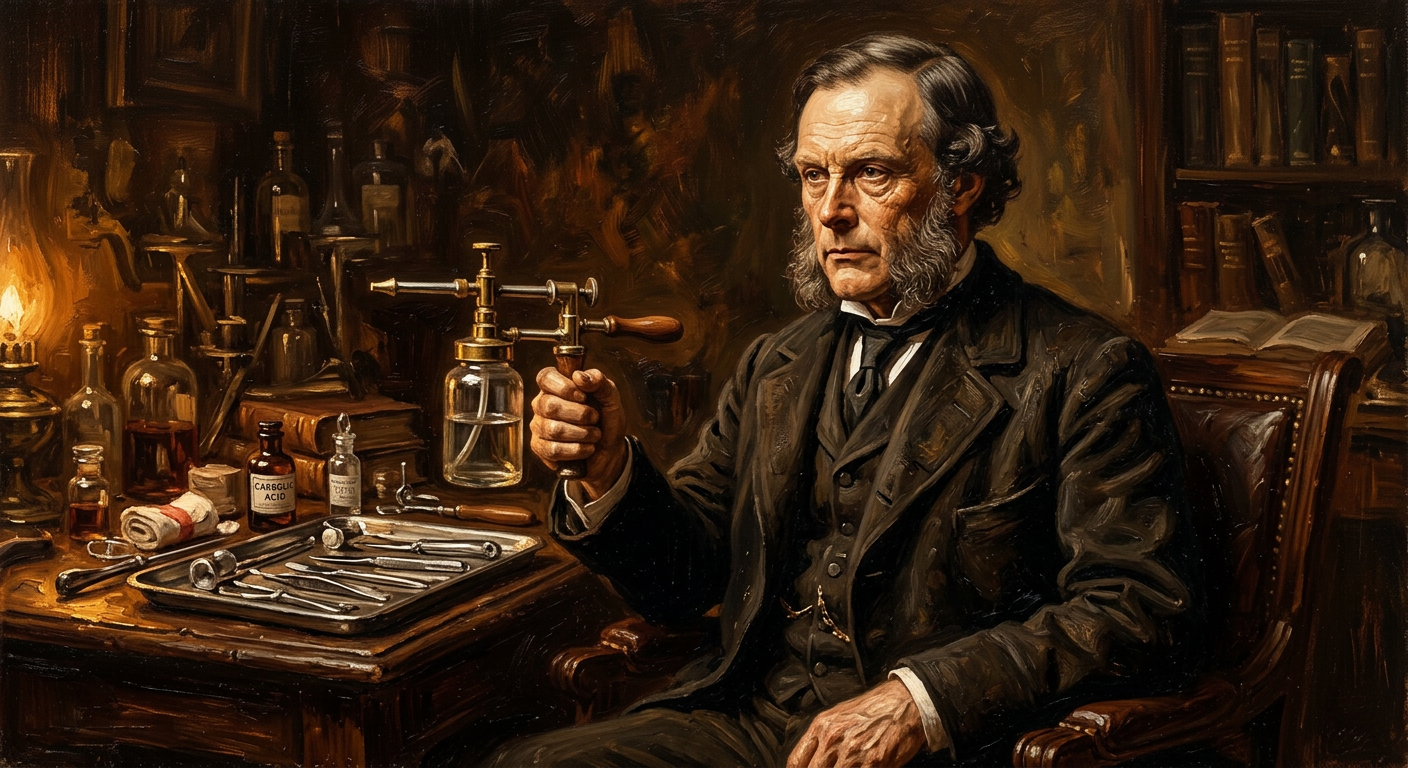
He experimented with carbolic acid as an antiseptic, using it on wounds, surgical instruments and the hands of surgical staff. His methods changed over time as he learned more, but the central principle was powerful: contamination could be prevented or destroyed rather than simply accepted as an unavoidable part of surgery.
Results from Lister's work helped persuade other surgeons that cleanliness and control of microorganisms mattered.
Modern operating theatres no longer resemble Lister's early antiseptic system. Medicine moved from trying to kill microbes after contamination towards aseptic techniques designed to stop contamination happening in the first place.
But the underlying idea remains recognisable.
A surgical wound must be protected from microorganisms.
Koch Connects Microbes to Disease
Even with the work of Pasteur and Lister, another challenge remained.
If microorganisms caused disease, scientists needed a reliable way to show that a particular organism caused a particular illness.
Robert Koch helped provide that evidence.
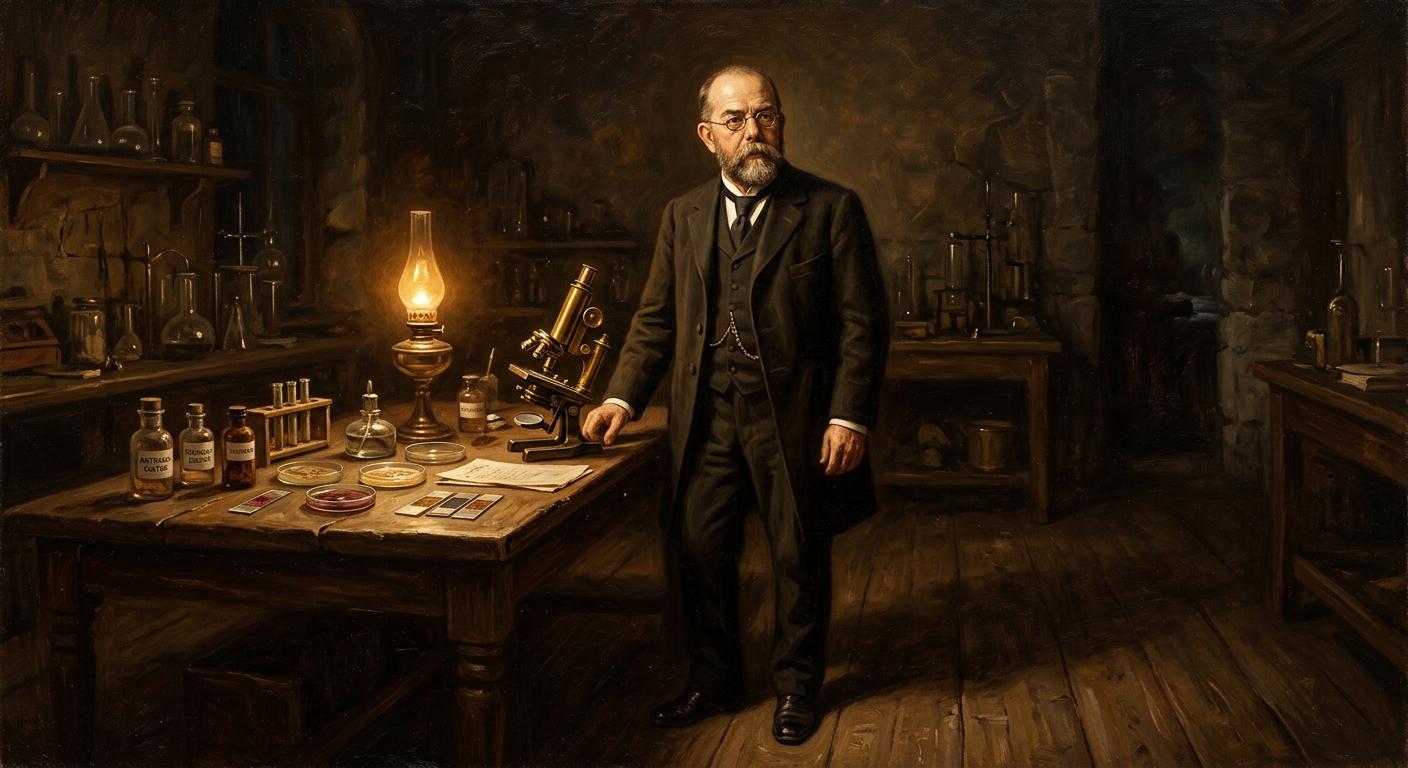
Working on anthrax in the 1870s, Koch studied the bacteria found in infected animals, developed ways of cultivating them and showed that the organism could transmit the disease. His work helped demonstrate that an infectious disease could have a specific microbial cause.
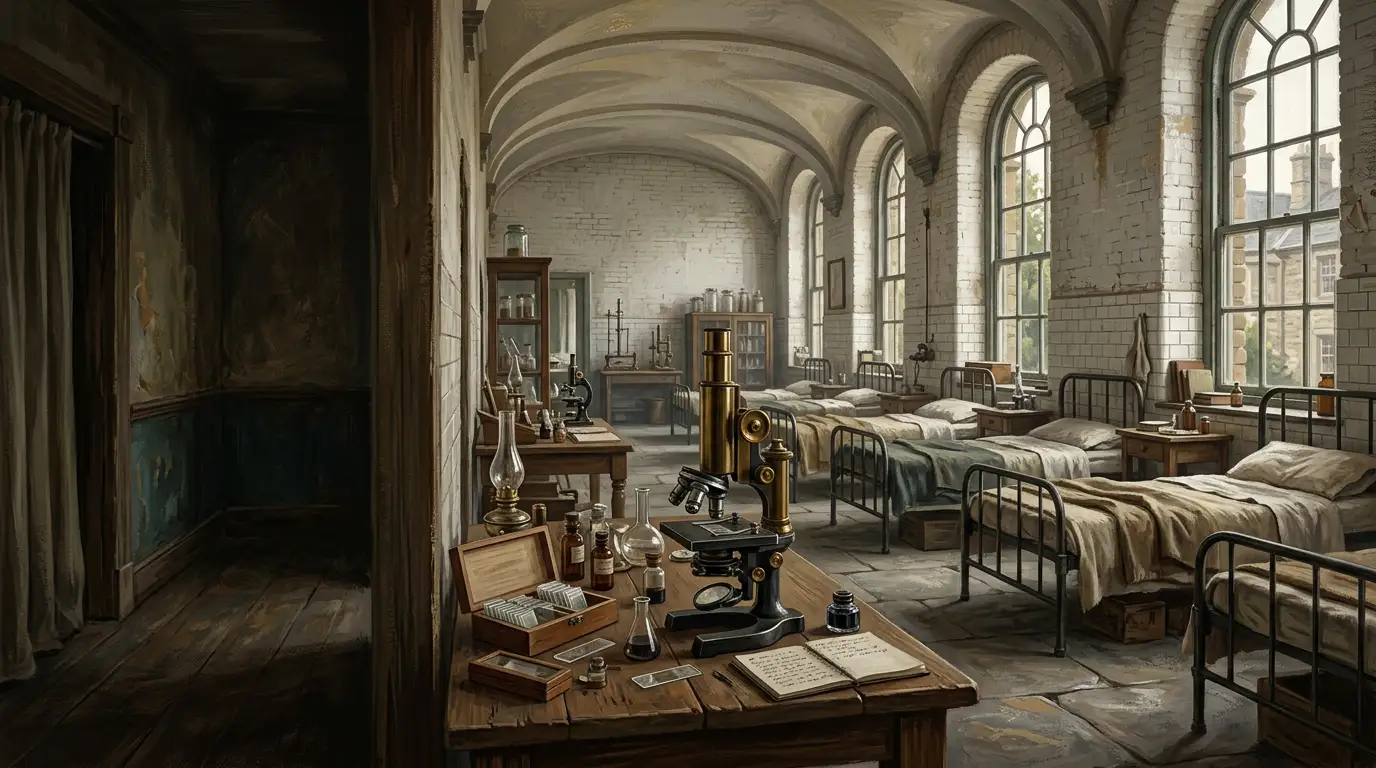
Koch and his colleagues then refined methods for growing, staining and identifying bacteria. These techniques made it possible to investigate diseases in a much more systematic way.
In 1882, Koch announced the discovery of the bacterium responsible for tuberculosis. Soon afterwards, his work on cholera helped establish the bacterial cause of that disease as well.
A set of principles associated with Koch became known as Koch's postulates. They provided a framework for connecting a particular microorganism with a particular disease.
Later microbiology showed that the relationship between microbes and disease can be more complicated than those original principles allowed. Some organisms can be carried without causing symptoms, some cannot easily be grown in laboratory cultures, and viruses behave differently from bacteria.
But Koch's insistence on experimental evidence helped turn germ theory into a testable science.
No Single Eureka Moment
The germ theory revolution is sometimes told as though Louis Pasteur discovered germs and medicine immediately changed.
The history is much richer than that.
Semmelweis showed that handwashing could prevent deadly infection before he knew exactly what was being transmitted. Snow traced cholera through contaminated water before the cholera bacterium had been identified. Pasteur demonstrated the importance of microorganisms and challenged spontaneous generation. Lister applied microbial ideas to surgery. Koch developed methods that linked particular microbes to particular diseases.
Sanitation also improved before germ theory was fully accepted. Clean water, sewage systems and better hygiene could reduce disease even when the people building them did not yet understand the microorganisms involved.
Once the pieces came together, however, medicine changed profoundly.
Doctors could ask which organism caused an infection, how it entered the body and how its transmission could be interrupted. Hospitals could focus on sterilisation and hygiene. Public-health authorities could protect water supplies and control contamination. Scientists could begin developing treatments and vaccines aimed at specific infectious diseases.
It was not the achievement of one scientist and there was no single experiment that settled everything.
The revolution happened because different lines of evidence began pointing towards the same conclusion.
Invisible organisms could cause disease.
Once medicine understood that, preventing disease was no longer only about treating the person who became ill. It was also about stopping the microorganism from reaching them in the first place.