_(2).jpg)
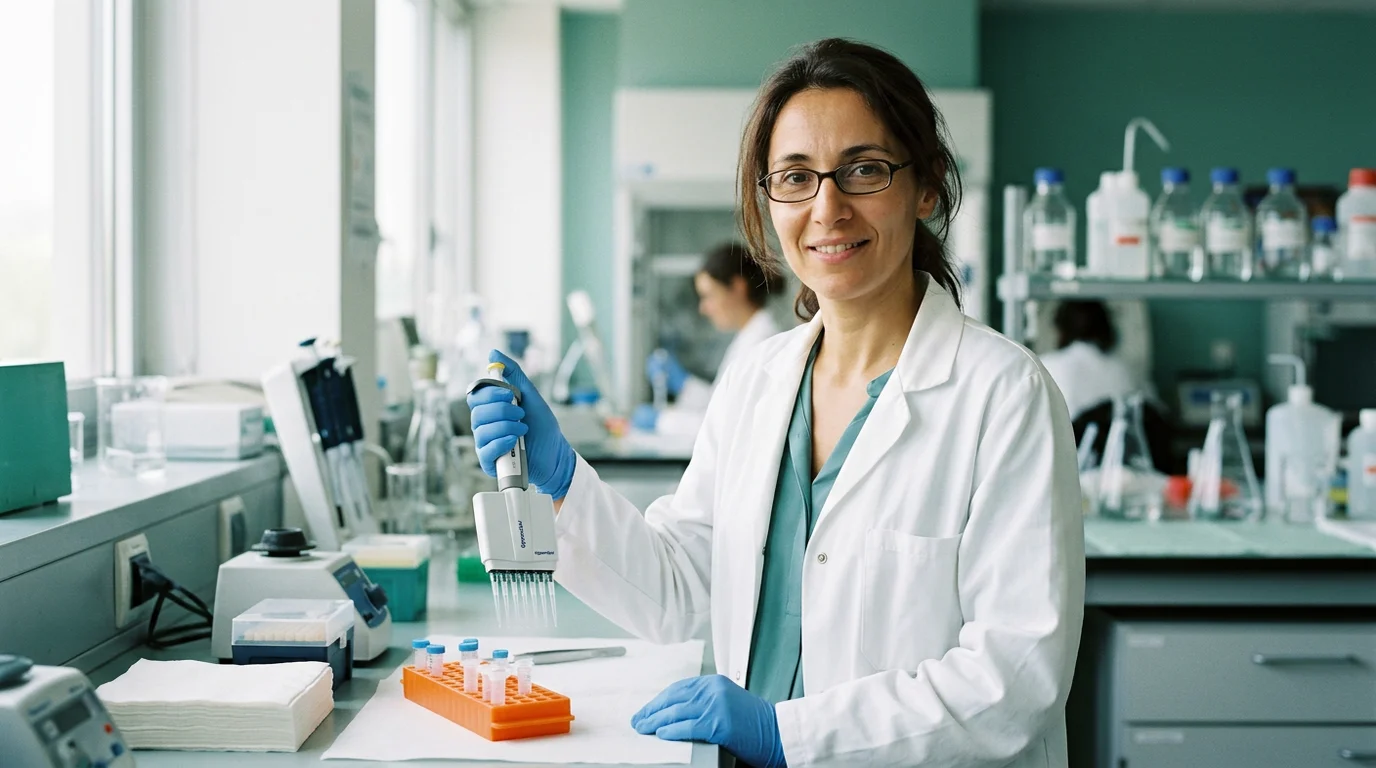
Emmanuelle Charpentier
1968–present · Microbiology, CRISPR and genome editing
Emmanuelle Charpentier helped develop CRISPR-Cas9 genome editing by uncovering bacterial RNA components and collaborating with Jennifer Doudna.
Why is this scientist famous?
Emmanuelle Charpentier co-developed a programmable CRISPR-Cas9 genome-editing method after investigating how bacteria defend themselves against viruses.
CRISPR research has transformed laboratory genetics and enabled some medical treatments, while safety, ethics and fair access remain essential.
Emmanuelle's story
Following questions about bacteria
Emmanuelle Charpentier was born in Juvisy-sur-Orge, France, on 11 December 1968. She trained in microbiology and completed a doctorate at the Institut Pasteur in Paris in 1995. Her career took her through laboratories in Europe and North America. She was especially interested in how bacteria behave and interact with the organisms around them. Investigating bacterial defences would ultimately reveal a tool that biologists could use for a very different purpose.
A bacterial defence against viruses
Some bacteria carry a natural system called CRISPR, short for clustered regularly interspaced short palindromic repeats. Together with associated proteins, it allows cells to recognise and cut certain invading genetic sequences. Charpentier’s team discovered a previously overlooked RNA component, known as tracrRNA, and helped explain its role alongside other RNA molecules and the Cas9 protein. A 2011 research paper clarified important steps in this bacterial defence. The components were originally part of a natural immune process, not an editing tool invented from nothing.
Turning defence into a programmable tool
Charpentier then collaborated with Jennifer Doudna and a wider group of scientists. Their 2012 paper showed how Cas9 could be directed by RNA to cut chosen DNA sequences. The researchers also simplified the RNA components into a programmable guide. This helped open the way to CRISPR-Cas9 genome editing: a method scientists can use to make targeted changes to DNA in experimental systems. Other research groups contributed to turning these discoveries into reliable editing in living cells.
What genetic scissors can—and cannot—do
The phrase genetic scissors describes the controlled cut that Cas9 can make in DNA. The subsequent change depends on how the cell repairs the cut and on other tools researchers use. CRISPR has greatly improved studies of genes in plants, animals and microbes. It has also supported the development of medical therapies, but an experiment that changes DNA is not automatically safe or curative. Different applications require careful testing, ethical review and long-term monitoring.
Recognition and responsibility
Charpentier became a leading molecular microbiologist and founded the Max Planck Unit for the Science of Pathogens in Berlin. In 2020 she shared the Nobel Prize in Chemistry with Jennifer Doudna for developing a method for genome editing. The award recognised a transformative research collaboration, not the efforts of only two people across the entire field. Her story illustrates how patient curiosity about basic biology can unexpectedly produce an important technology.
What did they discover?
tracrRNA in bacterial defence
Helped reveal an essential RNA component of the CRISPR-Cas9 bacterial defence system.
Programmable CRISPR-Cas9
Co-developed a way to guide Cas9 to specified DNA sequences using RNA.
Microbial genetics
Connected detailed research on bacteria with tools for studying genes in many organisms.
Genome-editing applications
Helped establish methods used in research, agriculture and the development of medical treatments.
Amazing facts
She was born near Paris in 1968.
She earned a doctorate at the Institut Pasteur in 1995.
Her early career focused on microbiology and the biology of disease-causing bacteria.
Her team uncovered the importance of a small RNA called tracrRNA.
A 2011 paper helped explain the natural CRISPR-Cas9 defence system.
With Jennifer Doudna and collaborators, she published a key gene-editing paper in 2012.
She became founding director of the Max Planck Unit for the Science of Pathogens.
She shared the Nobel Prize in Chemistry in 2020 with Jennifer Doudna.
Timeline
Born in Juvisy-sur-Orge, France.
Completed her doctorate at the Institut Pasteur.
Published work describing the role of tracrRNA in bacterial defence.
Co-authored a landmark programmable Cas9 paper with Doudna and collaborators.
Became founding director of the Max Planck Unit for the Science of Pathogens.
Shared the Nobel Prize in Chemistry for genome-editing research.
Awards & honours
Related Super Scientists
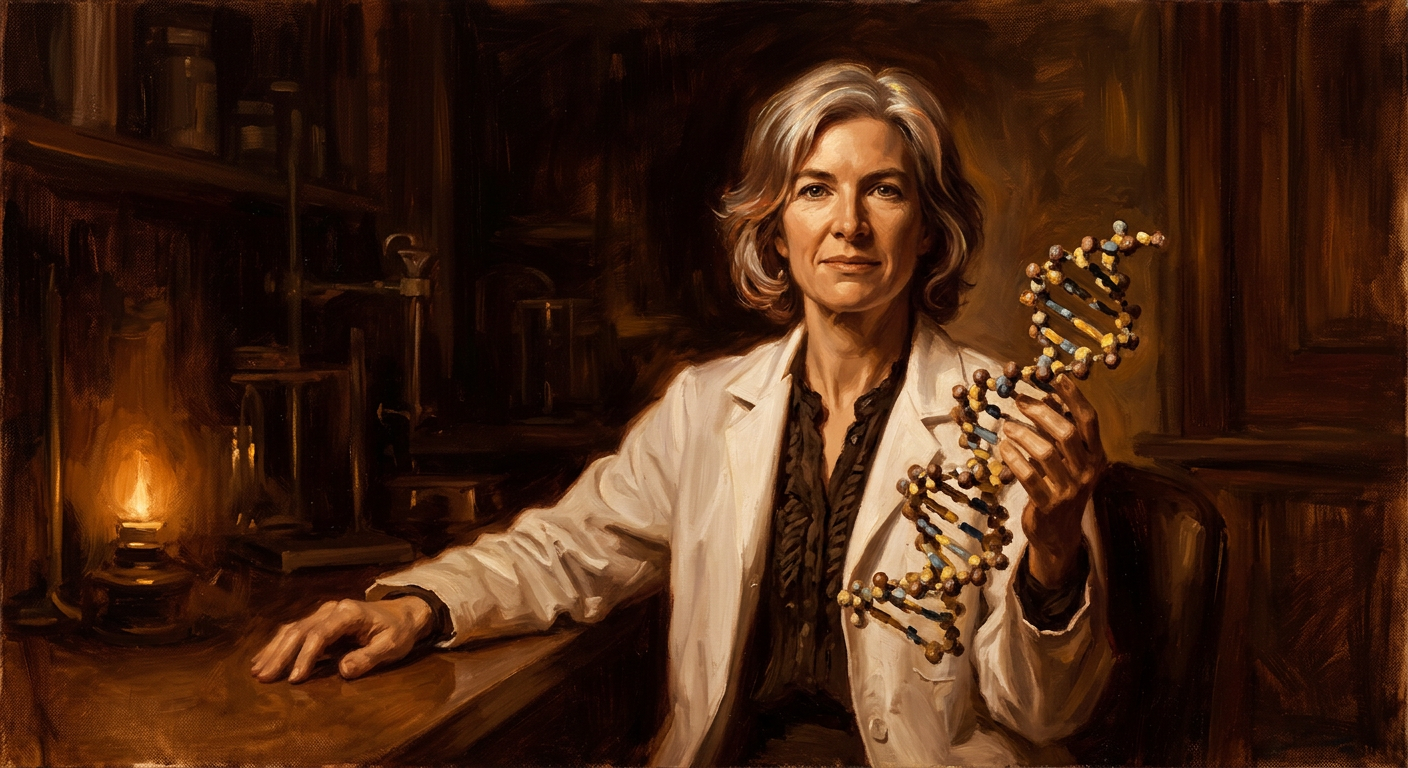
Jennifer Doudna
1964–present · Biochemist
Co-developed CRISPR-Cas9, the gene-editing technology that allows scientists to rewrite DNA with extraordinary precision, and won the 2020 Nobel Prize in Chemistry for the work.
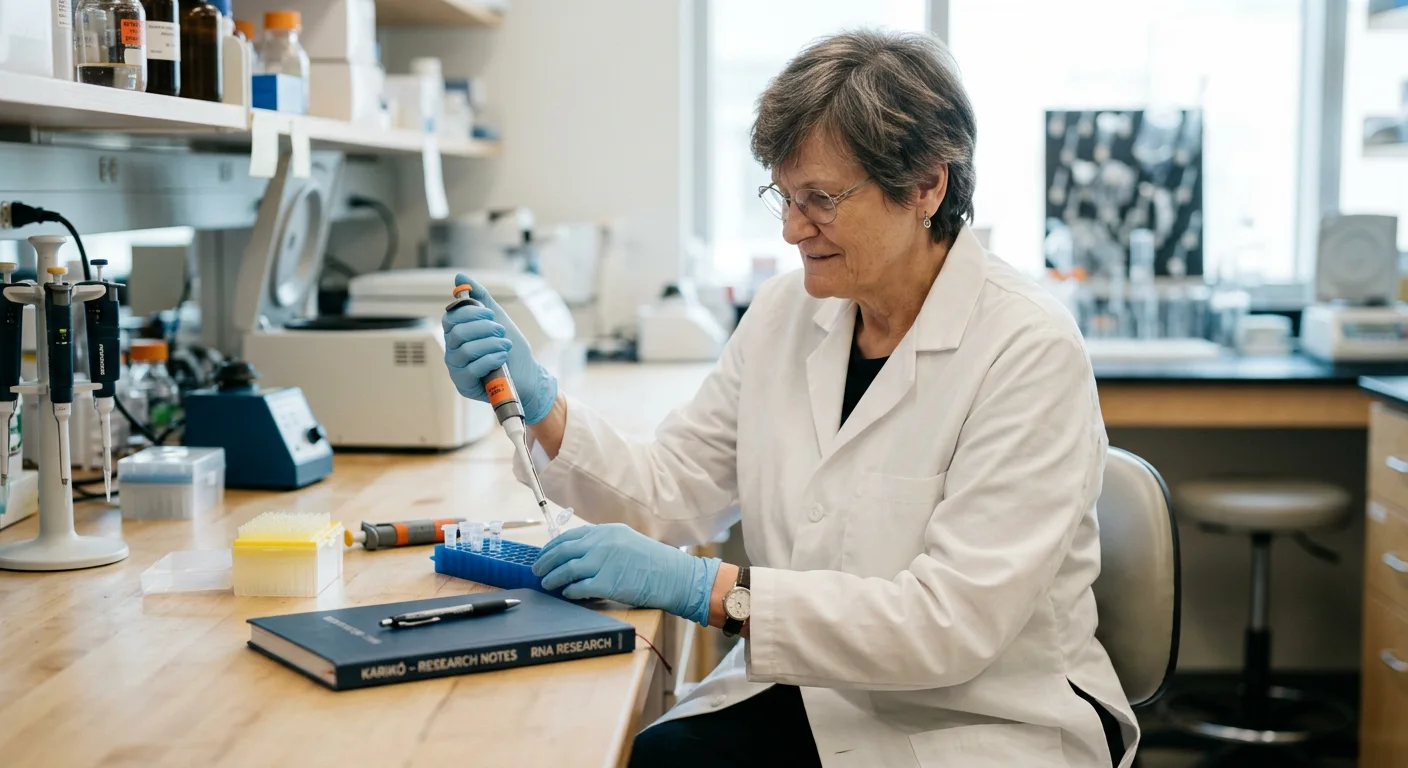
Katalin Karikó
1955–present · Biochemistry and RNA medicine
Working with Drew Weissman, Karikó discovered how changes to laboratory-made messenger RNA could reduce unwanted immune reactions. Their research helped make mRNA vaccines possible.
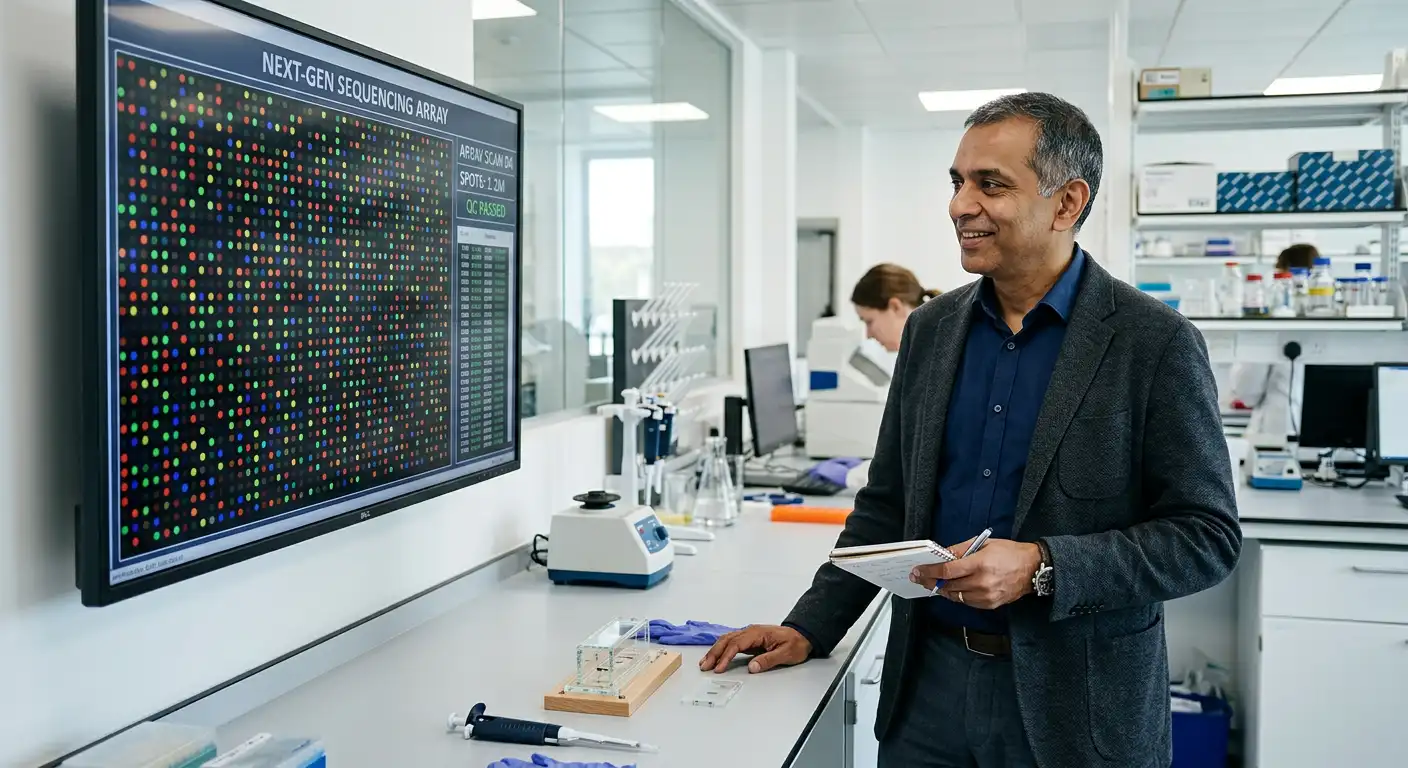
Shankar Balasubramanian
1966–present · Chemistry, genetics and genome sequencing
With David Klenerman and their teams, Balasubramanian developed the sequencing-by-synthesis technology behind Solexa sequencing, an important advance in reading genomes.