_(2).jpg)
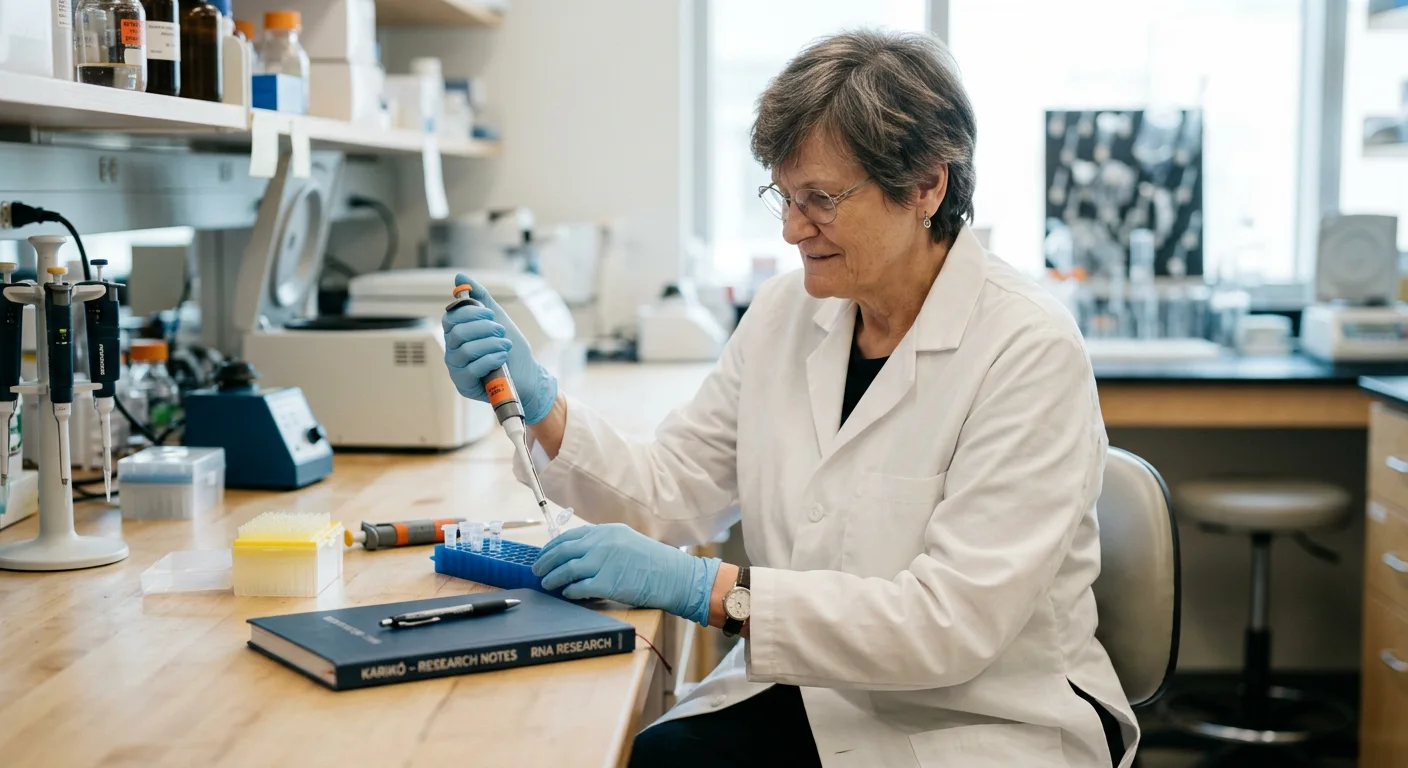
Katalin Karikó
1955–present · Biochemistry and RNA medicine
Katalin Karikó's patient research on modified messenger RNA helped make it a practical platform for medicines, including COVID-19 vaccines.
“Science builds on science”
Why is this scientist famous?
Working with Drew Weissman, Karikó discovered how changes to laboratory-made messenger RNA could reduce unwanted immune reactions. Their research helped make mRNA vaccines possible.
Her research helped make RNA a useful platform for medicines by overcoming an important biological obstacle. It connects basic cell biology with disease prevention, showing how decades of laboratory work can become unexpectedly vital.
Katalin's story
From Hungary to Philadelphia
Katalin Karikó was born on 17 January 1955 in Szolnok, Hungary, and grew up in the nearby town of Kisújszállás. A school biology teacher named Albert Tóth helped encourage her interest in science. She earned a biology degree at the University of Szeged in 1978 and a doctorate in biochemistry there in 1982, then worked at the Biological Research Centre in Szeged.
Moving to America
In 1985, Karikó moved to Philadelphia for research at Temple University. She joined the University of Pennsylvania in 1989, where she would spend many years investigating messenger RNA (mRNA; RNA means ribonucleic acid). Her path from Hungarian laboratories to American university research required persistence, as funding for mRNA work was difficult to secure.
A cellular message
Messenger RNA carries instructions that cells can read to make proteins. Karikó wanted to use laboratory-made mRNA as medicine, but one obstacle was that it could provoke unwanted innate immune responses. The body’s defence system treated the foreign RNA as a threat, which limited its usefulness.
A partnership begins at the photocopier
Karikó and immunologist Drew Weissman began talking while copying research articles at a photocopier at Penn. Their different expertise grew into a lasting partnership. They investigated chemically modified RNA building blocks, and their 2005 work showed how certain nucleoside modifications could reduce the unwanted immune response. Later work also improved protein production from the modified RNA.
From basic research to vaccines
This research was foundational for modified-mRNA vaccines, including those developed by Pfizer/BioNTech and Moderna against COVID-19. Vaccine design, delivery, manufacturing and clinical testing involved many other people. Karikó and Weissman’s discoveries helped overcome an important obstacle, alongside advances made by many other researchers.
Nobel recognition
In 2013, Karikó joined BioNTech, the company whose vaccine technology her earlier research had helped make possible. In 2023, she and Weissman shared the Nobel Prize in Physiology or Medicine. Their key findings came about fifteen years before the COVID-19 vaccines, showing how earlier basic science can become useful in an unexpected crisis. Her story shows how sustained experimentation and scientific teamwork can turn an idea into something useful.
What did they discover?
Modified mRNA to reduce immune activation
With Drew Weissman, discovered that chemically modified nucleosides in messenger RNA could reduce unwanted innate immune responses, making mRNA a viable platform for medicines.
Improved protein production from mRNA
Further work improved how much protein cells produce from modified mRNA, enhancing its potential for therapeutic use.
Foundational mRNA vaccine platform
The modified-mRNA approach developed with Weissman became the basis for COVID-19 vaccines developed by Pfizer/BioNTech and Moderna.
Amazing facts
Her research helped cells make more protein. Beyond reducing unwanted immune reactions, later work with modified mRNA improved protein production, an important step towards using it in medicines.
A school biology teacher helped encourage her interest. Her teacher, Albert Tóth, encouraged her interest in science, showing how teachers can help open a path into research.
A photocopier helped bring collaborators together. Karikó and Weissman began talking while copying research articles at Penn; their different expertise grew into a lasting partnership.
Her subject is a cellular message. Rather than being the protein itself, mRNA contains instructions a cell can read to make a protein — a useful distinction for understanding her work.
A tiny chemical alteration had an important effect. Changing particular RNA building blocks helped reduce unwanted immune activation, illustrating how molecular details can change biological behaviour.
The key research came well before COVID-19. Their 2005 paper preceded the 2020 vaccines by about fifteen years, showing how earlier basic science can become useful in an unexpected crisis.
Her career connected Hungarian and American laboratories before industry. Work in Szeged, Philadelphia and later BioNTech illustrates the international journey behind the science.
Her Nobel was shared with her research partner. Karikó and Weissman received the 2023 medicine prize together; their discovery was one essential part of a much larger vaccine effort.
Timeline
Born in Szolnok, Hungary.
Completes her biology degree at the University of Szeged.
Completes her doctorate in biochemistry at the University of Szeged.
Moves to Temple University in Philadelphia.
Joins the University of Pennsylvania.
Publishes key findings on modified mRNA with Drew Weissman.
Joins BioNTech.
Modified-mRNA COVID-19 vaccines emerge, building on her earlier research.
Shares the Nobel Prize in Physiology or Medicine with Drew Weissman.
Awards & honours
Related Super Scientists
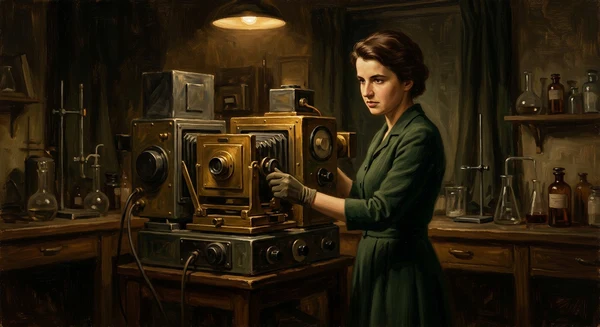
Rosalind Franklin
1920–1958 · Chemist & X-ray Crystallographer
Producing crucial X-ray diffraction data on DNA, including Photograph 51, with her student Raymond Gosling.
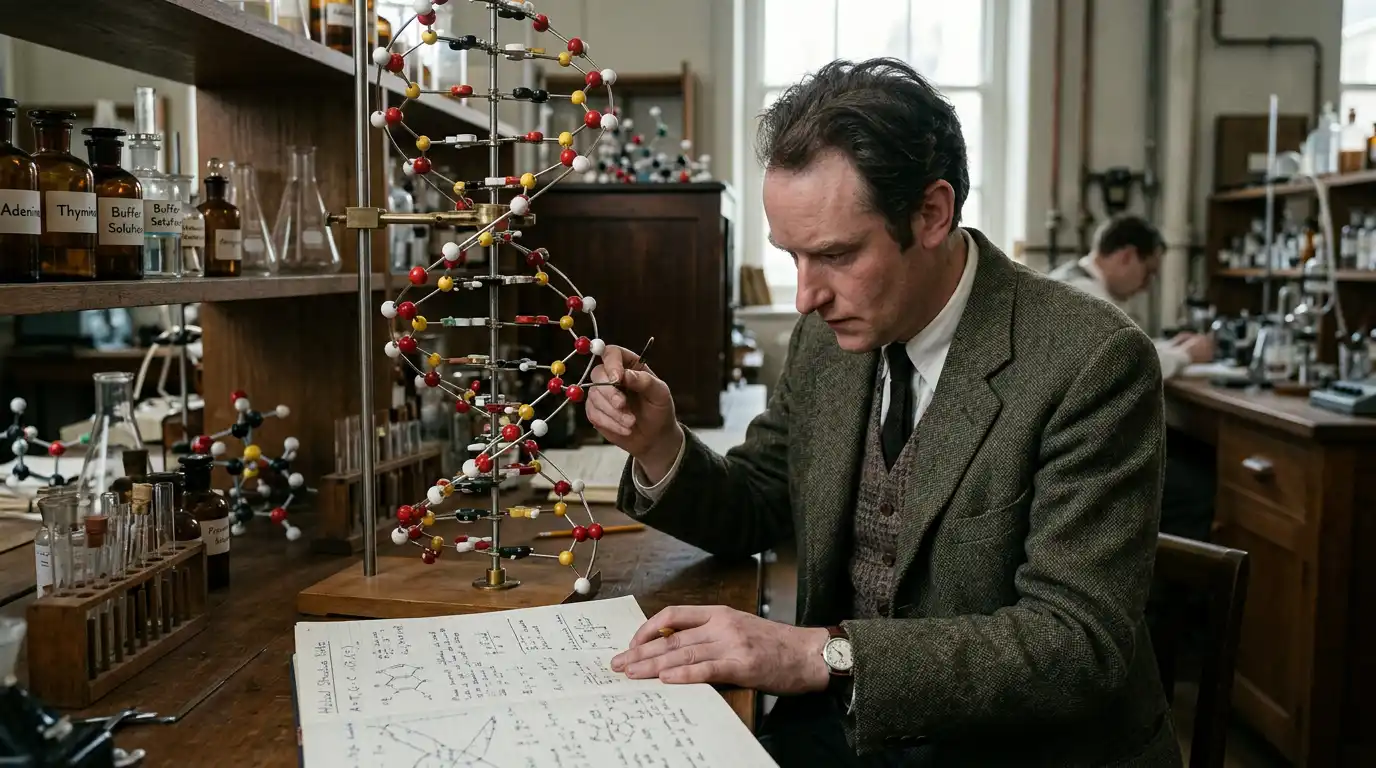
Francis Crick
1916–2004 · Molecular Biologist
Working with James Watson to develop the double-helix model of DNA in 1953 and later making major contributions to understanding genetic information and the genetic code. He shared the 1962 Nobel Prize in Physiology or Medicine with James Watson and Maurice Wilkins.
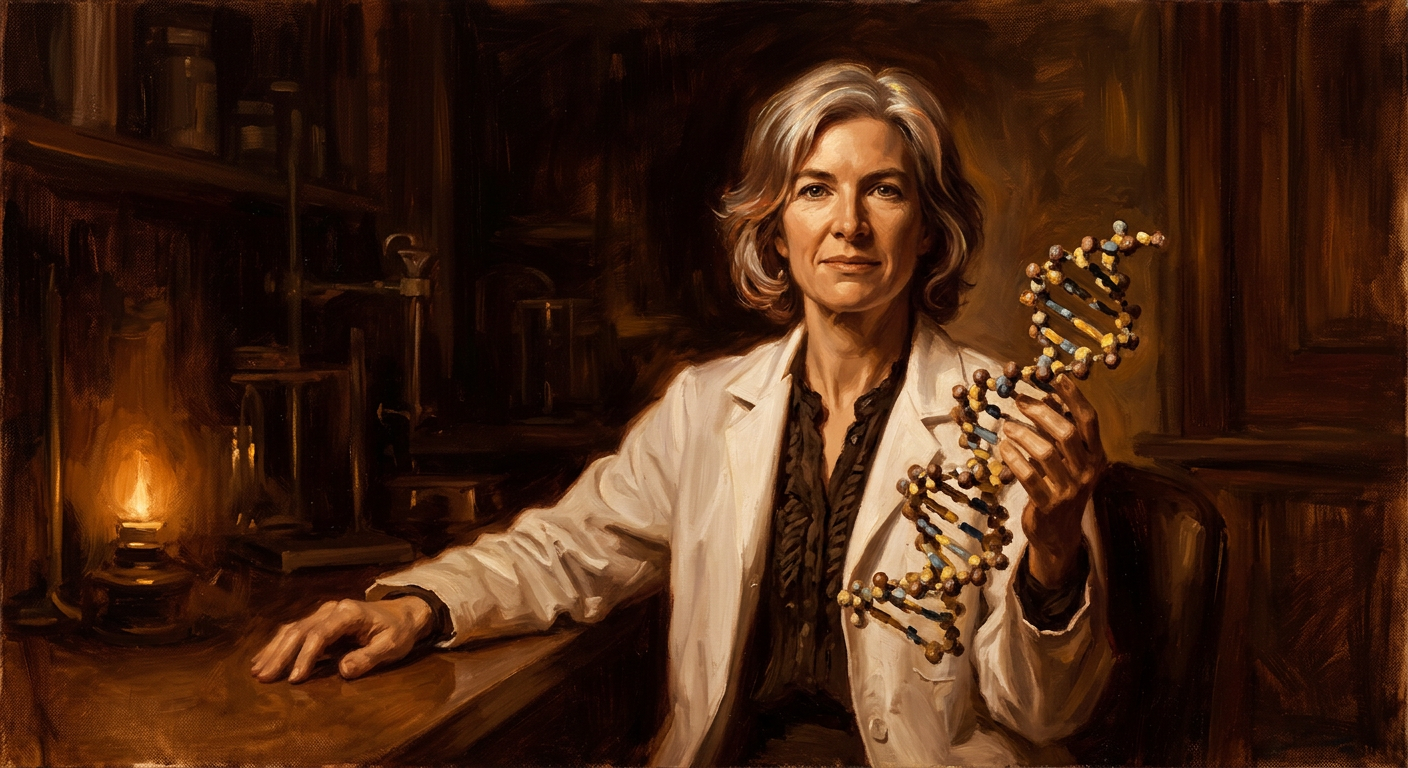
Jennifer Doudna
1964–present · Biochemist
Co-developed CRISPR-Cas9, the gene-editing technology that allows scientists to rewrite DNA with extraordinary precision, and won the 2020 Nobel Prize in Chemistry for the work.