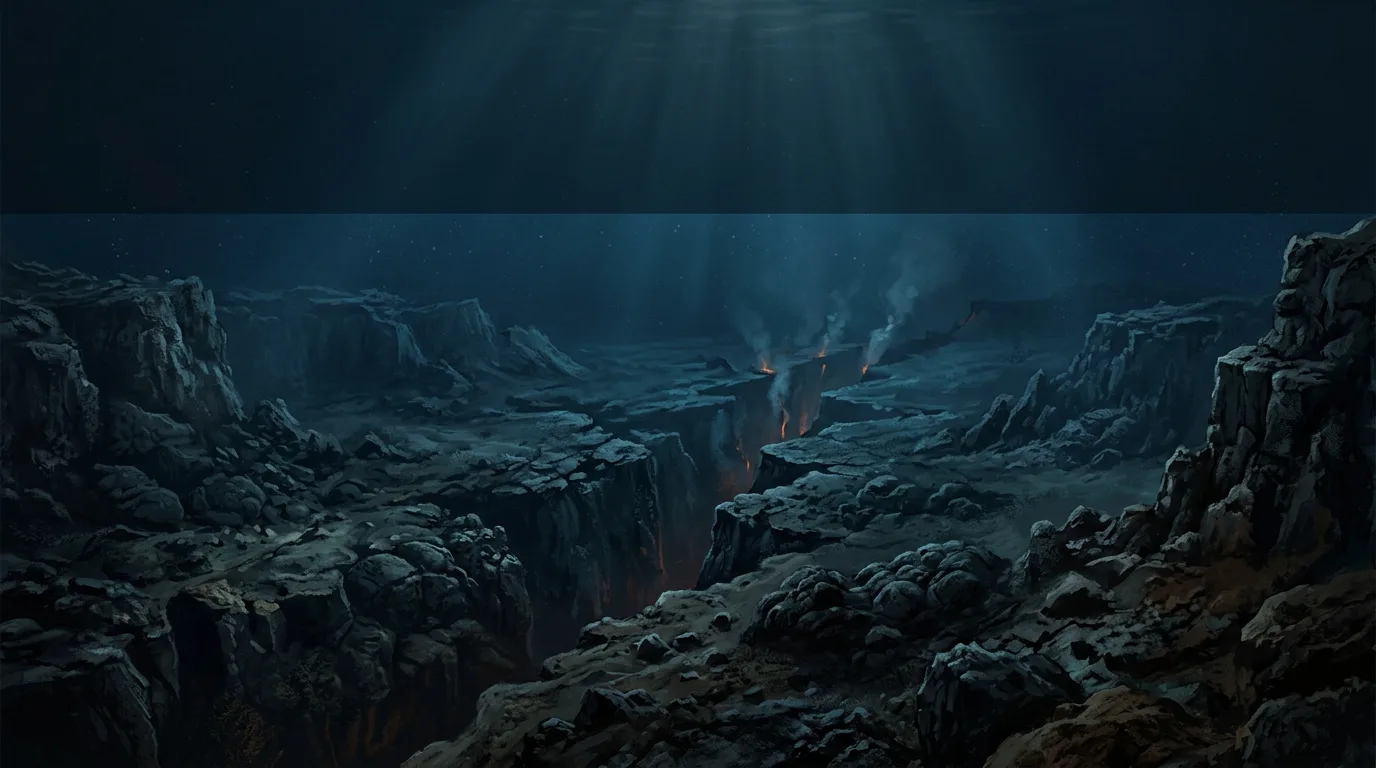
_(2).jpg)
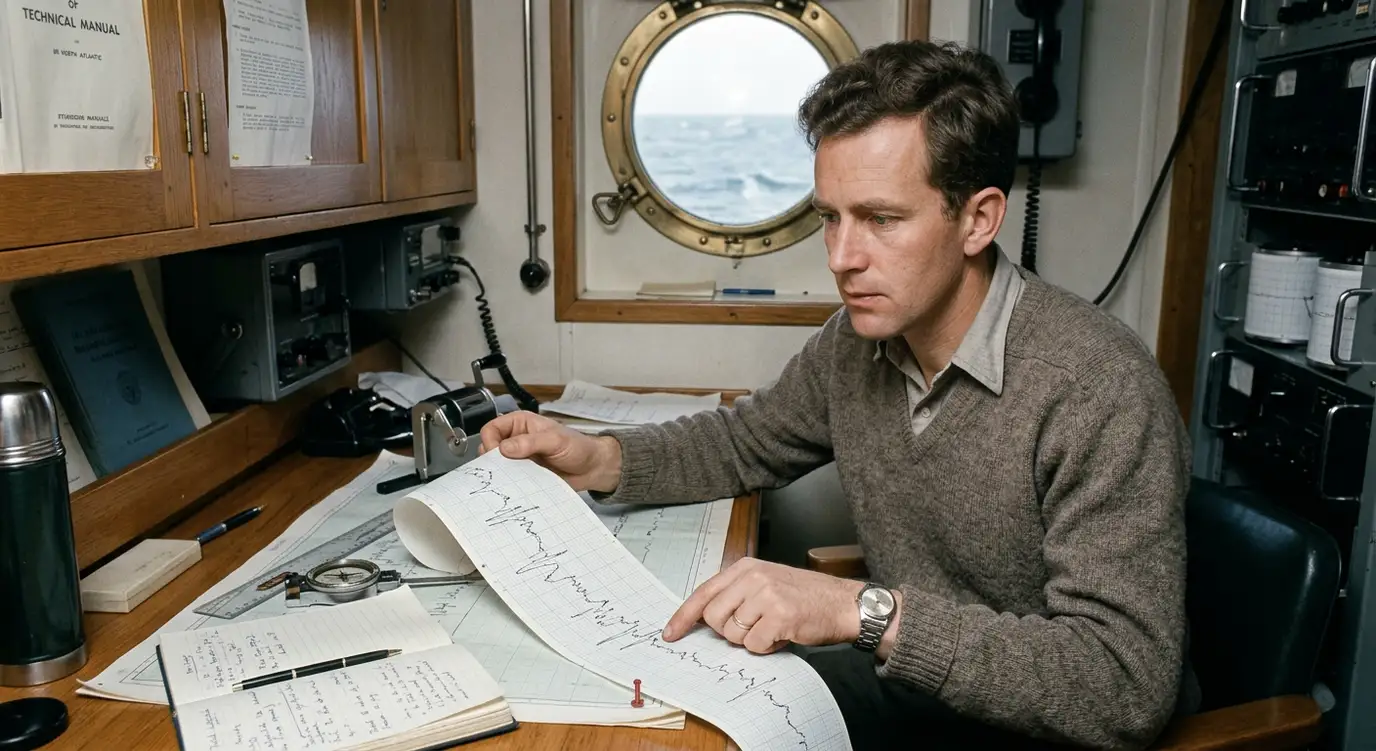
Drummond Hoyle Matthews
1931–1997 · Marine geophysics
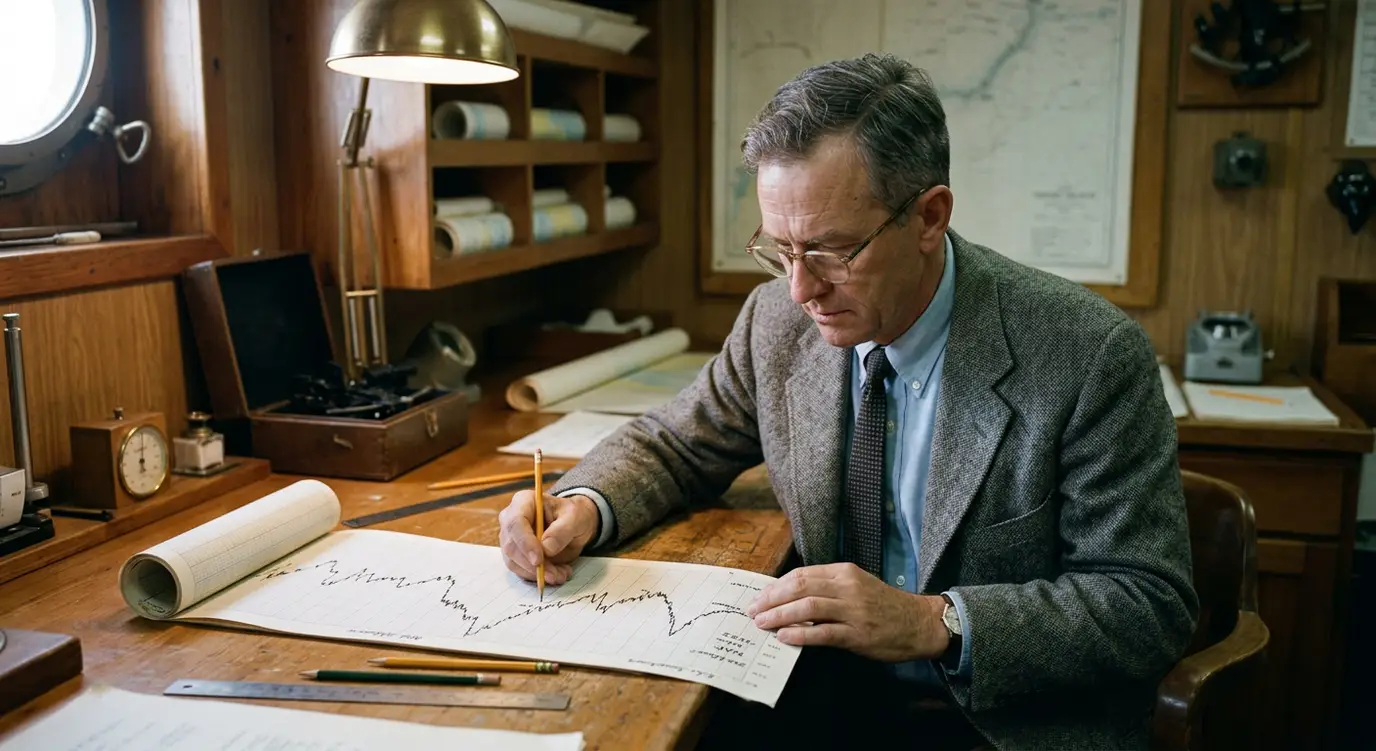
British geophysicist Drummond Matthews gathered ocean-floor magnetic data and, with Fred Vine, explained patterns that supported seafloor spreading.
Why is this scientist famous?
His marine surveys and the 1963 Nature paper with his graduate student Vine helped make movement of the ocean floor testable; Morley independently developed the magnetic interpretation.
His work helped change how geologists interpret ocean basins, and the Vine-Matthews-Morley hypothesis became a key part of plate-tectonics history.
Drummond's story
From the Royal Navy to Cambridge
Drummond Hoyle Matthews was born on 5 February 1931. He served in the Royal Navy before studying geology and petrology at the University of Cambridge, where he graduated in 1955. He then worked as a geologist in the Antarctic with the organisation that became the British Antarctic Survey. He later returned to Cambridge for doctoral work on rocks dredged from the North Atlantic.
Surveys in the Indian Ocean
On marine expeditions in the northwest Indian Ocean in 1961 to 1963, including cruises aboard HMS Owen, Matthews collected magnetic readings and information on the ocean floor. The data included patterns across an ocean ridge. His research student Fred Vine helped interpret those patterns. The magnetic 'stripes' were patterns in readings taken above magnetised ocean-floor rock, rather than colourful bands visible on the seabed.
The 1963 Nature paper
In their 1963 Nature article 'Magnetic Anomalies over Oceanic Ridges', Matthews and Vine proposed that newly formed ocean crust preserves changing directions of Earth's magnetic field as it spreads away from ridges. The matching magnetic patterns on either side offered a test of Harry Hess's seafloor-spreading proposal; later measurements strengthened it. Lawrence Morley proposed the same explanation independently, submitted it unsuccessfully to two journals, and is recognised in the Vine-Matthews-Morley hypothesis. The work was not a three-author paper, and Matthews did not alone discover seafloor spreading.
Honours and legacy
Matthews was elected a Fellow of the Royal Society in 1974. He shared the 1973 Chapman Medal with Vine, the 1981 Balzan Prize with Vine and Dan McKenzie, and the 1982 Hughes Medal with Vine. He received the Geological Society of London Wollaston Medal in 1989. His work helped change how geologists interpret ocean basins. He died on 20 July 1997.
What did they discover?
Marine magnetic surveys in the Indian Ocean
Aboard HMS Owen and other vessels in 1961 to 1963, Matthews collected magnetic readings across an ocean ridge that Vine helped interpret.
Vine-Matthews magnetic-stripe interpretation (1963)
With Vine, Matthews proposed that newly formed ocean crust preserves Earth's magnetic direction as it spreads, leaving matching patterns that test seafloor spreading.
Amazing facts
He served in the Royal Navy before his Cambridge degree.
He worked as a geologist in the Antarctic.
He studied rocks collected from the North Atlantic.
He carried out marine surveys in the Indian Ocean.
One survey measured magnetism above an ocean ridge.
Fred Vine was his first research student.
His 1963 paper with Vine helped explain matching magnetic patterns on either side of ridges.
In 1989 he received the Wollaston Medal.
Timeline
Born
Graduated in geology and petrology from Cambridge
Carried out marine magnetic surveys in the northwest Indian Ocean, including cruises aboard HMS Owen
Published 'Magnetic Anomalies over Oceanic Ridges' with Vine in Nature
Shared the Chapman Medal with Vine
Elected Fellow of the Royal Society
Shared the Balzan Prize with Vine and Dan McKenzie
Shared the Royal Society Hughes Medal with Vine
Received the Geological Society of London Wollaston Medal
Died
Awards & honours
Related Super Scientists
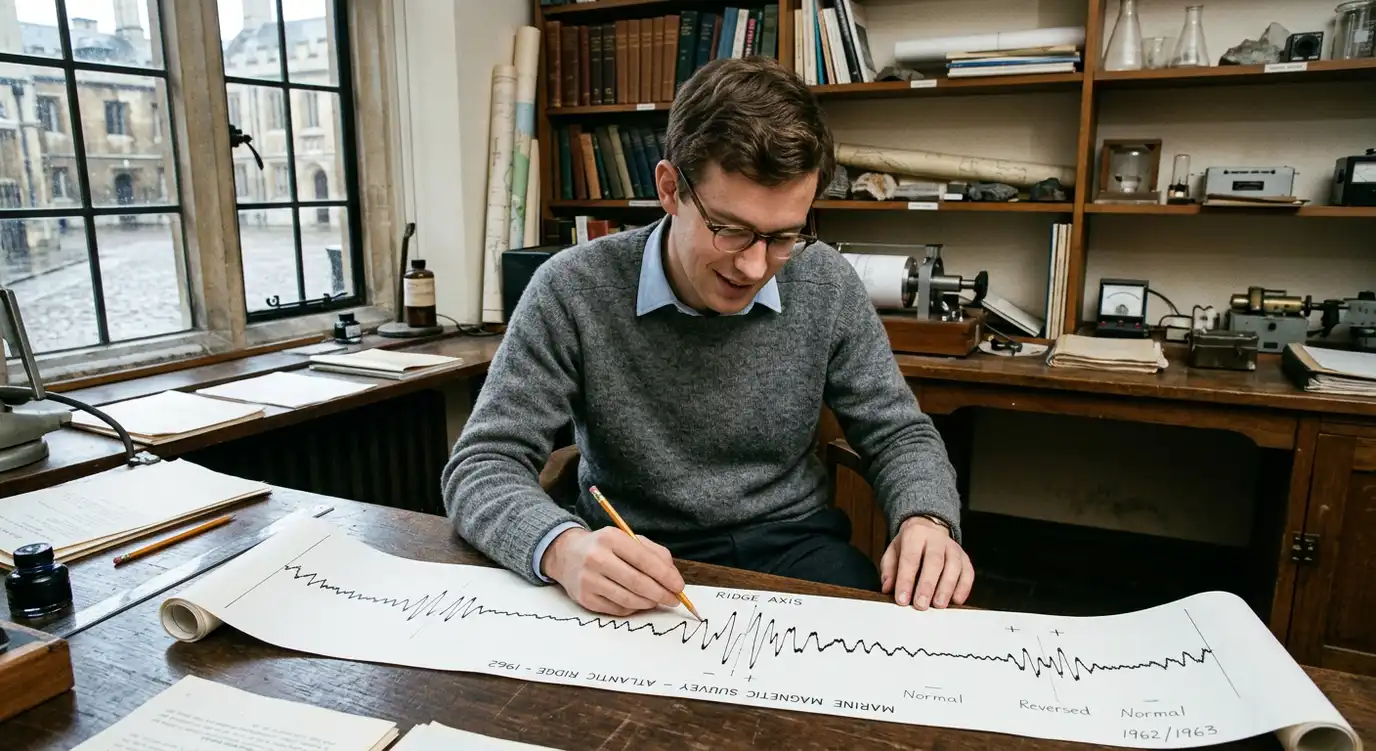
Frederick John Vine
1939–2024 · Marine geology and geophysics
With Drummond Matthews, published the 1963 magnetic-stripe interpretation that provided a way to test seafloor spreading; Lawrence Morley independently proposed the same core idea.
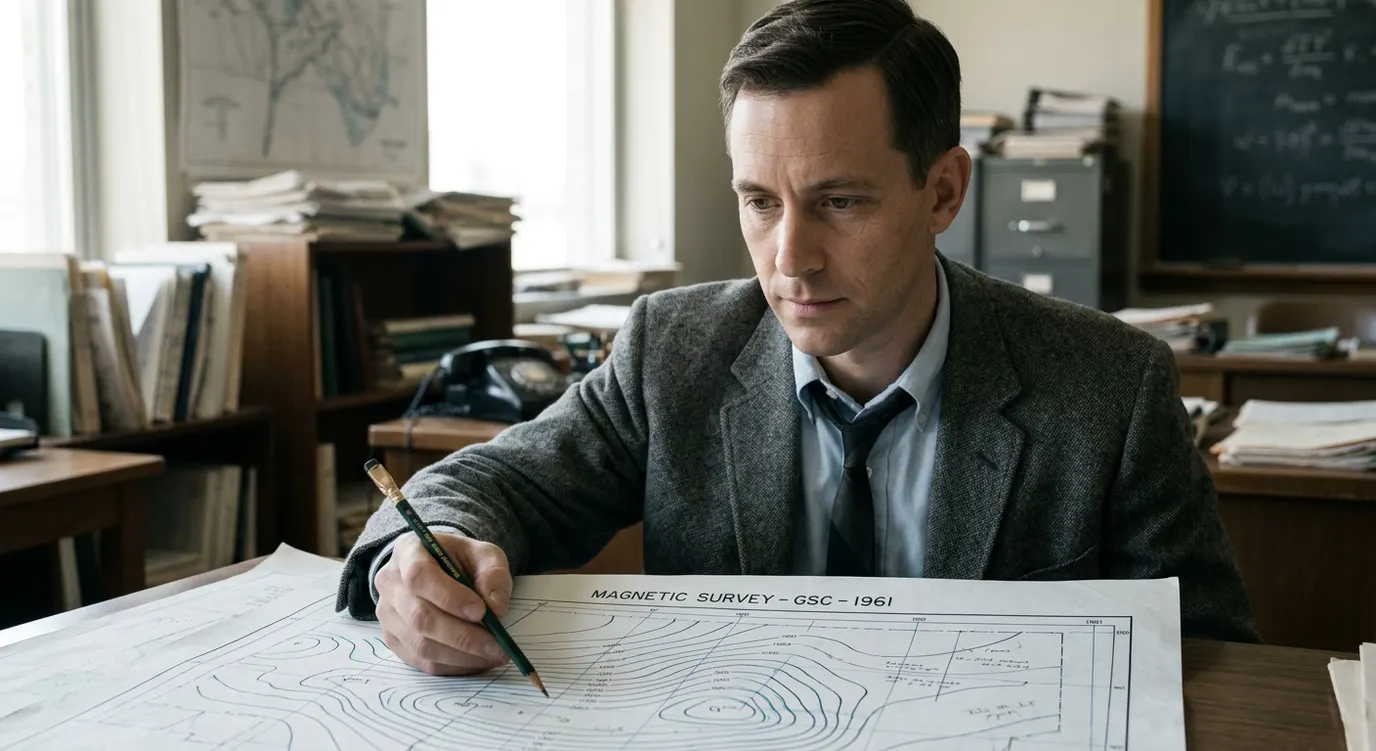
Lawrence Whitaker Morley
1920–2013 · Geophysics and remote sensing
He submitted his 1963 magnetic-stripe hypothesis before the similar paper by Vine and Matthews appeared; he later led Canada's remote-sensing programme.
Harry Hammond Hess
1906–1969 · Geology and geophysics
His seafloor-spreading hypothesis connected ocean-floor observations to a mechanism that helped build plate tectonics.