_(2).jpg)
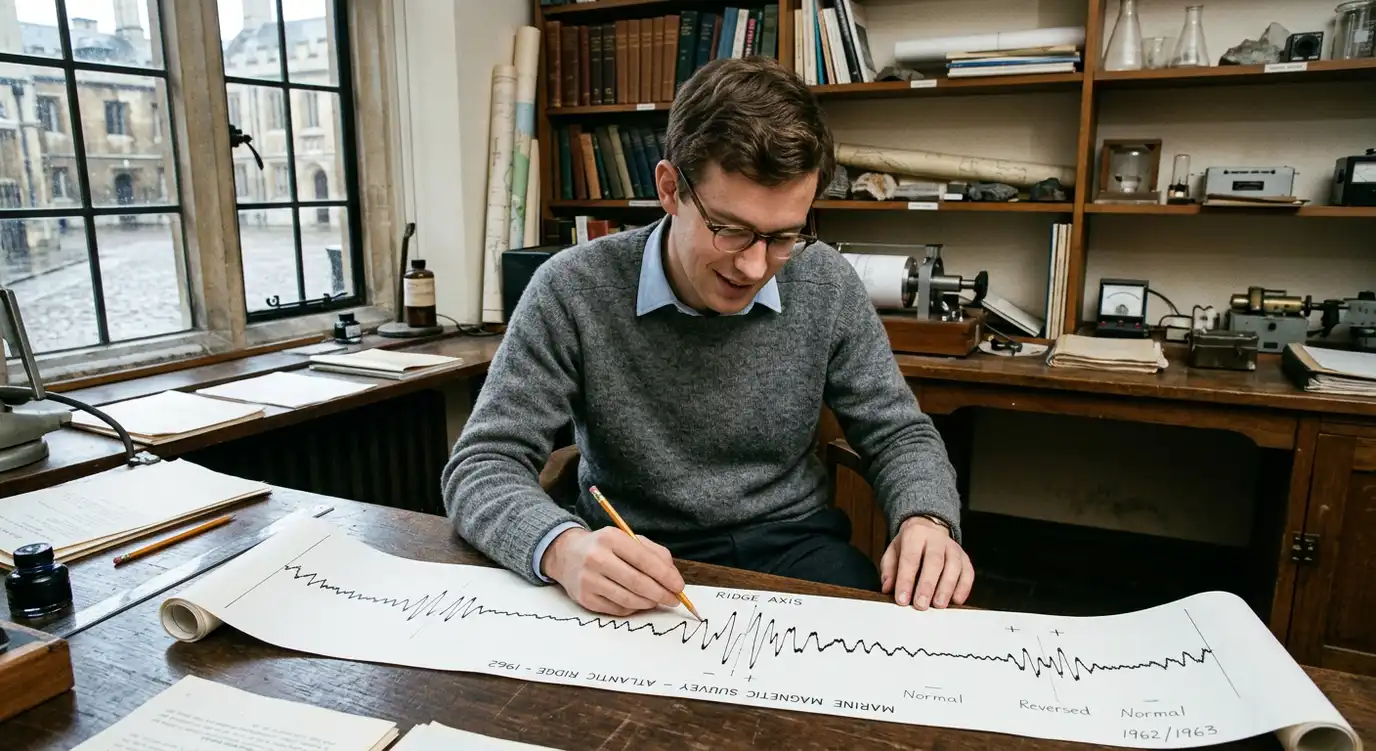
Frederick John Vine
1939–2024 · Marine geology and geophysics
British geophysicist Fred Vine helped explain how magnetic stripes in ocean crust record Earth's changing magnetic field as the seafloor spreads.
Why is this scientist famous?
With Drummond Matthews, published the 1963 magnetic-stripe interpretation that provided a way to test seafloor spreading; Lawrence Morley independently proposed the same core idea.
The 1963 interpretation helped establish plate tectonics as evidence accumulated, showing how the ocean floor records Earth's magnetic history.
Frederick's story
A Cambridge student
Frederick John Vine, often known as Fred Vine, was born on 17 June 1939. He studied natural sciences at St John's College, University of Cambridge, and received his bachelor's degree in 1962. He then began graduate work in marine geophysics under the supervision of Drummond Matthews, completing his doctorate in 1965.
Magnetic stripes and seafloor spreading
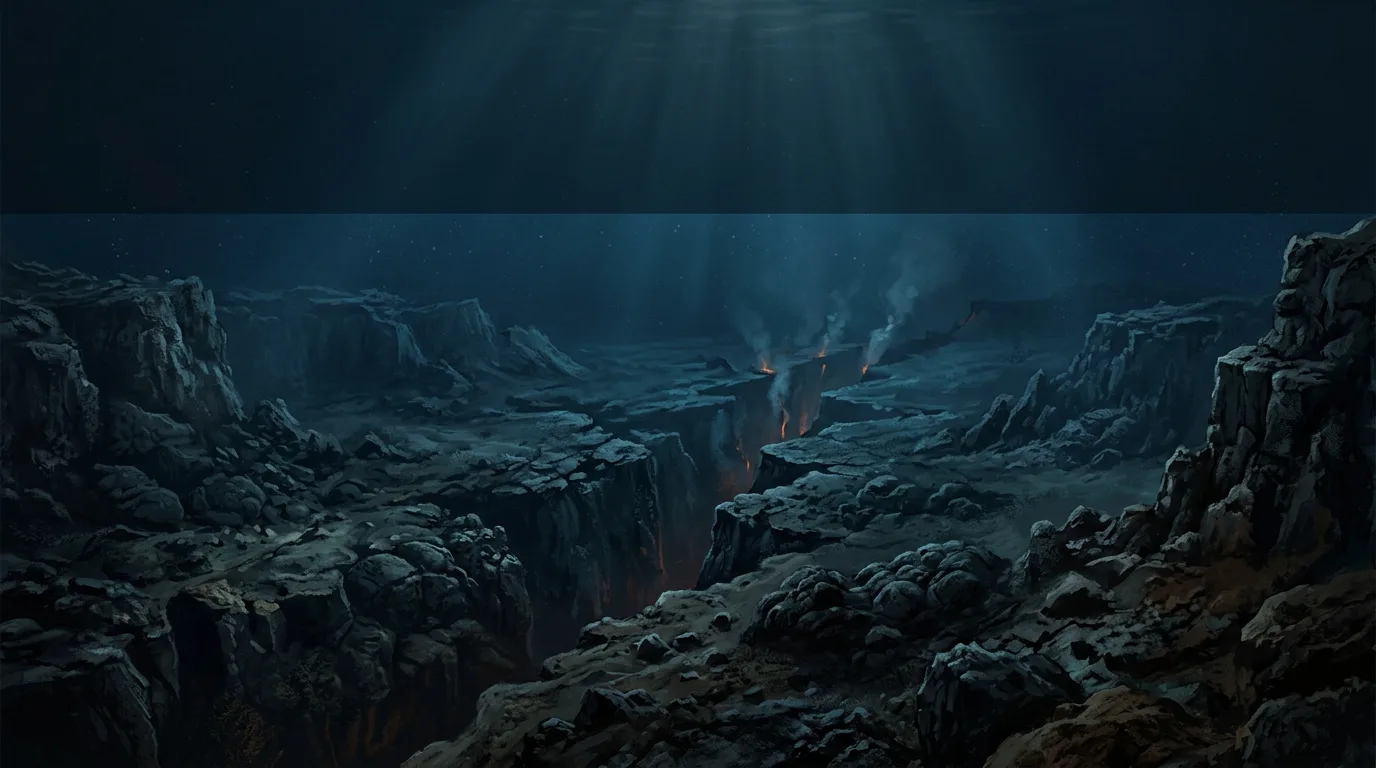
In 1963, Vine and Matthews published a Nature paper called 'Magnetic Anomalies over Oceanic Ridges'. They proposed that lava cooling at a mid-ocean ridge records Earth's magnetic direction at the time. When Earth's magnetic field reverses — a phenomenon called magnetic polarity reversal — later lava records the opposite direction. As the seafloor spreads away from the ridge, it carries these records with it, leaving matching magnetic patterns on opposite sides. Their explanation built on Harry Hess's seafloor-spreading proposal and existing evidence for geomagnetic reversals. It was a crucial testable explanation, not the discovery of all oceanic magnetic anomalies. Canadian geophysicist Lawrence Morley reached the interpretation independently; his submitted papers were rejected. The combined contribution is recognised as the Vine-Matthews-Morley hypothesis, though the three did not jointly write the 1963 paper.
Cyprus and a university career
After his doctorate, Vine joined Princeton University's geology faculty. In 1970 he moved to the University of East Anglia and became professor there in 1974. He later investigated rocks in the Troodos mountains of Cyprus as evidence of ancient ocean floor exposed on land, building on earlier work by Ian Gass and others. He was elected a Fellow of the Royal Society in 1974. He shared the 1973 Chapman Medal with Matthews, the 1981 Balzan Prize for geology and geophysics with Matthews and Dan McKenzie, and the 1982 Royal Society Hughes Medal jointly with Matthews. He died on 21 June 2024.
What did they discover?
Vine-Matthews magnetic-stripe interpretation (1963)
With Matthews, Vine proposed that lava cooling at a mid-ocean ridge records Earth's magnetic direction, and that reversals leave matching magnetic patterns on opposite sides of a spreading ridge — a test of seafloor spreading.
Ancient ocean-floor rocks in the Troodos mountains
Vine investigated rocks in the Troodos mountains of Cyprus as evidence of ancient ocean floor exposed on land, building on earlier work by Ian Gass and others.
Amazing facts
He was a graduate student when he co-published his most famous paper.
Matthews supervised his research at Cambridge.
The paper used patterns of magnetism found on the ocean floor.
A cooling lava flow can preserve the direction of Earth's magnetic field.
Matching stripes occur on opposite sides of a spreading ridge.
Lawrence Morley proposed the core explanation independently.
Vine later examined ancient ocean-floor rocks exposed in Cyprus.
Vine and Matthews later shared major scientific honours for their work.
Timeline
Born
Received a bachelor's degree from Cambridge
Published 'Magnetic Anomalies over Oceanic Ridges' with Matthews in Nature
Completed his doctorate in marine geophysics
Moved to the University of East Anglia
Shared the Chapman Medal with Matthews
Elected Fellow of the Royal Society and became professor at the University of East Anglia
Shared the Balzan Prize with Matthews and Dan McKenzie
Shared the Royal Society Hughes Medal with Matthews
Died
Awards & honours
Related Super Scientists
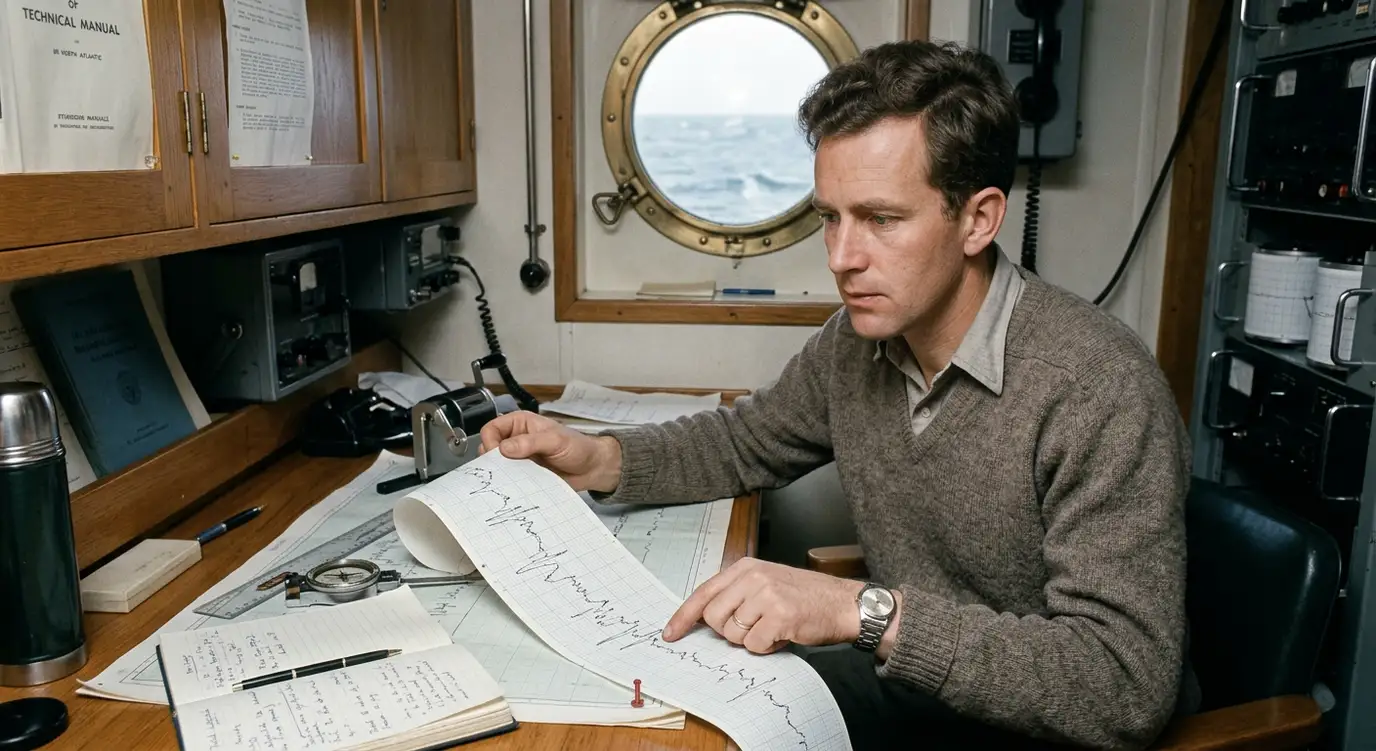
Drummond Hoyle Matthews
1931–1997 · Marine geophysics
His marine surveys and the 1963 Nature paper with his graduate student Vine helped make movement of the ocean floor testable; Morley independently developed the magnetic interpretation.
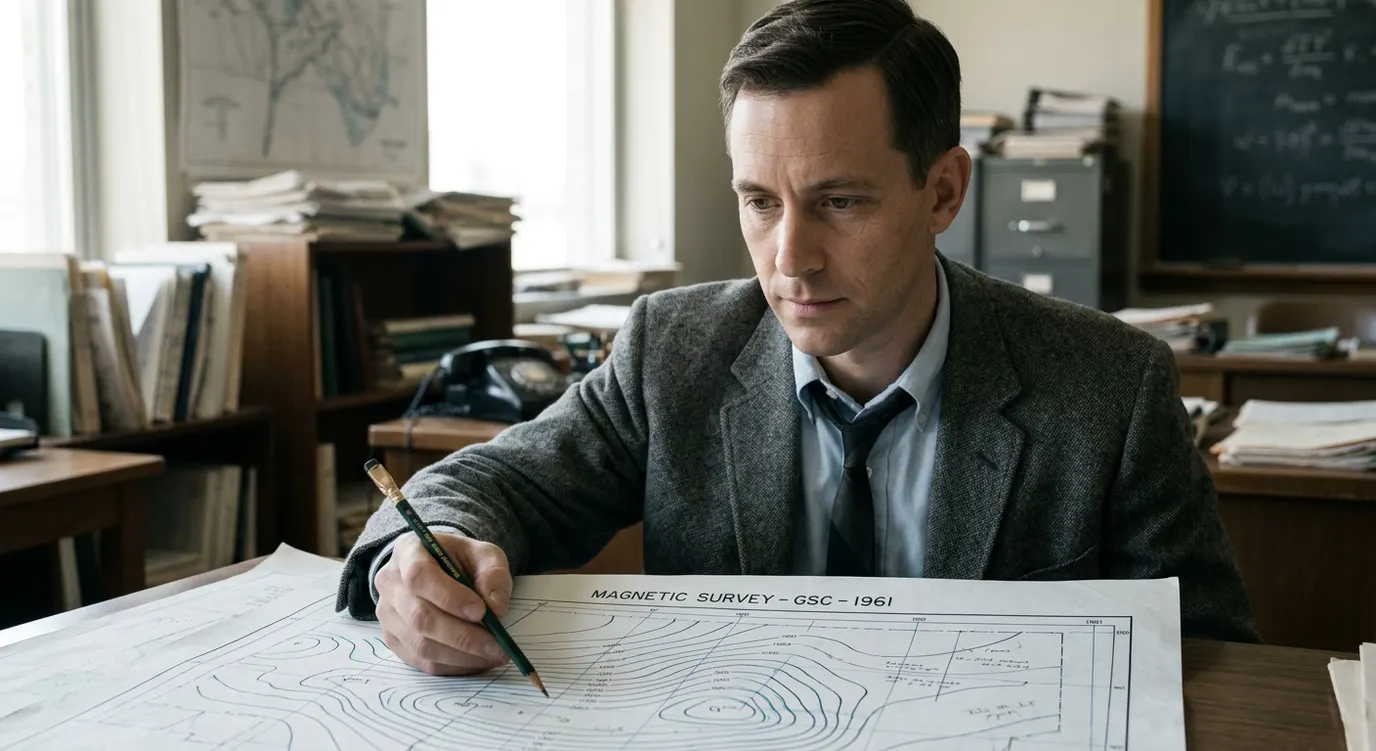
Lawrence Whitaker Morley
1920–2013 · Geophysics and remote sensing
He submitted his 1963 magnetic-stripe hypothesis before the similar paper by Vine and Matthews appeared; he later led Canada's remote-sensing programme.
Harry Hammond Hess
1906–1969 · Geology and geophysics
His seafloor-spreading hypothesis connected ocean-floor observations to a mechanism that helped build plate tectonics.