_(2).jpg)
Harry Hammond Hess
1906–1969 · Geology and geophysics
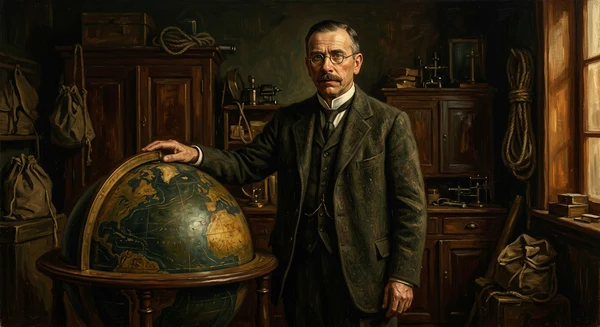
American geologist Harry Hess proposed that new ocean floor forms at mid-ocean ridges and moves outward, helping explain how continents change position.
Why is this scientist famous?
His seafloor-spreading hypothesis connected ocean-floor observations to a mechanism that helped build plate tectonics.
Hess's seafloor-spreading hypothesis became a central contribution to the developing theory of plate tectonics.
Harry's story
From engineering to geology
Harry Hammond Hess was born on 24 May 1906. He studied at Yale University, starting in electrical engineering before switching to geology. He received his bachelor's degree in 1927. He then worked as an exploration geologist in Northern Rhodesia (now Zambia) before returning to academic study. He earned a doctorate from Princeton University in 1932 and joined Princeton's faculty in 1934. He chaired its geology department from 1950 to 1966.
Wartime surveys and guyots
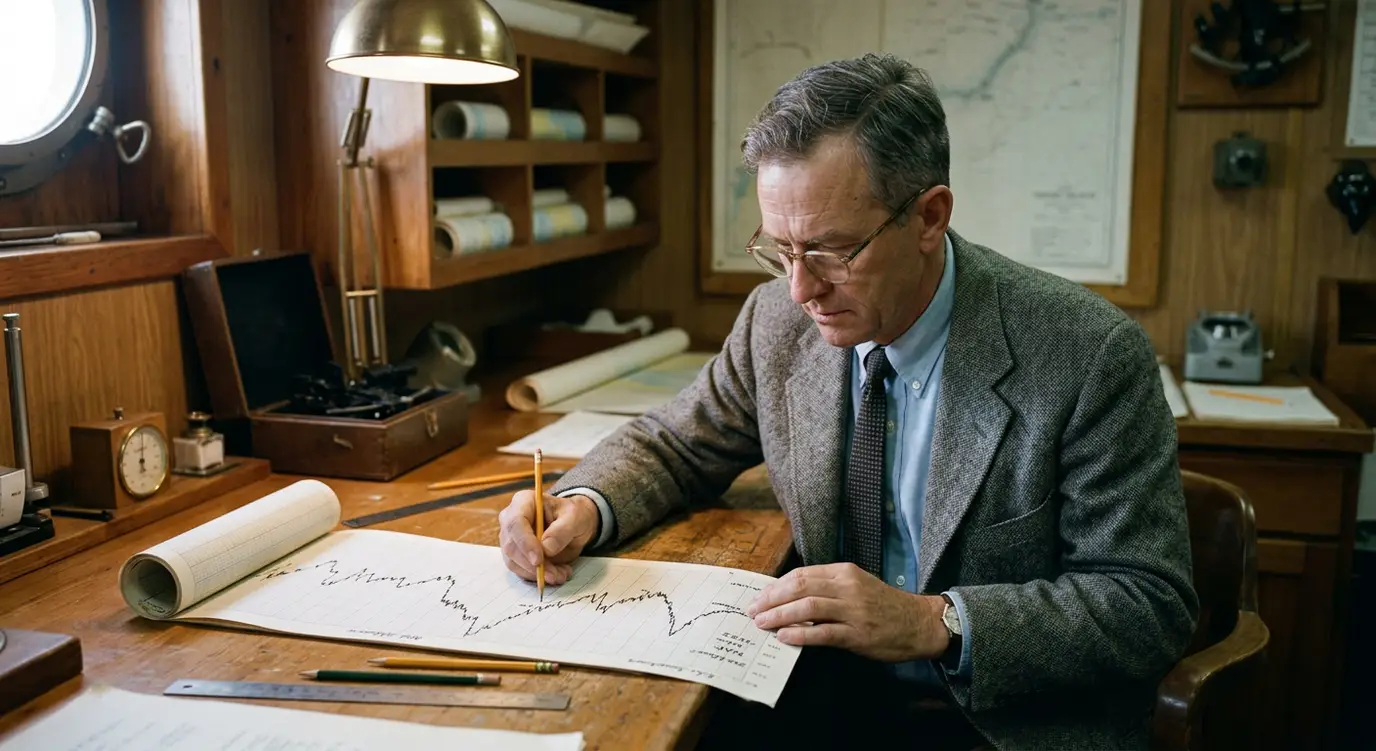
During the Second World War, Hess served in the US Navy and later held the rank of rear admiral. While commanding a vessel in the Pacific, he used echo sounding — sending sound down to the seabed and timing its return — to survey the depth and shape of the ocean floor. He identified flat-topped underwater mountains and gave them the name 'guyots'. These wartime observations gave him a new sense of what the ocean floor looked like.
Seafloor spreading
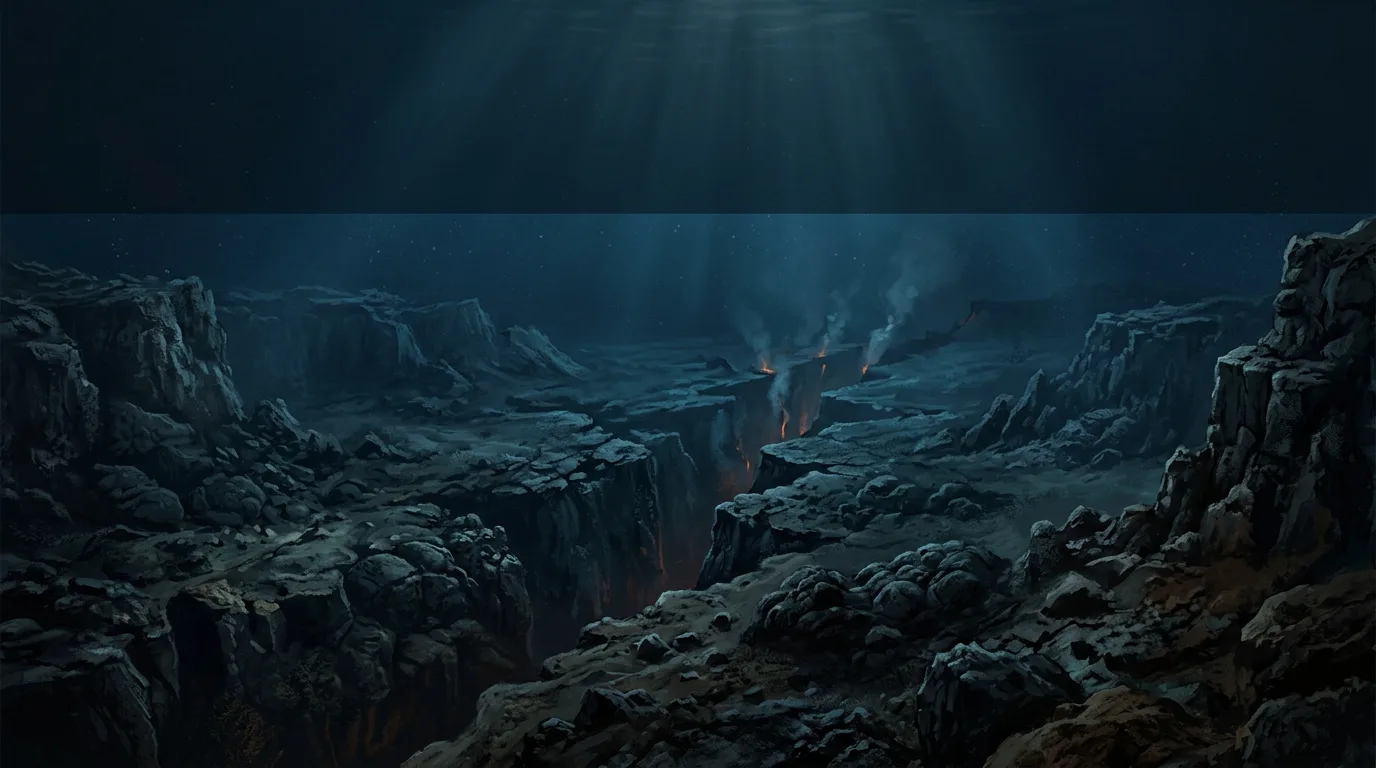
In 'History of Ocean Basins', published in 1962, Hess advanced a hypothesis in which new oceanic crust forms near mid-ocean ridges, moves away, and is eventually recycled into Earth's interior. This offered a way to understand changing positions of continents and why the ocean floor is relatively young. He proposed this mechanism; he did not prove it single-handedly. Later magnetic evidence strengthened Hess's hypothesis. Vine and Matthews published an explanation of those patterns in 1963; Morley had reached a similar explanation independently.
A broader geological career
Hess also investigated minerals, the Caribbean region and deep-ocean drilling. He was involved in planning the proposed Project Mohole attempt to drill deep beneath the ocean floor. He was elected to the US National Academy of Sciences in 1952 and received the Geological Society of America Penrose Medal in 1966. He died on 25 August 1969. His model became a central contribution to the developing theory of plate tectonics.
What did they discover?
Seafloor-spreading hypothesis (1962)
In 'History of Ocean Basins', Hess proposed that new oceanic crust forms at mid-ocean ridges, moves away, and is recycled into Earth's interior, offering a mechanism for continental movement.
Guyots — flat-topped underwater mountains
During wartime echo-sounding surveys in the Pacific, Hess identified flat-topped underwater mountains and gave them the name 'guyots'.
Project Mohole planning
Hess supported plans for Project Mohole, a proposed attempt to drill deep beneath the ocean floor to study Earth's interior.
Amazing facts
He changed from electrical engineering to geology at Yale.
He worked as a geologist in Northern Rhodesia before graduate school.
He combined a university geology career with Navy service.
Echo sounding helped him measure unseen ocean-floor shapes.
He named flat-topped underwater mountains 'guyots'.
He suggested ocean floor forms at ridges and moves away.
His 1962 account helped explain how continents can change position.
He also supported plans to drill beneath the ocean floor.
Timeline
Born
Received a bachelor's degree from Yale University
Earned a doctorate from Princeton University
Joined Princeton's faculty
Served in the US Navy, using echo sounding to survey the ocean floor
Began chairing Princeton's geology department
Elected to the US National Academy of Sciences
Published 'History of Ocean Basins', proposing seafloor spreading
Received the Geological Society of America Penrose Medal
Died
Awards & honours
Related Super Scientists
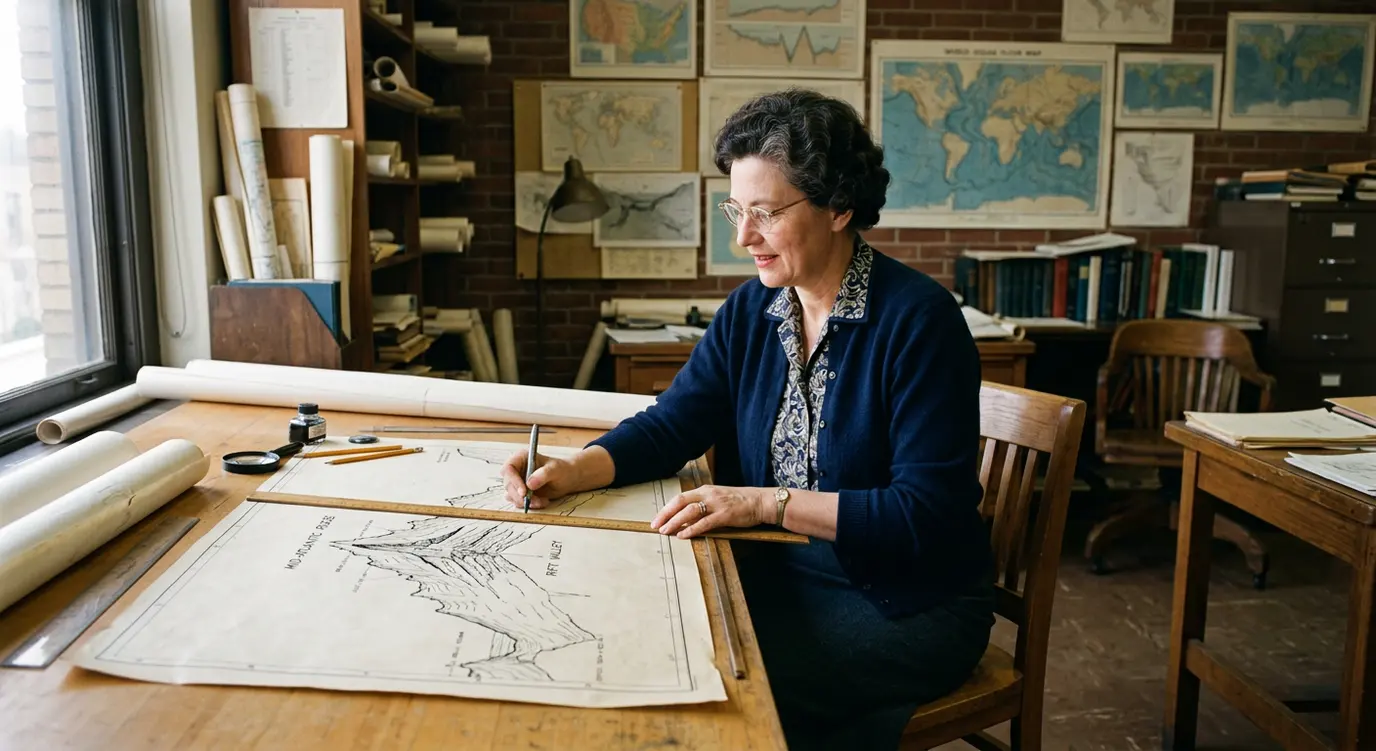
Marie Tharp
1920–2006 · Oceanographic cartography and geology
Her seafloor maps, made with colleague Bruce Heezen, revealed major underwater features and strengthened the case for continental movement and plate tectonics.
Frederick John Vine
1939–2024 · Marine geology and geophysics
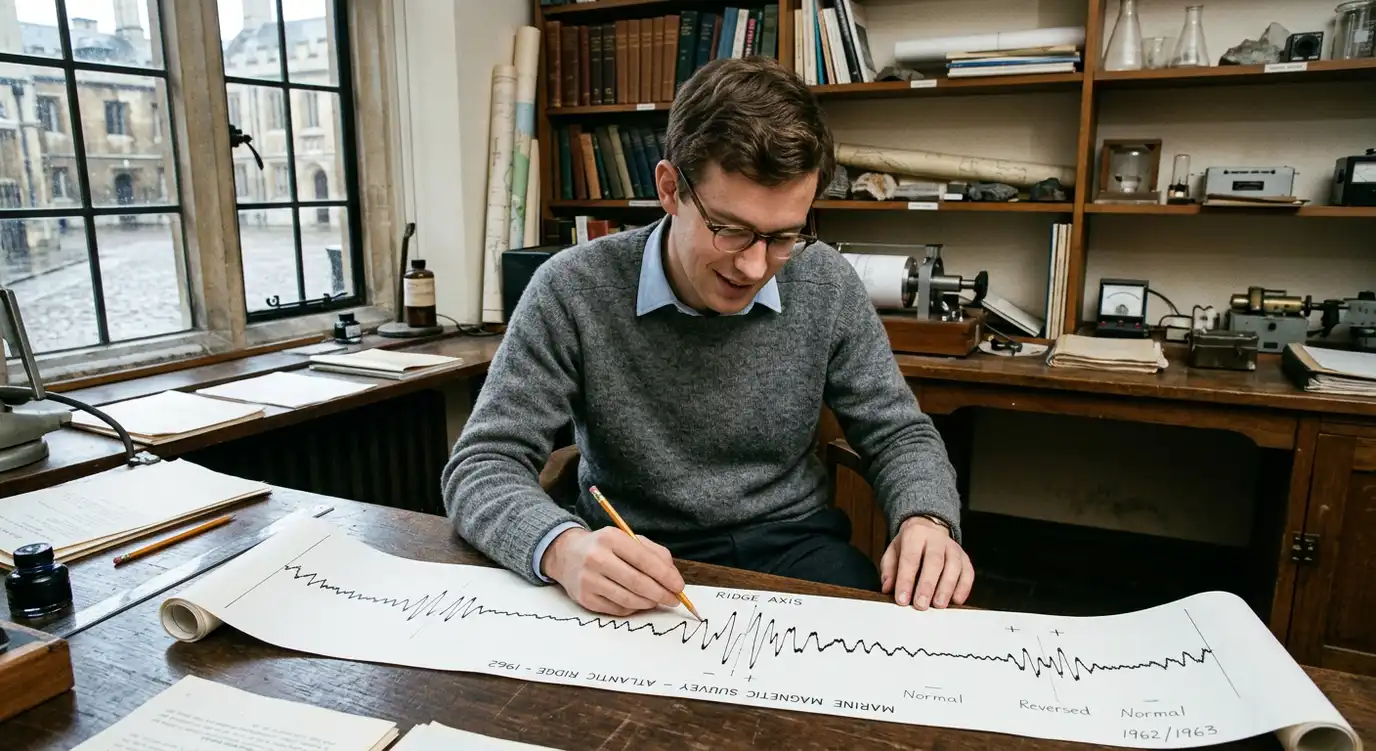
With Drummond Matthews, published the 1963 magnetic-stripe interpretation that provided a way to test seafloor spreading; Lawrence Morley independently proposed the same core idea.
Drummond Hoyle Matthews
1931–1997 · Marine geophysics
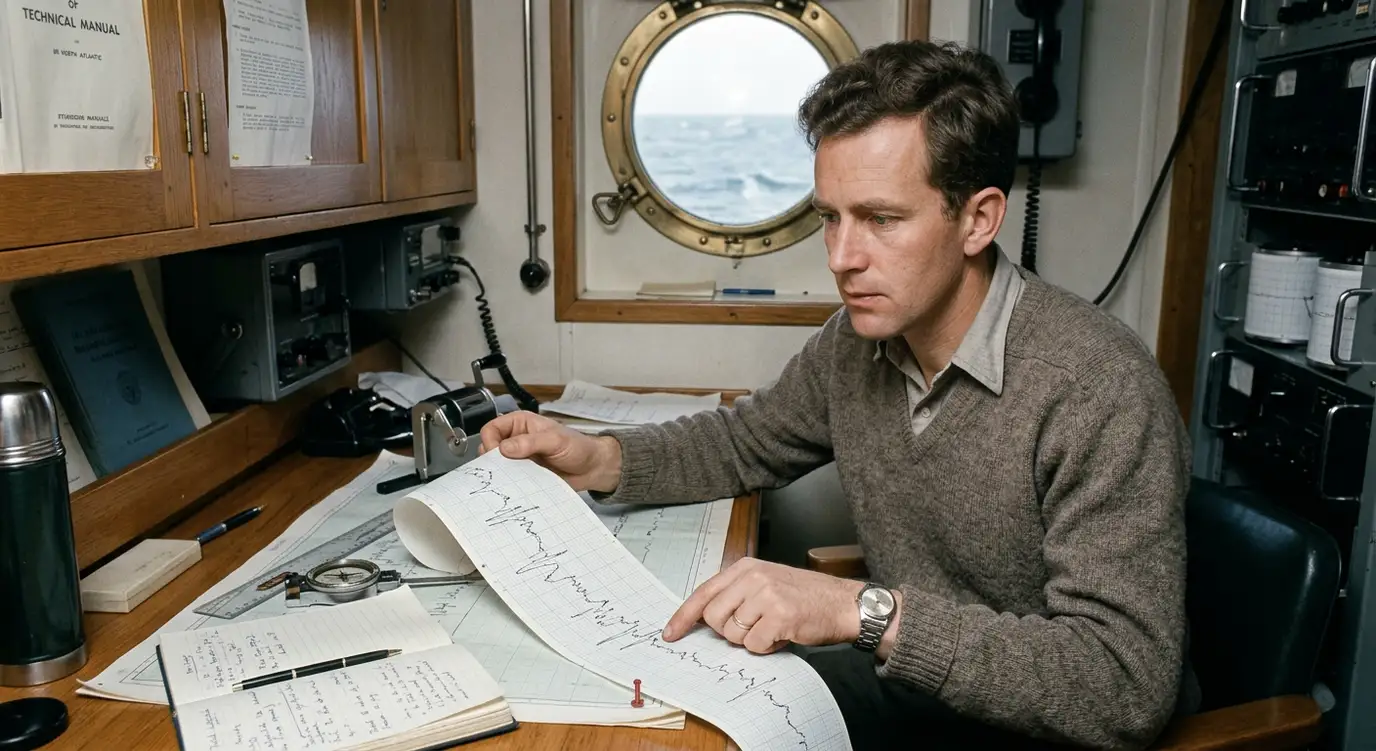
His marine surveys and the 1963 Nature paper with his graduate student Vine helped make movement of the ocean floor testable; Morley independently developed the magnetic interpretation.