_(2).jpg)
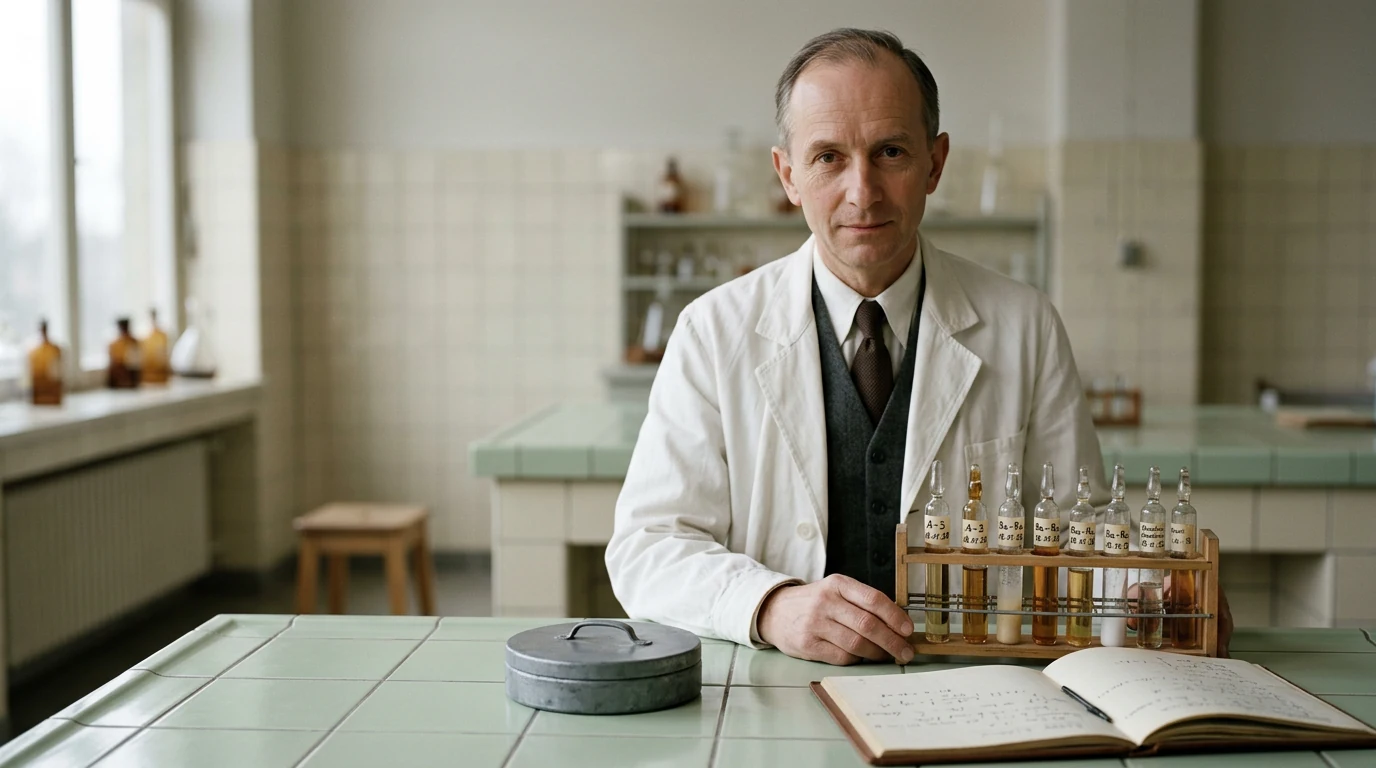
Otto Hahn
1879–1968 · Nuclear chemistry and the discovery of fission
Otto Hahn helped identify the chemical evidence for uranium fission, a discovery explained through the crucial work of Meitner and Frisch.
Why is this scientist famous?
Otto Hahn and Fritz Strassmann found chemical evidence of uranium fission in 1938; Lise Meitner and Otto Frisch explained the nuclear process that followed.
Nuclear fission underpins nuclear power and important scientific instruments, and its history raises enduring questions about scientific credit and responsibility.
Otto's story
Chemistry before the atomic age
Otto Hahn was born in Frankfurt am Main, Germany, on 8 March 1879. He studied chemistry at Marburg and Munich, receiving his doctorate from Marburg in 1901. Early work took him to London with William Ramsay and to Montreal with Ernest Rutherford, where he learned new methods for studying radioactivity. He returned to Germany and developed a long scientific partnership with physicist Lise Meitner. Their work helped make radiochemistry a precise experimental discipline.
A partnership around the atomic nucleus
Hahn and Meitner studied radioactive materials for many years, including important work on protactinium. At the Kaiser Wilhelm Institute for Chemistry in Berlin, Hahn led chemical investigations while Meitner contributed physical interpretation and experimental direction. During the Nazi period, Meitner, who was classified as Jewish under Nazi racial laws, fled Germany in 1938. Research continued across borders through correspondence, an important part of understanding the later discovery rather than treating it as one laboratory’s work.
Why barium was so surprising
In December 1938 Hahn and his colleague Fritz Strassmann bombarded uranium with neutrons and separated the products by chemical methods. Their results showed barium, an element much lighter than uranium. The finding made little sense under many expectations of the time. Hahn reported the results to Meitner, who was then in Sweden. The chemical evidence became central to identifying a newly understood kind of nuclear transformation.
The explanation came from physics
Meitner and her nephew Otto Frisch interpreted the results as the splitting of a heavy nucleus into lighter pieces, releasing considerable energy. Frisch also helped establish the name nuclear fission and confirmed the interpretation experimentally. Hahn and Strassmann supplied crucial chemical results, while Meitner and Frisch supplied the physical explanation. Saying one person discovered or explained every part would hide the collaborative and unequal circumstances of this breakthrough.
Recognition and responsibility
Hahn received the 1944 Nobel Prize in Chemistry, presented after the war, but neither Strassmann nor Meitner shared the award. He later helped lead the Max Planck Society and spoke for peaceful uses of nuclear research. Hahn died in Göttingen on 28 July 1968. His career remains important not only because uranium fission changed science and technology but because it shows why collaboration, historical context and fair scientific credit matter.
What did they discover?
Chemical evidence for fission
With Fritz Strassmann identified barium among the products of neutron-irradiated uranium.
Radioactive chemistry
Developed methods for separating and identifying radioactive substances.
Protactinium studies
Made major contributions with Lise Meitner to investigations of radioactive elements.
Nuclear research after fission
Helped shape scientific institutions and the public debate about nuclear science.
Amazing facts
Hahn’s father hoped he would train as an architect, but he chose chemistry.
He received a doctorate from the University of Marburg in 1901.
He studied radiochemistry with William Ramsay in London and Ernest Rutherford in Montreal.
He collaborated for decades with the physicist Lise Meitner.
In 1938 he and Fritz Strassmann identified barium after bombarding uranium with neutrons.
Lise Meitner and Otto Frisch explained why the nucleus could split, and Frisch helped name the process fission.
Hahn received the 1944 Nobel Prize in Chemistry, awarded after the war in 1945.
He became the first president of the Max Planck Society after its founding and argued for peaceful nuclear research.
Timeline
Born in Frankfurt am Main, Germany.
Earned a doctorate in chemistry at Marburg.
Worked with William Ramsay in London on radioactivity.
With Lise Meitner, published important work on protactinium.
With Fritz Strassmann, obtained the chemical evidence for uranium fission.
Awarded the Nobel Prize in Chemistry for nuclear fission; received it later.
Became the first president of the newly established Max Planck Society.
Died in Göttingen, Germany.
Awards & honours
Related Super Scientists
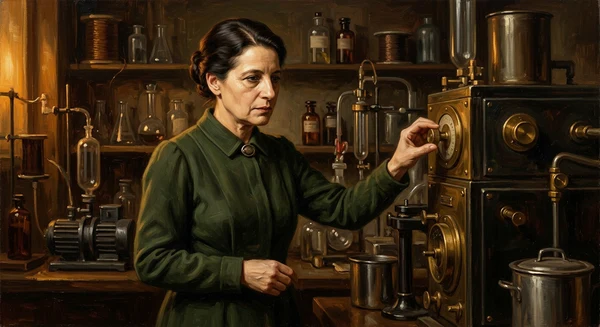
Lise Meitner
1878–1968 · Physicist
Made crucial contributions to the discovery of nuclear fission and, with Otto Frisch, provided its physical explanation.
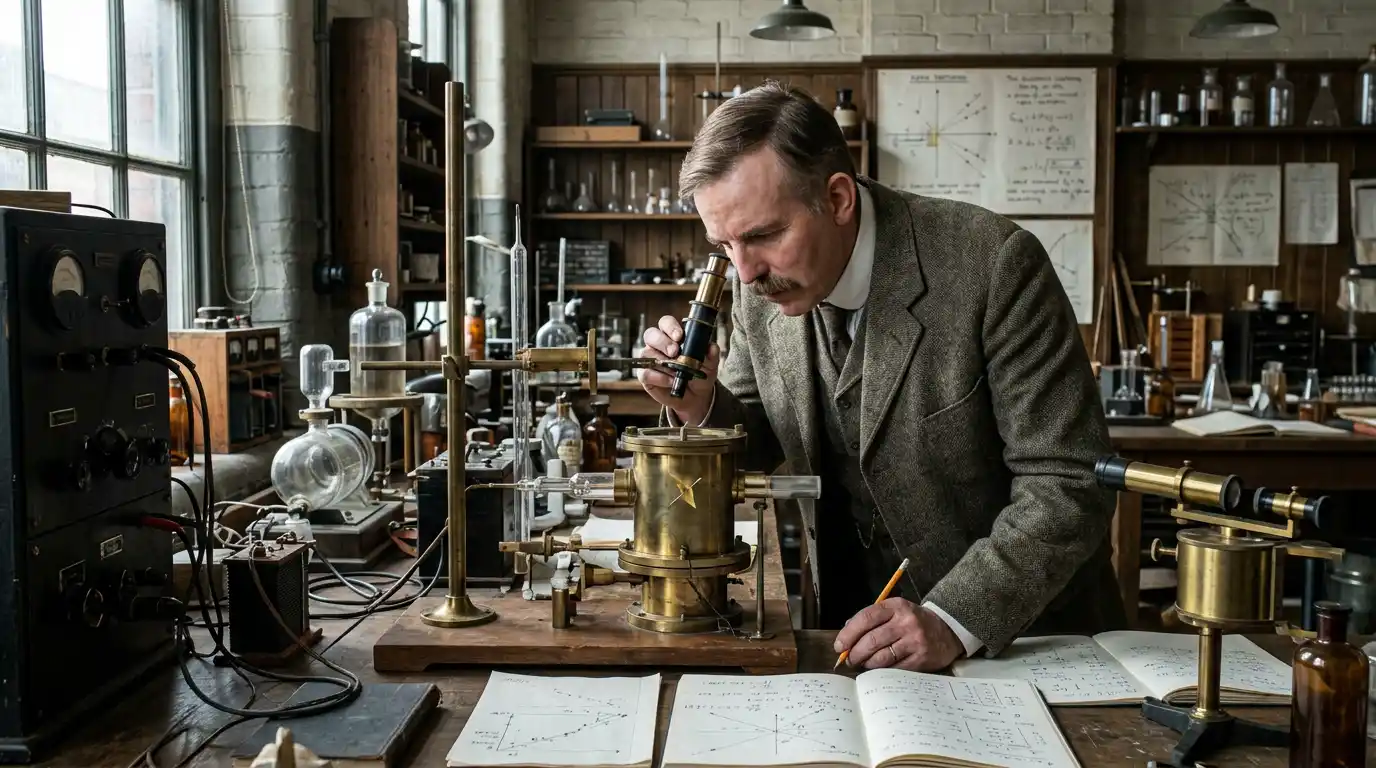
Ernest Rutherford
1871–1937 · Physicist
Discovering the nuclear structure of the atom and pioneering the field of nuclear physics.
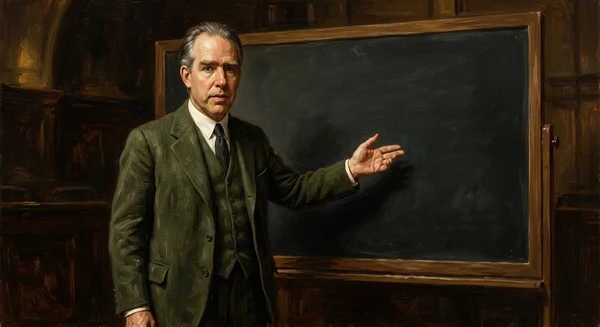
Niels Bohr
1885–1962 · Physicist
Developed the Bohr model of the atom and made foundational contributions to quantum mechanics.