_(2).jpg)
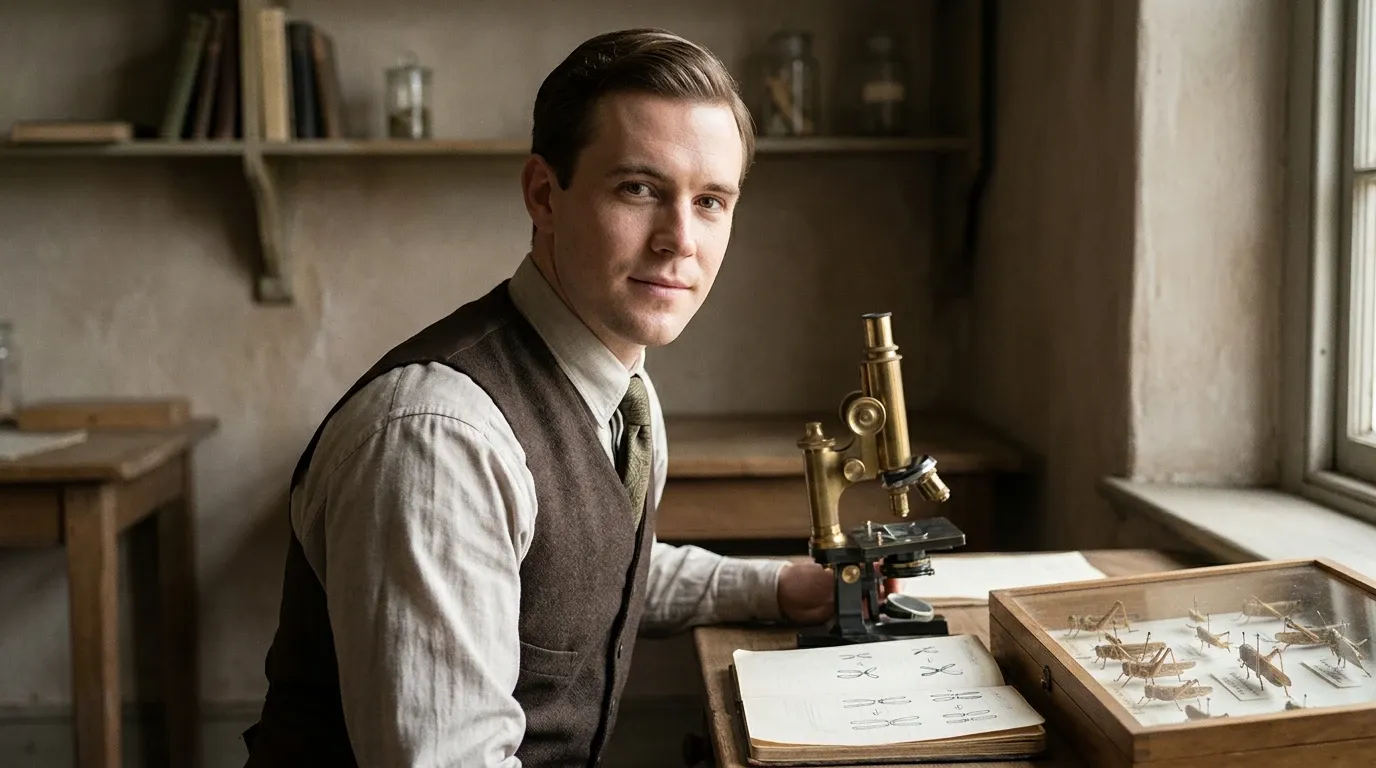
Walter Sutton
1877–1916 · Chromosome theory of inheritance and cell biology
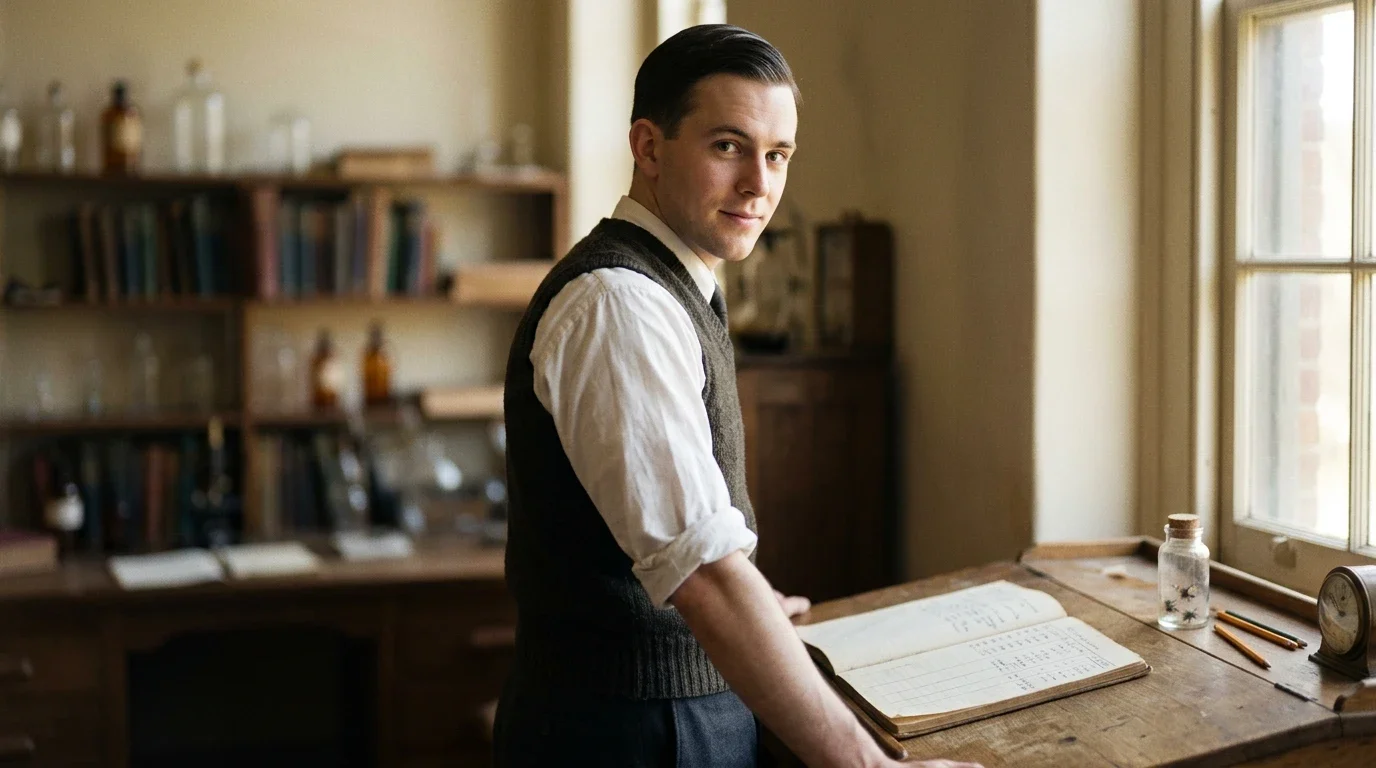
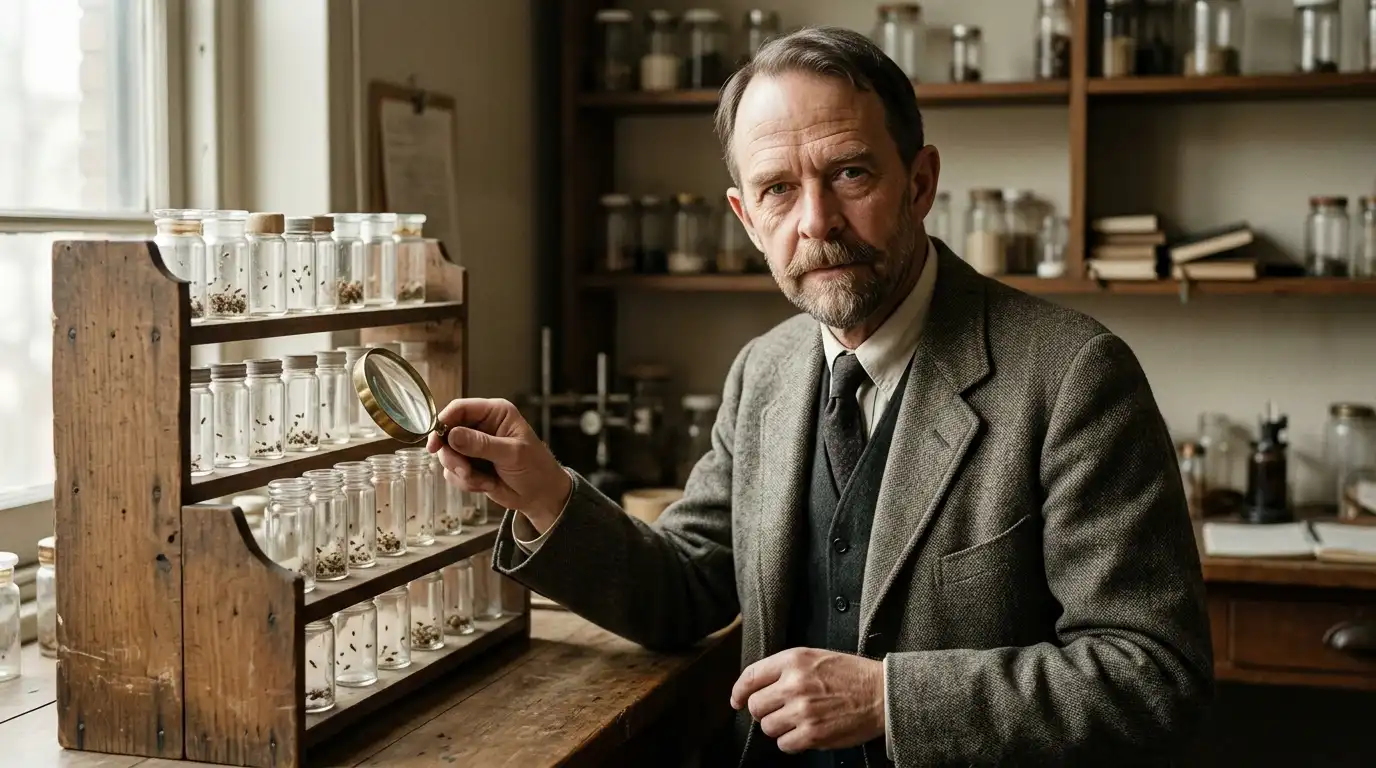
Walter Sutton used grasshopper cells to connect chromosome behaviour with Mendelian inheritance, helping establish the chromosome theory.
Why is this scientist famous?
Walter Sutton connected the separation of chromosomes during meiosis to Mendel’s laws of inheritance, independently of related work by Theodor Boveri.
Sutton’s chromosome theory helped show how biological inheritance has a physical basis, preparing the way for gene mapping and modern genetics.
Walter's story
A new way to understand inheritance
Walter Stanborough Sutton was born on 5 April 1877 in Utica, New York, and grew up in Kansas. He first studied engineering at the University of Kansas before turning toward biology and medicine. A world-changing problem interested him: Gregor Mendel’s inheritance laws described how traits passed between generations, but what physical structures in cells could account for those patterns? Sutton realised that the answer might be visible during a special kind of cell division.
Grasshoppers and a microscope
Working with Clarence McClung at Kansas and later Edmund Beecher Wilson at Columbia University, Sutton investigated the large chromosomes of the grasshopper Brachystola magna. During meiosis, the cell division that produces reproductive cells, he observed the pairing and subsequent separation of chromosomes. Each reproductive cell receives only one member of each chromosome pair. This behaviour resembled Mendel’s rules that hereditary factors separate and that different pairs can be inherited in varying combinations.
Chromosomes as carriers of heredity
In papers published in 1902 and 1903 Sutton argued that chromosomes offered a physical explanation for Mendelian inheritance. Parents contributed corresponding chromosomes; these remained identifiable structures through cell divisions and separated during meiosis. Working independently, Theodor Boveri gathered complementary evidence that different chromosomes were individually important for normal development. The idea is therefore generally known as the Sutton–Boveri chromosome theory, not the work of Sutton alone.
The scientist becomes a surgeon
Sutton did not remain a professional geneticist. He returned to medical training and qualified as a physician in 1907, later practising surgery in Kansas City. His professional path shows that a scientist can make a foundational discovery early and then contribute in another field. During the First World War he also served in a medical unit in Europe. He died in November 1916, only 39 years old.
From chromosomes to maps
Sutton had no way to observe individual DNA molecules or read genetic sequences. His achievement was to connect two kinds of evidence that had previously seemed separate: visible cell structures and statistical patterns of inherited traits. Later work by Thomas Hunt Morgan and Alfred Sturtevant used fruit flies to develop increasingly precise evidence for genes on chromosomes. Sutton’s insight became one of the bridges between nineteenth-century breeding experiments and twentieth-century genetics.
What did they discover?
Chromosome theory
Connected Mendel’s laws of heredity with the observed pairing and separation of chromosomes in meiosis.
Grasshopper meiosis
Documented chromosome behaviour in cells of the grasshopper Brachystola magna.
Independent contributions
Provided chromosome evidence complementing Theodor Boveri’s embryological experiments.
Genetics foundation
Helped establish the physical framework later used to map genes along chromosomes.
Amazing facts
He began university studies in engineering before switching to biology and medicine.
He studied Brachystola magna grasshoppers because their chromosomes could be seen relatively clearly.
His major chromosome papers appeared in 1902 and 1903.
He worked with Clarence McClung and Edmund Beecher Wilson.
Sutton and Theodor Boveri developed complementary evidence independently.
He earned a medical degree after his important genetics publications.
He practised surgery and served in a wartime medical unit.
He died aged only 39, in 1916.
Timeline
Born in Utica, New York.
Began engineering studies at the University of Kansas.
Completed master’s work and began advanced chromosome studies at Columbia.
Published research on chromosome groups in Brachystola magna.
Published The Chromosomes in Heredity, linking chromosome behaviour to Mendelian laws.
Qualified as a physician.
Died in Kansas City.
Related Super Scientists
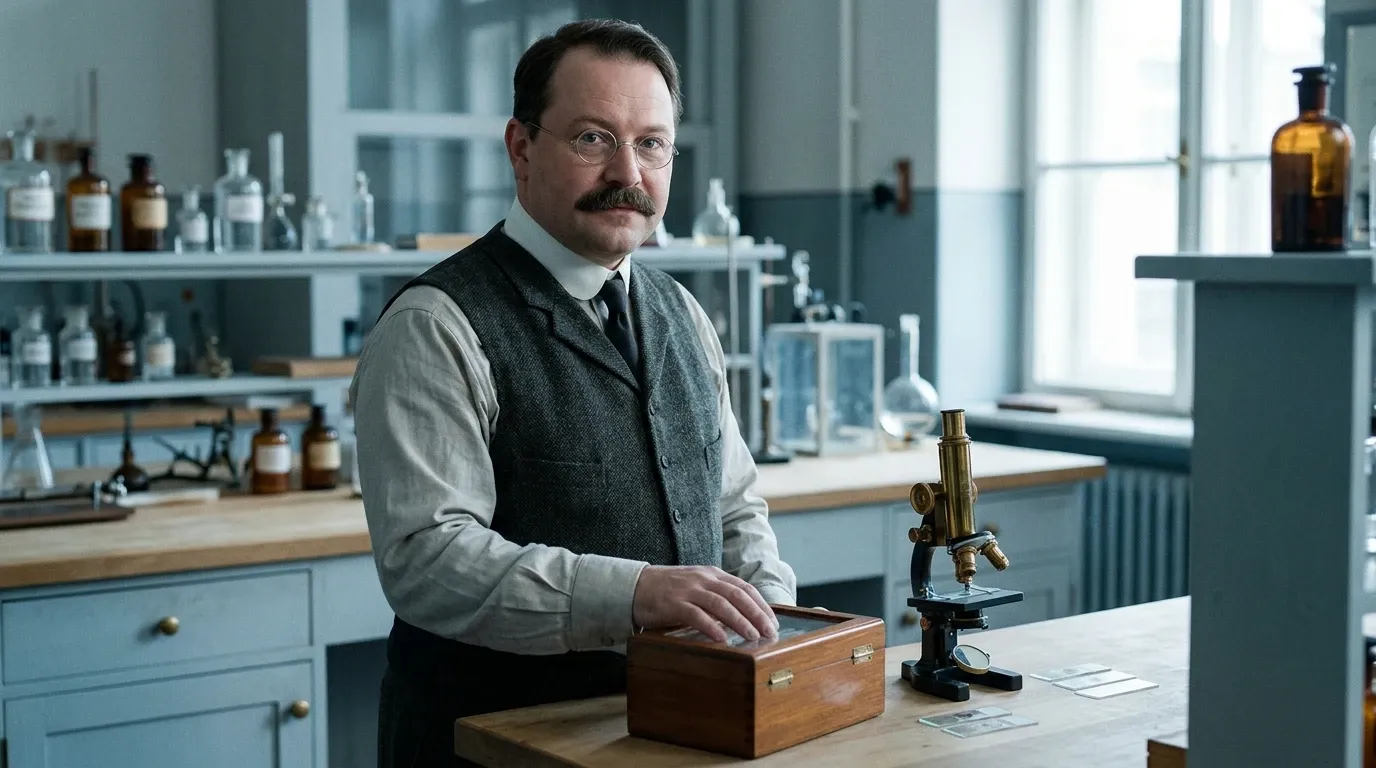
Theodor Boveri
1862–1915 · Experimental cell biology, embryology and chromosomes
Theodor Boveri showed why distinct chromosomes are essential for normal development and helped establish chromosome inheritance theory independently of Walter Sutton.
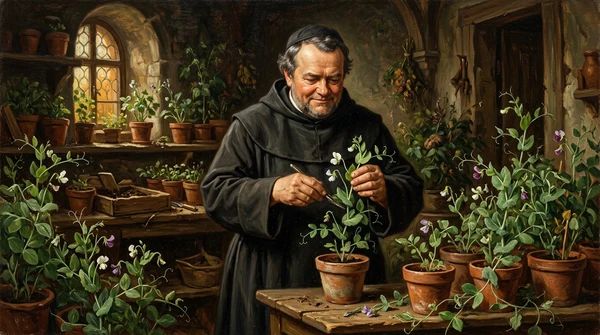
Gregor Mendel
1822–1884 · Biologist & Augustinian Friar
Discovered the fundamental laws of genetic inheritance by studying pea plants.
Thomas Hunt Morgan
1866–1945 · Experimental genetics and chromosome inheritance
Thomas Hunt Morgan and his research group used fruit flies to provide compelling evidence that genes are carried on chromosomes.