_(2).jpg)
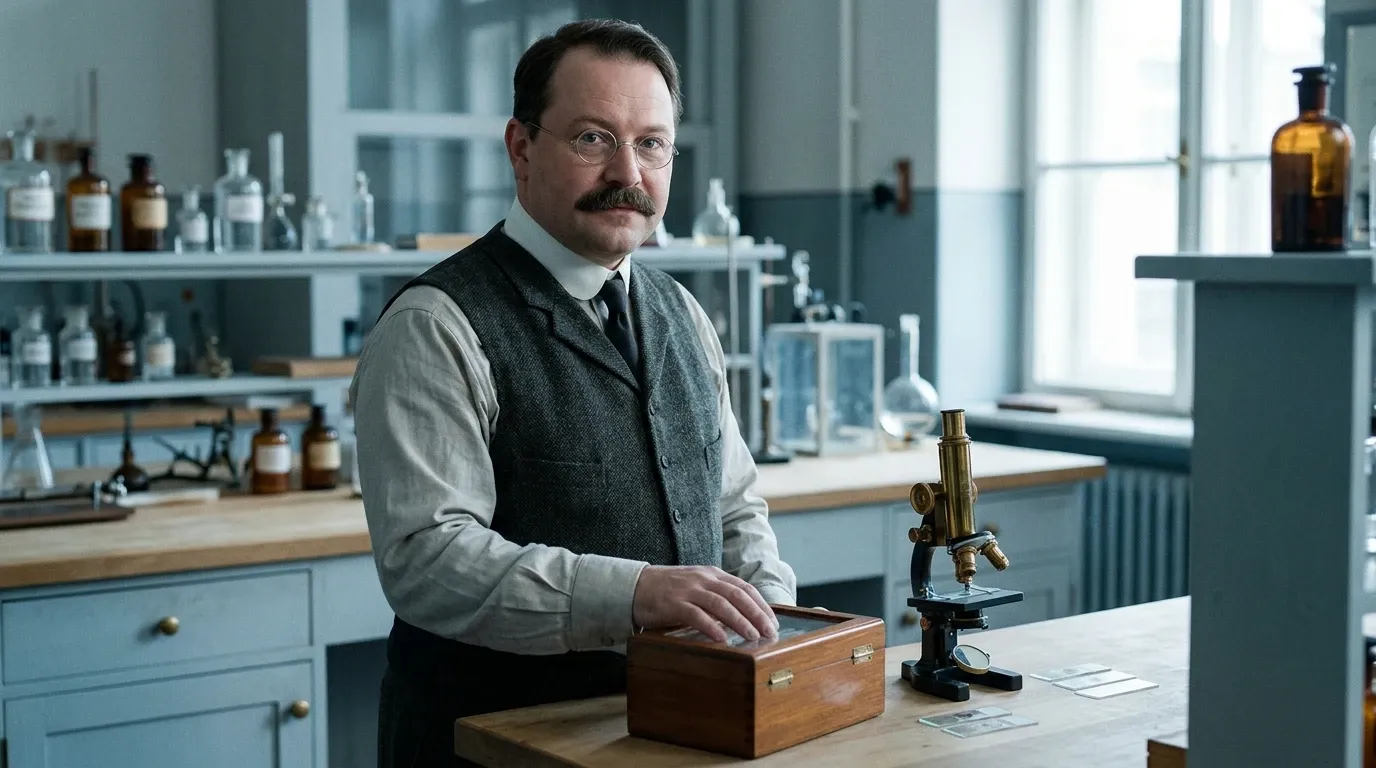
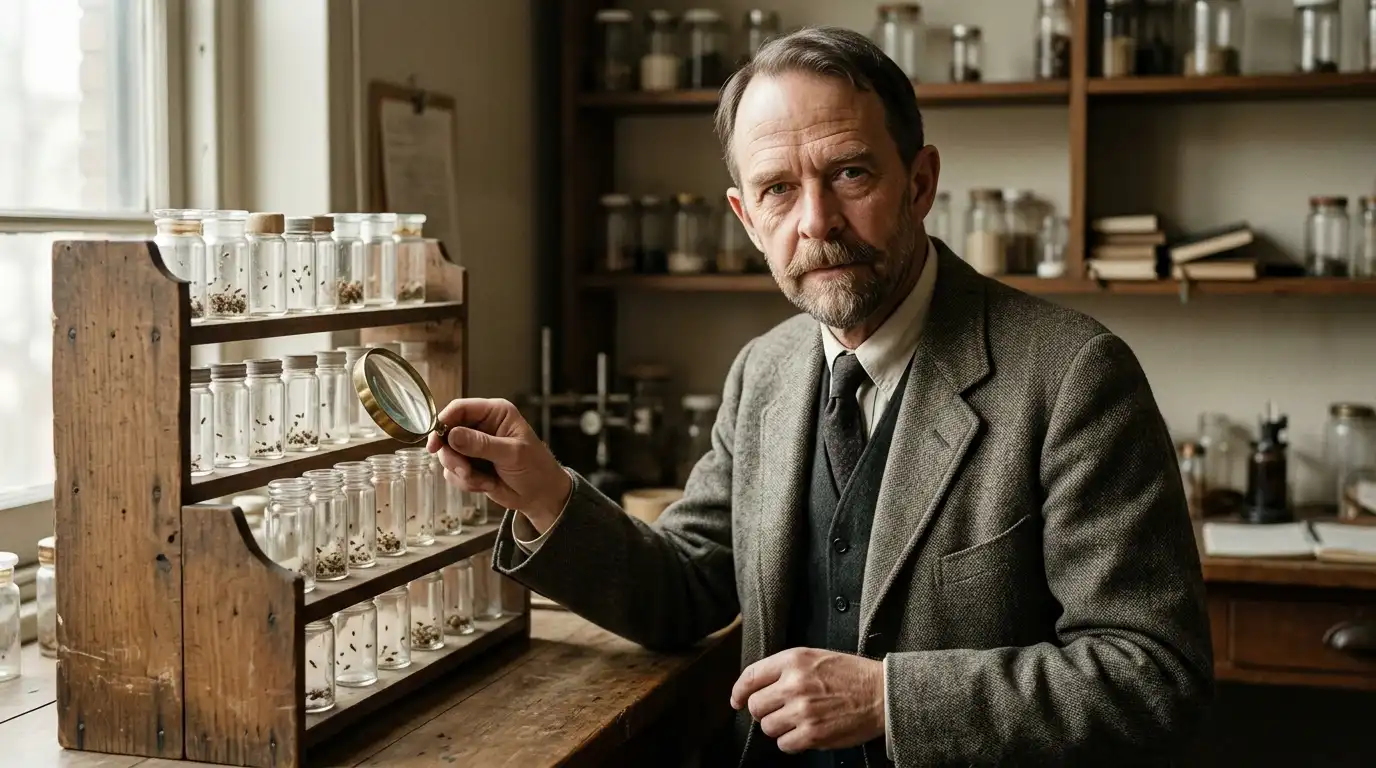
Theodor Boveri
1862–1915 · Experimental cell biology, embryology and chromosomes
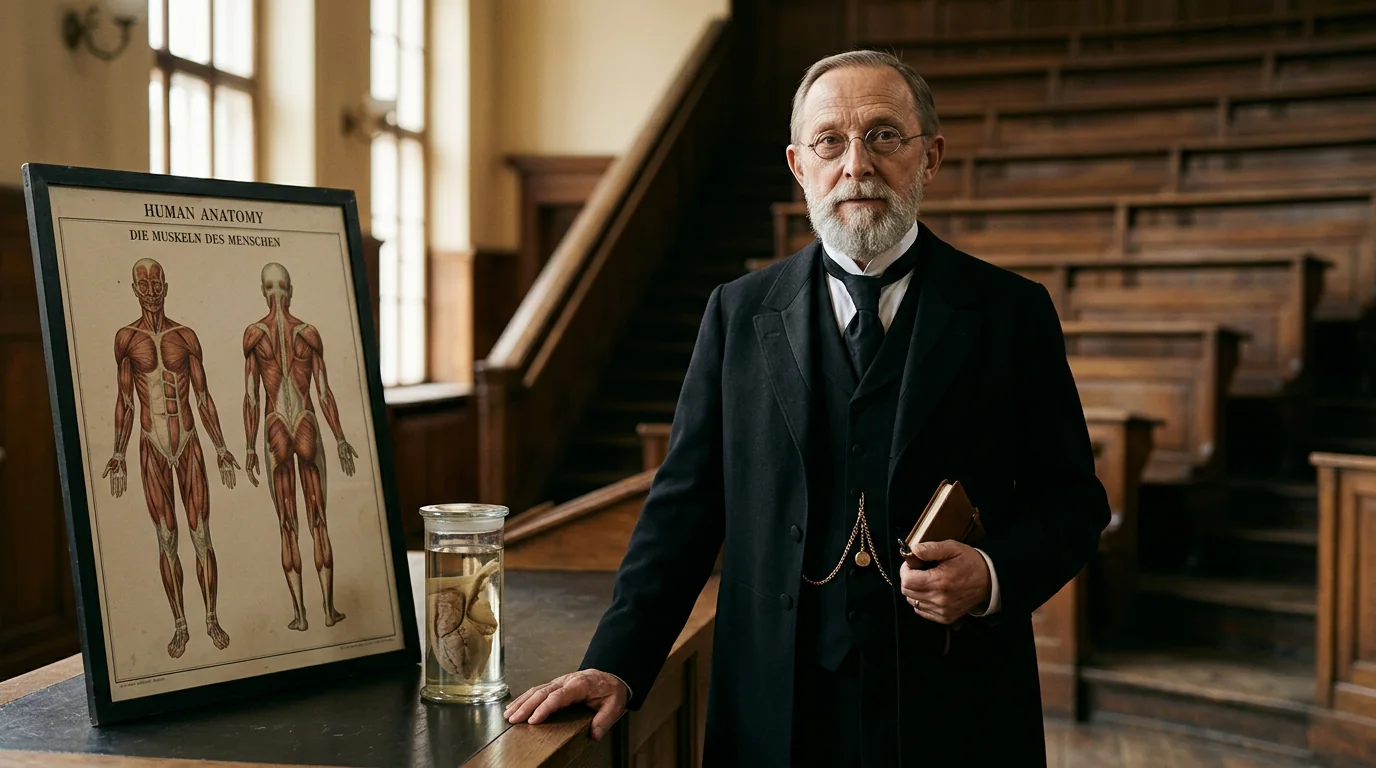
Theodor Boveri linked chromosomes with heredity and development through experiments on eggs, embryos and dividing cells.
Why is this scientist famous?
Theodor Boveri showed why distinct chromosomes are essential for normal development and helped establish chromosome inheritance theory independently of Walter Sutton.
His ideas helped establish chromosome genetics and anticipated the importance of chromosome abnormalities in cancer and developmental disease.
Theodor's story
The biologist who studied dividing cells
Theodor Heinrich Boveri was born in Bamberg, Bavaria, on 12 October 1862. He studied biological sciences in Munich, obtained a doctorate in 1885 and qualified to lecture in zoology in 1887. For him the mysteries of heredity and embryonic development belonged together: how could a single fertilised egg develop into a complex organism, and why did the material in its nucleus matter? His investigations focused on structures inside dividing cells that became visible with improved microscopy.
Chromosomes are not interchangeable
Boveri examined organisms including roundworms whose chromosomes could be followed during early cell division. He argued that chromosomes retain their individuality rather than dissolving into an undifferentiated nuclear substance. Experiments with abnormal chromosome combinations suggested that normal development depended not merely on having some chromosomes, but on having the correct complement. This insight moved chromosomes from apparently decorative cell structures toward active participants in development and inheritance.
What happens when an egg gets too much?
Boveri studied sea urchin eggs fertilised by more than one sperm. Such embryos could receive unusually complex chromosome combinations, and many developed abnormally. Comparing their development helped him argue that particular chromosomes carried distinct functions. At around the same time, Walter Sutton was independently connecting chromosome separation during meiosis with Mendel’s rules. Later scientists combined these complementary strands into the Sutton–Boveri chromosome theory.
A scientific life in Würzburg
In 1893 Boveri became professor of zoology and comparative anatomy at the University of Würzburg, where he spent the rest of his academic career. He was part of a wider scientific partnership with the zoologist Marcella O’Grady Boveri, whose own research and teaching deserve recognition. Boveri’s 1902 and 1904 discussions of chromosome theory helped turn scattered microscope observations into an explanation of heredity. His experimental methods also showed how cells could be used to test biological theories rather than simply illustrated in drawings.
An early idea about cancer
Boveri later suggested that abnormal distributions or changes in chromosomes could contribute to cancer. He did not discover the full genetic basis of cancer, but his reasoning anticipated a major field of modern research. Today we know that disturbances in chromosome number or structure can affect development and disease. He died in Würzburg on 15 October 1915, leaving foundational insights into how heredity is organised inside cells.
What did they discover?
Chromosome individuality
Argued that chromosomes are persistent, functionally distinct structures within cells.
Developmental chromosome balance
Used sea urchin and other embryo experiments to show that abnormal chromosome combinations can disrupt development.
Sutton–Boveri theory
Independently developed a chromosome-based account of heredity complementary to Walter Sutton’s.
Chromosomes and cancer
Proposed that chromosome abnormalities could play a role in tumour formation.
Amazing facts
He was born in Bamberg, Bavaria, in 1862.
His 1885 doctorate came from the University of Munich.
Roundworm cells allowed him to follow individual chromosomes during division.
Sea urchin eggs fertilised by multiple sperm provided clues about abnormal chromosome sets.
He argued that chromosomes are individually important, not all interchangeable.
He worked as a professor in Würzburg from 1893.
His wife Marcella O’Grady Boveri was also a zoologist.
He proposed an early connection between abnormal chromosomes and cancer.
Timeline
Born in Bamberg, Bavaria.
Completed his doctorate at the University of Munich.
Qualified to teach zoology and comparative anatomy at university level.
Became professor at the University of Würzburg.
Developed his chromosome-based account of heredity, expanded in 1904.
Published ideas on the relationship between chromosome abnormalities and malignant tumours.
Died in Würzburg.
Related Super Scientists
Walter Sutton
1877–1916 · Chromosome theory of inheritance and cell biology
Walter Sutton connected the separation of chromosomes during meiosis to Mendel’s laws of inheritance, independently of related work by Theodor Boveri.
Gregor Mendel
1822–1884 · Biologist & Augustinian Friar
Discovered the fundamental laws of genetic inheritance by studying pea plants.
Thomas Hunt Morgan
1866–1945 · Experimental genetics and chromosome inheritance
Thomas Hunt Morgan and his research group used fruit flies to provide compelling evidence that genes are carried on chromosomes.