_(2).jpg)
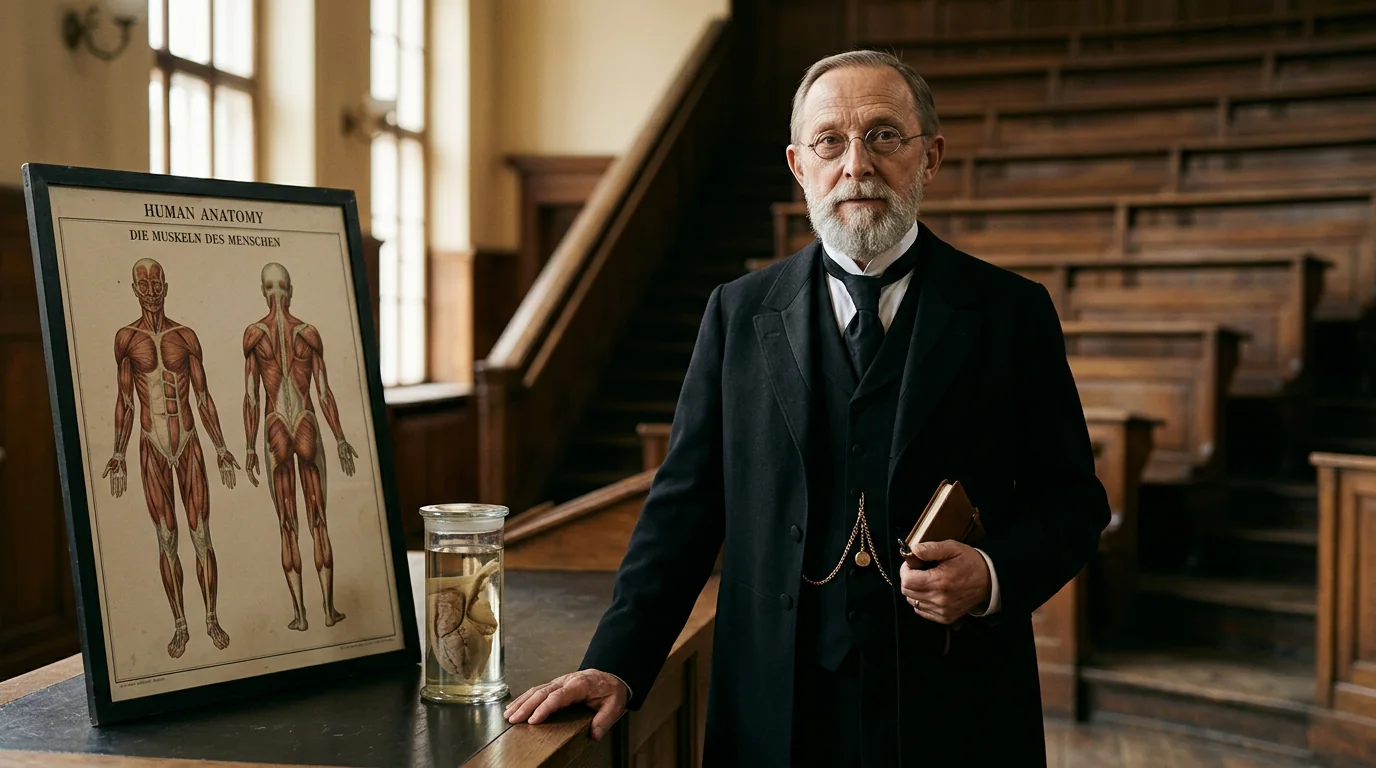
Rudolf Virchow
1821–1902 · Cellular pathology, medicine and public health
Rudolf Virchow transformed medicine by explaining disease through changes in cells and championing public health, while popularising a key idea of cell theory.
Why is this scientist famous?
Rudolf Virchow helped establish cellular pathology, showing how examining diseased cells could transform medicine, while advocating public-health reform.
Doctors still examine cells and tissue samples to diagnose diseases, while public health considers social and environmental conditions.
Rudolf's story
A doctor who looked at society
Rudolf Virchow was born in Schivelbein, then part of Prussia and now Świdwin in Poland, on 13 October 1821. He studied medicine in Berlin and earned his medical doctorate in 1843. Working at the Charité hospital, he learned to study tissues and changes inside the body. He did not believe good medical care meant examining only an individual patient. Virchow also wanted doctors to understand poverty, living conditions and public health.
The microscope changes medicine
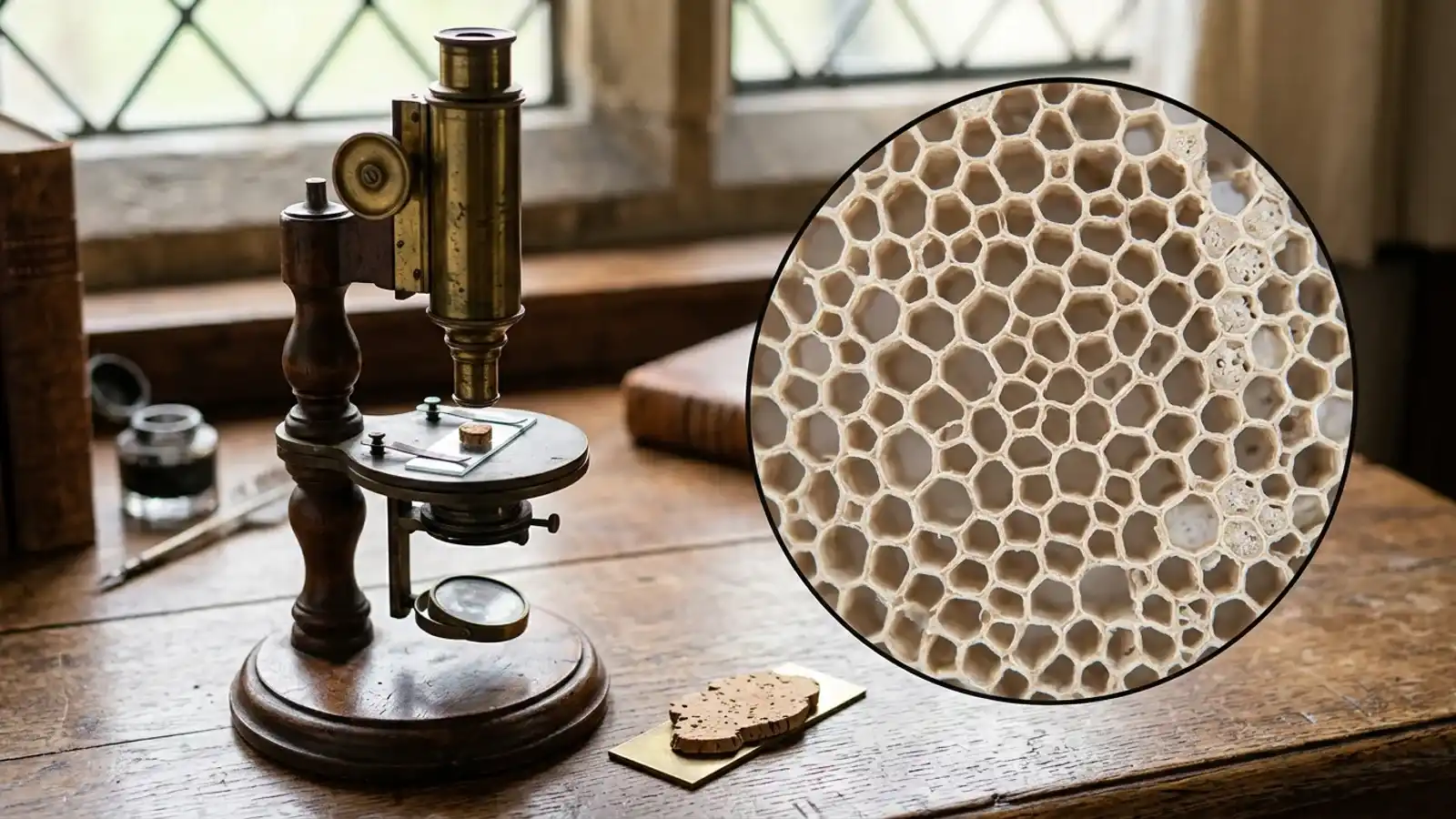
As a pathologist, Virchow investigated what happens in diseased tissues. Rather than imagine illness as a disturbance in the whole body without a clear location, he argued that many diseases could be understood by examining changes in individual cells. Microscopes were essential to this approach, but Virchow built on earlier work by researchers of cells and tissues. In 1858 he published Cellular Pathology, a landmark account based on lectures in Berlin. It helped make microscopic investigation central to medicine.
A famous phrase with an earlier history
Virchow popularised the principle that every cell comes from another cell, often expressed in Latin as omnis cellula e cellula. But he did not establish this entirely alone. Robert Remak had published important evidence for cell division in animal tissues in 1852, before Virchow’s famous statements in 1855. Virchow’s major strength was integrating ideas about cells into a broad approach to illness. Giving Remak credit makes the history of cell theory more accurate.
Health is more than hospitals
In 1848 Virchow investigated a typhus outbreak in Upper Silesia. He argued that hardship and poor living conditions mattered to health, and he called for social reforms. Later, as a public figure in Berlin, he supported measures involving clean water, sewage systems and healthier urban living. These activities helped connect medical science with the conditions in which people live. His career shows that careful science and action for public health can work together.
A life across science and politics
Virchow worked at Würzburg from 1849 and returned to Berlin in 1856 to lead a new pathological anatomy institute. He also helped found a medical journal that became known as Virchows Archiv. Beyond medicine, he investigated anthropology and prehistoric archaeology and served in political life. He died in Berlin on 5 September 1902. Cellular pathology remains one of the foundations of how doctors diagnose cancer and many other diseases today.
What did they discover?
Cellular pathology
He promoted the study of changes in cells as a way to understand illness, especially through his influential 1858 lectures and book.
Cells arise from cells
He popularised a central statement of cell theory while drawing on evidence developed earlier by Robert Remak and other researchers.
Medical and public health reform
His 1848 typhus investigation and later civic activity connected disease prevention with sanitation and social conditions.
Laboratory-based medical science
His work helped establish microscopic tissue examination and experimental investigation as foundations of pathology.
Amazing facts
He studied medicine at a military medical training institute in Berlin.
His medical doctorate was completed in 1843 under Johannes Müller.
In 1847 he and Benno Reinhardt established a pathology journal that continued as Virchows Archiv.
A government investigation of typhus in Upper Silesia in 1848 influenced his public-health views.
He held a chair of pathological anatomy at Würzburg beginning in 1849.
His major book Cellular Pathology grew out of lectures delivered in Berlin in 1858.
He helped improve Berlin’s water supply and sewage infrastructure during his public career.
He helped develop Berlin’s pathological museum collections, which reached more than 20,000 specimens by 1899.
Timeline
Born in Schivelbein in Prussia, now Świdwin, Poland.
Earned a medical doctorate in Berlin.
Co-founded a journal of pathological anatomy with Benno Reinhardt.
Investigated a typhus epidemic in Upper Silesia.
Became professor of pathological anatomy in Würzburg.
Published early statements of his cellular-pathology approach.
Returned to Berlin to lead a new pathology institute.
Delivered and published influential lectures on cellular pathology.
Died in Berlin.
Related Super Scientists
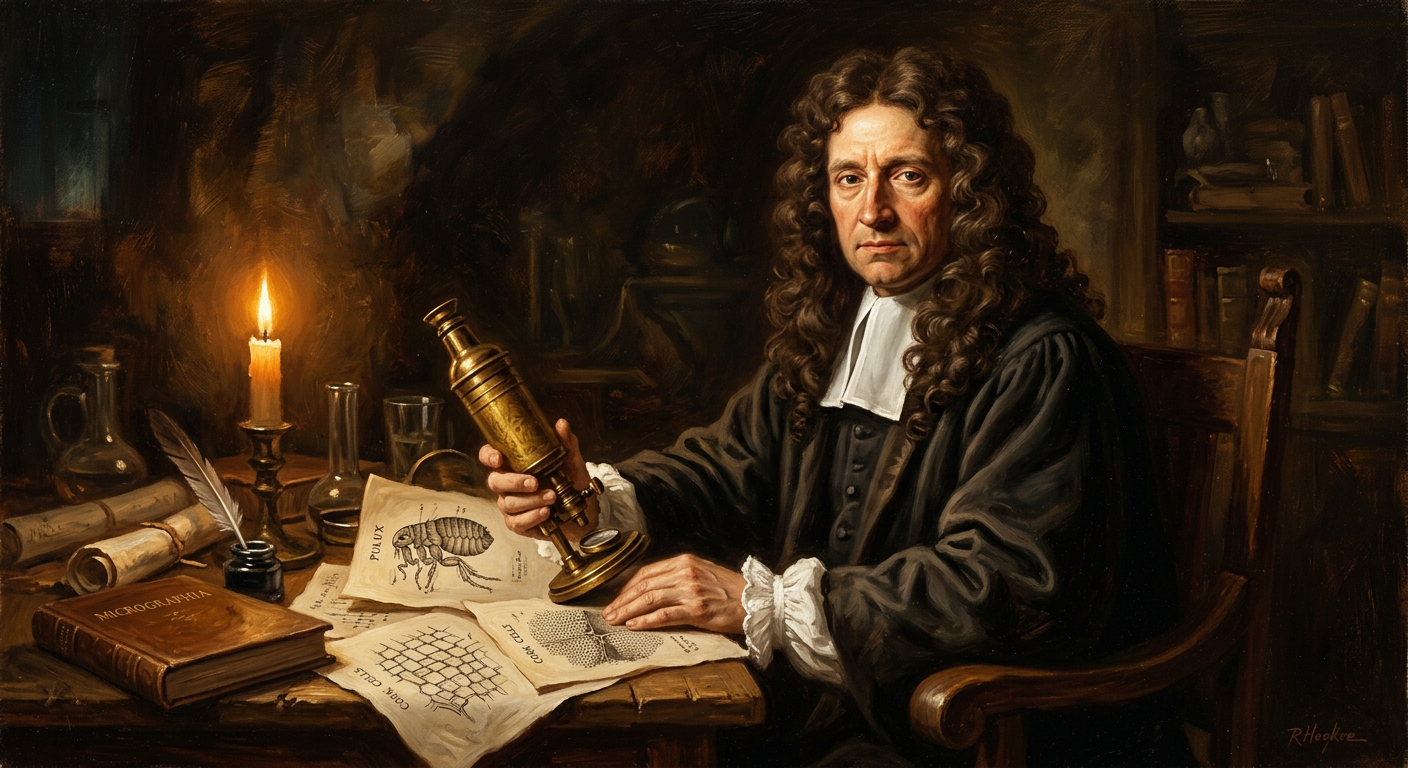
Robert Hooke
1635–1703 · Biologist and Physicist
Coined the word "cell" after examining cork under a microscope and formulated Hooke’s Law on springs.
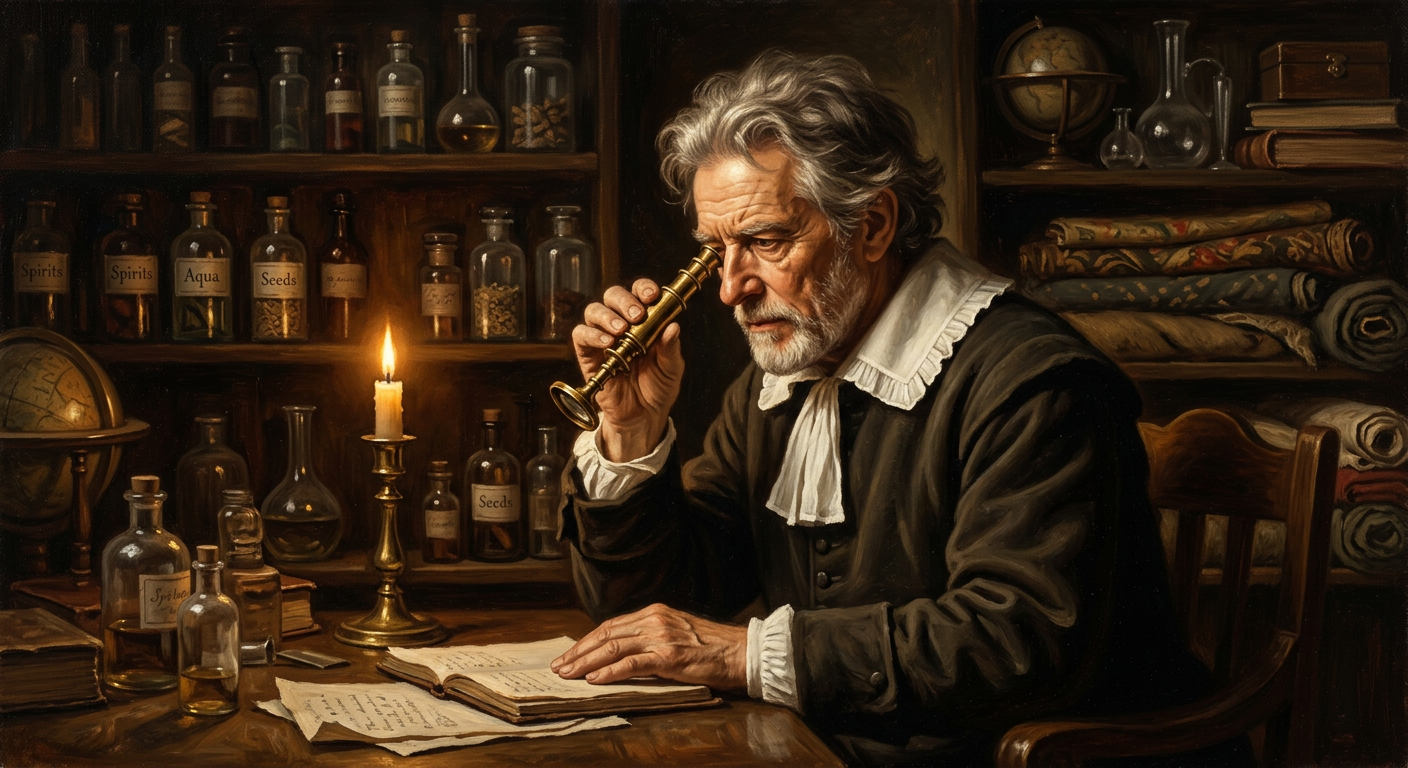
Antonie van Leeuwenhoek
1632–1723 · Biologist
First person to see and describe microorganisms — tiny living creatures invisible to the naked eye.