_(2).jpg)
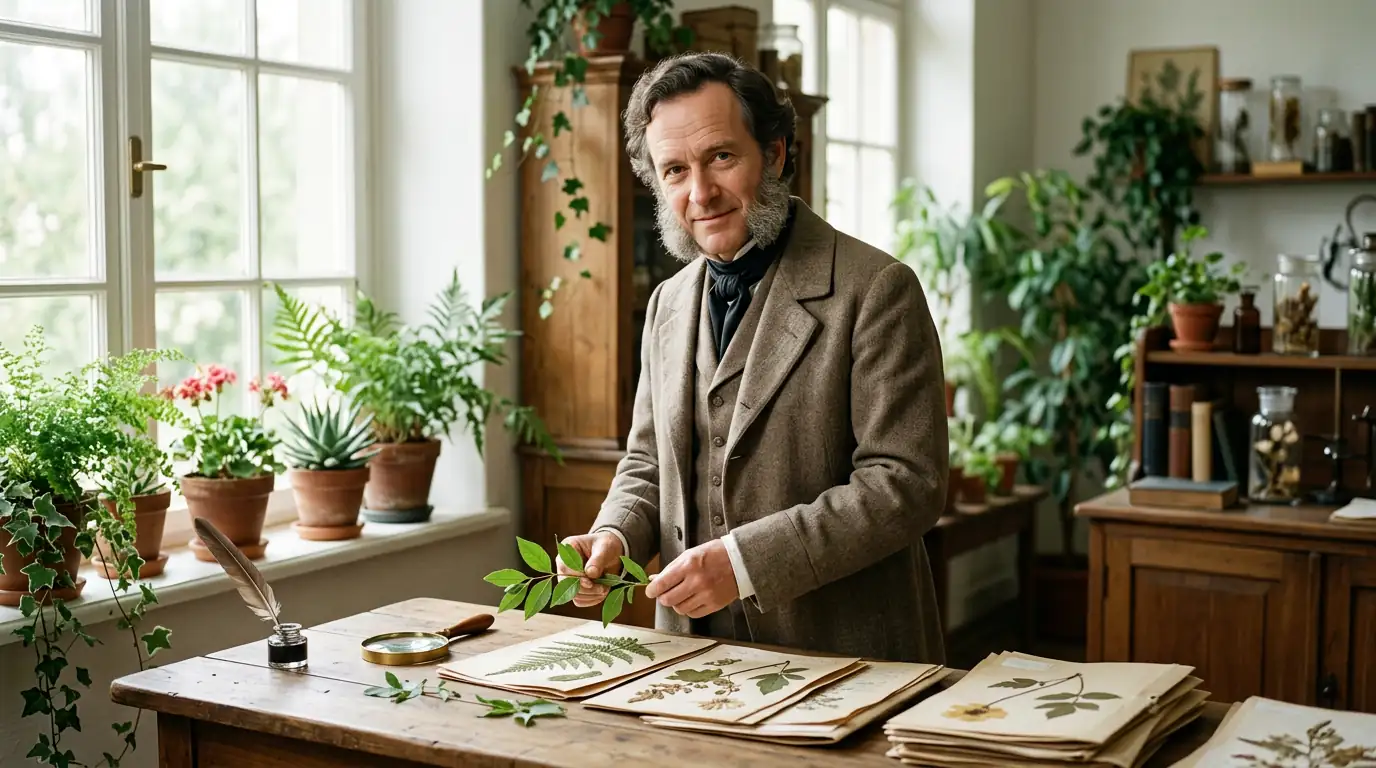
Matthias Schleiden
1804–1881 · Botany and the origins of cell theory
Matthias Schleiden studied plant tissues under microscopes and argued that cells form the building blocks of plants, helping launch modern cell theory.
Why is this scientist famous?
Matthias Schleiden argued that plants are built from cells, helping establish a unifying idea in biology alongside Theodor Schwann.
Cell theory underpins school biology, plant research and the modern study of how living tissues grow.
Matthias's story
From law to plants
Matthias Jakob Schleiden was born in Hamburg on 5 April 1804. He studied law at the University of Heidelberg, earning a doctorate in law in 1826, before practising as a lawyer in Hamburg. After practising law in Hamburg, he changed direction and studied natural sciences at Göttingen and then botany in Berlin. The change allowed him to investigate living plants rather than legal disputes. His later work would help reshape biology.
What plants have in common
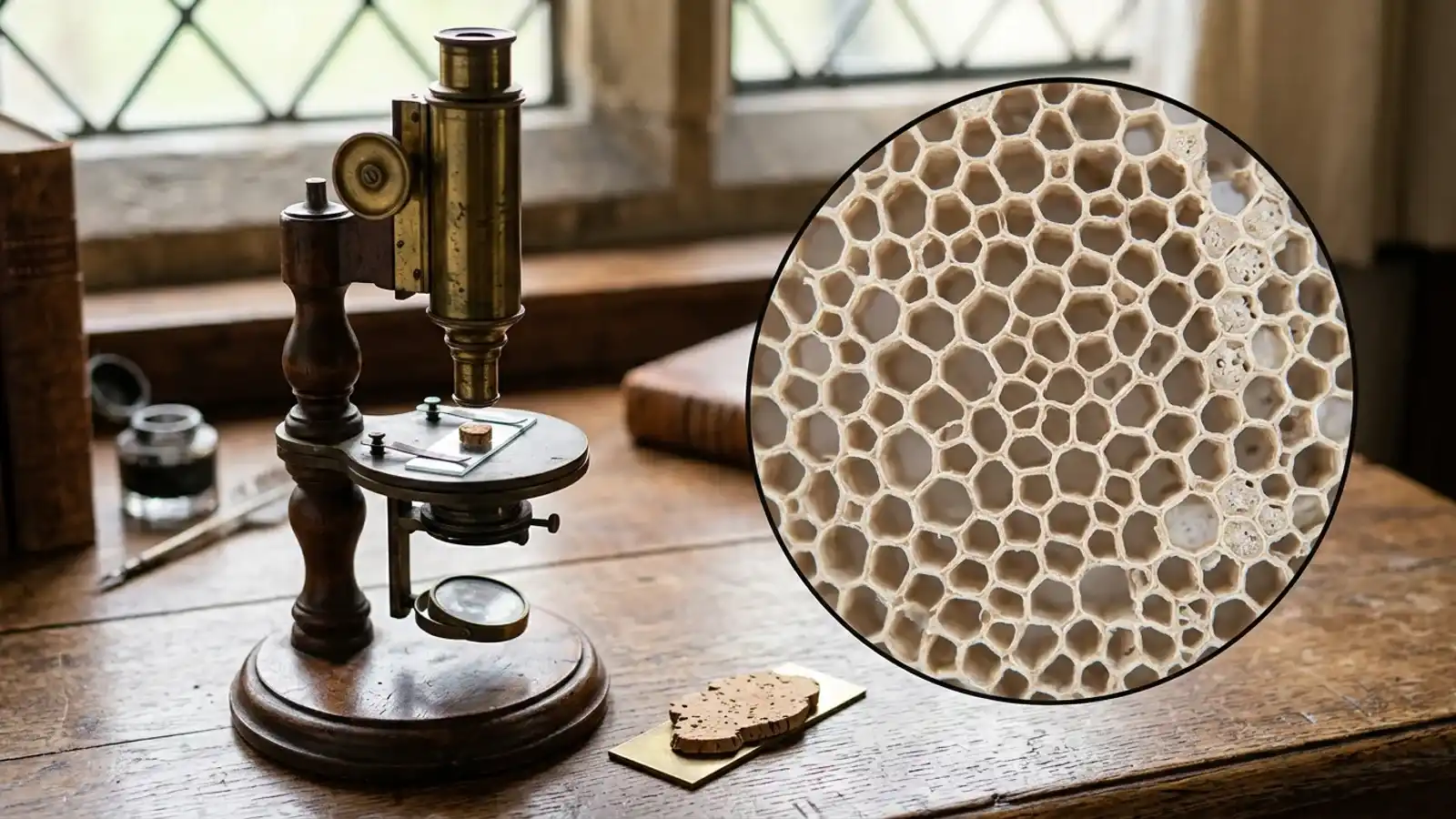
Researchers had seen small structures in plants for generations, but their importance was still debated. Schleiden examined plant tissues with microscopes and argued that cells were fundamental to plant structure and development. He paid special attention to the cell nucleus, a structure earlier described in plants by Robert Brown. In 1838 he published Contributions to Phytogenesis, making his cellular view of plants influential. He did not discover cells or the nucleus himself.
An idea crosses into animal science
In Berlin, Schleiden met the physiologist Theodor Schwann through scientific circles connected with Johannes Müller. Schwann compared cells seen in animals with those of plants. In 1839 Schwann published a major account arguing that plants and animals shared a cellular basis. The contributions of both men helped establish cell theory, although their accounts drew on earlier microscopists. This was a turning point because it connected two branches of biology.
A bold theory with a mistake
Schleiden correctly emphasised cells but offered an incorrect explanation of how new cells form. He thought they could develop around a nucleus from a formative substance, rather than arise through division of existing cells. Later work, including Robert Remak’s observations of cell division, challenged that idea. The error is an important part of his story: an influential scientific proposal can be valuable without being entirely right. Improved microscopy helped researchers test and revise such explanations.
Teaching people to look closely
Schleiden earned a doctorate at the University of Jena in 1839 and became a full professor of botany there in 1850. His 1840s textbooks encouraged students to study the living plant directly and examine its growth instead of relying only on lists of species. In 1863 he moved to the University of Dorpat, now Tartu, and later worked as an independent scholar and lecturer. He died in Frankfurt am Main on 23 June 1881. Modern students still meet his central insight when they learn that plants consist of cells.
What did they discover?
Cells as the structural basis of plants
He argued that plant bodies are made of cells and their products, making the cell a central unit of botanical study.
Cell theory across kingdoms
His work helped Theodor Schwann compare plant and animal tissues, supporting the broader cell theory.
Microscopy in botany
He championed microscope-based examination of plant development and advocated more observation-led botanical teaching.
An instructive wrong hypothesis
His incorrect model of cells forming from a fluid was later displaced by evidence that cells arise from existing cells.
Amazing facts
Before becoming a botanist, Schleiden trained and worked as a lawyer in Hamburg.
He earned a doctorate in law at Heidelberg in 1826 and later a doctorate at Jena in 1839.
The botanist Johann Horkel, who was his uncle, encouraged his interest in plant embryos.
His influential 1838 paper was titled Contributions to Phytogenesis.
He studied the cell nucleus, but the nucleus had already been described by Robert Brown.
His 1840s botanical textbook argued that studying living plants was more useful than memorising lists alone.
He was appointed a full professor of botany at the University of Jena in 1850.
He later taught at Dorpat, a university in the city now called Tartu in Estonia.
Timeline
Born in Hamburg.
Completed legal studies at Heidelberg.
Continued botanical studies in Berlin.
Published Contributions to Phytogenesis about plant cells.
Earned a doctorate at Jena.
Published the first volume of his major botany textbook.
Became full professor of botany at Jena.
Moved to a professorship at Dorpat.
Died in Frankfurt am Main.
Related Super Scientists
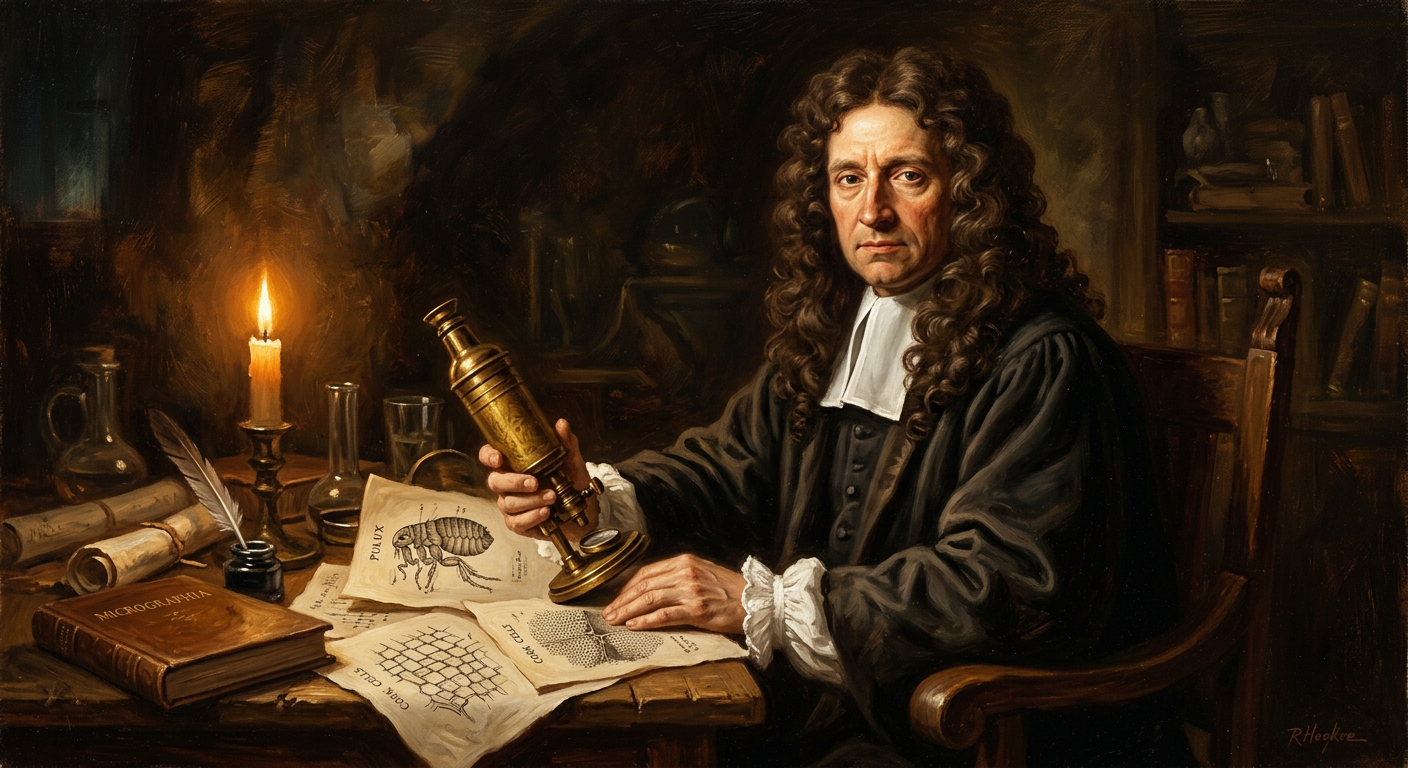
Robert Hooke
1635–1703 · Biologist and Physicist
Coined the word "cell" after examining cork under a microscope and formulated Hooke’s Law on springs.
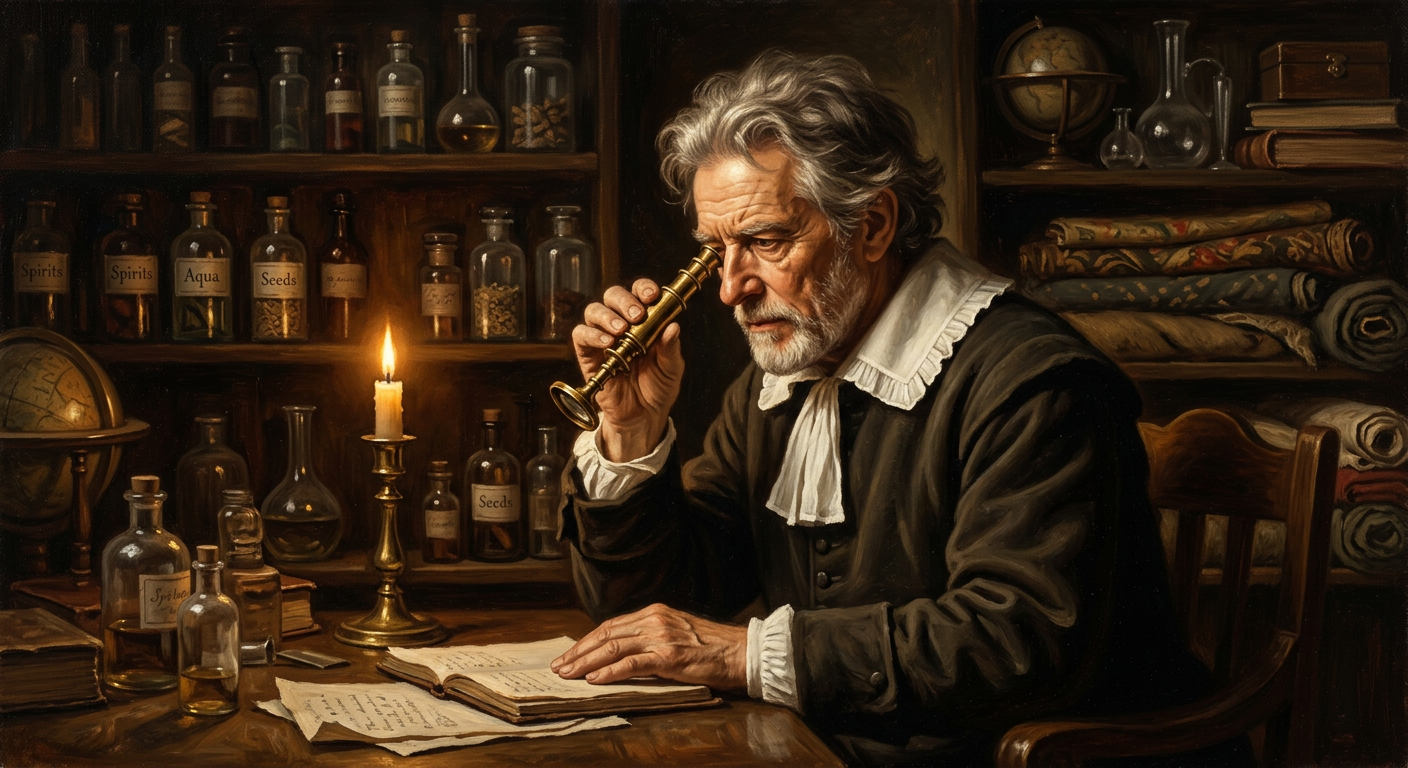
Antonie van Leeuwenhoek
1632–1723 · Biologist
First person to see and describe microorganisms — tiny living creatures invisible to the naked eye.