_(2).jpg)
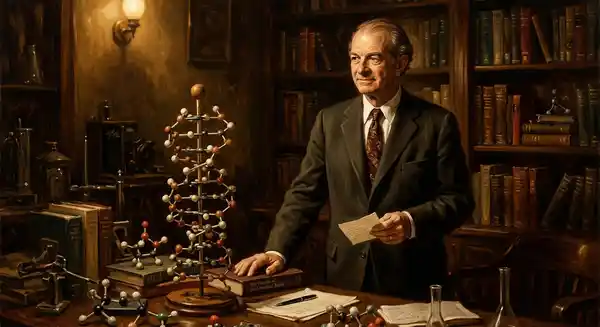
Linus Pauling
1901–1994 · Chemist
Linus Pauling was an American chemist who transformed understanding of chemical bonding and molecular structure. He won both the 1954 Nobel Prize in Chemistry and the 1962 Nobel Peace Prize — the only person to receive two unshared Nobel Prizes.
“The best way to have a good idea is to have a lot of ideas.”
Why is this scientist famous?
Transforming understanding of chemical bonding and molecular structure, major work on protein structure, and winning both the 1954 Nobel Prize in Chemistry and the 1962 Nobel Peace Prize.
Linus's story
From Oregon to Caltech
Linus Carl Pauling was born on 28 February 1901 in Portland, Oregon, USA. He began experimenting with chemistry as a teenager and entered Oregon Agricultural College in 1917, receiving a BSc in chemical engineering in 1922.
Pauling began graduate study at Caltech in 1922 and received his PhD in chemistry from Caltech in 1925. He spent most of his scientific career there.
The Chemical Bond and Molecular Structure
Pauling was a major developer of modern ideas about the nature of the chemical bond. He applied quantum mechanics to chemistry and developed influential concepts for explaining molecular structure, becoming a major contributor to the field of structural chemistry.
His work on the chemical bond, beginning around 1931, transformed how chemists understood the forces holding molecules together.
Protein Structure and the Alpha Helix
In 1951, Pauling worked with Robert Corey and Herman Branson on models of protein secondary structure. Their collaborative work included the alpha helix, an important structural pattern found in many proteins.
The alpha helix was not Pauling's alone — Corey and Branson were collaborators in the work.
In 1949, Pauling, Harvey Itano, S. J. Singer and Ibert C. Wells published landmark work showing that sickle-cell anaemia was associated with an abnormal form of haemoglobin, helping establish the concept of a molecular disease.
Pauling also investigated DNA structure but proposed an incorrect triple-helix model shortly before Watson and Crick's successful double-helix model.
Two Nobel Prizes
Pauling received the 1954 Nobel Prize in Chemistry for his research on the nature of the chemical bond and its application to complex substances.
He also received the 1962 Nobel Peace Prize for his opposition to the nuclear arms race. He remains the only person awarded two unshared Nobel Prizes.
Pauling left Caltech in 1963. He died on 19 August 1994 in Big Sur, California.
What did they discover?
The Nature of the Chemical Bond
Pauling was a major developer of modern ideas about the chemical bond, applying quantum mechanics to chemistry and developing influential concepts for explaining molecular structure.
Protein Structure and the Alpha Helix
With Robert Corey and Herman Branson, Pauling developed important models of protein secondary structure including the alpha helix in 1951.
Two Unshared Nobel Prizes
Pauling won the 1954 Nobel Prize in Chemistry and the 1962 Nobel Peace Prize — the only person to receive two unshared Nobel Prizes.
Amazing facts
Began experimenting with chemistry as a teenager.
Trained originally in chemical engineering.
Worked across chemistry, physics and biology.
Won two Nobel Prizes, both unshared — the only person ever to do so.
His unsuccessful DNA triple-helix model is a useful example of even great scientists being wrong.
Timeline
Born in Portland, Oregon, USA.
Entered Oregon Agricultural College.
Received BSc in chemical engineering; began graduate study at Caltech.
Received PhD in chemistry from Caltech.
Major work on the chemical bond.
Alpha-helix protein work with Corey and Branson.
Awarded the Nobel Prize in Chemistry.
Awarded the Nobel Peace Prize.
Left Caltech.
Died in Big Sur, California, USA.
Awards & honours
Related Super Scientists
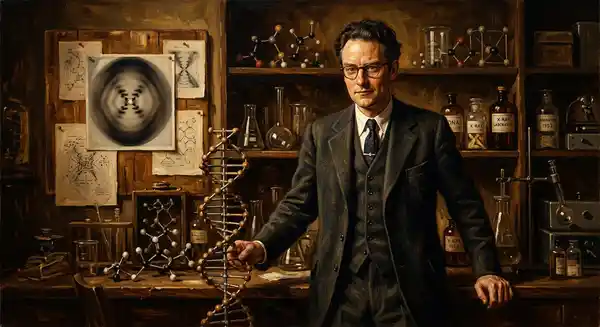
Francis Crick
1916–2004 · Molecular Biologist
Working with James Watson to develop the double-helix model of DNA in 1953 and later making major contributions to understanding genetic information and the genetic code. He shared the 1962 Nobel Prize in Physiology or Medicine with James Watson and Maurice Wilkins.
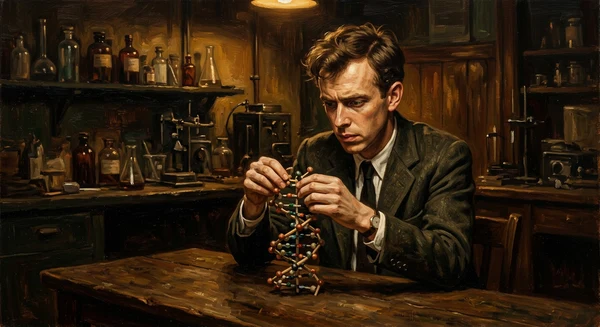
James Watson
1928–2025 · Molecular Biologist & Geneticist
Helping determine the double-helix structure of DNA with Francis Crick in 1953, using crucial X-ray diffraction and other experimental evidence produced by researchers including Rosalind Franklin, Raymond Gosling and Maurice Wilkins.
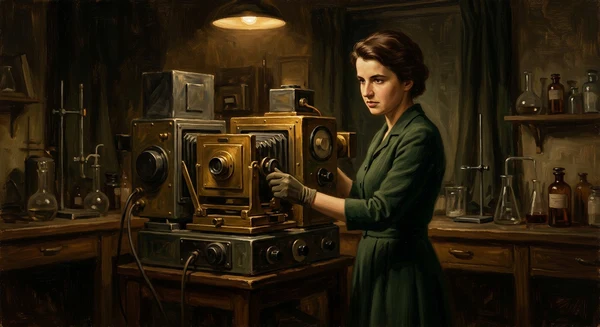
Rosalind Franklin
1920–1958 · Chemist & X-ray Crystallographer
Producing crucial X-ray diffraction data on DNA, including Photograph 51, with her student Raymond Gosling.