_(2).jpg)
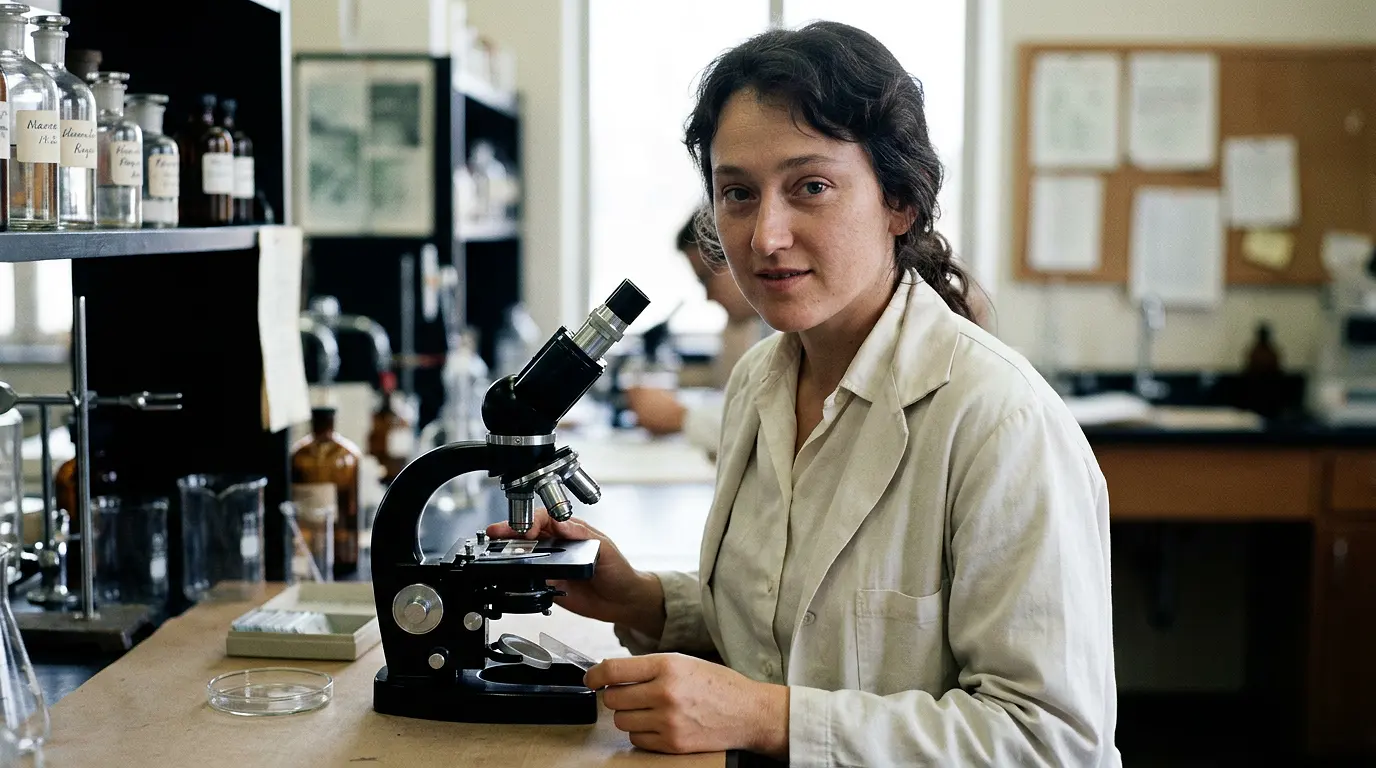
Lynn Margulis
1938–2011 · Evolutionary biology and cell biology
Biologist Lynn Margulis transformed understanding of complex cells by championing evidence that mitochondria and chloroplasts evolved from ancient bacteria.
“We are all symbionts on a symbiotic planet, and Gaia is symbiosis seen from space.”
Why is this scientist famous?
Developed and championed modern endosymbiotic theory, explaining how mitochondria and chloroplasts evolved from once free-living bacteria.
Endosymbiosis is fundamental to modern explanations of eukaryotic cell evolution and highlights how long-term cooperation between organisms can generate major evolutionary change.
Lynn's story
Asking how complex cells began
Lynn Margulis was born in Chicago on 5 March 1938. She entered the University of Chicago while still in her teens and developed a broad interest in genetics, microorganisms and evolution. As her scientific career developed, she became fascinated by an old but neglected idea: some structures inside complex cells might descend from bacteria that had once lived independently. Earlier scientists had proposed versions of this possibility, so Margulis did not originate the idea of endosymbiosis from nothing.
Building a modern endosymbiotic theory
Margulis assembled evidence from cell biology, microbiology, genetics and evolution into a detailed modern argument. In 1967 she published “On the Origin of Mitosing Cells”, proposing that major parts of the eukaryotic cell arose through long-term symbiotic mergers. The strongest parts of the theory concerned mitochondria and chloroplasts, which she argued descended from once free-living bacteria. Evidence accumulated from their membranes, reproduction and genetic material, and these bacterial origins became widely accepted.
Symbiosis as an evolutionary force
Margulis emphasised that evolution does not occur only through competition between organisms. Long-lasting symbiosis can also create new biological combinations with new capabilities. She used the term symbiogenesis for evolutionary innovation through close biological partnerships and explored its role beyond the origin of organelles. Some of her broader evolutionary claims remained controversial, so they should not be confused with the well-supported endosymbiotic origin of mitochondria and chloroplasts.
From cells to the whole Earth
Margulis later worked at the University of Massachusetts Amherst and collaborated with James Lovelock on aspects of the Gaia hypothesis, examining interactions between life and Earth’s environment. She was elected to the National Academy of Sciences in 1983 and received the National Medal of Science for 1999. Her work crossed biology and geoscience, but her most enduring scientific legacy is the transformation of endosymbiosis from a marginal idea into a central explanation for the history of complex cells. She died on 22 November 2011.
What did they discover?
Modern endosymbiotic theory
Margulis assembled and developed evidence that mitochondria and chloroplasts originated from bacteria that entered long-term symbiotic relationships with ancestral cells.
Symbiogenesis in evolution
She strongly developed the idea that enduring symbioses can generate evolutionary novelty, while some of her broader claims remained debated.
Life–environment interactions
Her later collaborations examined how organisms and planetary environments influence one another, helping connect microbiology, evolution and Earth-system thinking.
Amazing facts
She entered the University of Chicago while still in her teens.
Her best-known 1967 paper was titled “On the Origin of Mitosing Cells”.
The central idea she championed had earlier scientific predecessors, and her achievement was to build a powerful modern case from multiple lines of evidence.
Mitochondria and chloroplasts retain their own DNA, one important clue to their bacterial ancestry.
She treated microorganisms as central actors in evolution rather than as a minor part of biology.
She was elected to the U.S. National Academy of Sciences in 1983.
She became a Distinguished University Professor at the University of Massachusetts Amherst.
She received the National Medal of Science for 1999 for contributions spanning biology, climatology, geology and planetary science.
Timeline
Born in Chicago, Illinois, United States.
Publishes “On the Origin of Mitosing Cells”, presenting a modern endosymbiotic theory for the evolution of complex cells.
Publishes a book-length development of her ideas on the origin of eukaryotic cells.
Publishes “Symbiosis in Cell Evolution”, expanding her account of symbiosis in cell evolution.
Is elected to the U.S. National Academy of Sciences.
Moves to the University of Massachusetts Amherst, where she continues work across biology and geoscience.
Is elected to the American Academy of Arts and Sciences.
Receives the National Medal of Science for contributions to understanding the development, structure and evolution of living things.
Dies aged 73.
Awards & honours
Related Super Scientists
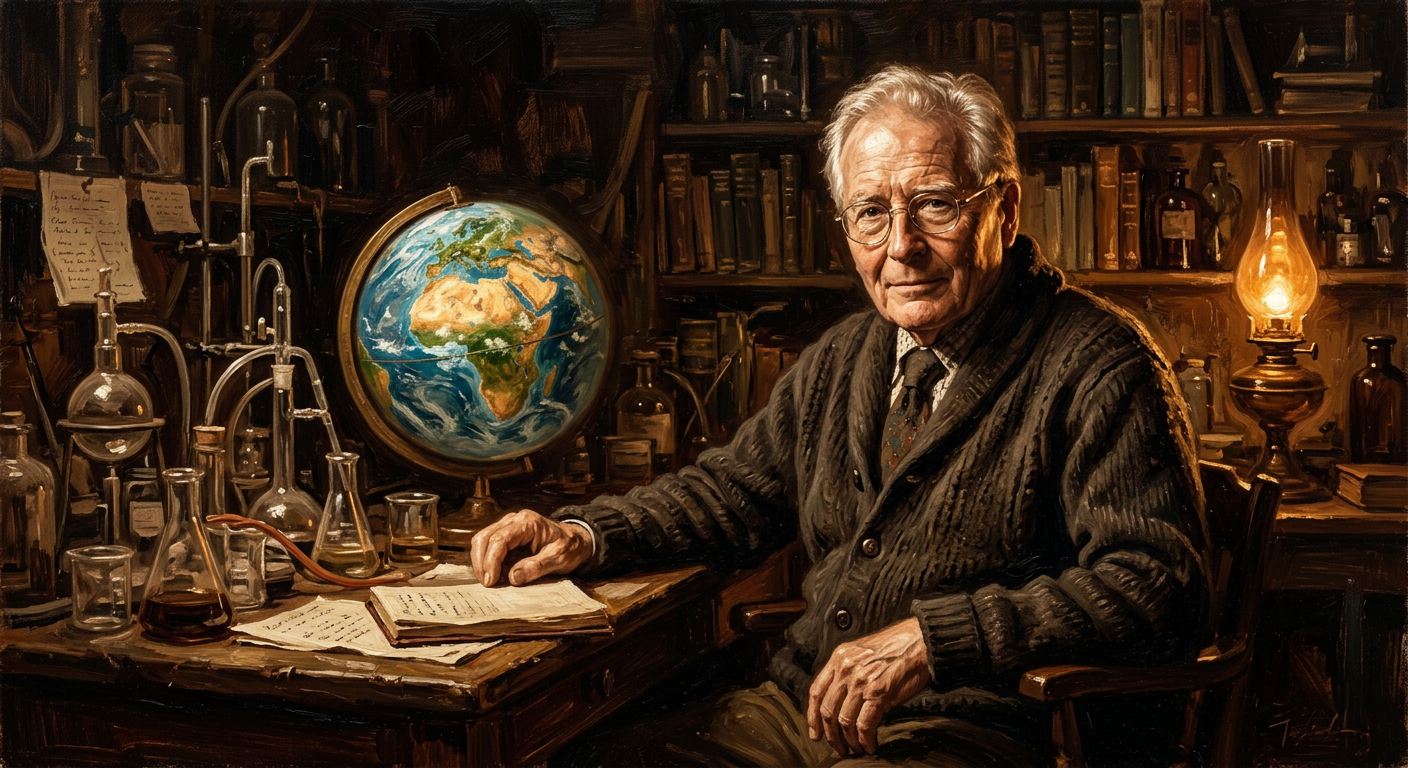
James Lovelock
1919–2022 · Independent Scientist and Environmentalist
Inventing the electron capture detector and developing the Gaia hypothesis, an influential idea about interactions between life and Earth's atmosphere, oceans and rocks.
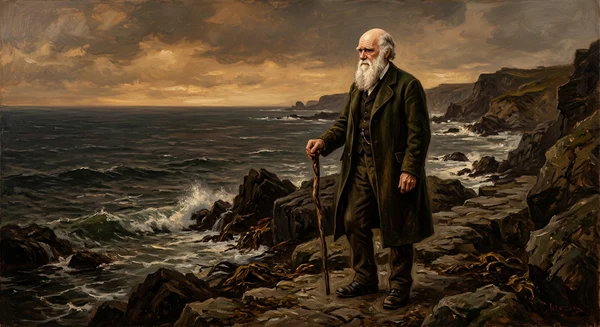
Charles Darwin
1809–1882 · Naturalist & Biologist
Proposing the theory of evolution by natural selection.
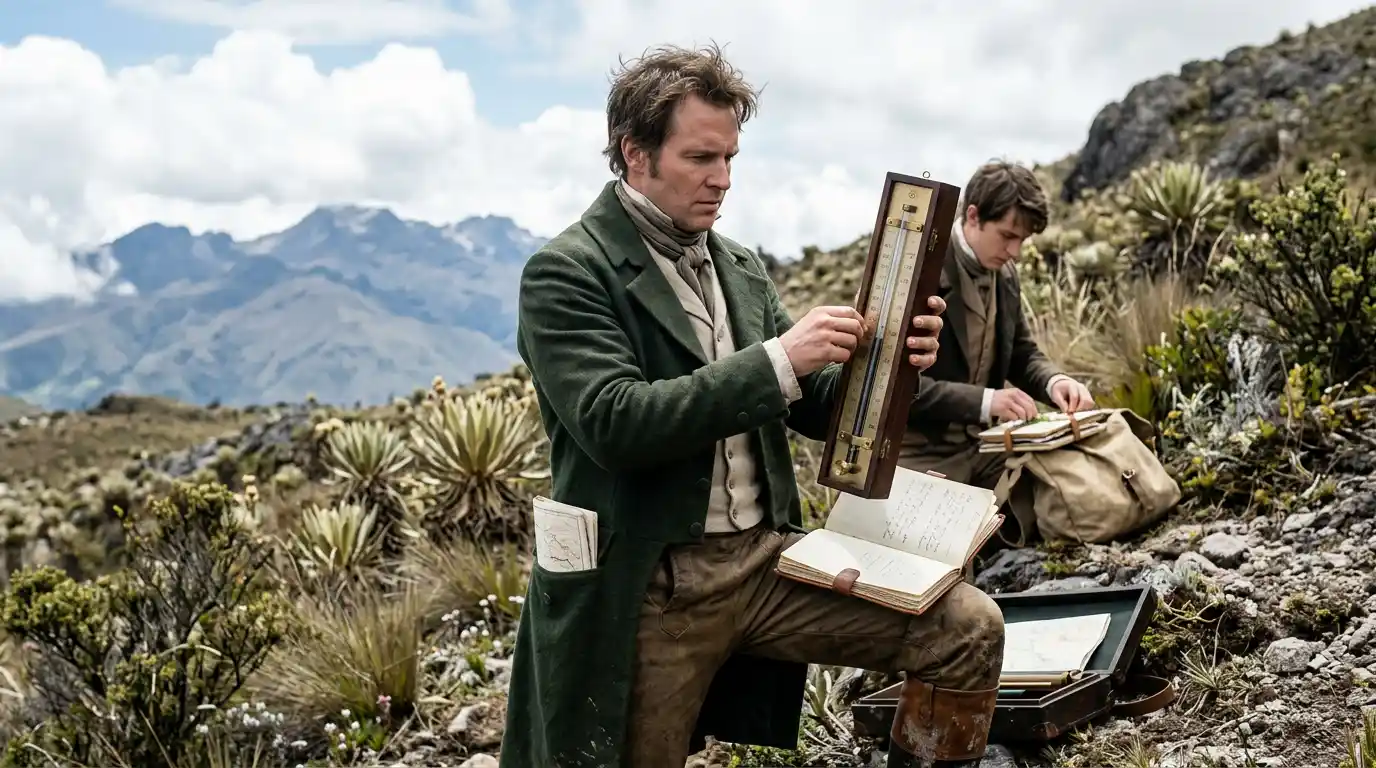
Alexander von Humboldt
1769–1859 · Natural science, geography and earth science
A Prussian naturalist and geographer whose field measurements revealed the interconnections of nature.