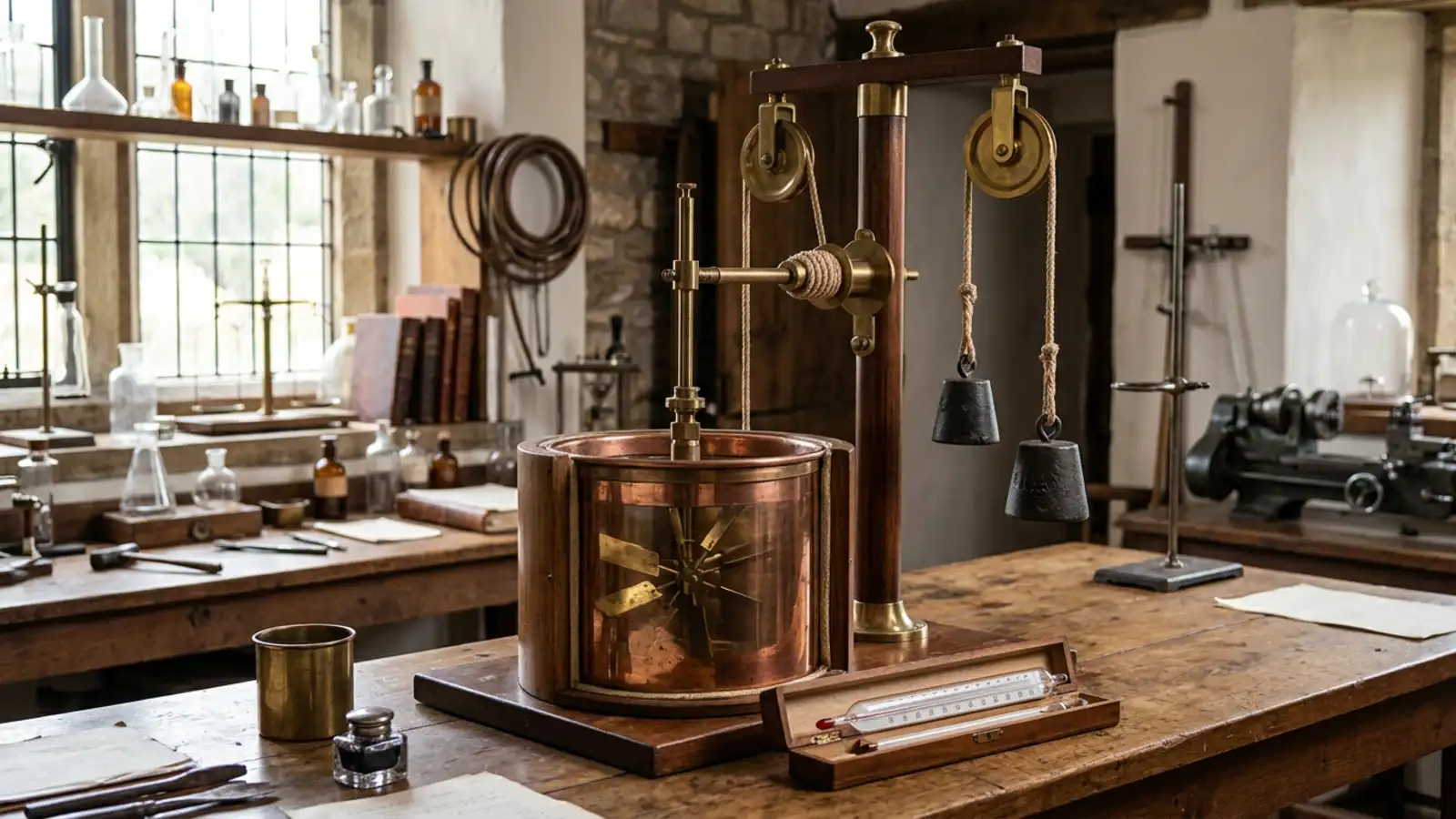
_(2).jpg)
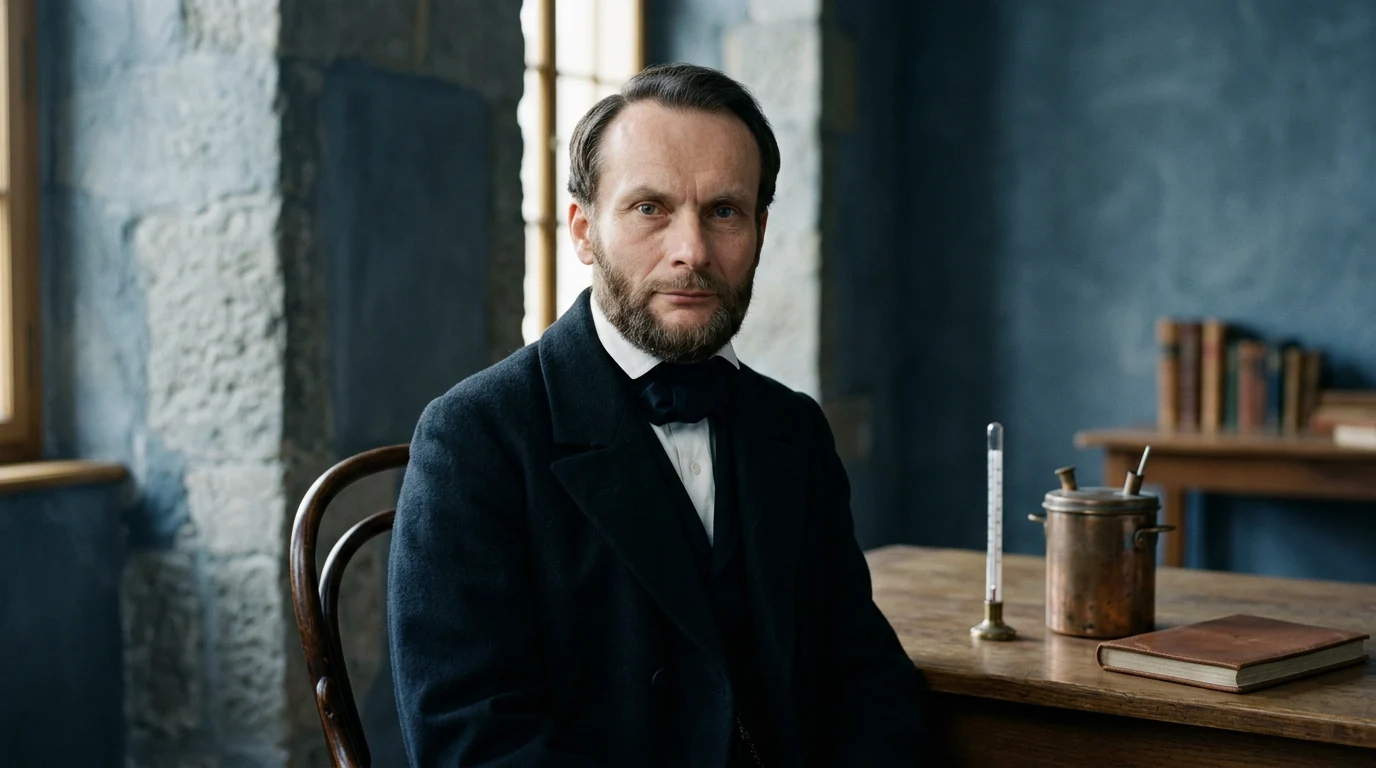
Rudolf Clausius
1822–1888 · Thermodynamics, entropy and kinetic theory
Rudolf Clausius developed the second law of thermodynamics, introduced entropy and helped explain the motion of gas molecules.
Why is this scientist famous?
Rudolf Clausius formulated a foundational version of the second law of thermodynamics and introduced the quantity entropy.
The laws of thermodynamics govern energy conversion in engines, refrigeration, chemistry and countless natural processes.
Rudolf's story
A physicist of heat and energy
Rudolf Julius Emanuel Clausius was born in Köslin, Prussia, now Koszalin in Poland, on 2 January 1822. He studied in Berlin and earned a doctorate from the University of Halle in 1848. Early industrial machinery raised a difficult puzzle: work could become heat, and heat could drive work, but the two directions were not equally easy. Building on Sadi Carnot and experiments by James Prescott Joule, Clausius helped make the rules more precise.
A second rule for nature
In a landmark 1850 paper Clausius analysed the relationship between heat and mechanical work and set out a form of the second law of thermodynamics. Energy is conserved, but it matters how energy moves and changes form. Heat does not spontaneously flow from a colder body to a hotter one without some other change, which explains why refrigerators require power. This was part of a wider scientific development involving William Thomson and other researchers, not a single isolated invention.
Naming entropy
In 1865 Clausius introduced the word entropy for a quantity that helps describe how energy spreads and the direction of natural changes. Entropy is not simply a synonym for disorder in every scientific situation. For an ideal reversible process the balance can be calculated precisely; real processes often produce additional entropy. This gave scientists a new mathematical language for understanding why no engine can turn all the heat taken from one reservoir into useful work in a cycle.
Molecules that keep moving
Clausius also investigated how moving gas molecules produce pressure and temperature-related behaviour. In 1857 and 1858 he helped develop kinetic gas theory, including a treatment of the average distance molecules travel between collisions. He held professorships in Zürich, Würzburg and Bonn, where he continued teaching and researching. His work linked the large-scale operation of engines with small-scale molecular motion.
Rules that still shape engineering
Clausius died in Bonn on 24 August 1888. His equations and concepts remain central to physics and engineering. They help explain why hot drinks cool, why heat pumps need electricity and why power stations have unavoidable efficiency limits. The major lesson is that conserving energy is only half the story; the direction in which processes occur matters too.
What did they discover?
Second law of thermodynamics
Formulated a foundational statement about the permitted direction of heat transfer.
Entropy
Introduced a thermodynamic quantity and its name in 1865.
Kinetic gas theory
Contributed to molecular explanations of gas behaviour and mean free path.
Mechanical theory of heat
Helped connect work, heat and energy in an increasingly unified physics.
Amazing facts
He was born in Köslin, now Koszalin in Poland.
His doctorate at Halle concerned optical effects in Earth’s atmosphere.
His influential paper about mechanical heat theory appeared in 1850.
He held a professorship in Zürich before moving to Würzburg and Bonn.
His 1857 gas theory linked heat-related behaviour to moving molecules.
He introduced entropy as a scientific term in 1865.
The average distance travelled by a gas molecule between collisions is called mean free path.
He taught at the University of Bonn from 1869 until his death.
Timeline
Born in Köslin, Prussia (now Koszalin, Poland).
Completed a doctorate at the University of Halle.
Published a foundational paper on the mechanical theory of heat.
Began a professorship at the Swiss Federal Polytechnic in Zürich.
Published kinetic-theory research on gases.
Introduced the term entropy.
Became professor at Bonn.
Died in Bonn.
Awards & honours
Related Super Scientists
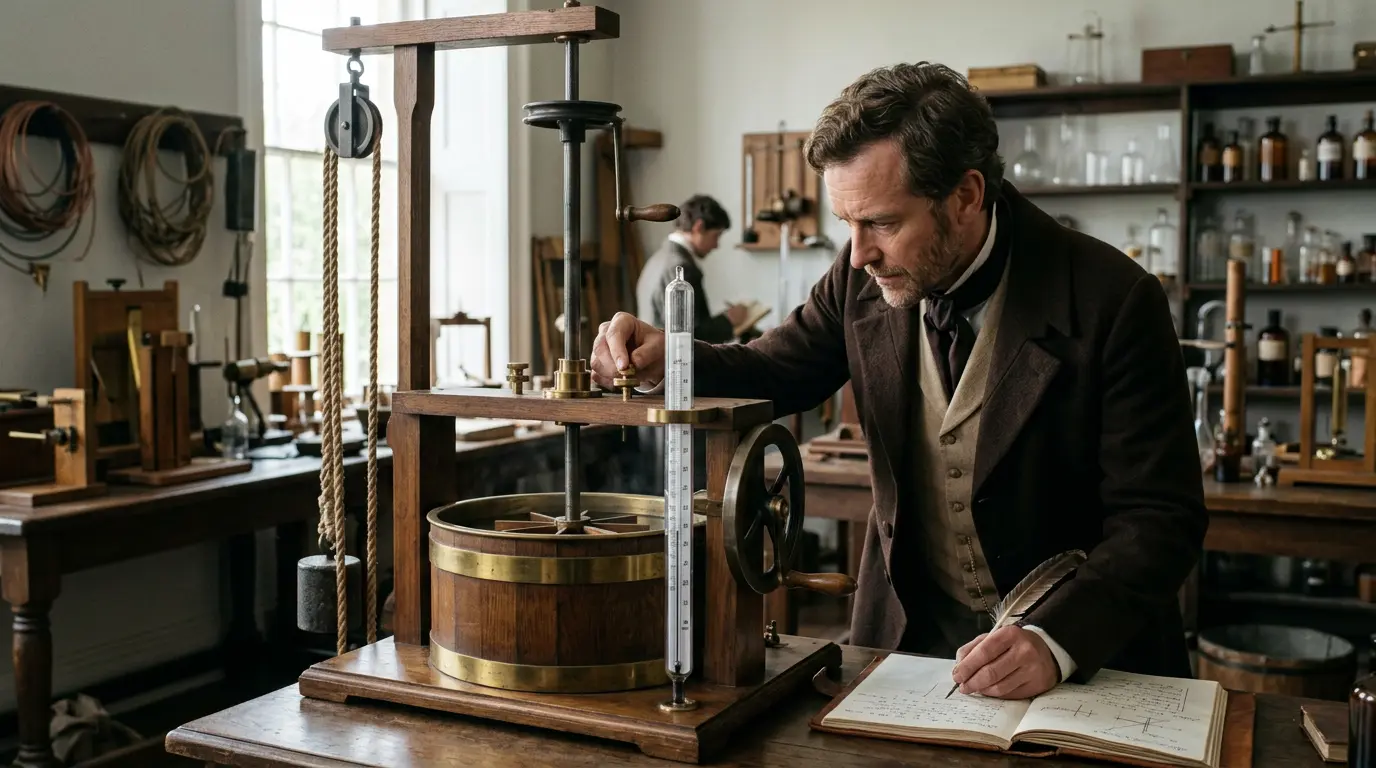
James Prescott Joule
1818–1889 · Physicist
Measured the mechanical equivalent of heat, discovered the electrical heating law bearing his name and made major contributions to the development of energy conservation and thermodynamics.
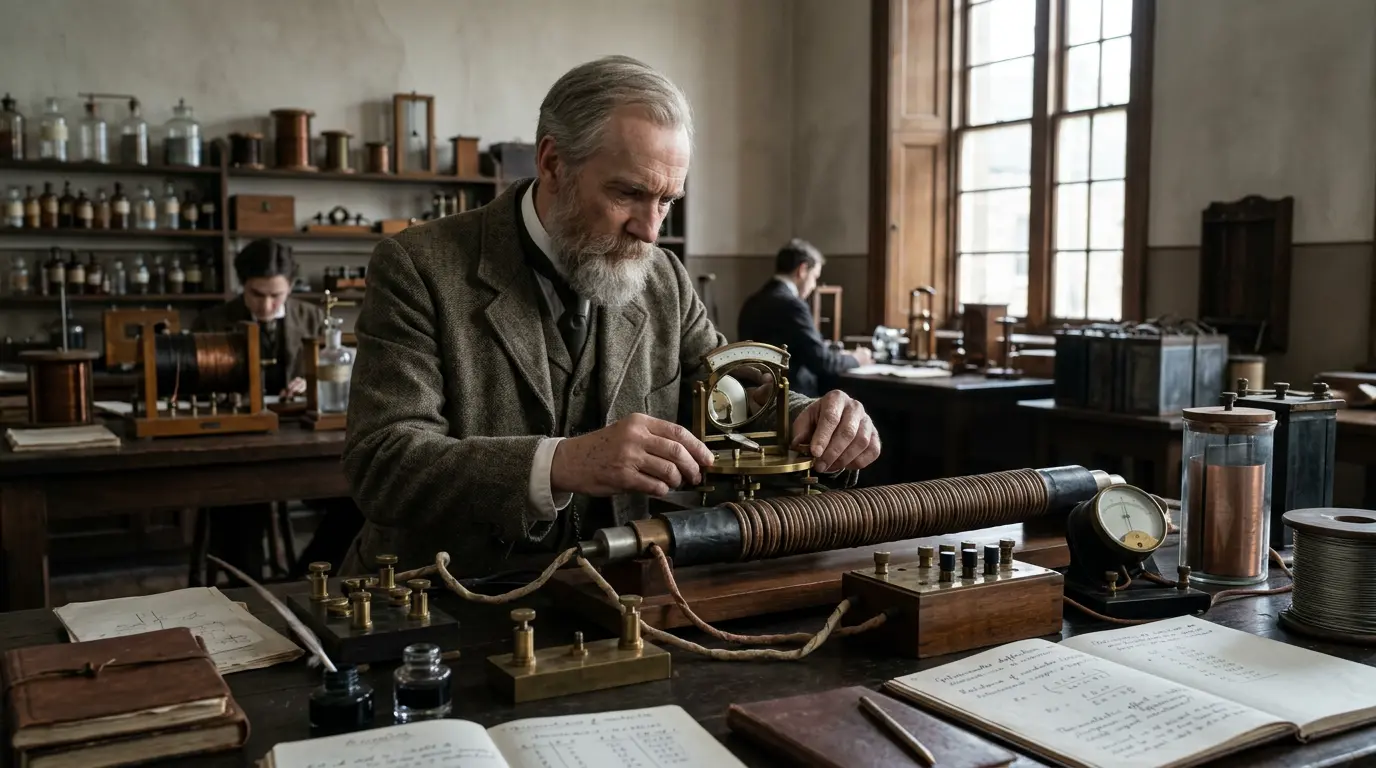
William Thomson, Lord Kelvin
1824–1907 · Physicist and Engineer
Developed the absolute temperature scale measured in kelvins (K), made major contributions to thermodynamics, and played a key role in the laying of the transatlantic telegraph cable.
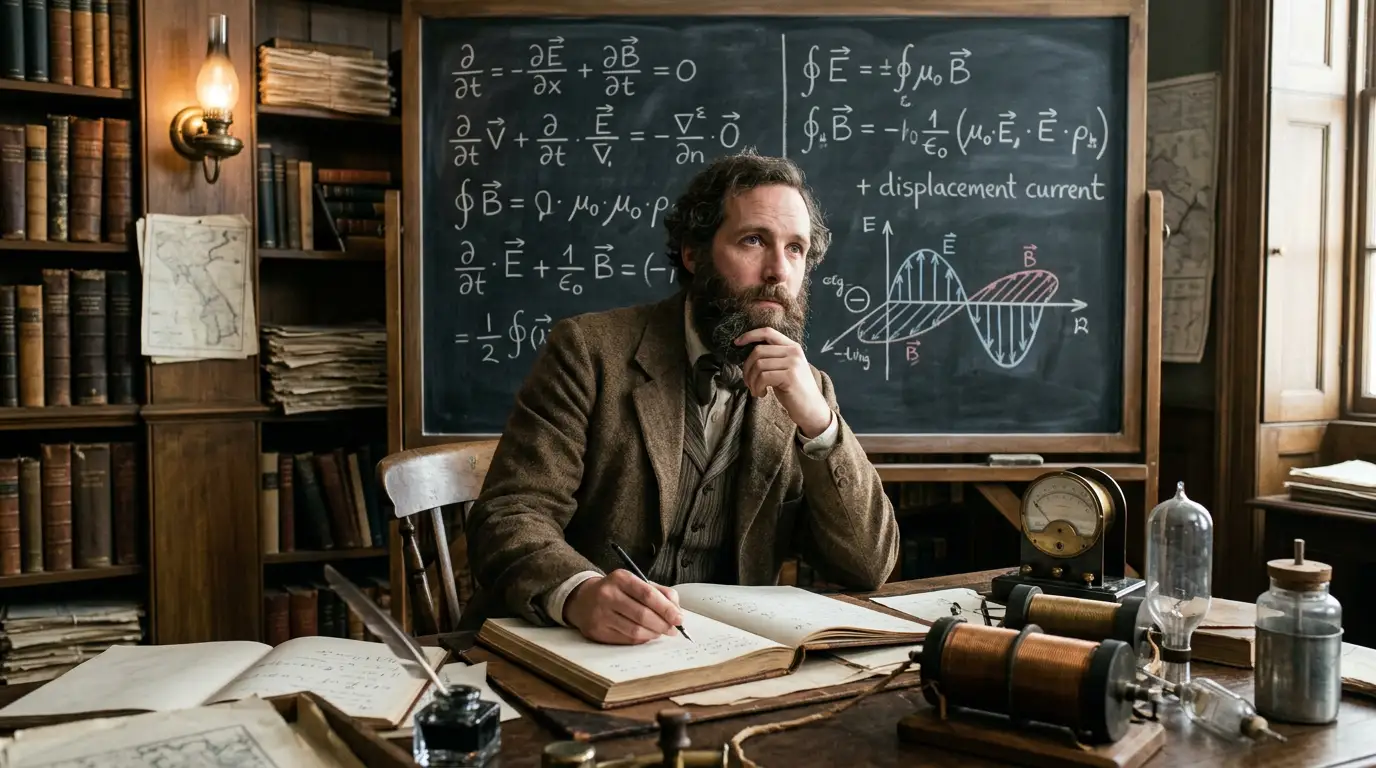
James Clerk Maxwell
1831–1879 · Physicist & Mathematician
Developing the classical theory of electromagnetism, showing mathematically that electricity, magnetism and light are connected, and making major contributions to kinetic theory, colour science and the understanding of Saturn's rings.