_(2).jpg)
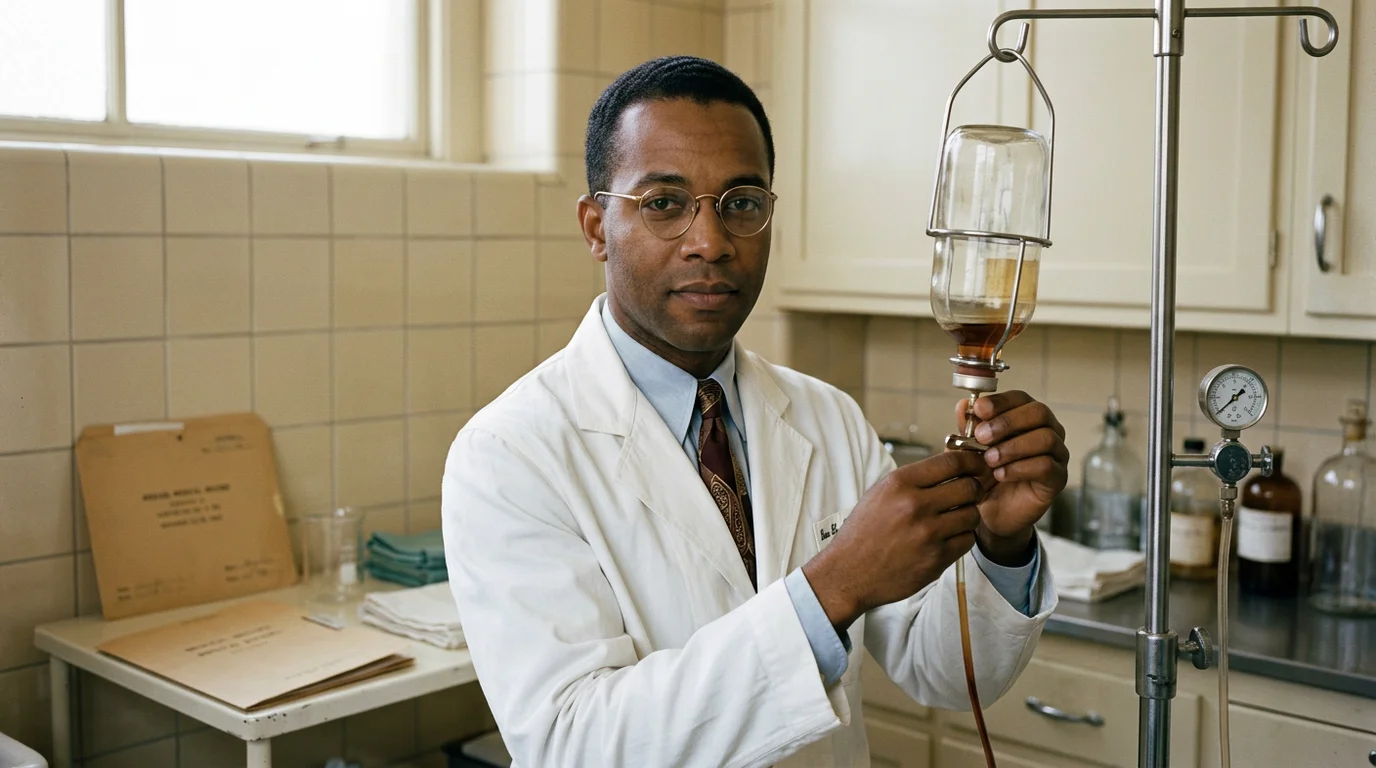
Charles Drew
1904–1950 · Blood preservation, transfusion medicine and surgery
Charles Drew improved large-scale collection, preservation and distribution of blood plasma, helping establish safer wartime transfusion systems.
Why is this scientist famous?
Charles Drew transformed the organisation of blood and plasma collection during the Second World War and challenged racial discrimination in medicine.
Modern hospitals rely on safe testing, separation, preservation and distribution of donated blood components, building on the work of many transfusion pioneers.
Charles's story
Sport, science and medical training
Charles Richard Drew was born in Washington, D.C., on 3 June 1904. He excelled academically and in sport, studied at Amherst College and later trained as a physician at McGill University in Montreal. He gained medical qualifications in 1933 and worked in hospitals before pursuing advanced research on transfusion medicine. He lived at a time when racial discrimination limited professional opportunities for Black doctors, but became a respected surgeon and educator.
Keeping donated blood usable
Doctors knew that transfusions could save lives, but blood products were difficult to preserve and deliver safely. Drew examined how blood and plasma change during storage and how they can be separated and handled. Plasma is the fluid component of blood, useful for replacing lost fluid and carrying clotting factors; it does not itself carry oxygen like red blood cells. Drew worked with other researchers, including John Scudder, to improve storage procedures and organise reliable supplies. His Columbia University research led to a doctorate in medical science in 1940.
Blood for Britain
During the Second World War, injured civilians and soldiers urgently needed plasma. In 1940 Drew became medical director of the Blood for Britain programme, coordinating collection, testing, processing and transport of plasma from American donors. In 1941 he helped the American Red Cross establish an organised blood-donation and plasma programme for the United States armed forces. These were large collaborations, not machines or blood banks invented by one person. Drew’s strength included setting standards that made complex work reliable at scale.
Science against segregation
The Red Cross and US military pursued discriminatory policies that excluded or segregated blood from Black donors. Drew argued that such policies had no sound scientific basis. He left the programme and continued his career at Howard University and Freedmen’s Hospital, becoming an influential teacher of surgeons. His objection matters scientifically as well as morally: transfusion safety depends on blood groups, matching and infection testing, not the race of the person who donates.
A life cut short, a legacy that continued
Drew died on 1 April 1950 after a motor vehicle crash in North Carolina. A persistent story that he was denied medical treatment or a transfusion because of his race is not supported by the historical evidence; he received emergency care. Drew’s documented achievements need no invented ending. They include rigorous medical research, lifesaving organisation of blood supplies and a determination to make medicine more equitable.
What did they discover?
Blood-plasma preservation
Improved study and practice of separating, storing and handling blood plasma.
Large-scale blood collection
Directed Blood for Britain and helped organise an American Red Cross plasma programme.
Transfusion logistics
Advanced procedures for handling, testing and delivering blood products.
Medical education and equity
Trained Black physicians and publicly challenged unscientific racial restrictions on donation.
Amazing facts
Drew was born in Washington, D.C., and attended Amherst College.
He studied medicine at McGill University and qualified in 1933.
His Columbia University doctorate in medical science was awarded in 1940.
He worked with other researchers to improve storage of blood and plasma.
In 1940 he directed the Blood for Britain plasma collection programme.
He helped organise American Red Cross plasma services in 1941.
He challenged policies segregating donated blood by the race of the donor.
He died after a 1950 car crash; the story that doctors refused him medical treatment is a myth.
Timeline
Born in Washington, D.C.
Graduated from Amherst College.
Qualified as a physician at McGill University.
Earned his Columbia doctorate and directed Blood for Britain.
Helped launch the American Red Cross plasma programme.
Continued surgical teaching and advocacy at Howard University.
Died in North Carolina following a road accident.
Related Super Scientists
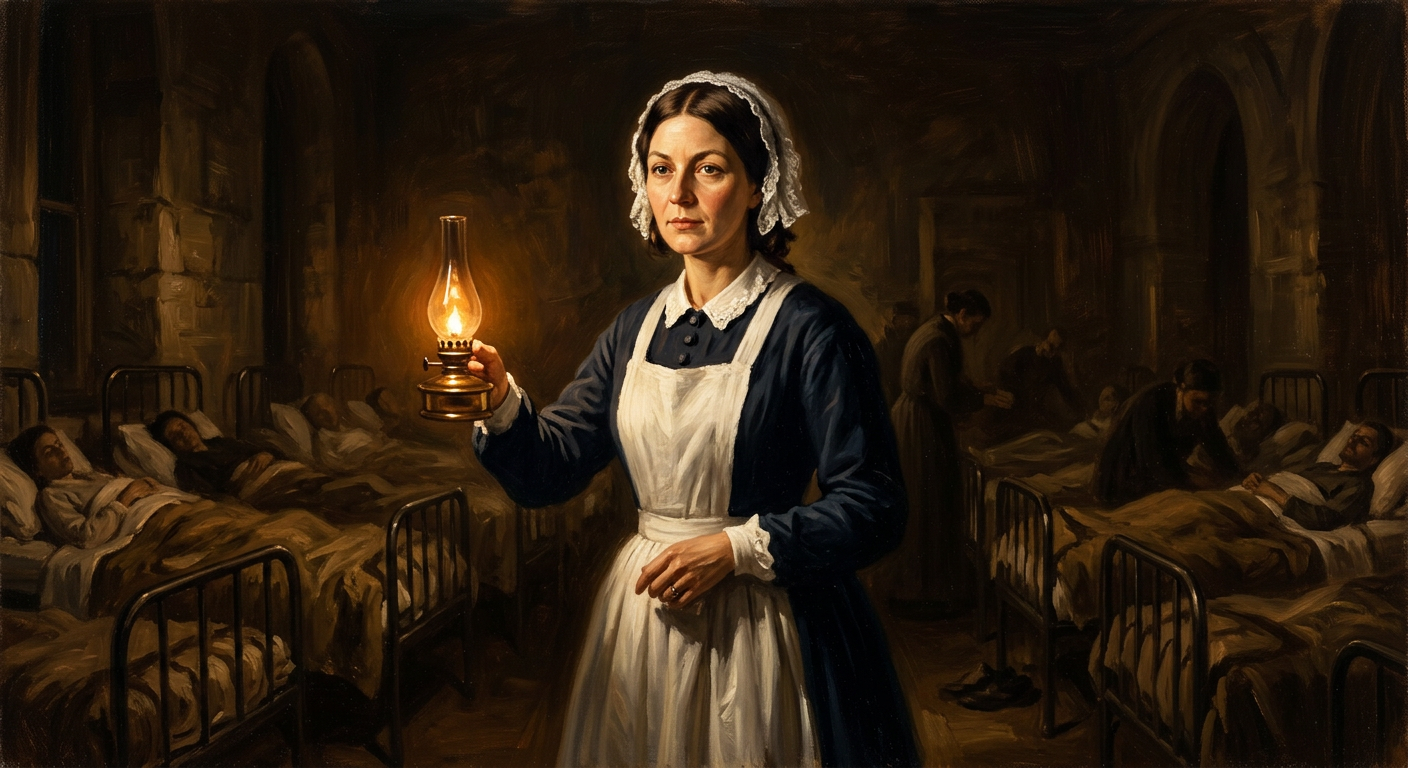
Florence Nightingale
1820–1910 · Nurse, Statistician, and Social Reformer
Helped establish professional nursing, campaigned for hospital and military-health reform, and used statistics and clear visualisations to show the human cost of preventable disease.
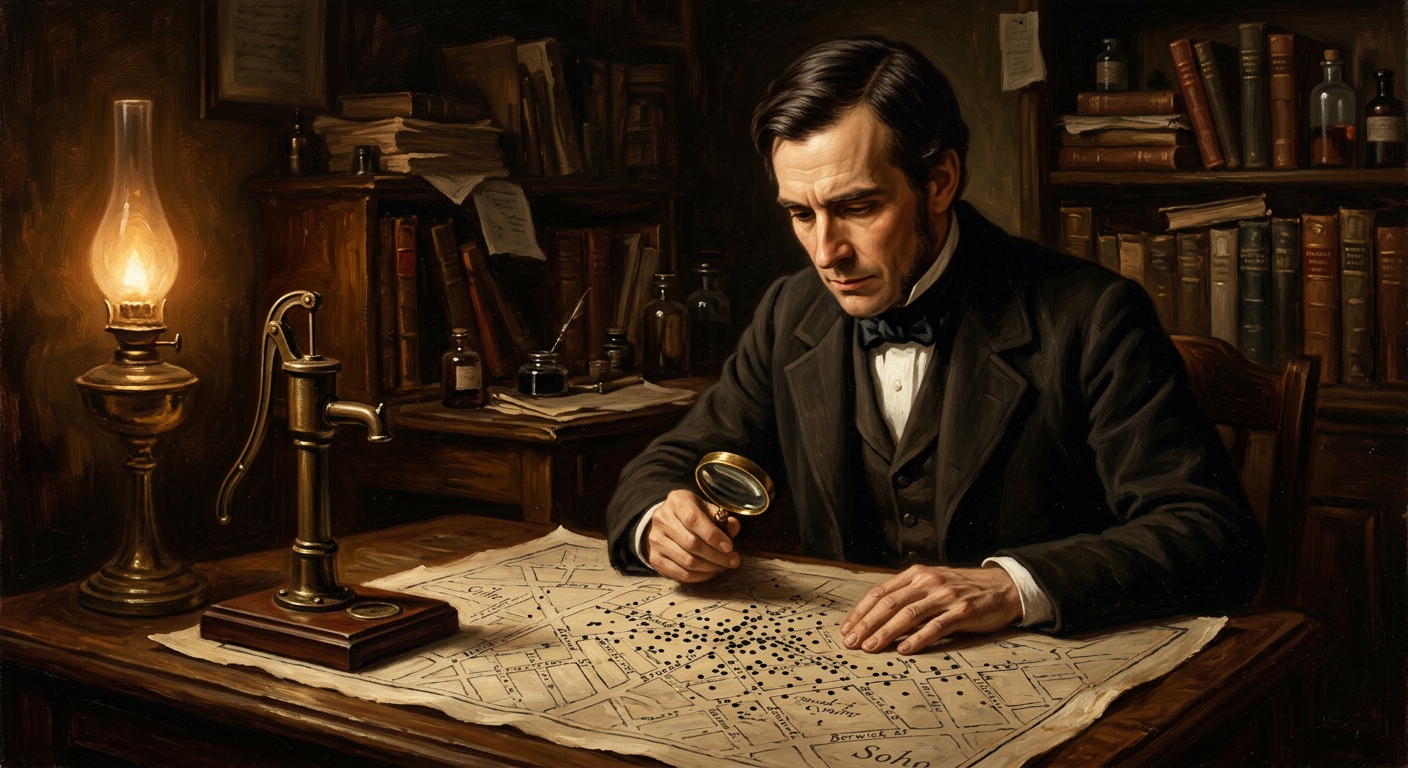
John Snow
1813–1858 · Physician
Tracing the 1854 Soho cholera outbreak to contaminated water from the Broad Street pump and providing powerful evidence for the waterborne transmission of cholera.
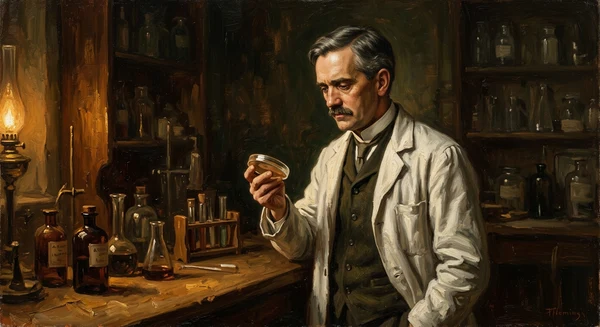
Alexander Fleming
1881–1955 · Bacteriologist
Discovered penicillin, leading to one of the most important developments in the treatment of bacterial infections.