_(2).jpg)

Nathan Rosen
1909–1995 · Theoretical physics
Nathan Rosen helped frame the EPR challenge to quantum theory and, with Einstein, developed the theoretical Einstein-Rosen bridge in general relativity.
Why is this scientist famous?
Coauthored the 1935 Einstein–Podolsky–Rosen paper and the Einstein–Rosen bridge paper; later helped build theoretical physics at the Technion in Israel.
Rosen's legacy spans the EPR debate, quantum chemistry, relativity and the institutions of physics education in Israel that he helped build.
Nathan's story
From engineering to physics
Nathan Rosen was born on 22 March 1909 in Brooklyn, New York. He studied at the Massachusetts Institute of Technology (MIT), where he earned an engineering bachelor's degree in 1929, a physics master's degree in 1931 and a physics doctorate in 1932. As a student he made an early quantum calculation of the structure of a molecule made of two hydrogen atoms.
Princeton: EPR and the bridge
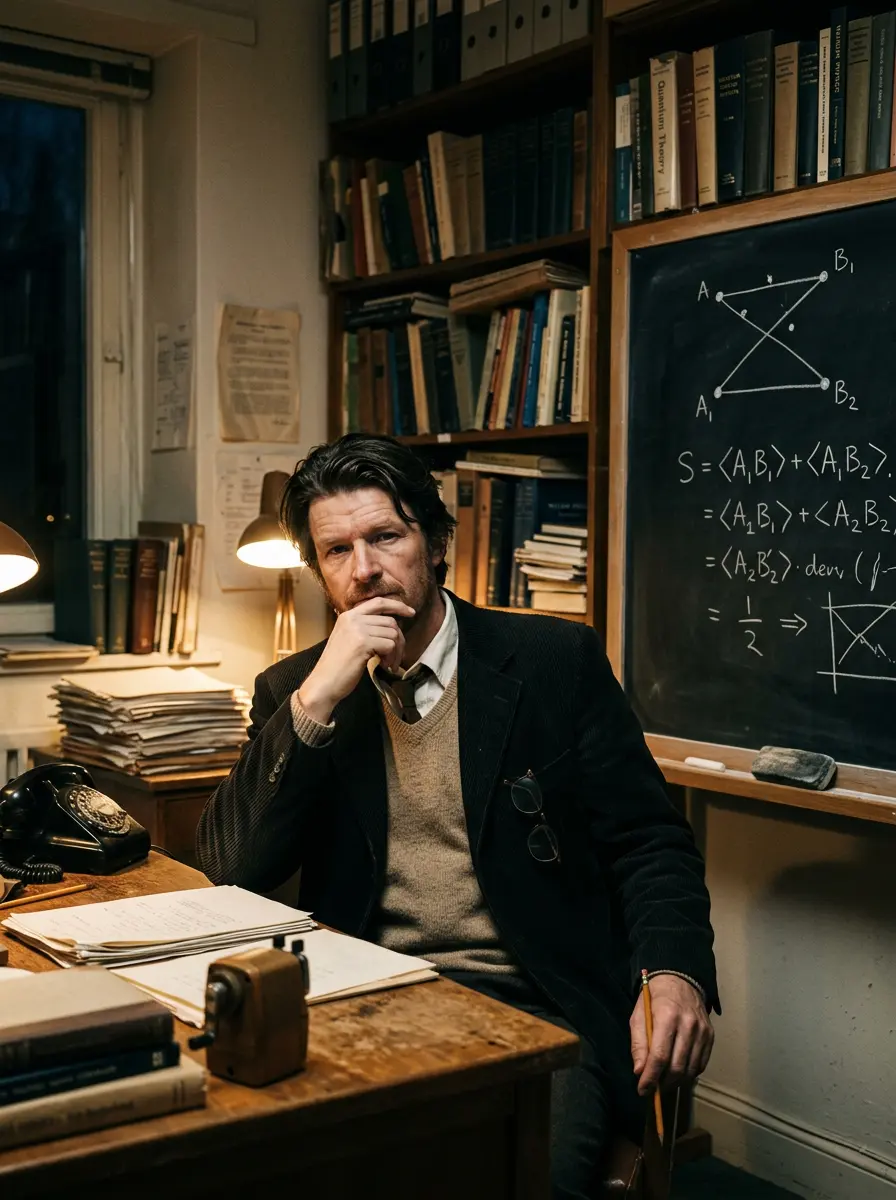
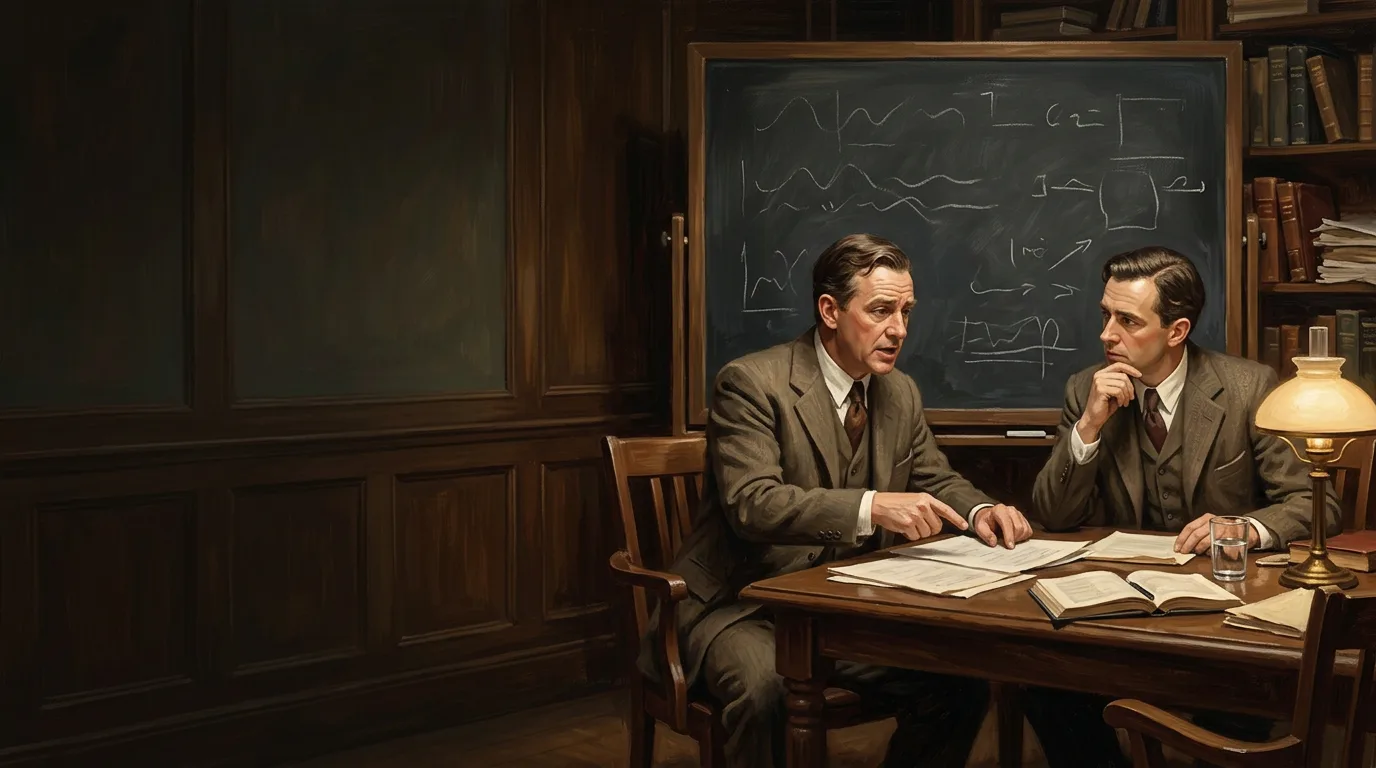
Rosen worked with Albert Einstein at the Institute for Advanced Study in Princeton from 1934 to 1936. His work on entangled quantum states helped prompt the 1935 Einstein–Podolsky–Rosen (EPR) paper with Einstein and Boris Podolsky, which questioned whether quantum mechanics gives a complete description of physical reality. In the same year Einstein and Rosen published a separate paper describing a geometrical connection in general relativity, later called the Einstein–Rosen bridge. This theoretical construct is a precursor to what later discussions call a wormhole; it is not a demonstrated passage through space.
Building physics in Israel
Rosen taught at Kiev State University from 1936 to 1938 and later at the University of North Carolina. In 1953 he moved to Israel and joined the Technion in Haifa, where he helped develop theoretical physics and held academic leadership roles. He helped found the Israel Physical Society and the Israel Academy of Sciences and Humanities. He retired in 1979 but continued scholarly work until his death in 1995.
What did they discover?
The EPR paper (1935)
Coauthored with Einstein and Podolsky, this paper questioned whether quantum mechanics completely describes physical reality by considering two separated systems whose measurements are linked.
The Einstein–Rosen bridge (1935)
A separate paper with Einstein describing a theoretical geometrical connection in general relativity, later seen as a precursor to the concept of a wormhole.
Early calculation of the hydrogen molecule
As a student, Rosen used quantum mechanics to calculate the structure of a molecule made of two hydrogen atoms.
Amazing facts
His first degree was in engineering before his higher physics degrees.
He calculated the structure of a molecule made of two hydrogen atoms as a student.
He worked with Einstein in Princeton.
He is the R in the shorthand EPR.
He and Einstein coauthored a separate 1935 paper behind the Einstein–Rosen bridge name.
A theoretical bridge in a mathematical model is not a demonstrated passage through space.
He taught in Ukraine, the United States and Israel.
He helped build physics institutions in Israel.
Timeline
Born in Brooklyn, New York
Earned an engineering bachelor's degree from MIT
Earned a physics master's degree from MIT
Earned a physics doctorate from MIT
Began working with Einstein at the Institute for Advanced Study in Princeton
Coauthored the EPR paper and the Einstein–Rosen bridge paper
Taught at Kiev State University
Moved to Israel and joined the Technion in Haifa
Served as president of the Physical Society of Israel
Awarded the title Distinguished Professor at the Technion
Retired from the Technion
Died
Awards & honours
Related Super Scientists
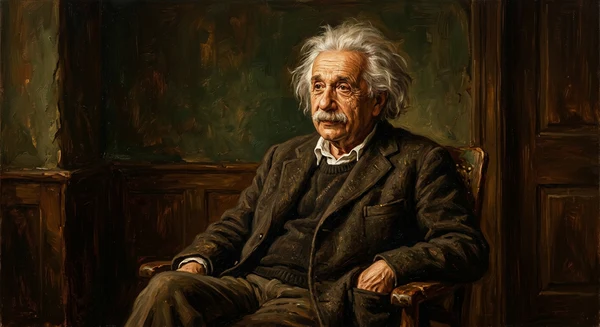
Albert Einstein
1879–1955 · Theoretical Physicist
Developing the theory of relativity and the equation E=mc².
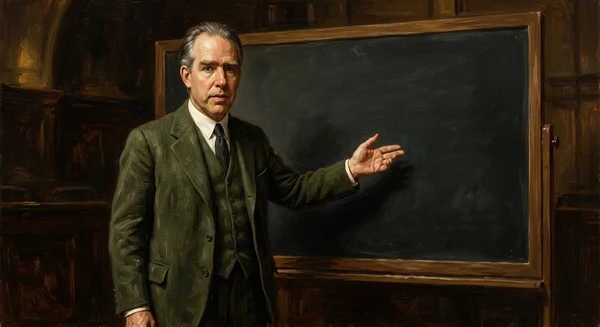
Niels Bohr
1885–1962 · Physicist
Developed the Bohr model of the atom and made foundational contributions to quantum mechanics.

Boris Podolsky
1896–1966 · Theoretical physics
With Albert Einstein and Nathan Rosen, published the EPR paper that sharpened the question of quantum completeness and later inspired Bell's testable theorem.