_(2).jpg)
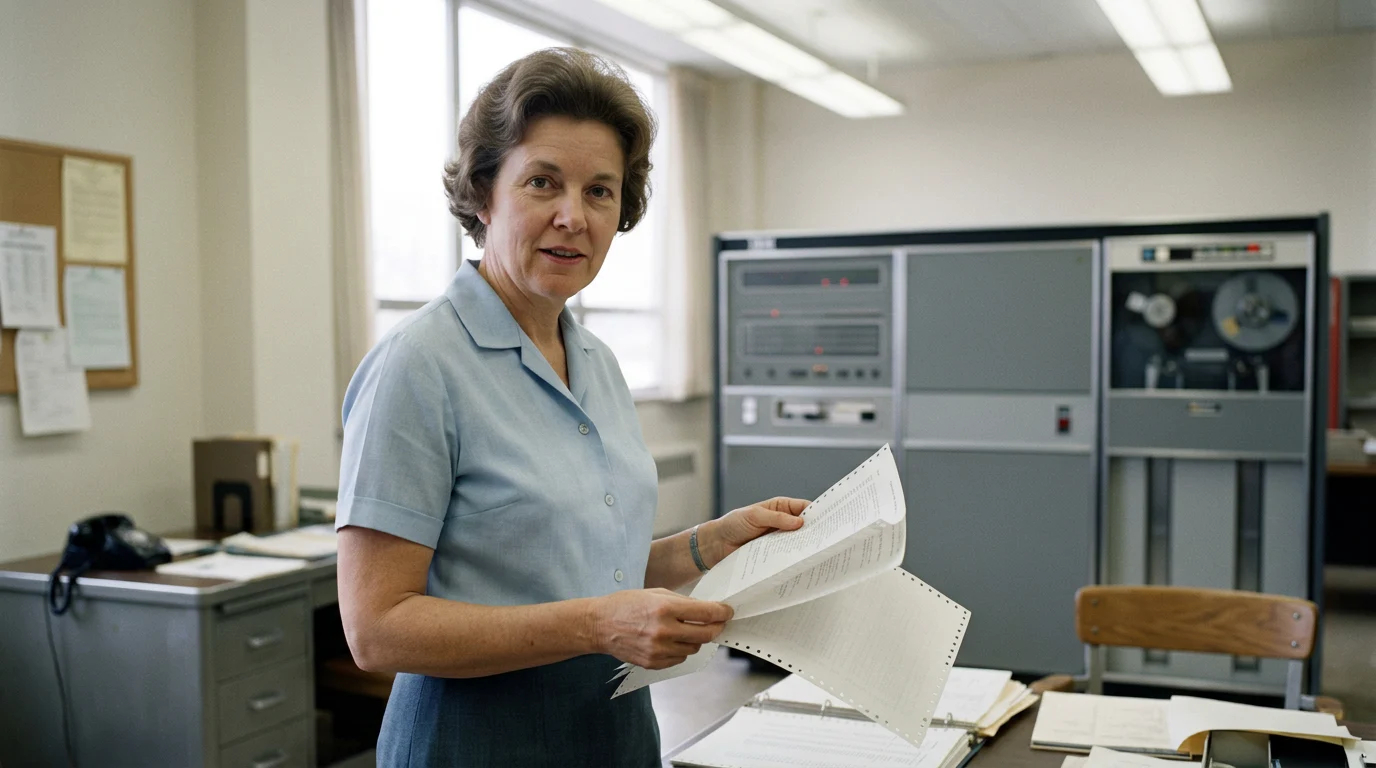
Frances Elizabeth Allen
1932–2020 · Computer science and compiler optimisation
Computer scientist Frances Allen pioneered compiler optimisation and program analysis, laying foundations for faster software and automatic parallel computing.
“All the things I do are of a piece. I'm exploring the edges, finding new ways of doing things. It keeps me very, very engaged.”
Why is this scientist famous?
Pioneered compiler optimisation and program analysis techniques that helped computers run high-level programs faster and use parallel hardware effectively.
Modern compilers still depend on systematic program analysis and optimisation ideas of the kind Allen helped establish, enabling software to make better use of powerful processors.
Frances's story
From a farm to mathematics
Frances Elizabeth Allen was born on 4 August 1932 and grew up on a farm in Peru, New York. She studied mathematics at the New York State College for Teachers in Albany, graduating in 1954, and then taught mathematics at a local high school. After two years she continued her studies at the University of Michigan, earning a master’s degree in mathematics in 1957. With student debts to repay, she accepted a programming job at International Business Machines Corporation (IBM).
Teaching FORTRAN and learning compilers
Allen joined IBM Research in July 1957. Her first assignment was to teach researchers FORTRAN, one of the earliest widely used high-level programming languages. She soon moved into the design of compilers, programs that translate human-readable programming languages into instructions a computer can execute. On the Stretch-Harvest project she helped design a system that could accept several source languages while sharing a common optimisation process.
Making programs run better
Allen developed systematic ways to analyse a program before transforming it into faster machine code. Her influential work on program optimisation, data flow and control flow helped turn compiler optimisation into a rigorous field. Later she led work on automatic parallelisation, including the Parallel Translator project, known as PTRAN. The aim was to let a compiler identify parts of a program that could safely run at the same time on multiple processors, instead of requiring programmers to restructure everything by hand.
Breaking barriers in computing
Allen’s technical ideas influenced generations of compiler and high-performance-computing research. In 1989 she became the first woman named an IBM Fellow, the company’s highest technical distinction. She became a Computer History Museum Fellow in 2000 and retired from IBM in 2002 while remaining a Fellow Emerita. In 2006 she became the first woman to receive the Association for Computing Machinery’s A. M. Turing Award. She died on 4 August 2020, her 88th birthday.
What did they discover?
Systematic compiler optimisation
Allen developed frameworks and algorithms for analysing and transforming programs so compilers could produce more efficient machine code.
Control-flow and data-flow analysis
Her work helped formalise how compilers reason about the paths information and instructions can take through a program.
Automatic parallelisation
Allen led research on compilers that identify opportunities for parts of a program to run simultaneously on multiple processors.
Amazing facts
She grew up on a farm in northern New York State.
Her first career was teaching mathematics at a high school in the same area where she had grown up.
She joined IBM in 1957 mainly to earn enough money to pay off her university debts.
Her first IBM assignment was teaching the newly announced FORTRAN programming language to research staff.
She worked on the Stretch-Harvest project, which included computing for code-breaking and information processing.
In 1989 she became the first woman to be named an IBM Fellow.
She became the first woman to receive the A. M. Turing Award, for the 2006 award year.
Outside computing she enjoyed mountaineering, skiing and exploratory trips, including journeys in the Arctic and western China.
Timeline
Born in New York State, United States.
Earns a bachelor’s degree in mathematics from the New York State College for Teachers.
Earns a master’s degree in mathematics from the University of Michigan and joins IBM Research.
Produces influential work that develops a systematic framework for program optimisation.
Becomes the first woman to be named an IBM Fellow.
Is named a Fellow of the Computer History Museum for program optimisation and compiling for parallel computers.
Retires from IBM and continues as an IBM Fellow Emerita.
Receives the IEEE Computer Society Computer Pioneer Award.
Receives the A. M. Turing Award for pioneering compiler techniques.
Dies on her 88th birthday.
Awards & honours
Related Super Scientists
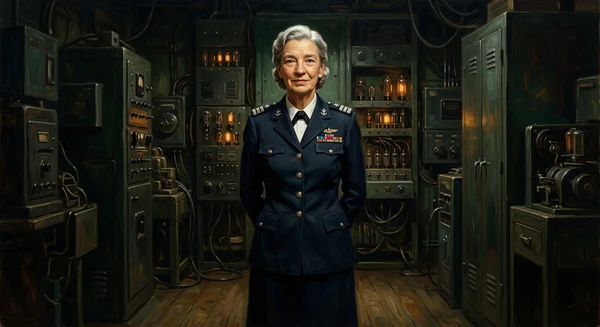
Grace Hopper
1906–1992 · Computer Scientist & Naval Admiral
Developing one of the earliest compilers and pioneering word-based programming languages that helped make computers easier to program.
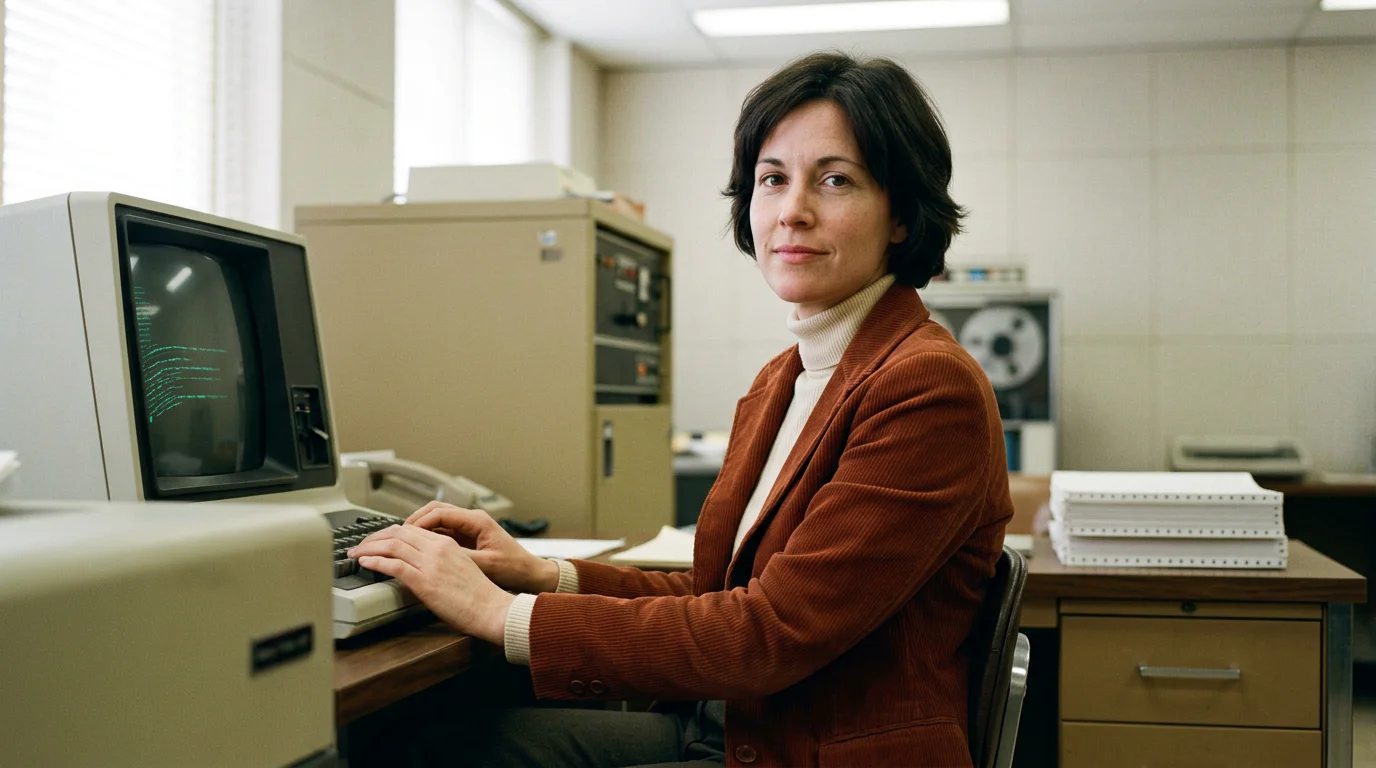
Barbara Liskov
1939–present · Computer science and programming languages
Pioneered data abstraction, designed the CLU and Argus programming languages and helped establish principles for reliable object-oriented and distributed software.
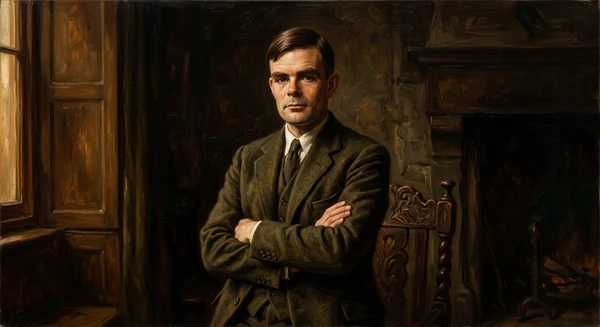
Alan Turing
1912–1954 · Mathematician & Computer Scientist
Making foundational contributions to theoretical computer science and artificial intelligence, and playing a major role in Allied codebreaking during the Second World War.