_(2).jpg)
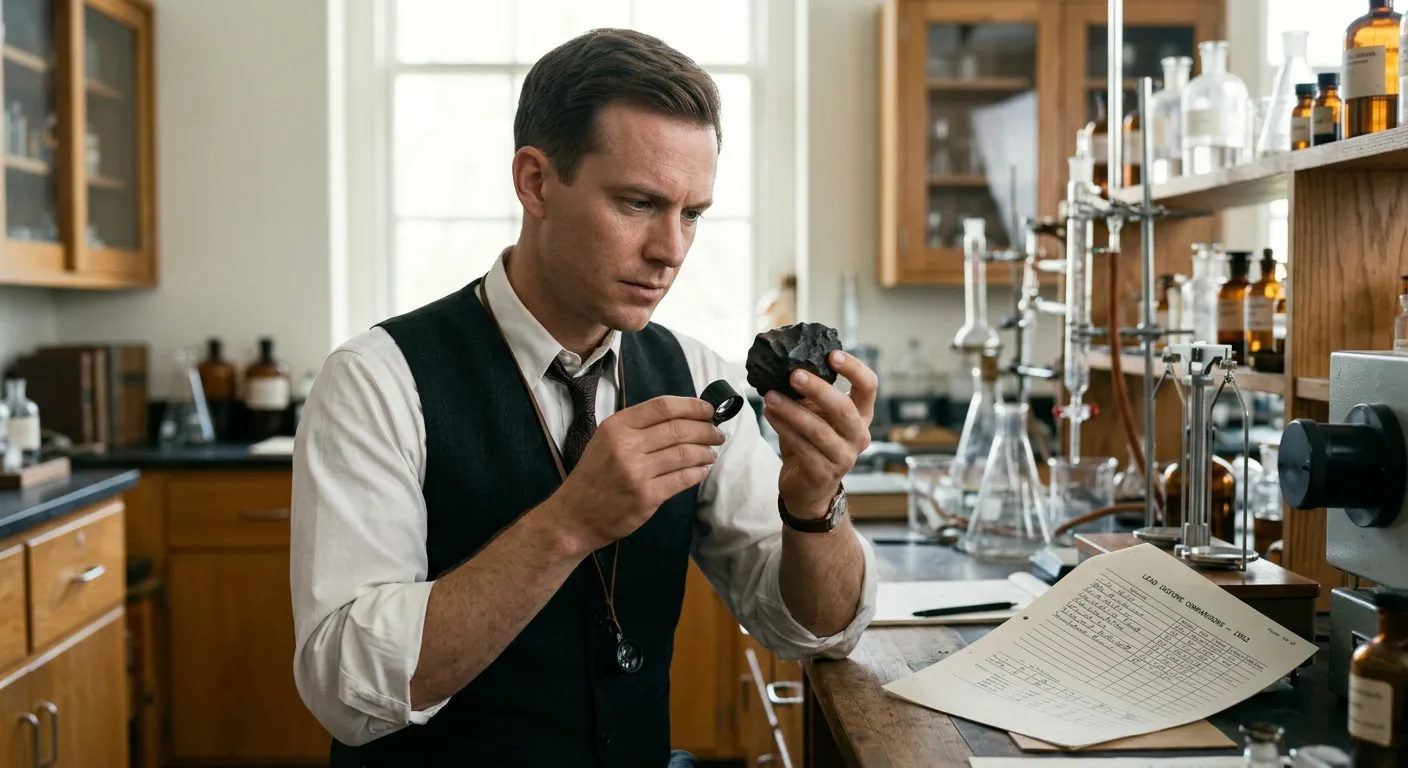
Harrison Scott Brown
1917–1986 · Geochemistry
American geochemist Harrison Brown proposed that lead in iron meteorites could reveal the early Solar System's composition, enabling Patterson's Earth-age measurement.
Why is this scientist famous?
Proposed that lead in iron meteorites could reveal the early Solar System's composition, enabling Patterson's age-of-Earth measurement, and wrote on humanity's long-term challenges.
Brown's meteorite insight and support were important to the age-of-Earth investigation. His broader career connected geochemistry, planetary science and questions about science's role in society.
Harrison's story
From Wyoming to nuclear chemistry
Harrison Scott Brown was born on 26 September 1917 in Sheridan, Wyoming. He grew up in Wyoming and later San Francisco. He was a capable pianist and organised a jazz group when young. He earned a chemistry bachelor's degree from the University of California, Berkeley, in 1938, and a chemistry doctorate from Johns Hopkins University in 1941. During the Second World War he worked on nuclear chemistry research. Robert D. Fowler influenced Brown's earlier nuclear-chemistry work.
Meteorites and the age of Earth
Brown reasoned that lead in iron meteorites could help reveal the early Solar System's starting lead-isotope composition — an essential comparison for age calculations. He encouraged his student Clair Patterson to isolate and measure that lead and helped provide resources for the work. Patterson's difficult measurements, with other geochemical evidence, contributed to an age of around 4.5 billion years for Earth and the early Solar System. George Tilton worked on related dating measurements, and Mark Inghram's Chicago laboratory contributed mass-spectrometer measurements to Patterson's work.
Caltech and planetary science
Brown became an assistant professor at the University of Chicago in 1946 and a professor of geochemistry at the California Institute of Technology (Caltech) in 1951. Patterson, who had studied with Brown in Chicago, joined him at Caltech. Brown also studied the chemistry of meteorites and planets. He developed methods for separating and measuring isotopes—different forms of the same element. His work connected laboratory chemistry to questions about planets.
Science and society
Brown's interests extended beyond geochemistry to future resources and society. His 1954 book The Challenge of Man's Future explored challenges humanity might face as populations and demands on resources grew. He was elected to the United States National Academy of Sciences in 1955. He died on 8 December 1986. His legacy connects geochemistry, planetary science and questions about science's role in society.
What did they discover?
Meteorite-lead concept for dating Earth
Brown proposed that lead in iron meteorites could reveal the early Solar System's starting lead-isotope composition, an essential comparison for calculating Earth's age.
The Challenge of Man's Future (1954)
His book explored long-term challenges humanity might face as populations and demands on resources grew, connecting science to questions about society's future.
Connecting geochemistry to planetary science
Brown studied the chemistry of meteorites and planets, linking laboratory chemistry to broader questions about the Solar System.
Amazing facts
He grew up in Wyoming and later San Francisco.
He was a capable pianist and organised a jazz group when young.
He developed methods for separating and measuring isotopes—different forms of the same element.
He saw that iron meteorites might preserve clues about lead in the early Solar System.
His proposed measurement became a demanding research project for Patterson.
His work connected laboratory chemistry to questions about planets.
His interests extended beyond geochemistry to future resources and society.
His 1954 book explored challenges humanity might face as populations and demands on resources grew.
Timeline
Born in Sheridan, Wyoming
Earned a chemistry bachelor's degree from the University of California, Berkeley
Earned a chemistry doctorate from Johns Hopkins University
Became an assistant professor at the University of Chicago
Became professor of geochemistry at Caltech
Published The Challenge of Man's Future
Elected to the United States National Academy of Sciences
Died
Awards & honours
Related Super Scientists
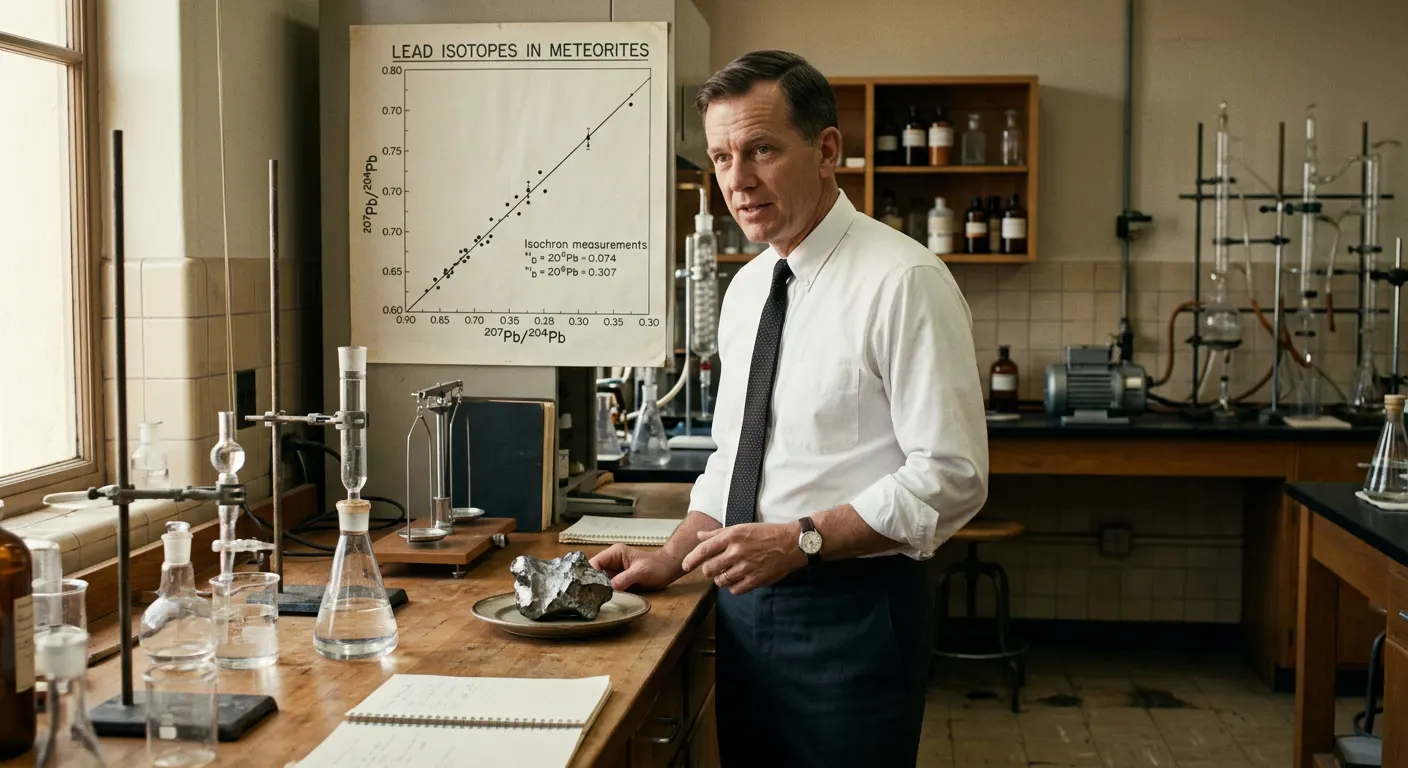
Clair Cameron Patterson
1922–1995 · Geochemistry
Established an age of about 4.55 billion years for Earth using lead isotopes in meteorites and campaigned against lead pollution.
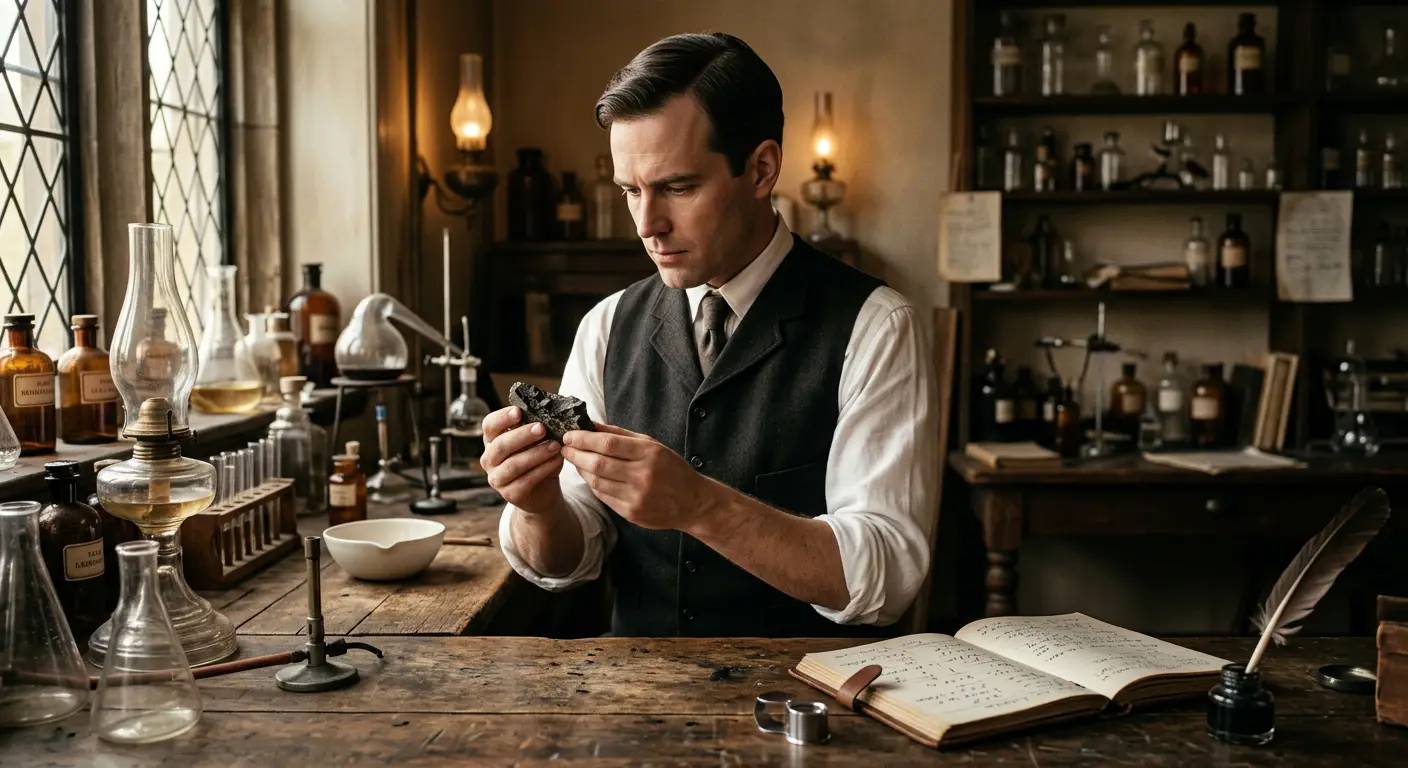
Bertram Borden Boltwood
1870–1927 · Radiochemistry
Identified lead as the end product of uranium's radioactive decay and used the uranium-lead relationship to estimate mineral ages of billions of years.
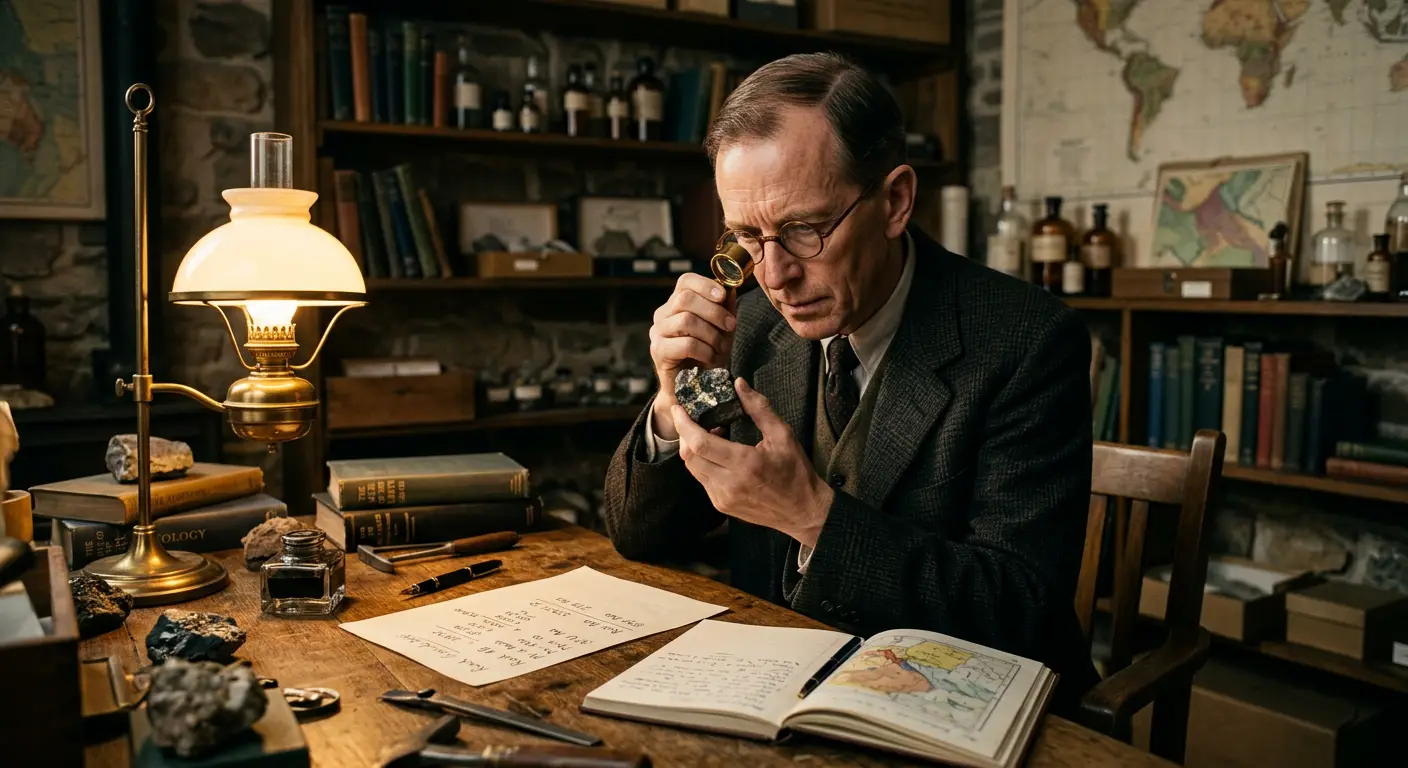
Arthur Holmes
1890–1965 · Geology
Pioneered the use of radiometric dating of minerals to build an early numerical geological timescale, and proposed that mantle movement could help explain continental drift.