_(2).jpg)
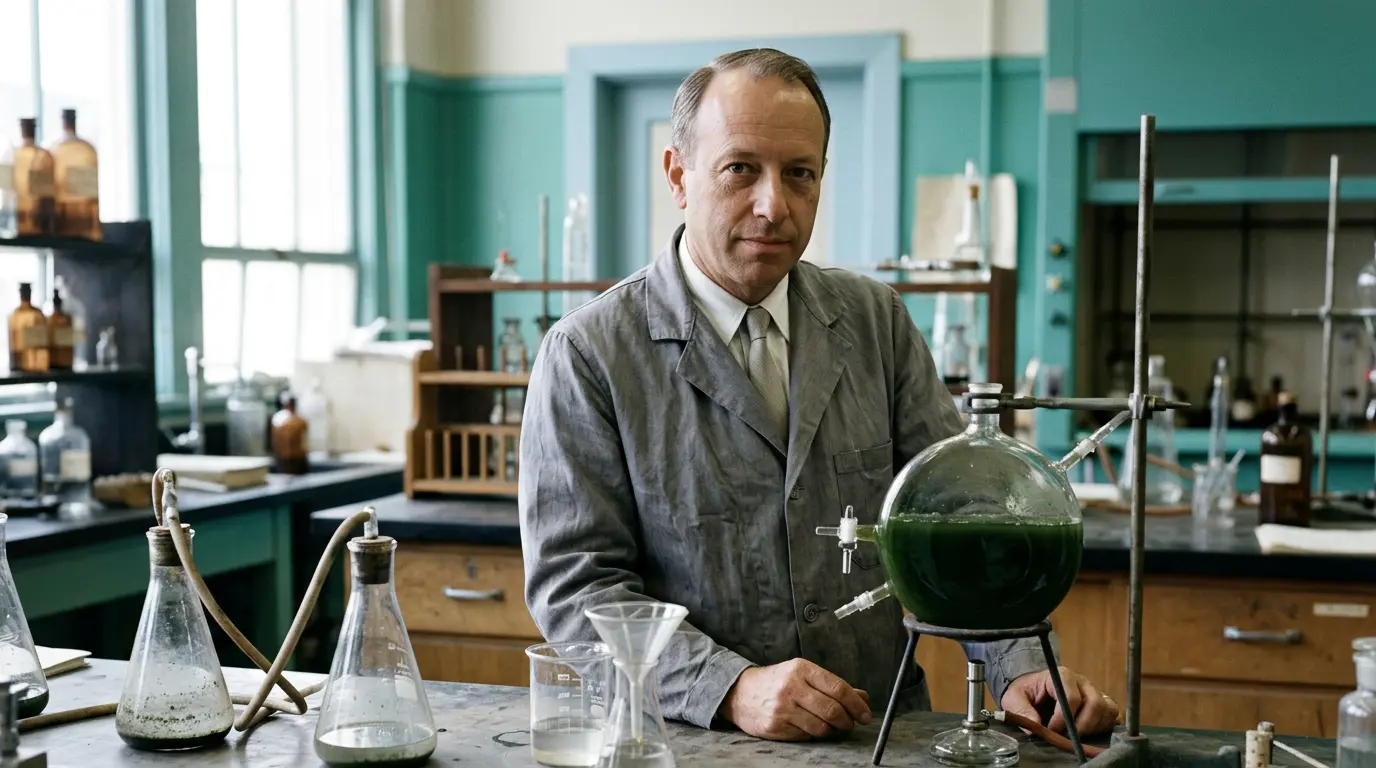
Melvin Calvin
1911–1997 · Biochemistry and carbon fixation in photosynthesis
Melvin Calvin and his colleagues traced carbon through photosynthesis, explaining a reaction cycle that helps plants turn carbon dioxide into sugars.
Why is this scientist famous?
Melvin Calvin led research using radioactive carbon to trace how photosynthetic organisms incorporate carbon dioxide into organic molecules.
The Calvin–Benson–Bassham cycle is central to biology, agriculture and research seeking to improve carbon fixation.
Melvin's story
Following an invisible atom
Melvin Ellis Calvin was born in St. Paul, Minnesota, on 8 April 1911. He studied chemistry at Michigan College of Mining and Technology and earned a doctorate from the University of Minnesota in 1935. After work in Britain he joined the University of California, Berkeley, in 1937. Chemists knew that plants used light to make organic material, but the individual chemical steps taken by carbon from air were difficult to follow. Calvin saw that radioactive carbon could make a hidden pathway traceable.
A laboratory with green algae
At Berkeley, Calvin worked with a team including Andrew Benson and James Bassham. Their experiments supplied single-celled algae with carbon dioxide containing the radioactive isotope carbon-14. They stopped the process after carefully chosen intervals, separated the cell’s products using chromatography and located the radioactive compounds. This revealed the order in which carbon entered different molecules. One well-known piece of equipment was a shallow circular algae vessel informally called the lollipop apparatus, designed for rapid exposure and sampling.
A cycle of carbon-fixing reactions
Over the late 1940s and 1950s the researchers assembled the repeating sequence now often called the Calvin–Benson–Bassham cycle. This set of enzyme-driven reactions uses chemical energy from the light-dependent stages of photosynthesis to help convert carbon dioxide into carbohydrates. The cycle itself does not require a photon at each individual reaction step, but it relies on supplies of energy-rich molecules produced by light reactions. Its full discovery was a sustained group effort rather than the work of one person.
Honouring a team discovery
Calvin received the 1961 Nobel Prize in Chemistry for research into the assimilation of carbon dioxide by plants. Andrew Benson and James Bassham made major contributions, even though the Nobel Prize was awarded to Calvin alone. The name Calvin cycle is familiar in textbooks, but including the collaborators makes the history more accurate. Calvin later researched topics such as chemical evolution and possible solar-energy applications, continuing to connect chemistry with the future of energy and living systems.
Carbon from air into life
Calvin died in Berkeley on 8 January 1997. Today, carbon fixation connects atmospheric carbon dioxide with the organic materials that support most food webs. Scientists continue trying to understand and improve the efficiency of these reactions in crops and microorganisms. The original experiments show the power of tracking a small labelled atom through a complicated living process.
What did they discover?
Carbon fixation pathway
Helped trace the chemical reactions that incorporate atmospheric carbon dioxide into organic molecules.
Radioactive-carbon tracing
Used carbon-14 to follow carbon through living photosynthetic cells.
Chromatographic analysis
Applied chemical separation to identify radioactive products.
Biochemical collaboration
Led a team that included major contributors Andrew Benson and James Bassham.
Amazing facts
He earned his first chemistry degree in Michigan in 1931.
He completed a University of Minnesota doctorate in 1935.
He joined the University of California, Berkeley, in 1937.
His team traced radioactive carbon-14 in living algae.
The algae apparatus became known by the nickname lollipop because of its shape.
Chromatography helped separate the molecules that took up labelled carbon.
Andrew Benson and James Bassham were essential collaborators on the carbon-fixation pathway.
Calvin alone received the 1961 Nobel Prize in Chemistry for this research.
Timeline
Born in St. Paul, Minnesota.
Graduated in chemistry from Michigan College of Mining and Technology.
Earned a doctorate in chemistry at the University of Minnesota.
Joined the University of California, Berkeley.
Worked with a group tracing the main carbon-fixation reactions.
Received the Nobel Prize in Chemistry.
Died in Berkeley, California.
Awards & honours
Related Super Scientists
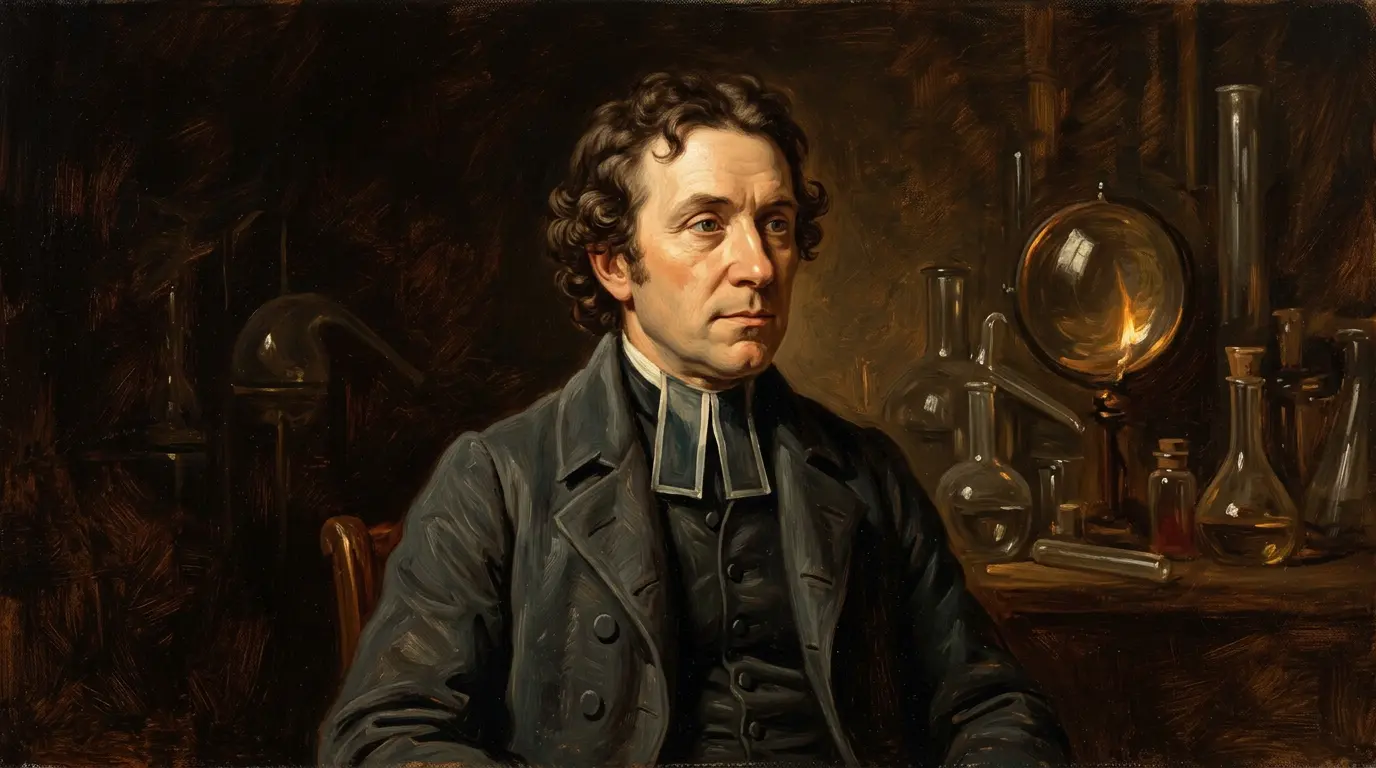
Joseph Priestley
1733–1804 · Chemist, Natural Philosopher & Minister
Isolating the gas now called oxygen in 1774, pioneering experiments on gases and air, developing a method for making carbonated water, and contributing important observations to early research on plants and the atmosphere.
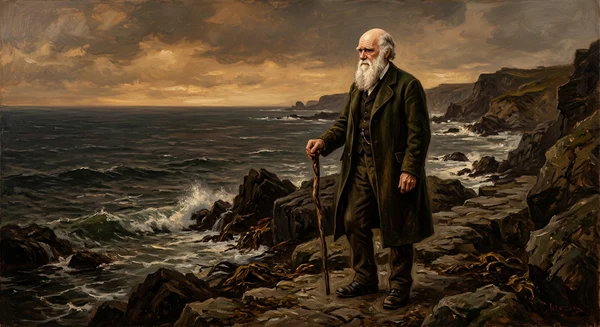
Charles Darwin
1809–1882 · Naturalist & Biologist
Proposing the theory of evolution by natural selection.
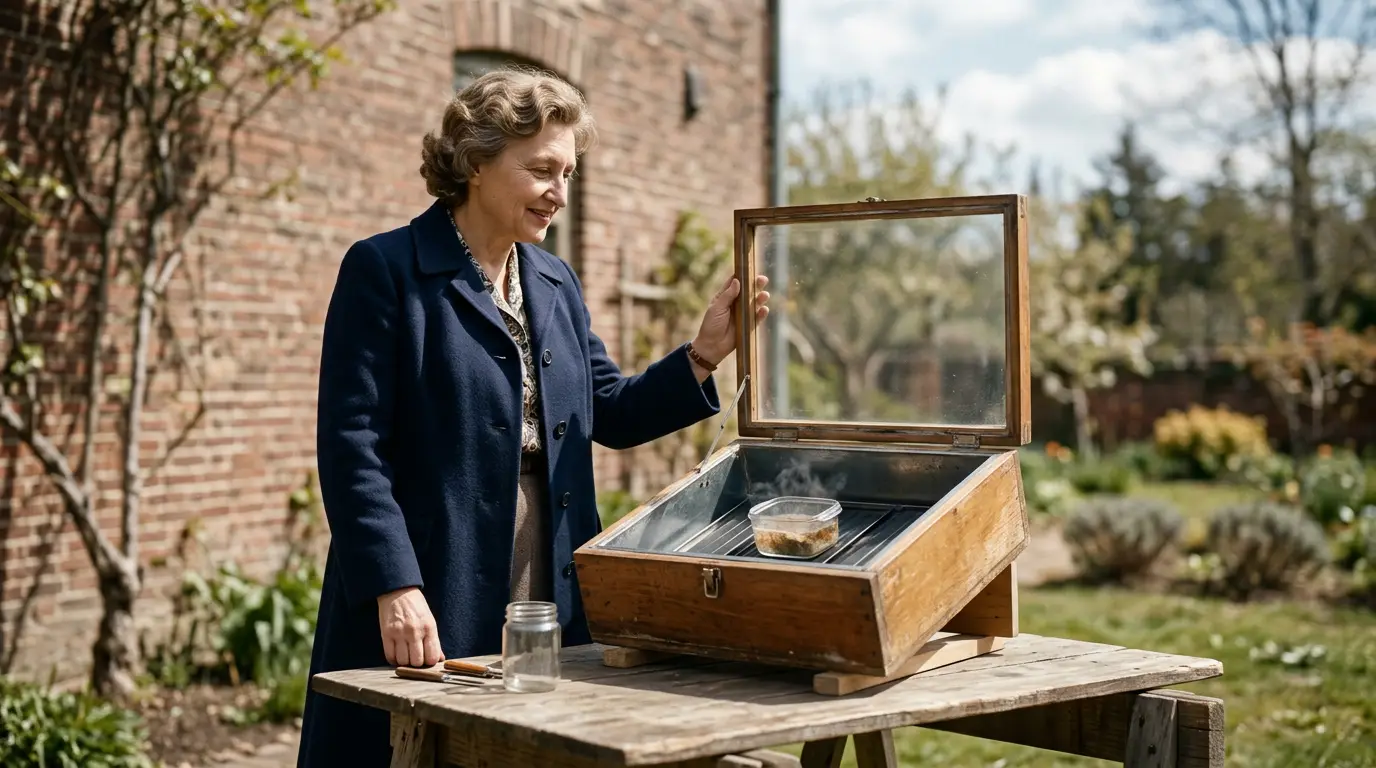
Mária Telkes
1900–1995 · Solar energy engineering and thermal storage
Mária Telkes developed ways to collect and store solar heat, helped create an experimental solar-heated house and invented a solar-powered water still.