_(2).jpg)
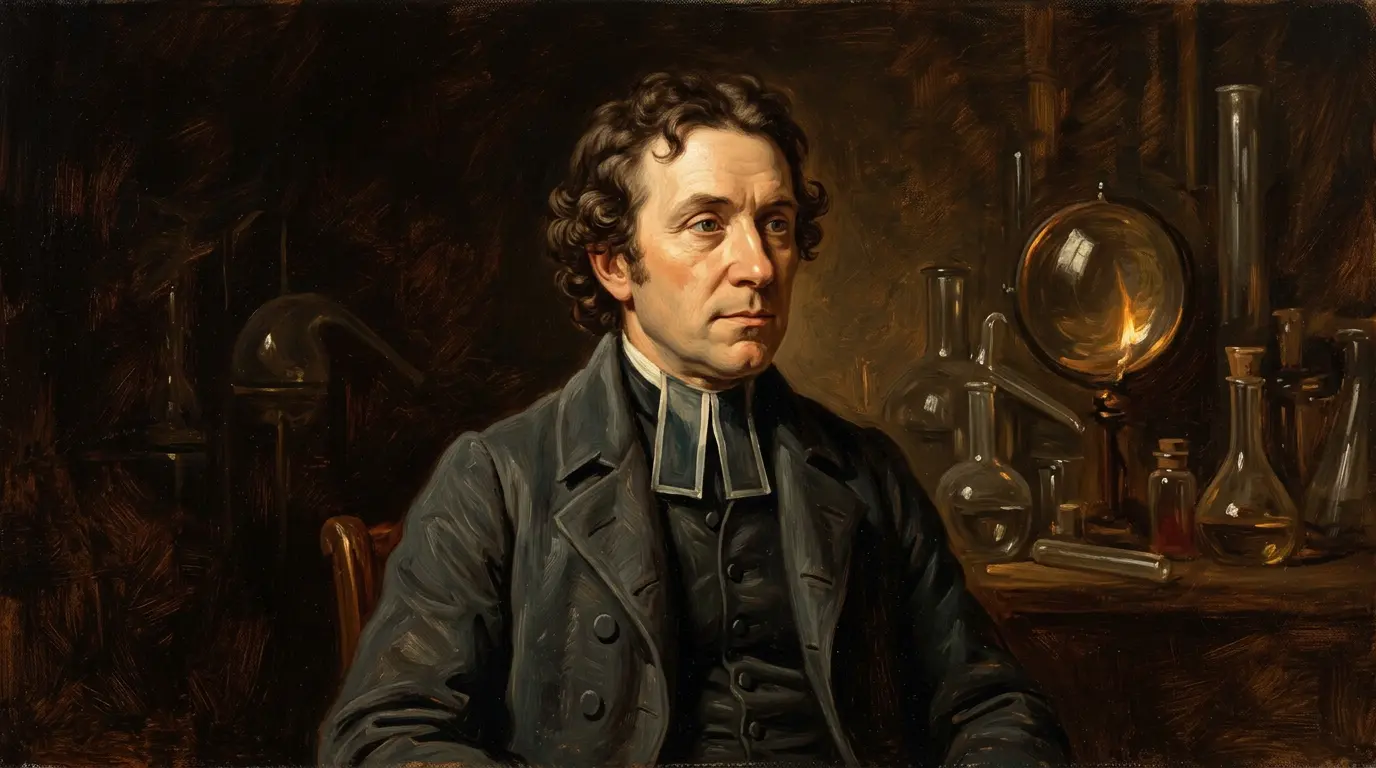
Joseph Priestley
1733–1804 · Chemist, Natural Philosopher & Minister
An English chemist and minister who independently isolated oxygen in 1774 and pioneered experiments on gases, carbonated water, and plants and air.
Why is this scientist famous?
Isolating the gas now called oxygen in 1774, pioneering experiments on gases and air, developing a method for making carbonated water, and contributing important observations to early research on plants and the atmosphere.
Priestley's careful experiments helped show that ordinary air is a mixture rather than a single elementary substance. His isolation of oxygen provided crucial evidence used in the Chemical Revolution, even though he himself rejected Lavoisier's new interpretation. His work on gases helped establish pneumatic chemistry, and his plant-and-air experiments contributed to later understanding of photosynthesis.
Joseph's story
Early Life and Education
Joseph Priestley was born near Birstall, in the West Riding of Yorkshire, England, on 24 March 1733 (under the modern Gregorian calendar). He came from a religious-dissenting background and could not follow the normal Church of England university route. He studied at Daventry Academy, a dissenting academy, where his education included languages, philosophy, theology and other subjects. He later taught at Warrington Academy. He did not hold a conventional Oxford or Cambridge degree.
Electricity and Early Science
Priestley spent much of his professional life as a minister, teacher and writer as well as a scientist. While at Warrington he became deeply interested in natural philosophy and electricity. He met Benjamin Franklin, who encouraged his work on electricity. Priestley published The History and Present State of Electricity in 1767. He became a Fellow of the Royal Society in 1766.
Experiments on Gases and Oxygen
In the late 1760s and 1770s he carried out extensive experiments on different kinds of air, or gases. He developed methods for producing and studying gases and helped establish what is now called pneumatic chemistry. He developed a method for dissolving fixed air, or carbon dioxide, in water, producing carbonated water. He also carried out experiments showing that plants could improve air that had been made unsuitable by combustion or animal respiration; this contributed to the later scientific understanding of photosynthesis.
The 1774 Oxygen Experiment
On 1 August 1774 at Bowood House, Priestley heated mercuric oxide with focused sunlight from a burning lens and isolated a gas that made a flame burn especially strongly. Priestley called the gas dephlogisticated air because he interpreted it using the phlogiston theory then common in chemistry. The gas was oxygen. Swedish chemist Carl Wilhelm Scheele had independently produced oxygen earlier, but his results were published later. Priestley demonstrated his new gas to other scientists, including Antoine Lavoisier. Lavoisier reinterpreted the gas within a new theory of combustion and later named it oxygen. Priestley continued to defend phlogiston theory even after Lavoisier's new chemistry became widely accepted.
Political Troubles and Emigration
Priestley supported religious liberty and sympathised with the American and French revolutionary causes. In 1791 a hostile mob in Birmingham attacked and burned his home, church and laboratory during political and religious unrest. He later moved to the United States with his family in 1794. He settled in Northumberland, Pennsylvania, and continued writing and scientific work there until his death on 6 February 1804.
What did they discover?
Isolation of Oxygen
On 1 August 1774, Priestley heated mercuric oxide with a burning lens and isolated a gas he called dephlogisticated air, now known as oxygen.
Carbonated Water
He devised and published an early method for making carbonated water by dissolving carbon dioxide in water.
Plants and Air
His experiments showed that plants could restore the quality of air altered by burning or animal respiration, contributing to later understanding of photosynthesis.
Pioneering Pneumatic Chemistry
His methods for producing and studying gases helped establish pneumatic chemistry as a field.
Amazing facts
Priestley was both a minister and an experimental scientist.
He studied at a dissenting academy because religious dissenters were excluded from the traditional English universities of the time.
Benjamin Franklin encouraged Priestley's investigations of electricity.
Priestley devised an early method for making carbonated water by dissolving carbon dioxide in water.
He carried out early experiments showing that plants could restore the quality of air altered by burning or animal respiration.
In his famous 1774 oxygen experiment he used a large burning lens to focus sunlight on mercuric oxide.
He called oxygen dephlogisticated air because he still believed in phlogiston theory.
Carl Wilhelm Scheele independently made oxygen earlier, but Priestley's work was published first.
Lavoisier used evidence from Priestley and others to build a new explanation of combustion and named the gas oxygen.
Priestley continued defending phlogiston theory even after the new oxygen-based chemistry became dominant.
After his home and laboratory were destroyed in Birmingham in 1791, he eventually emigrated to the United States and continued his work in Pennsylvania.
Timeline
Born near Birstall, Yorkshire, on 24 March Gregorian (13 March Old Style)
Studied at Daventry Academy and trained for the dissenting ministry
Began teaching at Warrington Academy
Elected Fellow of the Royal Society
Published The History and Present State of Electricity
Published his method for impregnating water with fixed air and was awarded the Copley Medal for his experimental work
On 1 August, isolated the gas he called dephlogisticated air, now known as oxygen
His Birmingham home and laboratory were destroyed during political and religious riots
Emigrated with his family to the United States
Died in Northumberland, Pennsylvania, on 6 February
Awards & honours
Related Super Scientists
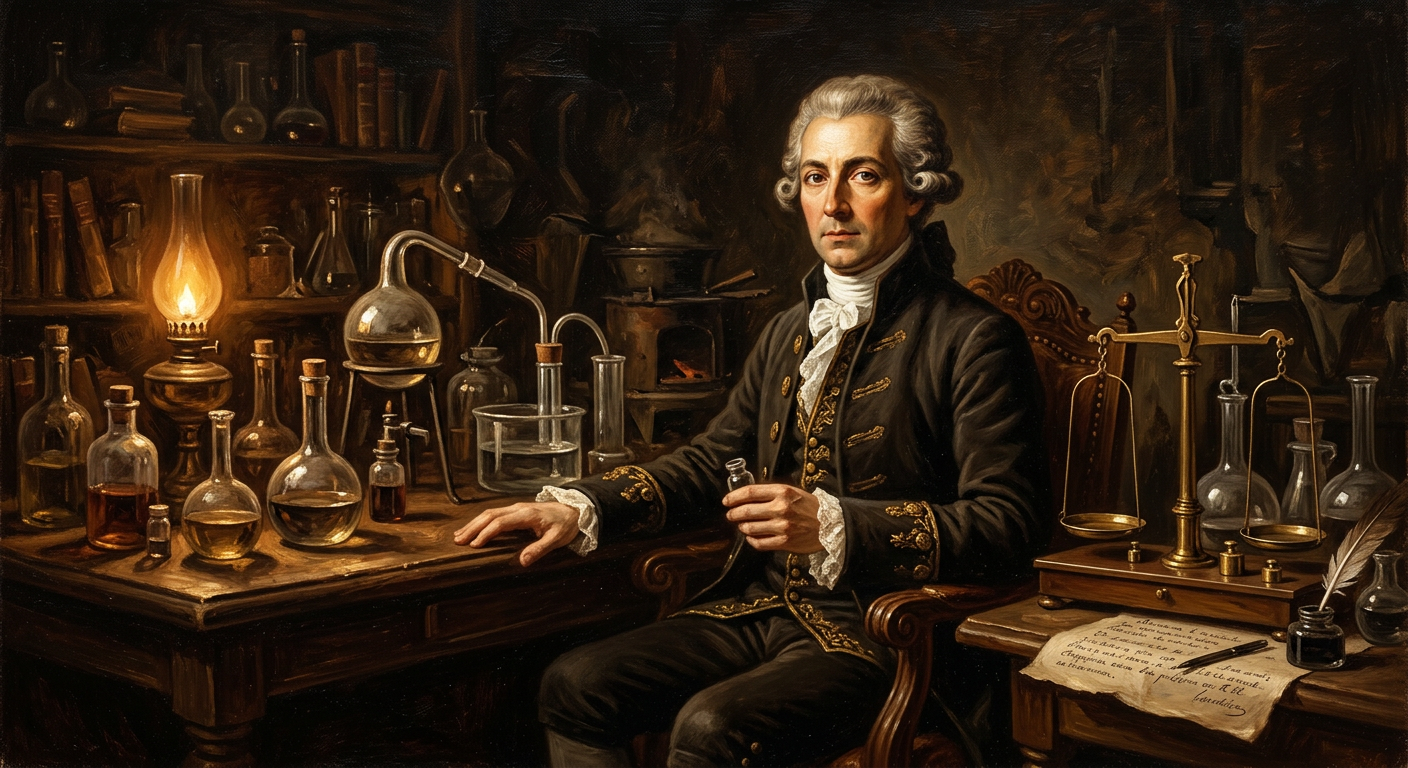
Antoine Lavoisier
1743–1794 · Chemist
A founder of modern chemistry who helped overthrow phlogiston theory, established a quantitative approach to chemical reactions and helped create modern chemical nomenclature.
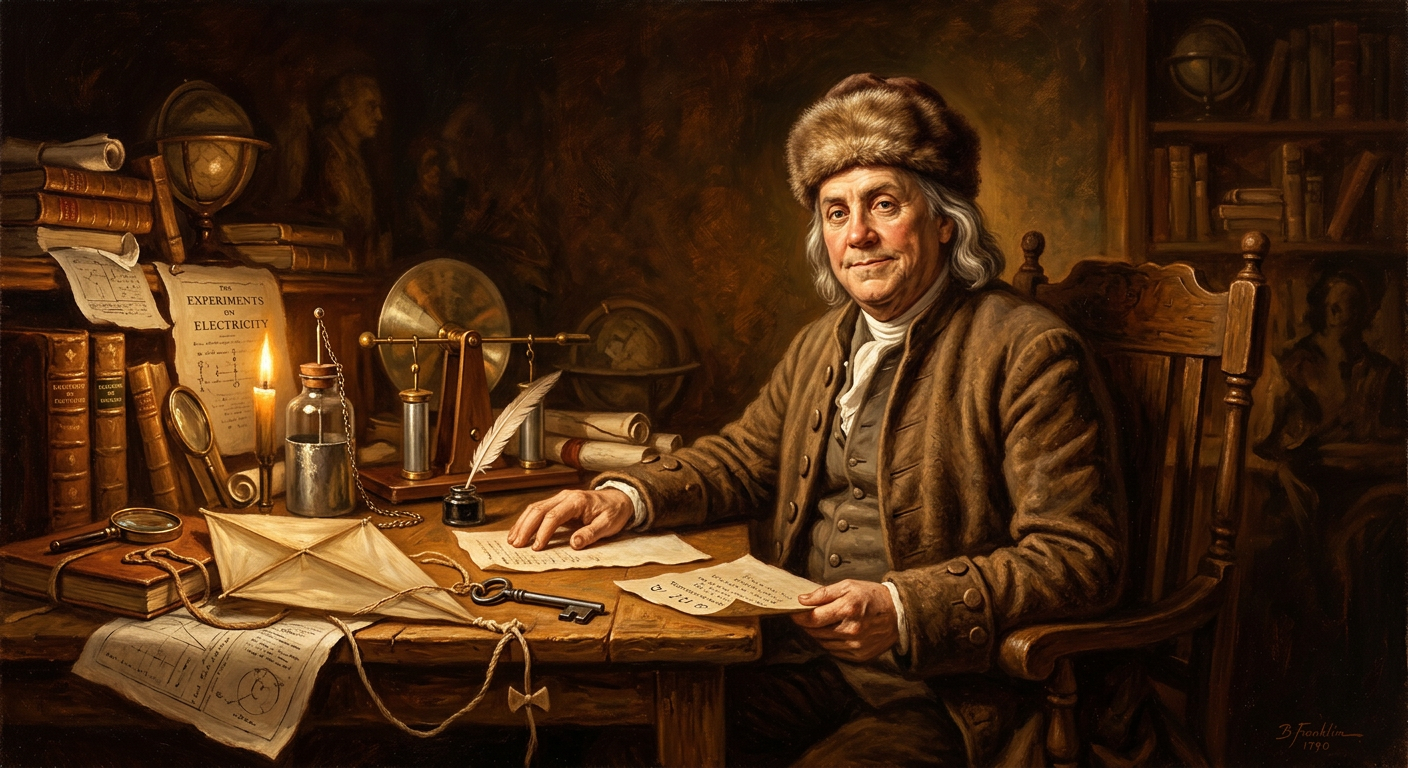
Benjamin Franklin
1706–1790 · Polymath: Scientist, Inventor, Statesman, and Printer
An American polymath who helped demonstrate the electrical nature of lightning, developed the lightning rod and bifocals, and helped shape the founding of the United States.