_(2).jpg)
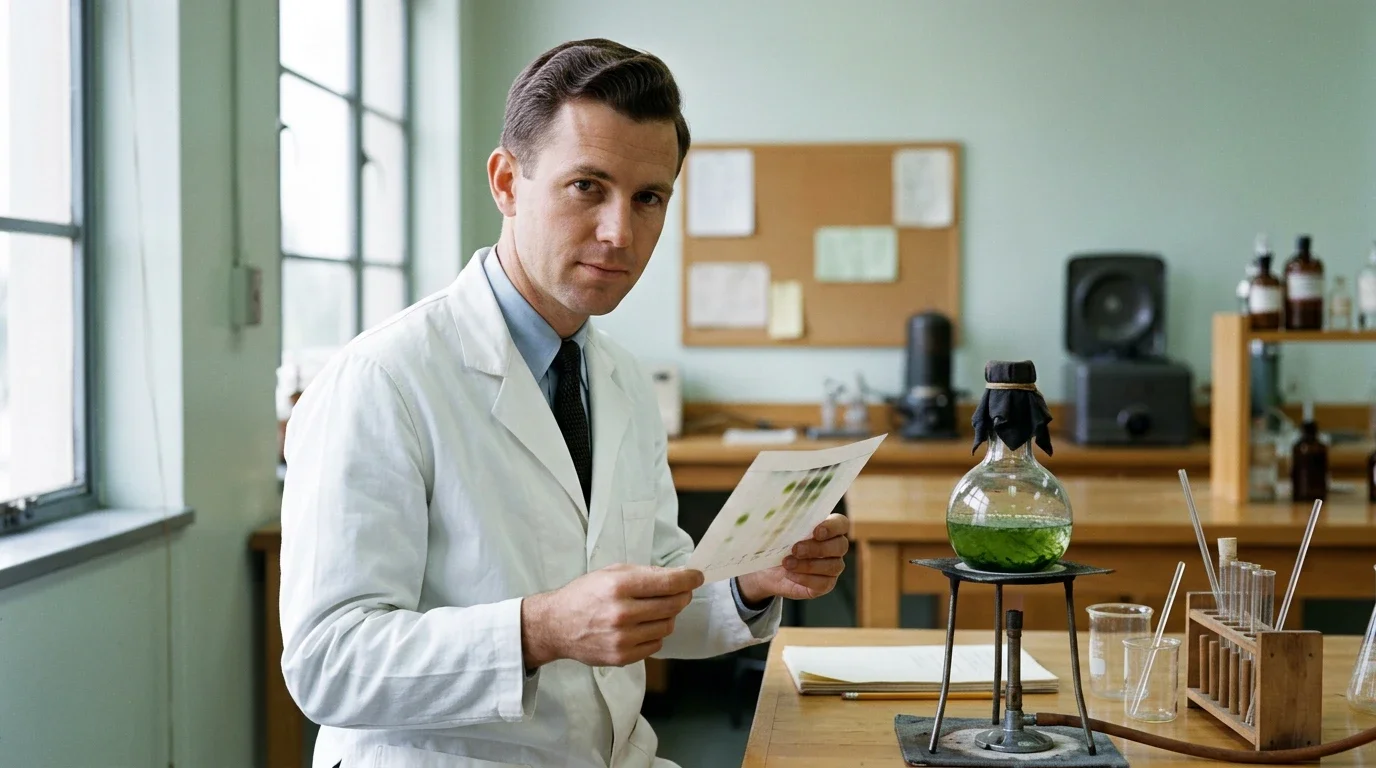
Andrew Benson
1917–2015 · Plant biochemistry and photosynthetic carbon fixation
Andrew Benson helped reveal how plants fix carbon dioxide into sugars, tracing the photosynthetic carbon pathway with radioactive carbon.
Why is this scientist famous?
Andrew Benson helped identify the biochemical steps by which photosynthetic organisms turn carbon dioxide into organic molecules, through work now associated with the Calvin–Benson cycle.
The Calvin–Benson cycle underpins our understanding of how plants, algae and many microbes make organic matter from carbon dioxide. His experimental methods informed modern biochemistry and crop science.
Andrew's story
From California to biochemical research
Andrew Alm Benson was born in Modesto, California, on 24 September 1917. He trained as a chemist and became fascinated by a deceptively simple question: after a green plant takes carbon dioxide from the air, what happens to the carbon? He earned a bachelor’s degree in chemistry at the University of California, Berkeley, in 1939 and completed a doctorate in chemistry at the California Institute of Technology in 1942. By the 1940s scientists knew that plants needed light and carbon dioxide, but the detailed sequence of chemical transformations remained hidden. Benson brought careful experimental technique to a problem in which each intermediate molecule might exist only briefly.
Following radioactive carbon through a leaf
Working with Melvin Calvin and other colleagues at the University of California, Berkeley, Benson helped feed photosynthetic material carbon dioxide labelled with radioactive carbon-14. They could then separate compounds by paper chromatography and use radioactivity to locate where the carbon had travelled. Instead of merely showing that plants made food, this approach provided a way to follow the carbon step by step. The resulting publications were collaborative; Benson, James Bassham, Calvin and other co-workers all contributed to the pathway’s reconstruction.
Discovering the route to sugars
The Berkeley studies identified early products including 3-phosphoglycerate and helped establish the roles of sugar phosphates and ribulose bisphosphate in the carbon-fixation cycle. Together the findings explained how carbon dioxide enters a repeating network of reactions, which produces material that plants can eventually use to make sugars and other compounds. The pathway is widely called the Calvin cycle, but the names Calvin–Benson cycle and Calvin–Benson–Bassham cycle acknowledge more of the experimental team. Benson did not receive Calvin’s 1961 Nobel Prize in Chemistry.
Beyond a famous cycle
Benson moved to the Scripps Institution of Oceanography in 1962 and continued investigating the chemistry of living organisms. His work extended to plant membrane lipids, including unusual sulphur-containing lipids, and questions in marine biology. The breadth matters: the same instinct that guided him through the carbon-fixation puzzle drove investigations of molecules that organise cells and connect organisms with their surroundings. In 1962 he received the Ernest Orlando Lawrence Award for his research.
Why the discovery still matters
Every time a leaf, alga or cyanobacterium incorporates carbon from its environment, biochemistry built on this work helps explain what happens next. Modern researchers use isotope tracing and separation techniques much more powerful than those of the 1940s, but Benson’s research provides an early example of turning an invisible chemical pathway into evidence that can be tested. He died in January 2015, aged 97, leaving a legacy shared with the colleagues who helped map this central process of life.
What did they discover?
Tracing carbon-14
Helped use radioactively labelled carbon dioxide and chromatography to identify compounds formed during photosynthesis.
Carbon-fixation cycle
Played a central experimental role in reconstructing the biochemical pathway now called the Calvin–Benson cycle.
Plant membrane chemistry
Investigated phospholipids and sulphur-containing lipids in photosynthetic organisms.
Methods for pathway discovery
Helped turn isotope labelling and separation methods into a practical way of following biochemical reactions.
Amazing facts
He was born in Modesto, California, in 1917.
He used carbon-14 as a tracer to follow carbon dioxide into plant products.
Paper chromatography helped separate the labelled compounds for analysis.
His Berkeley research was carried out with Calvin, Bassham and a wider collaborative team.
The carbon-fixation pathway is also called the Calvin–Benson–Bassham cycle.
He helped identify 3-phosphoglycerate as an early product of carbon fixation.
He received the Ernest Orlando Lawrence Award in 1962.
His later research included plant and marine lipids, not only photosynthesis.
Timeline
Born in Modesto, California.
Co-authored a research report using paper chromatography and radioautography to follow products of photosynthesis. The journal article appeared in 1950.
Melvin Calvin received the chemistry Nobel Prize for carbon-fixation research; Benson was not a co-recipient.
Joined Scripps Institution of Oceanography and received the Ernest Orlando Lawrence Award.
Retired from his university appointment after decades of work on biochemistry.
Died in California, aged 97.
Awards & honours
Related Super Scientists
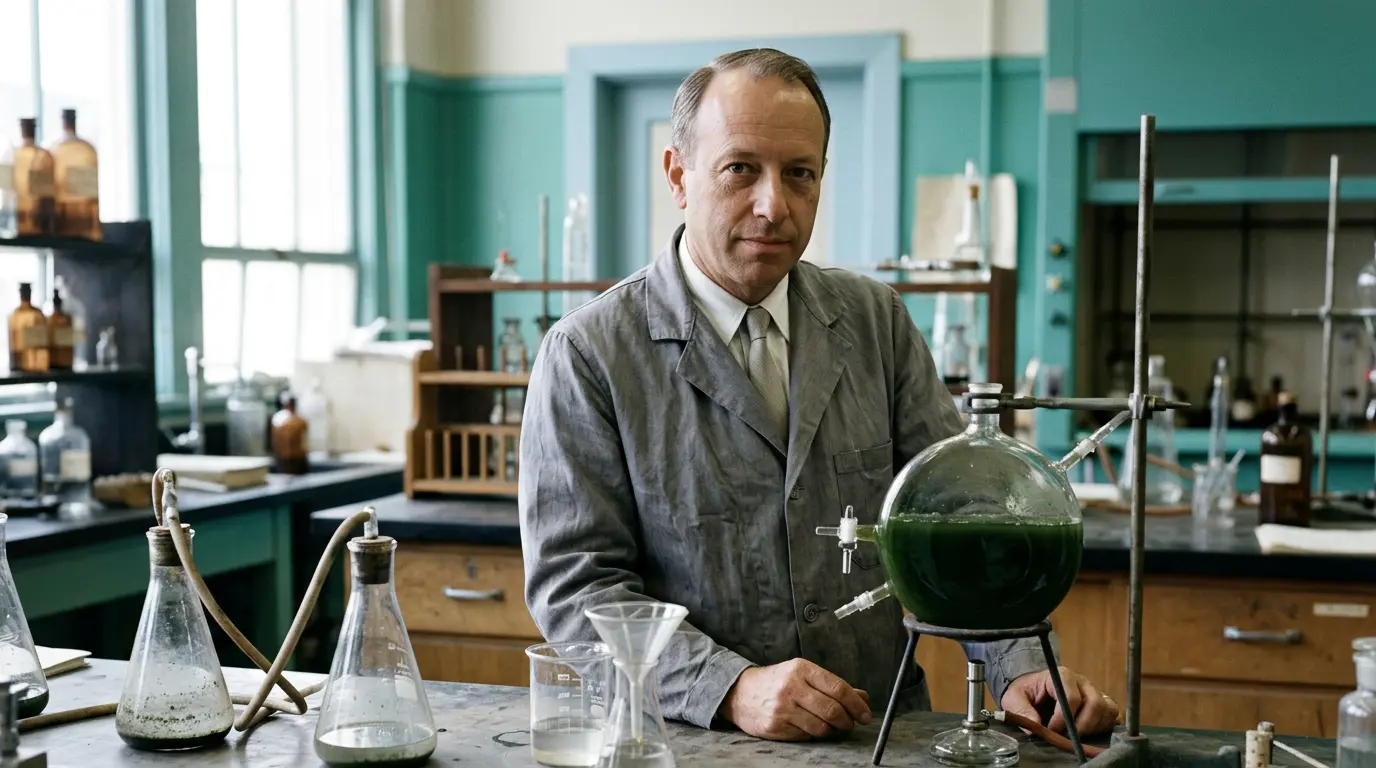
Melvin Calvin
1911–1997 · Biochemistry and carbon fixation in photosynthesis
Melvin Calvin led research using radioactive carbon to trace how photosynthetic organisms incorporate carbon dioxide into organic molecules.
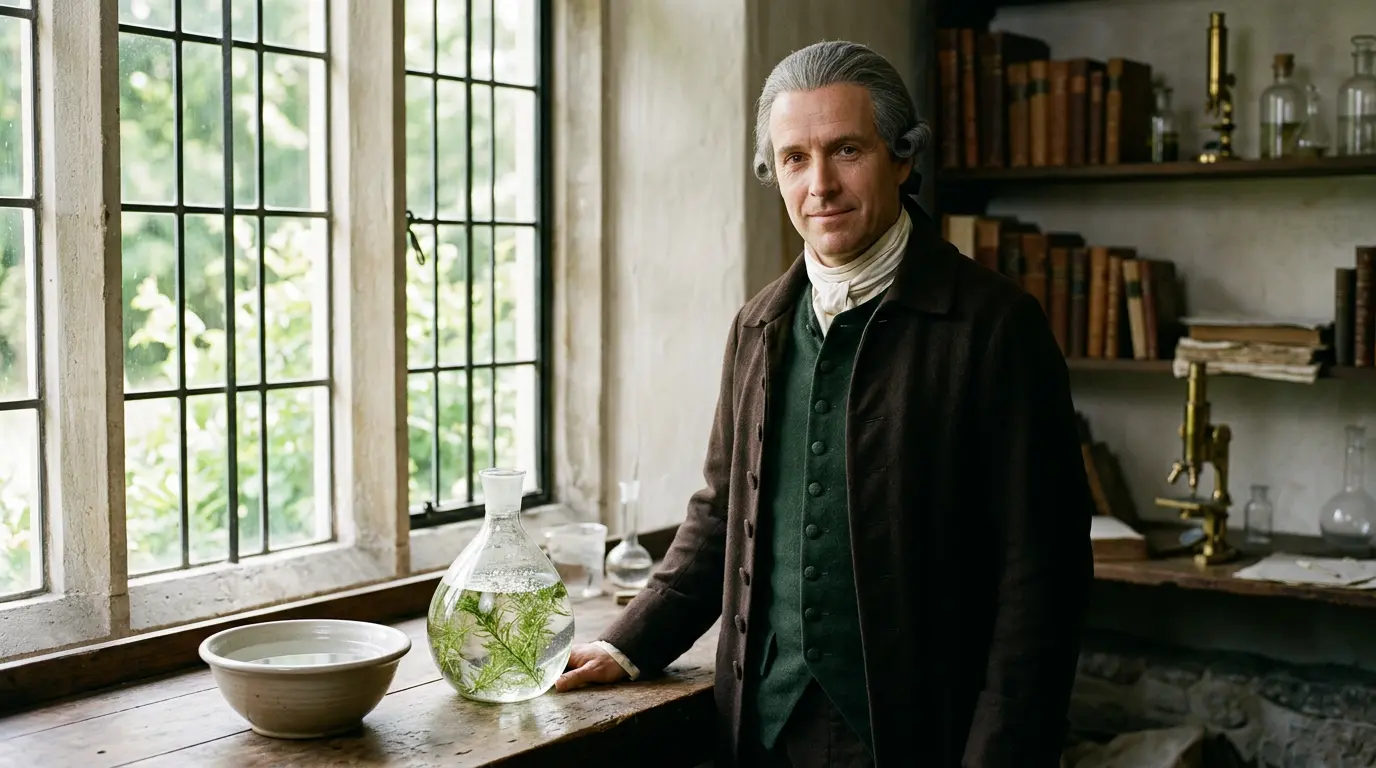
Jan Ingenhousz
1730–1799 · Photosynthesis and experimental plant physiology
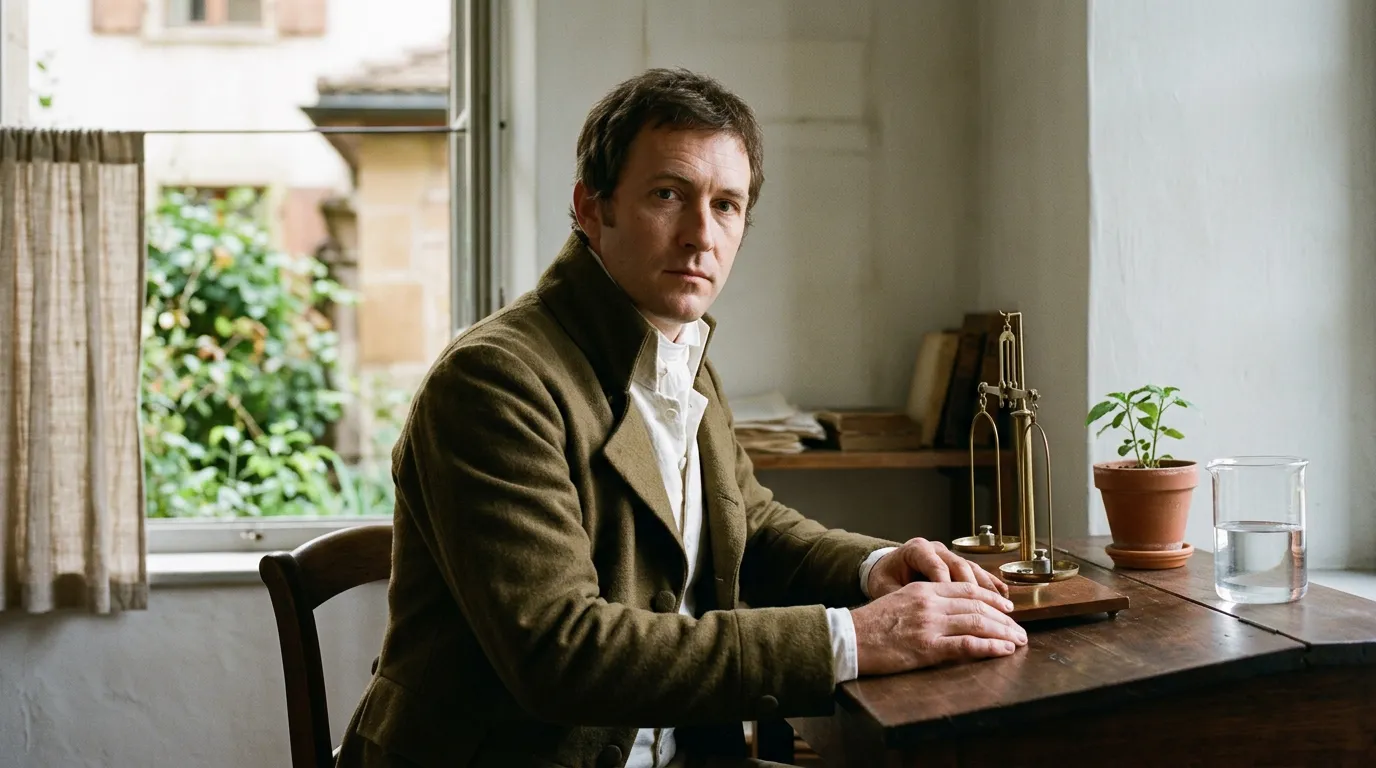
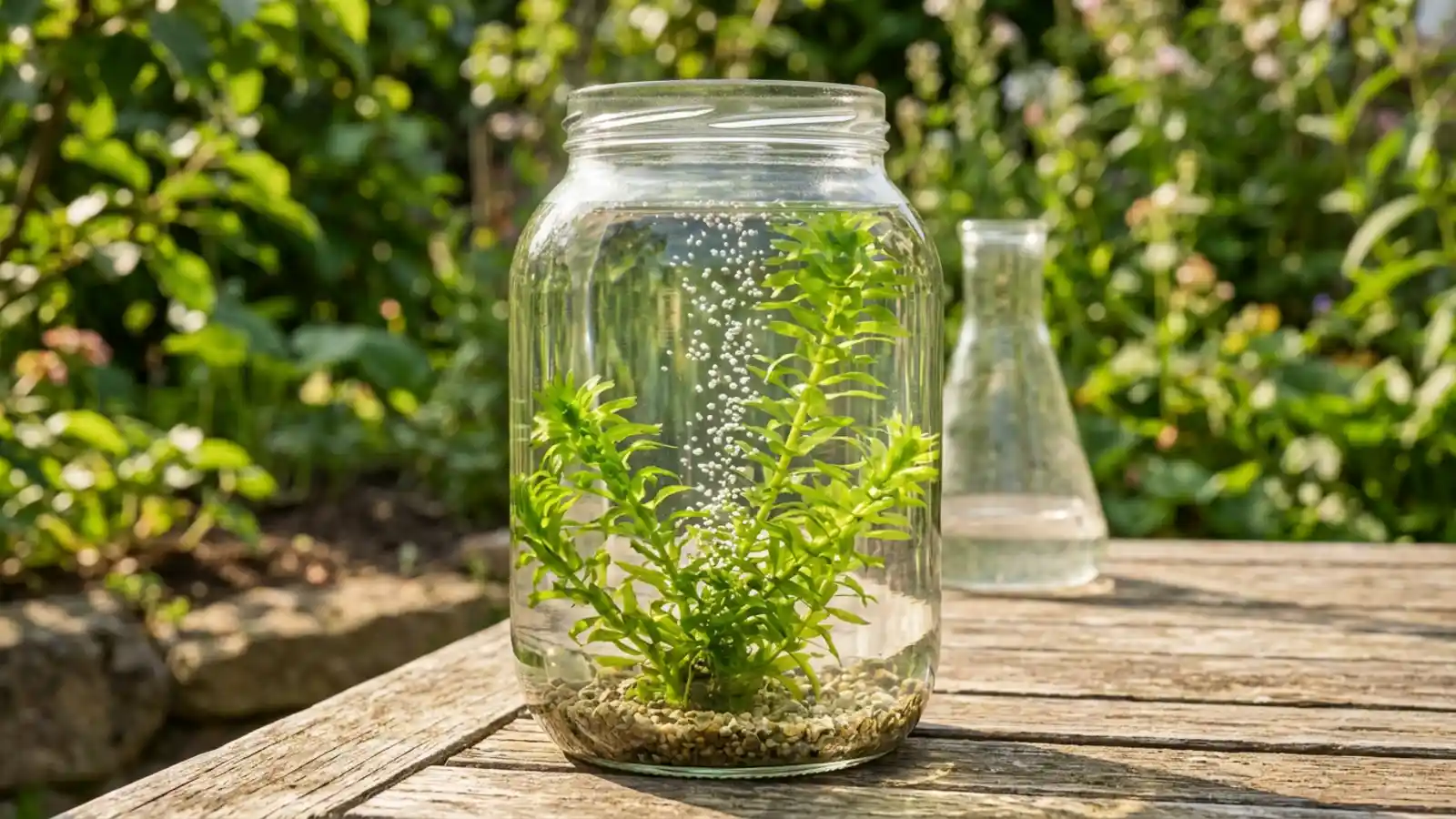
Jan Ingenhousz showed that green plant parts release oxygen in sunlight and investigated how plants affect the surrounding air.
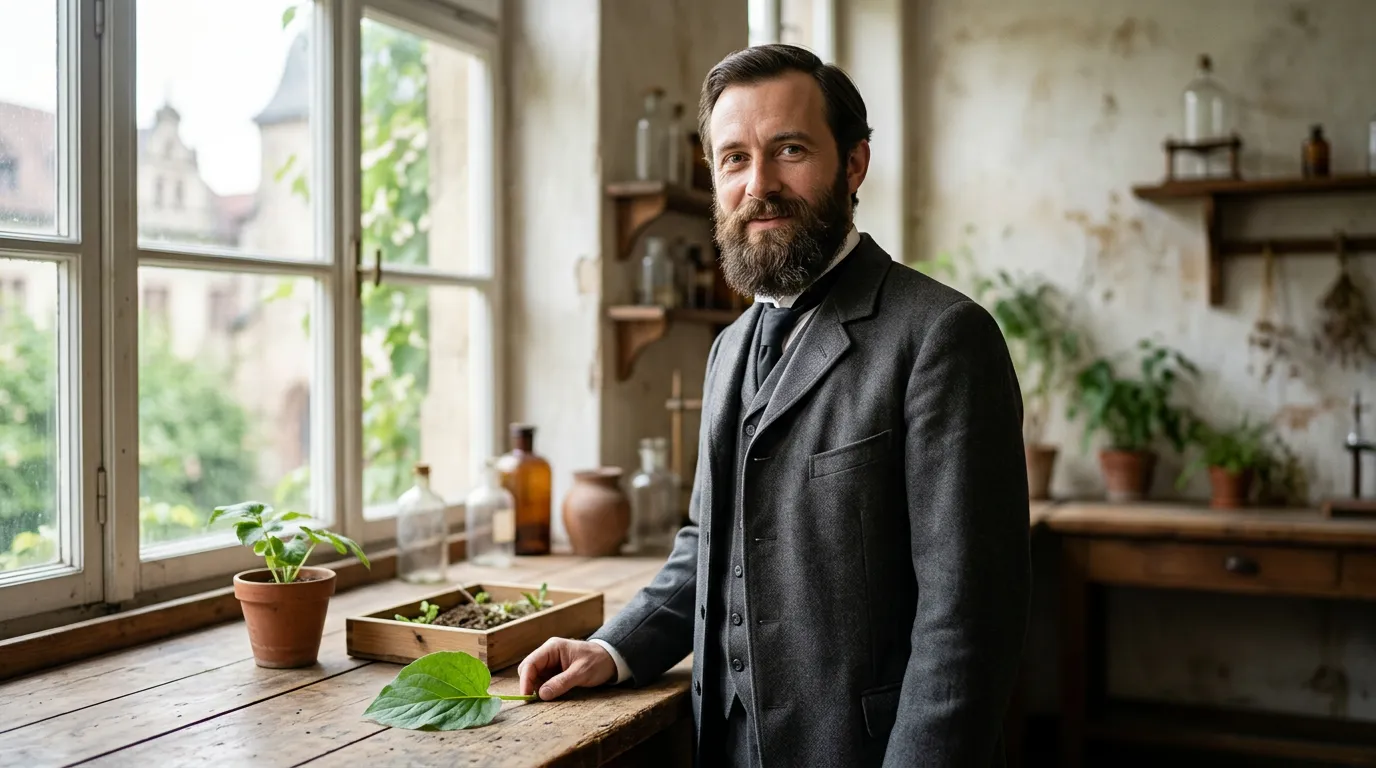
Julius von Sachs
1832–1897 · Plant physiology and photosynthesis
Julius von Sachs developed careful experiments on plant growth, including evidence that illuminated leaves form starch during photosynthesis.