_(2).jpg)
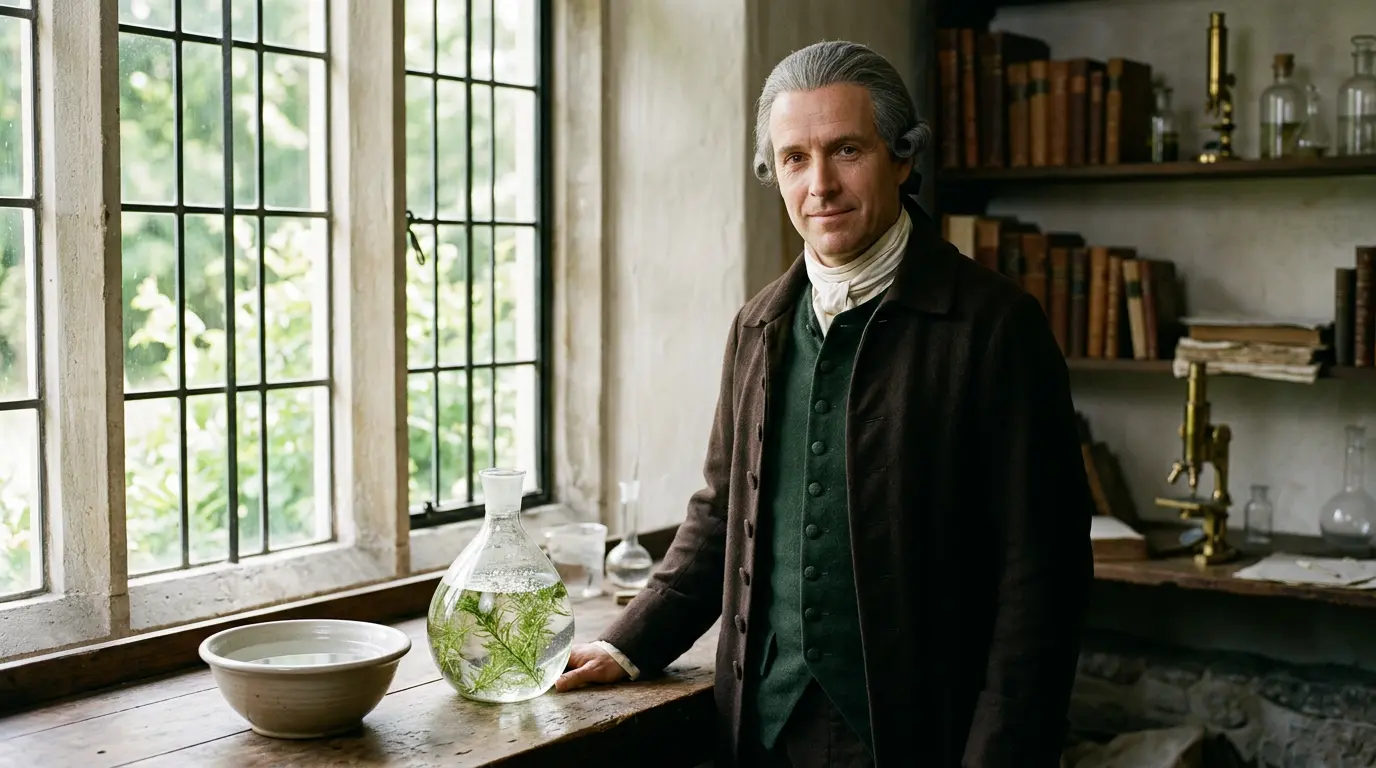
Jan Ingenhousz
1730–1799 · Photosynthesis and experimental plant physiology
Jan Ingenhousz demonstrated that sunlight and green plant tissues are essential for oxygen release, helping explain how plants change the air.
Why is this scientist famous?
Jan Ingenhousz showed that green plant parts release oxygen in sunlight and investigated how plants affect the surrounding air.
His work helped establish the roles of sunlight and green tissues in photosynthesis, a process that provides oxygen and supports food chains.
Jan's story
A physician with a fascination for experiments
Jan Ingenhousz was born in Breda in the Dutch Republic on 8 December 1730. He trained as a physician and travelled widely, treating patients and studying natural phenomena. In the 1760s he worked on smallpox inoculation, an early and riskier method of protection that came before Edward Jenner’s later vaccination method. His medical reputation took him to the Habsburg court, but he also wanted to know how the physical world worked. Plants and the gases surrounding them became an especially productive question.
An underwater stream of bubbles
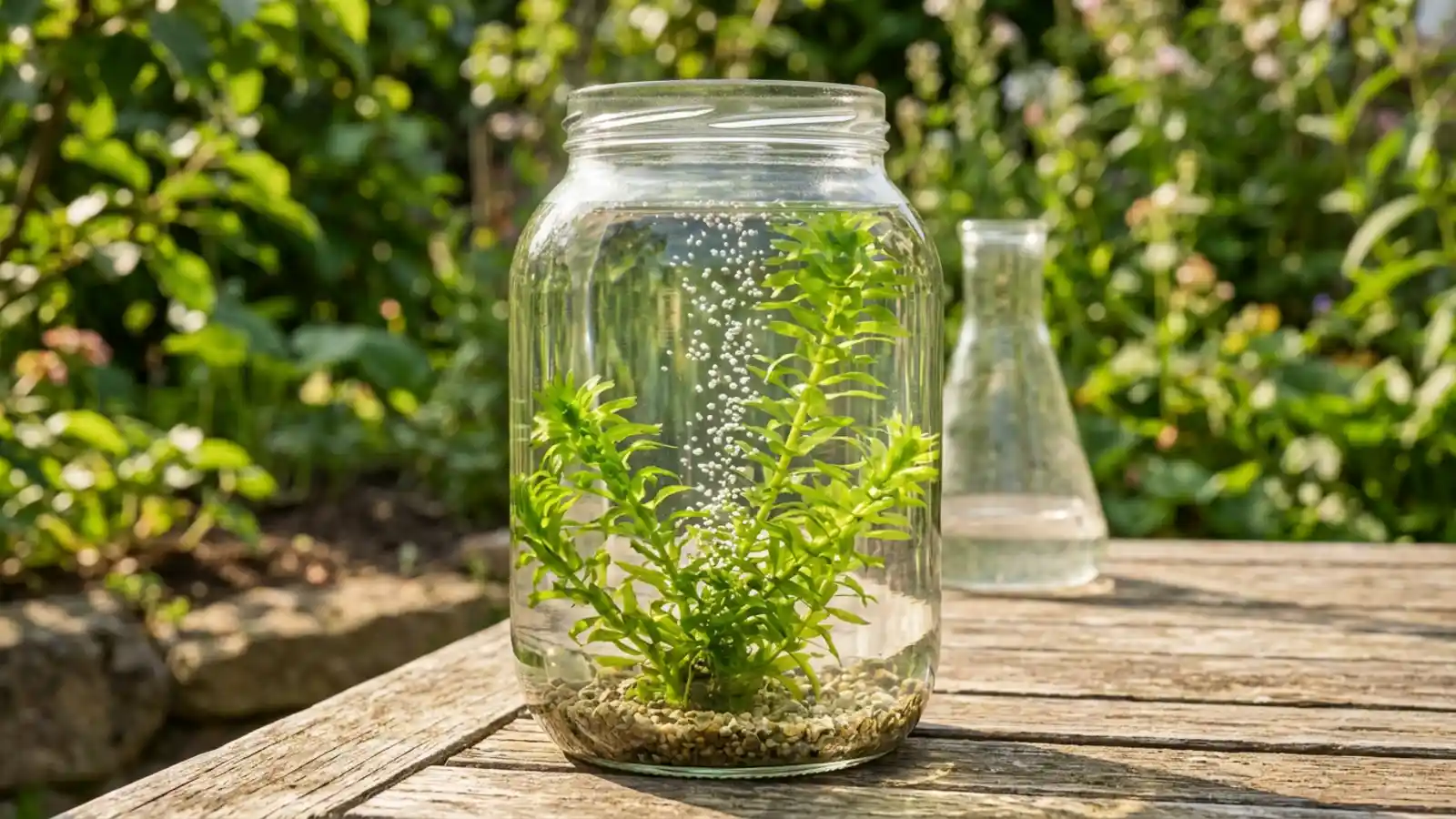
Ingenhousz examined green plant parts in water and compared what happened in sunlight and darkness. Tiny bubbles of gas appeared much more readily from illuminated green tissues. This was a clue that plants were actively changing the air. Joseph Priestley had already shown that plants could restore air altered by burning or animals; Ingenhousz went further by explaining when and where this oxygen-producing behaviour occurred. Plants still respire and use oxygen, so the full balance of gases depends on conditions.
The important role of daylight
His 1779 book Experiments upon Vegetables described systematic tests of sunlight, shade, plant colour and different tissues. Green parts gave off oxygen in light; non-green tissues did not show the same behaviour. At night or in darkness, respiration could continue without oxygen-producing photosynthesis. Ingenhousz was not describing every stage of the modern photosynthetic pathway. His achievement was to identify a crucial environmental condition and the tissues involved using observations other investigators could repeat.
From plants to modern chemistry
Later researchers, including Jean Senebier and Nicolas-Théodore de Saussure, clarified how carbon dioxide and water contribute to plant growth. These advances turned isolated gas observations into a more complete picture of plant nutrition. Ingenhousz’s research also reminds us that oxygen bubbles can be measured: a simple classroom experiment using an aquatic plant demonstrates an important scientific process, though bubble counts alone are not a precise universal measurement of total photosynthesis.
Science across disciplines
Ingenhousz was elected a Fellow of the Royal Society in 1769 and continued pursuing questions about electricity, heat and plant biology. He died in Wiltshire, England, on 7 September 1799. His career joins the work of a physician with one of the foundations of plant science: the idea that light allows green tissues to perform an activity that changes the surrounding atmosphere.
What did they discover?
Light-dependent oxygen release
Demonstrated that green plant parts release oxygen when illuminated.
Plant tissues
Distinguished green tissues from other parts in gas-exchange tests.
Light versus darkness
Compared plant behaviour under different lighting conditions.
Plant experimental methods
Used repeatable comparisons that helped establish plant physiology.
Amazing facts
Ingenhousz trained as a physician before becoming famous for plant experiments.
He performed smallpox inoculations before Jenner’s cowpox vaccination method existed.
He was elected Fellow of the Royal Society in 1769.
His aquatic-plant experiments revealed bubbles associated with illuminated green tissue.
His major plant book was published in 1779.
He compared sunlight with darkness rather than treating all conditions alike.
He found green plant tissues were especially important in oxygen release.
He died in England rather than his birthplace in the Netherlands.
Timeline
Born in Breda in the Dutch Republic.
Worked on smallpox inoculation for the Habsburg court.
Elected a Fellow of the Royal Society.
Published Experiments upon Vegetables.
Died near Calne in Wiltshire, England.
Related Super Scientists
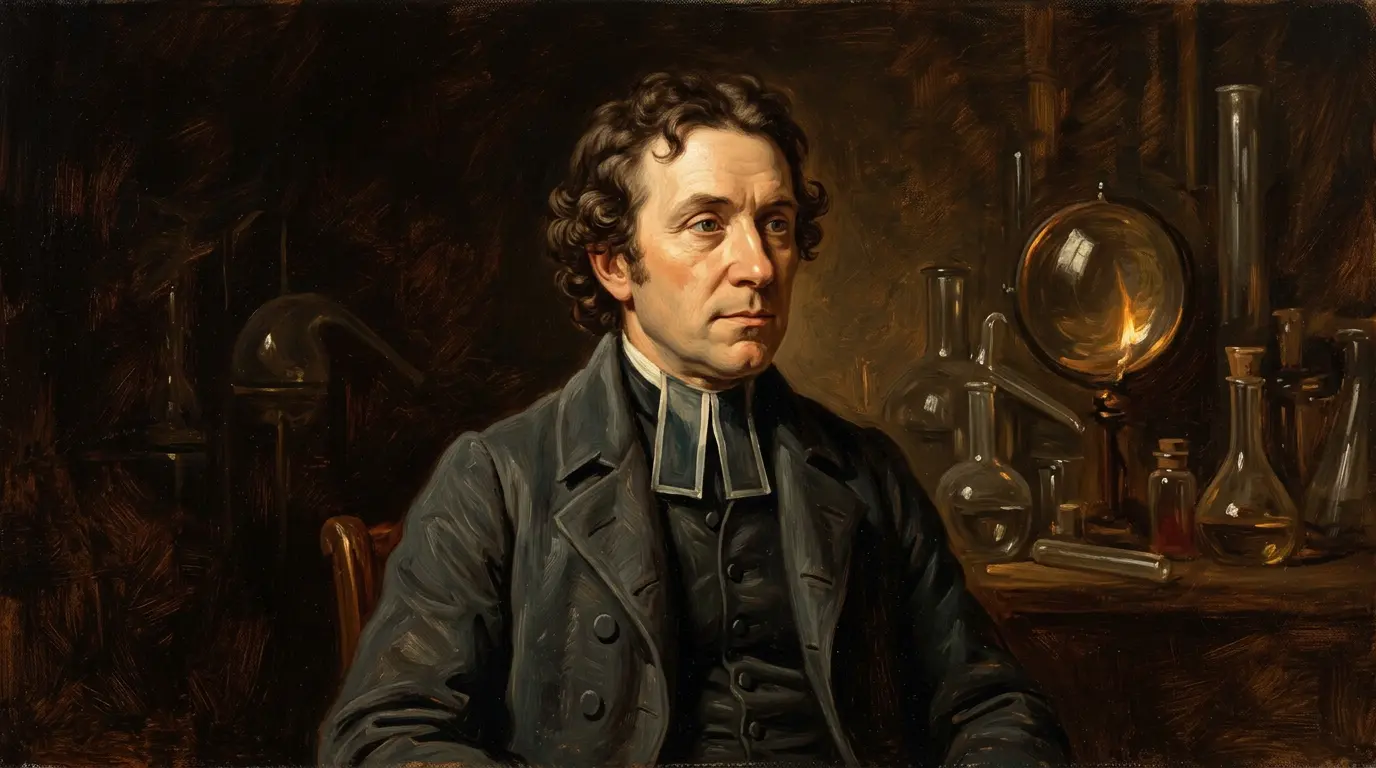
Joseph Priestley
1733–1804 · Chemist, Natural Philosopher & Minister
Isolating the gas now called oxygen in 1774, pioneering experiments on gases and air, developing a method for making carbonated water, and contributing important observations to early research on plants and the atmosphere.
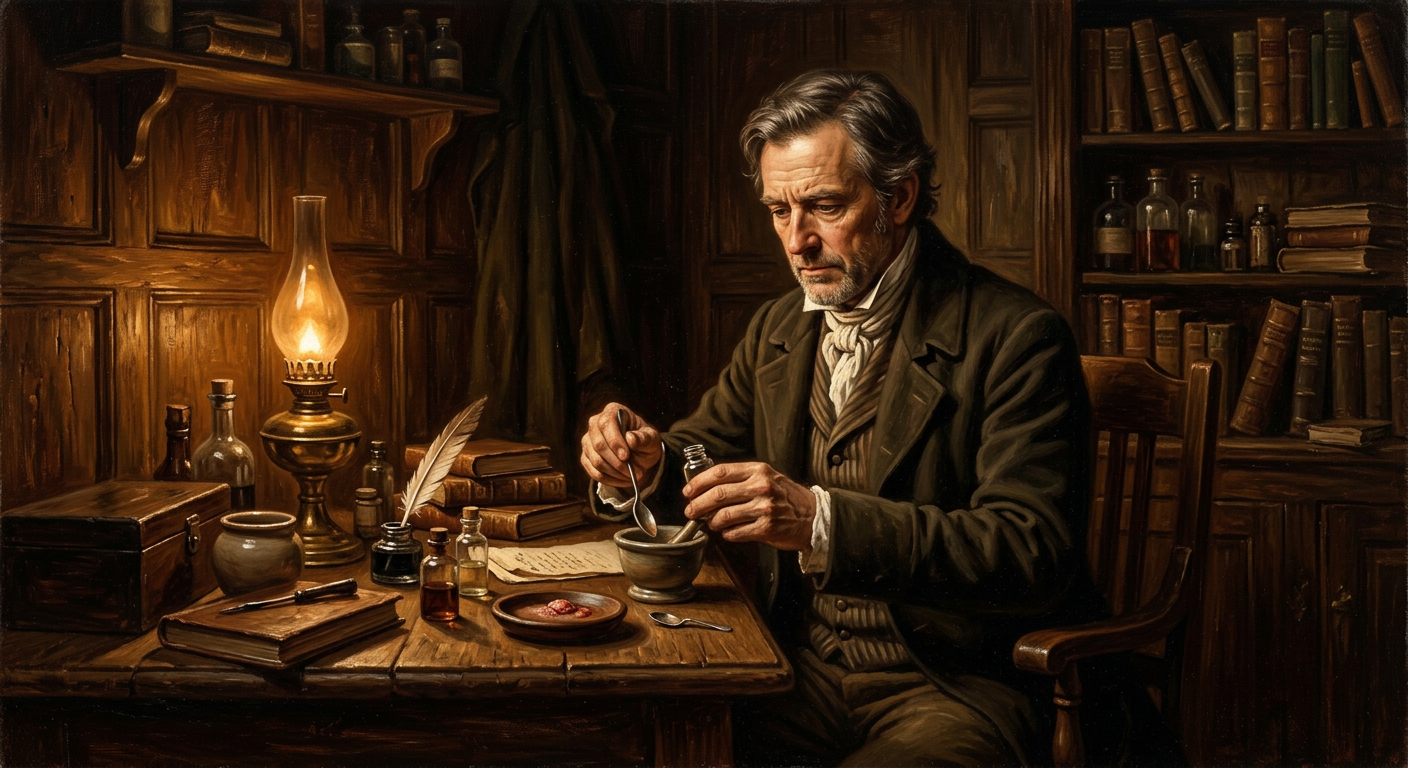
Edward Jenner
1749–1823 · Physician & Immunologist
Demonstrated and promoted the first successful vaccine against smallpox, helping establish vaccination as a powerful way to prevent infectious disease.