_(2).jpg)
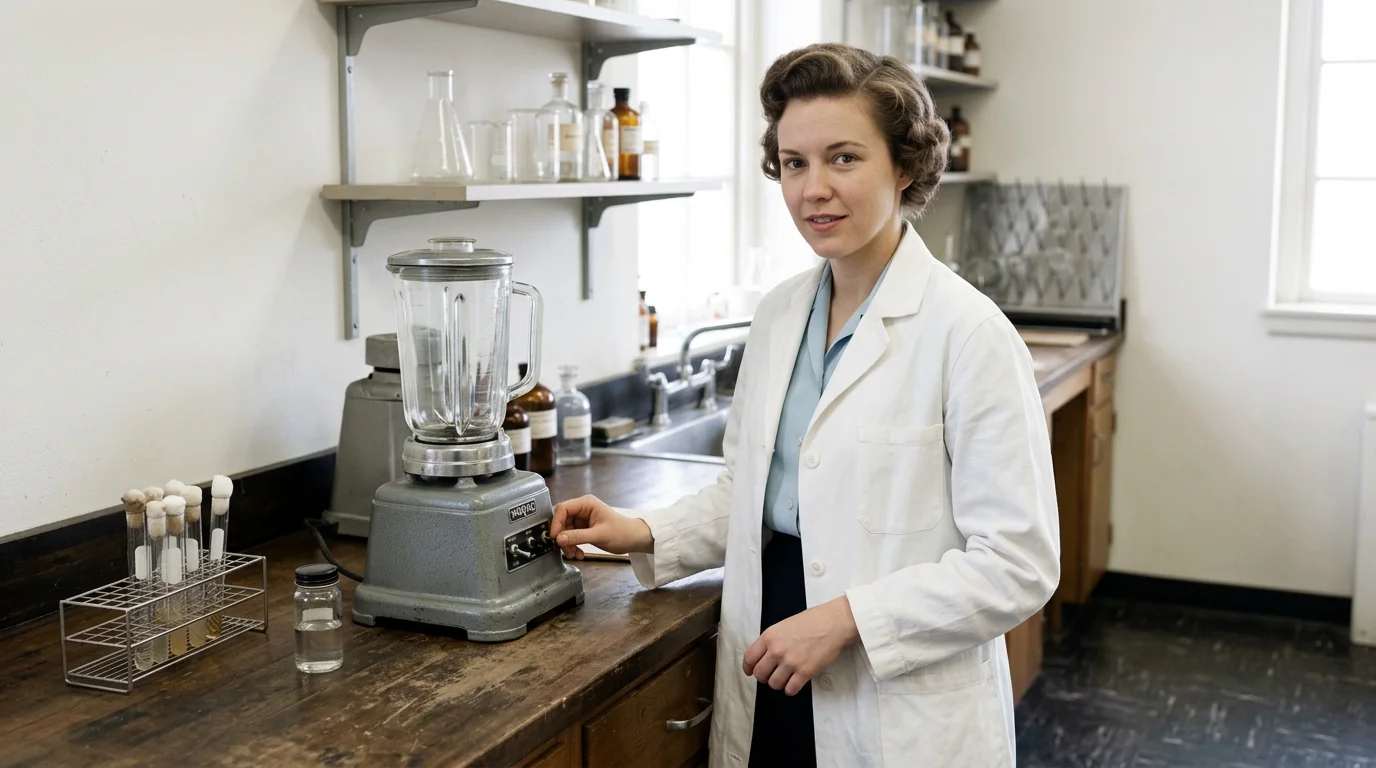
Martha Chase
1927–2003 · Molecular genetics and DNA experiments
Martha Chase and Alfred Hershey used radioactive tracers and a blender to demonstrate the central role of DNA during viral infection.
Why is this scientist famous?
Martha Chase worked with Alfred Hershey on a celebrated 1952 experiment that traced DNA and protein during virus infection, strengthening evidence that DNA carries genetic instructions.
The experiment helped establish DNA’s role in heredity and became a classic example of how controlled experiments answer questions about genes.
Martha's story
An experiment that started with viruses
Martha Cowles Chase was born in 1927 in Ohio, United States. She studied at the College of Wooster and completed her degree in 1950. She then worked as a research assistant with Alfred Hershey at Cold Spring Harbor Laboratory in New York. Their subject was a bacteriophage, a virus that infects bacteria. At a time when scientists were debating whether genes were made of protein or deoxyribonucleic acid (DNA), these simple viruses offered an especially clear test.
Two labels, two parts of a virus
A bacteriophage has DNA inside a protein coat. Hershey and Chase prepared viruses whose DNA contained radioactive phosphorus and others whose protein coats contained radioactive sulfur. The two radioactive labels allowed the team to follow the different viral components. They infected bacteria and then needed a way to remove viral coats attached to the outsides of the bacterial cells. Their question was which labelled substance went inside and helped direct new virus production.
Why a blender mattered
The researchers briefly mixed infected bacteria in a kitchen-style blender, which shook most attached viral coats off the bacterial surfaces. After separating the bacterial cells from the outer material, they measured where the radioactivity went. Much of the DNA-associated phosphorus remained with the bacterial cells, while much of the protein-associated sulfur stayed outside. Their findings provided strong support that DNA carried the information needed for the virus to reproduce.
One result among many
The work was published jointly by Alfred Hershey and Martha Chase in 1952. It did not single-handedly discover DNA or settle every question about genetic inheritance. Oswald Avery, Colin MacLeod and Maclyn McCarty had already presented powerful evidence from bacteria in 1944. The Hershey–Chase experiment tested the problem in a different system and made the conclusion more compelling. The experiment also became a famous example of how scientists use labels and separation steps to trace invisible biological events.
A scientist behind a famous experiment
Chase later continued her studies and completed a doctorate in microbiology at the University of Southern California in 1964. She died in 2003. Hershey later shared the 1969 Nobel Prize with other scientists for discoveries about viruses, but Chase was not among the laureates. Her name remains inseparable from the experiment because the findings depended on the work of both authors. Their results helped pave the way for the genetics revolution that followed.
What did they discover?
Hershey–Chase experiment
Jointly tested which parts of a bacterial virus enter a host cell.
Radioactive tracing
Used phosphorus and sulfur tracers to distinguish DNA from viral protein.
Bacterial infection evidence
Provided compelling evidence that phage DNA carries the information used for infection.
Experimental design
Combined controlled labels, mixing and separation to test a question about heredity.
Amazing facts
She earned a degree from the College of Wooster in 1950.
She worked with Alfred Hershey at Cold Spring Harbor Laboratory.
The experiment used bacteriophages, viruses that infect bacteria.
Radioactive phosphorus was used to track viral DNA.
Radioactive sulfur was used to track the protein coats of viruses.
A kitchen-style blender helped separate attached viral coats from infected bacteria.
She and Hershey jointly published their results in 1952.
She later earned a doctorate in microbiology from the University of Southern California in 1964.
Timeline
Born in Ohio, United States; no unsupported day or month is supplied.
Completed her degree at the College of Wooster and began work at Cold Spring Harbor.
Published the bacteriophage DNA experiment with Alfred Hershey.
Completed her doctorate in microbiology at the University of Southern California.
Died in the United States; a precise date is not included without adequate primary verification.
Related Super Scientists
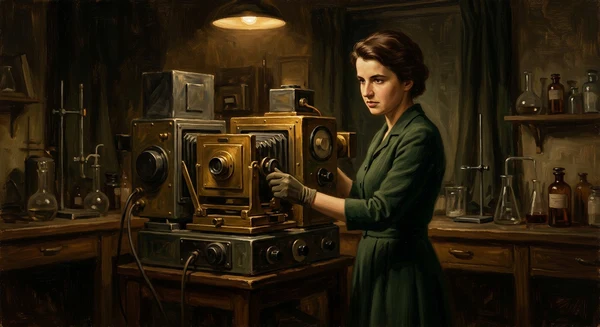
Rosalind Franklin
1920–1958 · Chemist & X-ray Crystallographer
Producing crucial X-ray diffraction data on DNA, including Photograph 51, with her student Raymond Gosling.
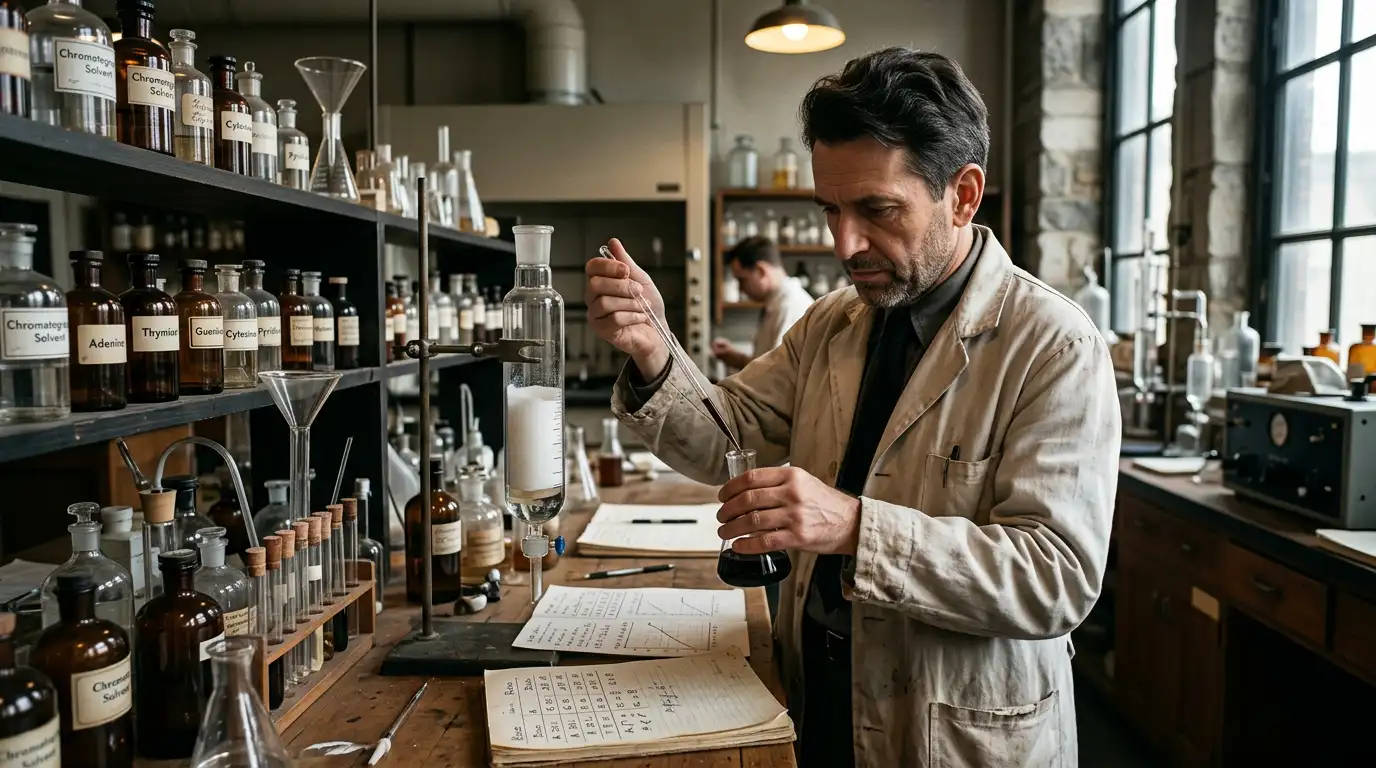
Erwin Chargaff
1905–2002 · Biochemist
Discovering important relationships in DNA base composition — later called Chargaff's rules — which supplied crucial evidence for understanding DNA structure.
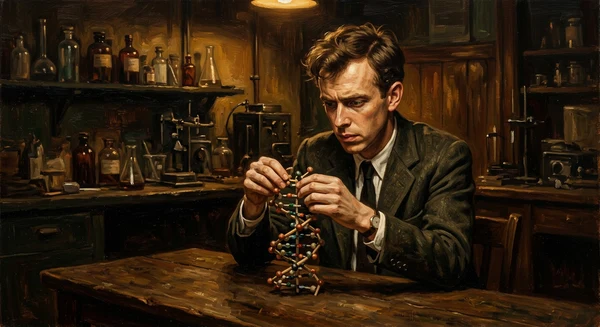
James Watson
1928–2025 · Molecular Biologist & Geneticist
Helping determine the double-helix structure of DNA with Francis Crick in 1953, using crucial X-ray diffraction and other experimental evidence produced by researchers including Rosalind Franklin, Raymond Gosling and Maurice Wilkins.