_(2).jpg)
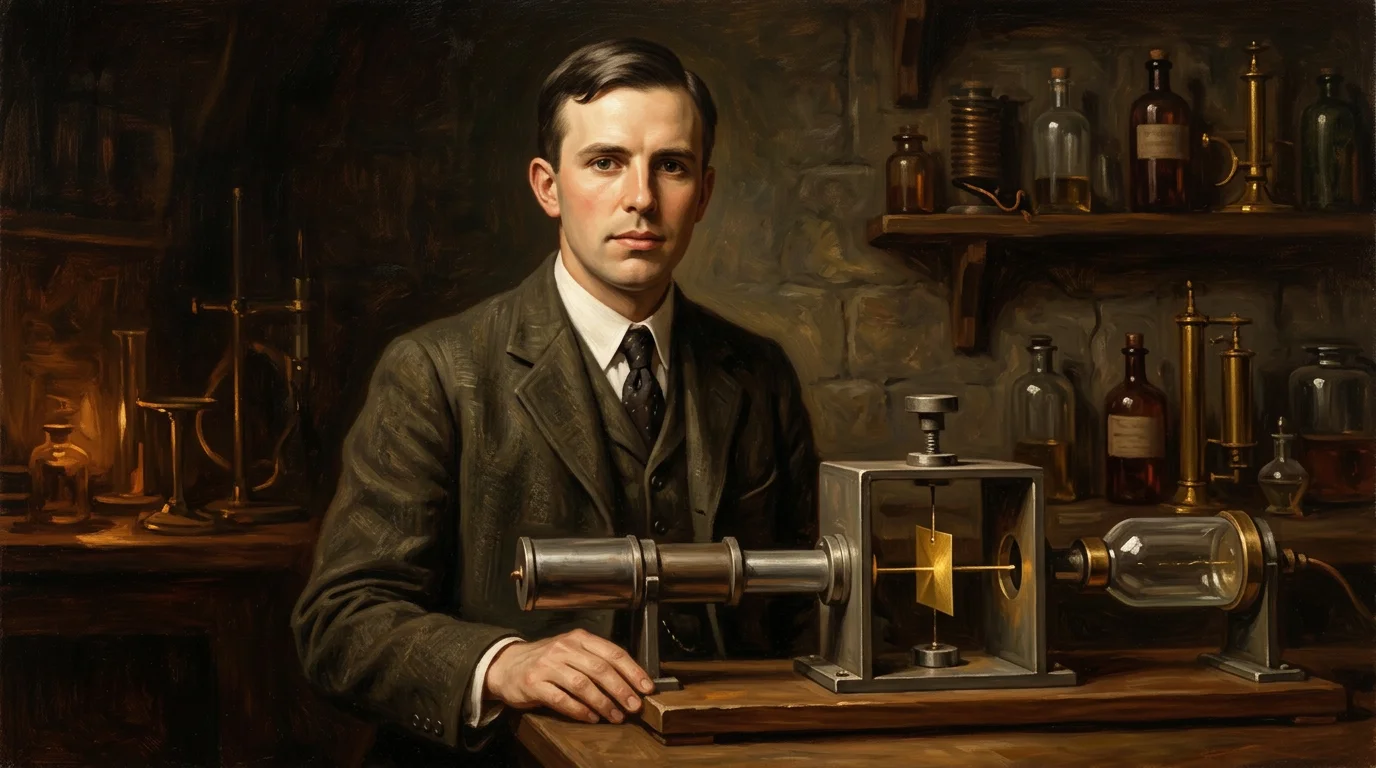
Ernest Marsden
1889–1970 · Experimental physicist and scientific administrator
Ernest Marsden helped perform the gold-foil experiment that revealed the atomic nucleus, then spent his career building New Zealand's government science system.
“I felt I had a mission, but I could not define it.”
Why is this scientist famous?
Ernest Marsden carried out the famous 1909 alpha-particle scattering experiments with Hans Geiger under Ernest Rutherford, and later became one of the most influential organisers of science in New Zealand.
Marsden's experimental work helped reveal the atomic nucleus, and his later leadership of New Zealand's DSIR built the country's modern science system. The prestigious Marsden Fund is named after him.
Ernest's story
From Cotton Mill to University
Ernest Marsden was born on 19 February 1889 in Rishton, Lancashire, England. His father was a cotton weaver. Marsden showed strong academic ability from an early age and won scholarships that allowed him to continue his education. He attended Queen Elizabeth Grammar School in Blackburn and then the University of Manchester.
He did not come from a wealthy scientific family. His route to university was through academic talent and scholarships — a useful reminder that great scientists can emerge from any background.
An Undergraduate in Rutherford's Lab
Marsden studied physics at Manchester just as Ernest Rutherford arrived in 1907 to build a major research group in atomic physics. In 1909 Marsden was still an undergraduate when he was assigned to work with Rutherford's assistant Hans Geiger.
They were studying how alpha particles passed through thin metal foils. Rutherford suggested checking whether any particles were scattered through very large angles. Marsden performed the experiment and found that a very small number were indeed deflected dramatically, with some travelling back toward the source.
The Surprising Experiment
Most alpha particles passed through the foil roughly as expected. The shock was that a tiny fraction bounced through very large angles instead. Geiger and Marsden published their results in 1909.
The result was extremely difficult to explain using the prevailing 'plum pudding' model of the atom. Rutherford studied the findings and in 1911 proposed the nuclear model: most of an atom's mass and positive charge are concentrated in a very small central nucleus. Geiger and Marsden performed the crucial experiments under Rutherford's direction. Rutherford interpreted the unexpected results and developed the nuclear model. Marsden deserves substantial experimental credit for his role.
Early Career and the First World War
Marsden graduated BSc with first-class honours in 1909. He later returned to Rutherford's laboratory and became his research assistant after Geiger left. He received a DSc from Manchester in 1914. On Rutherford's recommendation, Marsden was appointed to a professorship in physics at Victoria University College in Wellington, New Zealand, arriving in 1915.
During the First World War Marsden volunteered for military service. He served with a Royal Engineers sound-ranging section in France, where scientific methods were used to locate enemy artillery. He received the Military Cross — a striking example of his physics being applied outside the laboratory.
Building New Zealand Science
Marsden returned to New Zealand after the war. In 1922 he left his university chair to become Assistant Director of Education. In 1926 he became the founding Secretary of New Zealand's Department of Scientific and Industrial Research — the DSIR.
He played a major role in organising government-supported scientific research. Research groups and institutes developed under the DSIR in areas important to New Zealand including agriculture, soils, plant science and industry. Marsden became one of the central figures in twentieth-century New Zealand science administration.
Wartime Radar and Later Honours
Before the Second World War Marsden was briefed on the new technology of radar in Britain. He helped organise a New Zealand radar-development programme that became important to the country's wartime scientific effort and also helped develop scientific and technical capability after the war.
Marsden was elected Fellow of the Royal Society in 1946. In 1947 he became president of the Royal Society of New Zealand. He later worked in London as New Zealand's science liaison officer, returning to New Zealand in 1954. He was knighted in 1958. New Zealand's prestigious Marsden Fund for scientific research is named after him. He died on 15 December 1970 at Lowry Bay, Wellington.
What did they discover?
Geiger–Marsden Alpha-Scattering Experiment
In 1909 Marsden and Hans Geiger, under Rutherford's direction, found that a tiny fraction of alpha particles bounced through very large angles off thin metal foils. Rutherford interpreted this as evidence for the atomic nucleus.
Founding Secretary of the DSIR
In 1926 Marsden became the founding Secretary of New Zealand's Department of Scientific and Industrial Research, building the country's government science system.
Wartime Radar Development
Marsden helped organise New Zealand's radar-development programme during the Second World War, applying his physics expertise to national defence.
The Marsden Fund
New Zealand's prestigious Marsden Fund for fundamental scientific research is named after Ernest Marsden in recognition of his contributions to New Zealand science.
Amazing facts
Marsden was the son of a cotton weaver and reached university through scholarships.
He was still an undergraduate when he performed one of the most important experiments in atomic physics.
The experiment involved watching for tiny flashes produced when alpha particles hit a detecting screen.
Some particles unexpectedly bounced through very large angles instead of passing straight through the thin foil.
Those results helped Rutherford realise that atoms contain tiny, dense nuclei.
During the First World War Marsden used physics in sound-ranging work to help locate artillery.
He later helped build the government science system of New Zealand as the founding Secretary of the DSIR.
New Zealand's prestigious Marsden Fund for scientific research is named after him.
Timeline
Born in Rishton, Lancashire, England.
Rutherford arrived at Manchester; Marsden became part of his emerging research group.
Geiger–Marsden scattering experiment performed; Marsden graduated with first-class honours.
Awarded DSc by the University of Manchester.
Arrived in New Zealand as Professor of Physics at Victoria University College, Wellington.
Served with Royal Engineers sound-ranging section in France during the First World War.
Received the Military Cross.
Became Assistant Director of Education in New Zealand.
Became founding Secretary of the Department of Scientific and Industrial Research (DSIR).
Helped organise New Zealand wartime radar development programme.
Elected Fellow of the Royal Society.
Became President of the Royal Society of New Zealand.
Returned to New Zealand from London.
Knighted.
Died at Lowry Bay, Wellington, New Zealand.
Awards & honours
Related Super Scientists
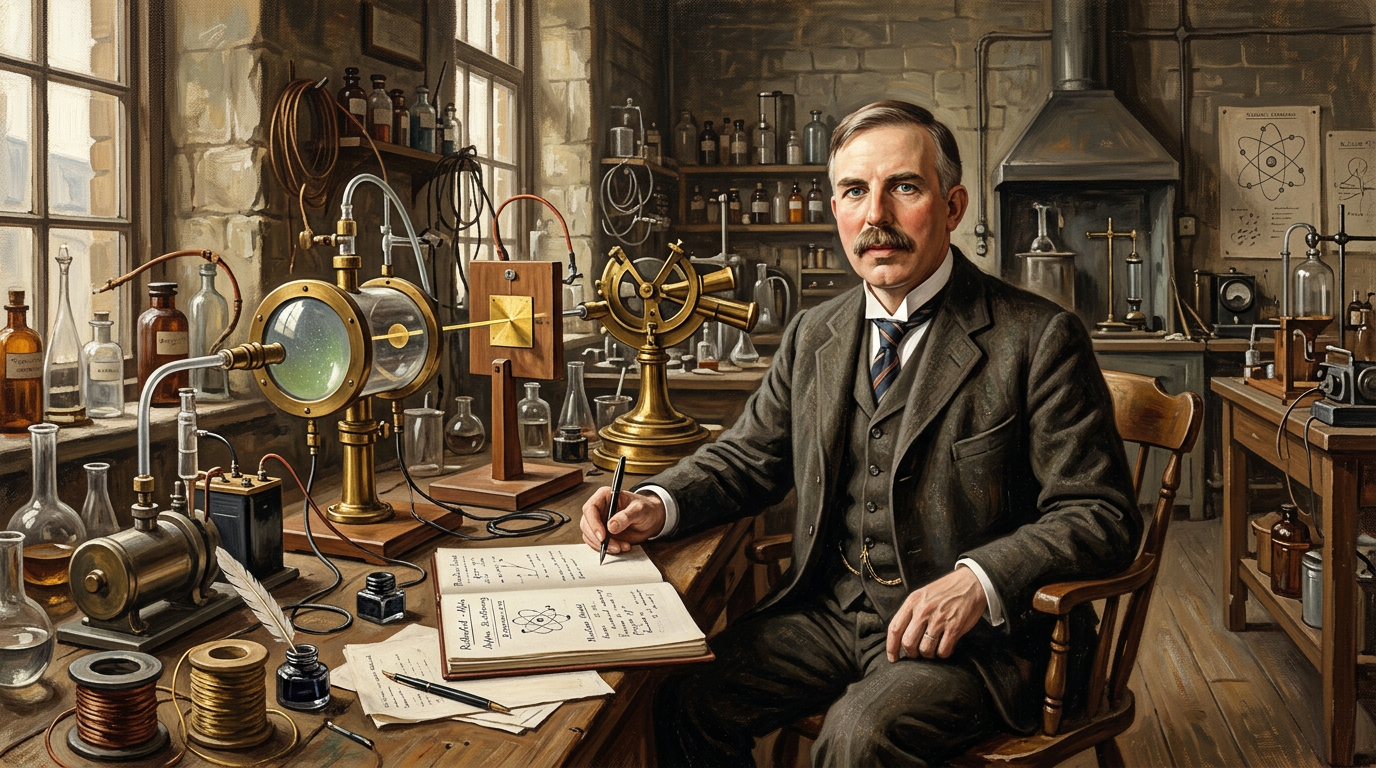
Ernest Rutherford
1871–1937 · Physicist
Discovering the nuclear structure of the atom and pioneering the field of nuclear physics.
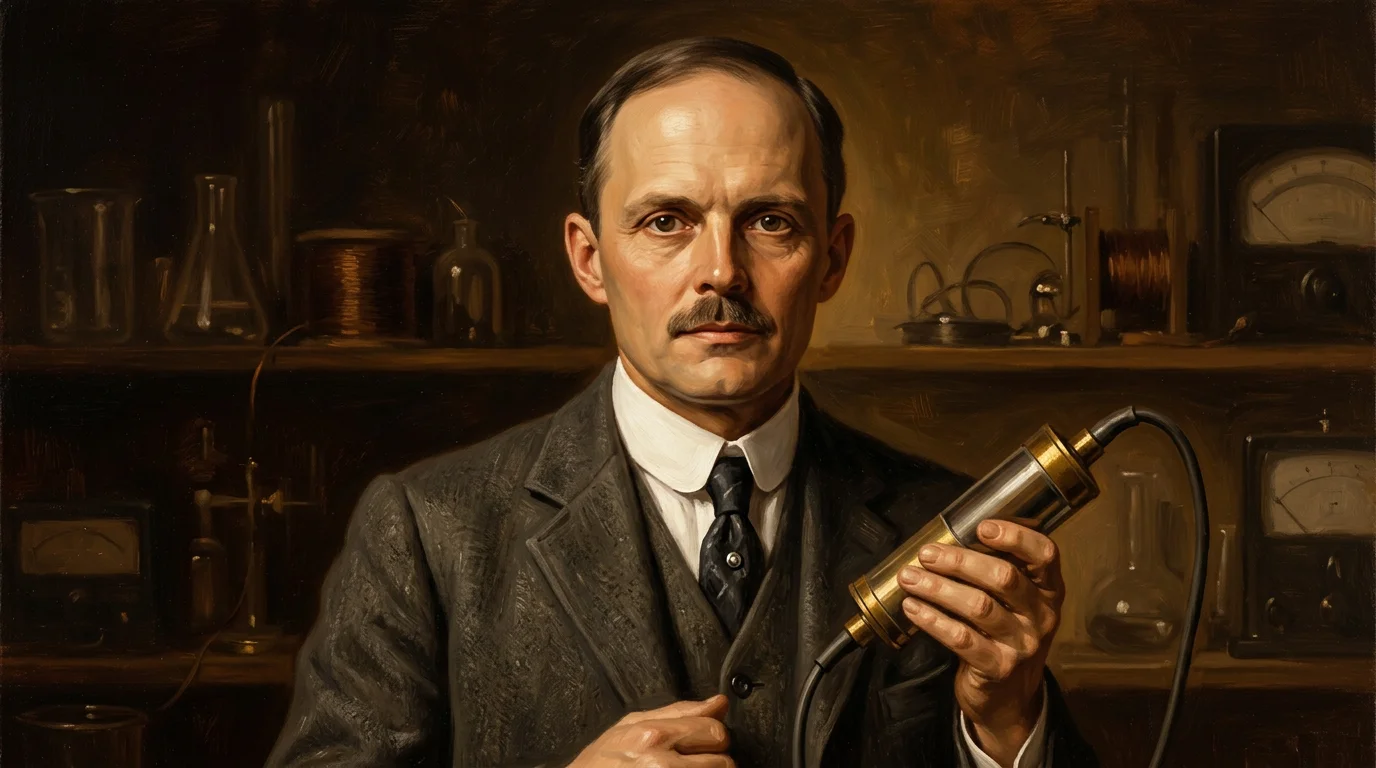
Hans Geiger
1882–1945 · Experimental physicist
Hans Geiger developed methods for detecting and counting ionising radiation, participated in the Geiger–Marsden scattering experiments that helped reveal the atomic nucleus, and later developed the Geiger–Müller counter with Walther Müller.
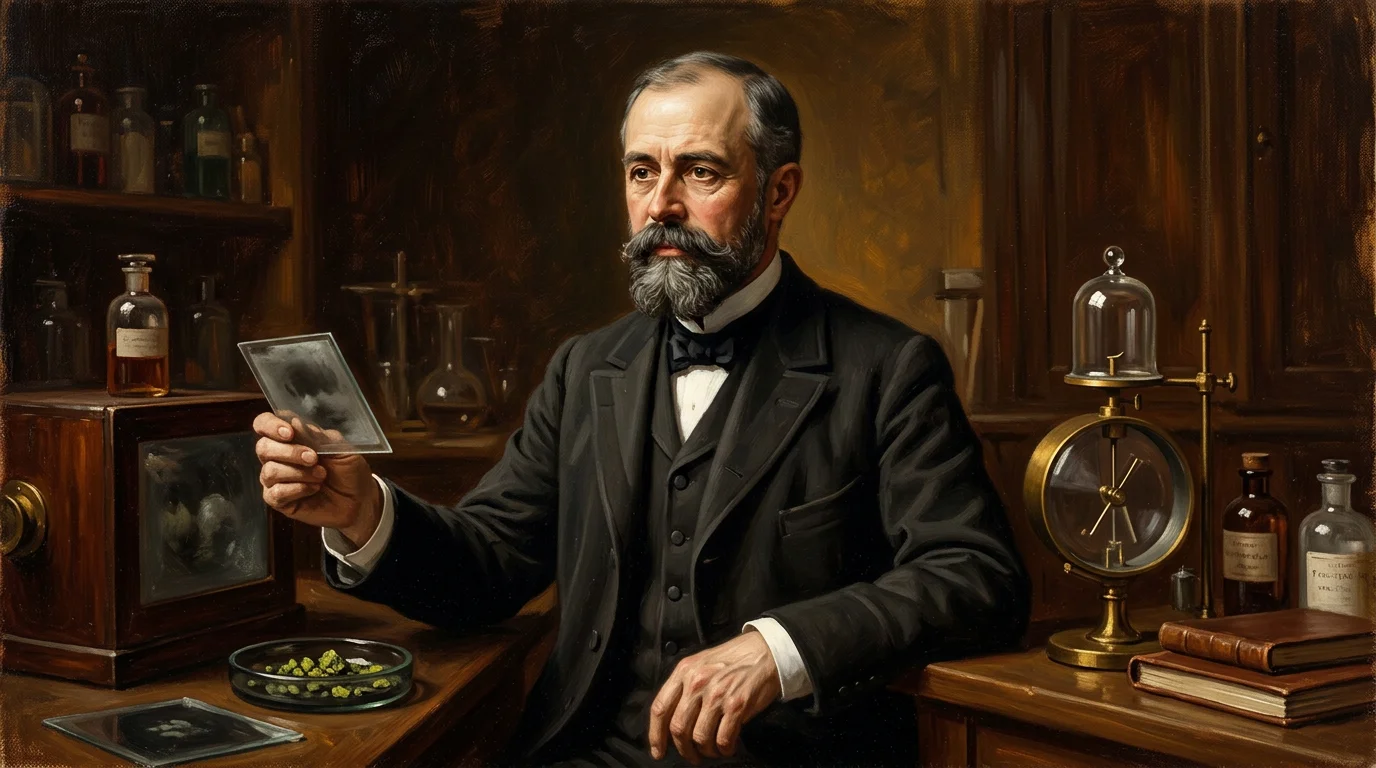
Henri Becquerel
1852–1908 · Experimental physicist
Henri Becquerel discovered that uranium emitted penetrating radiation spontaneously, providing the starting point for the scientific study of natural radioactivity.