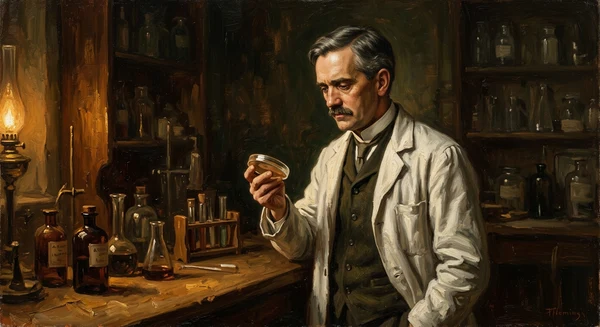
_(2).jpg)
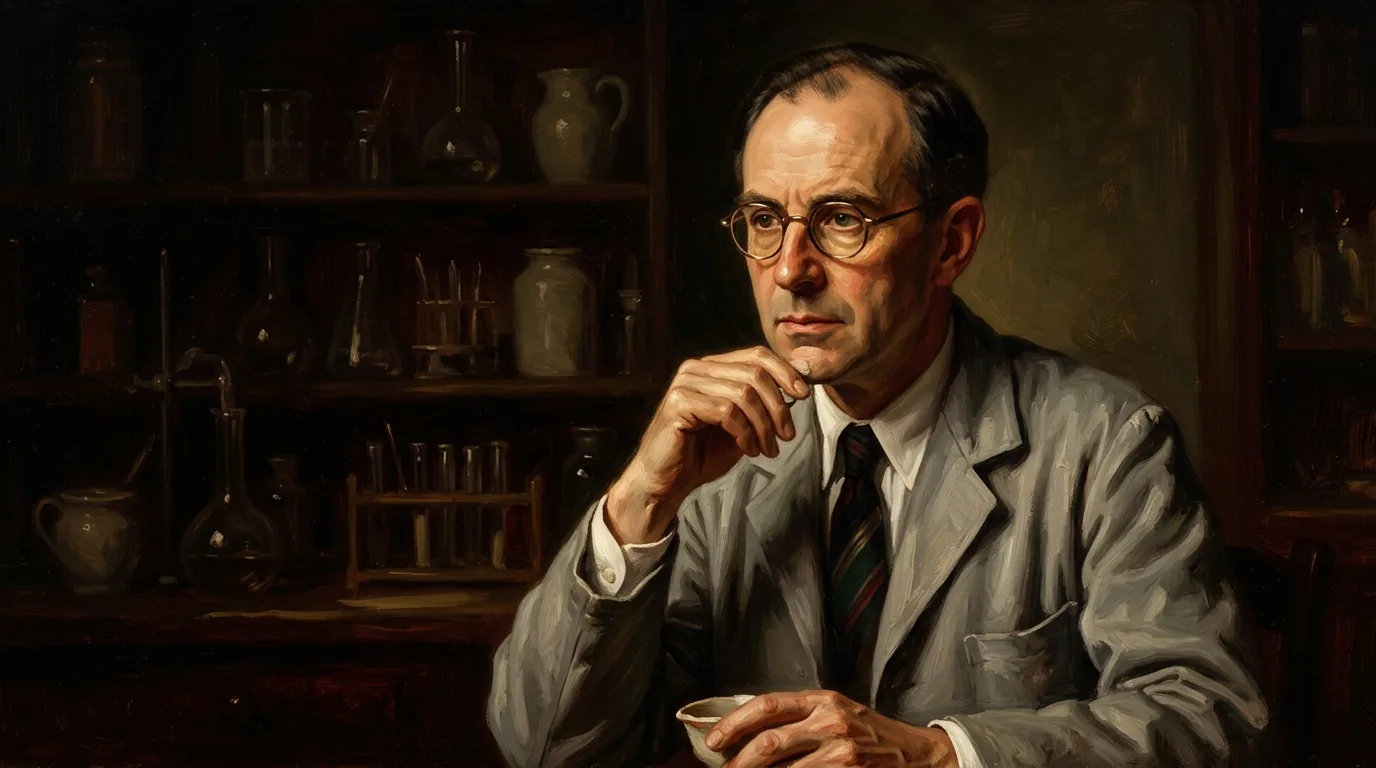
Norman George Heatley
1911–2004 · Biochemist
A British biochemist whose practical breakthroughs in assay, extraction and production helped the Oxford team turn penicillin into a usable medicine.
Why is this scientist famous?
Making crucial practical breakthroughs in the Oxford penicillin project, including methods to assay, extract, purify and produce enough penicillin for the experiments and early clinical trials that helped turn it into a medicine.
Heatley's contribution shows that major discoveries often depend on experimental engineering and practical problem-solving as much as on the original scientific idea. His methods helped bridge the gap between knowing penicillin could inhibit bacteria and having enough usable material to test it as a medicine.
Norman's story
Early Life and Education
Norman George Heatley was born in Woodbridge, Suffolk, England, on 10 January 1911. He studied Natural Sciences at St John's College, Cambridge, graduating in 1933. He continued biochemical research at Cambridge, working under Joseph Needham. His Ph.D. was formally awarded in 1937, as recorded by the Wellcome Collection. In September 1936 he moved to the Sir William Dunn School of Pathology at Oxford at Howard Florey's invitation.
Joining the Penicillin Project
At Oxford, Heatley initially worked on biochemical research including tumour metabolism and new experimental methods. From 1939 he worked directly on the penicillin project with Howard Florey, Ernst Chain and the wider Oxford team. Penicillin was difficult to work with because it was unstable and present in very low concentrations in mould culture fluid.
Crucial Practical Methods
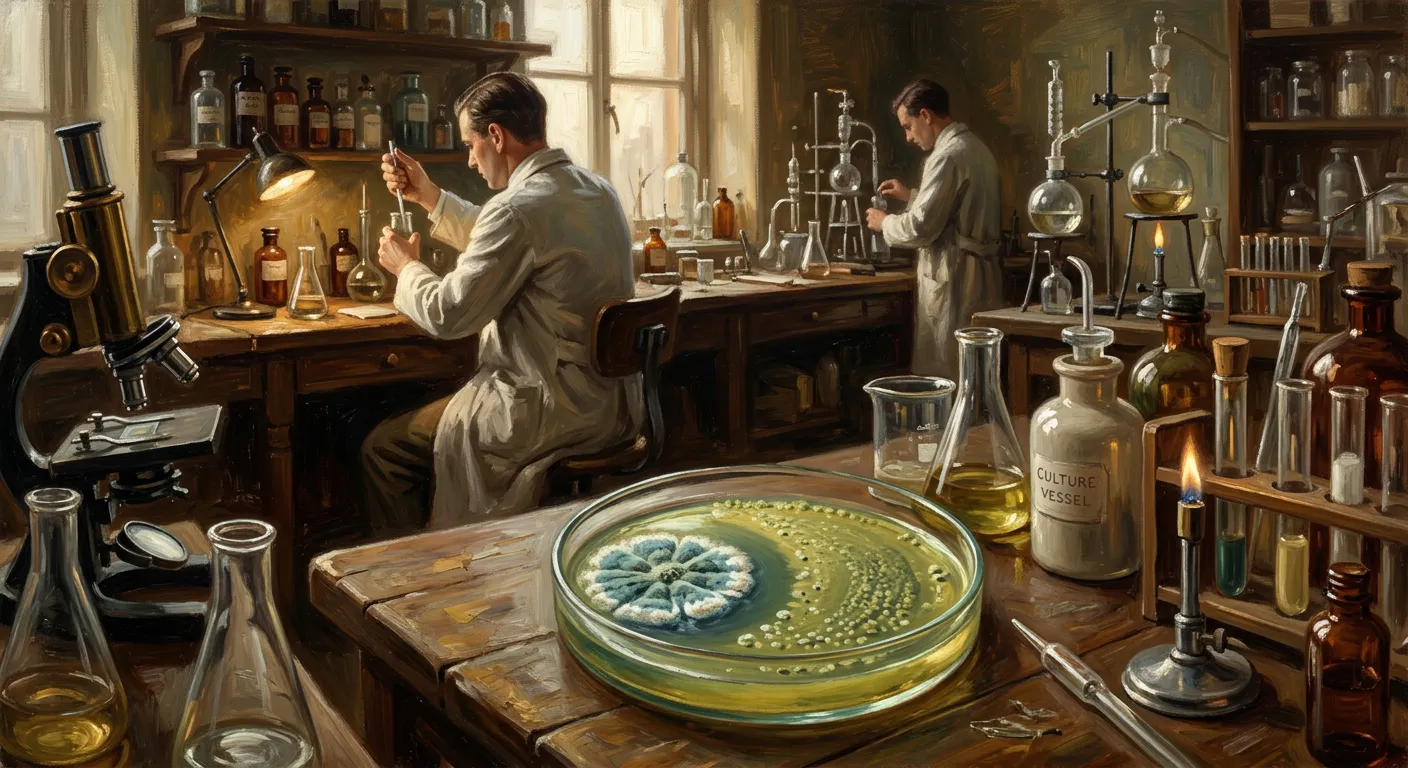
Heatley devised a sensitive and reliable assay for measuring penicillin's antibacterial activity. He established conditions under which penicillin was more stable. He developed a multi-stage extraction and back-extraction method that helped separate penicillin from impurities and return it to an aqueous solution for further processing. These practical methods made it possible to obtain enough penicillin to investigate its biological effects. Heatley also designed and improvised equipment for growing the Penicillium mould and processing the culture fluid, including special ceramic culture vessels so the team could grow larger quantities of mould in a limited laboratory space.
From Laboratory to Mass Production
His work was central to producing enough penicillin for the 1940 mouse experiments and the 1941 clinical trials. Heatley travelled to the United States with Howard Florey in 1941 to help seek and develop methods for mass production. He remained in the United States for a period as an adviser on penicillin research and production.
Later Life and Recognition
Heatley later became a Nuffield Research Fellow of Lincoln College, Oxford. He continued scientific work at Oxford until retirement in 1978. He did not share the 1945 Nobel Prize awarded to Fleming, Florey and Chain, but his contribution received much greater recognition later. He was appointed Officer of the Order of the British Empire (OBE) in 1978 for services to scientific research. In 1990 the University of Oxford awarded him an Honorary Doctorate of Medicine, an extremely unusual honour for someone who was not medically qualified. He became an Honorary Fellow of St John's College, Cambridge, in 1992. He died in Oxford on 5 January 2004.
What did they discover?
Penicillin Assay Method
Heatley devised a sensitive and reliable assay for measuring penicillin's antibacterial activity, essential for tracking the drug through purification.
Extraction and Back-Extraction
He developed a multi-stage extraction method that separated penicillin from impurities and returned it to aqueous solution for further processing.
Ceramic Culture Vessels
He designed special ceramic culture vessels so the Oxford team could grow larger quantities of Penicillium mould in a limited laboratory space.
Amazing facts
Heatley was known for practical scientific problem-solving and often designed or adapted his own equipment.
Penicillin was so unstable and dilute that simply obtaining enough to test was a major challenge.
He devised a sensitive assay so the team could measure how active different penicillin samples were.
His extraction and back-extraction methods helped separate penicillin from impurities.
He designed special ceramic vessels for growing Penicillium mould when ordinary laboratory equipment could not meet the team's needs.
The Oxford laboratory used improvised containers and equipment during wartime shortages.
Heatley's work helped produce enough penicillin for the successful mouse experiments in 1940.
He travelled to the United States with Florey in 1941 and worked with researchers there on improving production.
He did not share the 1945 Nobel Prize awarded to Fleming, Florey and Chain.
Oxford recognised his contribution in 1990 with an Honorary Doctorate of Medicine even though he was not a medical doctor.
He received an OBE in 1978 for services to scientific research.
Timeline
Born in Woodbridge, Suffolk, on 10 January
Graduated in Natural Sciences from St John's College, Cambridge
Moved to the Sir William Dunn School of Pathology at Oxford
Began direct work on the Oxford penicillin project
His assay, extraction and production work supported the successful mouse experiments with penicillin
Early clinical trials began; Heatley travelled to the United States with Howard Florey to help pursue mass production
Became a Nuffield Research Fellow at Lincoln College, Oxford
Retired and was appointed OBE for services to scientific research
Received an Honorary Doctorate of Medicine from the University of Oxford
Became an Honorary Fellow of St John's College, Cambridge
Died in Oxford on 5 January