_(2).jpg)
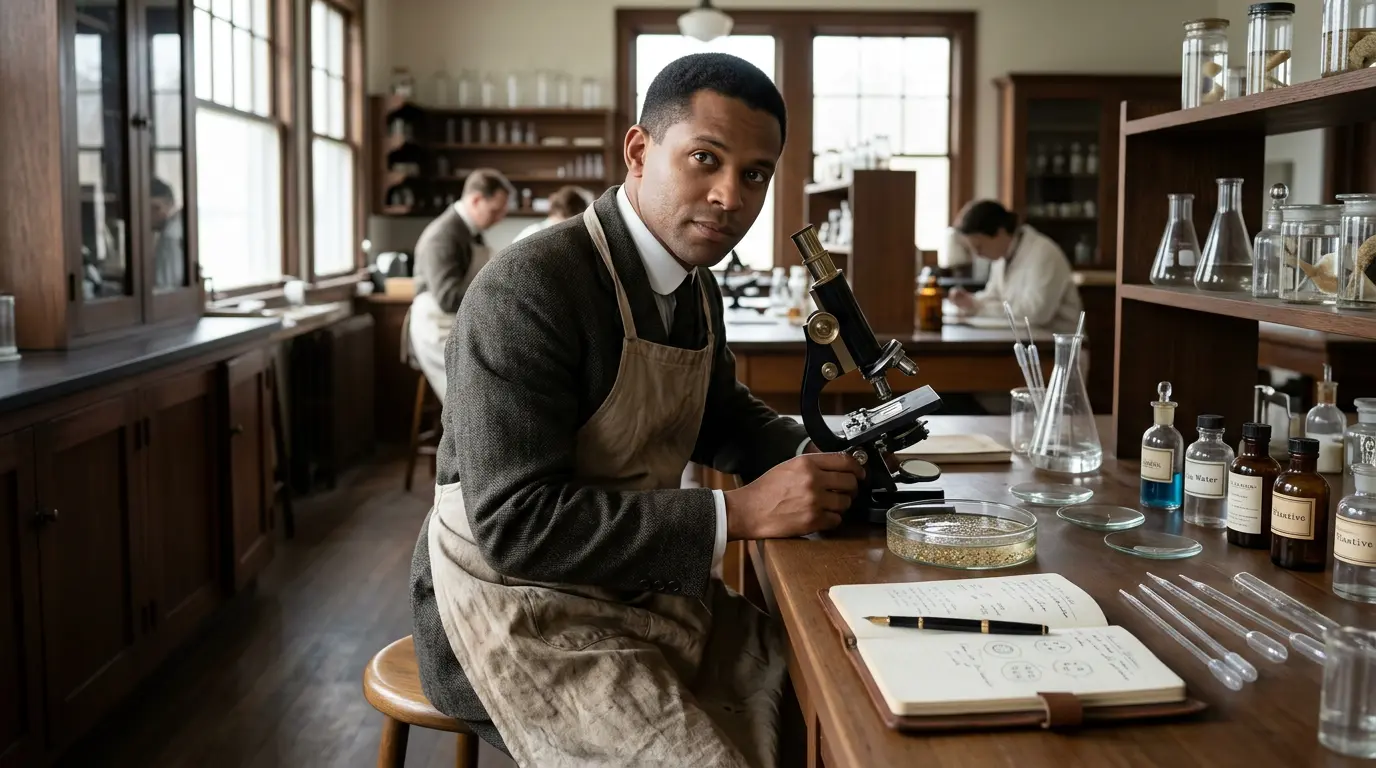
Ernest Everett Just
1883–1941 · Cell biology and embryology
Ernest Everett Just studied eggs of marine animals and revealed the importance of cell surfaces in fertilisation, challenging ideas about how life develops.
“We feel the beauty of Nature because we are part of Nature”
Why is this scientist famous?
Ernest Everett Just investigated how egg cells respond to fertilisation and showed why the living cell surface matters during early development.
His experiments helped establish the cell surface and surrounding environment as important parts of the story of how embryos begin to develop.
Ernest's story
A school and a love of learning
Ernest Everett Just was born in Charleston, South Carolina, on 14 August 1883. His mother ran a school, and he received some of his early education in the community around James Island. He went on to study in New England and then at Dartmouth College, where he studied several subjects including biology. He graduated in 1907 with high academic honours and began teaching at Howard University in Washington, DC. Racial segregation and discrimination severely limited opportunities available to Black scientists in the United States.
Life under the microscope
In 1909 Just began summer research at the Marine Biological Laboratory in Woods Hole, Massachusetts, working with embryologist Frank R. Lillie. The coastal laboratory was an ideal place to study sea urchins, marine worms and other animals whose eggs could be observed during fertilisation. Just became especially skilled at preparing specimens and keeping them in suitable conditions. He wanted experiments to reveal how living cells really behaved, not merely how damaged cells reacted to harsh treatment. His care with the animals and their environment helped him ask unusually precise questions.
What happens when sperm meets an egg?
When a sperm cell enters an egg, a chain of changes helps begin the development of a new organism. Just studied the egg surface and the earliest divisions of cells, including how the point of sperm entry relates to the first division of an egg. A 1912 paper on marine worm eggs gave important experimental evidence about this relationship. Later work explored changes at the egg surface and the barriers that help prevent additional sperm from entering. Rather than treating the cell surface as an unimportant wrapper, Just argued that it actively participates in fertilisation and development.
Research across the Atlantic
Just earned a doctorate at the University of Chicago in 1916 while continuing his Howard University career. In 1915 he received the first Spingarn Medal from the National Association for the Advancement of Colored People for his scientific achievements. Although his research gained international recognition, discrimination made it difficult for him to obtain the posts and support he deserved in the United States. He also worked at laboratories in Europe, where he explored further ways to study living eggs and their behaviour. His career connects careful scientific research with the history of unequal opportunities in education and science.
The importance of the whole cell
In 1939 Just published The Biology of the Cell Surface, bringing together his ideas about the outer regions of living cells. He also wrote about experimental methods for studying marine eggs, stressing that a laboratory must respect the conditions an organism needs to function. Just died in 1941, but later biologists have continued examining the relationship between cell surfaces, development and environment. His achievements belong to a wider field of experimental embryology, shaped by collaborators and competing ideas. He showed how noticing what happens at the outside of a cell can help explain events deep inside a developing organism.
What did they discover?
Importance of the egg-cell surface
Just’s work demonstrated that the outer region of an egg cell changes during fertilisation and plays an active part in the early stages of development.
First cell-division experiments
His research on marine worm eggs linked the sperm’s point of entry to the orientation of the first cell division.
Studying barriers to extra sperm
He investigated the changes following fertilisation that help prevent additional sperm from entering an egg.
Natural conditions in laboratory experiments
Just argued and demonstrated that understanding a cell requires maintaining conditions close to those in which the organism normally lives.
Amazing facts
His mother ran a school on James Island in South Carolina.
He graduated from Dartmouth College with high honours in 1907 before becoming a teacher at Howard University.
At Woods Hole he studied the eggs of sea urchins, marine worms and sand dollars.
He sometimes collected his own marine specimens from a research boat called the Cayadetta.
His first scientific paper, published in 1912, examined the way a marine worm egg begins dividing.
In 1915 he became the first recipient of the Spingarn Medal.
He published more than seventy scientific articles during his career.
His 1939 book argued for studying the living cell surface instead of concentrating only on the cell nucleus.
Timeline
Born in Charleston, South Carolina, United States.
Graduated from Dartmouth College and began teaching at Howard University.
Began research at the Marine Biological Laboratory in Woods Hole.
Published research on how the sperm entry point relates to egg-cell division.
Received the first Spingarn Medal.
Earned a doctorate at the University of Chicago.
Became an editor of the scientific journal Physiological Zoology.
Undertook research opportunities in Europe, including at a German research institute.
Published The Biology of the Cell Surface.
Died in Washington, DC.
Awards & honours
Related Super Scientists
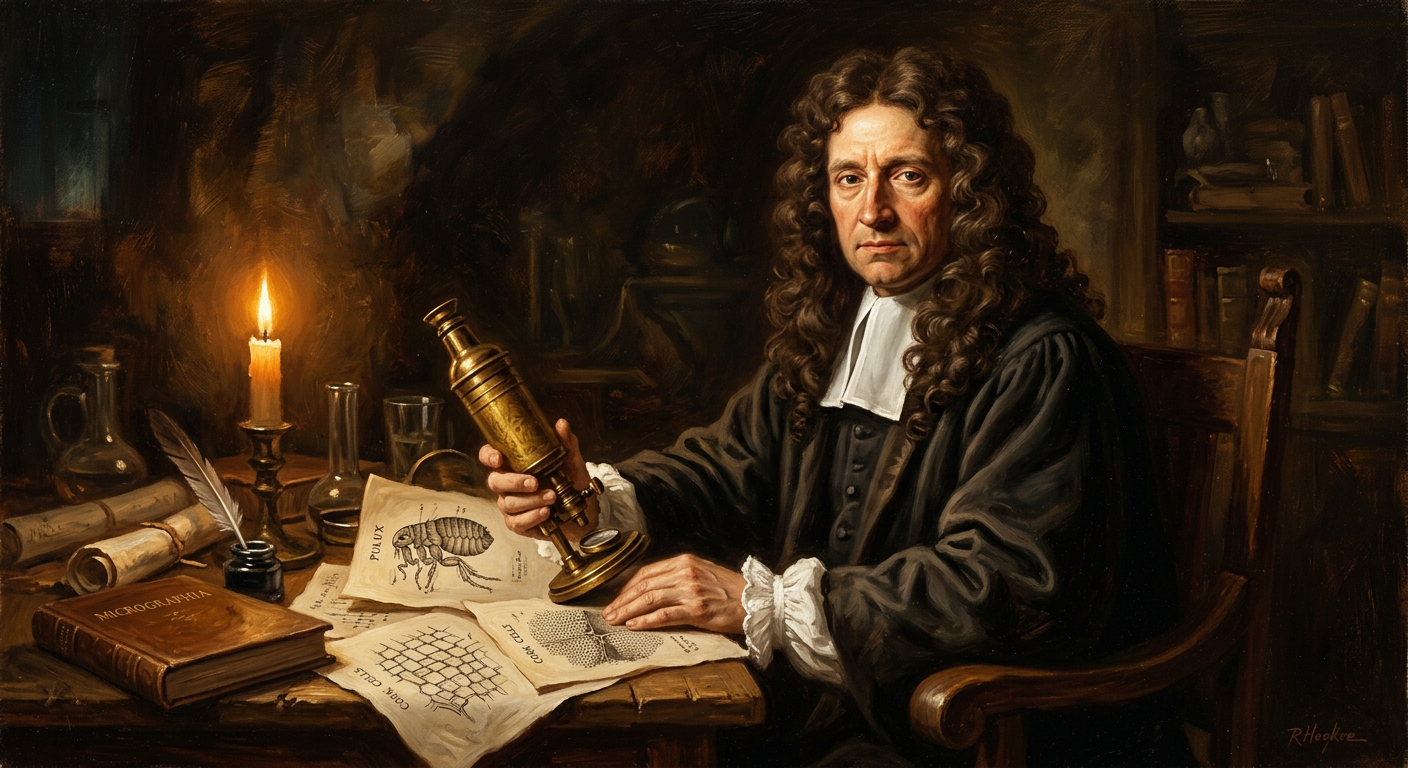
Robert Hooke
1635–1703 · Biologist and Physicist
Coined the word "cell" after examining cork under a microscope and formulated Hooke’s Law on springs.
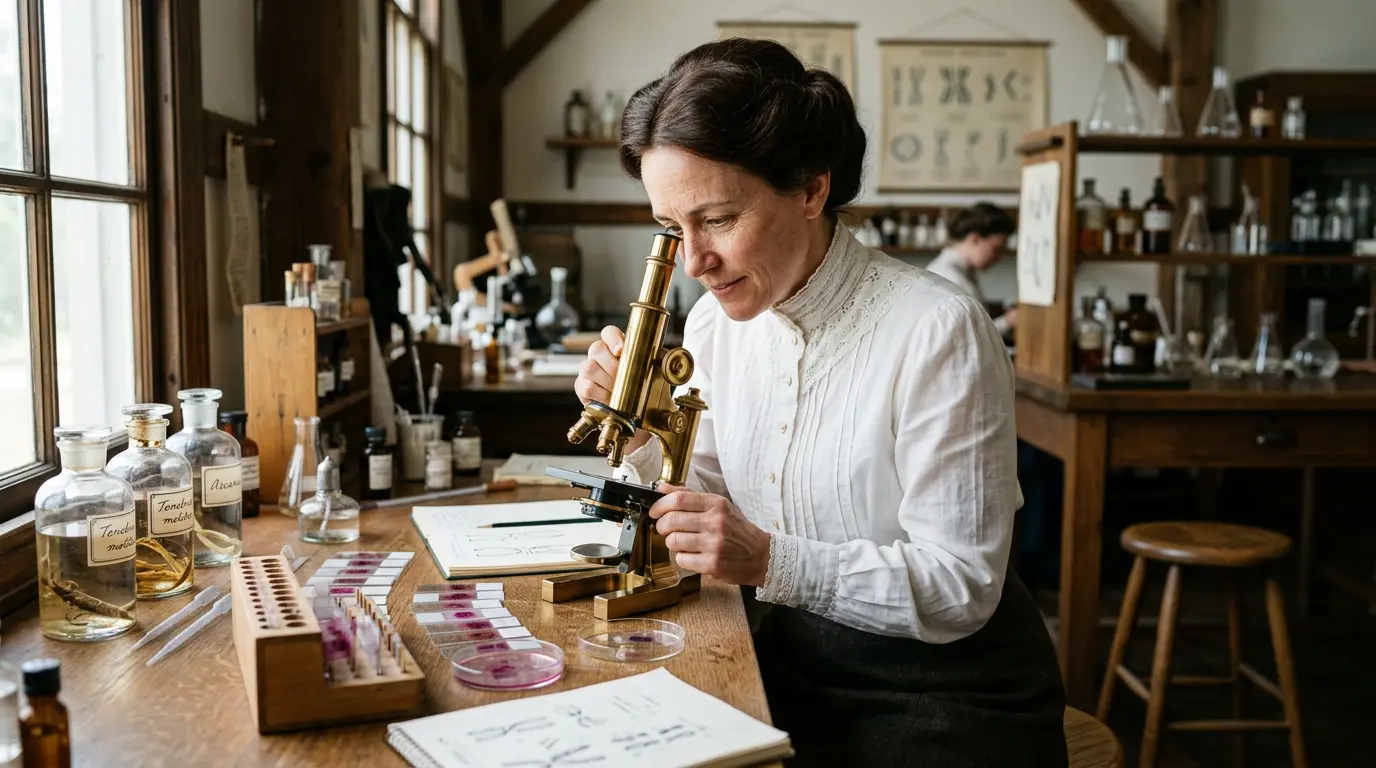
Nettie Maria Stevens
1861–1912 · Genetics and cytology
Showed through mealworm experiments how X and Y chromosomes are linked to biological sex determination.
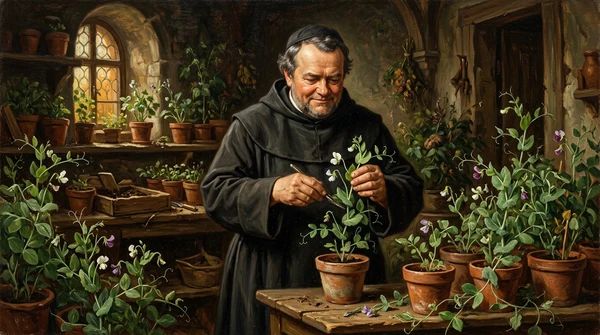
Gregor Mendel
1822–1884 · Biologist & Augustinian Friar
Discovered the fundamental laws of genetic inheritance by studying pea plants.