_(2).jpg)
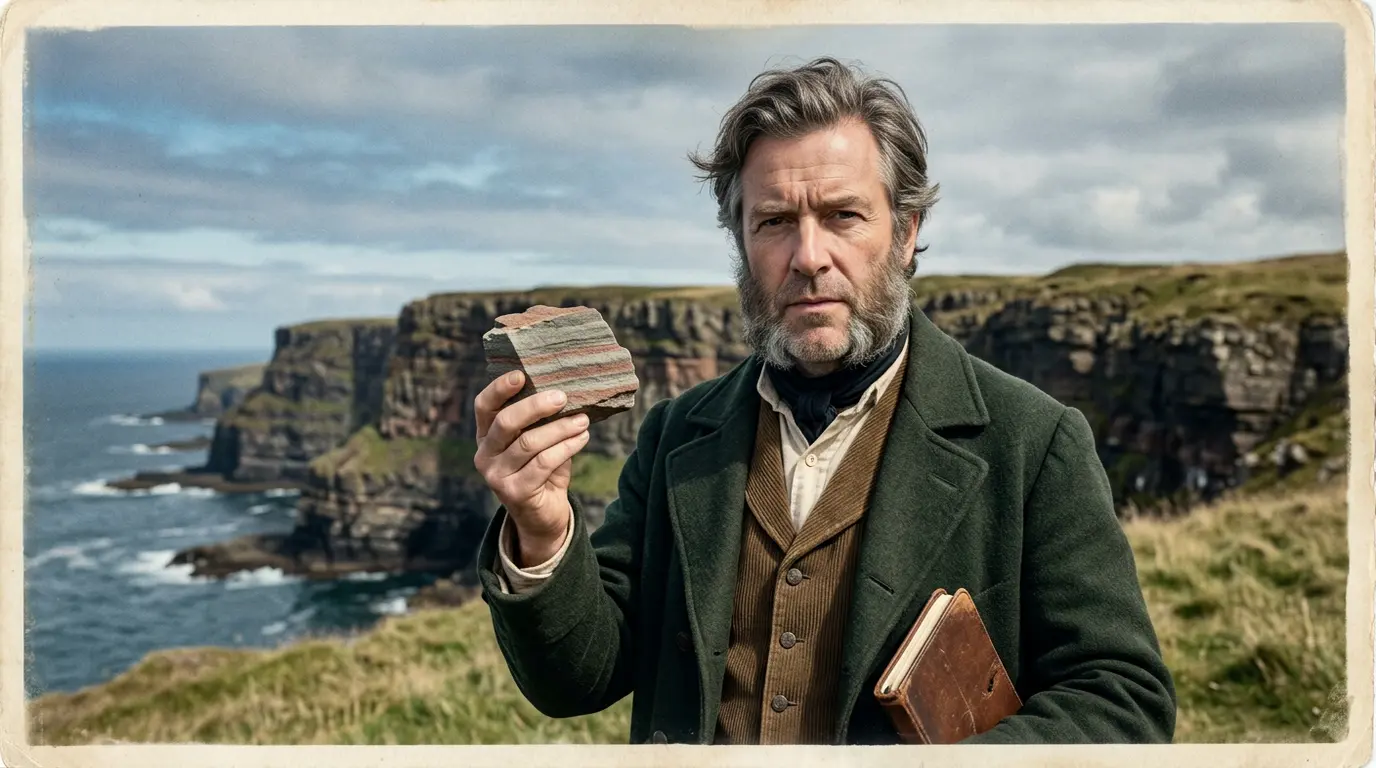
Charles Lyell
1797–1875 · Geology and deep time
Charles Lyell showed how everyday geological processes can reshape landscapes over vast periods, influencing modern geology and Charles Darwin.
Why is this scientist famous?
Charles Lyell made geological explanations based on processes still observable today influential through his three-volume Principles of Geology.
Geologists still study erosion, deposition, volcanoes and slow crustal change to reconstruct Earth’s history; Lyell’s strict assumptions were later refined.
Charles's story
A lawyer who studied rocks
Charles Lyell was born at Kinnordy in Scotland on 14 November 1797. He studied at Oxford and trained in law, but natural history increasingly occupied his attention. As he travelled, he examined cliffs, fossils and layers of rock, asking what processes had made them. His interest developed in a scientific world where some thinkers favoured sudden catastrophes and others examined changes that happen continuously. Lyell wanted geological explanations that could be tested against what people see happening today.
Small changes across enormous time
Rivers wear away valleys, waves reshape coastlines and sediments settle in layers. Lyell argued that these familiar processes could explain many ancient rock formations if allowed enough time. His approach popularised the principle that present-day causes help scientists interpret the geological past. He did not invent this way of thinking: James Hutton and other earlier geologists had developed important foundations. Nor was Lyell right about everything. Modern geology also recognises enormous impacts, sudden eruptions and other abrupt events.
A book that travelled around the world
The three volumes of Principles of Geology appeared from 1830 to 1833. Lyell gathered examples from field visits and earlier observations, helping readers picture an Earth far older than human history. Charles Darwin read Lyell’s work during his voyage on HMS Beagle and used its long time-scale as he considered how organisms and landscapes change. Darwin did not simply copy Lyell’s ideas: for instance, they initially disagreed about the formation of coral reefs and later about species change.
Friendship and disagreement with Darwin
Lyell became one of Darwin’s most influential scientific colleagues. He also helped arrange the 1858 presentation of Darwin’s and Alfred Russel Wallace’s independently developed ideas on natural selection, working with Joseph Dalton Hooker. Lyell had long resisted the claim that species could transform through time, and he came to accept parts of Darwin’s explanation only gradually. Their relationship shows how scientific friendship can include serious debate rather than automatic agreement.
A lasting way to read the landscape
Lyell served briefly as a geology professor at King’s College London and received the Royal Society’s Copley Medal in 1858. His 1863 book The Geological Evidences of the Antiquity of Man discussed evidence concerning human antiquity. He died in London on 22 February 1875. His influence was not that every geological event is slow. It was a habit of connecting rock records to observable processes, comparing many kinds of evidence and allowing the Earth an immense history.
What did they discover?
Observable geological causes
Showed how erosion, sedimentation and other familiar processes illuminate ancient landscapes.
Principles of Geology
Brought a coherent, observation-led explanation of geological change to a large readership.
Deep geological time
Helped popularise an Earth history extensive enough for slow processes to have large effects.
Influence on evolutionary science
Helped Darwin and others appreciate the immense time available for biological change.
Amazing facts
Lyell originally trained for the law before geology became his main career.
He was elected a Fellow of the Royal Society in 1826.
The first of three Principles of Geology volumes appeared in 1830.
Darwin studied his geology book while travelling aboard HMS Beagle.
Lyell taught geology at King’s College London in the early 1830s.
He helped Joseph Dalton Hooker arrange the 1858 Darwin–Wallace natural-selection presentation.
His 1863 Antiquity of Man examined evidence for a long human past.
He received the Royal Society’s Copley Medal in 1858.
Timeline
Born at Kinnordy, Scotland.
Elected a Fellow of the Royal Society.
Published the first volume of Principles of Geology.
Completed the three-volume Principles of Geology.
Helped arrange presentation of Darwin’s and Wallace’s ideas; received the Copley Medal.
Published The Geological Evidences of the Antiquity of Man.
Died in London.
Awards & honours
Related Super Scientists
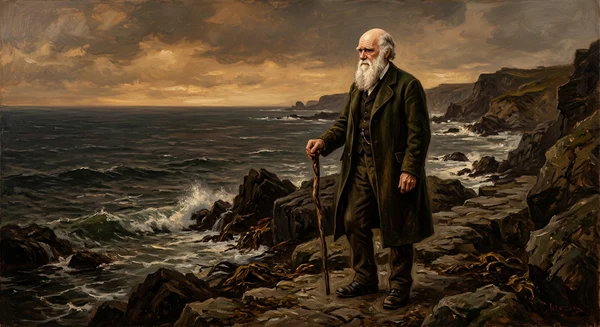
Charles Darwin
1809–1882 · Naturalist & Biologist
Proposing the theory of evolution by natural selection.
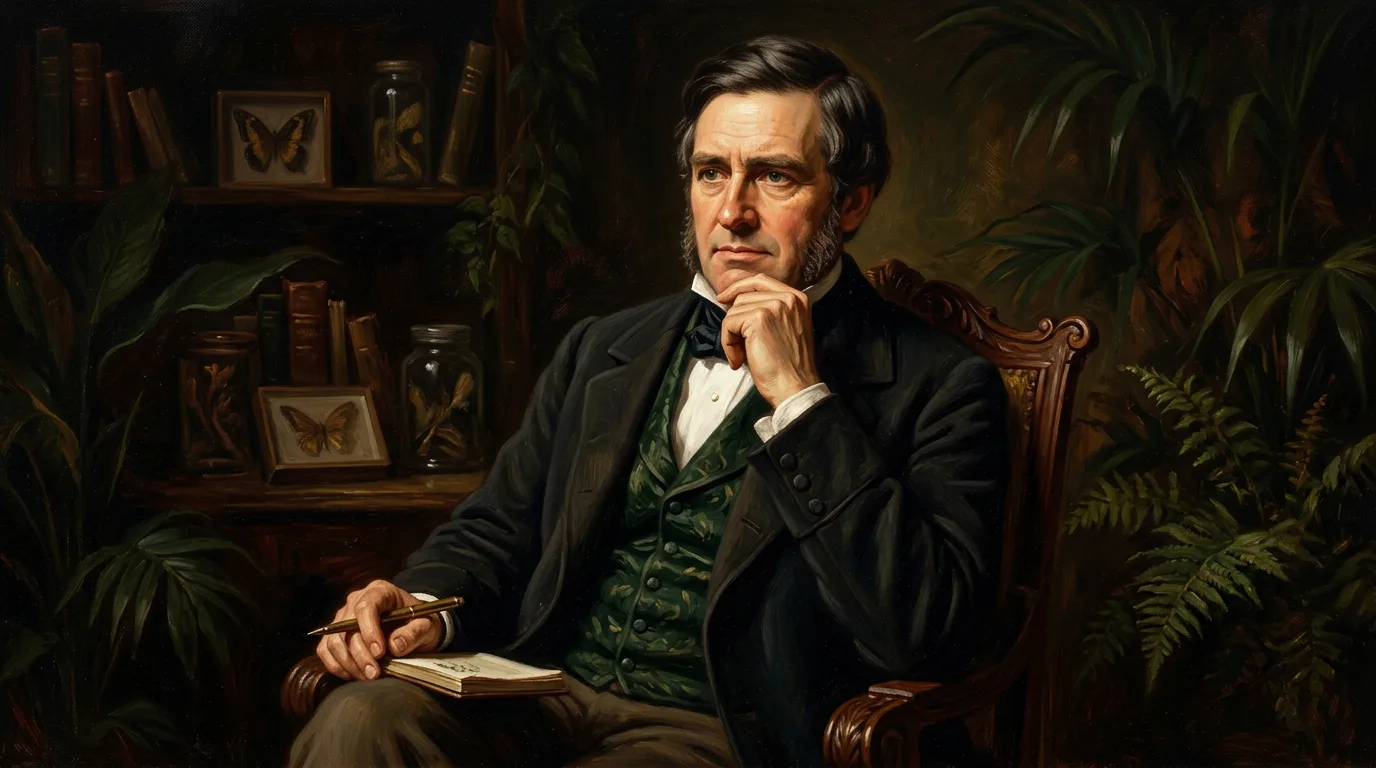
Alfred Russel Wallace
1823–1913 · Naturalist, Explorer & Biogeographer
Independently developing the theory of evolution by natural selection, carrying out major fieldwork in the Amazon and Malay Archipelago, and helping establish biogeography through studies including the boundary now called Wallace's Line.
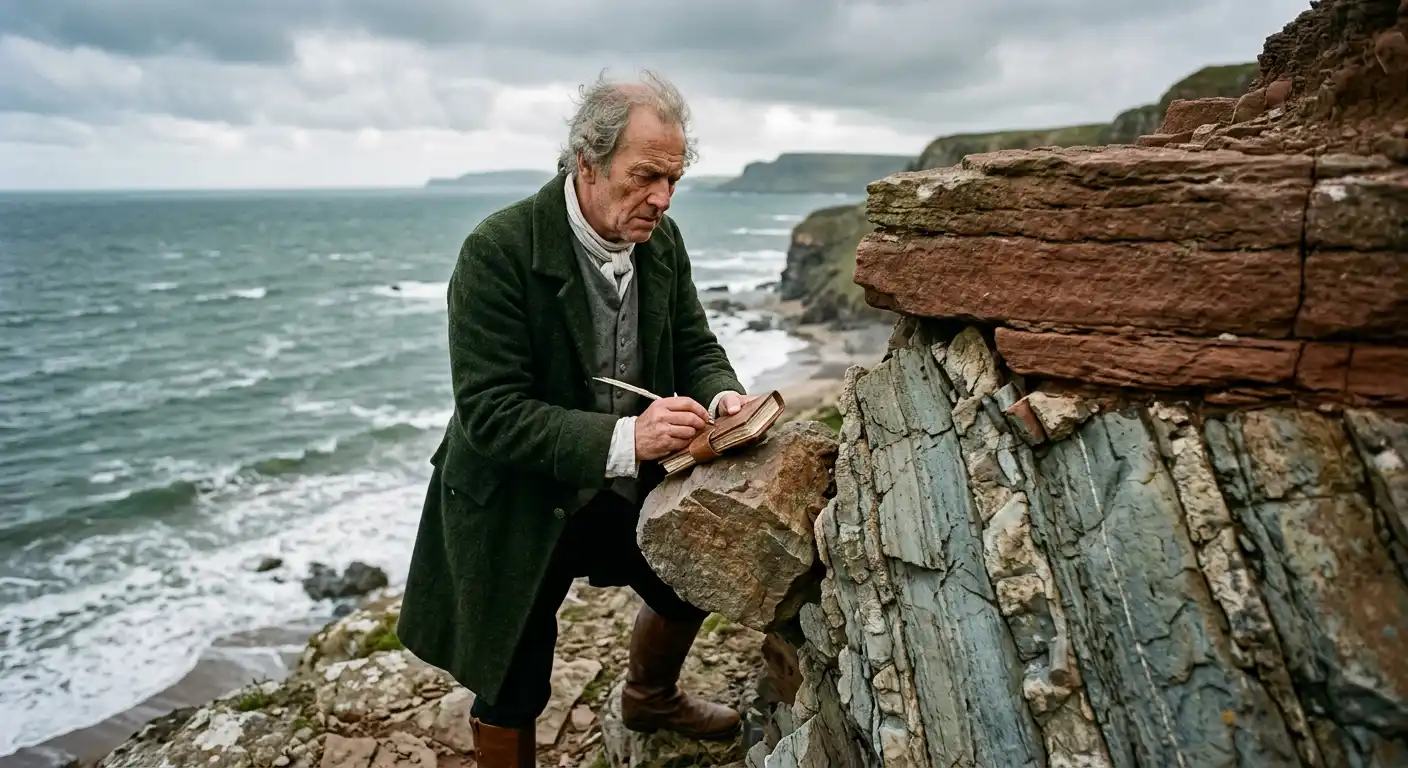
James Hutton
1726–1797 · Geology
Helped establish the concept of deep time — that Earth's geological history extends far beyond ordinary human experience.