_(2).jpg)
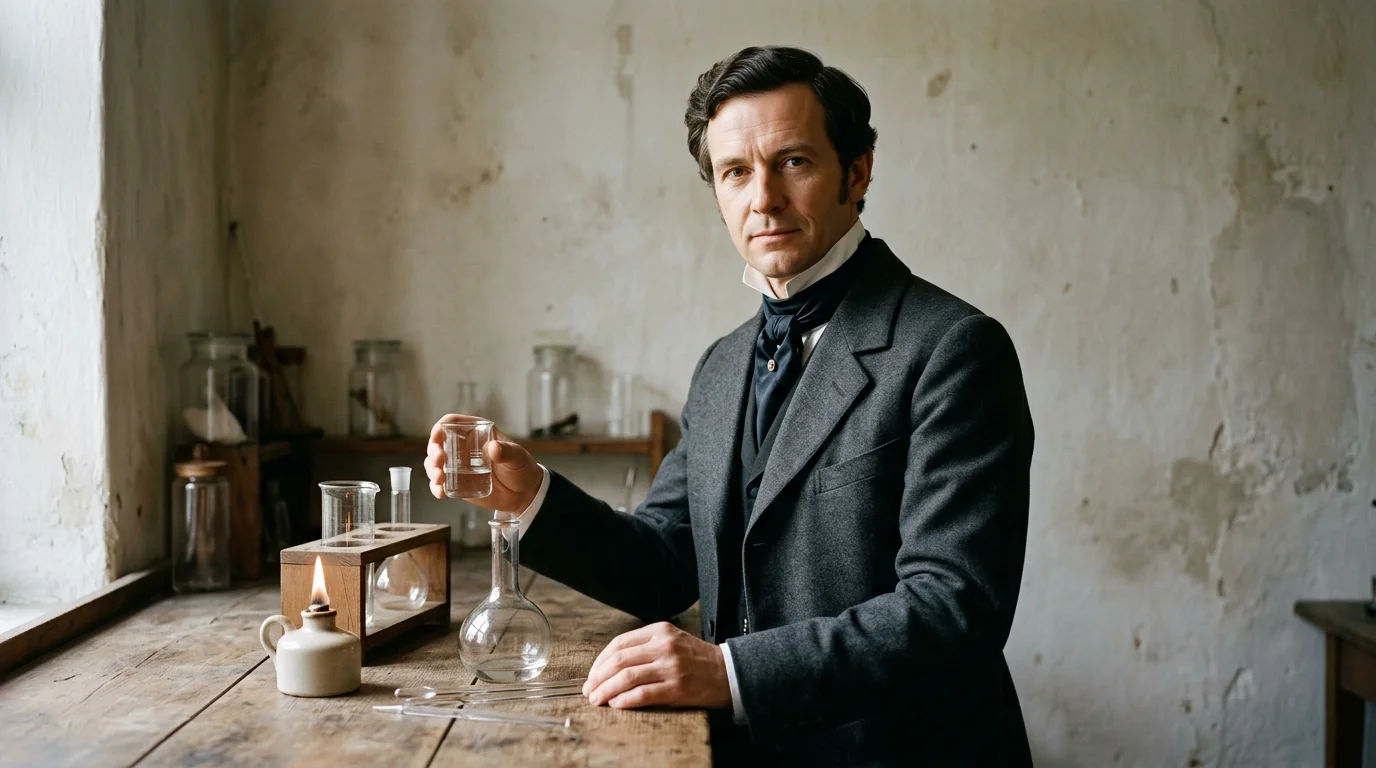
Theodor Schwann
1810–1882 · Cell theory, physiology and digestion
Theodor Schwann connected cells in animals and plants, helped establish cell theory, and investigated digestion and living yeast through careful experiments.
Why is this scientist famous?
Theodor Schwann extended cell theory to animals, studied pepsin and yeast fermentation, and helped explain the shared cellular structure of living things.
Cell theory links plant and animal biology, while pepsin remains central to teaching how enzymes digest food.
Theodor's story
A young experimenter
Theodor Schwann was born in Neuss, a town in what is now Germany, on 7 December 1810. He studied at Bonn and Würzburg before completing medical studies in Berlin in 1834. The influential physiologist Johannes Müller encouraged his experimental work. Schwann became Müller’s assistant, studying how the body works through practical investigations. His interests ranged from digestion to the microscopic structure of tissues.
What makes food break down?
Researchers knew that stomach juices could digest food but did not yet understand all the chemicals involved. In the 1830s Schwann investigated substances extracted from the lining of the stomach. He identified an important digestive agent and gave it the name pepsin in 1836. Pepsin is an enzyme that helps break down proteins in food. This made his work an early milestone in understanding digestion chemically.
Are plants and animals built alike?
Schwann discussed microscopic plant observations with the botanist Matthias Schleiden. He compared cells across many animal tissues with those found in plants. In his 1839 book, he argued that cells provide a common structural basis for plant and animal life. Other scientists had observed cells long before him, so this was a powerful synthesis rather than the first sighting of a cell. Some of the early claims about how cells originated were subsequently corrected.
Yeast and the question of life
Schwann also studied fermentation, the process through which yeast can transform sugars. He argued that yeast was a living organism and that its activity explained alcoholic fermentation. This challenged claims that fermentation was simply a chemical decomposition. His experiments did not settle every debate at the time, but they helped direct researchers toward the role of microorganisms. Decades later, microbiology built on this broader shift.
The lasting role of cells
Schwann taught anatomy at the Catholic University of Leuven in Belgium from 1839 and later worked at Liège from 1848. He also studied the insulating sheath surrounding some nerve fibres, and Schwann cells are now named after him. He died in Cologne, Germany, on 11 January 1882. The idea that animals and plants share cellular organisation remains basic to biology. His story reminds us that a scientist can connect separate discoveries into a far-reaching explanation.
What did they discover?
Animal cells and cell theory
He extended the cellular view of living structure to animal tissues and set out his synthesis in 1839.
Pepsin and digestion
In 1836 he identified the stomach enzyme pepsin, showing that digestion involves specific substances.
Yeast is living
His experiments supported the view that living yeast organisms carry out alcoholic fermentation.
Nerve tissue
His work on nerve coverings contributed to the terminology of Schwann cells in the peripheral nervous system.
Amazing facts
Schwann learned experimental physiology from the prominent scientist Johannes Müller.
He completed his medical studies in Berlin in 1834.
His experiments led him to give the digestive substance pepsin its name in 1836.
He argued that fermentation depends on the activity of living yeast.
He compared animal tissues with plant cells discussed by Matthias Schleiden.
His major cell-theory book appeared in German in 1839.
The supportive cells that form myelin around many peripheral nerve fibres bear his name.
He spent much of his later career teaching at universities in Belgium.
Timeline
Born in Neuss, now in Germany.
Completed medical training in Berlin.
Identified and named the digestive enzyme pepsin.
Investigated yeast and alcoholic fermentation.
Published his major book on cellular structure in animals and plants.
Became professor at the Catholic University of Leuven.
Moved to a professorship at Liège.
Died while visiting family in Cologne, Germany.
Awards & honours
Related Super Scientists
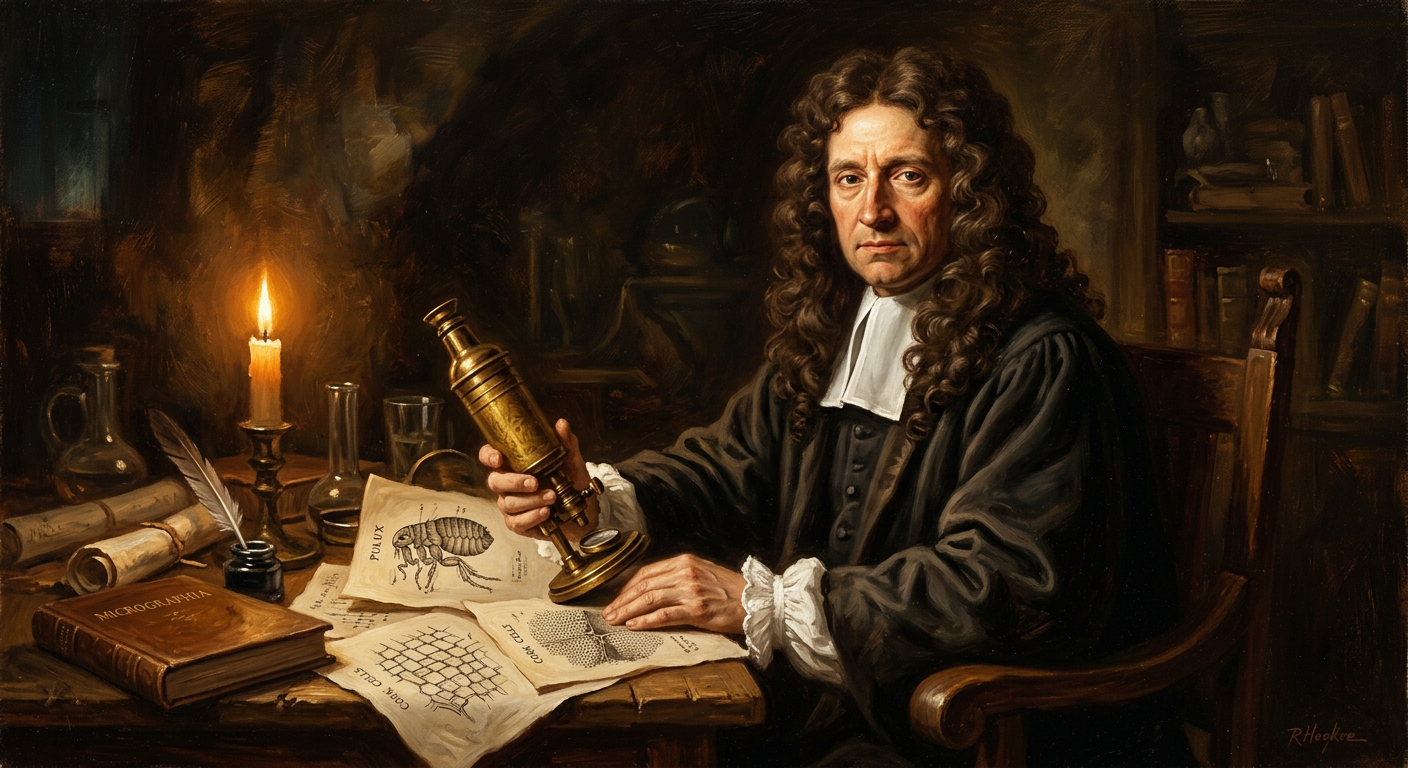
Robert Hooke
1635–1703 · Biologist and Physicist
Coined the word "cell" after examining cork under a microscope and formulated Hooke’s Law on springs.
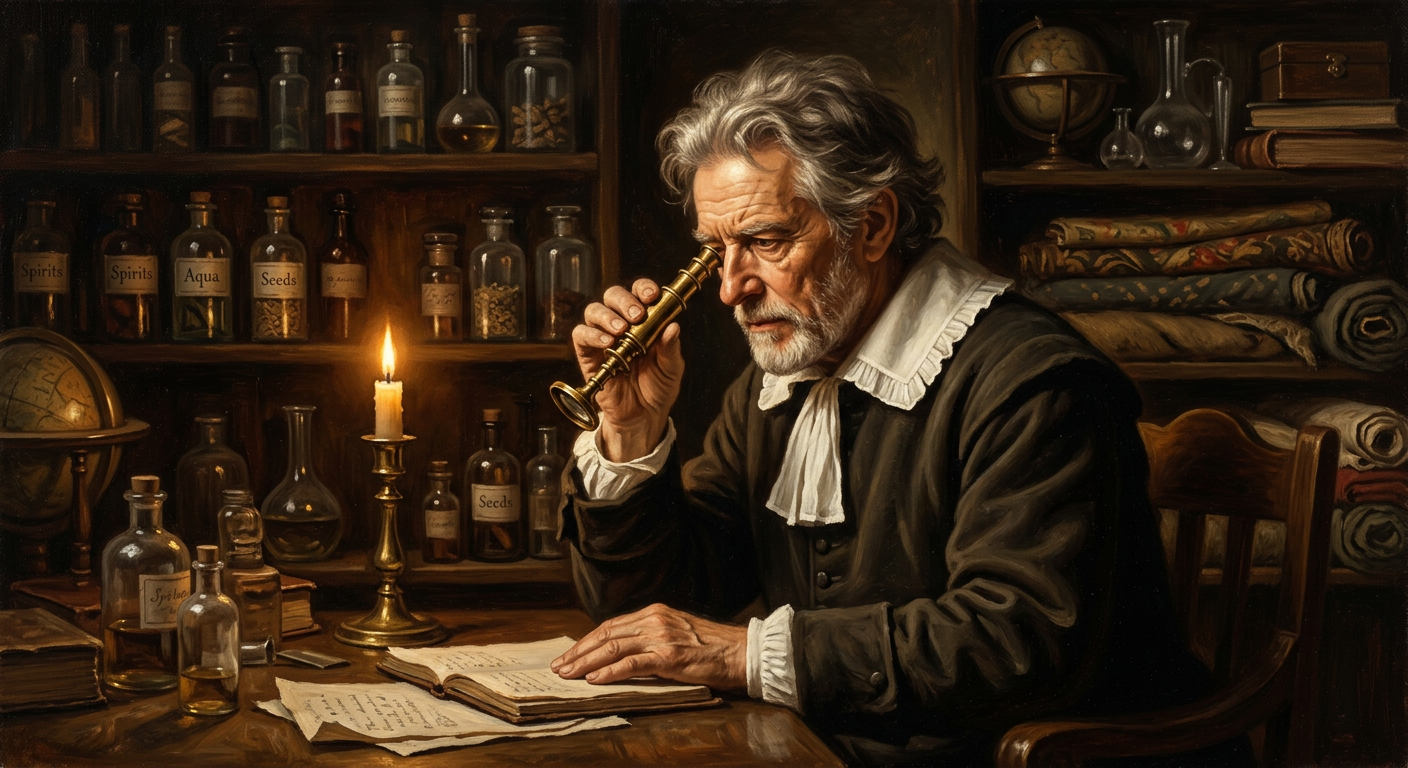
Antonie van Leeuwenhoek
1632–1723 · Biologist
First person to see and describe microorganisms — tiny living creatures invisible to the naked eye.