_(2).jpg)
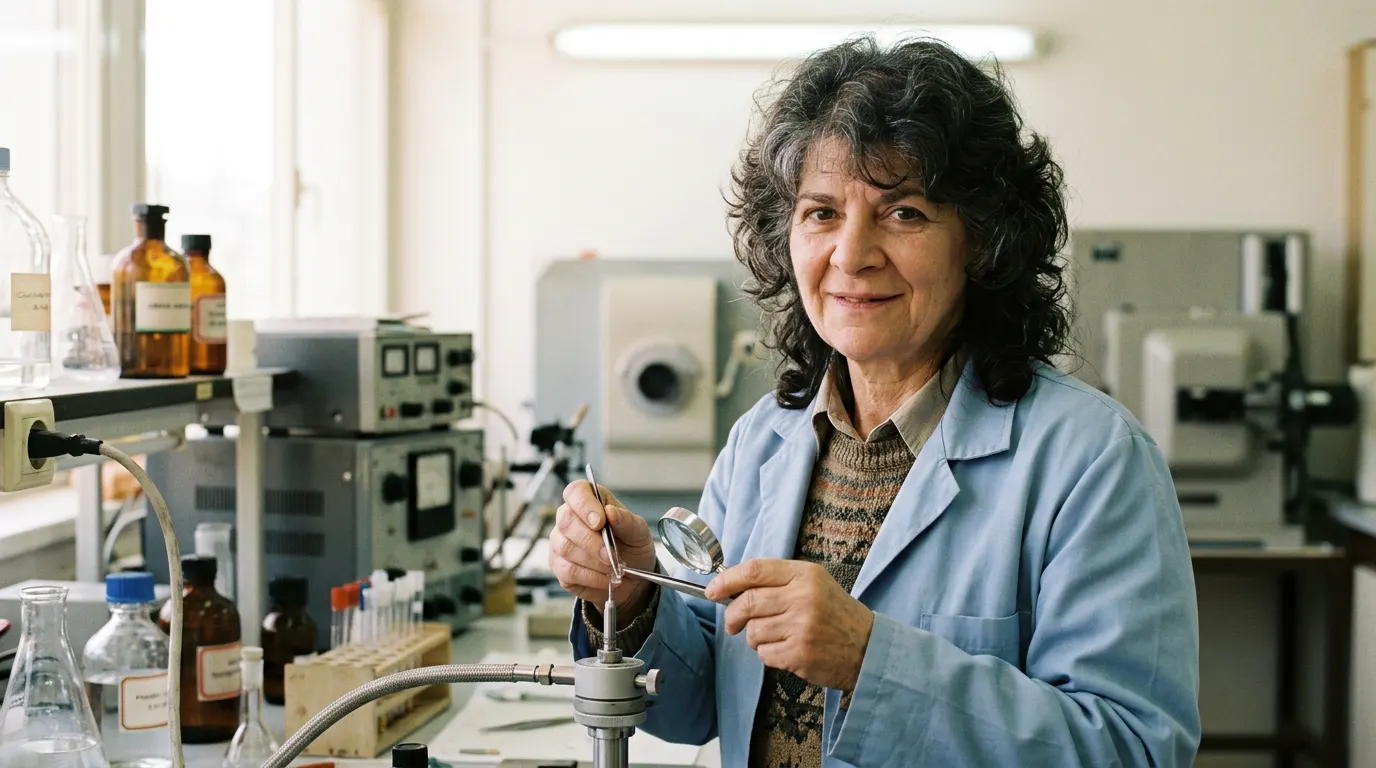
Ada E. Yonath
1939–2026 · Structural biology and crystallography
Ada Yonath pioneered ribosome crystallography, revealing how cells build proteins and how many antibiotics act on the ribosome.
“My mother said I was always asking, ‘Why is that red?’ and ‘Why do we have winter?’ and ‘Why is this liquid more viscous?’”
Why is this scientist famous?
Pioneered ribosome crystallography and helped reveal the atomic structure and function of the ribosome, work recognised by the 2009 Nobel Prize in Chemistry.
Detailed ribosome structures help researchers understand protein production, antibiotic action and resistance, guiding work on better antibacterial medicines.
Ada's story
Curiosity in Jerusalem
Ada E. Yonath was born in Jerusalem on 22 June 1939 and grew up in a family with very limited money. Her father died when she was eleven, and she helped support the household while continuing her education. She studied chemistry at the Hebrew University of Jerusalem, earning a bachelor’s degree in 1962 and a master’s degree in biochemistry in 1964. She then moved to the Weizmann Institute of Science, where she completed a doctorate in X-ray crystallography in 1968.
A problem many thought was impossible
In the late 1970s Yonath chose one of structural biology’s hardest targets: the ribosome, the enormous molecular machine that reads genetic instructions and builds proteins. Ribosomes were large, flexible and difficult to crystallise in a form suitable for X-ray analysis. Yonath persisted for years, developing crystallisation approaches and cryogenic methods that helped protect fragile crystals from radiation damage. Her laboratory work made it possible to obtain increasingly detailed views of ribosomal structure.
Seeing the protein factory
Yonath and other research teams eventually produced high-resolution structures of the ribosome’s subunits. The work revealed how the ribosome carries out key stages of protein synthesis and gave scientists a structural view of a process central to every living cell. Her research also showed how many antibiotics bind to bacterial ribosomes and block their function. This helped explain both drug selectivity and some mechanisms of antibiotic resistance.
Nobel recognition and continued research
Yonath shared the 2009 Nobel Prize in Chemistry with Venkatraman Ramakrishnan and Thomas A. Steitz for studies of the structure and function of the ribosome. She had already received major honours including the Israel Prize and the Wolf Prize in Chemistry. At the Weizmann Institute she continued research on ribosome function, antibiotics and the origins of translation. She died on 31 August 2026, leaving a major legacy in structural biology and medicinal chemistry.
What did they discover?
Ribosome crystallography
Yonath pioneered methods for growing and stabilising ribosome crystals so that their structures could be studied by X-ray crystallography.
Atomic structure of the ribosome
Her work helped reveal the architecture of ribosomal subunits and how this molecular machine carries out protein synthesis.
How antibiotics target ribosomes
Structural studies from her group showed where many antibiotics bind to bacterial ribosomes, improving understanding of drug action and resistance.
Amazing facts
She grew up in a crowded, low-income household in Jerusalem and worked at tasks including tutoring and cleaning while continuing school.
At age five she broke her arm during an improvised attempt to measure the height of her family’s balcony.
She earned chemistry and biochemistry degrees at the Hebrew University before completing a doctorate at the Weizmann Institute.
She established Israel’s first protein-crystallography laboratory at the Weizmann Institute around 1970.
Her ribosome project was widely regarded as extremely difficult because the ribosome is very large, flexible and fragile.
She helped advance cryogenic approaches that reduced radiation damage to biological crystals during X-ray measurements.
She became the first Israeli woman to receive a Nobel Prize when she shared the 2009 Chemistry award.
Her later work continued to connect basic ribosome science with the challenge of antibiotic resistance.
Timeline
Born in Jerusalem.
Earns a bachelor’s degree in chemistry from the Hebrew University of Jerusalem.
Earns a master’s degree in biochemistry.
Completes a doctorate in X-ray crystallography at the Weizmann Institute of Science.
Establishes Israel’s first protein-crystallography laboratory at the Weizmann Institute.
Begins heading a Max Planck research unit in Hamburg alongside her Weizmann work.
Receives the Israel Prize in Chemistry.
Receives the Wolf Prize in Chemistry.
Shares the Nobel Prize in Chemistry for studies of the structure and function of the ribosome.
Dies aged 87.
Awards & honours
Related Super Scientists
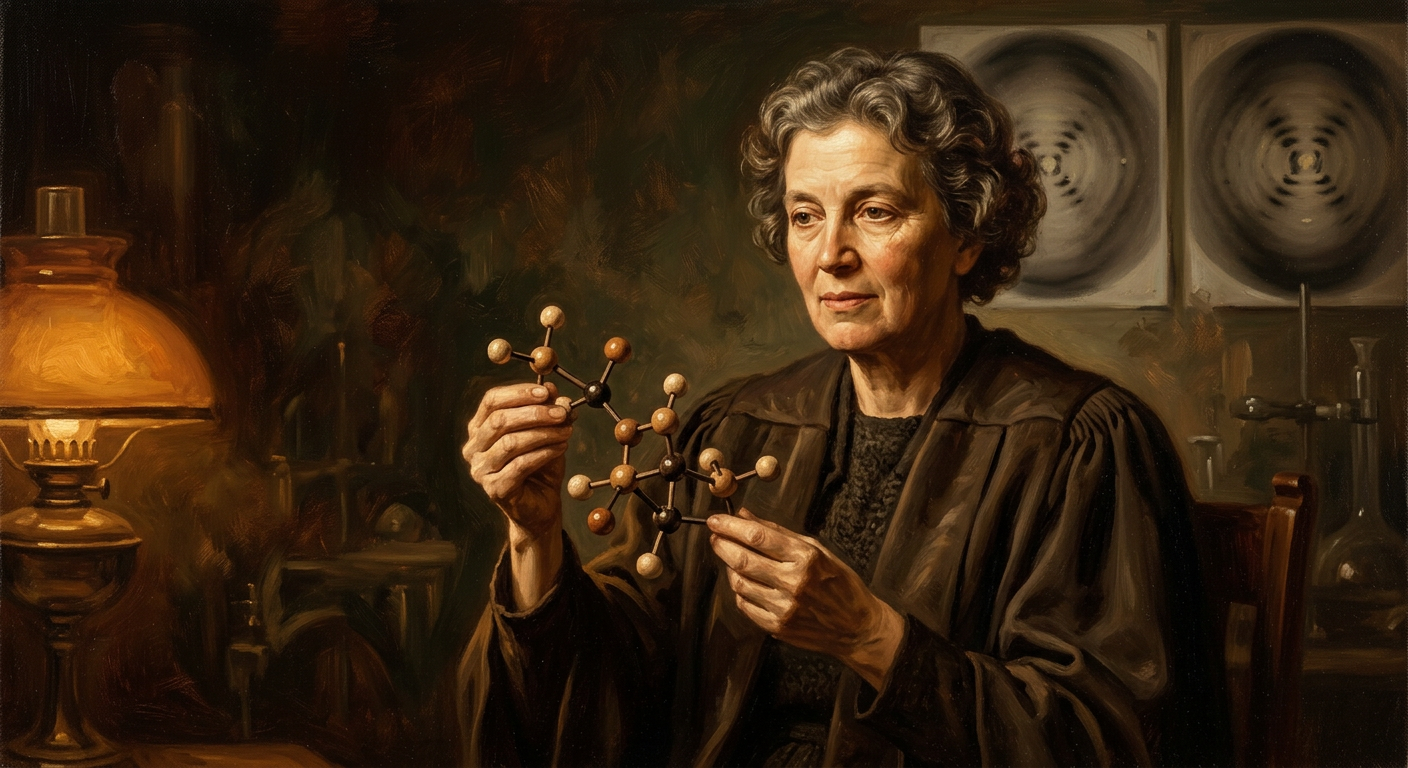
Dorothy Hodgkin
1910–1994 · Chemist
Used X-ray crystallography to reveal the 3D structures of penicillin, vitamin B12, and insulin; won the 1964 Nobel Prize in Chemistry.
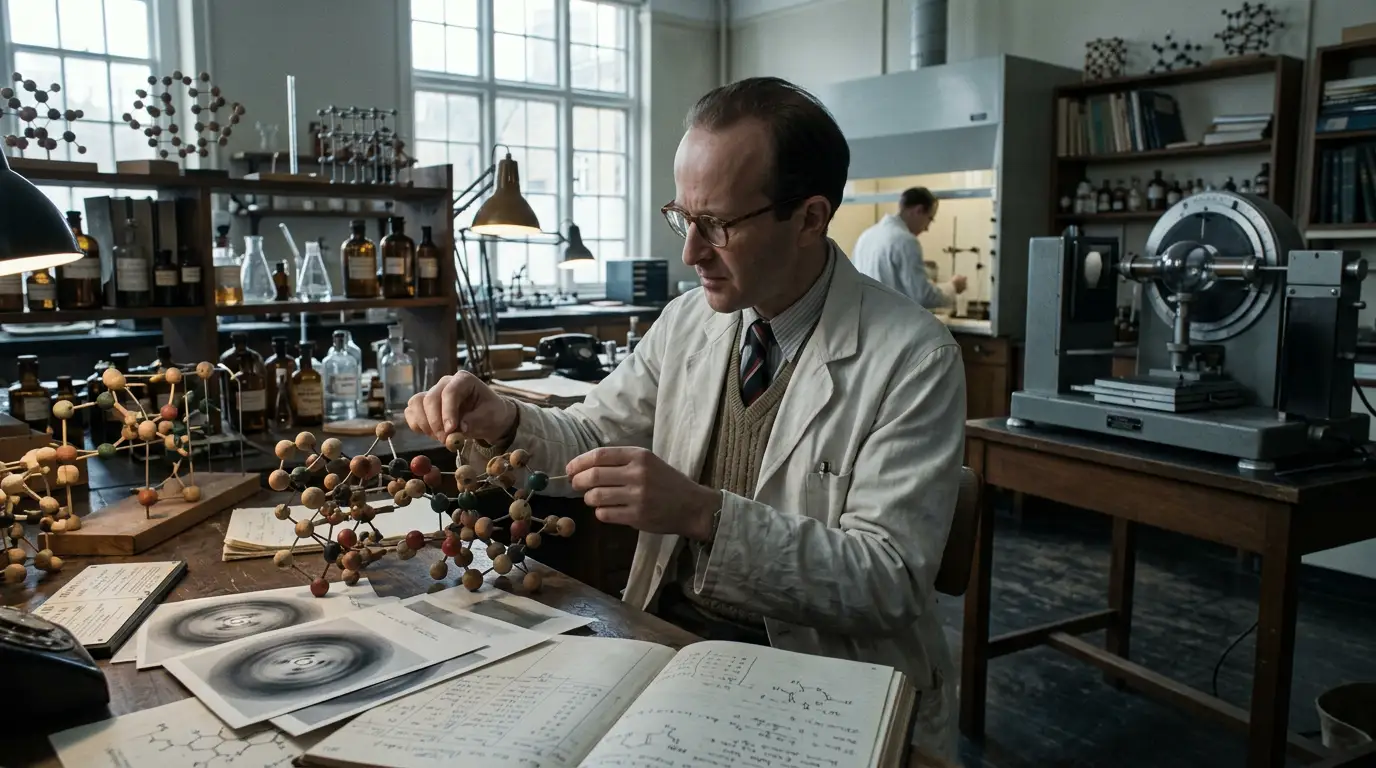
Max Perutz
1914–2002 · Molecular Biologist
Pioneering X-ray crystallographic studies of proteins, especially haemoglobin, and sharing the 1962 Nobel Prize in Chemistry with John Kendrew.
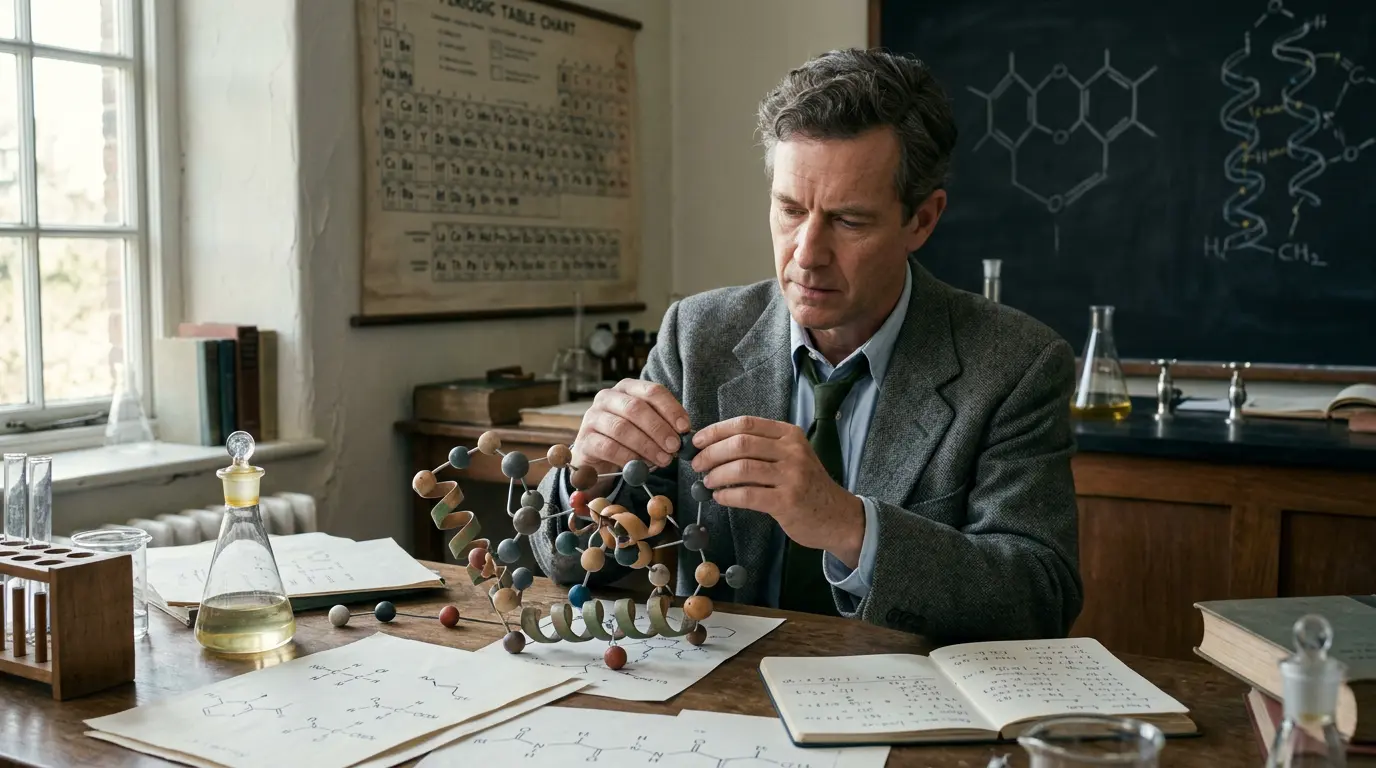
Linus Pauling
1901–1994 · Chemist
Transforming understanding of chemical bonding and molecular structure, major work on protein structure, and winning both the 1954 Nobel Prize in Chemistry and the 1962 Nobel Peace Prize.