Physics
Forces, energy, matter, and the fundamental laws of the universe — from the smallest particle to the largest galaxy.
61 scientists
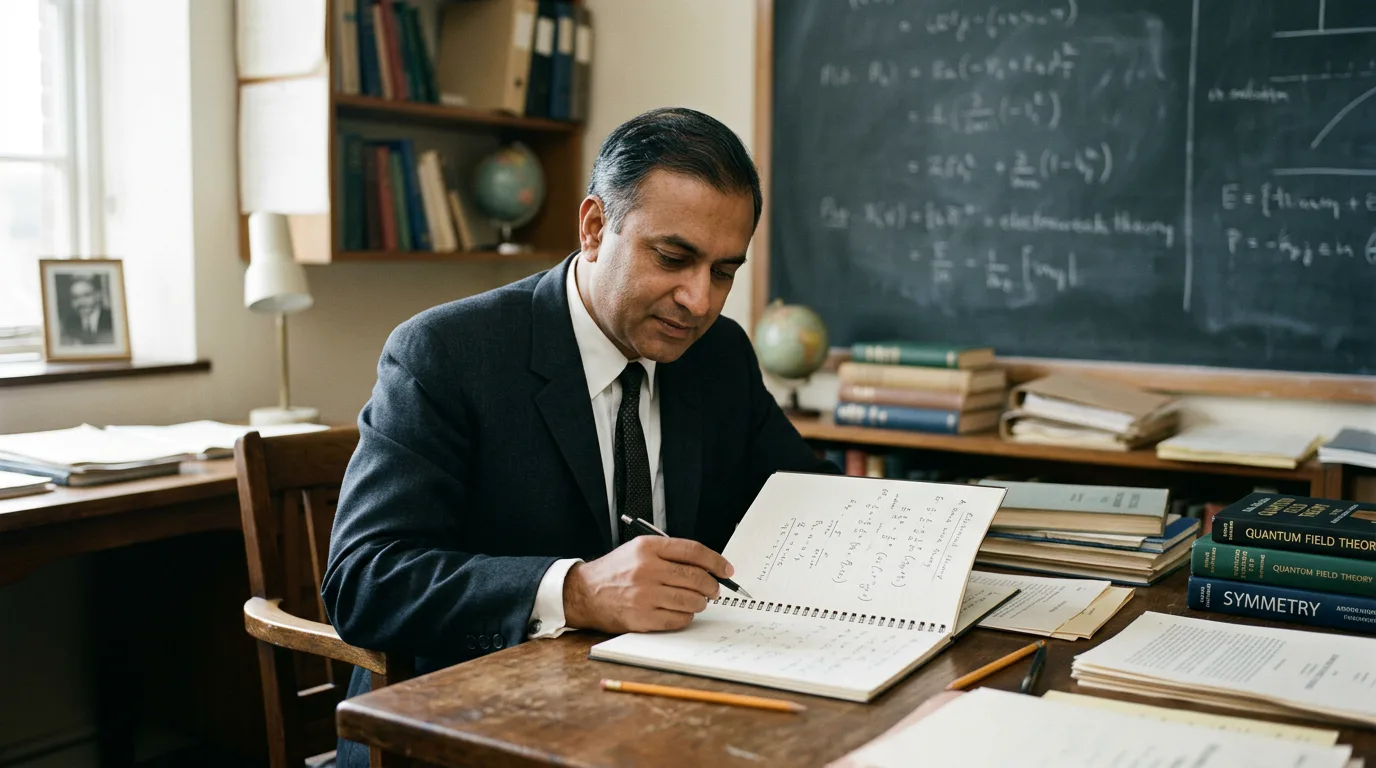
Abdus Salam
1926–1996 · Theoretical and particle physics
Helped develop electroweak theory, unifying the electromagnetic and weak nuclear interactions within one theoretical framework.
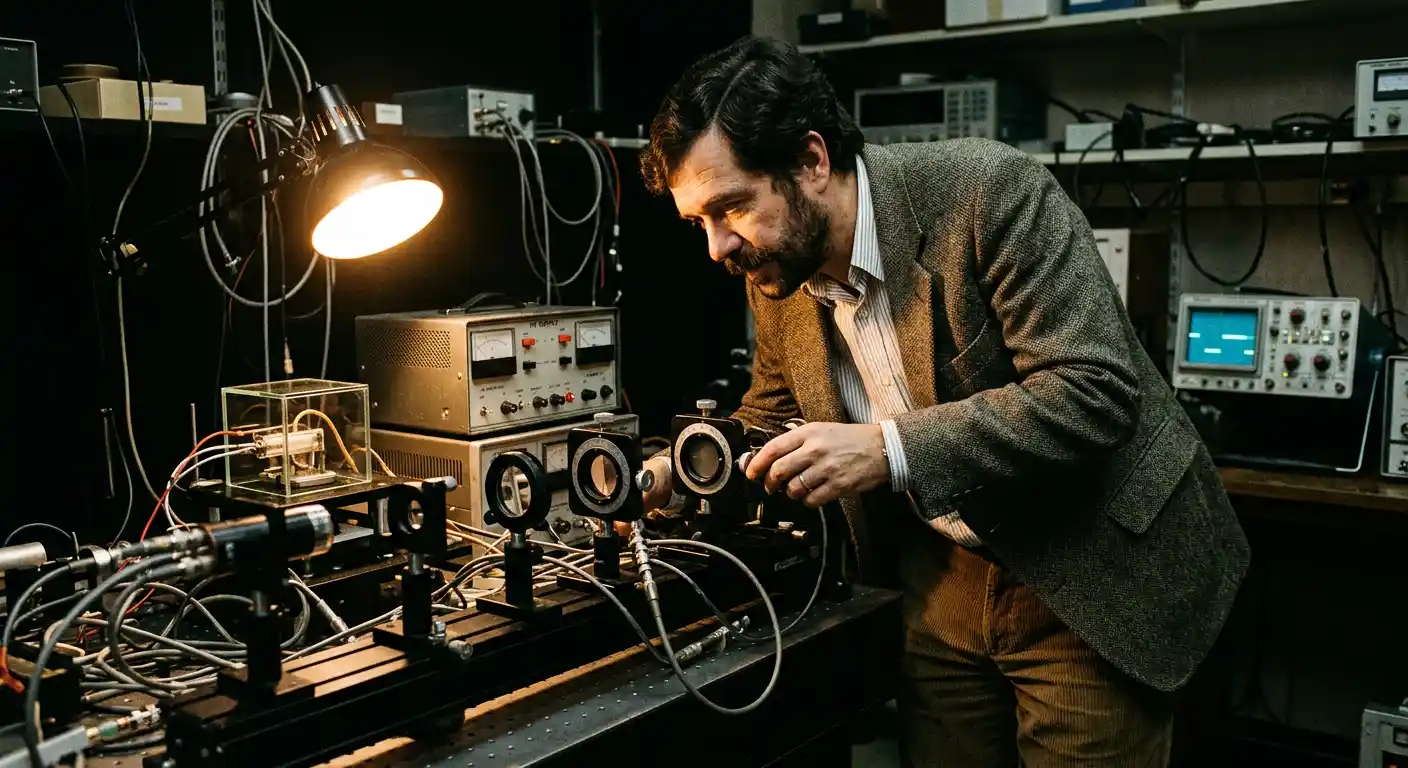
Alain Aspect
1947–present · Experimental quantum optics
His team's 1981–82 entangled-photon tests provided stronger evidence for quantum correlations and he shared the 2022 Nobel Prize in Physics.
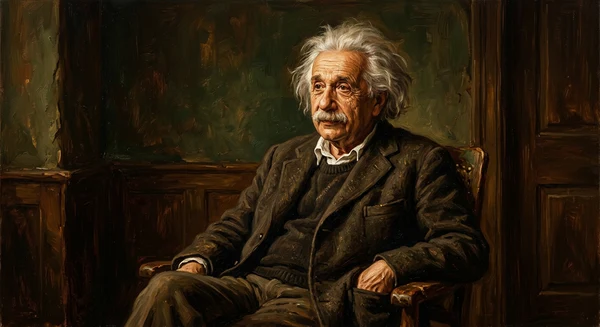
Albert Einstein
1879–1955 · Theoretical Physicist
Developing the theory of relativity and the equation E=mc².
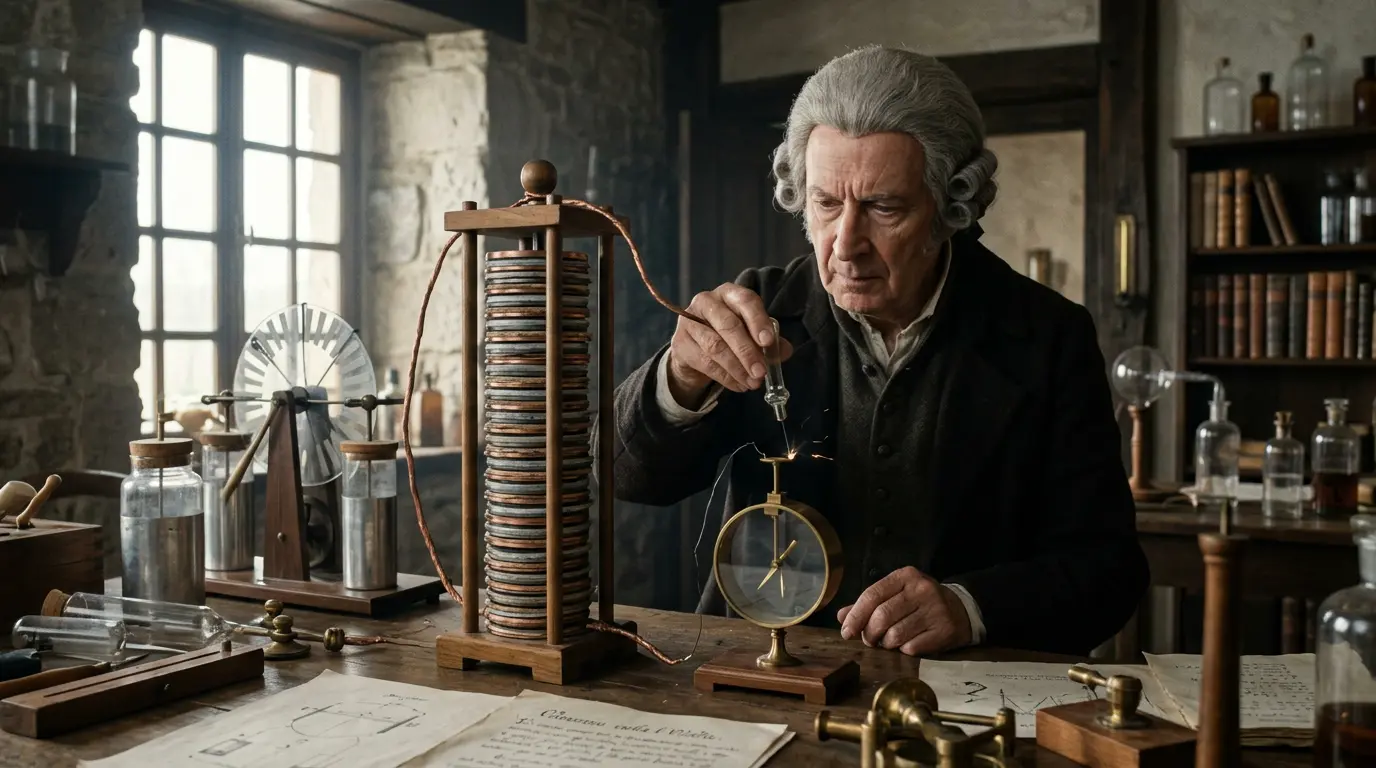
Alessandro Volta
1745–1827 · Physicist
Invented the voltaic pile in 1800, the first electric battery capable of producing a continuous current. The volt is named after him.
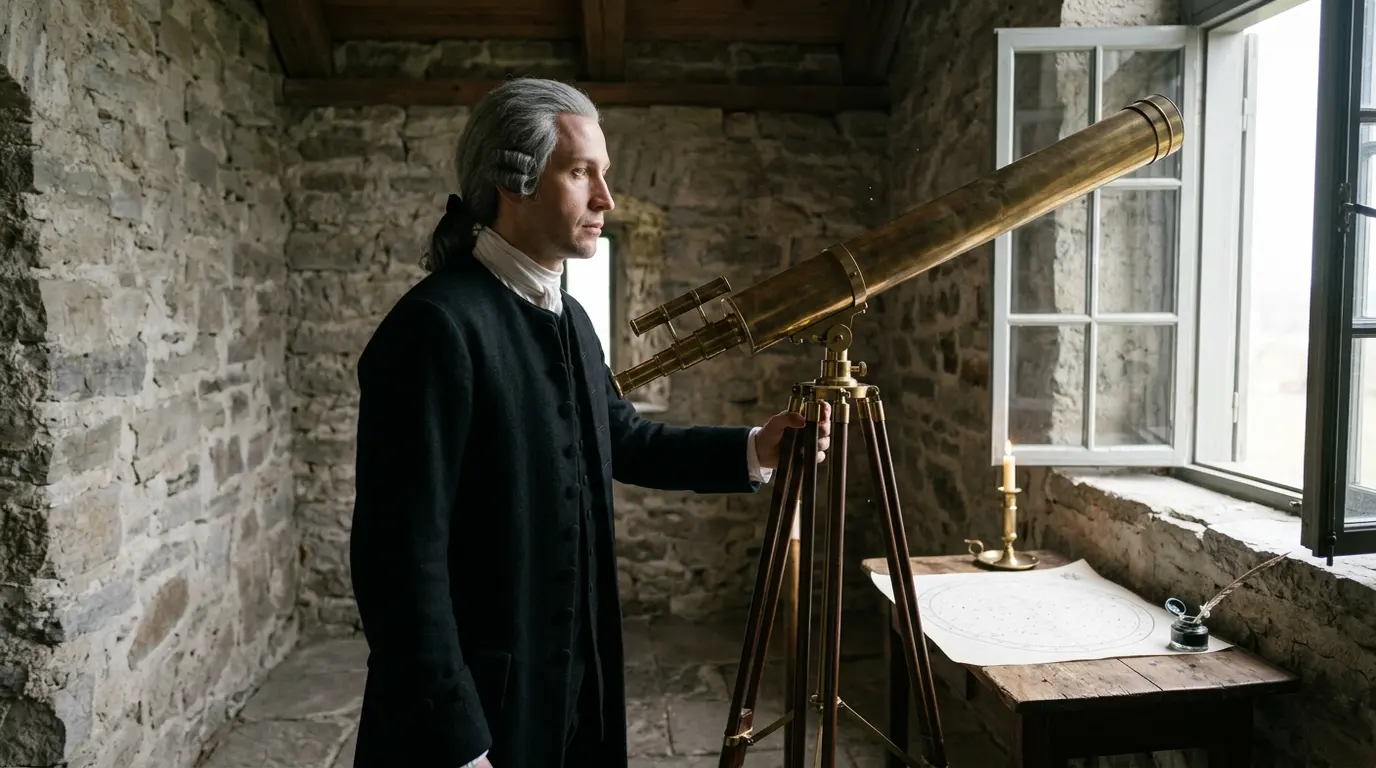
Anders Celsius
1701–1744 · Astronomer and Physicist
Proposed the centigrade temperature scale in 1742, later renamed Celsius in his honour.
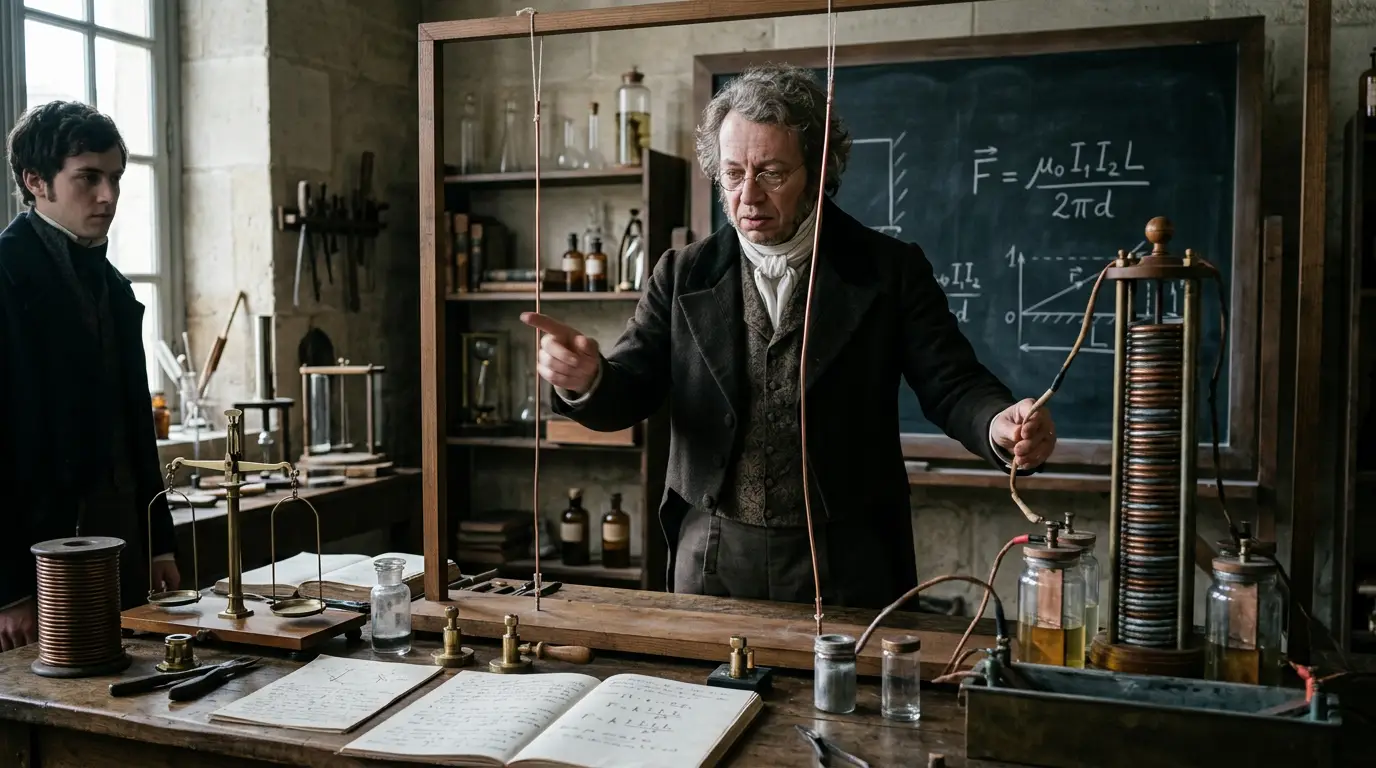
André-Marie Ampère
1775–1836 · Physicist and Mathematician
Foundational work on the relationship between electricity and magnetism. The SI unit of electric current, the ampere or amp (A), is named after him.

Boris Podolsky
1896–1966 · Theoretical physics
With Albert Einstein and Nathan Rosen, published the EPR paper that sharpened the question of quantum completeness and later inspired Bell's testable theorem.
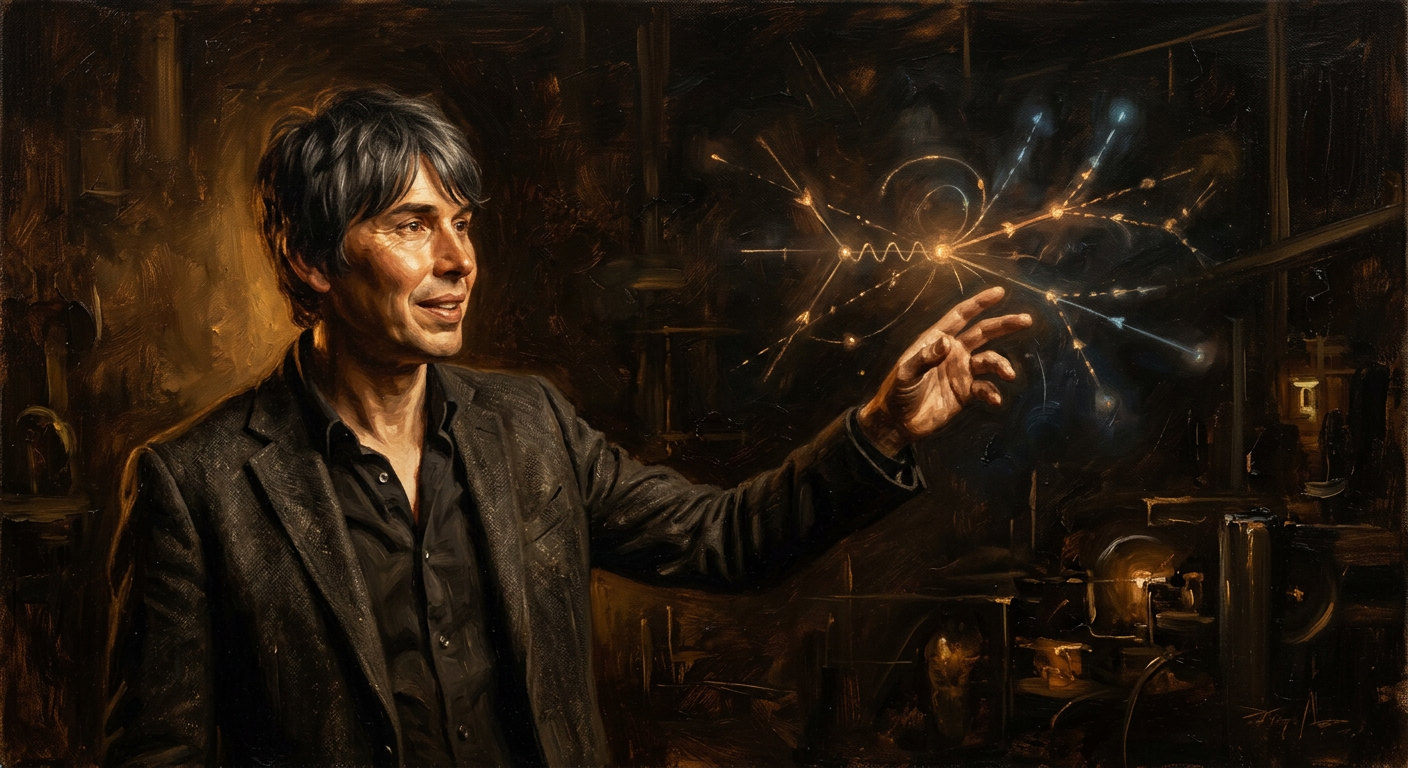
Brian Cox
1968–present · Particle Physicist
A particle physicist who became one of Britain’s best-loved science broadcasters, bringing physics to millions on television.
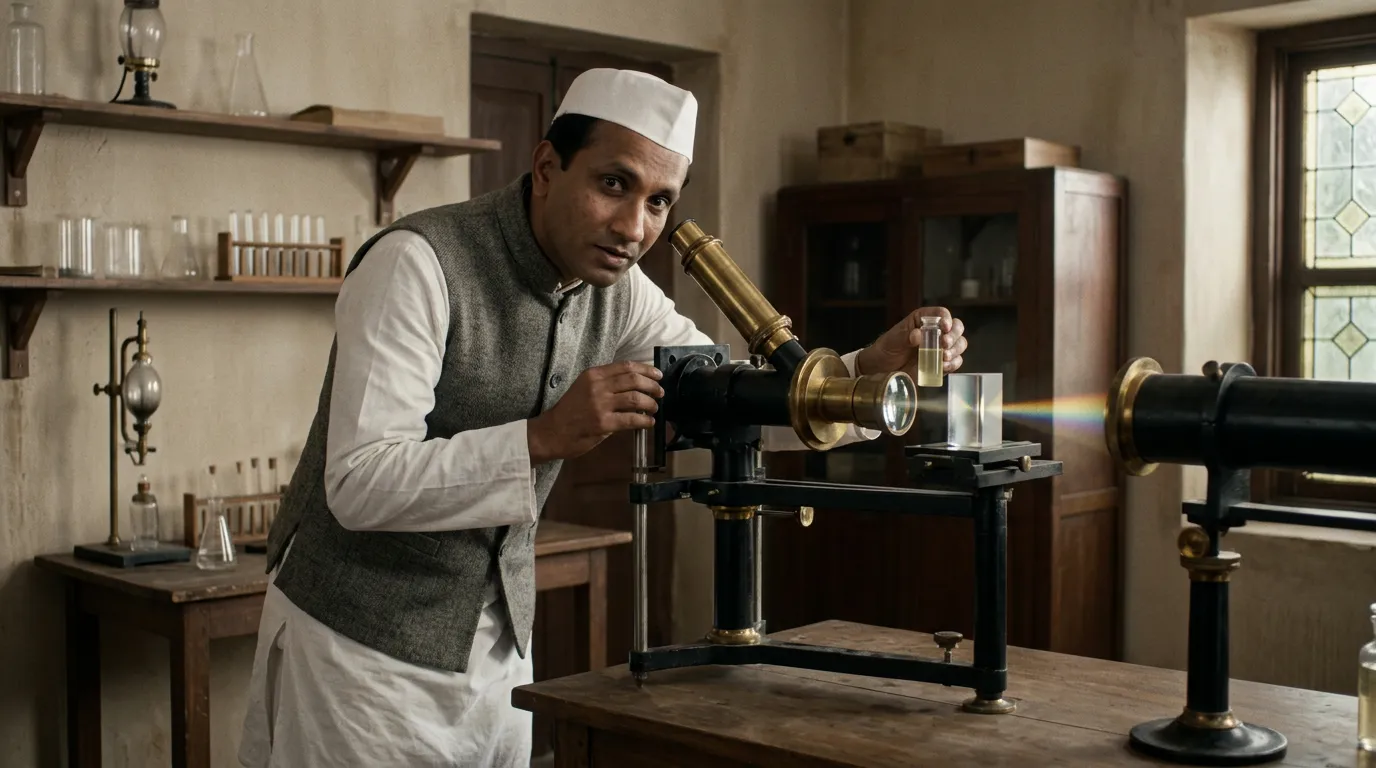
Chandrasekhara Venkata Raman
1888–1970 · Optics, acoustics and light scattering
C. V. Raman discovered the Raman effect, showing that some light changes energy when scattered by molecules and revealing clues about matter.
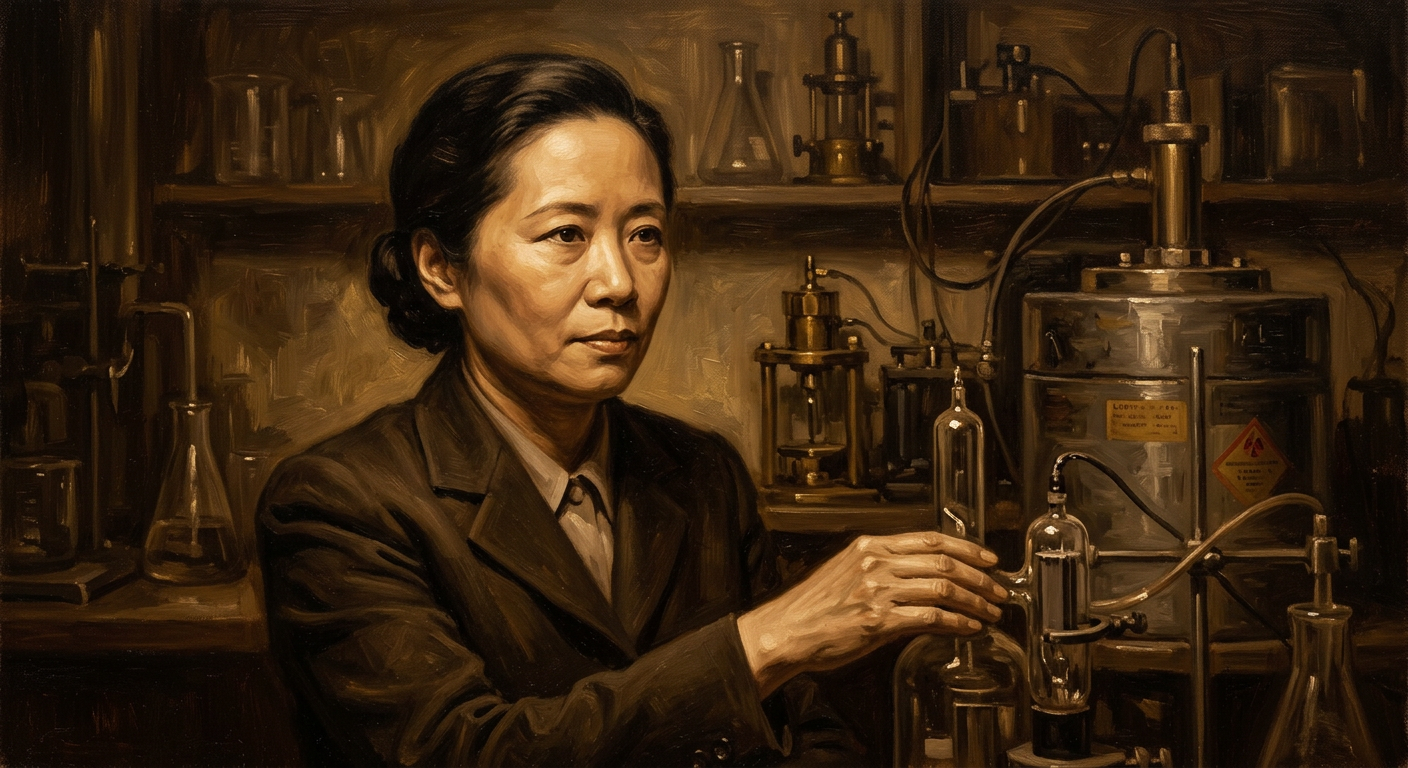
Chien-Shiung Wu
1912–1997 · Experimental Physicist
Chien-Shiung Wu was one of the leading experimental physicists of the twentieth century, famous for leading the landmark cobalt-60 beta-decay experiment that provided the first experimental evidence that parity is not conserved in weak nuclear interactions.
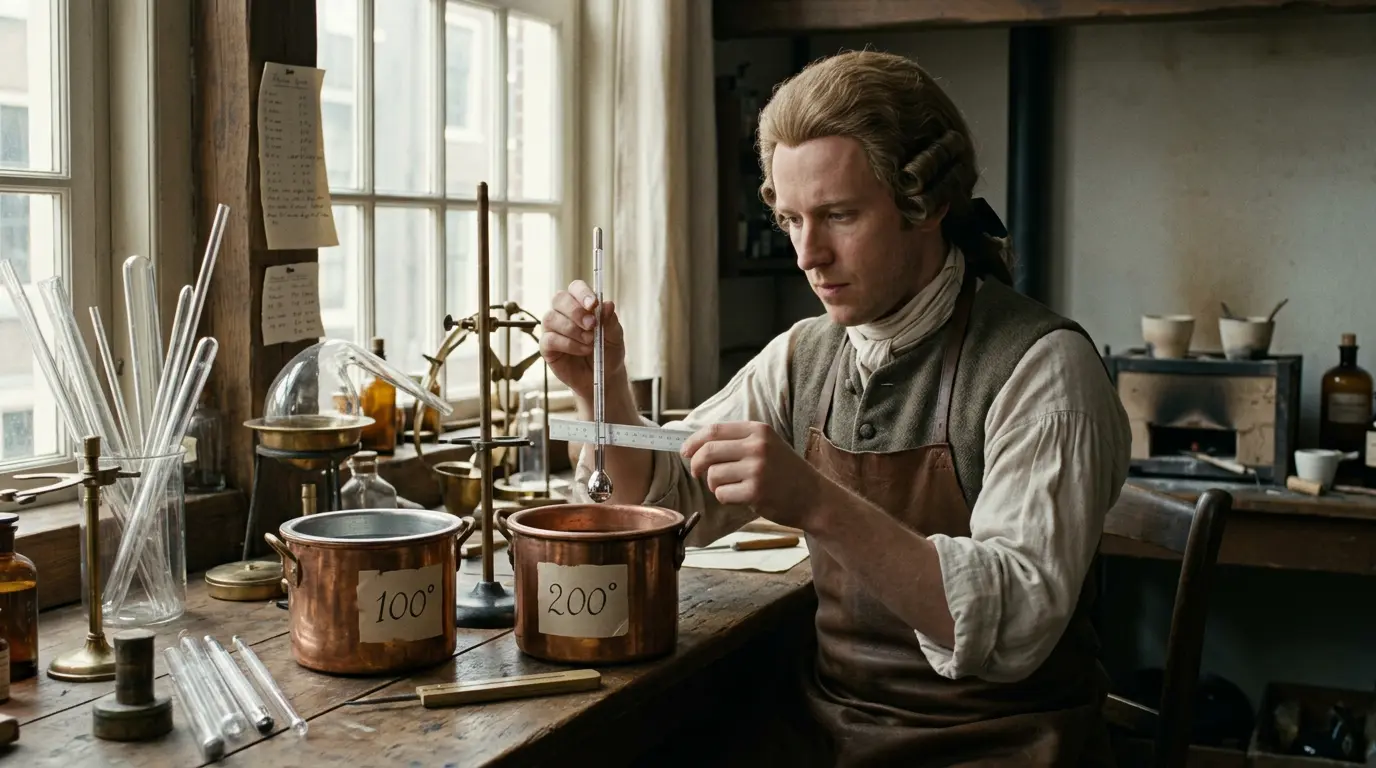
Daniel Gabriel Fahrenheit
1686–1736 · Physicist and Instrument Maker
Developed highly reproducible mercury-in-glass thermometers and the Fahrenheit temperature scale, improving the accuracy and consistency of temperature measurement.
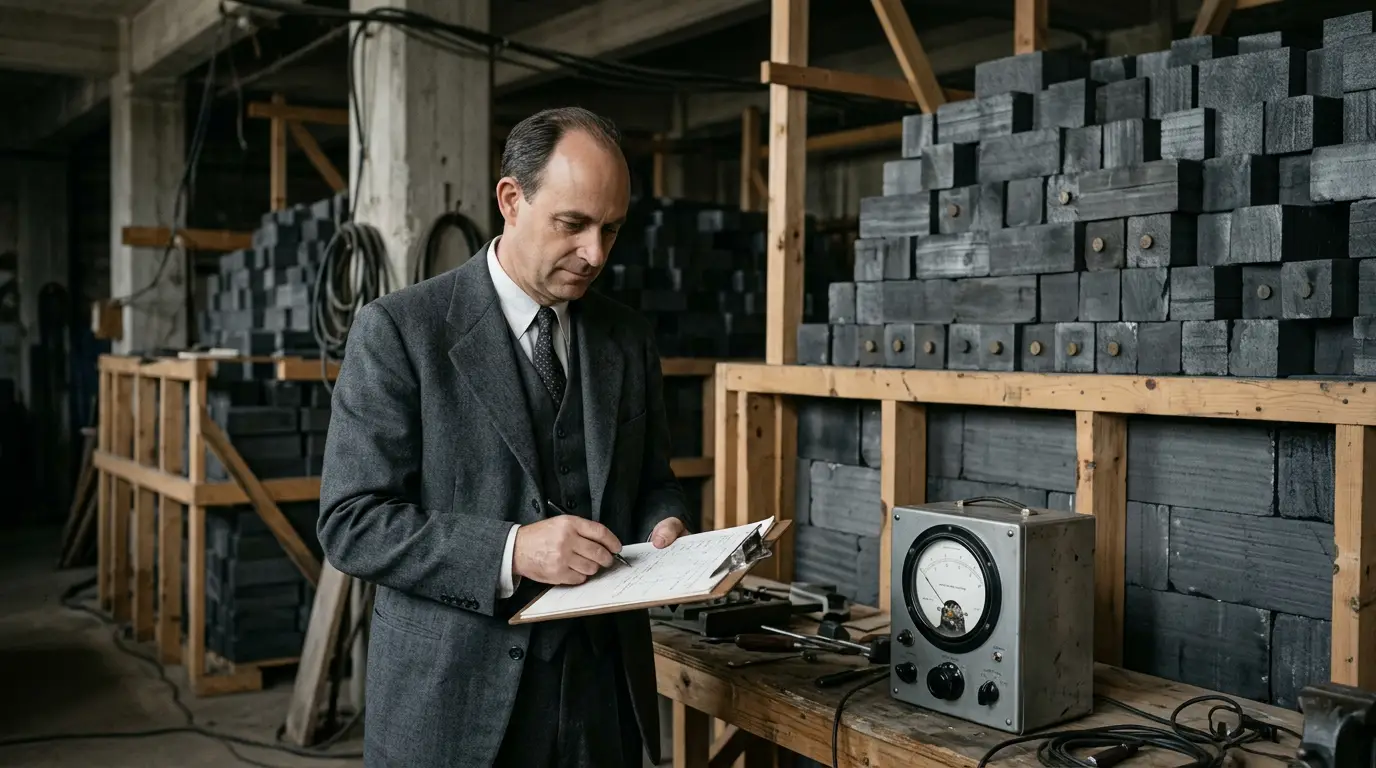
Enrico Fermi
1901–1954 · Physics — theoretical and experimental
An Italian-American physicist who led the first controlled nuclear chain reaction and developed Fermi-Dirac statistics.
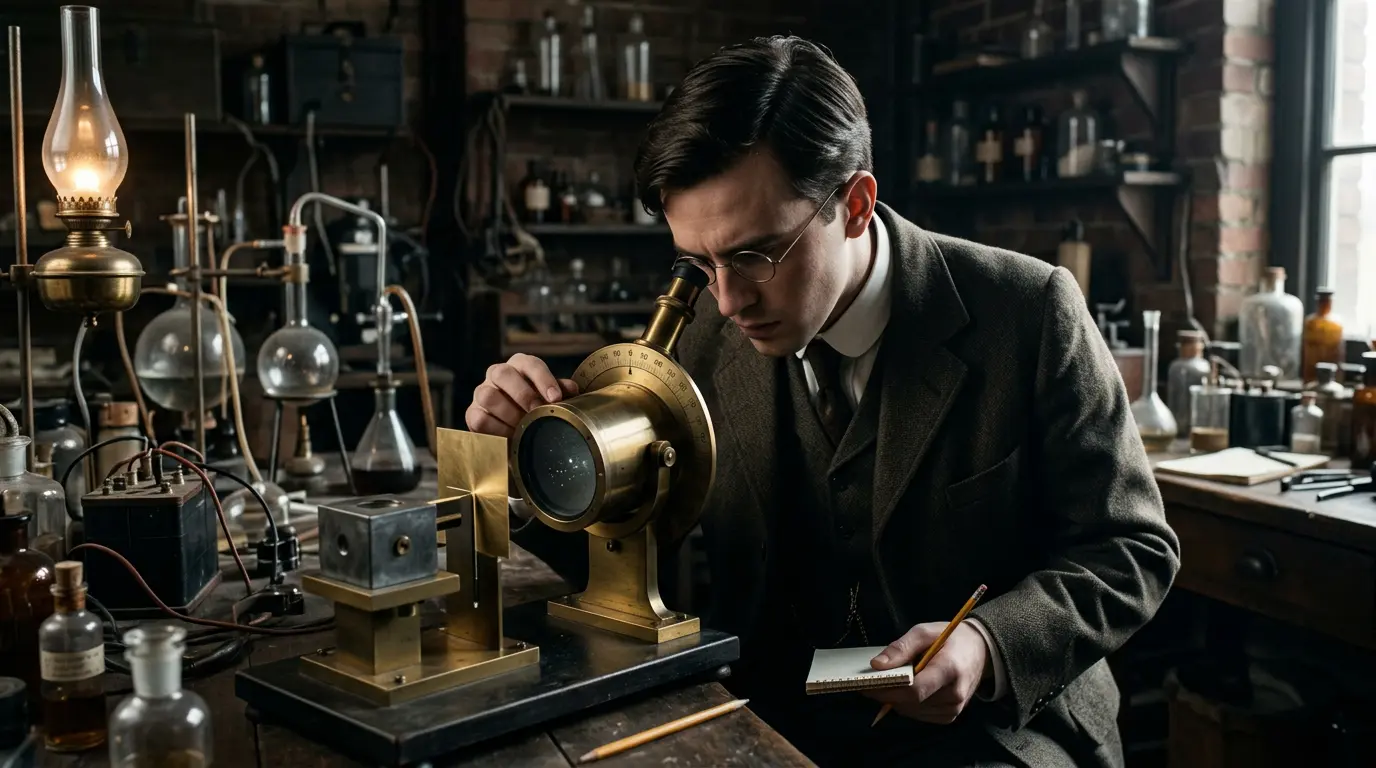
Ernest Marsden
1889–1970 · Experimental physicist and scientific administrator
Ernest Marsden carried out the famous 1909 alpha-particle scattering experiments with Hans Geiger under Ernest Rutherford, and later became one of the most influential organisers of science in New Zealand.
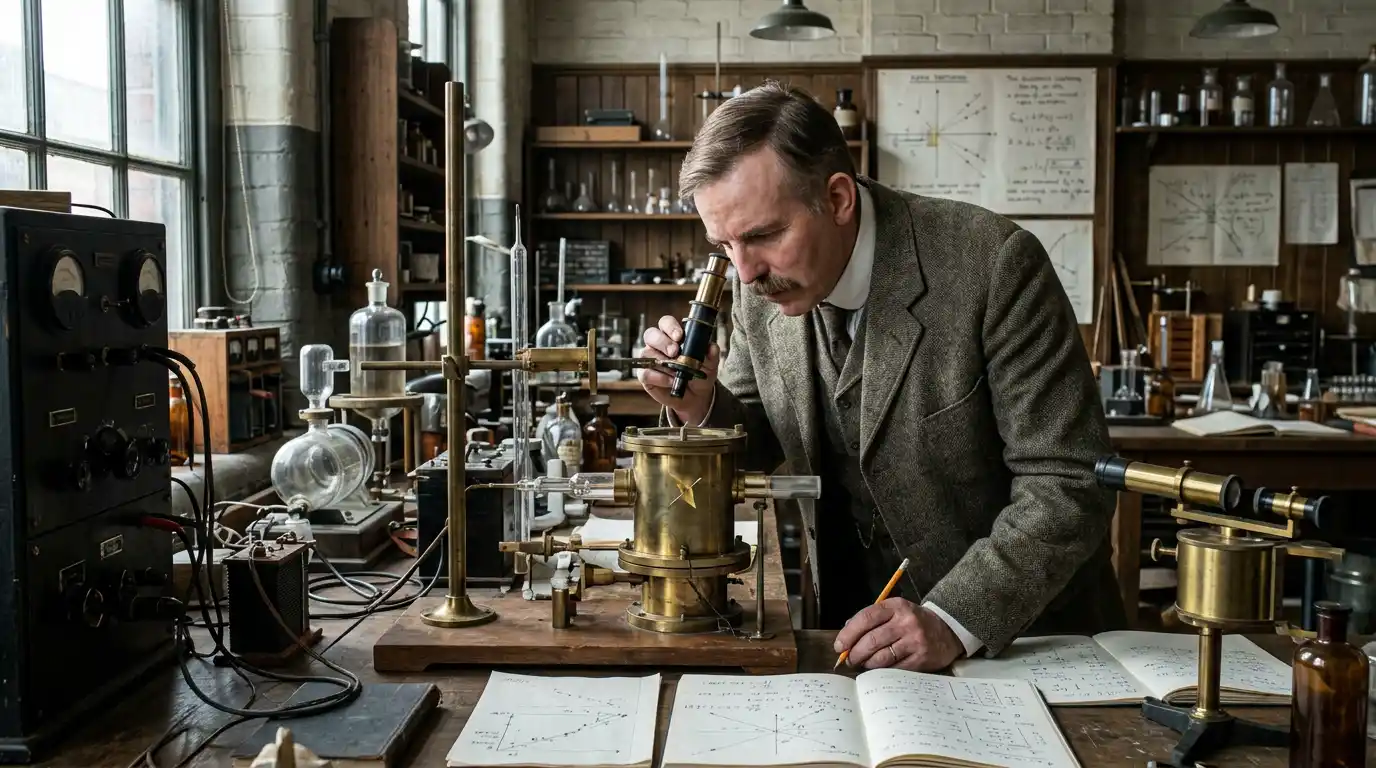
Ernest Rutherford
1871–1937 · Physicist
Discovering the nuclear structure of the atom and pioneering the field of nuclear physics.
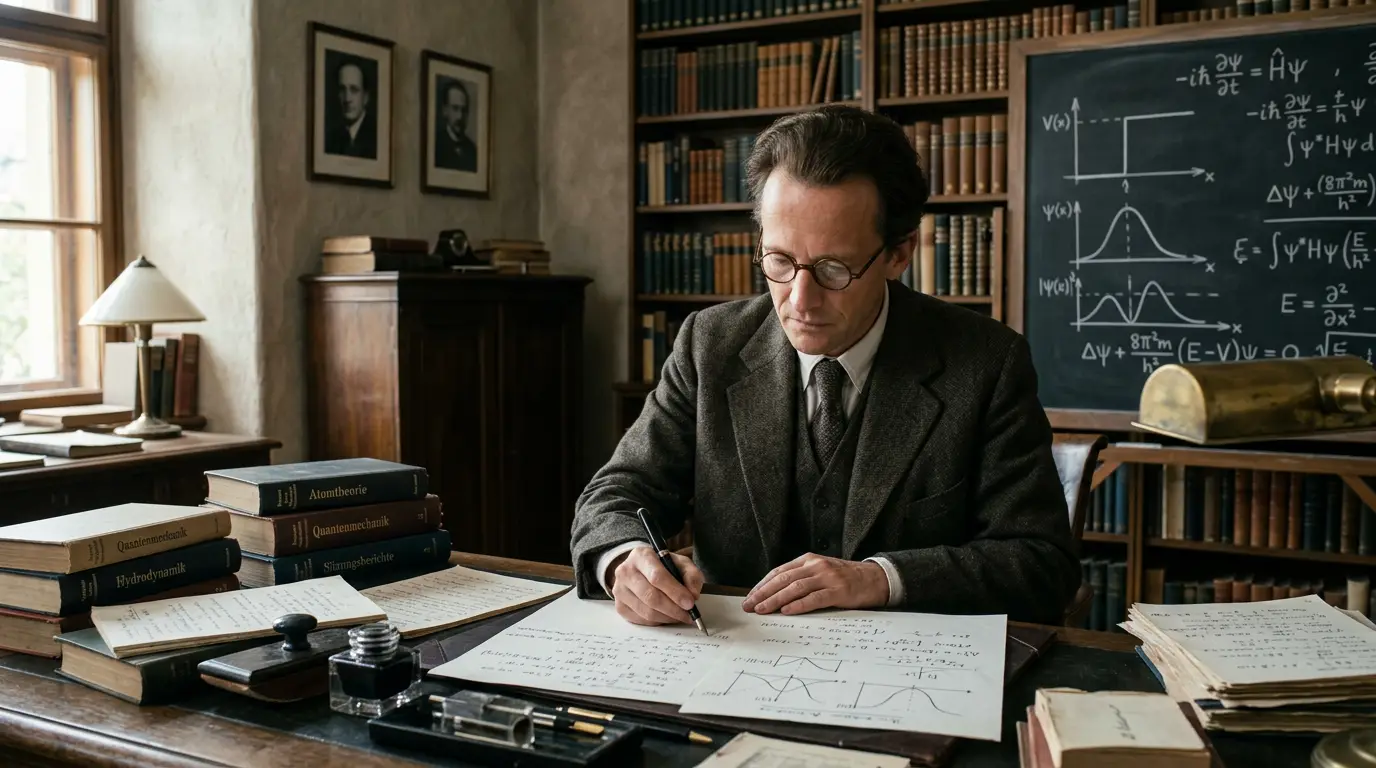
Erwin Schrödinger
1887–1961 · Theoretical Physicist
Developing wave mechanics and formulating the Schrödinger equation in 1926. He shared the 1933 Nobel Prize in Physics with Paul Dirac.
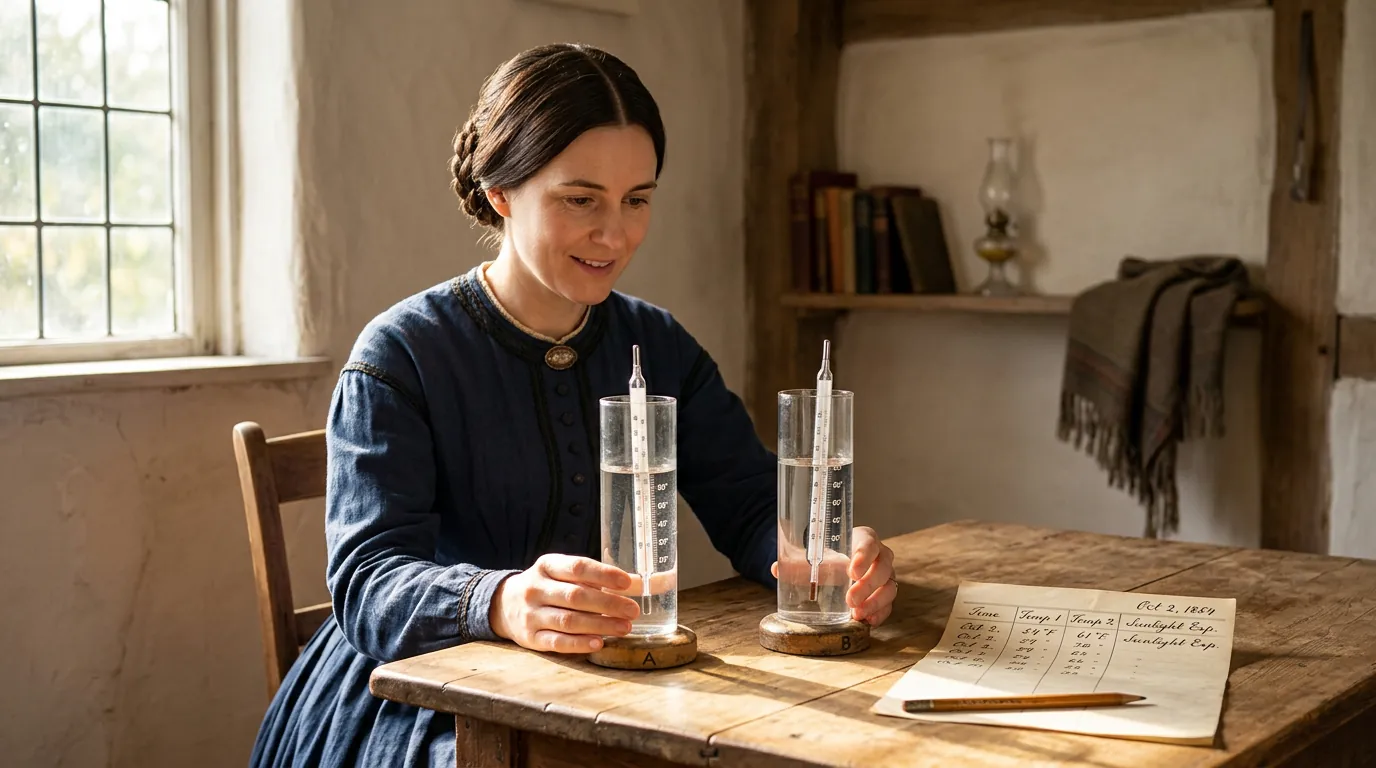
Eunice Newton Foote
1819–1888 · Early climate experiments and women’s rights
Eunice Newton Foote tested how gases warm in sunlight in 1856 and recognised that increased carbon dioxide might affect Earth’s climate, decades before her contribution became widely known.
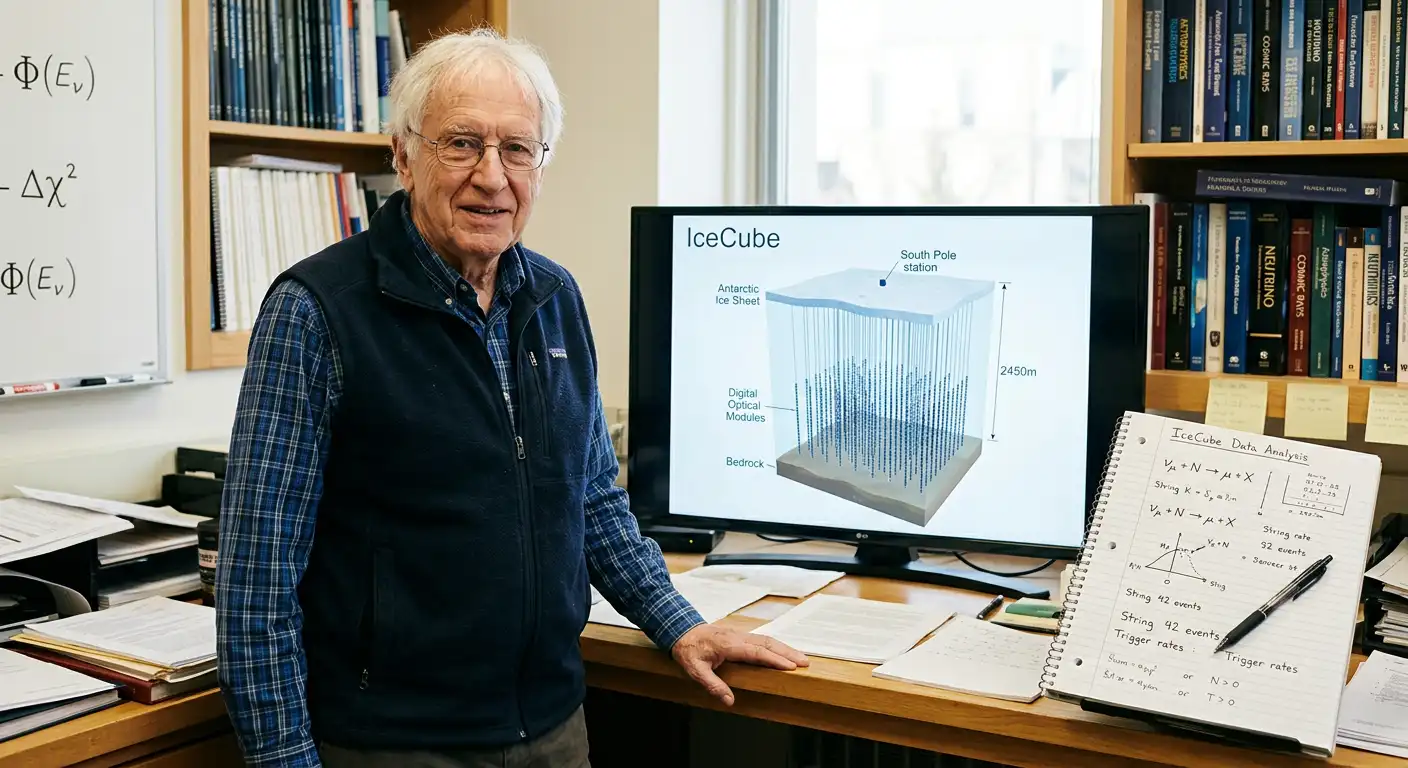
Francis Halzen
1944–present · Particle physics and neutrino astronomy
Halzen helped make Antarctic ice into a vast detector for particles arriving from space, opening a new way of investigating the universe's energetic objects.
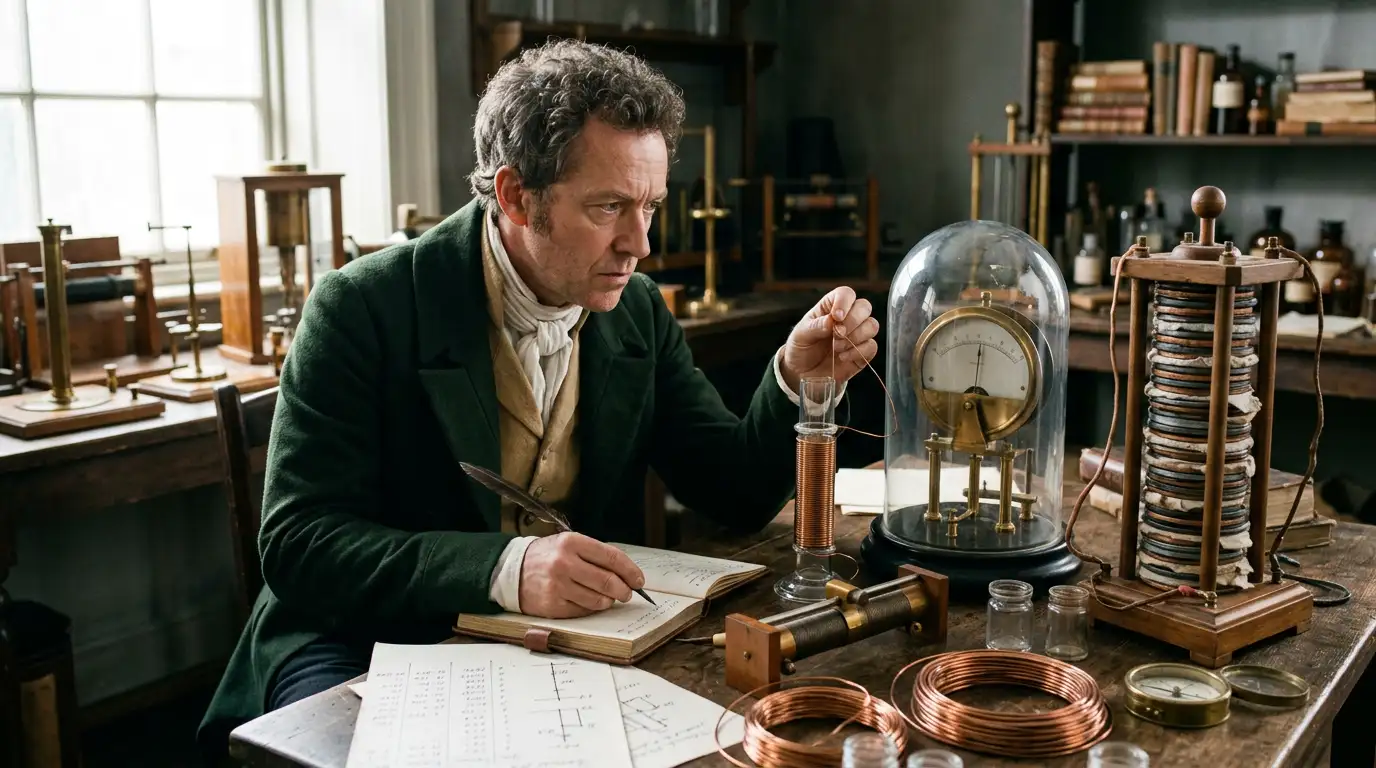
Georg Simon Ohm
1789–1854 · Physicist and Mathematician
Discovered Ohm's Law, the fundamental relationship between voltage, current, and resistance. The unit of electrical resistance, the ohm, is named after him.
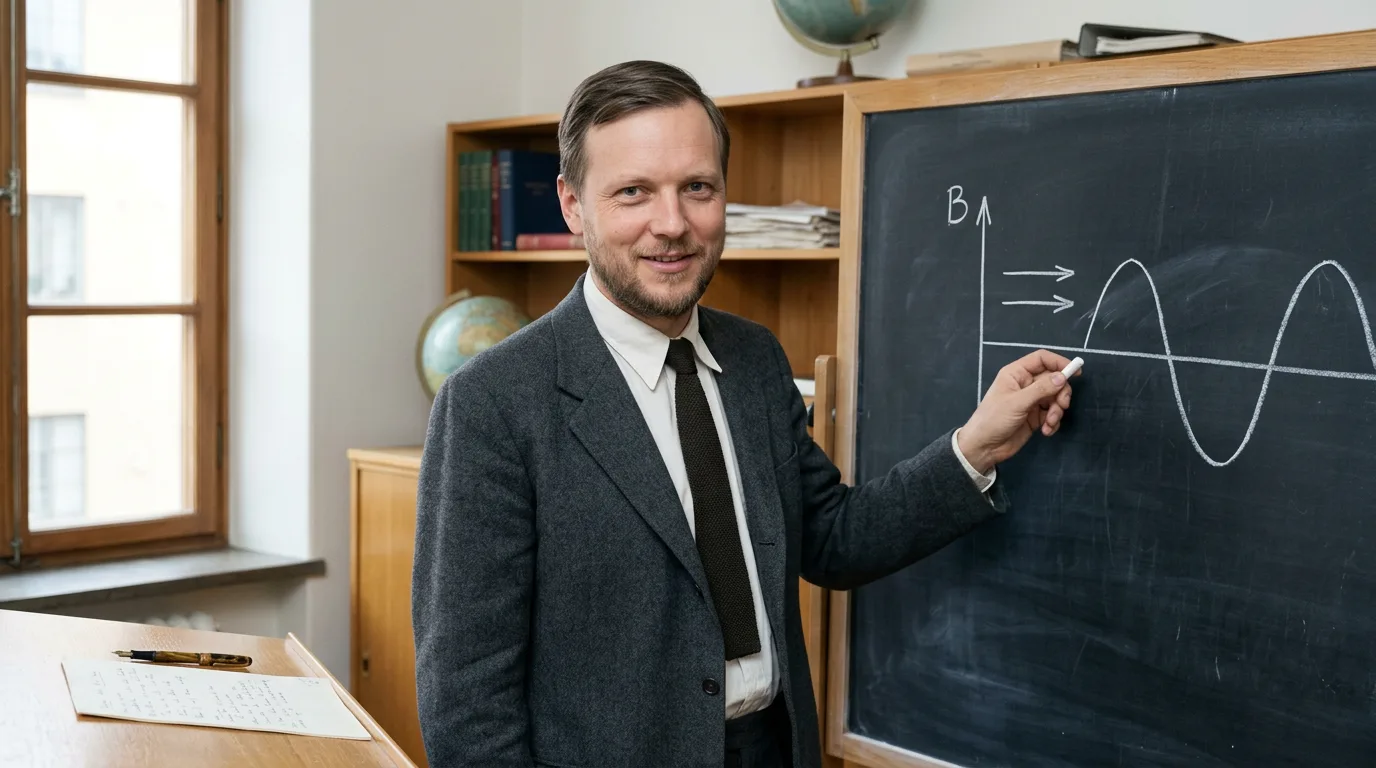
Hannes Alfvén
1908–1995 · Plasma physics and magnetohydrodynamics
Hannes Alfvén predicted waves that travel through electrically conducting matter in magnetic fields, helping explain the behaviour of plasma in space.
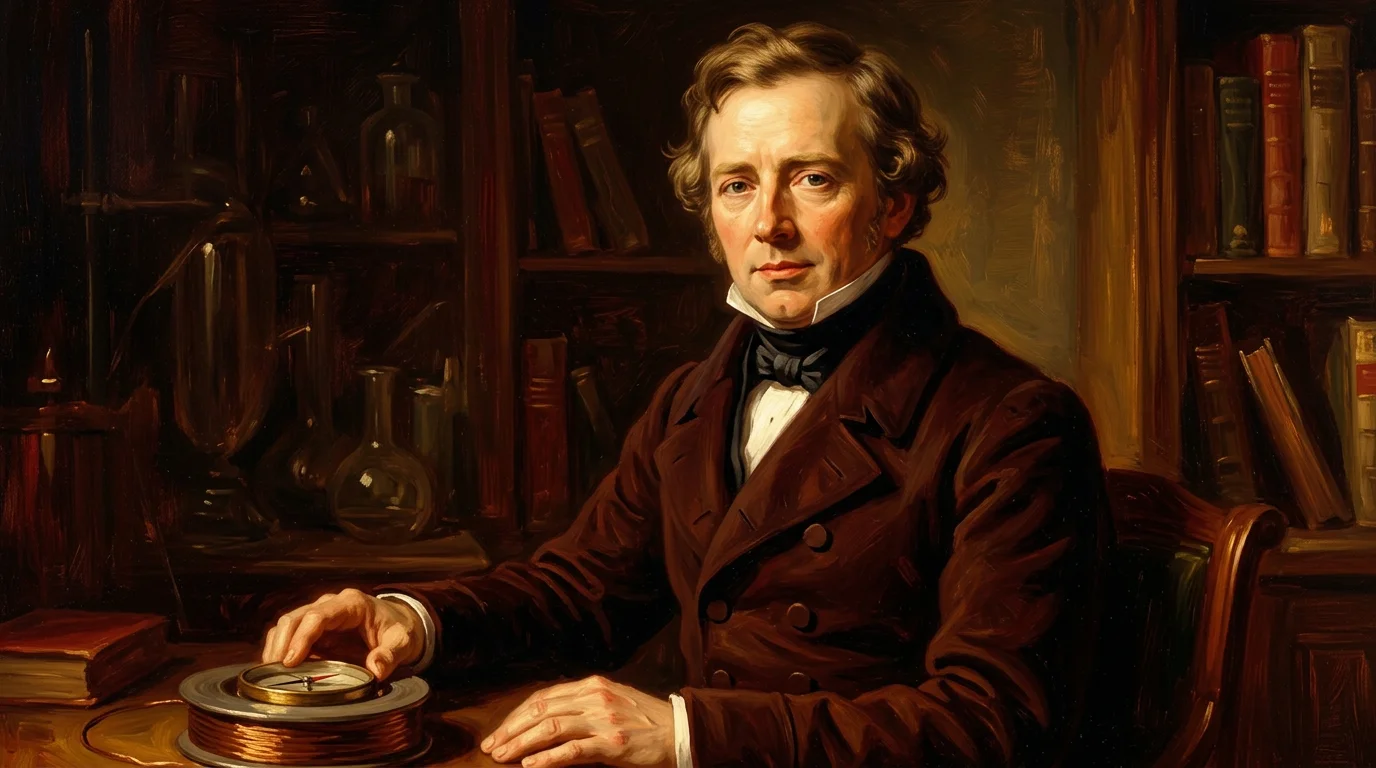
Hans Christian Ørsted
1777–1851 · Physicist, Natural Philosopher & Chemist
Discovering that an electric current produces a magnetic effect in 1820, providing the first clear experimental connection between electricity and magnetism, and producing aluminium metal in 1825.
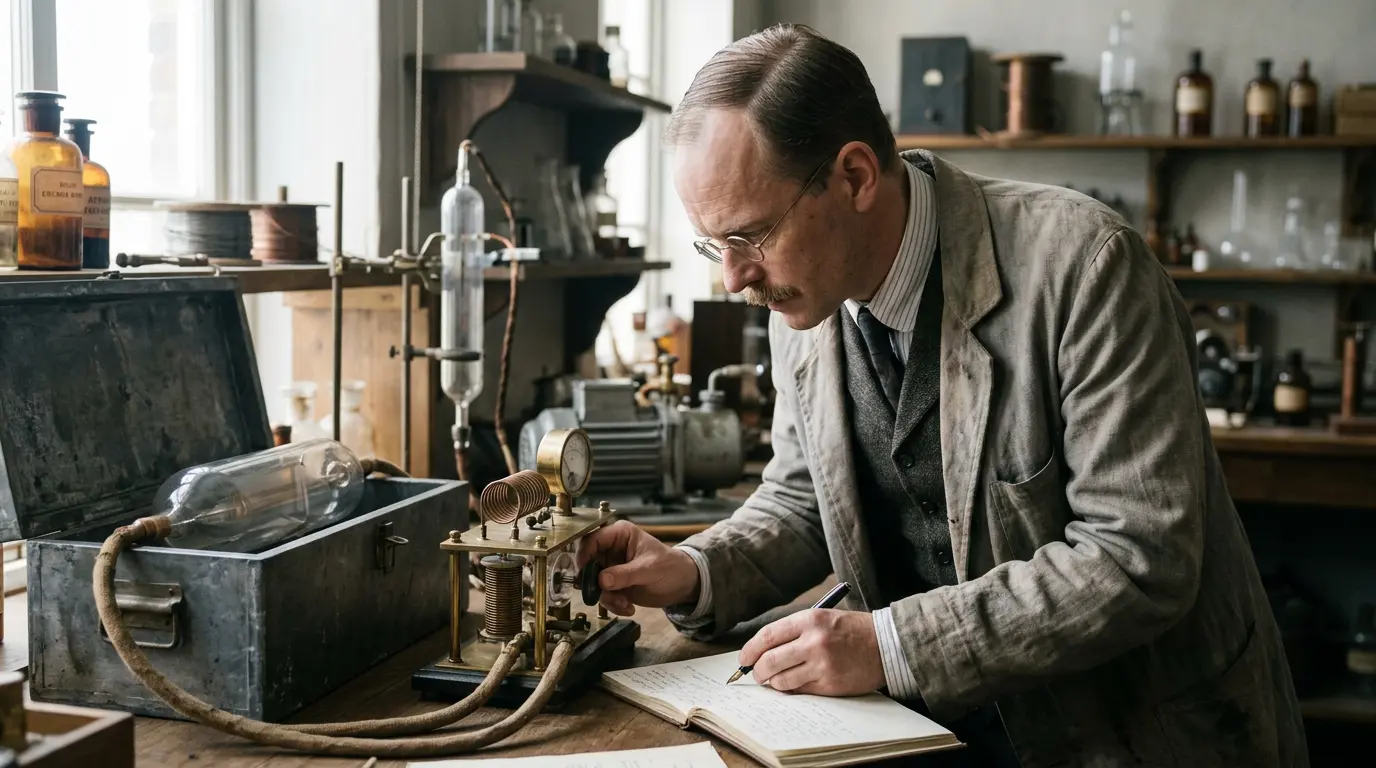
Hans Geiger
1882–1945 · Experimental physicist
Hans Geiger developed methods for detecting and counting ionising radiation, participated in the Geiger–Marsden scattering experiments that helped reveal the atomic nucleus, and later developed the Geiger–Müller counter with Walther Müller.
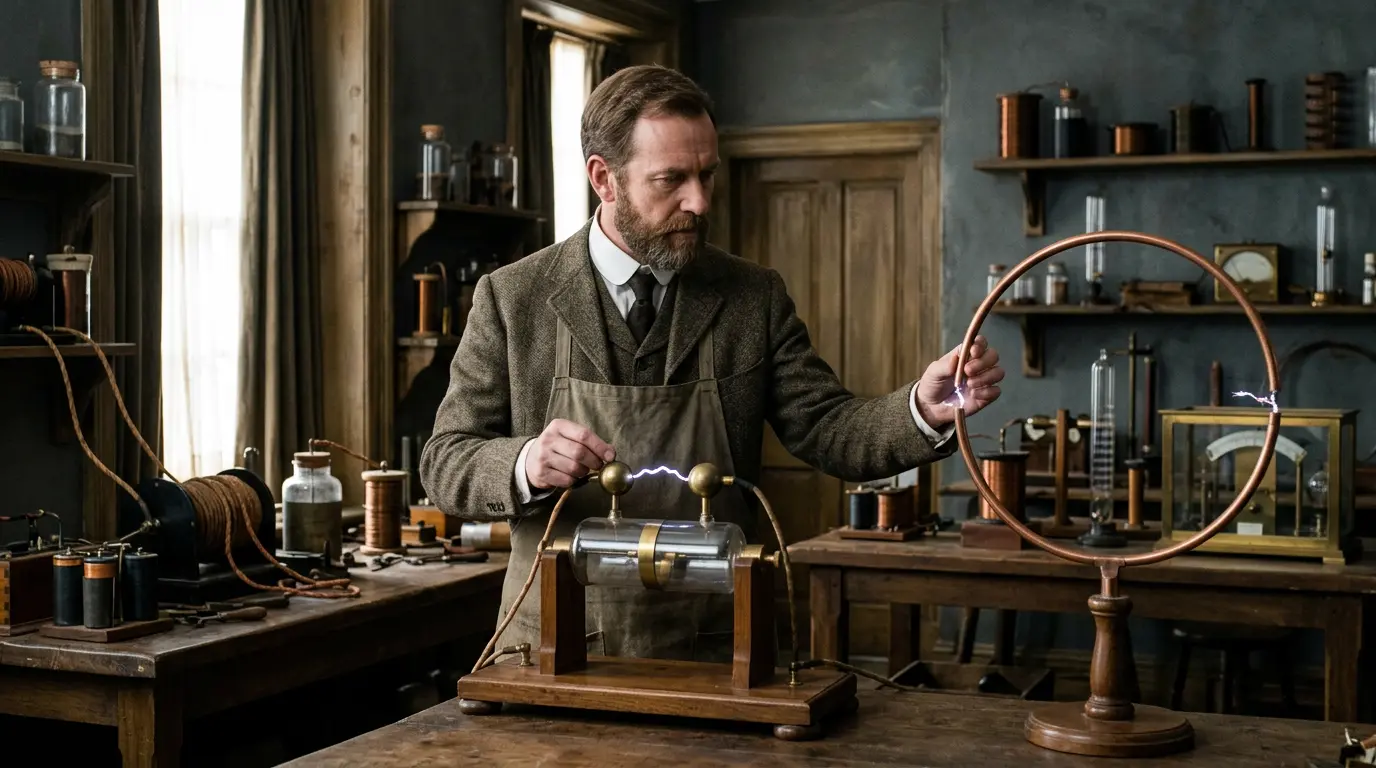
Heinrich Hertz
1857–1894 · Physicist
Experimentally demonstrated electromagnetic waves in the late 1880s, confirming key predictions of James Clerk Maxwell's electromagnetic theory. The unit hertz (Hz) is named after him.
Heinrich Lenz
1804–1865 · Physicist & Geophysicist
Formulating Lenz's law, which determines the direction of an induced current, and independently establishing the electrical heating relationship also associated with James Prescott Joule, known as the Joule-Lenz law.
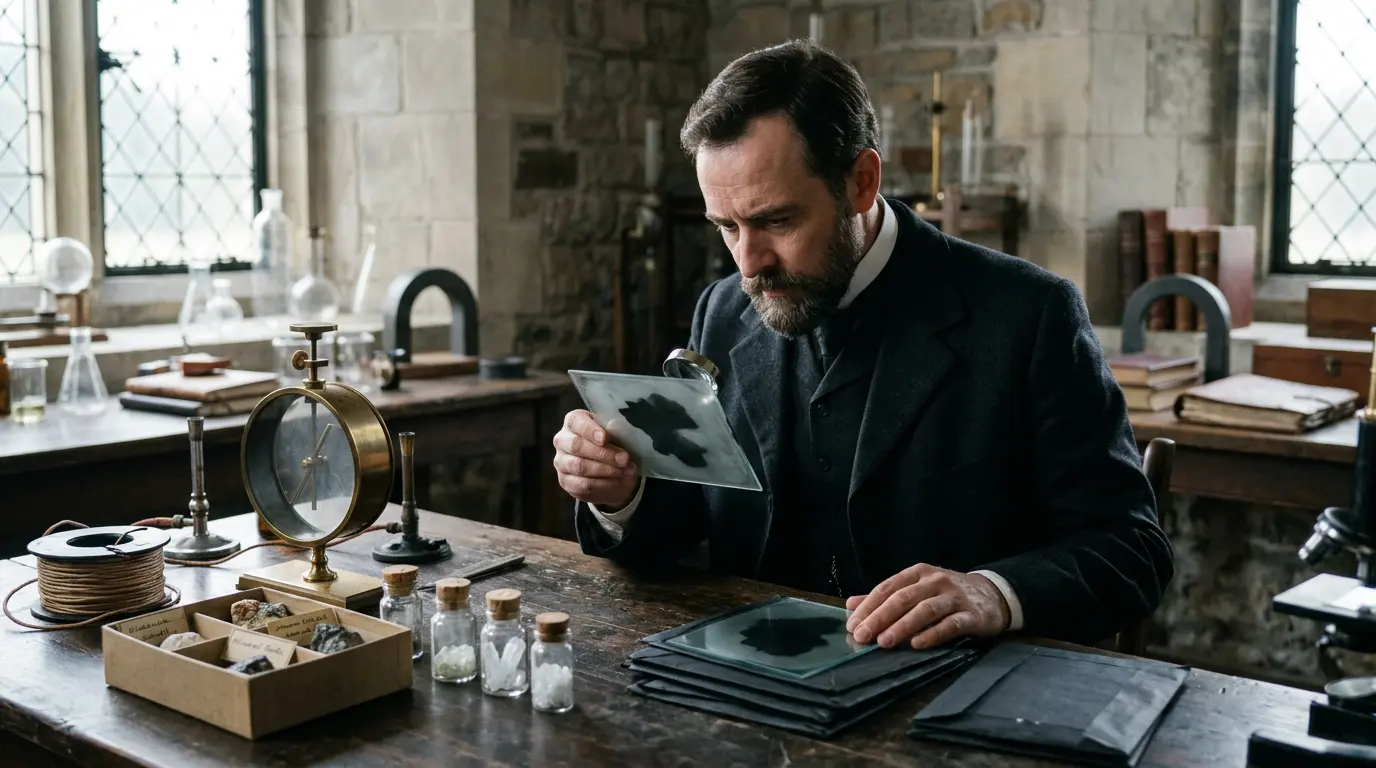
Henri Becquerel
1852–1908 · Experimental physicist
Henri Becquerel discovered that uranium emitted penetrating radiation spontaneously, providing the starting point for the scientific study of natural radioactivity.
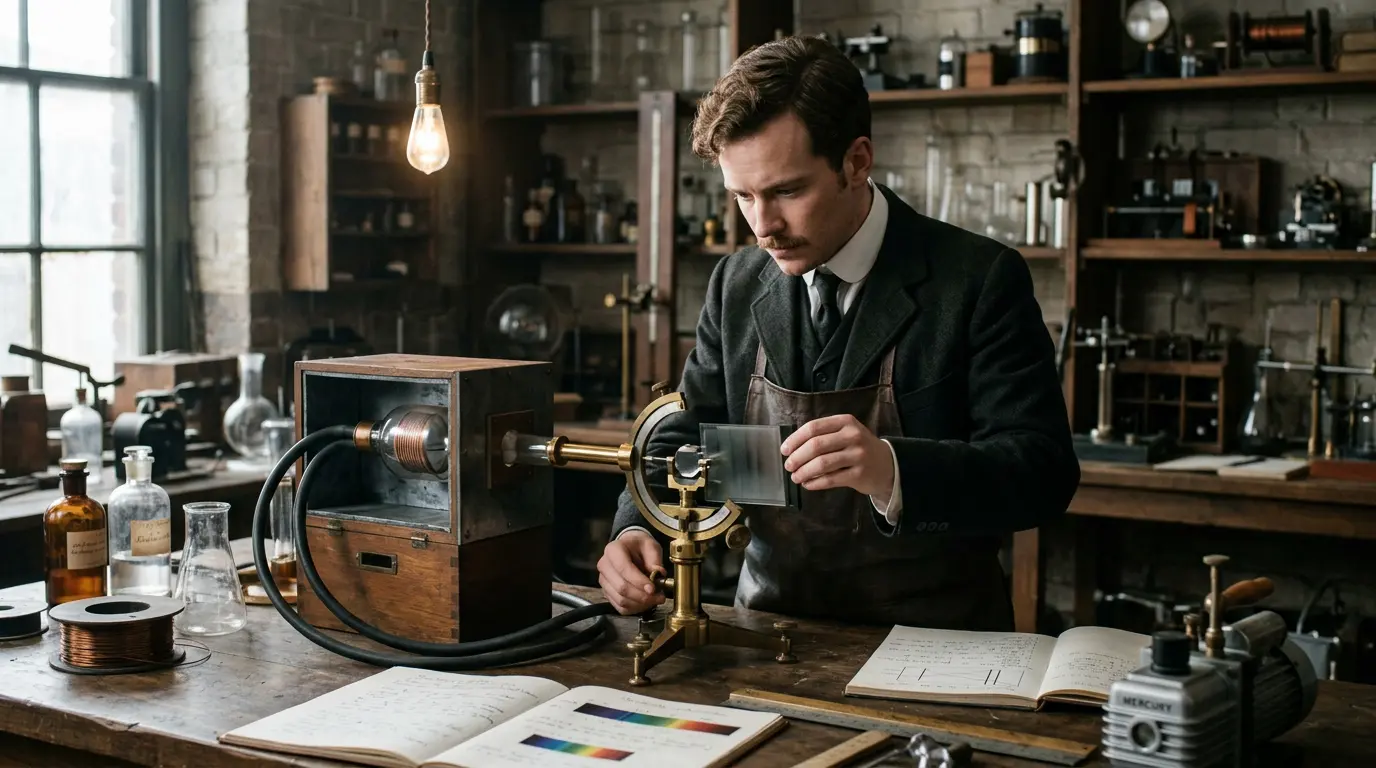
Henry Moseley
1887–1915 · Physicist
Establishing atomic number as the fundamental basis for ordering the chemical elements through X-ray spectroscopy in 1913–1914.
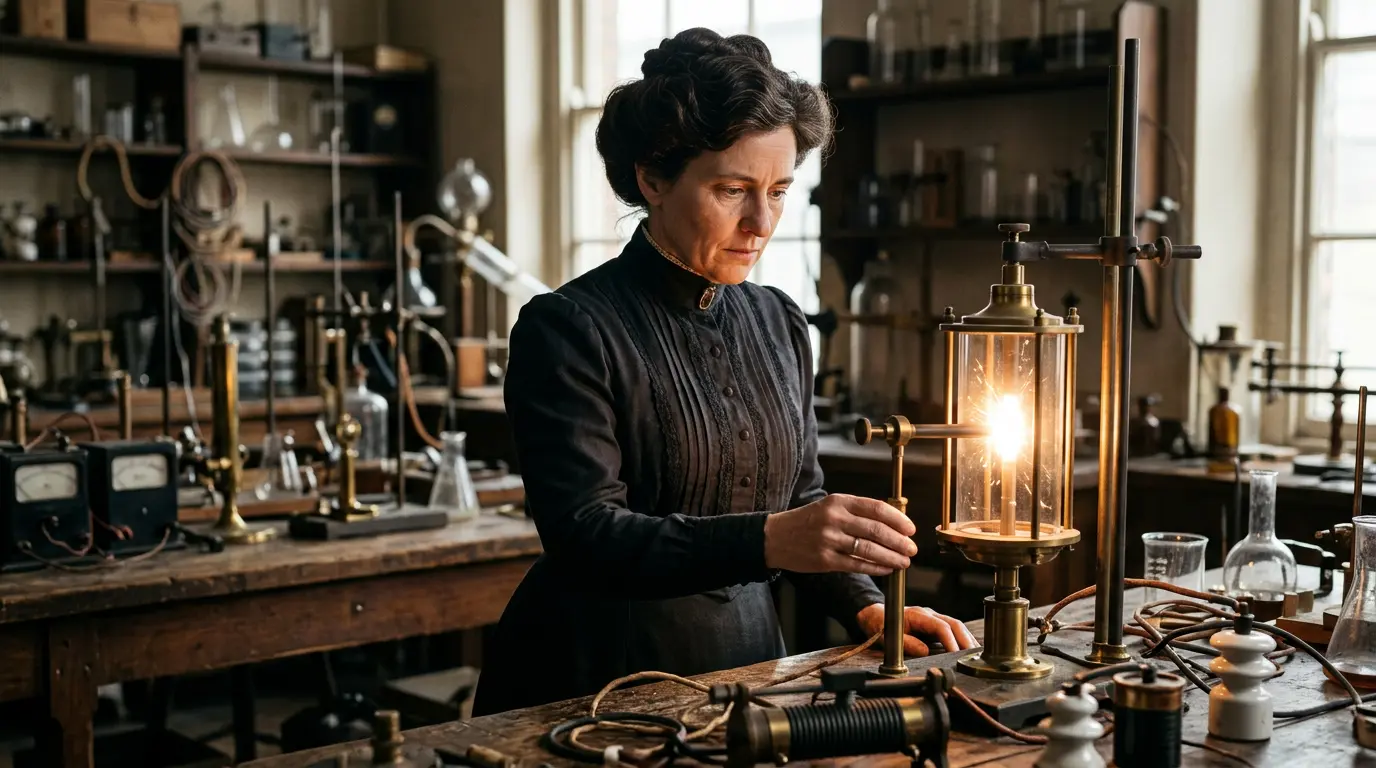
Hertha Ayrton
1854–1923 · Physics and electrical engineering
Hertha Ayrton explained the behaviour of electric arcs, studied ripples in sand and water, and invented a wartime anti-gas fan.
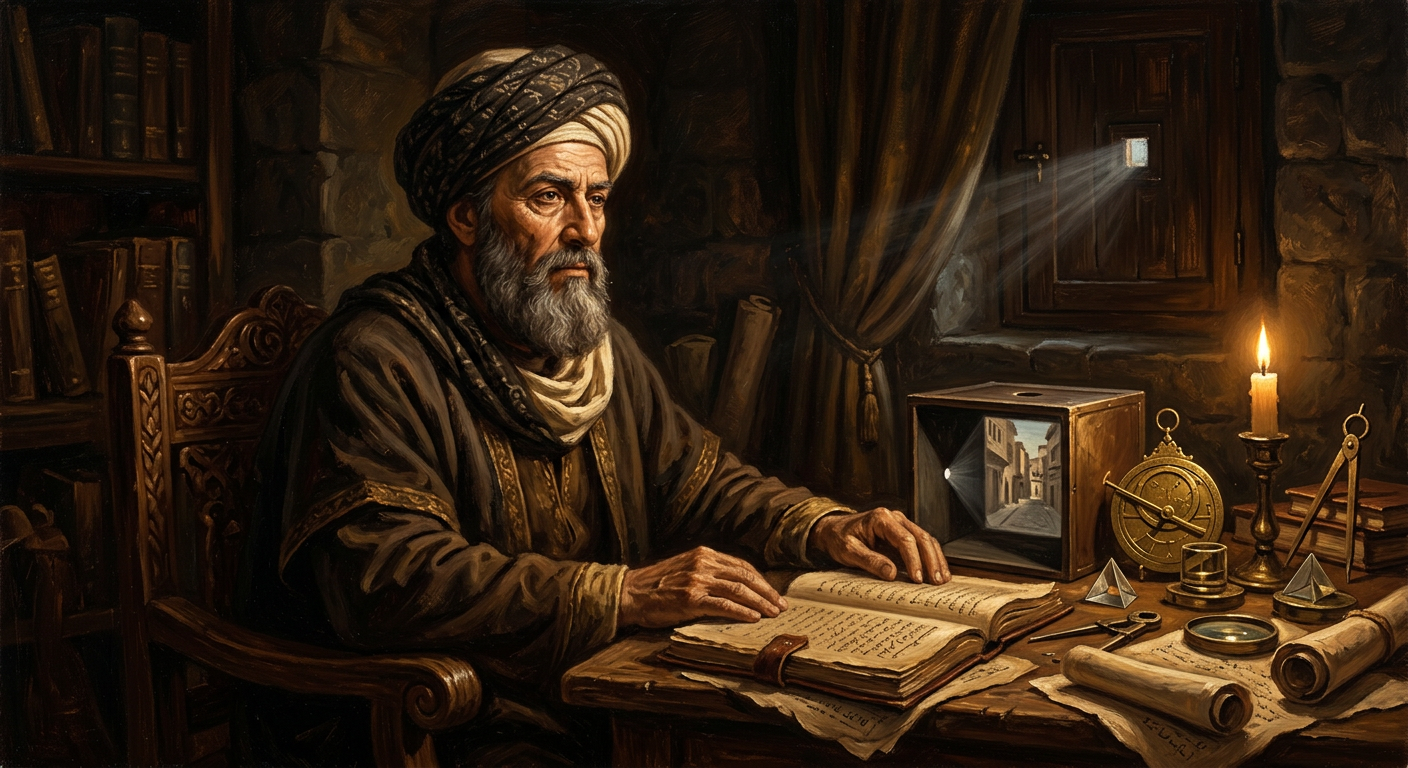
Ibn al-Haytham
c. 965–1040 · Mathematician, Physicist & Astronomer
Transforming the study of optics through his Book of Optics and pioneering a rigorous experimental and mathematical approach to investigating light and vision.
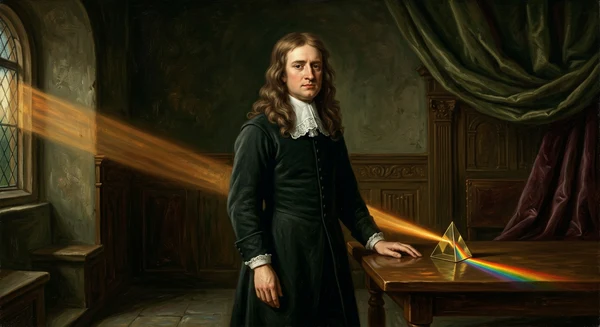
Isaac Newton
1643–1727 · Physicist & Mathematician
Formulating the laws of motion and universal gravitation.
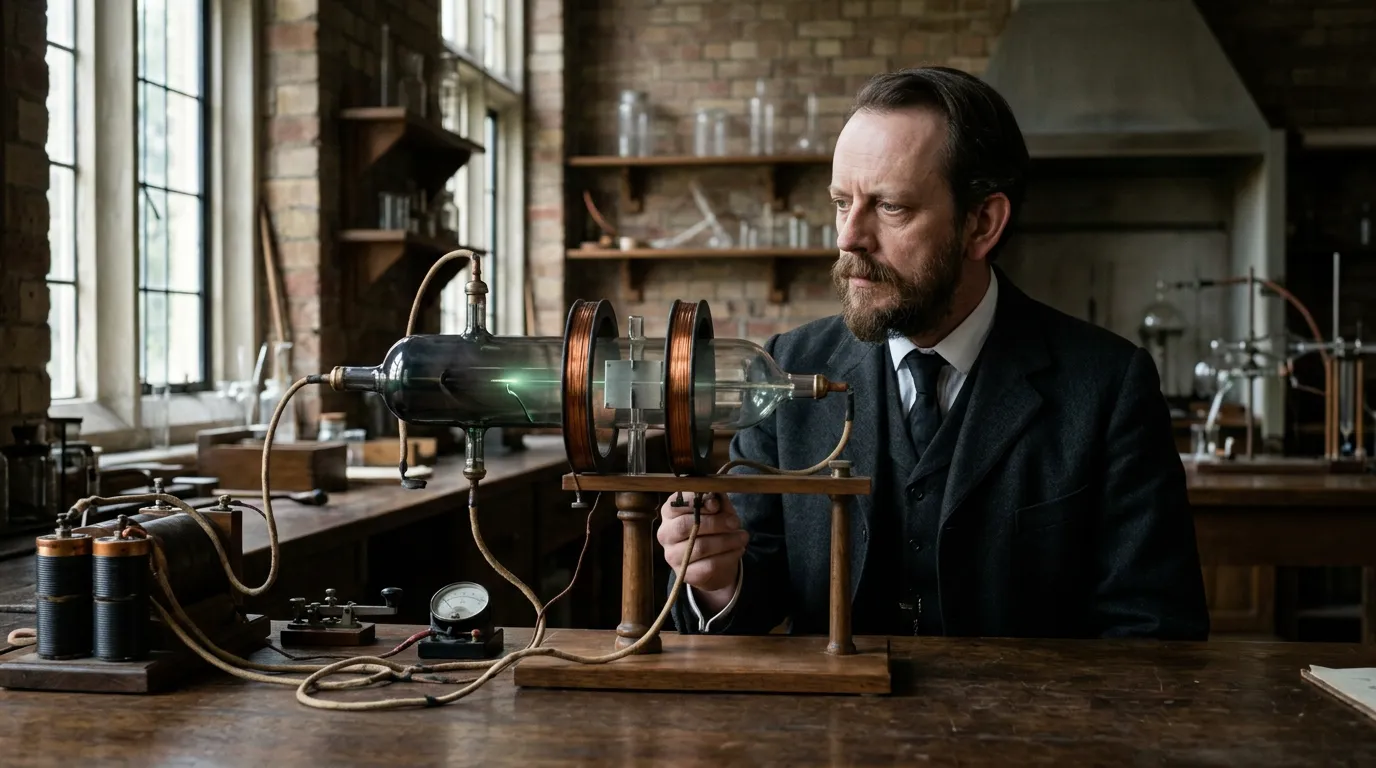
J. J. Thomson
1856–1940 · Atomic physics, electricity and cathode-ray research
A British physicist who discovered the electron and led the Cavendish Laboratory at Cambridge.
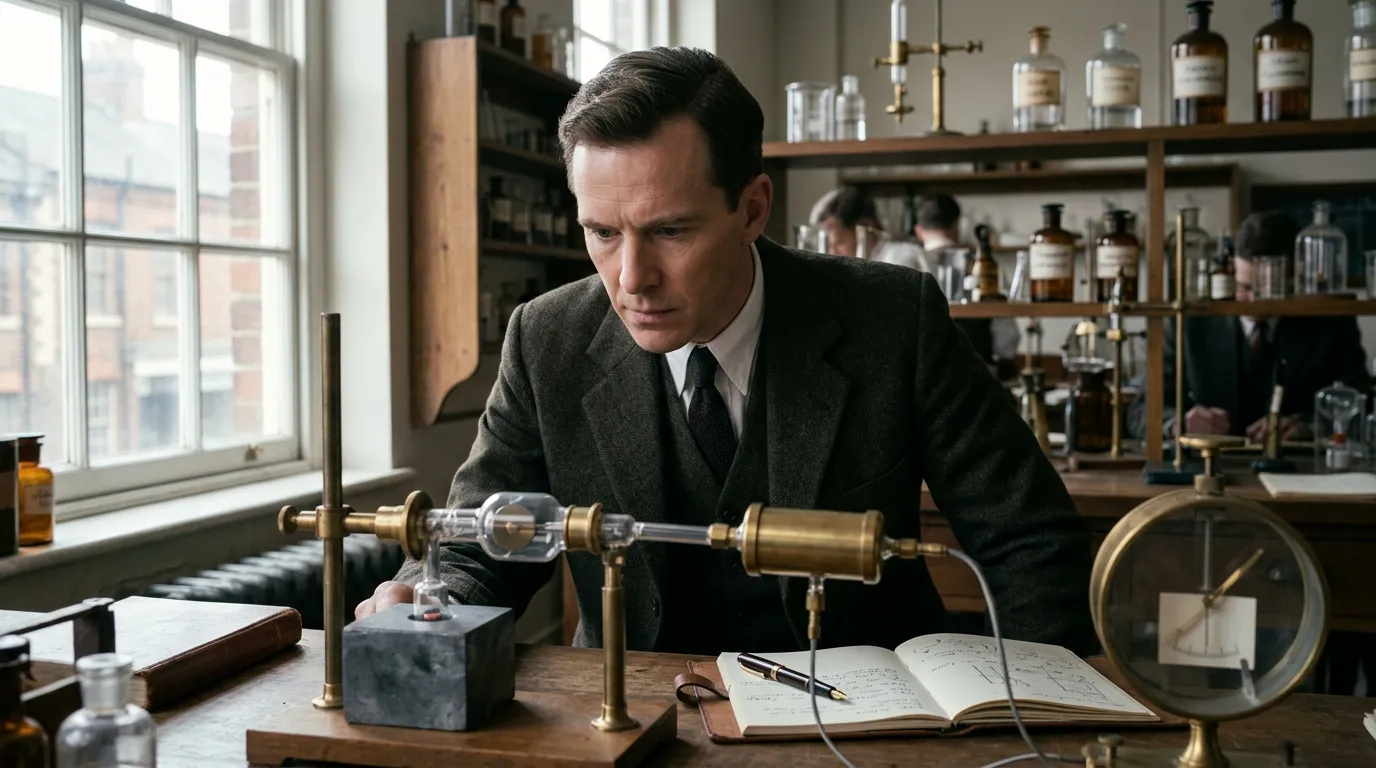
James Chadwick
1891–1974 · Nuclear physics
A British physicist who discovered the neutron in 1932 at the Cavendish Laboratory.
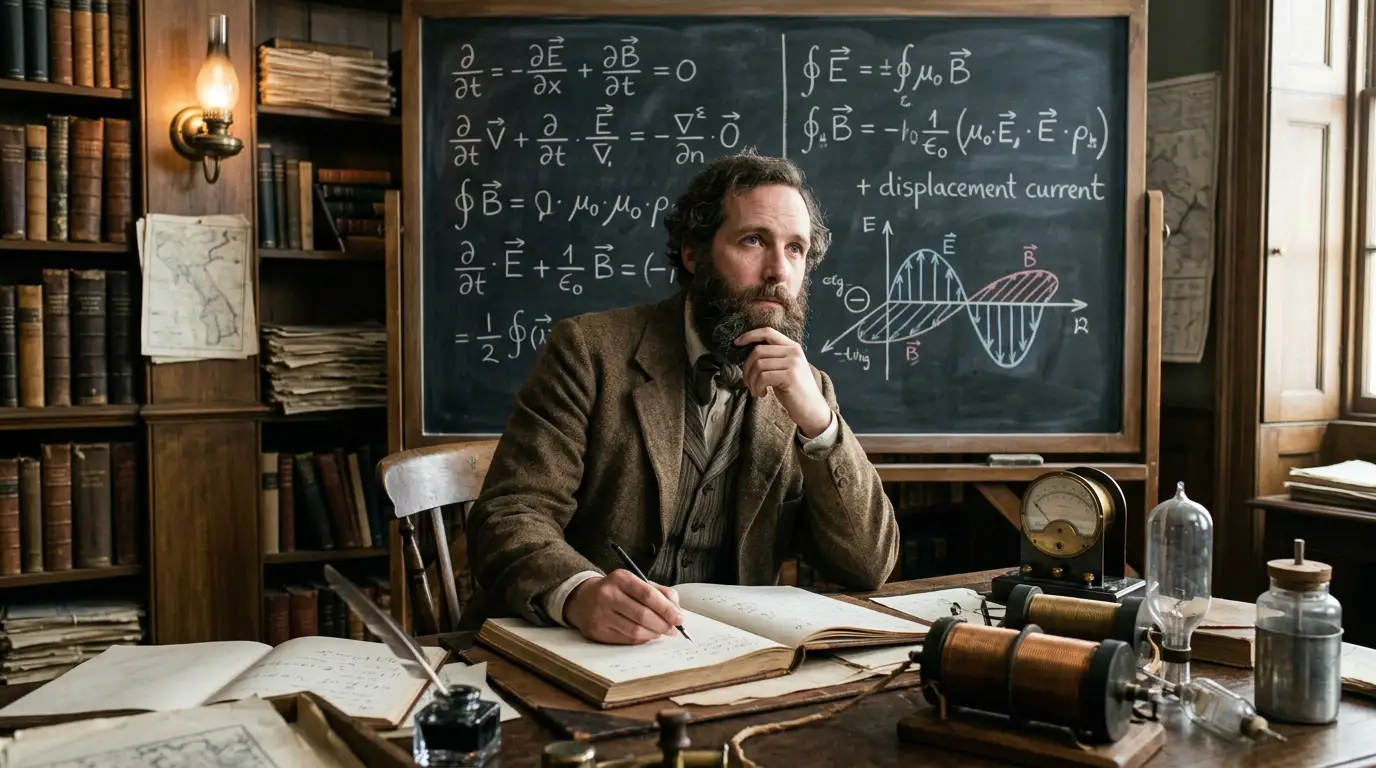
James Clerk Maxwell
1831–1879 · Physicist & Mathematician
Developing the classical theory of electromagnetism, showing mathematically that electricity, magnetism and light are connected, and making major contributions to kinetic theory, colour science and the understanding of Saturn's rings.
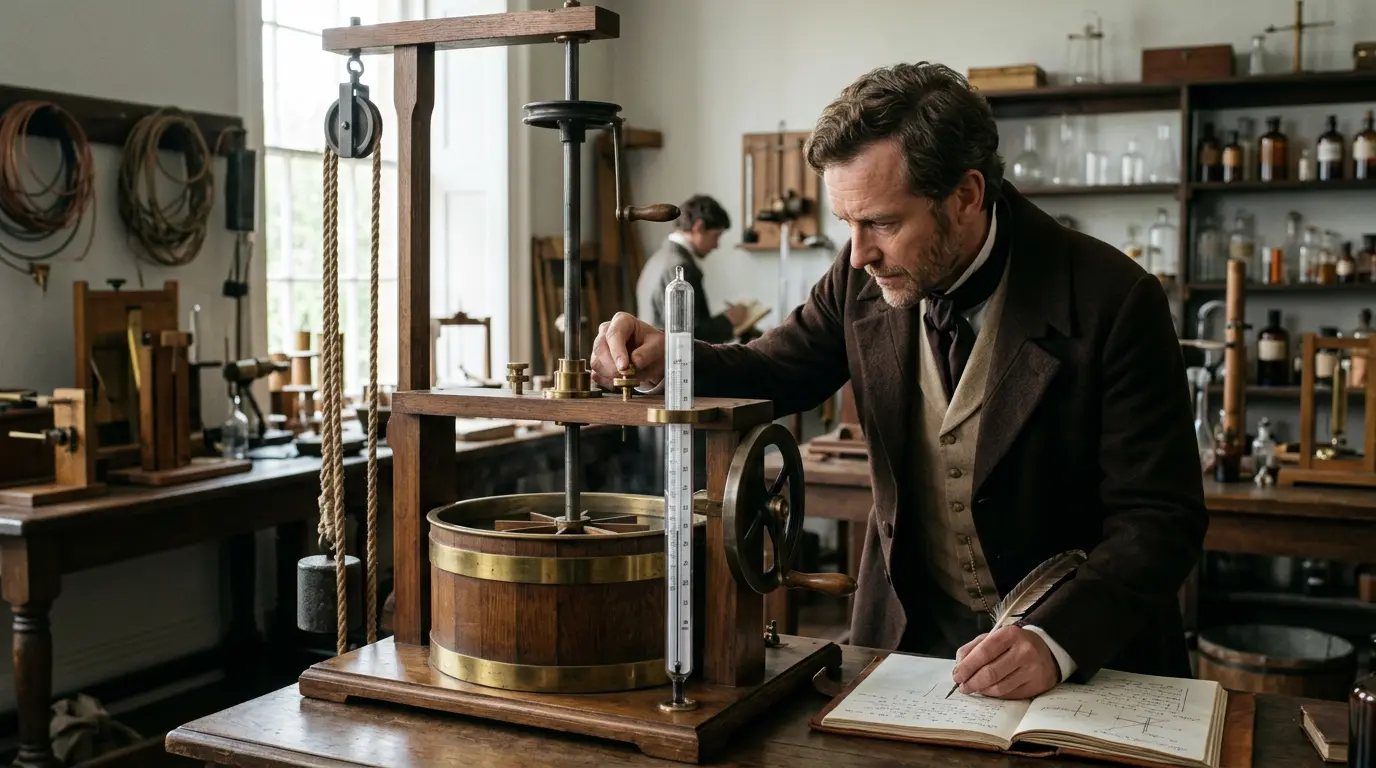
James Prescott Joule
1818–1889 · Physicist
Measured the mechanical equivalent of heat, discovered the electrical heating law bearing his name and made major contributions to the development of energy conservation and thermodynamics.
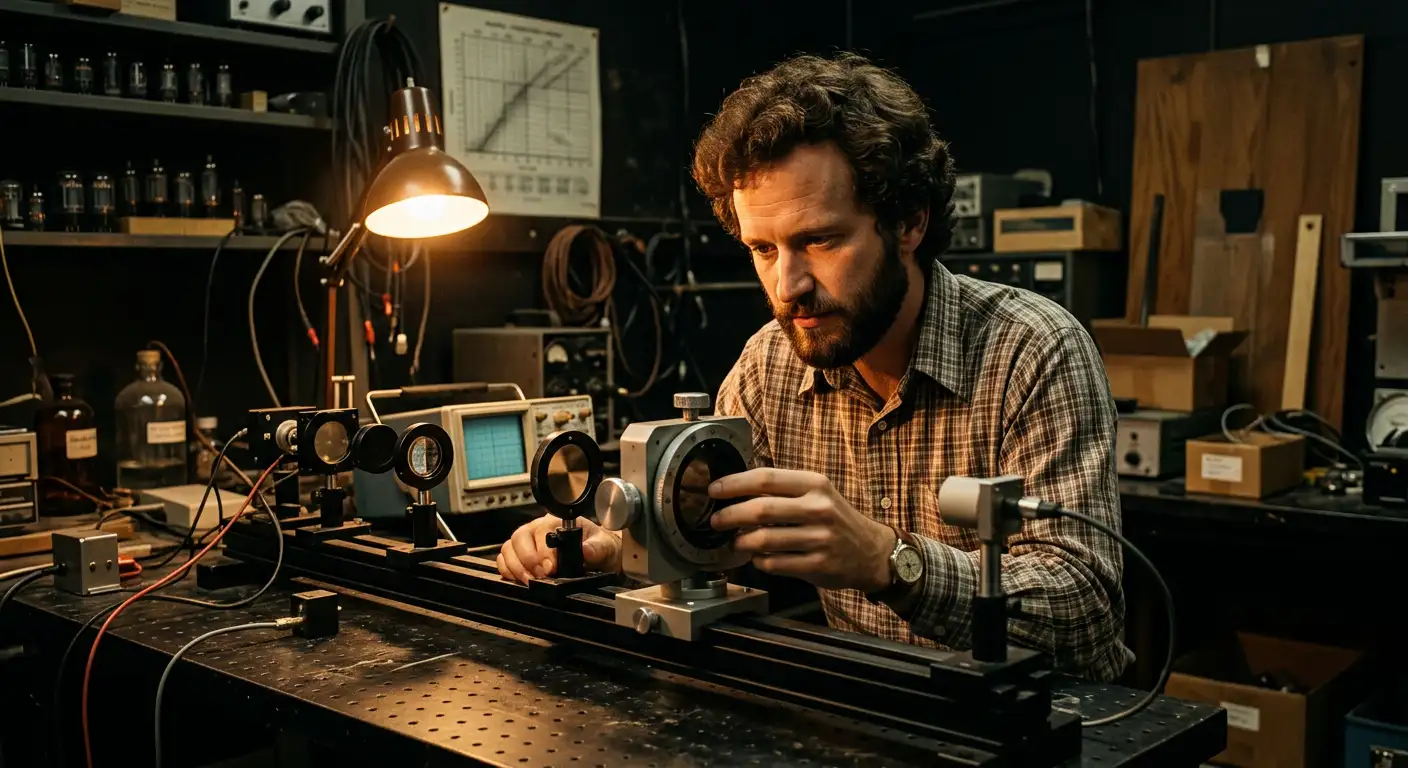
John Francis Clauser
1942–present · Experimental and theoretical physics
Co-developed the 1969 CHSH inequality and shared the 2022 Nobel Prize in Physics for experiments with entangled photons.
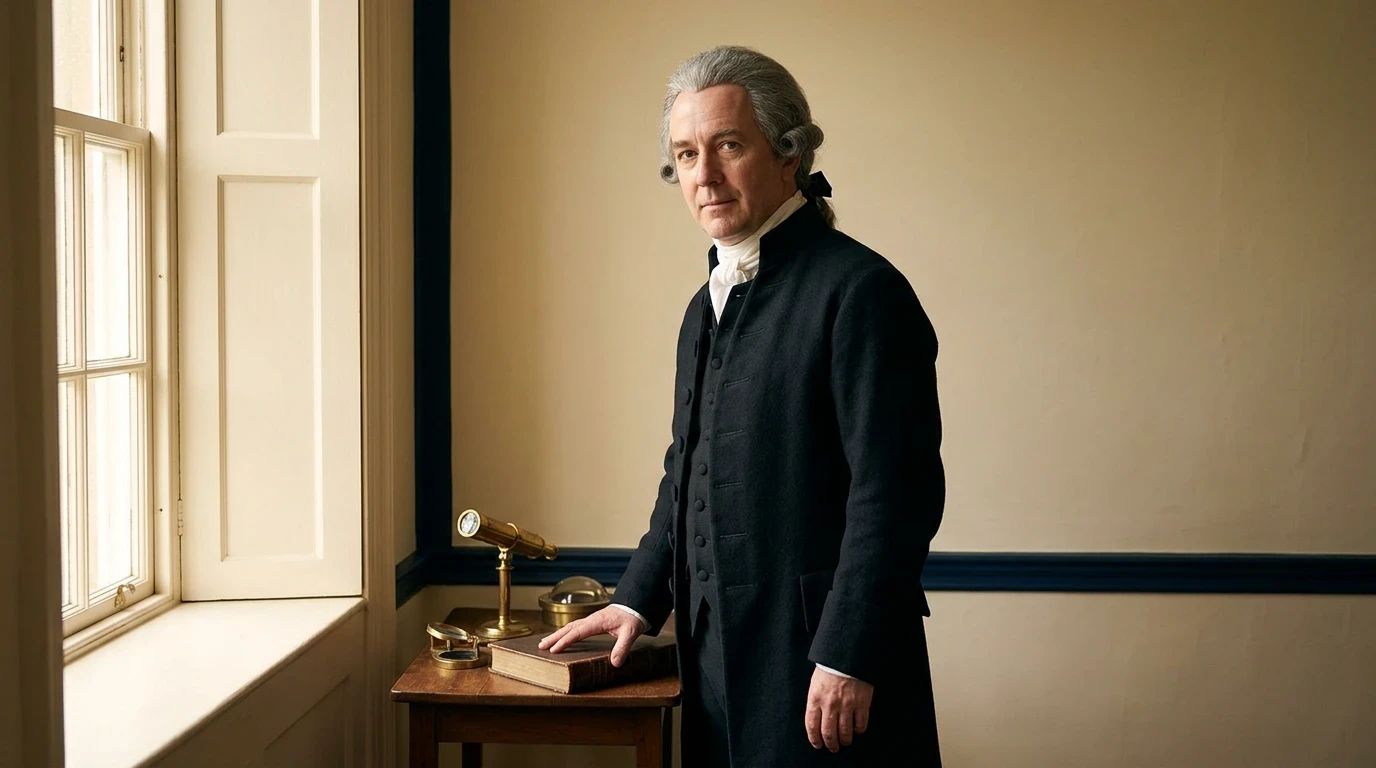
John Michell
1724–1793 · Gravitation, astronomy, magnetism and seismology
John Michell proposed dark stars from which light might not escape, studied earthquake waves and conceived the torsion-balance experiment later carried out by Henry Cavendish.
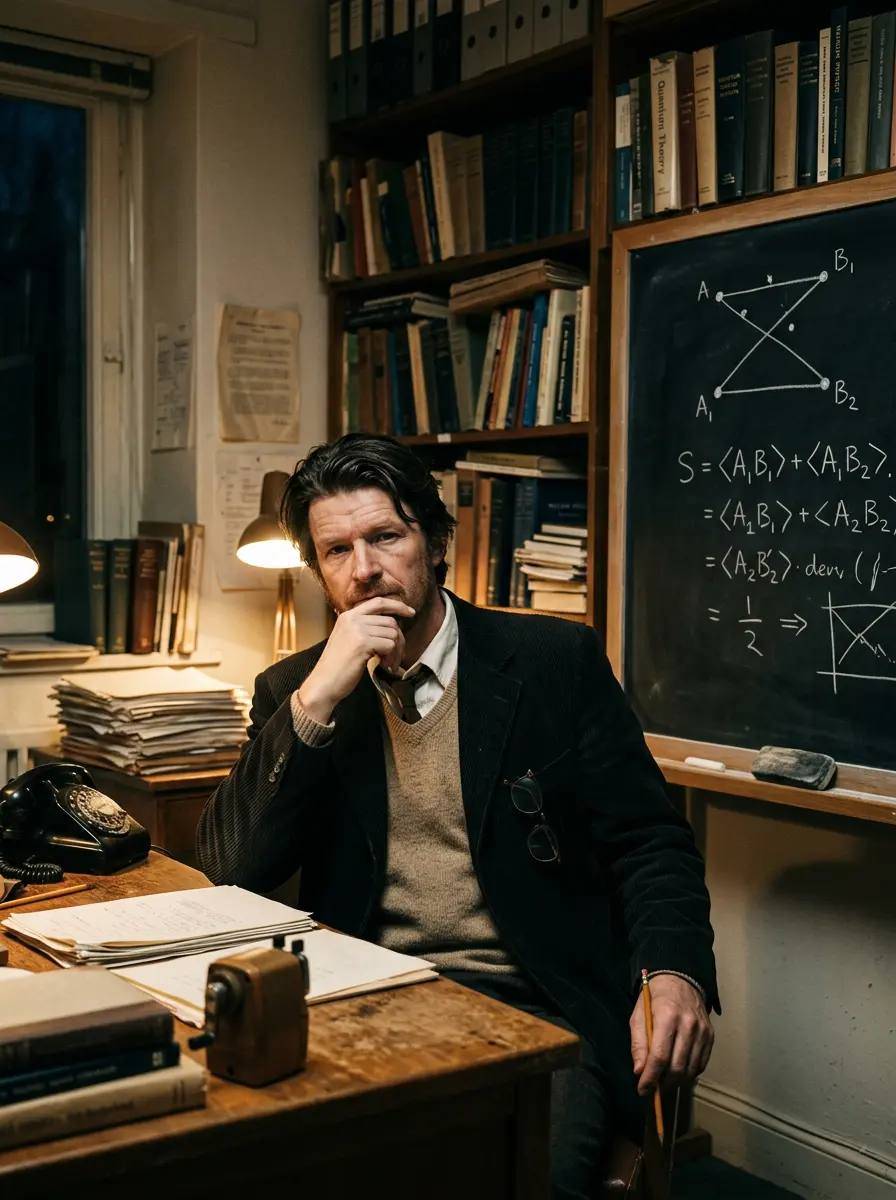
John Stewart Bell
1928–1990 · Theoretical physics
His 1964 theorem showed that local hidden-variable accounts obey limits on correlations that quantum mechanics can exceed, turning a longstanding debate into a testable question.
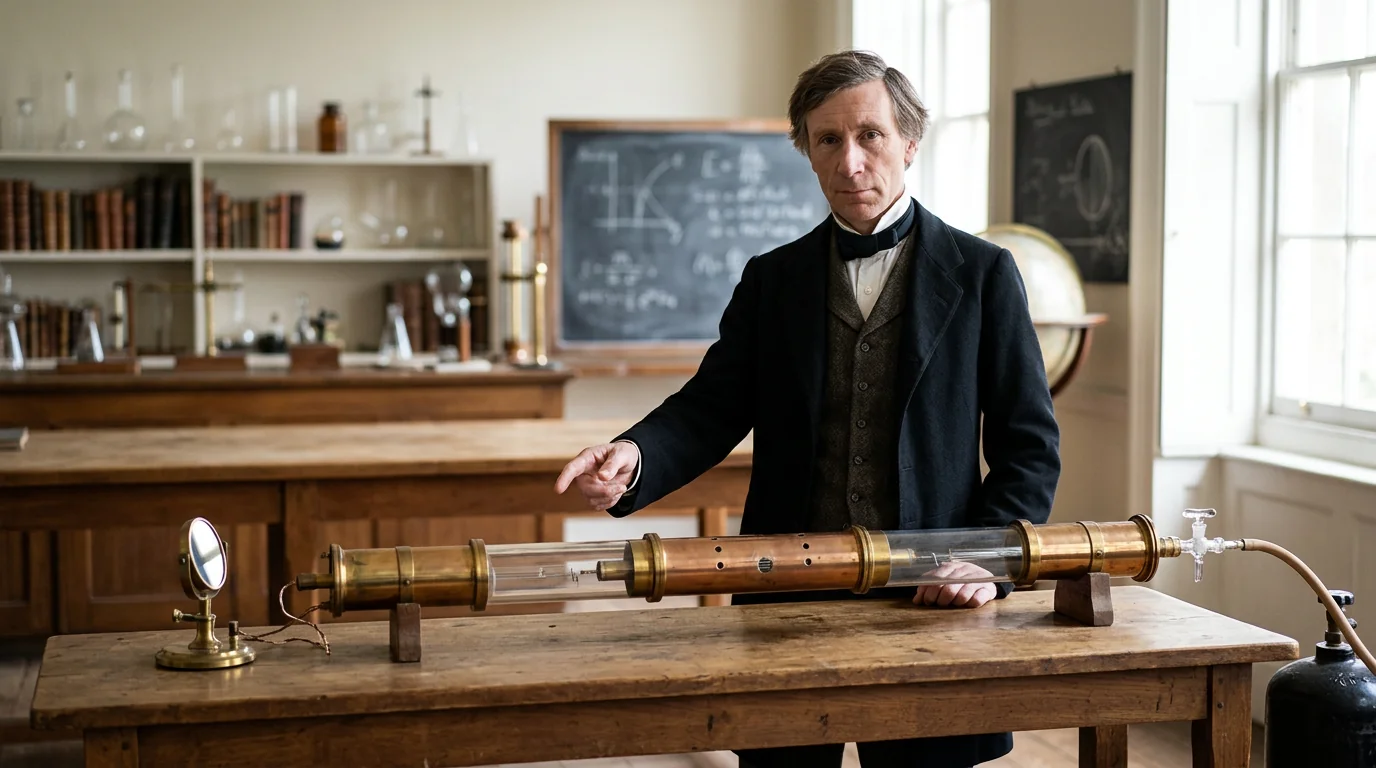
John Tyndall
1820–1893 · Physics, atmospheric heat and glaciers
John Tyndall measured the absorption of radiant heat by atmospheric gases, helping explain the greenhouse effect, and also studied glaciers, light and scientific communication.
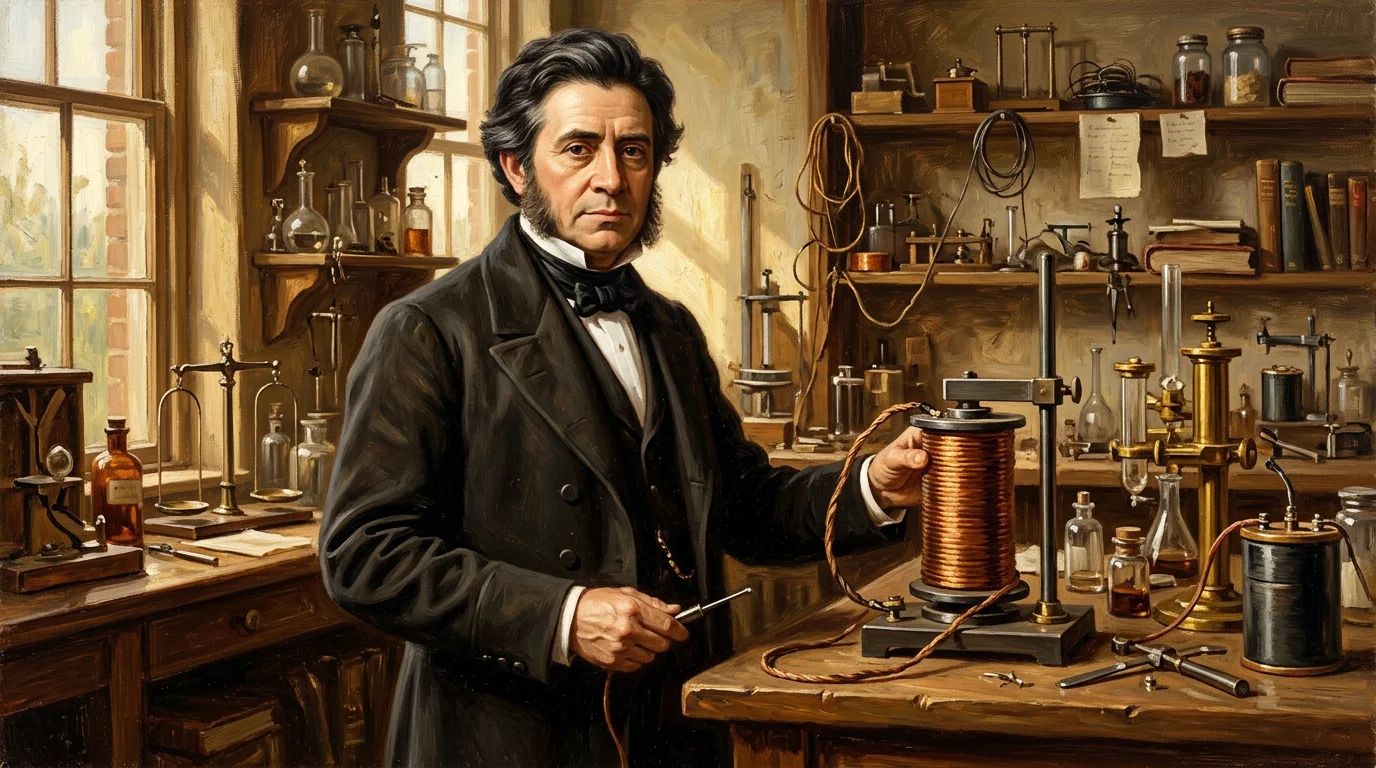
Joseph Henry
1797–1878 · Physicist
Building powerful electromagnets, independently investigating electromagnetic induction and discovering self-induction, demonstrating an early electromagnetic motor in 1831, and providing important scientific foundations for telegraph technology.
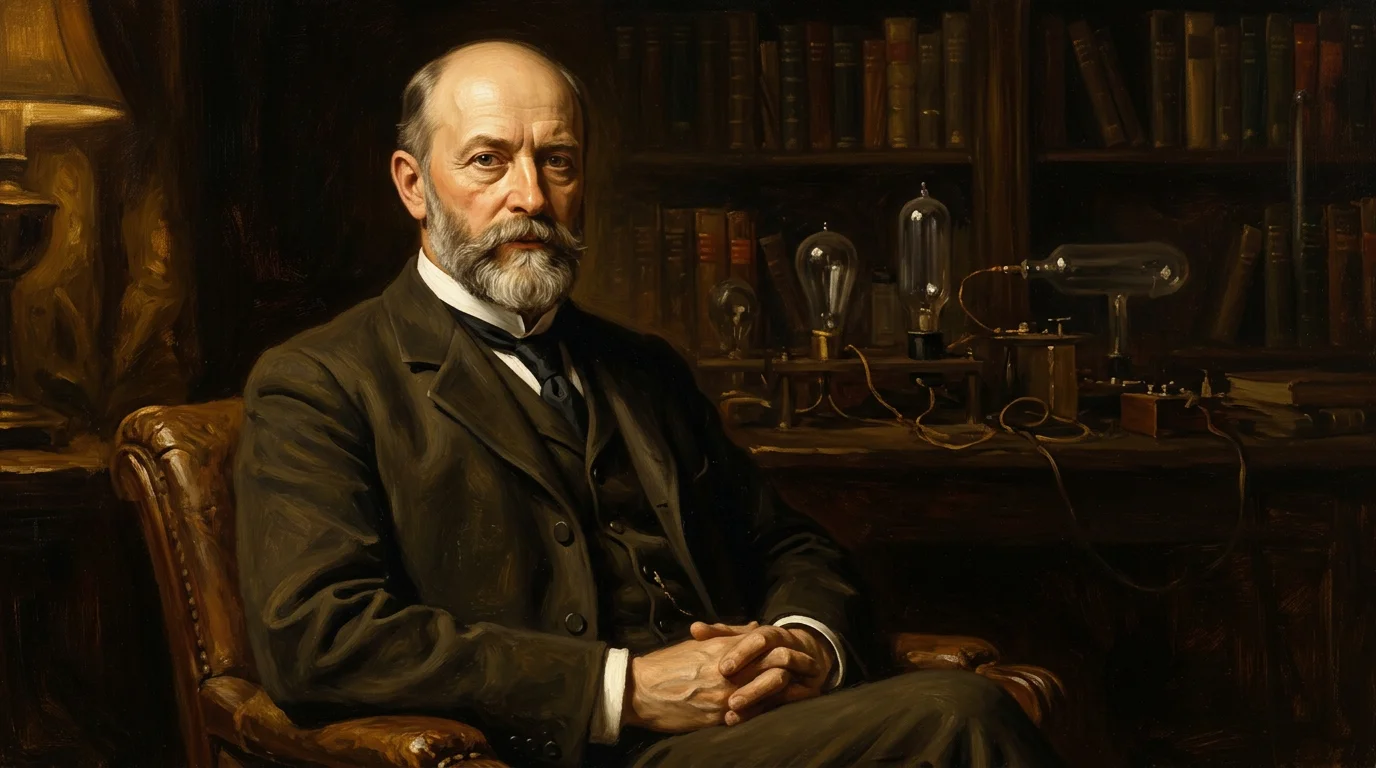
Karl Ferdinand Braun
1850–1918 · Physicist & Electrical Engineer
Discovering an important rectification effect at a metal-crystal contact in 1874, developing the Braun cathode-ray tube in 1897, and sharing the 1909 Nobel Prize in Physics with Marconi for contributions to wireless telegraphy.
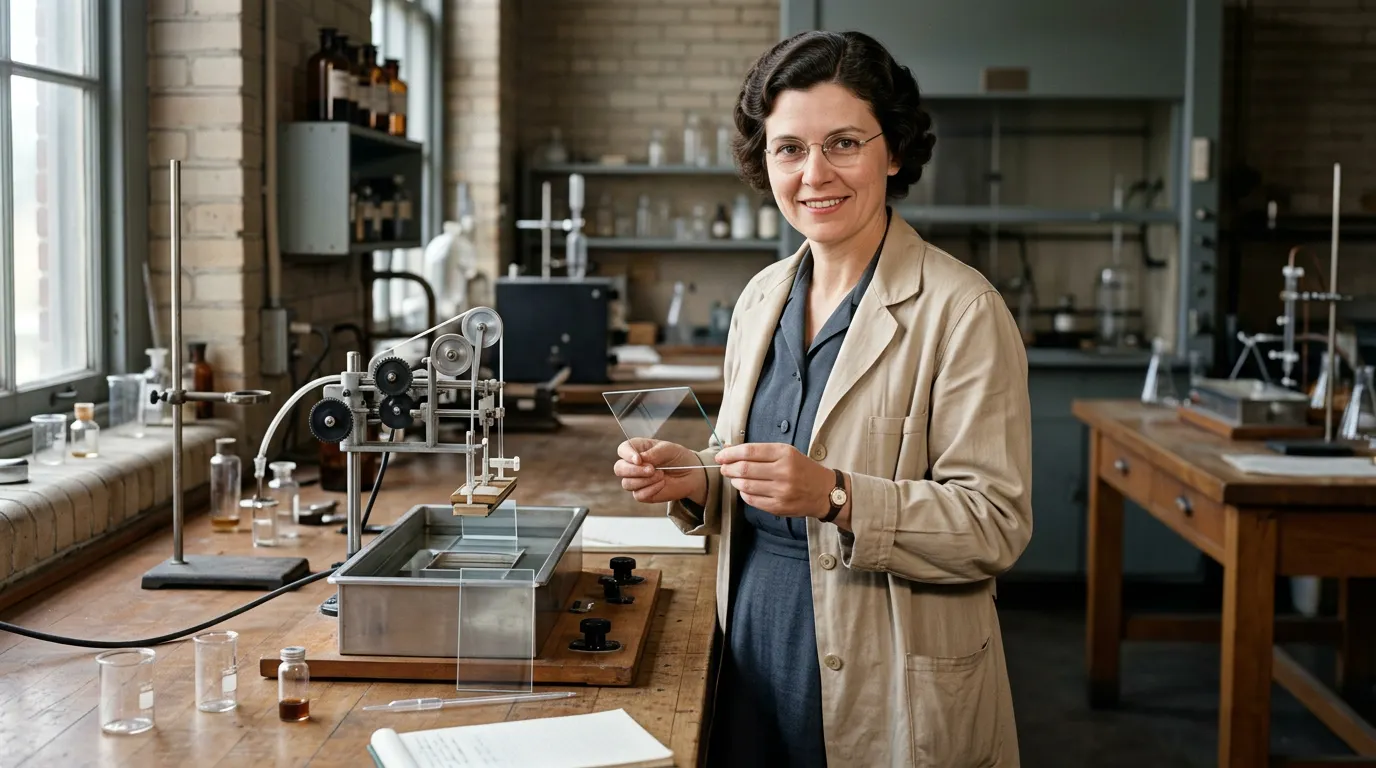
Katharine Burr Blodgett
1898–1979 · Surface physics, thin films and optics
Katharine Burr Blodgett developed methods for building molecularly thin coatings and made glass that reflected remarkably little light.
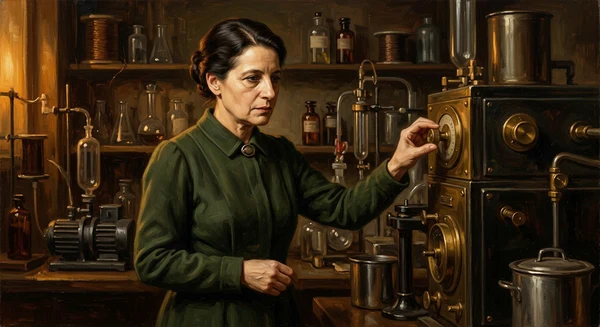
Lise Meitner
1878–1968 · Physicist
Made crucial contributions to the discovery of nuclear fission and, with Otto Frisch, provided its physical explanation.
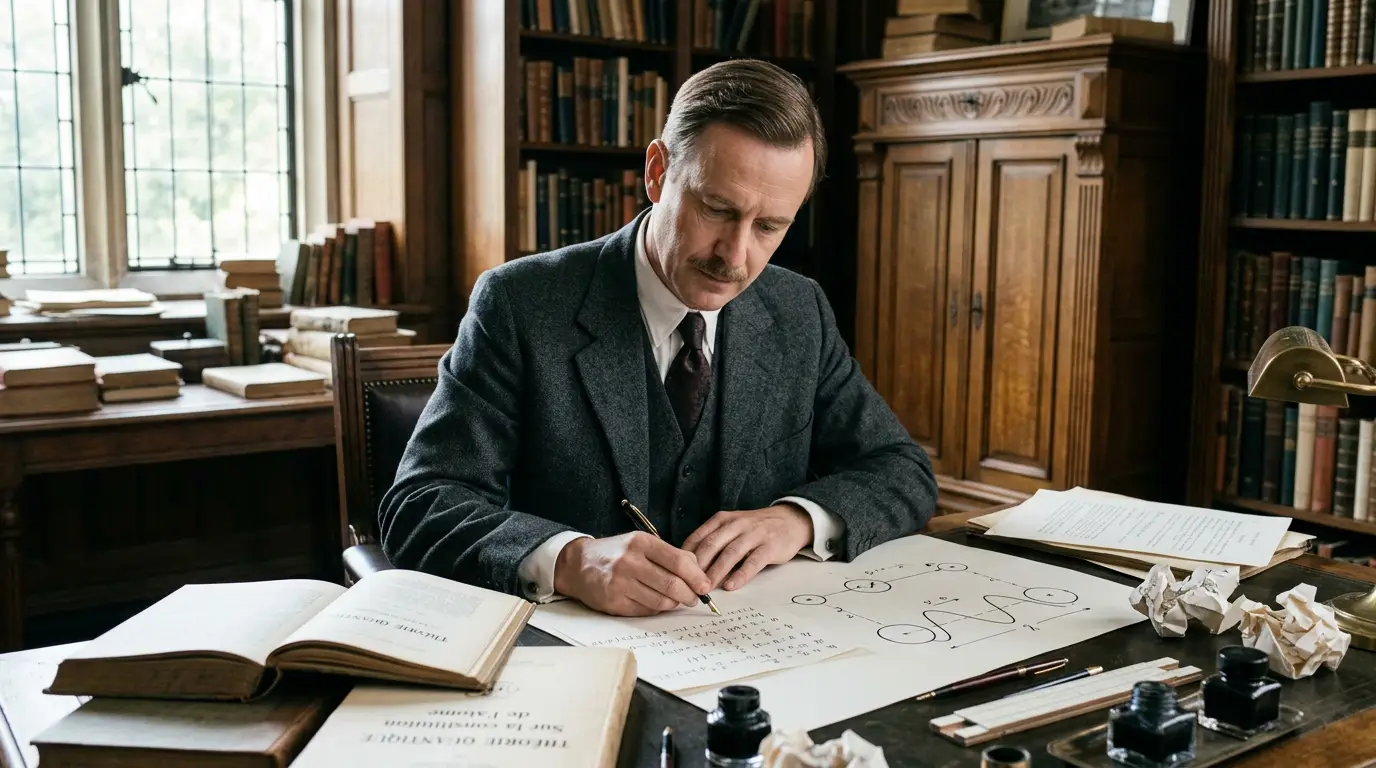
Louis de Broglie
1892–1987 · Theoretical Physicist
Proposing in 1924 that particles of matter, such as electrons, have wave-like properties — the matter-wave hypothesis that earned him the 1929 Nobel Prize in Physics.
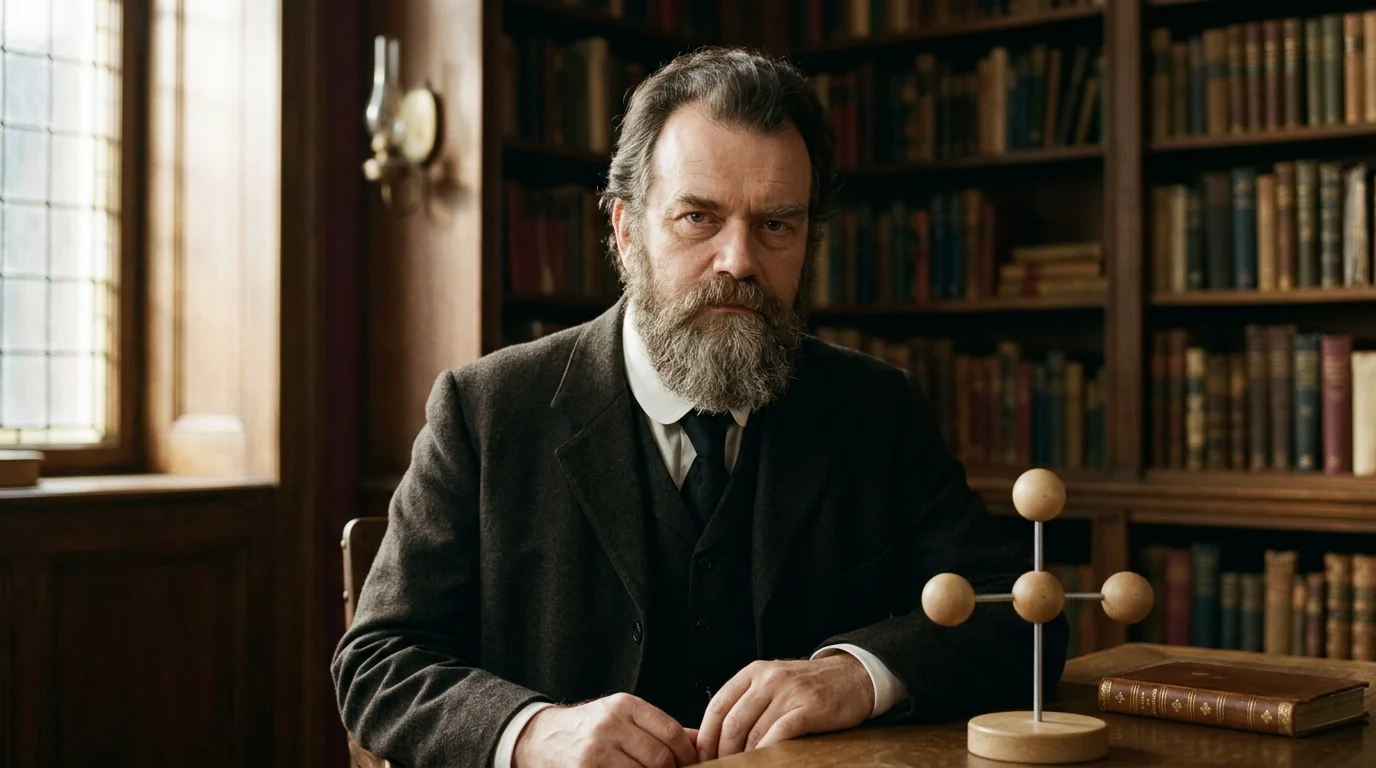
Ludwig Boltzmann
1844–1906 · Statistical mechanics and thermodynamics
Ludwig Boltzmann showed how the collective motion of huge numbers of particles explains the measurable properties of matter.
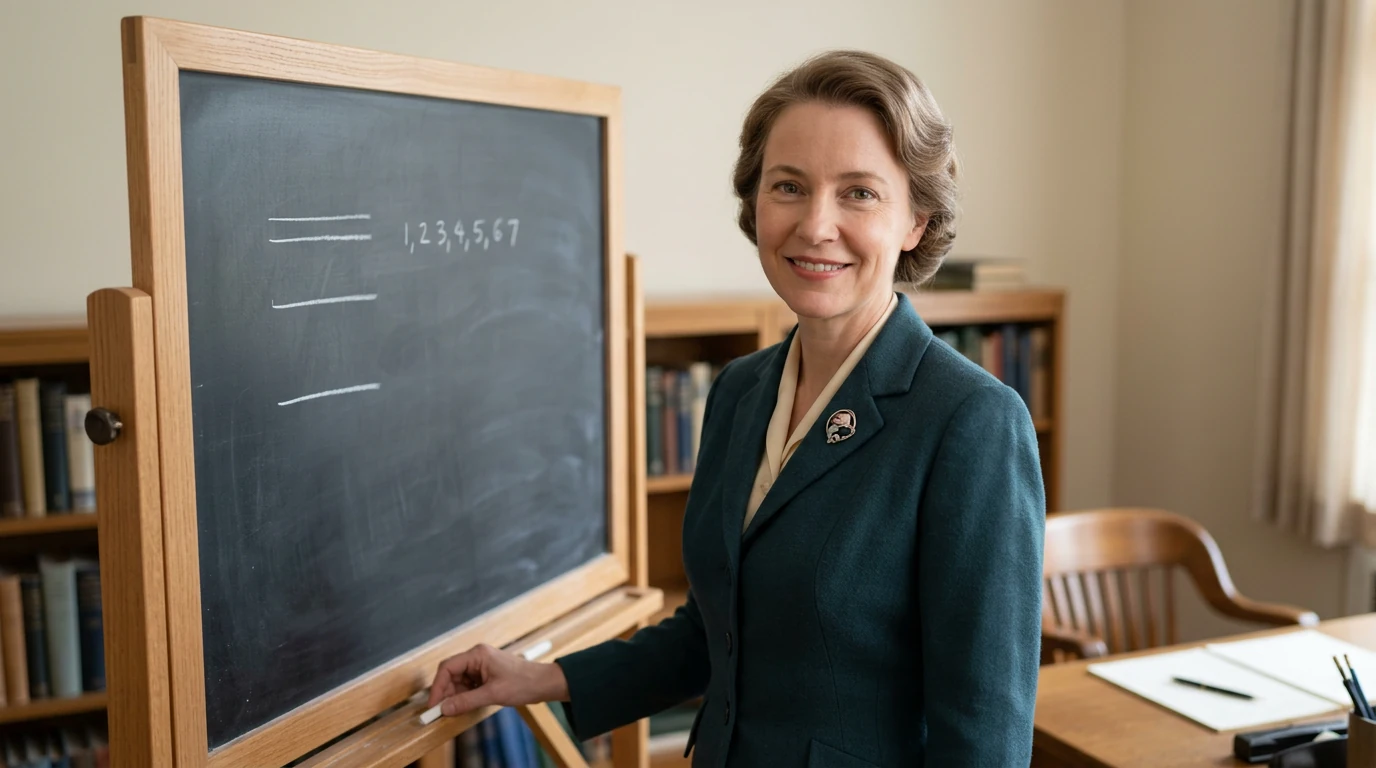
Maria Goeppert Mayer
1906–1972 · Theoretical nuclear physics and quantum mechanics
Maria Goeppert Mayer developed a nuclear shell model that explained why nuclei with certain numbers of protons or neutrons are unusually stable. In 1949 her work and an independently developed model by J. Hans D. Jensen gave the decisive explanation through the interaction between nuclear motion and spin.
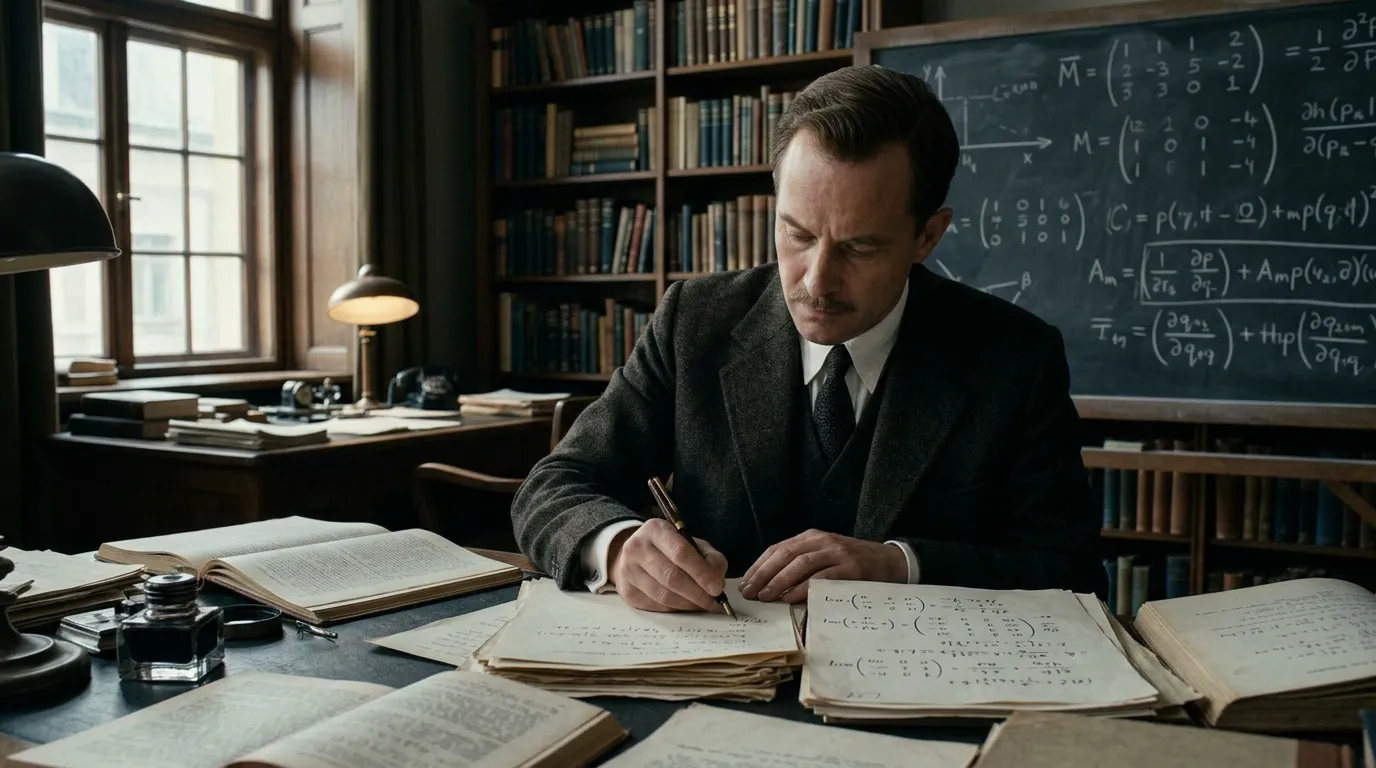
Max Born
1882–1970 · Theoretical Physicist
Making fundamental contributions to quantum mechanics, including the probabilistic interpretation of the wavefunction known as the Born rule, and helping develop matrix mechanics. He received the 1954 Nobel Prize in Physics.
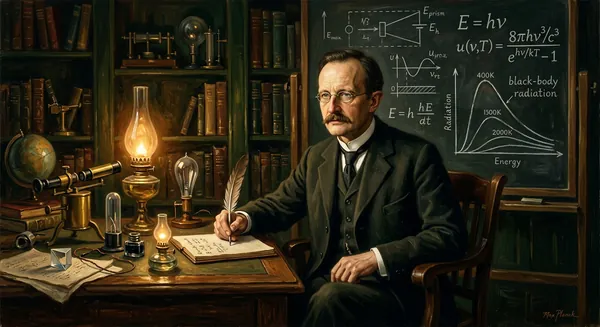
Max Planck
1858–1947 · Theoretical Physicist
Introducing the quantum of action while deriving his black-body radiation law, helping launch quantum theory.
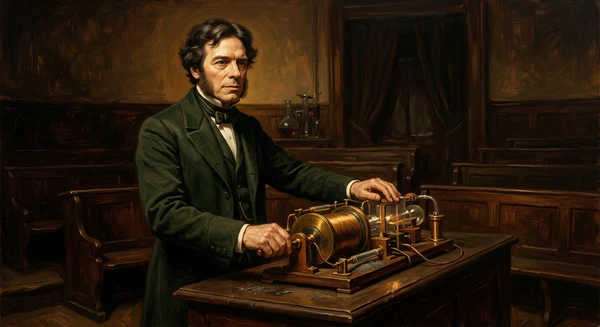
Michael Faraday
1791–1867 · Physicist & Chemist
Discovered electromagnetic induction and created pioneering devices that became the foundations of the electric motor, transformer and generator.
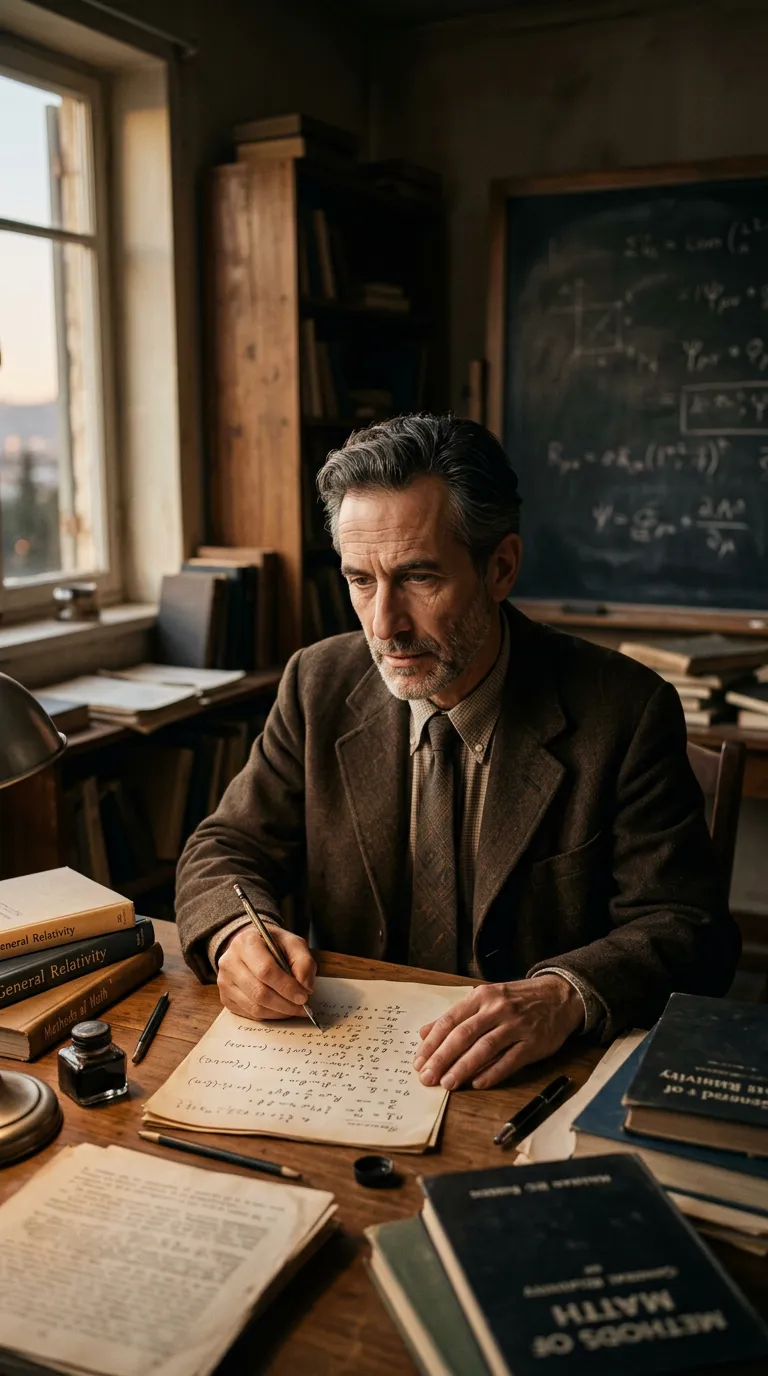
Nathan Rosen
1909–1995 · Theoretical physics
Coauthored the 1935 Einstein–Podolsky–Rosen paper and the Einstein–Rosen bridge paper; later helped build theoretical physics at the Technion in Israel.
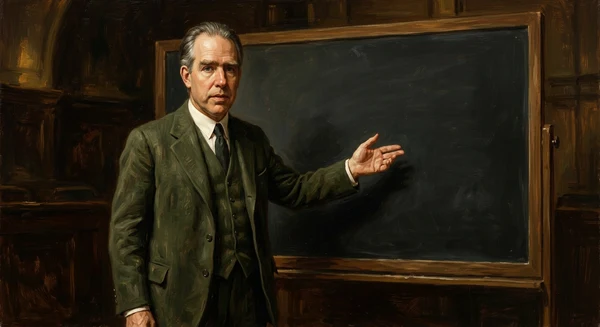
Niels Bohr
1885–1962 · Physicist
Developed the Bohr model of the atom and made foundational contributions to quantum mechanics.
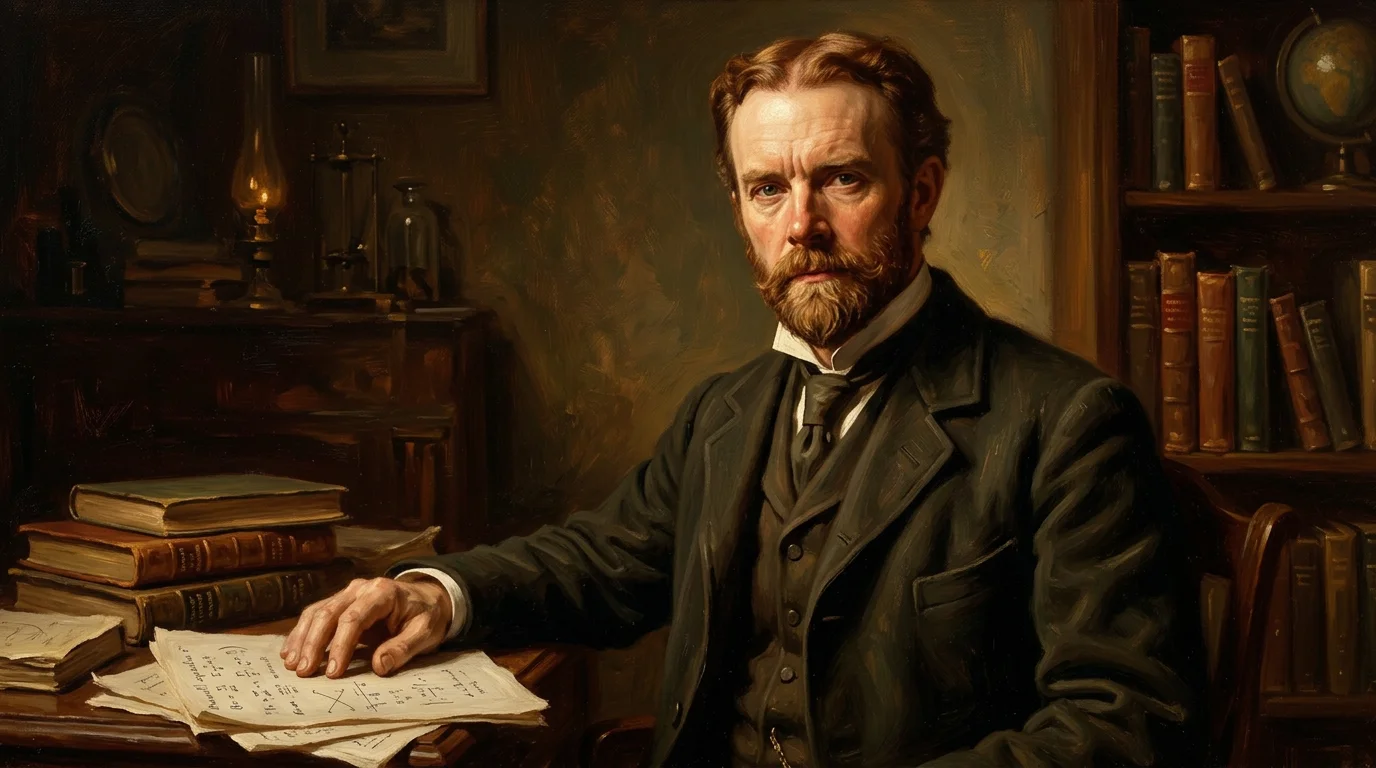
Oliver Heaviside
1850–1925 · Mathematician, Physicist & Electrical Engineer
Reformulating Maxwell's electromagnetic theory into a compact vector form, developing transmission-line equations fundamental to telecommunications, and predicting a radio-reflecting atmospheric layer later called the Heaviside-Kennelly layer.
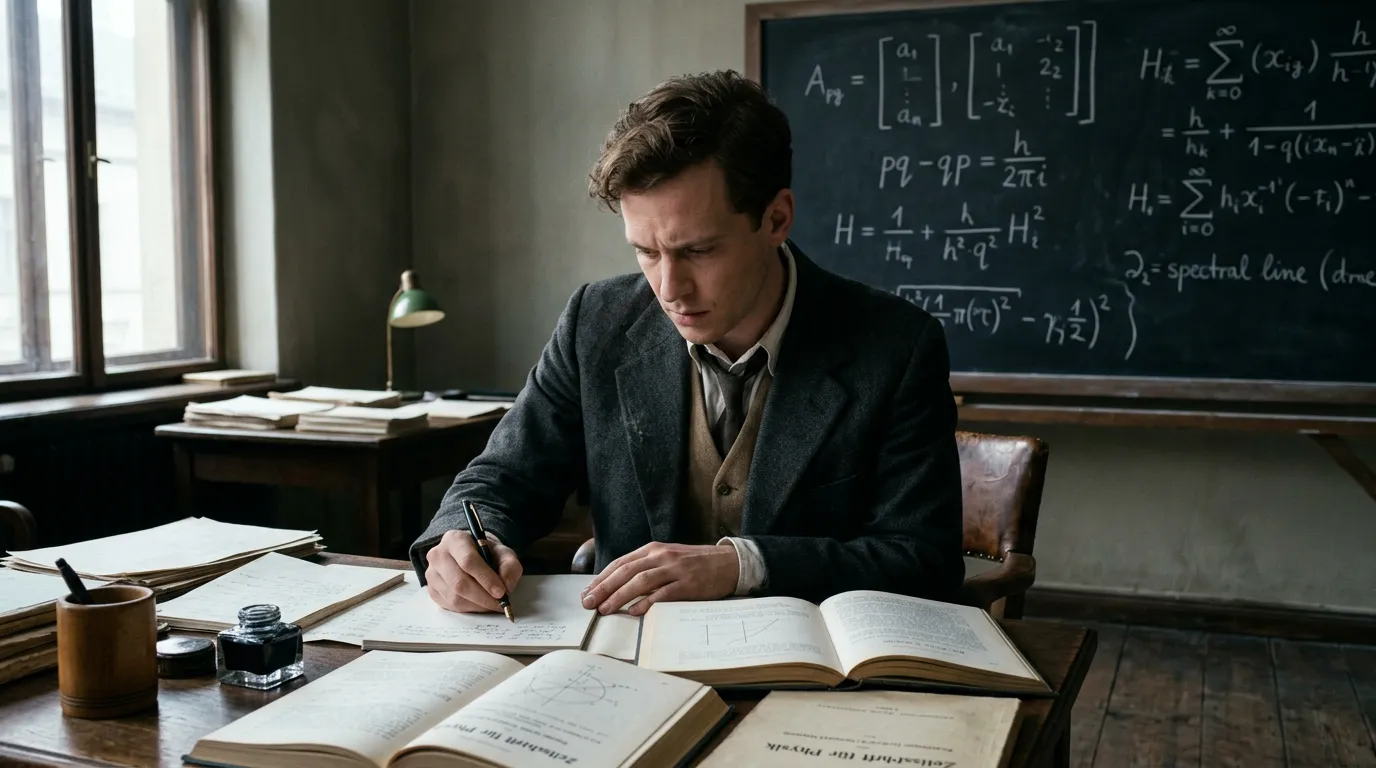
Pascual Jordan
1902–1980 · Theoretical Physicist
Being one of the principal early developers of matrix mechanics and making important contributions to quantum field theory.
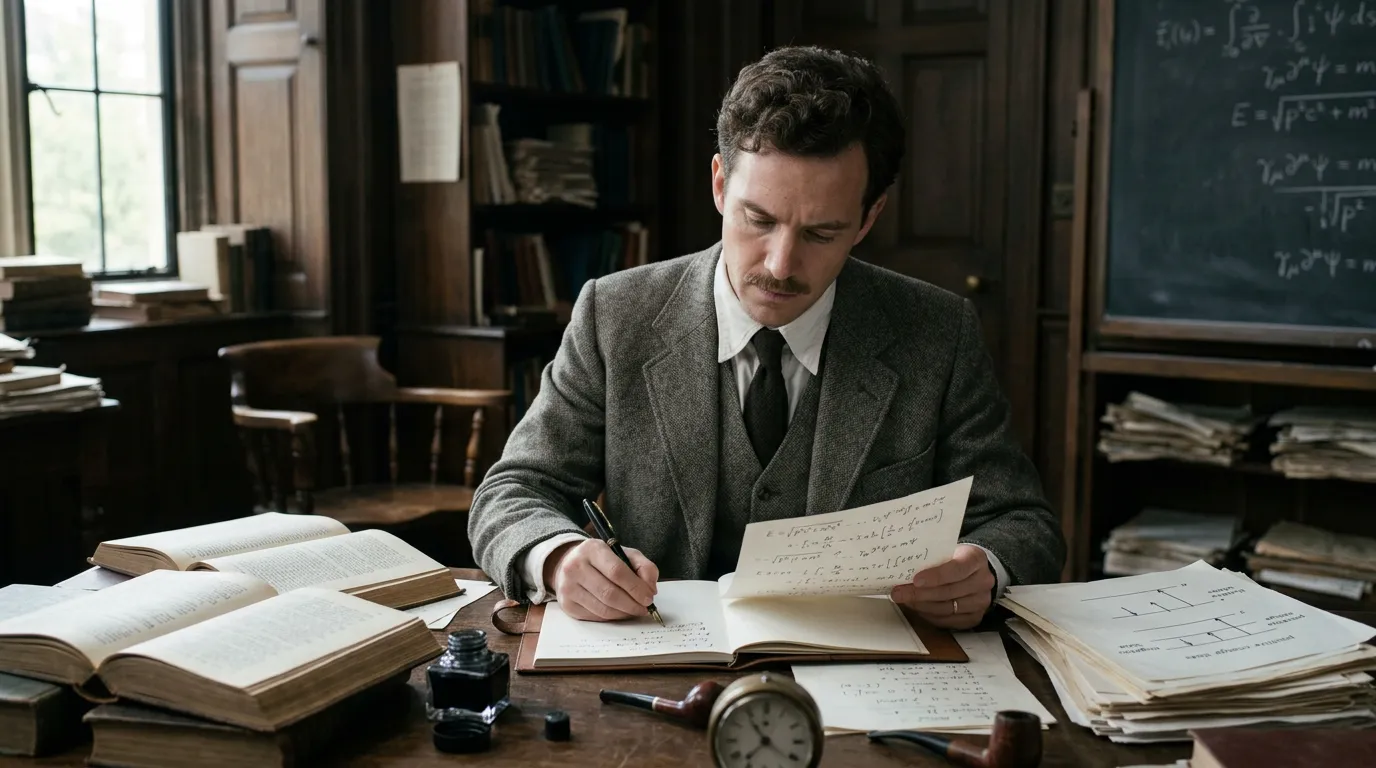
Paul Dirac
1902–1984 · Theoretical Physicist
Developing the Dirac equation, one of the foundational equations of relativistic quantum mechanics, and producing theory that implied the existence of antimatter. He shared the 1933 Nobel Prize in Physics with Erwin Schrödinger.
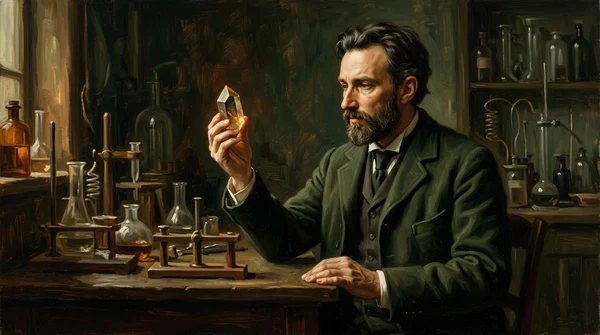
Pierre Curie
1859–1906 · Physicist
Co-discovered radium and polonium and pioneered the study of radioactivity with Marie Curie.
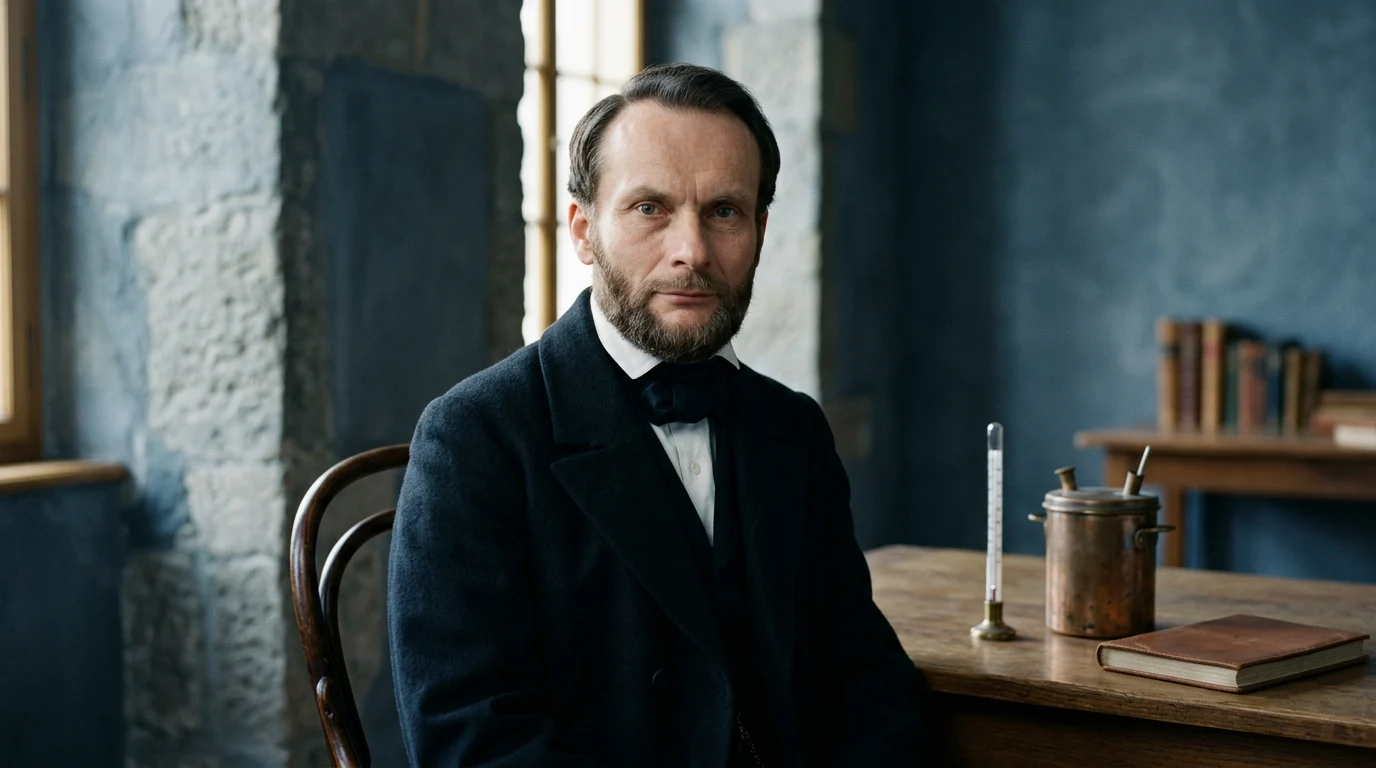
Rudolf Clausius
1822–1888 · Thermodynamics, entropy and kinetic theory
Rudolf Clausius formulated a foundational version of the second law of thermodynamics and introduced the quantity entropy.
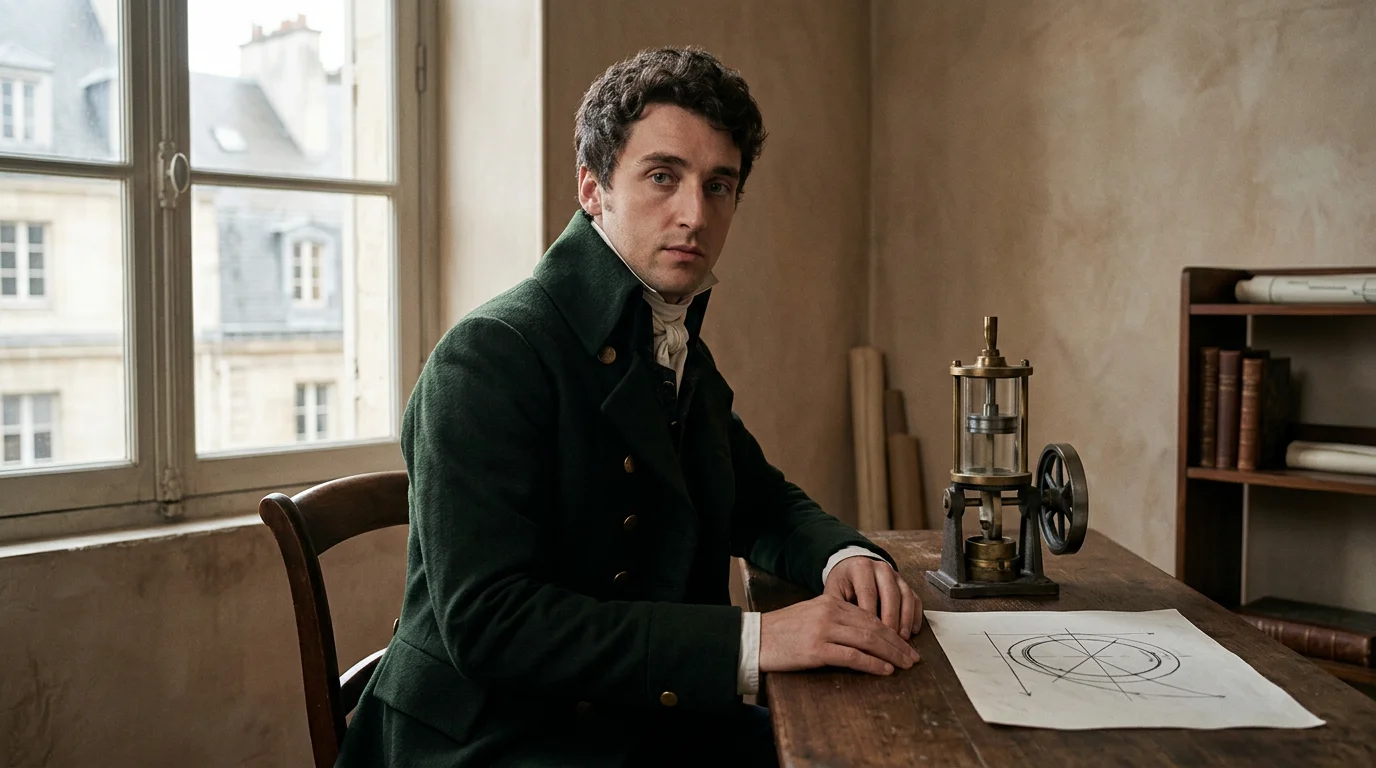
Sadi Carnot
1796–1832 · Thermodynamics and heat-engine efficiency
Sadi Carnot developed a theory of the maximum possible performance of heat engines, establishing ideas later central to thermodynamics.
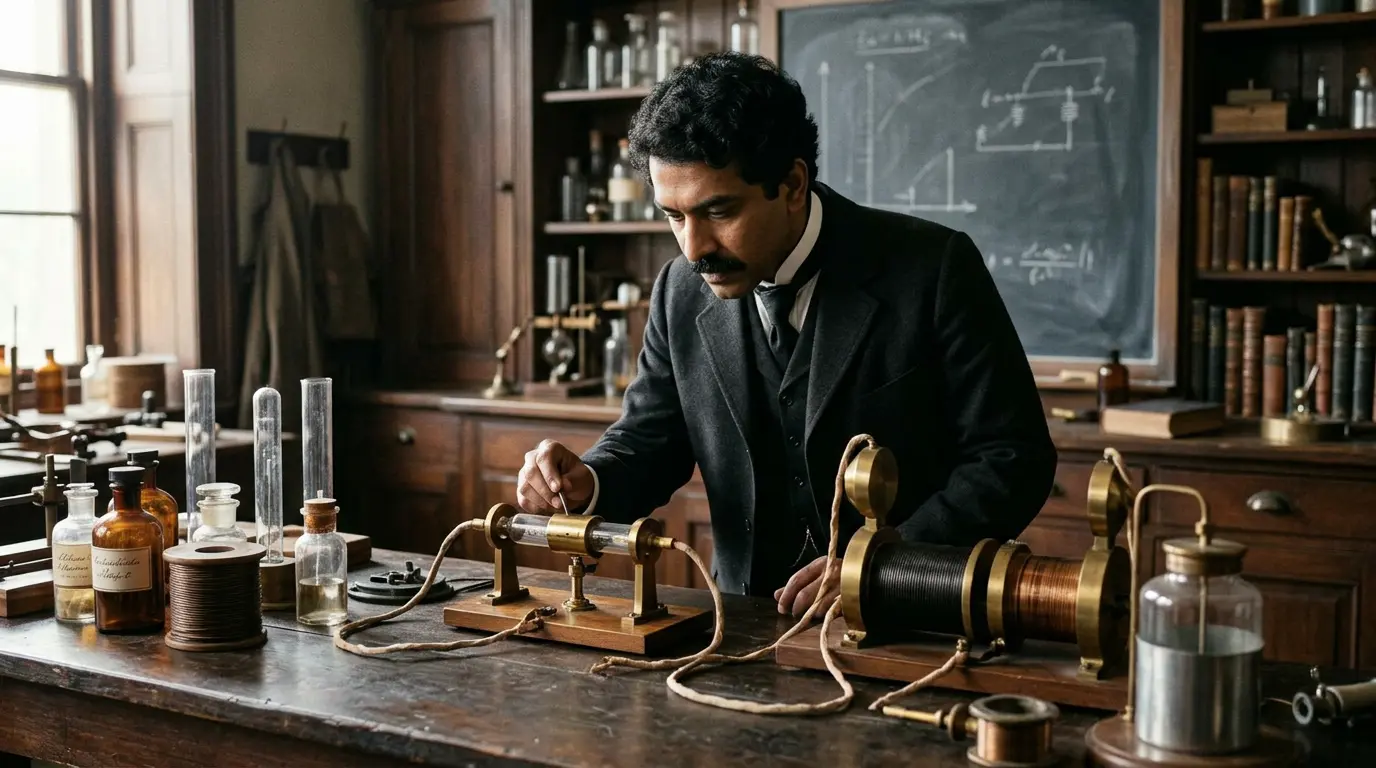
Sir Jagadish Chandra Bose
1858–1937 · Physicist and Biophysicist
Pioneering experiments with radio and microwave radiation and developing sensitive instruments to investigate electrical and mechanical responses in plants.
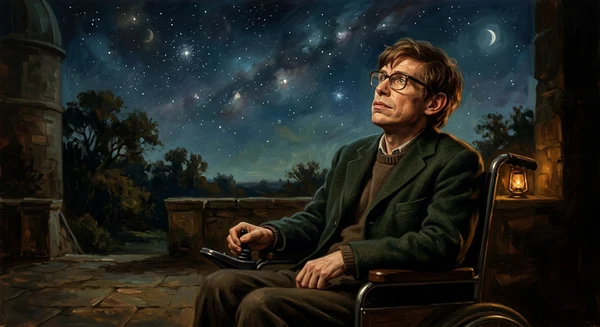
Stephen Hawking
1942–2018 · Theoretical Physicist & Cosmologist
Predicting that black holes emit thermal radiation and writing 'A Brief History of Time.'
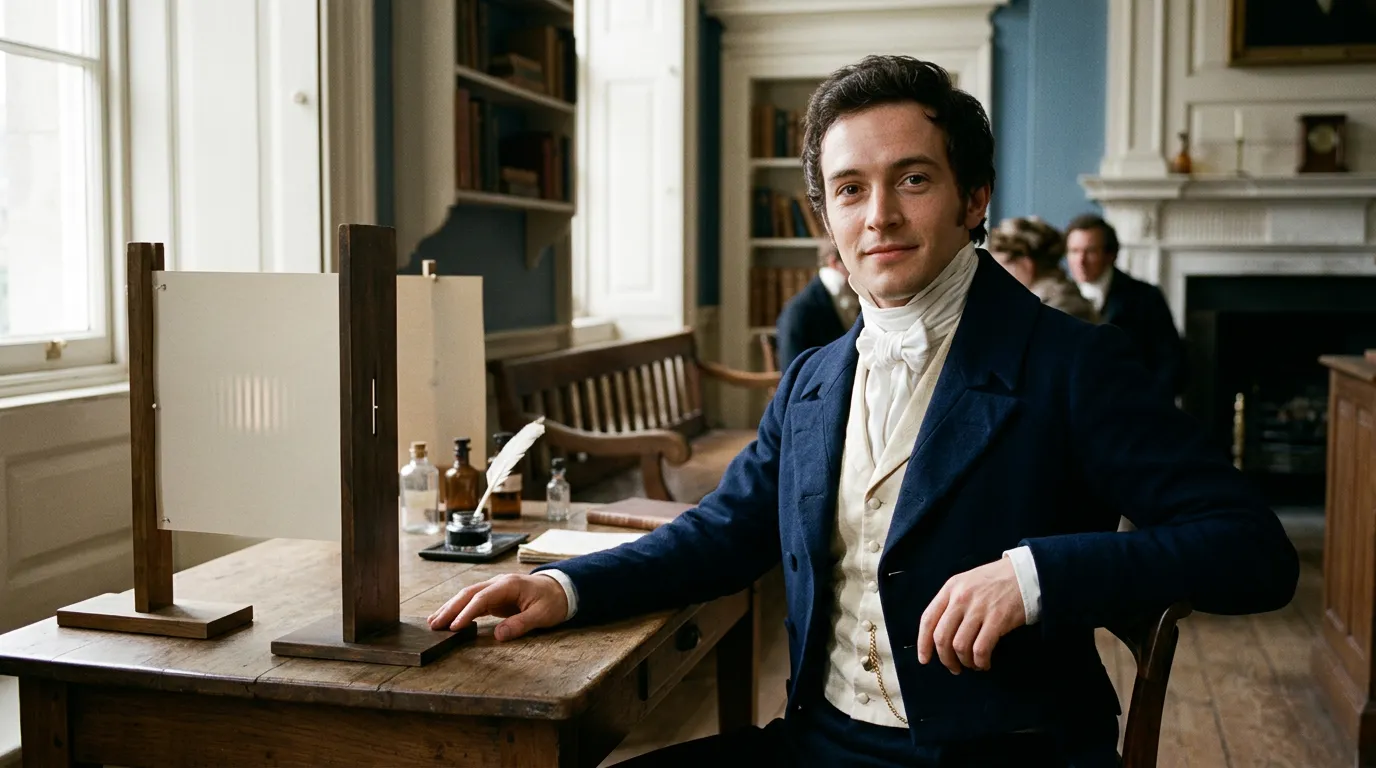
Thomas Young
1773–1829 · Wave optics, vision and elasticity
Thomas Young explained the interference of light using wave ideas, advanced the study of colour vision, and gave his name to a measure of material stiffness.
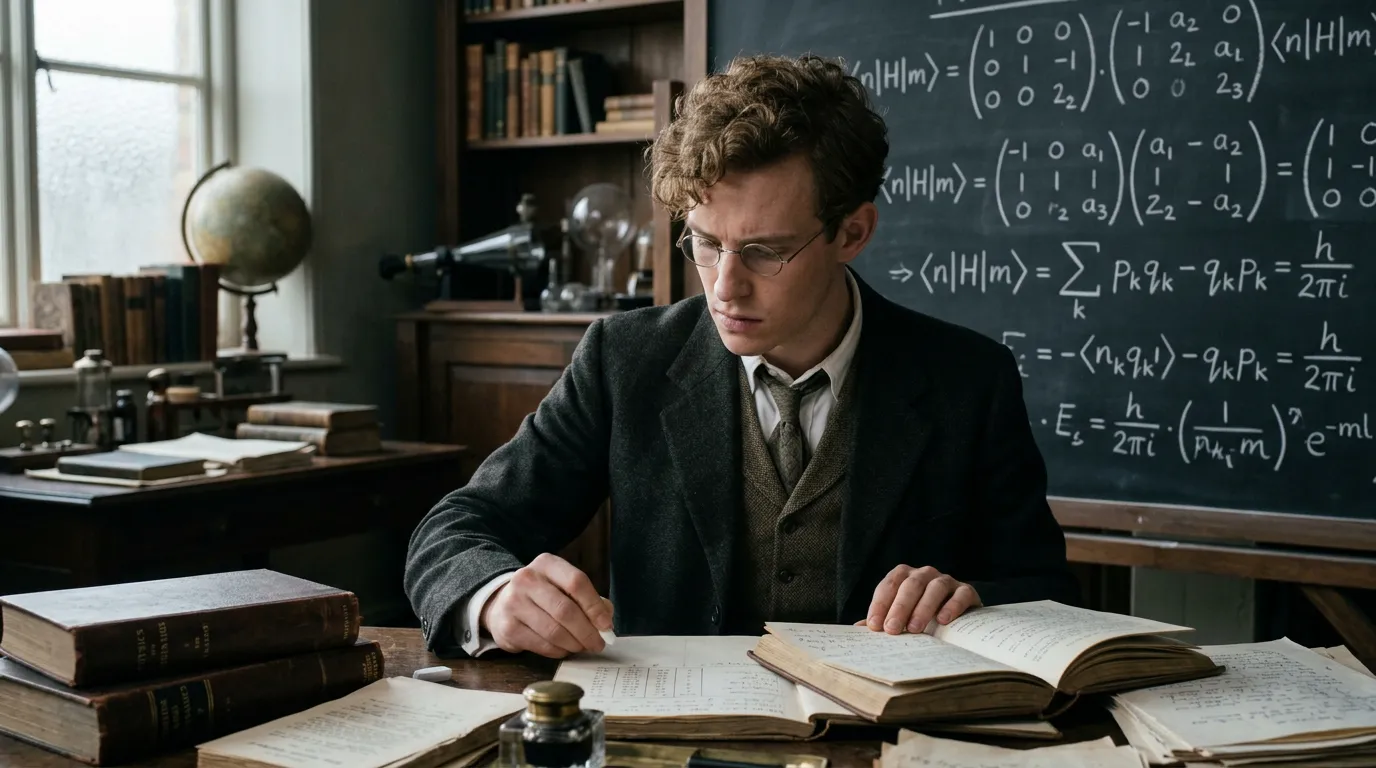
Werner Heisenberg
1901–1976 · Theoretical Physicist
Initiating matrix mechanics in 1925 and formulating the uncertainty principle in 1927. He received the 1932 Nobel Prize in Physics.
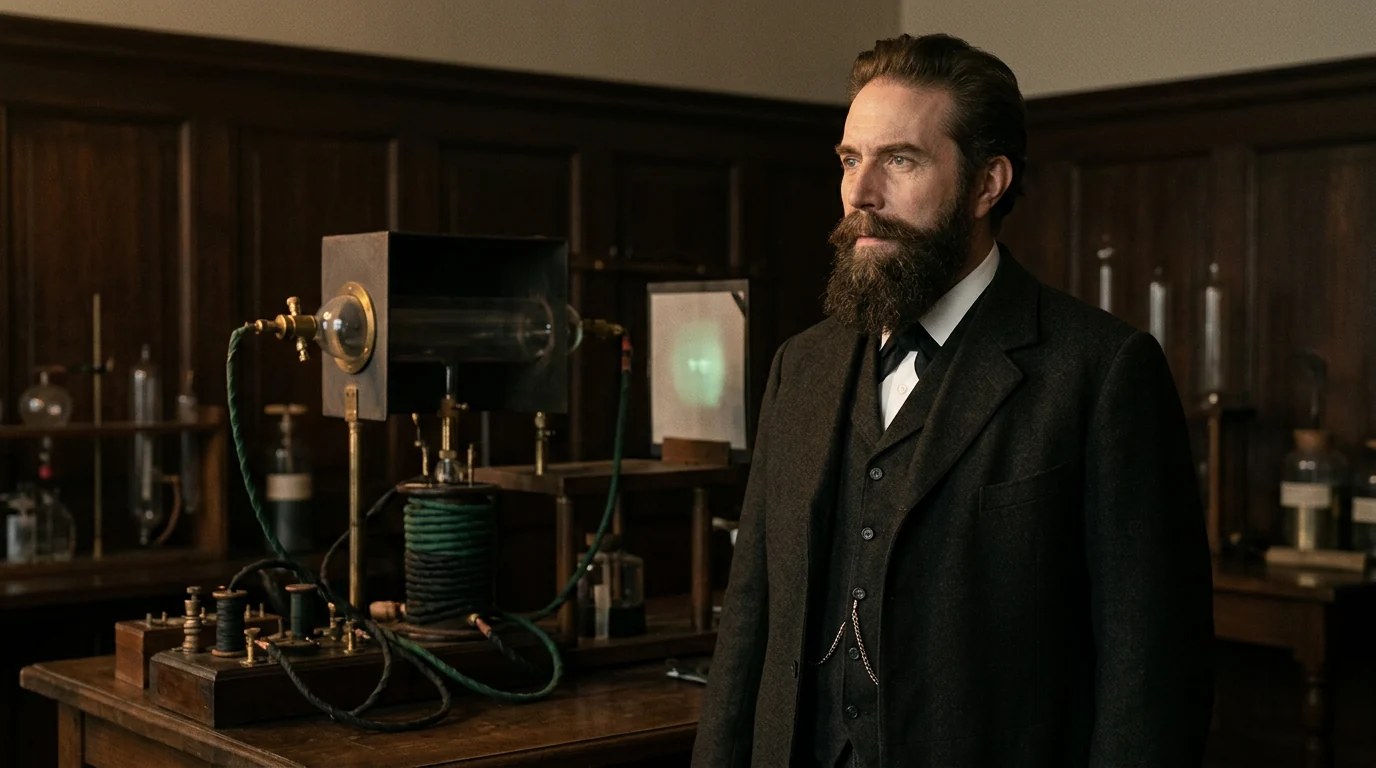
Wilhelm Conrad Röntgen
1845–1923 · Experimental physics and X-ray science
Röntgen discovered X-rays in November 1895 while investigating electrical discharges in glass tubes. He followed a mysterious fluorescent glow to a previously unknown, penetrating form of radiation and tested it with unusually careful experiments.
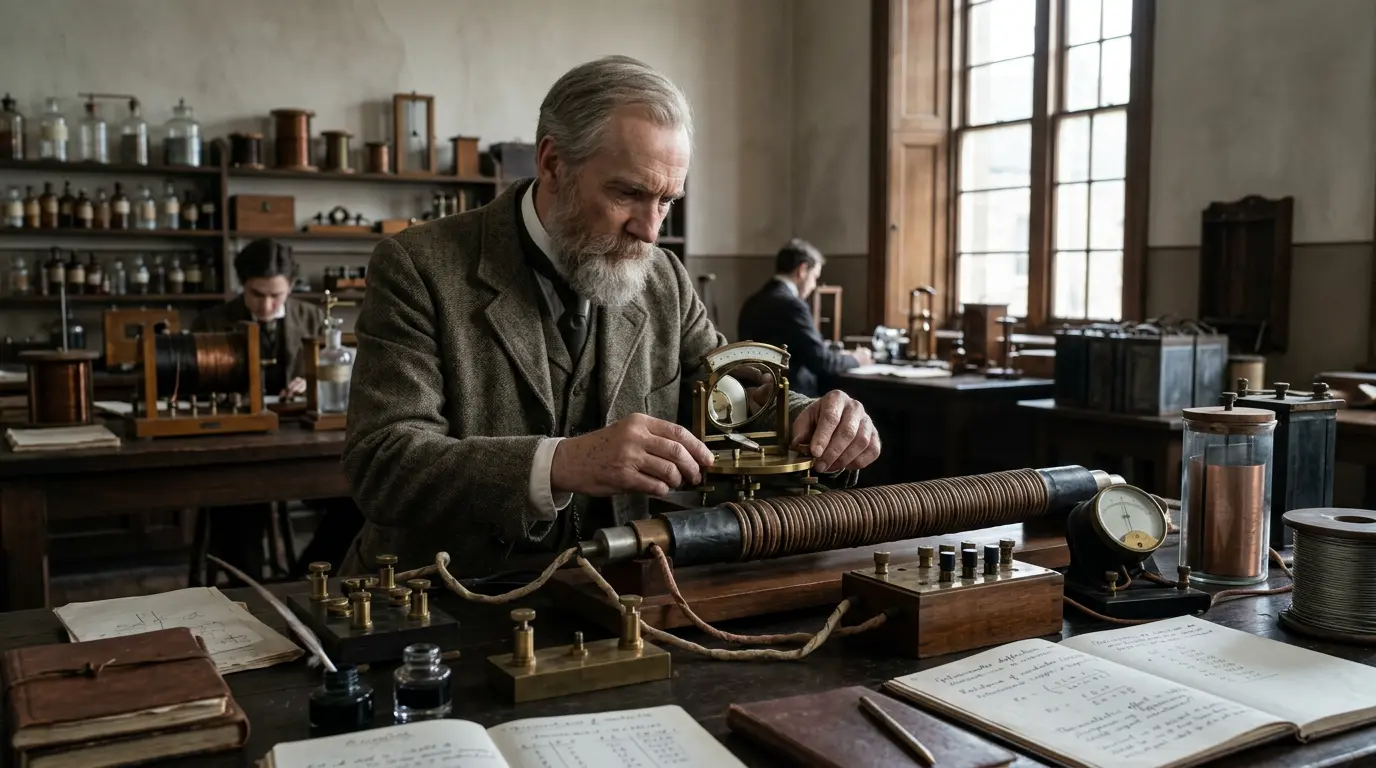
William Thomson, Lord Kelvin
1824–1907 · Physicist and Engineer
Developed the absolute temperature scale measured in kelvins (K), made major contributions to thermodynamics, and played a key role in the laying of the transatlantic telegraph cable.
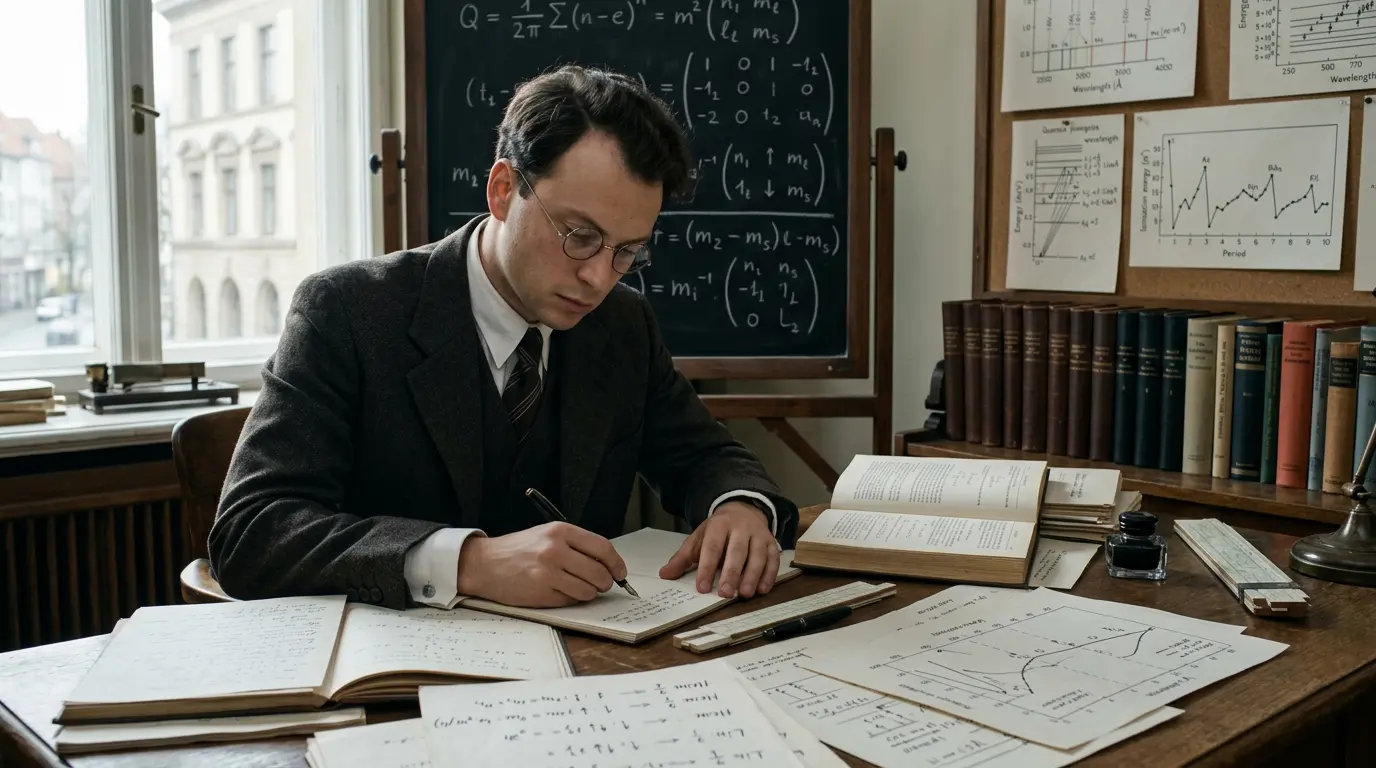
Wolfgang Pauli
1900–1958 · Theoretical Physicist
Formulating the Pauli exclusion principle and proposing the existence of the neutral particle later called the neutrino. He received the 1945 Nobel Prize in Physics.