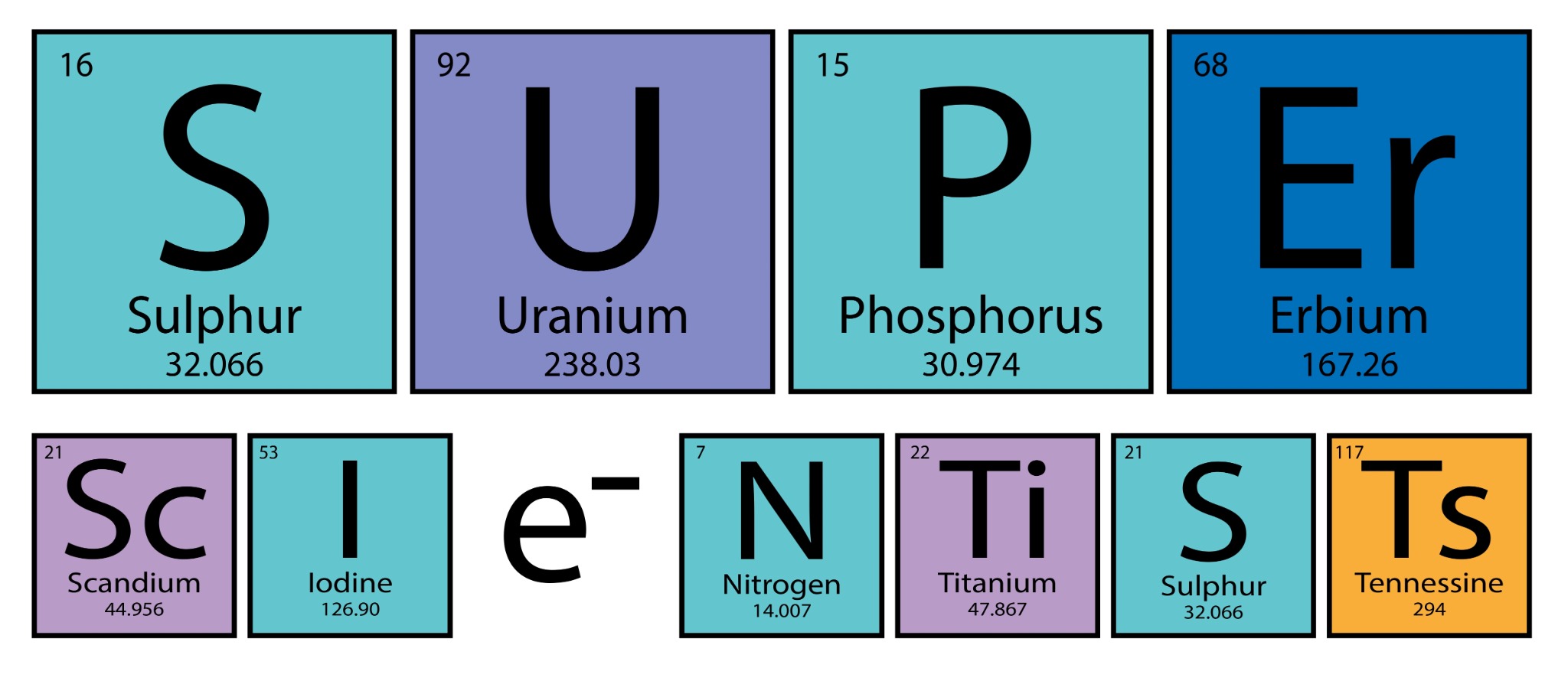
Chemistry
Elements, reactions, molecules, and the science of matter — from the periodic table to the chemistry of life itself.
47 scientists
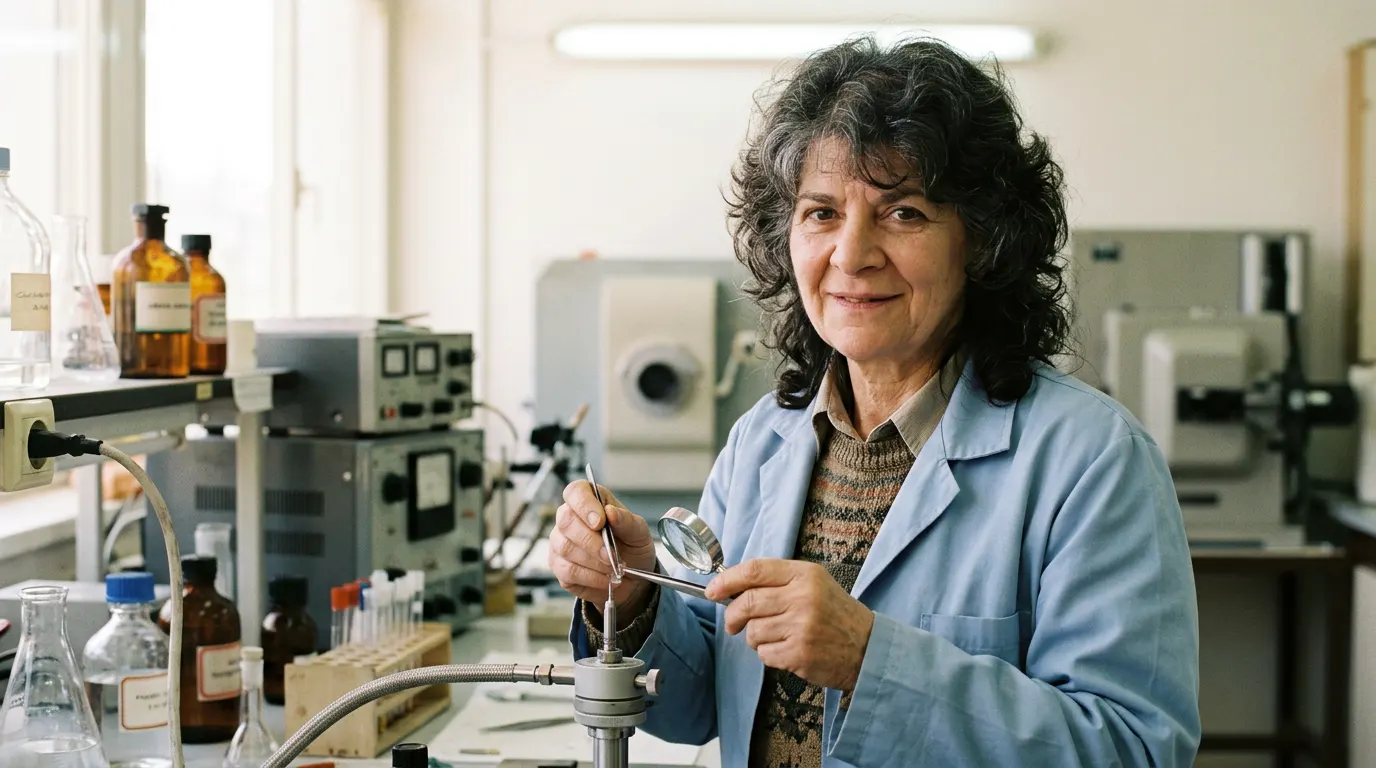
Ada E. Yonath
1939–2026 · Structural biology and crystallography
Pioneered ribosome crystallography and helped reveal the atomic structure and function of the ribosome, work recognised by the 2009 Nobel Prize in Chemistry.
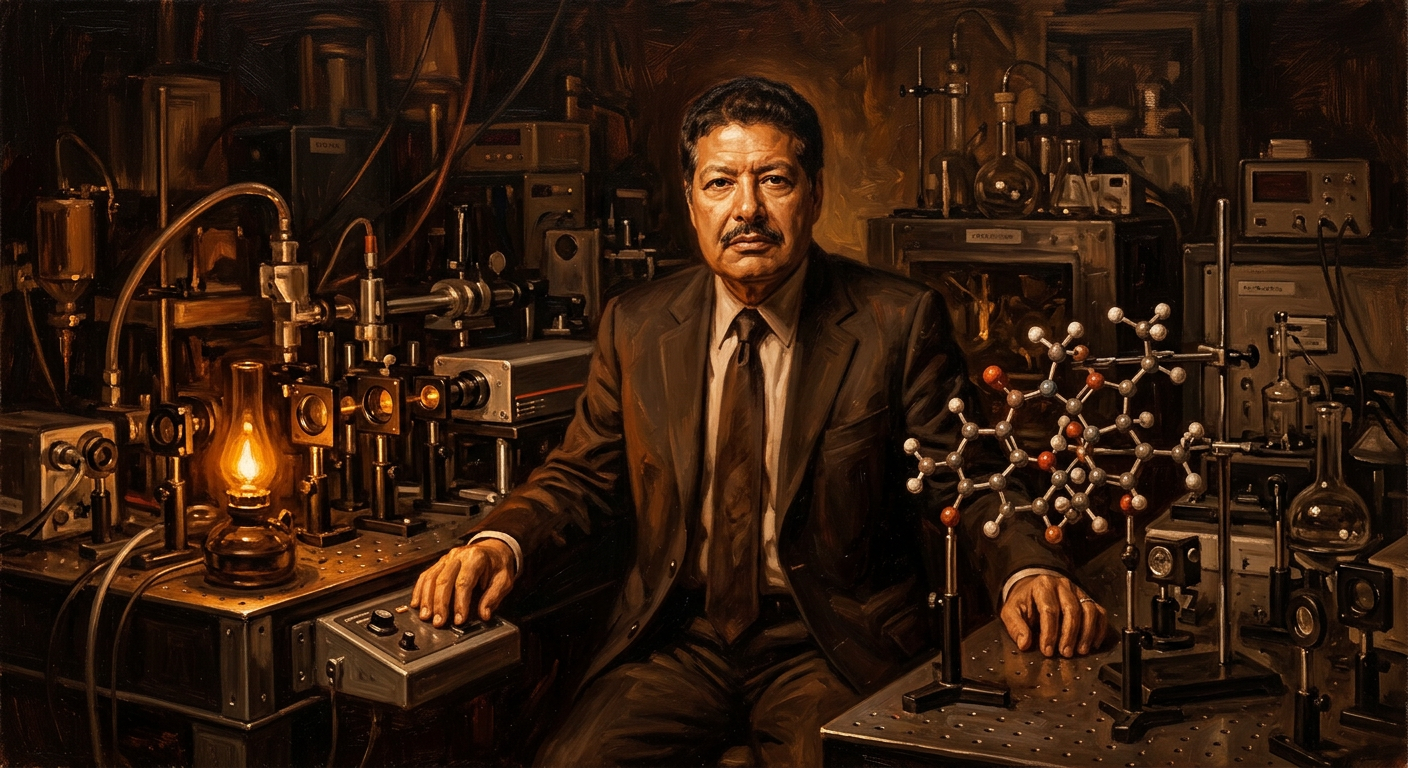
Ahmed Zewail
1946–2016 · Chemist
Pioneering femtochemistry, the use of lasers to observe chemical reactions on the timescale of femtoseconds, earning the Nobel Prize in Chemistry in 1999.
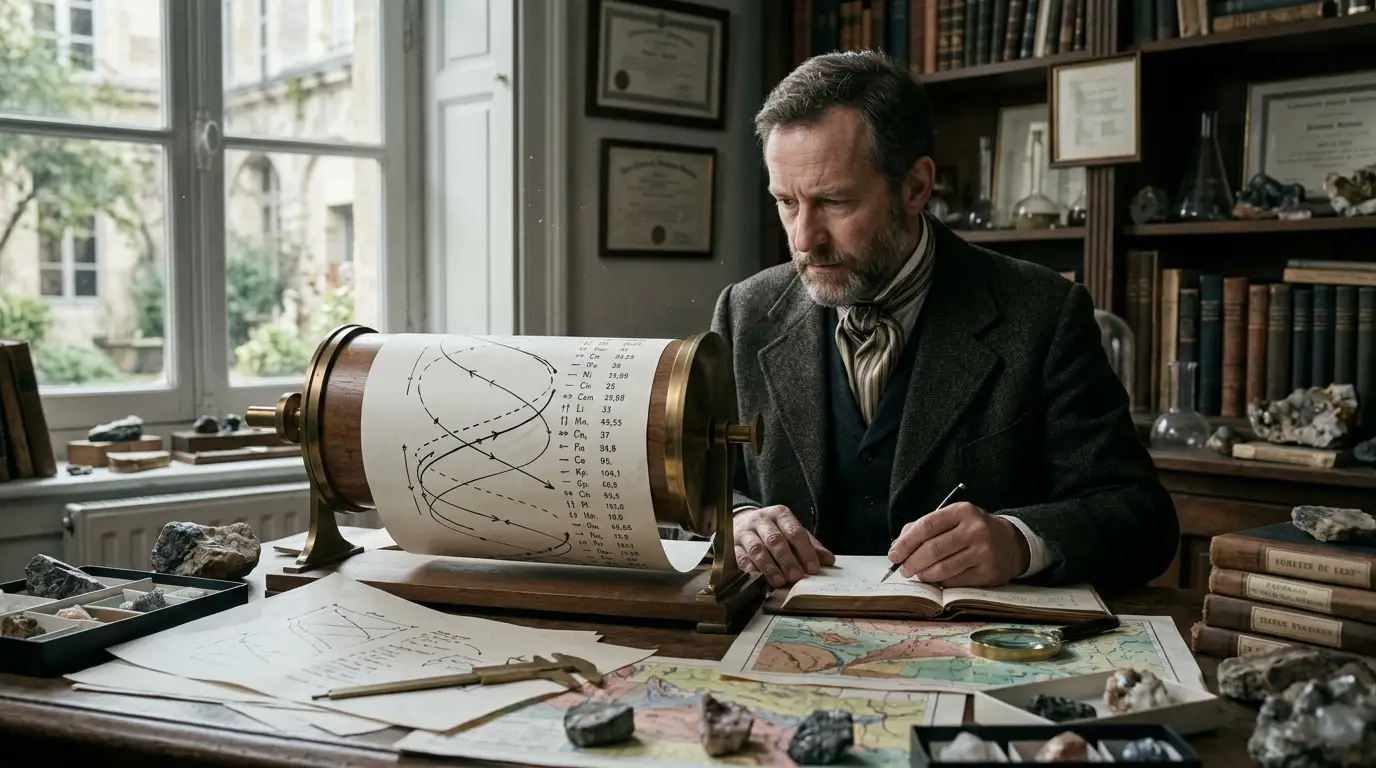
Alexandre-Émile Béguyer de Chancourtois
1820–1886 · Geologist and Mining Engineer
Developed the 1862 telluric screw, which arranged elements by atomic weight around a cylinder and revealed repeating chemical properties. One of the earliest attempts to arrange all known elements periodically.
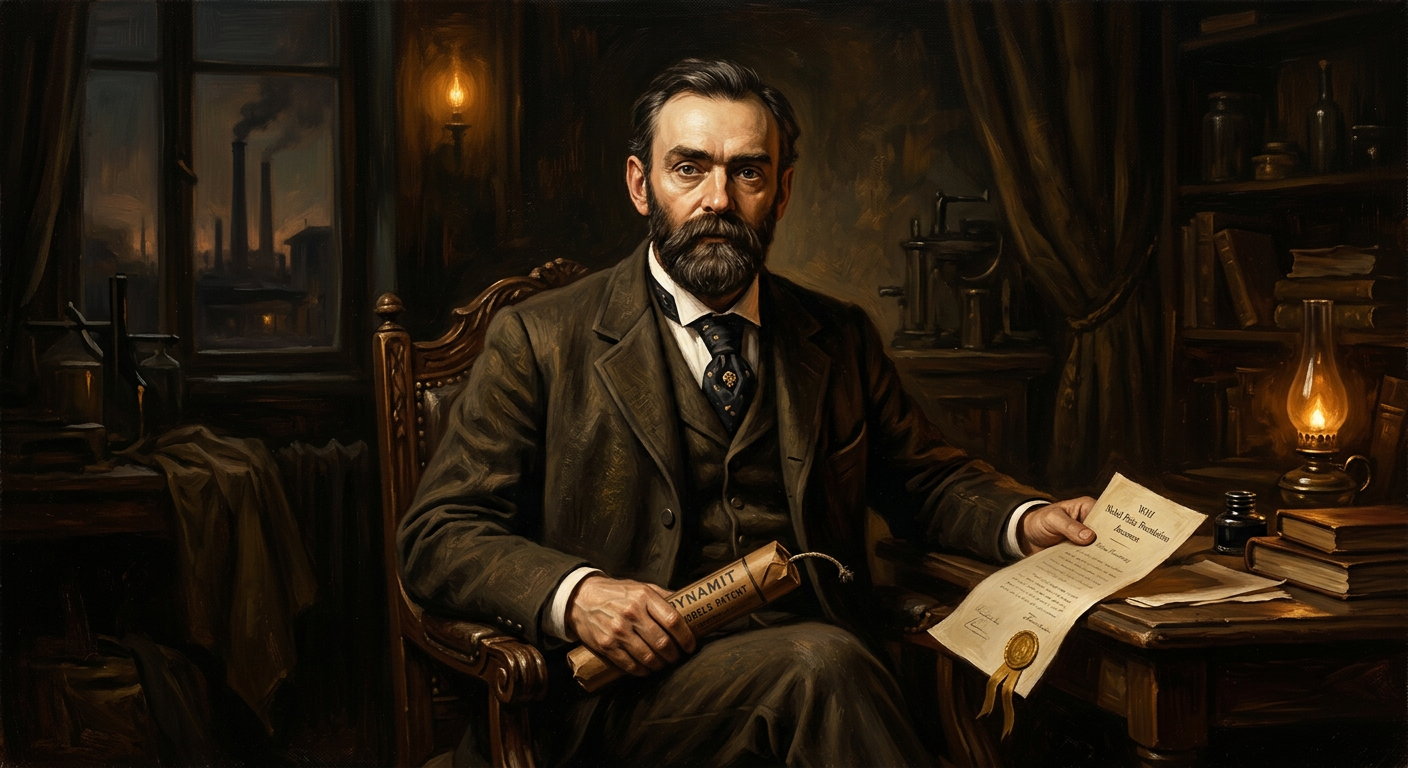
Alfred Nobel
1833–1896 · Chemist and Inventor
Invented dynamite and founded the Nobel Prizes, the world’s most famous awards for scientific and cultural achievement.
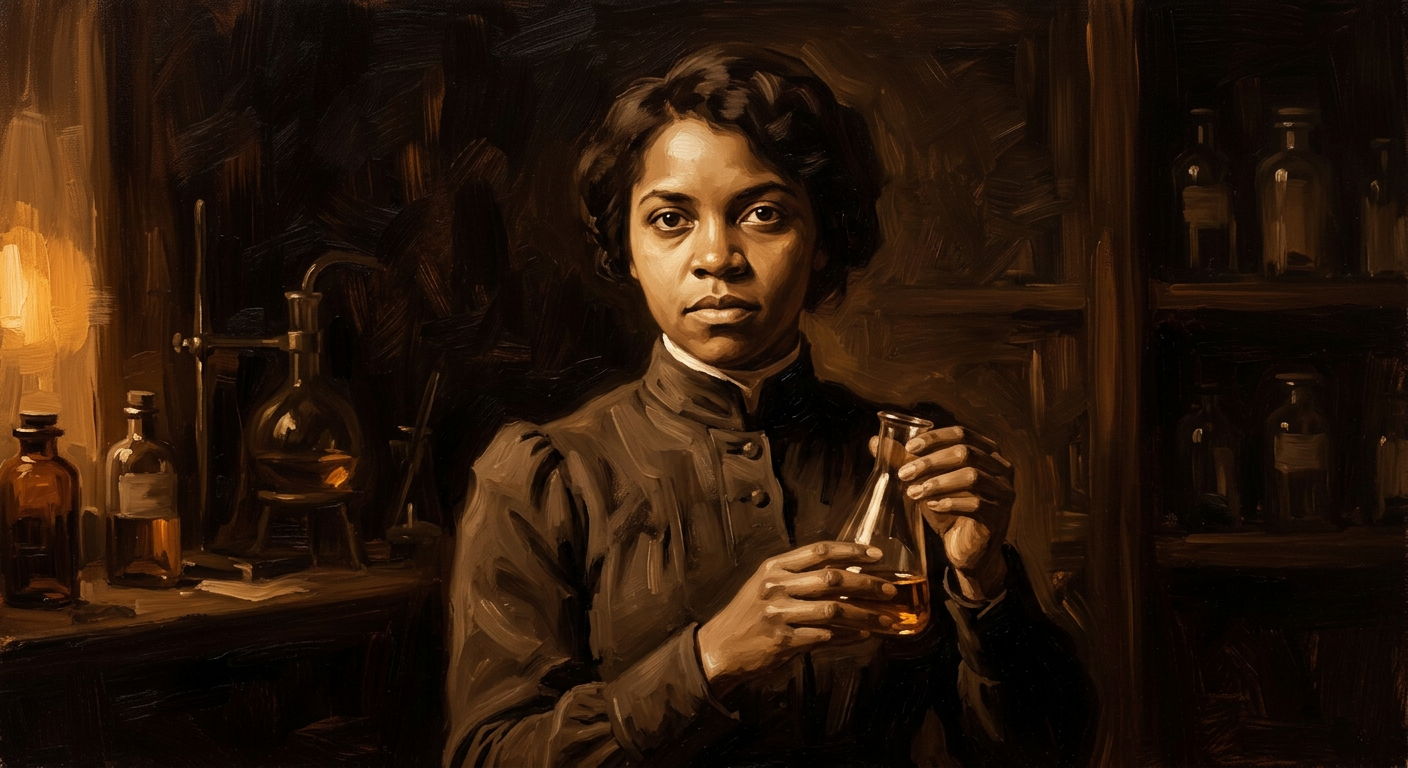
Alice Ball
1892–1916 · Chemist
Developed one of the first effective injectable treatments for Hansen's disease by making chaulmoogra oil injectable, a method that remained the best treatment available for over two decades.
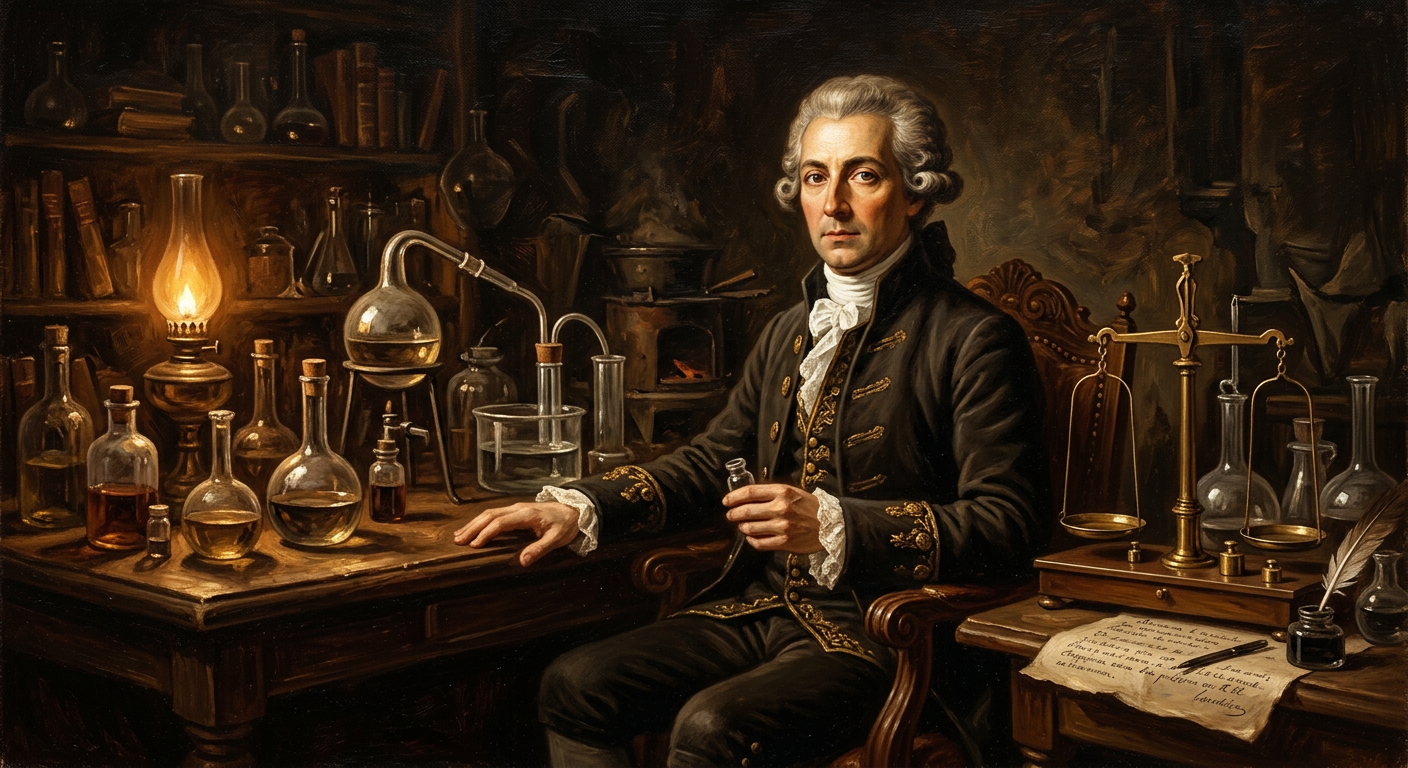
Antoine Lavoisier
1743–1794 · Chemist
A founder of modern chemistry who helped overthrow phlogiston theory, established a quantitative approach to chemical reactions and helped create modern chemical nomenclature.
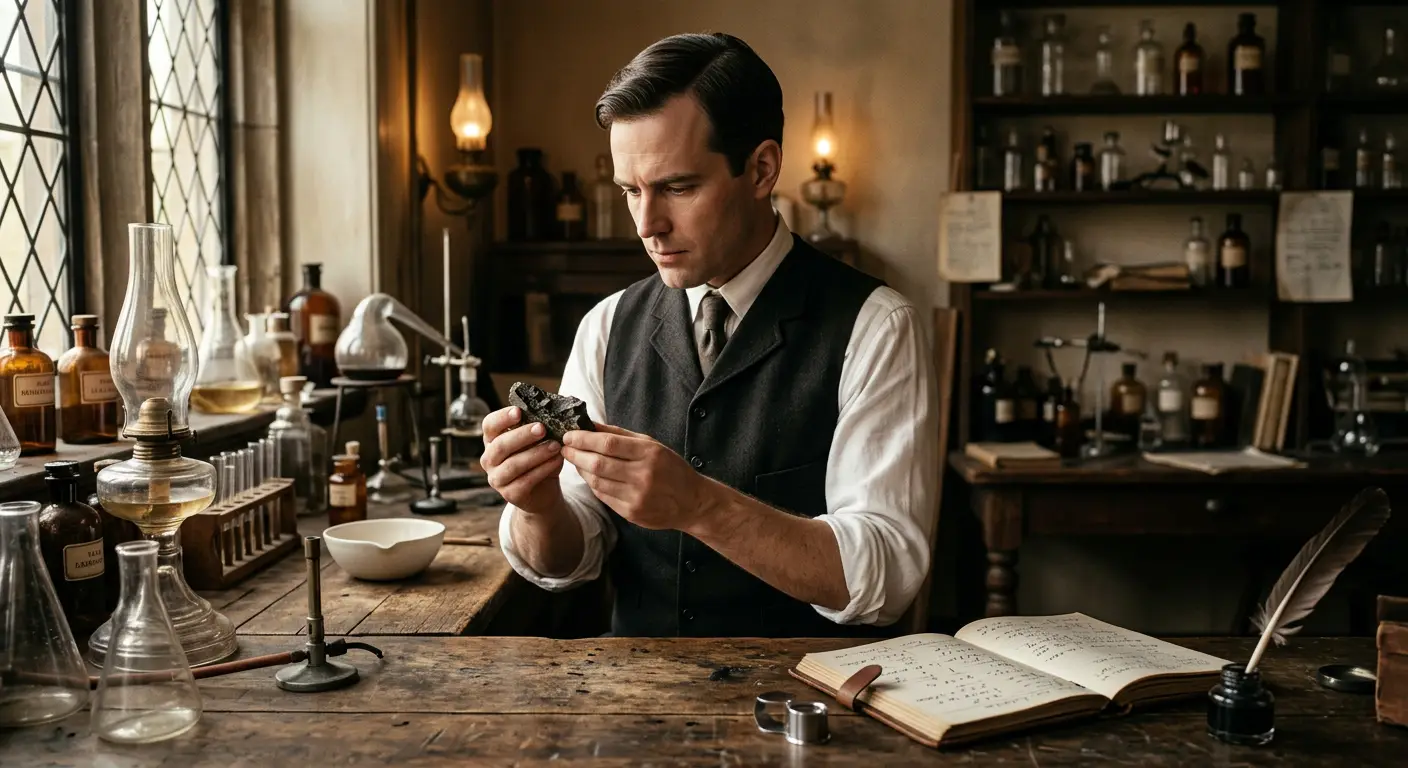
Bertram Borden Boltwood
1870–1927 · Radiochemistry
Identified lead as the end product of uranium's radioactive decay and used the uranium-lead relationship to estimate mineral ages of billions of years.
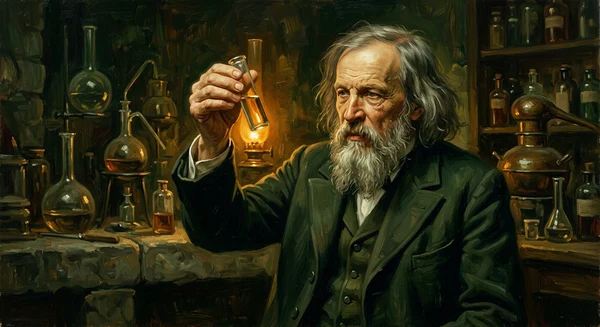
Dmitri Mendeleev
1834–1907 · Chemist & Inventor
Developed an influential periodic table and periodic law, leaving gaps for undiscovered elements and predicting several of their properties.
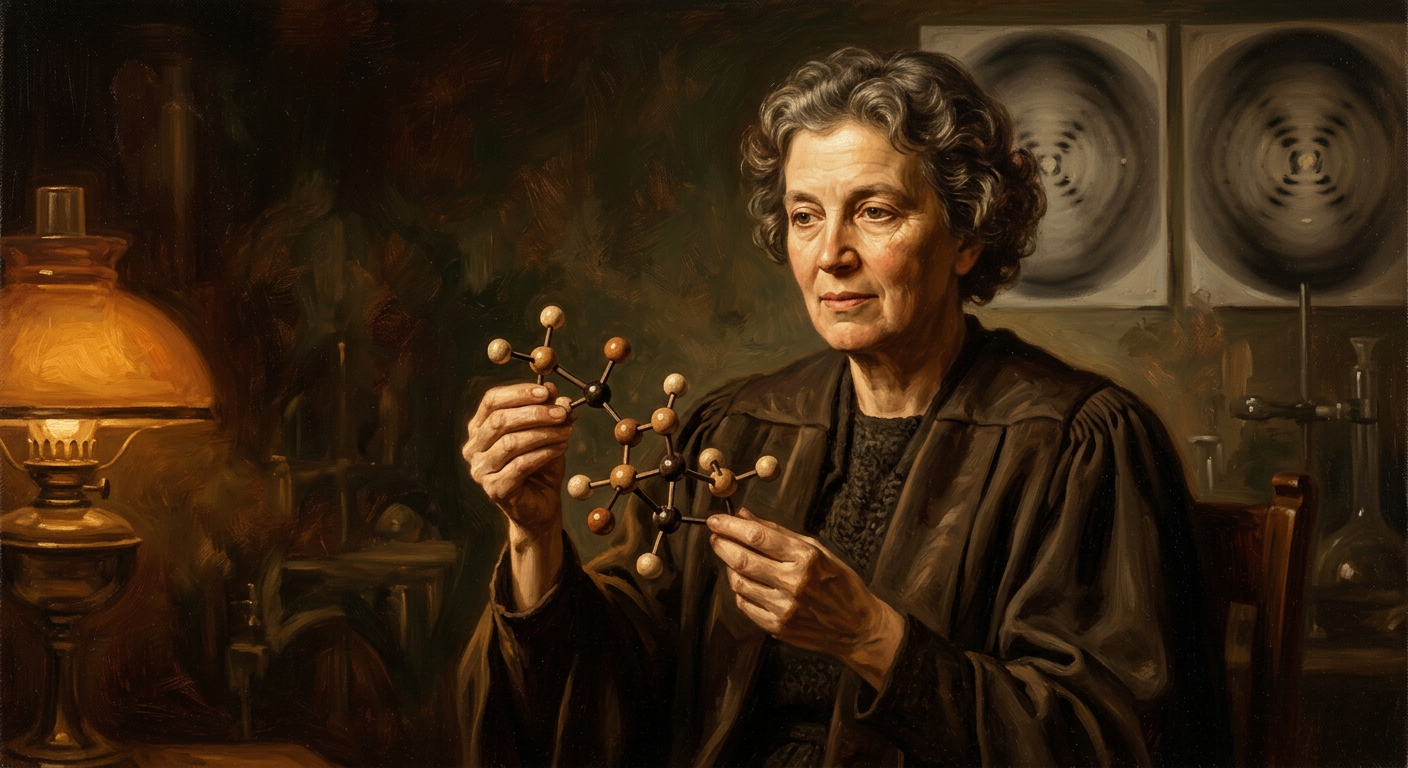
Dorothy Hodgkin
1910–1994 · Chemist
Used X-ray crystallography to reveal the 3D structures of penicillin, vitamin B12, and insulin; won the 1964 Nobel Prize in Chemistry.
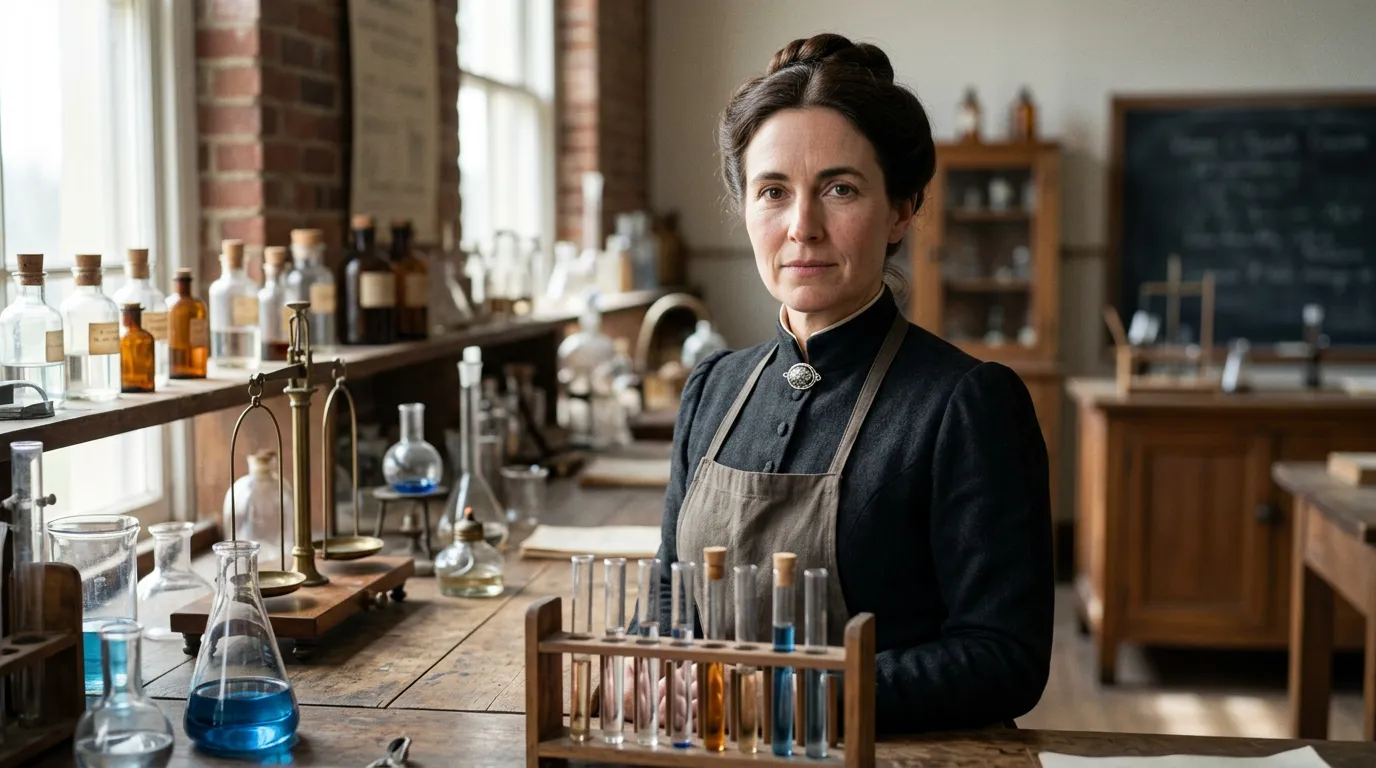
Ellen Henrietta Swallow Richards
1842–1911 · Environmental chemistry and sanitary engineering
Pioneered scientific testing of water, air and food and helped establish environmental sanitation and home economics.
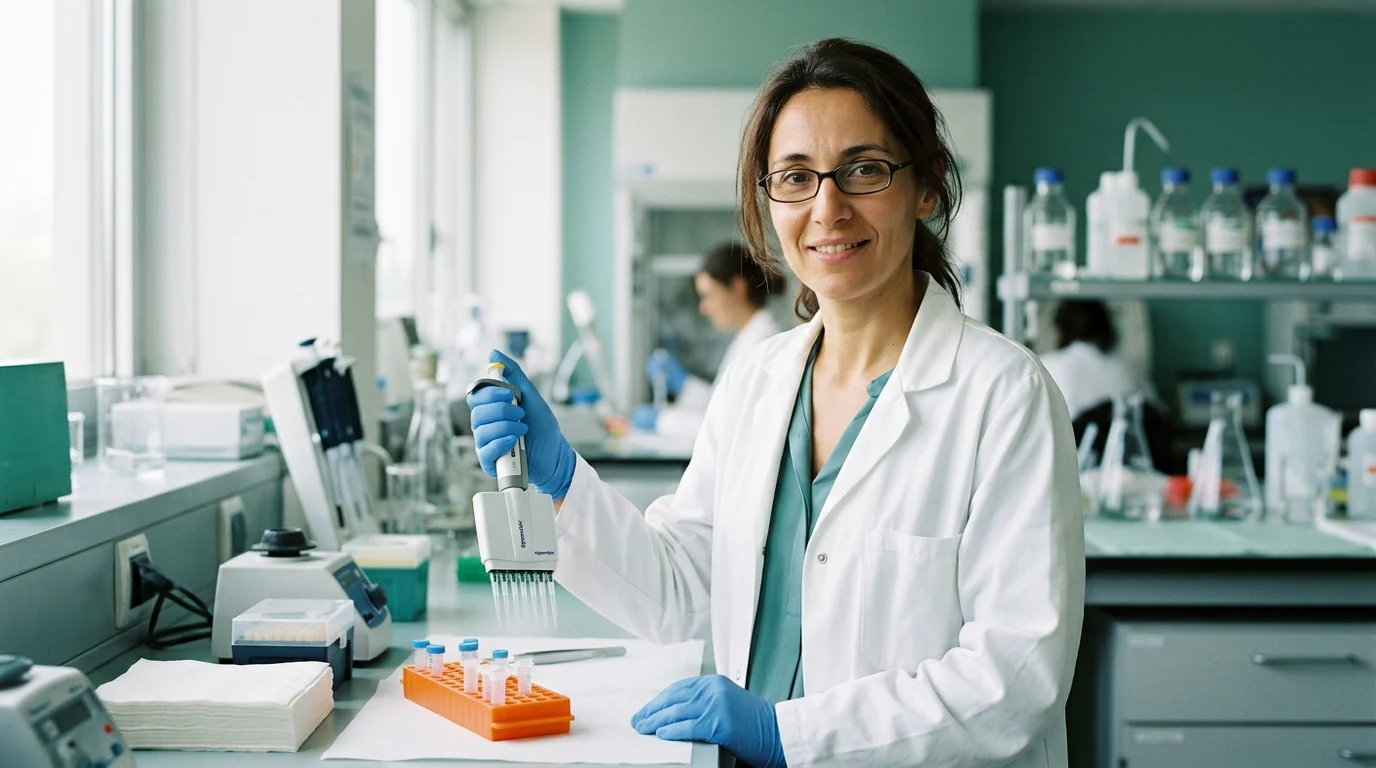
Emmanuelle Charpentier
1968–present · Microbiology, CRISPR and genome editing
Emmanuelle Charpentier co-developed a programmable CRISPR-Cas9 genome-editing method after investigating how bacteria defend themselves against viruses.
Erwin Chargaff
1905–2002 · Biochemist
Discovering important relationships in DNA base composition — later called Chargaff's rules — which supplied crucial evidence for understanding DNA structure.
Frances H. Arnold
1956–present · Chemical engineering and protein engineering
Pioneered directed evolution of enzymes, using repeated mutation and selection to create proteins with useful new properties.
Frederick Soddy
1877–1956 · Radiochemist
Frederick Soddy helped establish that radioactive elements transform into other elements, developed the concept of isotopes, and received the 1921 Nobel Prize in Chemistry.
Friedrich Wöhler
1800–1882 · Organic and inorganic chemistry
Friedrich Wöhler became famous for forming urea from ammonium cyanate in 1828. The transformation showed that a familiar compound associated with living animals could be produced through ordinary laboratory chemistry, without a living organ.
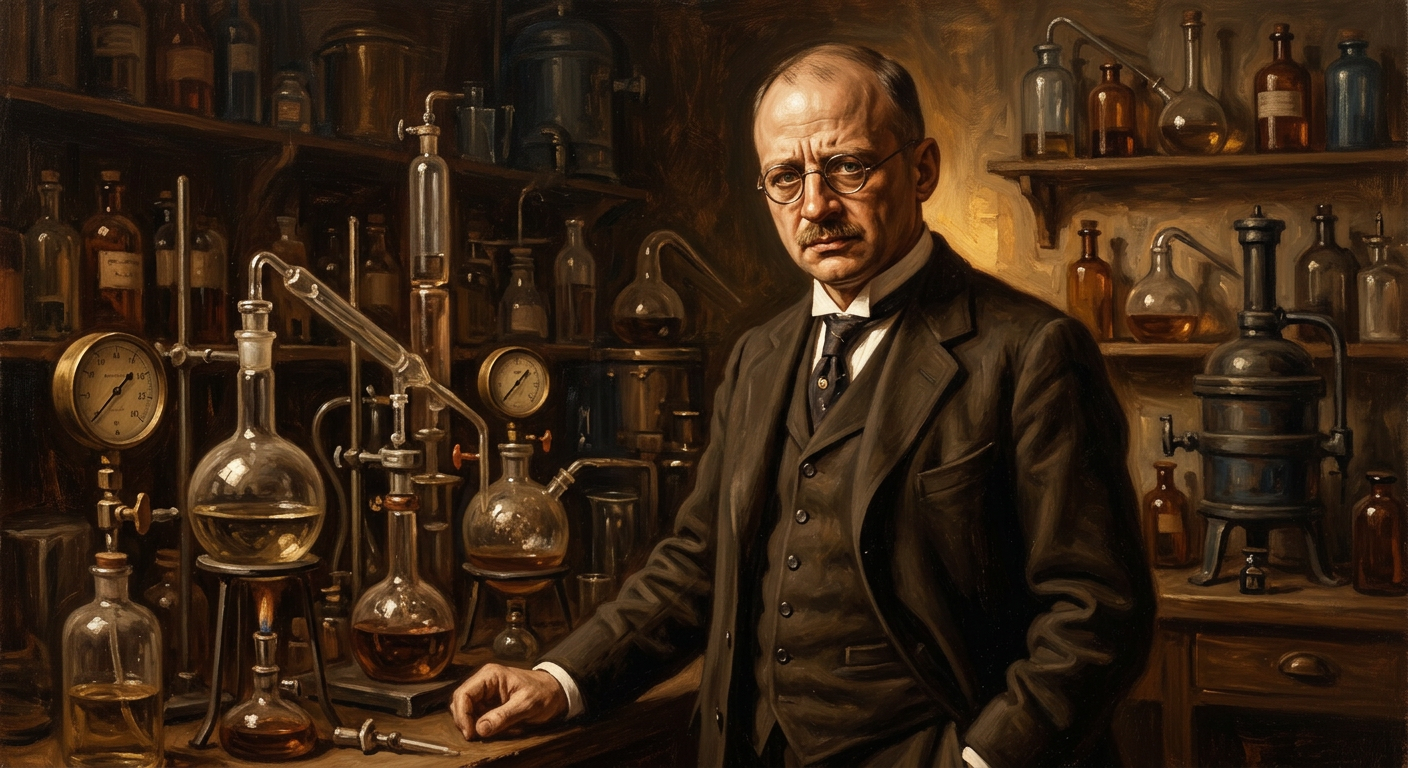
Fritz Haber
1868–1934 · Physical Chemist
Developed a laboratory method for synthesising ammonia from nitrogen and hydrogen, later industrialised by Carl Bosch and BASF as the Haber-Bosch process.
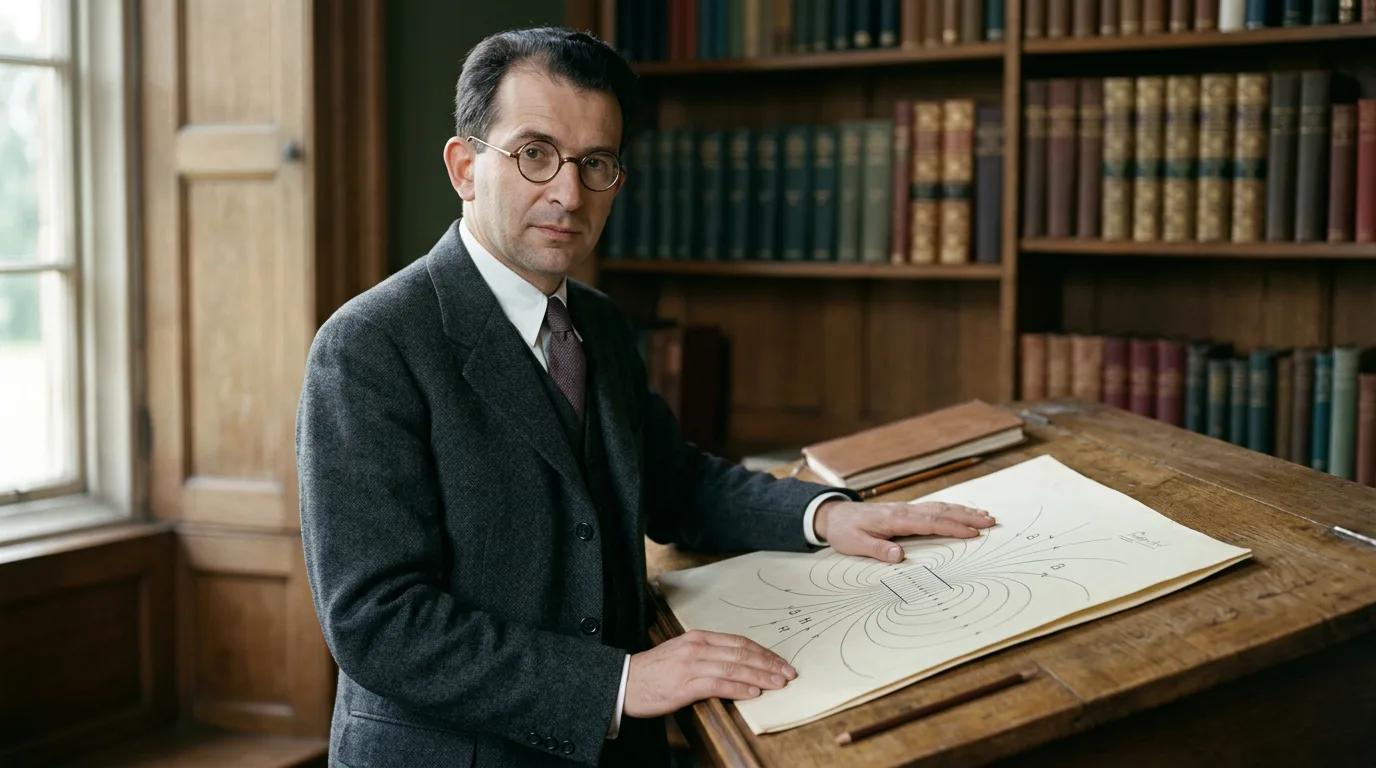
Fritz London
1900–1954 · Quantum chemistry, molecular forces and superconductivity
Fritz London co-developed the first influential quantum explanation of a covalent bond with Walter Heitler in 1927 and later made major contributions to molecular forces and superconductivity.
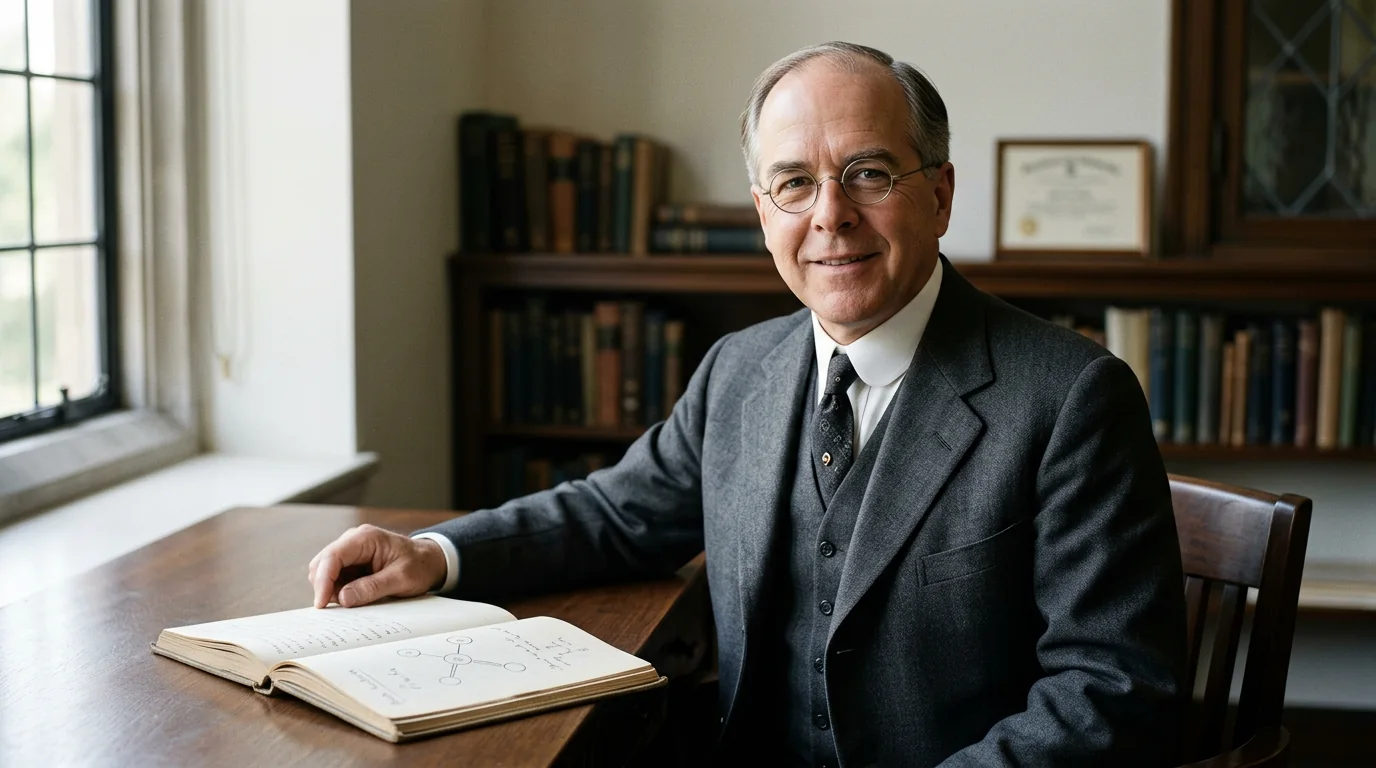
Gilbert Newton Lewis
1875–1946 · Chemical bonding, thermodynamics and acids and bases
Gilbert N. Lewis developed the electron-pair model of covalent bonding and Lewis structures, transforming how chemists explain atoms sharing electrons.
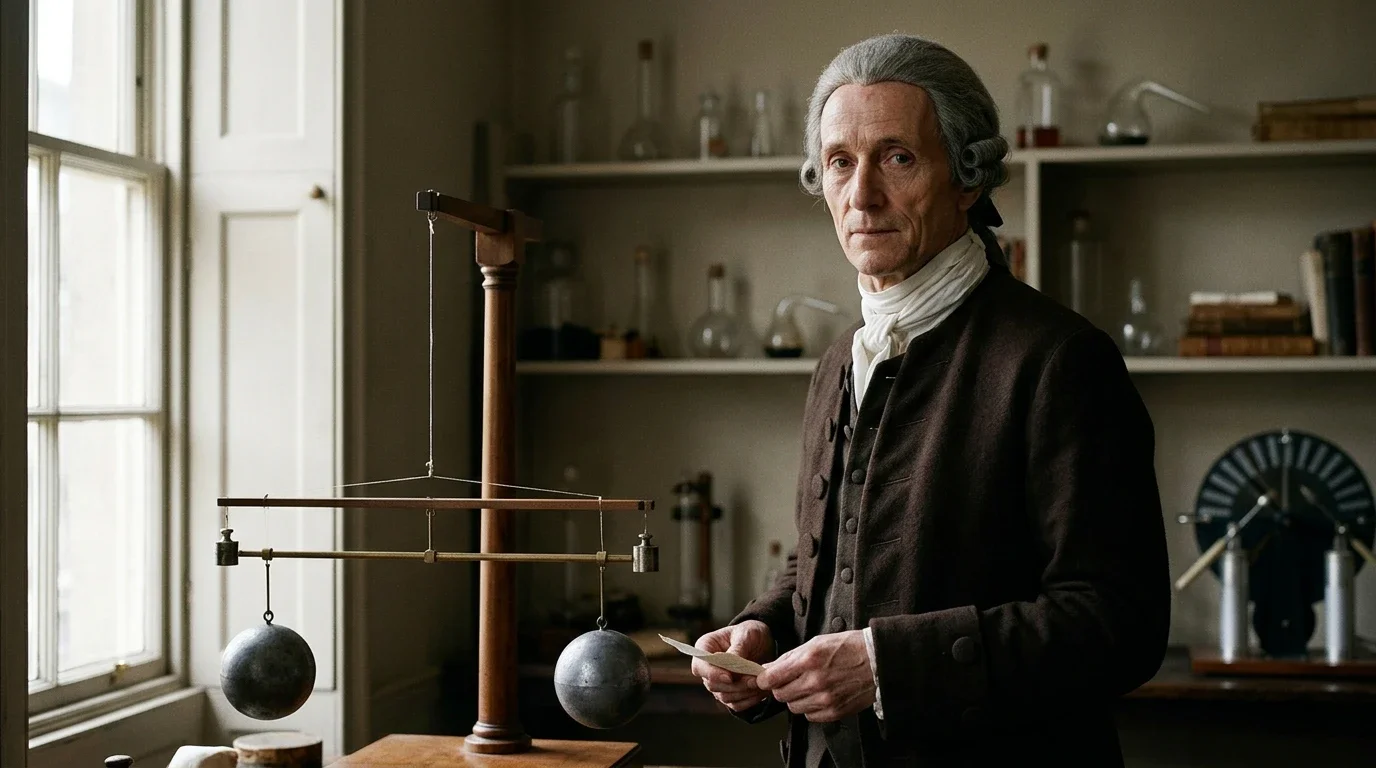
Henry Cavendish
1731–1810 · Experimental chemistry, gases and gravitation
Henry Cavendish investigated hydrogen and the composition of water and used an exceptionally sensitive torsion balance to measure the Earth’s mean density.
Irving Langmuir
1881–1957 · Surface chemistry, chemical bonding and industrial research
Irving Langmuir transformed the scientific understanding of surfaces and helped explain electron arrangements in chemical bonds, winning the 1932 Nobel Prize in Chemistry.
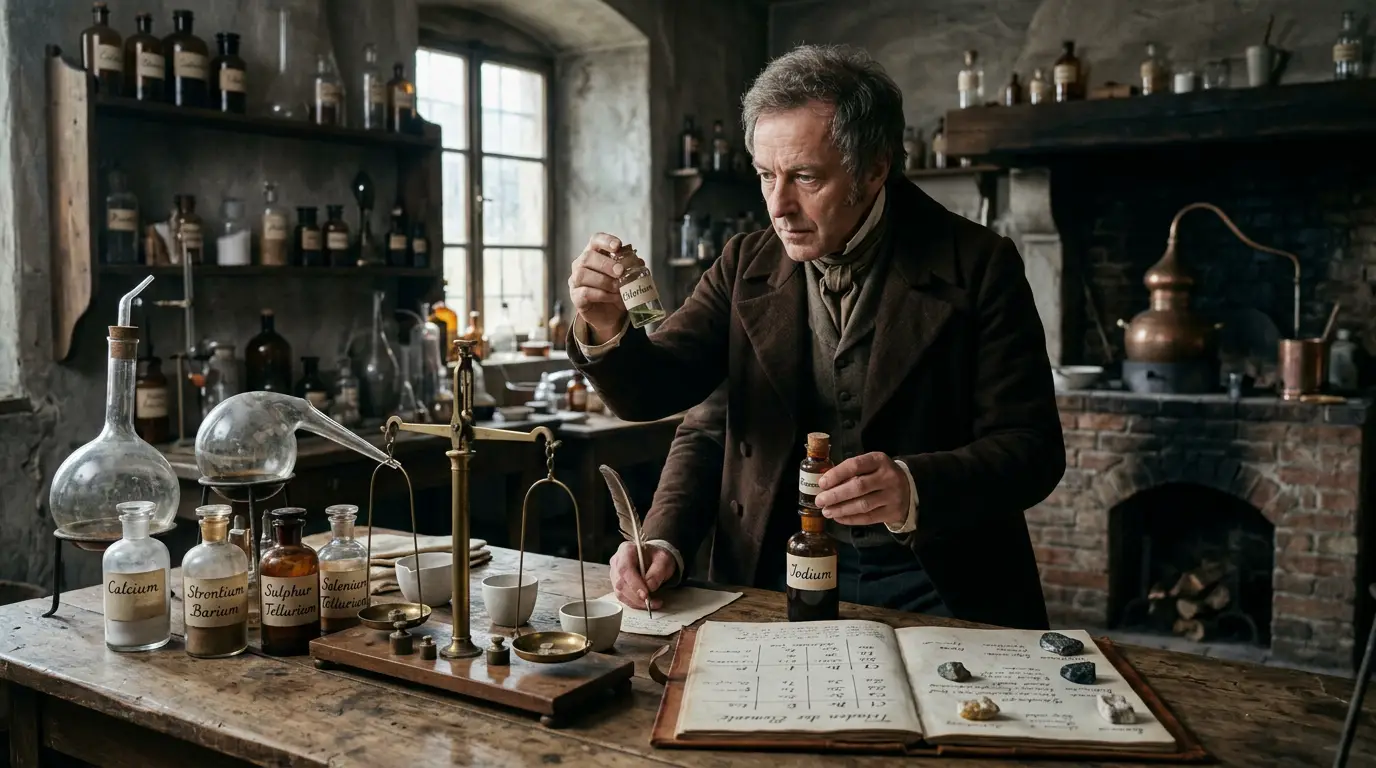
Johann Wolfgang Döbereiner
1780–1849 · Chemist
Identified relationships between groups of three chemically similar elements, later known as Döbereiner's triads — an important early step towards recognising periodic relationships. He also carried out important work on platinum catalysis and developed the Döbereiner lighter.
Johannes Nicolaus Brønsted
1879–1947 · Physical chemistry and acid–base theory
Johannes Brønsted independently developed a proton-transfer theory of acids and bases in 1923, now known as Brønsted–Lowry theory.
John Alexander Reina Newlands
1837–1898 · Chemist
Arranged elements in order of increasing atomic weight and recognised a repeating pattern he called the Law of Octaves. He was later awarded the Royal Society's Davy Medal in 1887 for his work on the periodic law of the chemical elements.
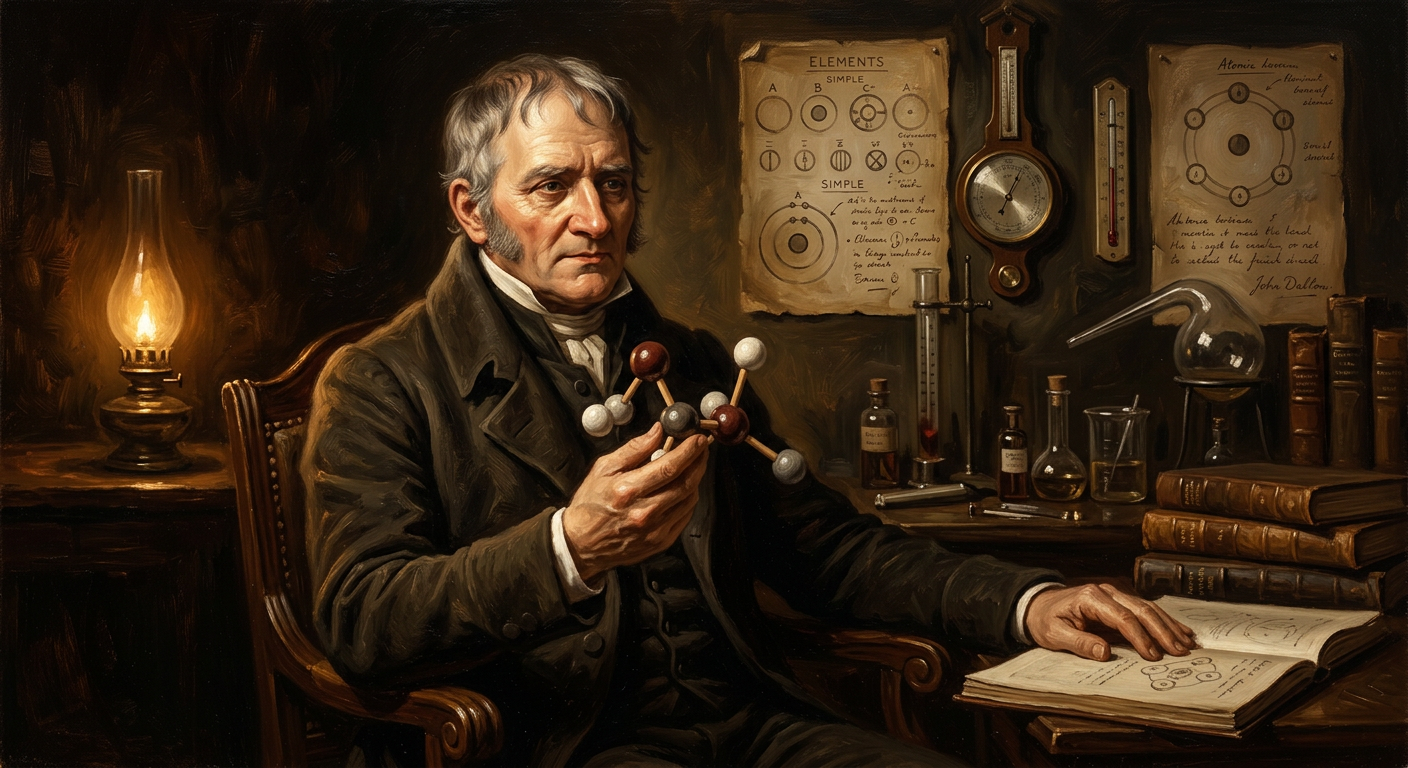
John Dalton
1766–1844 · Chemist
Developed a modern scientific theory of atoms and made an influential early investigation of colour blindness, a condition he experienced himself.
Joseph Black
1728–1799 · Heat, carbon dioxide and chemical measurement
Joseph Black investigated carbon dioxide and showed that melting and heating involve different kinds of heat transfer.
Joseph Priestley
1733–1804 · Chemist, Natural Philosopher & Minister
Isolating the gas now called oxygen in 1774, pioneering experiments on gases and air, developing a method for making carbonated water, and contributing important observations to early research on plants and the atmosphere.
Julius Lothar Meyer
1830–1895 · Chemist
Independently developed periodic arrangements of the elements, organising them using atomic weight and valence. He and Dmitri Mendeleev were jointly awarded the Royal Society's Davy Medal in 1882 for their work on periodic classification.
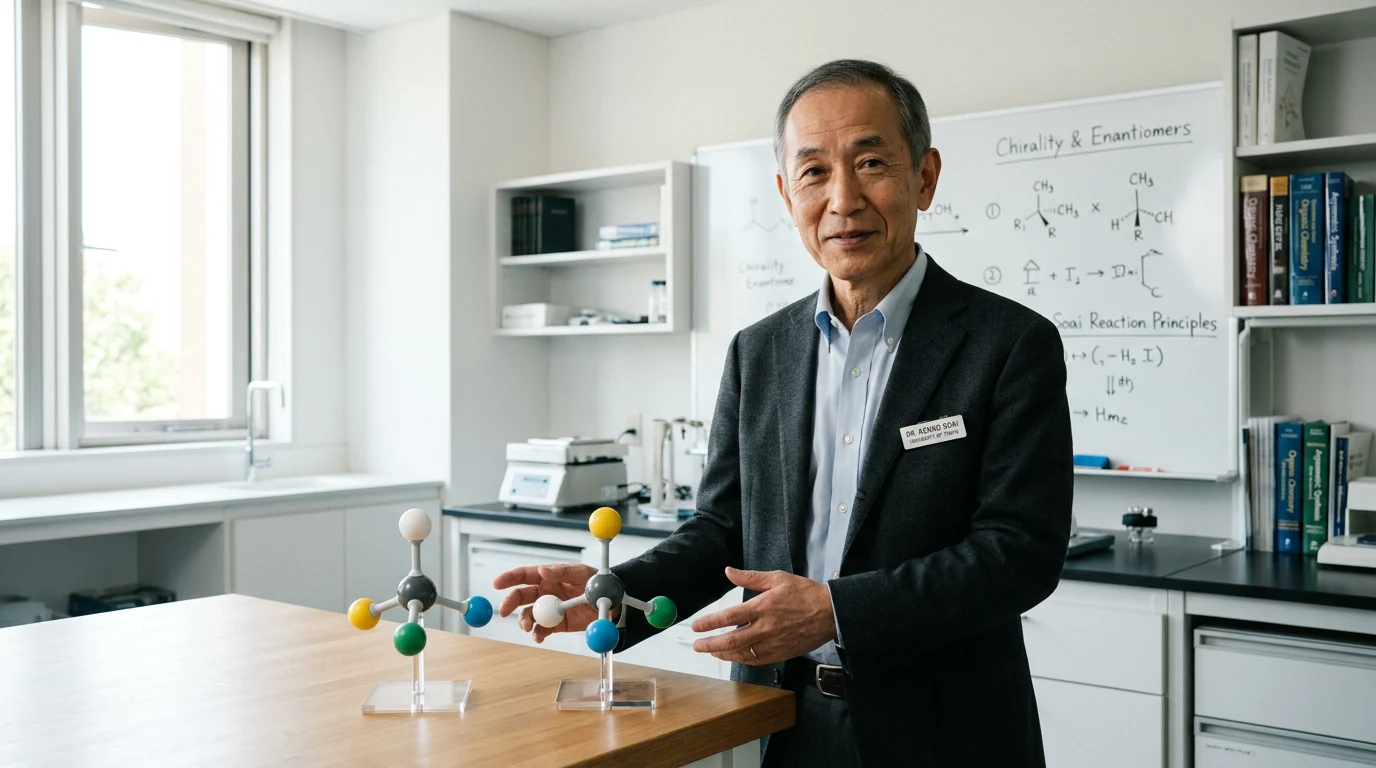
Kenso Soai
1950–present · Organic chemistry
Soai discovered asymmetric autocatalysis, a reaction where the product helps make more of itself, amplifying tiny molecular imbalances into strong preferences for one mirror-image form.
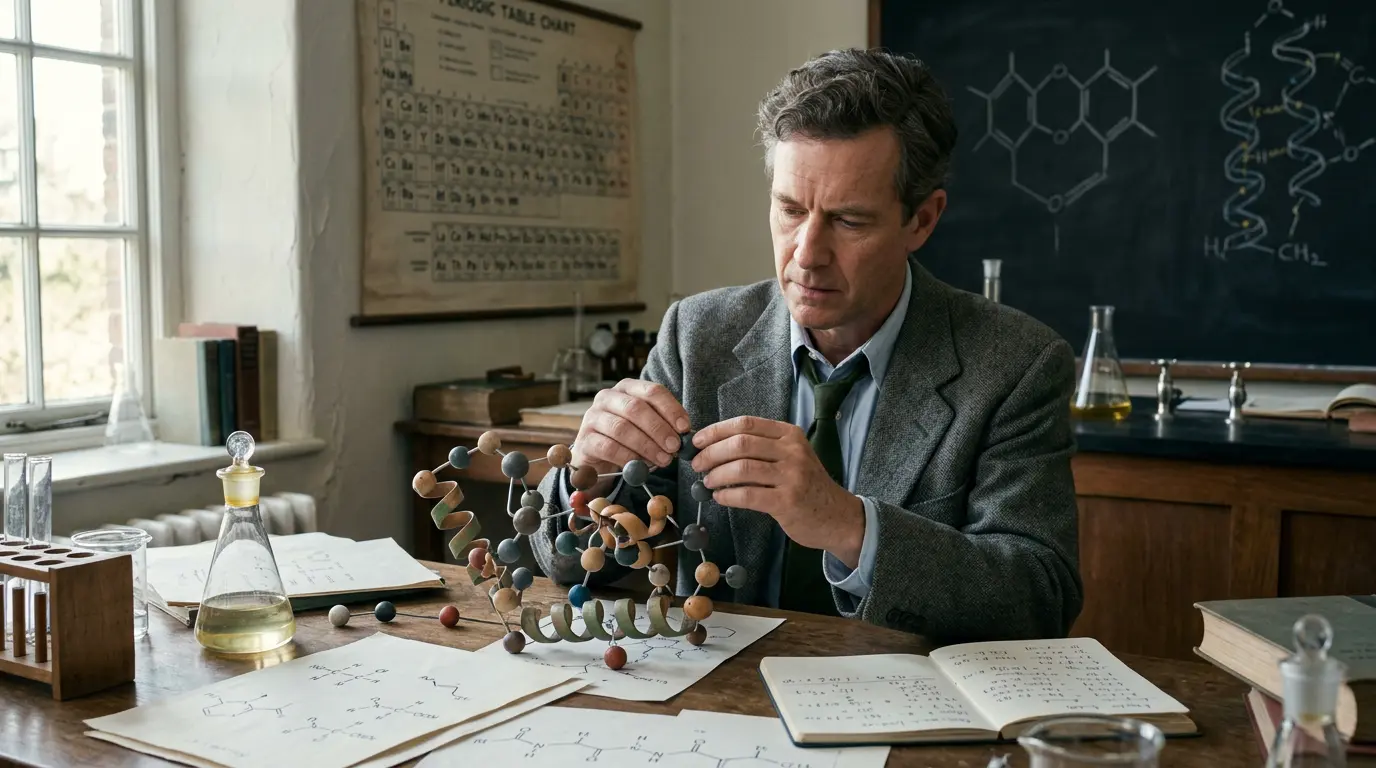
Linus Pauling
1901–1994 · Chemist
Transforming understanding of chemical bonding and molecular structure, major work on protein structure, and winning both the 1954 Nobel Prize in Chemistry and the 1962 Nobel Peace Prize.
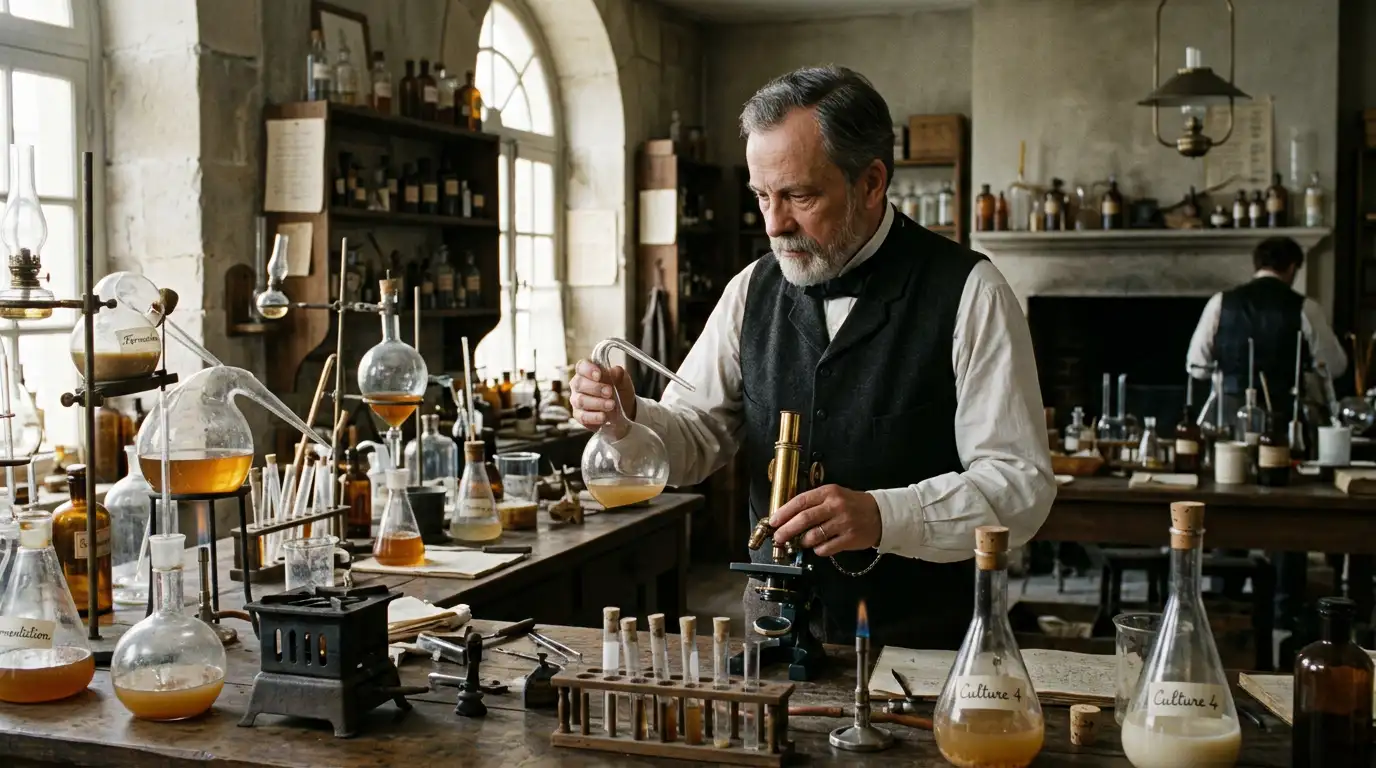
Louis Pasteur
1822–1895 · Chemist and microbiologist
Helping establish germ theory, developing pasteurisation and leading pioneering work on vaccines against anthrax and rabies.
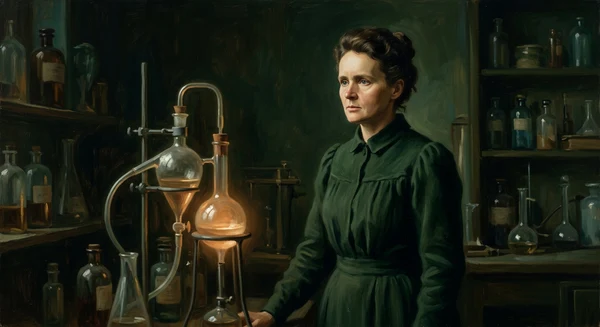
Marie Curie
1867–1934 · Physicist & Chemist
Pioneering the study of radioactivity and discovering the elements polonium and radium with Pierre Curie.
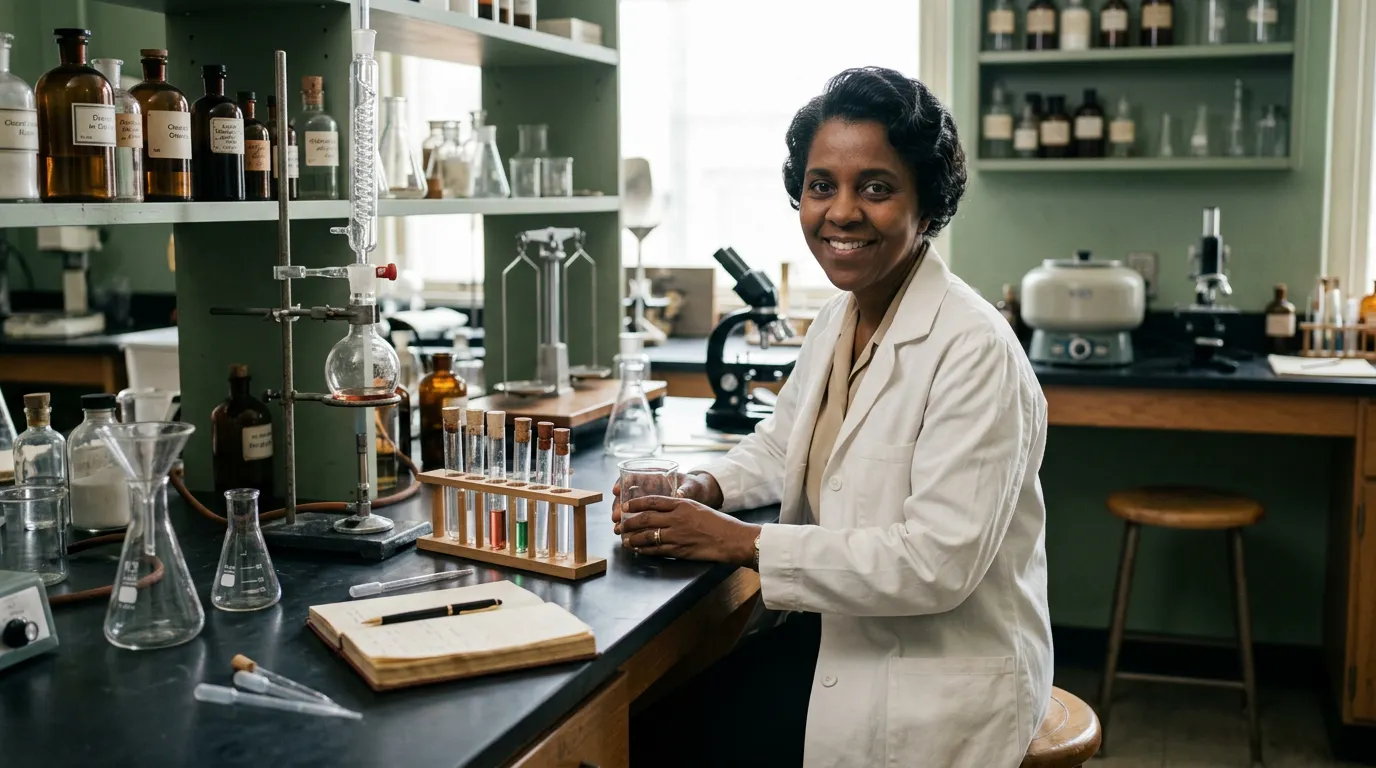
Marie Maynard Daly
1921–2003 · Biochemistry, proteins and cardiovascular research
Marie Maynard Daly became the first Black woman in the United States to earn a chemistry doctorate and made important discoveries about proteins, cells and heart disease.
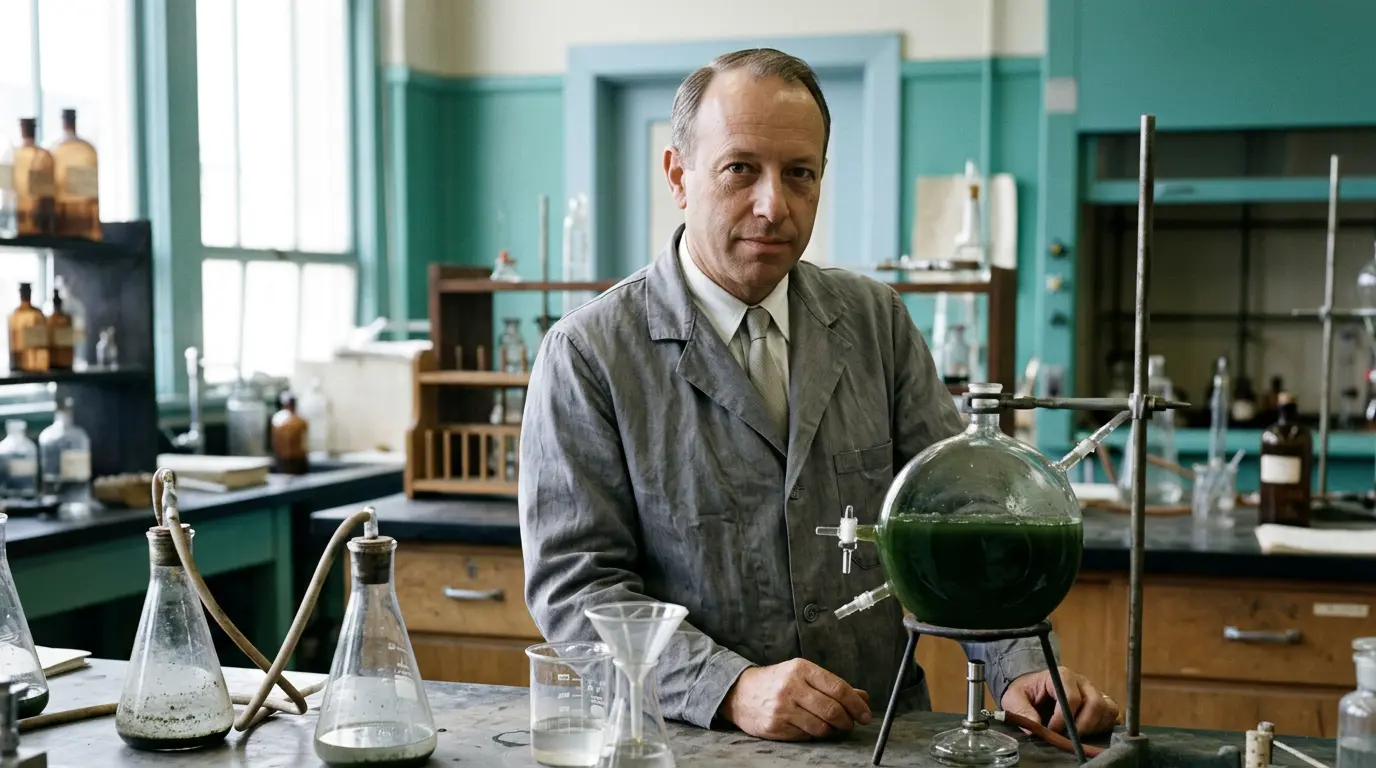
Melvin Calvin
1911–1997 · Biochemistry and carbon fixation in photosynthesis
Melvin Calvin led research using radioactive carbon to trace how photosynthetic organisms incorporate carbon dioxide into organic molecules.
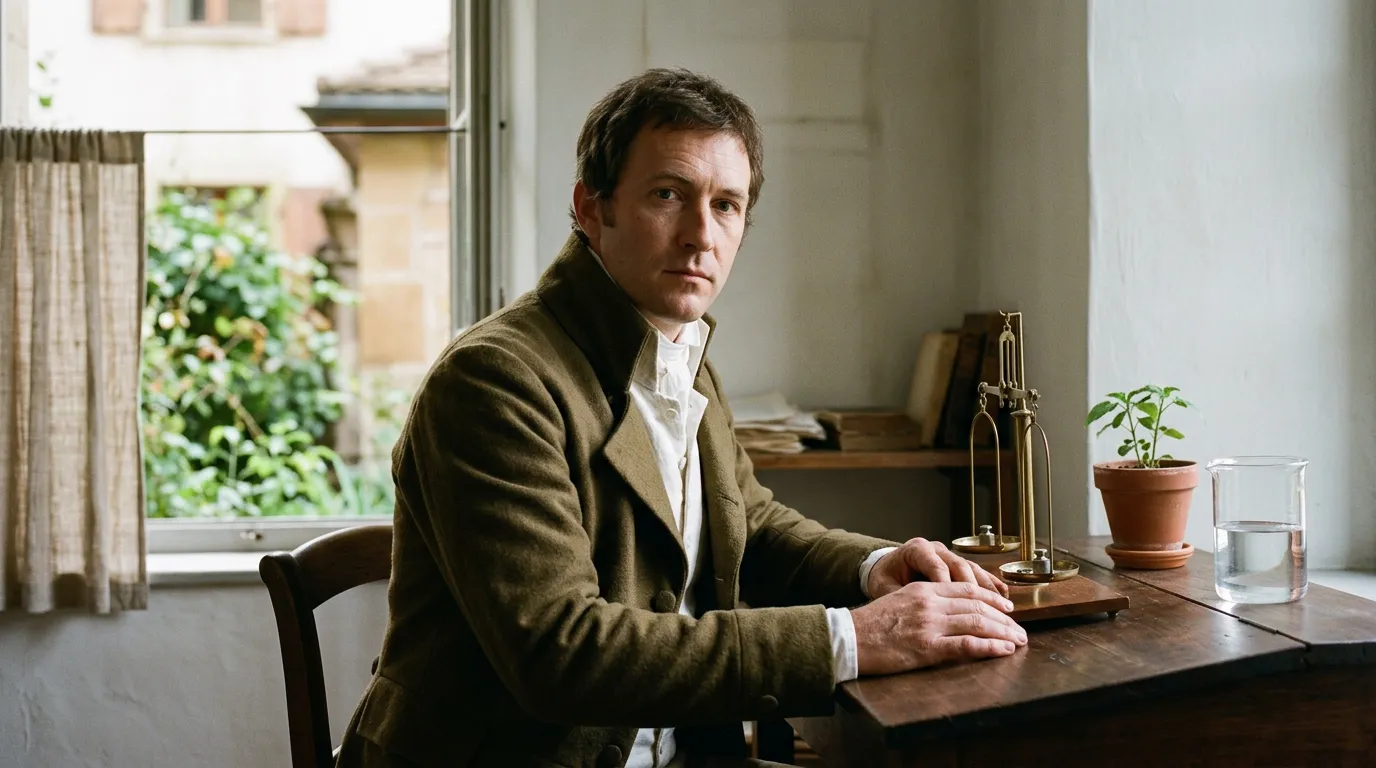
Nicolas-Théodore de Saussure
1767–1845 · Plant chemistry, nutrition and photosynthesis
Nicolas-Théodore de Saussure used careful chemical measurements to show that plant growth involves carbon dioxide, water and substances from soil.
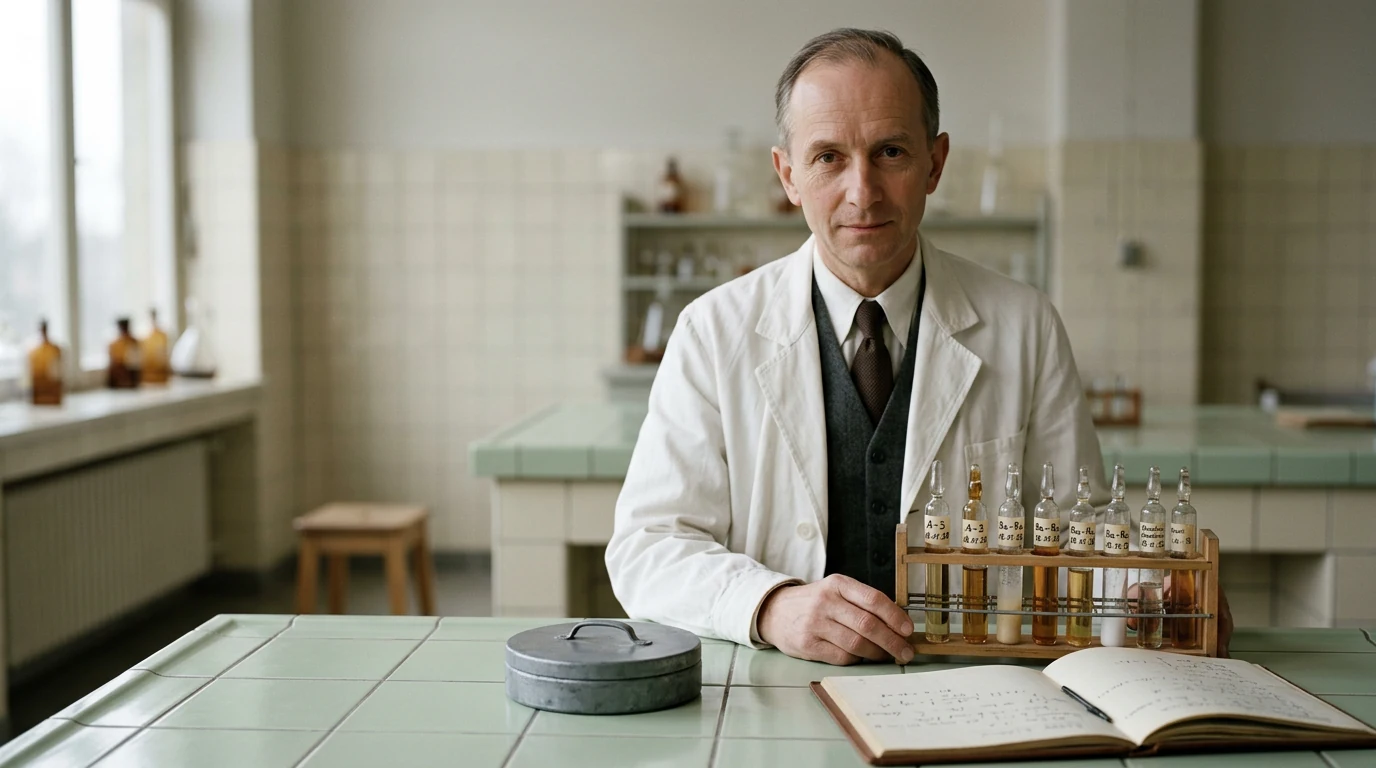
Otto Hahn
1879–1968 · Nuclear chemistry and the discovery of fission
Otto Hahn and Fritz Strassmann found chemical evidence of uranium fission in 1938; Lise Meitner and Otto Frisch explained the nuclear process that followed.
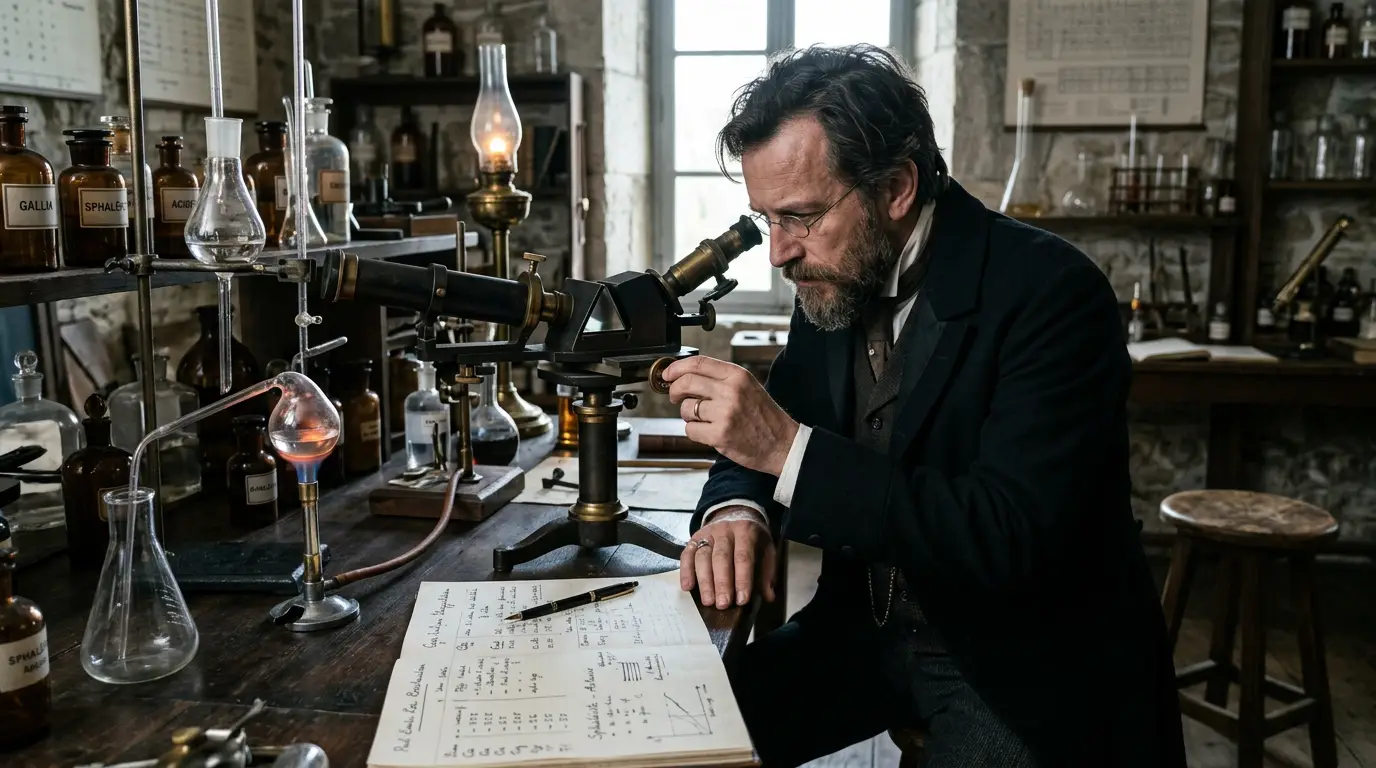
Paul-Émile Lecoq de Boisbaudran
1838–1912 · Chemist
Discovering gallium in 1875, the element that confirmed Mendeleev's prediction of eka-aluminium, and making important rare-earth discoveries including samarium and dysprosium.
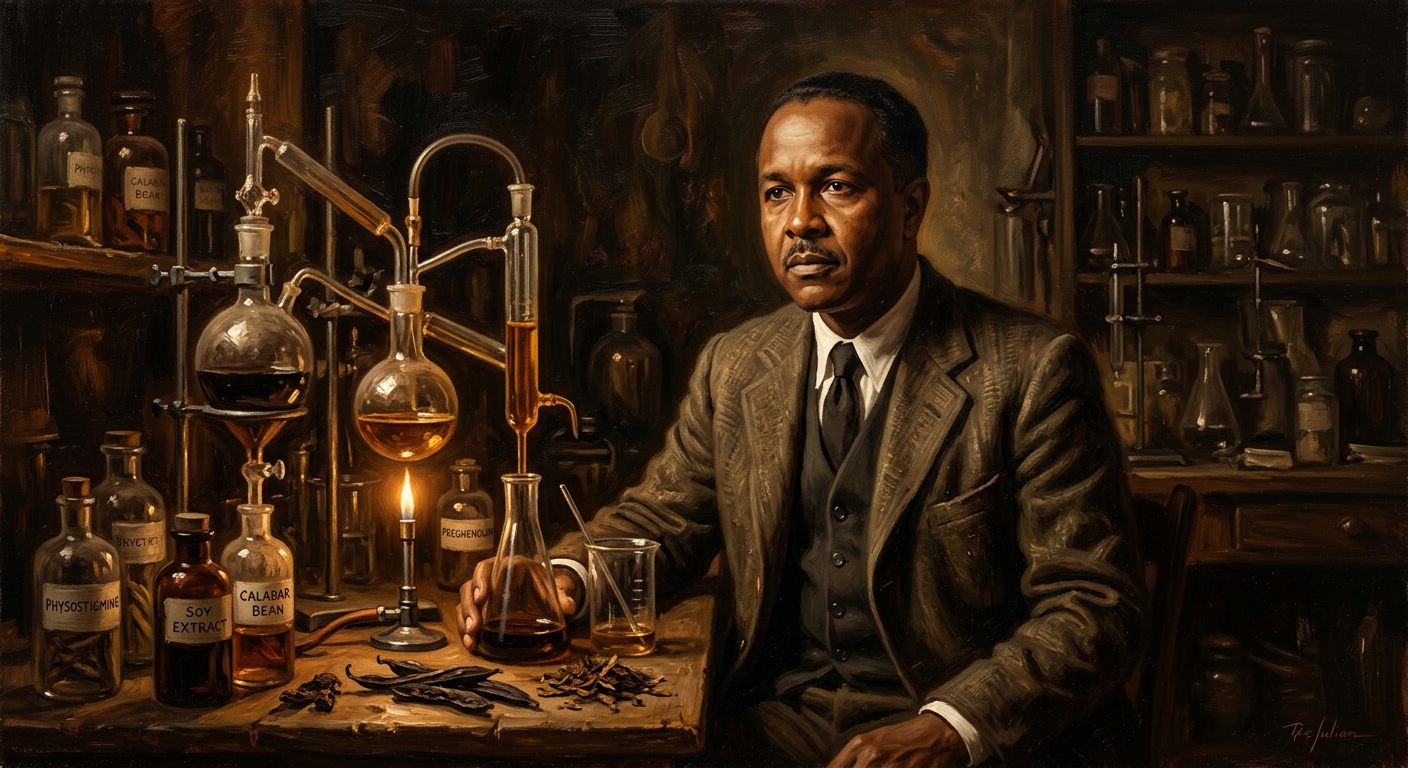
Percy Lavon Julian
1899–1975 · Organic and industrial chemistry
Co-developed a laboratory synthesis of physostigmine and pioneered affordable production of useful compounds from plants.
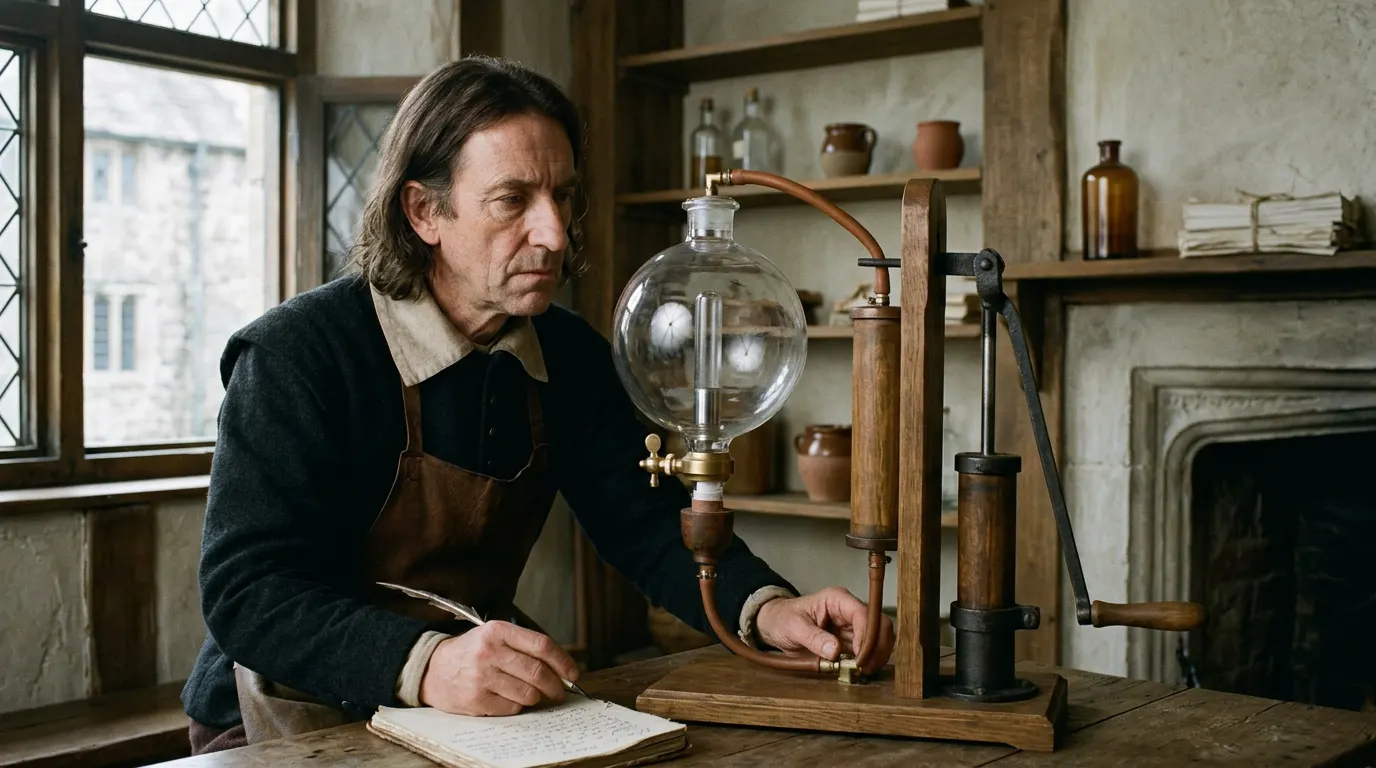
Robert Boyle
1627–1691 · Chemistry, physics and natural philosophy
An Irish-born natural philosopher whose air-pump experiments and The Sceptical Chymist helped shape experimental science.
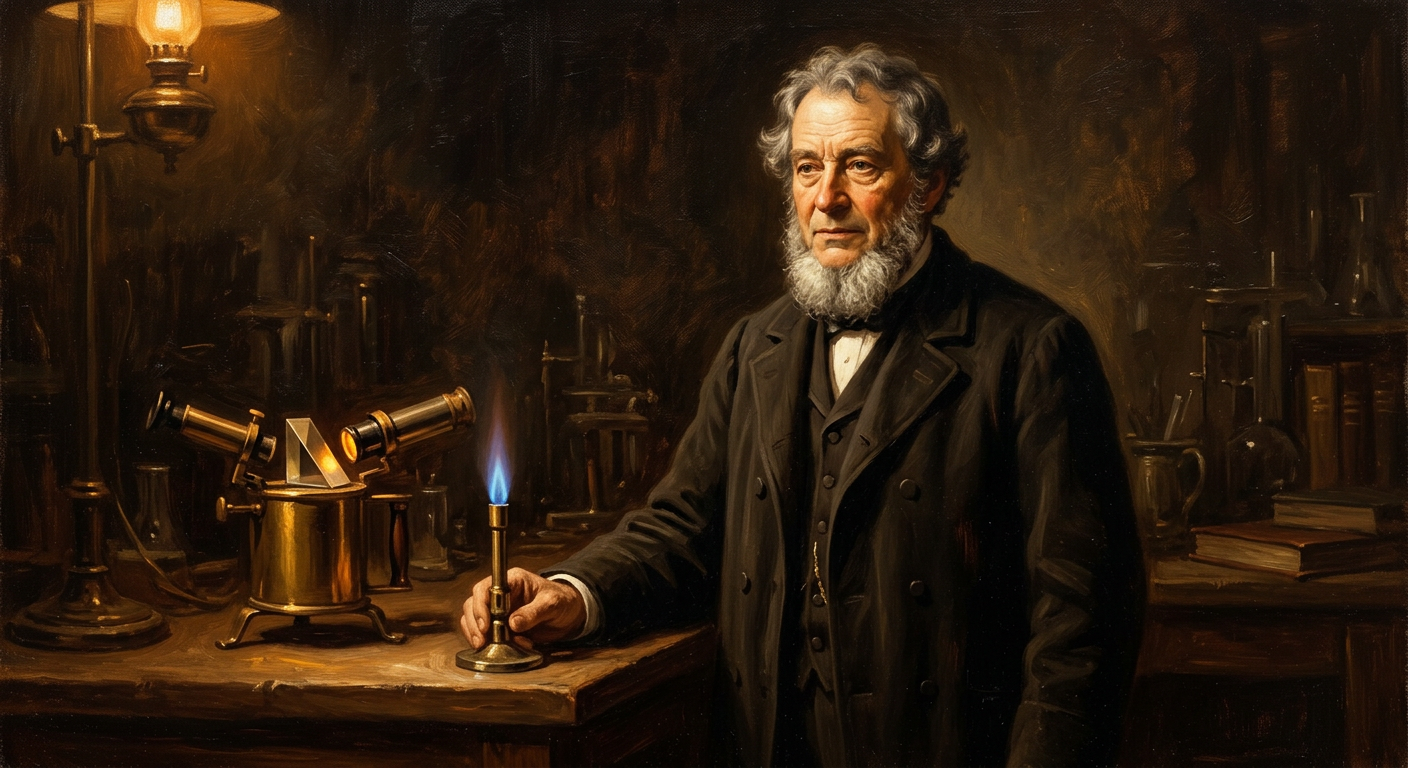
Robert Bunsen
1811–1899 · Chemist
Helped develop the improved laboratory gas burner now known as the Bunsen burner and, with Gustav Kirchhoff, developed spectral analysis and discovered the elements caesium and rubidium.
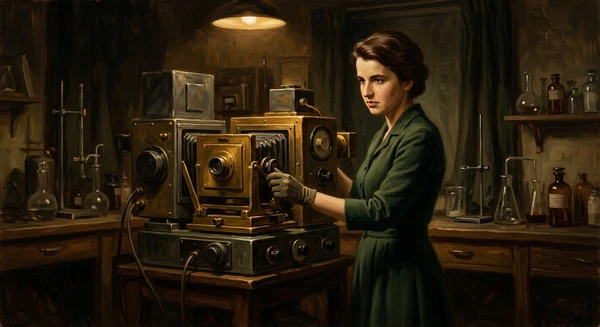
Rosalind Franklin
1920–1958 · Chemist & X-ray Crystallographer
Producing crucial X-ray diffraction data on DNA, including Photograph 51, with her student Raymond Gosling.
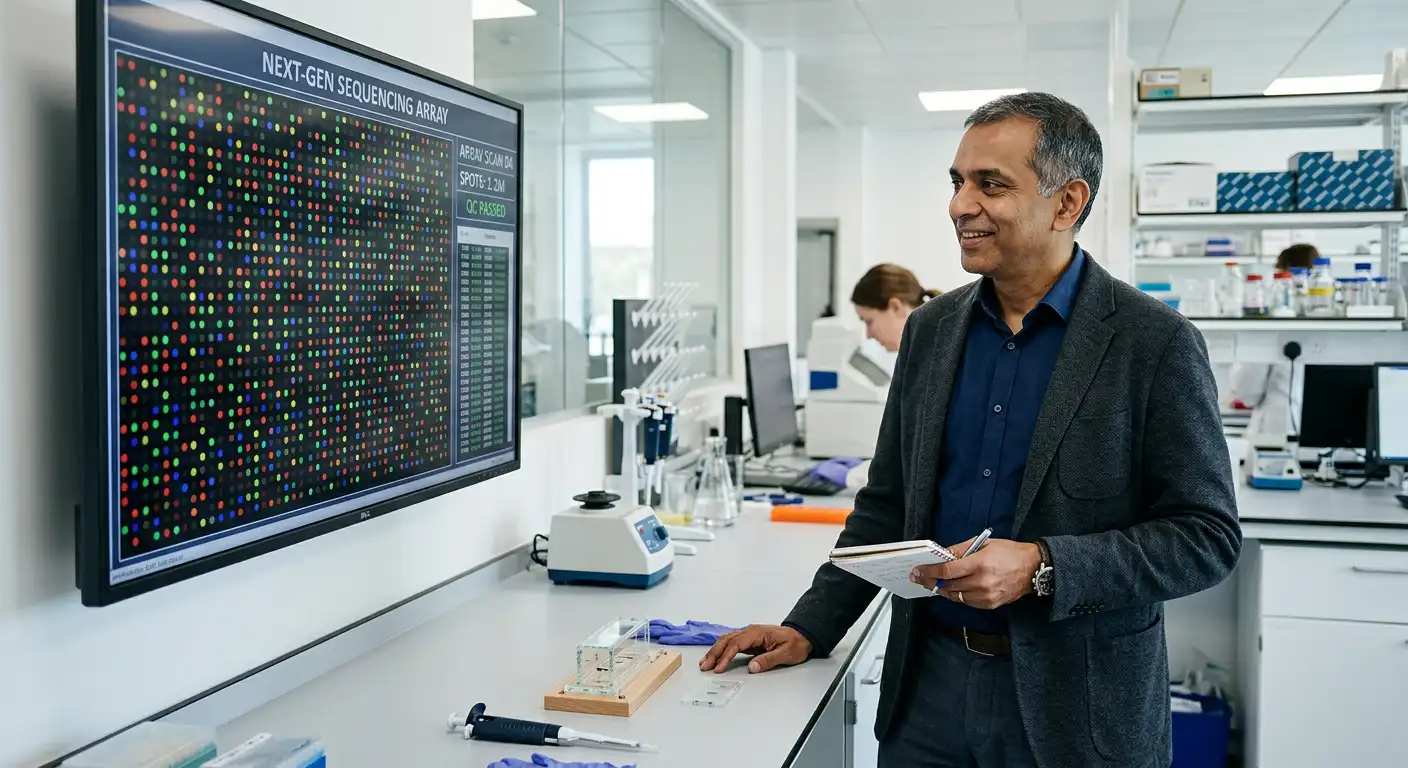
Shankar Balasubramanian
1966–present · Chemistry, genetics and genome sequencing
With David Klenerman and their teams, Balasubramanian developed the sequencing-by-synthesis technology behind Solexa sequencing, an important advance in reading genomes.
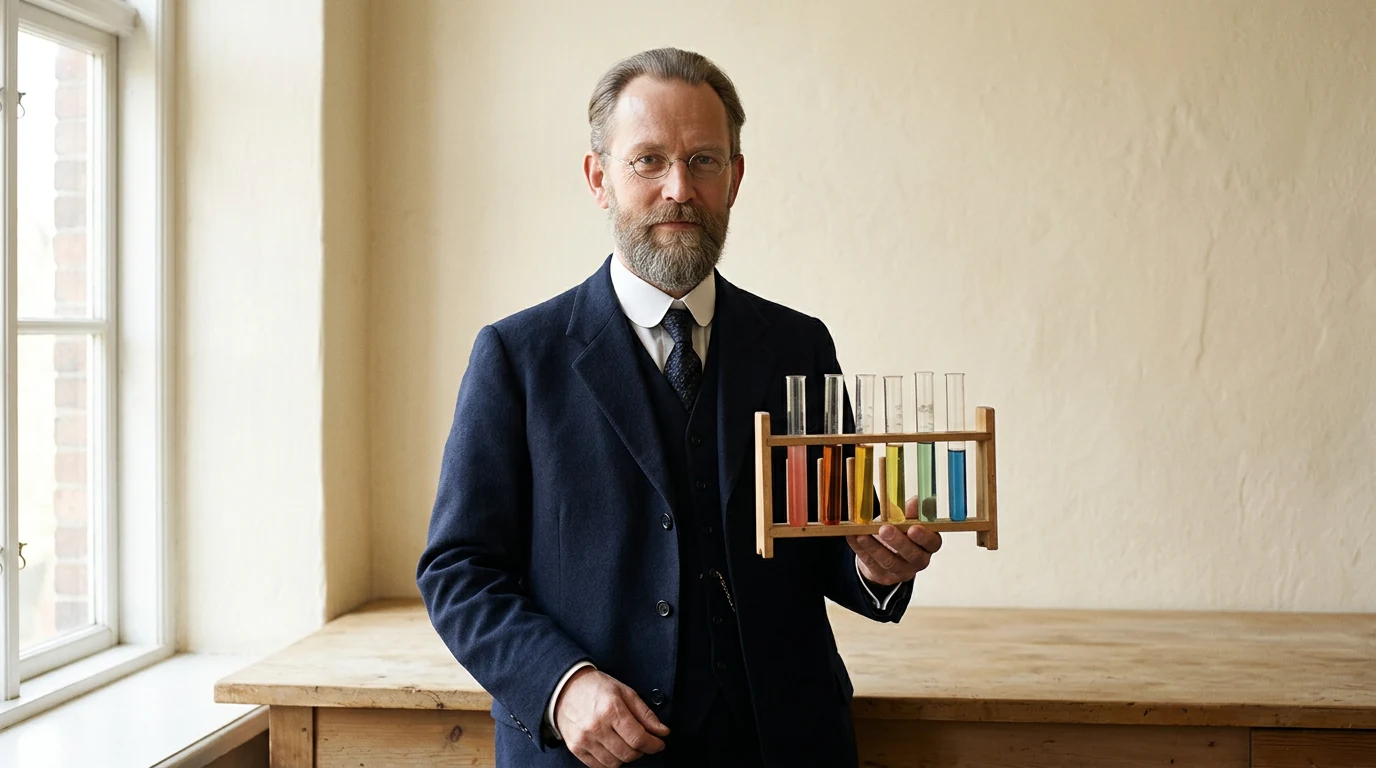
Søren Peter Lauritz Sørensen
1868–1939 · Chemistry, pH and acidity measurement
Søren Sørensen introduced the pH scale, giving chemists a simple way to express how acidic or alkaline a solution is.
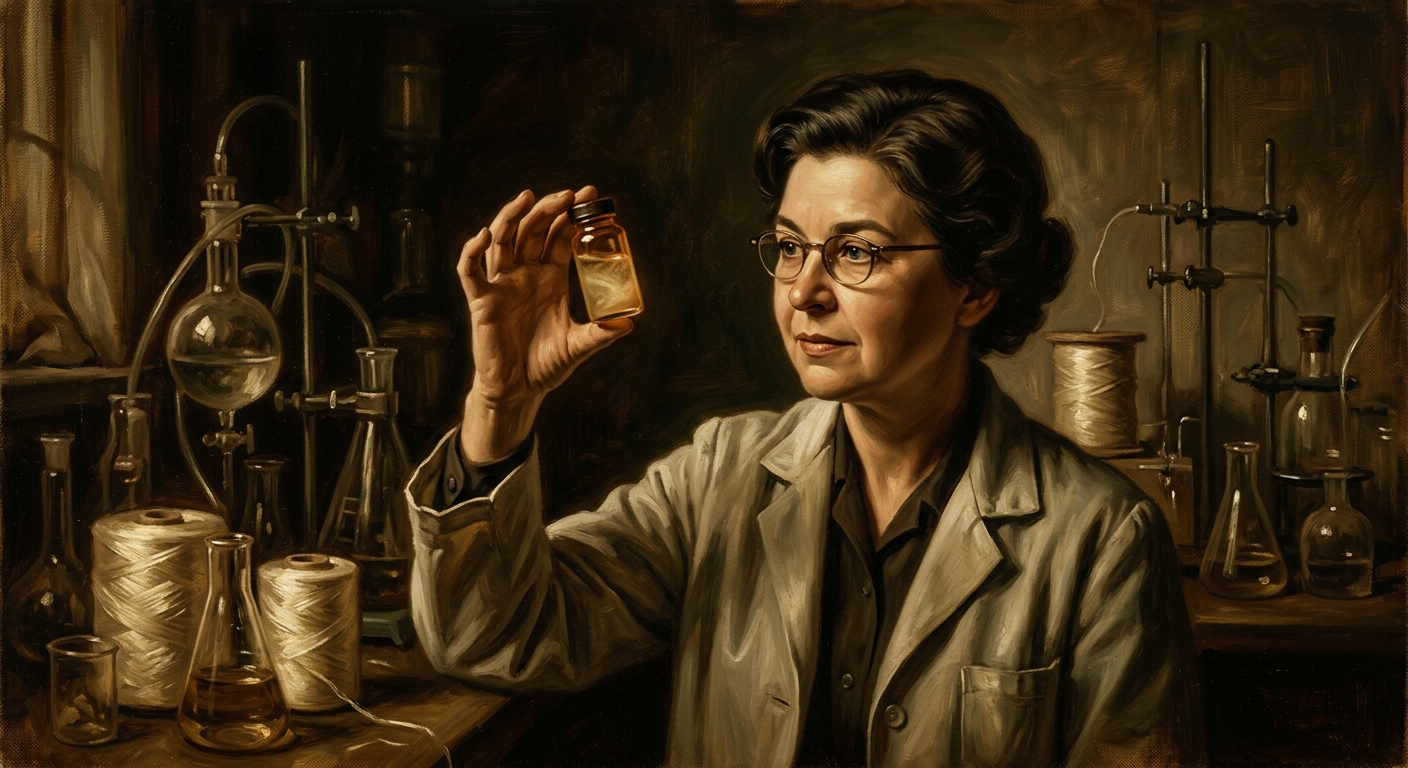
Stephanie Kwolek
1923–2014 · Chemist
Discovering the unusual liquid-crystalline polymer solution that led to Kevlar, a fibre about five times stronger than the same weight of steel and widely used in ballistic-resistant body armour and many other products.
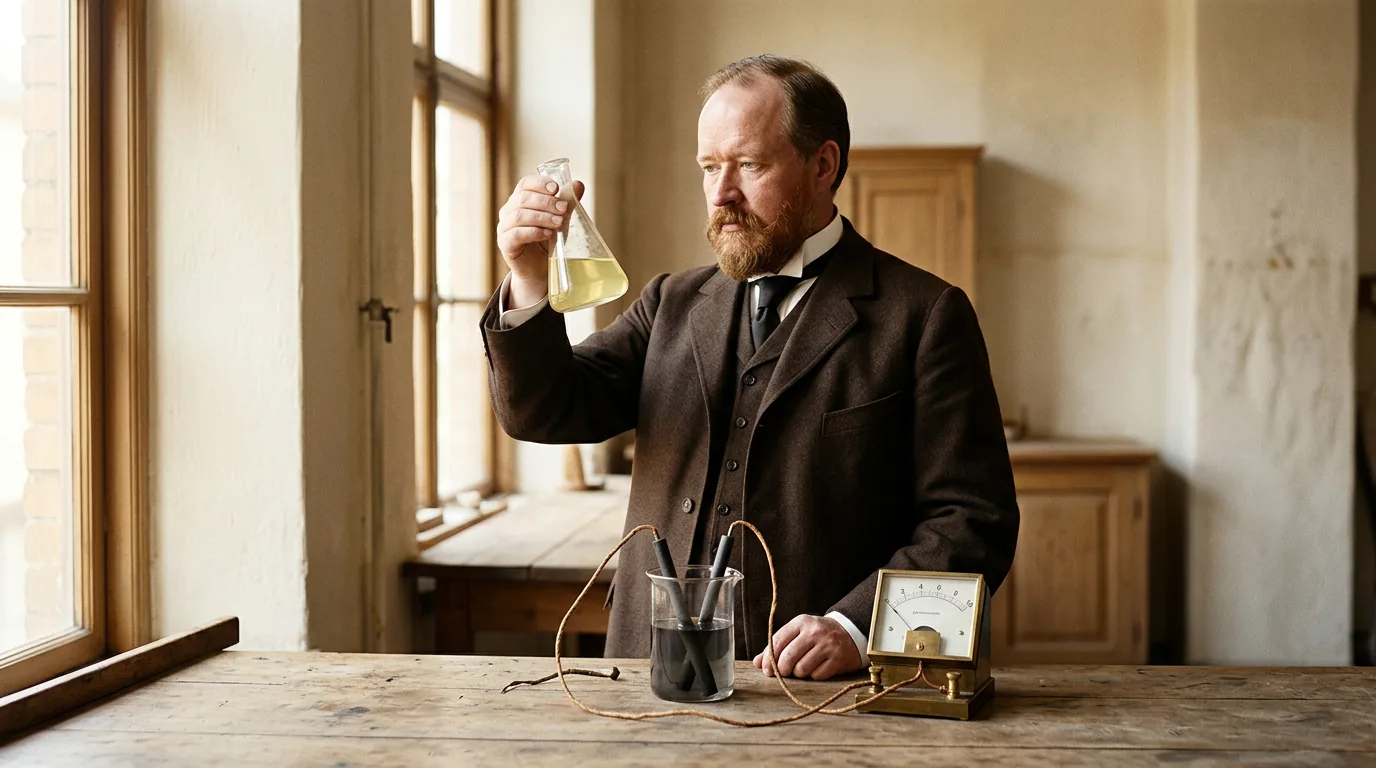
Svante Arrhenius
1859–1927 · Physical chemistry, electrolytes and early climate science
Svante Arrhenius explained how dissolved substances produce ions, developed chemical kinetics concepts and calculated how atmospheric carbon dioxide might affect climate.
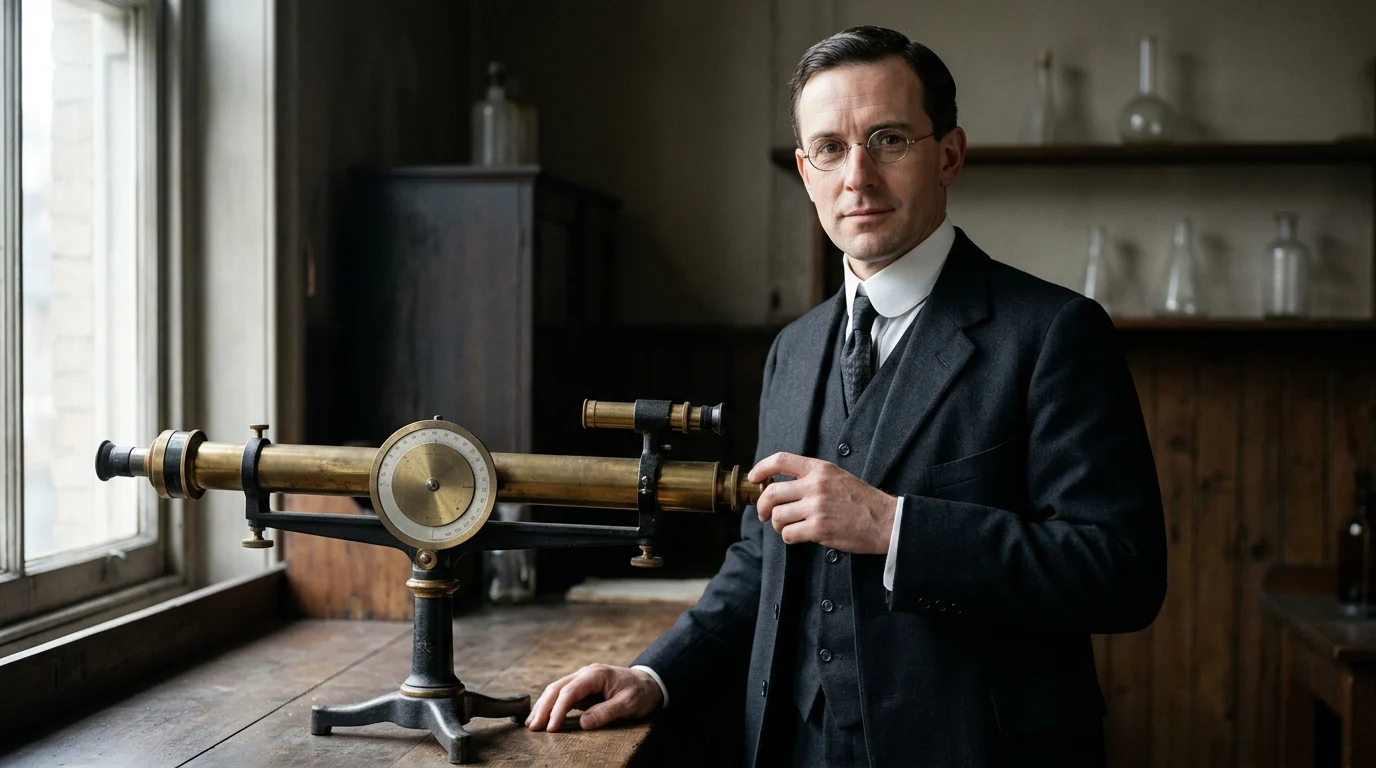
Thomas Martin Lowry
1874–1936 · Physical chemistry, acid–base theory and optical activity
Thomas Martin Lowry independently advanced a proton-based definition of acids and bases in 1923, helping explain chemical reactions far beyond water solutions.
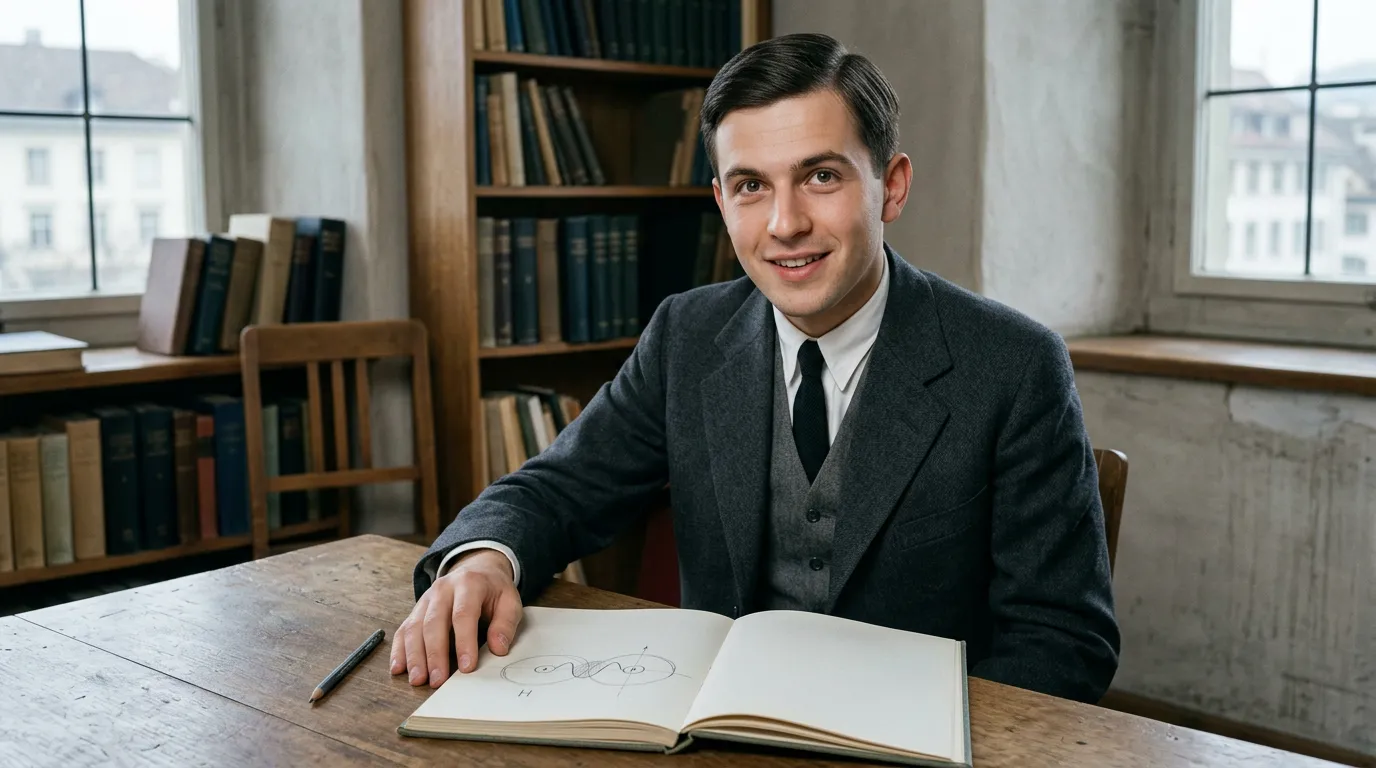
Walter Heitler
1904–1981 · Quantum mechanics, chemical bonding and theoretical physics
Walter Heitler and Fritz London used quantum mechanics in 1927 to explain a covalent bond in hydrogen, establishing a foundation of modern quantum chemistry.
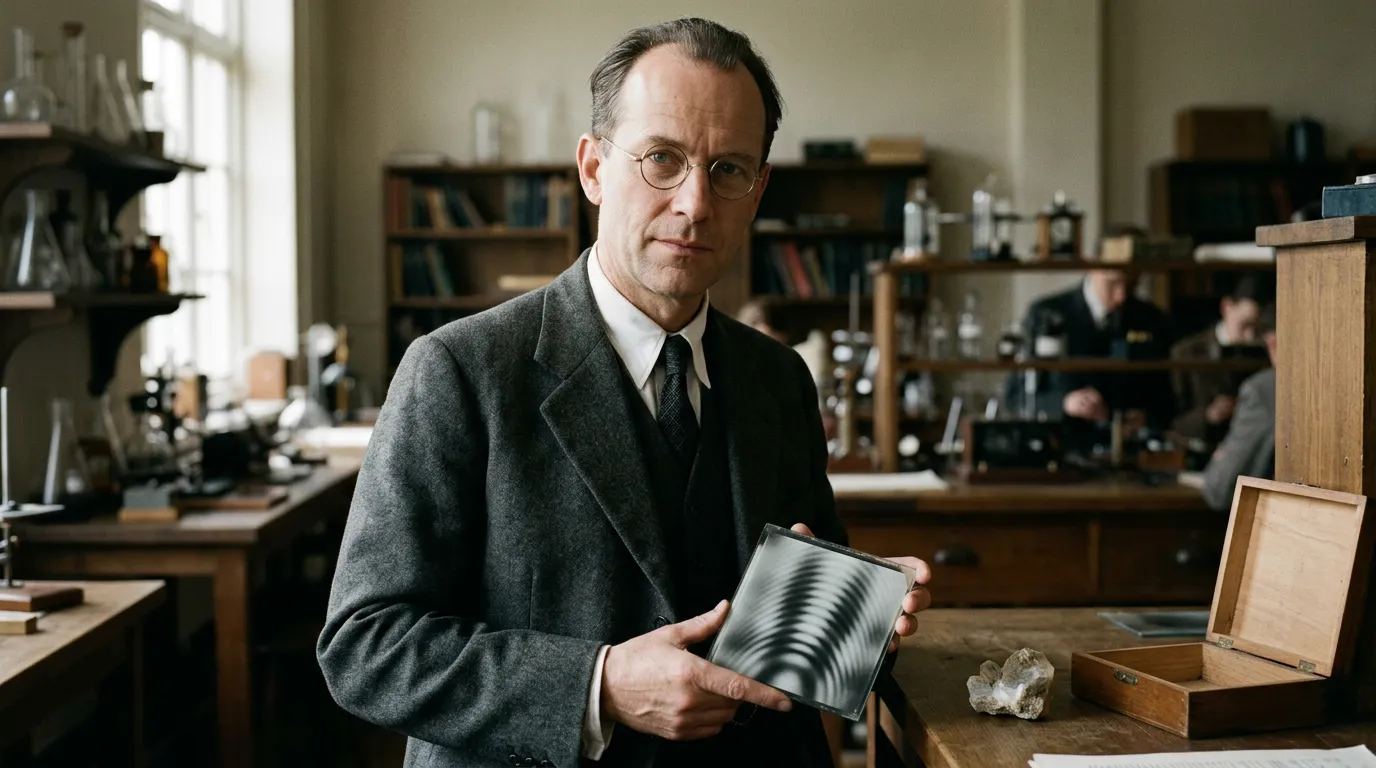
Walther Kossel
1888–1956 · Atomic physics, ionic bonding and X-ray crystallography
Walther Kossel developed an important electron-transfer account of ionic bonding in 1916 and later investigated distinctive X-ray patterns produced by crystals.