Biology
Life, evolution, cells, genetics, and the living world — the science of everything that grows, adapts, and reproduces.
41 scientists
Alfred Russel Wallace
1823–1913 · Naturalist, Explorer & Biogeographer
Independently developing the theory of evolution by natural selection, carrying out major fieldwork in the Amazon and Malay Archipelago, and helping establish biogeography through studies including the boundary now called Wallace's Line.
Alfred Sturtevant
1891–1970 · Genetic linkage and chromosome mapping
Alfred Sturtevant used recombination frequencies from fruit fly experiments to make a pioneering map showing the relative positions of genes along a chromosome.
Andrew Benson
1917–2015 · Plant biochemistry and photosynthetic carbon fixation
Andrew Benson helped identify the biochemical steps by which photosynthetic organisms turn carbon dioxide into organic molecules, through work now associated with the Calvin–Benson cycle.
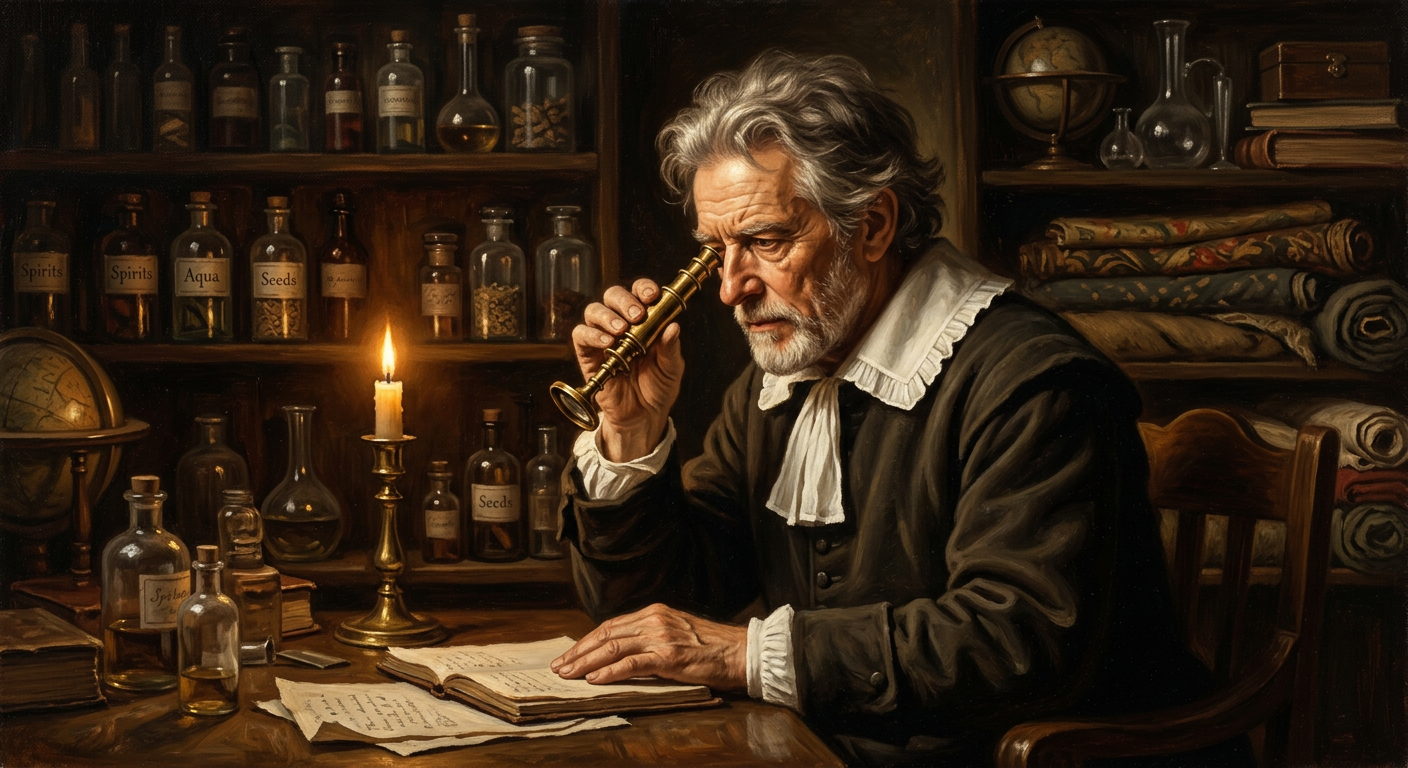
Antonie van Leeuwenhoek
1632–1723 · Biologist
First person to see and describe microorganisms — tiny living creatures invisible to the naked eye.
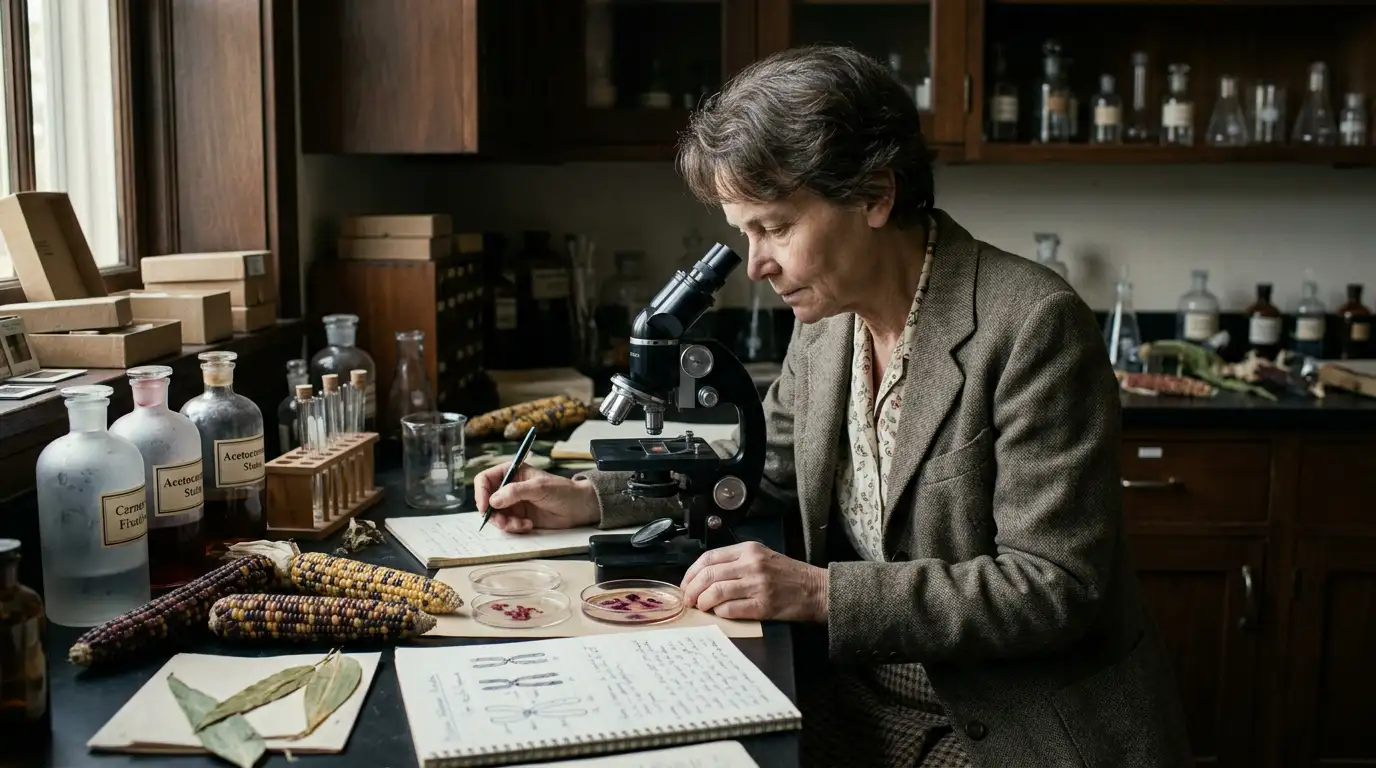
Barbara McClintock
1902–1992 · Geneticist
Discovering transposable elements — jumping genes — that can move within the genome.
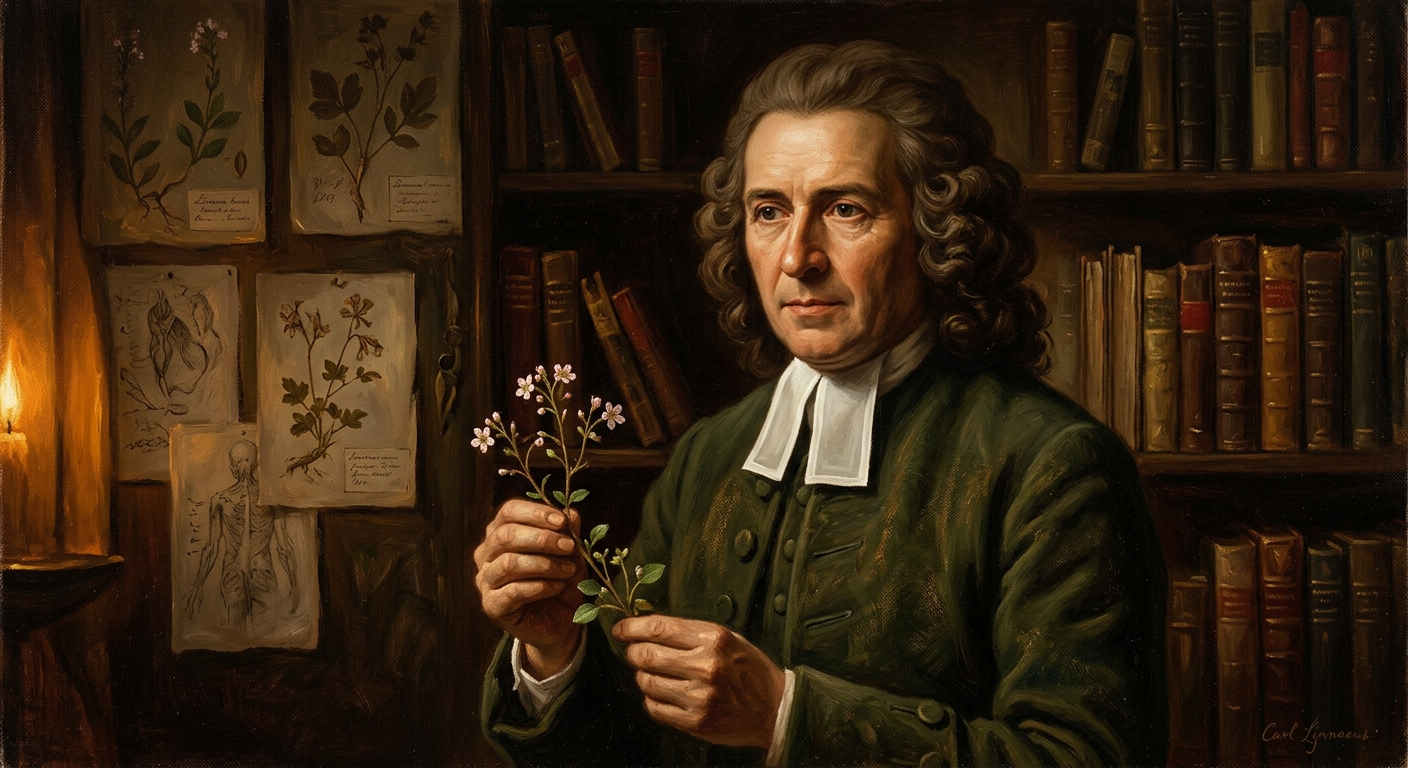
Carl Linnaeus
1707–1778 · Botanist and Zoologist
Standardised binomial nomenclature — the two-part scientific naming system used for species — and developed an influential system of biological classification.
Charles Darwin
1809–1882 · Naturalist & Biologist
Proposing the theory of evolution by natural selection.
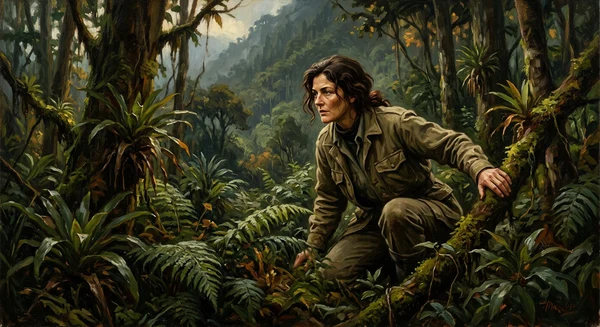
Dian Fossey
1932–1985 · Primatologist & Conservationist
Carried out a long-term study of mountain gorillas and helped build international support for their conservation.
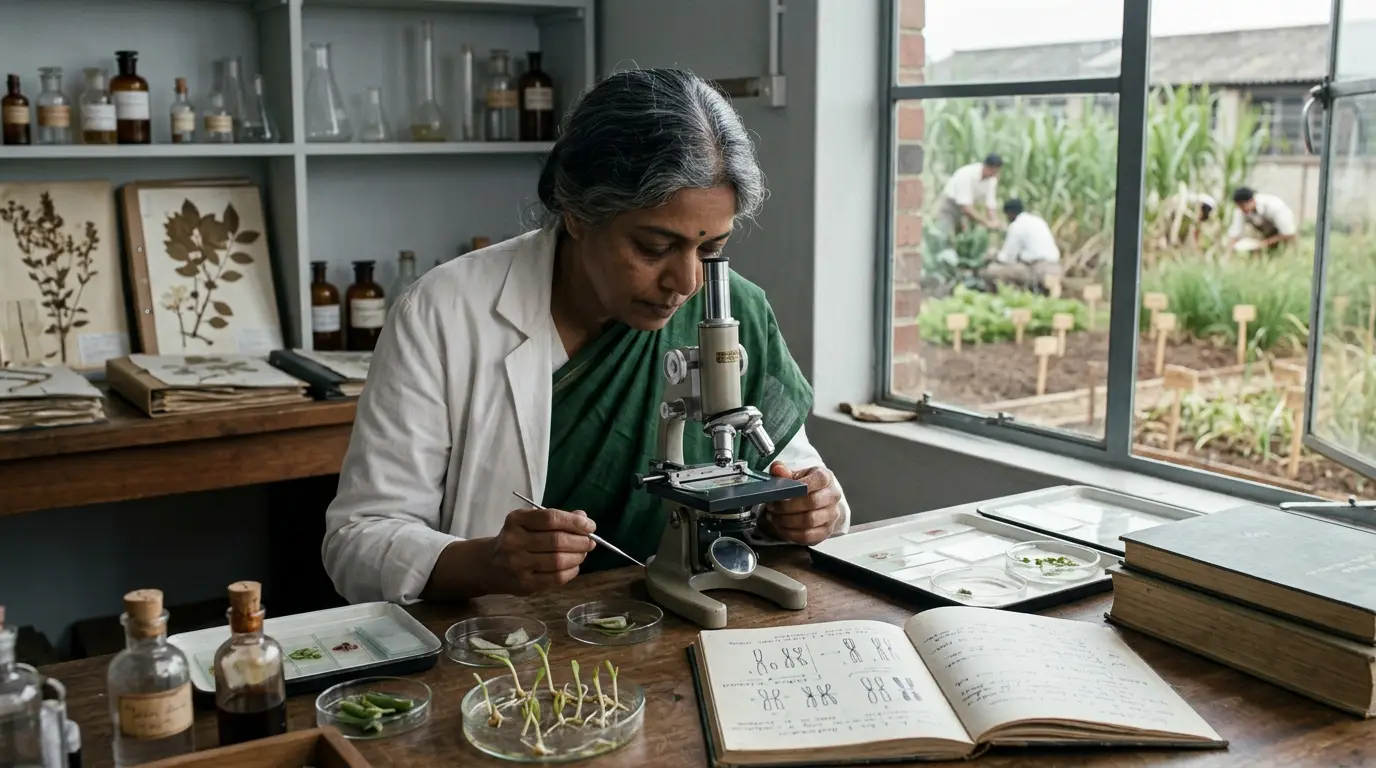
E. K. Janaki Ammal
1897–1984 · Botanist and Geneticist
Pioneering research in plant cytogenetics, chromosomes and polyploidy, including important work on sugarcane genetics.
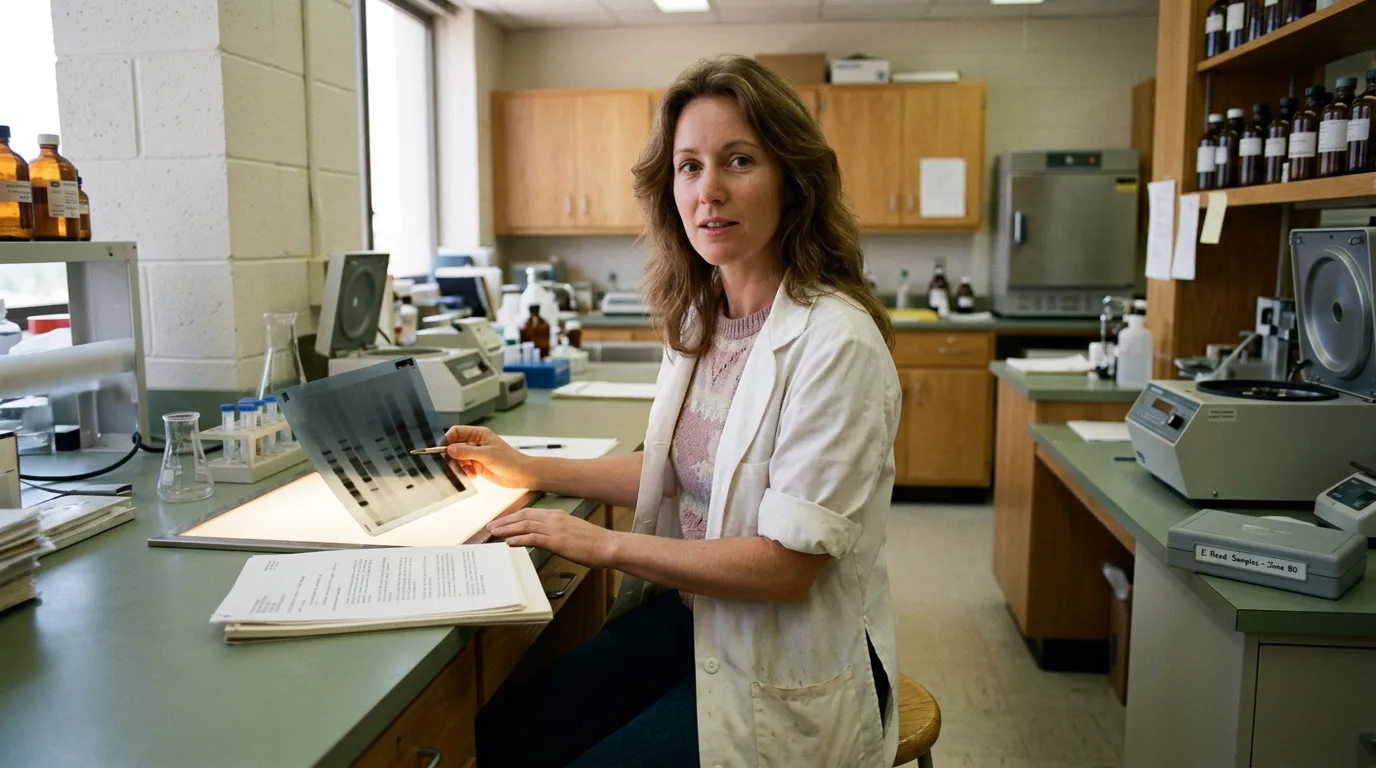
Elizabeth Blackburn
1948–present · Telomeres, telomerase and molecular biology
Elizabeth Blackburn helped explain how the ends of chromosomes are protected, co-discovering the enzyme telomerase and receiving the 2009 Nobel Prize.
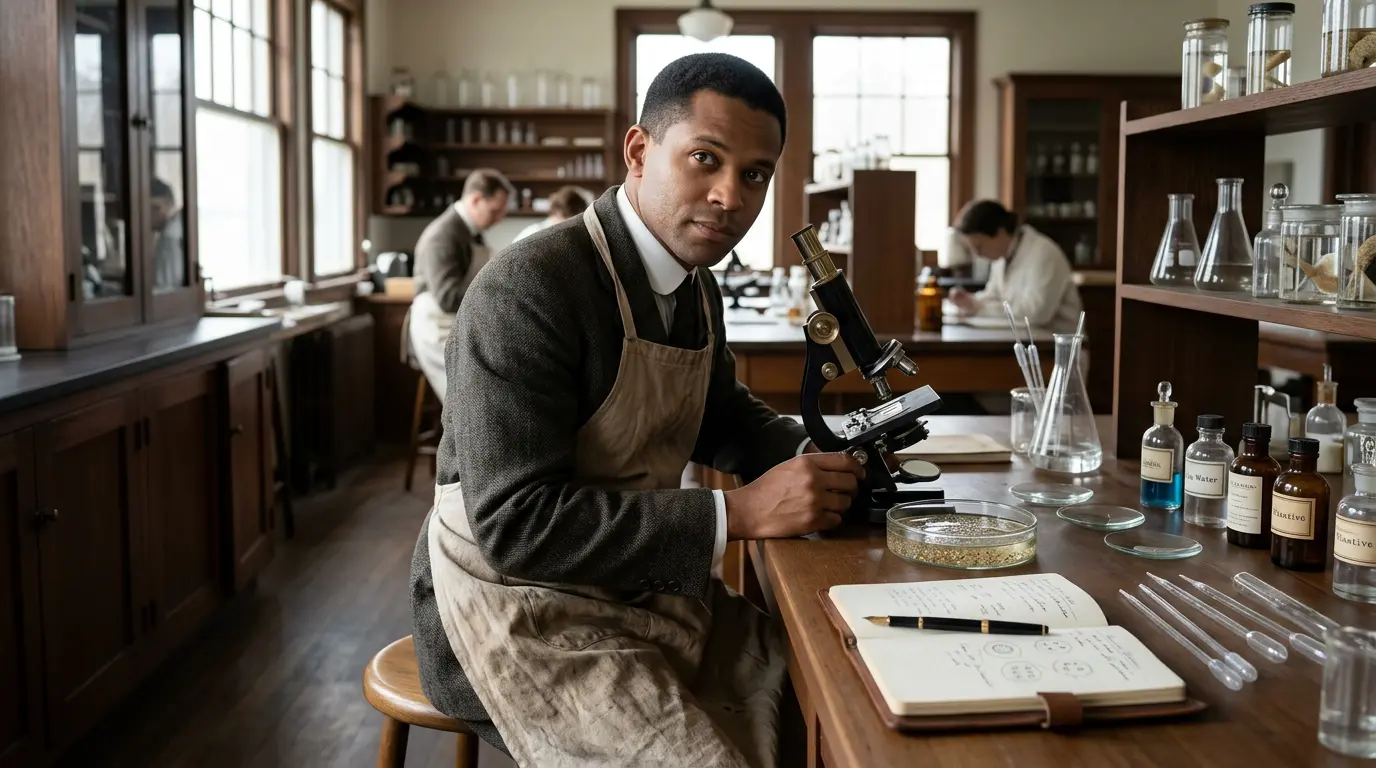
Ernest Everett Just
1883–1941 · Cell biology and embryology
Ernest Everett Just investigated how egg cells respond to fertilisation and showed why the living cell surface matters during early development.
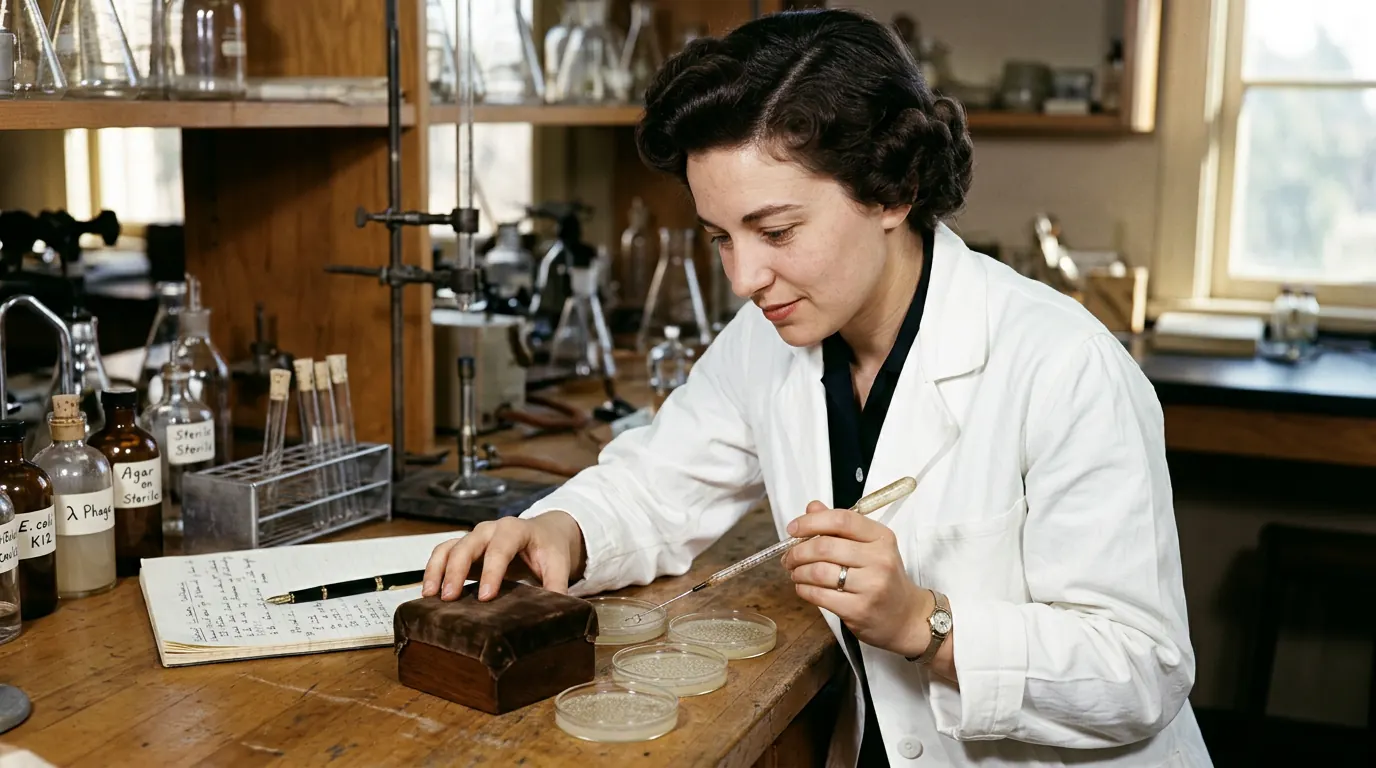
Esther Miriam Lederberg
1922–2006 · Microbial genetics
Esther Miriam Lederberg discovered bacteriophage lambda, a virus that can remain dormant in bacterial DNA, and jointly developed replica plating with Joshua Lederberg. She also contributed to research on the F factor involved in bacterial gene transfer.
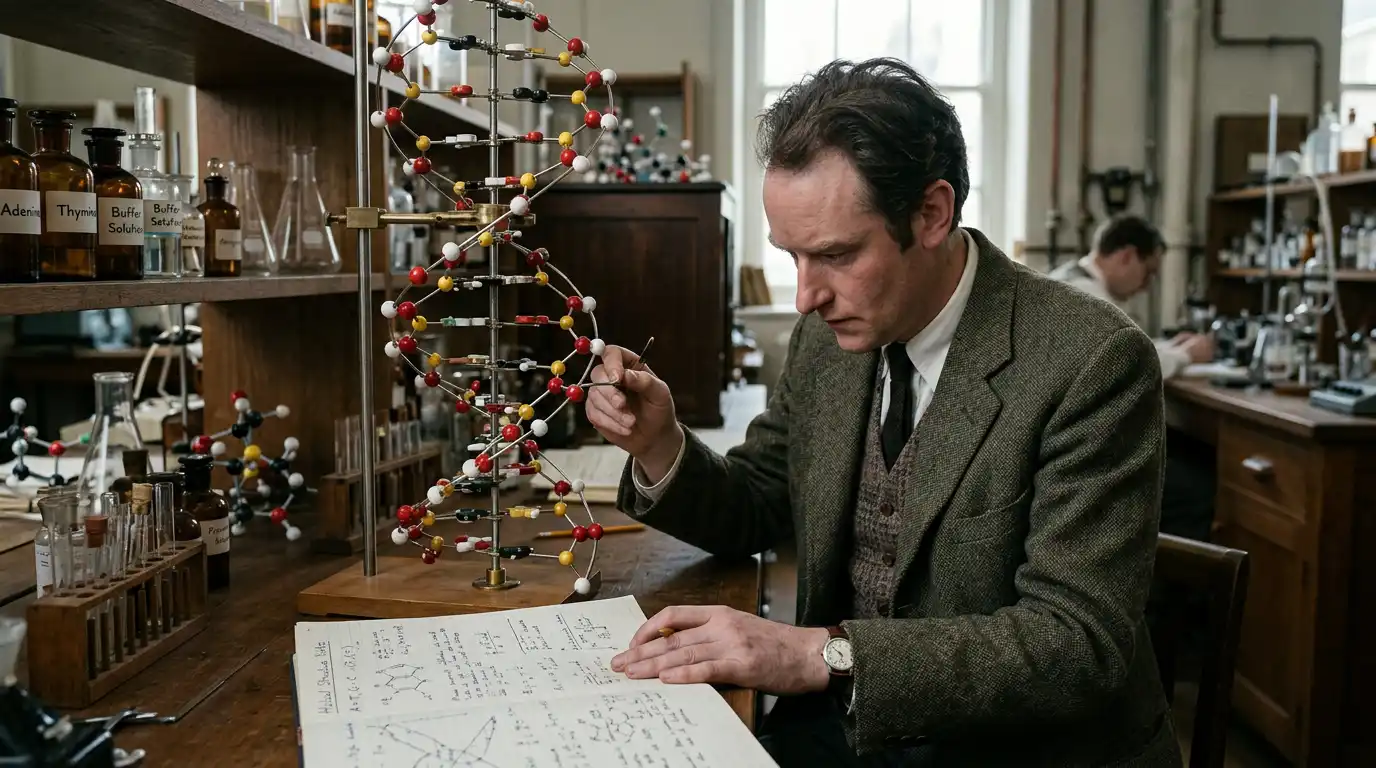
Francis Crick
1916–2004 · Molecular Biologist
Working with James Watson to develop the double-helix model of DNA in 1953 and later making major contributions to understanding genetic information and the genetic code. He shared the 1962 Nobel Prize in Physiology or Medicine with James Watson and Maurice Wilkins.
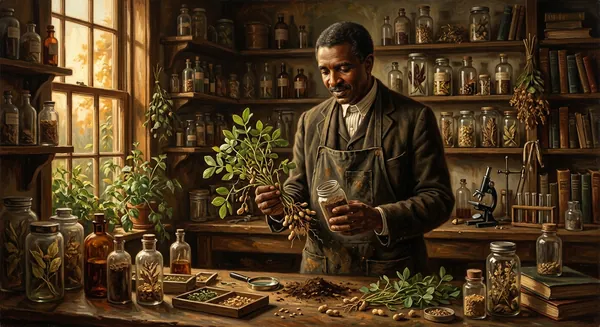
George Washington Carver
1864–1943 · Agricultural Scientist and Botanist
Promoting crop rotation, soil conservation and practical uses for alternative crops to help Southern farmers improve depleted farmland and diversify beyond cotton.
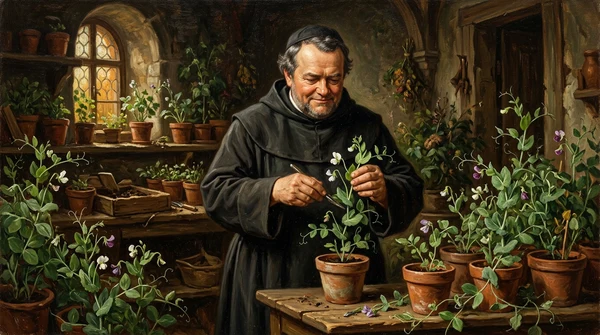
Gregor Mendel
1822–1884 · Biologist & Augustinian Friar
Discovered the fundamental laws of genetic inheritance by studying pea plants.
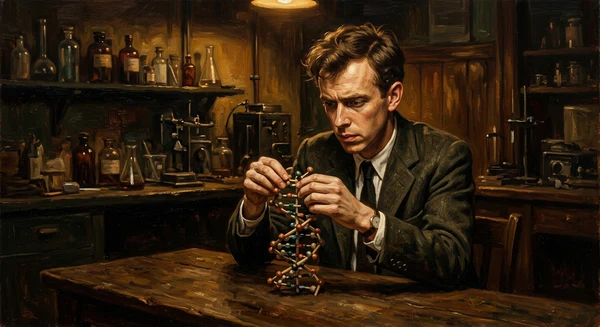
James Watson
1928–2025 · Molecular Biologist & Geneticist
Helping determine the double-helix structure of DNA with Francis Crick in 1953, using crucial X-ray diffraction and other experimental evidence produced by researchers including Rosalind Franklin, Raymond Gosling and Maurice Wilkins.
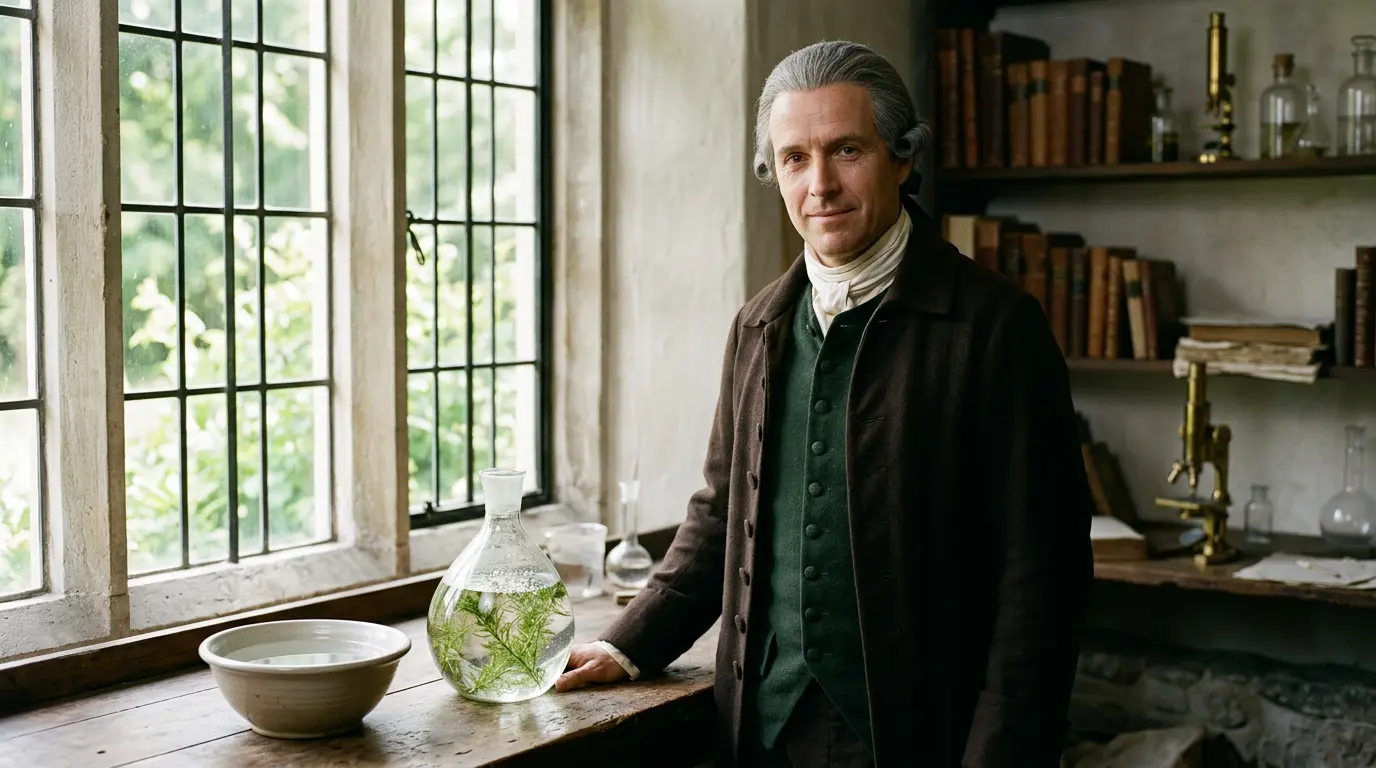
Jan Ingenhousz
1730–1799 · Photosynthesis and experimental plant physiology
Jan Ingenhousz showed that green plant parts release oxygen in sunlight and investigated how plants affect the surrounding air.
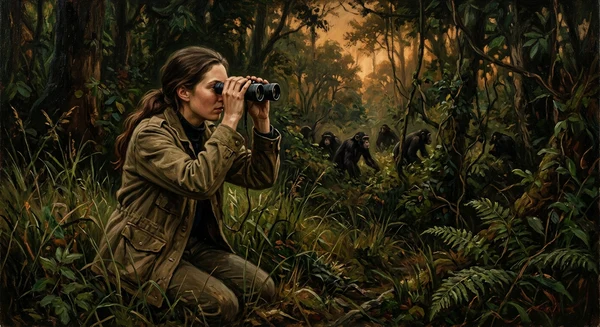
Jane Goodall
1934–2025 · Primatologist & Anthropologist
Beginning one of the world's longest-running studies of wild chimpanzees and documenting behaviours including tool-making and complex social relationships.
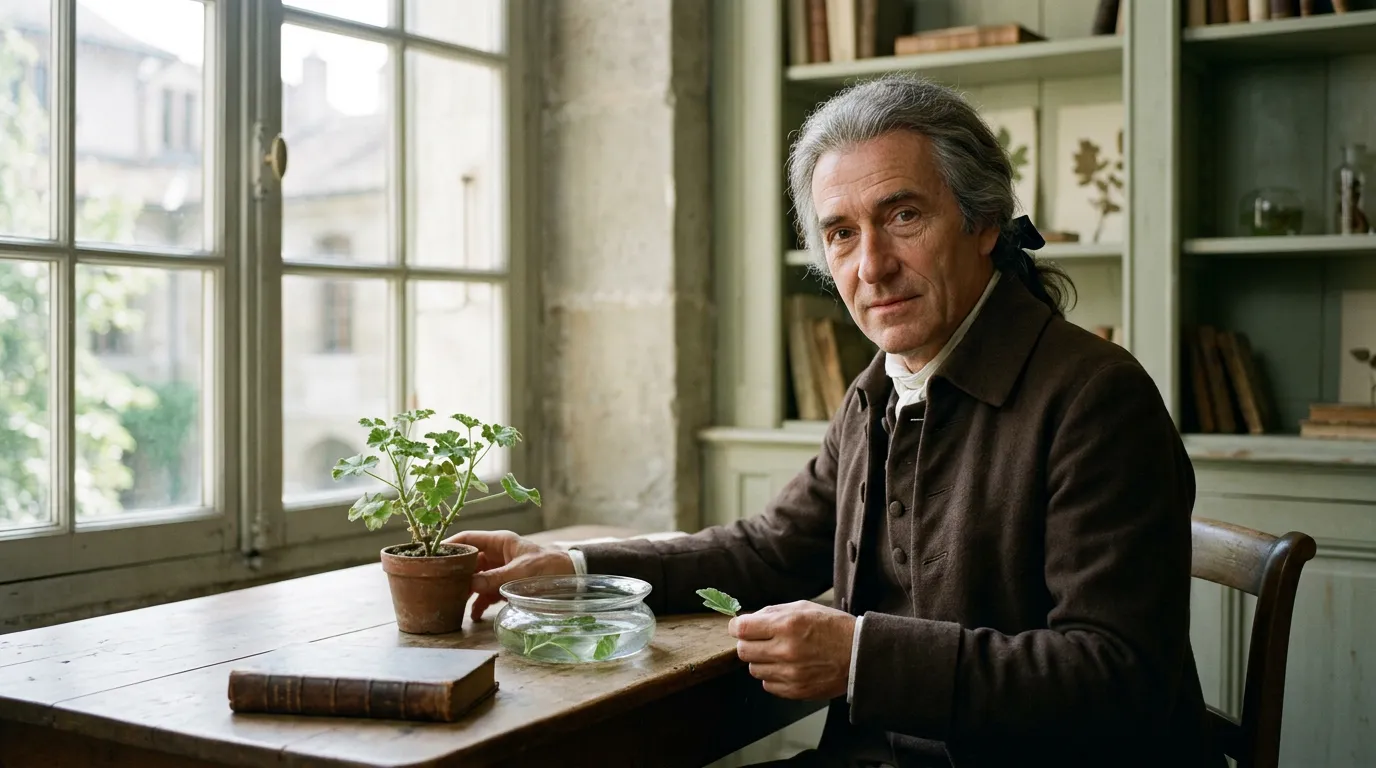
Jean Senebier
1742–1809 · Plant physiology and carbon dioxide in photosynthesis
Jean Senebier linked plant gas exchange to carbon dioxide and sunlight, adding an essential explanation of how green plants grow.
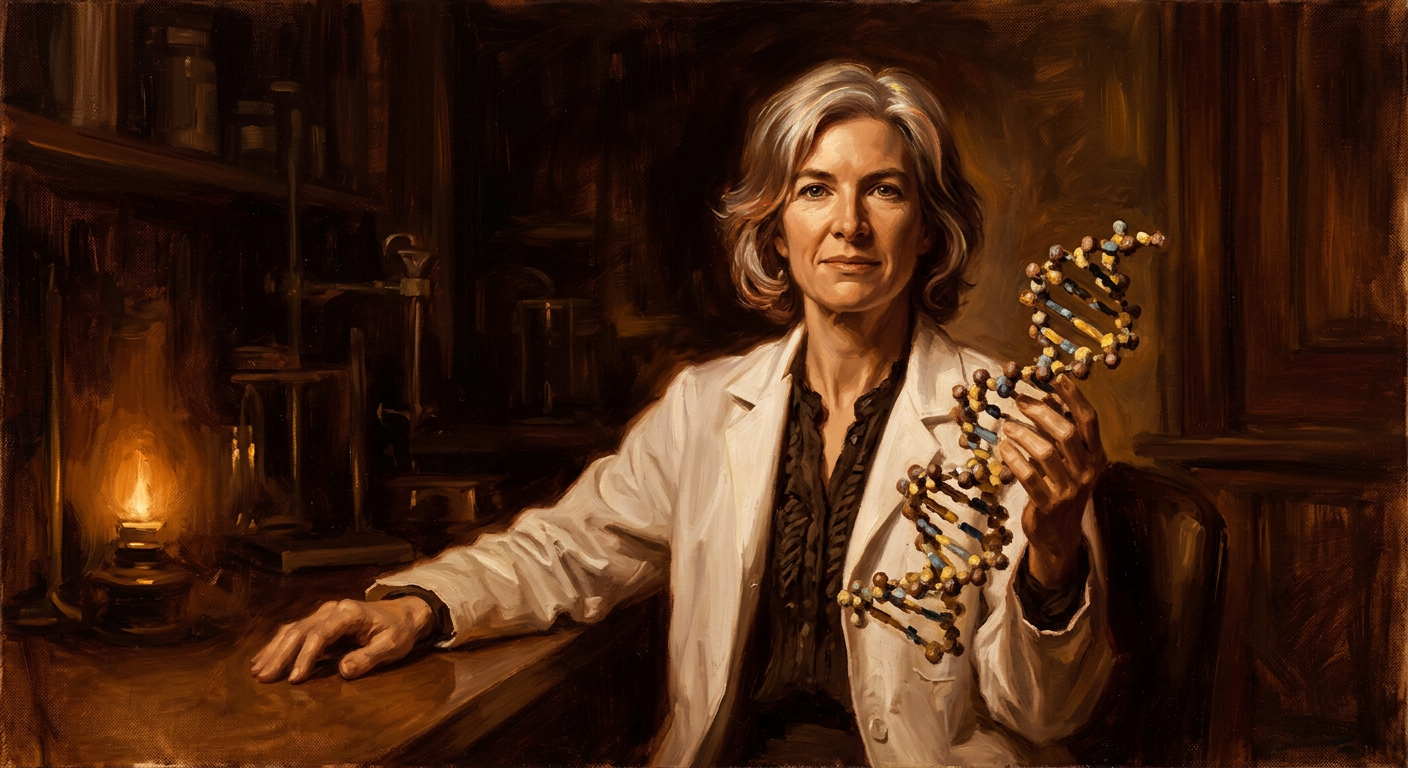
Jennifer Doudna
1964–present · Biochemist
Co-developed CRISPR-Cas9, the gene-editing technology that allows scientists to rewrite DNA with extraordinary precision, and won the 2020 Nobel Prize in Chemistry for the work.
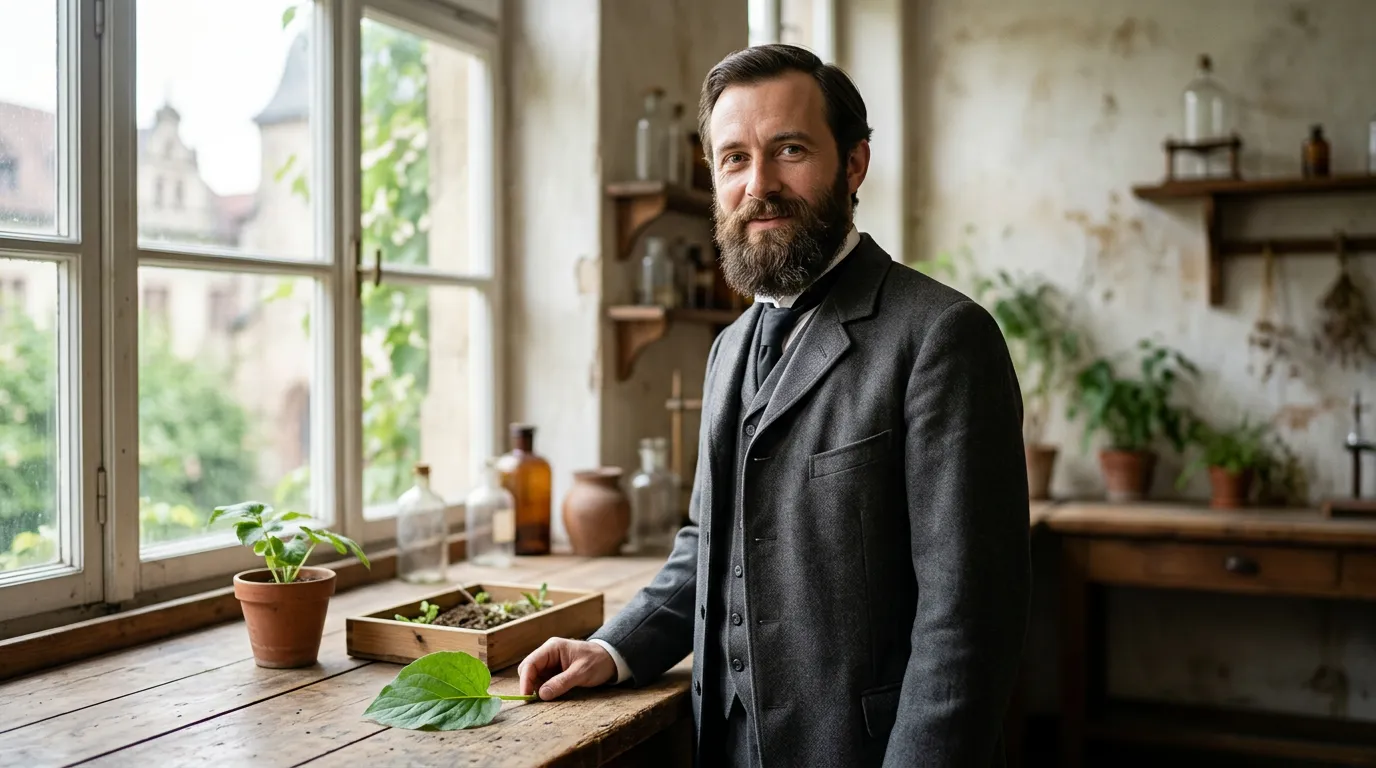
Julius von Sachs
1832–1897 · Plant physiology and photosynthesis
Julius von Sachs developed careful experiments on plant growth, including evidence that illuminated leaves form starch during photosynthesis.
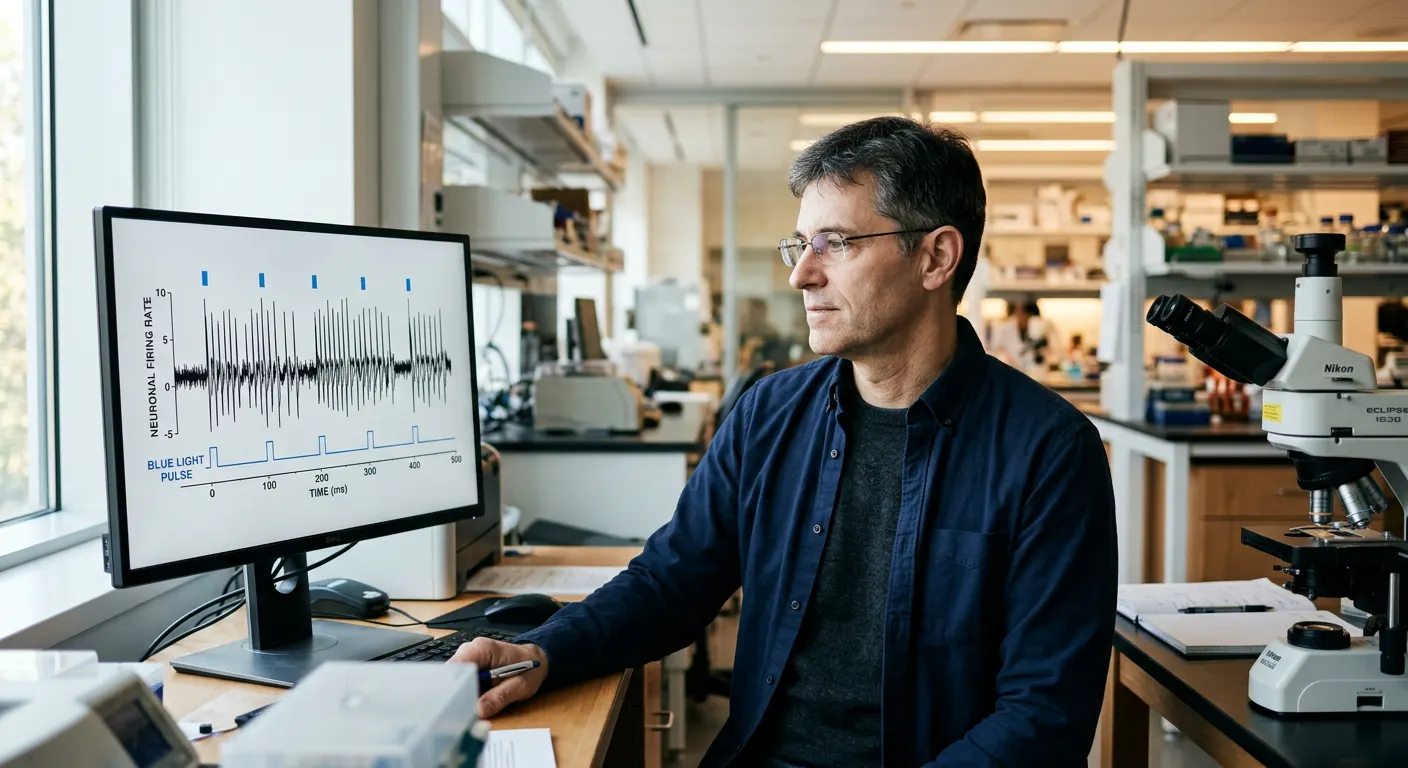
Karl Deisseroth
1971–present · Neuroscience, psychiatry and bioengineering
Deisseroth helped turn light-sensitive proteins from microbes into precise tools for studying brain circuits. His work connects engineering, neuroscience and the care of people with mental health conditions.
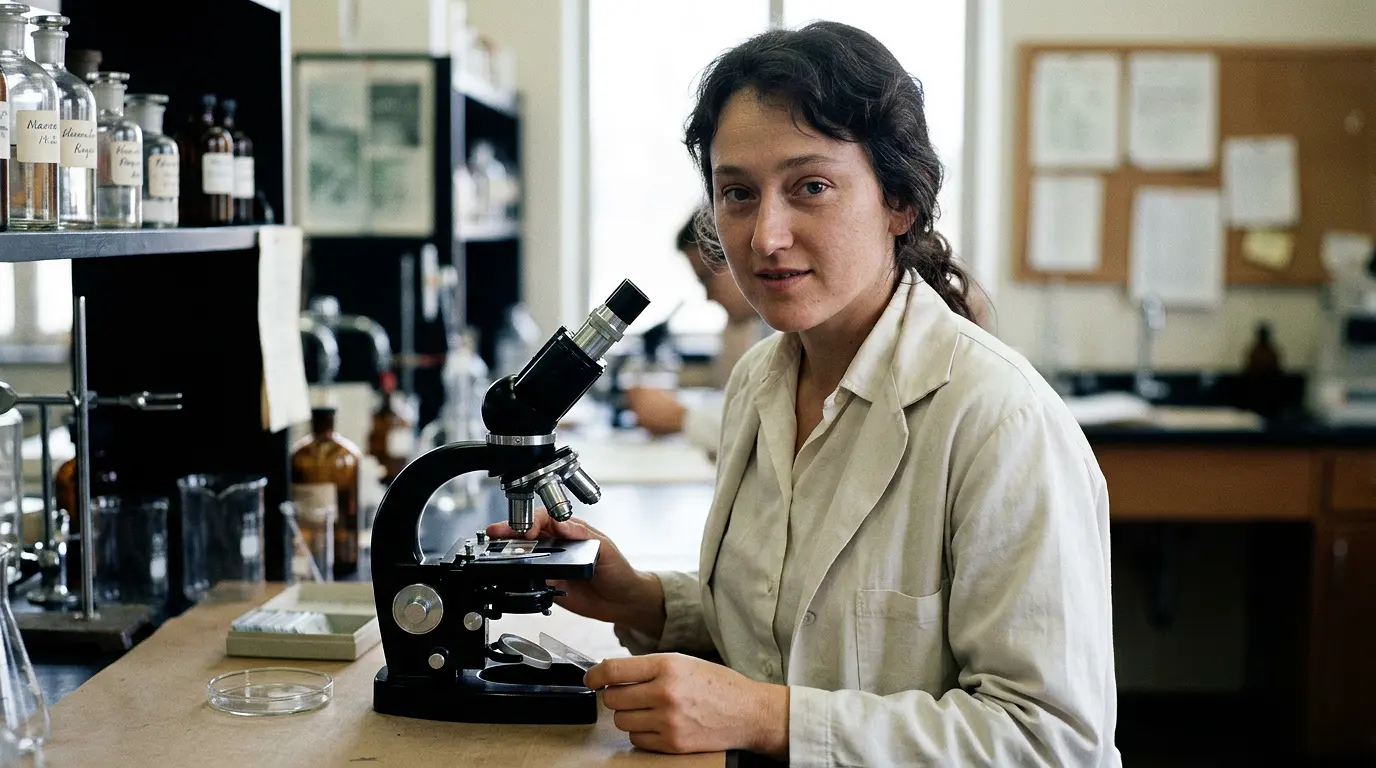
Lynn Margulis
1938–2011 · Evolutionary biology and cell biology
Developed and championed modern endosymbiotic theory, explaining how mitochondria and chloroplasts evolved from once free-living bacteria.
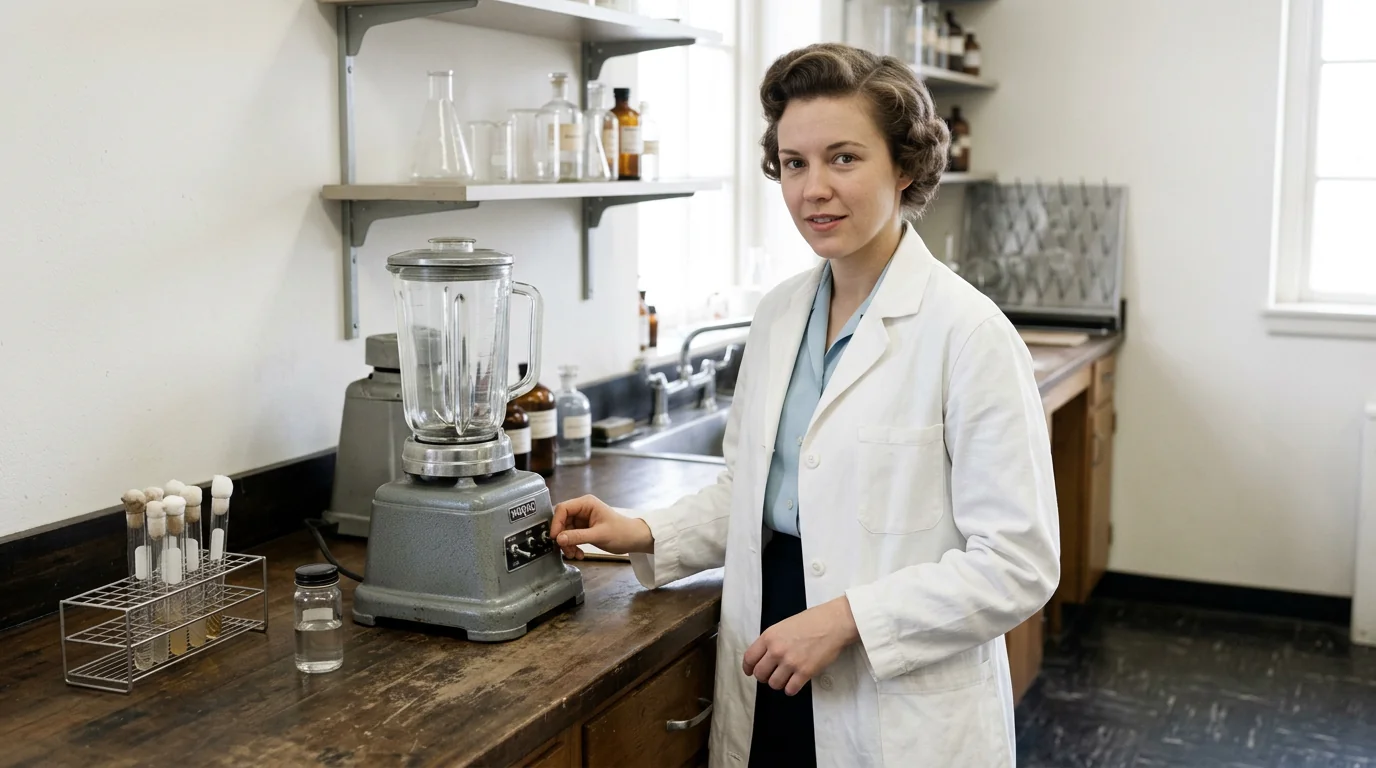
Martha Chase
1927–2003 · Molecular genetics and DNA experiments
Martha Chase worked with Alfred Hershey on a celebrated 1952 experiment that traced DNA and protein during virus infection, strengthening evidence that DNA carries genetic instructions.
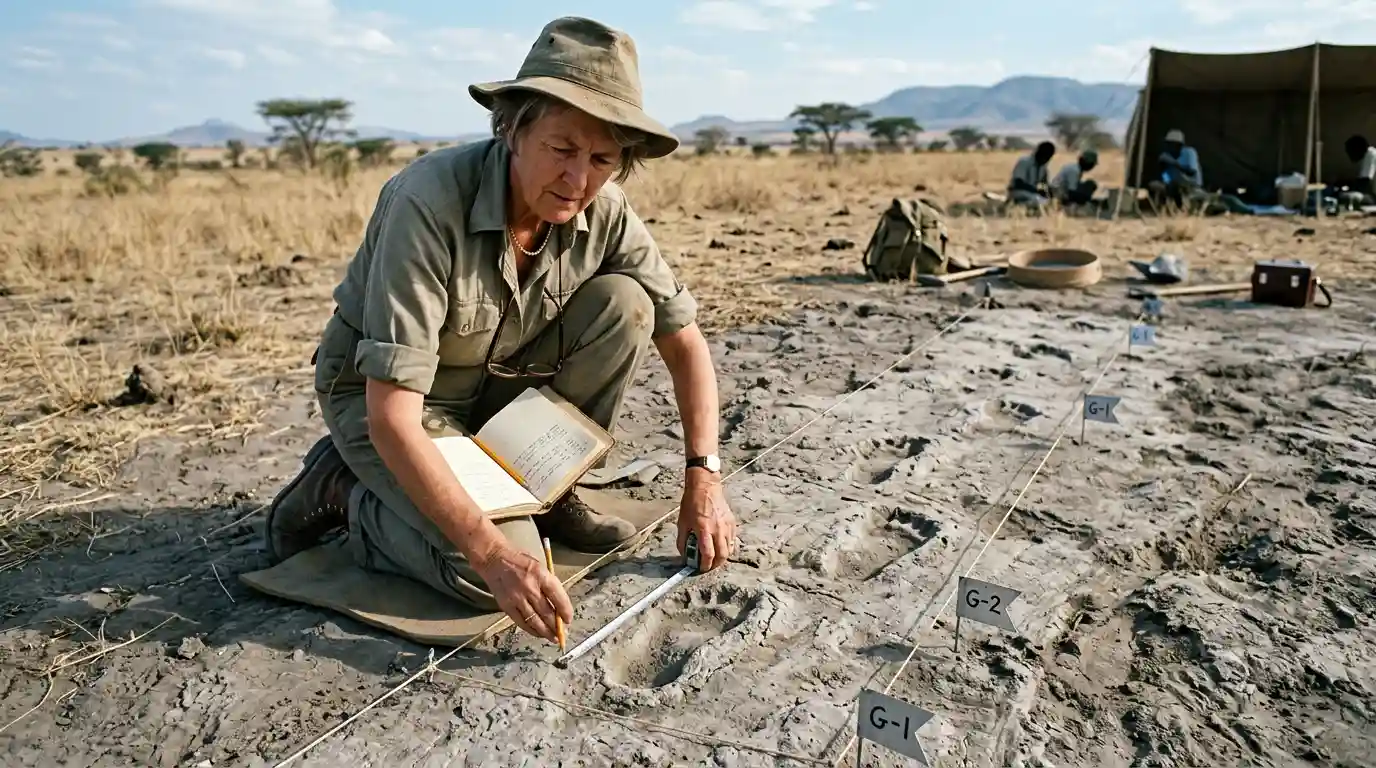
Mary Leakey
1913–1996 · Archaeology and paleoanthropology
A British archaeologist whose meticulous fieldwork in East Africa revealed crucial evidence of human origins.
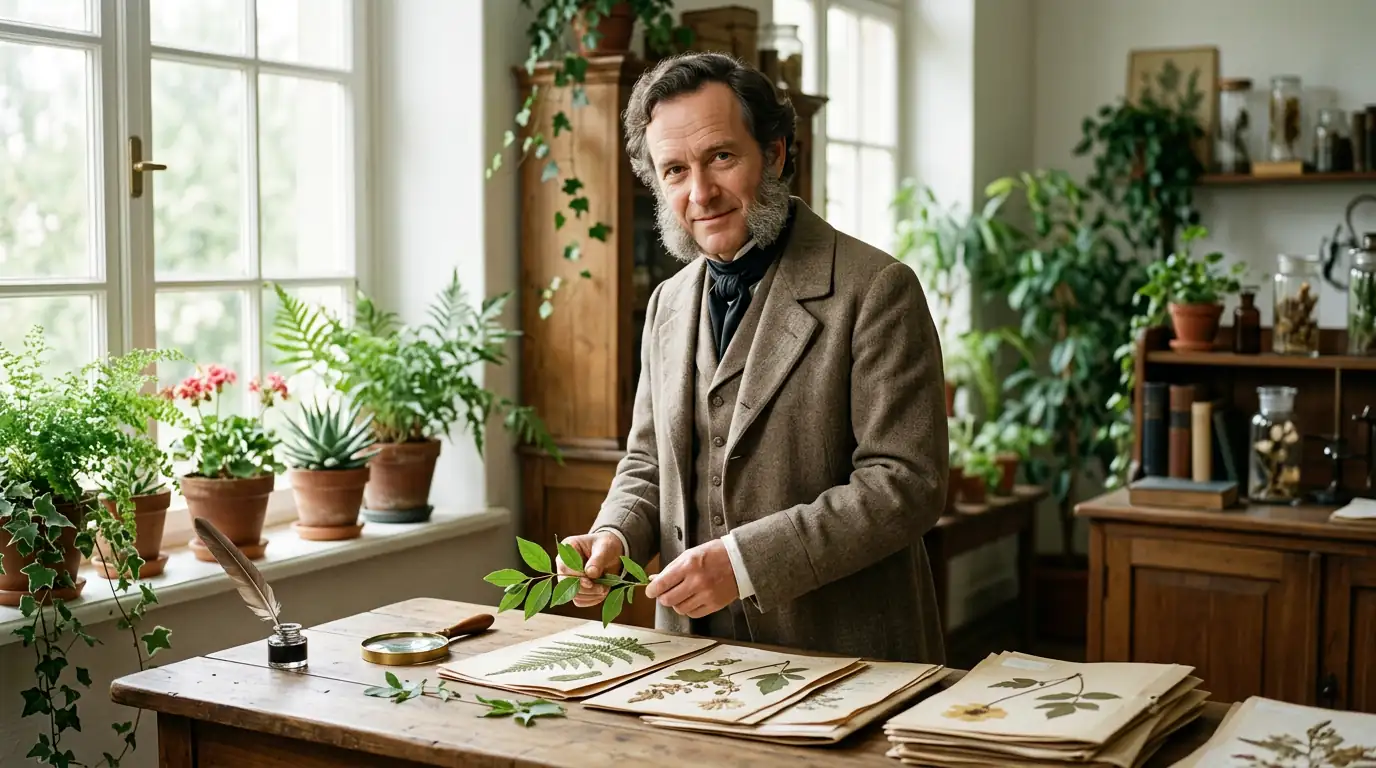
Matthias Schleiden
1804–1881 · Botany and the origins of cell theory
Matthias Schleiden argued that plants are built from cells, helping establish a unifying idea in biology alongside Theodor Schwann.
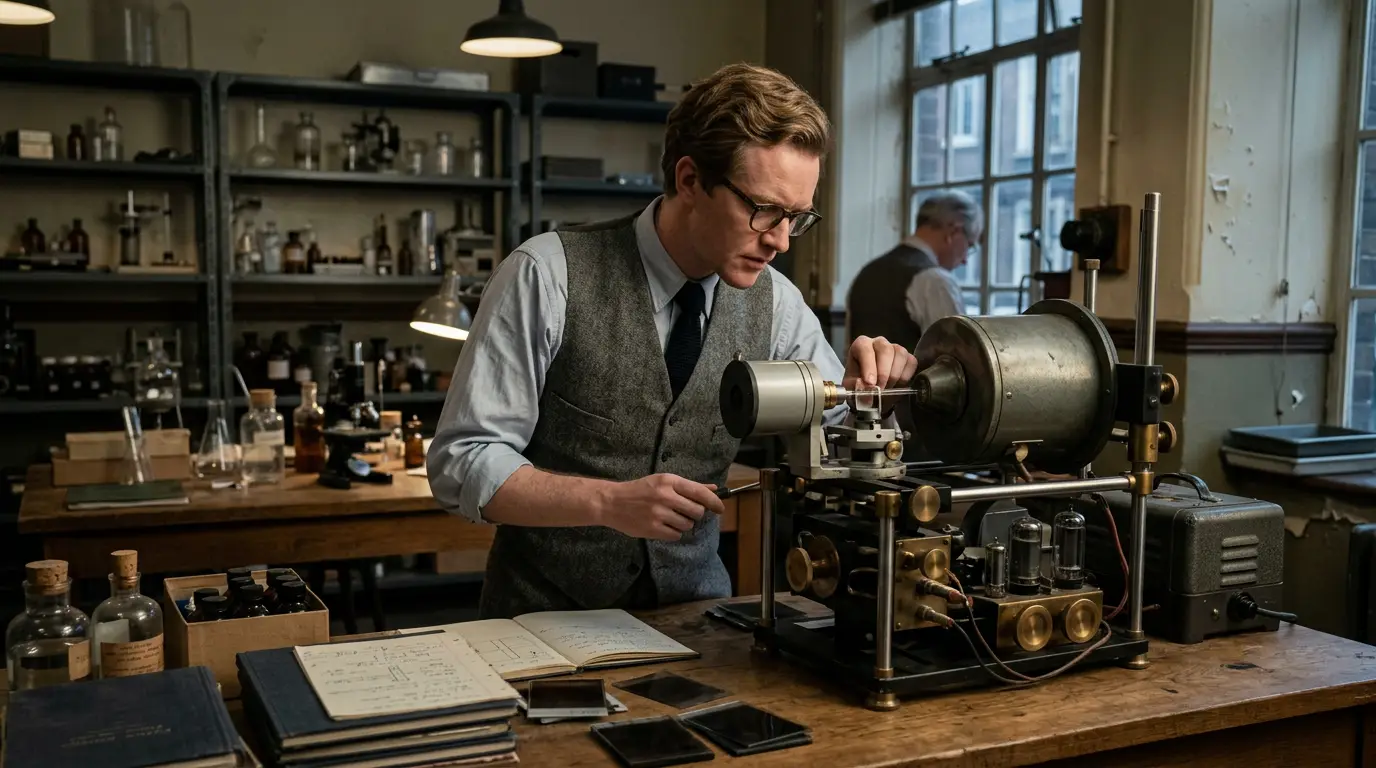
Maurice Wilkins
1916–2004 · Biophysicist
Important X-ray diffraction studies of DNA at King's College London and sharing the 1962 Nobel Prize in Physiology or Medicine with Francis Crick and James Watson.
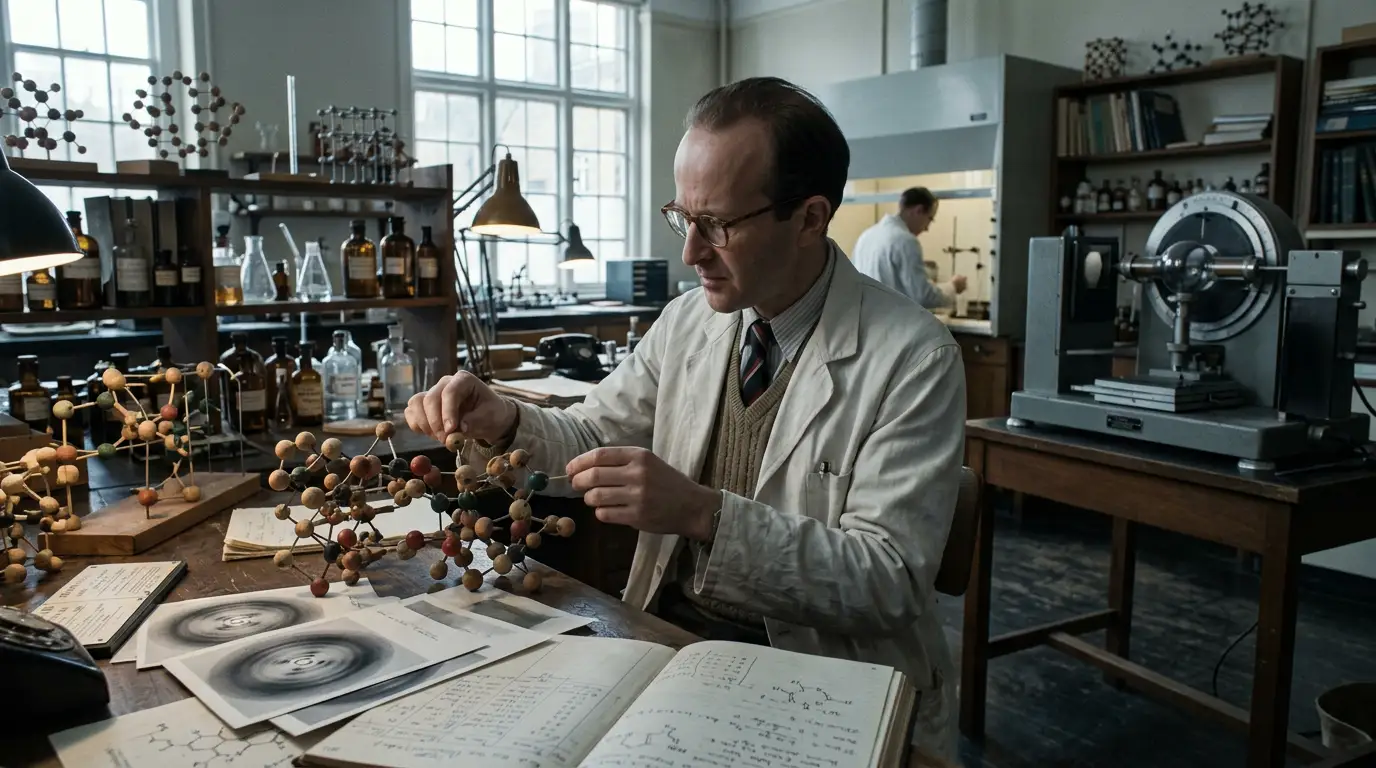
Max Perutz
1914–2002 · Molecular Biologist
Pioneering X-ray crystallographic studies of proteins, especially haemoglobin, and sharing the 1962 Nobel Prize in Chemistry with John Kendrew.
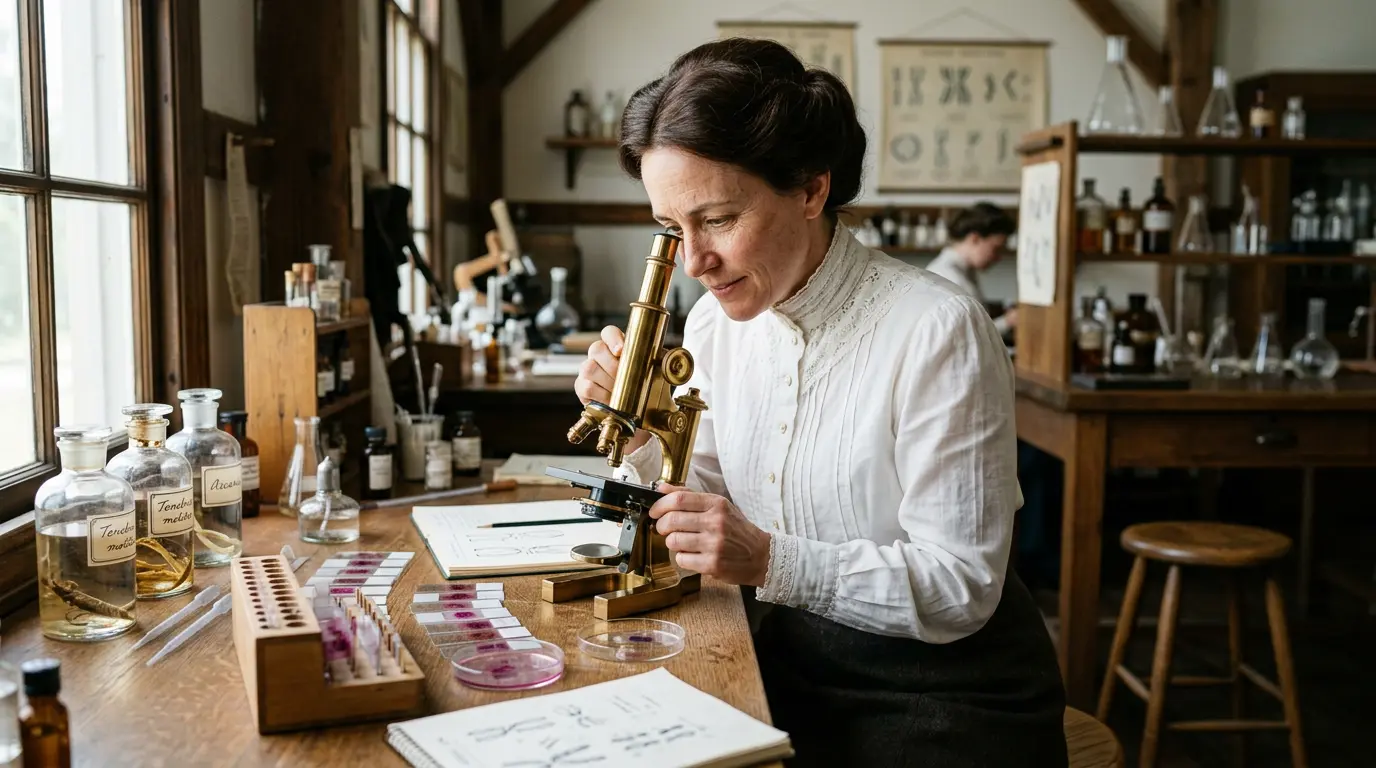
Nettie Maria Stevens
1861–1912 · Genetics and cytology
Showed through mealworm experiments how X and Y chromosomes are linked to biological sex determination.
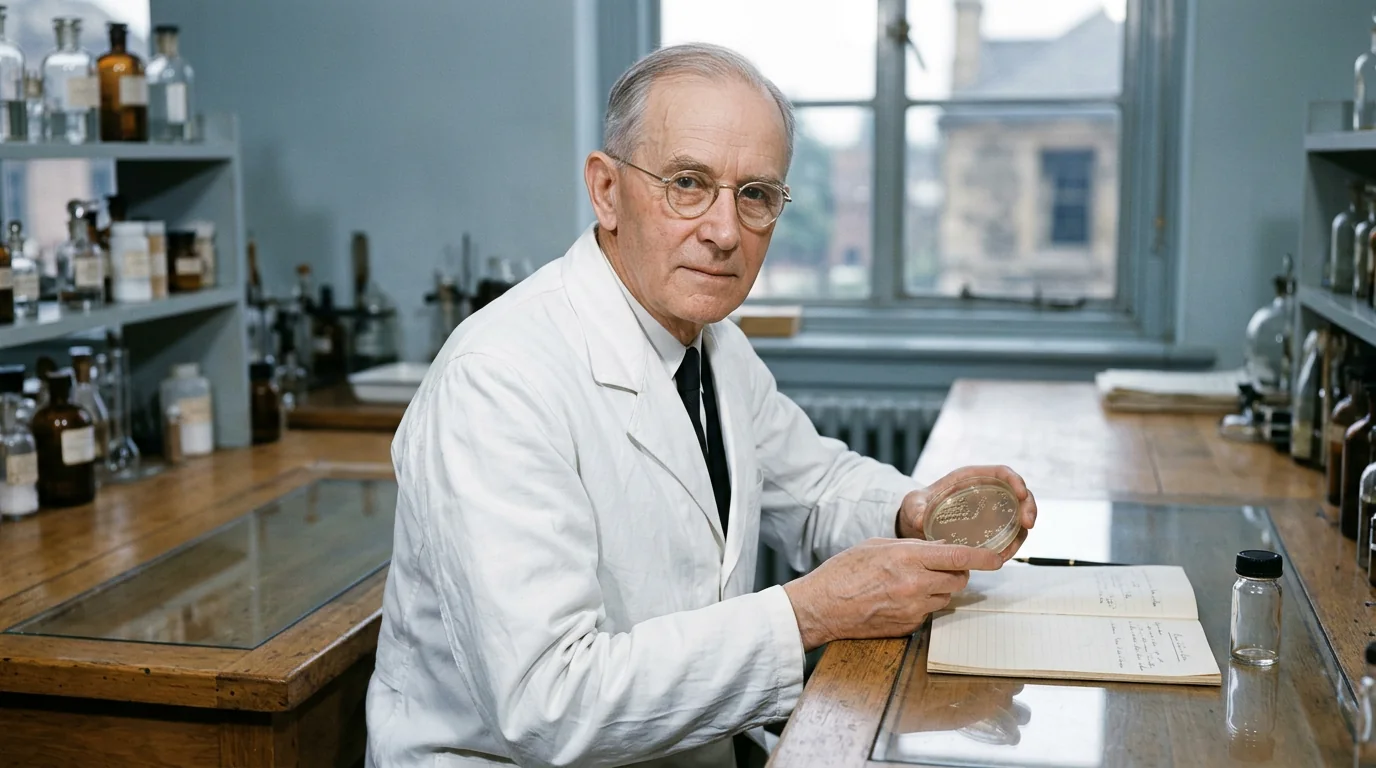
Oswald Avery
1877–1955 · Bacteriology and the chemical basis of heredity
Oswald Avery worked with Colin MacLeod and Maclyn McCarty to show that DNA could transfer inherited traits between bacteria, transforming the study of genes.
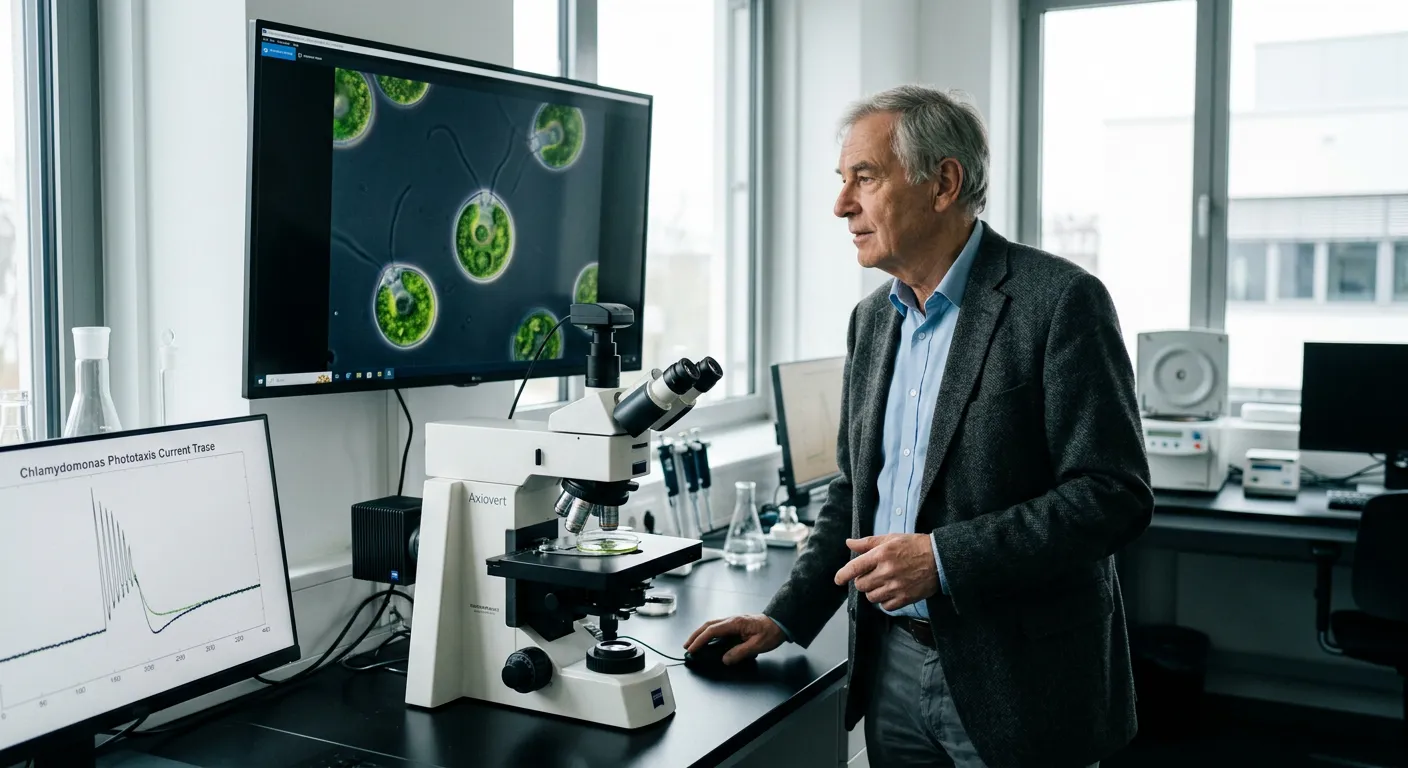
Peter Hegemann
1954–present · Biophysics and light-sensitive proteins
Hegemann investigated how algae respond to light and helped identify channelrhodopsins, proteins that open pathways for electrically charged particles across cell membranes.
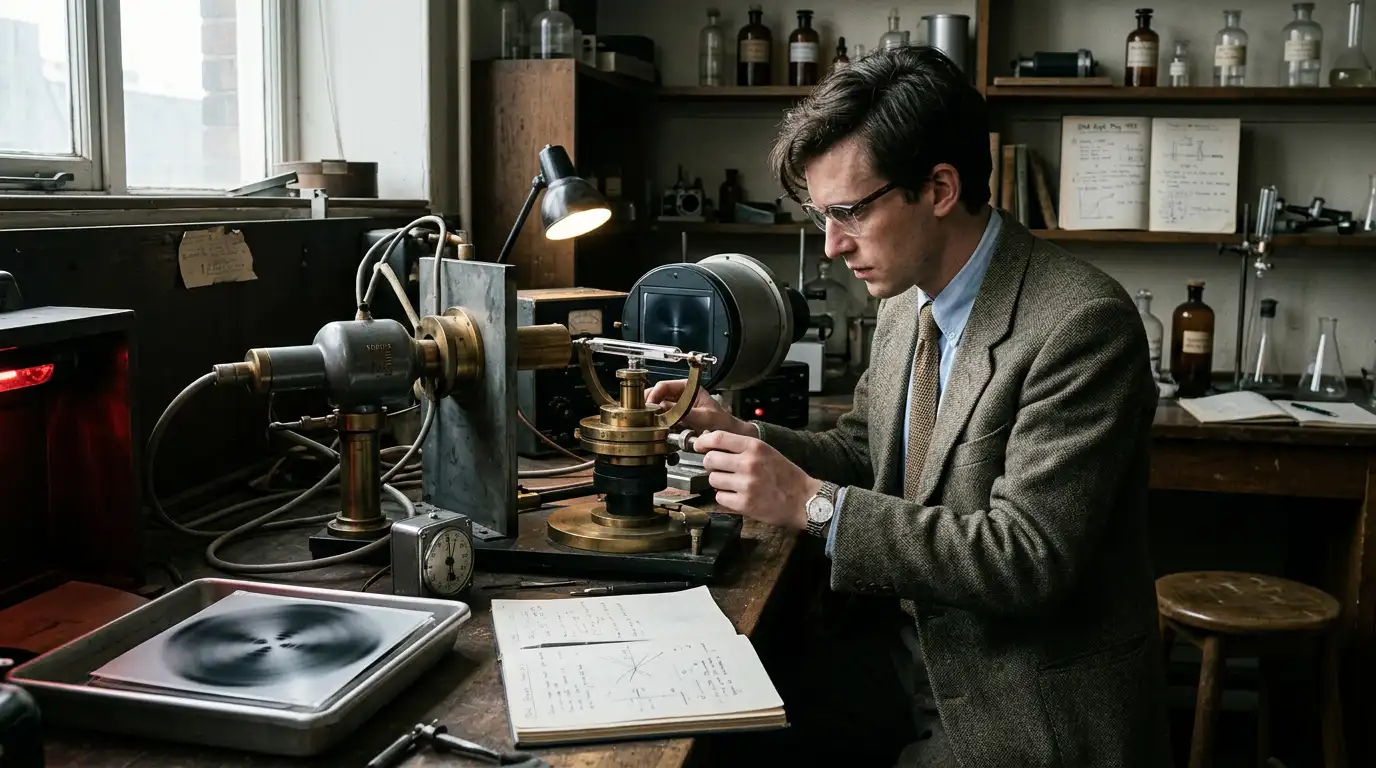
Raymond Gosling
1926–2015 · Physicist
His X-ray diffraction research on DNA and for producing Photograph 51 with Rosalind Franklin while a PhD student at King's College London.
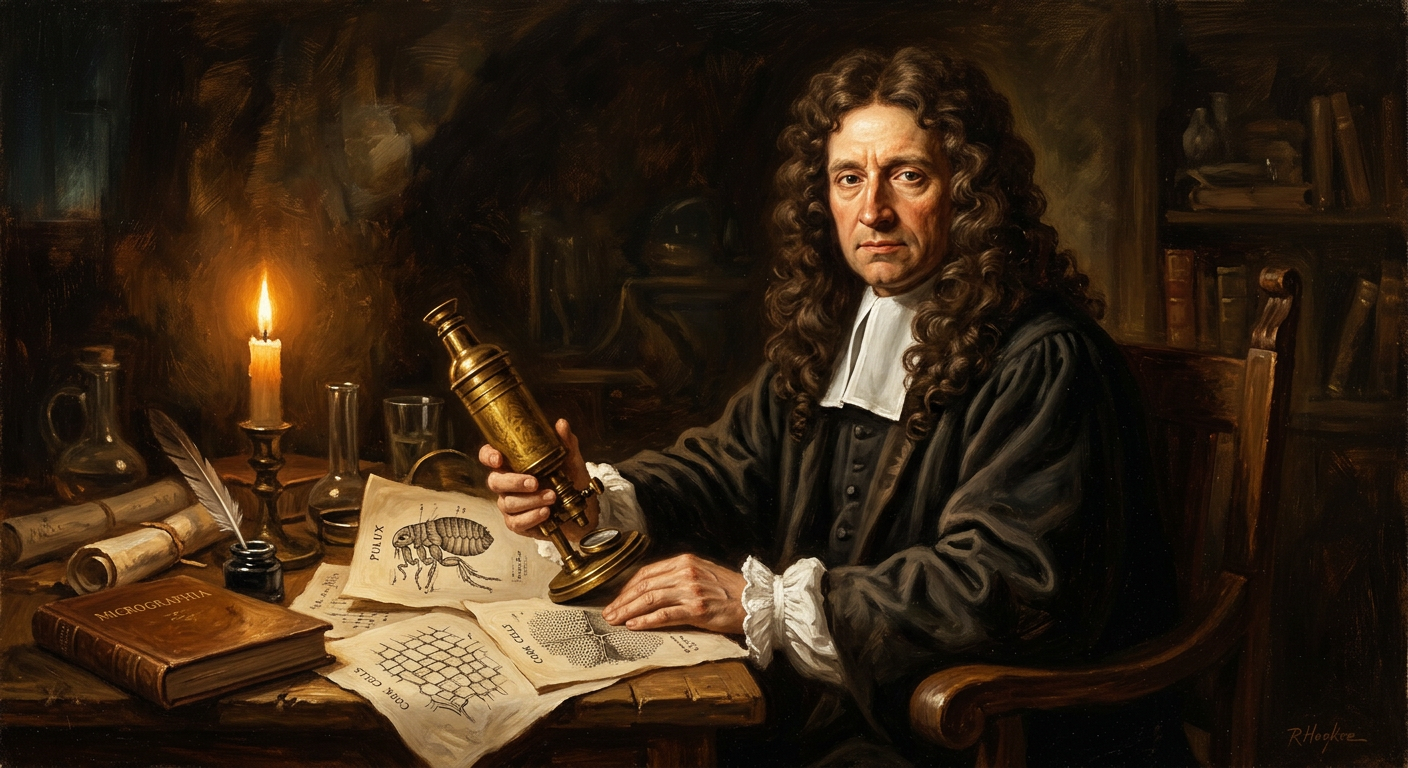
Robert Hooke
1635–1703 · Biologist and Physicist
Coined the word "cell" after examining cork under a microscope and formulated Hooke’s Law on springs.
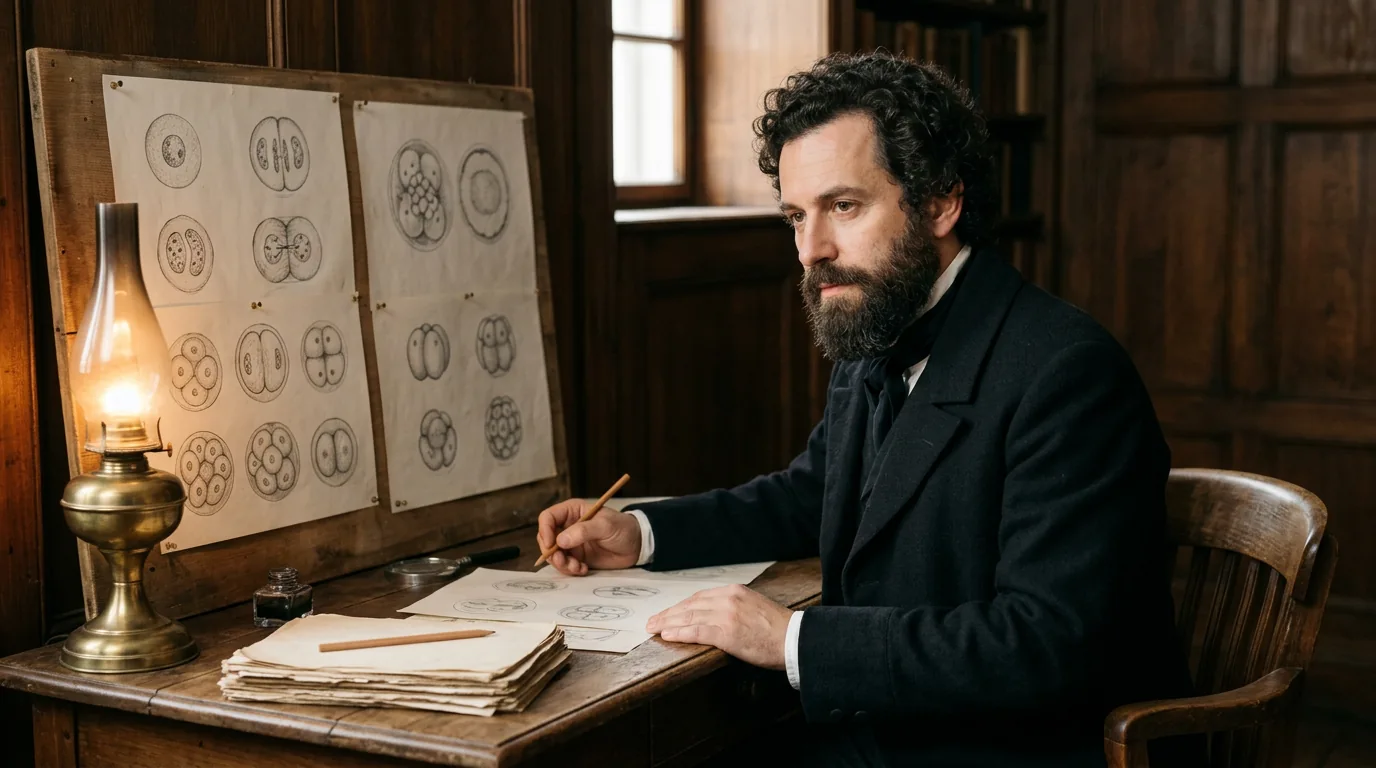
Robert Remak
1815–1865 · Embryology, cell division and nerve anatomy
Robert Remak documented cell division in animal tissues and clarified how embryos develop, supplying vital evidence that new cells come from existing cells.
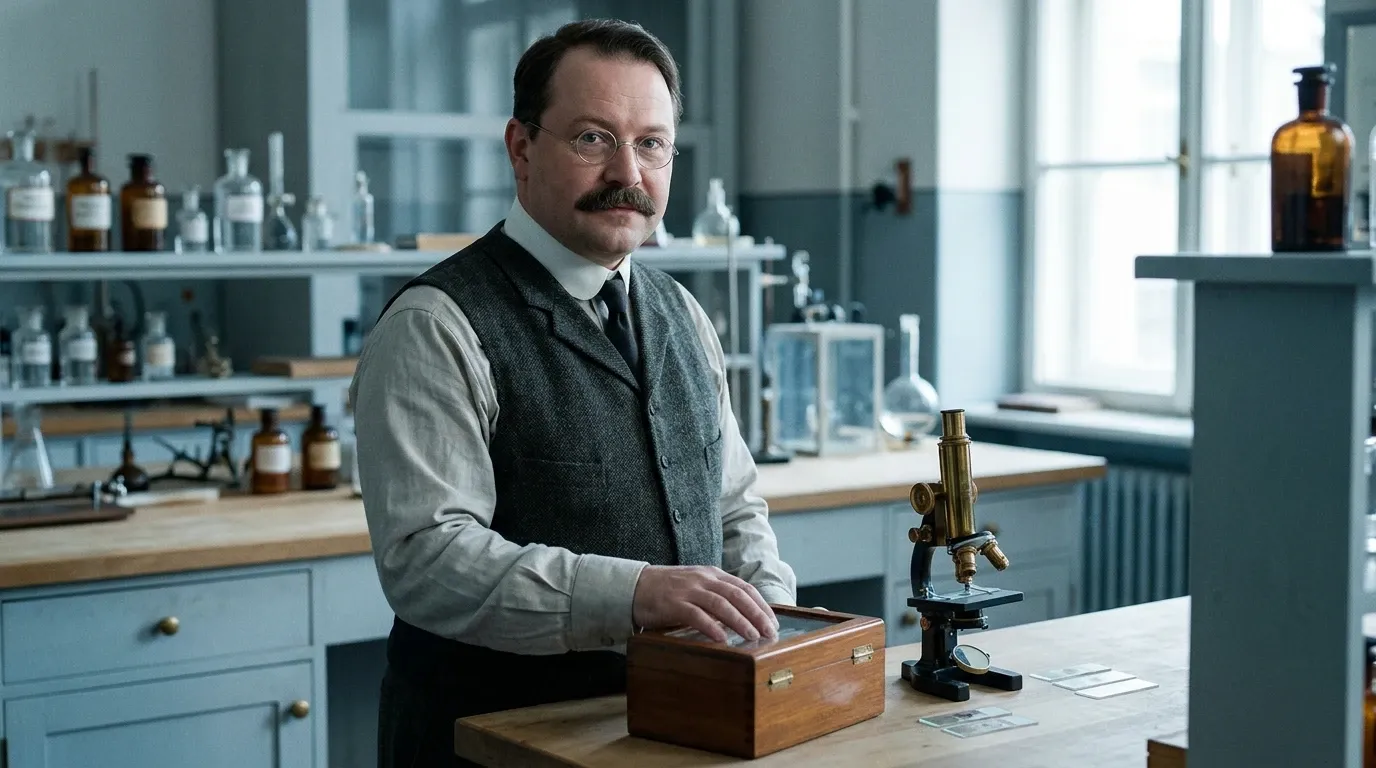
Theodor Boveri
1862–1915 · Experimental cell biology, embryology and chromosomes
Theodor Boveri showed why distinct chromosomes are essential for normal development and helped establish chromosome inheritance theory independently of Walter Sutton.
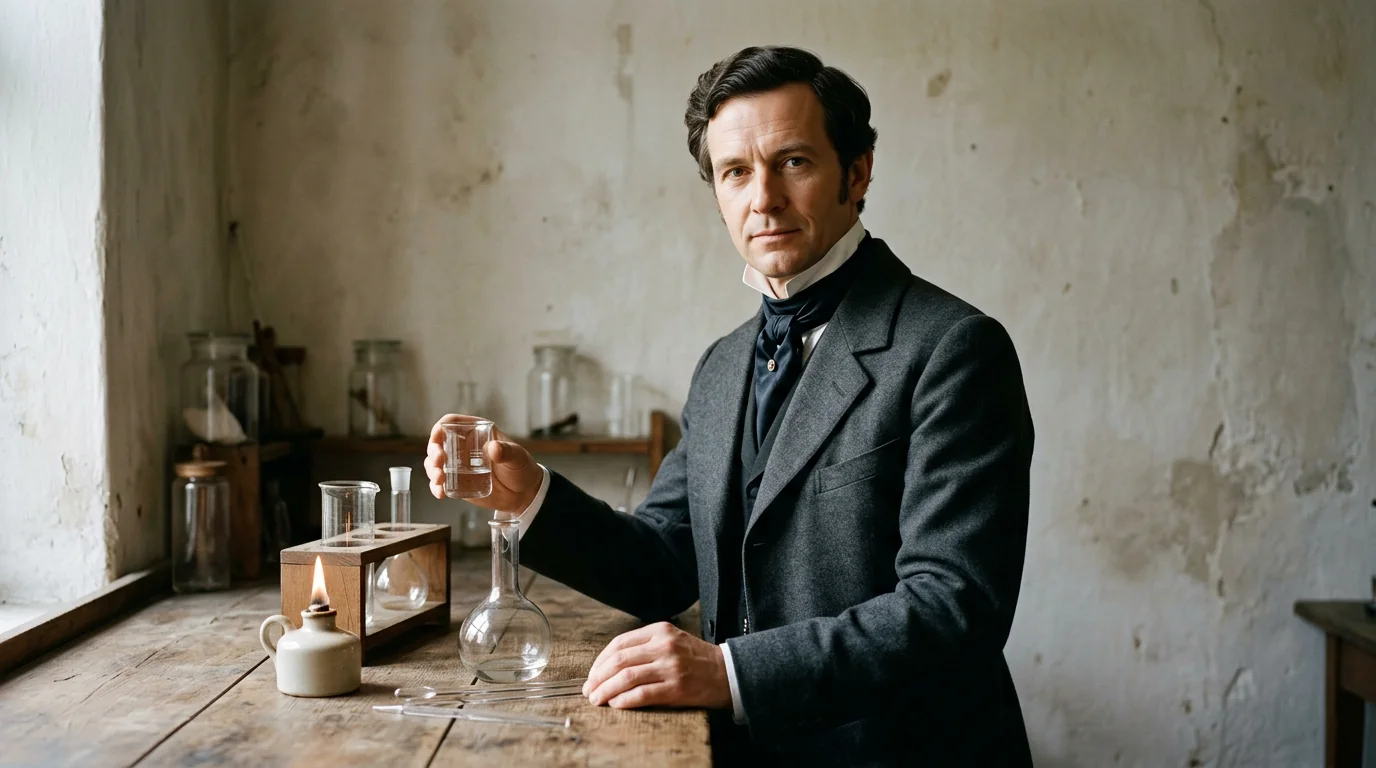
Theodor Schwann
1810–1882 · Cell theory, physiology and digestion
Theodor Schwann extended cell theory to animals, studied pepsin and yeast fermentation, and helped explain the shared cellular structure of living things.
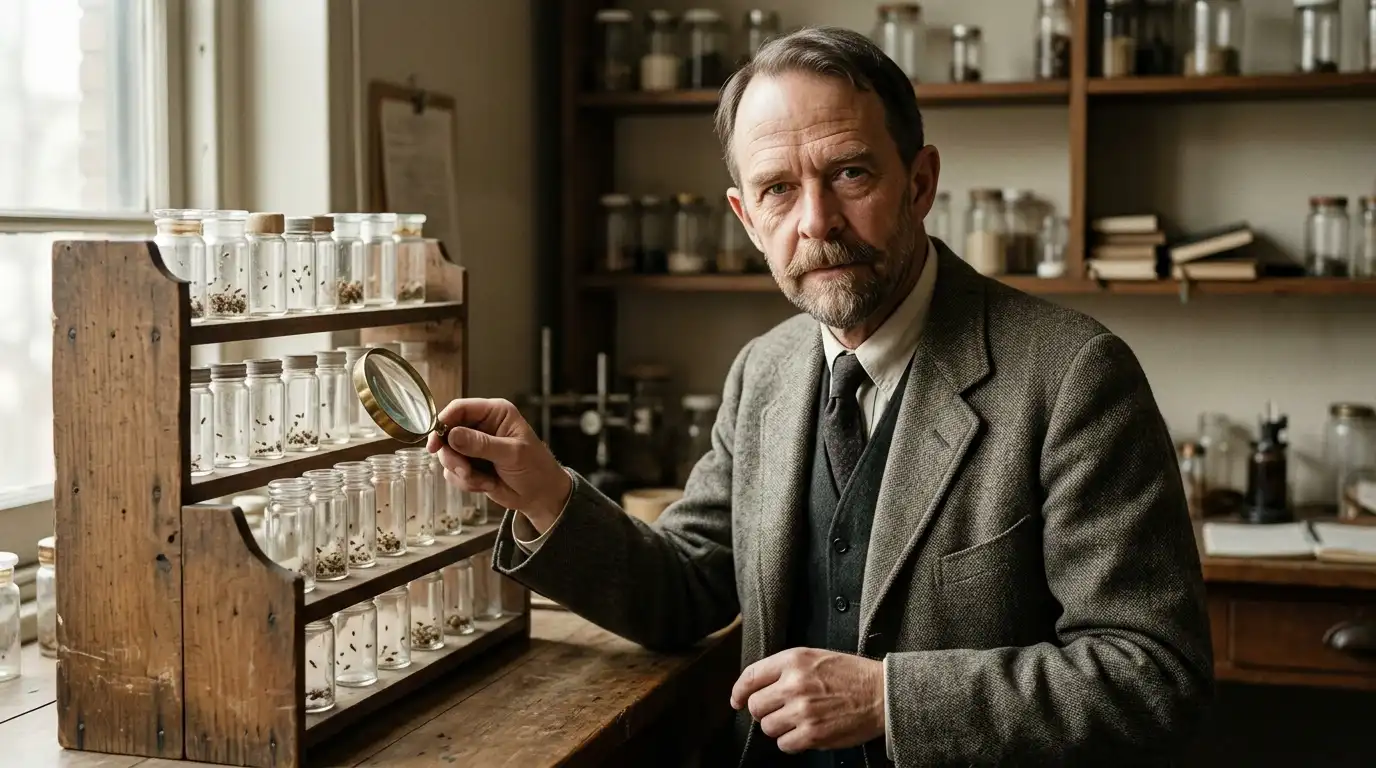
Thomas Hunt Morgan
1866–1945 · Experimental genetics and chromosome inheritance
Thomas Hunt Morgan and his research group used fruit flies to provide compelling evidence that genes are carried on chromosomes.
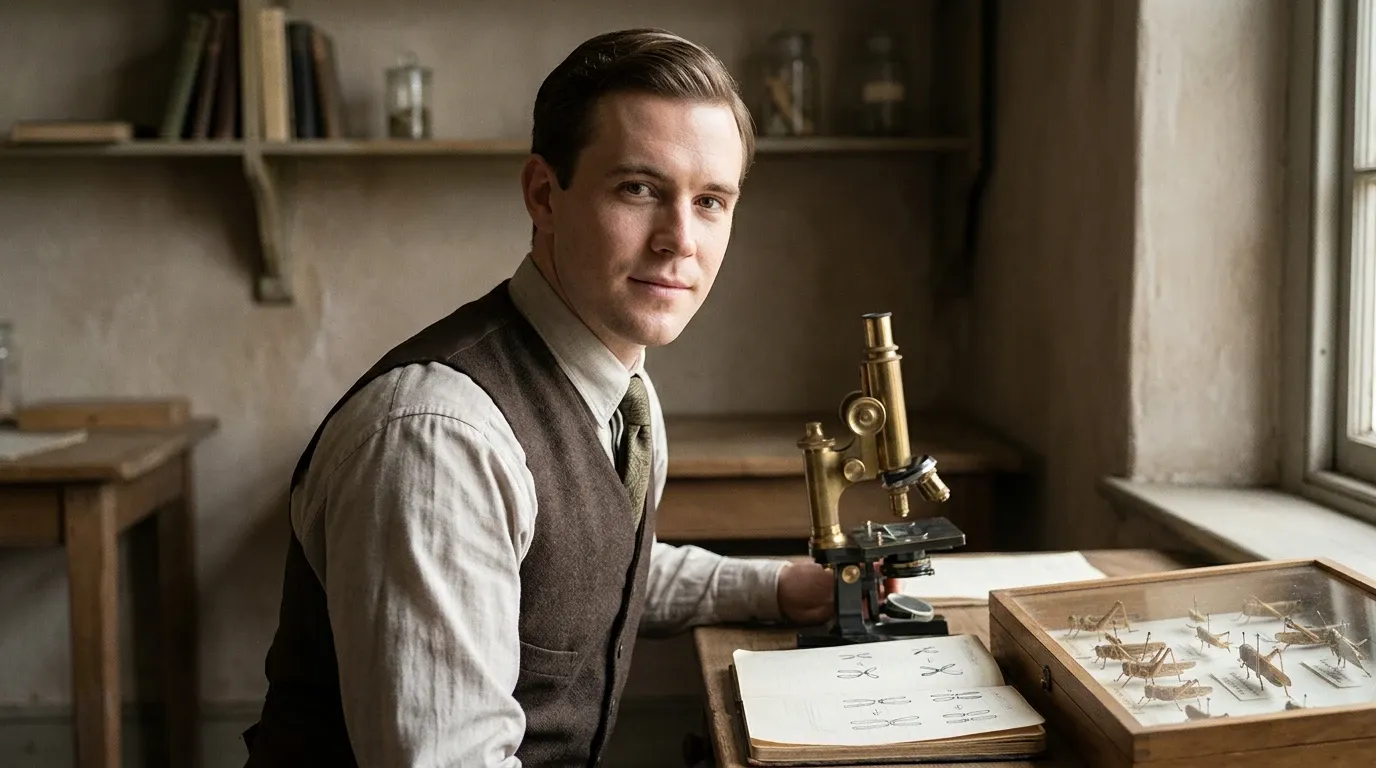
Walter Sutton
1877–1916 · Chromosome theory of inheritance and cell biology
Walter Sutton connected the separation of chromosomes during meiosis to Mendel’s laws of inheritance, independently of related work by Theodor Boveri.
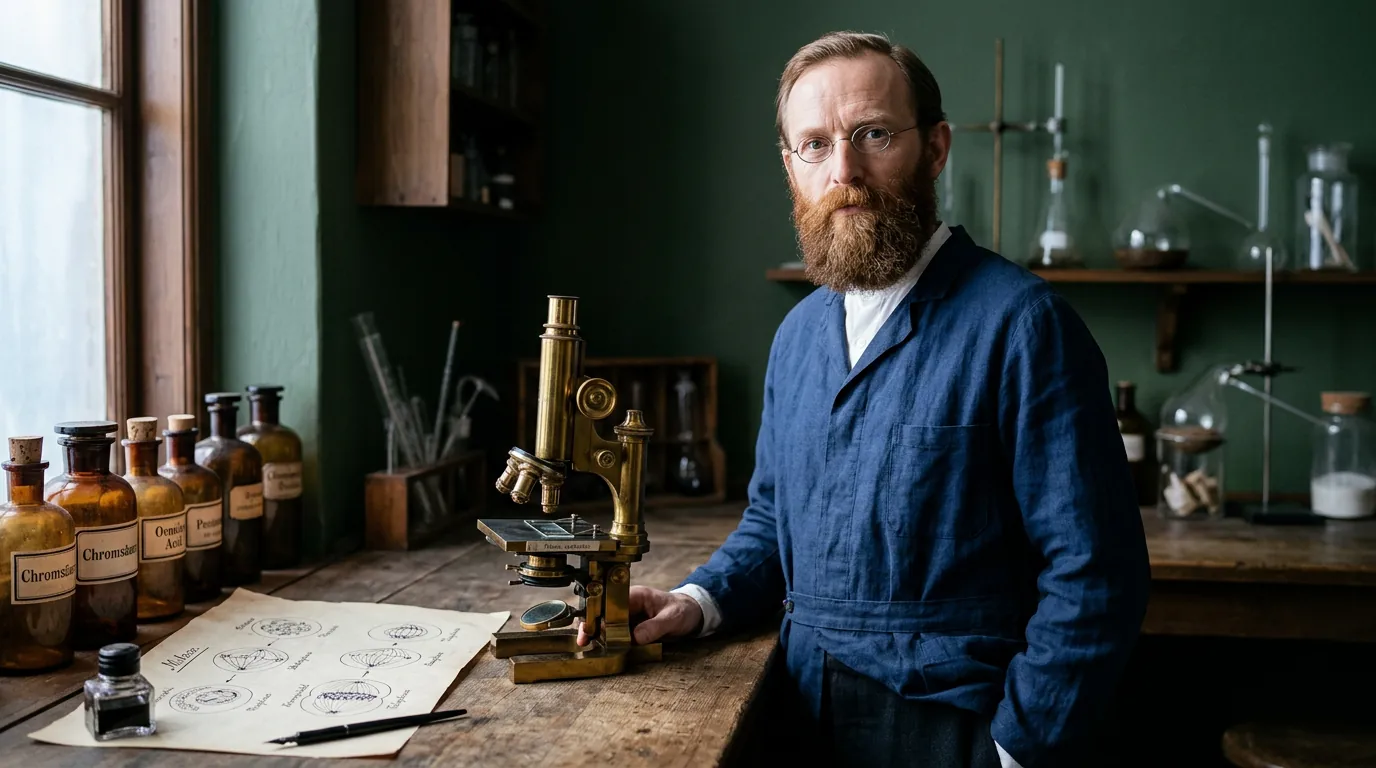
Walther Flemming
1843–1905 · Cell division, chromatin and mitosis
Walther Flemming used stains and microscopes to reveal how nuclear material changes during cell division, laying foundations for modern mitosis research.
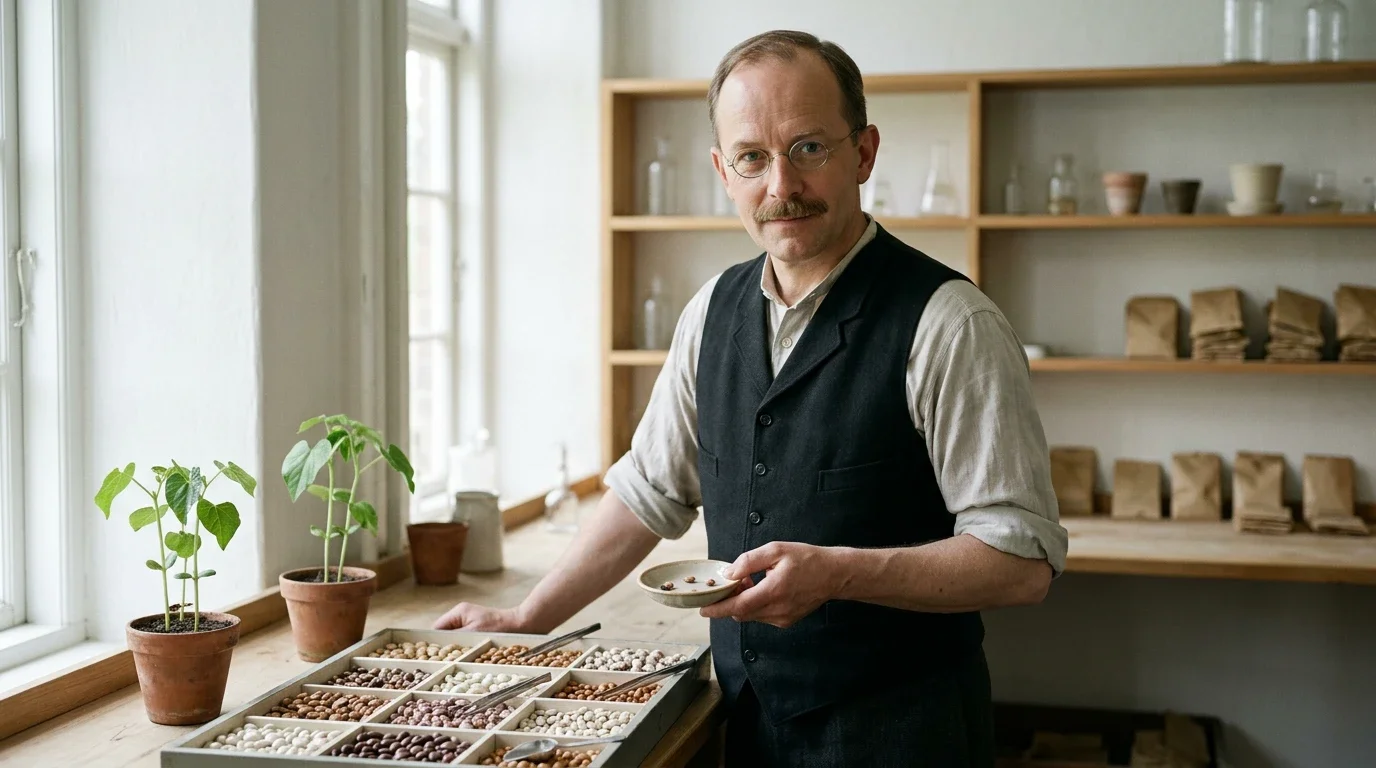
Wilhelm Johannsen
1857–1927 · Genetics, heredity and plant physiology
Wilhelm Johannsen distinguished genotype from phenotype, introduced the word gene and tested inheritance using pure lines of beans.
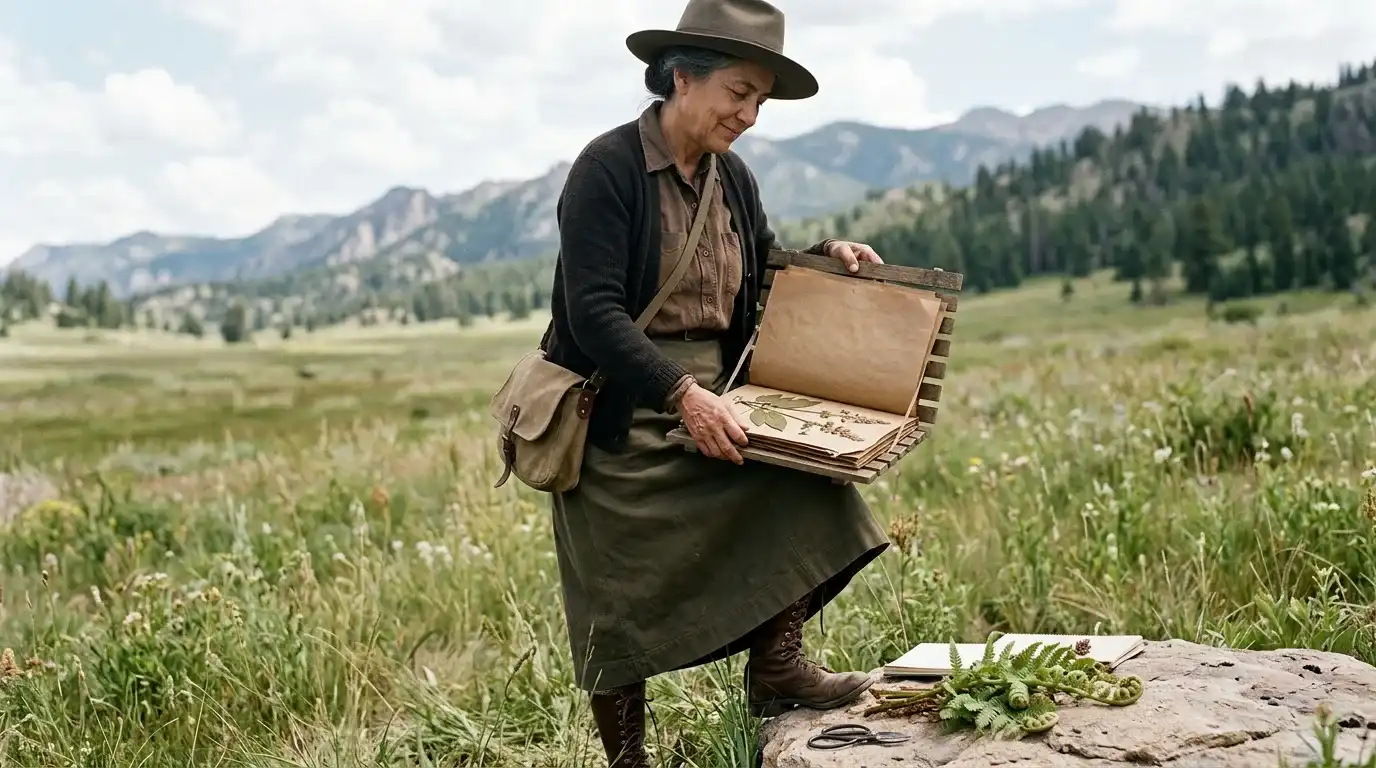
Ynes Mexía
1870–1938 · Botany, plant collecting and conservation
Ynes Mexía began serious botanical work in her fifties and collected vast numbers of plant specimens, expanding the record of plants across the Americas.