Earth & Environment
Geology, climate, oceans, and the planet we call home — the science of Earth and the forces that shape it.
22 scientists
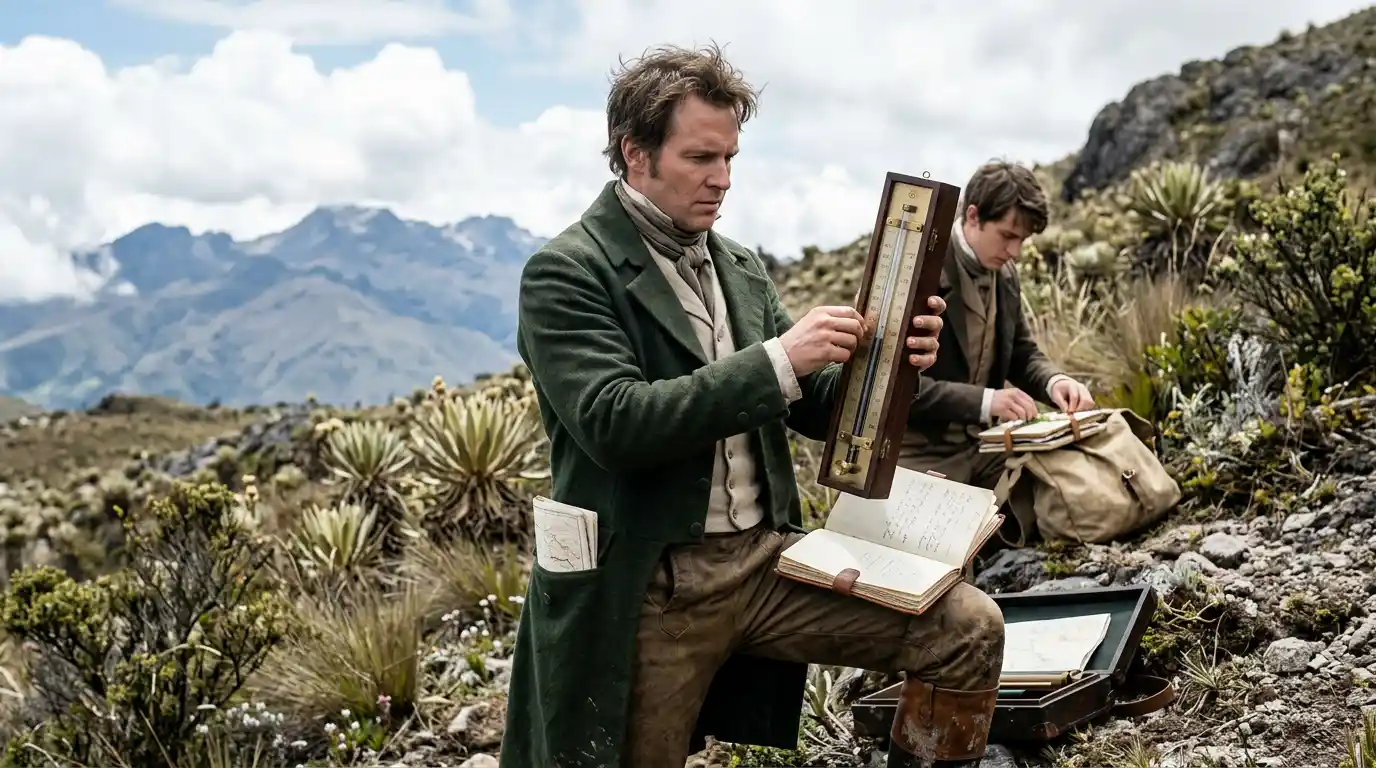
Alexander von Humboldt
1769–1859 · Natural science, geography and earth science
A Prussian naturalist and geographer whose field measurements revealed the interconnections of nature.
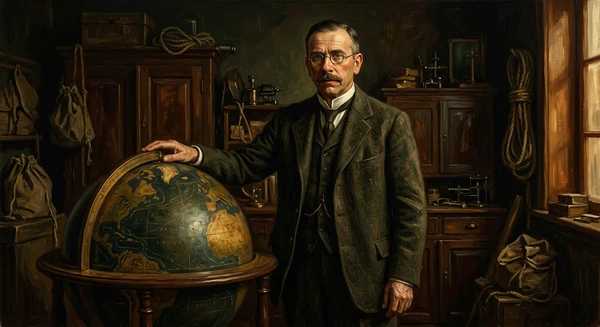
Alfred Wegener
1880–1930 · Meteorologist & Geophysicist
Proposed the theory of continental drift, the foundation of modern plate tectonics.
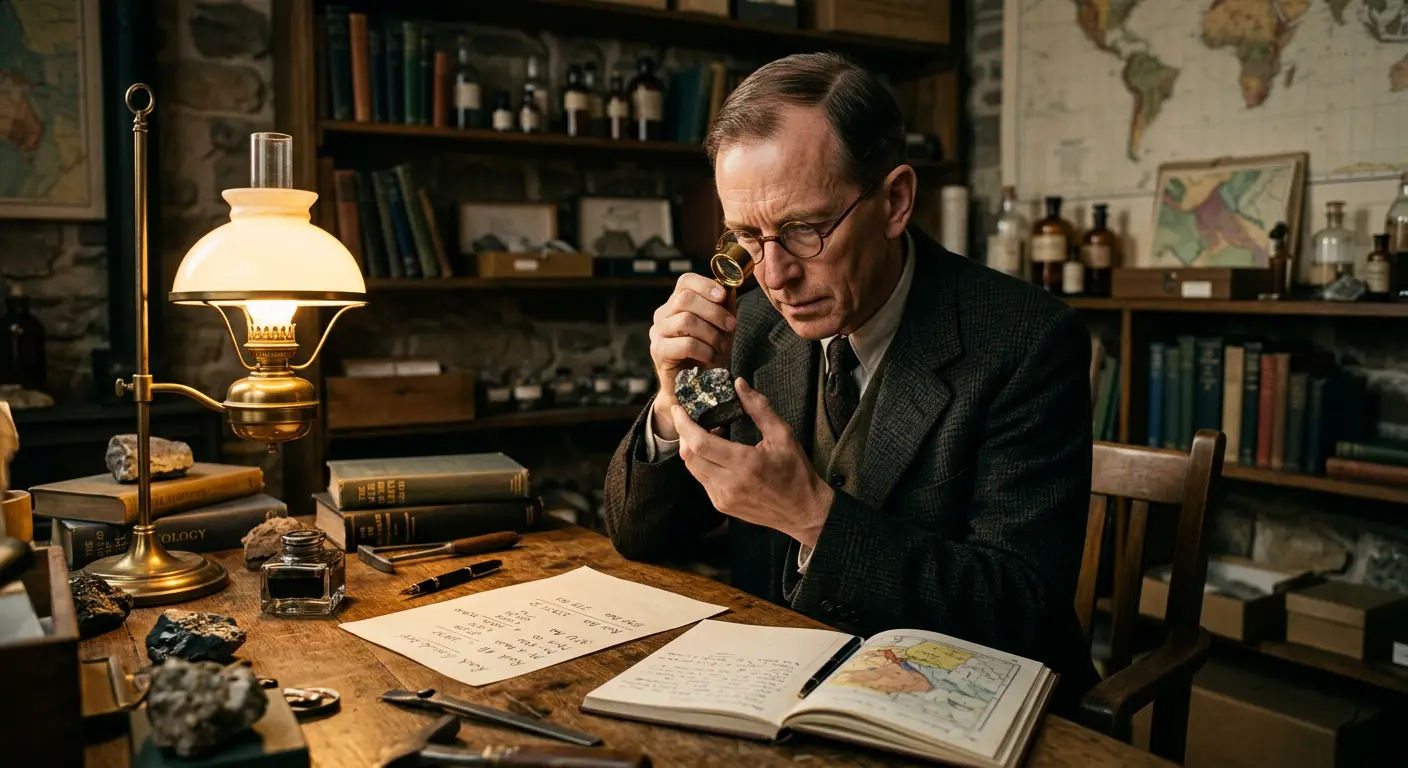
Arthur Holmes
1890–1965 · Geology
Pioneered the use of radiometric dating of minerals to build an early numerical geological timescale, and proposed that mantle movement could help explain continental drift.
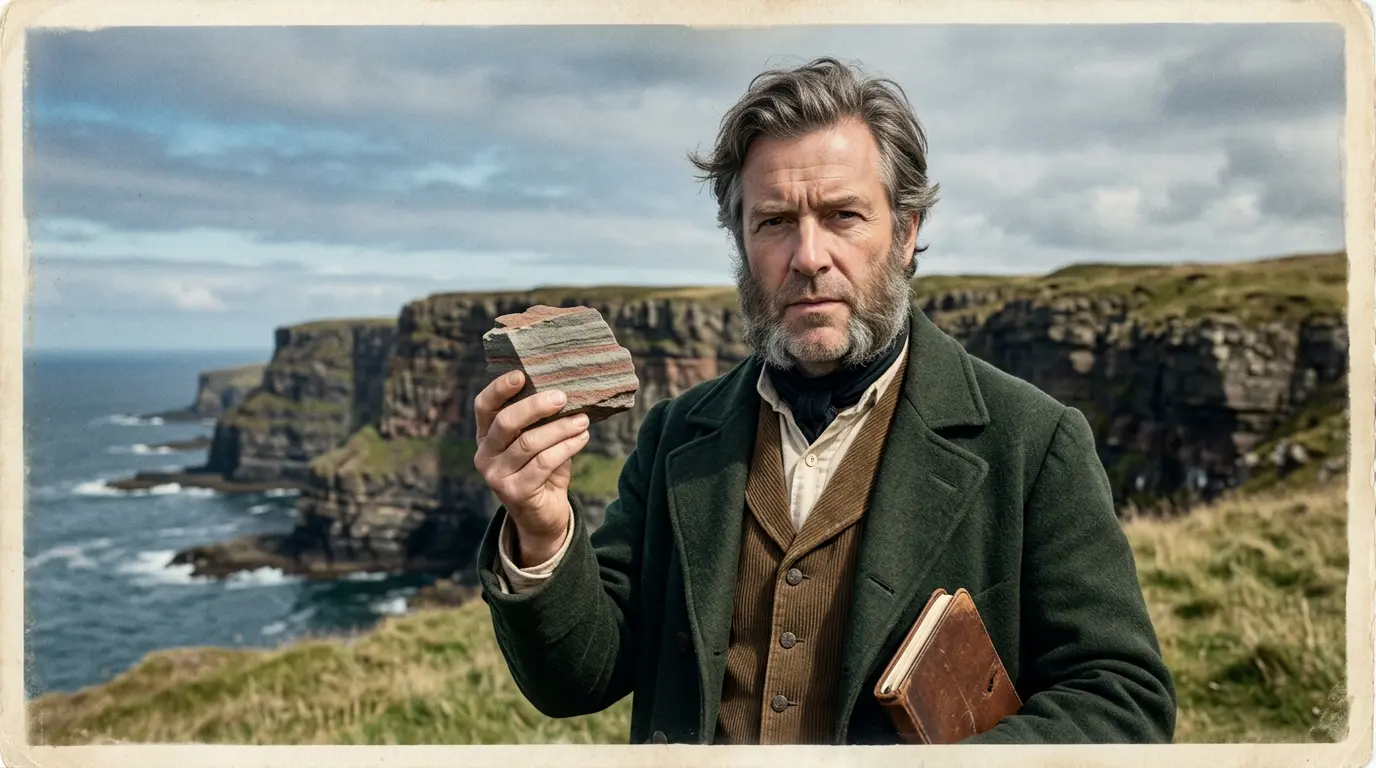
Charles Lyell
1797–1875 · Geology and deep time
Charles Lyell made geological explanations based on processes still observable today influential through his three-volume Principles of Geology.
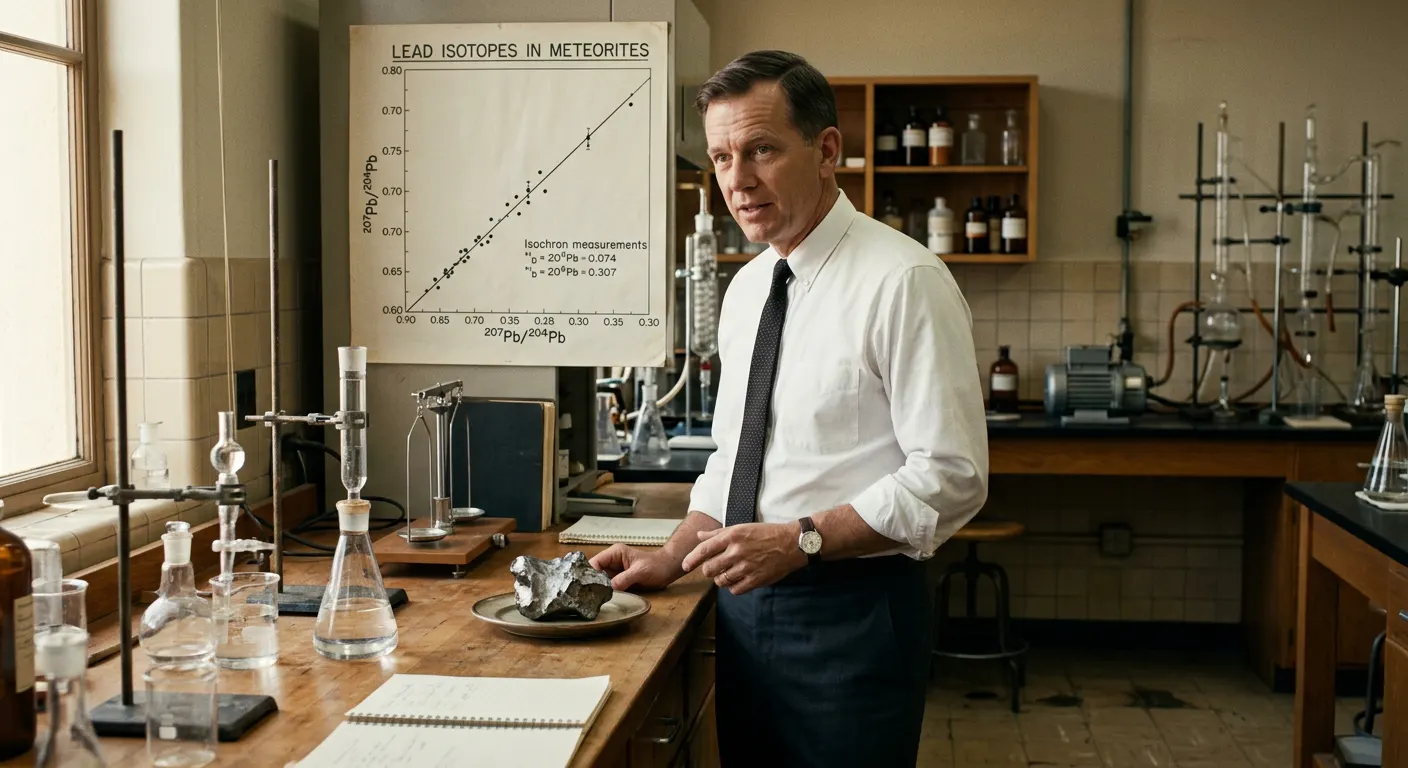
Clair Cameron Patterson
1922–1995 · Geochemistry
Established an age of about 4.55 billion years for Earth using lead isotopes in meteorites and campaigned against lead pollution.
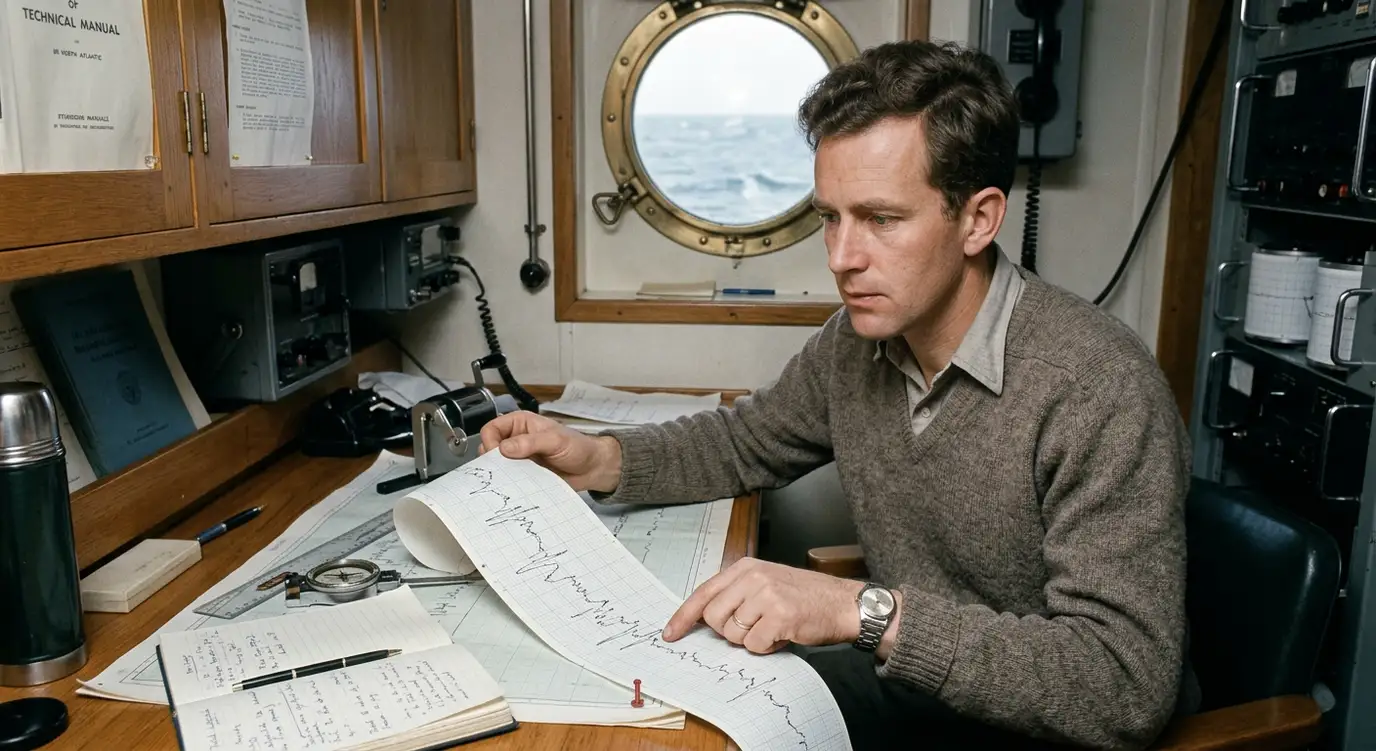
Drummond Hoyle Matthews
1931–1997 · Marine geophysics
His marine surveys and the 1963 Nature paper with his graduate student Vine helped make movement of the ocean floor testable; Morley independently developed the magnetic interpretation.
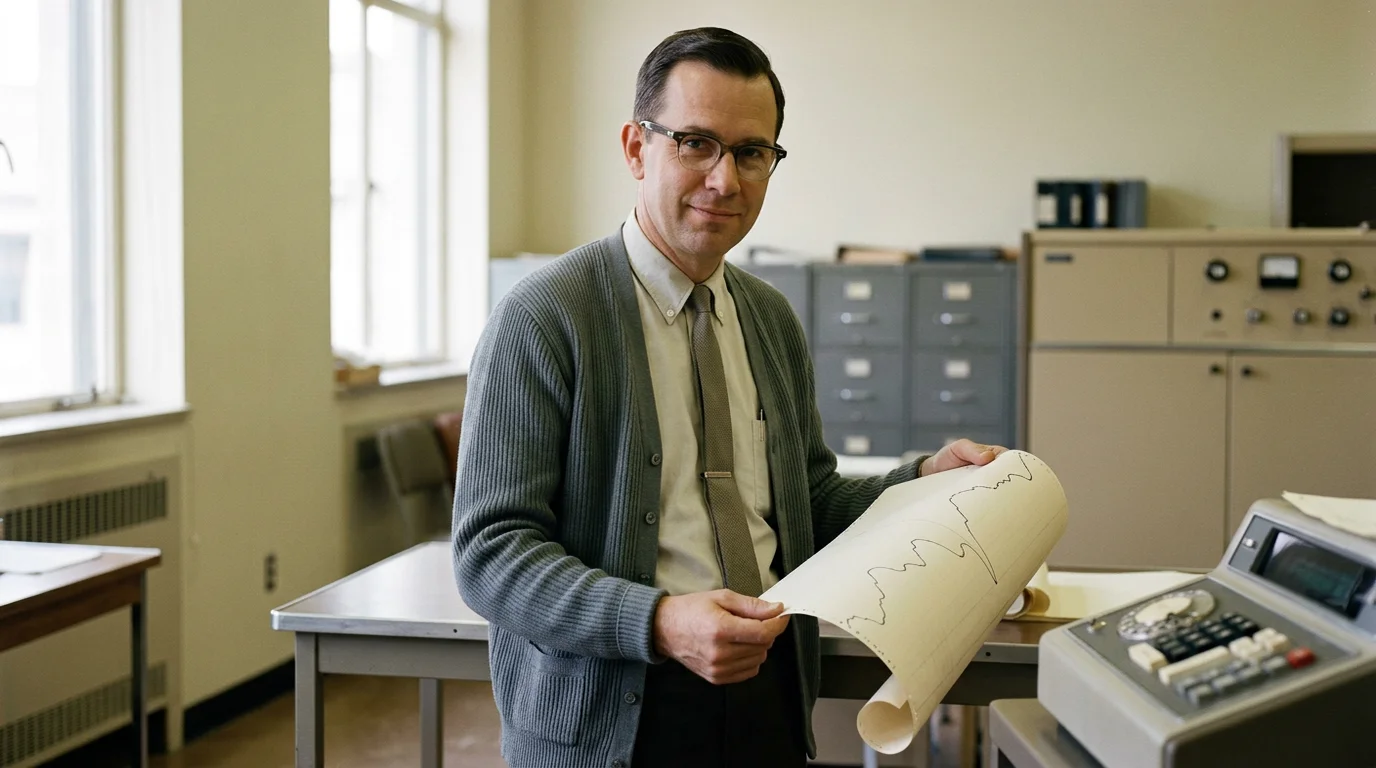
Edward Lorenz
1917–2008 · Meteorology, chaos theory and mathematics
Edward Lorenz discovered sensitive dependence on initial conditions in simplified weather models, revealing fundamental limits to long-range prediction.
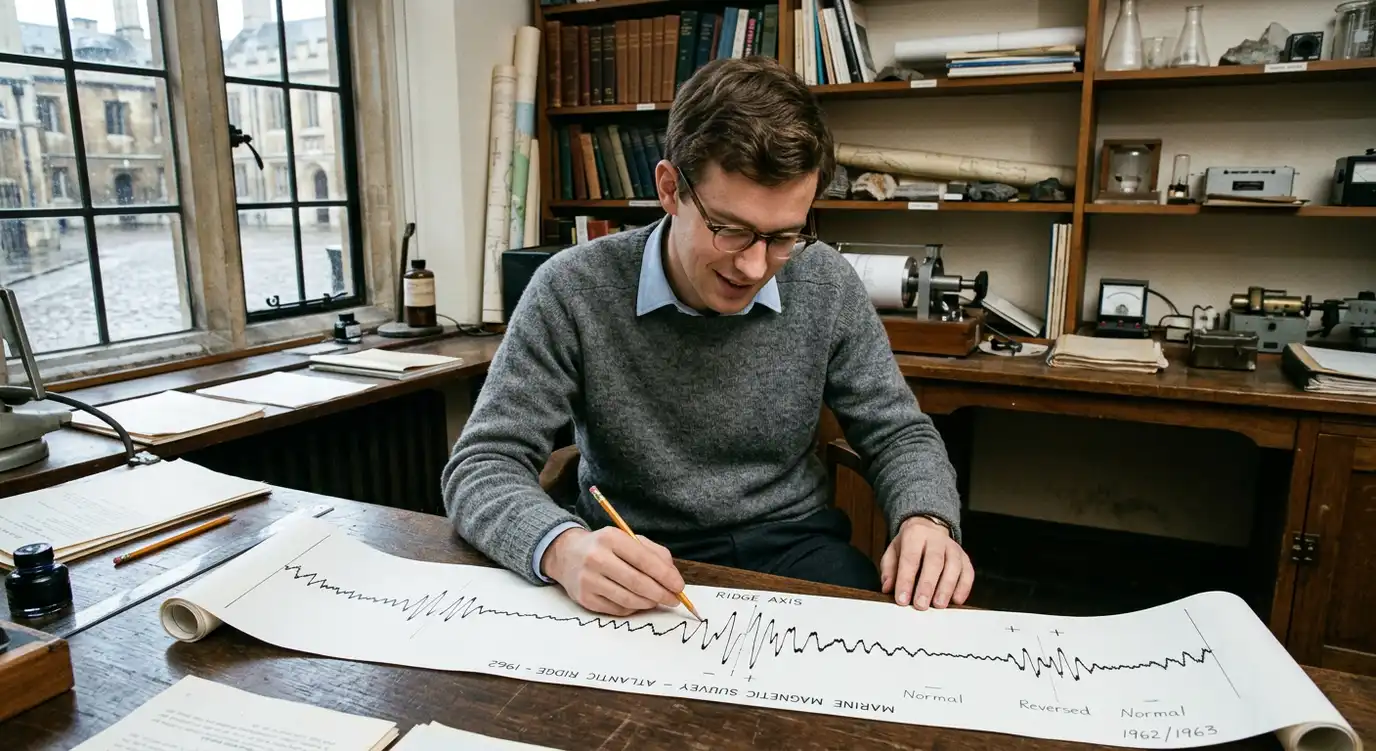
Frederick John Vine
1939–2024 · Marine geology and geophysics
With Drummond Matthews, published the 1963 magnetic-stripe interpretation that provided a way to test seafloor spreading; Lawrence Morley independently proposed the same core idea.
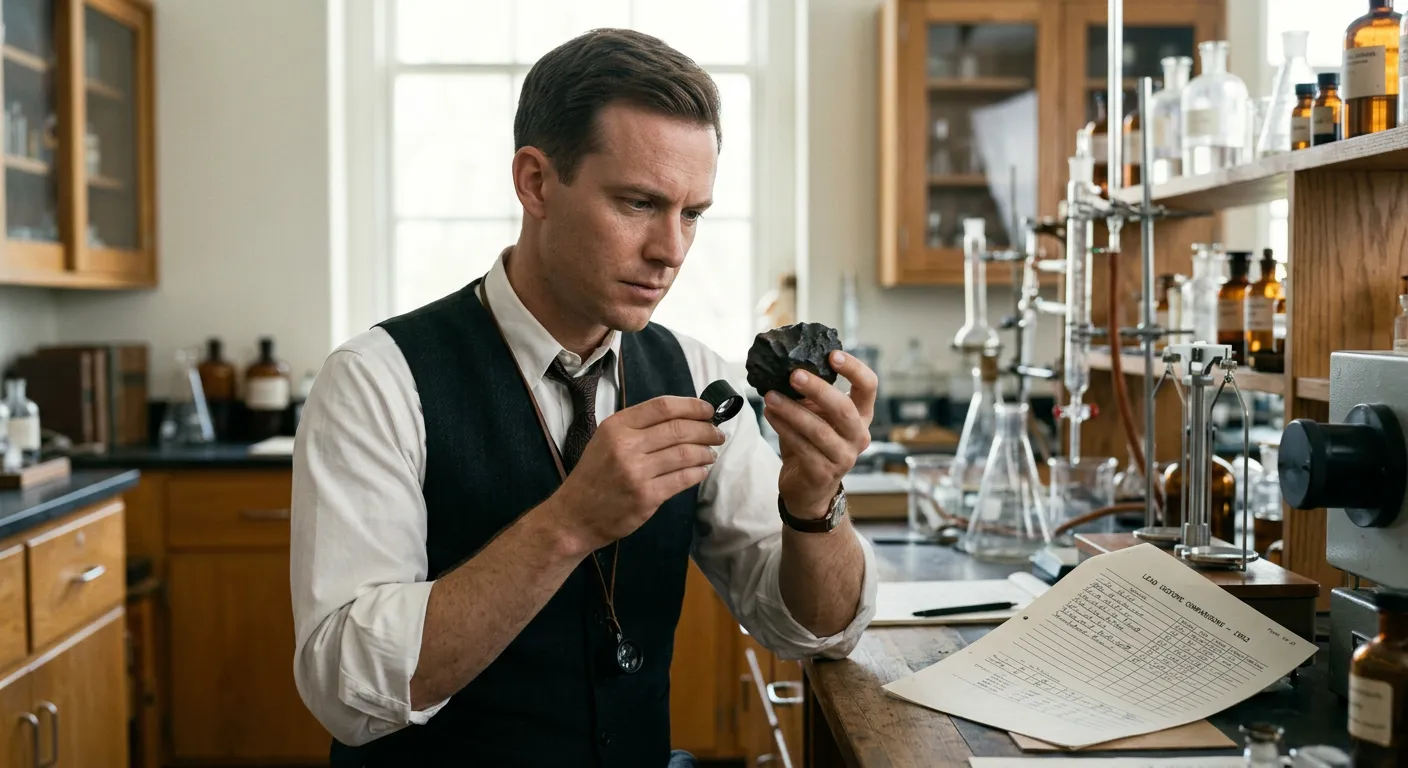
Harrison Scott Brown
1917–1986 · Geochemistry
Proposed that lead in iron meteorites could reveal the early Solar System's composition, enabling Patterson's age-of-Earth measurement, and wrote on humanity's long-term challenges.
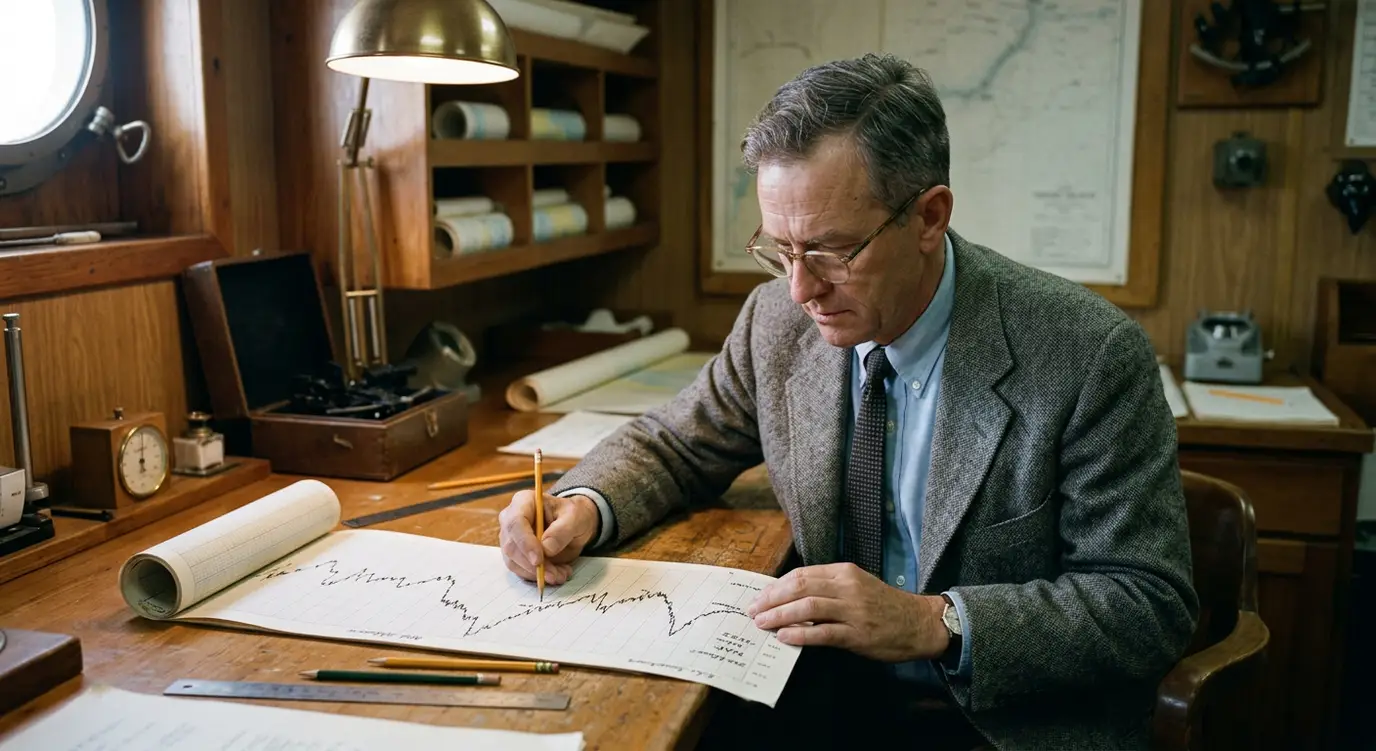
Harry Hammond Hess
1906–1969 · Geology and geophysics
His seafloor-spreading hypothesis connected ocean-floor observations to a mechanism that helped build plate tectonics.
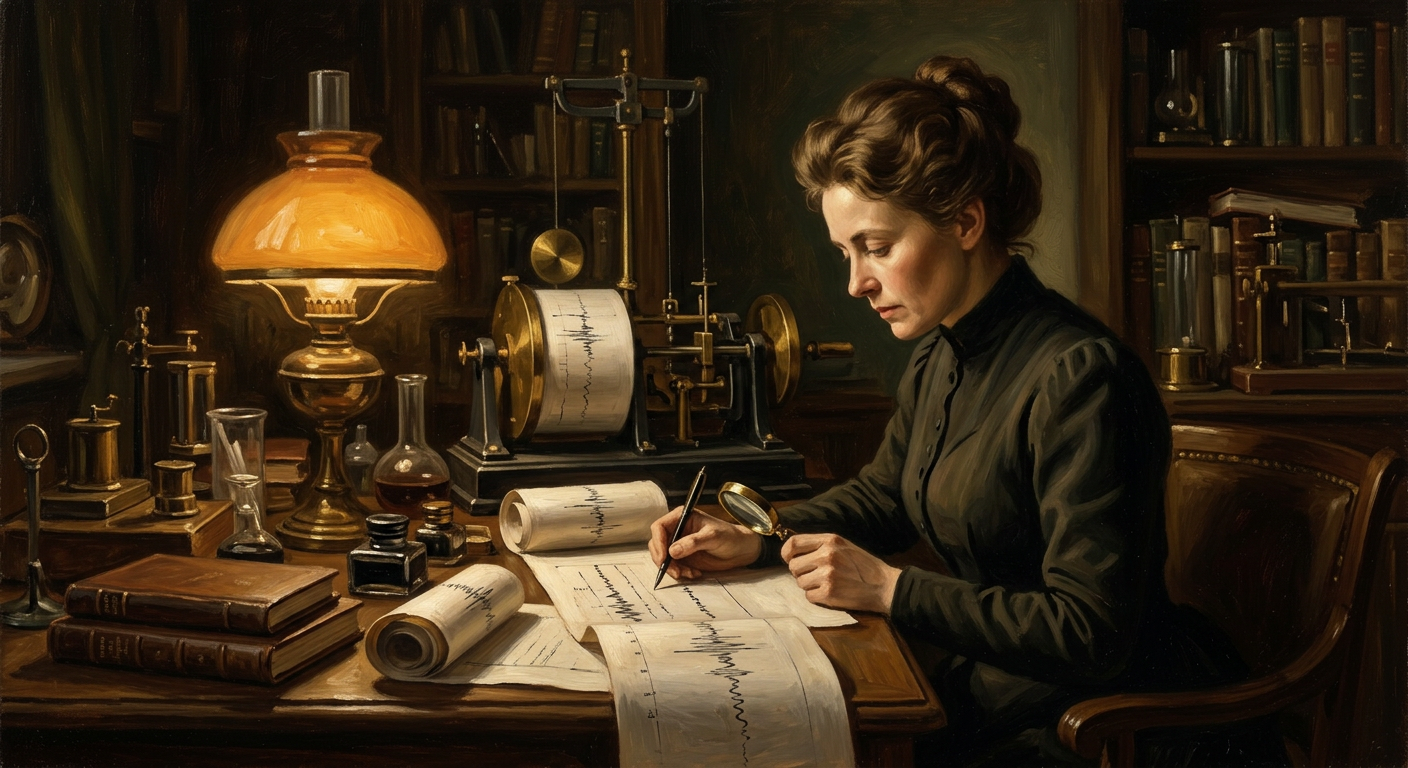
Inge Lehmann
1888–1993 · Seismology and geophysics
Used earthquake waves to infer that Earth has a distinct inner core inside its liquid outer core.
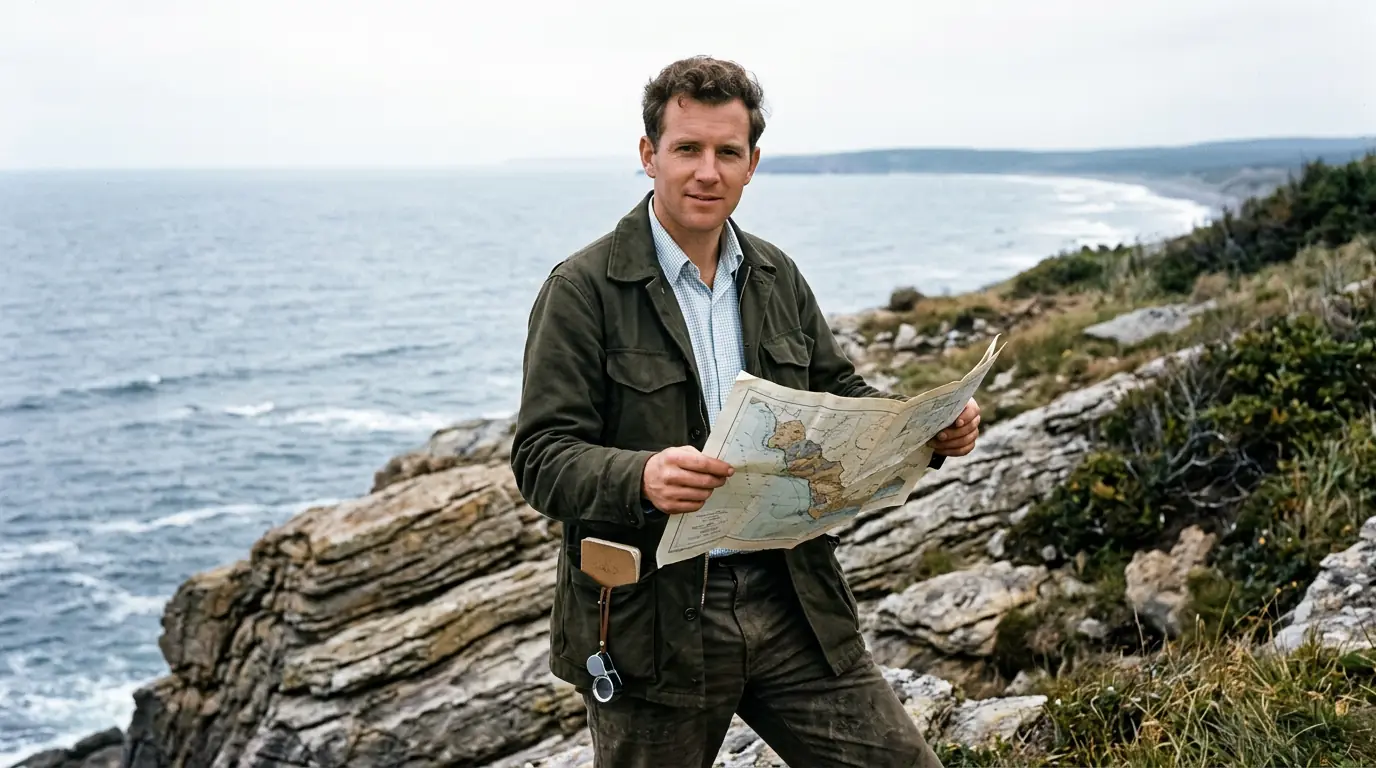
J. Tuzo Wilson
1908–1993 · Geophysics and plate tectonics
J. Tuzo Wilson helped complete the modern picture of moving tectonic plates by proposing transform faults, exploring volcanic hotspots and explaining cycles of ocean opening and closure.
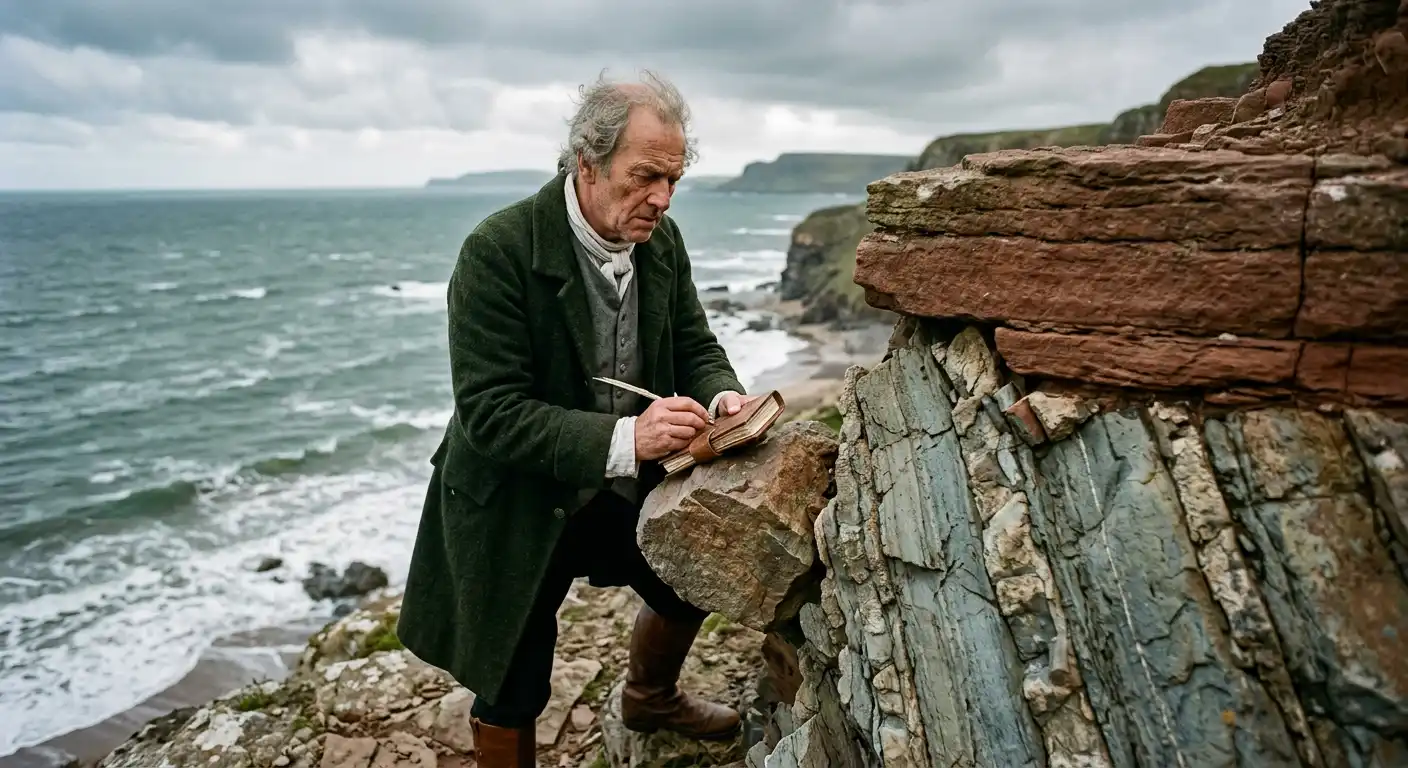
James Hutton
1726–1797 · Geology
Helped establish the concept of deep time — that Earth's geological history extends far beyond ordinary human experience.
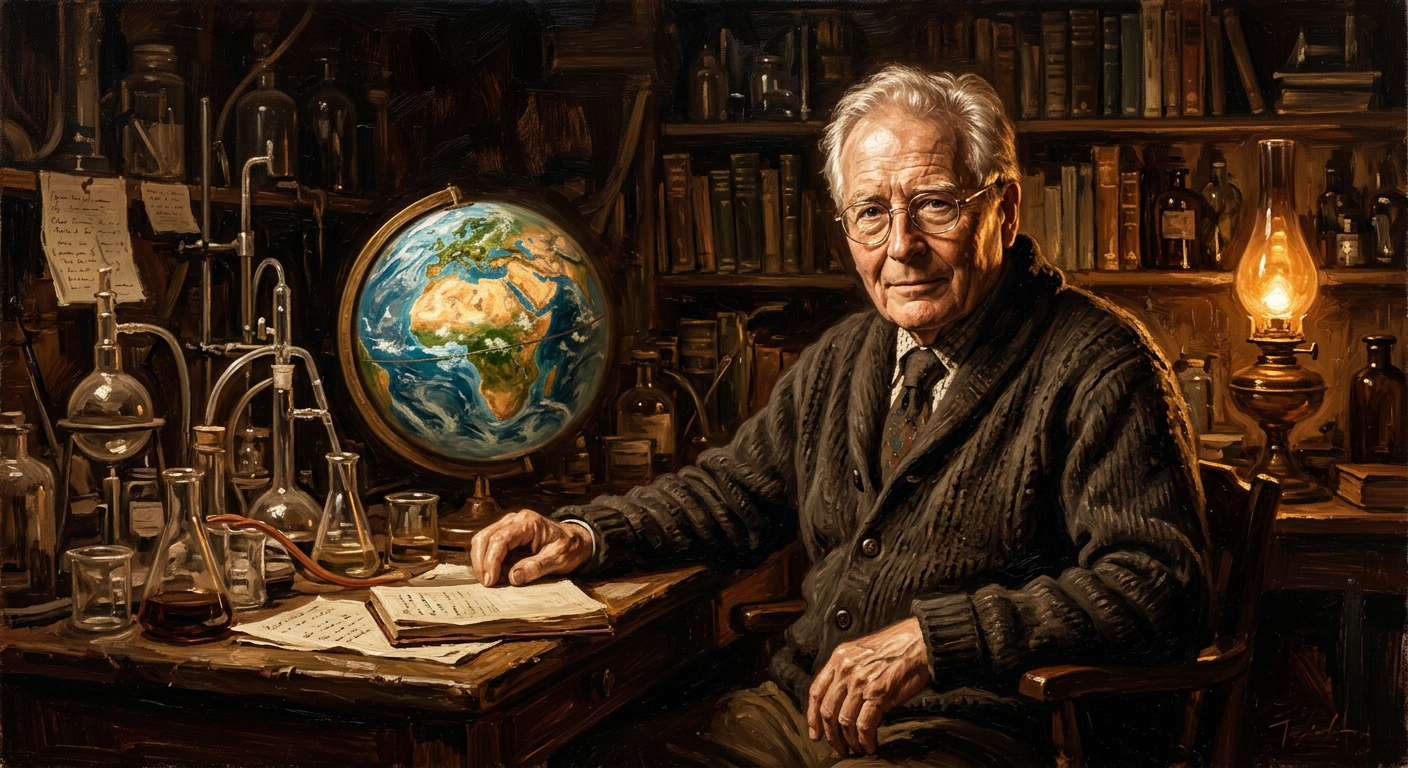
James Lovelock
1919–2022 · Independent Scientist and Environmentalist
Inventing the electron capture detector and developing the Gaia hypothesis, an influential idea about interactions between life and Earth's atmosphere, oceans and rocks.
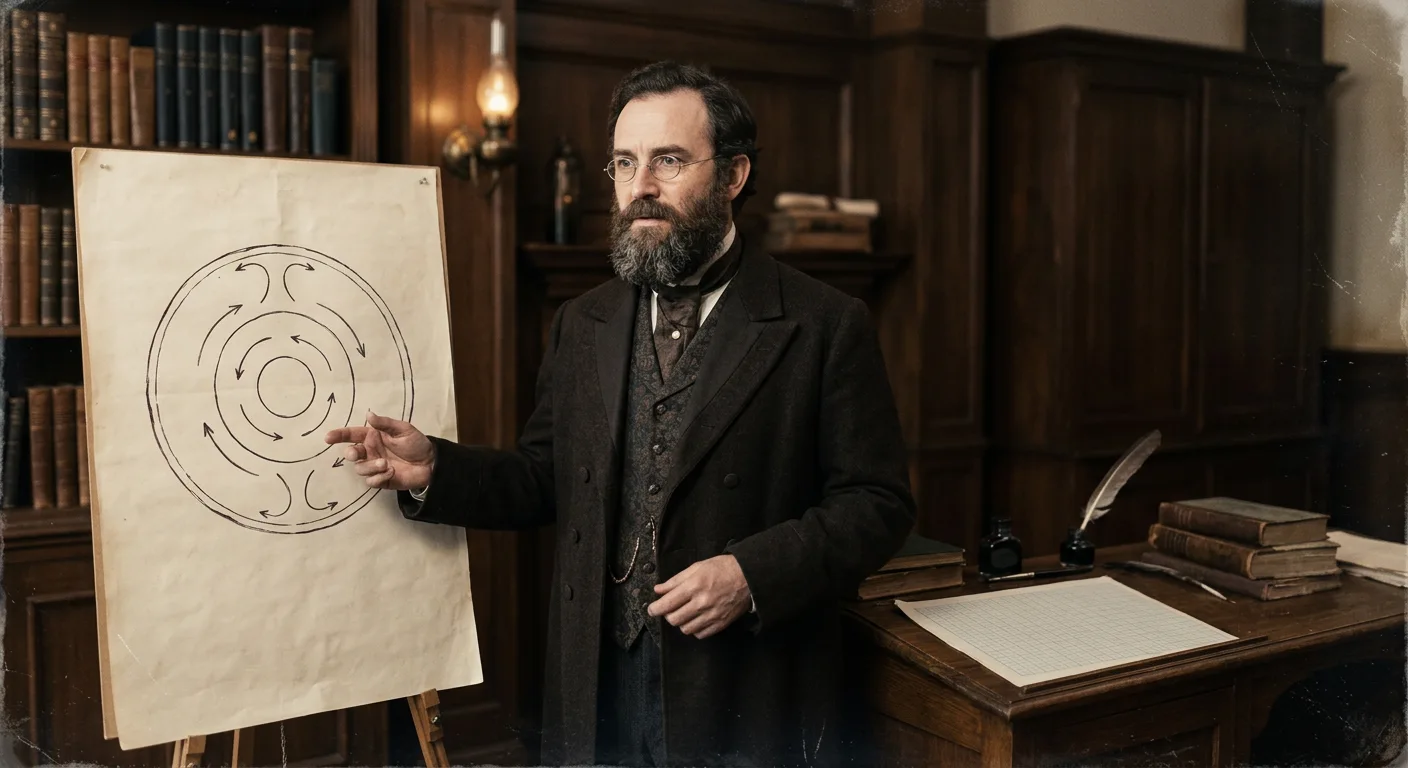
John Perry
1850–1920 · Engineering and physics
Challenged Kelvin's cooling-based age of Earth by arguing that heat transfer within Earth's interior could change the calculation, years before radioactivity was discovered.
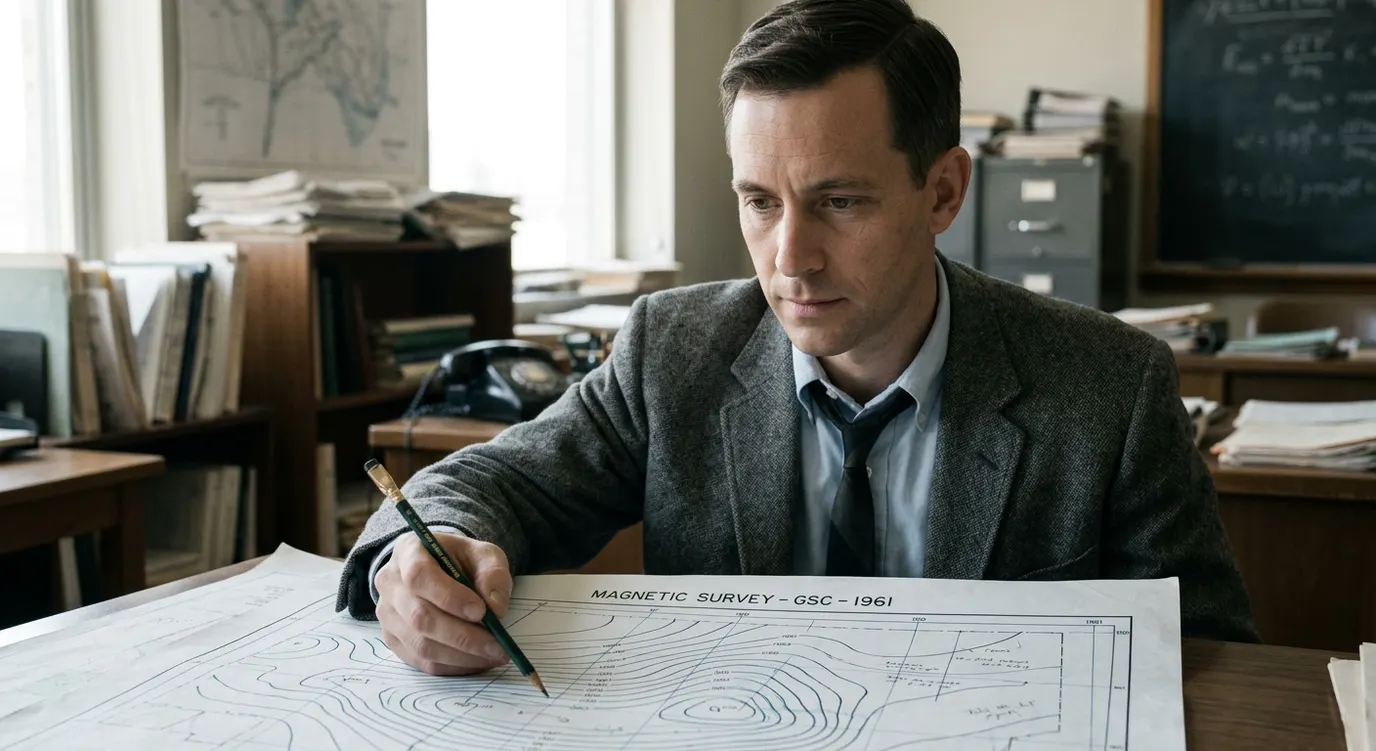
Lawrence Whitaker Morley
1920–2013 · Geophysics and remote sensing
He submitted his 1963 magnetic-stripe hypothesis before the similar paper by Vine and Matthews appeared; he later led Canada's remote-sensing programme.
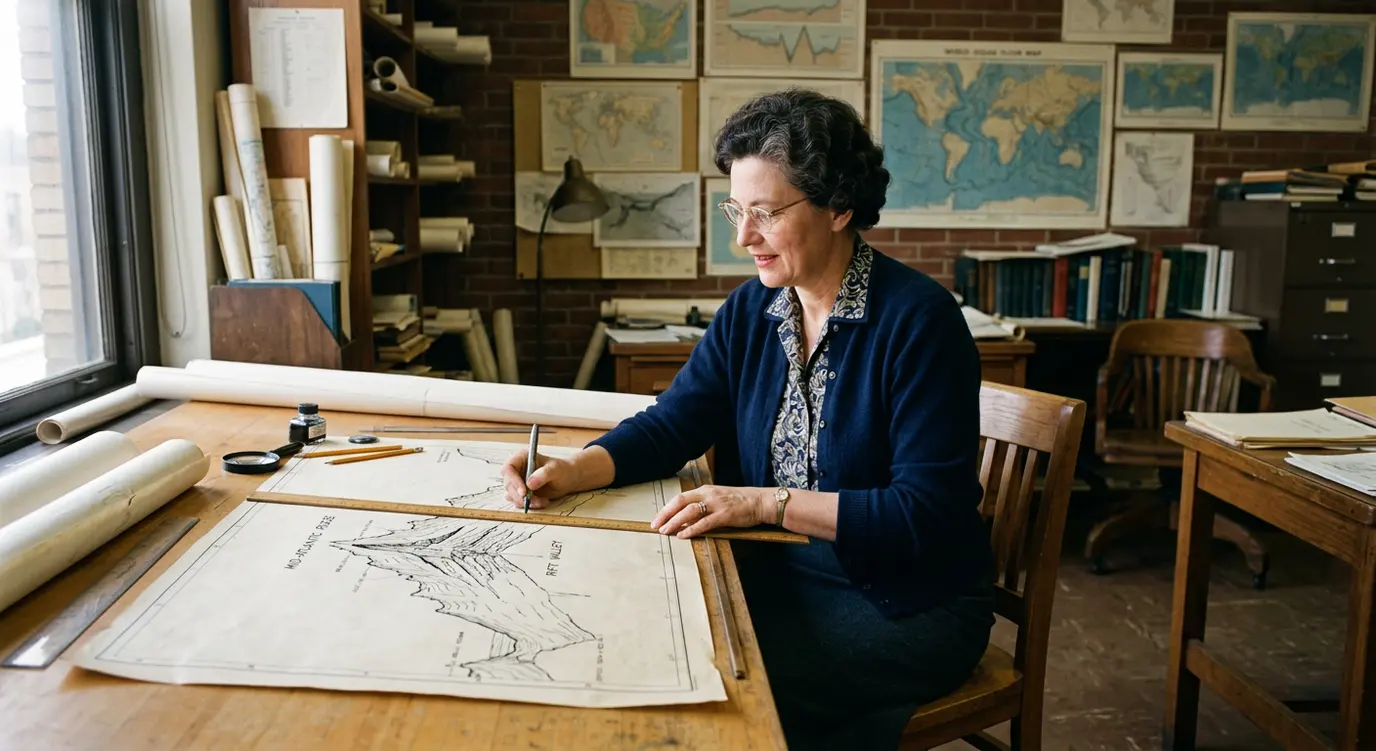
Marie Tharp
1920–2006 · Oceanographic cartography and geology
Her seafloor maps, made with colleague Bruce Heezen, revealed major underwater features and strengthened the case for continental movement and plate tectonics.
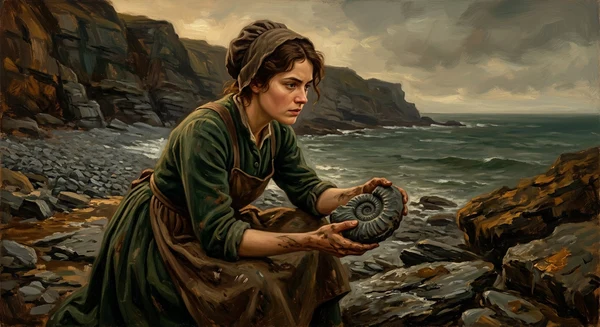
Mary Anning
1799–1847 · Paleontologist
Helped uncover an important, largely complete ichthyosaur skeleton with her brother Joseph in 1811–1812 and discovered a remarkably complete plesiosaur in 1823.
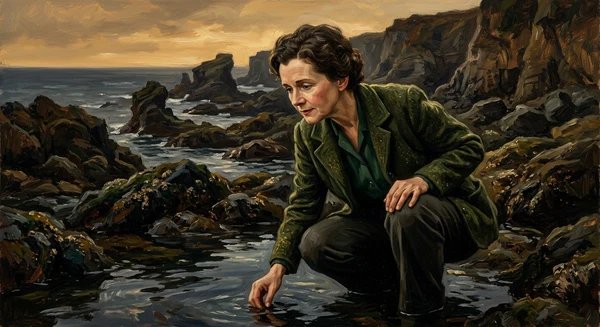
Rachel Carson
1907–1964 · Marine Biologist & Conservationist
Wrote Silent Spring, helping transform public understanding of pesticides and inspiring the modern environmental movement.
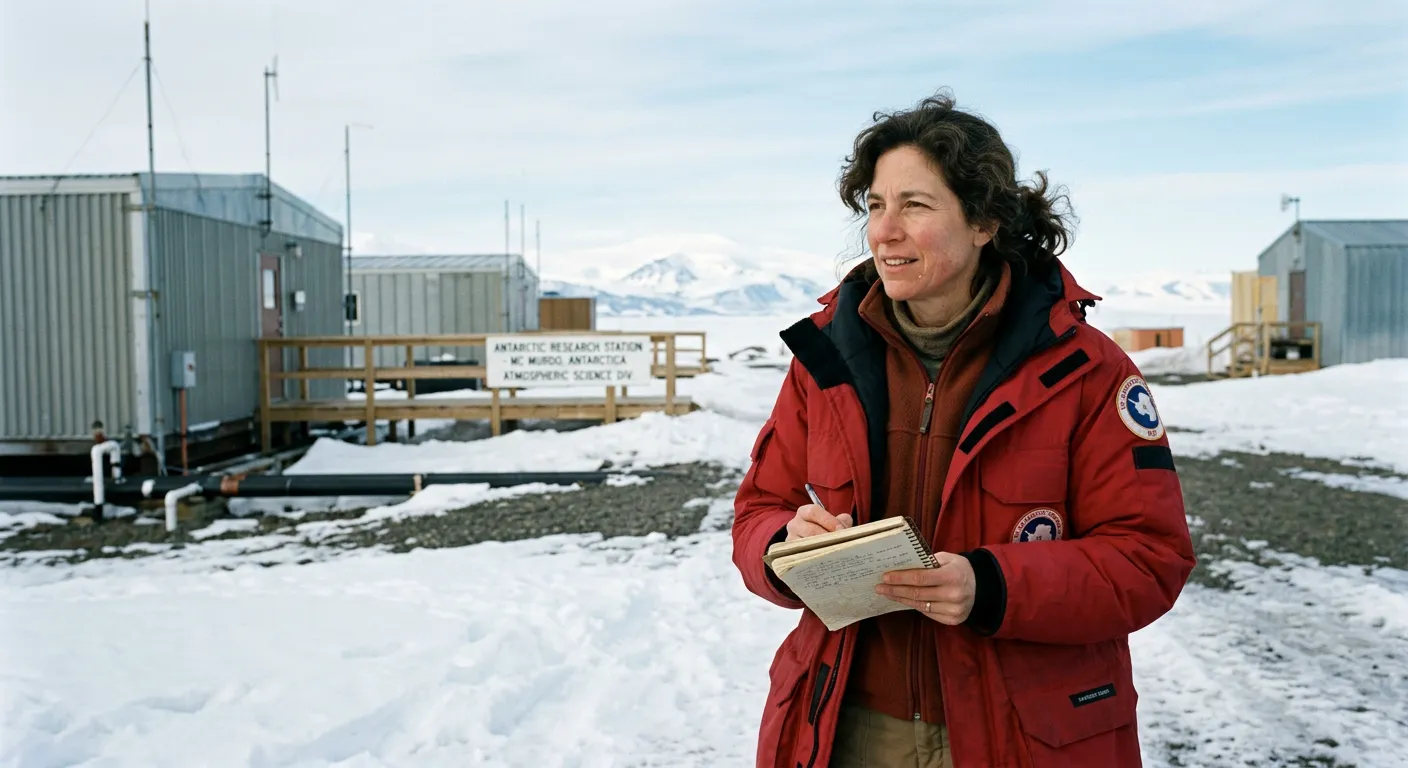
Susan Solomon
1956–present · Atmospheric chemistry and Earth science
Solomon led Antarctic research expeditions that explained why ozone depletion was especially severe there, connecting laboratory chemistry with a global environmental problem.
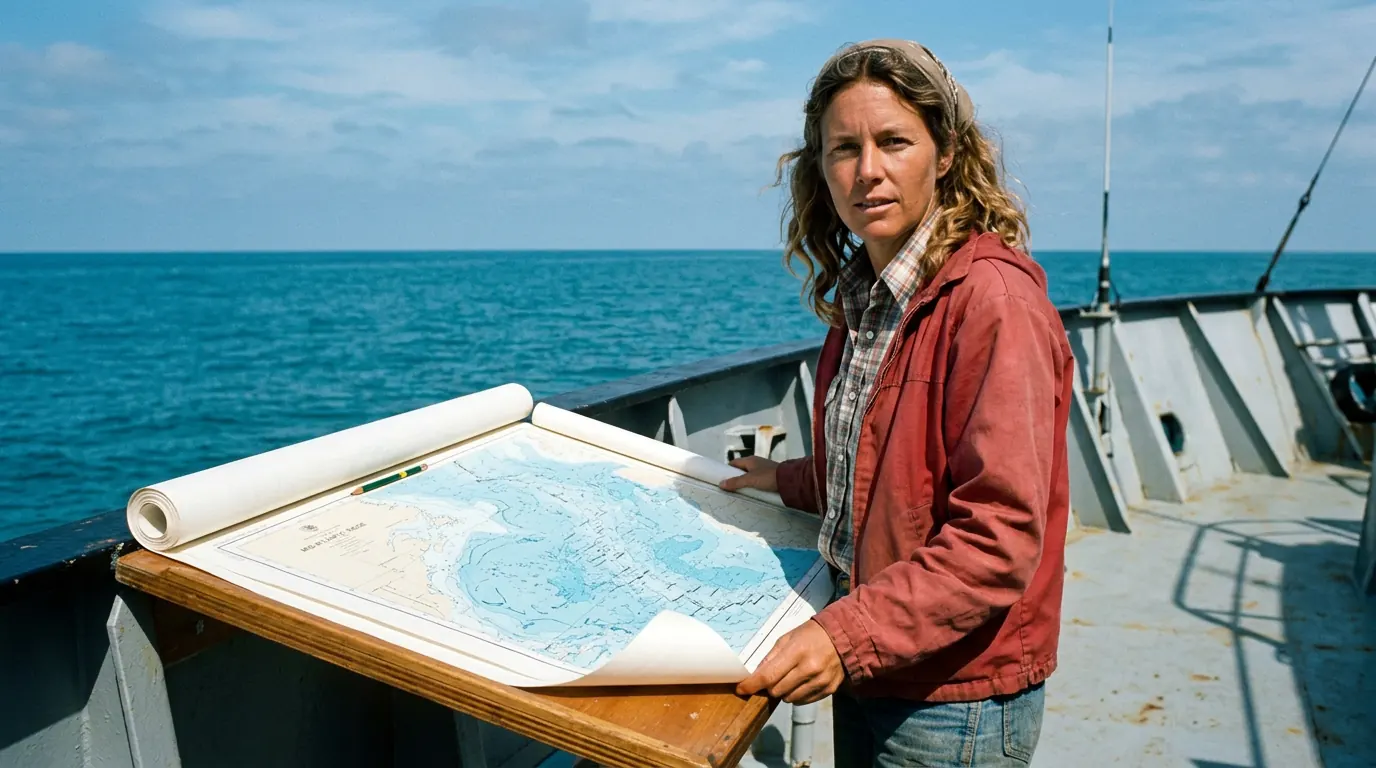
Tanya Atwater
1942–present · Marine geology and plate tectonics
Tanya Atwater combined ocean-floor magnetic records, field geology and plate-motion reconstructions to explain the geological history of western North America and the San Andreas Fault.
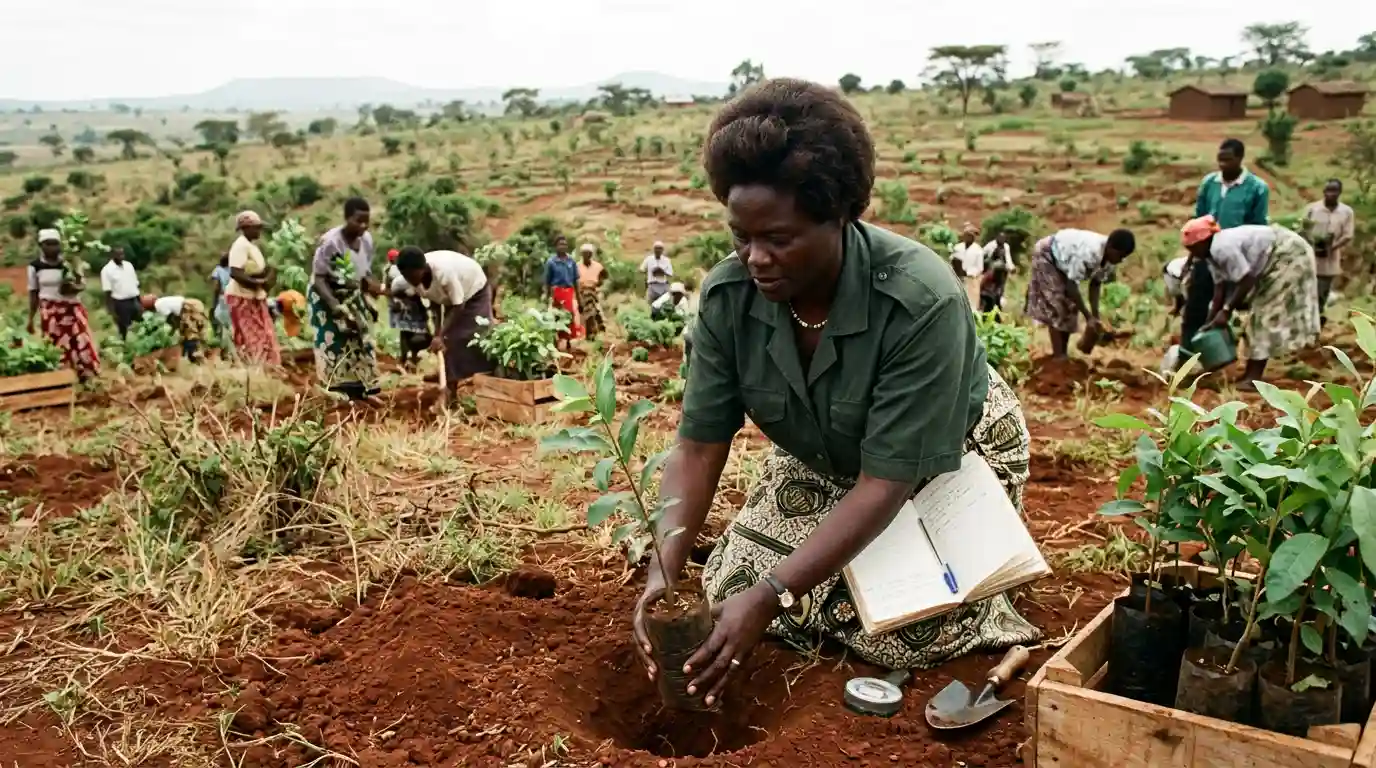
Wangari Maathai
1940–2011 · Environmental scientist and activist
Founding the Green Belt Movement and becoming the first African woman to win the Nobel Peace Prize.