Computing
Computers, code, algorithms, and the digital revolution — from mechanical calculators to the modern machines that run our world.
26 scientists
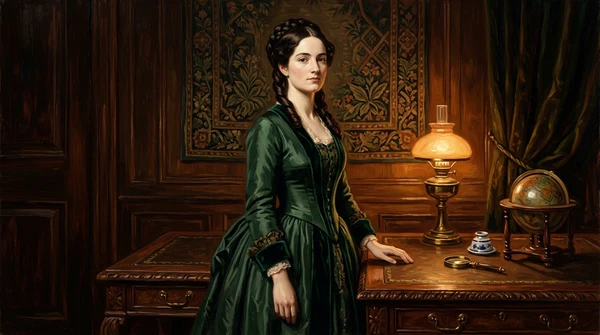
Ada Lovelace
1815–1852 · Mathematician
Publishing influential 1843 Notes on Charles Babbage's Analytical Engine, including a detailed algorithm for calculating Bernoulli numbers and a visionary description of uses beyond arithmetic.
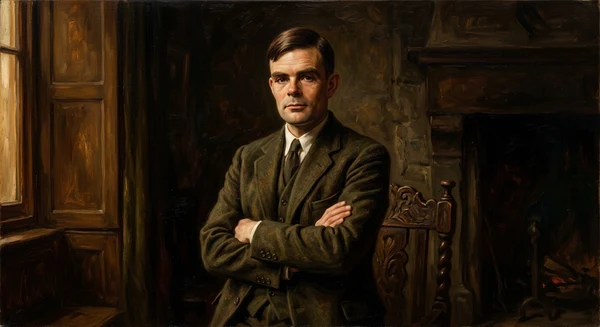
Alan Turing
1912–1954 · Mathematician & Computer Scientist
Making foundational contributions to theoretical computer science and artificial intelligence, and playing a major role in Allied codebreaking during the Second World War.
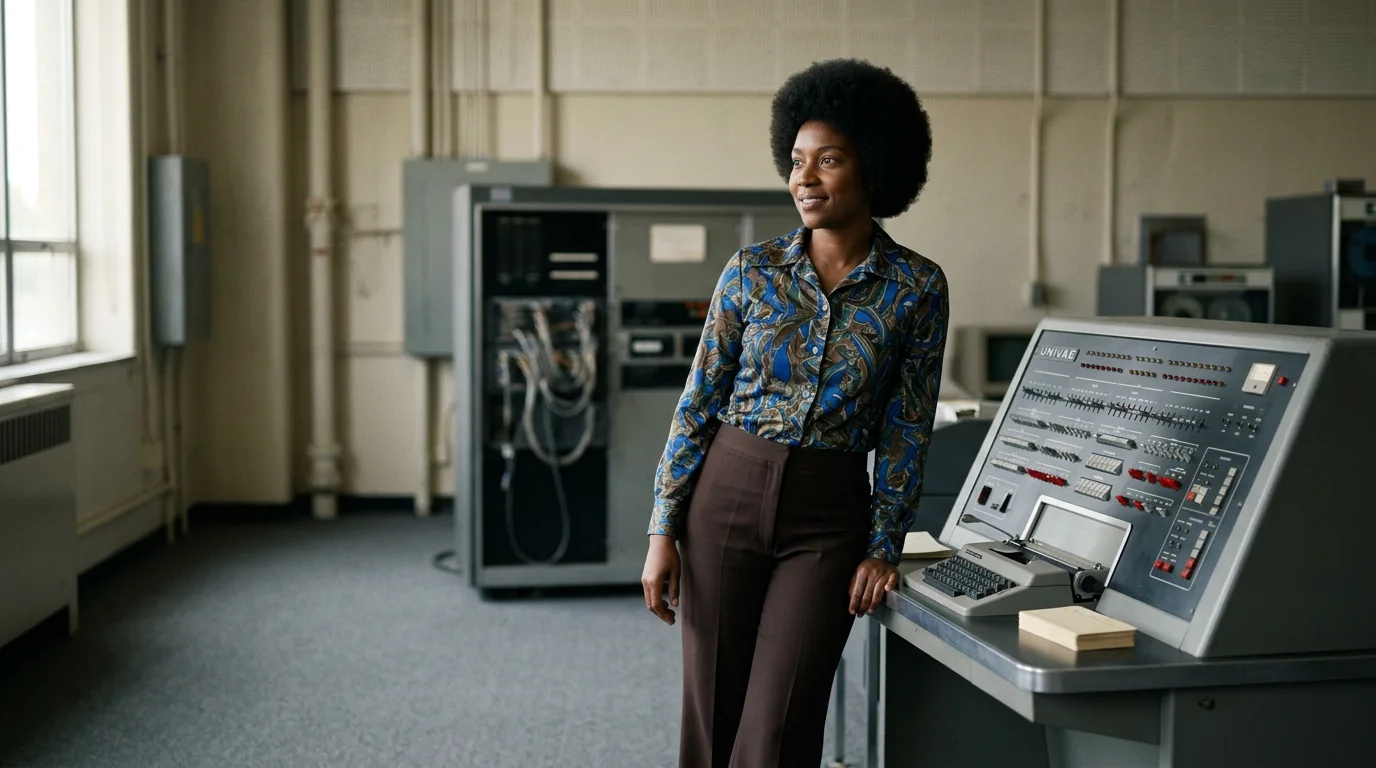
Annie Easley
1933–2011 · Computer programming, mathematics and aerospace research
Annie Easley programmed and analysed research at NASA, contributing to rocket systems and alternative-energy technology after beginning as a human computer.
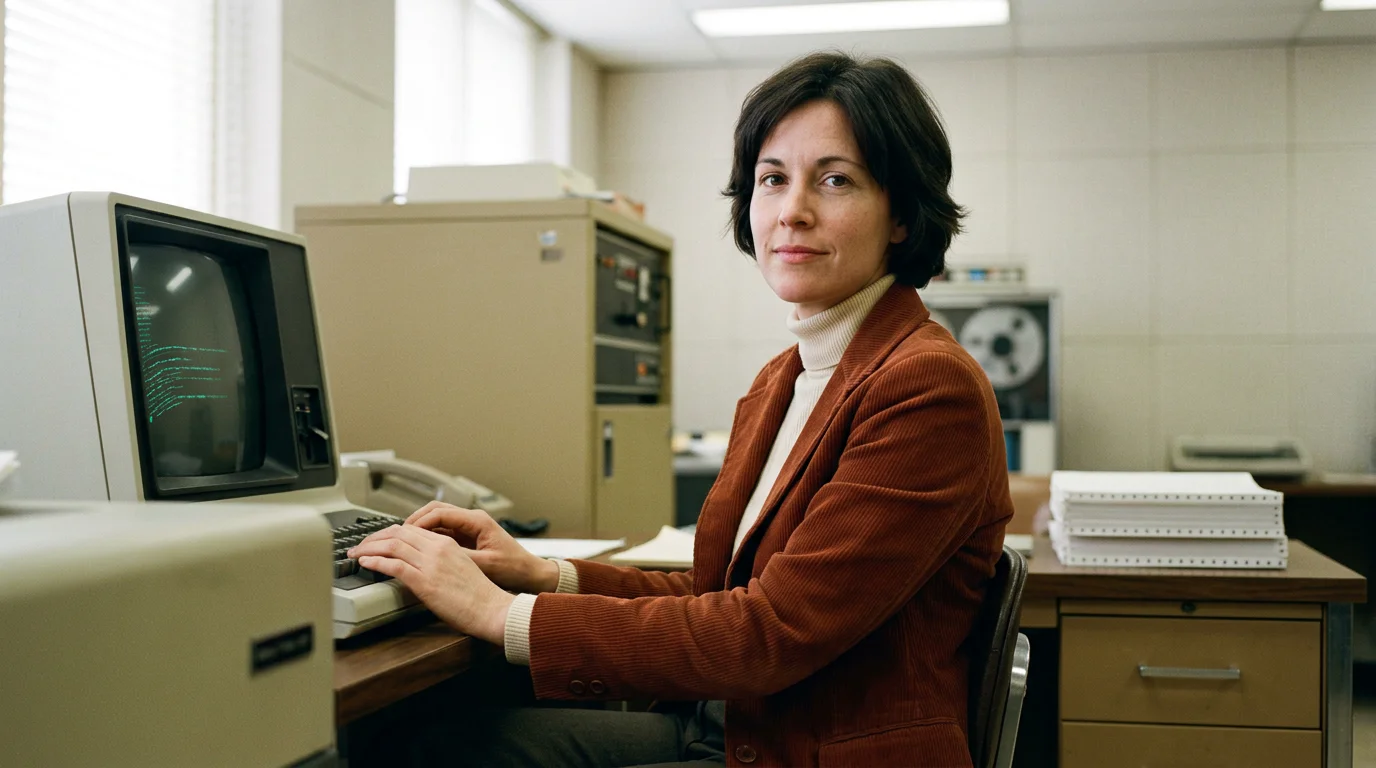
Barbara Liskov
1939–present · Computer science and programming languages
Pioneered data abstraction, designed the CLU and Argus programming languages and helped establish principles for reliable object-oriented and distributed software.
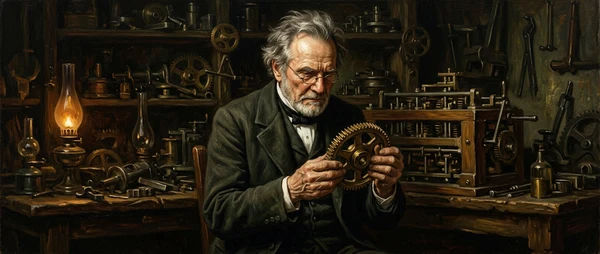
Charles Babbage
1791–1871 · Mathematician & Inventor
Designing the Difference Engine, an automatic mechanical calculator, and the Analytical Engine, an early design for a general-purpose programmable computer.
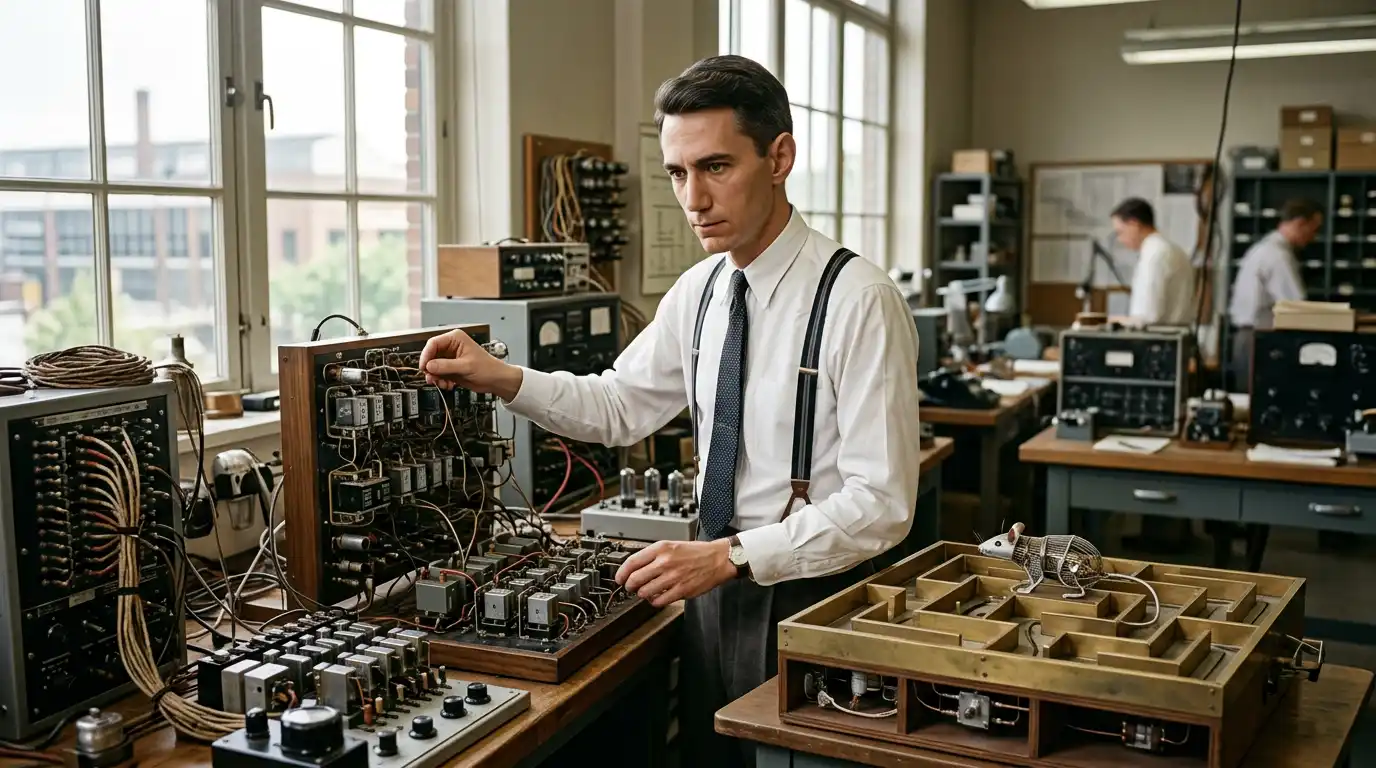
Claude Shannon
1916–2001 · Mathematics, electrical engineering, information theory, cryptography and computing
Founding information theory and making a landmark contribution to digital circuit design.
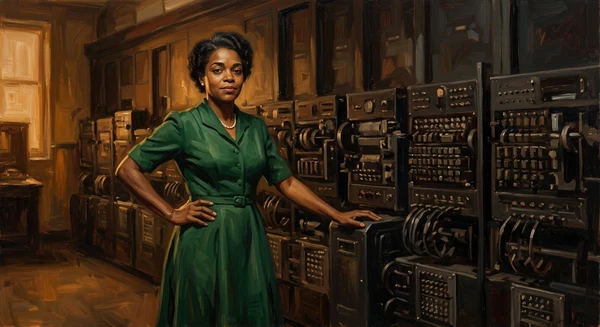
Dorothy Vaughan
1910–2008 · Mathematician & Computer Programmer
NACA's first Black supervisor and a pioneering FORTRAN programmer at NASA.
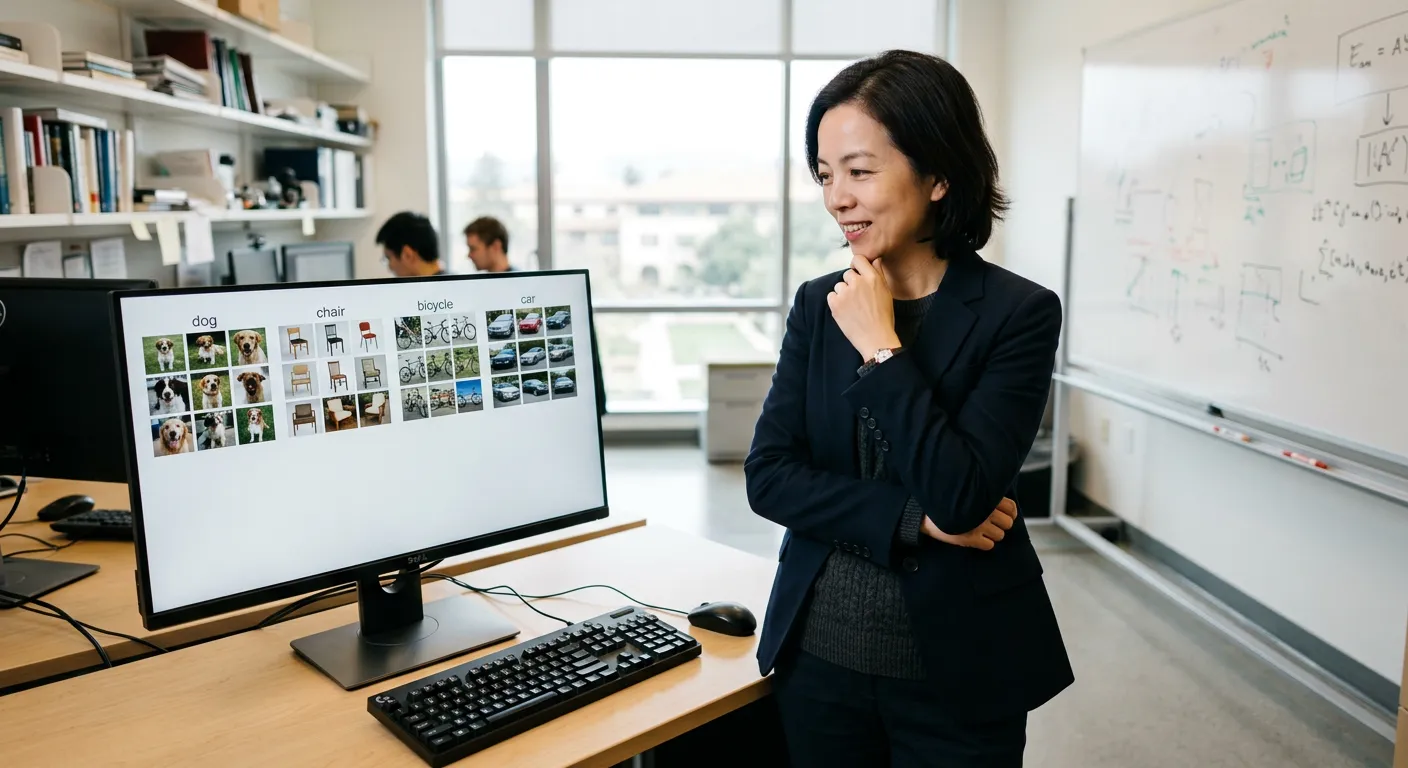
Fei-Fei Li
1976–present · Computer vision and artificial intelligence
Li helped demonstrate the importance of large, carefully labelled image datasets for computer vision. She also works to put human needs at the centre of artificial intelligence.
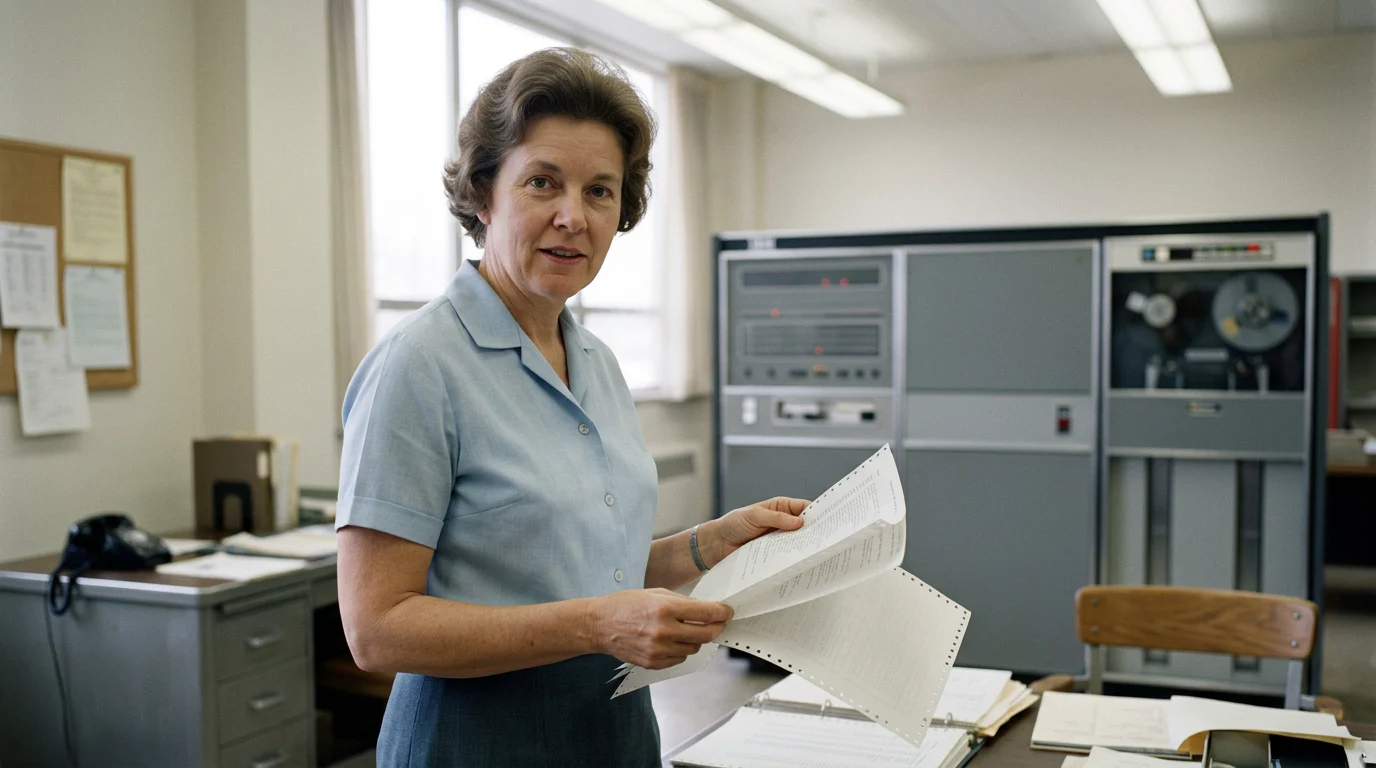
Frances Elizabeth Allen
1932–2020 · Computer science and compiler optimisation
Pioneered compiler optimisation and program analysis techniques that helped computers run high-level programs faster and use parallel hardware effectively.
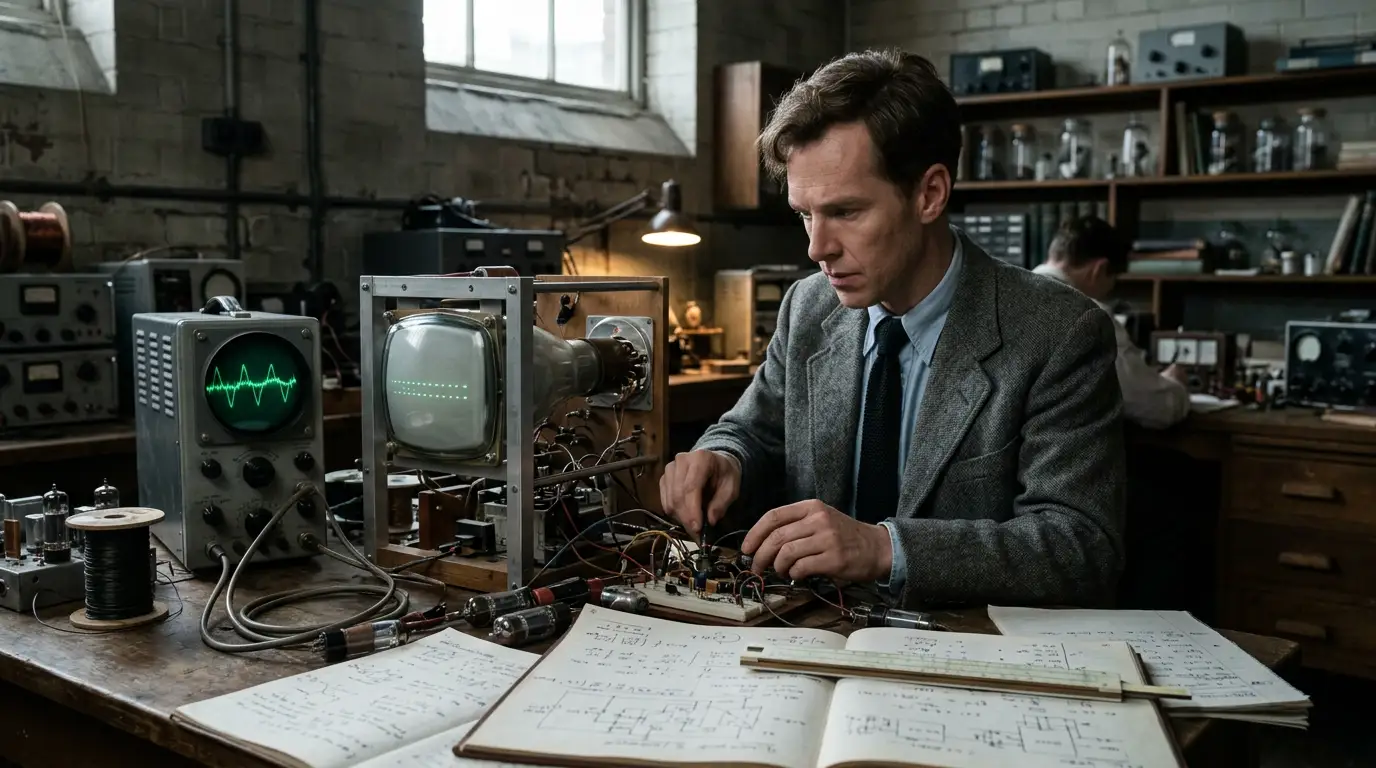
Frederic C. Williams
1911–1977 · Electrical Engineer
Developing, with Tom Kilburn, an early practical cathode-ray-tube electronic computer memory and leading the Manchester team in which the Manchester Baby was created.
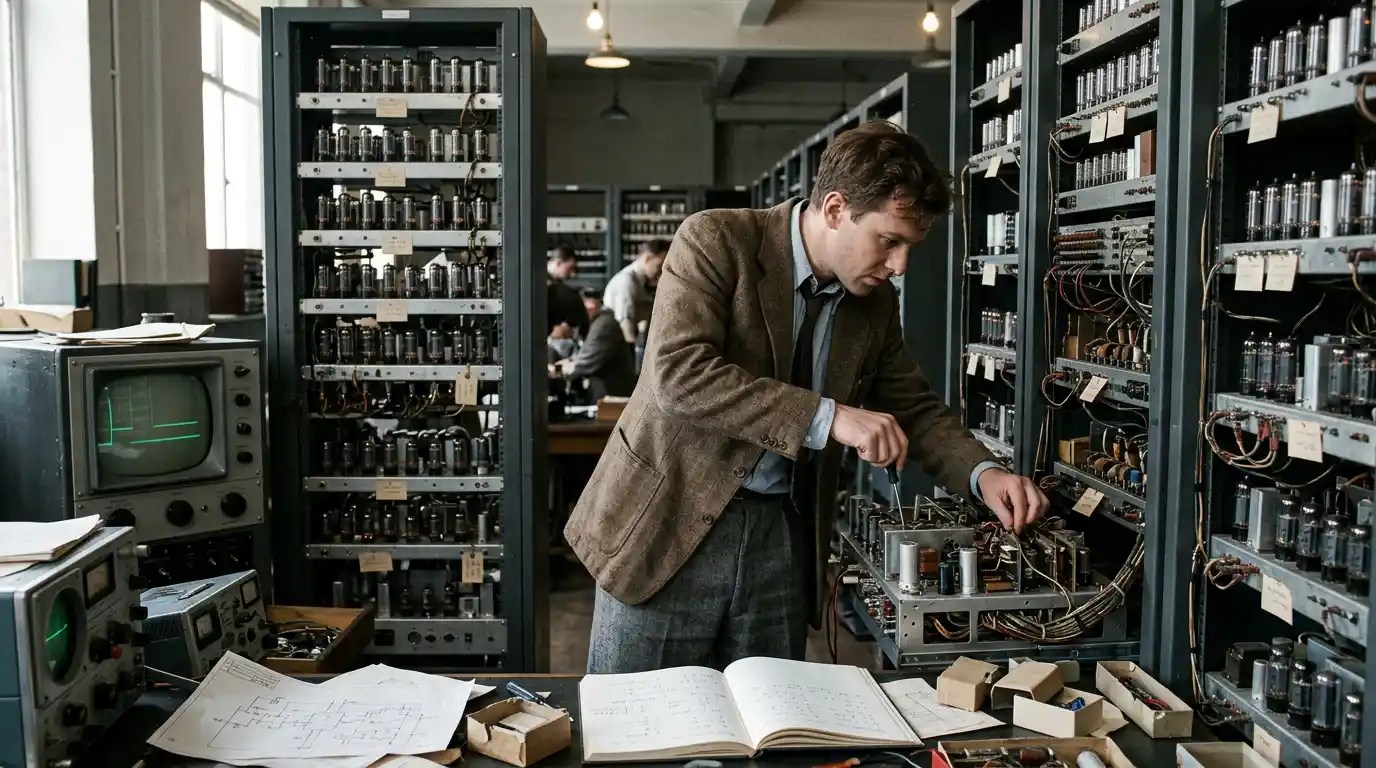
Geoff Tootill
1922–2017 · Computer Engineer
Being one of the three core engineers who built the Manchester Baby, the first electronic stored-program digital computer to run a program from electronic read-write memory.
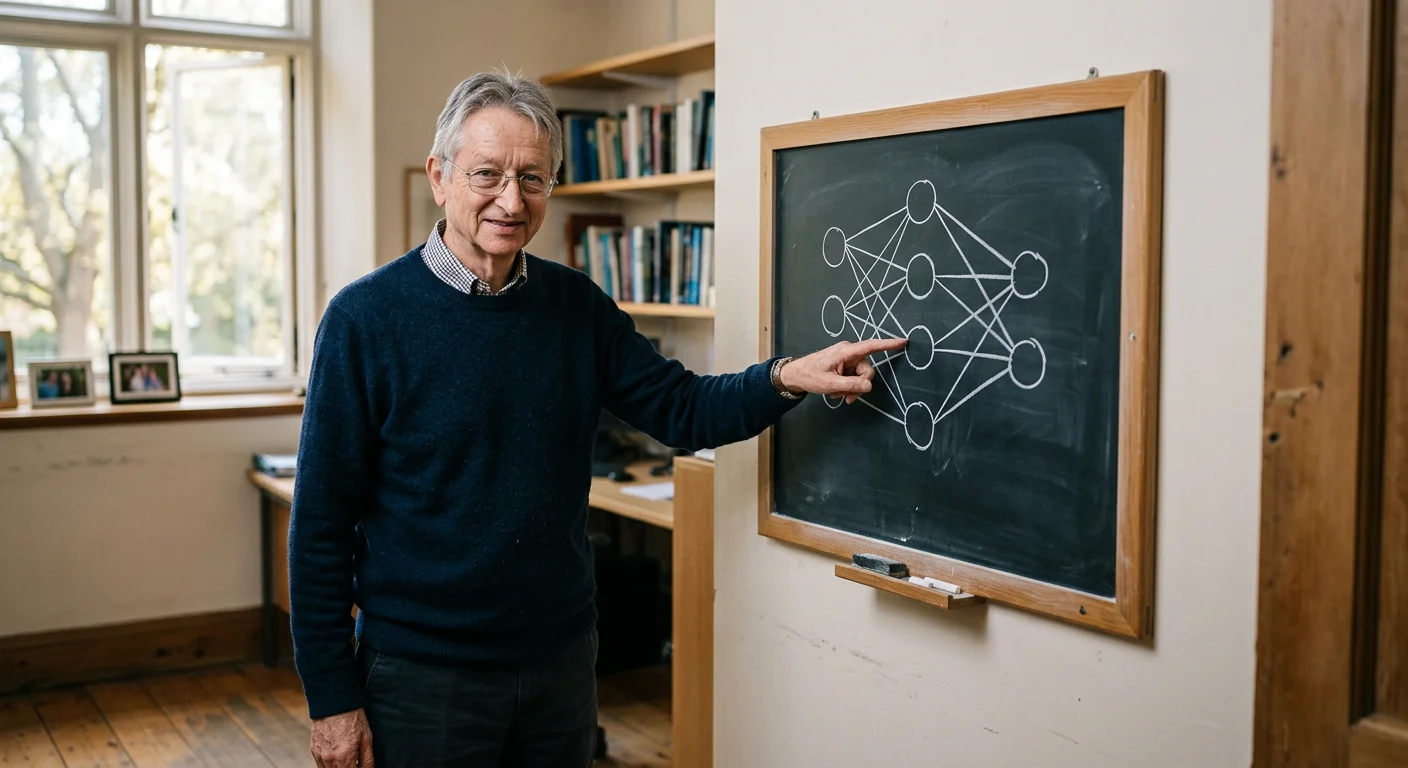
Geoffrey Hinton
1947–present · Computer science and artificial intelligence
Hinton helped show how artificial neural networks could learn patterns through backpropagation, laying groundwork for modern machine learning.
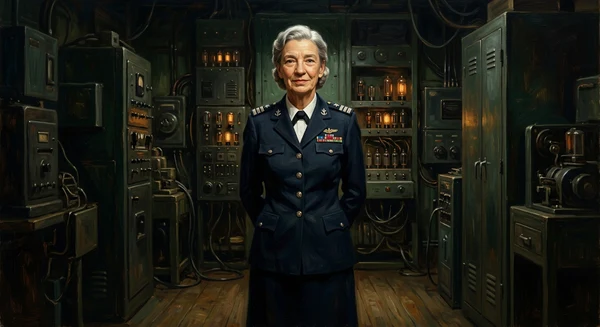
Grace Hopper
1906–1992 · Computer Scientist & Naval Admiral
Developing one of the earliest compilers and pioneering word-based programming languages that helped make computers easier to program.
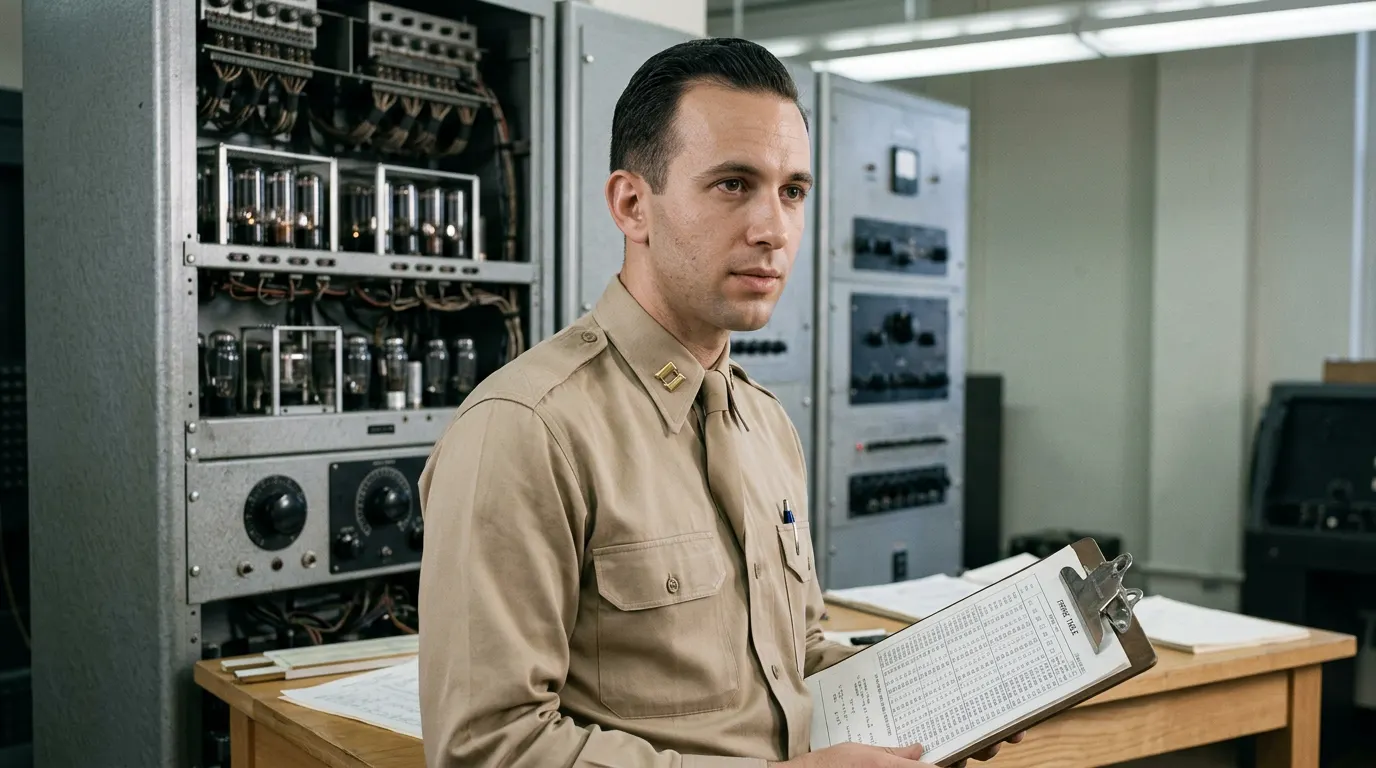
Herman H. Goldstine
1913–2004 · Mathematics, computing and numerical analysis
An American mathematician who helped connect wartime calculation, ENIAC and early stored-program computing.
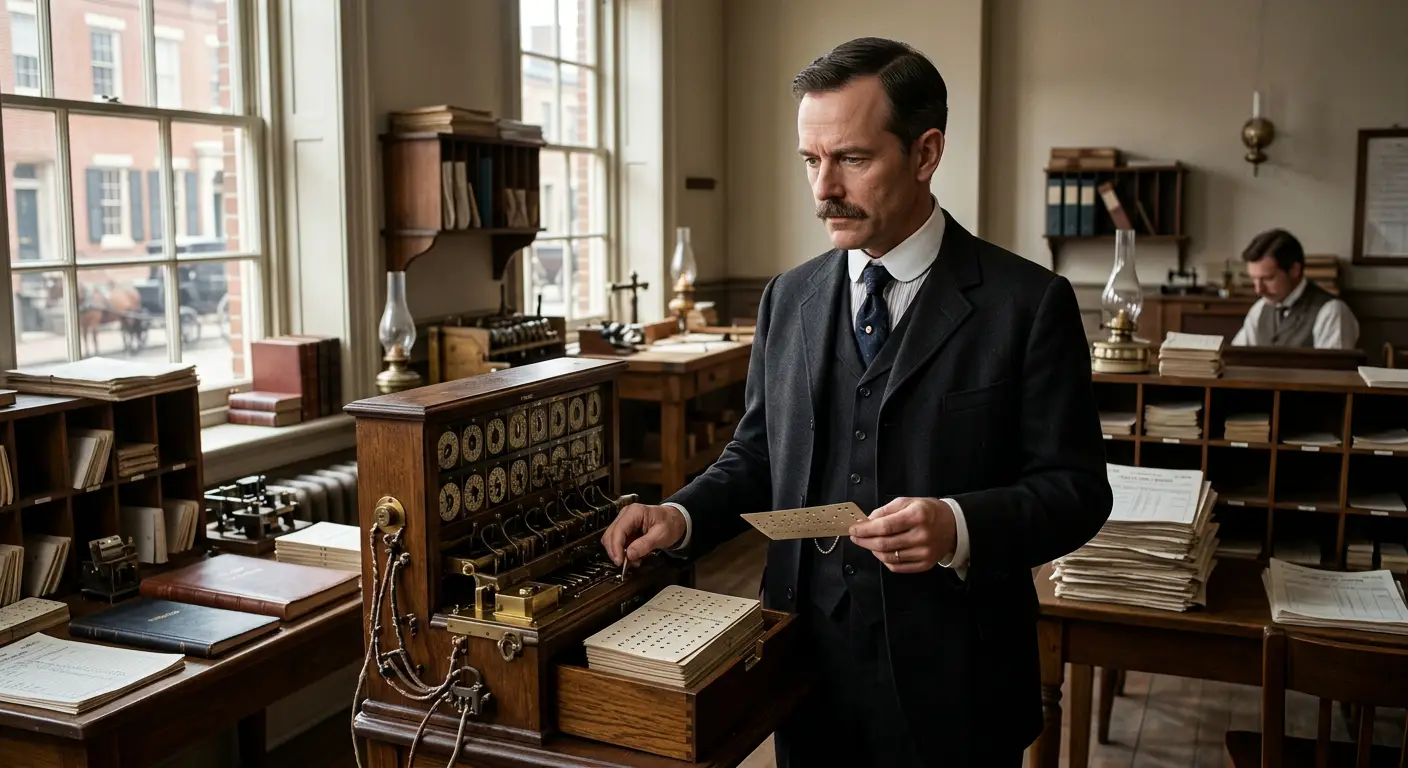
Herman Hollerith
1860–1929 · Engineering, statistics, invention and data processing
Developing the punched-card tabulating system used to process the 1890 United States Census and helping establish mechanised data processing.
J. Presper Eckert
1919–1995 · Electrical engineering, computing and invention
Co-designing ENIAC, helping create EDVAC, BINAC and UNIVAC, and making major engineering advances in early electronic computing.
Jean Bartik
1924–2011 · Computer programming and early computing
Being one of the original programmers of ENIAC and helping establish programming as a real technical discipline.
John Mauchly
1907–1980 · Physics, electronic computing and computer design
A physicist who co-designed ENIAC with J. Presper Eckert and helped launch commercial electronic computing.
John von Neumann
1903–1957 · Mathematics, physics, computing, game theory and applied science
Playing a decisive role in shaping the stored-program computer model and the architecture commonly associated with his name.
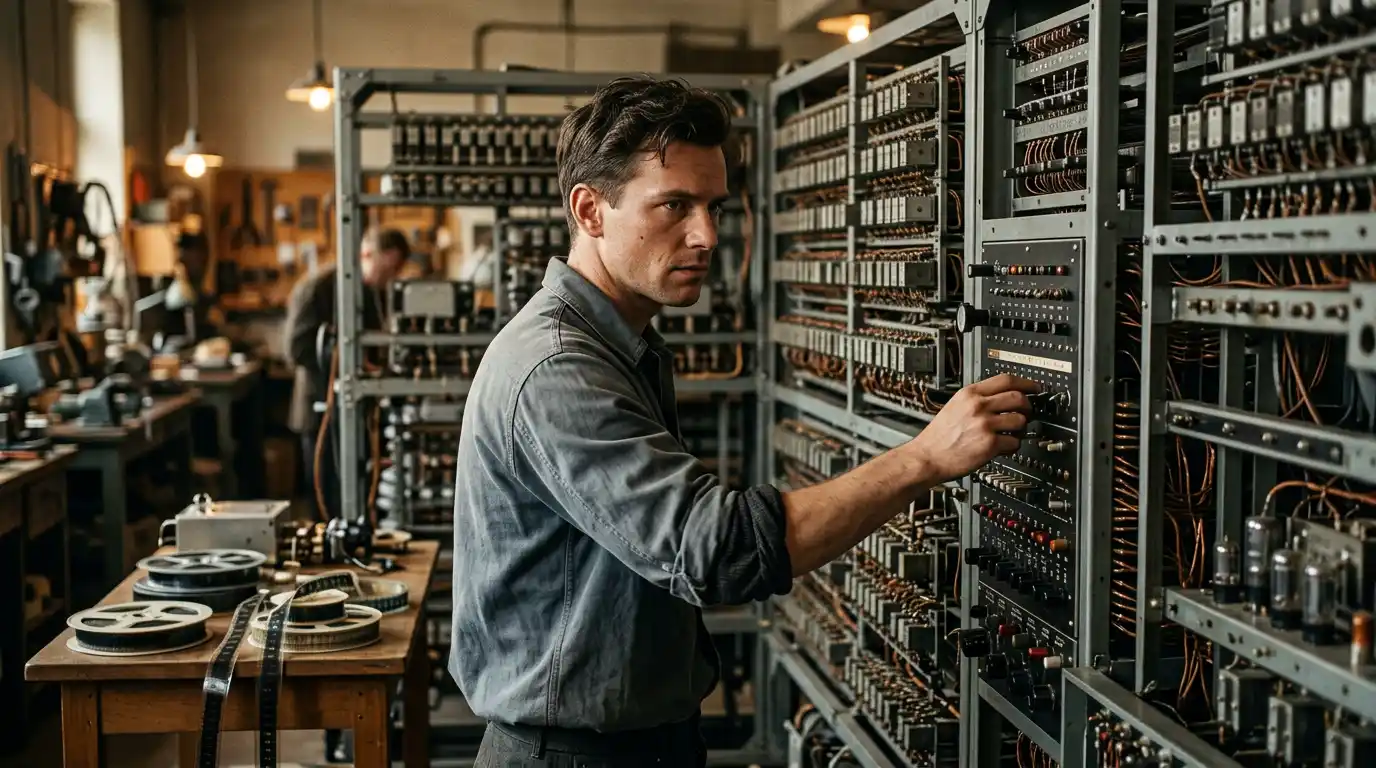
Konrad Zuse
1910–1995 · Civil engineering, computer engineering and invention
Building the Z3, widely recognised as the first program-controlled electromechanical digital computer, and creating Plankalkül, an early high-level programming language.
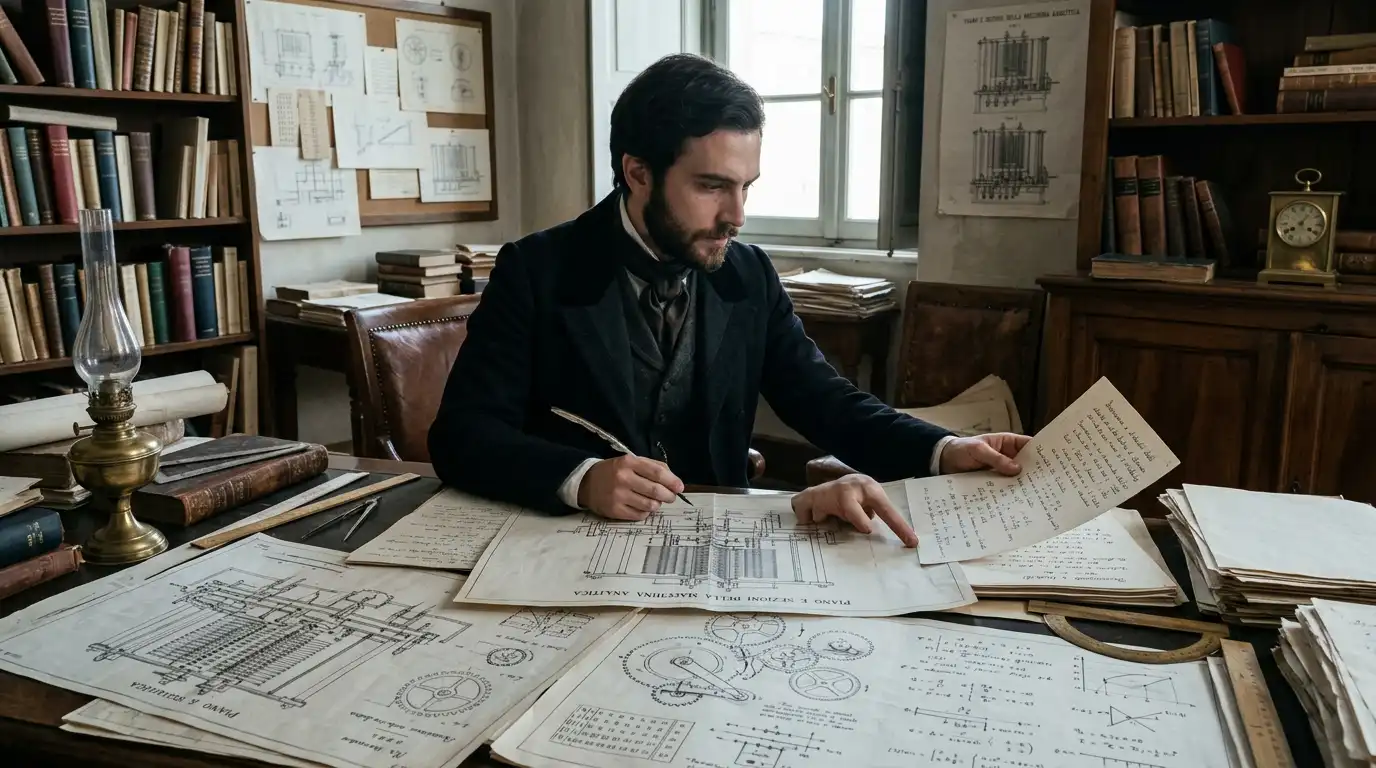
Luigi Federico Menabrea
1809–1896 · Engineer
Publishing an important early account of Charles Babbage's Analytical Engine after hearing Babbage explain the machine in Turin, and for important work in structural mechanics.
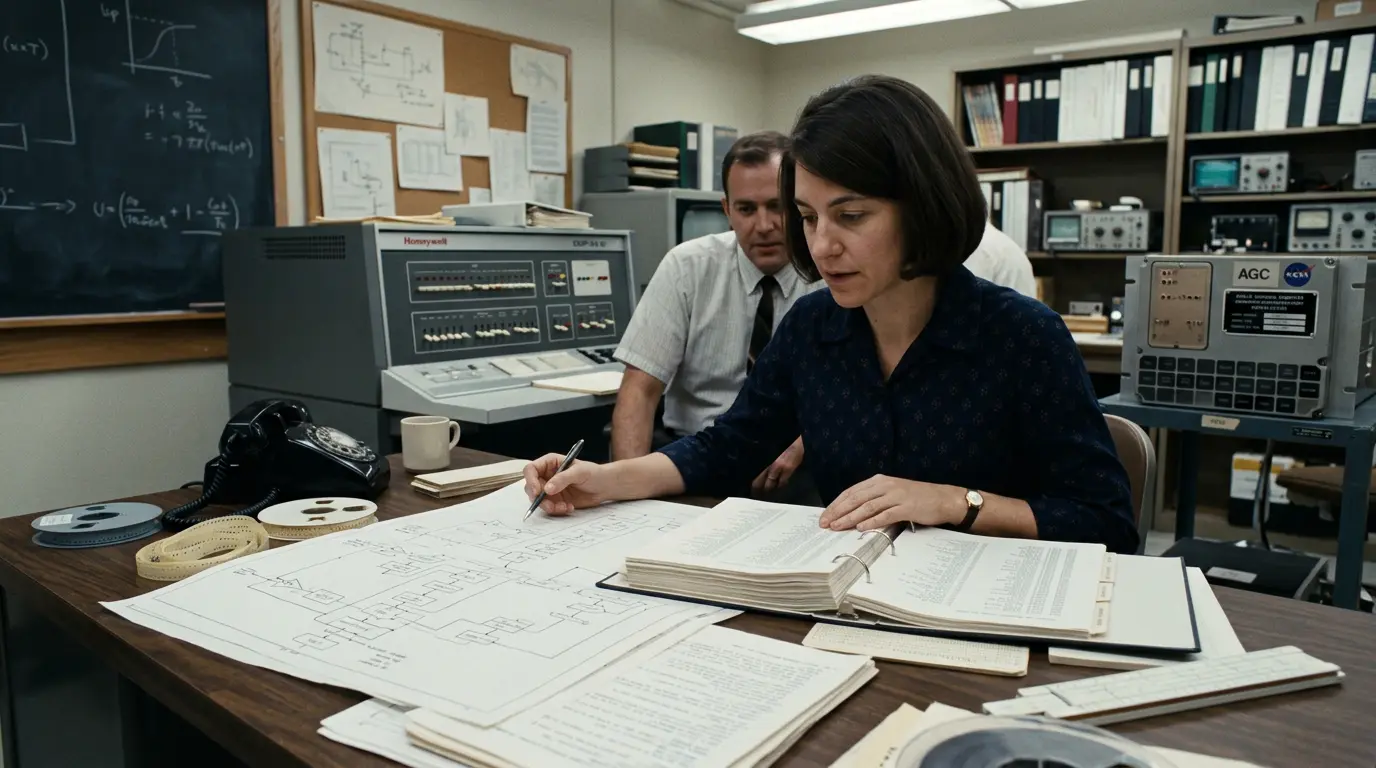
Margaret Hamilton
1936–2026 · Computer scientist and software engineer
Leading the team that wrote the Apollo flight software and helping establish software engineering as a discipline.
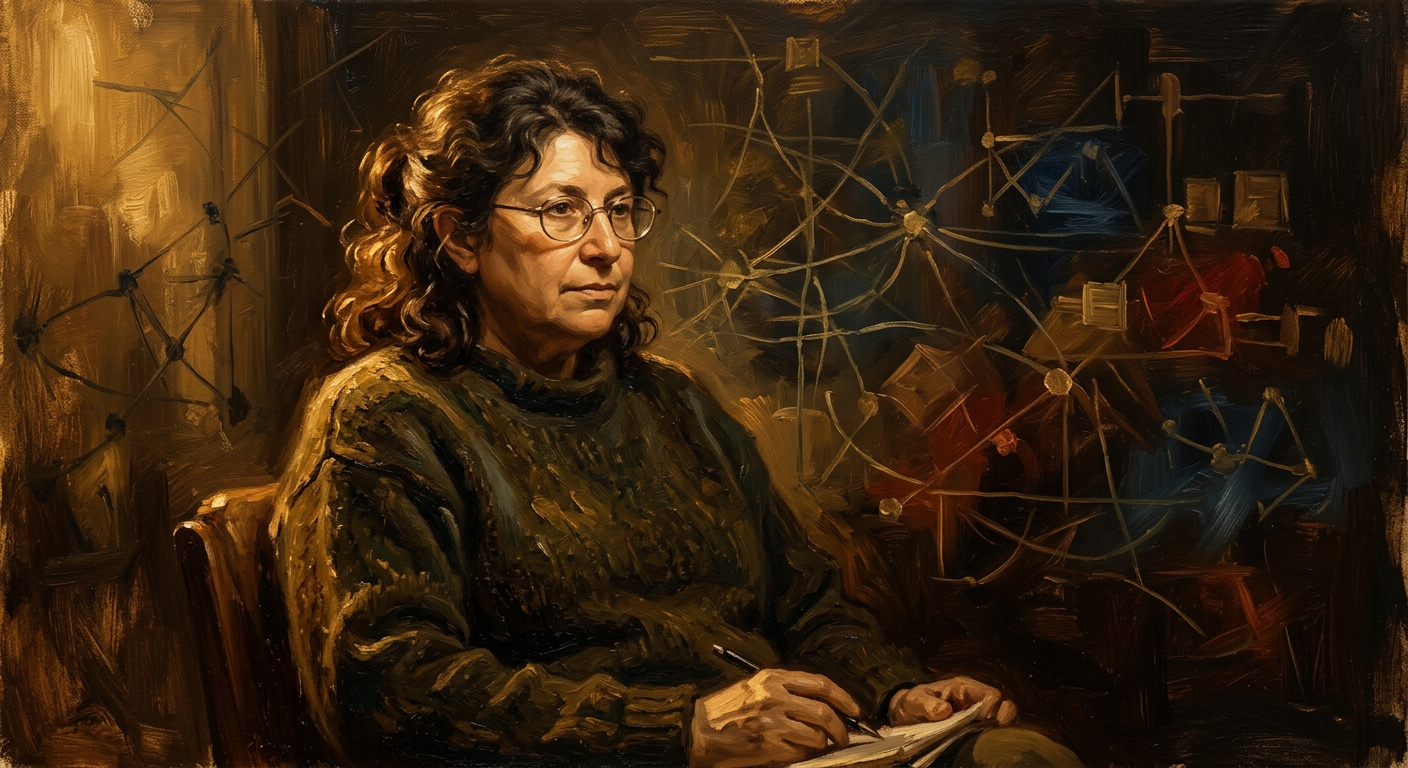
Radia Perlman
1951–present · Computer Scientist and Network Engineer
Designed the Spanning Tree Protocol, which prevents forwarding loops in bridged Ethernet networks and allowed Ethernet networks to grow far larger and more reliably.
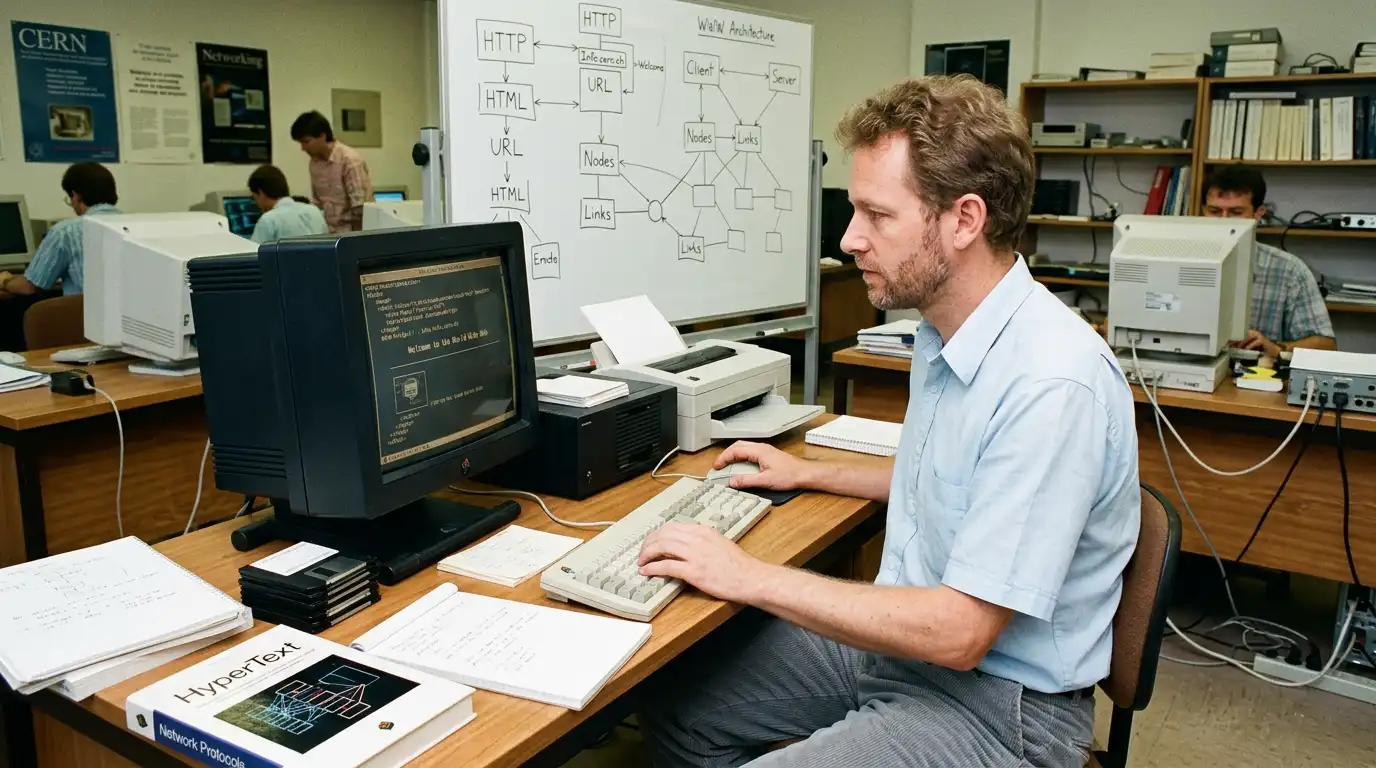
Tim Berners-Lee
1955–present · Computer scientist
Inventing the World Wide Web and creating its core technologies: URIs, HTTP and HTML.
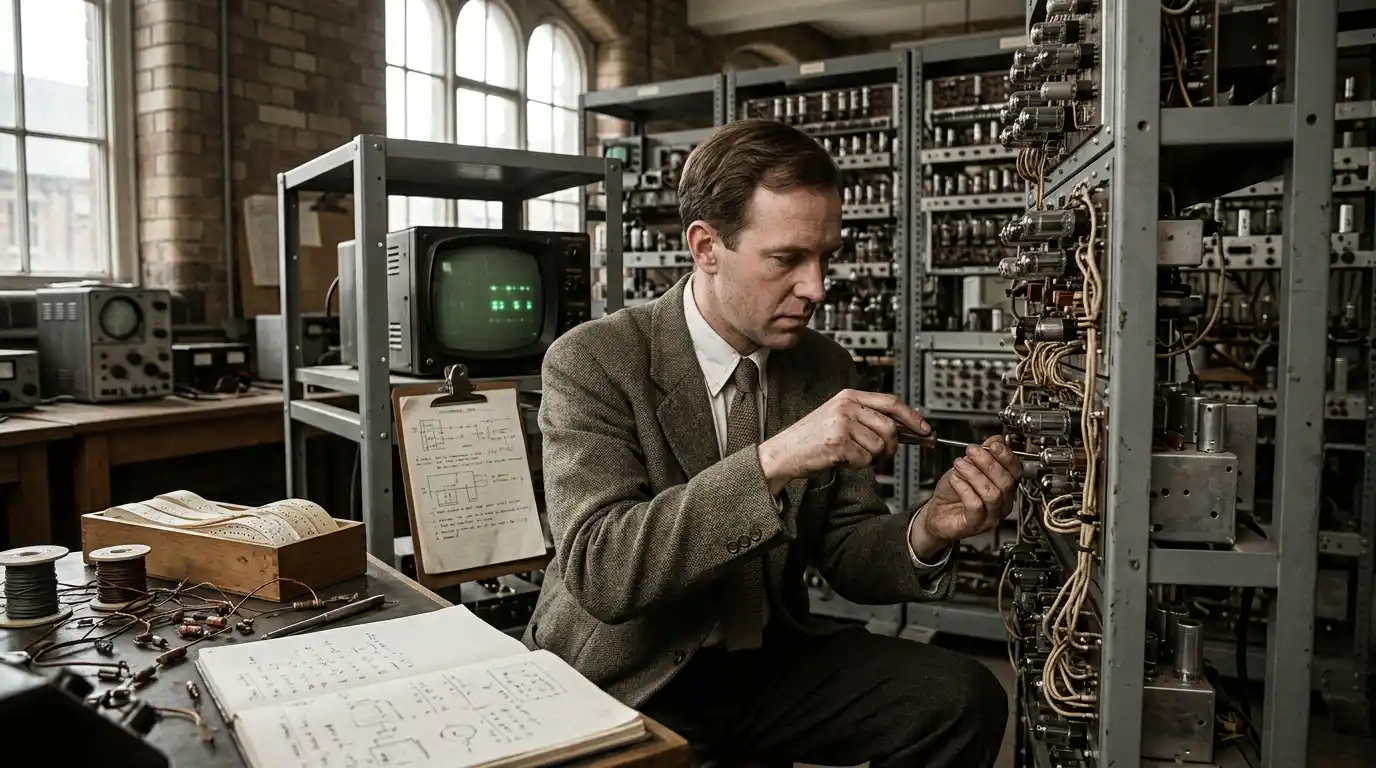
Tom Kilburn
1921–2001 · Computer Engineer
Co-developing the Williams-Kilburn electronic memory, leading the design and construction of the Manchester Baby, writing its first program, and later leading major Manchester computer projects including Atlas.
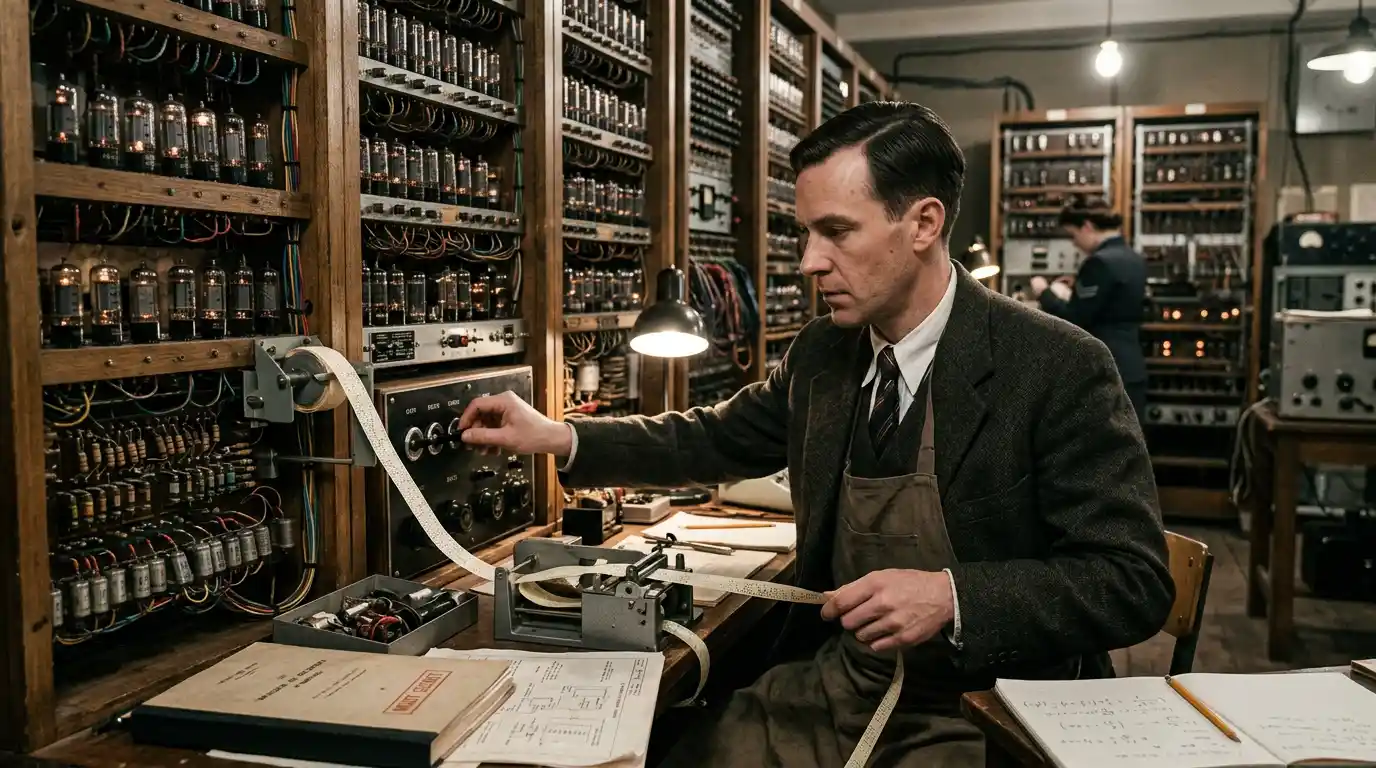
Tommy Flowers
1905–1998 · Electrical Engineer
Designing Colossus and leading the engineering team that built it for wartime cryptanalysis at Bletchley Park.