Medicine
Healing, disease, the human body, and medical breakthroughs — the people and discoveries that transformed public health.
22 scientists
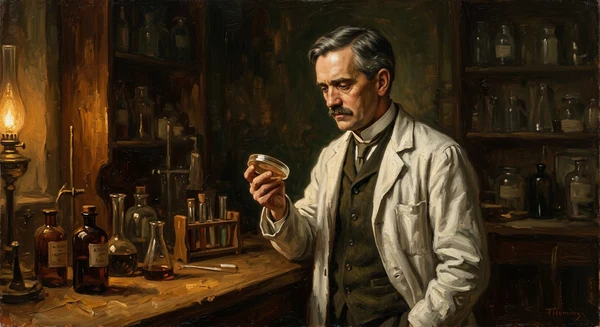
Alexander Fleming
1881–1955 · Bacteriologist
Discovered penicillin, leading to one of the most important developments in the treatment of bacterial infections.
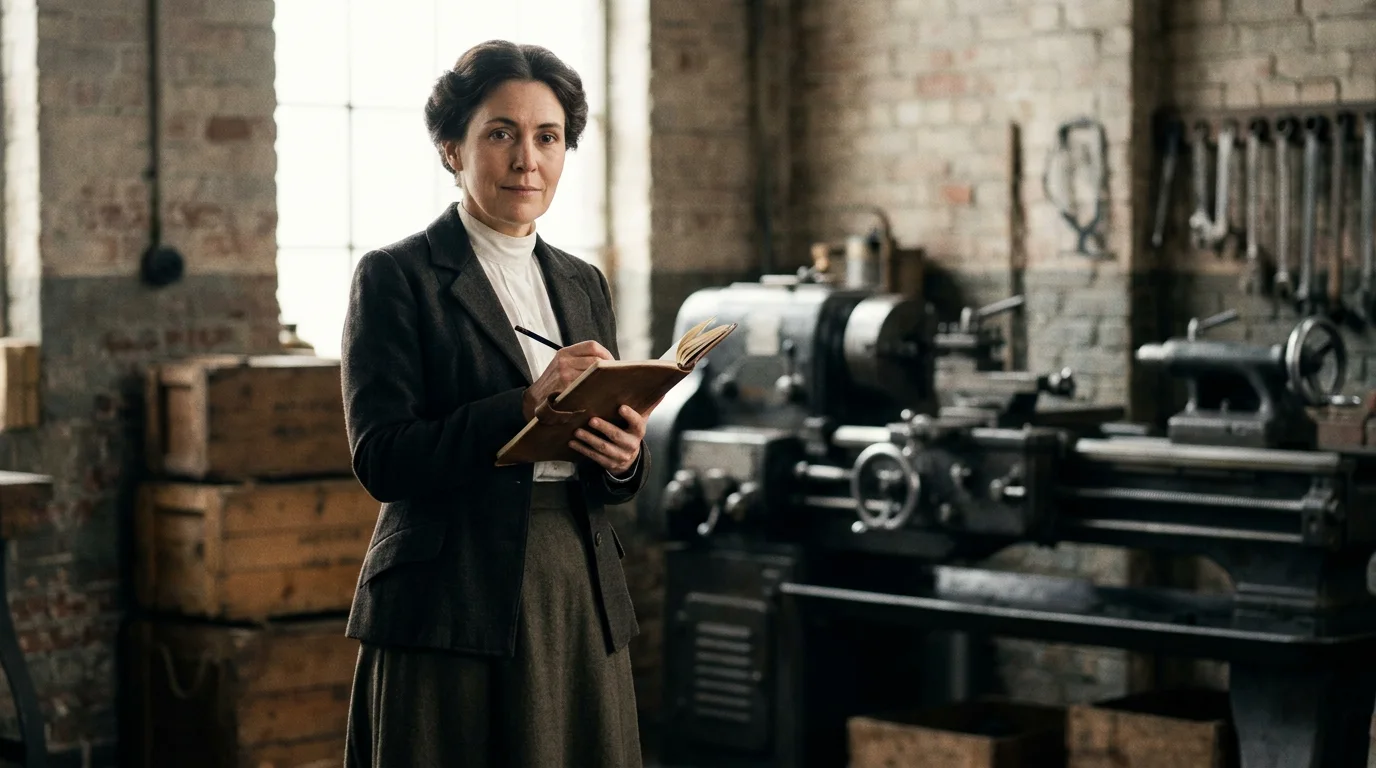
Alice Hamilton
1869–1970 · Occupational medicine and public health
Alice Hamilton investigated dangerous chemicals in American workplaces and helped establish occupational medicine in the United States.
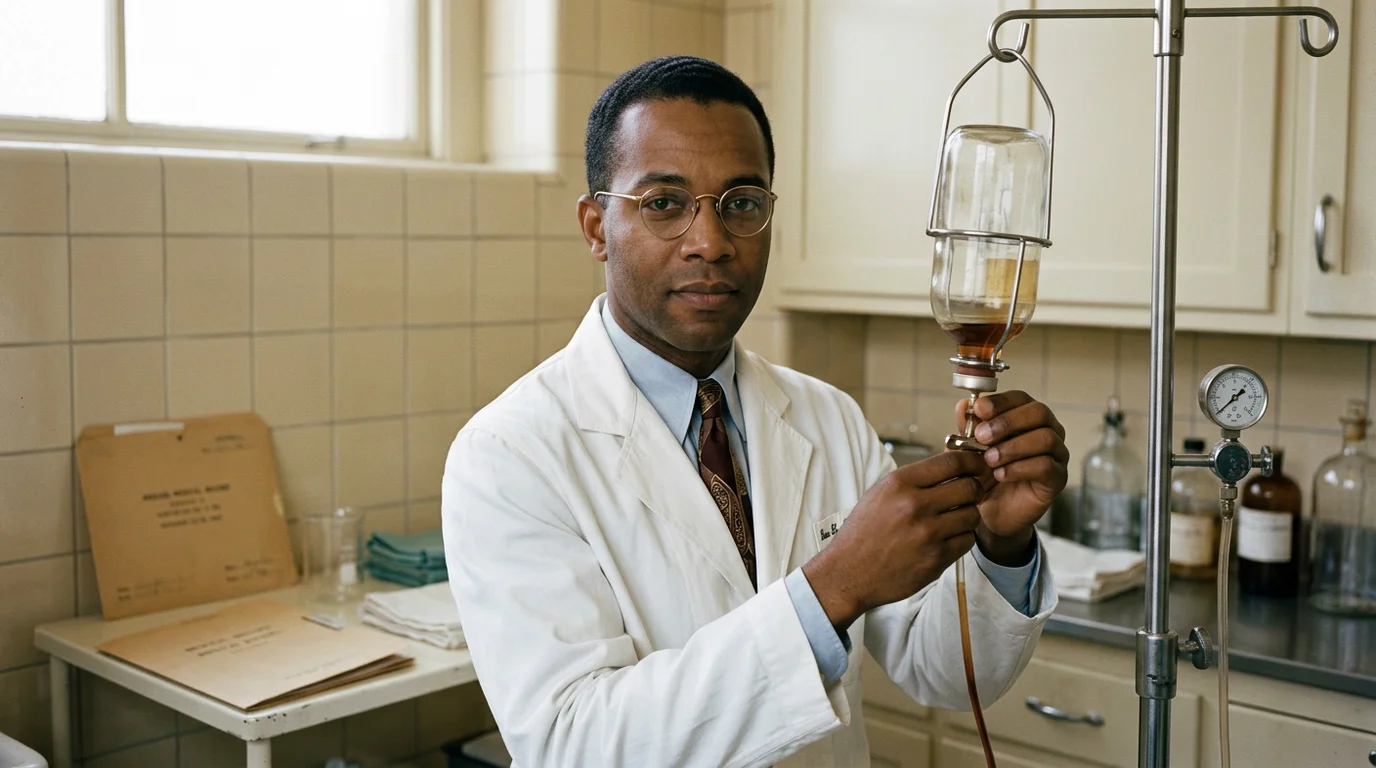
Charles Drew
1904–1950 · Blood preservation, transfusion medicine and surgery
Charles Drew transformed the organisation of blood and plasma collection during the Second World War and challenged racial discrimination in medicine.
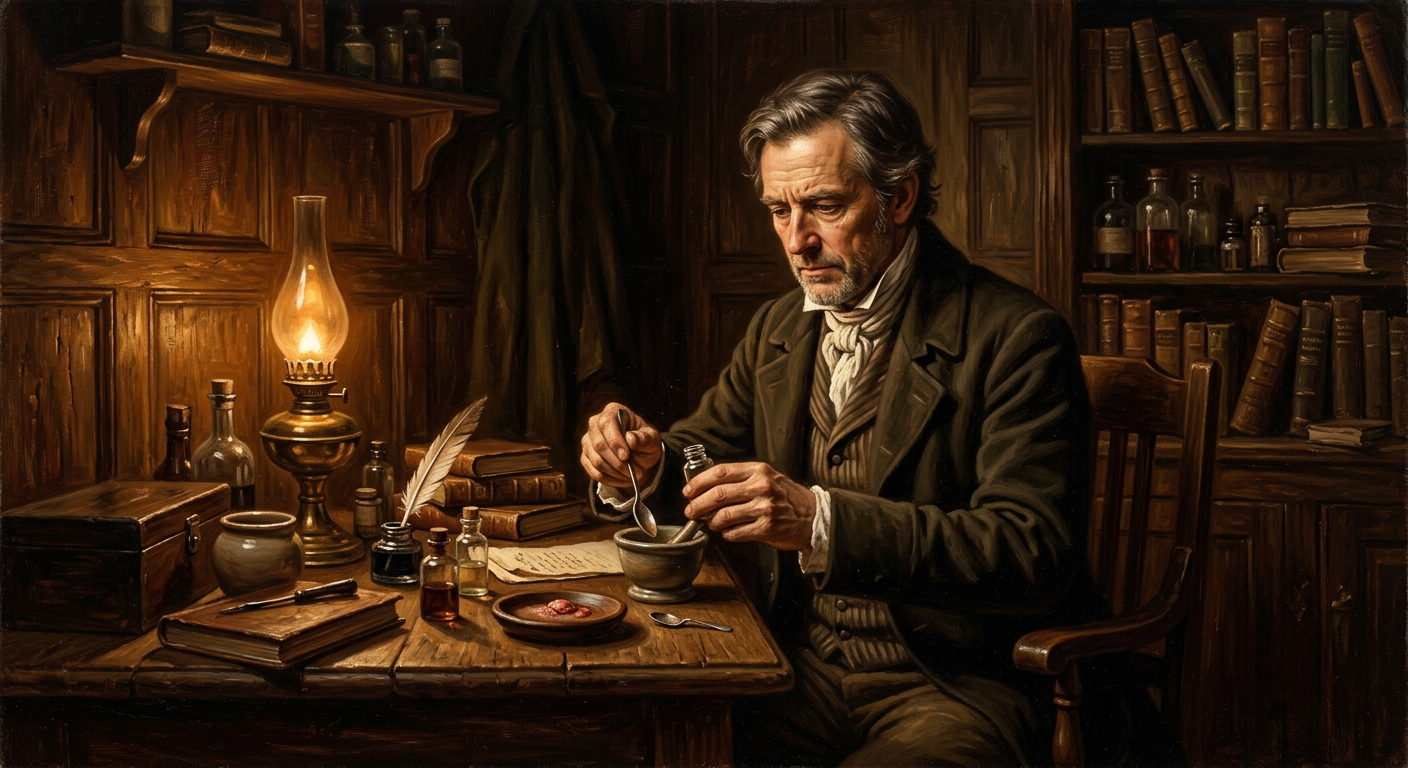
Edward Jenner
1749–1823 · Physician & Immunologist
Demonstrated and promoted the first successful vaccine against smallpox, helping establish vaccination as a powerful way to prevent infectious disease.
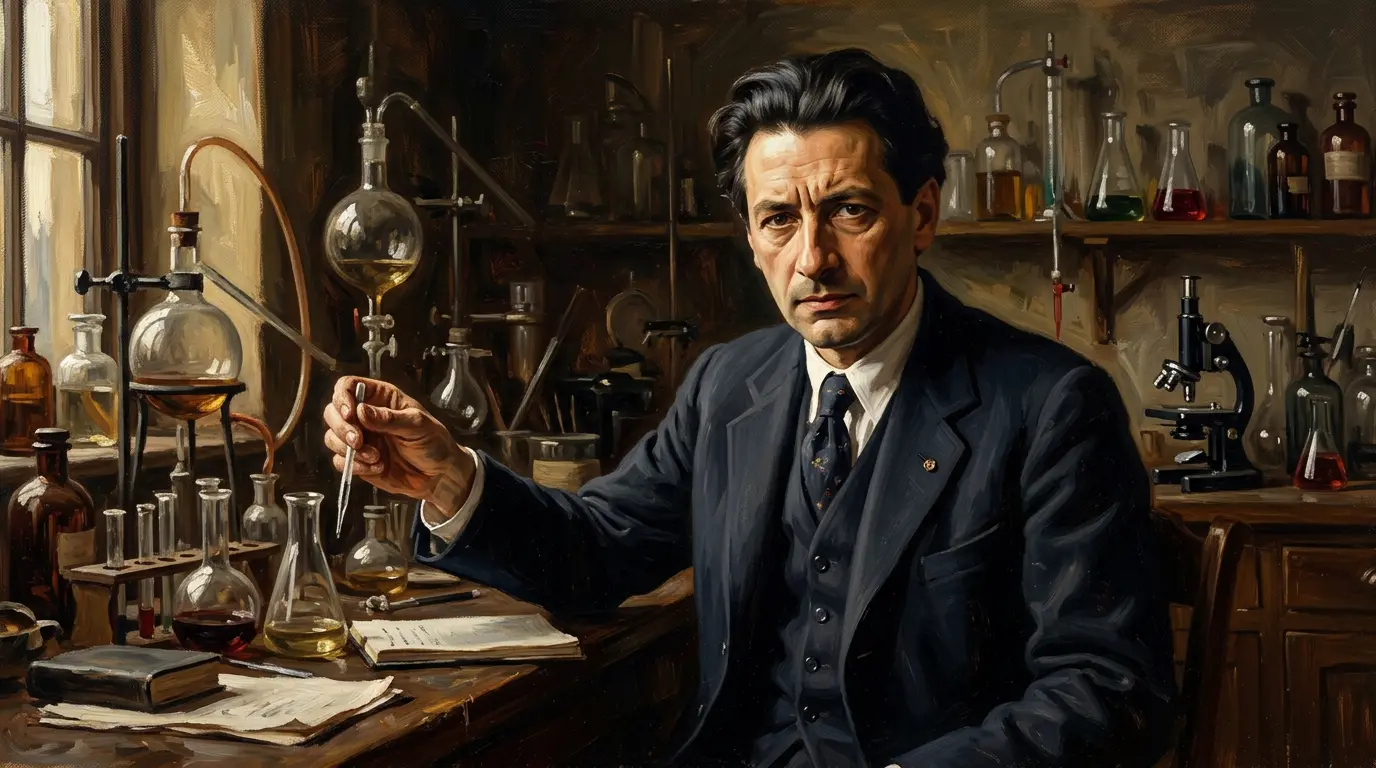
Ernst Boris Chain
1906–1979 · Biochemist
Playing a central biochemical role in the Oxford penicillin project by helping isolate, purify and concentrate penicillin, investigating its chemistry and helping turn it into a usable antibacterial medicine.
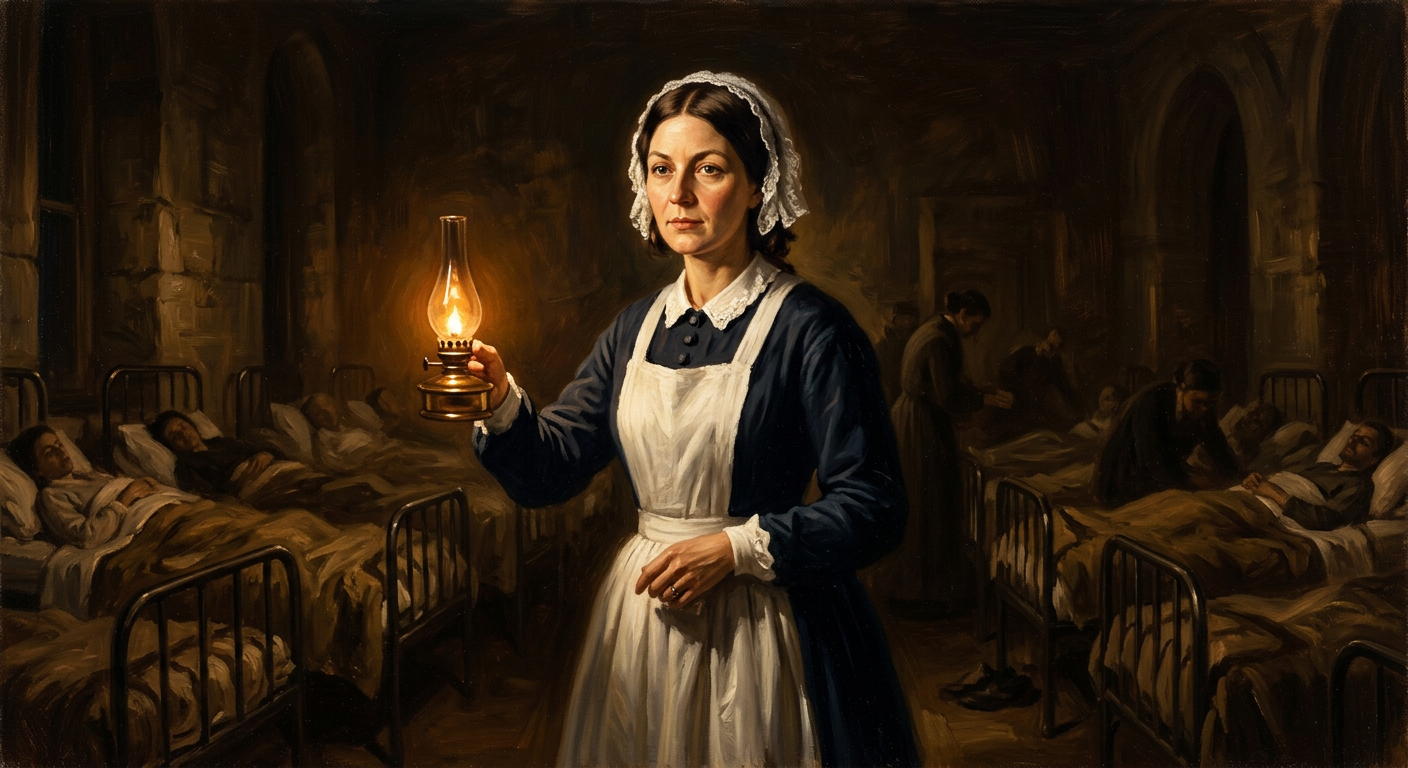
Florence Nightingale
1820–1910 · Nurse, Statistician, and Social Reformer
Helped establish professional nursing, campaigned for hospital and military-health reform, and used statistics and clear visualisations to show the human cost of preventable disease.
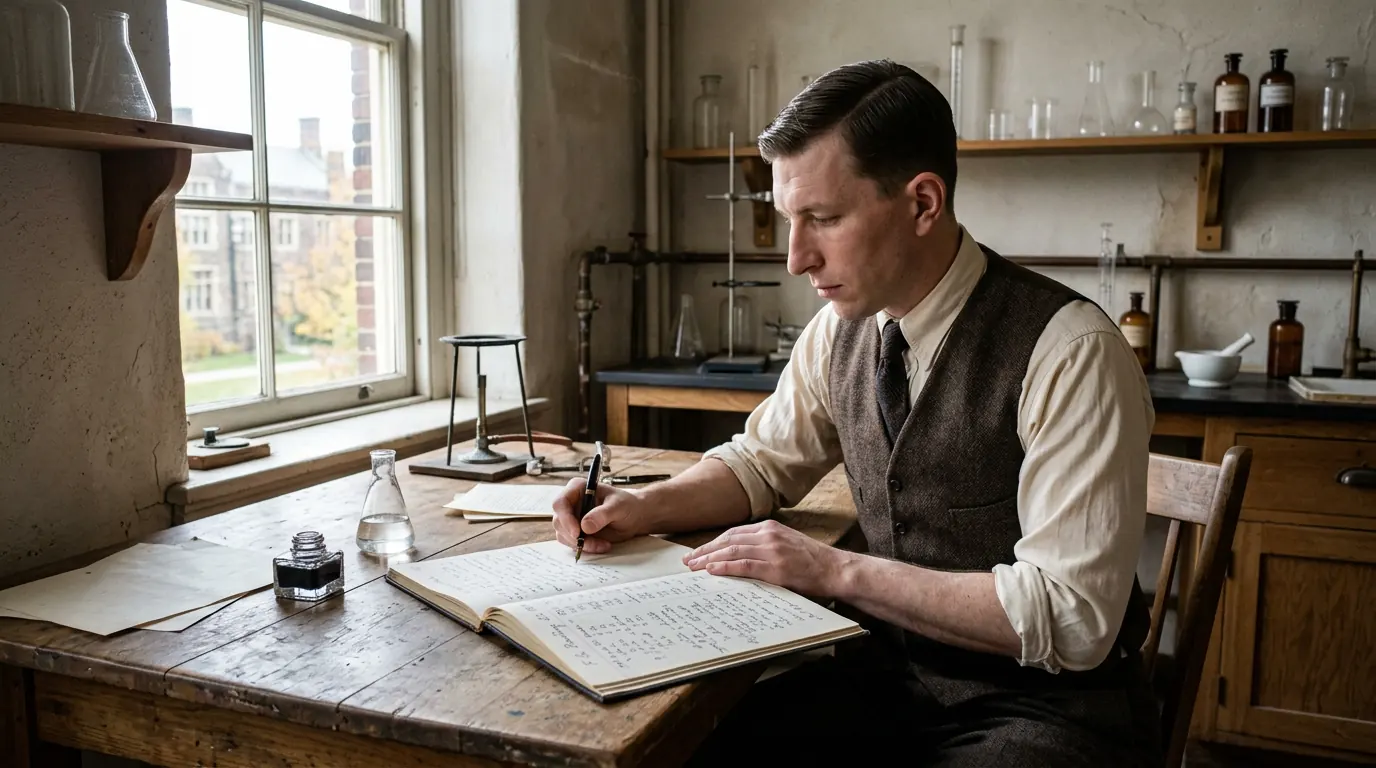
Frederick Grant Banting
1891–1941 · Diabetes and insulin research
Banting played an initiating role in the Toronto research that led to the first effective insulin treatment. In 1921 he worked with Charles Best under J. J. R. Macleod's direction; James Collip's purification work was essential before insulin could be used effectively in patients.
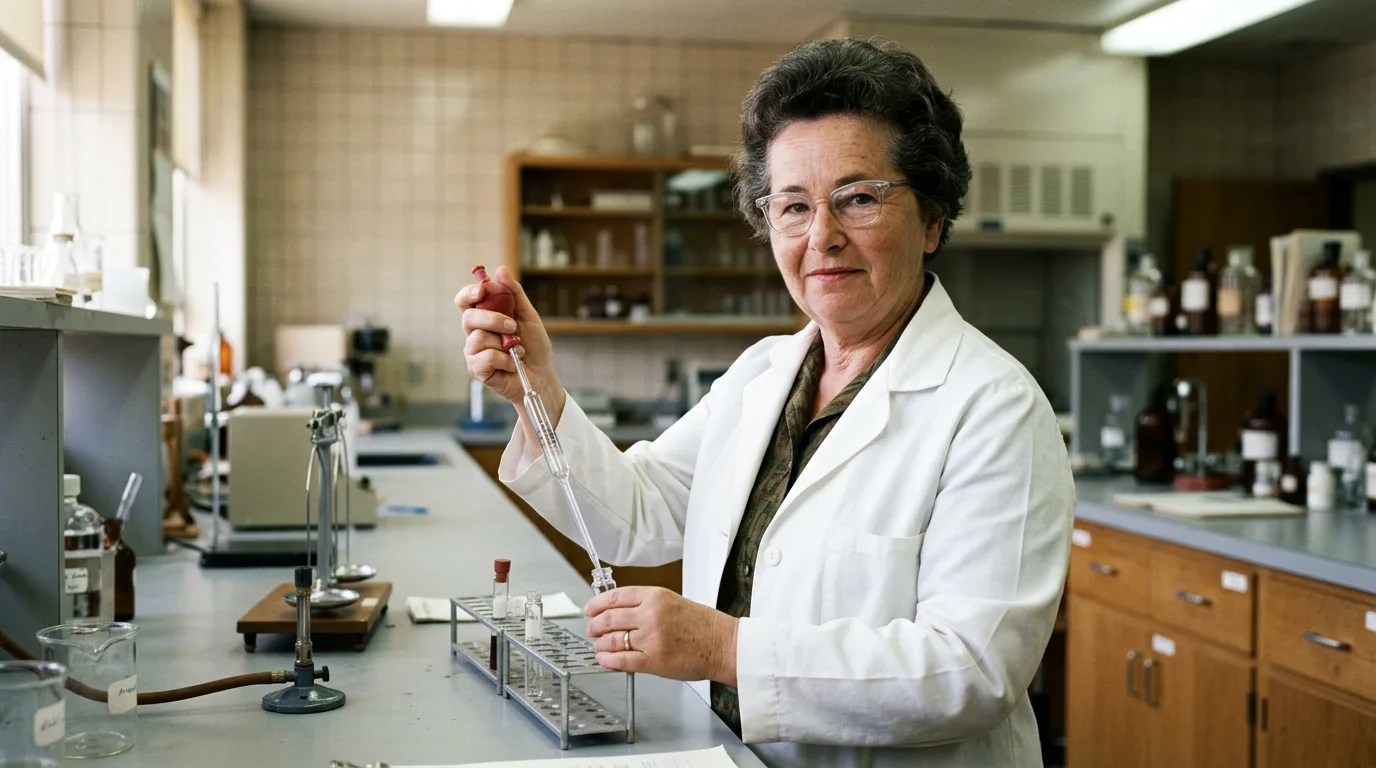
Gertrude Belle Elion
1918–1999 · Pharmacology and medicinal chemistry
Helped pioneer rational drug design and developed important medicines for leukemia, organ transplantation, gout and viral infections.
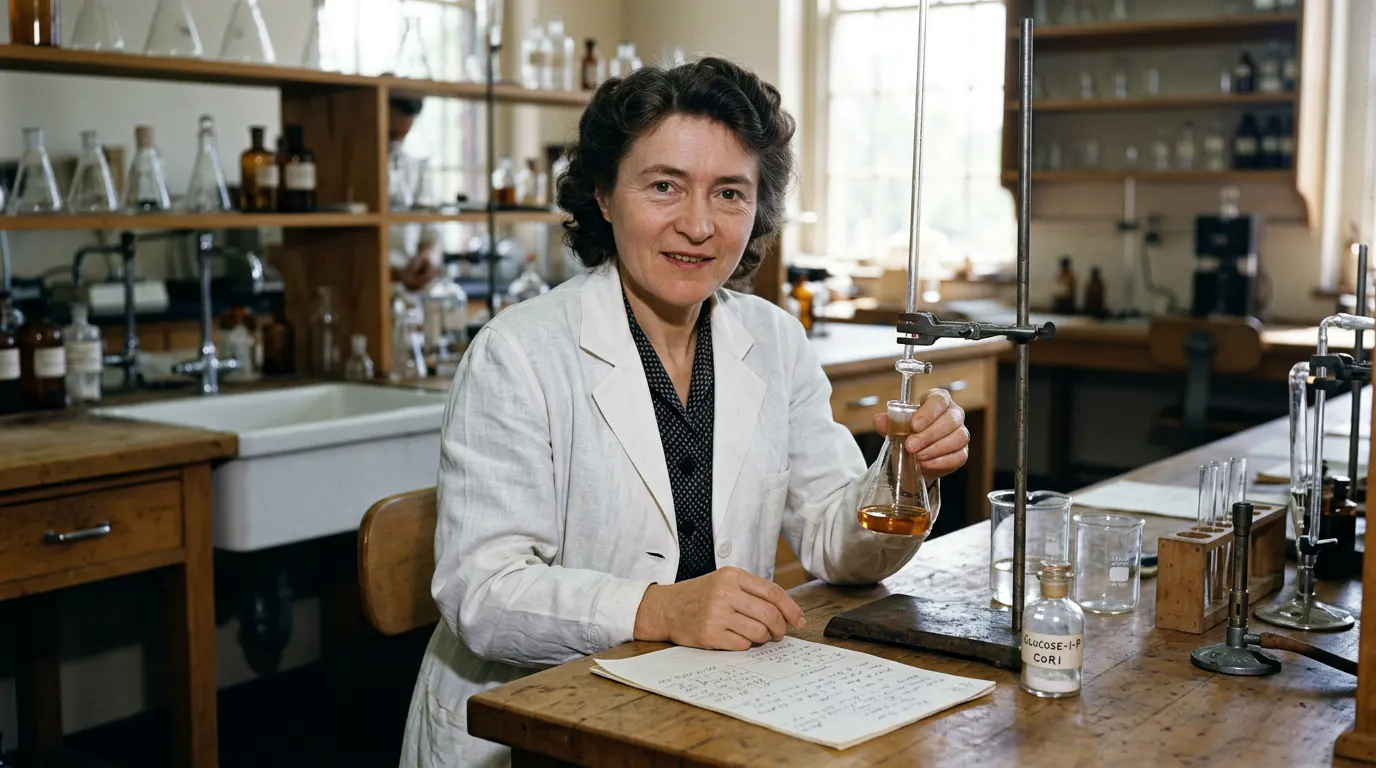
Gerty Theresa Cori
1896–1957 · Biochemistry and carbohydrate metabolism
With Carl Cori, explained key steps in how the body stores and releases glucose through glycogen metabolism, including the Cori cycle.
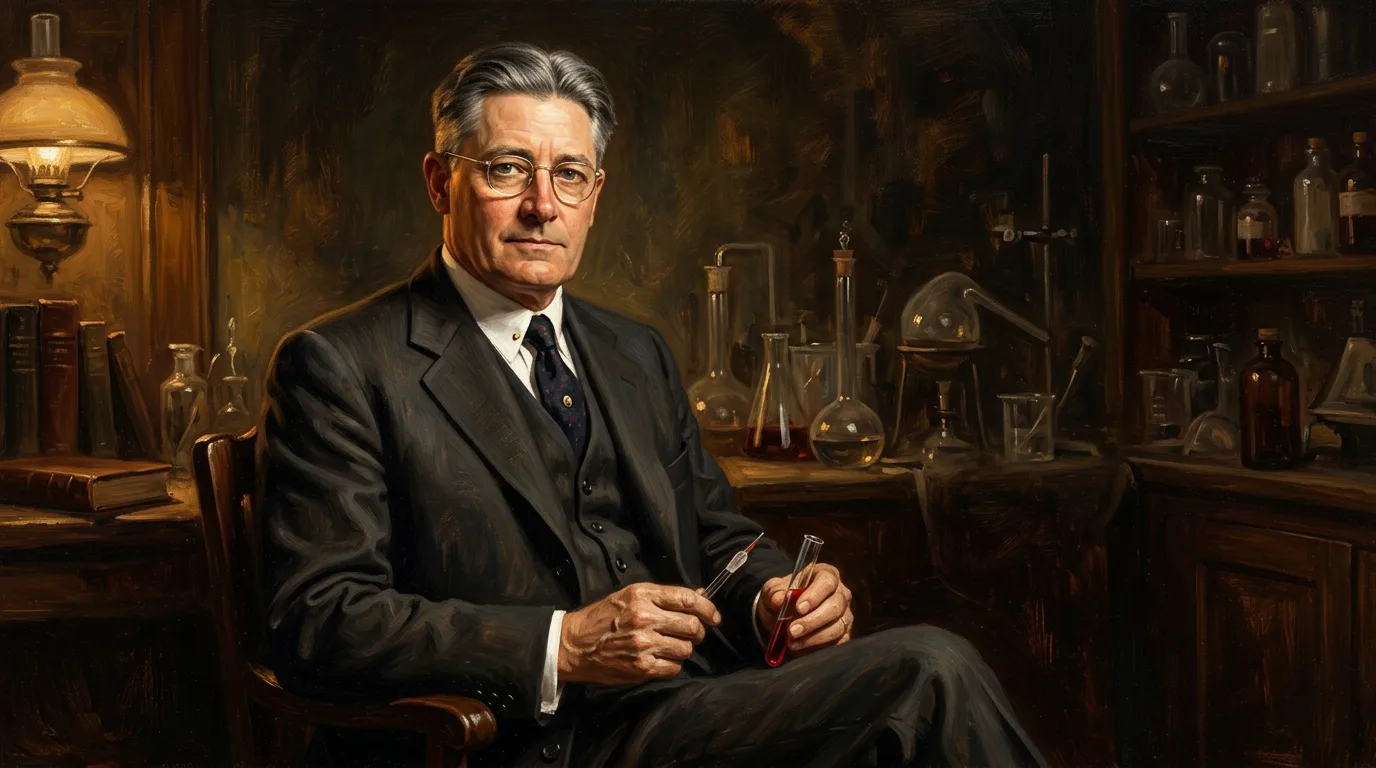
Howard Walter Florey
1898–1968 · Pathologist & Medical Scientist
Leading the Oxford team that developed penicillin into a systemic antibacterial treatment, helping turn Alexander Fleming's earlier discovery into a medicine that could be tested clinically and produced on a large scale.
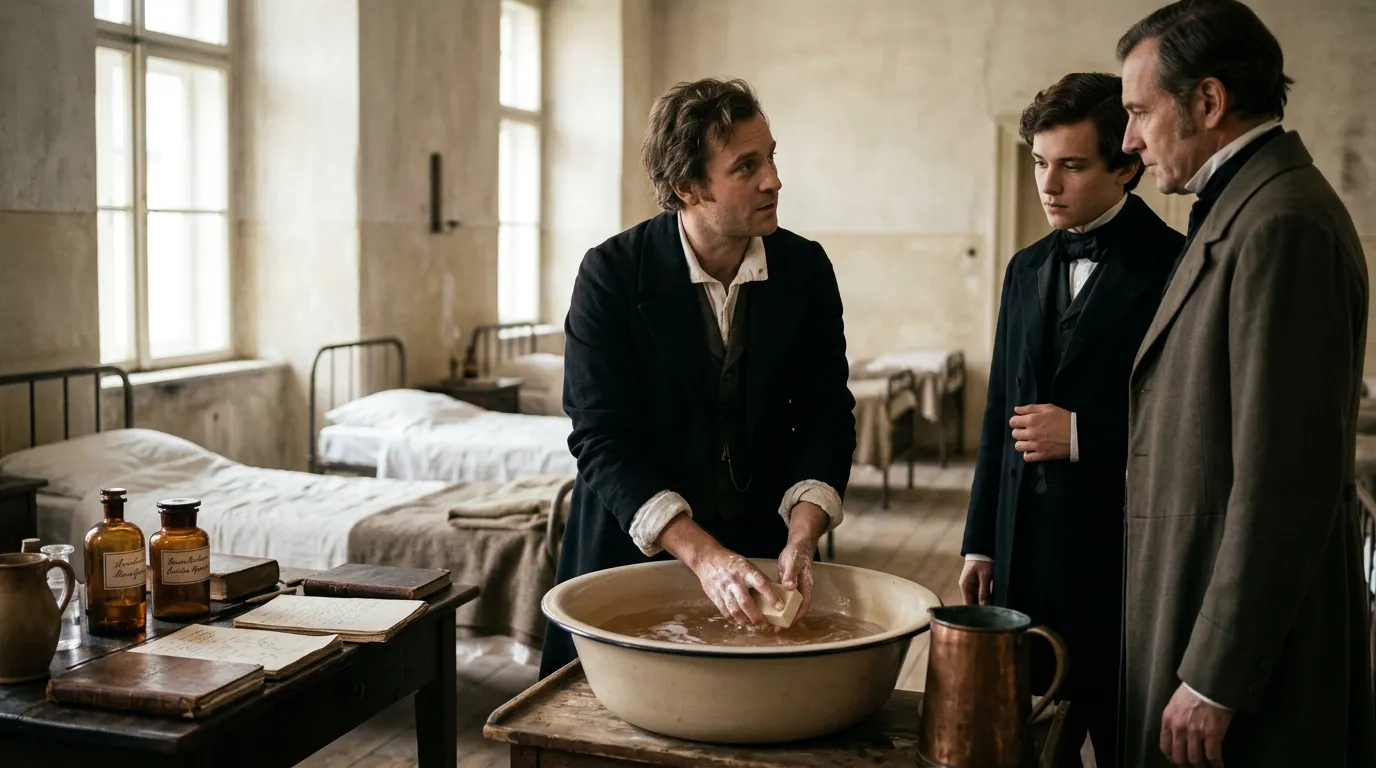
Ignác Fülöp Semmelweis
1818–1865 · Doctor and Obstetrician
Showed that requiring doctors and medical students to disinfect their hands with chlorinated lime dramatically reduced deaths from puerperal, or childbed, fever in maternity wards. An important pioneer of infection prevention and hand hygiene.
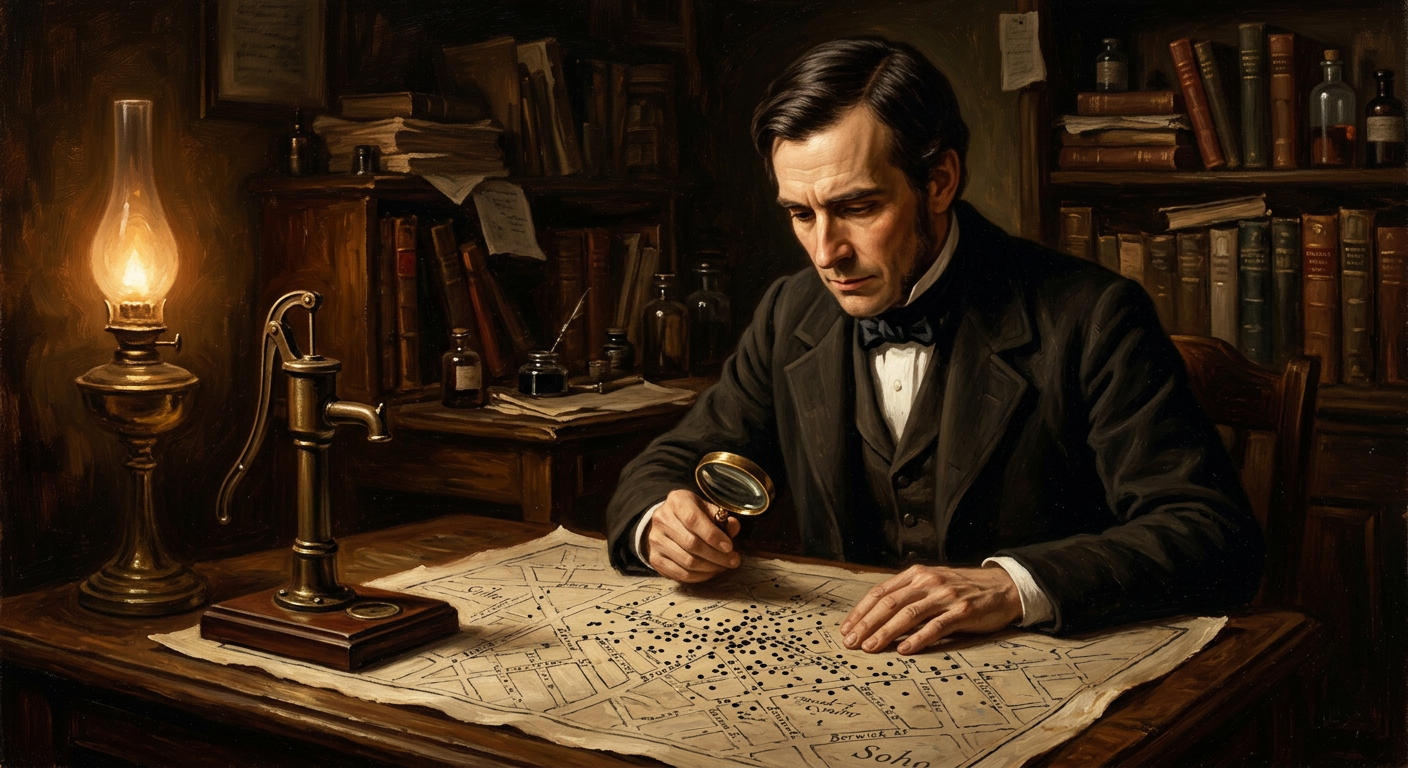
John Snow
1813–1858 · Physician
Tracing the 1854 Soho cholera outbreak to contaminated water from the Broad Street pump and providing powerful evidence for the waterborne transmission of cholera.
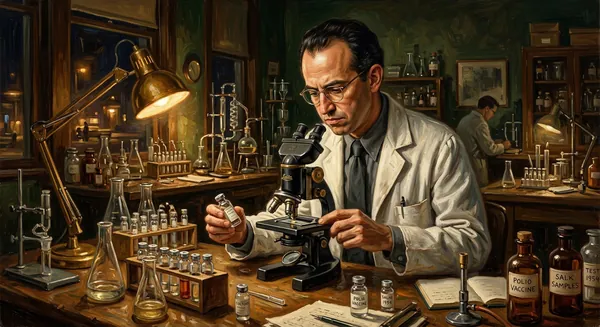
Jonas Salk
1914–1995 · Virologist and Medical Researcher
Leading the development of an effective inactivated-poliovirus vaccine that was declared safe and effective after the enormous 1954 field trial.
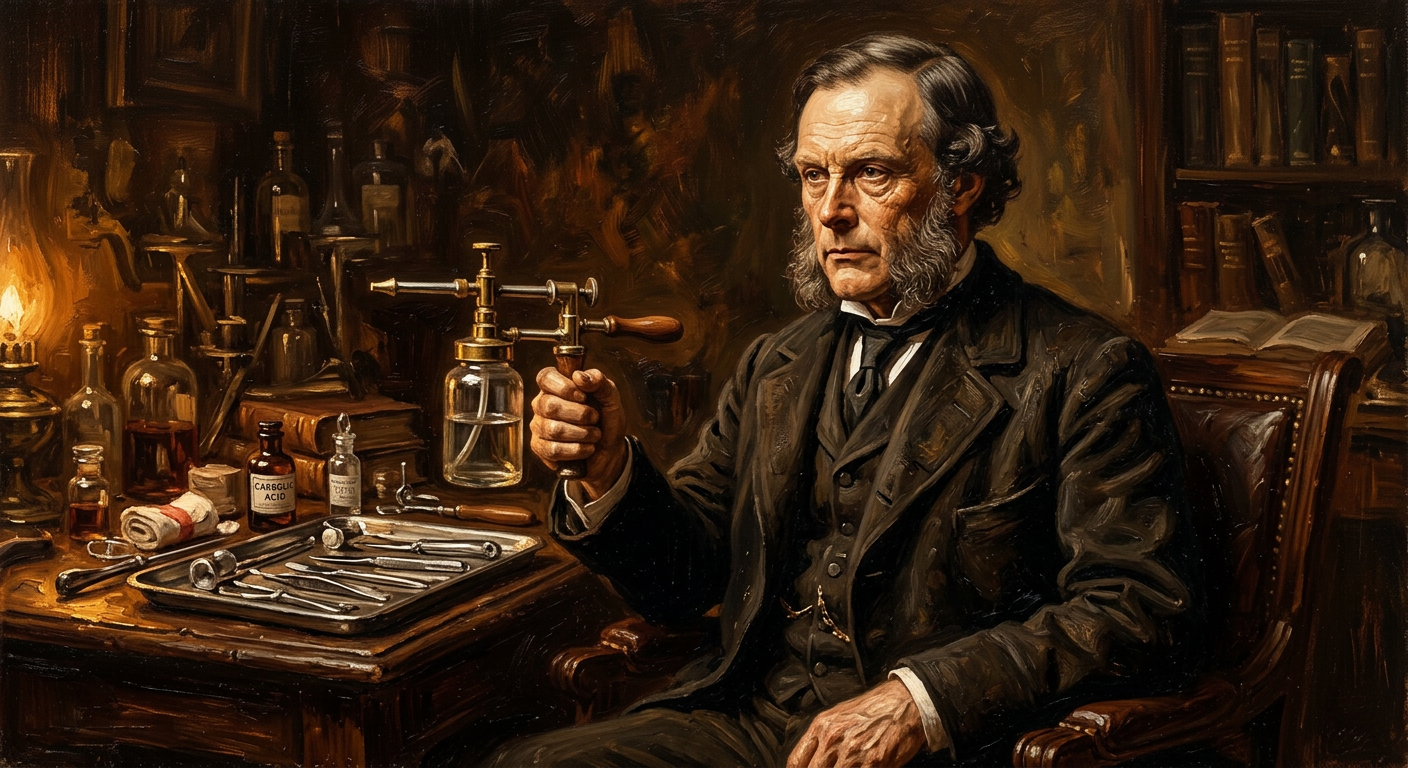
Joseph Lister
1827–1912 · Surgeon
Pioneering antiseptic surgical methods using carbolic acid and helping establish that controlling microorganisms could dramatically reduce surgical infection.
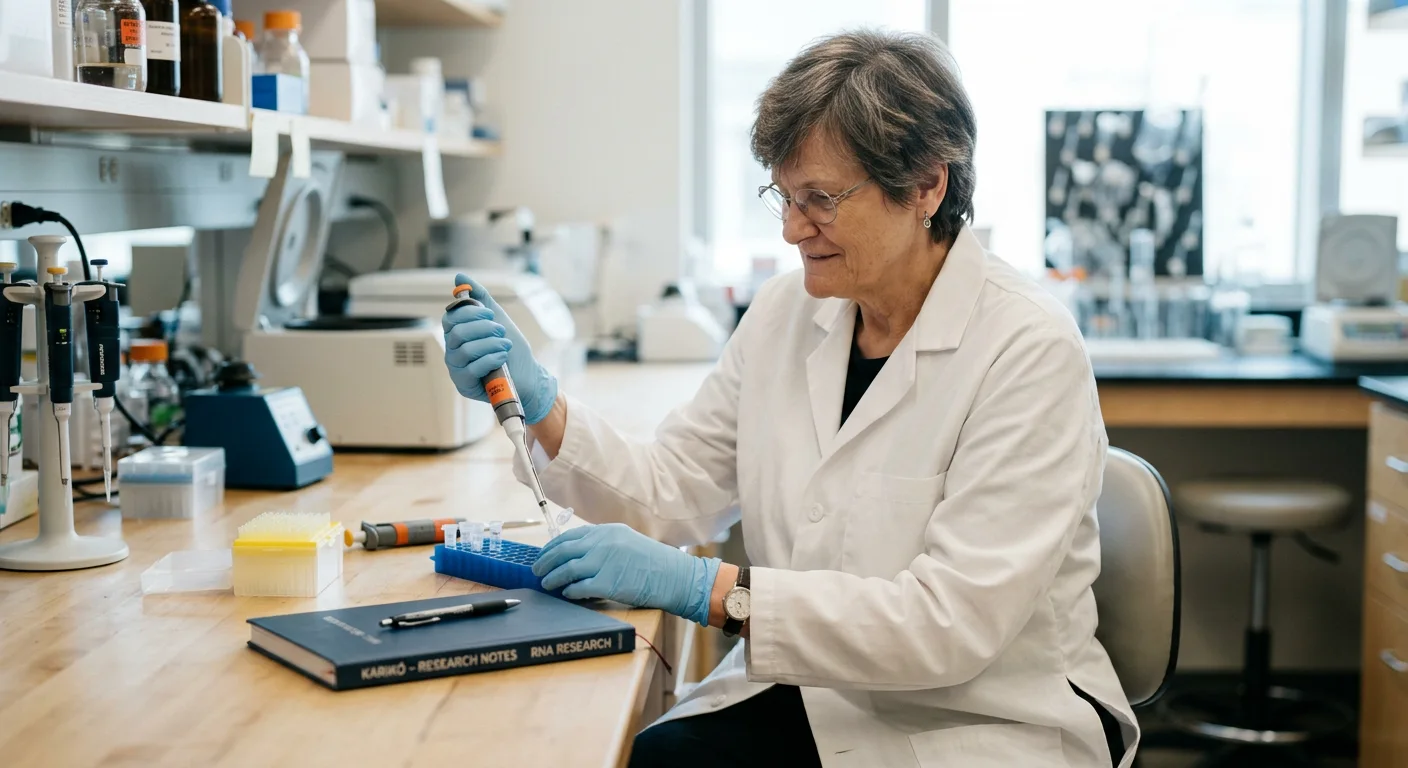
Katalin Karikó
1955–present · Biochemistry and RNA medicine
Working with Drew Weissman, Karikó discovered how changes to laboratory-made messenger RNA could reduce unwanted immune reactions. Their research helped make mRNA vaccines possible.
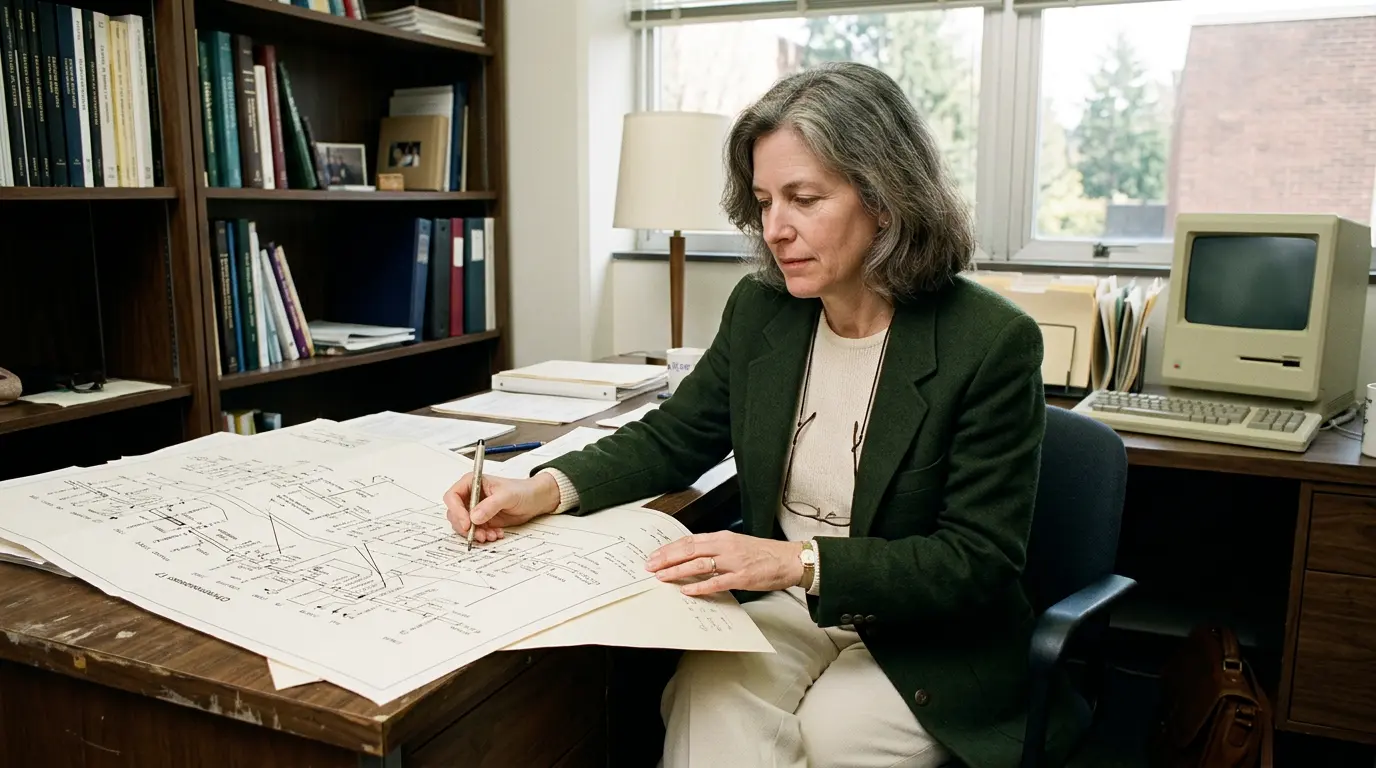
Mary-Claire King
1946–present · Human genetics and cancer genetics
Mary-Claire King mapped the inherited breast-cancer susceptibility region later named BRCA1 and used genetics to help reunite separated families.
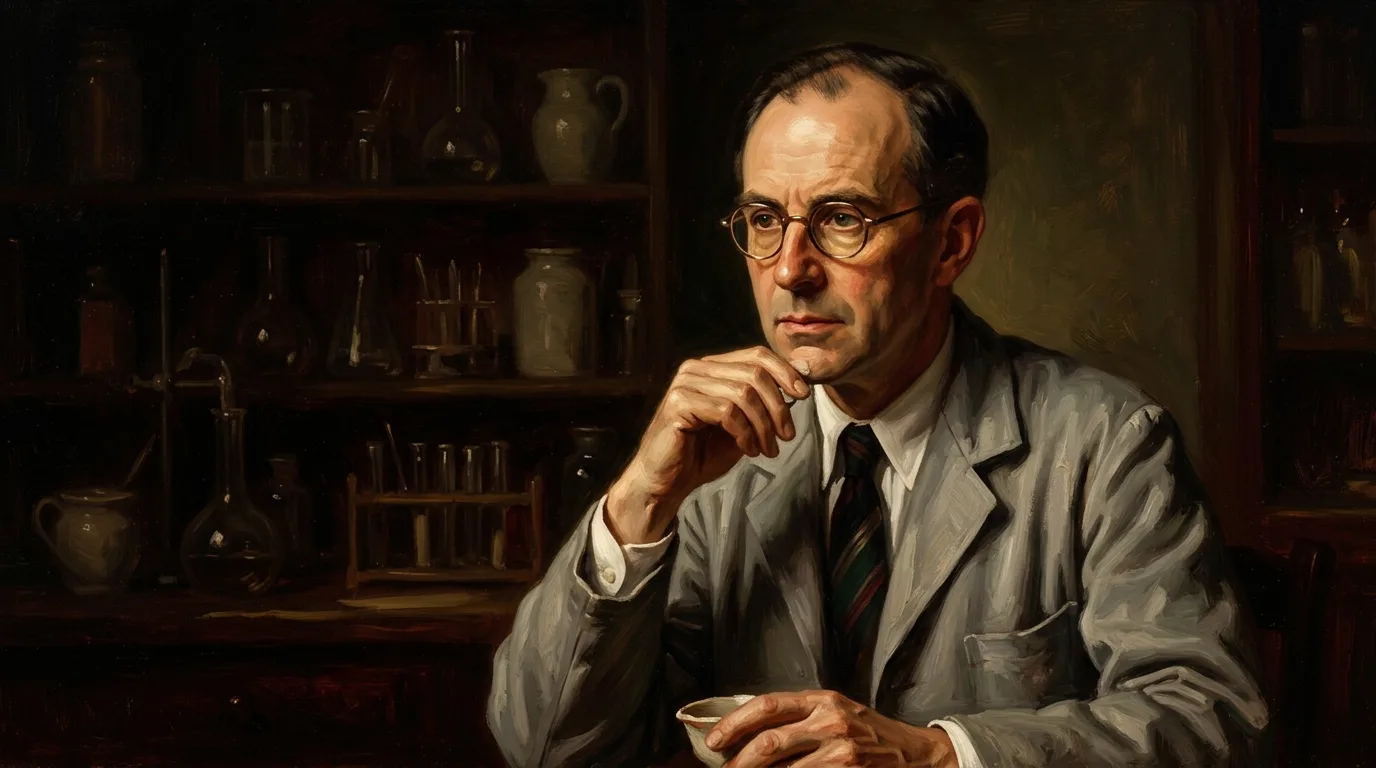
Norman George Heatley
1911–2004 · Biochemist
Making crucial practical breakthroughs in the Oxford penicillin project, including methods to assay, extract, purify and produce enough penicillin for the experiments and early clinical trials that helped turn it into a medicine.
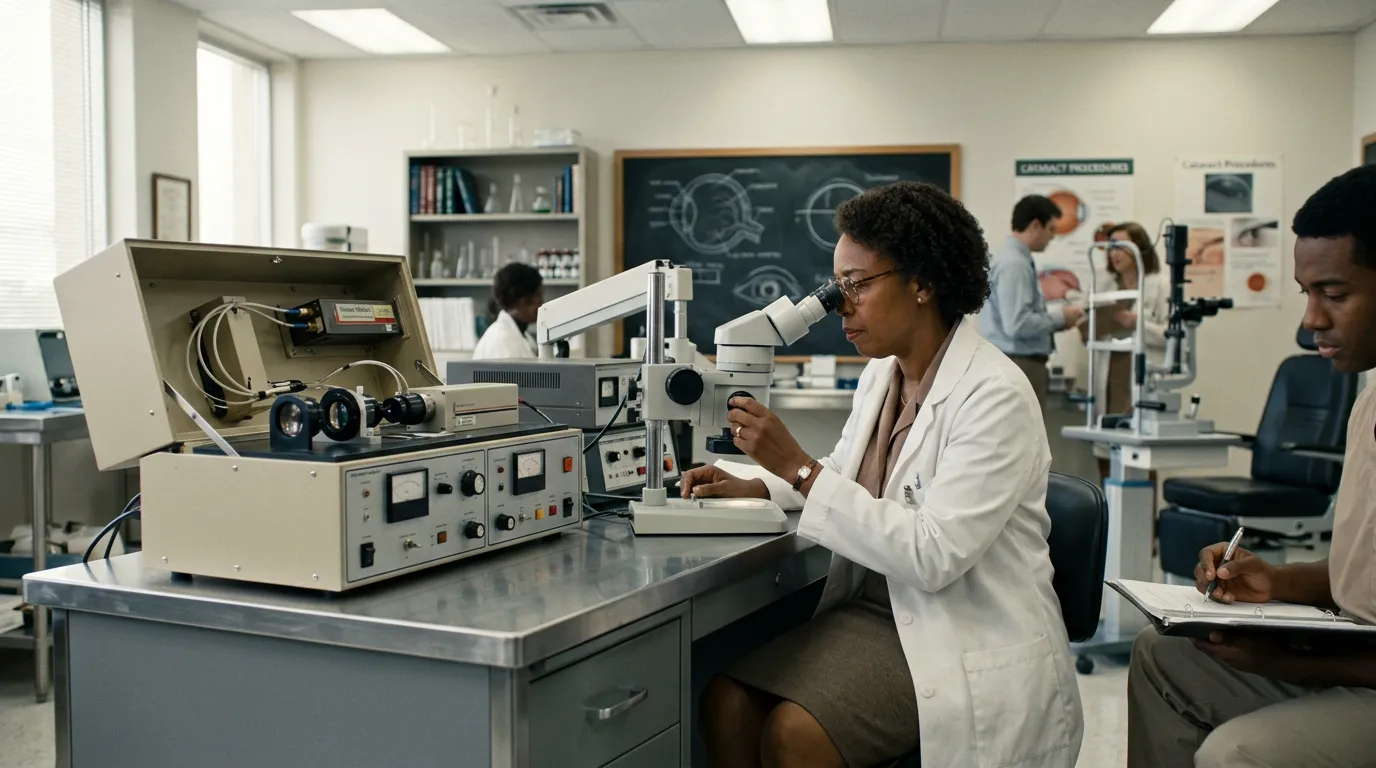
Patricia Bath
1942–2019 · Ophthalmologist and Inventor
Inventing the Laserphaco technique and device for cataract surgery and pioneering community ophthalmology.
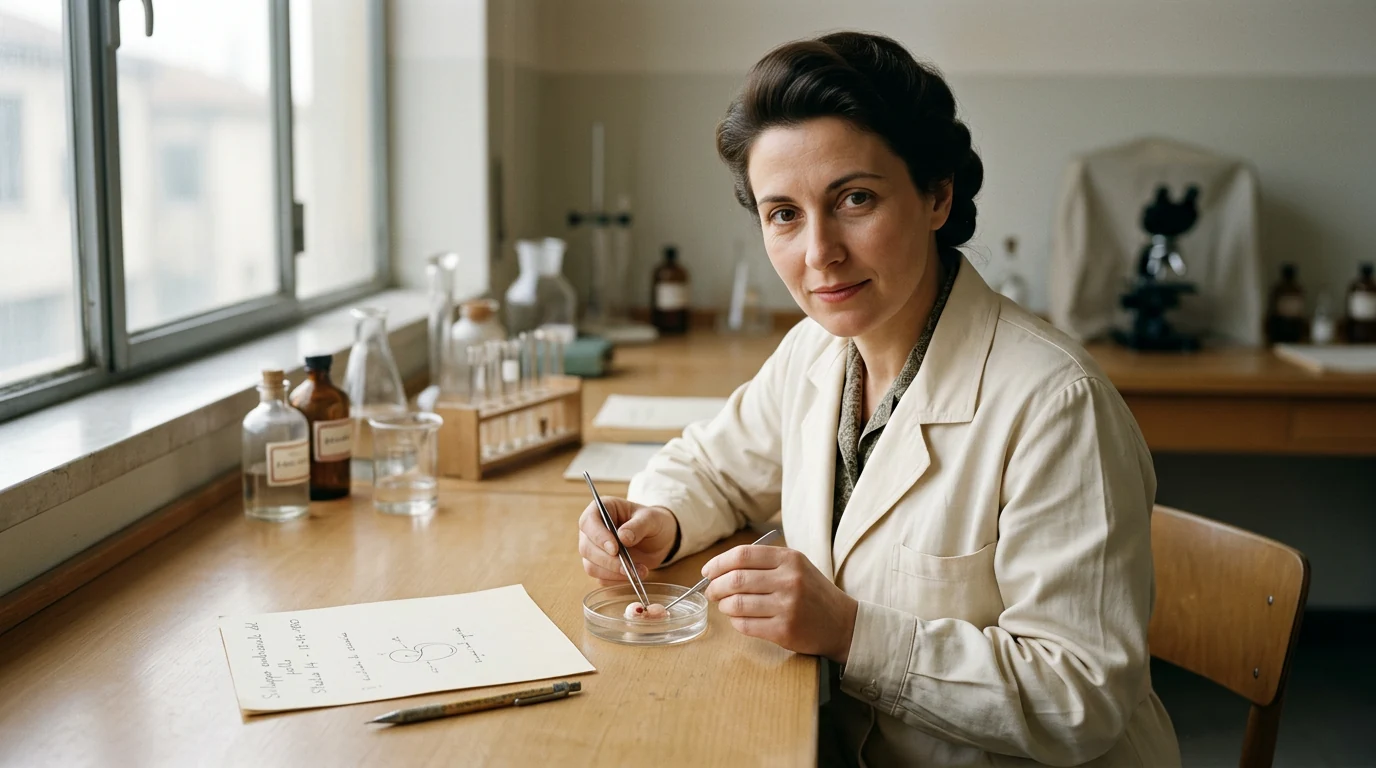
Rita Levi-Montalcini
1909–2012 · Neuroscience and nerve growth factor
Rita Levi-Montalcini discovered how nerve growth factor supports developing neurons, continuing scientific work despite wartime persecution and later sharing a Nobel Prize.
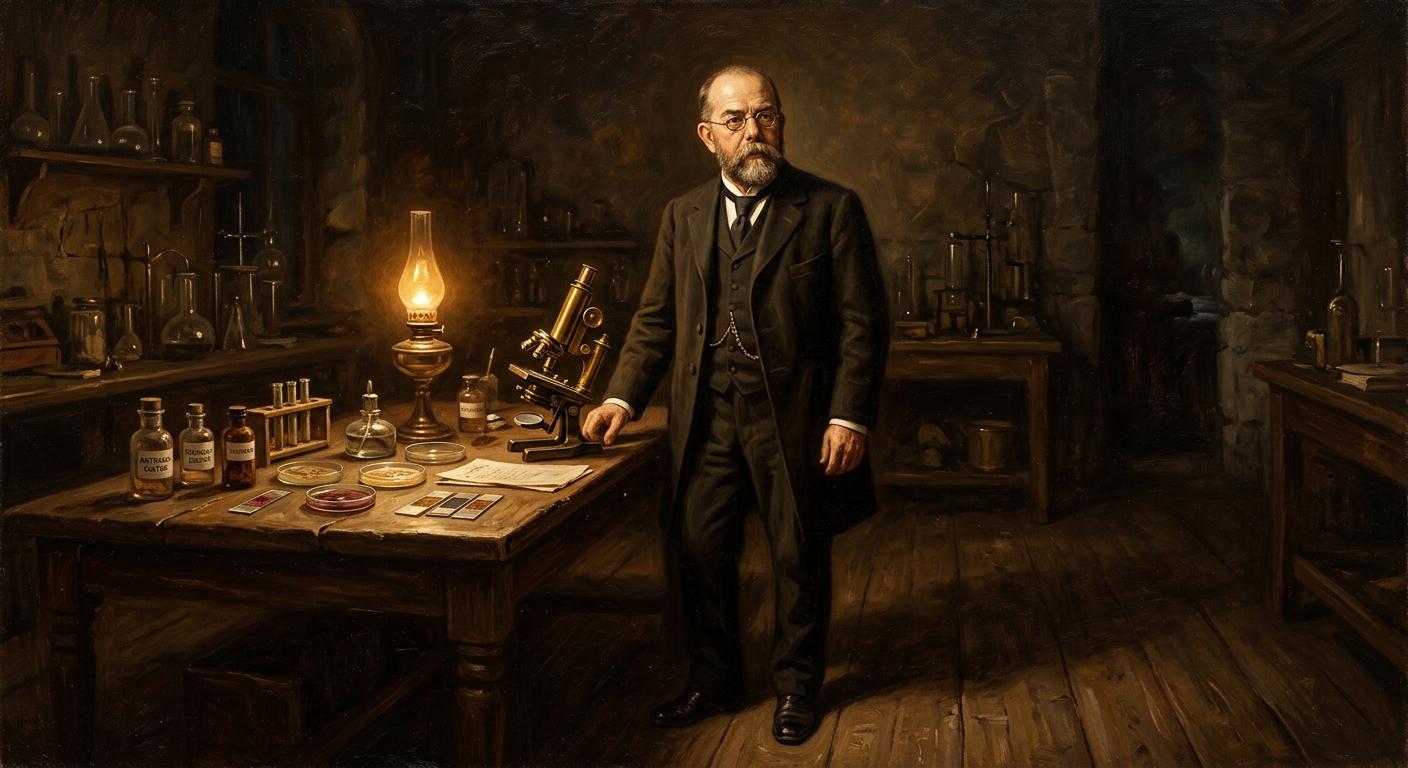
Robert Koch
1843–1910 · Physician and Microbiologist
Provided landmark evidence linking the anthrax bacterium to anthrax, identified the bacterium that causes tuberculosis and independently identified the cholera bacterium during investigations in India.
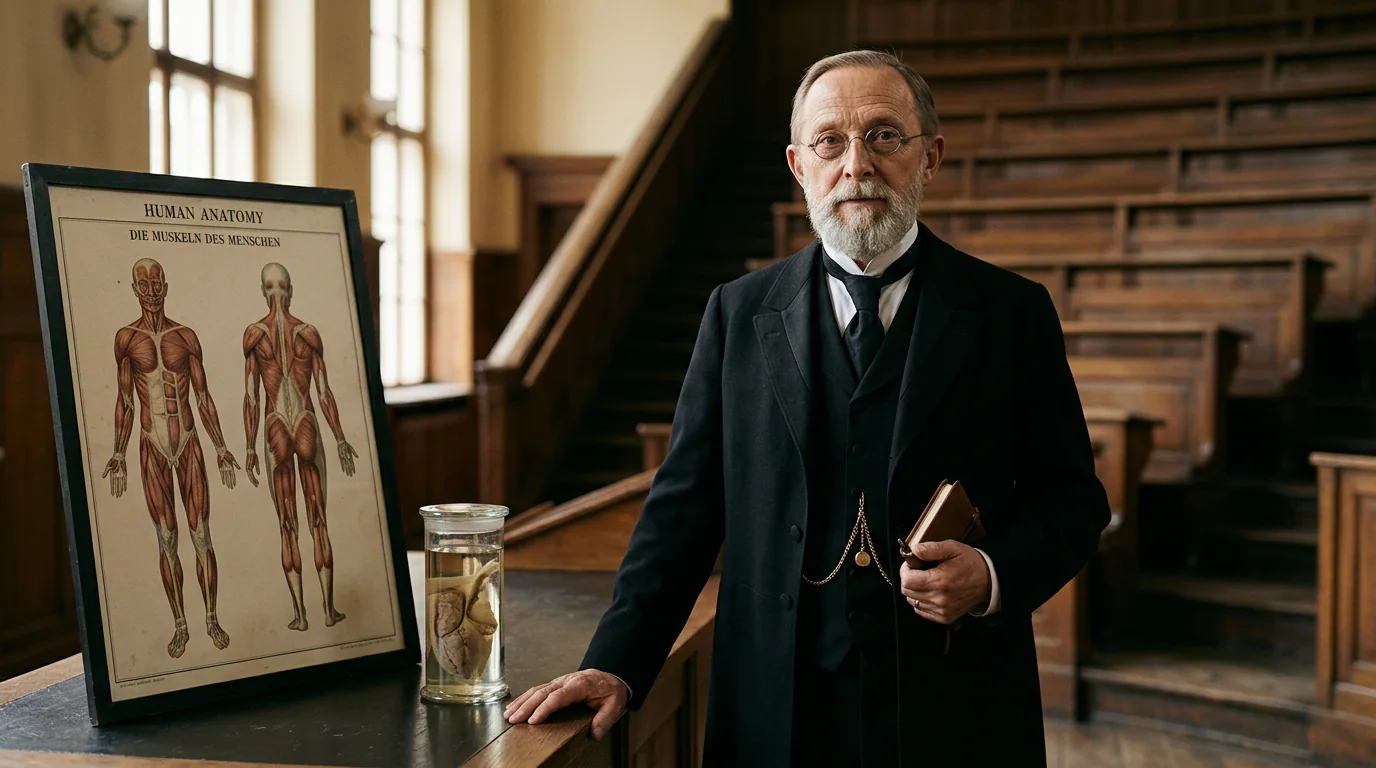
Rudolf Virchow
1821–1902 · Cellular pathology, medicine and public health
Rudolf Virchow helped establish cellular pathology, showing how examining diseased cells could transform medicine, while advocating public-health reform.
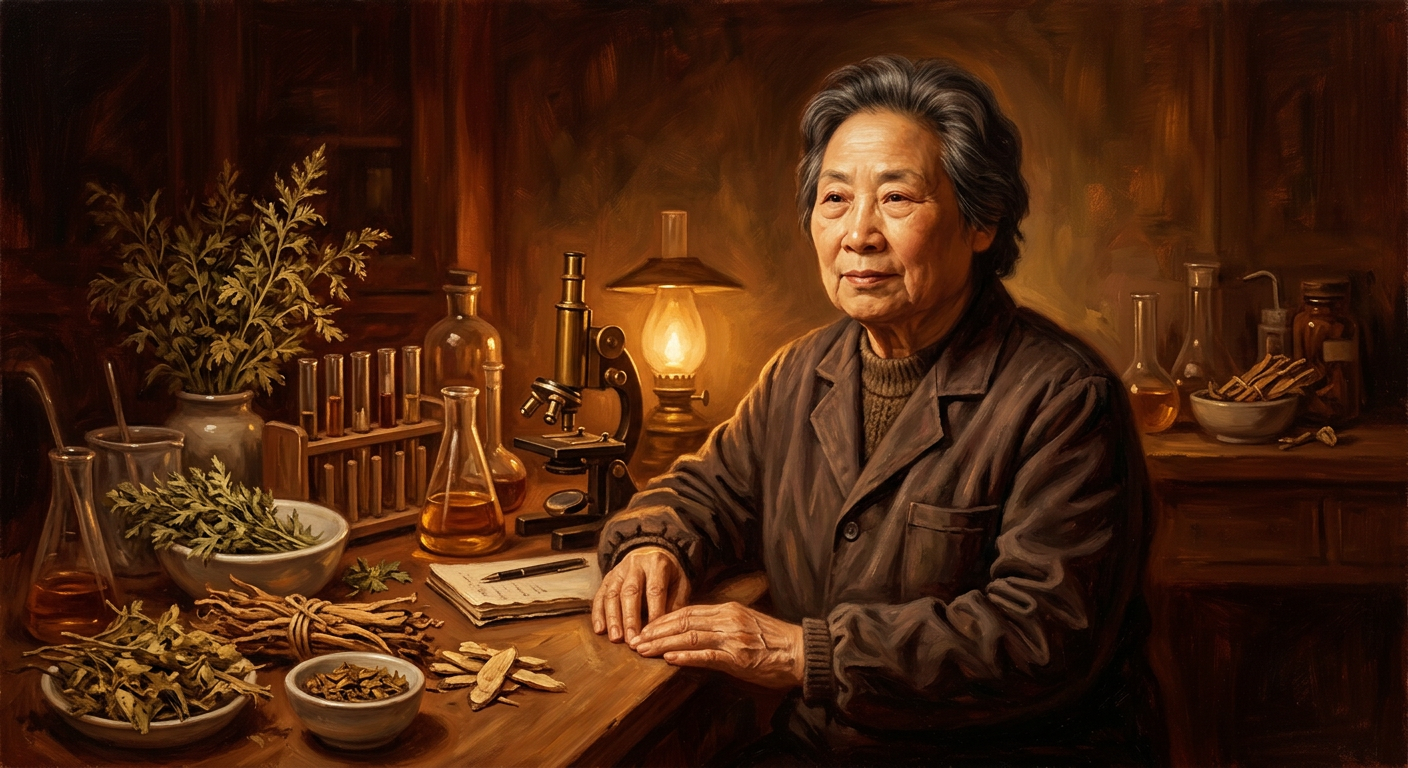
Tu Youyou
1930–present · Pharmaceutical Chemist
Discovering artemisinin, which became central to artemisinin-based combination therapies used to treat malaria worldwide.