Space & Astronomy
Stars, planets, galaxies, and humanity's exploration of the cosmos.
25 scientists
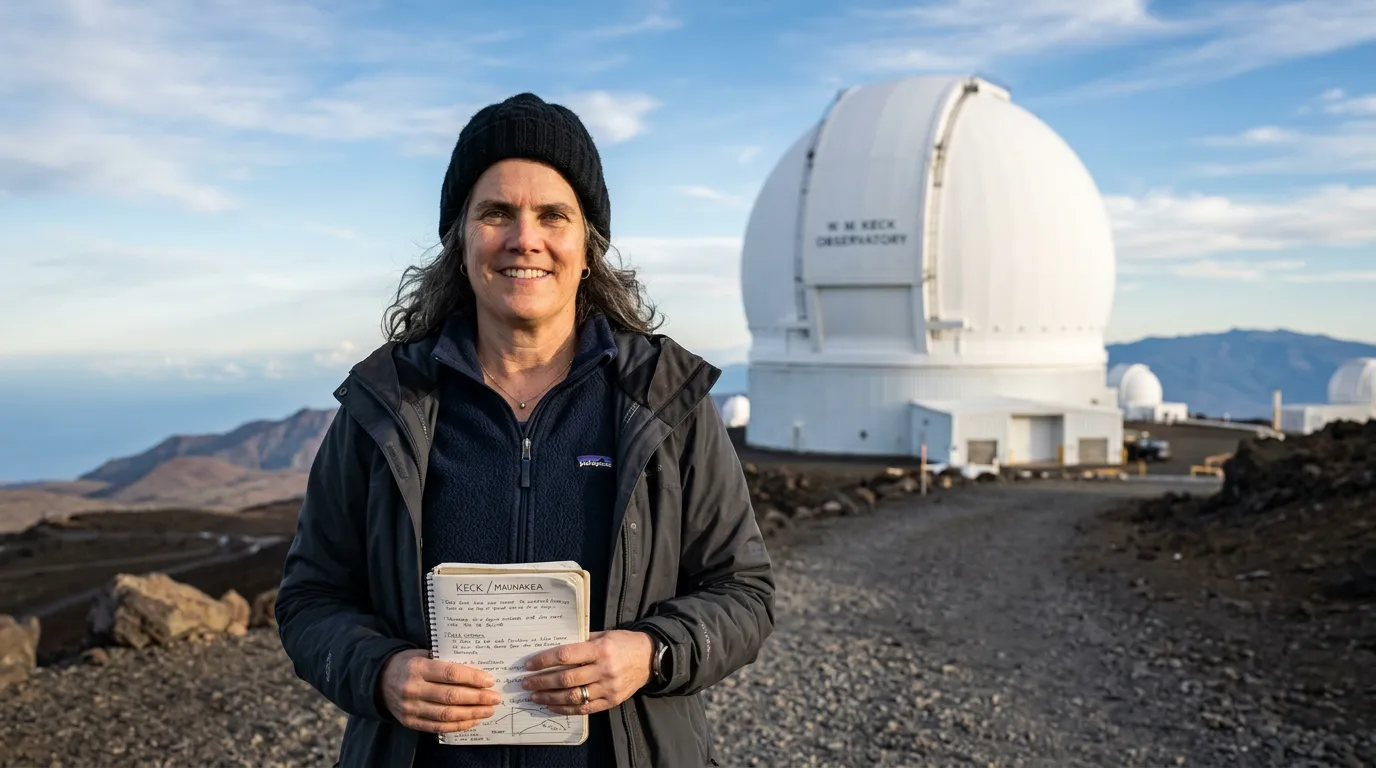
Andrea Ghez
1965–present · Astronomy and astrophysics
Ghez led a team that tracked stars orbiting the Milky Way's centre, providing strong evidence for a supermassive black hole at the Galactic Centre.
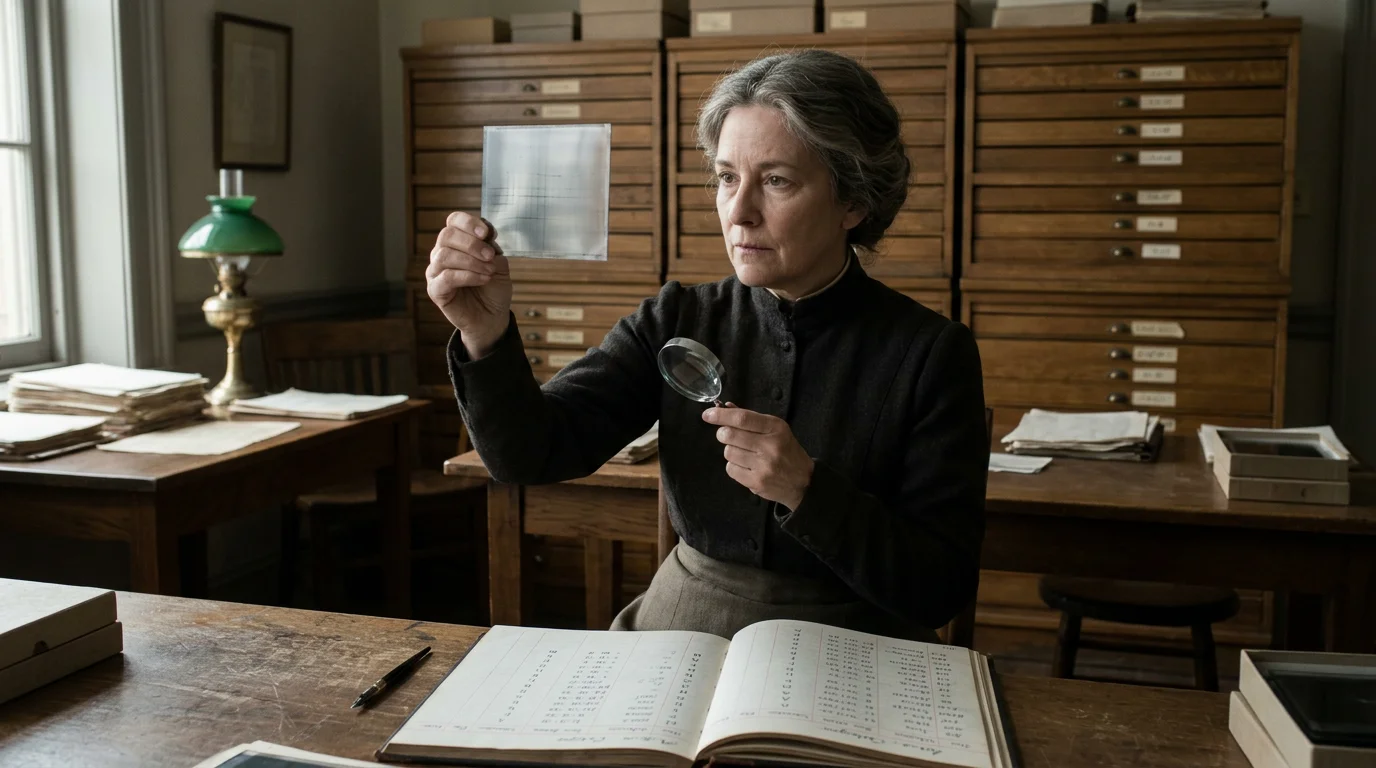
Annie Jump Cannon
1863–1941 · Astronomy
An American astronomer who standardised the stellar spectral classification system still used today.
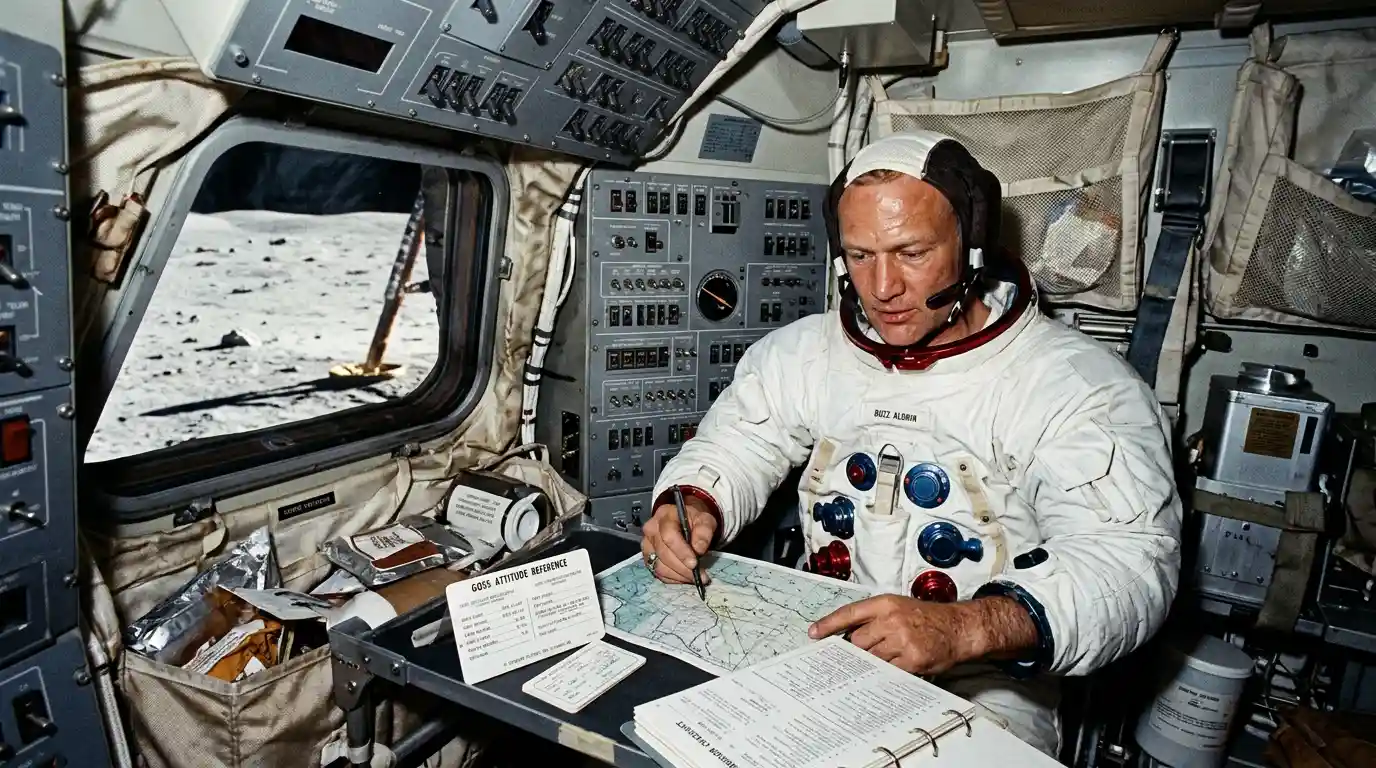
Buzz Aldrin
1930–present · Astronaut
Serving as Apollo 11 lunar module pilot and becoming the second human to walk on the Moon.
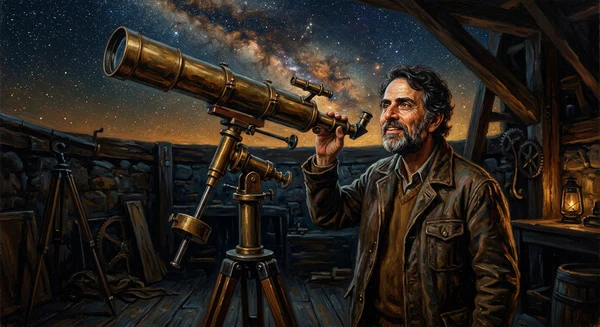
Carl Sagan
1934–1996 · Astronomer & Science Communicator
Helped shape modern planetary science, chaired the team that selected the Voyager Golden Record's contents, and brought astronomy to a huge public audience through Cosmos.
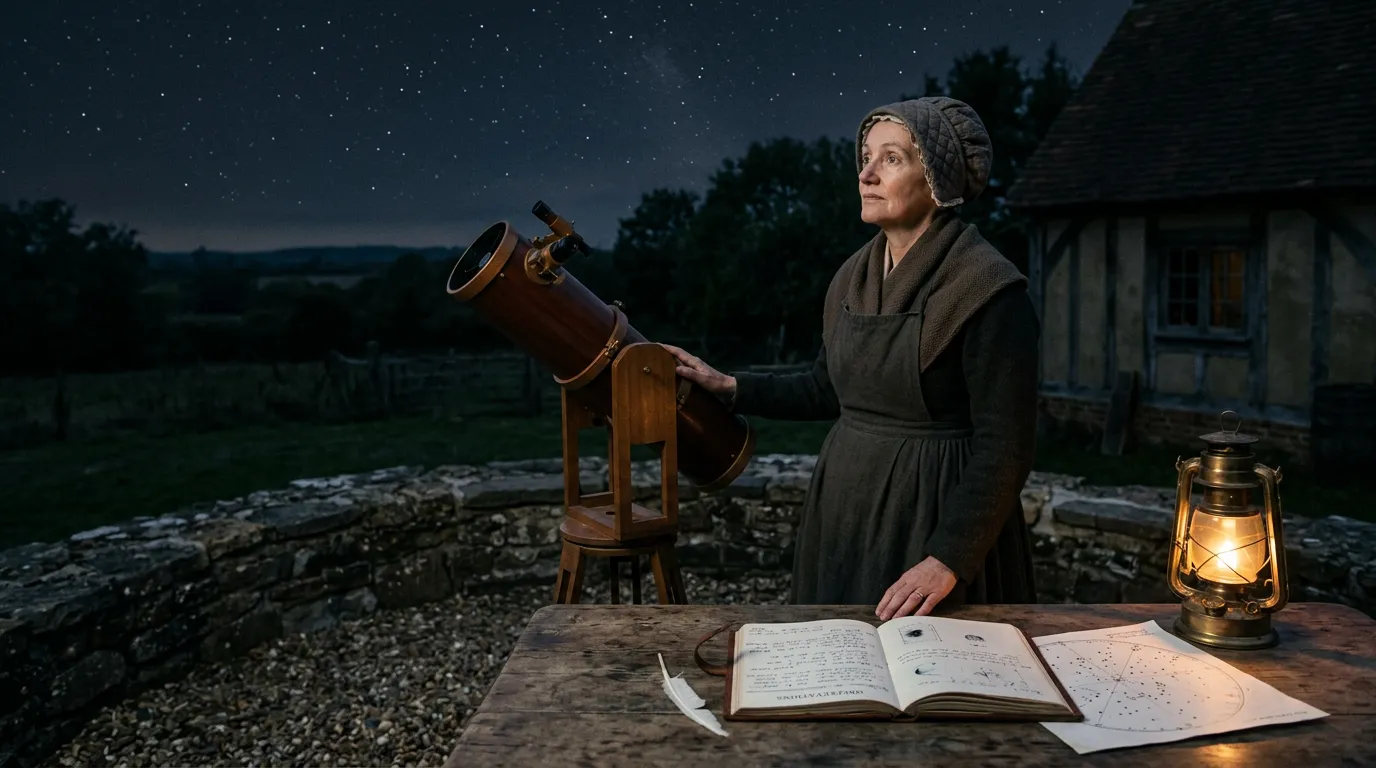
Caroline Herschel
1750–1848 · Comets, nebulae, star catalogues and observational astronomy
The first woman known to receive a salary for astronomical work, who discovered eight comets and made important catalogue contributions.
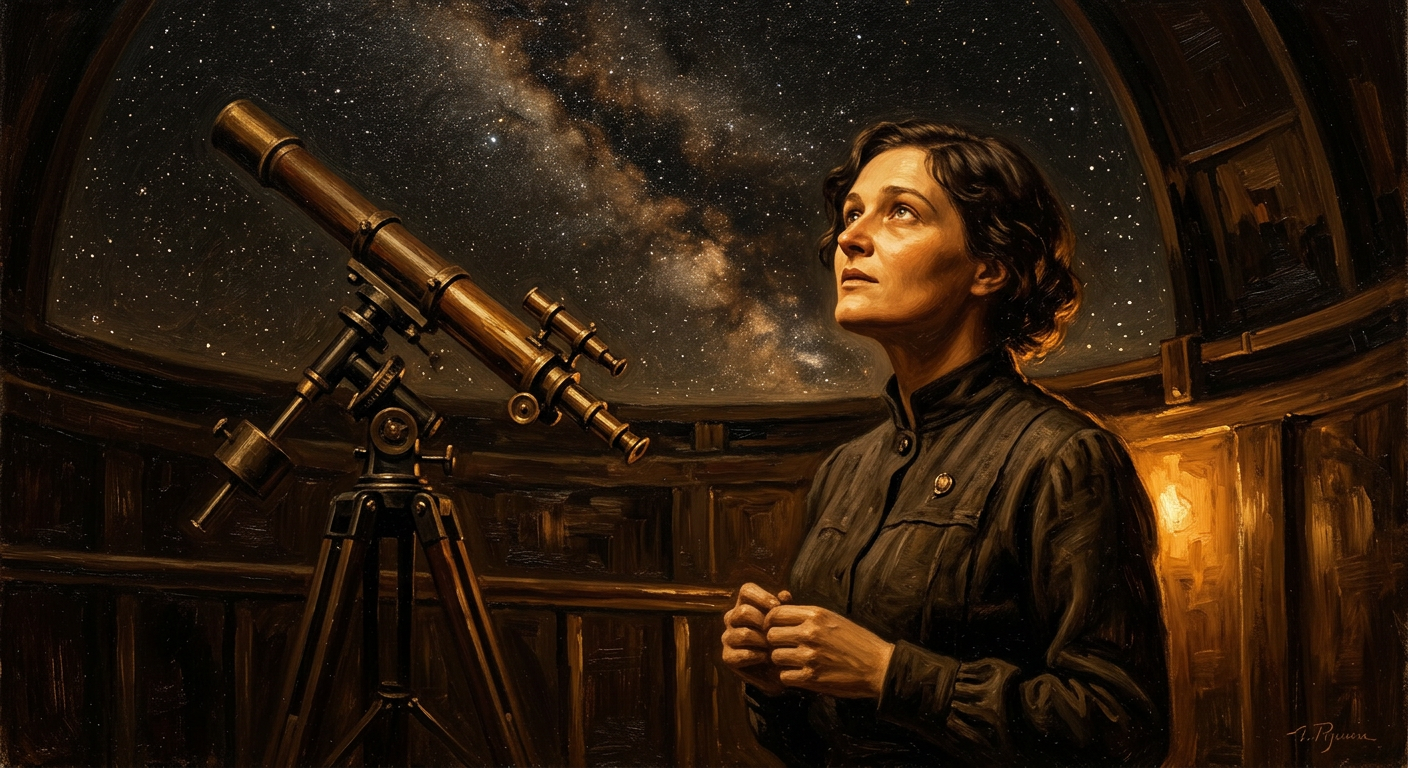
Cecilia Payne-Gaposchkin
1900–1979 · Astronomer
Showed in her 1925 doctoral thesis that hydrogen and helium are enormously more abundant in stars than previously believed, laying a foundation for modern stellar astrophysics.
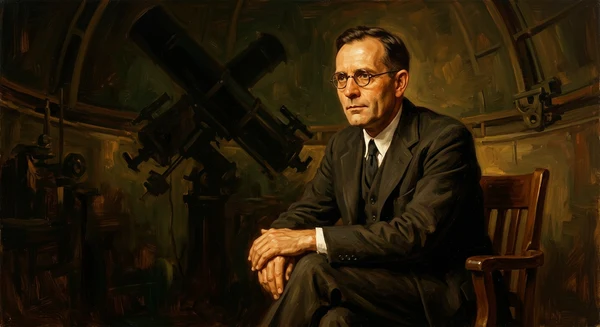
Edwin Hubble
1889–1953 · Astronomer
Showed that galaxies exist far beyond the Milky Way and published the distance–redshift relationship now called the Hubble–Lemaître law.
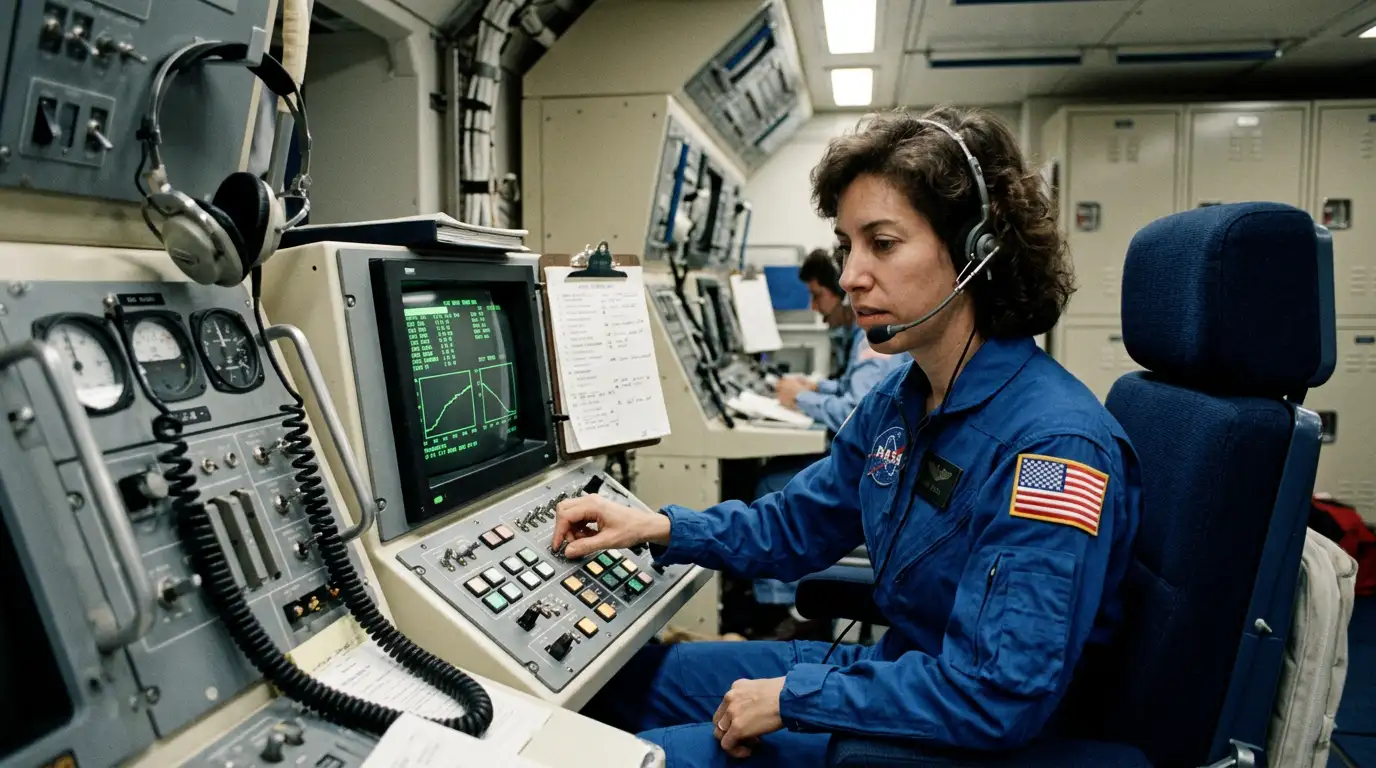
Ellen Ochoa
1958–present · Electrical Engineer and Astronaut
Electrical-engineering research, co-inventing optical systems and becoming the first Hispanic woman to travel into space.
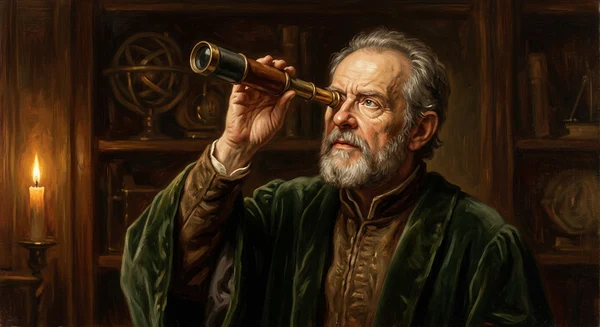
Galileo Galilei
1564–1642 · Astronomer & Physicist
Making pioneering telescopic observations that strongly supported heliocentrism and transformed observational astronomy.
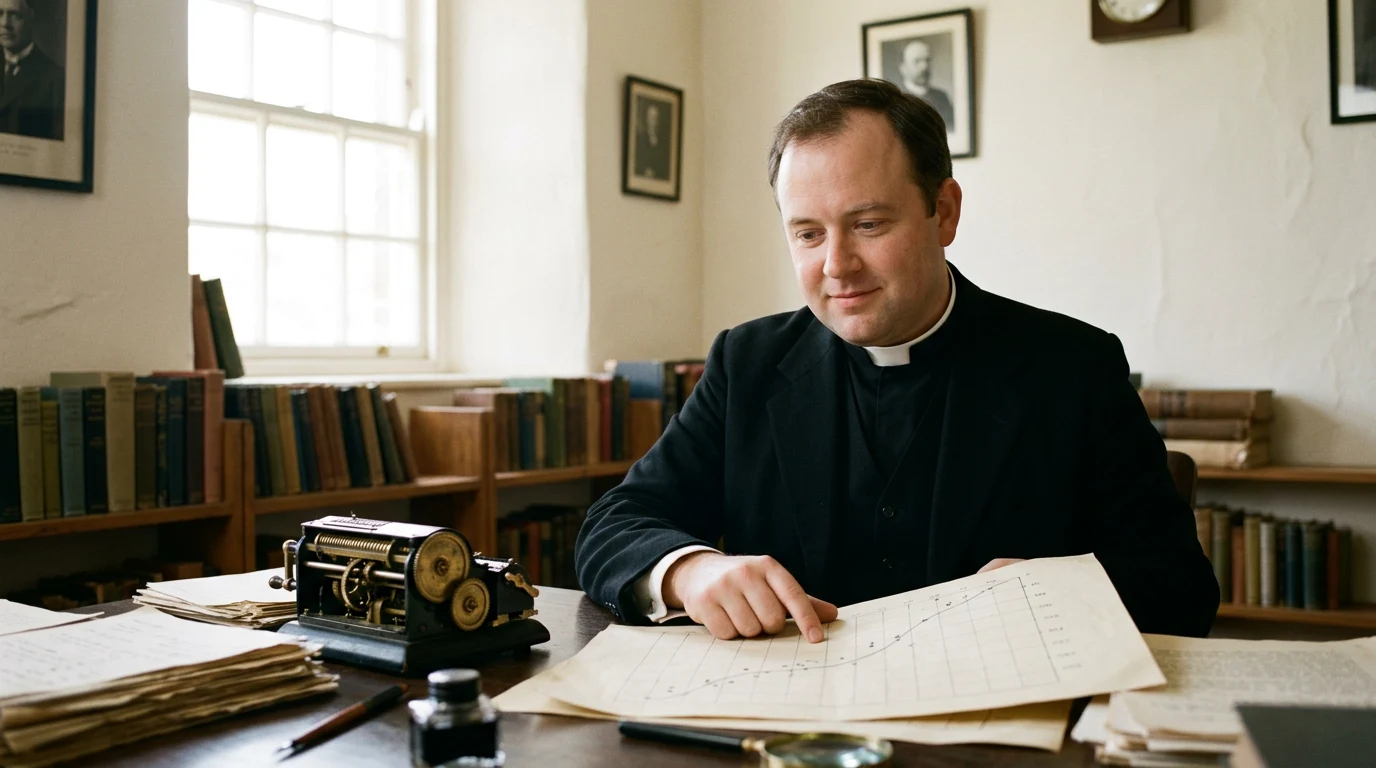
Georges Lemaître
1894–1966 · Cosmology and astrophysics
Proposed an expanding universe from Einstein’s equations and later developed the primeval-atom idea that became an early form of Big Bang cosmology.
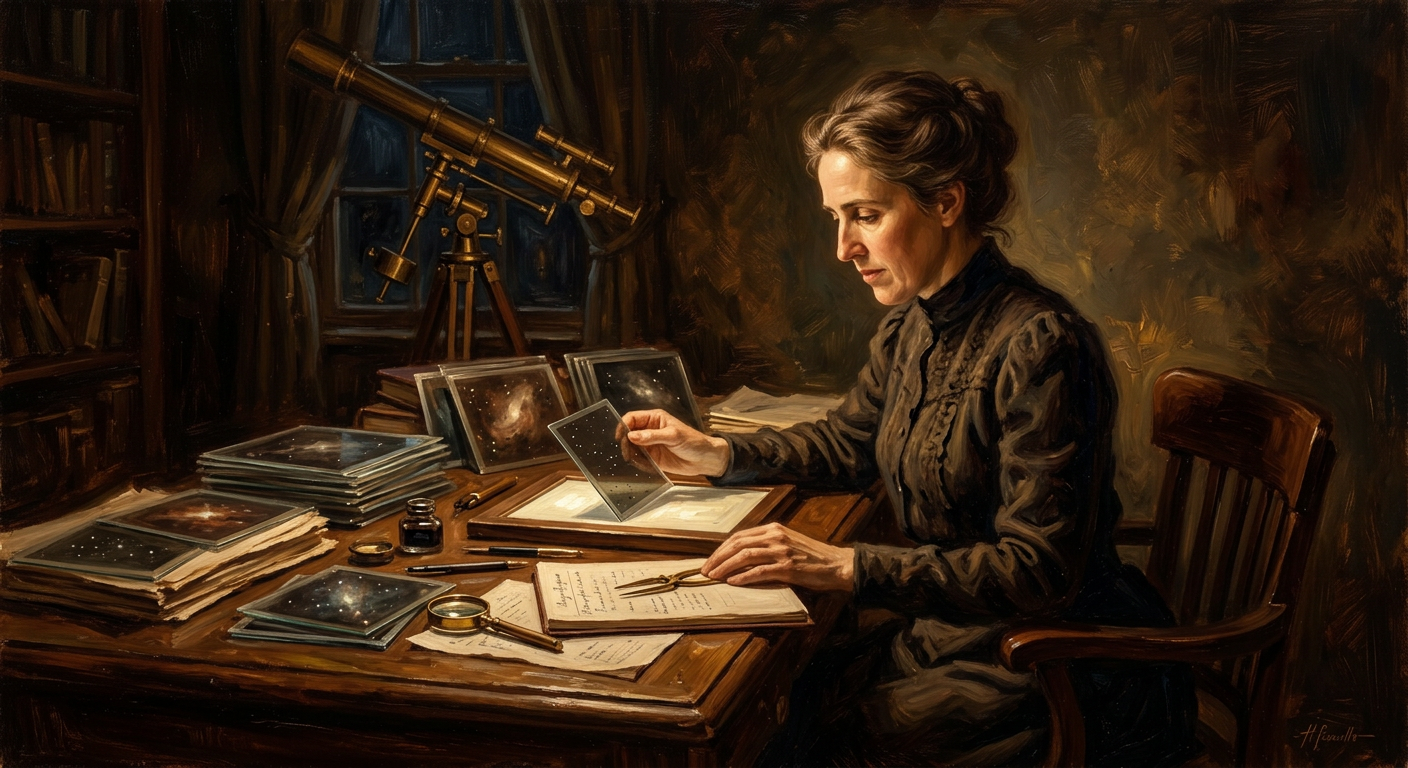
Henrietta Swan Leavitt
1868–1921 · Astronomy and stellar photometry
Discovered the period–luminosity relationship of Cepheid variable stars, providing a method for measuring cosmic distances.
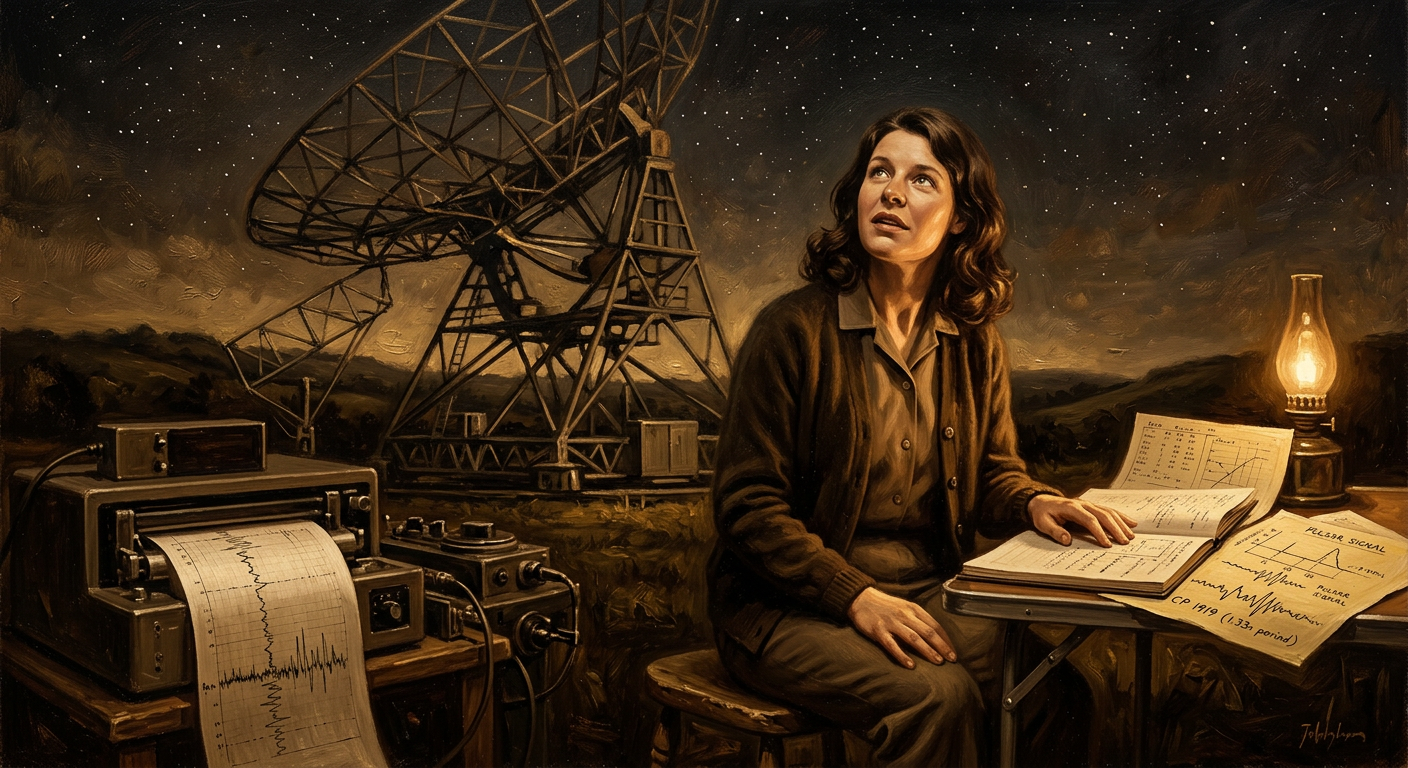
Jocelyn Bell Burnell
1943–present · Astrophysicist
Discovering the first radio pulsars as a postgraduate student at Cambridge, transforming our understanding of the universe.
Johannes Kepler
1571–1630 · Astronomer & Mathematician
Formulating the three laws of planetary motion, including the discovery that planets follow elliptical rather than perfectly circular orbits.
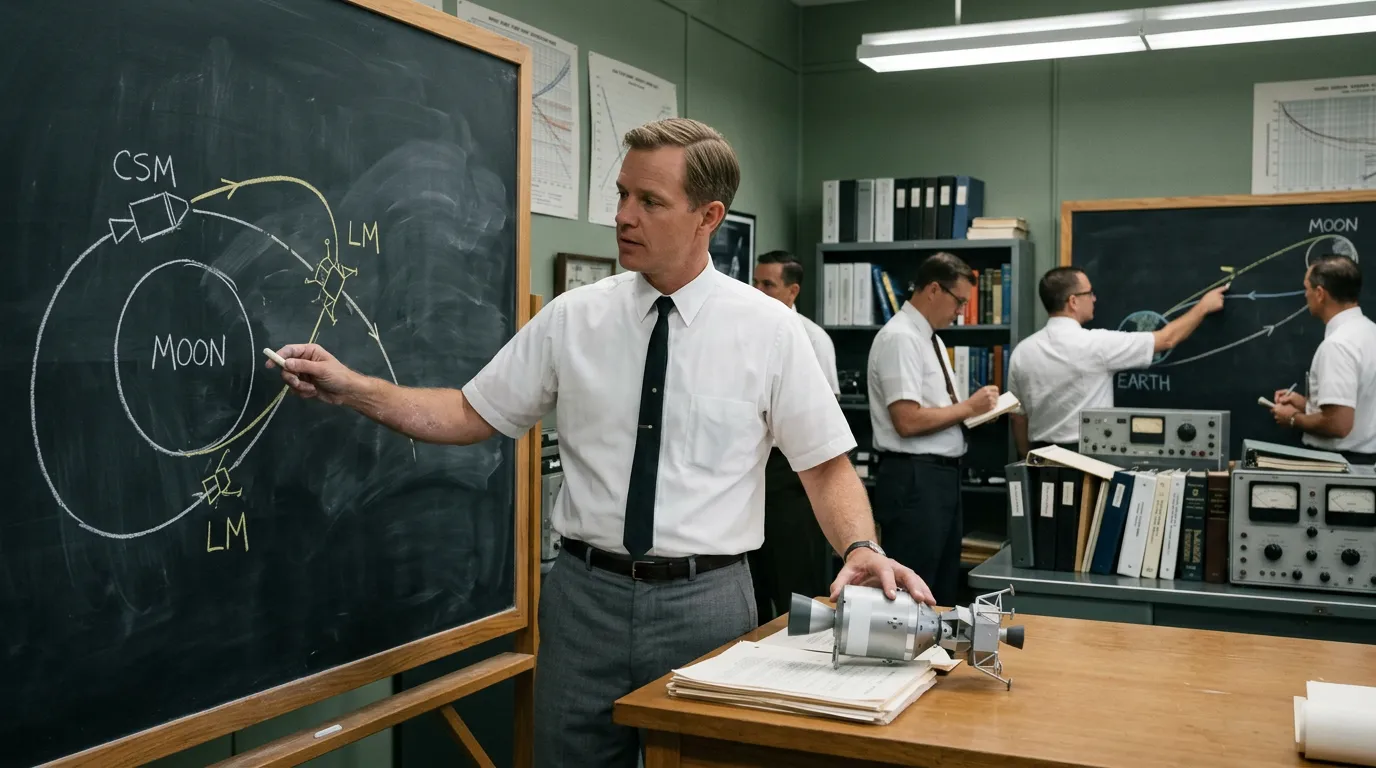
John C. Houbolt
1919–2014 · Aerospace Engineer
His persistent technical advocacy of Lunar Orbit Rendezvous (LOR), the mission architecture NASA ultimately used for Apollo lunar landings.
Katherine Johnson
1918–2020 · Mathematician
Calculating and verifying trajectories for historic NASA missions, including Alan Shepard's first American spaceflight, John Glenn's orbital mission and Apollo 11.
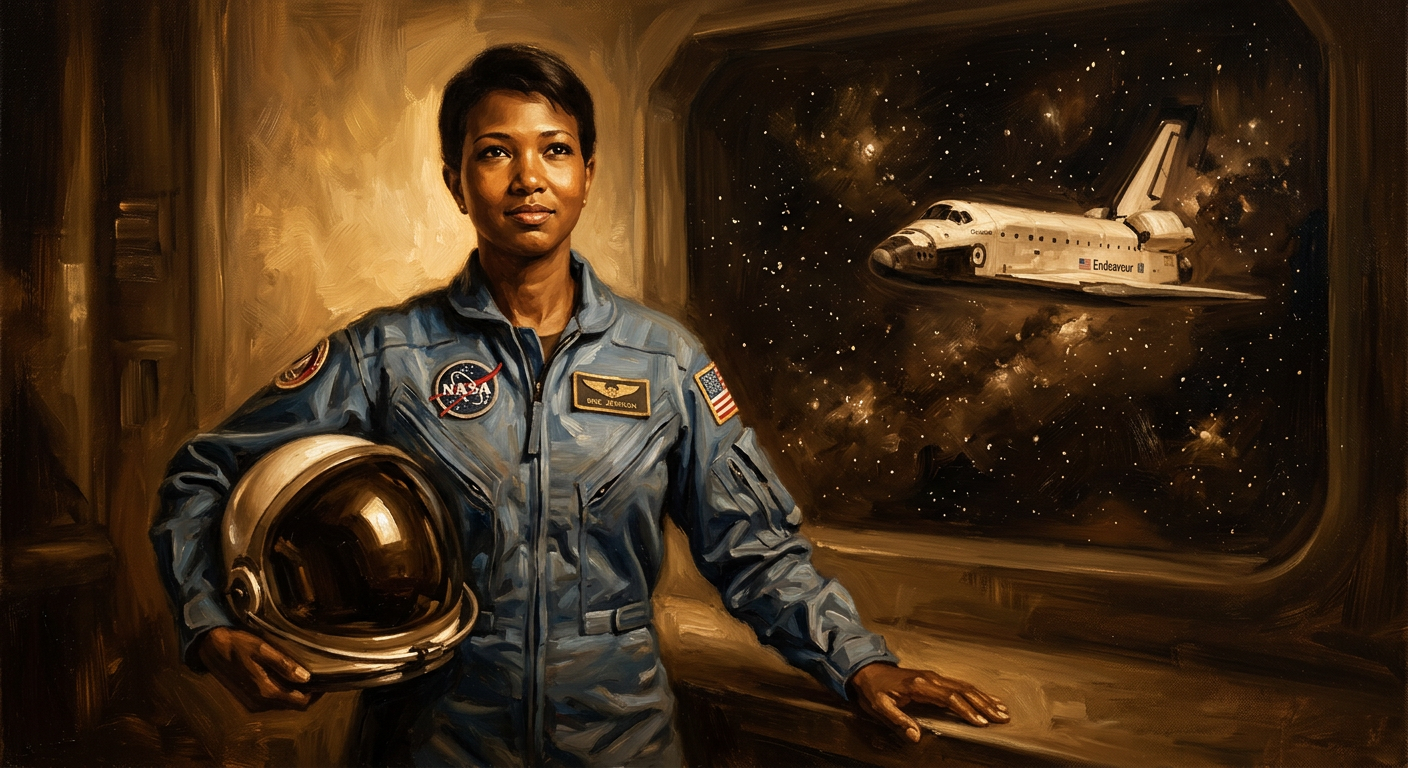
Mae Jemison
1956–present · Astronaut and Physician
Becoming the first African American woman to travel into space aboard the Space Shuttle Endeavour in 1992.
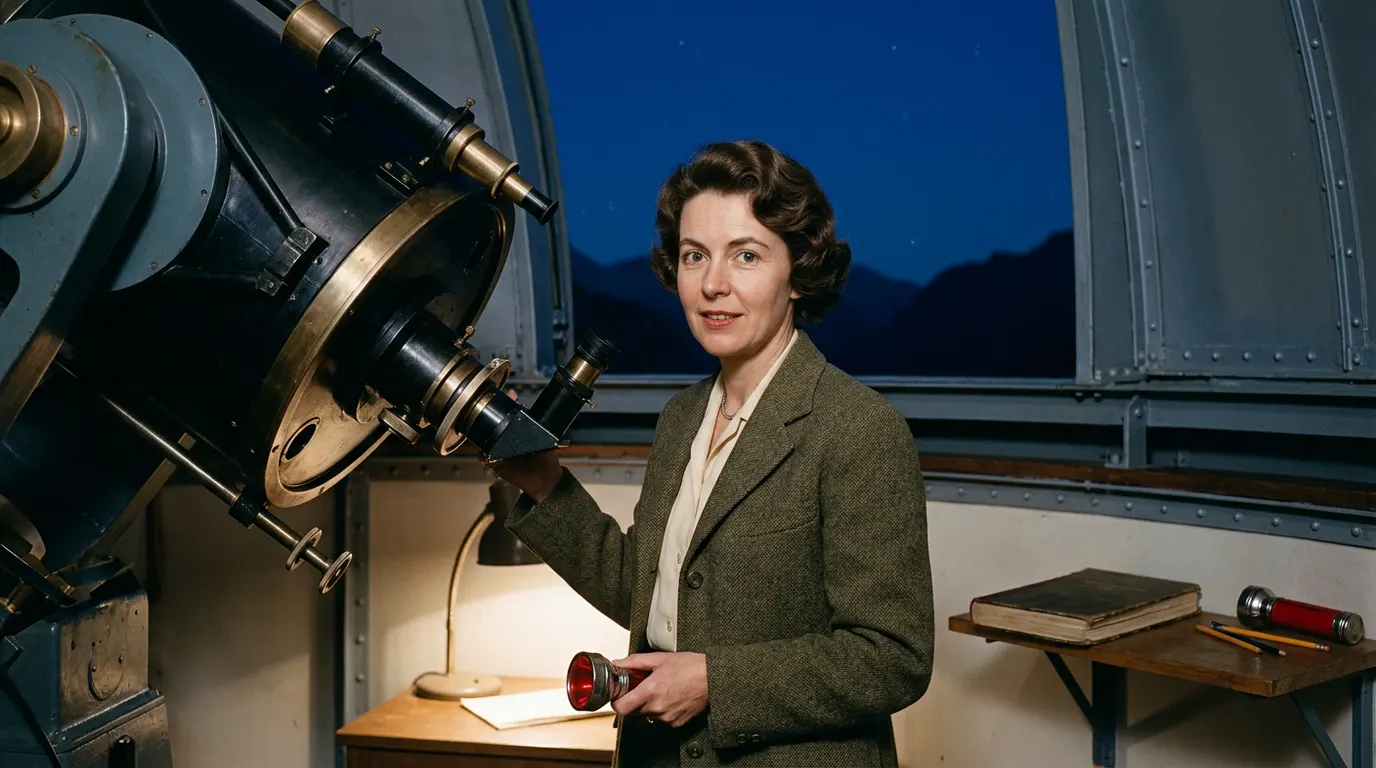
Margaret Burbidge
1919–2020 · Astrophysics and stellar nucleosynthesis
Margaret Burbidge co-authored a landmark 1957 explanation of how stars produce many chemical elements and became an influential observational astronomer.
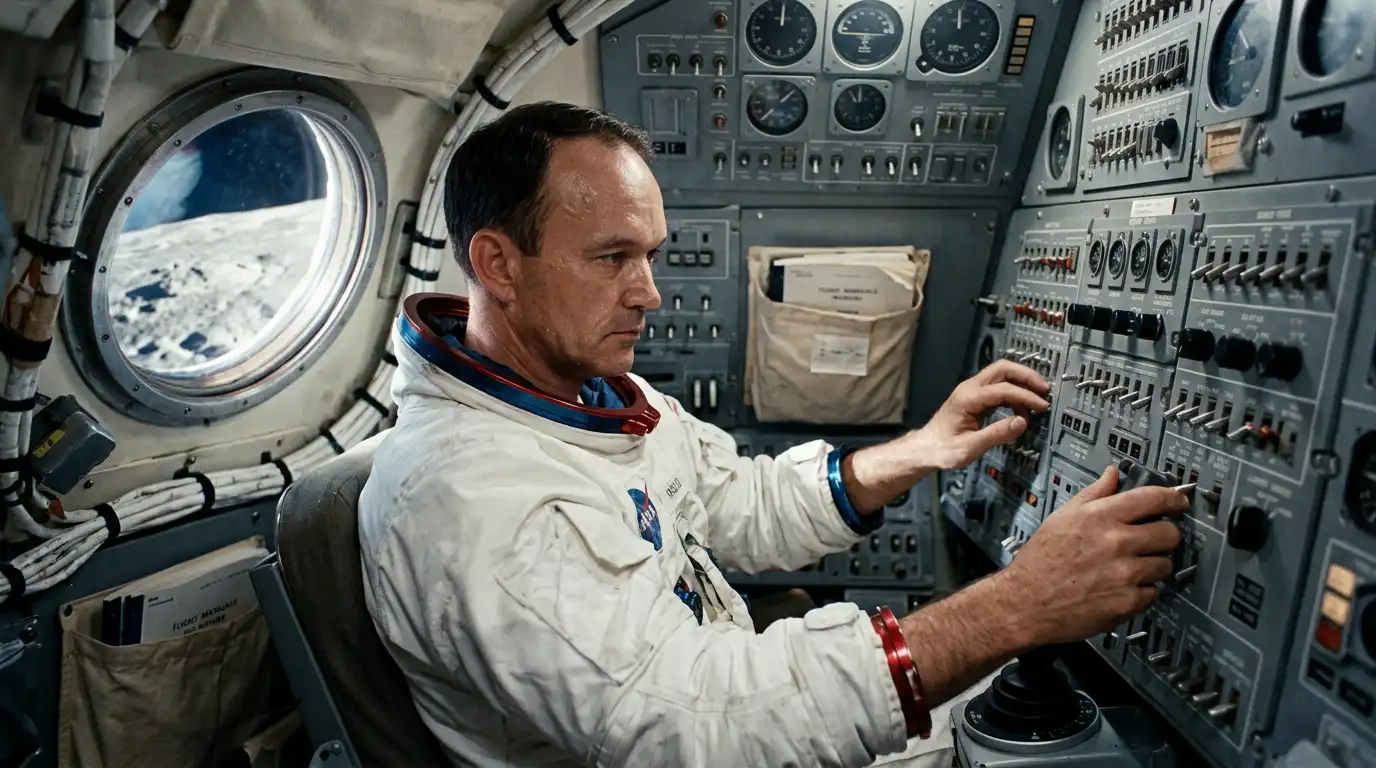
Michael Collins
1930–2021 · Astronaut
Serving as Apollo 11 command module pilot, remaining in lunar orbit aboard Columbia while Neil Armstrong and Buzz Aldrin landed on the Moon.
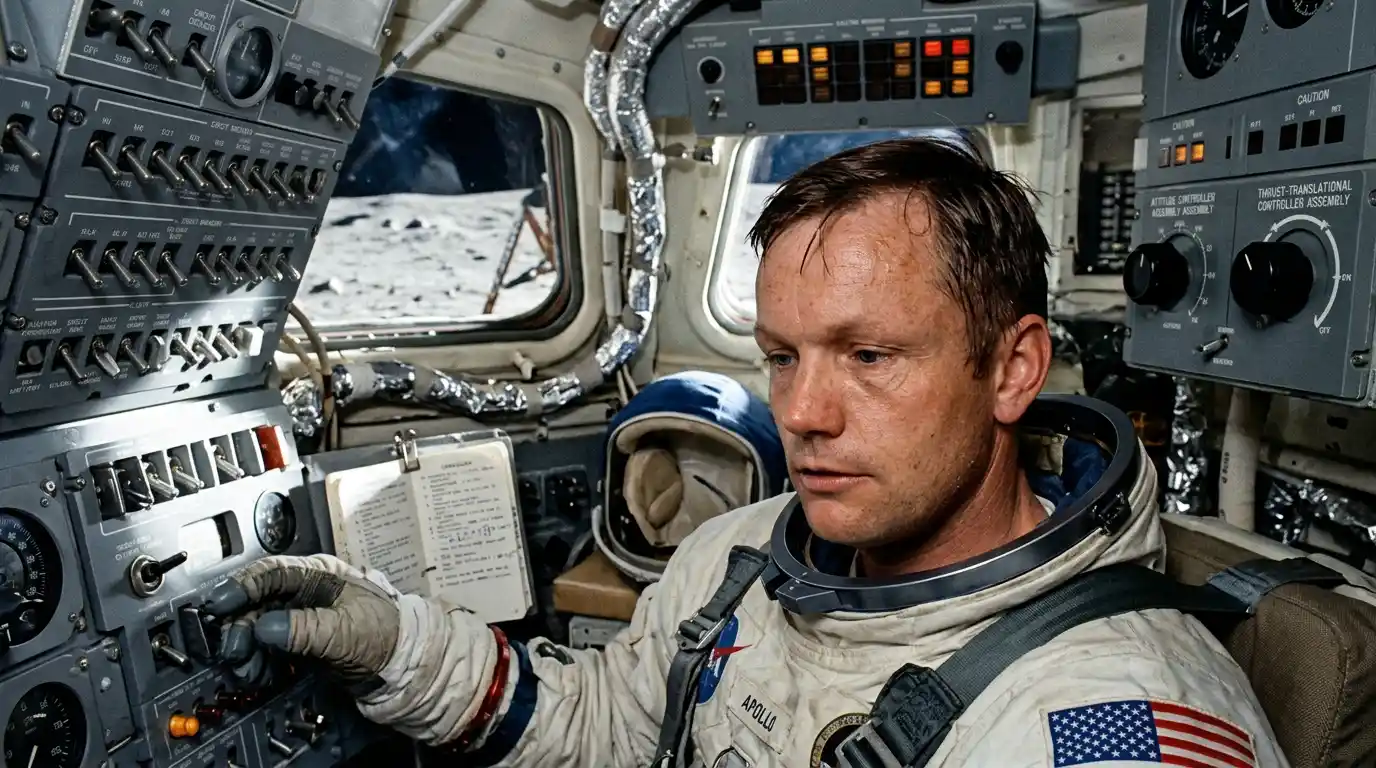
Neil Armstrong
1930–2012 · Astronaut
Commanding Apollo 11 and becoming the first human to walk on the Moon in July 1969.
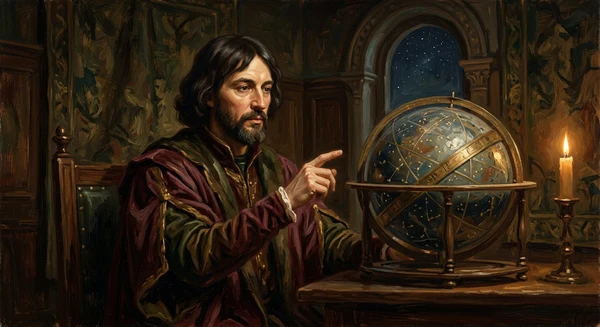
Nicolaus Copernicus
1473–1543 · Astronomer & Mathematician
Proposed the heliocentric model — that the Earth and planets revolve around the Sun.
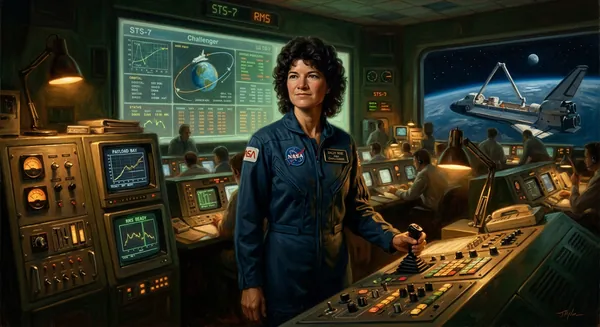
Sally Ride
1951–2012 · Physicist and Astronaut
Becoming the first American woman in space, aboard the Space Shuttle Challenger in 1983.
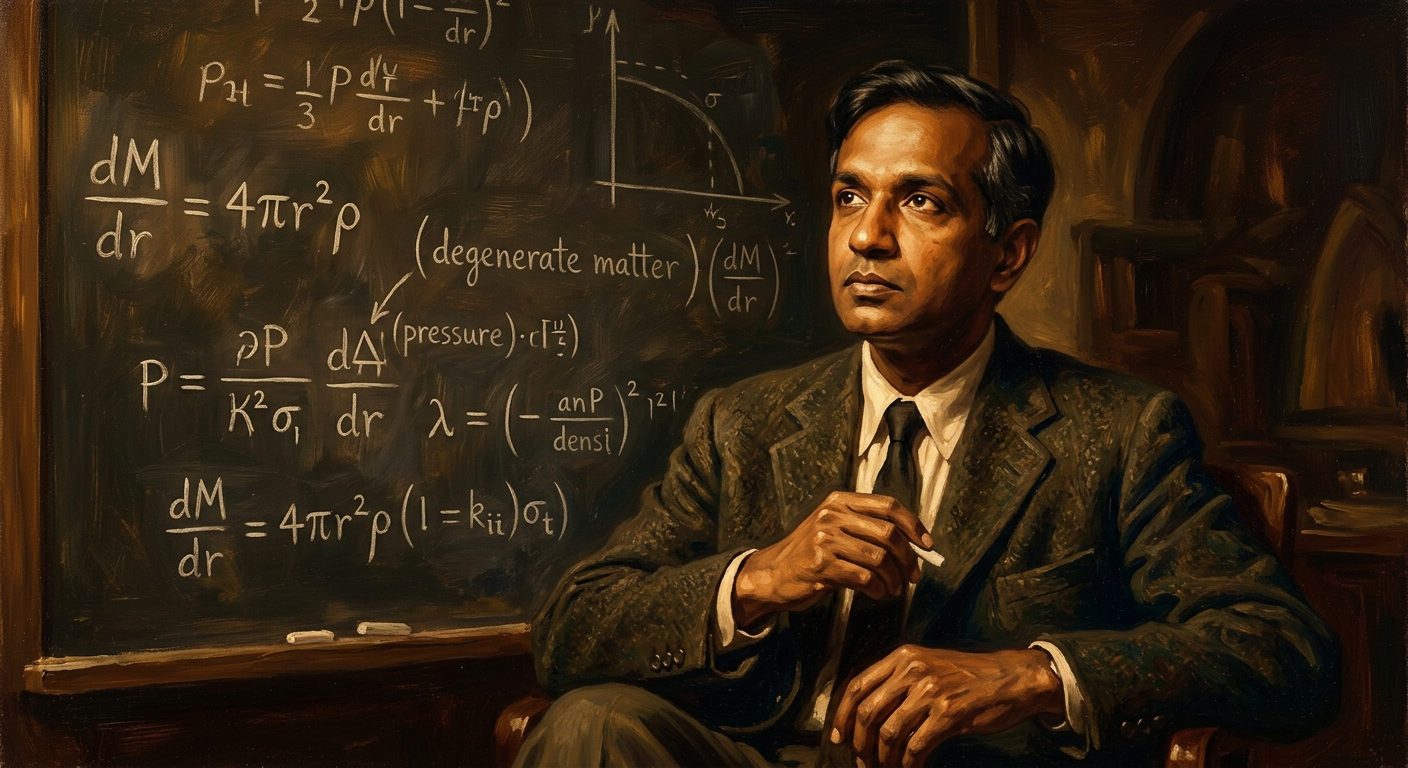
Subrahmanyan Chandrasekhar
1910–1995 · Astrophysicist
Discovering the Chandrasekhar limit, the maximum mass of a white dwarf star, and making fundamental contributions to our understanding of stellar evolution.
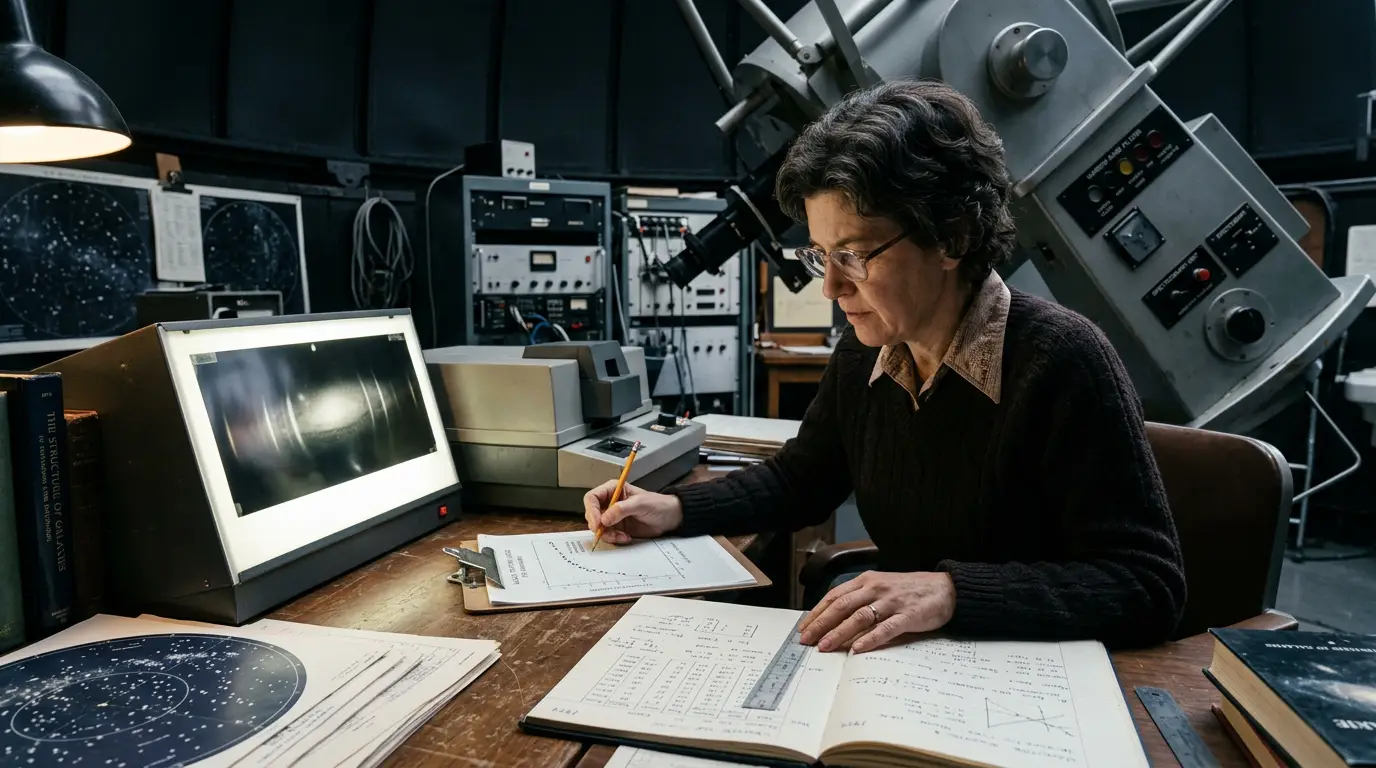
Vera Rubin
1928–2016 · Astronomer
Providing the most compelling early evidence for the existence of dark matter through galaxy rotation measurements.
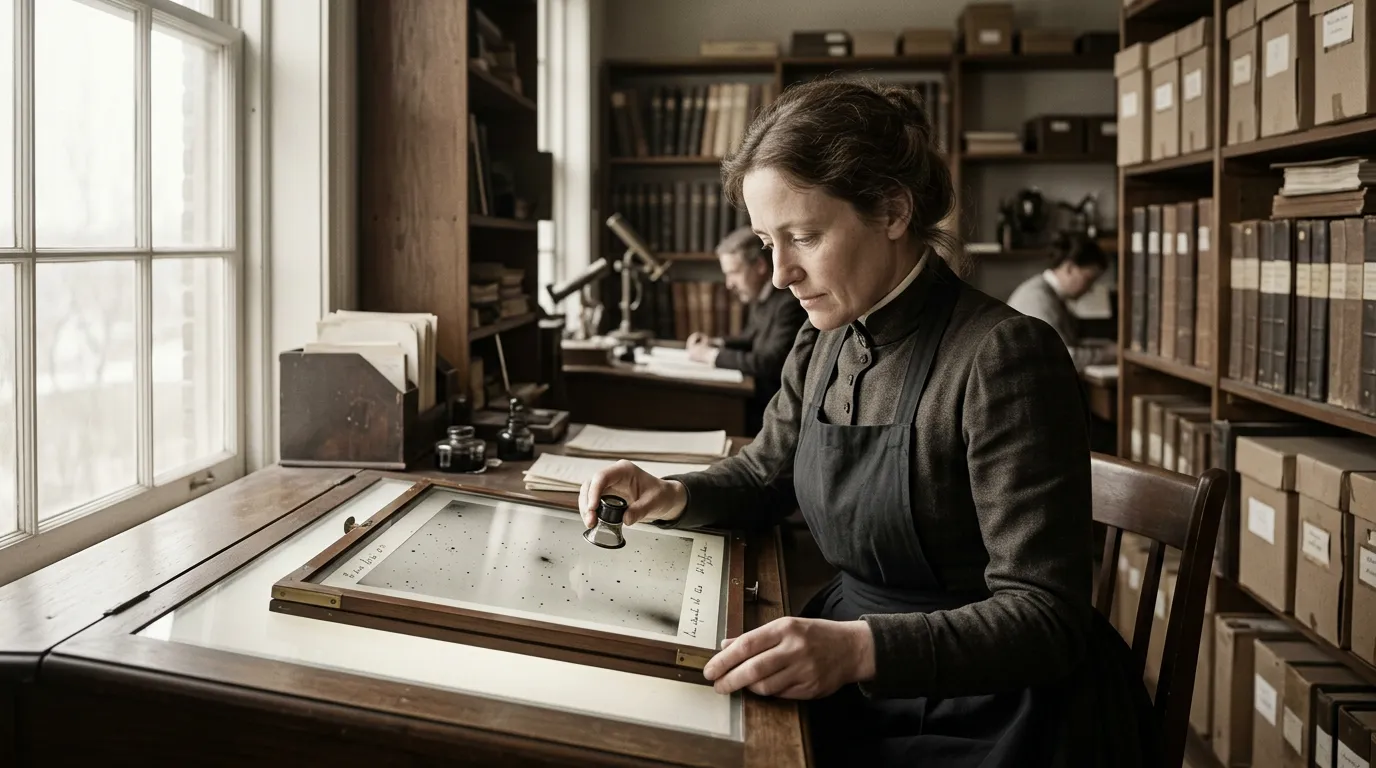
Williamina Fleming
1857–1911 · Astronomy and stellar classification
Williamina Fleming classified thousands of stars using photographic plates and identified the Horsehead Nebula in 1888.
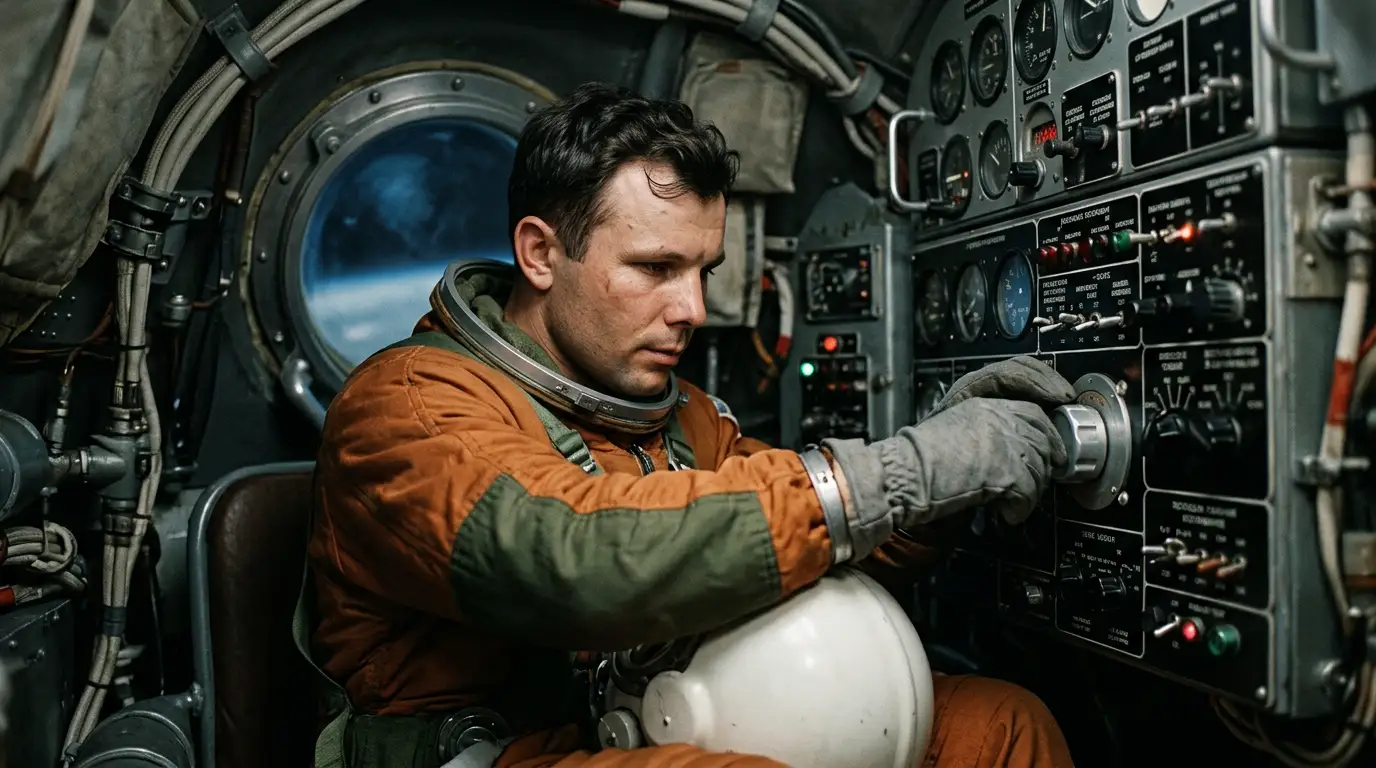
Yuri Gagarin
1934–1968 · Cosmonaut
Becoming the first human to travel into space and orbit Earth, aboard Vostok 1 on 12 April 1961.