Mathematics
Numbers, logic, patterns, and the language of science — the abstract tools that describe and predict the physical world.
13 scientists
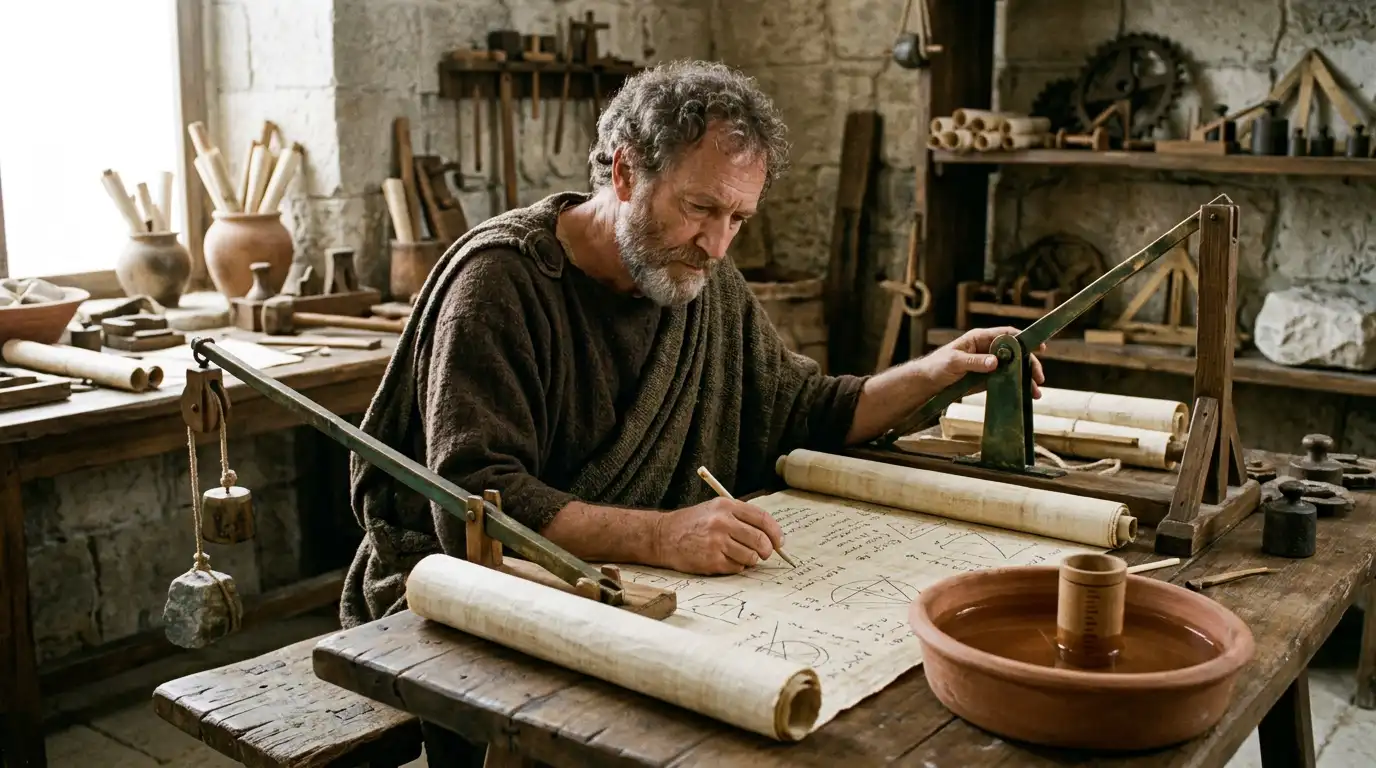
Archimedes
c. 287 BCE–c. 212 BCE · Mathematician and inventor
Discovering the principles of buoyancy, the lever, and pioneering mathematical methods that anticipated calculus.
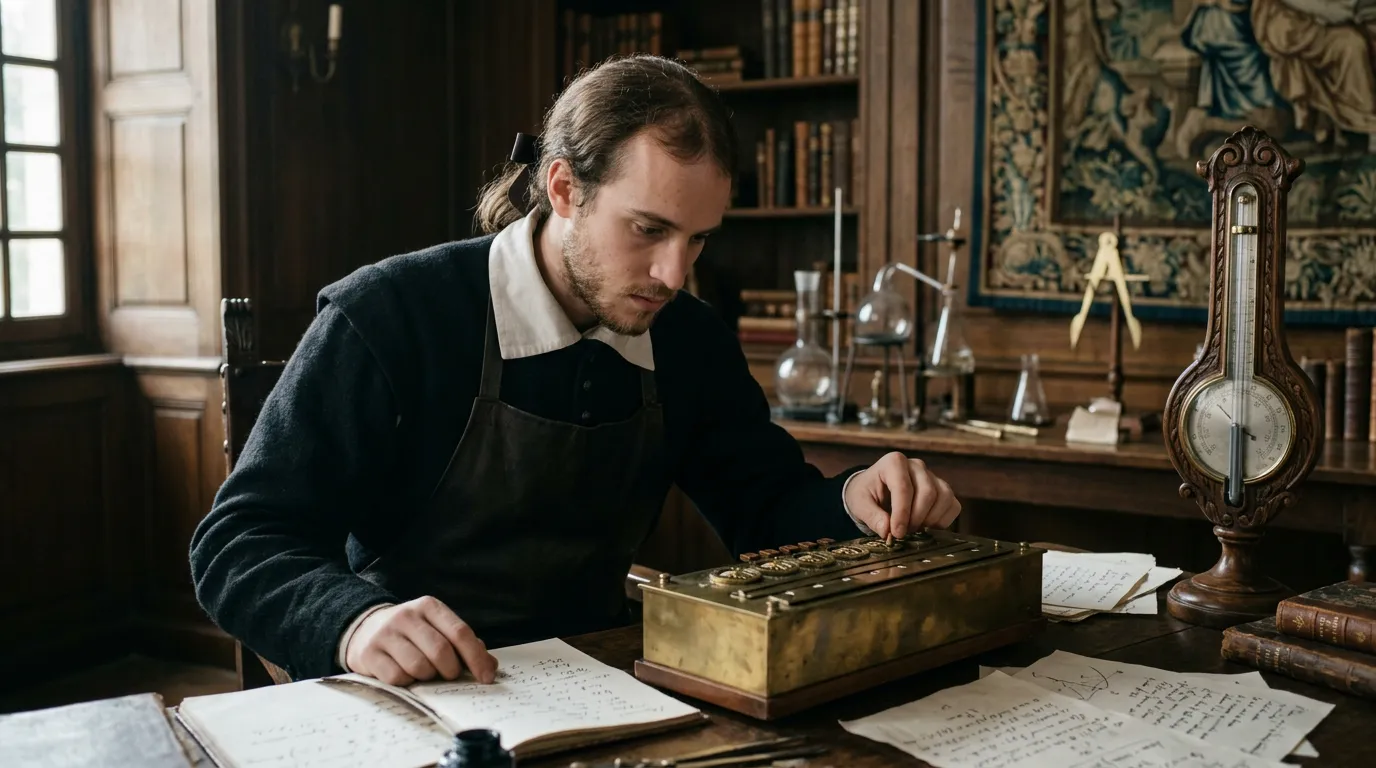
Blaise Pascal
1623–1662 · Mathematician and Physicist
Pascal's Triangle, foundational work on probability theory, experiments proving that air has pressure, and the Pascaline — one of the first mechanical calculators.
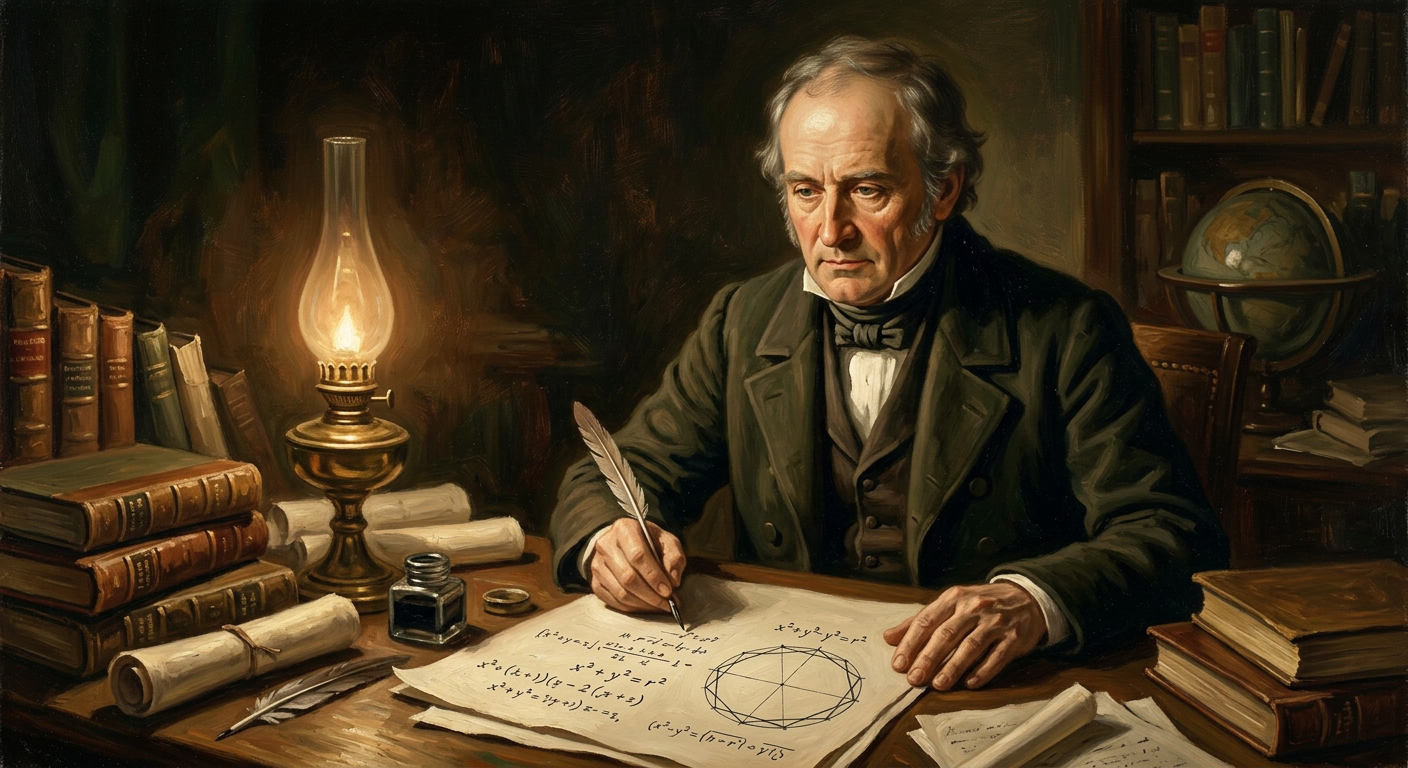
Carl Friedrich Gauss
1777–1855 · Mathematician & Physicist
Making groundbreaking contributions to number theory, geometry, astronomy, and statistics — often called the ‘Prince of Mathematicians.’
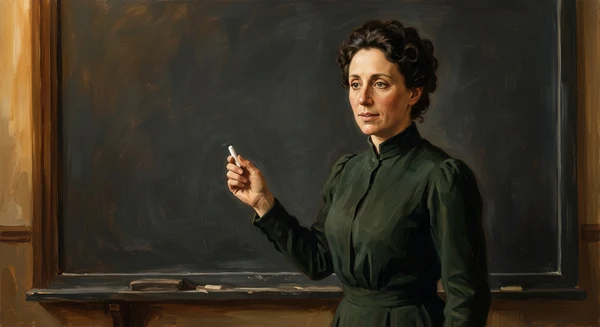
Emmy Noether
1882–1935 · Mathematician
Proved Noether's theorem, linking symmetry and conservation laws — a foundation of modern physics.
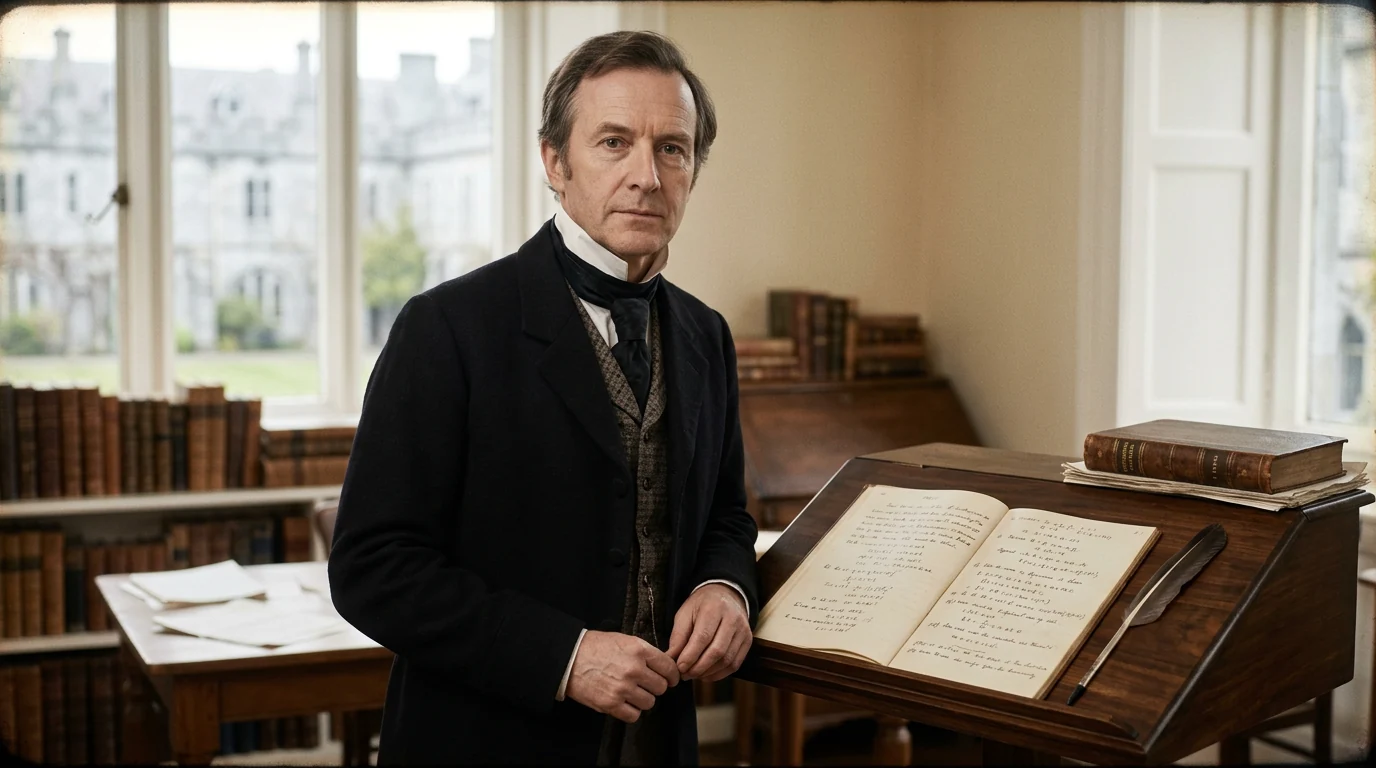
George Boole
1815–1864 · Mathematical logic and Boolean algebra
George Boole developed a mathematical language for logical reasoning, creating ideas that eventually became essential to electronic circuits and computing.

Gladys Mae West
1930–2026 · Mathematician and Computer Programmer
Mathematical modelling of Earth's shape and satellite data work that contributed to the accuracy and development of GPS.
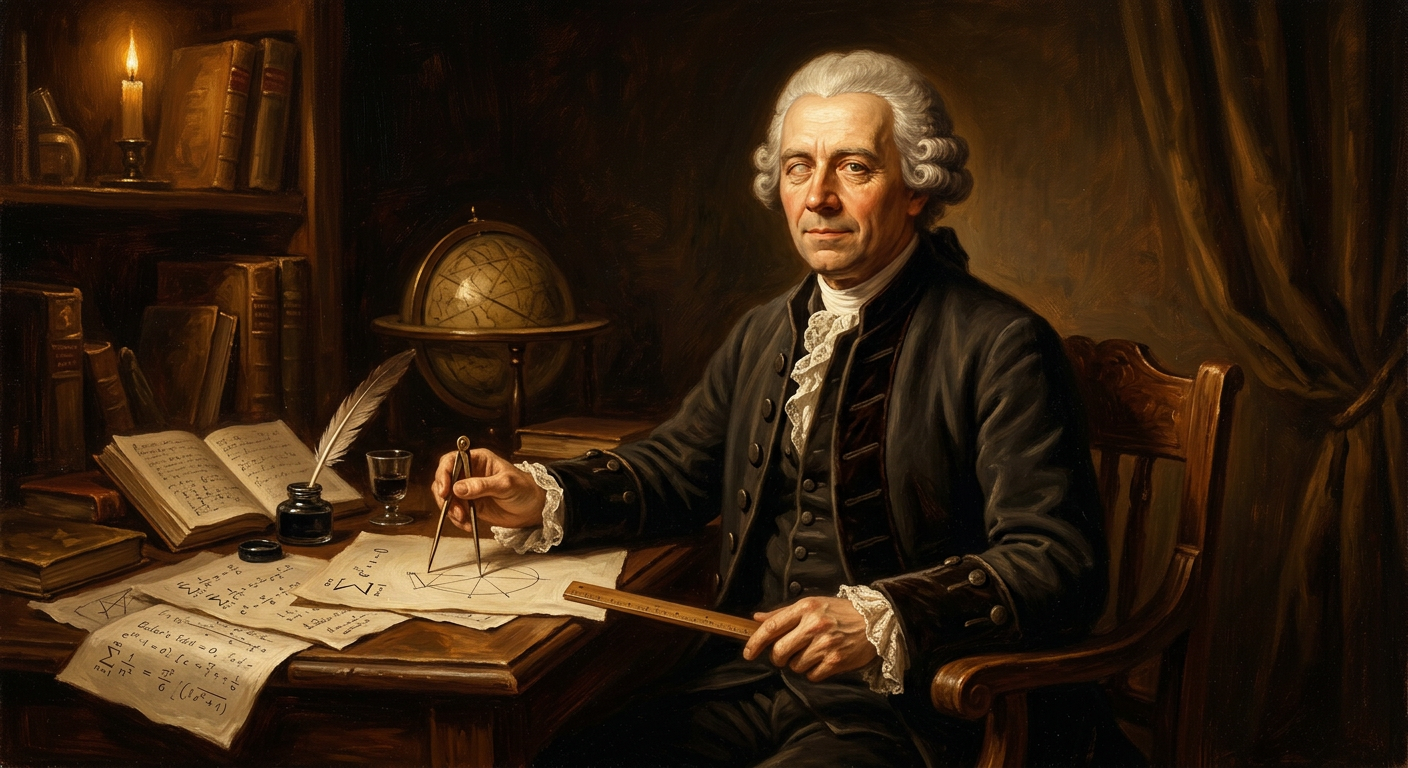
Leonhard Euler
1707–1783 · Mathematician and Physicist
Making fundamental contributions across mathematics and physics, including mathematical analysis, number theory, mechanics and graph theory, while introducing or popularising notation still used today.
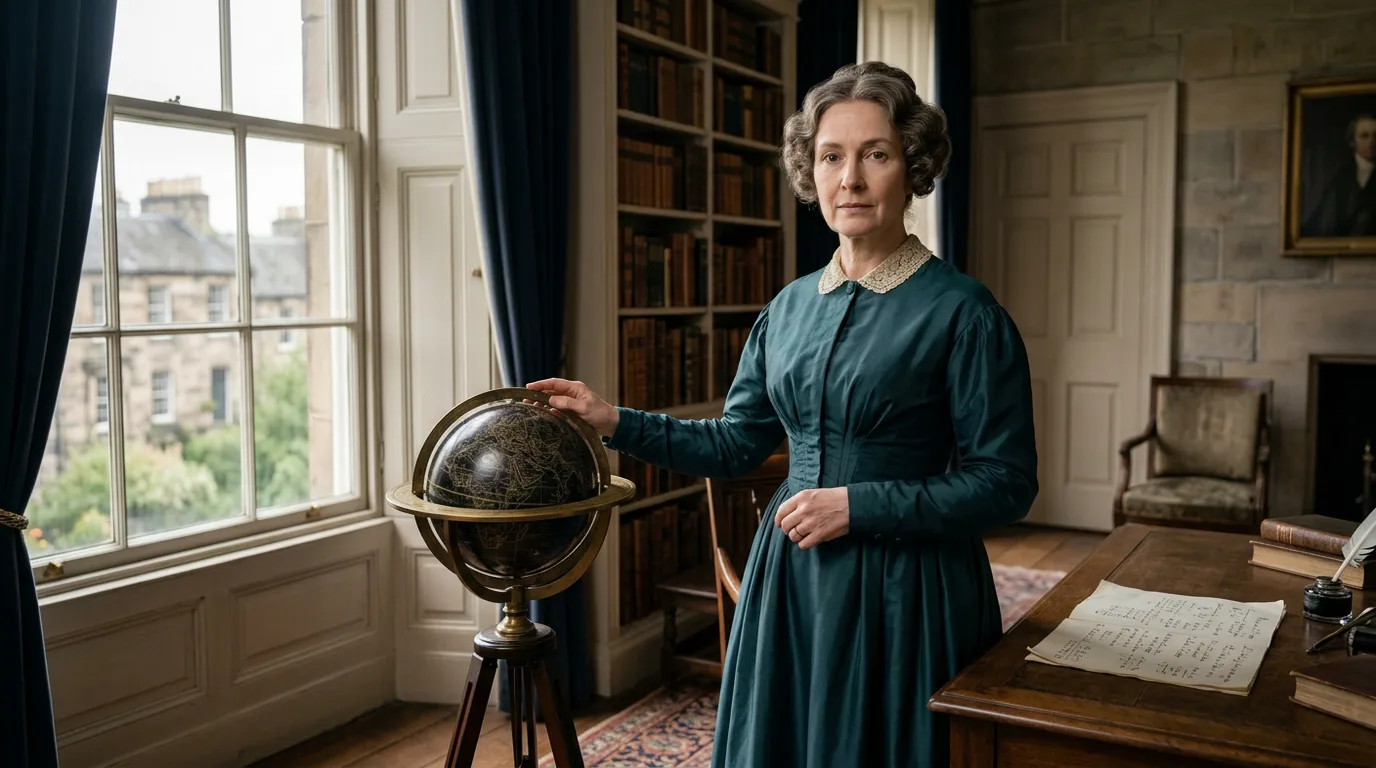
Mary Somerville
1780–1872 · Mathematics, astronomy and scientific communication
Mary Somerville united mathematical, astronomical and physical ideas for broad audiences and became one of the first two women honoured by the Royal Astronomical Society.
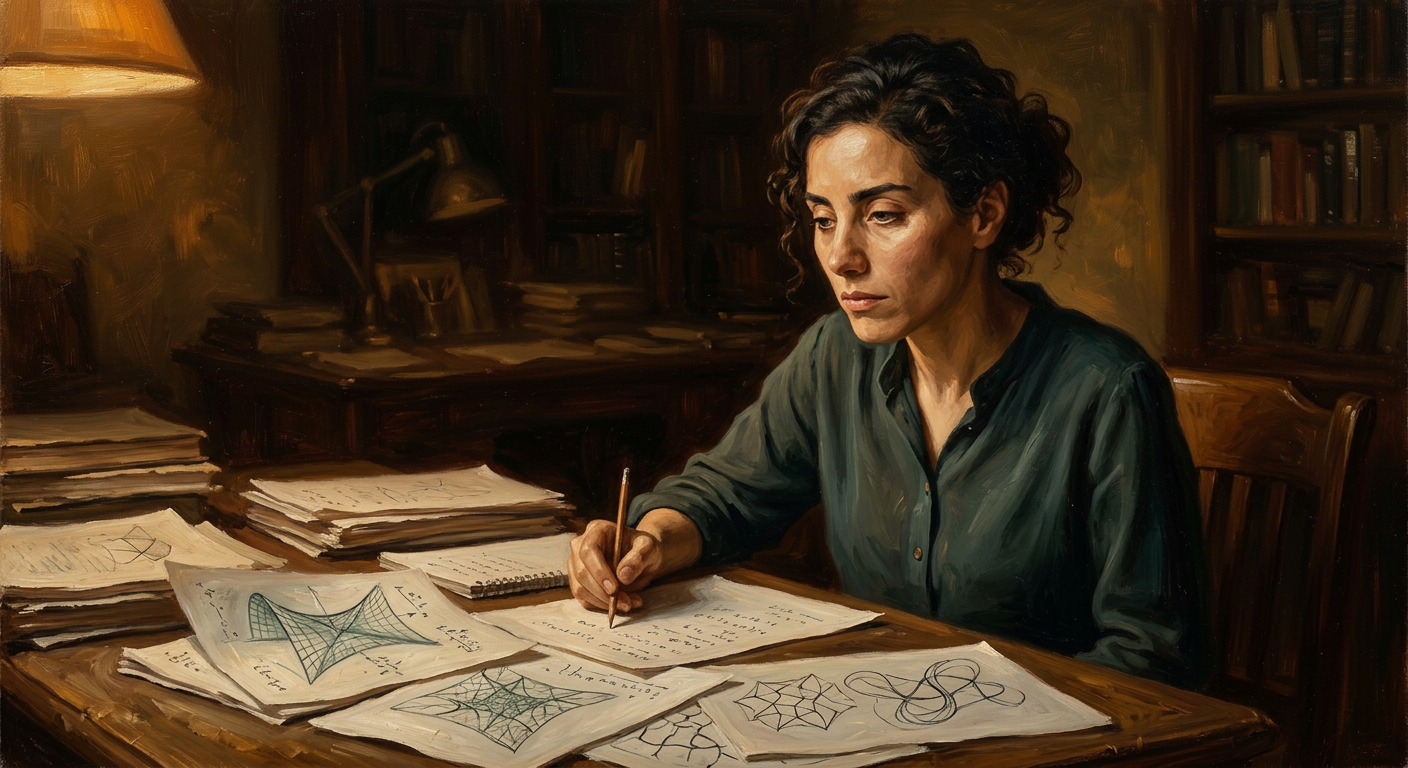
Maryam Mirzakhani
1977–2017 · Mathematician
The first woman and the first Iranian to win the Fields Medal, the most prestigious prize in mathematics, for her groundbreaking work on the geometry of curved surfaces.
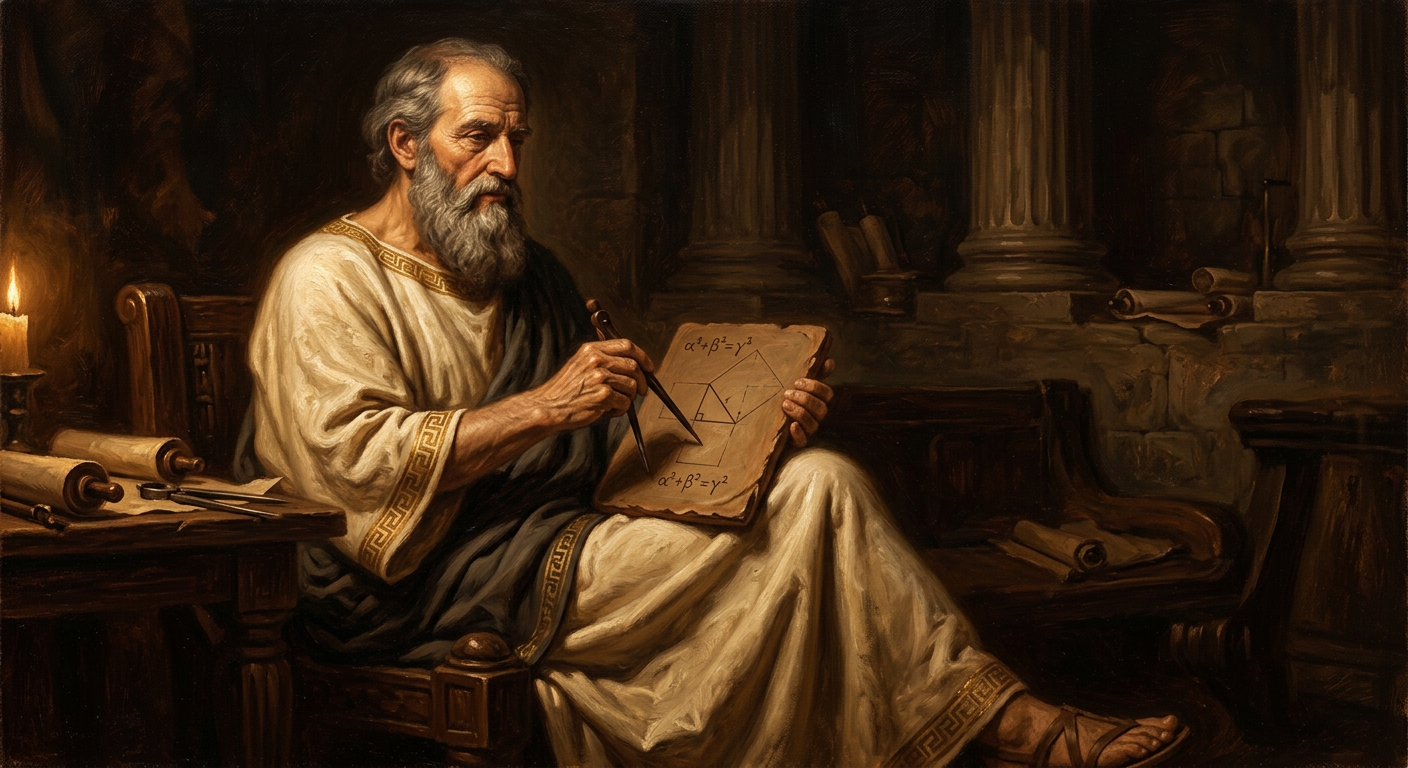
Pythagoras
c. 570 BCE–c. 490 BCE · Mathematician and Philosopher
Pythagoras is famous for the theorem that bears his name: in a right-angled triangle, a² + b² = c². The mathematical relationship was known in earlier cultures, and historians cannot prove that Pythagoras himself discovered or first proved it. His school nevertheless became highly influential in the history of mathematics, music, philosophy and the idea that patterns in nature can be understood using numbers.
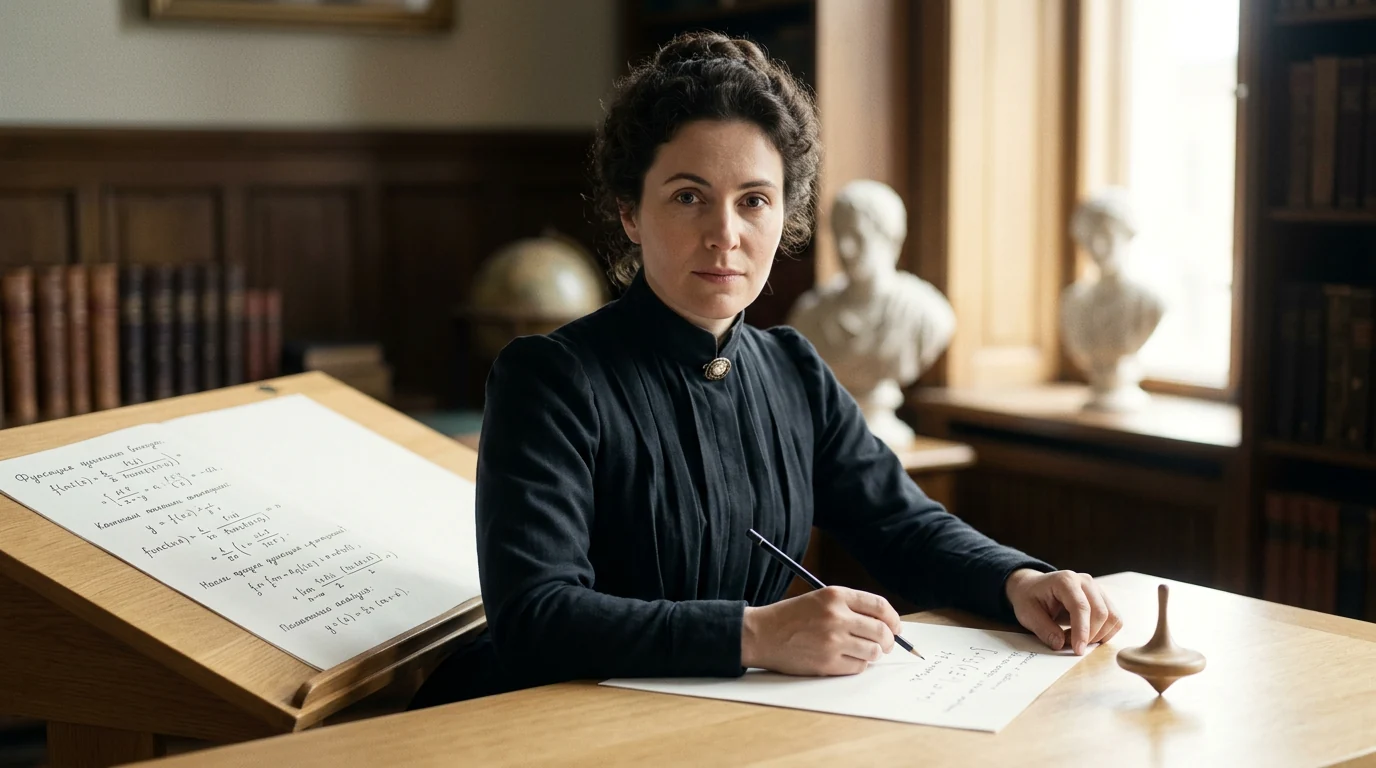
Sofia Kovalevskaya
1850–1891 · Mathematics, differential equations and mechanics
Sofia Kovalevskaya made pioneering advances in differential equations and the mathematics of rotating bodies, overcoming restrictions placed on women in universities.

Sophie Germain
1776–1831 · Number theory and mathematical elasticity
Sophie Germain made important discoveries about prime numbers and helped develop the mathematical theory of elastic surfaces despite being excluded from formal study.
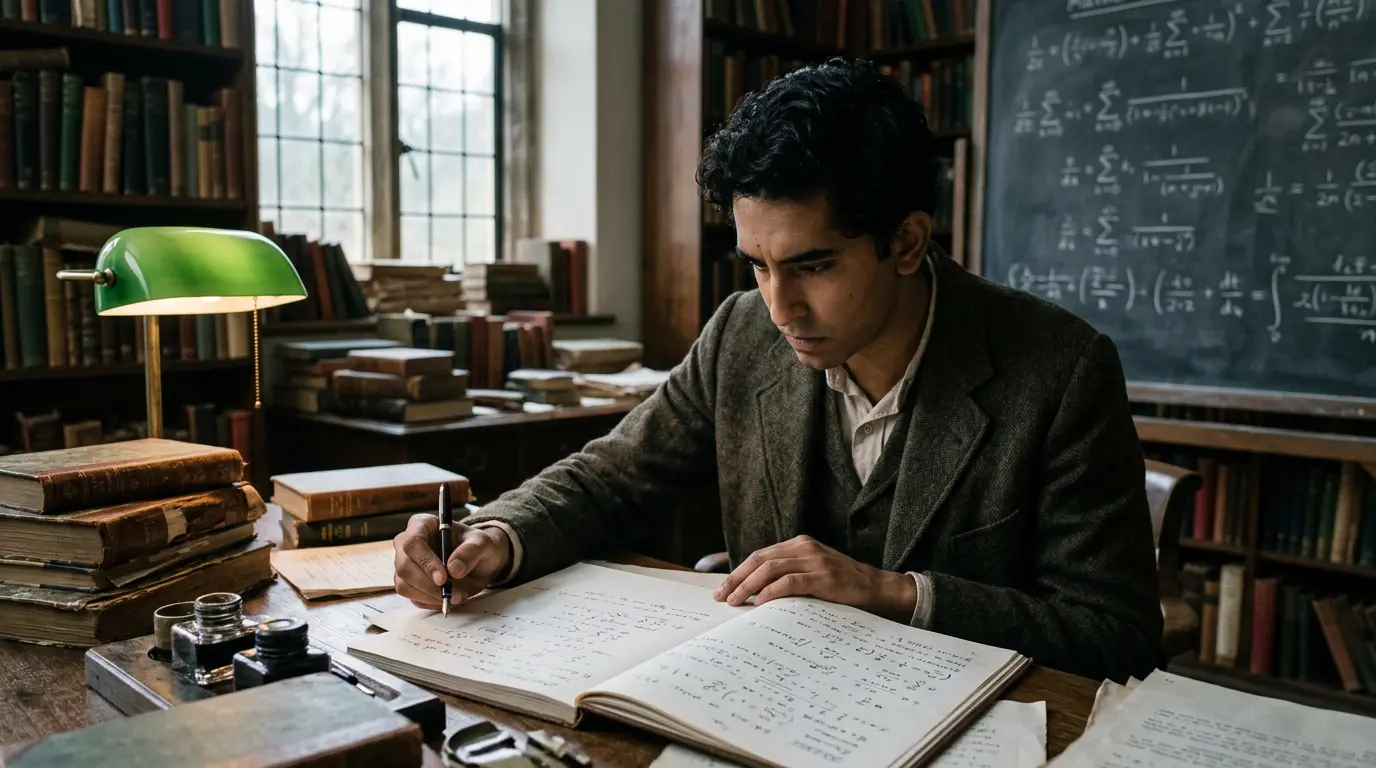
Srinivasa Ramanujan
1887–1920 · Mathematician
Making extraordinary contributions to number theory, infinite series, and continued fractions, largely self-taught.