Inventors
The makers and tinkerers who created the modern world — practical inventors whose devices changed how we live, work, and communicate.
12 scientists
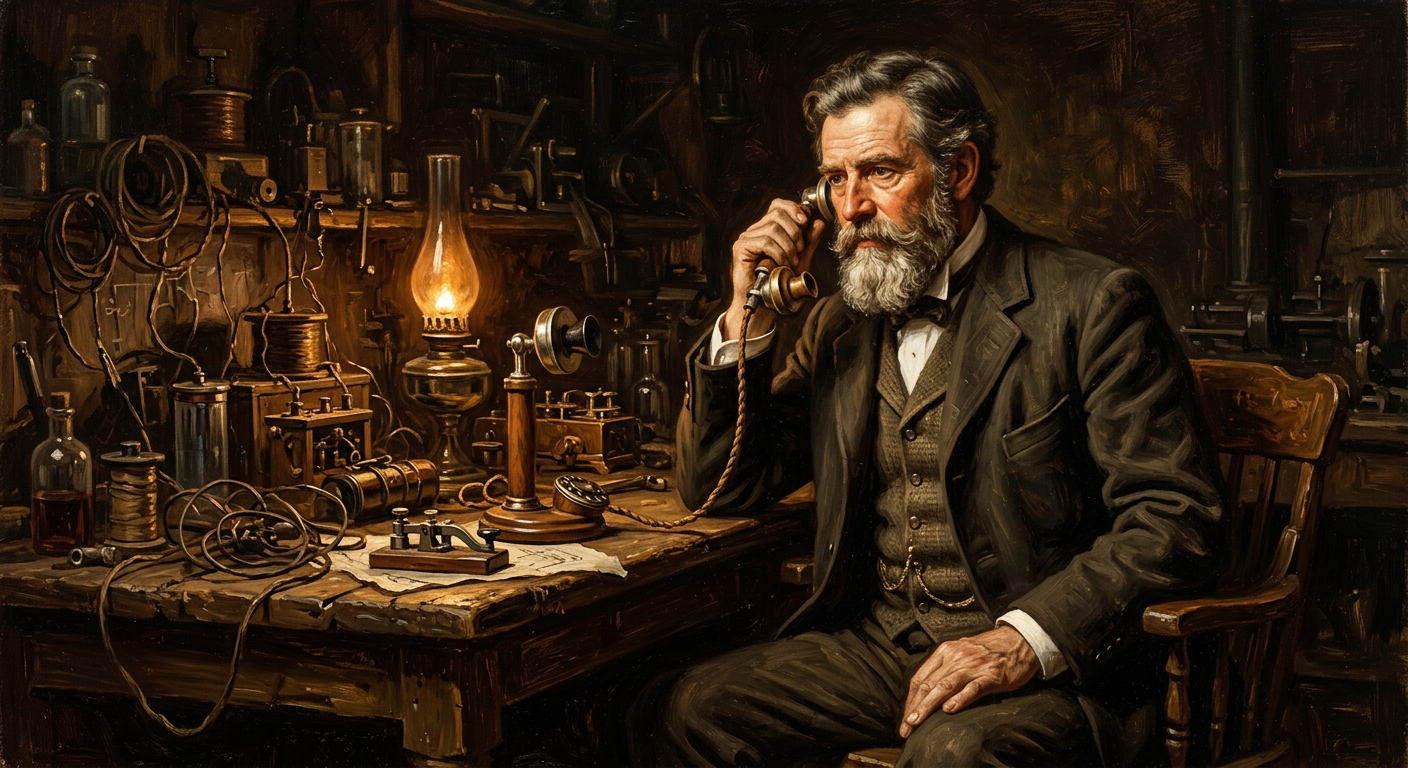
Alexander Graham Bell
1847–1922 · Inventor & Scientist
Inventing the telephone and founding the company that became AT&T.
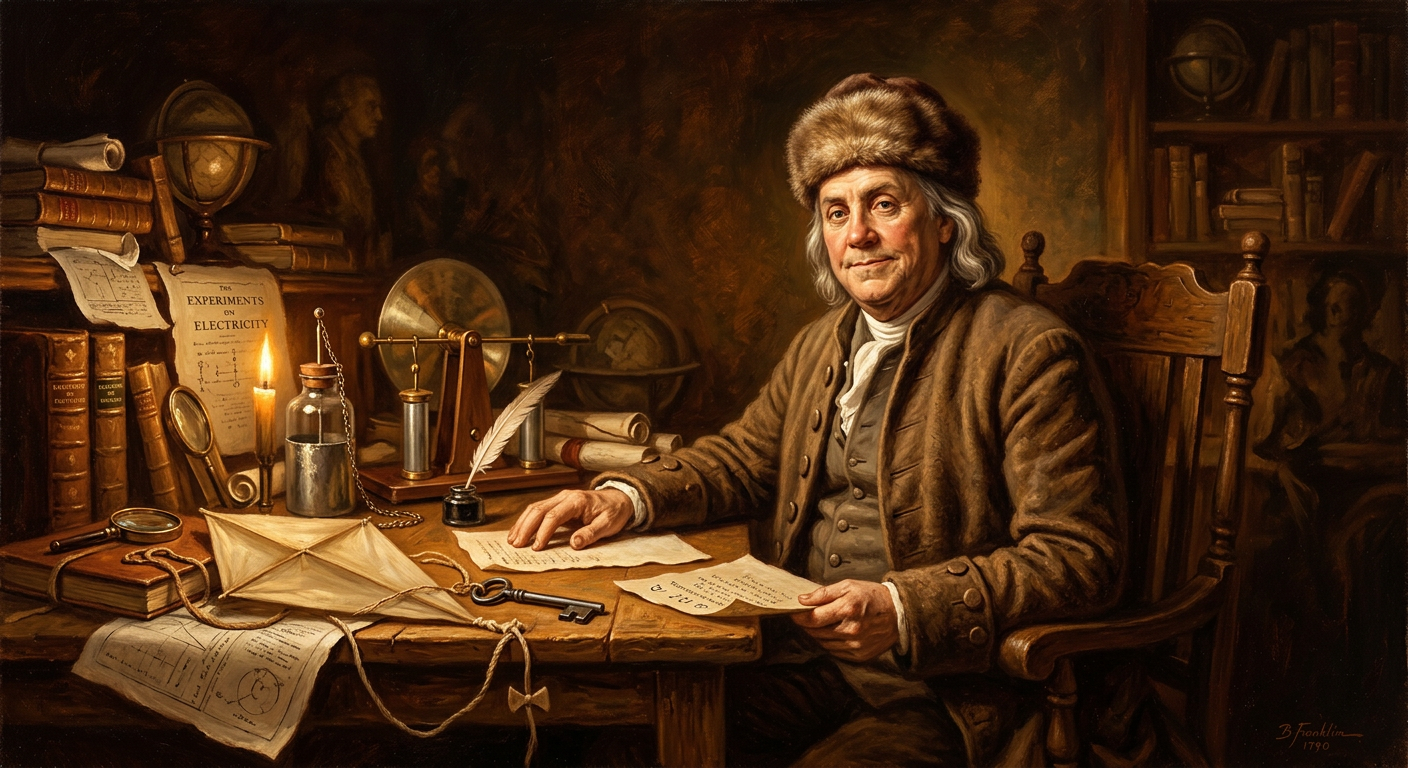
Benjamin Franklin
1706–1790 · Polymath: Scientist, Inventor, Statesman, and Printer
An American polymath who helped demonstrate the electrical nature of lightning, developed the lightning rod and bifocals, and helped shape the founding of the United States.
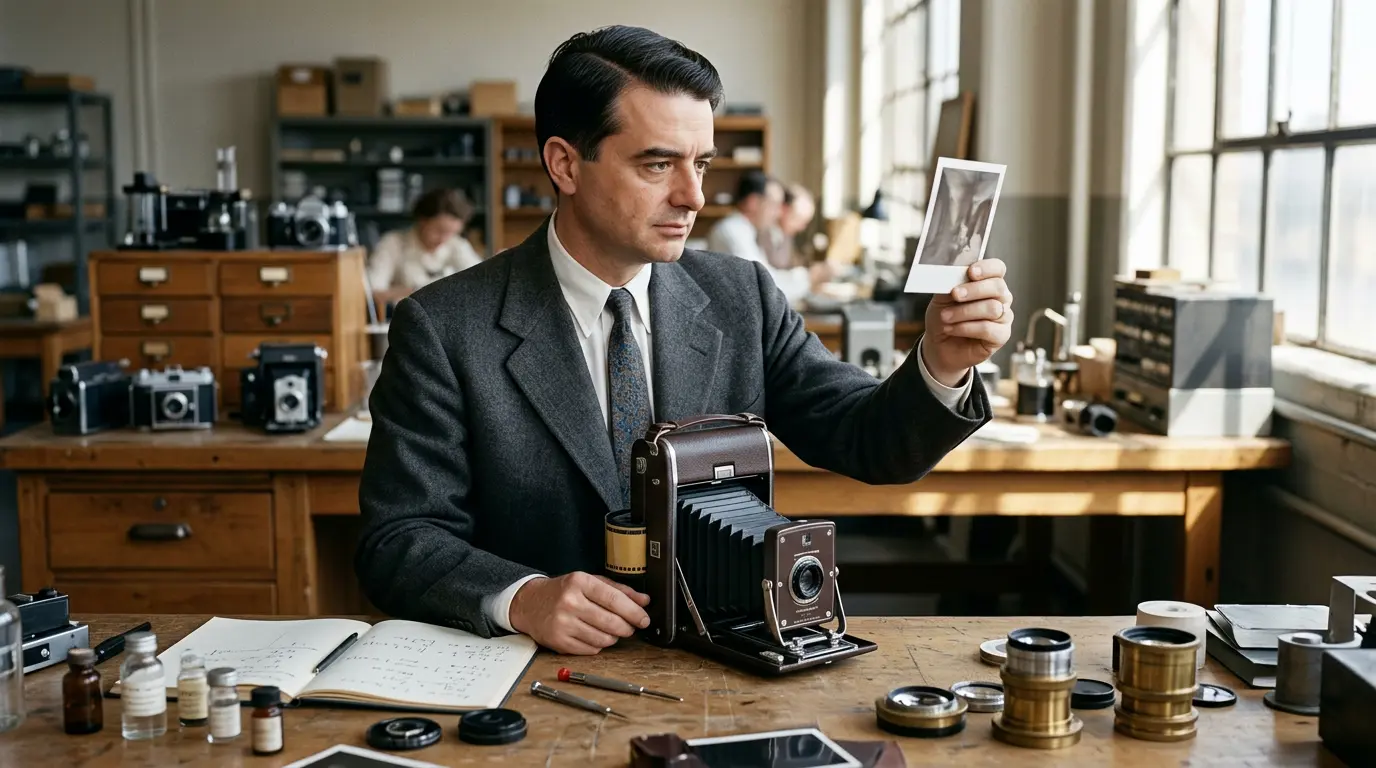
Edwin H. Land
1909–1991 · Optics, polarising materials and instant photography
Edwin H. Land pioneered inexpensive polarising filters and led the development of Polaroid instant cameras that could produce photographs in minutes.
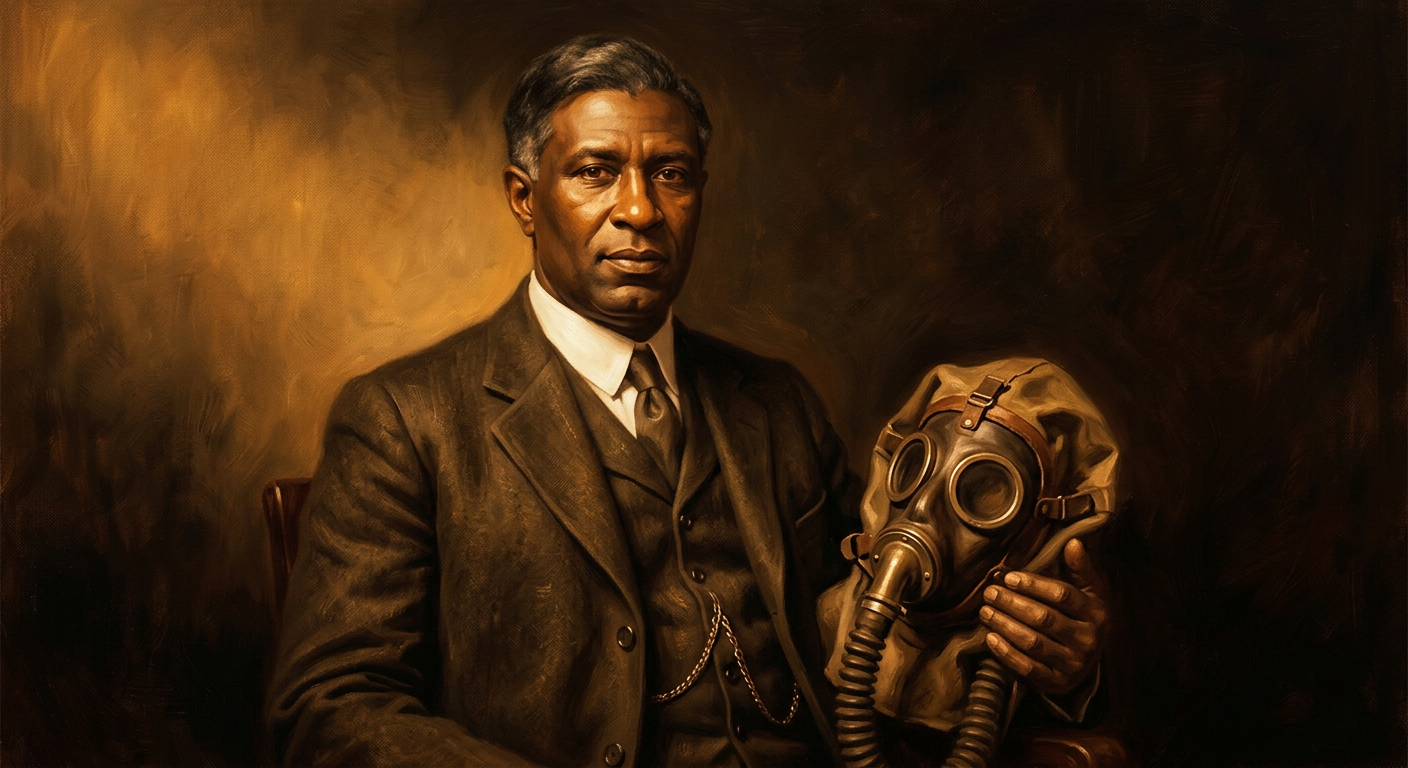
Garrett Morgan
1877–1963 · Inventor and Entrepreneur
Invented a pioneering safety hood that became the forerunner of the modern gas mask, and a three-position traffic signal that saved countless lives at dangerous intersections.
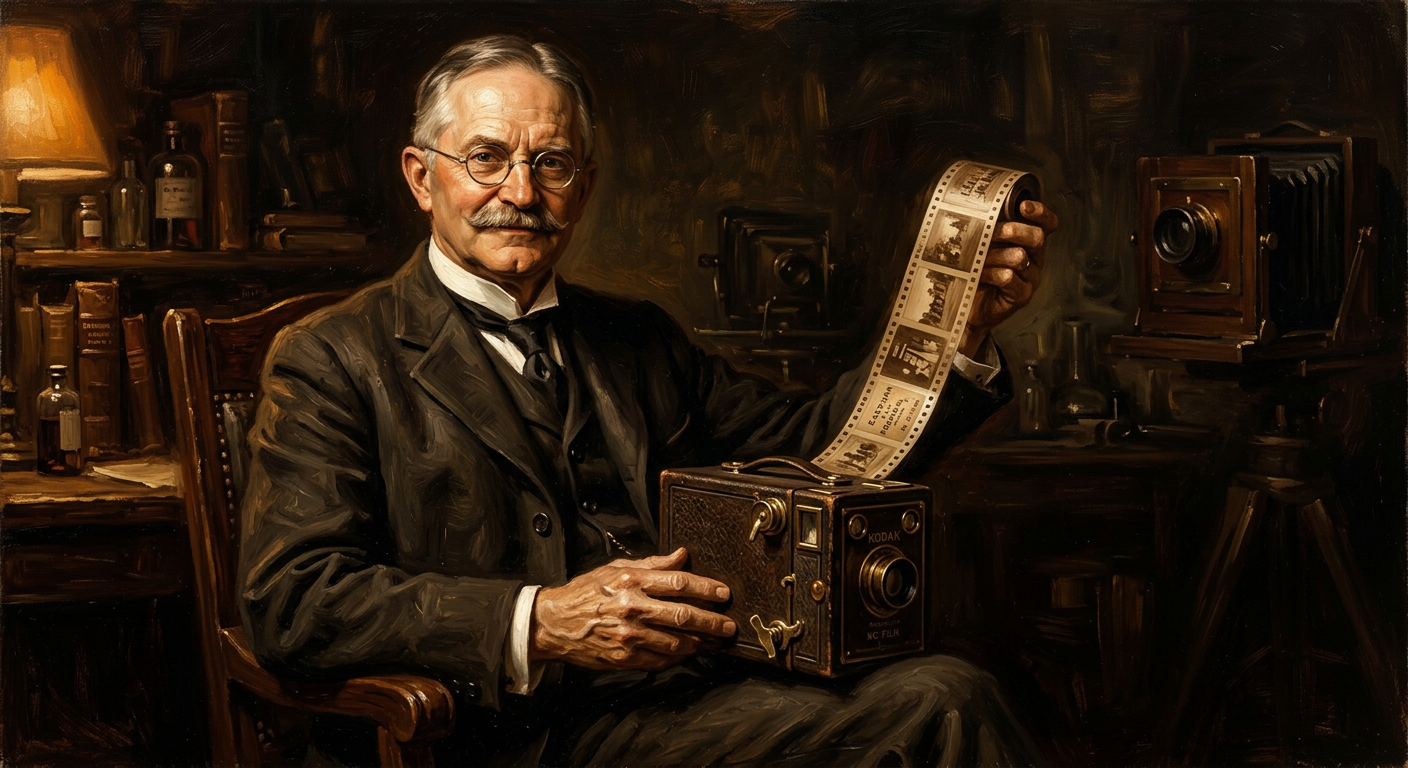
George Eastman
1854–1932 · Inventor and Entrepreneur
Developing practical roll-film systems and the Kodak camera, helping make photography accessible to ordinary people and contributing to the rise of motion pictures.
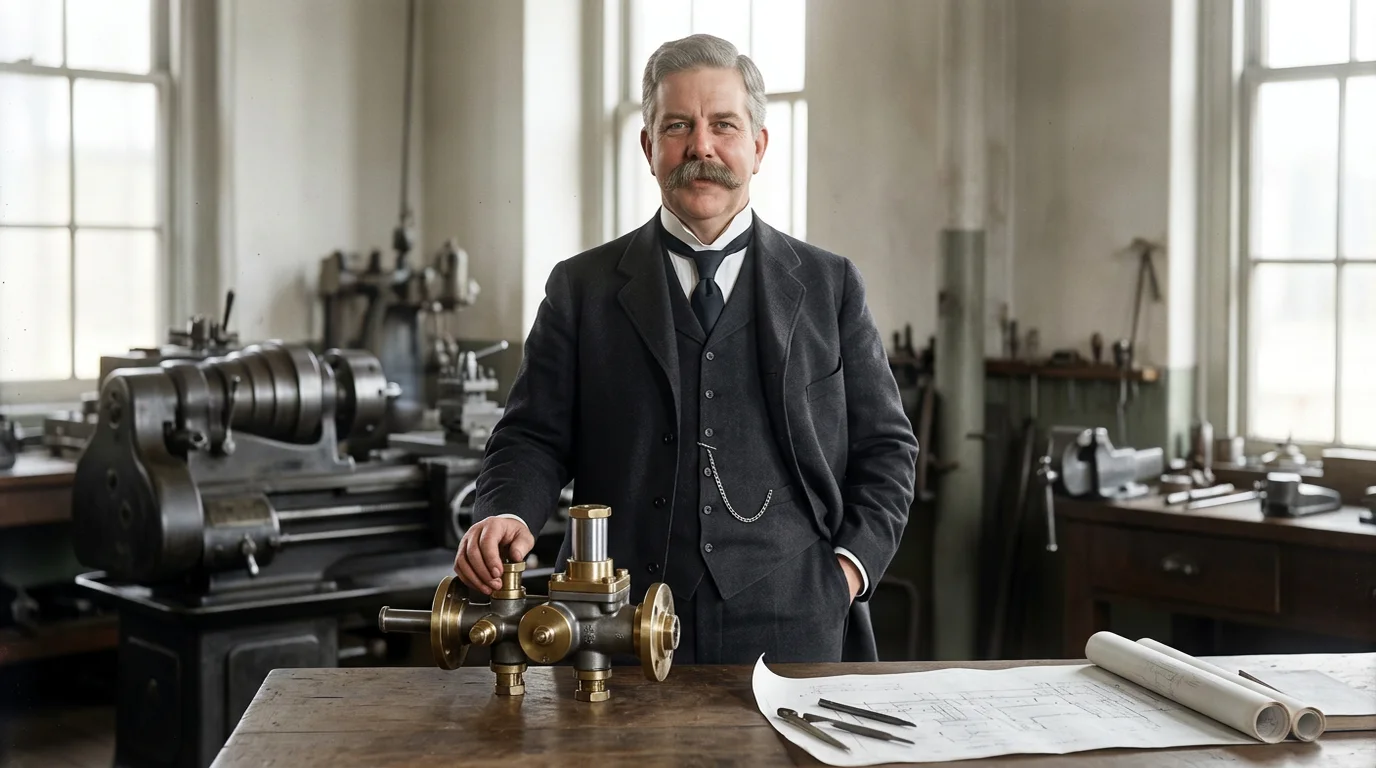
George Westinghouse Jr.
1846–1914 · Inventor and Engineer
George Westinghouse invented an influential compressed-air braking system for railways and founded companies that helped make alternating-current electricity practical. He worked with many engineers and inventors, including William Stanley and Nikola Tesla, to develop systems that could generate, transform and distribute electrical power.
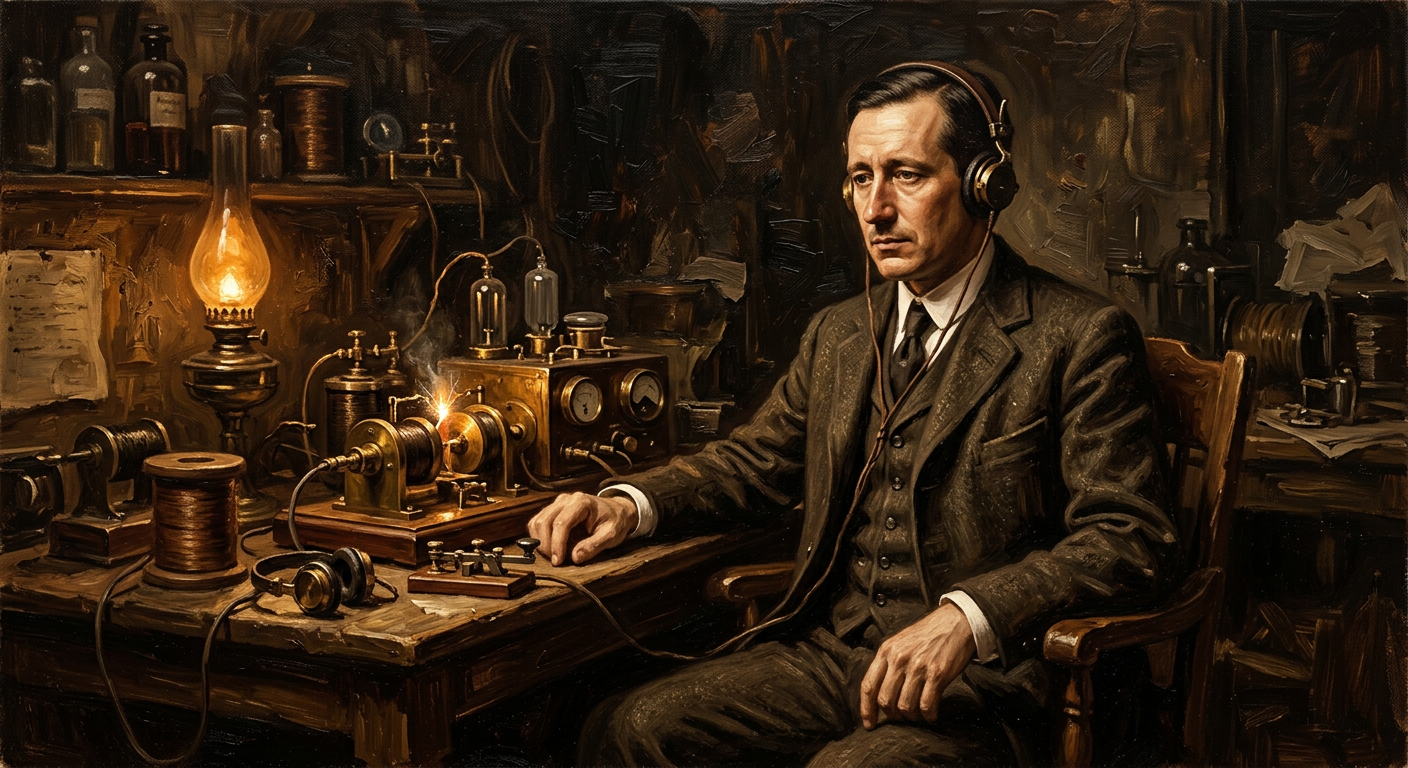
Guglielmo Marconi
1874–1937 · Electrical Engineer and Inventor
Developed practical wireless telegraphy systems, demonstrated long-distance radio communication and shared the 1909 Nobel Prize in Physics for contributions to wireless telegraphy.
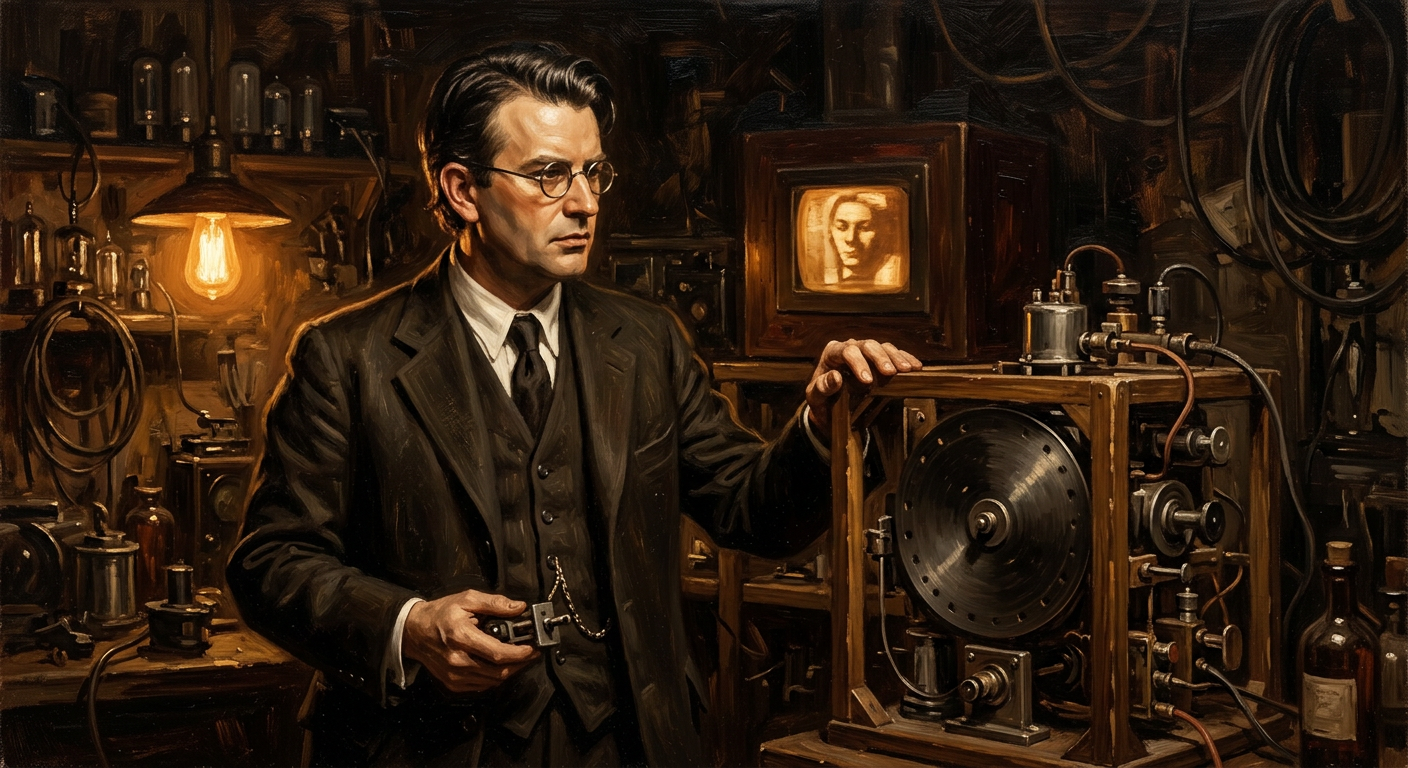
John Logie Baird
1888–1946 · Engineer and Inventor
Pioneering early television and giving a landmark public demonstration of recognisable moving television images in London in 1926, followed by major experiments in long-distance, colour and stereoscopic television.
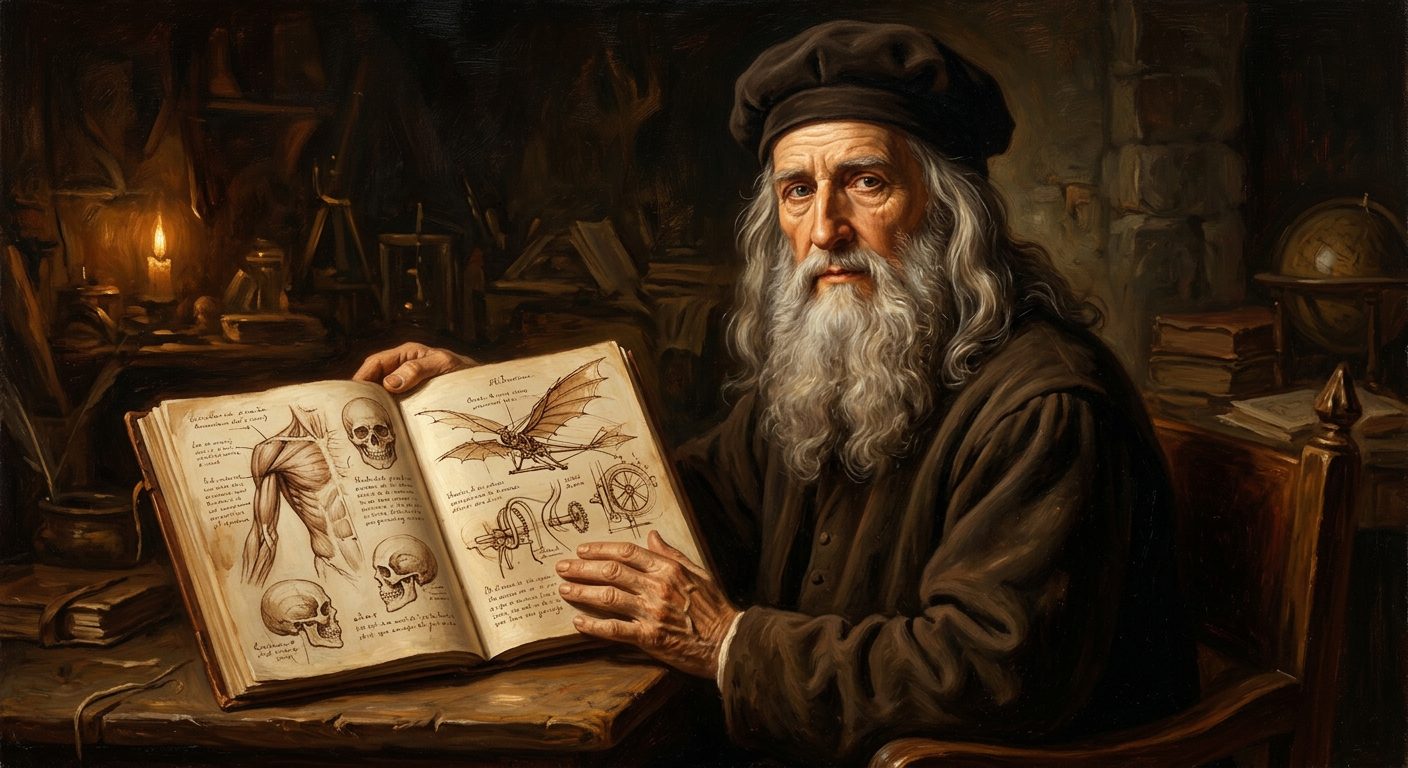
Leonardo da Vinci
1452–1519 · Polymath: Artist, Engineer, Anatomist, and Inventor
Combining extraordinary artistic achievement with wide-ranging investigations of anatomy, engineering, mechanics and the natural world, recorded in thousands of drawings and notes.
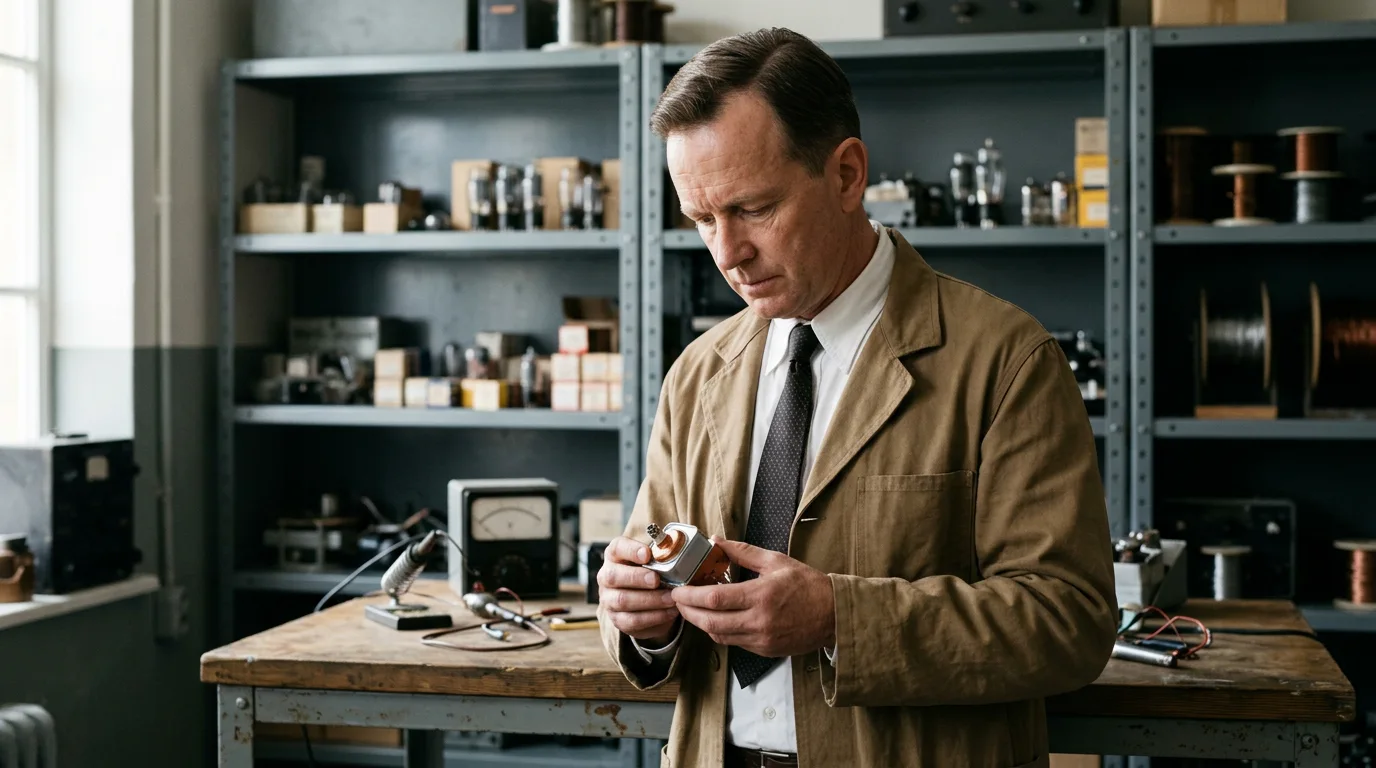
Percy Spencer
1894–1970 · Radar engineering and microwave cooking
Percy Spencer improved mass production of radar magnetrons and led early work at Raytheon that turned microwave energy into a new way of cooking food.
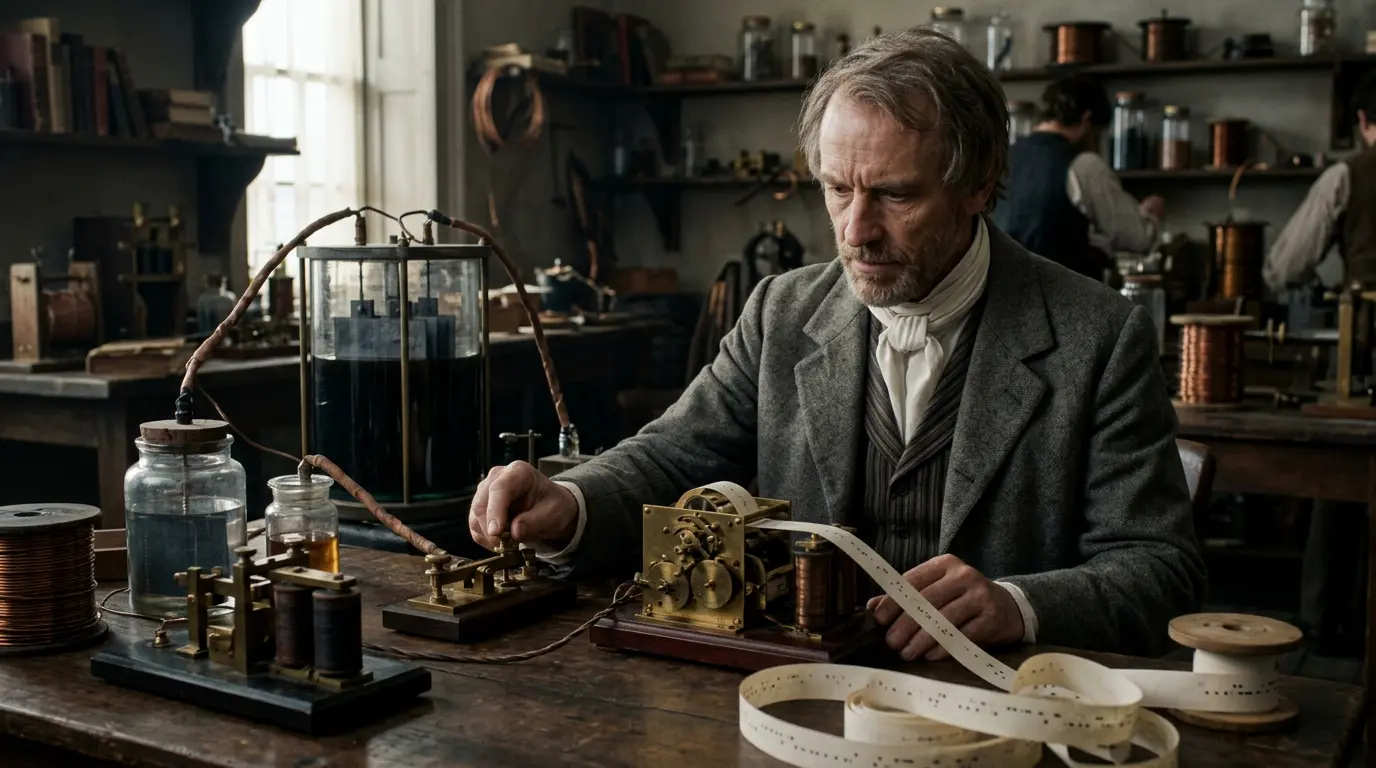
Samuel F. B. Morse
1791–1872 · Inventor and Painter
Helped develop a practical single-wire electric telegraph and the signalling system known as Morse code, working with important collaborators including Alfred Vail and Leonard Gale.
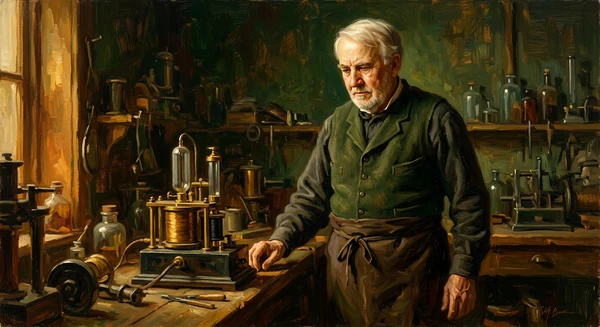
Thomas Edison
1847–1931 · Inventor & Businessman
Developing a practical electric-lighting system, inventing the phonograph and leading important work on early motion-picture technology.