_(2).jpg)
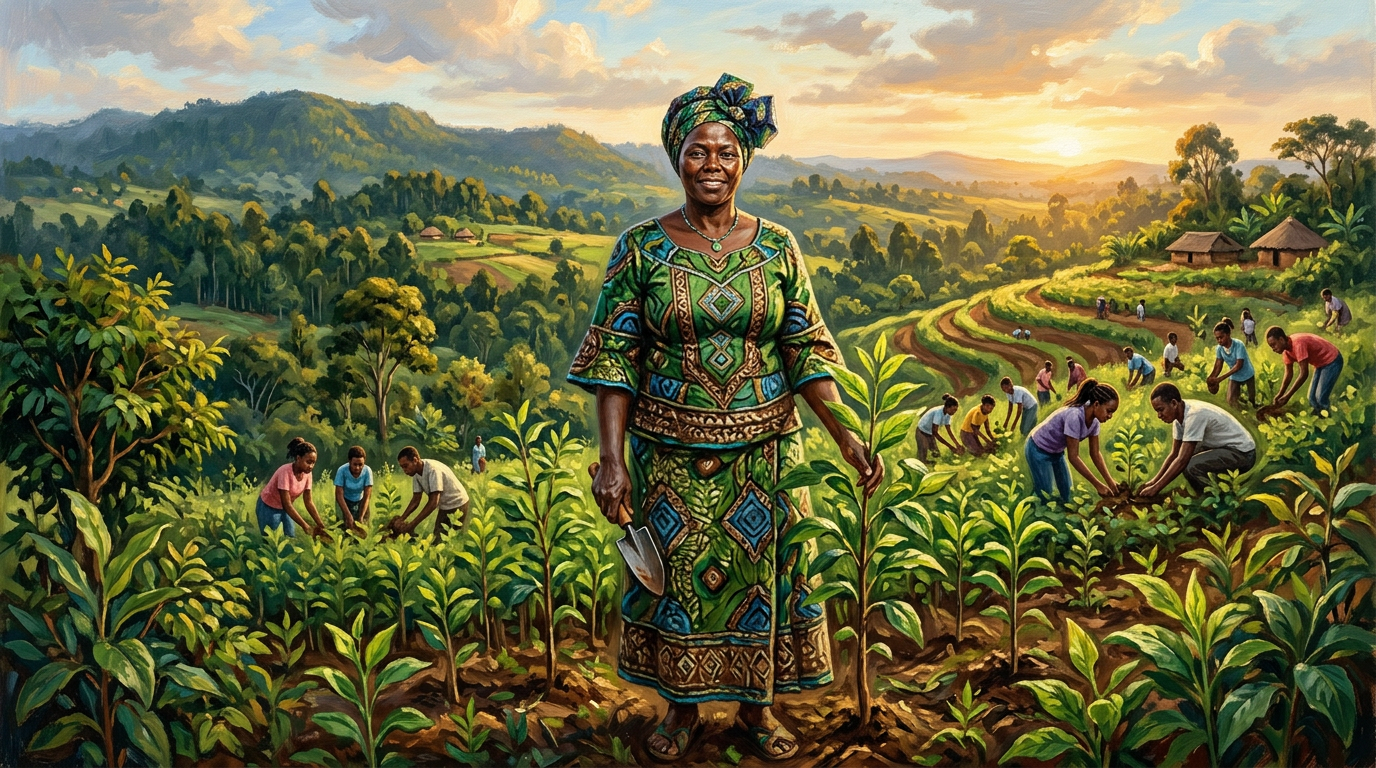
Wangari Maathai
1940–2011 · Environmental scientist and activist
Wangari Maathai was a Kenyan environmentalist and activist who linked tree planting with women's rights, democracy, and peace, showing that ecological restoration can transform communities.
“It's the little things citizens do. That's what will make the difference.”
Wangari Maathai was beaten and imprisoned for opposing the Kenyan government, but she kept planting trees — and in 2004 she became the first African woman to win the Nobel Peace Prize.
Why is this scientist famous?
Founding the Green Belt Movement and becoming the first African woman to win the Nobel Peace Prize.
Wangari Maathai founded the Green Belt Movement, which paid rural Kenyan women to plant trees — over 50 million of them. She showed that protecting the environment also fights poverty and empowers communities. She was the first African woman to win the Nobel Peace Prize. Every tree-planting campaign and youth climate movement today carries forward her simple, powerful idea that taking care of the earth is taking care of each other.
Wangari's story
Early Life
Born in the central highlands of Kenya, Maathai was one of the first Kenyan women to study in the United States under the Kennedy Airlift programme. She earned a bachelor's degree from Mount St. Scholastica College in 1964 and a master's from the University of Pittsburgh in 1966. In 1971 she became the first woman in East and Central Africa to earn a doctorate, completing a PhD in veterinary anatomy at the University of Nairobi.
The Green Belt Movement
In 1977, Maathai founded the Green Belt Movement, a grassroots organisation that paid rural women a small amount for each tree they planted and kept alive. The idea was simple but revolutionary: restore degraded landscapes, provide firewood and food, and give women an independent income. Over the following decades the movement planted more than 30 million trees across Kenya and inspired similar programmes across Africa.
Resistance and Persistence
Maathai's activism brought her into direct conflict with Kenya's authoritarian government under President Daniel arap Moi. She was beaten, arrested, and imprisoned multiple times for leading protests against the privatisation of public land and the construction of a skyscraper in Uhuru Park. She remained undeterred, arguing that environmental destruction and political oppression are part of the same problem.
Nobel Peace Prize
In 2004, Maathai became the first African woman and the first environmentalist to receive the Nobel Peace Prize. The Nobel committee recognised that she had linked sustainable development with democracy, human rights, and women's empowerment — showing that peace and environmental stewardship are inseparable. She served as a member of parliament and assistant minister for the environment. She died in 2011, but the Green Belt Movement continues her work.
What did they discover?
The Green Belt Movement
Founded a grassroots organisation that planted over 30 million trees across Kenya, combining ecological restoration with women's economic empowerment.
Linking Environment and Peace
Demonstrated that environmental degradation, poverty, and political oppression are interconnected — and that restoring ecosystems is a path to peace and democracy.
Amazing facts
She was the first woman in East and Central Africa to earn a doctorate.
The Green Belt Movement has planted more than 30 million trees since 1977.
She was beaten and jailed by the Kenyan government for her activism but never stopped.
She was the first African woman to win the Nobel Peace Prize, in 2004.
She protested the construction of a 62-storey skyscraper in Nairobi's only public park — and won.
She once said that when we plant trees, we plant the seeds of peace and hope.
Timeline
Born in Ihithe, Nyeri District, Kenya
Earned a bachelor's degree from Mount St. Scholastica College in Kansas
Became the first woman in East Africa to earn a doctorate
Founded the Green Belt Movement
Successfully campaigned to stop a skyscraper in Uhuru Park, Nairobi
Elected to Kenya's parliament with 98 percent of the vote
Awarded the Nobel Peace Prize
Died of cancer in Nairobi, Kenya, age 71
Awards & honours
Related Super Scientists
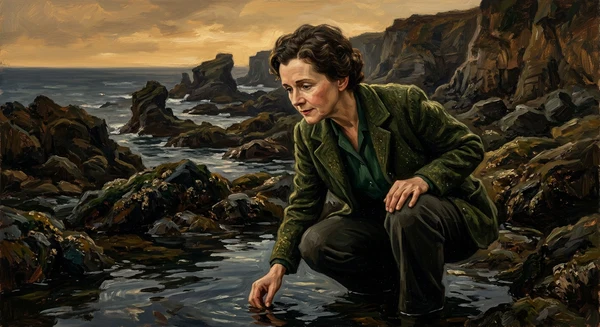
Rachel Carson
1907–1964 · Marine Biologist & Conservationist
Wrote Silent Spring, launching the global environmental movement.
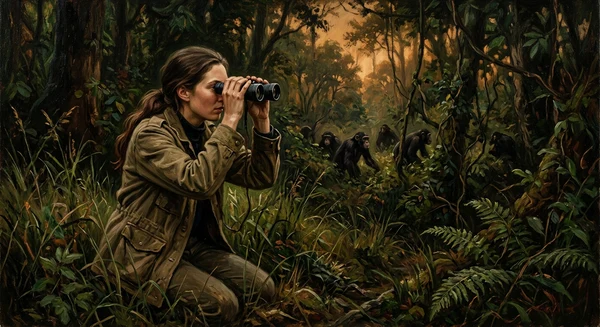
Jane Goodall
1934–present · Primatologist & Anthropologist
Spending 60 years studying wild chimpanzees and redefining what it means to be human.
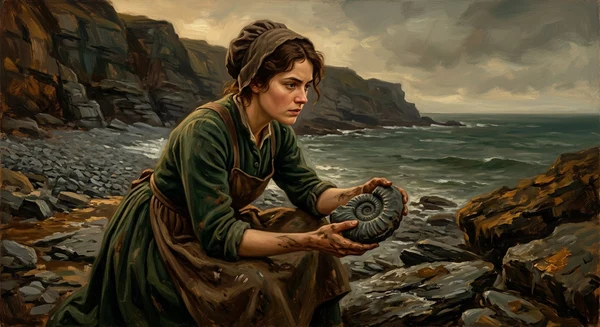
Mary Anning
1799–1847 · Paleontologist
Discovered the first complete Ichthyosaurus skeleton and became the greatest fossil hunter in history.
Sources & references
Books and educational kits about Wangari Maathai coming soon