_(2).jpg)
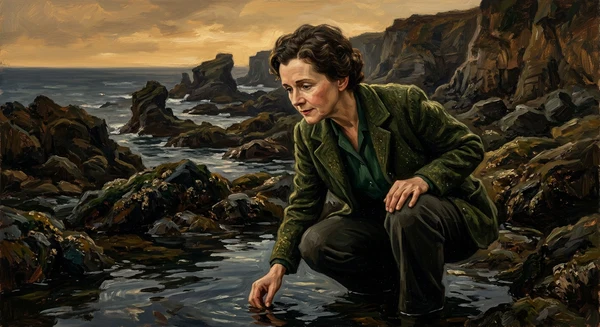
Rachel Carson
1907–1964 · Marine Biologist & Conservationist
Rachel Carson was a marine biologist and writer whose book Silent Spring exposed the dangers of pesticides and launched the modern environmental movement. Her work led to the ban on DDT and the creation of the EPA.
“The more clearly we can focus our attention on the wonders and realities of the universe about us, the less taste we shall have for destruction.”
Carson wrote Silent Spring while dying of cancer — she finished the book that changed how the world thinks about chemicals, then died 18 months later.
Why is this scientist famous?
Wrote Silent Spring, launching the global environmental movement.
Carson wrote Silent Spring, a book that warned how the pesticide DDT was harming wildlife and people. Her work sparked the modern environmental movement and led to laws protecting air, water, and endangered species. When you see a bald eagle soar or breathe cleaner air, you are seeing the results of the awareness she raised. She showed that one person with evidence and courage can change how a nation treats its planet.
Rachel's story
Early Life
Born in 1907 in Springdale, Pennsylvania, Carson grew up on a farm near the Allegheny River. She was a gifted writer from childhood, publishing her first story at age 10. She studied biology at the Pennsylvania College for Women and earned her MA in zoology from Johns Hopkins University.
The Sea Trilogy
Before her environmental activism, Carson was a marine biologist at the U.S. Bureau of Fisheries. She wrote a trilogy of bestselling books about the ocean: Under the Sea-Wind (1941), The Sea Around Us (1951, which won the National Book Award), and The Edge of the Sea (1955). Her poetic, scientifically precise writing made ocean life accessible to millions.
Silent Spring
In 1962, Carson published Silent Spring, which documented how the pesticide DDT was devastating bird populations, contaminating water, and entering the food chain. The book's title imagined a spring with no birdsong — a world silenced by chemical pollution. Chemical companies attacked her viciously, but President Kennedy ordered an investigation that confirmed her findings.
Legacy
Carson died of breast cancer in 1964, just 18 months after Silent Spring was published. But her work led to the ban on DDT in the U.S. (1972), the creation of the Environmental Protection Agency (1970), and the modern environmental movement. She is widely credited with saving several bird species from extinction, including the bald eagle.
What did they discover?
Silent Spring
Wrote the book that exposed the environmental dangers of pesticides, particularly DDT, launching the global environmental movement.
Marine Biology Writing
Authored a bestselling trilogy about ocean life that combined rigorous science with poetic prose, winning the National Book Award.
DDT Ban
Her research and advocacy directly led to the 1972 U.S. ban on DDT, saving the bald eagle and other bird species from extinction.
Amazing facts
She wrote Silent Spring while being treated for the breast cancer that would kill her.
She was hired by the U.S. Bureau of Fisheries, becoming one of the first women to work there as a professional biologist.
Chemical companies tried to discredit her, calling her a "hysterical woman" — but President Kennedy backed her.
Her work is credited with saving the bald eagle from extinction.
She won the National Book Award for The Sea Around Us in 1952.
The Rachel Carson Prize is awarded annually to women who have made outstanding contributions to environmental protection.
Timeline
Born in Springdale, Pennsylvania on May 27
Graduated from the Pennsylvania College for Women with a degree in biology
Earned her MA in zoology from Johns Hopkins University
Became a marine biologist at the U.S. Bureau of Fisheries
Published The Sea Around Us, which won the National Book Award
Published Silent Spring, launching the environmental movement
Testified before Congress about the dangers of pesticides
Died in Silver Spring, Maryland on April 14, age 56
The Environmental Protection Agency was created, partly in response to her work
DDT was banned in the United States, as she had urged
Awards & honours
Related Super Scientists
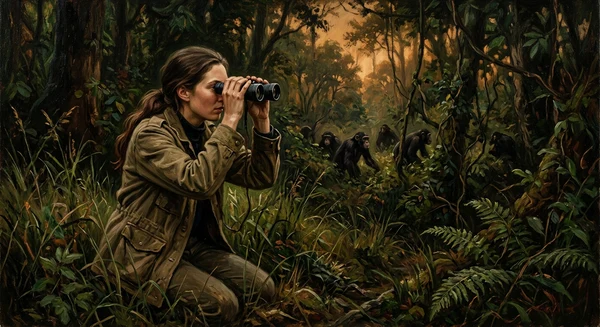
Jane Goodall
1934–present · Primatologist & Anthropologist
Spending 60 years studying wild chimpanzees and redefining what it means to be human.
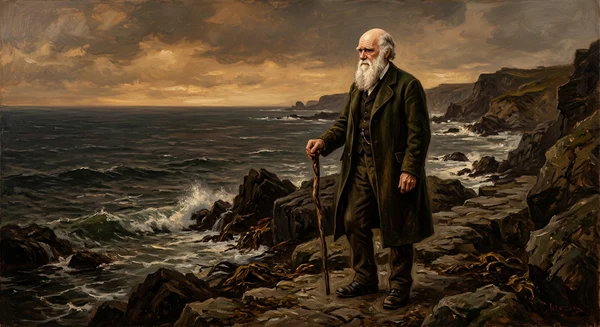
Charles Darwin
1809–1882 · Naturalist & Biologist
Proposing the theory of evolution by natural selection.
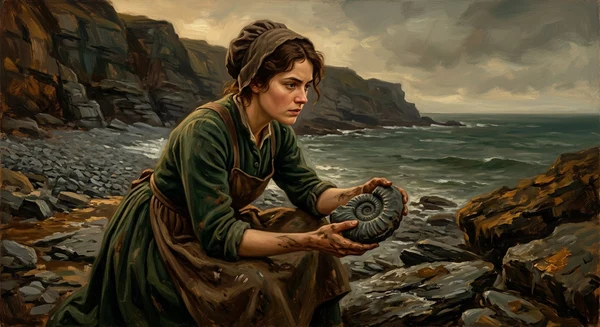
Mary Anning
1799–1847 · Paleontologist
Discovered the first complete Ichthyosaurus skeleton and became the greatest fossil hunter in history.
Sources & references
Books and educational kits about Rachel Carson coming soon