_(2).jpg)
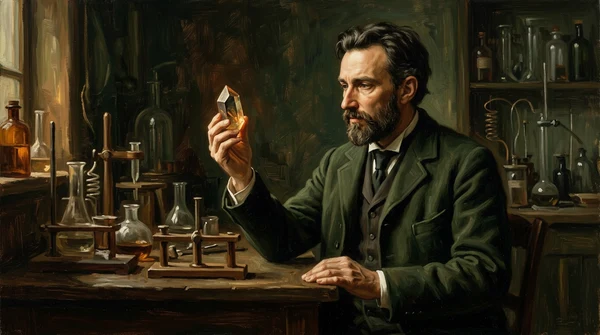
Pierre Curie
1859–1906 · Physicist
Pierre Curie was a French physicist who, with his wife Marie, discovered the elements radium and polonium. He also did groundbreaking work on crystals, magnetism, and radioactivity before his life was cut tragically short.
“It is necessary to act. One must always act. We must not say: what is the use? but rather: how can we do it?”
Pierre Curie and his brother Jacques discovered piezoelectricity — the principle that makes lighters spark and is used in everything from microphones to ultrasound machines.
Why is this scientist famous?
Co-discovered radium and polonium and pioneered the study of radioactivity with Marie Curie.
Pierre Curie worked alongside Marie Curie to discover radium and polonium and to study radioactivity. He also discovered piezoelectricity — the way certain crystals produce electricity when squeezed. That effect is used in quartz watches, microphones, and ultrasound scanners. His partnership with Marie showed how scientific collaboration between equals can achieve breakthroughs neither could alone.
Pierre's story
Early Life
Born in 1859 in Paris, Pierre Curie was homeschooled by his father, a doctor who believed in hands-on learning. He showed extraordinary talent in mathematics and physics, and by age 18 he was studying at the Sorbonne. He worked with his brother Jacques on crystal physics in his early career.
Piezoelectricity
With his brother Jacques, Pierre discovered piezoelectricity in 1880 — the phenomenon where certain crystals produce an electric charge when squeezed. This effect is used today in lighters, microphones, ultrasound machines, and quartz clocks. It was his first major scientific contribution.
Partnership with Marie
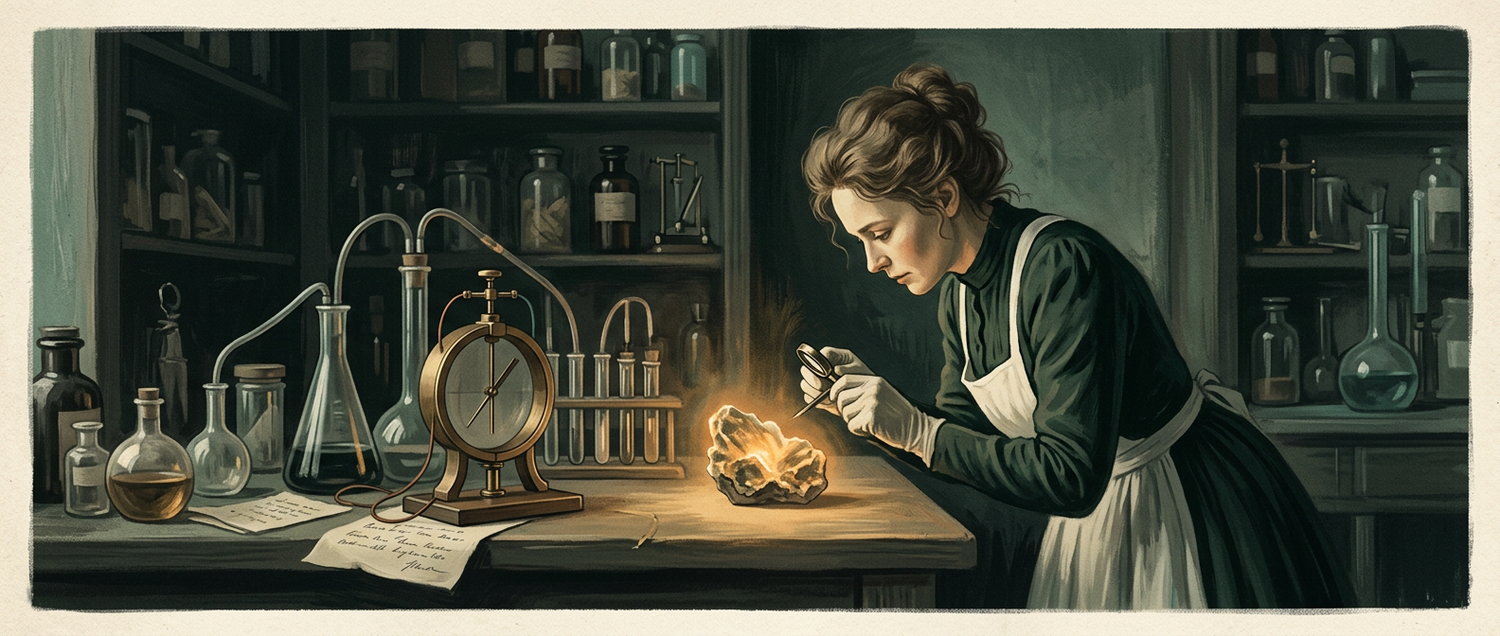
Pierre met Marie Skłodowska in 1894 and they married in 1895. They became scientific as well as life partners, working together in a cramped, drafty shed to study radioactive materials. Pierre focused on the physical properties of the rays while Marie concentrated on chemical isolation. Together they discovered polonium and radium in 1898.
Nobel Prize and Tragic Death
In 1903, Pierre and Marie shared the Nobel Prize in Physics with Henri Becquerel for their work on radioactivity. Pierre was already suffering from ill health, possibly from radiation exposure. On April 19, 1906, he was crossing a street in Paris in the rain when he slipped under a horse-drawn wagon and was killed instantly. He was 46.
What did they discover?
Discovery of Radium and Polonium
Co-discovered the radioactive elements radium and polonium with Marie Curie in 1898.
Piezoelectricity
Discovered piezoelectricity with his brother Jacques — the effect where crystals produce electricity when squeezed, used in countless modern devices.
Curie's Law
Established that the magnetism of a material decreases inversely with temperature, now known as Curie's Law.
Amazing facts
He and his brother Jacques discovered piezoelectricity — the principle that makes cigarette lighters spark.
He and Marie worked in a converted shed that was freezing in winter and boiling in summer.
He was killed at age 46 when he slipped under a horse-drawn wagon on a rainy Paris street.
He shared the 1903 Nobel Prize in Physics with Marie Curie and Henri Becquerel.
He initially wasn't going to be included in the Nobel nomination — Marie was added only after his insistence.
The Curie temperature (the point at which magnets lose their magnetism) is named after him.
Timeline
Born in Paris, France on May 15
Earned his degree in physical sciences from the Sorbonne at age 18
Discovered piezoelectricity with his brother Jacques
Married Marie Skłodowska — they became scientific partners
Co-discovered polonium and radium with Marie Curie
Shared the Nobel Prize in Physics with Marie Curie and Henri Becquerel
Became a professor at the Sorbonne
Killed in a street accident in Paris on April 19, age 46
Awards & honours
Related Super Scientists
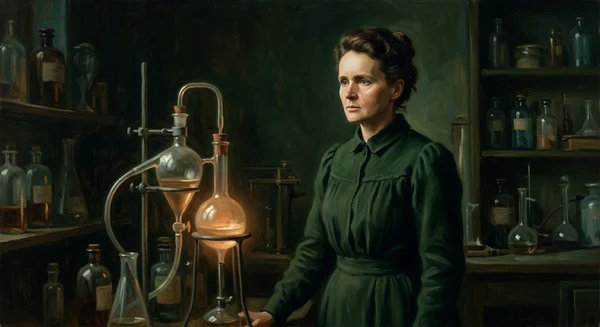
Marie Curie
1867–1934 · Physicist & Chemist
Discovering radioactivity and two new elements: radium and polonium.
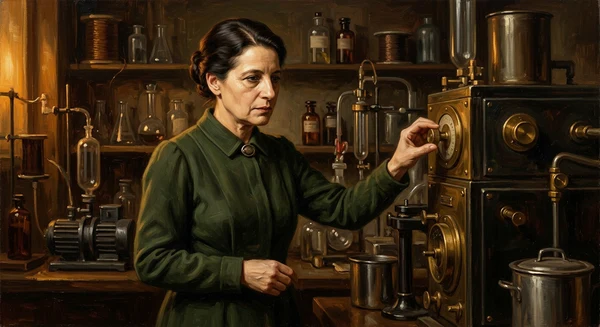
Lise Meitner
1878–1968 · Physicist
Co-discovered nuclear fission and explained how splitting atoms releases enormous energy.
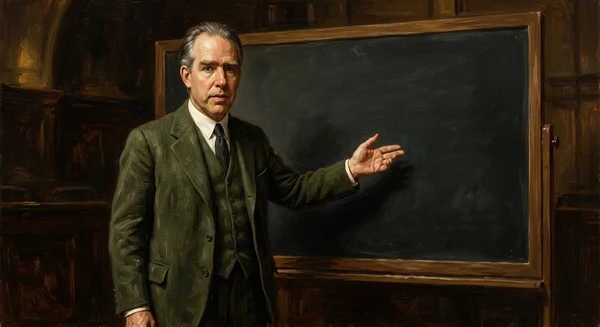
Niels Bohr
1885–1962 · Physicist
Developed the Bohr model of the atom and made foundational contributions to quantum mechanics.
Articles about this scientist
Sources & references
Books and educational kits about Pierre Curie coming soon