_(2).jpg)
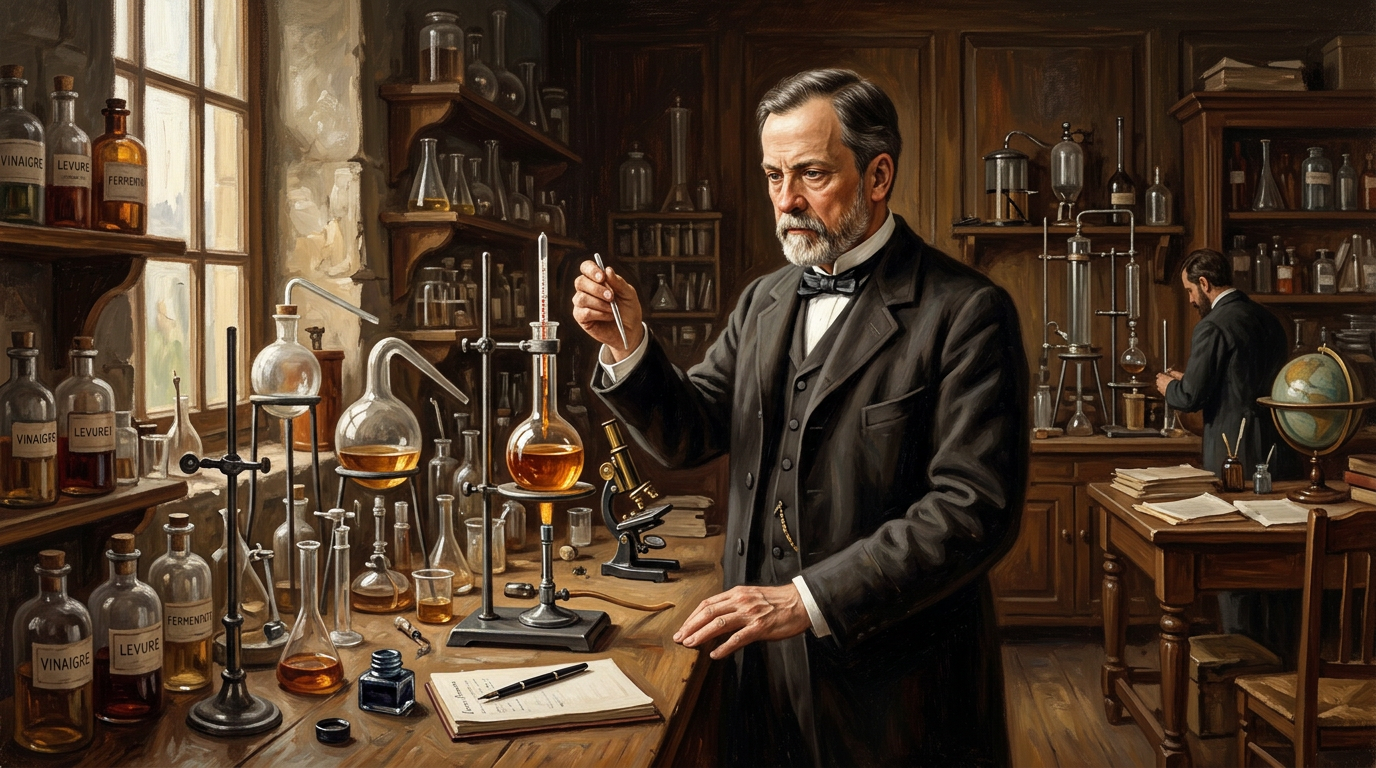
Louis Pasteur
1822–1895 · Chemist and microbiologist
Louis Pasteur was a French chemist and microbiologist whose germ theory of disease transformed medicine, and whose practical inventions — from pasteurisation to vaccines — have saved millions of lives.
“Chance favors the prepared mind.”
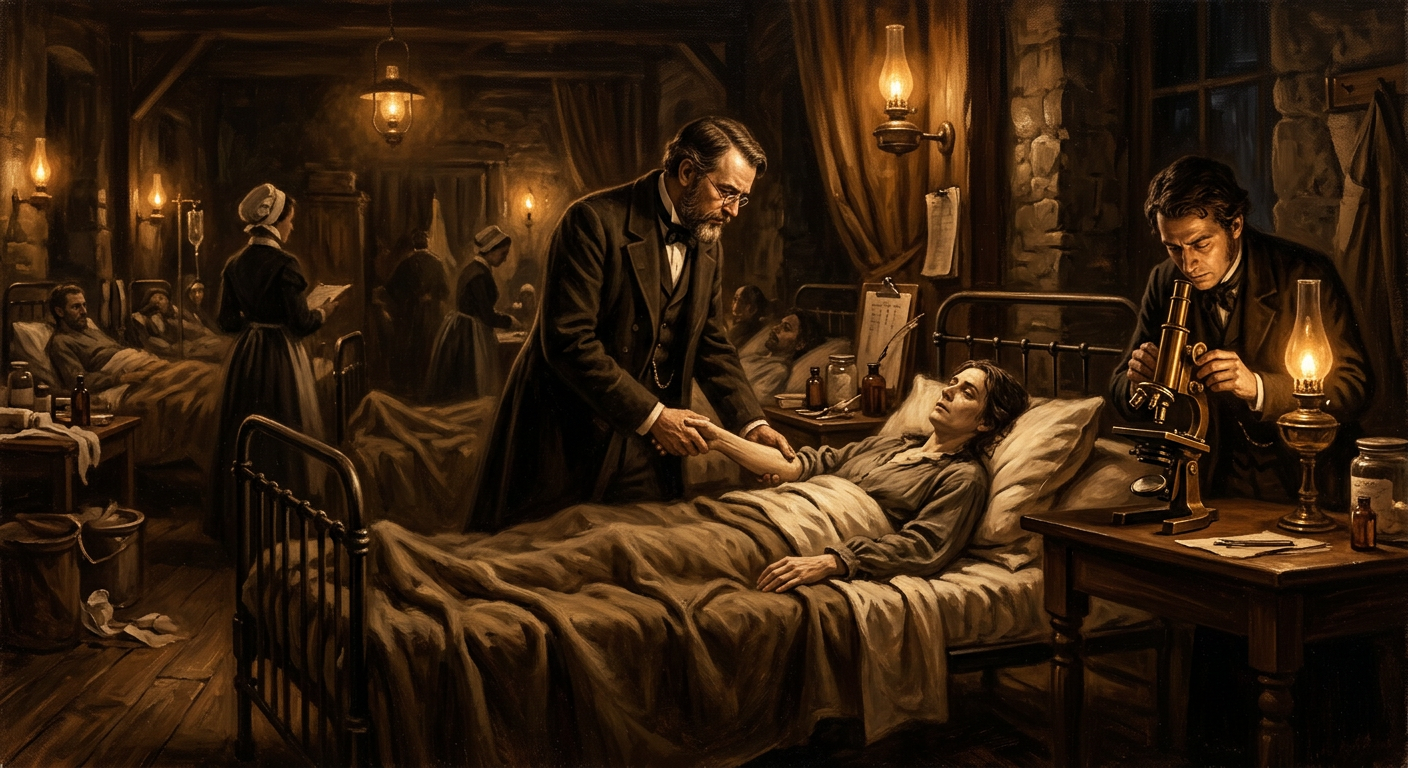
Louis Pasteur treated his first rabies patient, nine-year-old Joseph Meister, in 1885. The boy survived, and went on to become a caretaker at the Institut Pasteur — where he guarded the crypt of Pasteur for over 60 years.
Why is this scientist famous?
Proving that germs cause disease, developing pasteurisation, and creating the first rabies vaccine.
Pasteur proved that germs cause disease and invented pasteurization — heating food to kill harmful bacteria. The milk you drink and the juice you sip are safer because of his process. He also created the first vaccines for rabies and anthrax. Every time you see a "pasteurized" label or wash your hands to stop germs, you are following his advice.
Louis's story
Early Life
Born in Dole in eastern France, the son of a tanner, Pasteur was an average student but a gifted painter in his youth, producing portraits of his family and neighbours. He studied chemistry at the École Normale Supérieure in Paris, where he earned a doctorate in 1847. His first major scientific contribution came not in biology but in chemistry: he distinguished between two types of tartaric acid crystals that were mirror images of each other, founding the field of molecular chirality — the idea that molecules can be left-handed or right-handed.
Spontaneous Generation
In the 1850s and 60s, Pasteur turned to the question of how microorganisms arise. At the time, many scientists believed in spontaneous generation — the idea that life could appear from non-living matter. Using elegant swan-necked flask experiments, Pasteur proved that broth remained sterile unless exposed to air carrying microbes, decisively disproving spontaneous generation. He showed that fermentation, whether in wine, beer, or milk, is caused by living microorganisms, not by spontaneous chemical changes.
Pasteurisation
To solve a crisis in the French wine industry, where spoiling wine was causing enormous economic losses, Pasteur discovered that briefly heating wine to about 60 degrees Celsius killed spoilage organisms without ruining the flavour — the process now called pasteurisation. The same principle was later applied to milk, beer, and countless other foods, saving millions of lives from milk-borne diseases like tuberculosis and scarlet fever. The process is now used worldwide and is one of the most important public health innovations in history.
Vaccines
Pasteur then turned to disease, developing vaccines for anthrax in 1881 and, most famously, for rabies. His anthrax vaccine was tested in a dramatic public demonstration at Pouilly-le-Fort, where he vaccinated 25 sheep, left 25 unvaccinated, then exposed all 50 to anthrax — every vaccinated sheep survived, every unvaccinated one died. In July 1885 he treated nine-year-old Joseph Meister, who had been bitten by a rabid dog and would otherwise have died. The boy survived, and the news spread around the world.
The Institut Pasteur
Pasteur founded the Institut Pasteur in Paris in 1887 with funds raised from an international appeal following the rabies vaccine success. He insisted that all patients be treated for free. The institute continues to be a world-leading centre for infectious disease research and has produced ten Nobel laureates. Pasteur suffered a brain haemorrhage in 1868 that left his left side partly paralysed, but he continued working for another 27 years, never patenting any of his vaccines.
Legacy
Pasteur's germ theory of disease laid the foundation for modern medicine, surgery, and public health. Joseph Lister's antiseptic surgery, the development of antibiotics, and the entire field of immunology all trace their origins to Pasteur's insights. He died in 1895 and was given a state funeral at Notre-Dame Cathedral. Joseph Meister, the boy he saved from rabies, became a caretaker at the Institut Pasteur and guarded Pasteur's crypt for over 60 years — reportedly taking his own life in 1940 rather than open the crypt to Nazi forces.
What did they discover?
Germ Theory of Disease
Demonstrated that microorganisms cause fermentation and disease, overturning the theory of spontaneous generation and founding modern microbiology and infectious disease medicine.
Pasteurisation
Developed the process of heating food and drink to a specific temperature to kill harmful microorganisms without altering taste or quality — now used worldwide for milk, wine, beer, and more.
Rabies Vaccine
Created the first successful vaccine for rabies, treating nine-year-old Joseph Meister in 1885 and establishing the principle of attenuated vaccines.
Anthrax Vaccine
In 1881 he publicly vaccinated sheep against anthrax using an attenuated strain, proving that weakened pathogens could produce immunity.
Amazing facts
He began his career as a chemist, not a biologist, and only turned to microbiology in his 30s.
His swan-necked flask experiment disproving spontaneous generation is one of the most famous experiments in biology.
Only three people are known to have survived rabies before Pasteur's vaccine.
The Institut Pasteur in Paris has produced ten Nobel laureates since its founding.
He suffered a brain haemorrhage in 1868 that left his left side partly paralysed — but he continued working for another 27 years.
He insisted that all of his patients be treated for free, and never patented any of his vaccines.
His public anthrax test at Pouilly-le-Fort was attended by scientists, journalists, and hundreds of farmers.
Joseph Meister, the first rabies patient he saved, later guarded his crypt at the Institut Pasteur for over 60 years.
His discovery that crystals can be left- or right-handed founded the field of stereochemistry.
He once said that fortune favours the prepared mind — and his own career proved it.
Timeline
Born in Dole, France
Earned a doctorate in chemistry from the École Normale Supérieure
Discovered molecular chirality — that crystals can be left- or right-handed
Discovered that fermentation is caused by living microorganisms
Disproved spontaneous generation with the swan-necked flask experiment
Developed pasteurisation to preserve wine
Suffered a brain haemorrhage that left his left side partly paralysed
Publicly demonstrated an anthrax vaccine at Pouilly-le-Fort
Successfully treated Joseph Meister with the rabies vaccine
Founded the Institut Pasteur in Paris
The Institut Pasteur opened its doors, treating patients for free
Died near Paris and received a state funeral at Notre-Dame
Awards & honours
Related Super Scientists
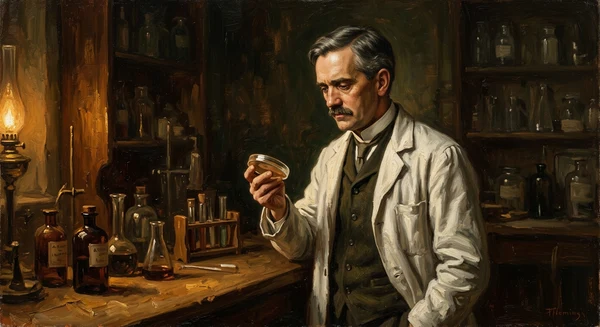
Alexander Fleming
1881–1955 · Bacteriologist
Discovered penicillin, the world's first antibiotic, saving hundreds of millions of lives.
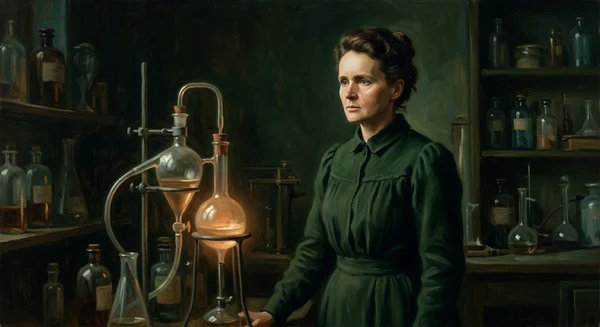
Marie Curie
1867–1934 · Physicist & Chemist
Discovering radioactivity and two new elements: radium and polonium.
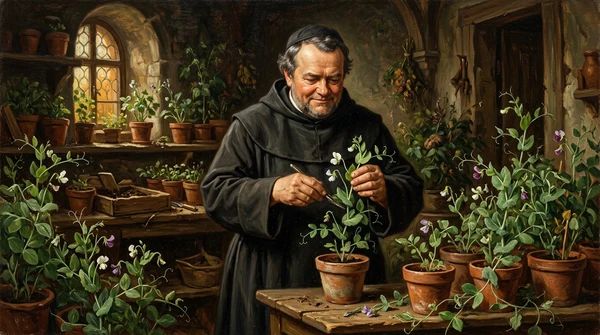
Gregor Mendel
1822–1884 · Biologist & Augustinian Friar
Discovered the fundamental laws of genetic inheritance by studying pea plants.
Articles about this scientist
Sources & references
Books and educational kits about Louis Pasteur coming soon