_(2).jpg)
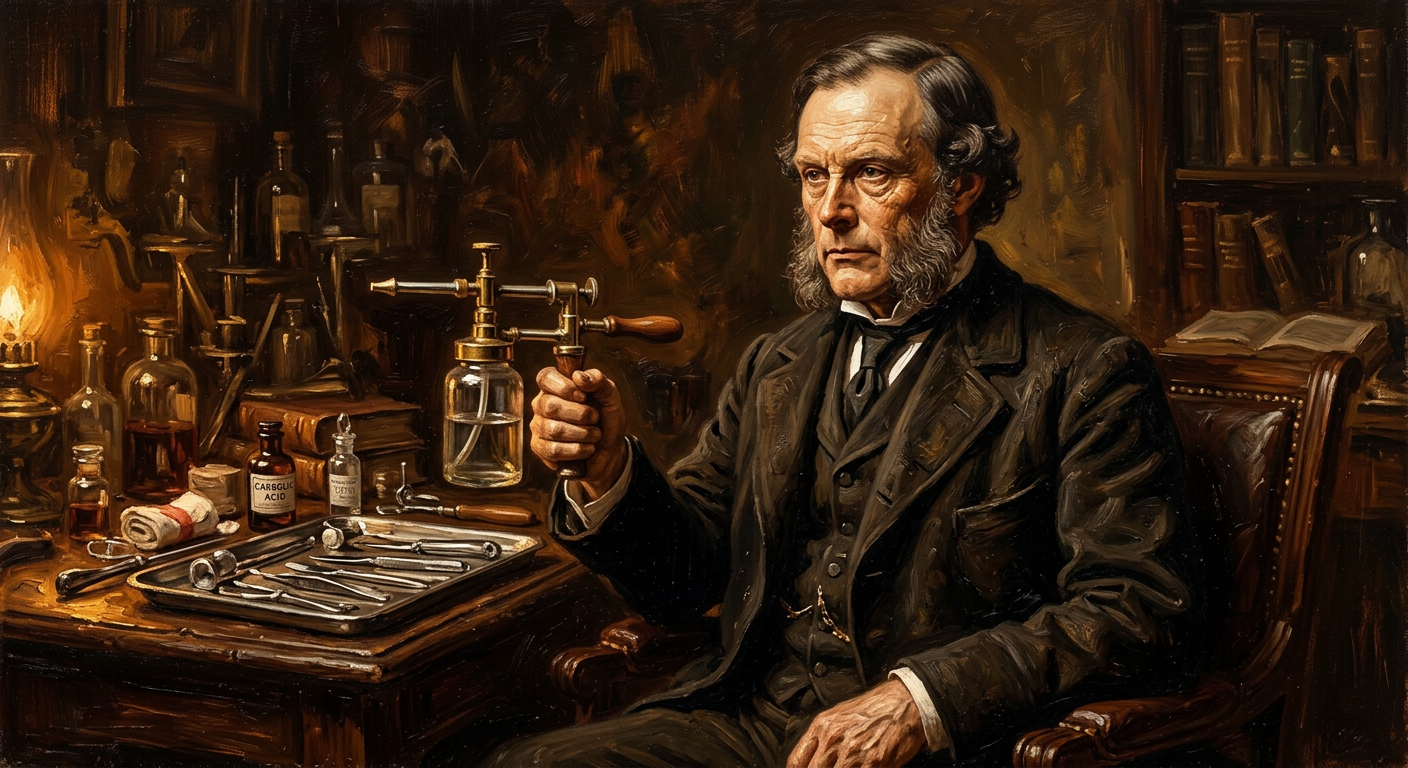
Joseph Lister
1827–1912 · Surgeon
Joseph Lister was a British surgeon who changed medicine forever by proving that killing invisible germs in wounds could prevent deadly infections after surgery.
“When I think of the mischief that has been done by that little word germs I feel almost ashamed that I was concerned in its introduction.”
The mouthwash brand Listerine was named after Joseph Lister in 1879 as a tribute to his pioneering work in antiseptic surgery.
Why is this scientist famous?
Pioneering antiseptic surgery by using carbolic acid to kill germs in wounds, transforming surgery from a deadly gamble into a safe procedure.
Joseph's story
A Surgeon’s Son
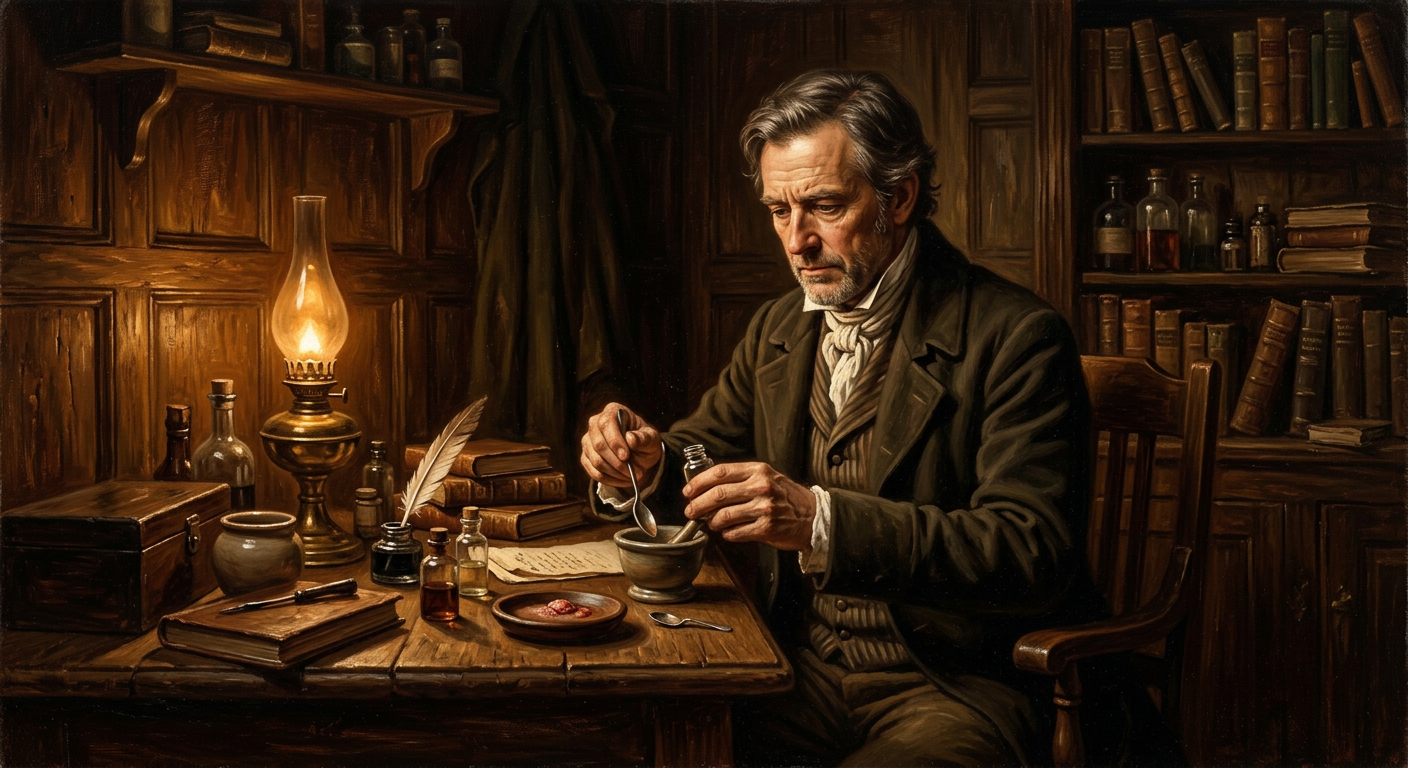
Joseph Lister was born in 1827 in Upton, Essex, the son of a successful merchant who was also a pioneering microscope designer. His father’s instruments sparked young Joseph’s lifelong fascination with microscopy. Lister studied medicine at University College London, where he graduated with honours in 1852. As a student, he watched surgeries that were grim affairs: patients often survived the operating table only to die days later from infections that rotted their wounds. Surgeons wore bloodstained coats with pride and operated with unwashed hands, believing that pus in wounds was a natural and necessary part of healing. Lister found this unacceptable and set out to understand why wounds turned deadly.
Pasteur’s Inspiration
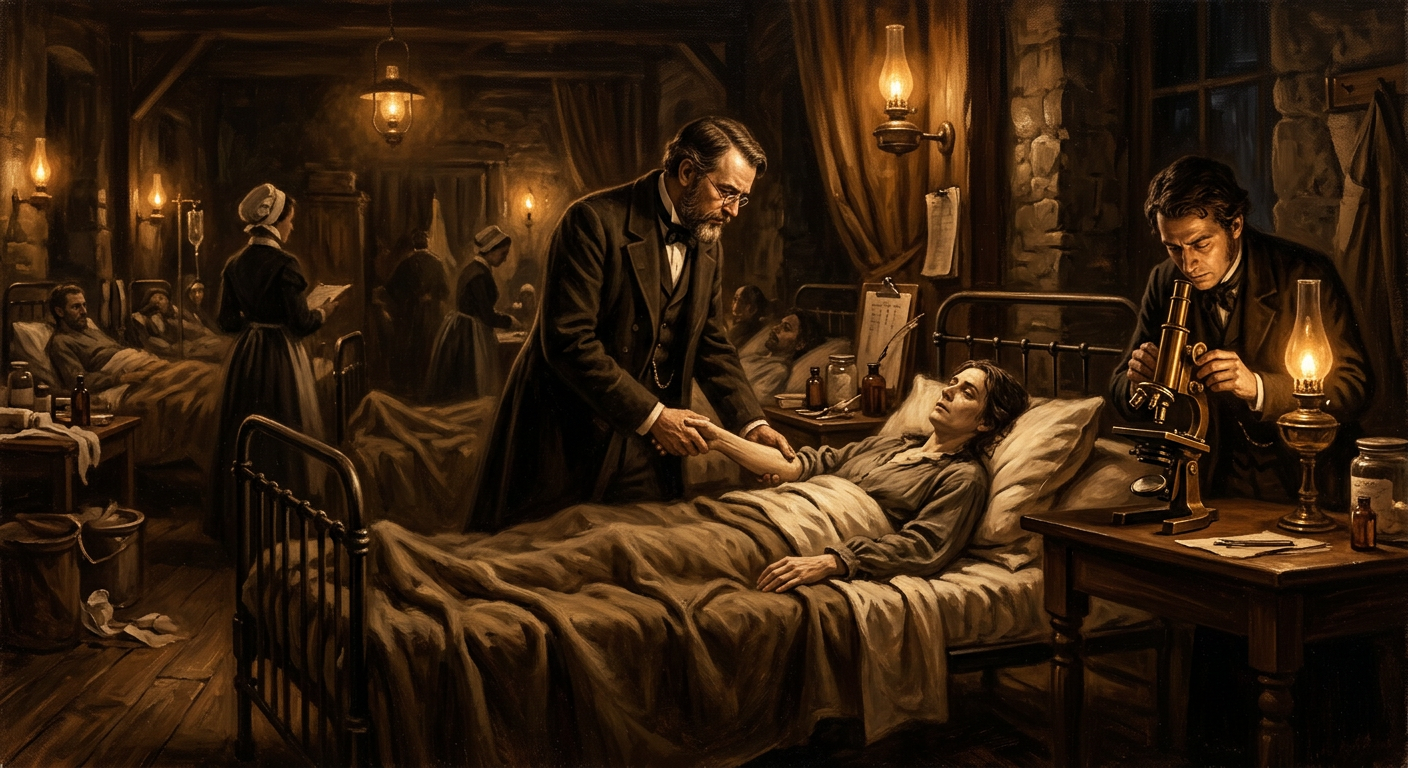
In 1861, Lister became surgeon at the Glasgow Royal Infirmary, where he was placed in charge of a ward filled with patients suffering from compound fractures, breaks where the bone pierced the skin. These wounds almost always became infected, and amputation was often the only option. Lister read the work of Louis Pasteur, who had shown that fermentation and decay were caused by tiny living organisms in the air. Lister reasoned that if microbes caused rotting in wine and milk, they might also cause infections in wounds. If he could kill these germs, perhaps the wounds would heal cleanly. It was a radical idea: that invisible creatures in the air, not bad air itself, were the killers.
Carbolic Acid and a Boy Named James
Lister learned that the town of Carlisle used carbolic acid to treat its sewage and eliminate the smell of rotting waste. In August 1865, he tried it on an eleven-year-old boy named James Greenlees, who had been run over by a cart and suffered a terrible compound fracture of his left leg. Instead of amputating, Lister soaked the wound in carbolic acid dissolved in linseed oil and covered it with a dressing of putty mixed with the acid. For six anxious weeks, he watched the boy. The wound healed without a trace of infection, and James walked again. Lister refined his method over the following years, spraying carbolic acid in the operating room and on instruments, hands, and dressings. His death rates from infections plummeted.
Revolution and Legacy
Lister’s ideas were met with mockery and resistance. Many surgeons were offended by the suggestion that they were spreading disease and resented the time and cost of antiseptic procedures. But the results were undeniable: Lister’s wards saw death rates drop dramatically, and surgeons who adopted his methods reported the same. Gradually, the medical profession came around, and antiseptic surgery became standard practice worldwide. Lister was later honoured with a barony, becoming Baron Lister of Lyme Regis, the first surgeon to receive that distinction. He died in 1912 at the age of 84, having saved countless lives and transformed surgery from a desperate last resort into a reliable tool of healing.
What did they discover?
Antiseptic Surgery
Lister introduced the use of carbolic acid to sterilise wounds, instruments, and operating rooms, dramatically reducing post-surgical infections and saving countless lives.
Applying Germ Theory to Medicine
Building on Louis Pasteur’s germ theory, Lister was the first to prove that airborne microbes caused wound infections, bridging the gap between laboratory science and surgical practice.
The Carbolic Spray
Lister invented a spray apparatus that dispersed a fine mist of carbolic acid during operations, making antiseptic technique practical and repeatable in operating theatres.
Aseptic Technique
Lister’s work evolved into modern aseptic surgery, the principle of keeping germs out of wounds entirely rather than killing them after they enter.
Amazing facts
Lister’s father was a wine merchant who also designed improved microscope lenses, and Joseph used microscopes throughout his career to study tissues and infections.
The mouthwash Listerine was named after Lister in 1879 by Dr Joseph Lawrence and Jordan Wheat Lambert as a tribute to his antiseptic work.
Lister operated on Queen Victoria in 1871, removing an abscess from her armpit while she sat in a chair at Balmoral Castle.
He was the first surgeon to be elevated to the peerage, becoming Baron Lister of Lyme Regis in 1897.
Before Lister’s antiseptic methods, surgical wards had death rates as high as 45 percent from infections alone.
Lister insisted on washing his hands before operations at a time when most surgeons considered visible blood on their coats a badge of experience.
Timeline
Born in Upton, Essex, England
Graduated with honours in medicine from University College London
Became surgeon at the Glasgow Royal Infirmary
First successful use of carbolic acid on a compound fracture patient, James Greenlees
Published his antiseptic surgery methods in The Lancet
Operated on Queen Victoria at Balmoral Castle
Became professor of clinical surgery at King’s College London
First surgeon elevated to the peerage as Baron Lister of Lyme Regis
Died in Walmer, Kent, age 84
Awards & honours
Related Super Scientists
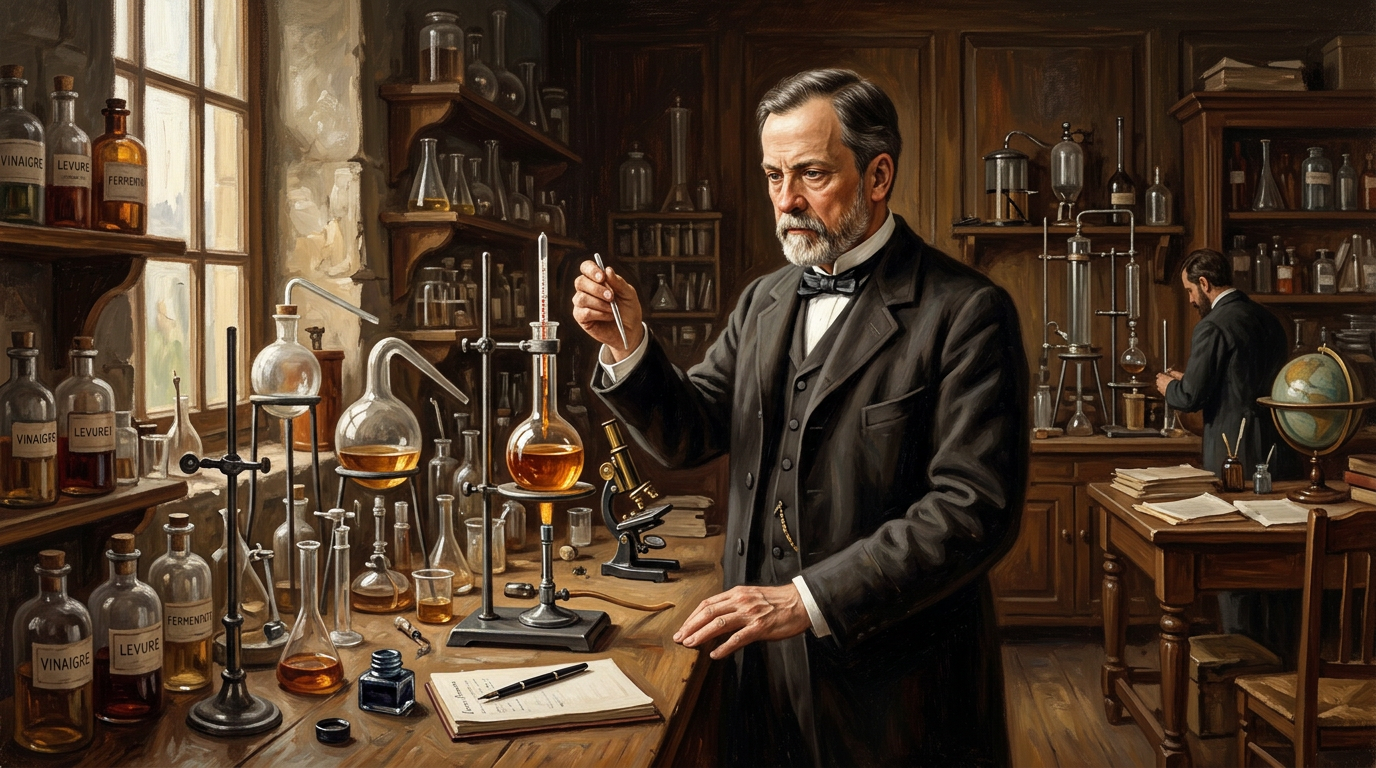
Louis Pasteur
1822–1895 · Chemist and microbiologist
Proving that germs cause disease, developing pasteurisation, and creating the first rabies vaccine.
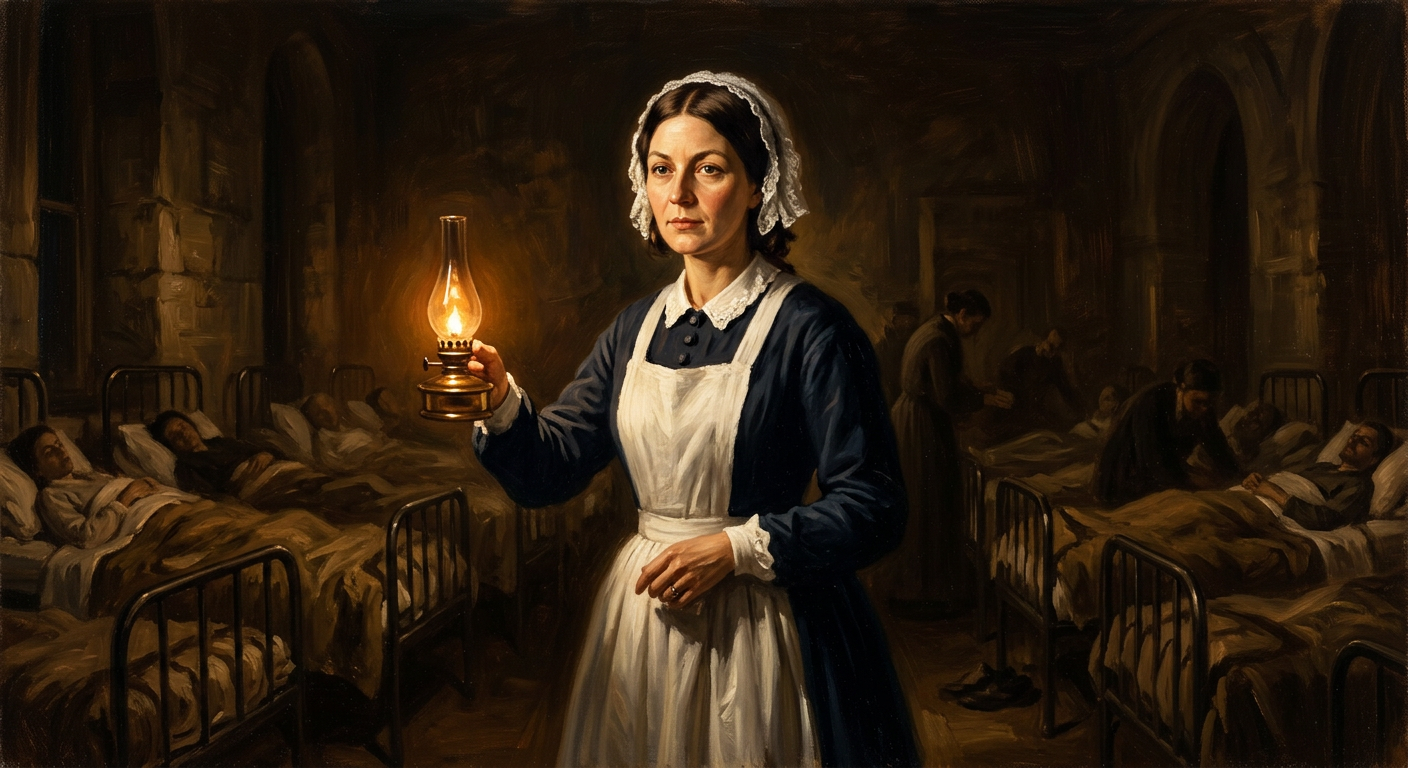
Florence Nightingale
1820–1910 · Nurse, Statistician, and Social Reformer
The founder of modern nursing who revolutionised hospital sanitation and used statistics to prove that clean water and hygiene save lives.
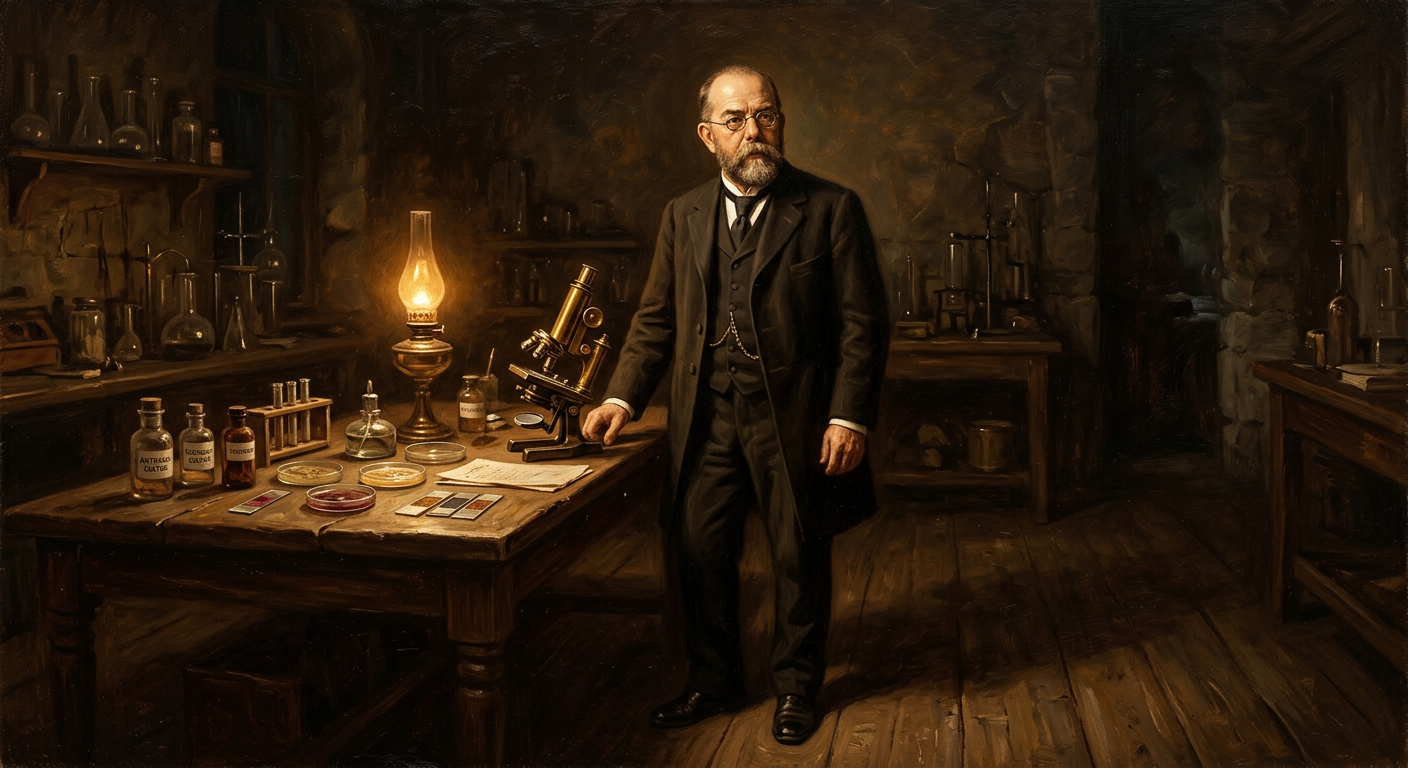
Robert Koch
1843–1910 · Physician and Microbiologist
Discovered the bacteria that cause anthrax, tuberculosis, and cholera, and laid the foundations of modern medical microbiology.
Articles about this scientist
Sources & references
Books and educational kits about Joseph Lister coming soon