_(2).jpg)
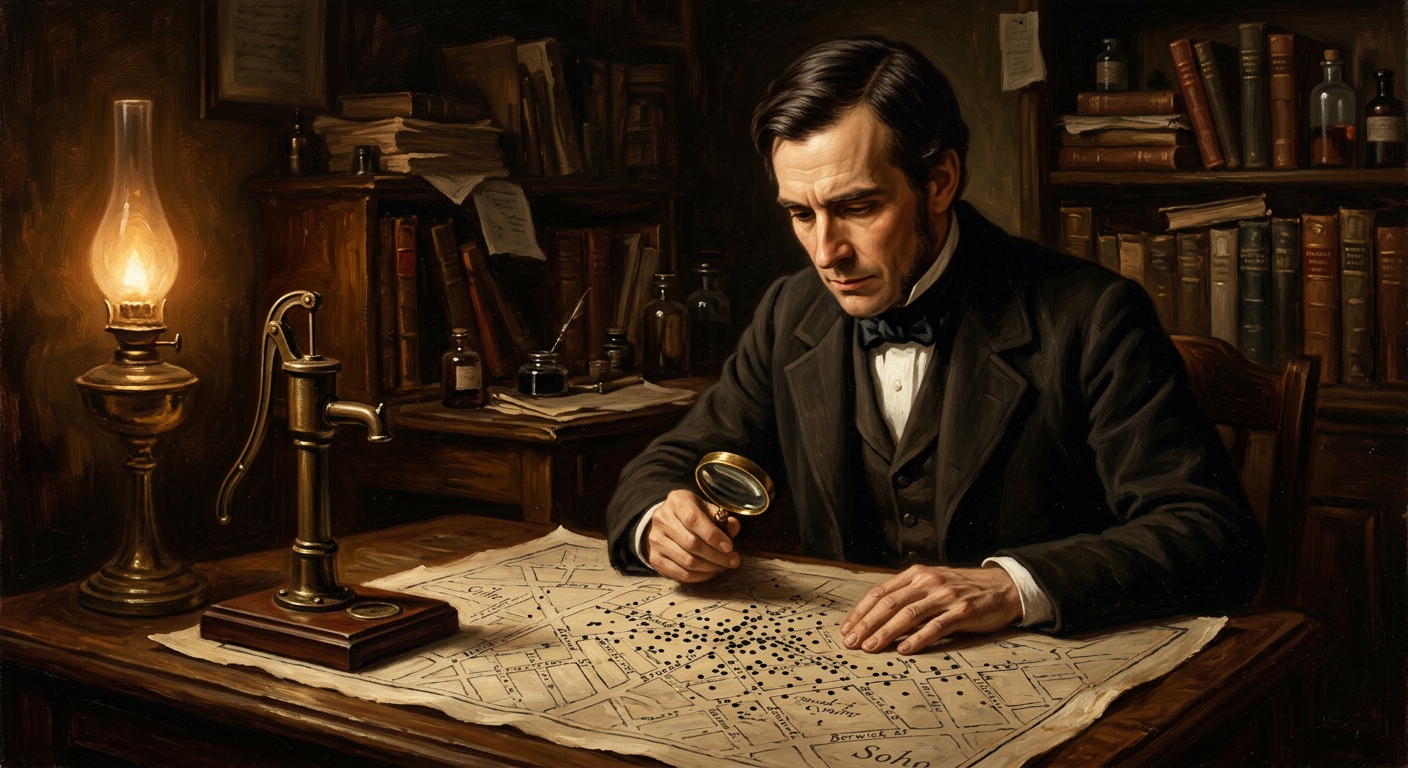
John Snow
1813–1858 · Physician
John Snow was a doctor who solved one of medicine’s greatest mysteries by mapping a cholera outbreak to a single water pump in Soho, London, and proving that disease could spread through contaminated water.
“In consequence of what I said, the handle of the pump was removed on the following day.”
In his own lifetime he was at least as famous for anesthesia as for epidemiology. He personally administered chloroform to Queen Victoria during childbirth, helping make pain relief in labour socially acceptable.
Why is this scientist famous?
Tracing a deadly cholera outbreak to a single water pump in London and proving that cholera was spread through contaminated water, not bad air.
John's story
Early Life in York
John Snow was born on March 15, 1813, in York, England, the eldest son of a labourer who worked in a coal yard. His family was poor, but his father was determined that his son would have an education. John was a quiet, serious boy who excelled at mathematics and science. At 14, he was apprenticed to a surgeon in Newcastle upon Tyne, a common path into medicine in an era before formal medical schools. Over the next several years he trained as a surgeon and apothecary, walking miles between rural villages to attend to patients. During this time, he witnessed a devastating cholera epidemic that swept through the mining communities of northeast England in 1832. He saw entire families wiped out in days, and the horror of that epidemic stayed with him for the rest of his life, shaping the question he would later pursue: how did this disease spread?
A Doctor in London
Snow moved to London in 1836 to continue his medical training. He passed his exams and set up a practice as a general practitioner in Soho, a crowded, poor neighbourhood in the heart of the city. He was a careful, methodical doctor who kept detailed notes and was known for his quiet, serious manner. He did not drink, did not smoke, and did not marry, devoting himself entirely to his work and his research. He was also a vegetarian, unusual for the time, and believed that living simply kept the mind sharp. He slowly built a reputation as a skilled physician, but he was also drawn to the scientific questions of his day, and he began to think deeply about a subject that baffled everyone: how infectious diseases spread.
The Miasma Theory
In the 1840s and 1850s, almost everyone in medicine believed that cholera was caused by miasma, a word meaning ‘bad air.’ The theory held that diseases like cholera were spread by foul odours rising from rotting organic matter, sewage, and swamps. London was a city of terrible smells, choked with sewage and industrial fumes, so the miasma theory seemed to make sense. But Snow was not convinced. He noticed something that puzzled him: if cholera was spread by bad air, why did some people in a household get sick while others did not? And why did the disease seem to follow the paths of water pipes, not the paths of foul smells? He began to gather evidence, quietly and methodically, building a case that cholera was not spread through the air at all, but through contaminated water.
The Broad Street Pump
In late August 1854, a devastating cholera outbreak struck the Soho neighbourhood where Snow worked. Within days, hundreds of people were dead, and entire streets were emptied as residents fled in terror. Snow saw his chance to test his theory. He went door to door, interviewing families, recording who had died and where they had gotten their water. He drew a map, marking each death with a line, and the pattern was unmistakable: the deaths clustered tightly around a single public water pump on Broad Street. He noticed that people who got their water from that pump were dying, while people who drank from other pumps, even on the same street, were not. In one workhouse on the same street, with 535 residents, almost no one died, because they had their own well. Snow went to the Board of Guardians and persuaded them to remove the pump handle. The next day, the handle was taken off, and the outbreak ended. It was one of the most famous moments in the history of medicine.
The Grand Experiment
Snow knew that one outbreak was not enough to prove his theory, so he undertook a far larger study. Two private water companies, the Southwark and Vauxhall Company and the Lambeth Company, supplied water to the same London neighbourhoods, often through pipes that ran down the same streets. By a stroke of luck, the Lambeth Company had recently moved its intake upstream, away from London’s sewage, while the Southwark and Vauxhall Company still drew its water from downstream, right where sewage flowed in. Snow compared cholera deaths among customers of each company and found that people served by the downstream company were more than eight times more likely to die of cholera. It was a natural experiment, and it proved his case: the water was carrying the disease. He published his findings in a book called On the Mode of Communication of Cholera, laying out the evidence in precise, careful detail.
Legacy
Snow did not live to see his ideas fully accepted. He died on June 16, 1858, in London, at the age of 45, from a stroke likely caused by long-standing kidney disease. At the time of his death, the miasma theory still dominated medicine, and his waterborne theory of cholera was largely dismissed. It was not until the 1860s, when the German physician Robert Koch identified the cholera bacterium, that Snow’s work was vindicated. Today, Snow is recognised as one of the founders of modern epidemiology, the science of tracing how diseases spread through populations. His map of the Broad Street outbreak is still reproduced in textbooks, and his method of going door to door, recording every death, and looking for patterns is the foundation of disease investigation today. The pump handle he had removed has become a symbol of evidence-based public health, and a pub named the John Snow stands near the site of the original pump in Soho, a lasting tribute to the quiet doctor who changed how the world understands disease.
What did they discover?
The Broad Street Pump Investigation
During the 1854 Soho cholera outbreak, Snow went door to door recording every death and mapped them, showing that fatalities clustered around a single water pump. He persuaded authorities to remove the pump handle, ending the outbreak. This is considered the founding act of modern epidemiology.
The Grand Experiment: Two Water Companies
Snow compared cholera death rates among customers of two water companies serving the same neighbourhoods, one drawing water upstream of London’s sewage and one downstream. The downstream company’s customers were over eight times more likely to die, proving water as the vehicle of transmission.
Cholera Is Waterborne, Not Airborne
At a time when nearly all doctors believed cholera was spread by bad air (miasma), Snow built a careful, evidence-based case that it was transmitted through contaminated water. His theory was confirmed when Robert Koch identified the cholera bacterium in 1883.
Pioneering Anesthesia Safety
Before his epidemiological work, Snow was one of Britain’s leading anaesthetists. He designed a chloroform inhaler, established safe dosage guidelines, and administered chloroform to Queen Victoria during childbirth, helping make obstetric anesthesia widely accepted.
Amazing facts
His father was a labourer in a coal yard in York, and Snow rose from poverty to become one of the most important doctors in history.
He was a lifelong vegetarian, did not drink or smoke, and never married, devoting himself entirely to medicine and research.
He witnessed a cholera epidemic as a 14-year-old apprentice in Newcastle, and the memory of it shaped his life’s work.
He was as famous in his lifetime for anesthesia as for epidemiology, and personally gave chloroform to Queen Victoria during the births of two of her children.
He designed a chloroform inhaler that allowed precise control of the dose, making anesthesia safer.
He mapped cholera deaths around the Broad Street pump, creating one of the most famous maps in the history of medicine.
A workhouse with 535 inmates on the same street as the pump had almost no cholera deaths, because it had its own well.
He persuaded the Board of Guardians to remove the pump handle on September 8, 1854, and the outbreak ended.
He died at 45, before his ideas were accepted, and the miasma theory he challenged continued to dominate medicine for years afterwards.
A pub called the John Snow now stands near the site of the original Broad Street pump in Soho, London.
Timeline
Born in York, England, the son of a coal-yard labourer
Witnessed a cholera epidemic as a teenage apprentice in Newcastle upon Tyne
Moved to London to continue his medical training
Established his medical practice in Soho, London
Published his first paper proposing that cholera was spread through contaminated water
Administered chloroform to Queen Victoria during the birth of Prince Leopold
Investigated the Broad Street cholera outbreak and mapped the deaths to a single water pump
Persuaded the Board of Guardians to remove the pump handle on September 8
Published On the Mode of Communication of Cholera, presenting his grand experiment with two water companies
Administered chloroform to Queen Victoria during the birth of Princess Beatrice
Died in London on June 16, age 45, from a stroke
Awards & honours
Related Super Scientists
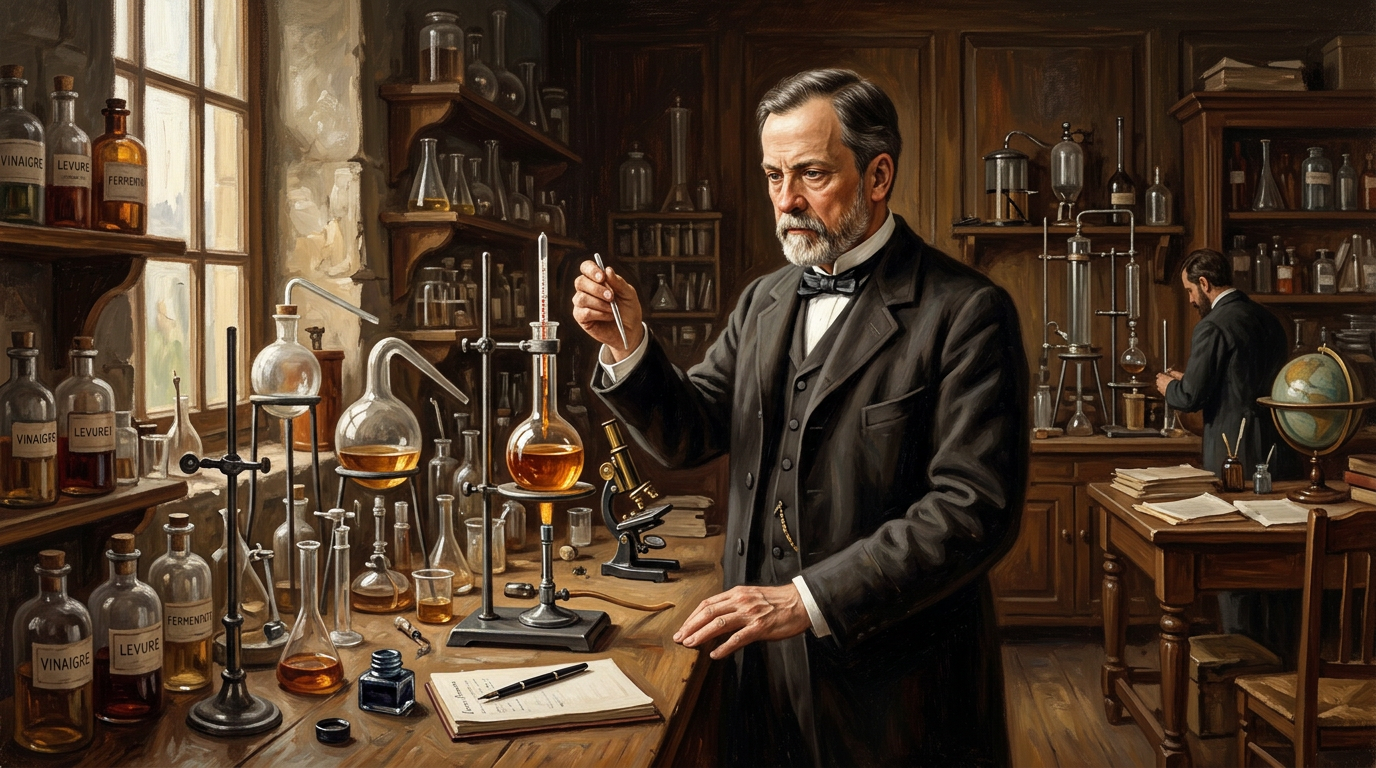
Louis Pasteur
1822–1895 · Chemist and microbiologist
Proving that germs cause disease, developing pasteurisation, and creating the first rabies vaccine.
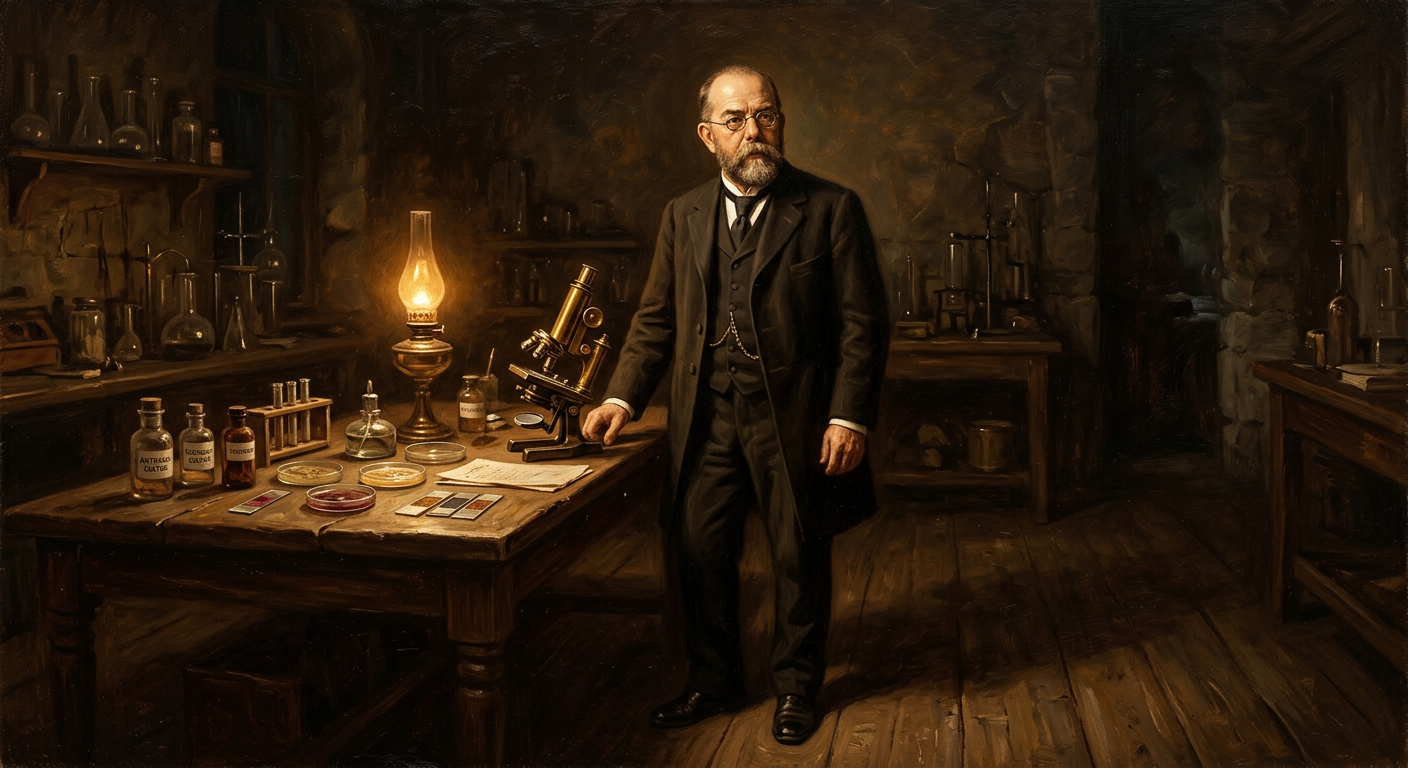
Robert Koch
1843–1910 · Physician and Microbiologist
Discovered the bacteria that cause anthrax, tuberculosis, and cholera, and laid the foundations of modern medical microbiology.
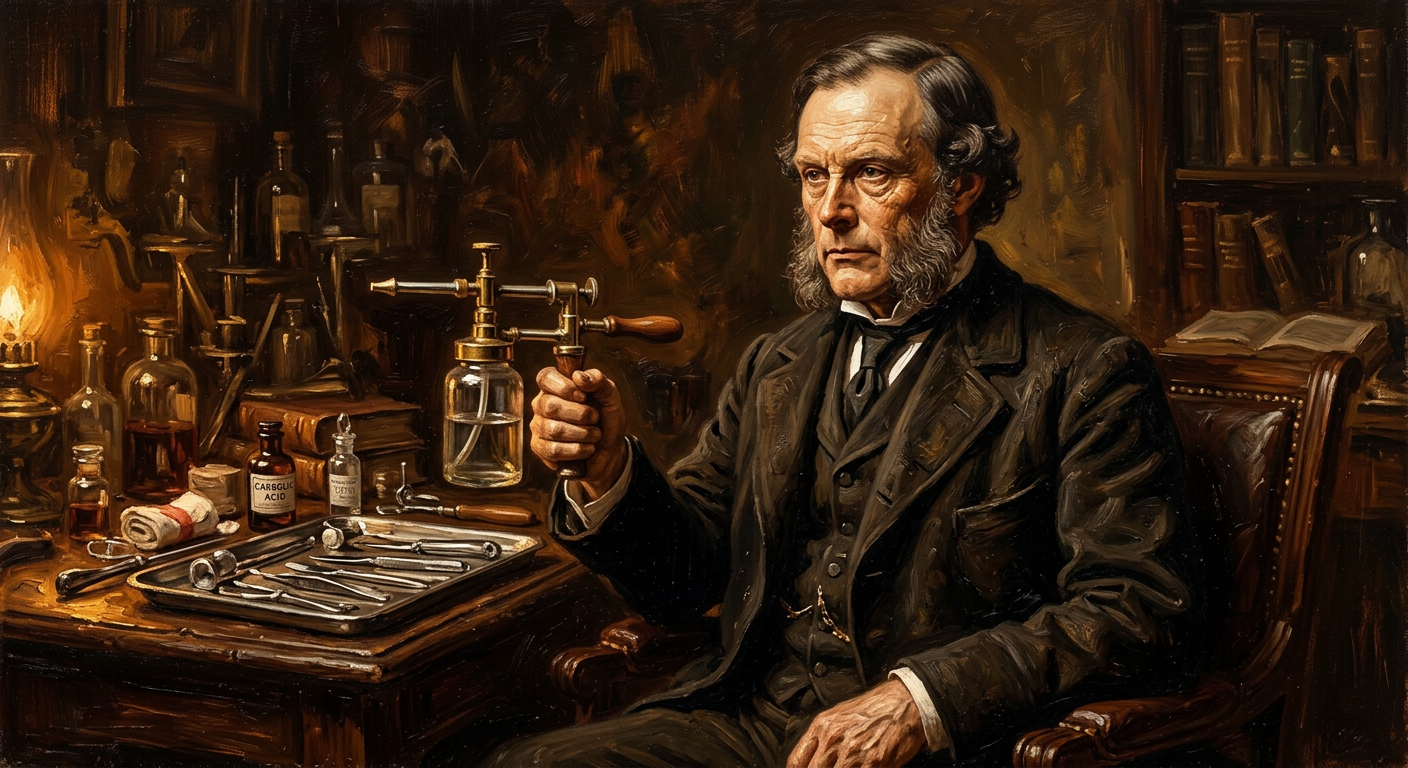
Joseph Lister
1827–1912 · Surgeon
Pioneering antiseptic surgery by using carbolic acid to kill germs in wounds, transforming surgery from a deadly gamble into a safe procedure.
Articles about this scientist
Sources & references
Books and educational kits about John Snow coming soon