_(2).jpg)
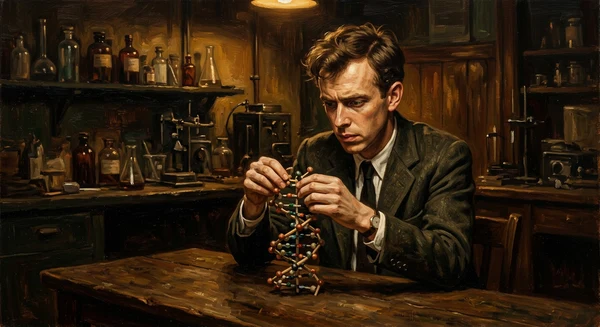
James Watson
1928–present · Molecular Biologist & Geneticist
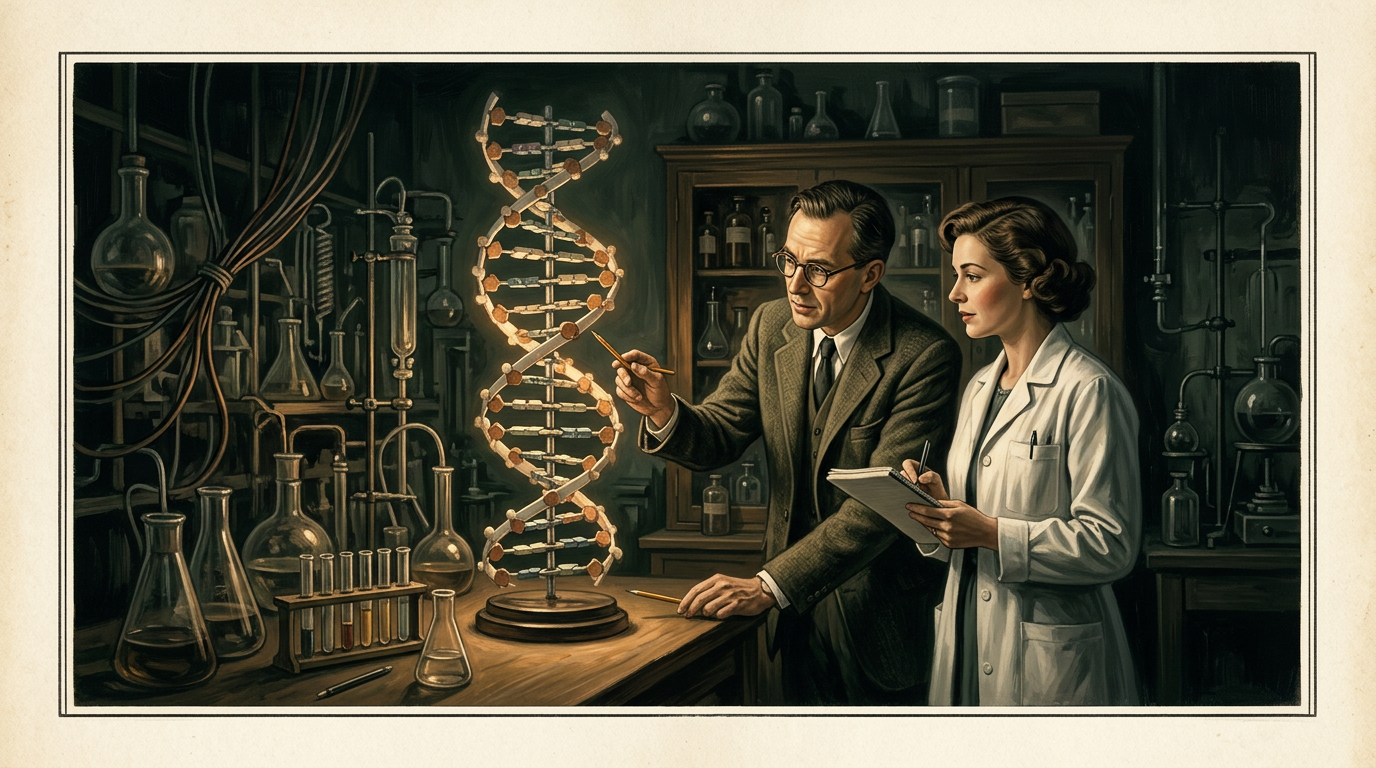
James Watson is an American molecular biologist who co-discovered the double-helix structure of DNA with Francis Crick in 1953. This discovery — often called the most important in 20th-century biology — revealed how genetic information is stored and passed on.
“It's not that we're trying to do something that's never been done. It's that we're trying to understand something that is there.”
Watson and Crick discovered the DNA double helix in 1953 using Rosalind Franklin's photo data — she didn't know they had it, and they won the Nobel Prize while she died unrecognised.
Why is this scientist famous?
Co-discovered the double-helix structure of DNA.
Watson and Francis Crick worked out the double-helix structure of DNA — the twisted ladder that carries the genetic instructions for all life. Understanding DNA's shape let scientists read, copy, and edit genes. That knowledge drives gene therapy, ancestry tests, and the fight against genetic diseases. The Human Genome Project is the direct descendant of their discovery.
James's story
Early Life
Born in 1928 in Chicago, Watson was a child prodigy who entered the University of Chicago at 15. He was fascinated by birds and genetics, earning his PhD from Indiana University at 22. A fellowship took him to Cambridge, England, where he met Francis Crick.
The Race for DNA
In the early 1950s, several groups were racing to determine the structure of DNA. Watson and Crick used X-ray diffraction data, including the famous "Photograph 51" taken by Rosalind Franklin, to build a model. In April 1953, they published their paper proposing a double helix — two strands wound around each other, with the genetic code written in the bases connecting them. It was a simple, elegant structure that explained how DNA replicates.
The Nobel Prize
Watson, Crick, and Maurice Wilkins shared the 1962 Nobel Prize in Physiology or Medicine. Franklin, whose data was crucial to the discovery, had died of cancer in 1958 and was not eligible — Nobel Prizes are not awarded posthumously. The extent of her contribution and the way her data was used remain controversial.
Later Career
Watson wrote the revolutionary textbook The Molecular Biology of the Gene in 1965. He directed the Cold Spring Harbor Laboratory, helping make it a world-leading research centre. He was the first director of the Human Genome Project in 1988. In later years, he made controversial and widely condemned statements about race and intelligence, which led to his being stripped of honorary titles in 2019.
What did they discover?
The Double Helix
Co-discovered the double-helix structure of DNA with Francis Crick in 1953, revealing how genetic information is stored and replicated.
The Molecular Biology of the Gene
Wrote the first and most influential textbook of molecular biology, defining the field for a generation of students.
Human Genome Project
Became the first director of the Human Genome Project in 1988, the massive international effort to map the entire human genetic code.
Amazing facts
He entered university at age 15 and earned his PhD at 22.
He and Crick used Rosalind Franklin's photo data without her knowledge to discover the DNA structure.
He wrote "The Double Helix," a candid account of the discovery that angered some scientists for its gossipy tone.
He was the first director of the Human Genome Project in 1988.
He once said he wanted to discover "the secret of life" — and he did.
He lost honorary titles in 2019 after making widely condemned statements about race and intelligence.
Timeline
Born in Chicago, Illinois on April 6
Entered the University of Chicago at age 15 on a scholarship
Earned his PhD from Indiana University at age 22
Met Francis Crick at the Cavendish Laboratory in Cambridge, England
Published the double-helix model of DNA with Crick on April 25
Shared the Nobel Prize in Physiology or Medicine with Crick and Wilkins
Published The Molecular Biology of the Gene, a groundbreaking textbook
Became director of the Cold Spring Harbor Laboratory
Became the first director of the Human Genome Project
The Human Genome Project completed the mapping of the entire human genetic code
Awards & honours
Related Super Scientists
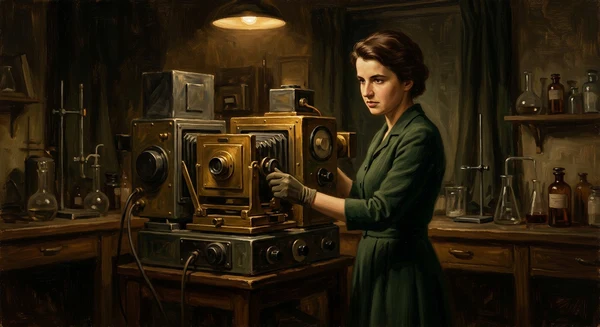
Rosalind Franklin
1920–1958 · Chemist & X-ray Crystallographer
Taking the photograph that revealed the double-helix structure of DNA.
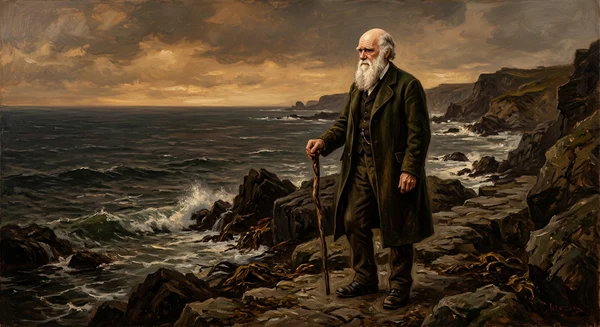
Charles Darwin
1809–1882 · Naturalist & Biologist
Proposing the theory of evolution by natural selection.
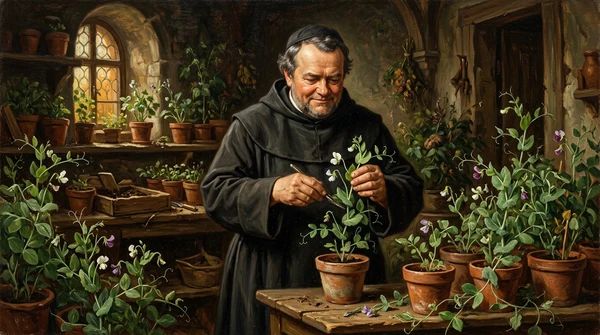
Gregor Mendel
1822–1884 · Biologist & Augustinian Friar
Discovered the fundamental laws of genetic inheritance by studying pea plants.
Articles about this scientist
Sources & references
Books and educational kits about James Watson coming soon