_(2).jpg)
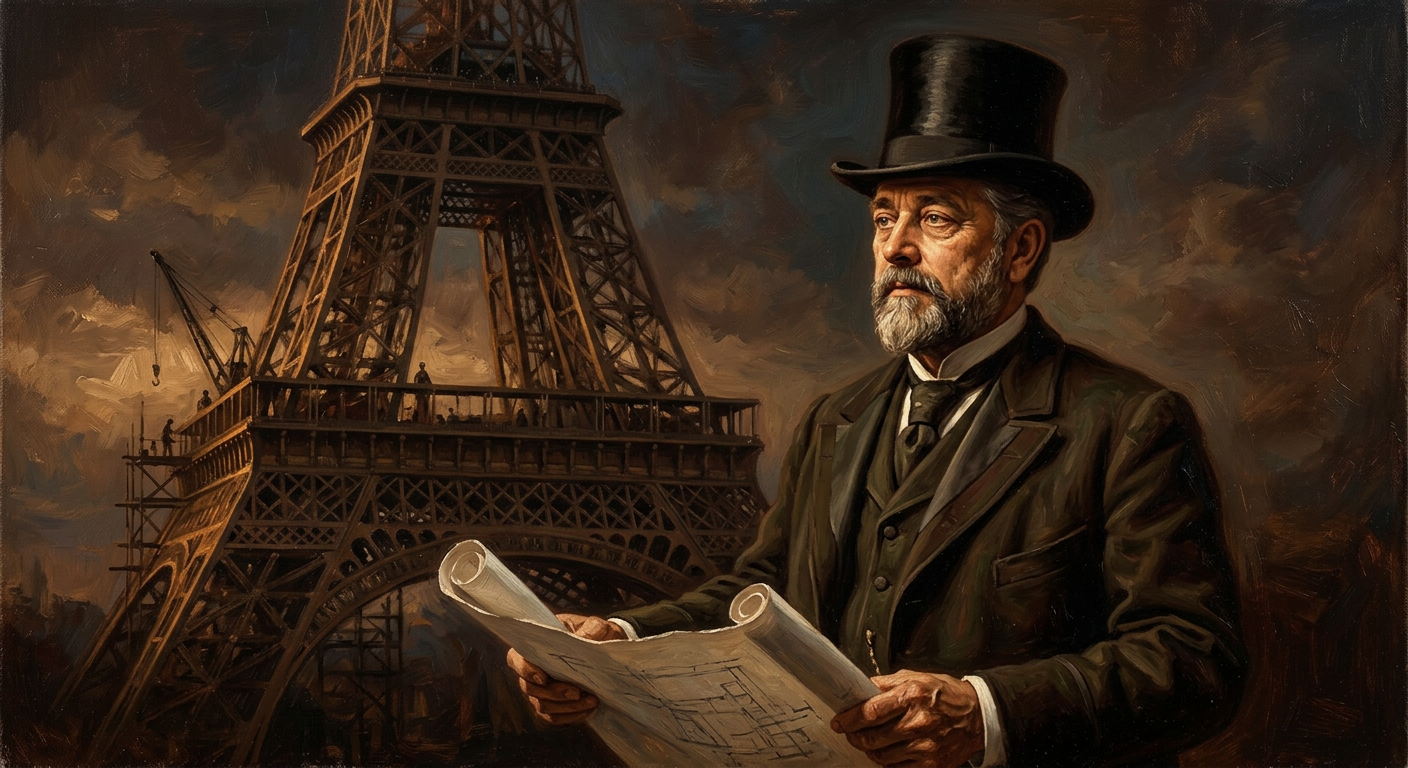
Gustave Eiffel
1832–1923 · Civil Engineer
Gustave Eiffel was a French engineer whose mastery of iron structures produced two of the most famous landmarks in the world: the Eiffel Tower and the skeleton of the Statue of Liberty.
“There is an attraction and a charm in the colossal that one can hardly escape.”
Eiffel also designed the locks of the Panama Canal, and his company built the structural framework for the Statue of Liberty, which stands on a pedestal he helped design.
Why is this scientist famous?
Designing the Eiffel Tower and the internal framework of the Statue of Liberty, and pioneering the use of iron in monumental architecture.
Gustave's story
From Dijon to Paris
Alexandre Gustave Eiffel was born in 1832 in Dijon, France, the son of a military administrator. His family name was originally Bonickhausen dit Eiffel, from a German ancestor who had settled in France. As a boy, Eiffel was bright but restless. He attended the Ecole Polytechnique entrance exams but did not place high enough, so he enrolled at the Ecole Centrale des Arts et Manufactures in Paris instead, where he studied chemistry and metallurgy. He graduated in 1855 at the age of twenty-three, just as France was entering a great era of railway building, and the young engineer found himself in the right place at the right time.
Bridges and Iron
Eiffel’s first major project was a railway bridge over the Garonne River in Bordeaux, where he pioneered a system of pumping compressed air into foundations underwater. The bridge was a triumph, and it launched his reputation as an engineer who could build structures that were both light and enormously strong. Over the next two decades, Eiffel’s company designed bridges, viaducts, and railway stations across Europe and beyond. He developed a design philosophy that relied on sophisticated mathematical calculations to minimise the amount of material needed while maximising strength. His structures were known for their lightness, grace, and economy, qualities that seemed almost contradictory in the heavy iron of the Industrial Age.
The Tower That Changed Paris
In 1884, the French government announced a competition to design a centrepiece for the 1889 Universal Exposition in Paris, which would mark the 100th anniversary of the French Revolution. Eiffel’s company proposed a wrought-iron tower 300 metres tall, nearly twice the height of any structure ever built. The design was radical and controversial. Artists and writers signed petitions calling it a hideous monstrosity that would ruin Paris. But Eiffel won the competition and began construction in 1887. Using 18,000 individual iron pieces and 2.5 million rivets, he completed the tower in just two years, two months, and five days, an astonishing feat of precision engineering. Every piece was prefabricated in his workshops and assembled on site with millimetre accuracy. When it was finished, the Eiffel Tower was the tallest structure in the world.
Liberty, Panama, and Aerodynamics
Eiffel’s achievements went beyond his famous tower. In 1881, his company had built the internal iron framework for the Statue of Liberty, which was being assembled in France and shipped to New York. Eiffel designed a flexible iron skeleton that allowed the copper skin to expand and contract in temperature changes without cracking. He also designed the locks for the Panama Canal, though the project became mired in a financial scandal that briefly landed him in prison before he was cleared of wrongdoing. In his later years, Eiffel turned to aerodynamics, building a wind tunnel at the foot of his tower and studying how air flows around structures. He died in Paris in 1923, having lived long enough to see his once-reviled tower become the beloved symbol of France.
What did they discover?
The Eiffel Tower
Eiffel designed and built the 300-metre wrought-iron tower for the 1889 Paris Universal Exposition, the tallest structure in the world at the time and a masterpiece of precision engineering.
Statue of Liberty Framework
Eiffel designed the internal iron skeleton of the Statue of Liberty, creating a flexible structure that lets the copper skin withstand wind and temperature changes without cracking.
Portable Bridge Designs
Eiffel developed prefabricated iron bridges that could be transported and assembled quickly, making railway construction possible across difficult terrain in Europe and the colonies.
Aerodynamic Research
In his later years, Eiffel built a wind tunnel at the base of his tower and pioneered the study of aerodynamics, contributing to early aircraft design.
Amazing facts
Eiffel’s family name was originally Bonickhausen dit Eiffel, from a German ancestor who migrated to France in the early 1700s.
The Eiffel Tower was built with 18,000 individual iron pieces and 2.5 million rivets, and was completed in just two years, two months, and five days.
Eiffel built a wind tunnel at the foot of the Eiffel Tower and became a pioneer of aerodynamics, testing models that influenced early aviation design.
He designed the locks for the Panama Canal, though a financial scandal around the project led to his brief imprisonment before he was cleared of charges.
When the Eiffel Tower was completed in 1889, it was nearly twice as tall as any other structure ever built by humans.
Eiffel’s company prefabricated every iron piece for the tower in his workshops and assembled them on site with millimetre accuracy, an approach that was revolutionary for its time.
Timeline
Born in Dijon, France
Graduated from the Ecole Centrale des Arts et Manufactures in Paris
Completed his first major bridge over the Garonne River in Bordeaux
Founded his own engineering and construction company
Designed the internal iron framework for the Statue of Liberty
Began construction of the Eiffel Tower in Paris
Completed the Eiffel Tower for the Paris Universal Exposition
Built a wind tunnel at the base of the Eiffel Tower for aerodynamic research
Died in Paris, age 91
Awards & honours
Related Super Scientists
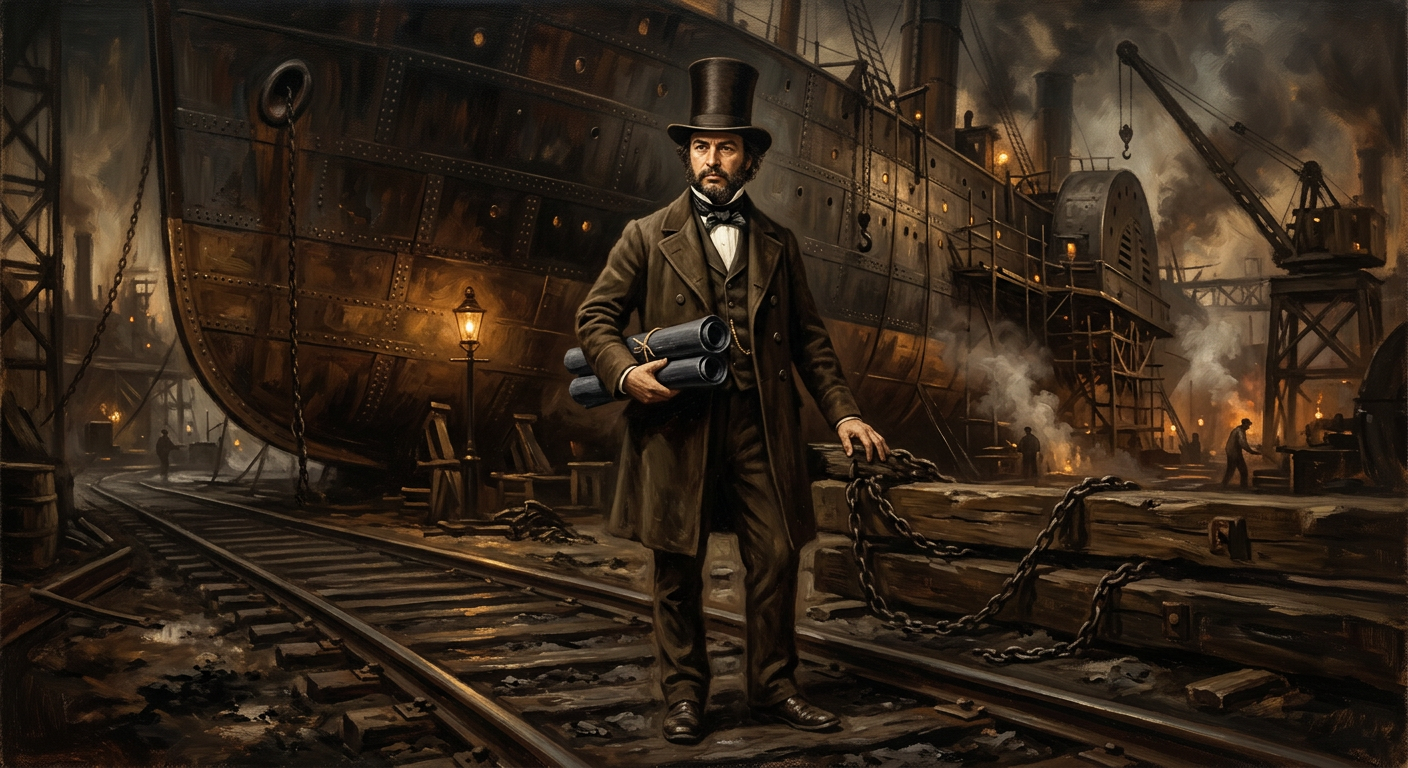
Isambard Kingdom Brunel
1806–1859 · Civil and Marine Engineer
The visionary engineer who built the Great Western Railway and the world's largest steamships, reshaping Victorian Britain's transport network.
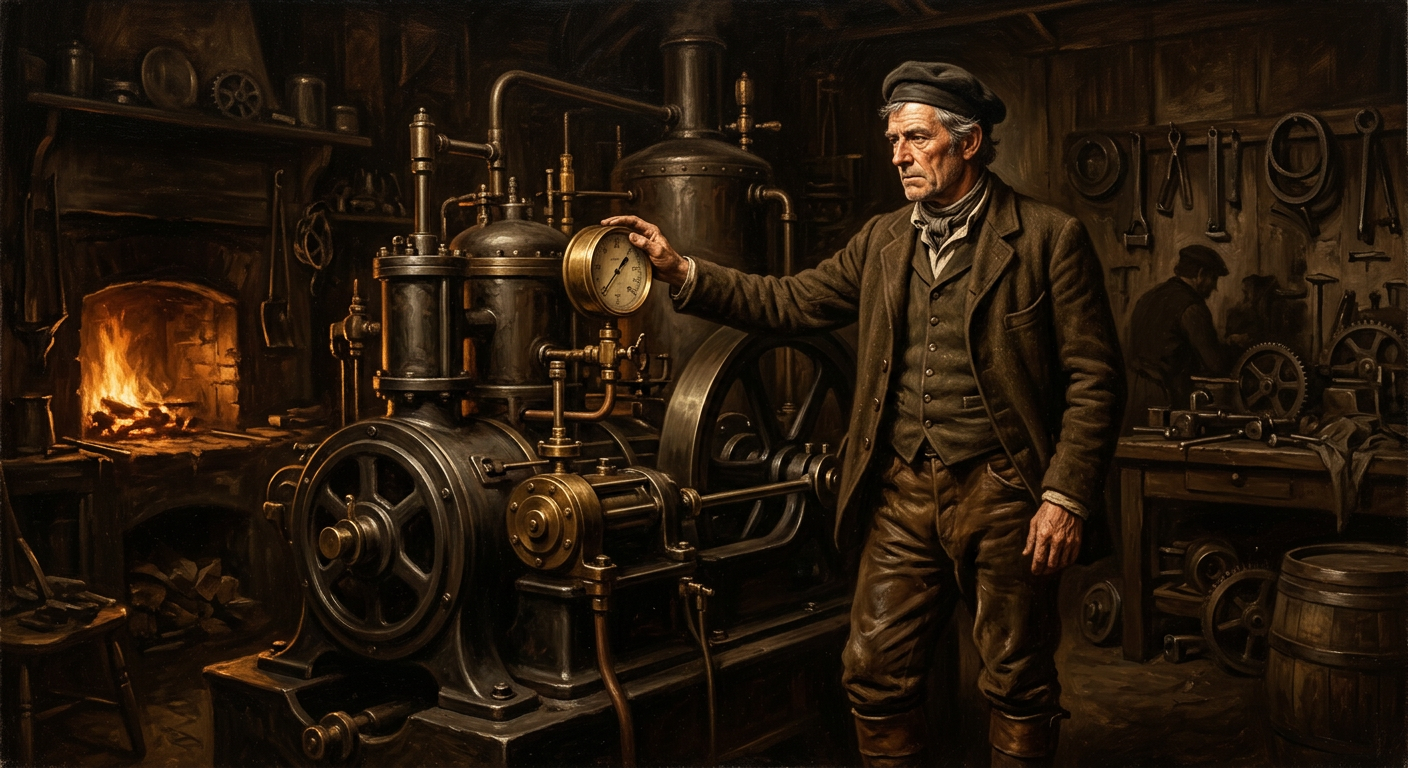
James Watt
1736–1819 · Engineer & Inventor
Improving the steam engine so dramatically that his work powered the Industrial Revolution.
Nikola Tesla
1856–1943 · Inventor & Engineer
Pioneering alternating current (AC) electricity and numerous electrical inventions.
Sources & references
Books and educational kits about Gustave Eiffel coming soon