_(2).jpg)
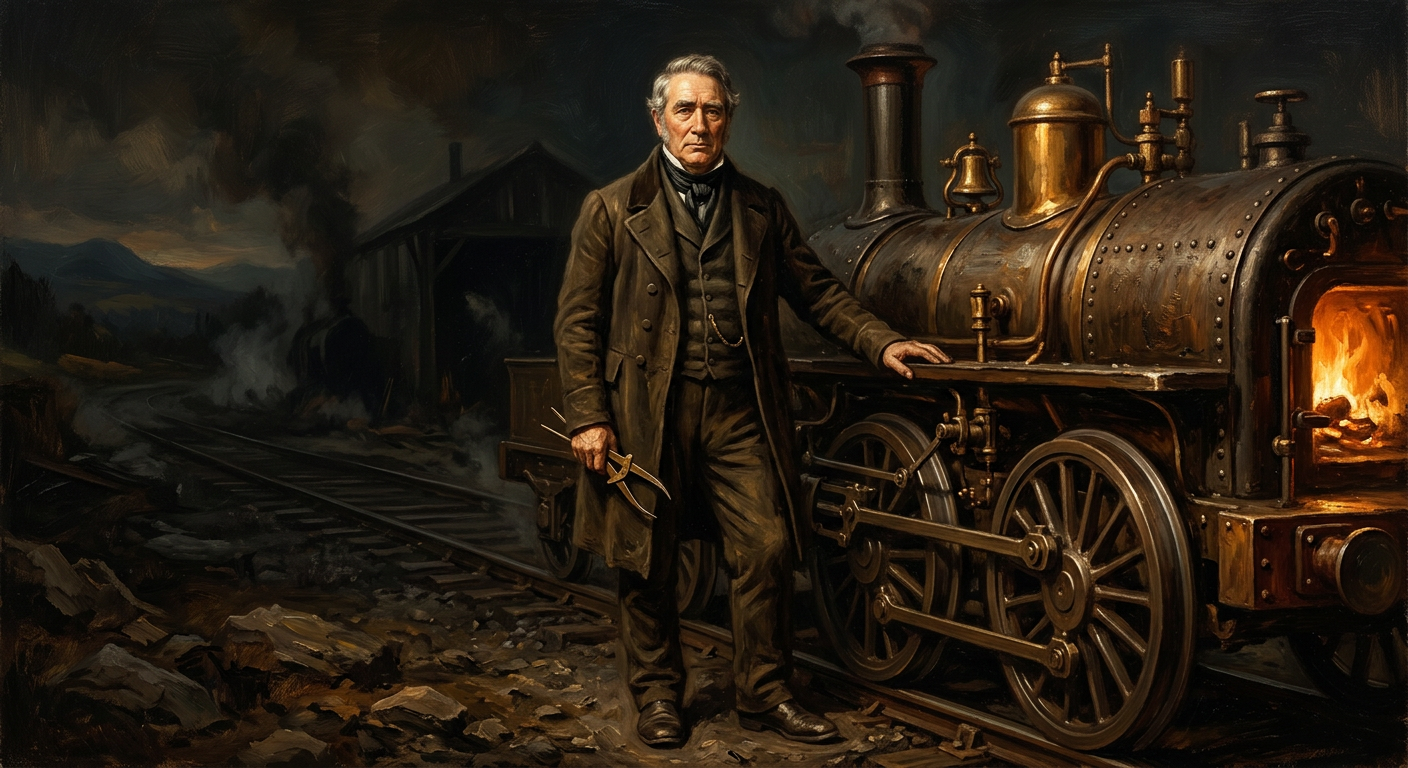
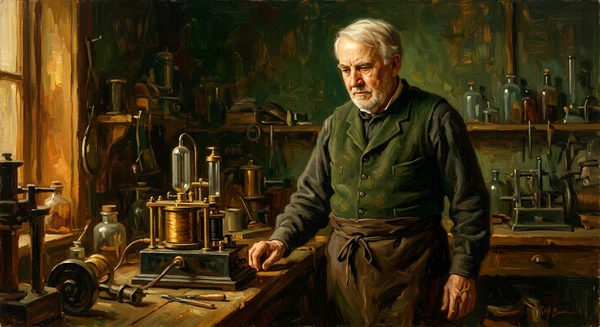
George Stephenson
1781–1848 · Engineer and Inventor
A coal miner's son who could not read until he was 18, yet became the engineer who put the world on rails and launched the age of steam travel.
“I am not aware that any man's life has ever been made better or happier by my endeavours, but I am proud to think that many have been made more comfortable.”
Stephenson could not read or write until he was 18 years old. He paid 4 pence a week for night classes to learn literacy while working as a colliery engine-man.
Why is this scientist famous?
The father of the railways who built the first public passenger steam locomotive line and designed the famous Rocket.
Stephenson built the first practical steam locomotive, launching the railway age. Trains shrunk the world, made travel affordable for ordinary people, and connected cities and countries. The idea of mass public transportation — from subways to high-speed rail — began with his steam engines chugging along tracks at what was then a thrilling 24 km/h.
George's story
The Colliery Boy
George Stephenson was born on 9 June 1781 in Wylam, Northumberland, a small village near Newcastle upon Tyne. His father was a fireman at the Wylam Colliery, responsible for pumping water out of the coal mine. The family was so poor that George had to start work at the mine at age 8, driving a gin horse that hauled coal tubs. At 14 he became an assistant fireman alongside his father. He could not read or write — in the mining communities of 18th-century England, education was a luxury few could afford. At 17, he heard about a job that required reading and realised he needed to change. At 18, he enrolled in night school, paying four pence a week to learn his letters alongside children half his age.
Engines and Innovation
By his early twenties, Stephenson had risen to become an engineman at Killingworth Colliery. He learned how stationary steam engines worked by taking them apart and putting them back together. When the mine''s engine broke down, the regular mechanic was away, and Stephenson repaired it himself. His reputation grew. He was soon promoted to engine-wright, responsible for all the machinery at the colliery. He began experimenting with building his own steam locomotives to haul coal from the mine to the river. His first locomotive, the Blucher (1814), could haul 30 tons of coal up a hill at 4 miles per hour — not fast, but revolutionary. It was the first steam locomotive to run on rails using flanged wheels.
The Stockton and Darlington Railway
In 1821, Stephenson was appointed to survey and build a railway from the collieries near Shildon to the port of Stockton. He convinced the investors to use steam locomotives instead of horses. On 27 September 1825, his locomotive Locomotion No. 1 hauled the first public passenger steam railway in history, carrying 450 passengers at up to 15 miles per hour from Shildon to Stockton. The crowd was astounded. People lined the route, cheering and waving. A man on horseback tried to keep up but was left behind. The age of rail travel had begun. Stephenson had gone from an illiterate coal miner''s son to the man who put the world on rails.
The Rainhill Trials and Rocket
In 1829, the Liverpool and Manchester Railway — the first intercity railway — needed a locomotive. The directors organised a competition: the Rainhill Trials. Five engines entered, but only three showed up. Stephenson''s entry, the Rocket, designed with his son Robert, was the clear winner. It reached an astonishing 36 miles per hour — faster than a galloping horse. The Rocket incorporated two crucial innovations: a multi-tubular boiler (many small tubes instead of one large one, which dramatically increased heating surface) and a blast pipe that used exhaust steam to create a stronger draft. These two features made the Rocket the template for every steam locomotive that followed for the next 150 years.
The Father of the Railways
After the Liverpool and Manchester Railway opened in 1830, Stephenson became the most sought-after engineer in Britain. He surveyed and advised on railways across the country and beyond. His son Robert became an equally distinguished engineer, designing bridges and railways. Together, the Stephensons built much of Britain''s railway network and exported their expertise to Europe and America. George became a wealthy man and used his money to improve the lives of miners and workers. He established schools, supported mechanics'' institutes, and funded night classes for working men — the same kind of class that had taught him to read. He died on 12 August 1848 at his country estate in Derbyshire, aged 67, having witnessed the birth of an industry he had created from nothing.
What did they discover?
The First Public Passenger Railway
His Locomotion No. 1 hauled the first public passenger steam railway in history on 27 September 1825 on the Stockton and Darlington Railway, launching the age of rail travel.
The Rocket and the Rainhill Trials
His locomotive Rocket won the 1829 Rainhill Trials at 36 miles per hour, incorporating the multi-tubular boiler and blast pipe that became the template for all steam locomotives for the next 150 years.
Standard Gauge Railway
The track width he established — 4 feet 8.5 inches — became the standard gauge for railways worldwide and remains the most common track width on Earth.
The Liverpool and Manchester Railway
He built the first intercity railway in 1830, connecting Liverpool and Manchester and proving that steam railways could be fast, reliable, and profitable.
Amazing facts
He could not read or write until he was 18 years old, learning his letters at night school alongside young children.
He started work at 8 years old driving a gin horse that hauled coal tubs in a Northumberland mine.
His locomotive Rocket reached 36 miles per hour at the 1829 Rainhill Trials — faster than a galloping horse.
He established the standard railway gauge of 4 feet 8.5 inches, which is still used on most railways in the world today.
He built the first public passenger railway line in history, from Shildon to Stockton in 1825.
After becoming wealthy, he funded schools and night classes for working men — the same kind of class that had taught him to read.
Timeline
Born in Wylam, Northumberland, England, the son of a colliery fireman
Began work at Wylam Colliery at age 8, driving a gin horse to haul coal tubs
Enrolled in night school at age 18 to learn reading and writing, paying four pence a week
Became engine-wright at Killingworth Colliery, responsible for all mine machinery
Built his first steam locomotive, the Blucher, to haul coal at Killingworth
Appointed engineer to survey and build the Stockton and Darlington Railway
Locomotion No. 1 hauled the first public passenger steam railway on 27 September
Rocket won the Rainhill Trials at 36 miles per hour, becoming the template for all future steam locomotives
The Liverpool and Manchester Railway opened — the first intercity railway in the world
Died at his country estate in Derbyshire, aged 67
Awards & honours
Related Super Scientists
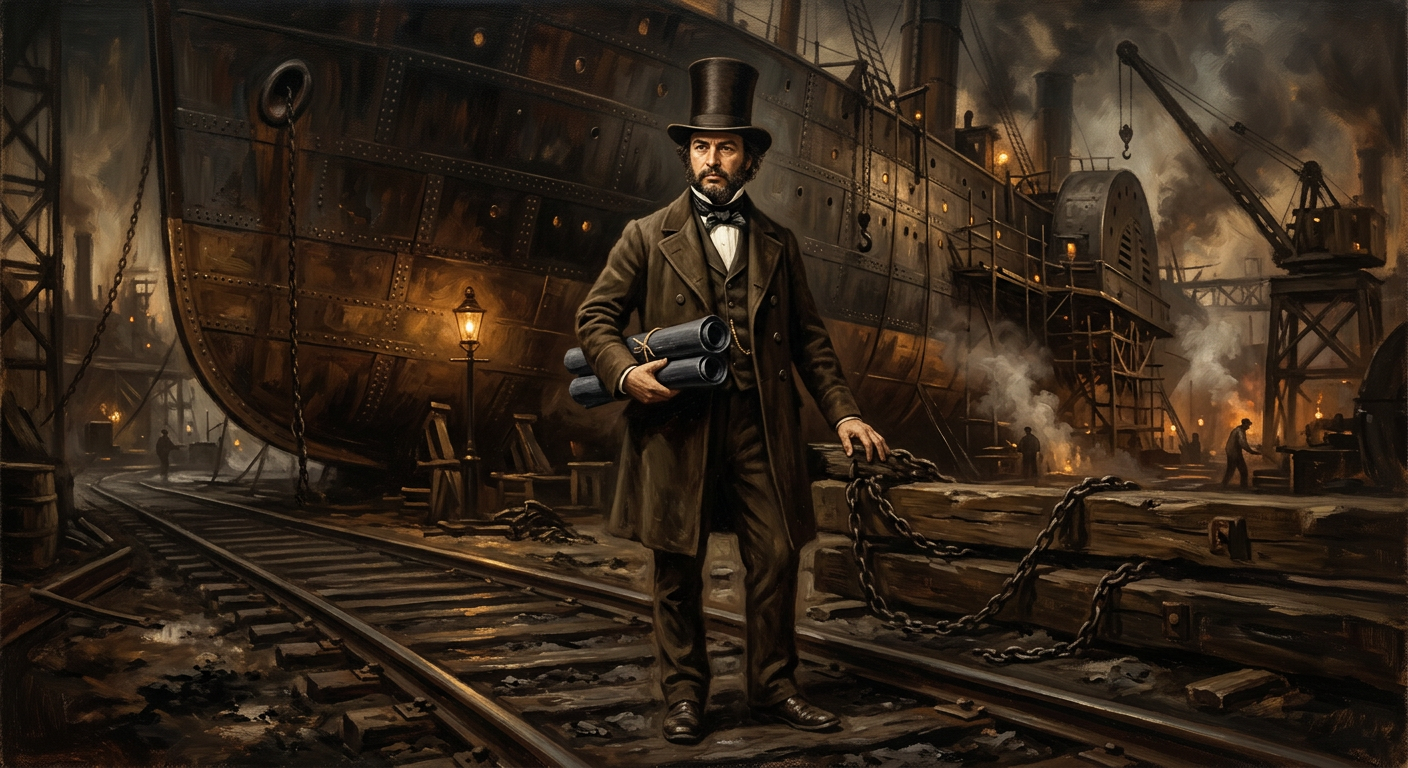
Isambard Kingdom Brunel
1806–1859 · Civil and Marine Engineer
The visionary engineer who built the Great Western Railway and the world's largest steamships, reshaping Victorian Britain's transport network.
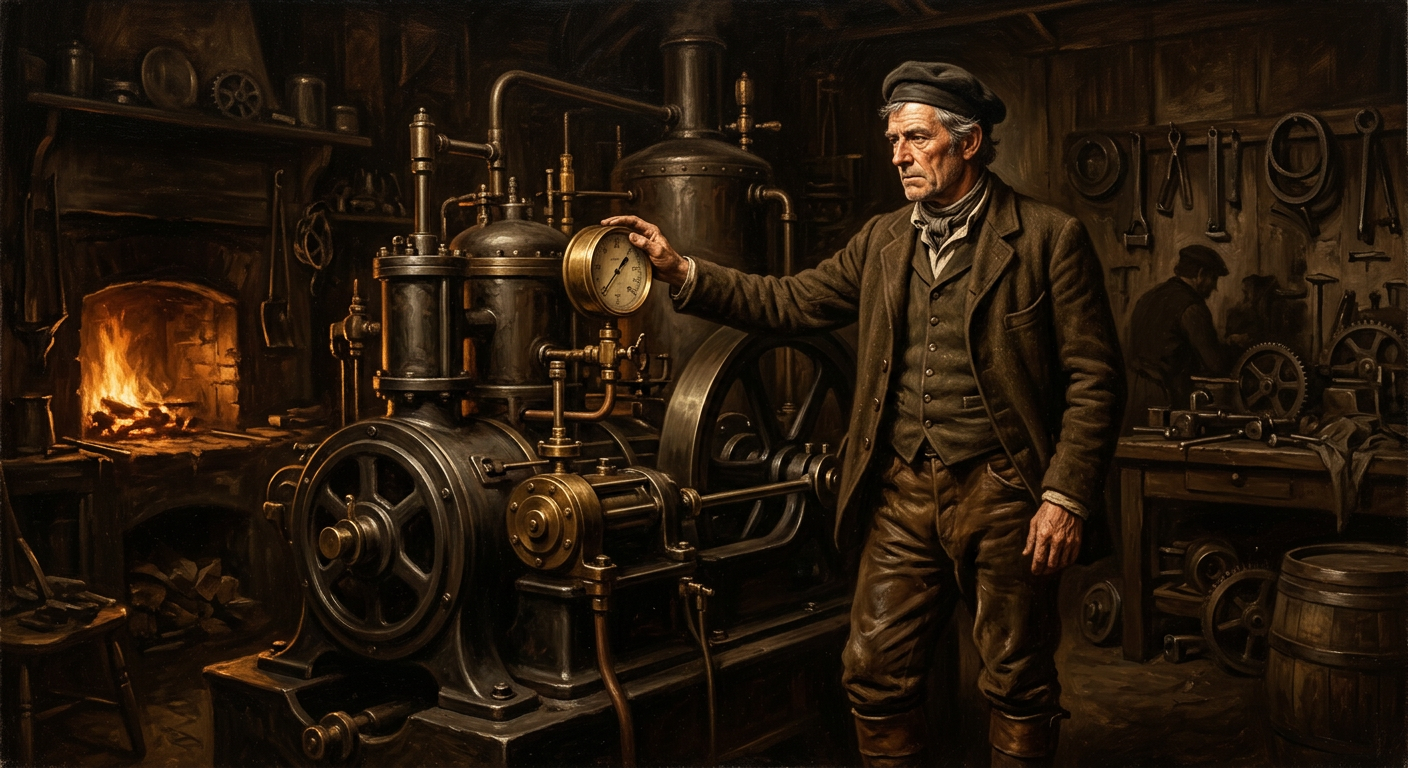
James Watt
1736–1819 · Engineer & Inventor
Improving the steam engine so dramatically that his work powered the Industrial Revolution.
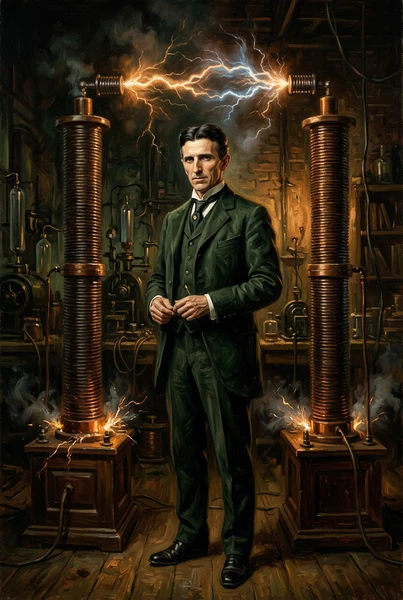
Nikola Tesla
1856–1943 · Inventor & Engineer
Pioneering alternating current (AC) electricity and numerous electrical inventions.
Sources & references
Books and educational kits about George Stephenson coming soon